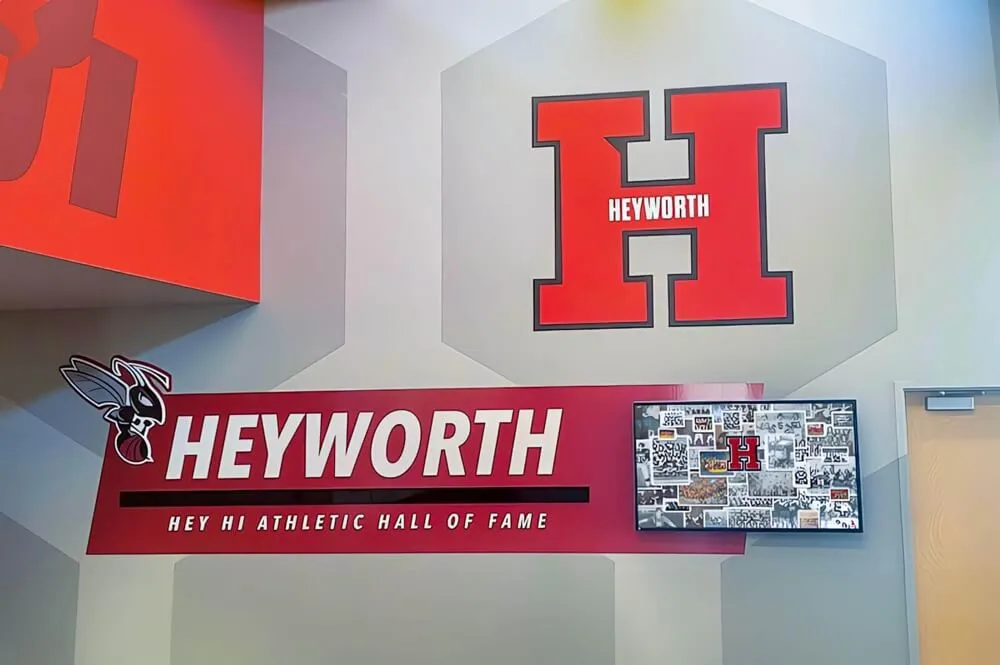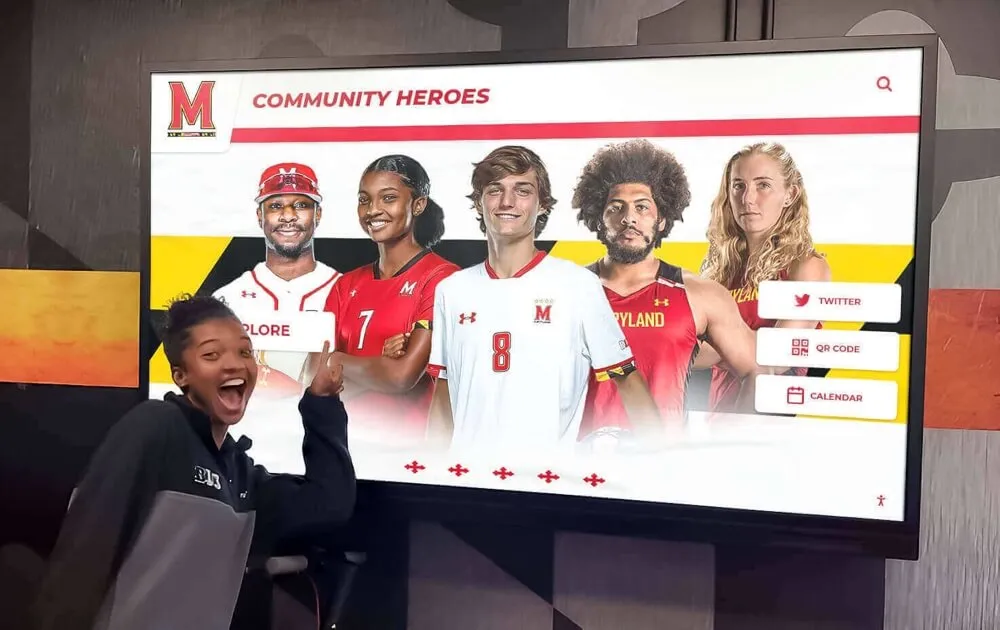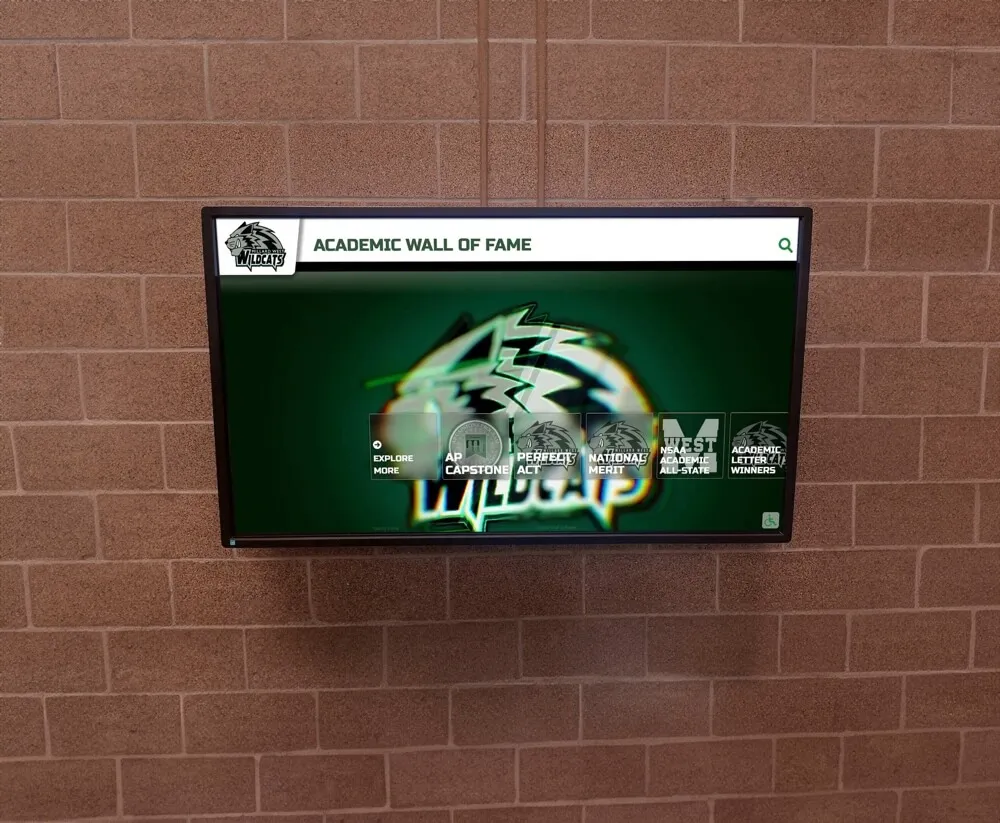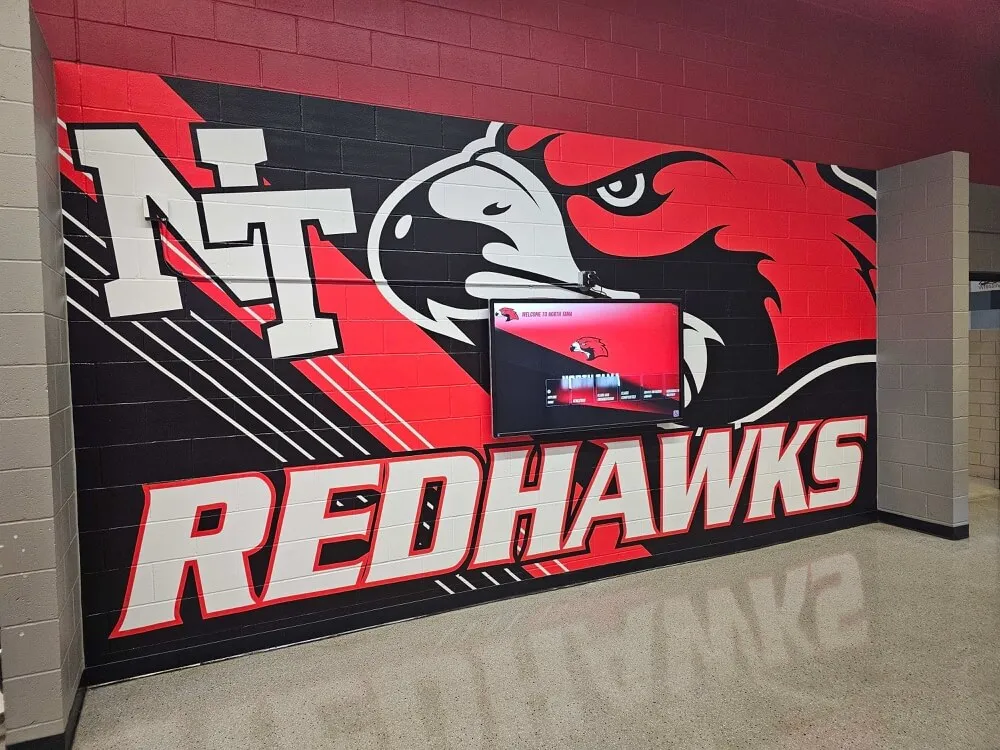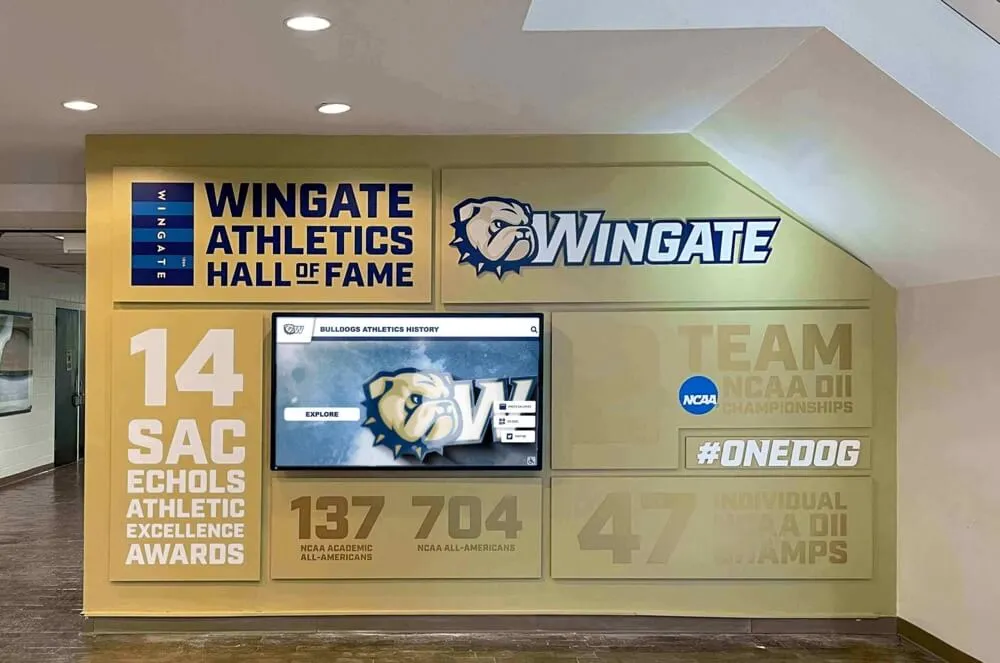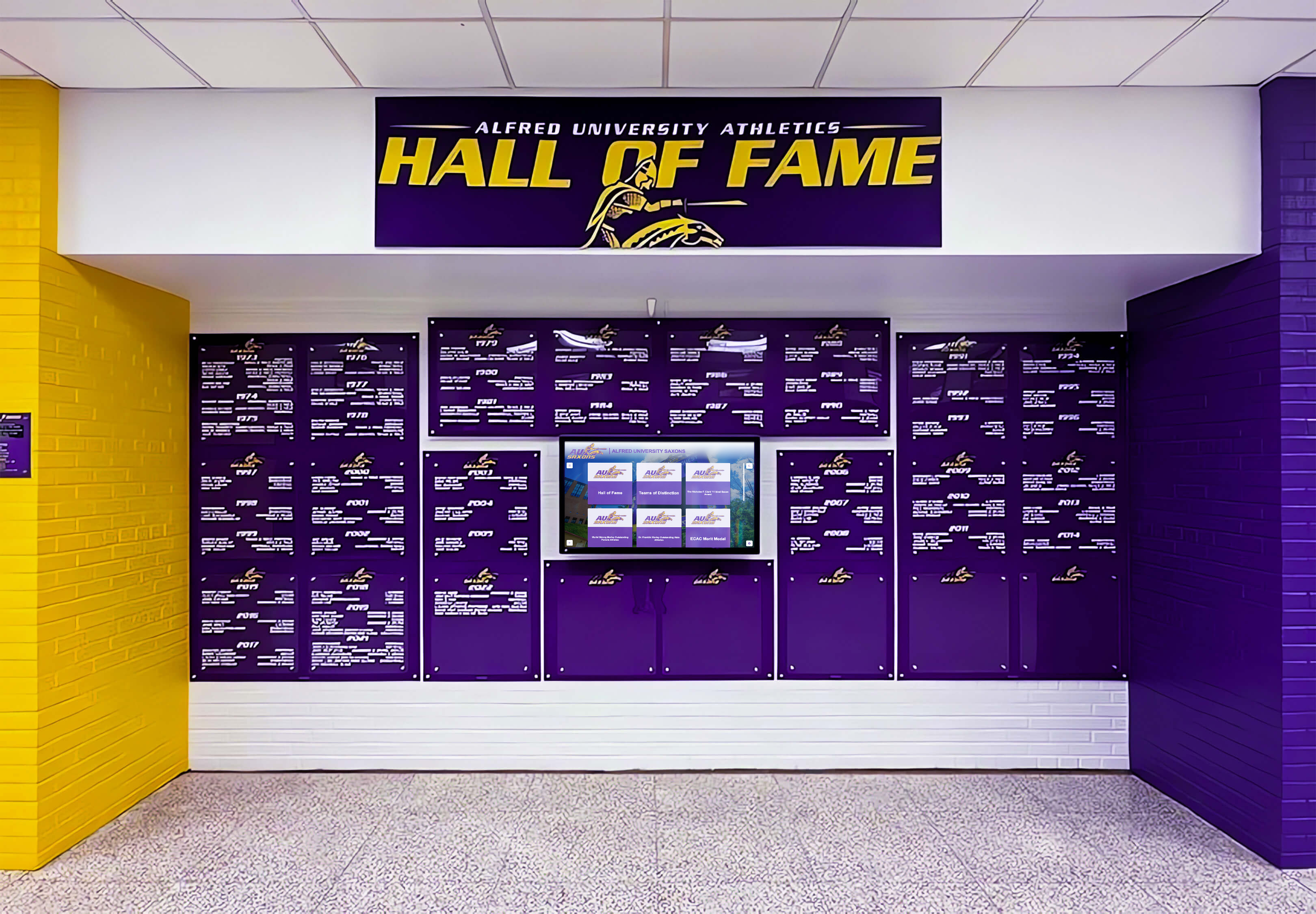




School athletic programs build traditions spanning decades, producing generations of talented athletes whose accomplishments deserve permanent recognition. Athletic halls of fame serve as institutional memory systems preserving competitive achievements, celebrating individual excellence, inspiring current athletes, and connecting alumni to programs that shaped their character and skills. Yet establishing and maintaining effective halls of fame requires systematic administrative planning addressing selection criteria, nomination procedures, induction ceremonies, physical or digital display implementation, and sustainable long-term management.
Athletic directors, principals, and school administrators face practical questions when launching or improving hall of fame programs: What selection criteria ensure fairness while maintaining meaningful standards? How do nomination processes balance staff input with community participation? Should recognition prioritize individual athletes, teams, coaches, or contributors? What display approaches create engaging visibility without consuming limited space or requiring constant manual updates? How do schools preserve athletic history systematically rather than losing records and artifacts to time?
Modern Athletic Recognition Systems for Administrators
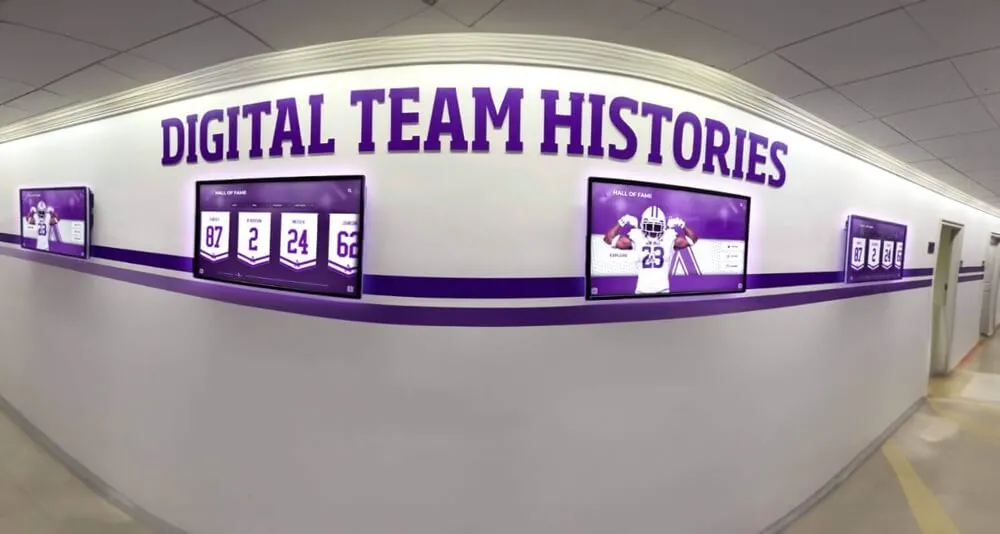
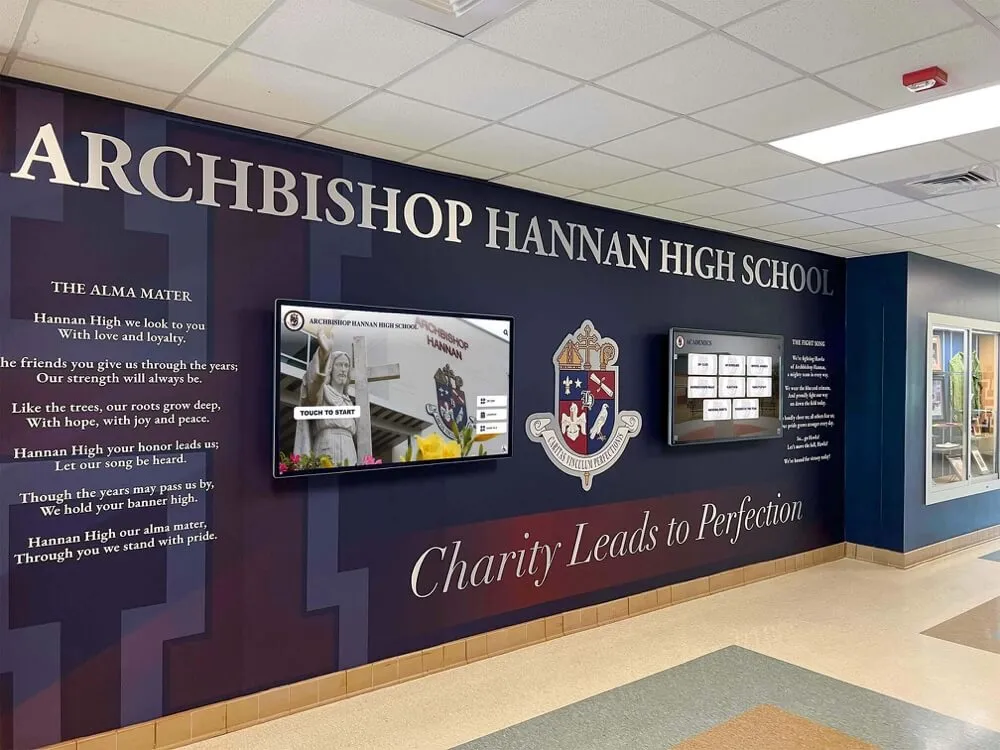
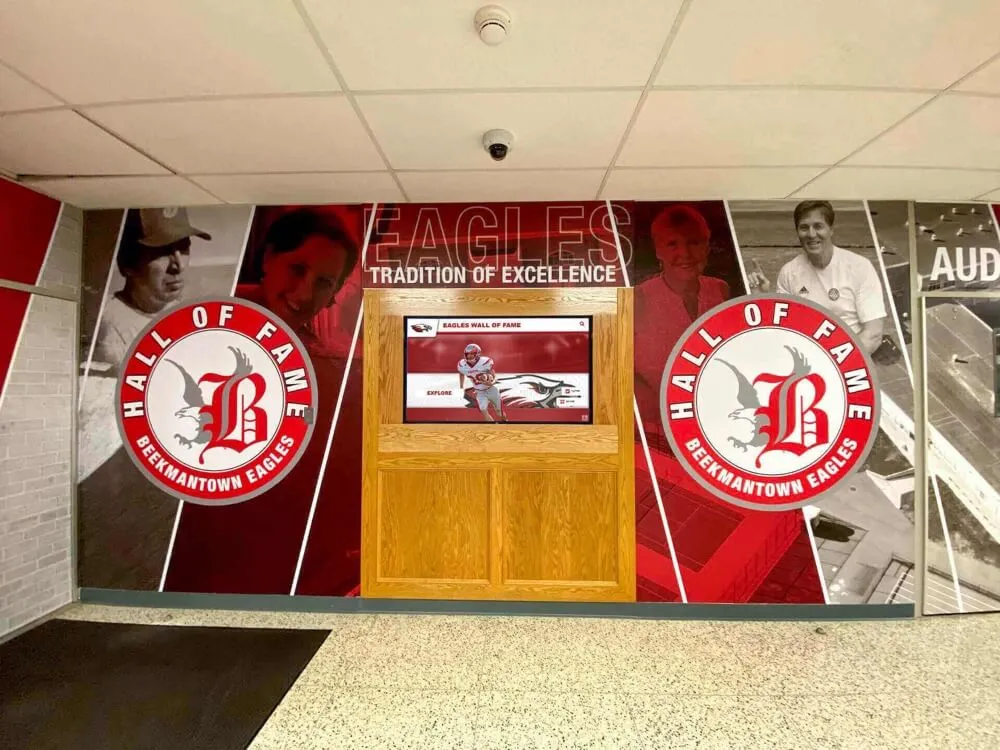
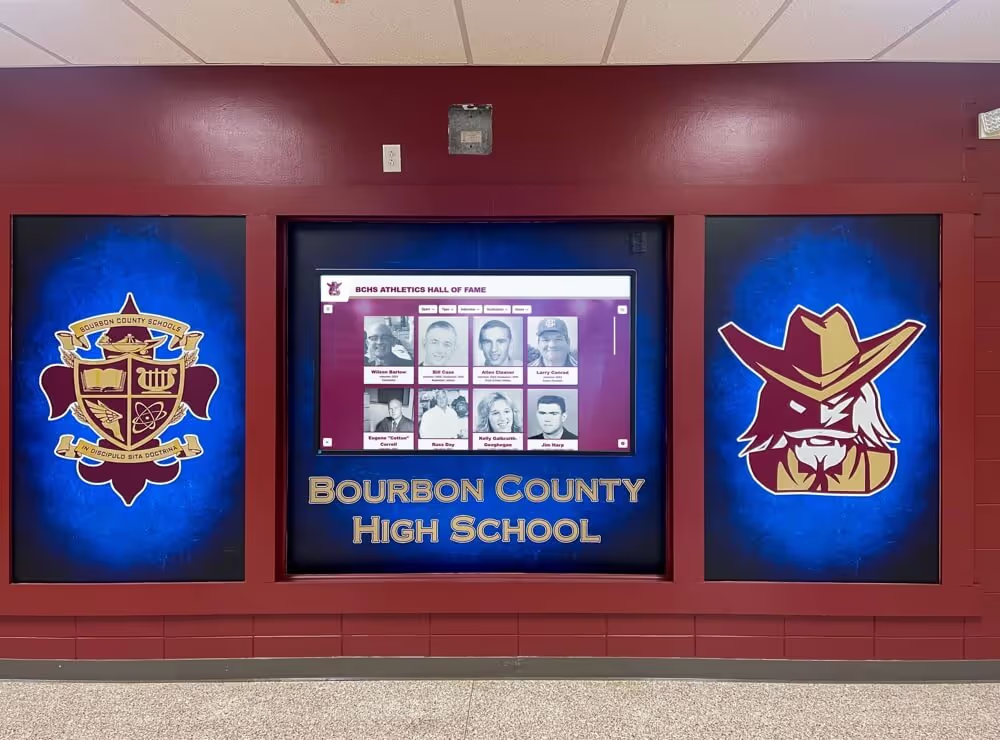
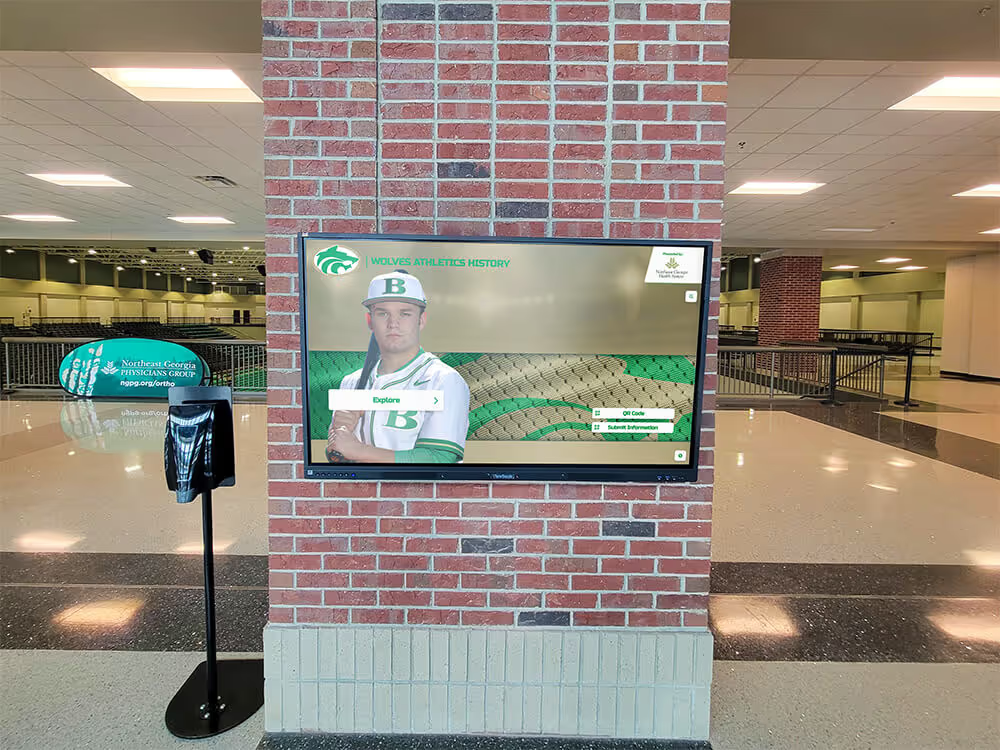
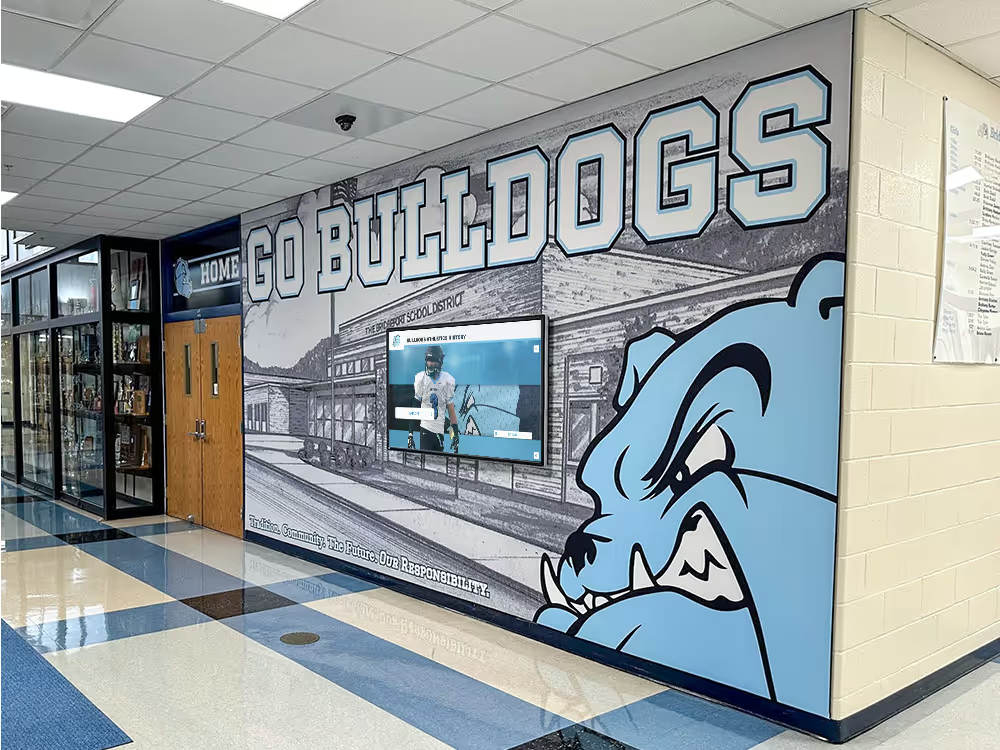
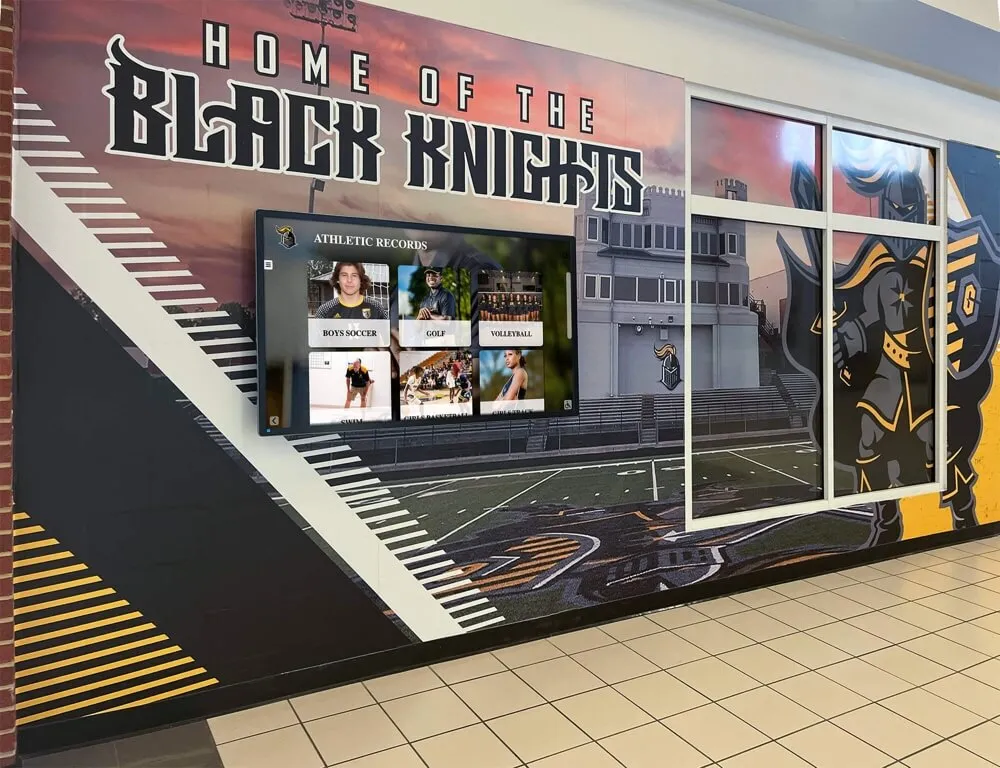
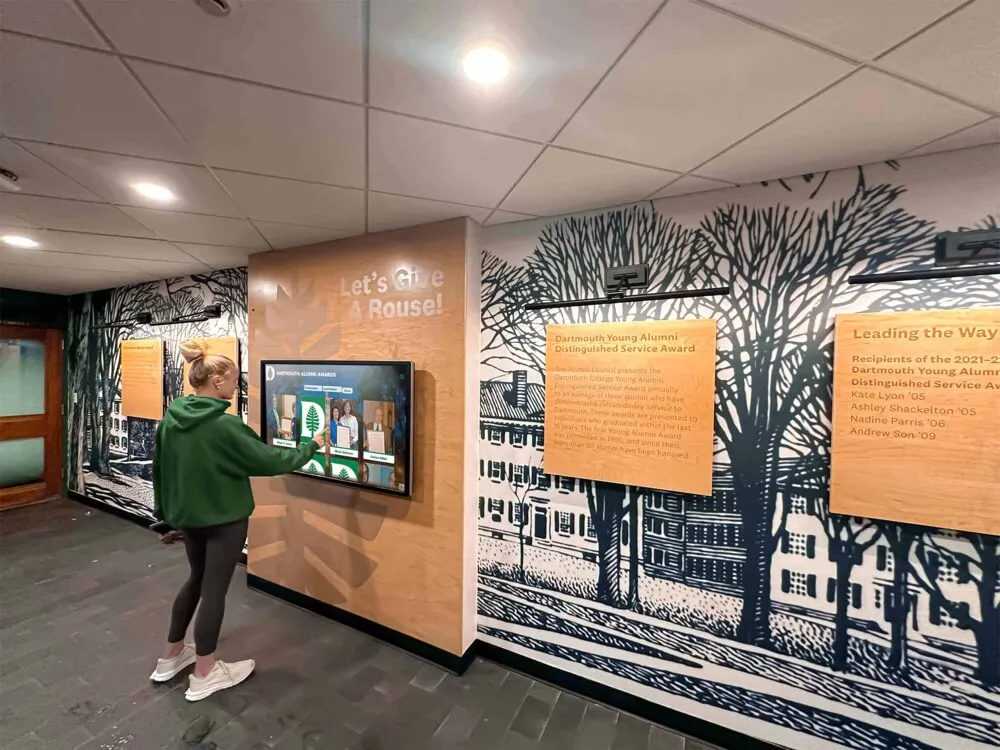
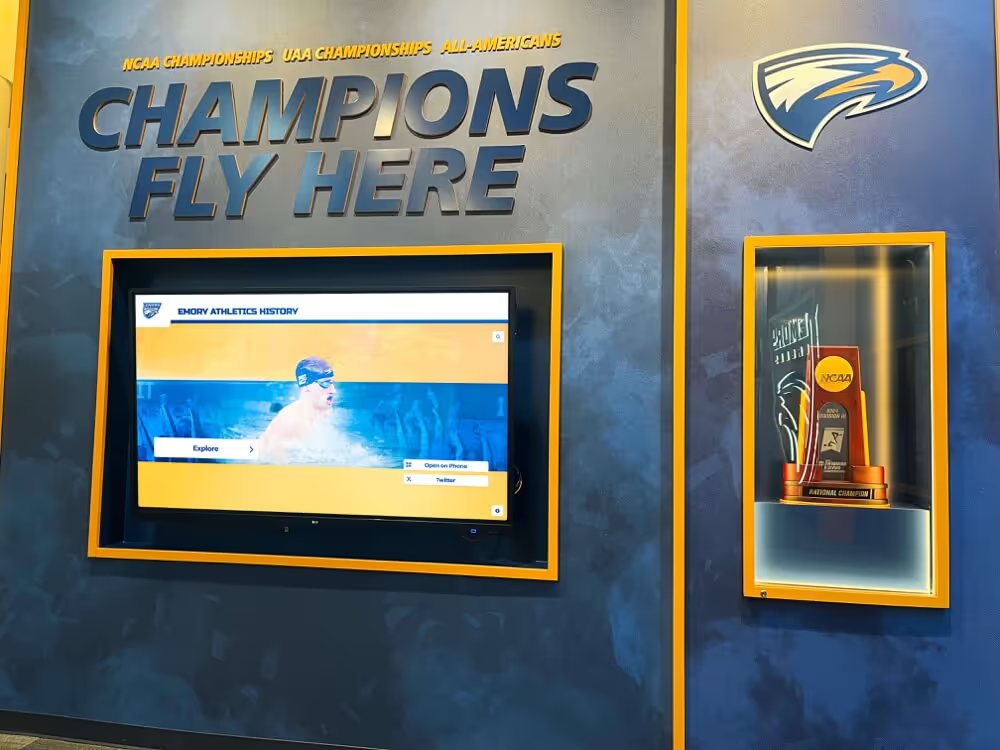
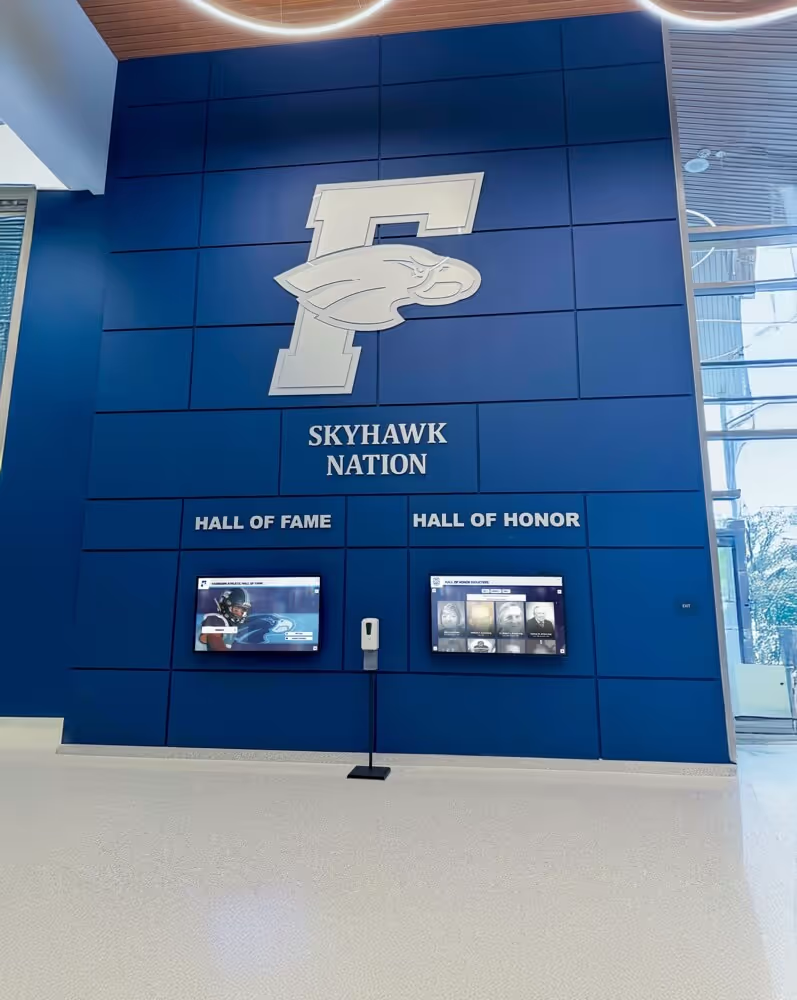
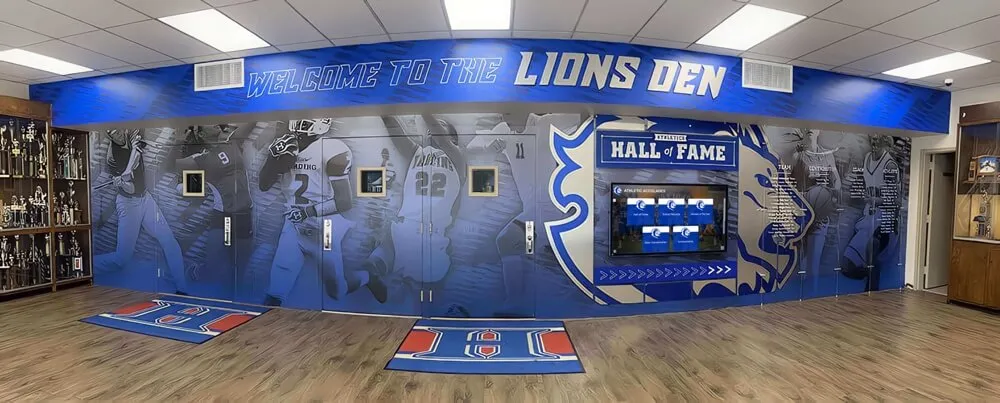
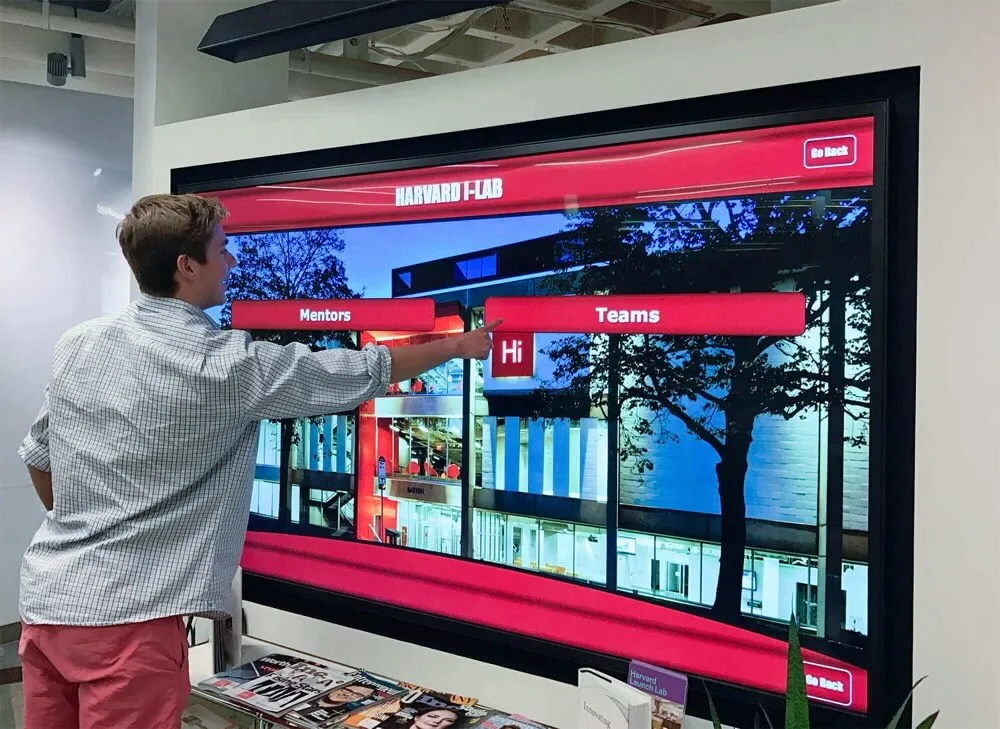
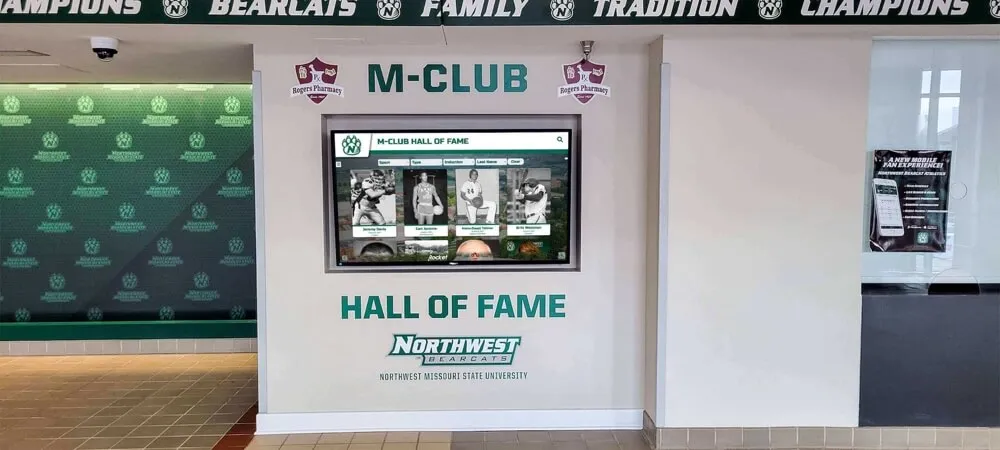
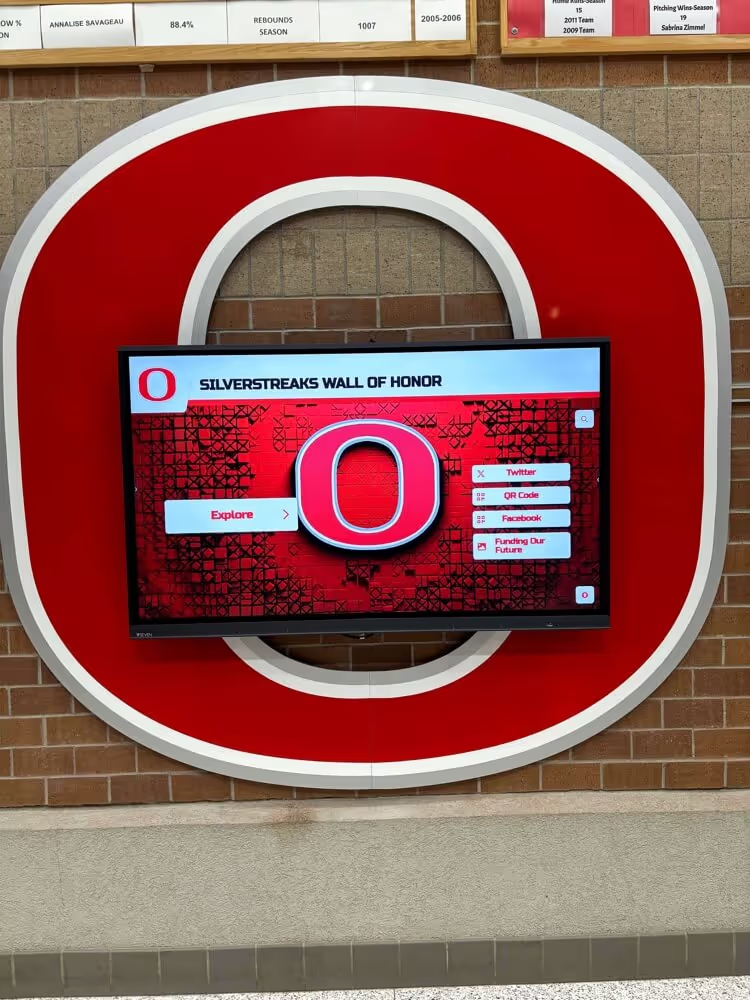
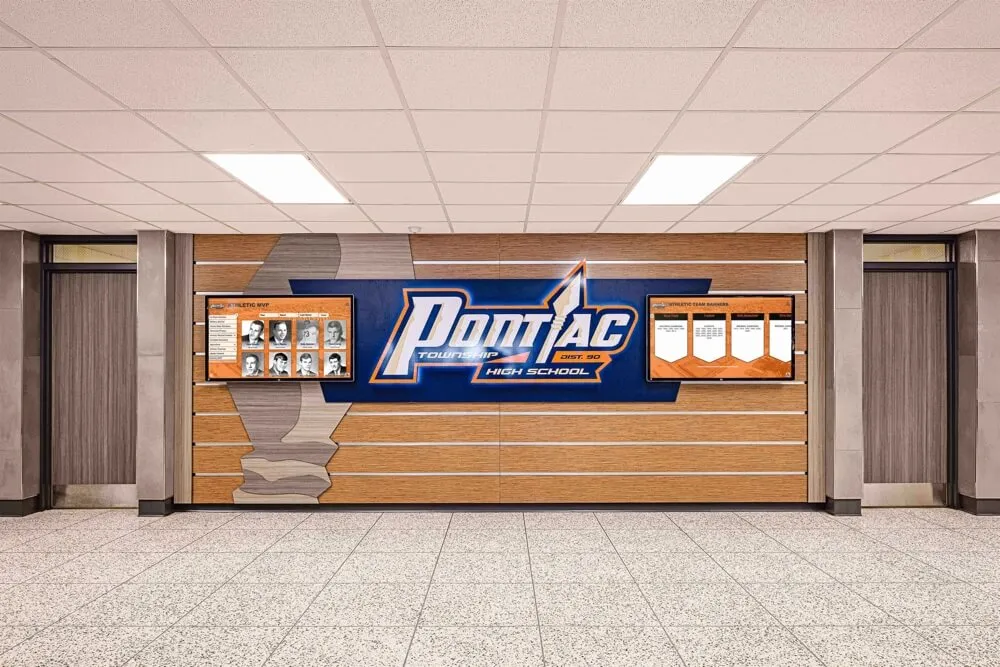
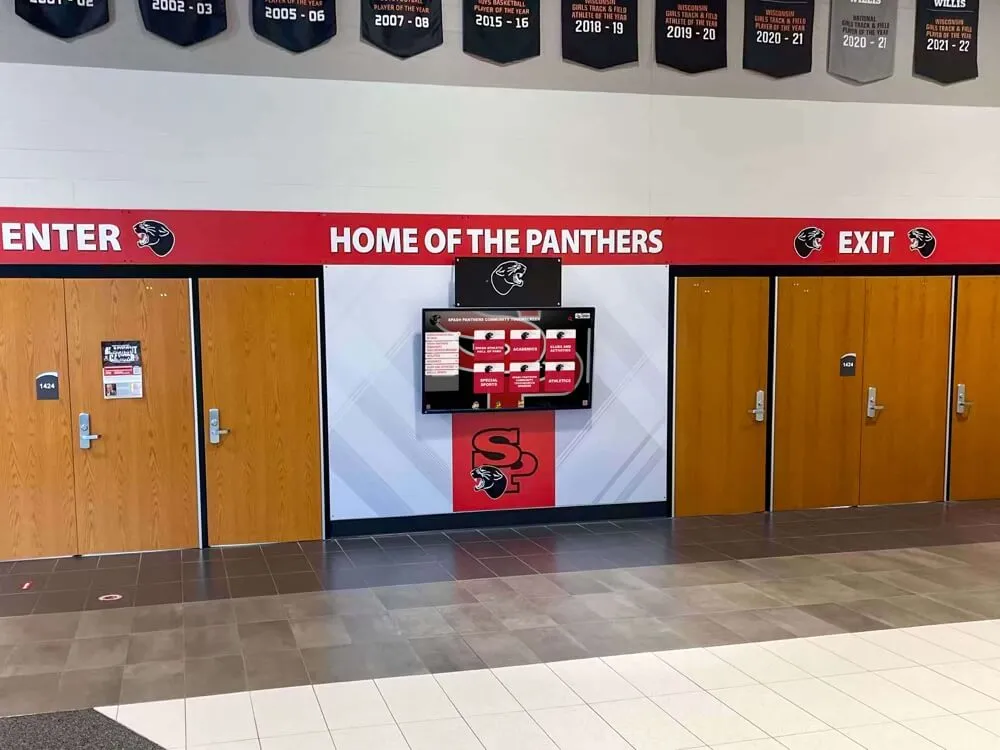
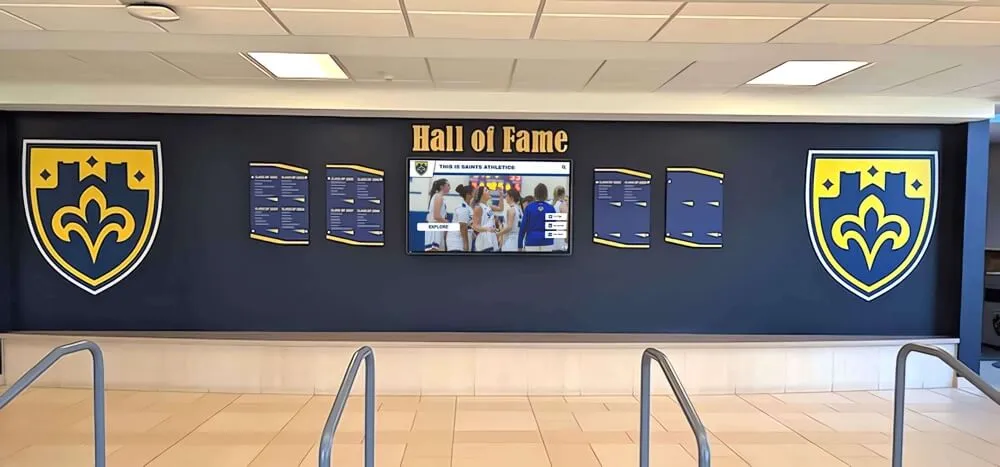
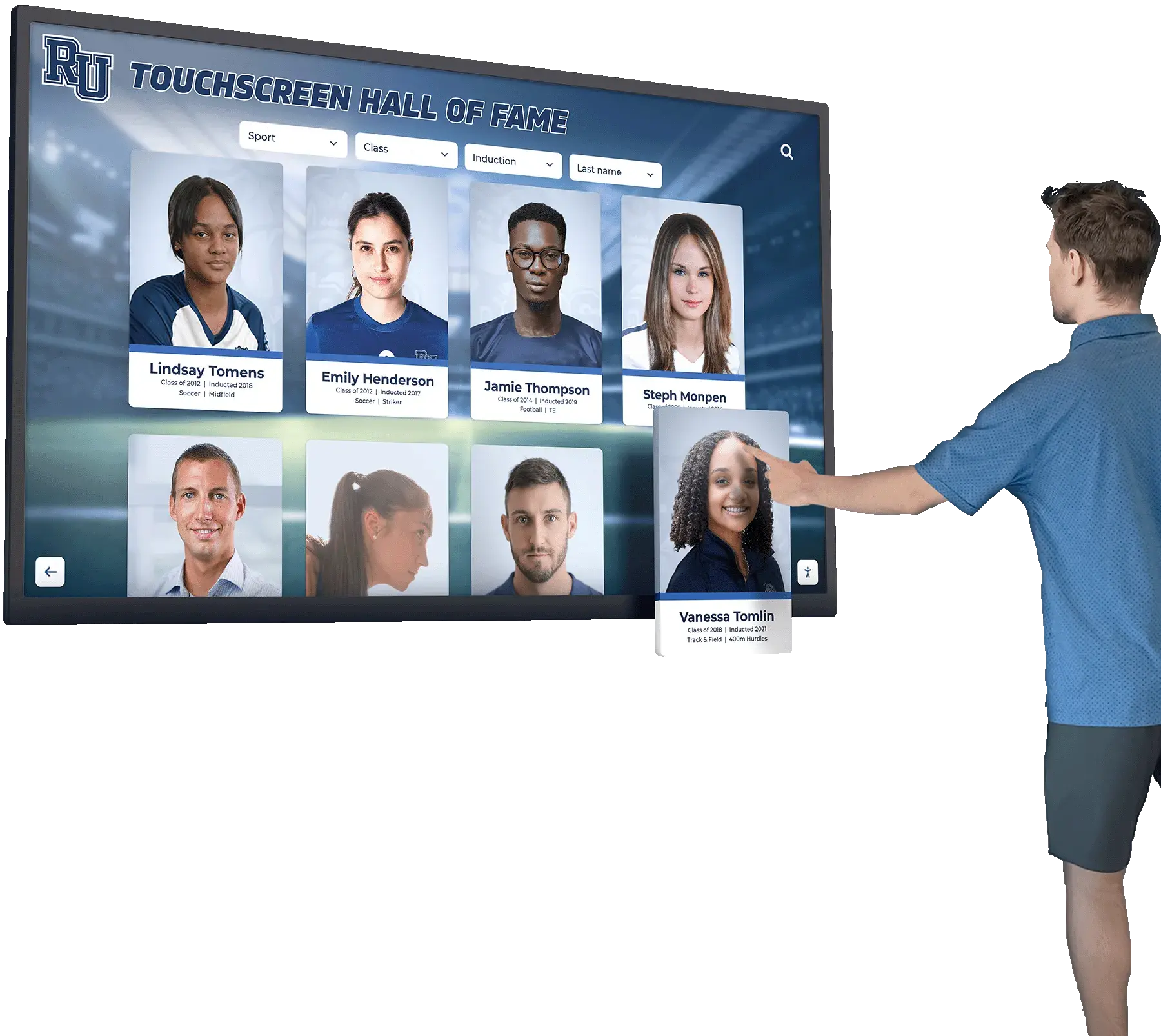
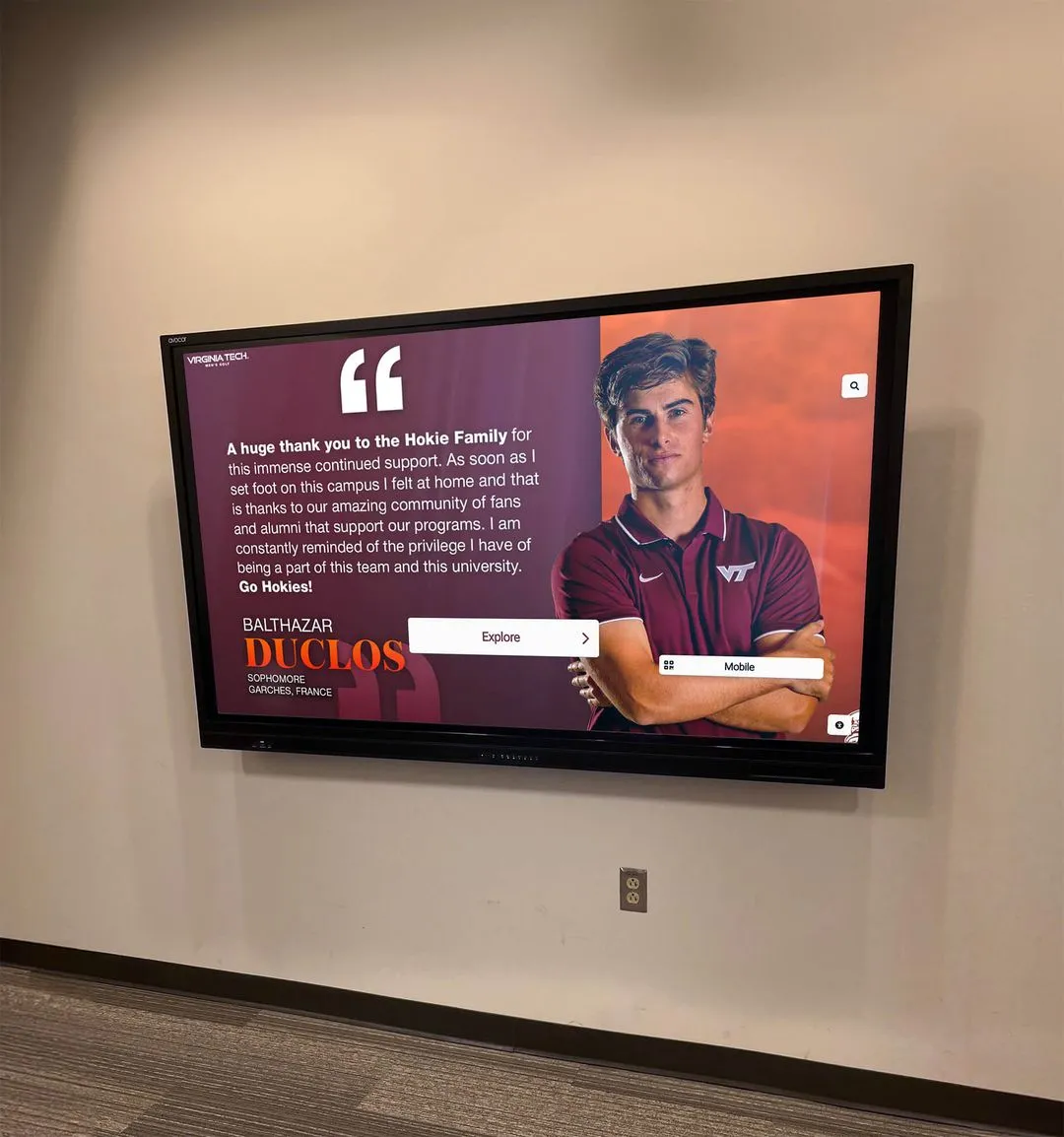
Traditional hall of fame displays using static plaques or vinyl banners create limitations that administrators discover quickly—finite physical space forcing selective recognition, manual update requirements consuming staff time, inability to display multimedia content, and accessibility barriers preventing broad community engagement. Modern digital athletic recognition platforms solve these challenges by providing unlimited capacity for inductees, instant remote updates, rich multimedia profiles, searchable databases, and web access enabling global visibility. Solutions like Rocket Alumni Solutions offer purpose-built systems designed specifically for educational athletic programs, delivering intuitive management tools requiring no technical expertise while creating engaging recognition experiences that inspire excellence and preserve institutional athletic history permanently.
Establishing Athletic Hall of Fame Selection Criteria
Clear transparent criteria form the foundation of credible hall of fame programs earning community respect and achieving intended recognition purposes.
Core Eligibility Requirements
Administrative clarity on basic eligibility prevents confusion and ensures systematic evaluation:
Minimum Time Since Graduation or Participation
Most established athletic halls of fame require minimum waiting periods before individuals become eligible for consideration. Common approaches include:
- Five-year waiting period: Allows perspective on whether athletic accomplishments represent sustained excellence versus brief standout moments
- Ten-year requirement: Provides evidence that athletic achievement reflected genuine excellence rather than temporary advantage
- Twenty-five year veteran category: Creates special recognition for historical figures whose contributions might otherwise be forgotten
- No waiting period for deceased individuals: Enables timely recognition of athletes whose careers ended tragically
Waiting periods serve important purposes. They allow evaluation of whether high school or college athletic success translated into continued excellence at higher competitive levels. They provide distance enabling objective assessment separate from recent emotional connections. They ensure recognition celebrates genuine sustained excellence rather than momentary success influenced by temporary circumstances like exceptionally talented surrounding teammates.

Participant Type Eligibility
Comprehensive programs recognize multiple contributor categories beyond individual athletes:
- Individual Athletes: Former student-athletes who competed in interscholastic or intercollegiate athletic programs
- Team Recognition: Historic teams achieving exceptional success worthy of collective acknowledgment
- Coaches and Staff: Athletic directors, head coaches, assistant coaches, and athletic trainers whose leadership shaped program success
- Contributors and Supporters: Administrators, boosters, community members, and donors whose efforts enabled athletic excellence
- Special Recognition: Unique categories for officials, media supporters, or other individuals deserving acknowledgment
Administrative decisions about recognized categories shape hall of fame character and community perceptions. Programs exclusively recognizing athletes create narrower institutional memory focusing on competitive achievement. Those including coaches, contributors, and supporters build broader appreciation for comprehensive effort enabling athletic success.
Performance and Achievement Standards
Defining what constitutes hall of fame-worthy achievement requires balancing inclusive celebration with meaningful selective standards:
Athletic Performance Benchmarks
Quantifiable achievement thresholds create objective standards reducing selection subjectivity:
- Championship Participation: State championship team members, conference champions, regional or district titlists
- Individual Honors: All-state selection, all-conference recognition, all-American designation
- Record-Breaking Performance: School record holders in individual events, statistical categories, or team achievements
- College Athletics: Athletes who competed at college level, particularly NCAA Division I programs
- Professional Achievement: Athletes reaching professional sports levels in any capacity
- National Recognition: Participation in national tournaments, invitational events, or representative teams
Standards should reflect competitive context appropriately. Small rural schools competing in lower classifications face different competitive landscapes than large suburban programs in highest state divisions. Fair criteria acknowledge accomplishment within relevant competitive contexts rather than applying uniform standards across vastly different circumstances.
Character and Leadership Considerations
Athletic excellence alone proves insufficient for complete hall of fame evaluation. Character and leadership components ensure recognition celebrates individuals representing institutional values:
- Sportsmanship Standards: Demonstration of fair play, respect for opponents, and ethical conduct
- Academic Achievement: Maintained academic eligibility and represented balanced student-athlete identity
- Leadership Impact: Captaincy roles, team leadership, mentorship of younger athletes
- Post-Athletic Contributions: Alumni engagement, program support, positive representation of institutions
- Community Citizenship: Behavior reflecting well on athletic programs and educational institutions
Some programs establish character requirements as absolute standards disqualifying otherwise qualified candidates who violated conduct expectations. Others weight character as significant factor within holistic evaluation processes. Administrative clarity prevents controversy when selection decisions involve candidates with complicated records combining athletic excellence with behavioral concerns.
Special Category Considerations
Beyond core selection criteria, programs may create specialized recognition categories addressing unique circumstances:
Pioneer and Trailblazer Recognition
Early program participants who competed when opportunities were limited or competition was developing deserve special consideration. Pioneers who participated in the first years of women’s athletic programs, athletes who integrated previously segregated sports, individuals who established programs that became institutional traditions, and participants in sports that no longer exist at institutions warrant acknowledgment even when raw competitive achievements appear modest compared to later eras with fully developed programs and resources.
Contributor and Builder Categories
Individuals who never competed but enabled athletic excellence through other contributions merit recognition:
- Facility Builders: Community members whose fundraising or donations created athletic facilities
- Program Founders: Individuals who established specific sports programs or athletic departments
- Long-Service Recognition: Coaches, athletic directors, or staff serving programs for decades
- Medical and Training Support: Athletic trainers, team physicians, or sports medicine professionals
Resources on digital hall of fame implementation provide frameworks for establishing comprehensive recognition programs celebrating diverse contributions.
Developing Nomination and Selection Processes
Systematic processes ensure fair evaluation while building community investment in hall of fame programs.
Establishing Nomination Procedures
Clear accessible nomination systems encourage appropriate participation while managing submission volume:
Open vs. Committee-Based Nominations
Programs choose between democratic open nomination systems or selective committee-driven approaches:
Open Nomination Systems allow any community member—alumni, current students, parents, coaches, community members—to submit nomination applications. Open systems demonstrate inclusivity, surface worthy candidates committee members might overlook, engage broader communities in program awareness, and create transparency reducing perceptions of insider favoritism. However, they generate higher administrative workload processing nominations, require public education about eligibility criteria preventing inappropriate submissions, and may produce numerous unqualified nominations consuming review time.
Committee-Only Nomination restricts nomination authority to designated committee members with institutional knowledge ensuring all candidates meet basic standards. Committee systems reduce administrative burden, ensure thorough candidate vetting before formal consideration, and maintain quality control over nomination pools. Critics argue they create insider control reducing transparency and community engagement.
Many programs implement hybrid approaches: open nomination systems with eligibility pre-screening where athletic department staff verify basic criteria before forwarding nominations to selection committees.
Nomination Application Requirements
Standardized applications ensure consistent information for evaluation:
- Candidate Biographical Information: Full name, years of attendance, graduation year, contact information if available
- Athletic Participation Details: Sports played, years of participation, positions, significant statistics
- Achievement Documentation: Championships, records, honors, all-conference or all-state selections
- Impact Narrative: Written statement explaining why candidate merits hall of fame induction
- Supporting Materials: Photos, news clippings, statistics, video links, or other documentation
- Nominator Information: Name and relationship to candidate demonstrating nomination legitimacy
Clear deadlines with adequate submission windows balance giving nominators sufficient preparation time against preventing year-round rolling submissions creating unsustainable administrative burden.
Selection Committee Composition and Function
Committee structure significantly affects selection credibility and decision quality:
Balanced Representation
Effective committees include diverse perspectives while maintaining manageable size:
- Athletic Department Leadership: Athletic directors provide institutional knowledge and program context
- Coaching Staff: Current coaches understand competitive standards and athletic excellence markers
- Alumni Representatives: Former athletes offer peer perspective and historical knowledge
- Community Members: Local supporters provide external viewpoint and credibility
- Administrative Representation: Principals or school board members ensure institutional alignment
- Student-Athlete Input: Current athletes connect recognition to contemporary program culture
Committee size typically ranges from seven to fifteen members—large enough for diverse perspectives but small enough for substantive discussion. Staggered terms ensure continuity while enabling regular committee refreshment bringing new perspectives.
Conflict of Interest Management
Clear recusal policies maintain selection integrity:
- Committee members abstain from voting on relatives, former teammates, or individuals with significant personal relationships
- Professional relationships (former coaches evaluating players) receive explicit policy guidance
- Recent graduates or family members of current staff typically deemed ineligible for committee service
- Documentation of recusals creates transparency and accountability
Evaluation Scoring Systems
Structured evaluation frameworks reduce subjectivity:
Some programs implement quantitative scoring where committee members independently rate candidates across defined criteria—athletic achievement (40%), character and sportsmanship (20%), leadership (20%), post-athletic contributions (10%), and historical significance (10%)—with aggregate scores determining induction recommendations. Others prefer holistic discussion without numerical ratings, believing athletic excellence resists pure quantification.
Both approaches prove effective when implemented consistently. Quantitative systems provide perceived objectivity and clear documentation. Holistic approaches enable nuanced consideration of unique circumstances difficult to capture numerically.
Resources on athletic director decision-making offer frameworks for systematic program evaluation applicable to selection processes.
Annual Induction Quotas and Timing
Administrative decisions about induction volume and frequency shape program character:
Class Size Determination
Programs choose between fixed annual induction numbers or flexible classes based on qualified candidates:
- Fixed Annual Quotas: Induct specific numbers annually (commonly 3-6 individuals) ensuring consistent program rhythm
- Variable Classes: Induct all candidates meeting thresholds regardless of number, avoiding artificial limitations
- Inaugural Large Classes: Launch programs with larger initial classes creating immediate critical mass
- Periodic Inductions: Some schools hold inductions every 2-3 years rather than annually
Fixed quotas provide predictable ceremony planning and prevent years without inductees maintaining program momentum. Variable approaches avoid excluding deserving candidates merely to meet numerical caps or inducting marginally qualified individuals to reach minimums.
Ceremony Timing and Integration
Strategic ceremony scheduling affects attendance and program visibility:
- Homecoming Weekend: Capitalizes on alumni return and festive atmosphere
- Winter Sports Banquet: Integrates with existing recognition events reducing standalone ceremony burden
- Spring Athletic Awards: Concludes school year celebrating excellence across programs
- Standalone Fall Events: Provides dedicated focus on hall of fame distinct from other activities
Integration with existing events improves attendance efficiency but may dilute hall of fame significance. Standalone ceremonies create special emphasis but require additional planning and risk lower attendance without other draw attractions.
Planning and Executing Induction Ceremonies
Memorable ceremonies honor inductees appropriately while building program tradition and community engagement.
Ceremony Program Development
Structured programs balance formality with engagement:
Essential Program Components
- Welcome and Context Setting: Opening remarks explaining hall of fame significance and selection process
- Inductee Introduction: Presentation of each honoree’s athletic achievements and biographical background
- Recognition Presentation: Physical award presentation (plaques, jackets, rings) and official induction
- Inductee Remarks: Opportunity for honorees to address audiences, thank supporters, and share reflections
- Display Dedication: Unveiling inductee additions to permanent hall of fame displays
- Reception: Informal gathering enabling personal congratulations and community connection
Programs typically run 90-120 minutes. Longer ceremonies risk audience fatigue; shorter programs may feel rushed or insufficiently honoring inductees.
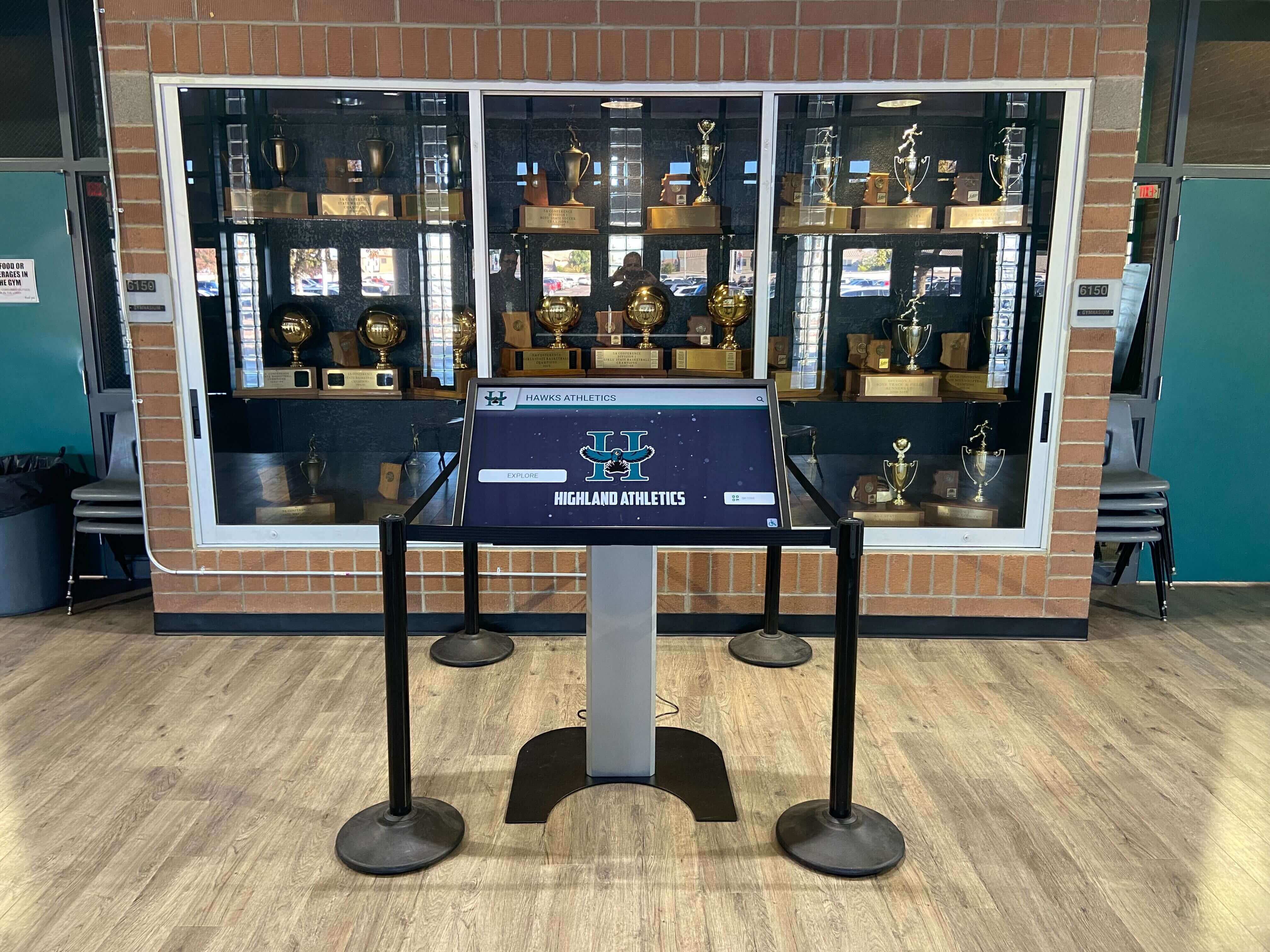
Inductee Profile Presentations
Rich multimedia presentations bring athletic achievements to life:
- Historical Photos: Images from athletic careers showing competition moments
- Statistical Summaries: Key achievements, records, honors presented visually
- Video Highlights: Historic game footage or competition clips when available
- Contemporary Updates: Current information about inductees’ post-athletic lives
- Testimonials: Quotes from former coaches, teammates, or community members
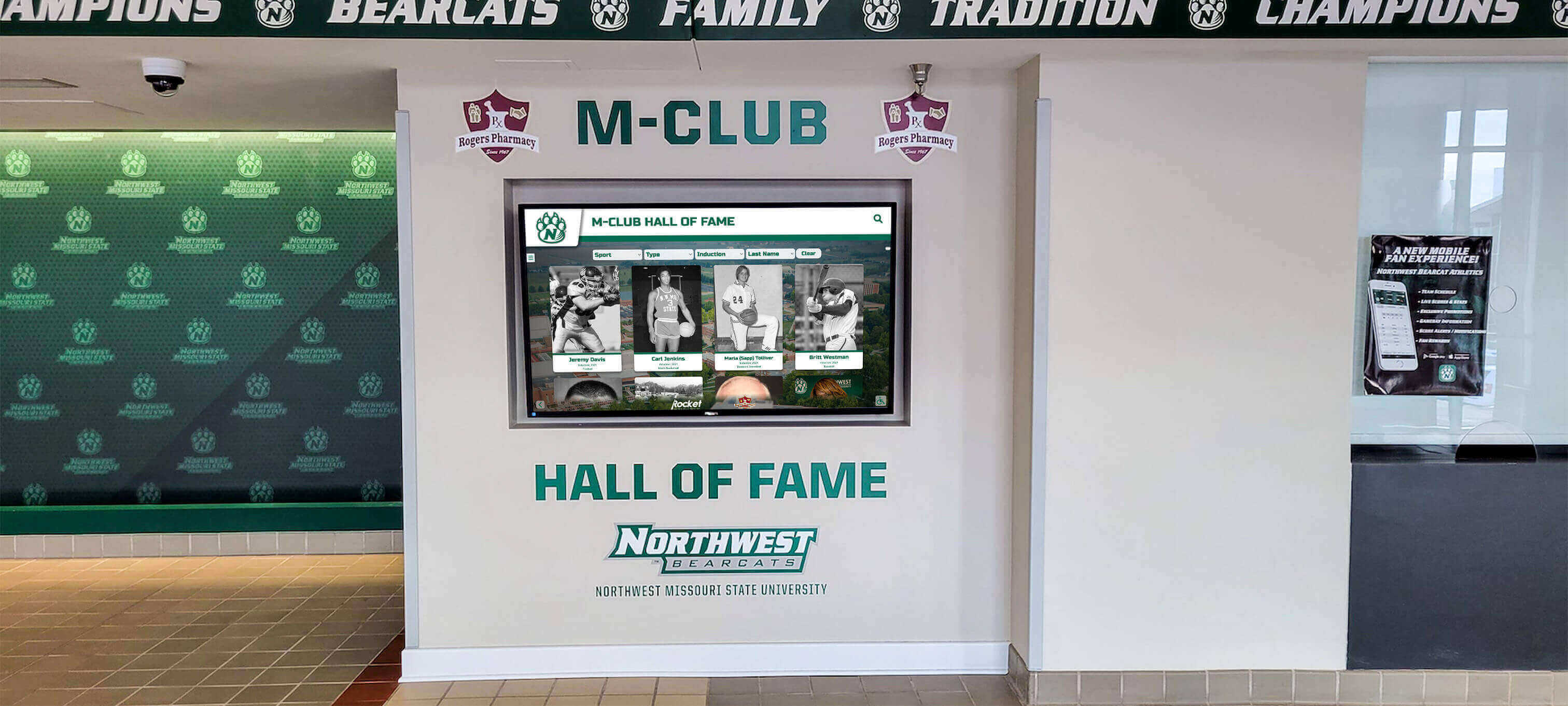
Digital platforms enable sophisticated presentations impossible with traditional print programs. Video montages, archived newspaper articles, photo galleries, and multimedia storytelling create emotional impact helping audiences appreciate inductees’ significance even decades after athletic careers concluded.
Family and Community Engagement
Effective ceremonies create inclusive celebrations connecting broader communities:
Inductee Family Recognition
Acknowledge families’ roles supporting athletic achievement:
- Reserve prominent ceremony seating for inductee families ensuring good views
- Recognize parents, spouses, children during introductions acknowledging their support
- Provide family photo opportunities creating lasting memories
- Include family members in physical award presentations when appropriate
- Distribute commemorative programs, photos, or videos families can treasure
Alumni and Community Participation
Build broader engagement beyond inductees and immediate families:
- Market ceremonies through alumni networks, social media, and community outlets
- Create reception environments encouraging informal networking and reconnection
- Invite former teammates, coaches, and program supporters personally
- Provide stadium tours, facility access, or program updates interesting to returning alumni
- Live stream ceremonies enabling distant alumni and community members to participate virtually
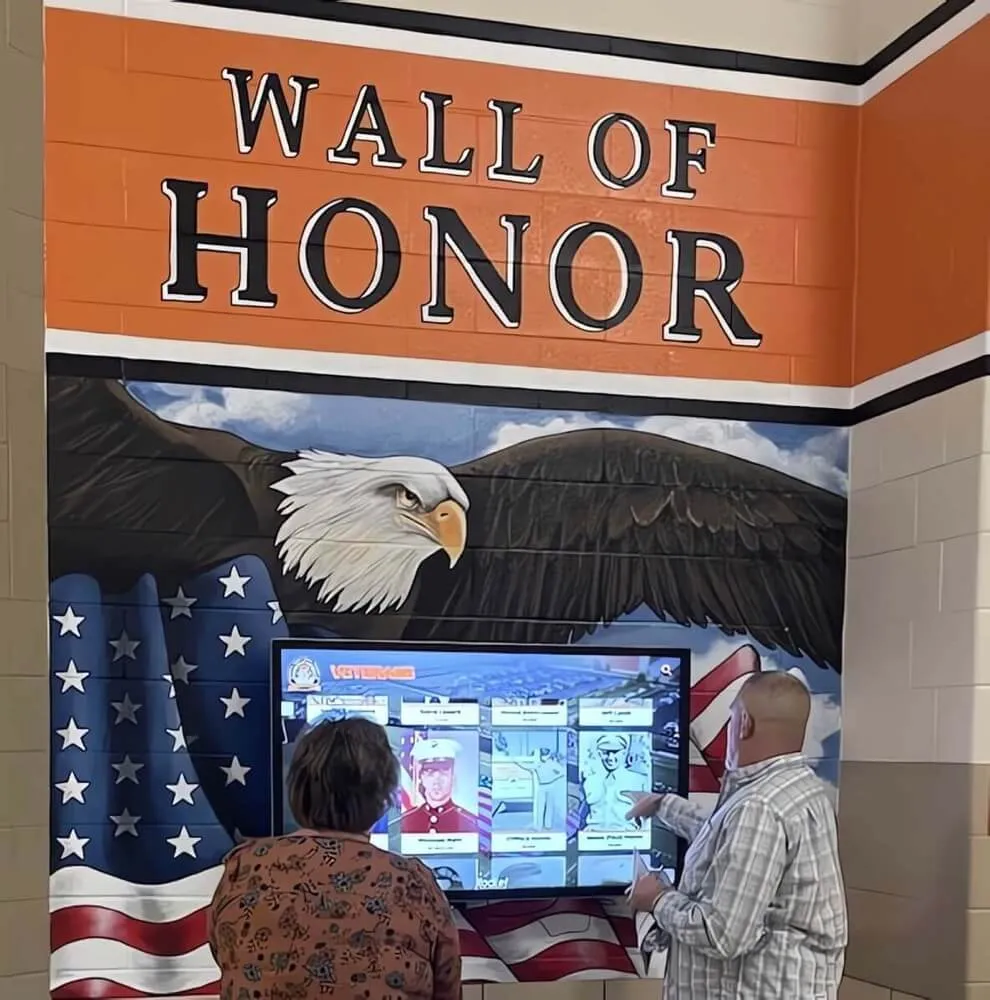
Resources on athletic wall of honor programs demonstrate how comprehensive recognition systems build community engagement.
Post-Ceremony Recognition Extension
Induction impact extends beyond single ceremonies through sustained visibility strategies:
- Add inductee profiles to permanent digital displays immediately following ceremonies
- Feature new inductees in athletic program communications, websites, and social media
- Distribute press releases to local media celebrating community members’ recognition
- Include hall of fame updates in alumni magazines and newsletters
- Create searchable online databases enabling research and exploration of complete hall of fame history
Many inductees report that permanent display visibility and online accessibility prove more meaningful long-term than ceremony moments alone—enabling them to share recognition with children, grandchildren, and distant friends impossible to invite to physical events.
Implementing Physical and Digital Display Systems
Display systems serve as visible hall of fame manifestations ensuring recognition remains accessible and inspiring beyond induction ceremonies.
Traditional Physical Display Approaches
Conventional displays include plaques, trophy cases, and wall-mounted recognition:
Advantages of Physical Recognition
- Tangible Presence: Physical displays create immediate visual impact in athletic facilities
- Tradition Alignment: Plaques and trophies connect to long-standing recognition customs
- No Technology Dependence: Function without power, internet, or device requirements
- Permanence Perception: Physical installation feels lasting and committed
Physical Display Limitations
Administrators discover practical constraints quickly:
- Finite Space: Wall capacity eventually fills requiring difficult decisions about removing earlier inductees
- Update Difficulty: Adding new inductees requires physical installation scheduling and cost
- Limited Information: Space constraints permit only names, years, and minimal accomplishment details
- Accessibility Barriers: Physical displays exist only at single locations inaccessible to distant alumni
- Deterioration: Physical materials fade, tarnish, or sustain damage requiring maintenance
- Static Presentation: No capacity for photos, videos, statistics, or rich biographical content
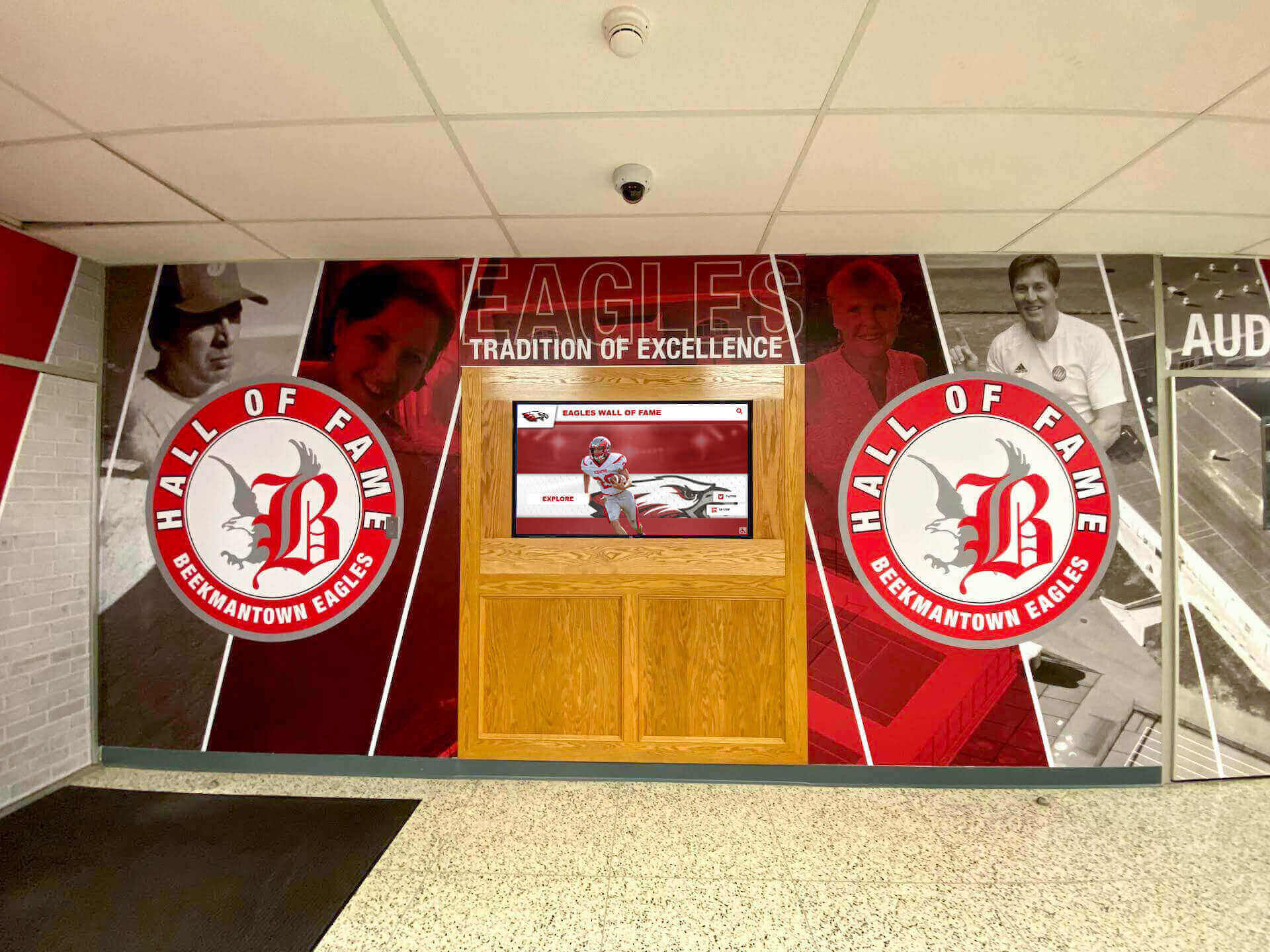
Digital Recognition Display Advantages
Modern digital platforms eliminate traditional display limitations while providing substantially enhanced capabilities:
Unlimited Capacity and Scalability
Digital systems accommodate unlimited inductees without physical space constraints. Schools can recognize comprehensive athletic excellence across all sports, eras, and contributor categories without selective limitation forced by wall space. New inductees receive equal visual prominence regardless of when they joined rather than diminishing prominence as displays fill.
Rich Multimedia Content
Digital platforms display comprehensive achievement documentation:
- High-Resolution Photos: Multiple images from athletic careers and current life
- Video Integration: Historic game footage, ceremony speeches, or contemporary interview content
- Detailed Statistics: Complete career statistics, achievement timelines, and records
- Biographical Narratives: Comprehensive stories about athletic journeys, challenges overcome, and post-athletic accomplishments
- Interactive Timelines: Visual representations of athletic careers and historical program context
Instant Remote Updates
Administrators update recognition from any location without physical facility access or installation requirements. Content modifications, error corrections, and new inductee additions happen in minutes rather than requiring vendor scheduling and installation delays.
Global Accessibility
Web-based platforms enable worldwide access eliminating geographic barriers:
- Alumni residing anywhere can explore complete hall of fame anytime
- Prospective student-athletes and families research program history remotely
- Media representatives access information for feature stories without facility visits
- Current students explore athletic tradition building program pride
- College coaches and scouts review athlete backgrounds during recruitment
Engagement Analytics
Digital systems provide data impossible with physical displays:
- Track which inductees receive most visitor exploration revealing community interests
- Monitor access patterns showing peak engagement times and traffic sources
- Measure geographic reach demonstrating recognition extending beyond local communities
- Identify search terms helping optimize content discoverability
- Document cumulative engagement demonstrating program value to administrators
Solutions like Rocket Alumni Solutions provide purpose-built athletic recognition platforms designed specifically for educational institutions, delivering intuitive management requiring no technical expertise while creating engaging displays that preserve athletic history permanently and inspire current athletes toward excellence.

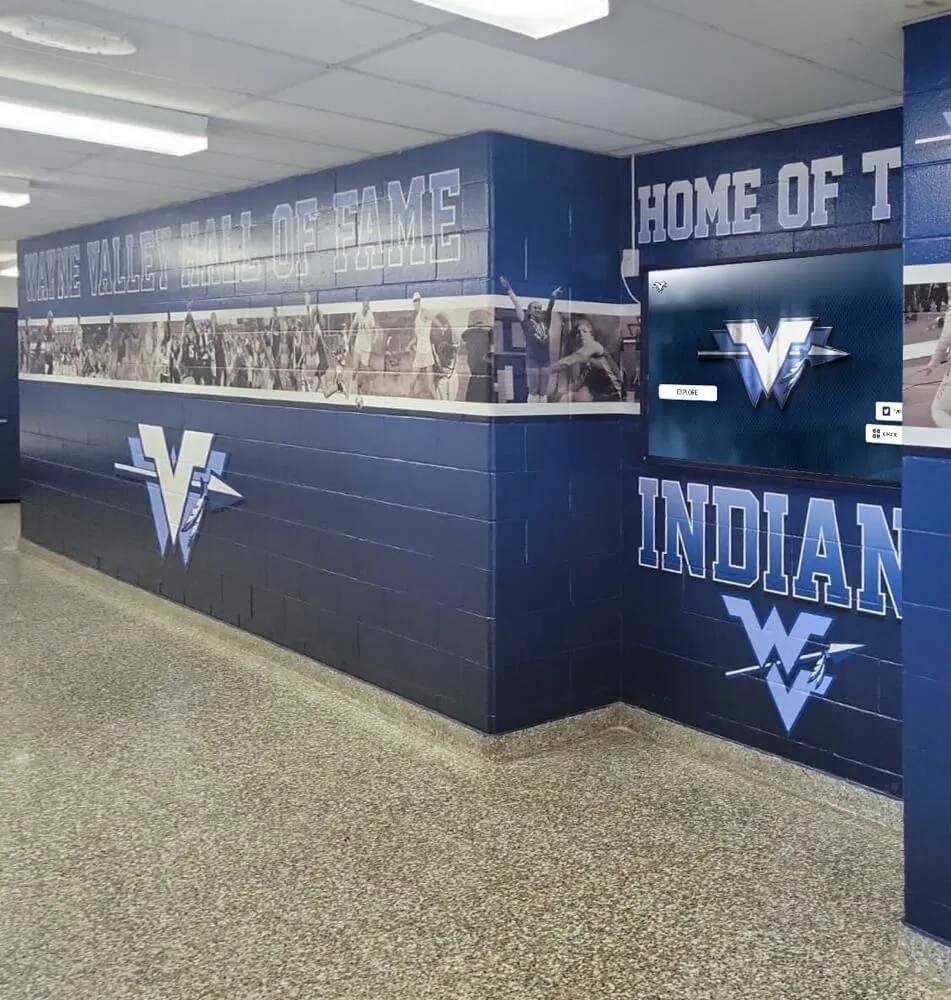
Hybrid Approaches Combining Physical and Digital Recognition
Many schools implement combined systems balancing tradition with technology:
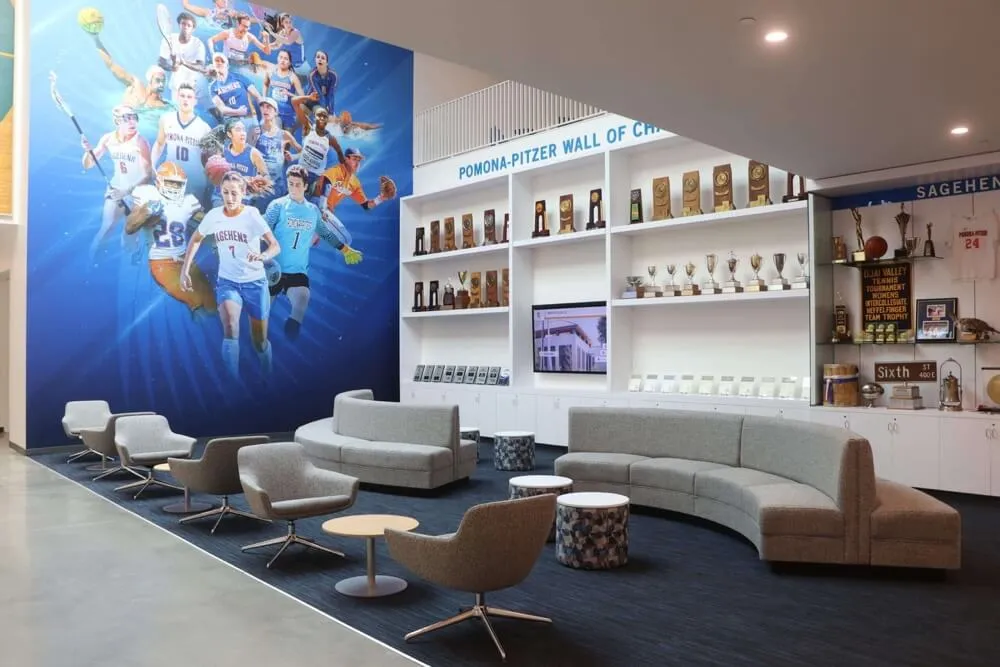
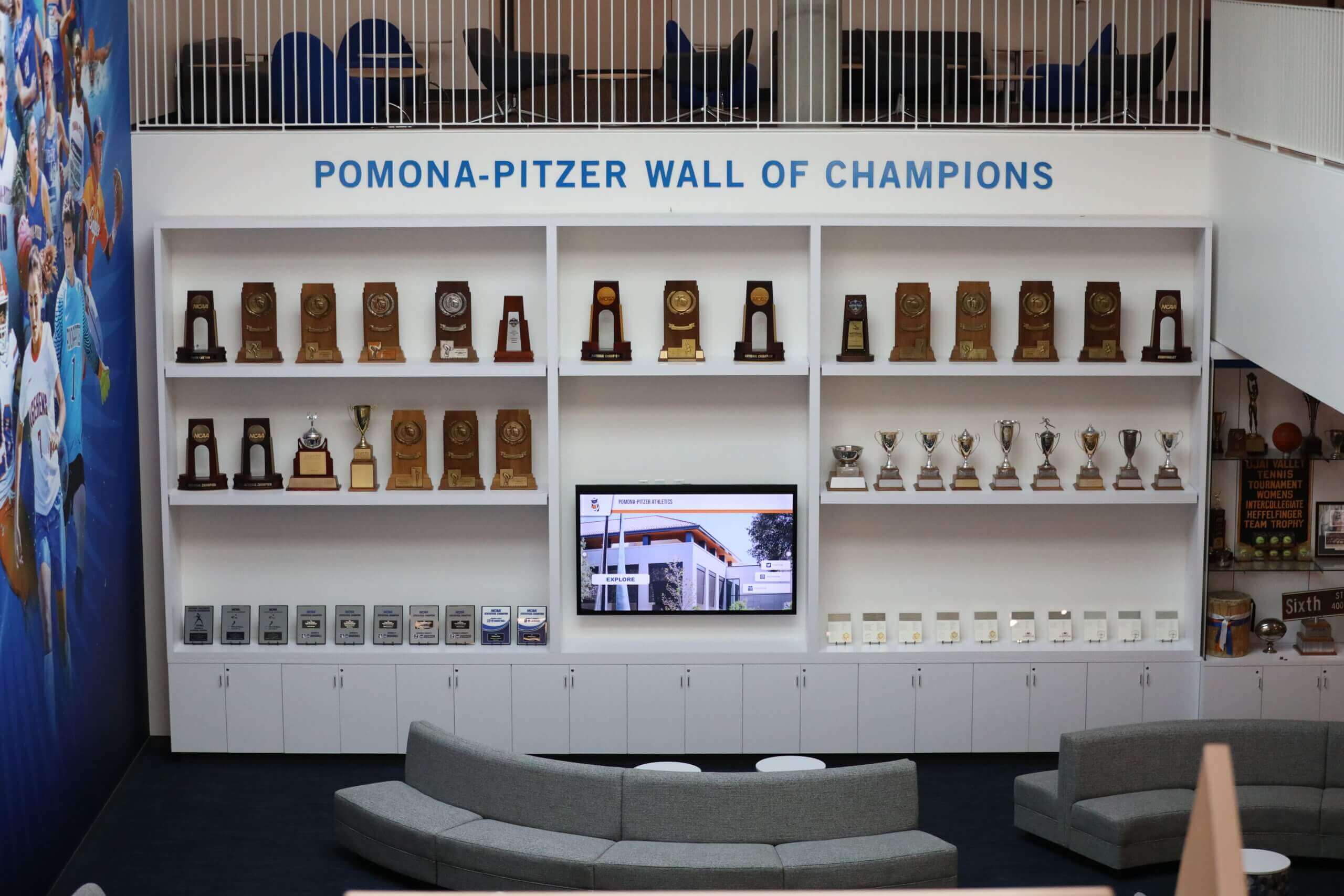
- Physical Entry Markers: Wall plaques listing inductee names providing tangible presence
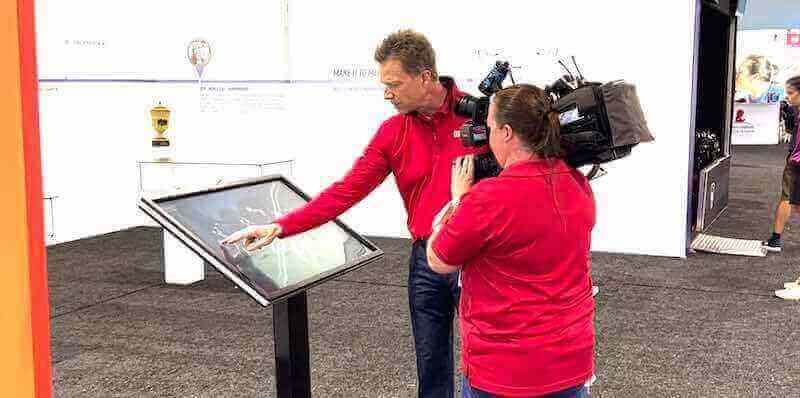
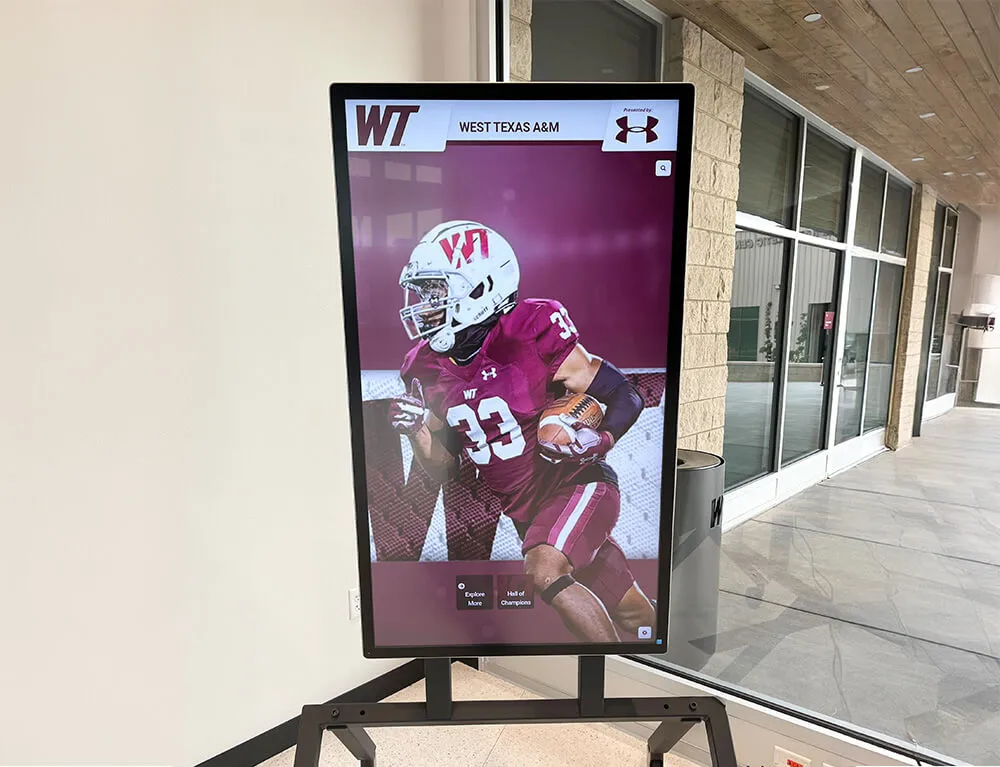
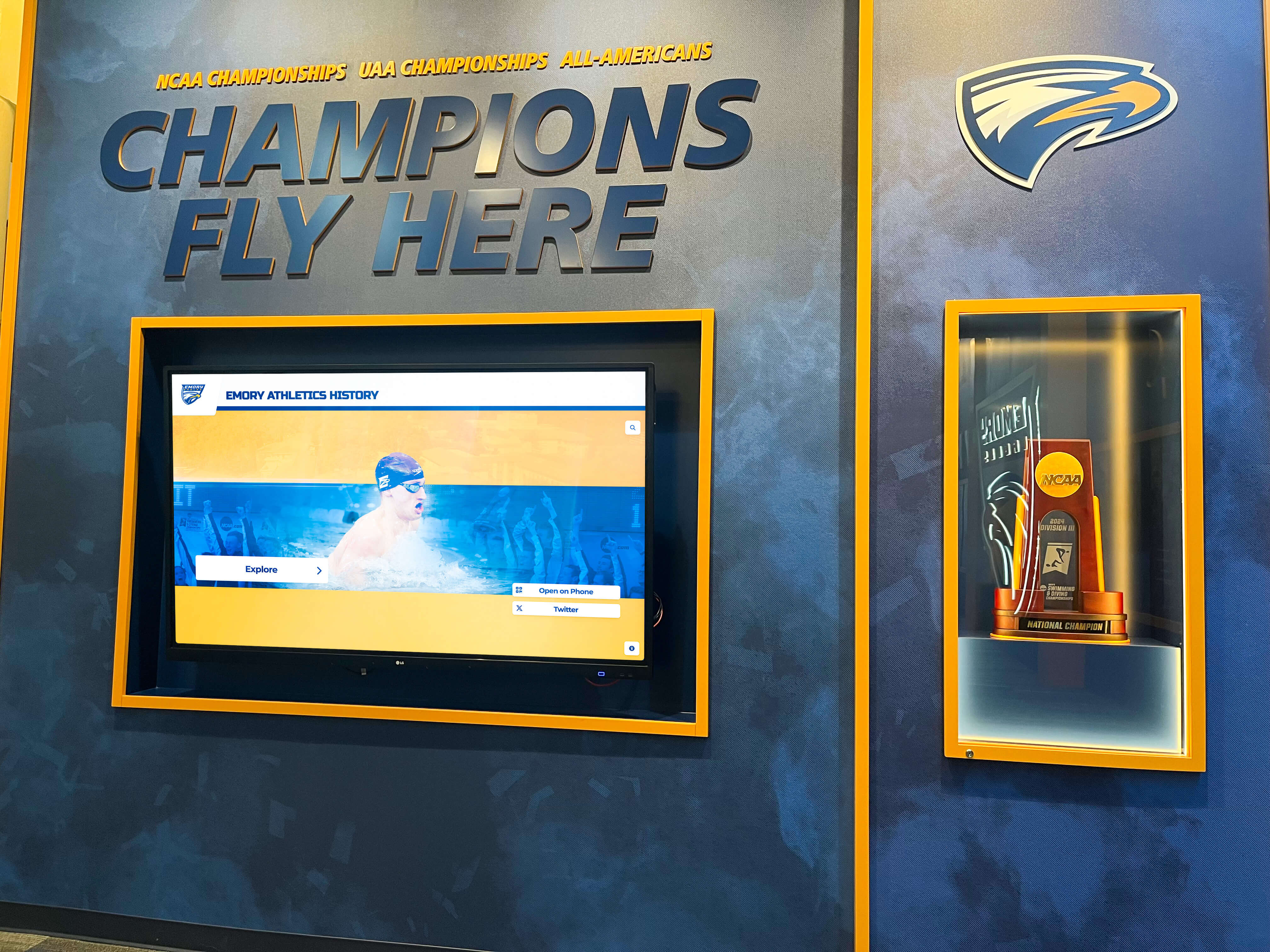
- Digital Detail Access: QR codes or nearby touchscreens enabling detailed profile exploration
- Strategic Placement: Physical markers in high-visibility locations directing attention to digital content
- Complementary Functions: Physical recognition for ceremony impact; digital platforms for comprehensive storytelling
Hybrid approaches honor traditional expectations while delivering modern engagement and management capabilities.
Sustainable Hall of Fame Administration
Successful programs require systematic ongoing management beyond initial establishment:
Content Development and Documentation
Comprehensive inductee profiles require research and documentation:
Historical Research Methods
Building complete records for inductees whose careers ended decades ago requires detective work:
- School Archives: Athletic department records, yearbooks, newspaper clippings, statistical compilations
- Alumni Outreach: Direct contact with inductees gathering firsthand accounts and personal photos
- Local Media Research: Historical newspaper archives documenting games and achievements
- Oral Histories: Interviews with teammates, coaches, and contemporaries providing context
- Athletic Conference Records: Conference and state association archives documenting honors and championships
Many schools discover incomplete records forcing acknowledgment that comprehensive documentation proves impossible for all historical athletes. Honest recognition of what is documented versus unknown demonstrates integrity while honoring inductees appropriately.
Biographical Content Standards
Establish content guidelines ensuring consistent quality:
- Required Information: Name, years of participation, sports, significant achievements, honors
- Optional Enhancements: Post-athletic education and career, family information, current community involvement
- Photo Standards: Image quality requirements, preferred types (action shots, portraits, ceremony photos)
- Video Guidelines: Length limits, content appropriateness, technical quality standards
- Privacy Considerations: Establish policies regarding personal information, family details, and sensitive content
Clear standards enable volunteer help from students, parents, or community members supplementing limited administrative time while maintaining professional quality.
Ongoing Program Maintenance
Sustained success requires designated responsibility and protected time:
Administrative Oversight Assignment
Effective programs designate specific individuals responsible for hall of fame management:
- Primary Administrator: Single person (often athletic director) with ultimate accountability
- Selection Committee Coordinator: Manages nomination process, schedules meetings, maintains documentation
- Content Manager: Responsible for display updates, profile development, and accuracy
- Ceremony Coordinator: Plans annual induction events including logistics and program development
Role clarity prevents diffused responsibility where everyone assumes someone else handles tasks resulting in neglect.
Annual Operating Calendar
Systematic scheduling ensures consistent program operation:
- Summer/Early Fall: Nomination period opens, applications collected
- Mid-Fall: Selection committee reviews candidates, makes induction recommendations
- Late Fall/Early Winter: Inductee notification, ceremony planning, content development
- Winter/Spring: Induction ceremony execution, display updates, documentation archiving
Regular cycles create institutional routines reducing the likelihood of programs losing momentum during leadership transitions or busy periods.
Resources on academic recognition programs offer management frameworks applicable across recognition types.
Funding and Resource Allocation
Financial sustainability enables long-term program success:
Program Cost Components
- Display Systems: Initial investment in physical plaques or digital recognition platforms
- Annual Induction Expenses: Ceremony costs, physical awards, program materials, reception expenses
- Content Development: Staff time for research, writing, photography, video production
- Technology Maintenance: Web hosting, software subscriptions, hardware replacement
- Marketing and Communication: Ceremony promotion, alumni outreach, community awareness
Revenue and Support Strategies
- Operating Budget Allocation: Include hall of fame as regular athletic department expense
- Booster Club Support: Athletic boosters often view recognition programs as appropriate funding priorities
- Induction Event Tickets: Modest ticket prices offsetting ceremony costs while maintaining accessibility
- Sponsorship Opportunities: Local businesses supporting specific inductee categories or display components
- Endowment Development: Major gift campaigns creating perpetual funding supporting recognition programs
Programs requiring significant annual fundraising often struggle maintaining consistency. Sustainable approaches secure baseline funding through operating budgets or endowments while supplementing with fundraising for enhancements.
Leveraging Athletic Recognition for Program Benefits
Well-executed halls of fame provide institutional advantages beyond inductee honor:
Current Athlete Inspiration and Motivation
Visible recognition of athletic excellence creates powerful motivation for current student-athletes:
- Standard Setting: Hall of fame inductees demonstrate achievement levels meriting pursuit
- Pathway Visibility: Young athletes see specific accomplishments—championships, records, honors—leading to recognition
- Connection to Tradition: Understanding program history builds pride and commitment to continuing excellence
- Character Modeling: Inductees exemplifying sportsmanship and leadership provide behavioral examples
- Long-Term Perspective: Recognition demonstrates athletic achievement creating lasting impact beyond school years
Many coaches report that prominent hall of fame displays in training facilities generate regular conversations about inductees’ achievements and pathways to excellence—informal teachable moments reinforcing program culture.
Alumni Engagement and Fundraising
Athletic recognition strengthens alumni connections supporting program advancement:
Emotional Connection Maintenance
Hall of fame programs keep alumni emotionally invested in athletic programs:
- Recognition ceremonies create natural occasions for alumni facility visits and reconnection
- Digital platforms enable regular engagement as alumni explore updated content
- Social media sharing of inductee profiles reaches alumni networks organically
- Historical preservation demonstrates institutional commitment to honoring athletic heritage
Fundraising Platform Development
Athletic recognition often catalyzes financial support:
- Hall of fame establishment or enhancement serves as compelling campaign focus
- Inductees frequently become donors supporting programs that shaped their development
- Recognition events create friendraising opportunities leading to future financial commitments
- Visible appreciation of athletic history encourages broader community philanthropic investment
Resources on donor recognition strategies demonstrate how recognition programs build advancement infrastructure.
Recruitment and Marketing Benefits
Hall of fame programs provide recruitment advantages:
- Program Prestige Communication: Visible athletic tradition signals program quality to prospective student-athletes
- Competitive Differentiation: Strong recognition systems distinguish programs from competitors
- Cultural Evidence: Hall of fame demonstrates program commitment to honoring athlete contributions
- Alumni Success Demonstration: Post-athletic achievements of inductees illustrate development outcomes
Recruiting visits typically include hall of fame displays or references in facility tours—silent credibility builders reinforcing verbal program descriptions.
Addressing Common Hall of Fame Challenges
Administrative foresight regarding predictable obstacles enables proactive solutions:
Challenge: Limited Historical Documentation
Many schools discover incomplete records when researching deserving historical athletes:
Solutions: Acknowledge documentation gaps honestly while honoring athletes appropriately based on available information. Implement oral history projects capturing firsthand accounts from senior alumni before knowledge is lost. Create community appeals asking alumni to contribute photos, clippings, and memories. Accept that some inductees will have less complete profiles than others due to historical circumstances beyond control. Consider establishing “Pioneer” or “Historical” categories with adjusted standards recognizing documentation challenges.
Challenge: Controversial Candidate Situations
Occasionally qualified candidates have complicated personal histories creating selection dilemmas:
Solutions: Establish clear character standards before controversial situations arise rather than creating ad hoc policies appearing targeted at individuals. Determine whether character violations occurred during or after athletic careers, weighing relevance to athletic achievement recognition. Consider whether adequate time passed enabling redemption and changed behavior. Engage selection committees in confidential thorough deliberation. Document decision reasoning for institutional memory. Accept that some decisions will receive criticism regardless of thoroughness.
Challenge: Sport and Era Bias
Selection patterns may inadvertently favor specific sports or time periods:
Solutions: Monitor induction diversity across sports ensuring equitable recognition. Create minimum quotas ensuring less prominent sports receive regular recognition. Establish weighted systems giving pioneer athletes in early program eras credit for competing with fewer resources. Consider sport-specific categories rotating annually ensuring all programs receive focus. Track recognition demographics identifying unintended patterns enabling corrective action.
Challenge: Maintaining Program Momentum
Hall of fame programs sometimes lose energy after initial enthusiasm:
Solutions: Designate specific administrators with formal responsibility and accountability. Build recognition into regular operating calendars preventing year-to-year uncertainty. Secure baseline funding through budget allocation rather than annual fundraising uncertainty. Create selection committee term structures ensuring regular membership refreshment. Integrate hall of fame with other athletic traditions (homecoming, banquets) maintaining visibility. Implement digital platforms reducing update burden that undermines physical display maintenance.
Resources on best athletic recognition practices provide frameworks for sustained program excellence.
Future Trends in Athletic Recognition
Understanding emerging developments helps administrators make forward-looking program decisions:
Enhanced Data Integration
Modern athletic records increasingly capture comprehensive performance data enabling richer historical documentation:
- Advanced Statistics: Beyond basic scores, detailed analytics documenting complete athletic contributions
- Video Archives: Systematic game footage preservation enabling future inductee profile enhancement
- Social Media Integration: Athlete social presence and fan engagement metrics supplementing traditional measures
- Wearable Technology Data: Biometric and performance tracking creating detailed athlete development records
Programs implementing systematic data collection now create valuable resources supporting future hall of fame content development.
Immersive Technologies
Emerging technologies create enhanced recognition experiences:
- Augmented Reality: Mobile devices overlaying historical content on physical facility spaces
- Virtual Reality: Immersive experiences enabling users to “experience” historic games or moments
- Interactive Timelines: Sophisticated visualizations showing athletic program evolution and inductee career contexts
- AI-Powered Discovery: Intelligent systems surfacing relevant content based on user interests and connections
While cutting-edge technology remains expensive currently, costs decline rapidly making previously impractical capabilities accessible to mainstream educational budgets.
Inclusive Recognition Expansion
Athletic hall of fame concepts expand beyond traditional competitive achievement:
- Unified Sports Recognition: Athletes with intellectual disabilities competing in Special Olympics and unified programs
- Adaptive Athletics: Recognition for wheelchair racing, sled hockey, and other adaptive sports
- Recreational Excellence: Club sports, intramural leadership, and lifetime fitness achievement
- Athletic Department Staff: Expanded recognition of equipment managers, statisticians, and support personnel
Broader recognition definitions reflect evolved understanding that athletic excellence exists across diverse participation types deserving acknowledgment.
Building Athletic Traditions That Inspire Excellence
Effective athletic halls of fame transcend simple recognition becoming cultural forces shaping program identity and athlete development.
The most successful programs share core characteristics: clear transparent selection criteria applied consistently ensuring fairness and credibility, systematic processes managing nominations, evaluation, and inductions efficiently, engaging displays making recognition visible and accessible to current athletes and broader communities, sustainable administrative structures ensuring program continuity across leadership changes, balanced recognition celebrating diverse sports and contributor types equitably, rich content documenting athletic achievements and personal character comprehensively, and strong integration with overall athletic program culture and values.
When schools invest systematically in hall of fame development, the benefits extend far beyond individual inductee honor. Current athletes witness concrete examples of excellence creating motivation toward high achievement. Alumni maintain emotional connections to programs supporting ongoing engagement and advancement. Communities develop pride in institutional athletic traditions and accomplishments. Athletic department culture strengthens around shared values of excellence, character, and service. Institutional memory preserves competitive history that otherwise disappears as decades pass.
Ready to establish or modernize your athletic hall of fame program? Digital recognition solutions purpose-built for educational athletic programs enable administrators to create comprehensive systems honoring unlimited inductees through engaging multimedia displays, manage content efficiently through intuitive platforms requiring no technical expertise, provide global accessibility through web-based platforms extending recognition beyond physical facility boundaries, capture engagement data demonstrating program value and community interest, and ensure sustainable long-term operation through systems designed for educational administrative workflows.
Your athletic programs have produced generations of talented student-athletes, dedicated coaches, and passionate supporters whose contributions shaped countless lives. Modern hall of fame programs ensure these achievements receive recognition that inspires current athletes toward excellence, preserves institutional heritage, strengthens alumni connections, and builds athletic traditions that improve your entire educational community.
Athletic halls of fame represent more than retrospective recognition—they’re forward-looking investments in athletic program culture, athlete motivation, and institutional tradition. When recognition celebrates authentic excellence through engaging accessible systems managed sustainably across time, schools create environments where athletic achievement flourishes and every contributor’s legacy receives the permanent acknowledgment it genuinely deserves.
Book a demo to discover how modern athletic recognition platforms can transform your school’s hall of fame into a comprehensive celebration of athletic excellence that preserves history, inspires athletes, and strengthens your entire athletic program community.