



Athletic facilities represent substantial investments that serve as the foundation of successful sports programs. From gymnasiums and weight rooms to locker facilities and outdoor fields, these spaces endure constant use, demanding systematic maintenance to preserve safety, functionality, and appearance. Facilities managers and athletic directors who implement comprehensive maintenance protocols protect their capital investments while creating environments where student-athletes can perform at their best.
The difference between facilities that remain showcase-quality after decades versus those requiring costly renovations within years often comes down to consistent preventive maintenance. Systematic inspection routines, timely repairs, and strategic upkeep schedules prevent small issues from escalating into expensive problems while extending the functional life of equipment and infrastructure. This comprehensive checklist provides athletic directors, facilities managers, and maintenance teams with the frameworks needed to keep school sports spaces in peak condition year-round.
Why Athletic Facility Maintenance Matters More Than Ever
School budgets face increasing pressure while facility usage intensifies. Multi-sport athletes now train year-round rather than single seasons. Community programs share facilities outside school hours. Summer camps fill previously idle periods. This increased utilization accelerates wear while budget constraints make major renovations harder to fund. Preventive maintenance becomes essential—not optional—for preserving facility investments and avoiding catastrophic failures that shut down programs mid-season.
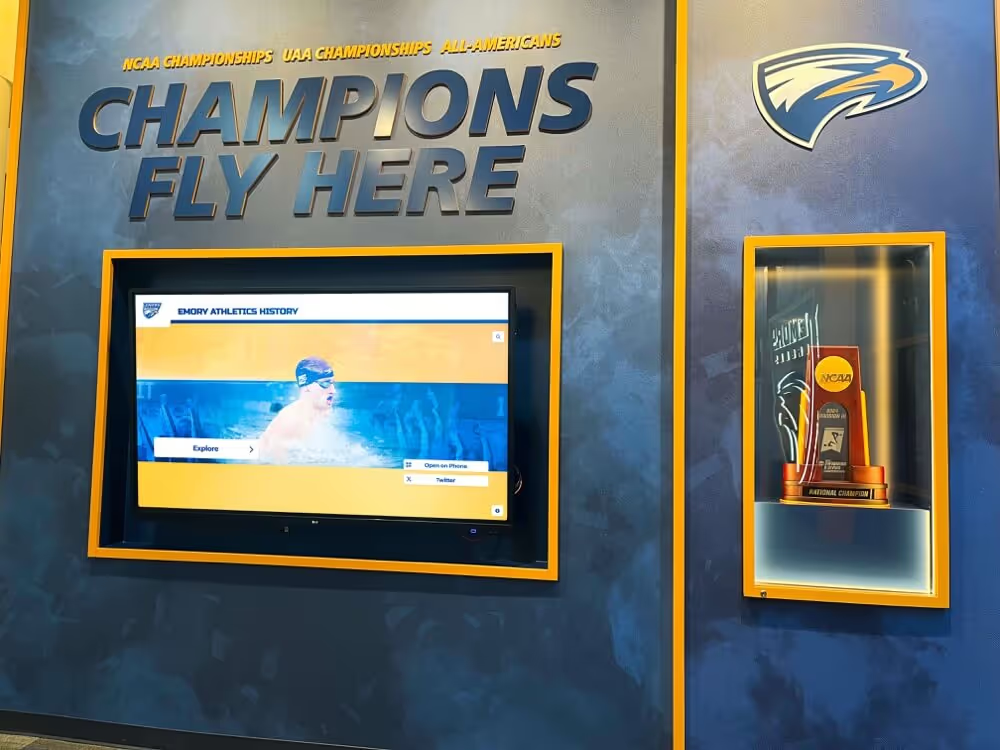
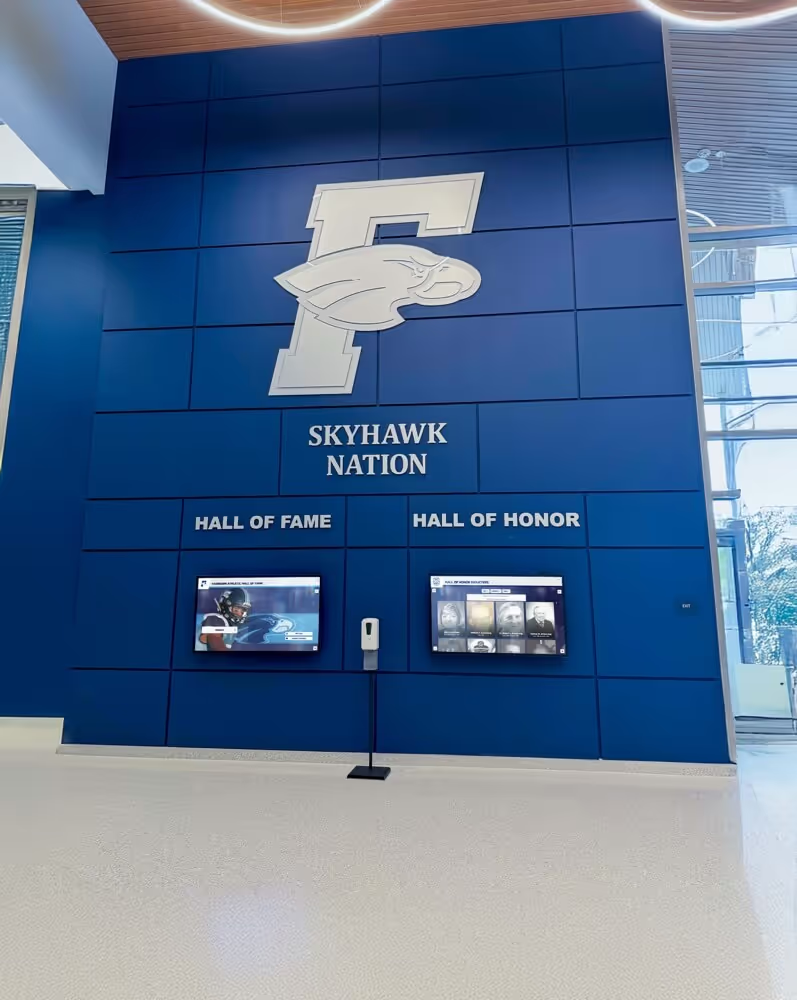
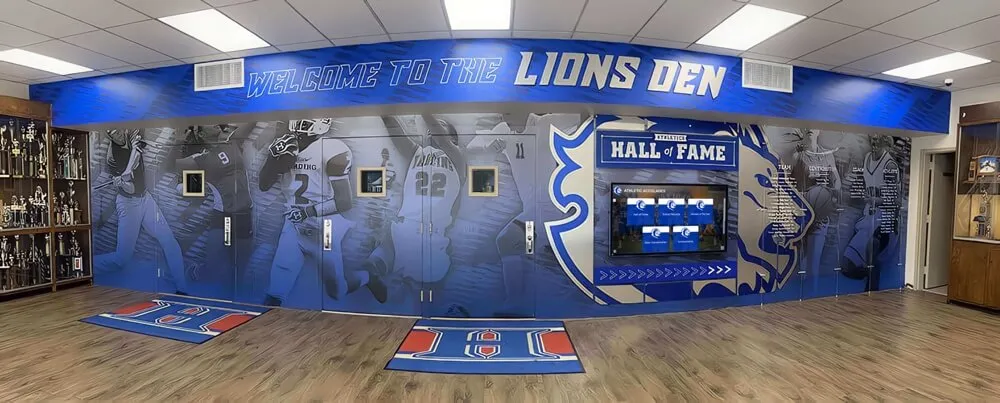
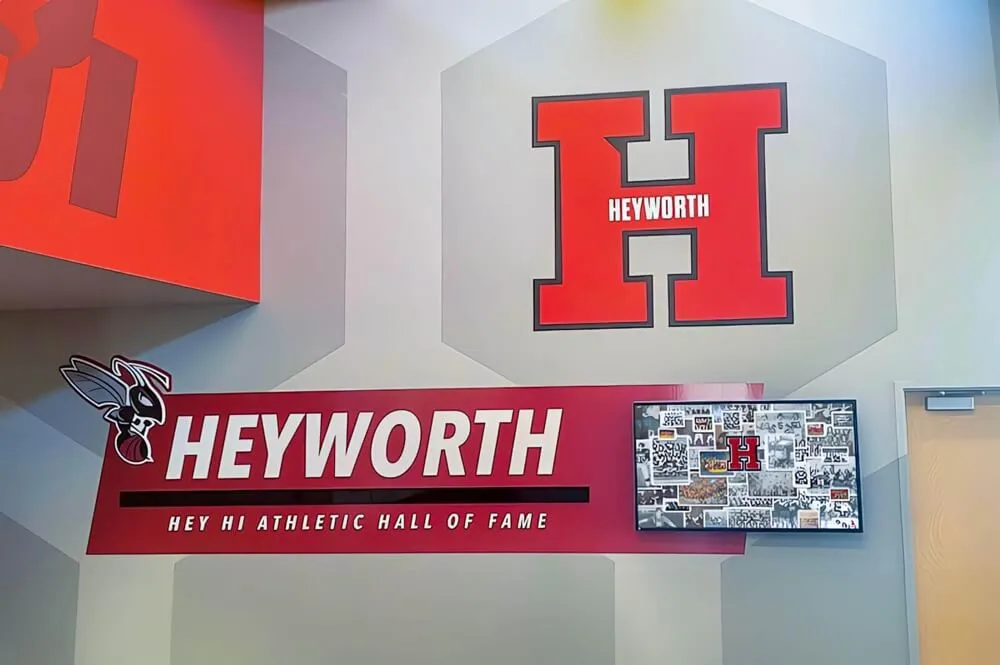
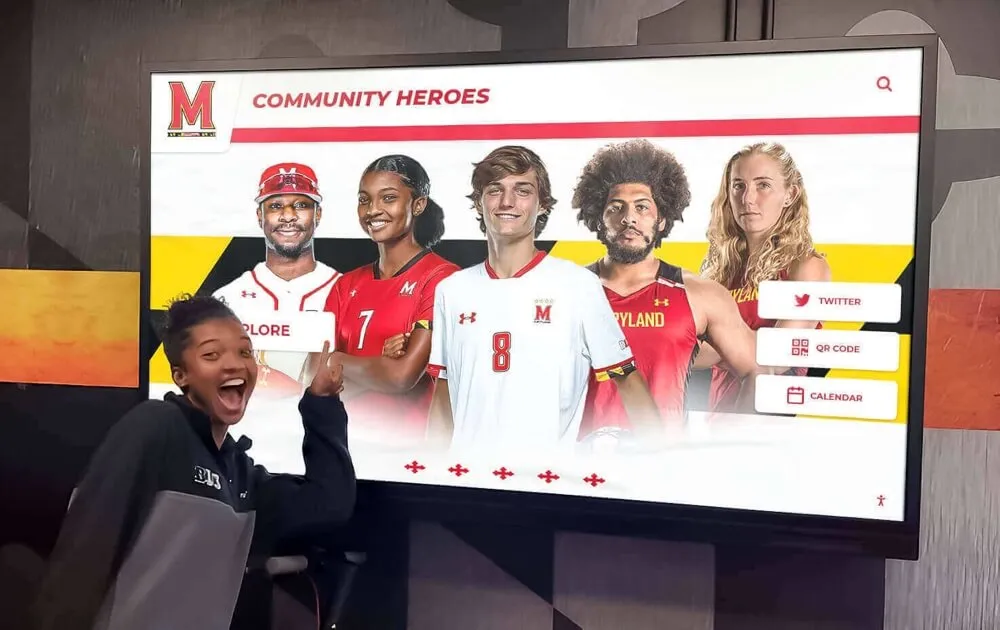
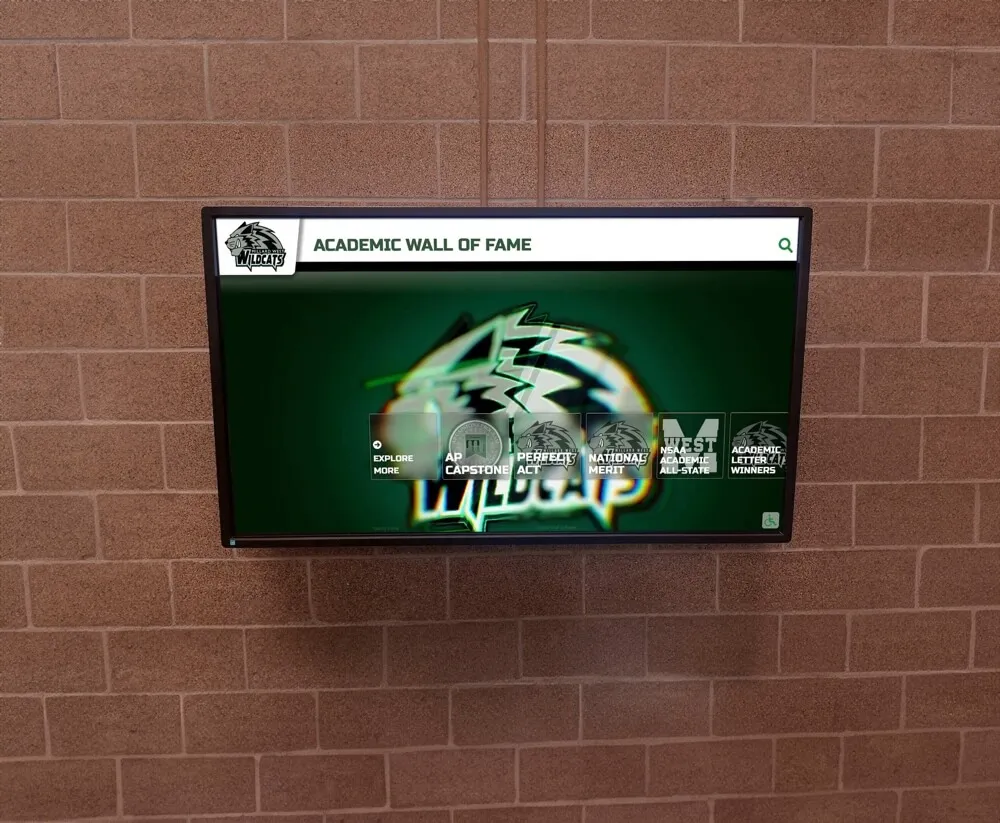
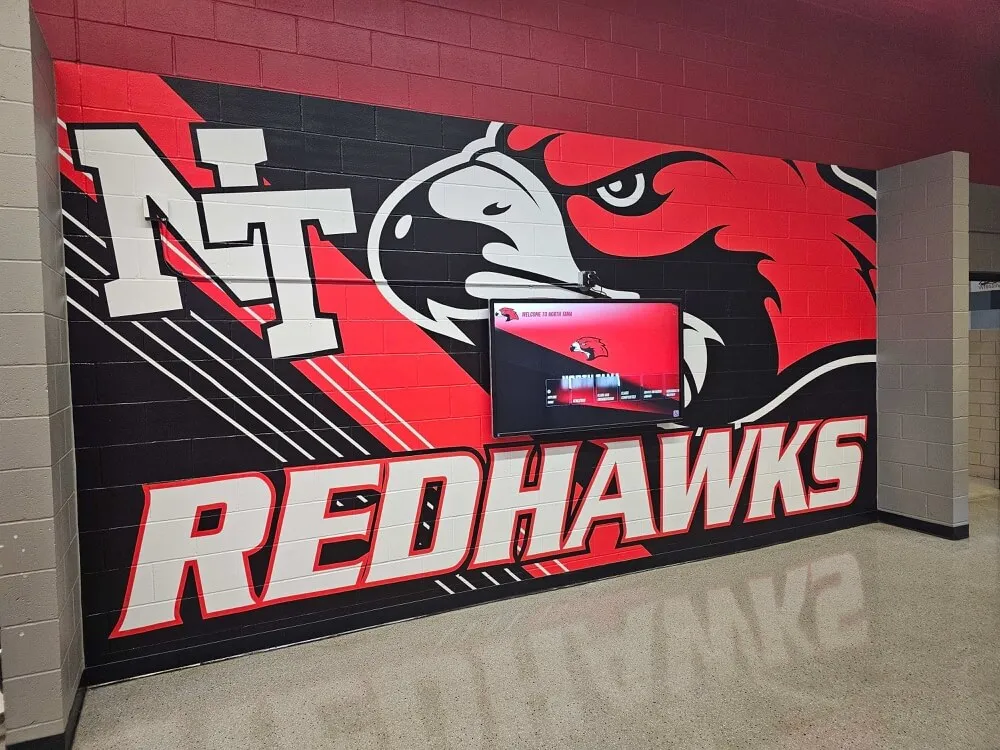
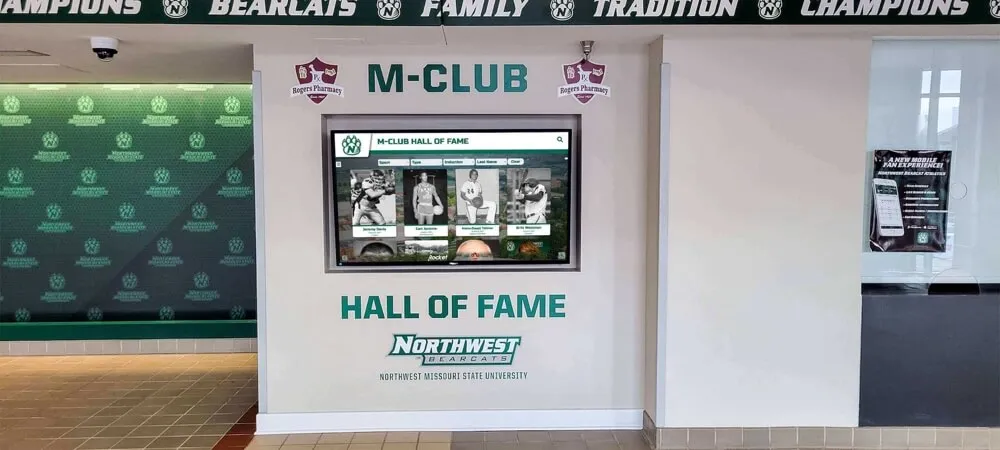
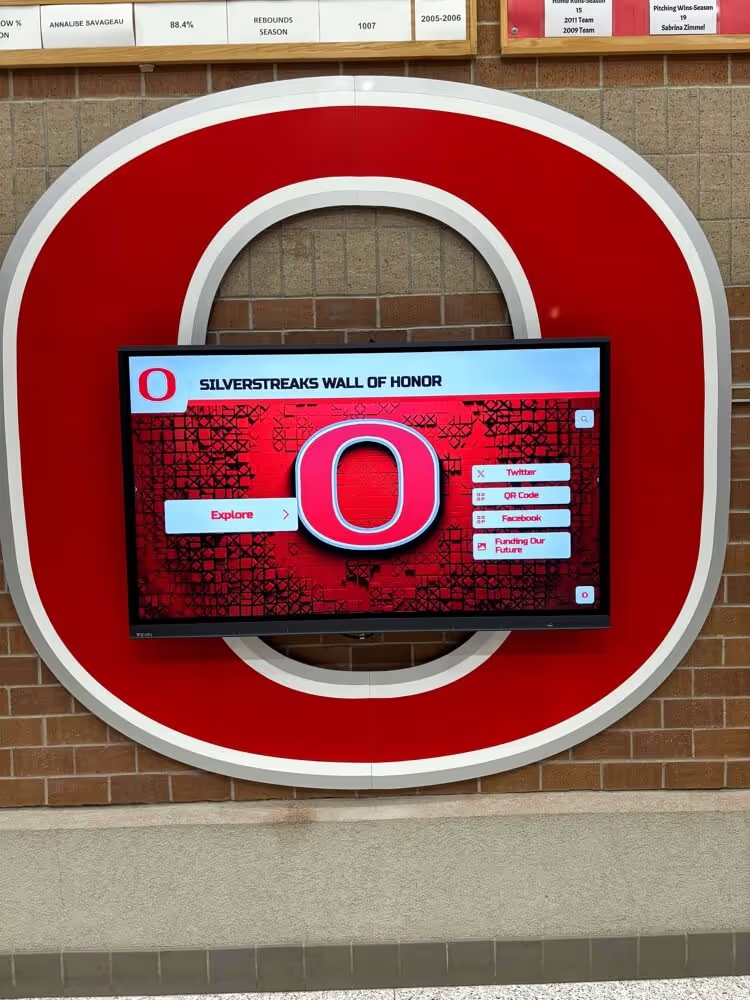
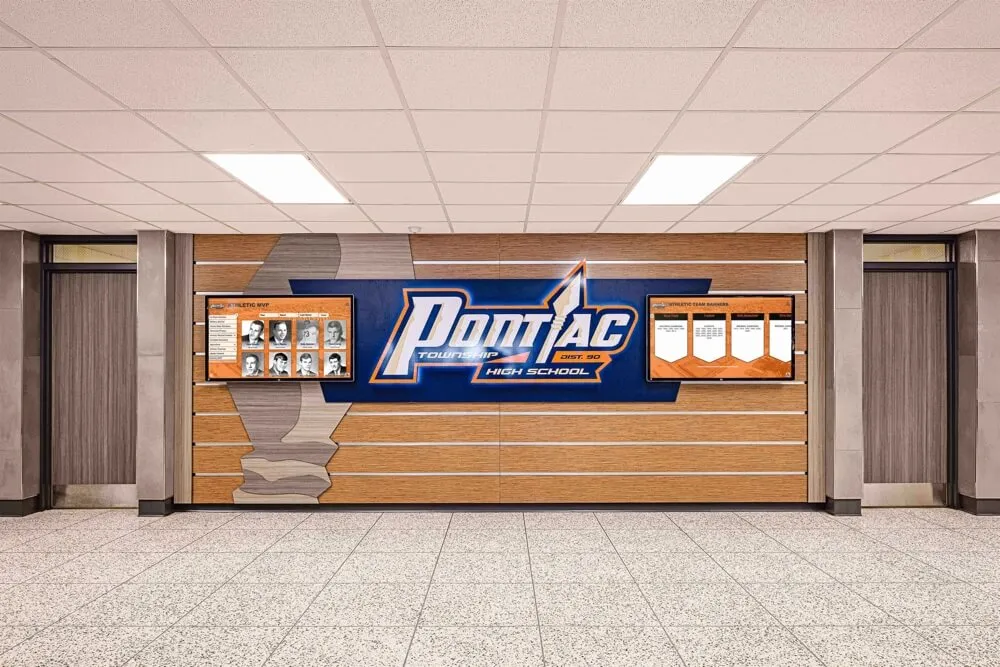
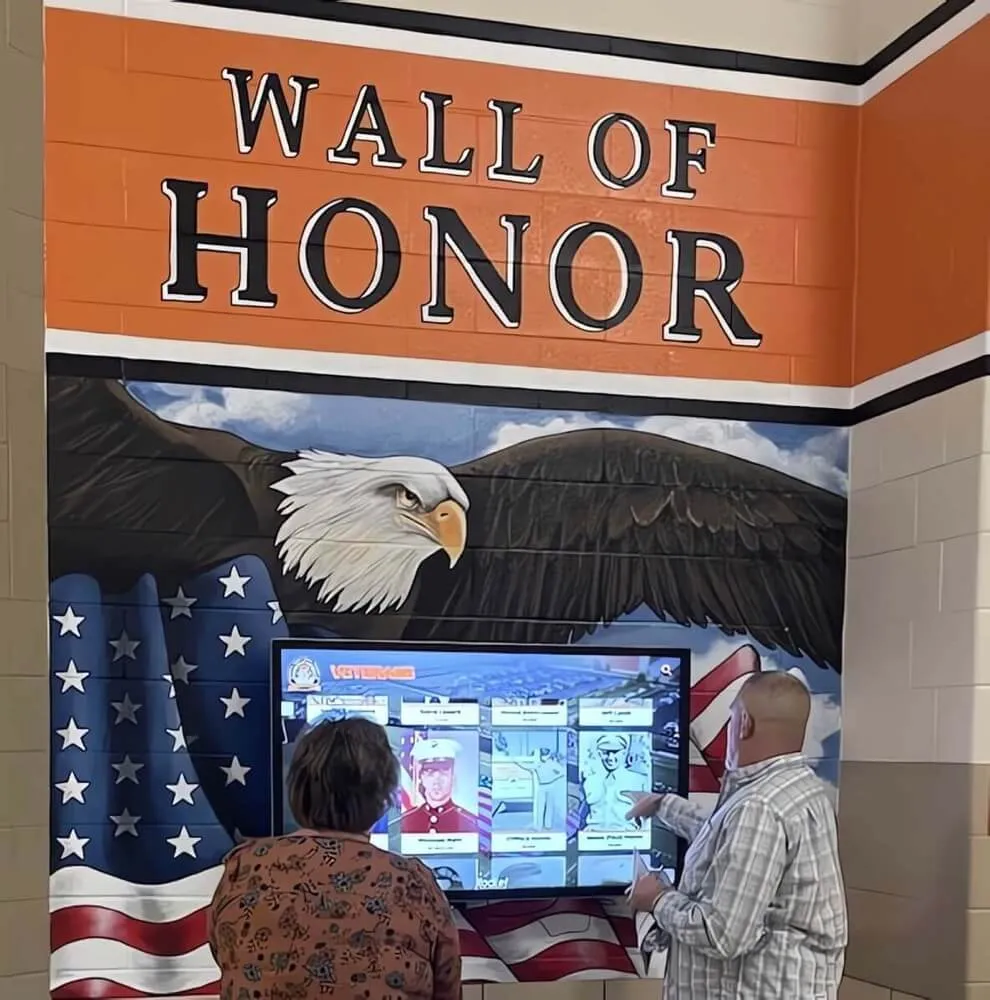
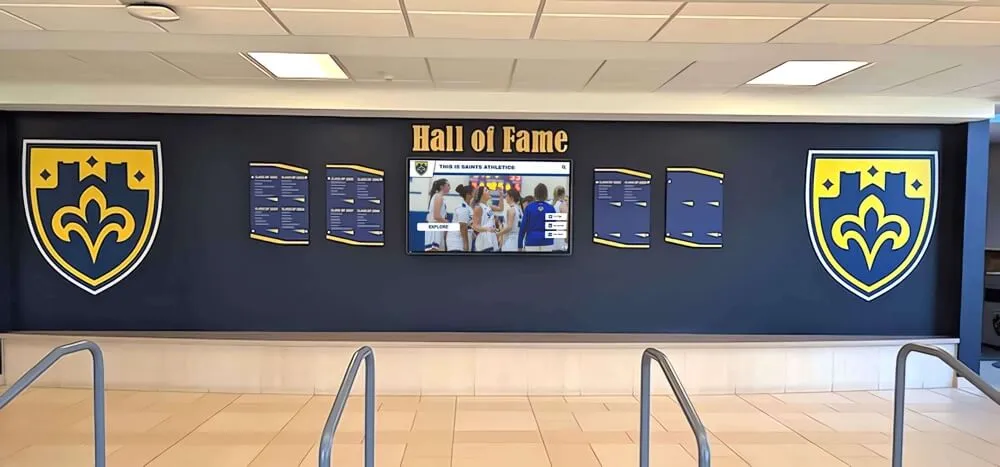
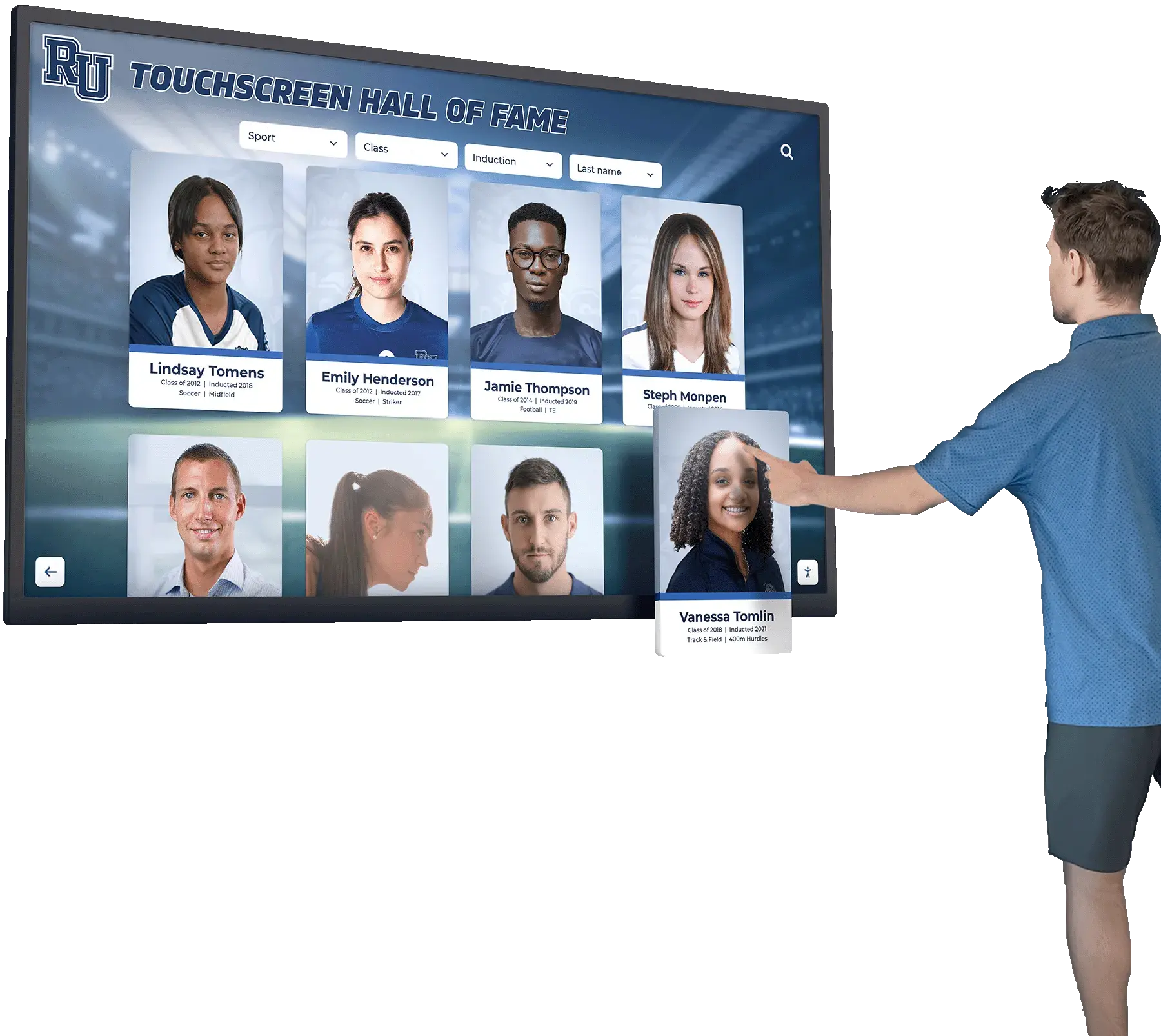
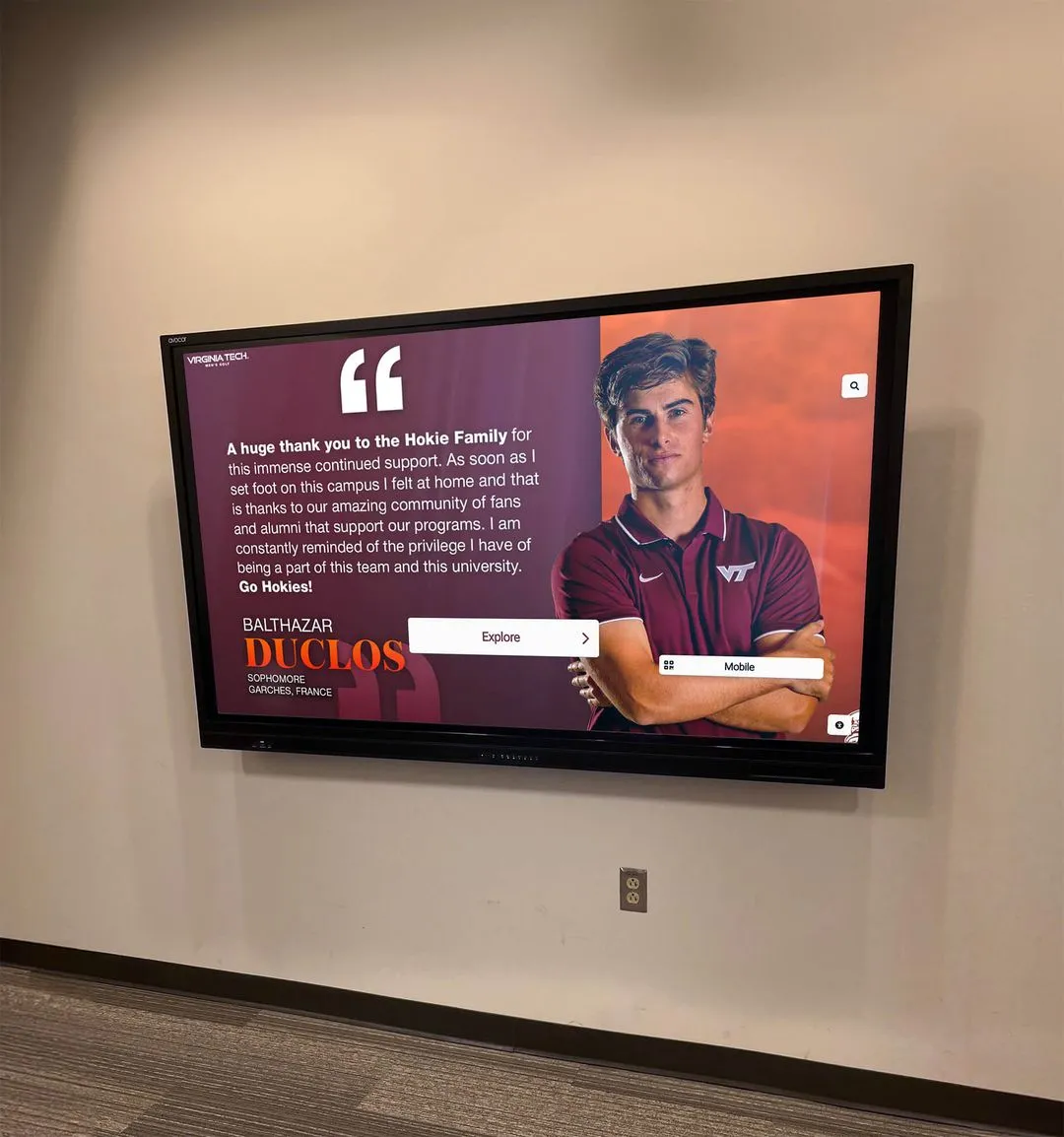
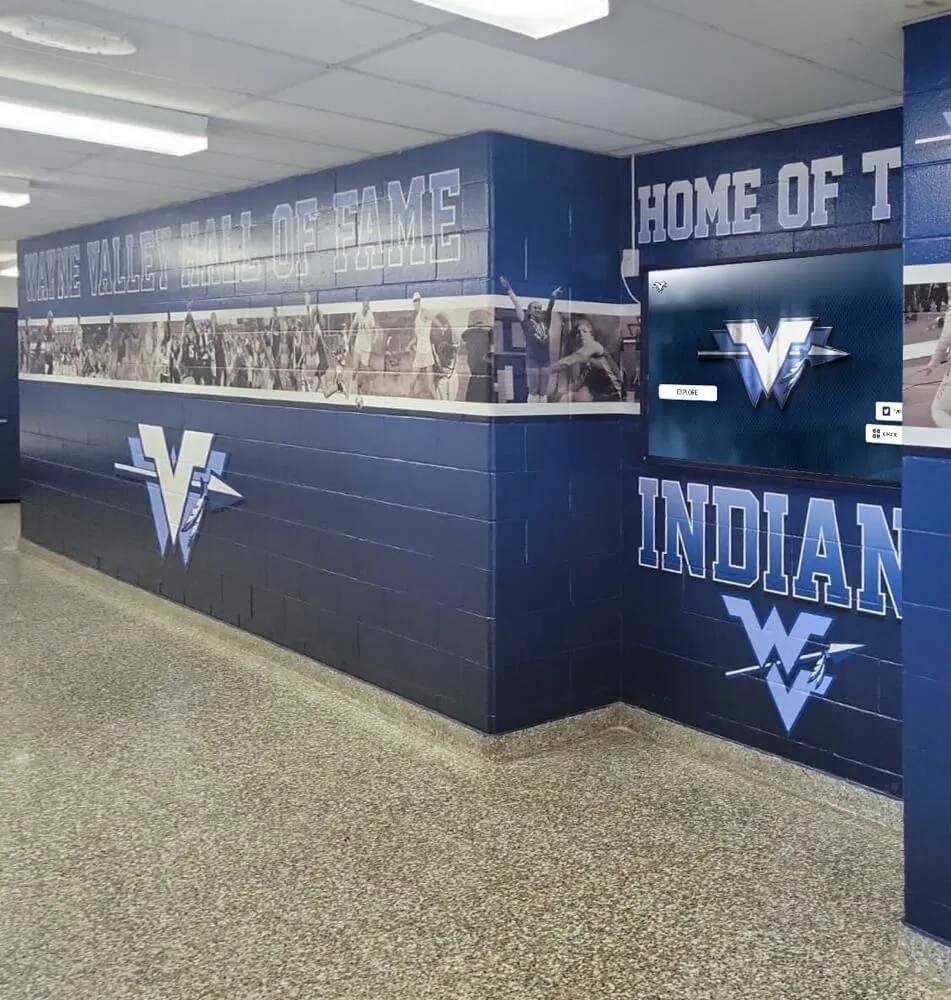
Modern solutions from providers like Rocket Alumni Solutions help athletic departments enhance facilities through low-maintenance digital recognition displays that eliminate ongoing costs associated with traditional trophy cases and plaques, creating budget relief for essential facility upkeep.

Comprehensive Facility Maintenance Framework
Effective athletic facility maintenance requires systematic approaches addressing different timeframes—daily procedures, weekly inspections, seasonal deep maintenance, and annual assessments creating layers of protection ensuring nothing slips through the cracks.
Daily Maintenance Protocols
High-traffic athletic facilities require daily attention preventing minor issues from compounding into major problems. Establish consistent routines covering all active spaces.
Gymnasium and Arena Floors
Wood basketball courts and multi-purpose gymnasium floors demand daily care maintaining performance characteristics and appearance:
- Dust mopping: Remove all debris and dust using clean microfiber dust mops before and after use periods. Dirt and grit act as abrasives, accelerating wear on floor finishes.
- Spill response: Immediately clean all moisture, sports drinks, or other liquids preventing absorption into flooring materials and creating slip hazards.
- Visual inspection: Walk courts checking for loose boards, finish damage, or developing gaps requiring professional attention before they expand.
- Mat placement: Ensure protective mats cover high-traffic entrance points and transition areas where shoes track moisture and debris.
Weight Room and Fitness Areas
Strength training facilities require specialized daily maintenance protecting equipment investments and ensuring safe training environments:
- Equipment wiping: Clean all touch surfaces, bars, handles, and padding using approved disinfectants after each use session—essential for hygiene and equipment longevity.
- Floor cleaning: Sweep rubber flooring removing chalk, dirt, and debris. Spot-clean any spills or stains preventing permanent discoloration.
- Safety checks: Verify all equipment functions properly with cables intact, weight stacks moving smoothly, and safety stops engaging correctly.
- Organization: Return all free weights, bars, clips, and accessories to designated storage areas preventing trip hazards and equipment damage.
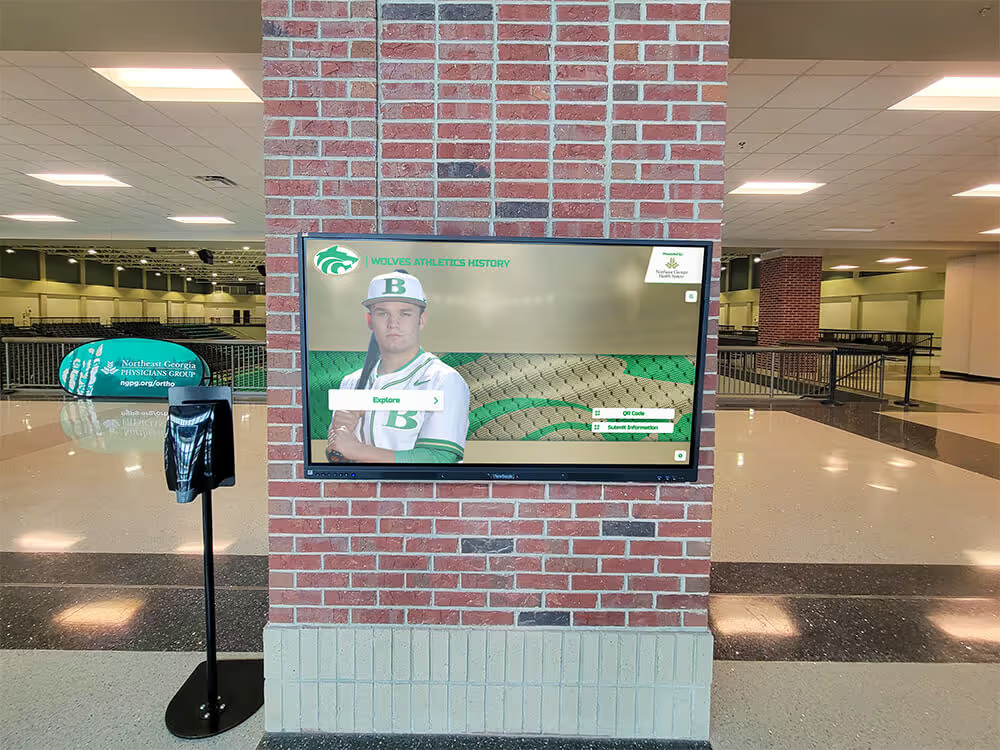
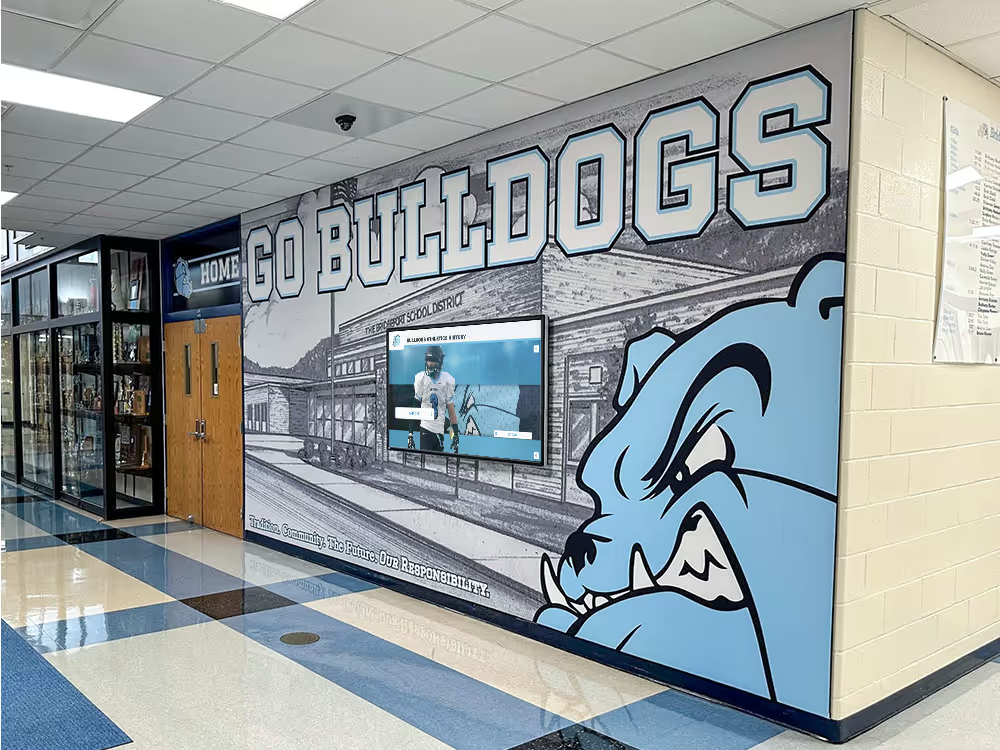
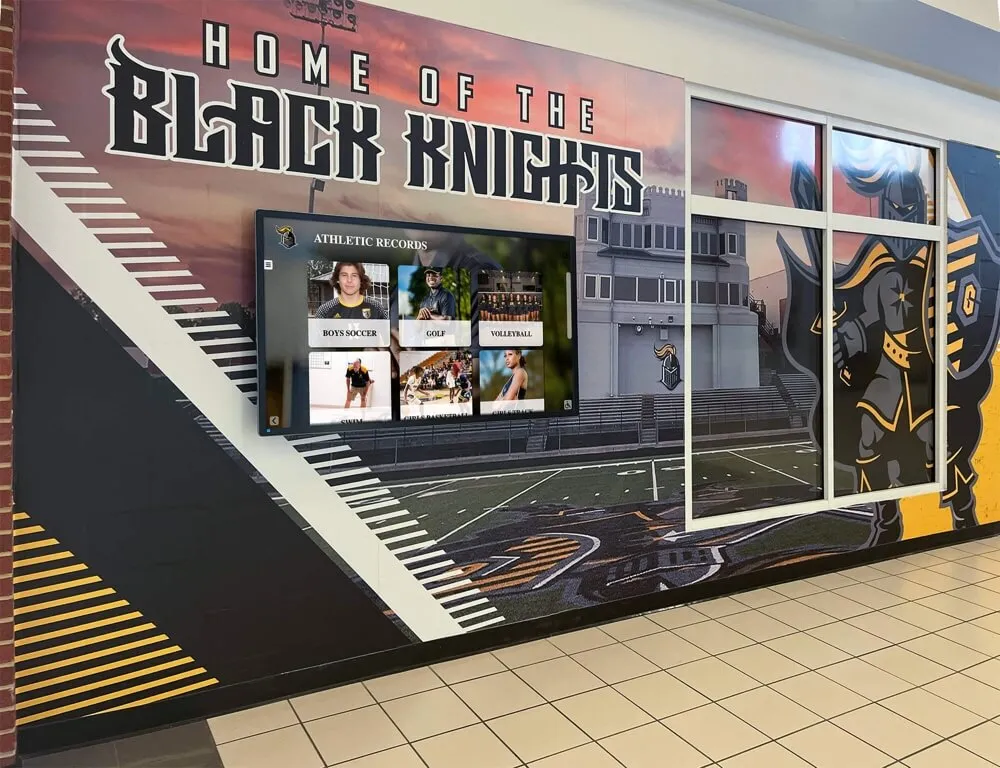
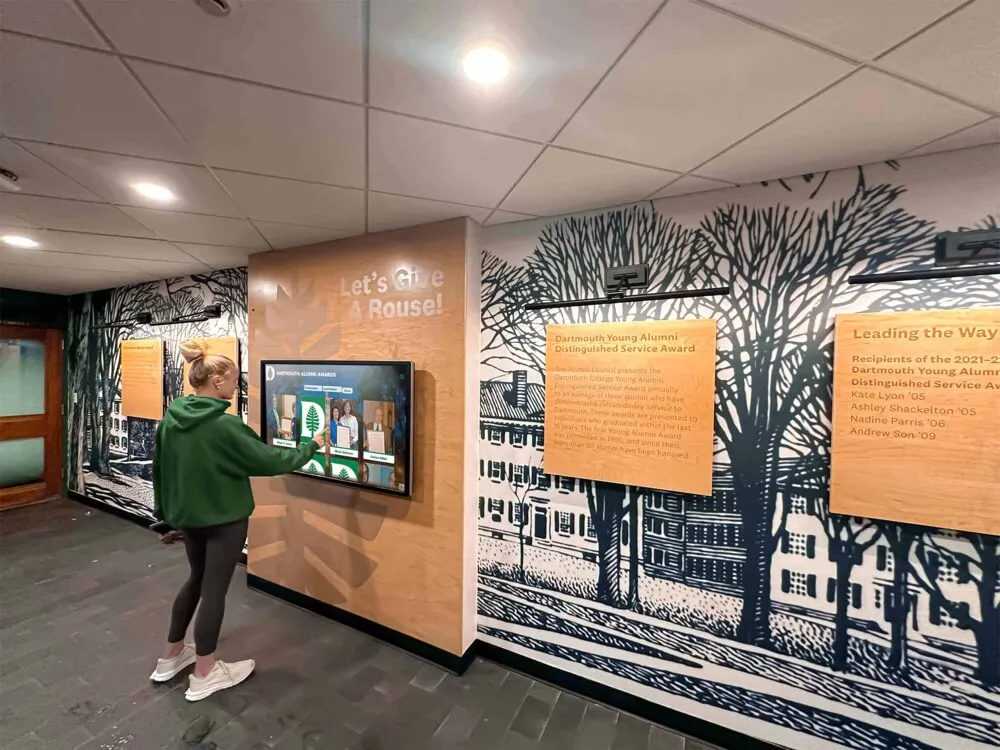
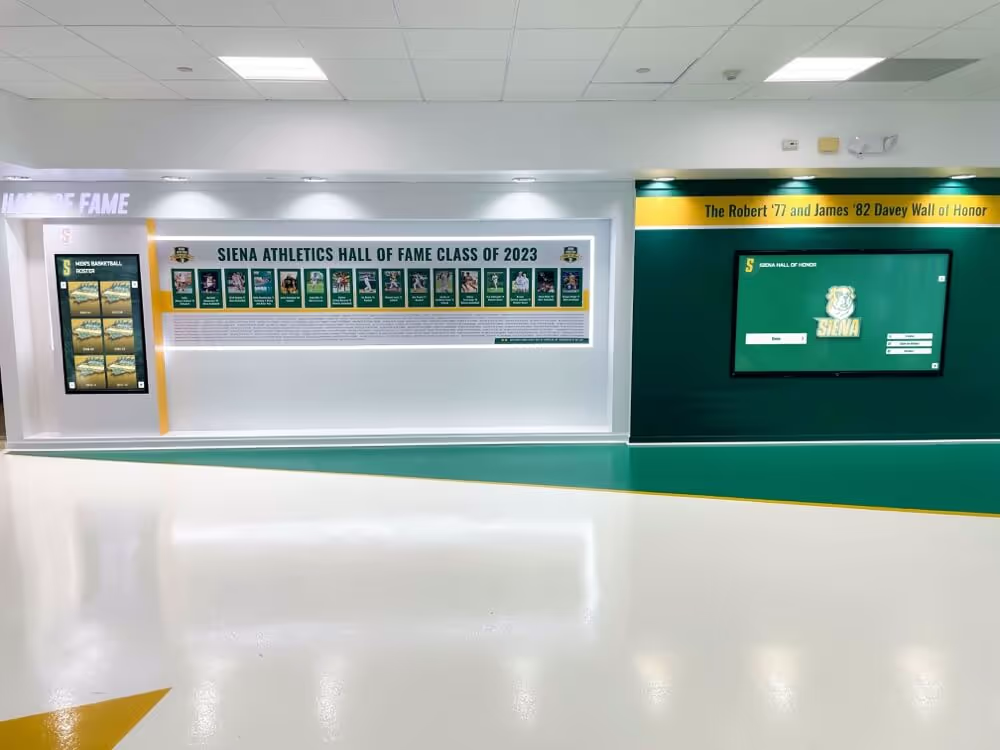
Modern digital displays for athletic recognition can showcase weight room records and achievements without the maintenance requirements of traditional record boards, freeing staff time for essential facility care.
Locker Room Facilities
Locker rooms face unique maintenance challenges from moisture, heavy use, and hygiene requirements:
- Floor cleaning: Wet-mop all tile and concrete surfaces using appropriate disinfectants, paying special attention to shower areas and high-traffic zones.
- Drain checks: Pour water through all floor drains ensuring proper flow. Address slow drains immediately before complete blockages develop.
- Ventilation verification: Confirm all exhaust fans operate properly. Poor ventilation creates moisture problems leading to mold growth and odor issues.
- Supply restocking: Ensure adequate soap, paper towels, and toilet paper availability. Monitor dispenser function and replace damaged units.
- Shower inspection: Check all shower heads for proper spray patterns and temperature control. Look for leaks, loose fixtures, or developing problems.
Weekly Inspection and Maintenance Procedures
Weekly routines address items not requiring daily attention while catching developing issues before they become urgent problems.
HVAC System Monitoring
Climate control systems directly impact facility usability and equipment longevity:
- Filter inspection: Check air handler filters for dust accumulation. Replace or clean filters when they show significant debris buildup—typically monthly but more frequently during heavy use periods.
- Temperature verification: Confirm consistent temperature control across all facility zones. Temperature variations signal HVAC problems requiring professional attention.
- Humidity monitoring: Maintain relative humidity between 40-60% in gymnasiums protecting wood floors and preventing mold growth. Use dehumidifiers when necessary.
- Unusual noise investigation: Listen for grinding, rattling, or other abnormal sounds from HVAC equipment indicating developing mechanical problems.
Lighting Systems
Proper illumination ensures safety while affecting how facilities present to visitors, recruits, and community members:
- Bulb replacement: Replace all burned-out bulbs promptly. Keep adequate replacement inventory for all fixture types used throughout facilities.
- Ballast monitoring: Watch for flickering lights or slow starts indicating failing ballasts requiring replacement before complete failure.
- Exit and emergency lighting: Test all exit signs and emergency lighting ensuring backup systems function properly and batteries maintain charges.
- Control verification: Check that all light switches, motion sensors, and automated controls operate correctly across facility zones.
Plumbing Infrastructure
Water systems require regular monitoring preventing leaks that waste resources and cause structural damage:
- Leak detection walks: Systematically inspect all visible plumbing checking for drips, moisture accumulation, or water stains indicating hidden leaks.
- Fixture operation: Test all faucets, toilets, urinals, and drinking fountains for proper function, adequate water pressure, and temperature control.
- Water heater monitoring: Check water heater temperature settings, pressure relief valves, and surrounding areas for leaks or corrosion signs.
- Drain performance: Monitor drain speed throughout facilities. Slowly draining fixtures indicate developing clogs requiring attention before complete blockages.
When planning facility upgrades or renovations, consider how thoughtful locker room design choices impact long-term maintenance requirements and operational costs.
Monthly Facility Deep Maintenance
Monthly procedures address systems and areas requiring less frequent but more intensive attention:
Floor Care Programs
Different athletic flooring types require specialized monthly maintenance:
- Wood floor deep cleaning: Use approved wood floor cleaners and techniques removing accumulated soil without damaging finishes. Apply conditioners as recommended by manufacturers.
- Rubber and synthetic floors: Deep clean all rubber weight room flooring, synthetic tracks, and multi-purpose surfaces using appropriate cleaning solutions.
- Grout and tile maintenance: Clean tile grout lines in locker rooms and common areas preventing mildew buildup. Seal grout periodically as needed.
- Mat cleaning: Deep clean all entrance mats, protective mats, and wrestling or gymnastics mats according to manufacturer specifications.
Equipment Maintenance Routines
Athletic equipment requires regular service maintaining performance and safety:
- Cardio equipment service: Lubricate treadmill belts, check elliptical alignment, and verify resistance mechanisms on all cardiovascular equipment.
- Strength equipment inspection: Examine all weight machines checking cables, pulleys, weight stacks, and upholstery for wear or damage requiring repair.
- Goal and net systems: Inspect basketball hoops, volleyball standards, and other goal systems for stability, net condition, and operational safety.
- Padding and protection: Check all wall padding, post padding, and protective equipment for secure attachment, wear, and need for replacement.
Recognition Display Care
Athletic recognition displays showcase program achievements and require regular attention maintaining appearance:
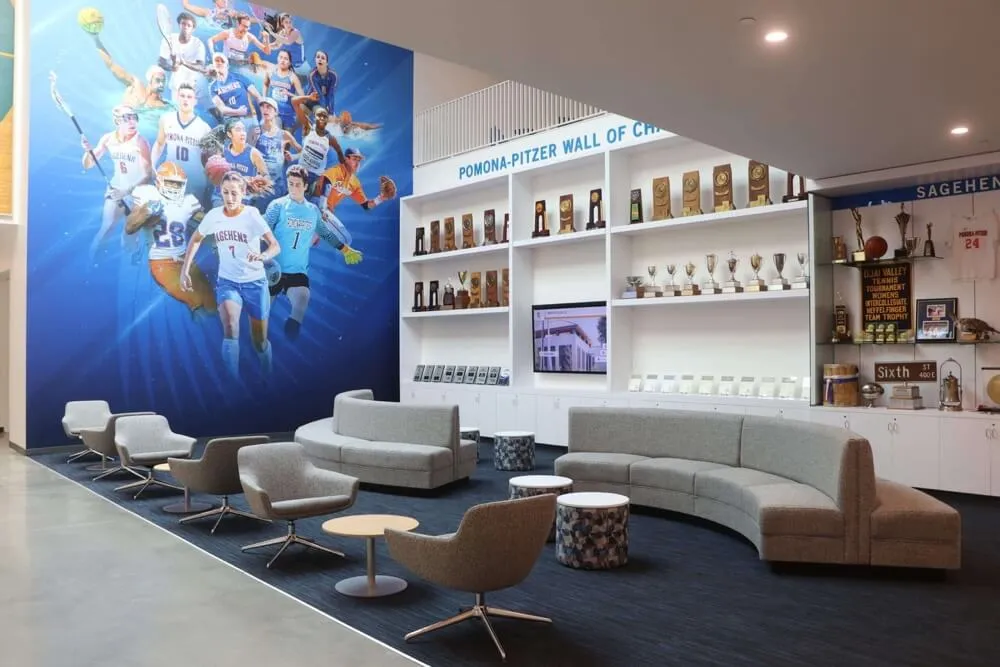
- Trophy case cleaning: Clean all glass surfaces inside and out. Dust trophies, plaques, and display items. Check lighting and repair bulbs.
- Record board updates: Keep all athletic records current whether using traditional or digital systems. Address any peeling vinyl or damaged elements.
- Digital display maintenance: Clean screens, verify content displays correctly, and ensure digital recognition systems function properly.
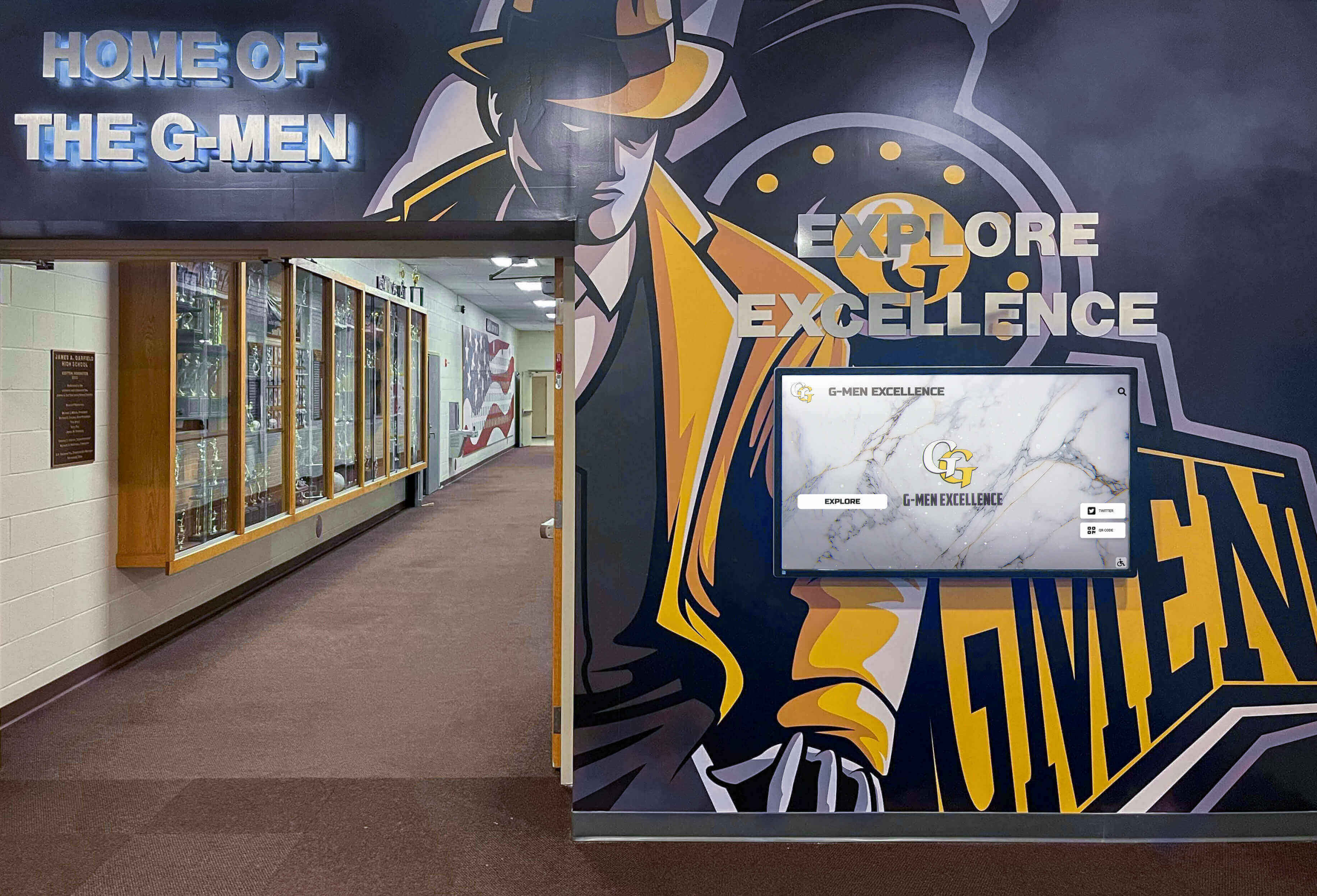
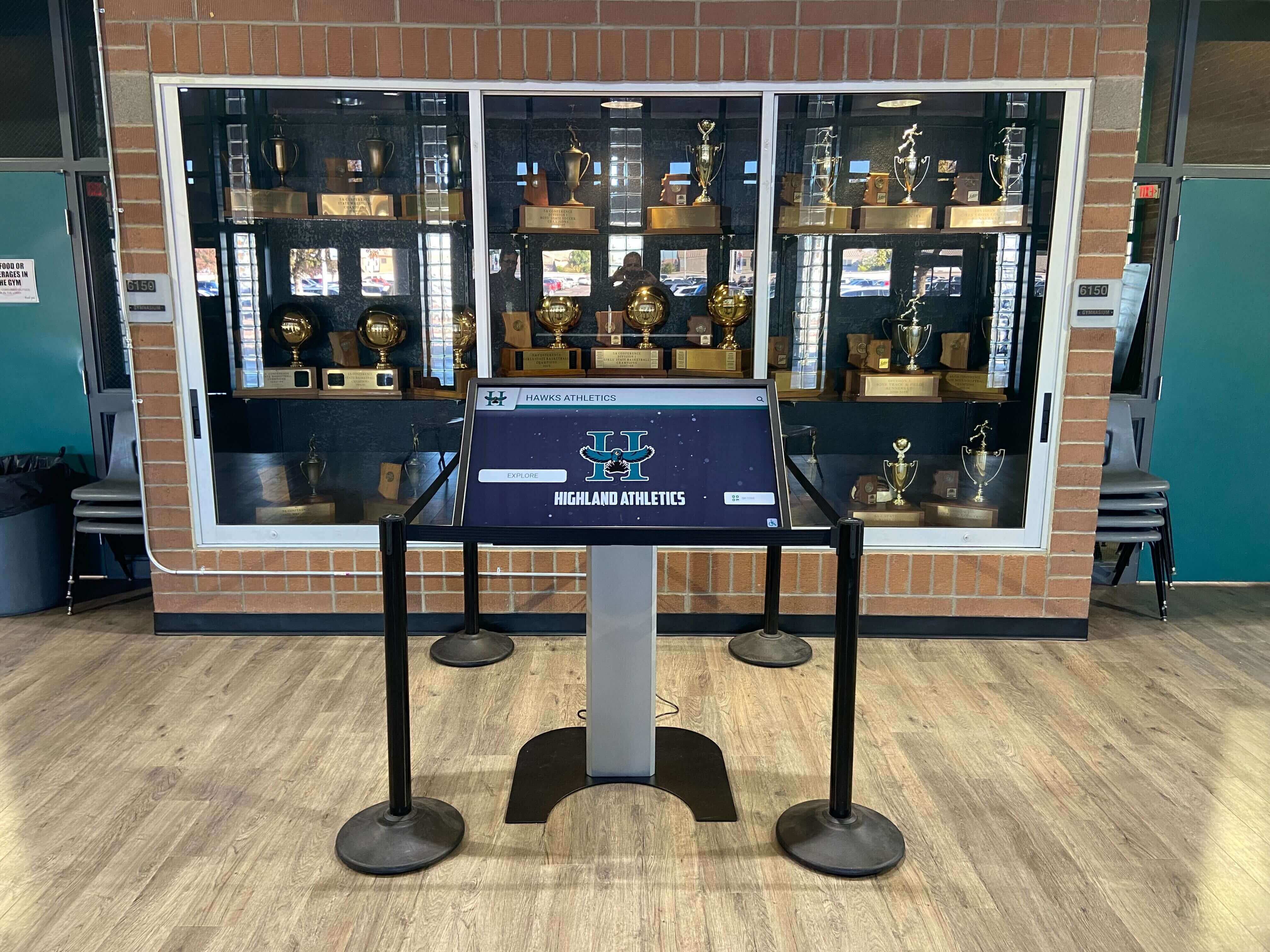
Traditional trophy cases and record boards demand ongoing maintenance time. Schools implementing digital donor recognition walls and digital record boards reduce maintenance requirements while gaining flexibility to update content instantly without physical intervention.
Seasonal Maintenance Procedures
Different seasons create unique facility demands requiring specialized attention:
Fall Preparation (August-September)
Prepare facilities for new school year activity:
- HVAC system servicing: Schedule professional HVAC inspections and tune-ups before heating season begins.
- Exterior facility preparation: Inspect outdoor facilities including bleachers, fencing, scoreboards, and lighting before fall sports seasons.
- Safety equipment verification: Test all AEDs, emergency communication systems, and first aid equipment ensuring readiness for competitive seasons.
- Winter weather preparation: Check roof drainage, seal cracks in exterior surfaces, and prepare snow removal equipment for coming months.
Winter Deep Maintenance (December-January)
Use winter breaks for intensive facility care:
- Floor refinishing projects: Schedule wood floor screening and recoating during extended breaks when facilities can remain closed for proper curing.
- Deep equipment maintenance: Perform comprehensive service on all weight room equipment, cardio machines, and mechanical systems.
- Paint and cosmetic updates: Address scuffed walls, touched-up painted surfaces, and refresh high-wear areas throughout facilities.
- Storage area organization: Clean and organize equipment storage areas, discard damaged items, and inventory supplies for spring purchasing.
Spring Renewal (March-April)
Prepare for spring sports and summer usage:
- Outdoor facility activation: Inspect and prepare outdoor facilities after winter including fields, tracks, tennis courts, and outdoor equipment.
- Air conditioning preparation: Service cooling systems before summer heat places demands on equipment.
- Deep cleaning projects: Thoroughly clean all areas benefiting from increased ventilation opportunities spring weather provides.
- Summer planning: Identify maintenance projects best completed during summer months when facility usage decreases.
Summer Facility Projects (June-July)
Maximize facility improvements during lower-use periods:
- Major renovation projects: Schedule significant renovations, equipment installations, or infrastructure upgrades when programs don’t require facility access.
- Comprehensive painting: Complete major painting projects including gymnasiums, hallways, and locker rooms while facilities remain largely empty.
- Flooring projects: Install new flooring, refinish wood courts, or replace damaged sections when adequate curing time exists before fall sports.
- Technology upgrades: Install new scoreboards, sound systems, digital displays, or other technology improvements without disrupting active programs.

Critical Facility Systems Requiring Specialized Attention
Certain facility systems demand specialized knowledge and professional service beyond typical maintenance staff capabilities:
Electrical Systems and Safety
Athletic facilities utilize substantial electrical infrastructure powering lighting, HVAC, equipment, scoreboards, and technology systems:
- Annual professional inspection: Licensed electricians should inspect main panels, circuit breakers, wiring, and grounding systems annually identifying developing problems.
- Load management: Monitor electrical loads, particularly in weight rooms where equipment concentration creates high demands on circuits.
- Emergency power: Test backup generators and emergency lighting systems quarterly ensuring functionality during power outages.
- Safety device testing: Test all GFCI outlets monthly and immediately replace any showing functional problems.
Specialized Athletic Flooring
Athletic floors represent major investments requiring expert care:
- Professional refinishing: Schedule professional wood floor refinishing every 5-10 years depending on use intensity and finish condition.
- Moisture monitoring: Use moisture meters checking wood floor moisture content. Levels outside 6-9% range indicate environmental problems requiring correction.
- Synthetic surface care: Follow manufacturer recommendations for synthetic tracks, turf fields, and specialized athletic surfaces.
- Damage assessment: Engage professional flooring contractors to assess significant damage determining whether repair or replacement provides better value.
Fire Safety and Life Systems
Athletic facilities must maintain comprehensive fire safety compliance:
- Fire extinguisher service: Schedule annual professional inspection and service of all fire extinguishers. Replace extinguishers meeting manufacturer end-of-life dates.
- Fire alarm testing: Test all smoke detectors, pull stations, and alarm systems according to local fire code requirements—typically quarterly or annually.
- Sprinkler system maintenance: Have licensed fire protection contractors inspect and service sprinkler systems annually including flow tests and valve verification.
- Emergency egress: Ensure all exit doors function properly, panic hardware operates correctly, and exit paths remain clear of obstructions.
Budget-Conscious Maintenance Strategies
Limited budgets require strategic approaches maximizing facility condition within resource constraints:
Preventive Maintenance ROI
Preventive maintenance consistently delivers superior return on investment compared to reactive approaches:
- Equipment longevity: Regular maintenance extends equipment lifespan by 30-50% according to industry data, delaying expensive replacement needs.
- Energy efficiency: Well-maintained HVAC systems operate 15-20% more efficiently, creating ongoing utility cost savings.
- Liability reduction: Systematic inspection and maintenance programs reduce injury risks and associated liability exposure.
- Aesthetic preservation: Consistent cleaning and minor repair prevents deterioration requiring expensive restoration later.
Strategic Vendor Relationships
Developing relationships with quality vendors improves service value:
- Service contracts: Negotiate comprehensive service agreements covering routine maintenance at better rates than emergency service calls.
- Bulk purchasing: Coordinate with other school district facilities or local programs purchasing cleaning supplies, replacement parts, and maintenance items at volume discounts.
- Training partnerships: Work with equipment vendors providing staff training on proper use and basic maintenance reducing service call needs.
- Warranty management: Maintain detailed records ensuring all equipment remains under warranty coverage and defects receive manufacturer remedy.
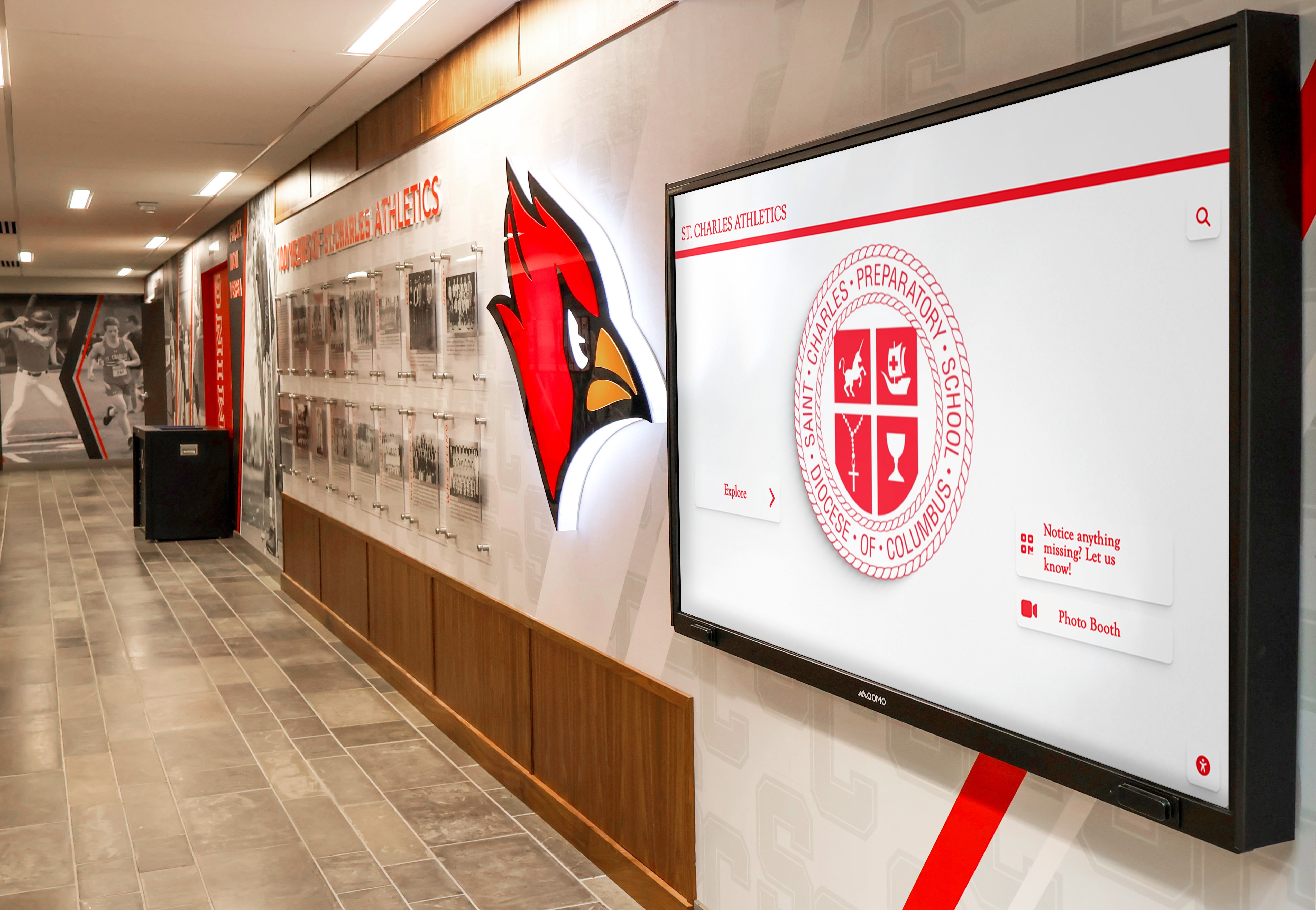
Schools can redirect maintenance budget dollars by implementing low-maintenance digital wall of fame solutions rather than continuously maintaining traditional physical trophy cases and record boards requiring regular updating, cleaning, and repair.
Documentation and Record Keeping
Comprehensive maintenance records protect facilities investments and inform decision-making:
Maintenance Logs and Tracking
Systematic documentation creates accountability and reveals patterns:
- Daily log books: Maintain simple logs where staff document daily checks, issues discovered, and actions taken creating dated records.
- Work order systems: Implement formal work order processes tracking maintenance requests from submission through completion including labor and materials costs.
- Equipment service records: Keep detailed service histories for all major equipment noting maintenance performed, parts replaced, and issues addressed.
- Inspection checklists: Use standardized checklists ensuring consistent inspection approaches and creating documentation proving systematic facility care.
Capital Planning Documentation
Maintenance records inform long-term capital improvement planning:
- Condition assessments: Document current condition of all major facility systems creating baselines for tracking deterioration.
- Remaining useful life estimates: Note expected remaining service life for major equipment, flooring, roofing, and other capital items.
- Replacement cost documentation: Maintain current replacement cost estimates for major systems supporting budget requests for future replacements.
- Project prioritization: Use condition data and safety considerations ranking potential capital projects by urgency and impact.
Creating Your Custom Facility Maintenance Checklist
Every athletic facility presents unique characteristics requiring customized maintenance approaches:
Facility Assessment Process
Begin by comprehensively documenting your specific facility:
- Inventory all spaces: List every room, area, and facility component requiring maintenance attention.
- Identify equipment: Document all mechanical systems, athletic equipment, and installed components needing regular service.
- Note special conditions: Record unique facility characteristics like older systems requiring extra attention or new equipment under warranty.
- Determine access patterns: Understand usage schedules identifying when different maintenance activities can occur without disrupting programs.
Checklist Development
Build systematic checklists addressing all facility needs:
- Organize by frequency: Create separate daily, weekly, monthly, and seasonal checklists preventing items from being overlooked.
- Assign responsibilities: Clearly indicate which staff members handle different checklist items ensuring accountability.
- Include standards: Specify what “complete” looks like for each item providing objective completion criteria.
- Build in flexibility: Allow for weather variations, schedule changes, and unexpected issues requiring deviation from standard routines.
Implementation and Refinement
Put systems into practice and continuously improve:
- Staff training: Ensure all maintenance personnel understand checklist items, proper procedures, and documentation expectations.
- Regular review meetings: Discuss checklist effectiveness, address items consistently missed, and refine procedures based on experience.
- Seasonal adjustments: Modify checklists seasonally addressing changing facility demands and usage patterns.
- Technology integration: Consider maintenance management software helping track completion, schedule reminders, and analyze patterns as budgets allow.
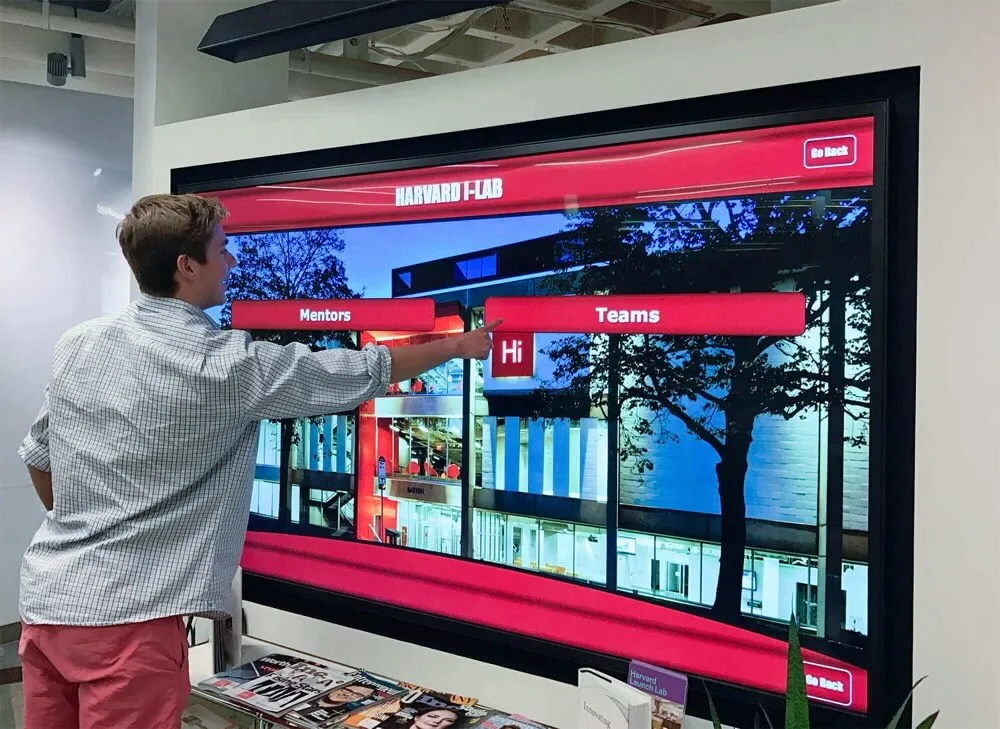
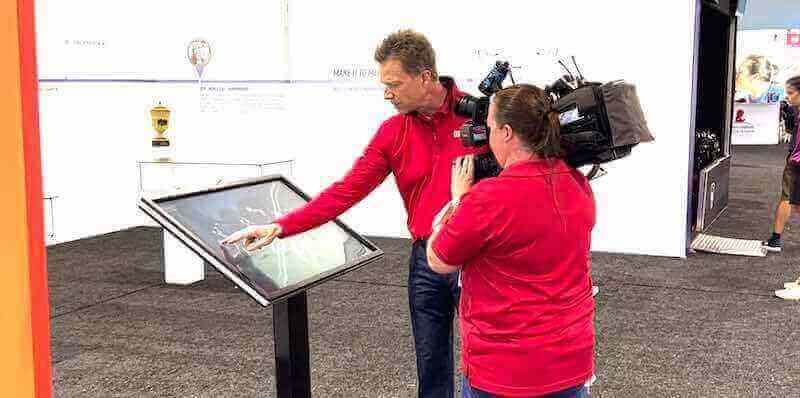
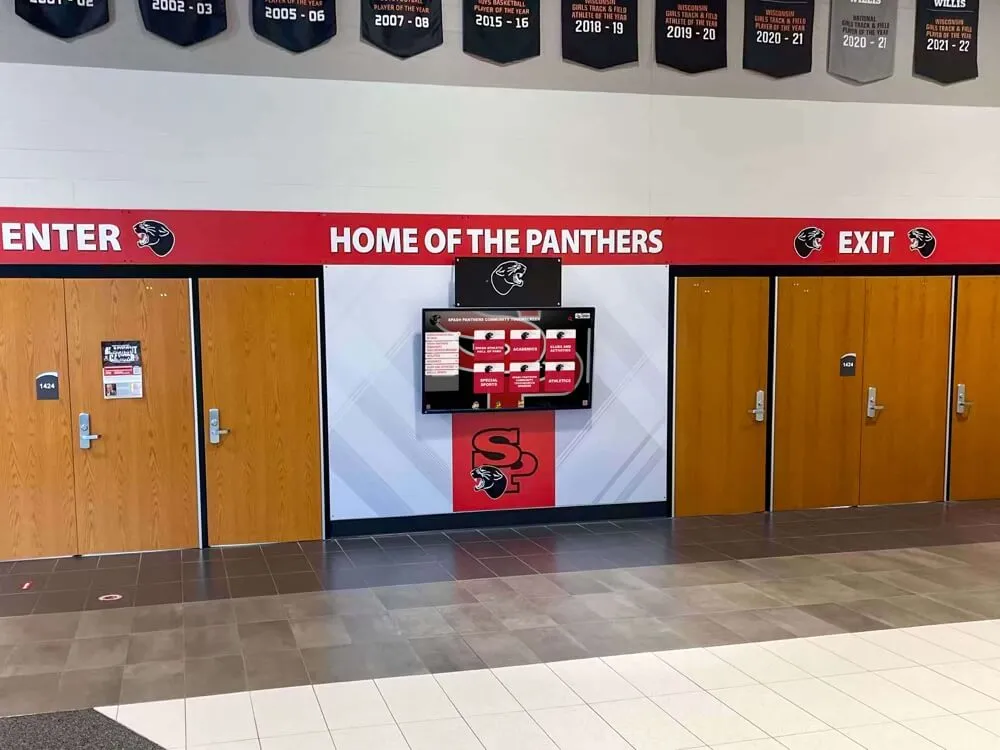
Thoughtful planning of recognition displays reduces ongoing facility maintenance demands. Programs highlighting achievements through touchscreen kiosks at events and functions create flexible, updatable recognition without the physical maintenance traditional displays require.
Common Facility Maintenance Mistakes to Avoid
Learning from common pitfalls helps athletic directors implement more effective maintenance programs:
Reactive-Only Approaches
Waiting until equipment fails or problems become visible costs significantly more than preventive maintenance:
- Crisis management expense: Emergency repairs typically cost 3-5 times preventive maintenance addressing issues before failures.
- Program disruption: Equipment failures during competitive seasons force schedule changes, venue relocations, or competition cancellations.
- Cascade failures: Neglected minor issues stress related systems creating multiple simultaneous failures.
- Safety liability: Reactive approaches increase injury risks from equipment failures or facility hazards not addressed proactively.
Inconsistent Procedures
Starting strong but allowing maintenance to slide creates worse outcomes than never beginning:
- Accelerated deterioration: Inconsistent cleaning or service allows damage accumulation erasing previous maintenance benefits.
- Staff confusion: Irregular procedures create uncertainty about expectations and responsibilities.
- Lost documentation: Gaps in record-keeping prevent identifying patterns or demonstrating systematic care.
- Warranty issues: Irregular maintenance may void equipment warranties requiring proof of proper care.
Inadequate Staff Training
Maintenance quality depends on personnel understanding proper procedures:
- Product misuse: Using incorrect cleaning products damages surfaces, accelerates wear, or creates safety hazards.
- Incomplete procedures: Rushing through checklists or skipping steps reduces maintenance effectiveness.
- Missed warning signs: Untrained staff overlook early indicators of developing problems requiring professional attention.
- Safety violations: Improper chemical handling, equipment operation, or lockout-tagout procedures creates personnel risks.
Deferred Maintenance Accumulation
Postponing needed repairs rarely improves situations:
- Compound problems: Small issues expand into major failures when left unaddressed.
- Increased costs: Deferred maintenance typically costs 2-4 times immediate repair expenses.
- Facility deterioration: Visible wear creates negative impressions affecting recruitment, community support, and program pride.
- Forced crisis spending: Accumulated deferred maintenance eventually demands expensive emergency intervention.
Modernization Opportunities During Maintenance Cycles
Strategic facility maintenance creates opportunities introducing efficiency improvements:
Energy Efficiency Upgrades
Maintenance and replacement cycles present ideal times implementing energy-saving technologies:
- LED lighting conversion: Replace burned-out or failing fluorescent fixtures with LED alternatives reducing energy consumption 50-75% while improving light quality.
- HVAC upgrades: When replacing aging HVAC systems, specify high-efficiency models that reduce operating costs throughout their service lives.
- Smart controls: Install programmable thermostats, occupancy sensors, and automated lighting controls during renovation projects reducing utility waste.
- Insulation improvements: Address inadequate insulation during roof replacement or wall repairs improving comfort and reducing heating-cooling costs.
Technology Integration
Facility updates can incorporate technology enhancing operations:
- Digital signage: Replace static bulletin boards and manual message boards with digital displays during cosmetic updates providing flexible, low-maintenance communication.
- Access control systems: Modernize door hardware and locking systems with keycard or keypad entry improving security and reducing lock-change expenses.
- Monitoring systems: Install moisture sensors, temperature monitors, and leak detection systems providing early warning of developing facility problems.
- Video systems: Add security cameras during electrical upgrades enhancing safety oversight and incident investigation capabilities.
Athletic programs celebrating achievements through academic recognition programs and digital displays can maintain consistent facility aesthetics without constant physical updates as new accomplishments occur.
Building Maintenance Culture
Sustainable facility care requires cultural commitment beyond procedures:
Program-Wide Responsibility
Effective maintenance extends beyond facilities staff:
- Coach involvement: Train coaching staff in proper equipment use, storage, and basic care reducing damage and extending equipment life.
- Student-athlete education: Teach athletes respecting facilities, reporting problems, and maintaining cleanliness creating shared ownership.
- Administrative support: Ensure athletic directors and principals understand maintenance importance supporting adequate budgets and staffing.
- Community awareness: Help booster clubs and community users understand facility care expectations when using spaces outside school hours.
Continuous Improvement Mindset
Treat facility maintenance as evolving rather than static:
- Best practice research: Stay informed about new maintenance techniques, products, and approaches improving efficiency or effectiveness.
- Peer learning: Connect with facilities managers at other schools sharing successful approaches and learning from their experiences.
- Vendor expertise: Leverage vendor knowledge about optimal care for equipment and systems they provide.
- Outcome measurement: Track metrics like equipment lifespan, energy consumption, and repair costs measuring maintenance program effectiveness.
Conclusion: Protecting Your Athletic Investment
Athletic facilities represent substantial capital investments serving student-athletes, schools, and communities for decades when properly maintained. The comprehensive checklist approaches outlined here provide frameworks ensuring systematic facility care preventing deterioration, extending equipment life, and preserving safe, functional sports environments.
Successful athletic directors recognize that maintenance isn’t optional overhead—it’s essential investment protection. Every dollar spent on preventive maintenance typically saves three to five dollars in avoided emergency repairs, premature replacements, and facility deterioration. Every hour invested in systematic inspection prevents crises that disrupt programs and disappoint athletes.
Building comprehensive maintenance programs requires initial effort developing checklists, training staff, and establishing routines. But once implemented, systematic approaches become self-sustaining, creating facilities that remain showcase-quality for years while requiring less crisis intervention than neglected counterparts.
The best time to implement comprehensive facility maintenance was when buildings first opened. The second-best time is today. Whether managing decades-old facilities requiring extra attention or stewarding newer spaces deserving protection, systematic maintenance practices preserve athletic investments and create environments where programs thrive.
Ready to reduce facility maintenance demands while enhancing athletic recognition? Rocket Alumni Solutions offers digital record boards and recognition displays that eliminate ongoing trophy case maintenance, vinyl record board updates, and physical display upkeep—freeing your facilities team to focus on essential building systems while providing athletes with dynamic, always-current recognition of their achievements. Schedule a demonstration to discover how modern digital solutions can streamline your facility management approach.