



Athletic directors carry one of the most demanding administrative portfolios in education—overseeing budgets, compliance, facilities, coaching staffs, schedules, and community relationships while serving as the public face of an institution’s entire sports program. Understanding what that role pays, what drives salary variation, and what causes talented ADs to stay or leave is increasingly important for school and university leaders who want competitive, well-run athletic departments.
This guide covers athletic director salary ranges across high school, collegiate, and university levels, the factors that move compensation up or down, and a dimension of retention that salary surveys often undercount: the role that recognition culture plays in keeping exceptional ADs engaged over the long term.
Recognition Infrastructure and AD Retention
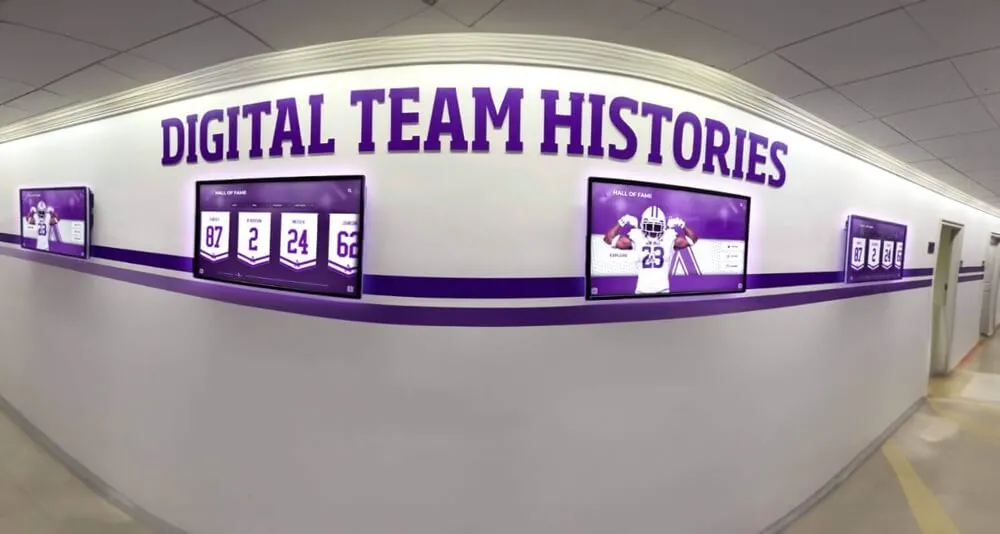
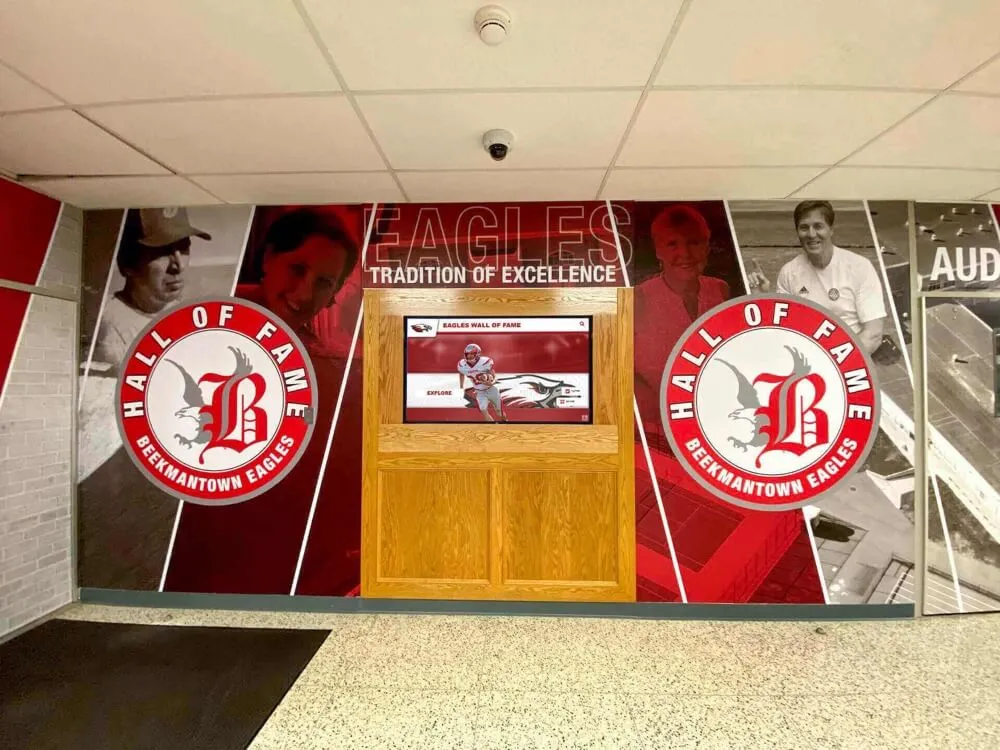
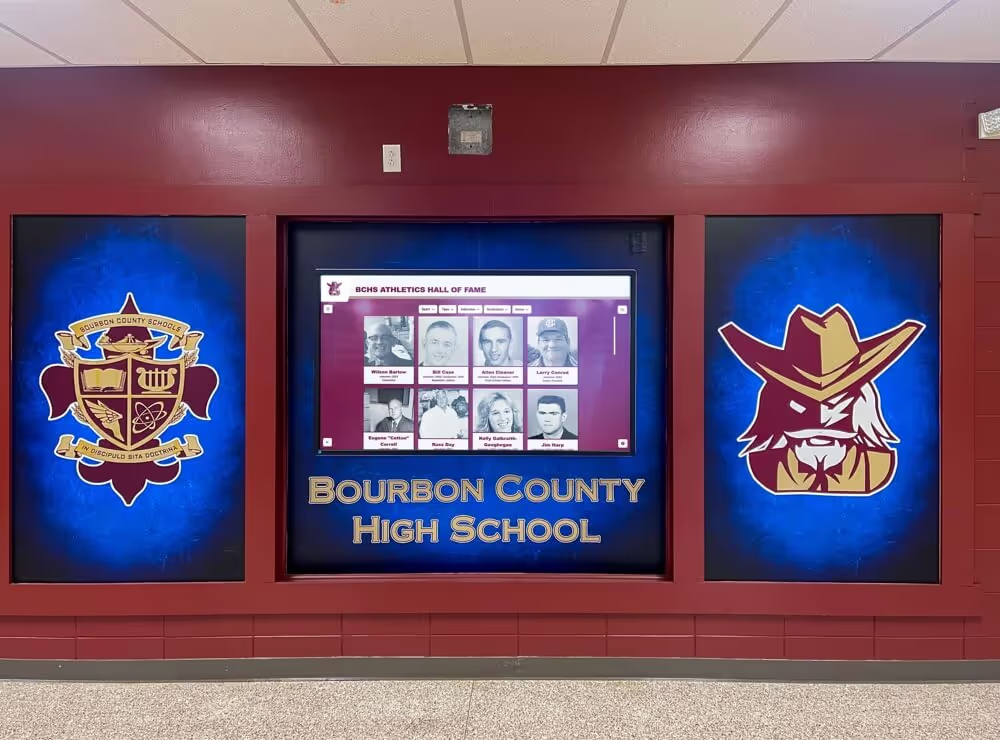
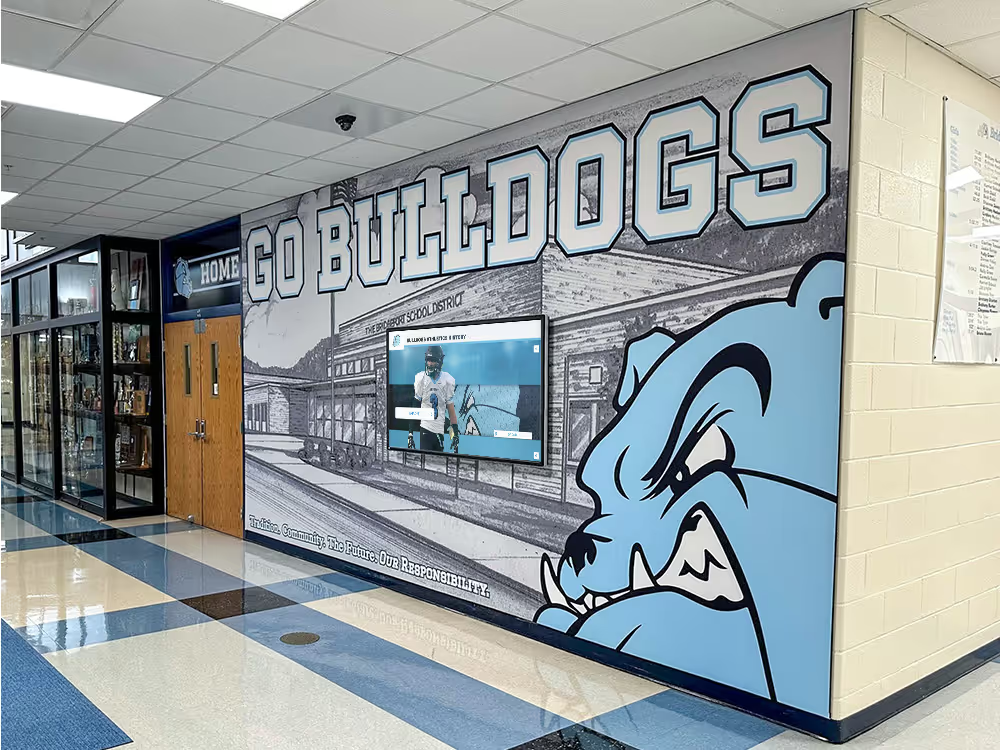
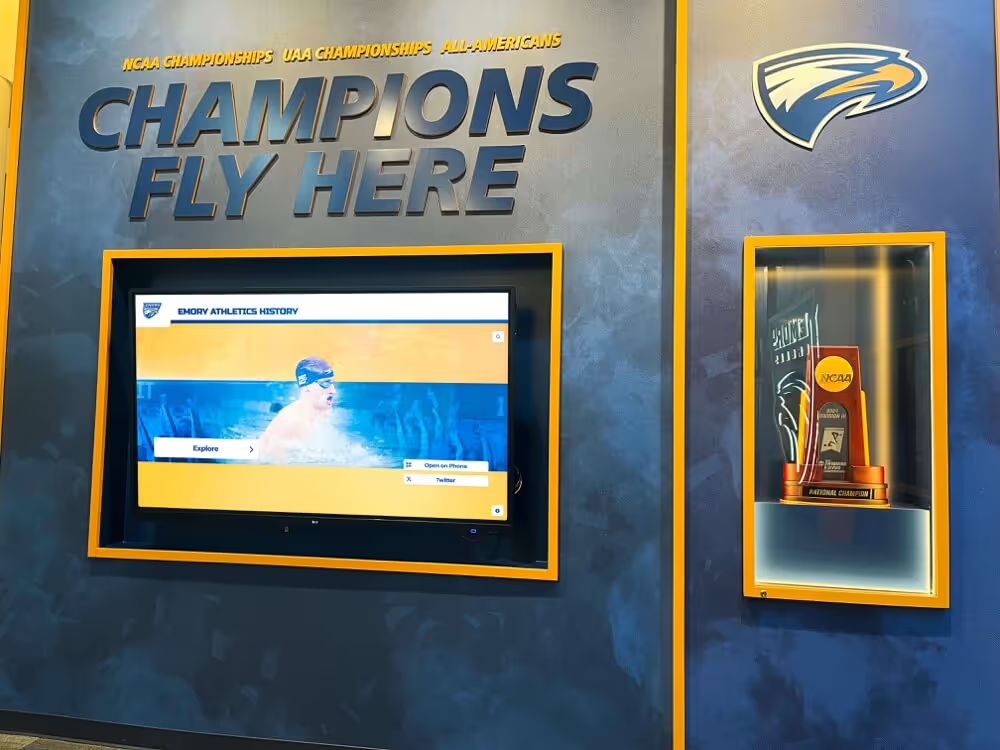
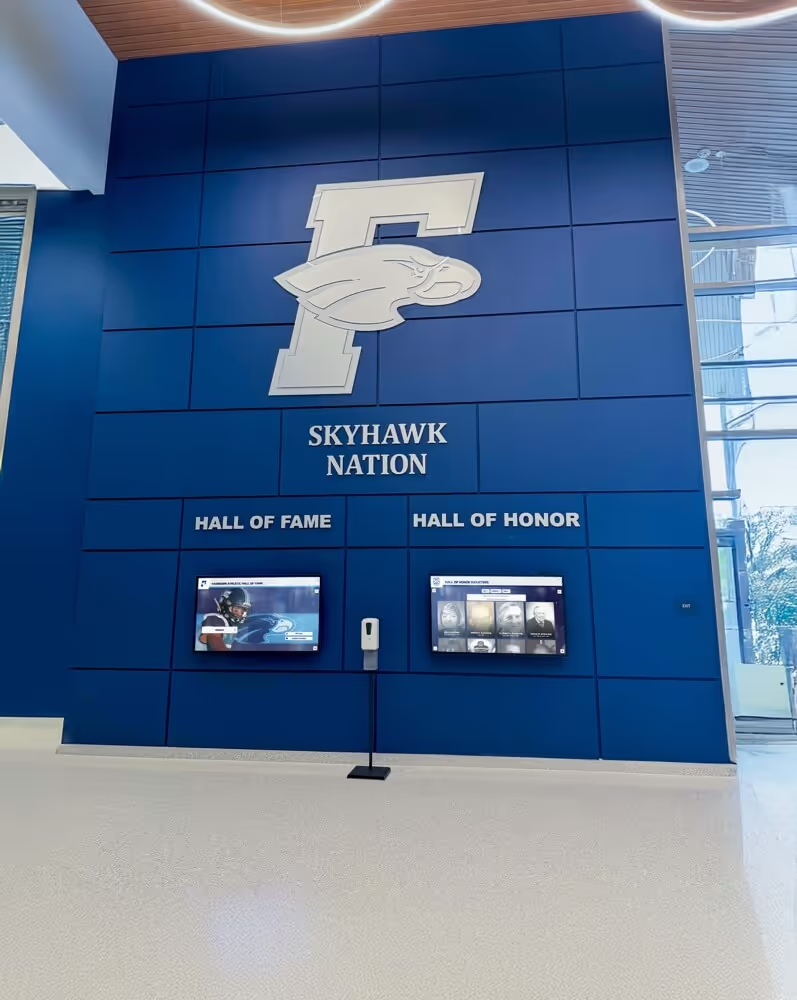
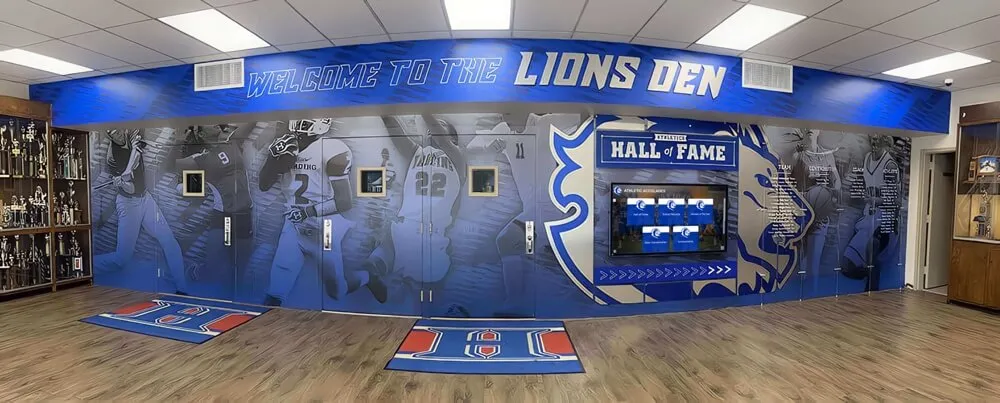
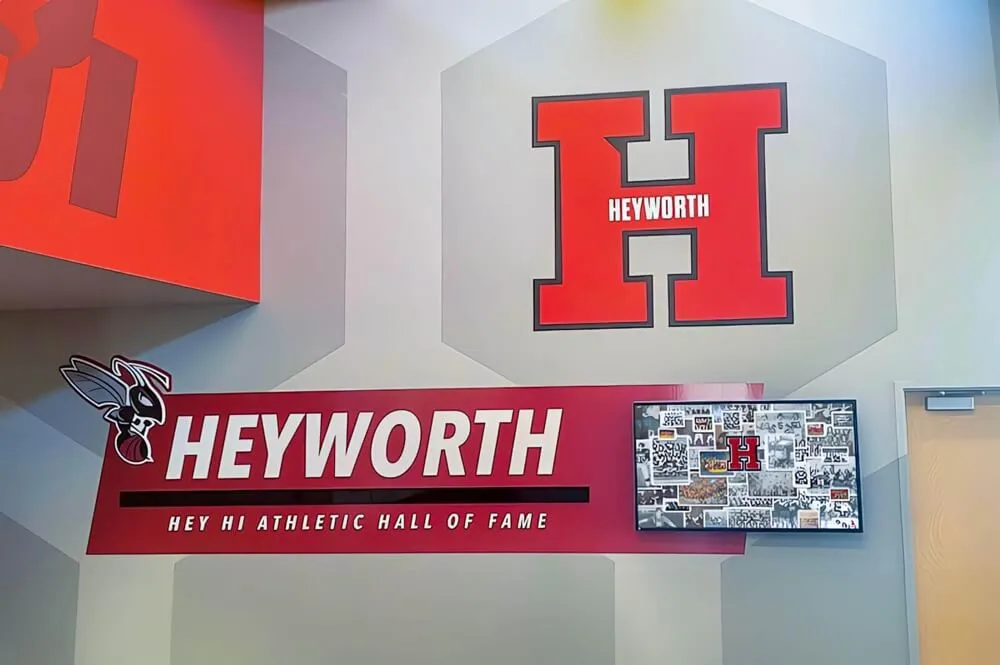
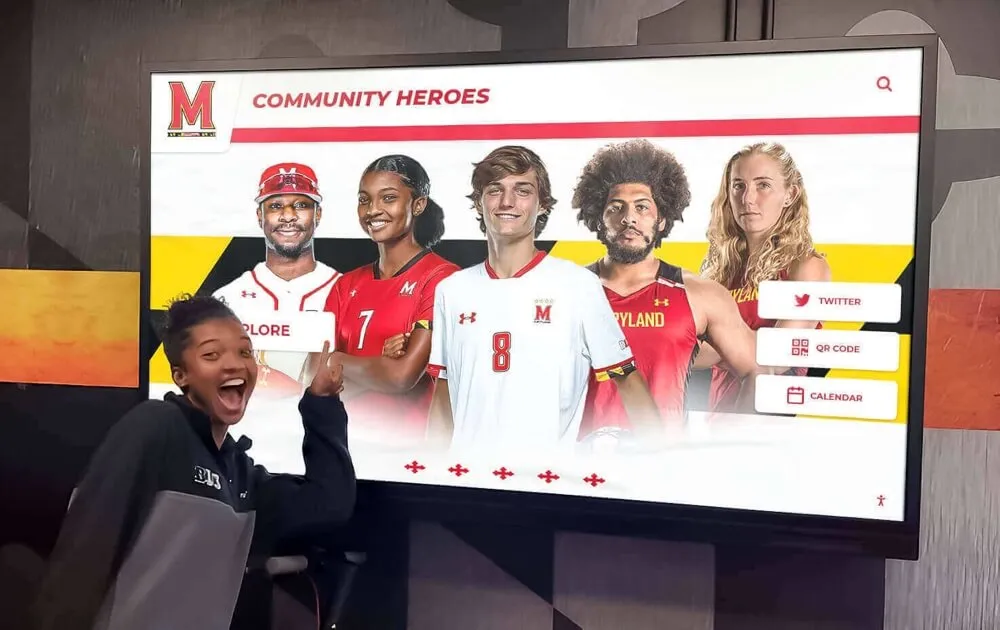
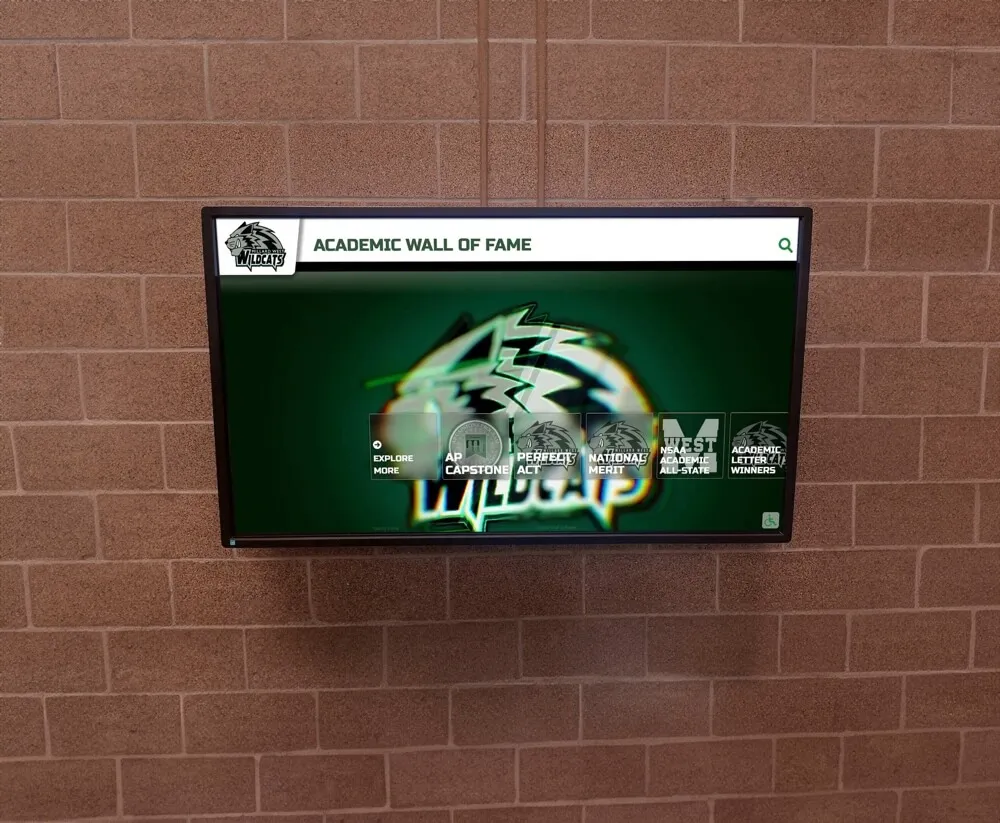
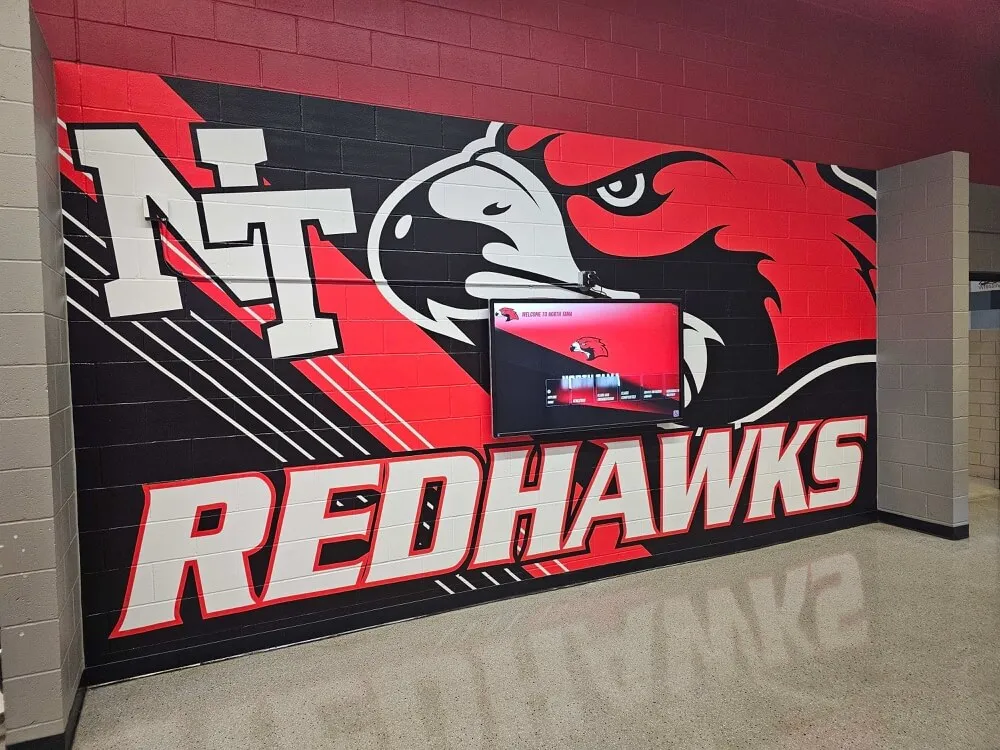
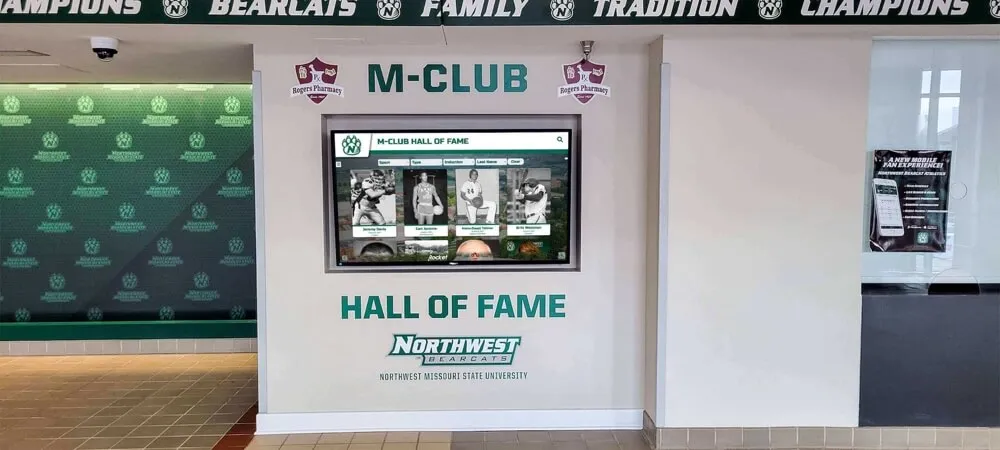
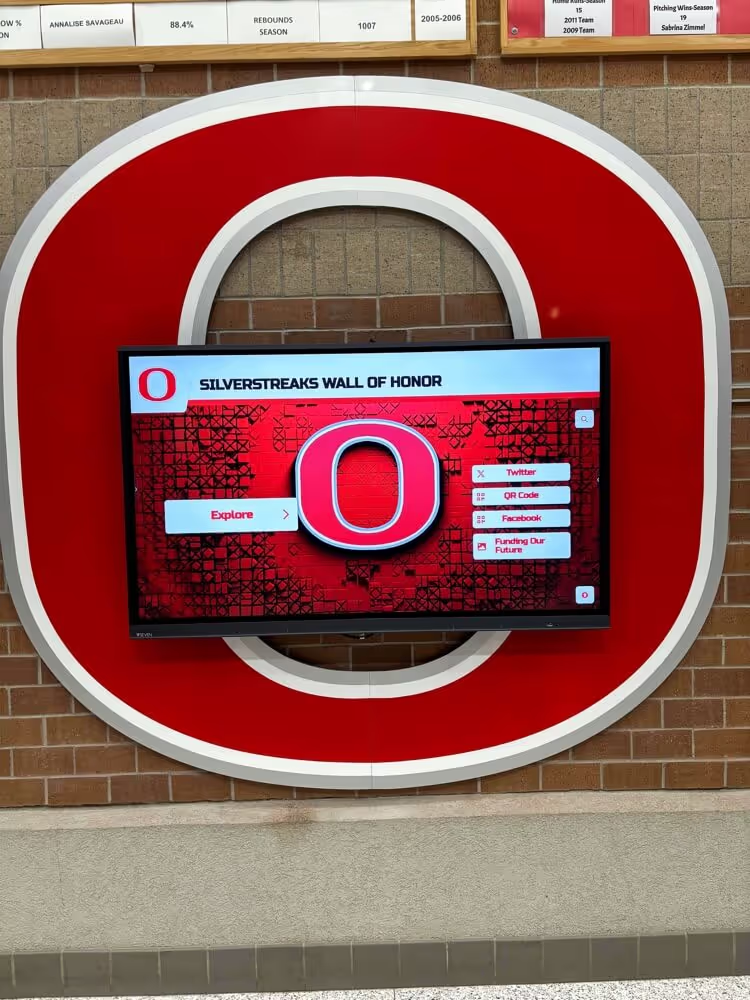
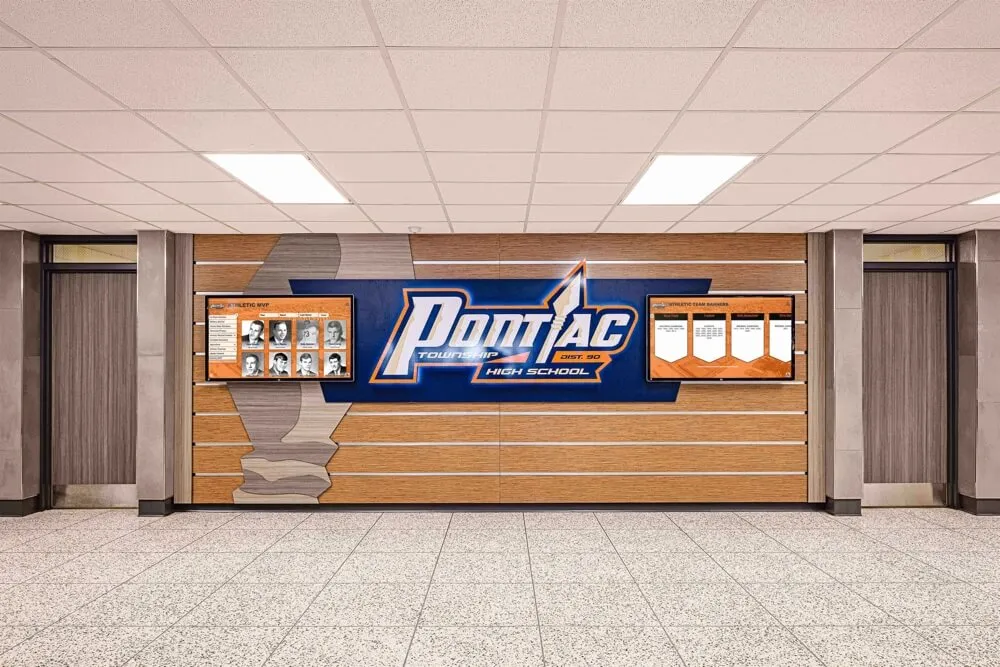
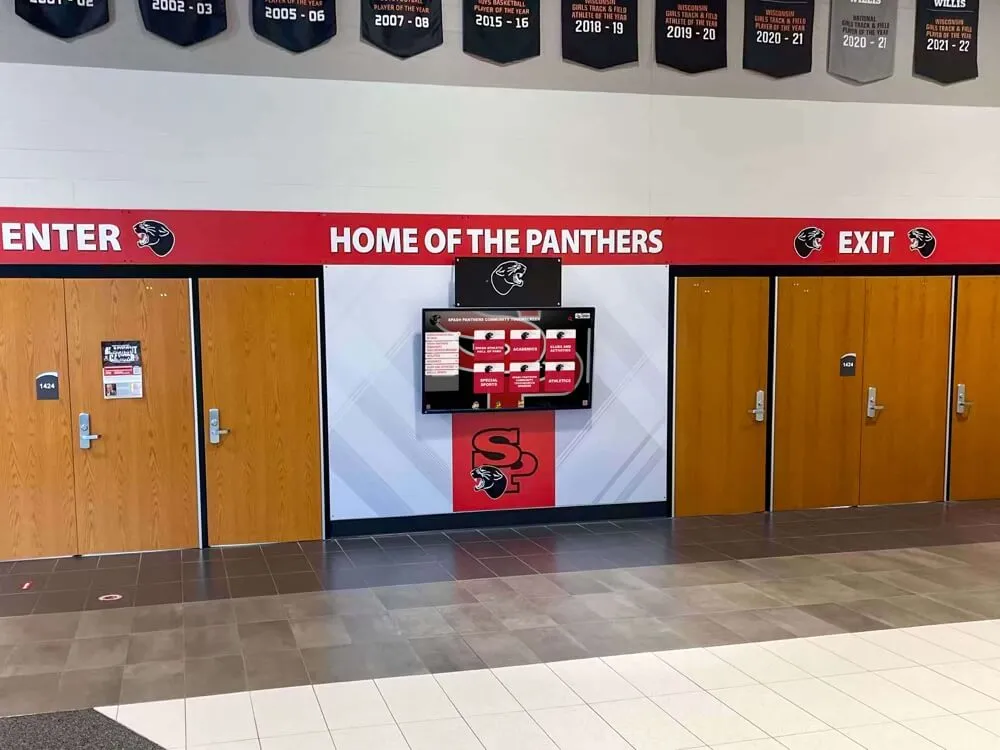
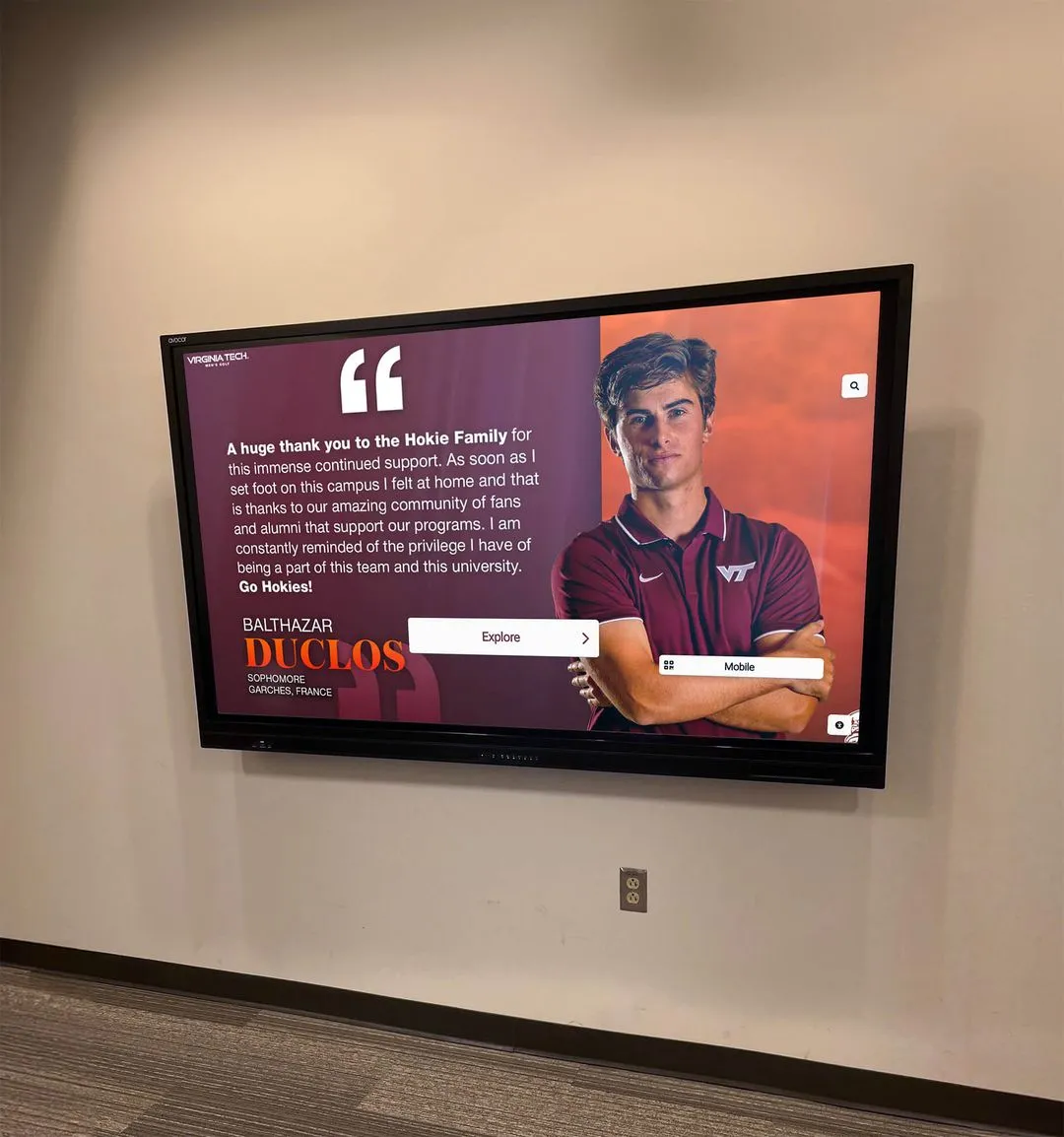
Compensation gets ADs in the door. Culture keeps them. Athletic directors who oversee programs with strong recognition infrastructure—visible displays that honor athletes, coaches, and program history—report greater professional satisfaction and deeper institutional connection. Platforms like Rocket Alumni Solutions give ADs the tools to build lasting recognition ecosystems that elevate their programs, strengthen alumni relationships, and make the job itself more rewarding—factors that matter when top administrators weigh whether to stay or take a call from another institution.
Athletic Director Salary Ranges by Level
Compensation for athletic directors varies dramatically depending on the level of competition, institution type, geographic market, budget responsibility, and whether the position carries additional administrative duties. Here is a structured breakdown of what ADs typically earn across the education landscape.
High School Athletic Director Salary
High school athletic directors manage the broadest functional span relative to their compensation level. A typical high school AD oversees scheduling for every varsity, junior varsity, and freshman sport; coordinates officials; manages facility use; handles parent communications; maintains compliance with state athletic association rules; and supervises coaching staff across a full program. In larger districts, the role may also include budget management for a department exceeding a million dollars annually.
Salary ranges for high school athletic directors typically fall between $55,000 and $110,000, according to data from the National Interscholastic Athletic Administrators Association (NIAAA) and Bureau of Labor Statistics education administration categories. The wide band reflects enormous variation in:
- District size: An AD managing six sports at a 400-student rural school earns substantially less than one overseeing 30 programs at a 3,000-student suburban school with two gymnasiums, a pool, and a stadium
- Geographic market: Urban and suburban markets in the Northeast, West Coast, and parts of the Midwest pay significantly more than rural or Southern markets for comparable roles
- Additional duties: Many high school ADs also teach or carry other administrative responsibilities; compensation often reflects both roles combined rather than athletic administration alone
- State and district funding levels: Public school AD salaries are constrained by district budget structures in ways that independent school salaries are not
The median high school athletic director salary sits around $75,000–$85,000 nationally, with the highest-paid positions in large suburban districts concentrated in Connecticut, Massachusetts, New Jersey, California, and Illinois frequently exceeding $100,000.

Small College and NAIA Athletic Director Salary
At the small college level—NCAA Division III, NAIA, and NJCAA programs—athletic directors typically manage departments with smaller budgets but comparable functional complexity to their high school counterparts in many respects. These ADs often wear multiple hats: coaching, teaching, compliance, fundraising, and facilities.
Salaries for small college athletic directors generally range from $45,000 to $90,000. The lower floor compared to high school reflects the reality that many small college AD positions are combined with teaching or coaching responsibilities that constrain compensation. Standalone AD positions at well-funded Division III institutions or NAIA programs with significant athletic investment can reach $80,000–$100,000, particularly at private institutions with strong endowments.
Division III ADs distinguish themselves from high school ADs primarily in the compliance and academic integration dimensions of the role—working closely with faculty governance, eligibility certification, and institutional research in ways that high school positions rarely require.
NCAA Division II Athletic Director Salary
Division II programs offer a middle tier of collegiate athletic administration that has grown significantly in complexity over the past decade. Division II ADs manage scholarship programs, compliance with NCAA regulations, conference relationships, and—increasingly—NIL (Name, Image, Likeness) policy implementation and transfer portal management.
Salaries for Division II athletic directors typically range from $70,000 to $140,000, with the upper end reserved for programs in competitive conferences, those at institutions with substantial athletic budgets, or ADs who have demonstrated measurable growth in program metrics—graduation rates, fundraising, competitive performance, and enrollment impact.
The NCAA transfer portal rules have meaningfully increased workload complexity for Division II ADs, a factor that is beginning to drive compensation adjustments at programs competing actively for talent through the portal.
NCAA Division I Athletic Director Salary
Division I is where athletic director compensation becomes genuinely substantial, particularly at Football Bowl Subdivision (FBS) programs. The range is enormous:
Division I FCS (Football Championship Subdivision) athletic directors at mid-major programs typically earn $150,000–$350,000. At high-profile FCS programs with significant budgets and facilities investments, salaries can approach $500,000.
Division I non-football (basketball-focused) programs at the major conference level—programs like those in the Big East, ACC, and SEC in sports other than football—see AD salaries ranging from $300,000 to over $1 million at the most prominent institutions.
Division I FBS programs, particularly at Power Five (now Power Four) conference institutions, have seen AD compensation reach levels that rival corporate executives. Salaries for FBS athletic directors at major universities commonly range from $500,000 to over $2 million annually, with the highest-paid ADs at elite programs earning base salaries exceeding $1.5 million plus performance incentives, deferred compensation, and benefits packages.
The rationale is straightforward: a major FBS athletic department operates as a multimillion-dollar enterprise, often with budgets exceeding $100 million annually. The AD functions as the CEO of that enterprise, managing professional coaching staffs, complex media rights negotiations, facility capital campaigns, compliance programs, and—increasingly—the competitive and legal landscape of collegiate athletics transformation.
Key Factors That Drive Athletic Director Compensation
Understanding average salary ranges is less useful than understanding what moves compensation up or down within those ranges. Several factors consistently separate higher-paid ADs from those earning at the midpoint or below.
Budget Responsibility Scale
The strongest predictor of AD compensation across all levels is the size of the budget they manage. Athletic directors overseeing departments with $500,000 annual budgets earn fundamentally different compensation than those managing $50 million operations—and the relationship is roughly proportional across the education landscape.
This creates a useful benchmark: ADs can assess whether their compensation reflects their actual budget responsibility by examining what similar-budget programs pay for comparable roles. Significant gaps between budget scale and compensation often signal either market compression (the institution is paying below market) or scope compression (the AD’s actual decision-making authority is more constrained than the budget figure suggests).
Program Scope and Sport Count
Managing 30 varsity programs is measurably more complex than managing 10. The scheduling load alone—officials, facilities, transportation, eligibility, and competition calendars across multiple sports running simultaneously across multiple seasons—scales with program scope in ways that compensation should reflect.
High school ADs in large programs with extensive sport offerings and significant extracurricular oversight beyond athletics often find their compensation compares unfavorably to similarly complex collegiate roles that lack teaching or supervision duties. This comparison provides useful leverage in compensation conversations.
Demonstrated Results
Athletic directors who can document measurable improvements in program outcomes earn premium compensation. The metrics that matter most:
- Competitive results: Conference championships, state titles, improved competitive standing
- Graduation and academic performance: Academic progress rates, honor society membership, scholar-athlete percentages
- Fundraising growth: Booster organization development, capital campaign leadership, annual giving increases
- Facility improvements: Successful completion of facility projects that measurably improve program quality
- Enrollment impact: Documented connection between athletic success and institutional enrollment trends
Building a portfolio of recognition programs that celebrate these outcomes is itself a demonstration of leadership. Athletic directors who can show that their programs honor achievement systematically—through athletic hall of fame displays, digital record boards, and formal induction ceremonies—are demonstrating program management sophistication that supports compensation conversations.
Geographic and Market Factors
Athletic director salaries, like most education administration salaries, reflect local cost-of-living and labor market conditions. An AD earning $80,000 in rural Mississippi is likely better compensated relative to local living costs than an AD earning $95,000 in suburban Boston.
State-by-state variation is significant:
- Highest-paying markets: California, New York, New Jersey, Connecticut, Massachusetts, and Illinois consistently show the highest median AD salaries at the high school level
- Mid-range markets: Texas, Florida, Ohio, Michigan, and Pennsylvania offer competitive compensation at large programs but with more variation
- Lower-paying markets: Rural states in the South and Mountain West often pay ADs less, though total compensation packages including benefits and pension programs may be more competitive than base salary comparisons suggest
Experience and Tenure
Athletic director salary growth follows a fairly predictable trajectory. Entry-level high school AD positions—often internal promotions from coaching or physical education—start at the lower end of the range. ADs with five or more years of documented success earn meaningfully more. Those who have navigated complex challenges—facility projects, compliance issues, budget crises, or program rebuilds—command premium compensation reflecting that demonstrated capacity.
Tenure within a single institution also affects compensation, though in complex ways. Long-tenured ADs sometimes see their compensation fall behind market rates if the institution provides only incremental annual increases without periodic market adjustment. This gap between internal compensation growth and external market rates is one of the leading causes of experienced AD departures—a point explored further in the retention section below.
Athletic Director Compensation Beyond Base Salary
Base salary is the most visible component of athletic director compensation, but total compensation packages at higher levels include multiple additional elements that can significantly expand total value.
Benefits and Retirement
Public school and university AD positions typically include substantial benefits packages: health and dental coverage, defined-benefit pension programs, disability insurance, and life insurance. These benefits add meaningful value—often equivalent to 20–35% of base salary—that private-sector comparisons frequently overlook.
At the collegiate level, retirement contributions through TIAA-CREF or equivalent plans, deferred compensation structures, and supplemental retirement agreements are increasingly common at higher-compensation roles.
Performance Incentives
Division I athletic directors commonly have incentive structures tied to program performance metrics:
- Academic progress rate targets
- Conference championship bonuses
- Bowl game or NCAA tournament appearance incentives
- Fundraising milestone bonuses
- Facility project completion incentives
These incentives can add 10–40% to base compensation at FBS programs when program performance is strong. They also signal institutional investment in athletic success—institutions willing to tie AD compensation to competitive outcomes are communicating the priority they place on athletic performance.
Professional Development and Association Memberships
Many athletic director contracts include provisions for NIAAA membership and certification costs, conference meetings and travel, national conference attendance, and professional development expenses. While not large dollar amounts, these inclusions reflect institutional commitment to keeping ADs current in a rapidly evolving field.
The coaching philosophy and leadership development work that the best ADs undertake—mentoring coaches, establishing program values, building recognition culture—represents exactly the kind of professional practice that ongoing development supports.
Housing, Vehicle, and Expense Allowances
At some institutions, particularly private schools and larger universities, AD compensation includes housing allowances, vehicle allowances, expense accounts for entertainment and recruitment, and membership in local clubs or facilities. These components are often negotiated rather than standard, and they can add $10,000–$30,000 in annual value to total compensation packages.
What Athletic Directors Actually Negotiate
Understanding what goes into a compensation package matters most when ADs are negotiating new positions or contract renewals. The elements with the most negotiation flexibility:
Salary bands: Many institutions have formal salary bands constraining base compensation. These are more negotiable than they appear, particularly when an AD can demonstrate that the role exceeds the scope the band was designed for.
Contract length: Longer contracts with buyout provisions provide security and signal institutional commitment. ADs moving from secure tenured positions should negotiate contract terms that provide equivalent security.
Incentive structure design: The specific metrics tied to incentive bonuses are often negotiable. ADs who understand which outcomes they can most directly influence should negotiate incentive structures that reward those outcomes.
Professional development budgets: These are low-cost to institutions and high-value to ADs who take ongoing education seriously. They are almost always worth requesting explicitly.
Transition provisions: Relocation assistance, temporary housing, and transition support for ADs moving to new markets represent upfront costs that are often negotiable and matter significantly to total compensation in the first year.
Athletic Director Retention: Why Top ADs Leave
Compensation is the most common factor cited when athletic directors depart for other roles. But the picture is more complex. Research on education administrator turnover consistently identifies several distinct departure drivers:
Compensation Compression Over Time
The most common salary-related departure driver is not inadequate starting compensation but rather the failure of compensation to keep pace with the market over time. An AD hired at a competitive salary ten years ago may now earn 15–25% below market rates at comparable institutions, while their institutional experience and program knowledge have made them increasingly valuable.
The pattern is predictable: institutions offer competitive salaries to recruit, then provide modest annual increases that create growing gaps relative to what the same AD could earn elsewhere. The AD eventually receives an outside offer that makes the gap visible, creating a retention crisis that would have been far cheaper to prevent through proactive market adjustments.
Lack of Institutional Support and Resource Gaps
Athletic directors who feel they lack the resources to do their jobs effectively—adequate facilities budgets, coaching staffs, technology, and administrative support—are at high departure risk regardless of compensation. The frustration of managing a complex program without adequate tools creates professional dissatisfaction that salary alone does not resolve.
This is where recognition infrastructure matters more than it often receives credit. ADs who oversee programs with outdated recognition displays, missing historical records, and limited tools for honoring athletes and coaches report lower job satisfaction than those with modern systems that make recognition easy and visible. Digital storytelling tools for athletic programs are an example of the infrastructure that transforms how an AD experiences their role—and whether they feel equipped to do it well.
Community and Stakeholder Relationship Stress
Athletic directors navigate complex stakeholder landscapes: boards, principals, superintendents, coaches, parents, boosters, alumni, and media. When these relationships become chronically difficult—persistent parent complaints, difficult coaching personnel situations, board members who micromanage athletic decisions—ADs often conclude that the psychic cost exceeds what compensation can offset.
Institutions that support their ADs in these relationship dynamics, including providing clear authority structures and backing reasonable administrative decisions, retain ADs longer than those where the AD is perpetually caught between competing stakeholder demands without institutional support.
Lack of Recognition for the Role Itself
This is perhaps the most underappreciated retention factor: athletic directors often work in roles that are intensely visible when something goes wrong and nearly invisible when things go right. A botched scheduling decision or compliance issue generates immediate attention. Five years of steady program building, improved academic outcomes, and successful facility completion often generates almost no formal recognition.
Institutions that formally recognize athletic director contributions—through public acknowledgment, board recognition, professional development investments, and compensation that grows with demonstrated performance—retain ADs significantly longer than those where the role’s successes are taken for granted.
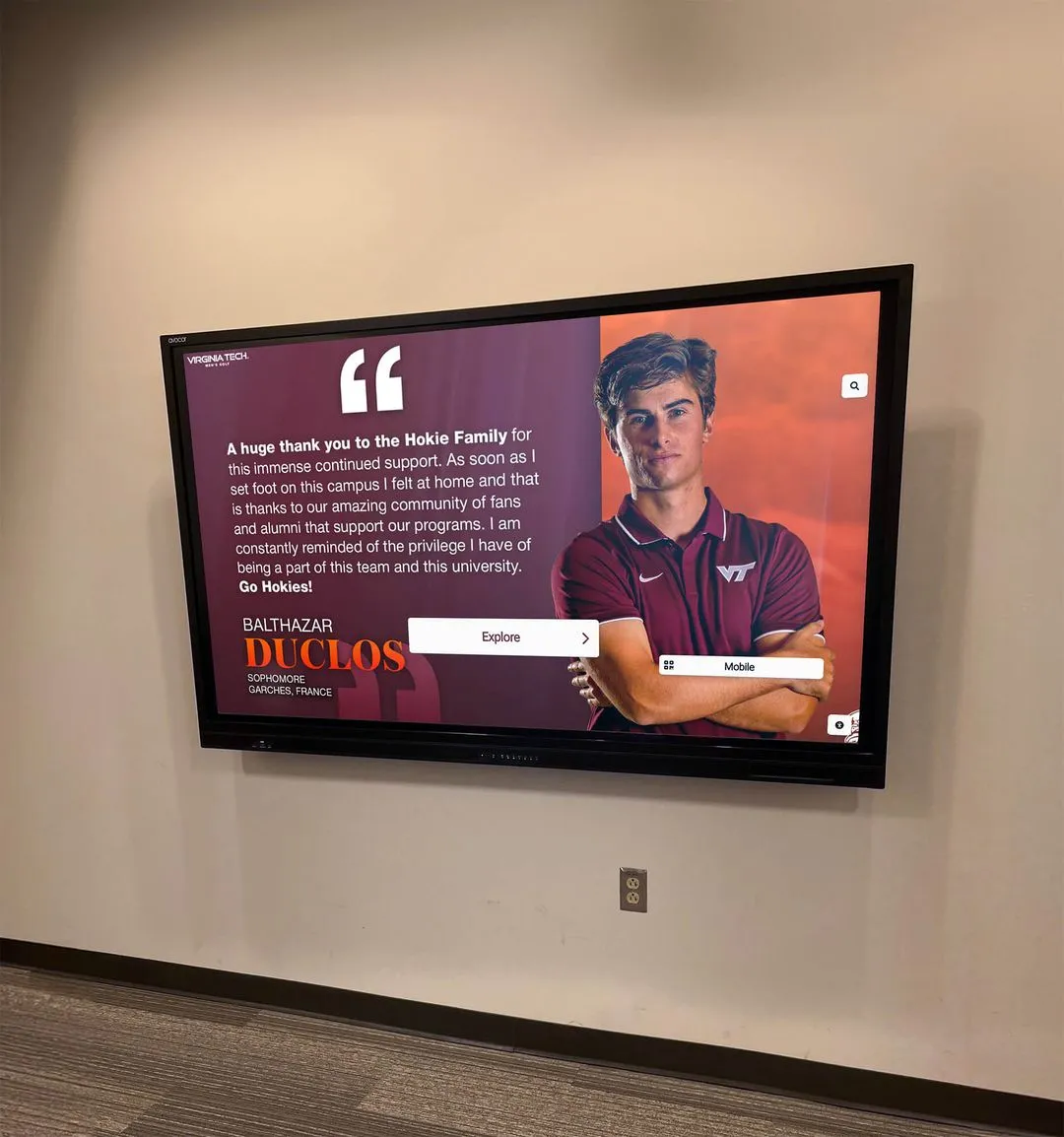
How Recognition Programs Support AD Retention
The connection between athletic recognition culture and AD retention is practical, not just philosophical. Athletic directors who build strong recognition programs—systematic, visible, and meaningful acknowledgment of achievement—create conditions that make their jobs more rewarding and their institutions more competitive for retaining quality administrative talent.
Recognition Infrastructure as Professional Satisfaction
Athletic directors who oversee programs with robust recognition systems consistently describe higher professional satisfaction than those working in programs where recognition is ad hoc or underfunded. The specific difference is visible and concrete: walking through a facility where athletes see their names on record boards, where championship history is displayed professionally, and where the program’s legacy is accessible to anyone who visits generates a fundamentally different daily experience than managing a program where recognition exists only in filing cabinets and memory.
The community hall of fame model that the best school programs implement creates an environment that ADs are proud to show to recruits, parents, alumni, and prospective staff—a tangible demonstration of program quality that abstract descriptions cannot replace.
Building that environment is work that takes vision and sustained effort over time. ADs who invest in it tend to stay long enough to see it mature, because they have genuine ownership over what they built and because the institution’s recognition infrastructure represents real professional achievement they do not want to walk away from.
Alumni Relationships and AD Security
Athletic directors who maintain strong alumni relationships through active recognition programs are more professionally secure than those whose alumni connections are weak or transactional. Alumni who feel their athletic legacy is honored by current programs—who see their names still on display, whose championship seasons are still celebrated decades later—are the most powerful institutional advocates an AD has.
Those advocates speak up at board meetings, support booster fundraising, mentor current athletes, and provide the community backing that insulates ADs during difficult periods. An AD managing a program where alumni feel forgotten has far less institutional cushion when decisions are challenged.
Honoring the past to fund the future is a principle that the most effective athletic directors internalize and act on—not just as philosophy but as practical strategy. Recognition programs that connect alumni to current programs build the relationships that generate the donations, the engagement, and the community support that make athletic departments more fundable and their ADs more secure.
Recruiting Competitive Advantage
Athletic directors at programs with strong recognition infrastructure have a genuine recruiting advantage—both for coaches and athletes. Coaches considering positions at programs where achievement is visibly honored are choosing between opportunities where the culture communicates differently. A candidate touring a facility with a professionally designed digital hall of fame, up-to-date record boards, and visible championship history is receiving concrete evidence about program values that no pitch can substitute for.
The same logic applies to athletic recruiting. Student-athletes choosing programs make those choices partly based on whether a program looks and feels like one that takes excellence seriously. Creative trophy case and recognition display ideas consistently inform programs that invest in recognition technology specifically because it generates tangible recruiting impact—and athletic directors who have built those systems describe them as among the highest-value investments they have made.
The Retention Case for Recognition Technology Investment
When school and university leaders evaluate budget requests for recognition technology, the framing often focuses on the direct benefit to athletes and alumni. The indirect benefit—its contribution to AD retention—is worth including in that calculus.
The cost of replacing an experienced athletic director is substantial. Searches are expensive. Institutional knowledge is lost. Programs experience disruption during transitions. New ADs require time to build the relationships, understand the landscape, and establish trust with coaches and boosters that experienced incumbents carry as institutional assets.
A recognition system investment that keeps an effective AD engaged and proud of their program for three additional years generates return on investment that budget analyses rarely capture. Digital hall of fame guides make the planning process accessible for ADs who want to build these systems without consuming the time that their other responsibilities demand.

Practical Steps for ADs Addressing Compensation and Retention
Whether you are an athletic director assessing your own compensation, a principal or superintendent trying to retain a strong AD, or a board member evaluating program investments, several practical steps apply.
For Athletic Directors: Benchmarking Your Compensation
The NIAAA publishes compensation data through its membership resources. State athletic director associations in most states conduct periodic salary surveys. The College and University Professional Association for Human Resources (CUPA-HR) produces detailed compensation data for collegiate athletic administrators that provides institution-type and enrollment-band comparisons.
Building a compensation case based on these sources—rather than anecdotal comparisons—is more persuasive than informal market assessments. Documenting your specific budget responsibility, program scope, and demonstrated outcomes alongside market data creates a complete picture that compensation conversations require.
Connecting with peer ADs through state and national association networks provides informal market intelligence that formal surveys lag by one to two years. Understanding what comparable roles at similar institutions are offering currently is the most actionable intelligence in compensation conversations.
For Institutions: Proactive Retention Investment
The institutions that retain the best ADs consistently do several things proactively rather than reactively:
- Regular market reviews: Assess AD compensation against market data every two to three years rather than waiting for a departure or outside offer
- Career development investment: Fund professional development, association leadership, and continuing education that keep ADs current and professionally engaged
- Recognition of the role itself: Public acknowledgment of AD contributions, board visibility, and formal appreciation programs that make ADs feel valued, not taken for granted
- Resource adequacy: Ensuring ADs have the tools, technology, and staff support to do their jobs effectively—including recognition infrastructure that reflects program quality
The student engagement strategies that effective ADs implement—pep rallies, championship celebrations, hall of fame inductions—are also the activities that build the school pride culture that makes athletic departments places where talented administrators want to work.
For ADs Building Recognition Programs with Limited Budgets
Not every institution has the budget for full-scale digital recognition system installation immediately. Effective ADs work incrementally:
Year one: Audit what exists. Document every championship, record, and notable achievement across all programs. Identify gaps in the historical record. Create a digital archive even before any display investment, using this foundation for future recognition builds.
Year two: Prioritize highest-visibility recognition investments. A single well-designed interactive display in a main lobby creates more immediate impact than modest improvements spread across multiple locations.
Year three and beyond: Expand systematically, using alumni giving, booster support, and capital campaign resources to fund recognition infrastructure as part of broader facility development conversations.
Capital campaign examples from successful school fundraising consistently show that recognition infrastructure is among the most fundable elements of athletic department projects—donors respond to investments that honor people and preserve institutional legacy in ways that equipment purchases and operational expenses do not generate.
The AD Role in 2026: What’s Changing
Athletic director compensation and retention dynamics are being shaped by forces specific to this moment in sports administration.
NIL and Transfer Portal Complexity
The rapid evolution of Name, Image, and Likeness regulations and the transfer portal has added substantial complexity to athletic director roles at every level where these policies apply. ADs must now navigate legal, compliance, and competitive dimensions of collegiate athletics that did not exist five years ago. This increased complexity is beginning to be reflected in compensation, particularly at institutions competing actively in the transfer market.
Technology Expectations
Athletic directors in 2026 are expected to manage increasingly digital athletic programs—from online scheduling and eligibility systems to digital communication platforms, livestreaming operations, and interactive recognition technology. ADs who are comfortable with this technology landscape and who have built digital recognition systems are more effective and more valuable than those still managing primarily through paper and email.
Interactive touch screen experiences for schools represent one dimension of this technological evolution—and ADs who have implemented these systems have a tangible portfolio of technology leadership to show in compensation conversations.
Mental Health and Wellness Recognition
The athletic director role carries genuine burnout risk. Long hours, high-stakes decisions, stakeholder conflict, and the emotional weight of managing competitive programs create sustained pressure. Institutions that recognize this and invest in AD support—reasonable boundaries, professional wellness resources, and programs that make the role rewarding rather than purely demanding—retain ADs longer.
Recognition culture contributes to this directly. ADs who work in programs where achievement is celebrated—where championship seasons are honored, where athlete success is visible and meaningful—find more intrinsic reward in their work than those managing programs where wins feel transient and recognition is perfunctory.
Athletic Director Career Paths and Long-Term Compensation Growth
Understanding how compensation grows over an athletic administration career helps both ADs and institutions plan more effectively.
Typical Career Progression
Most high school ADs follow a path from coaching or physical education into athletic administration, often starting as assistant ADs or activity directors before taking on full AD responsibilities. The compensation jump from teacher-coach to AD can be meaningful—10 to 30 percent in total compensation—but it comes with substantially expanded responsibility and typically year-round demands.
Collegiate athletic administration often draws from playing, coaching, or compliance backgrounds. Entry into collegiate administration frequently happens at the coordinator or assistant AD level at smaller programs, with progression to associate AD, deputy AD, and eventually AD roles at increasingly complex institutions.
The career trajectories of the highest-compensated ADs consistently show extensive association involvement, demonstrated program-building success, and professional networks built through active participation in NIAAA, NACDA (National Association of Collegiate Directors of Athletics), and conference-level leadership.
Building a Recognition Portfolio as Career Capital
Athletic directors who systematically build recognition programs during their careers develop something genuinely valuable: a portfolio of visible institutional achievement that translates across positions. An AD who can show prospective institutions a digital hall of fame they designed, a record board system they implemented, and measurably stronger alumni engagement is presenting concrete evidence of program-building capacity that resumes alone do not convey.
Athletic awards recognition programs in Seattle and across the country reflect a growing understanding that recognition investment is not a luxury but a core program management function that effective ADs treat with the same seriousness as budget, compliance, and facilities.
The most effective way to build this portfolio is through systematic documentation: photographing recognition installations, tracking alumni engagement metrics, recording fundraising results connected to recognition events, and building the narrative of what recognition investment accomplished for the program.
Athletic director compensation reflects the genuine complexity of the role—a complexity that has grown substantially as sports programs at every level have become more demanding administratively, technically, and strategically. Understanding current salary ranges, what drives compensation differences, and what keeps effective ADs engaged is essential for both the administrators navigating these roles and the institutions that depend on quality athletic leadership.
The most sustainable retention strategy combines competitive compensation with the kind of working environment that makes athletic administration genuinely rewarding: programs with strong recognition culture, adequate resources, institutional support, and visible evidence that what ADs build is valued and preserved. Recognition infrastructure is not peripheral to that environment—it is central to what makes outstanding athletic programs places where talented administrators choose to build their careers.
Build a Recognition Program That Supports AD Retention
Rocket Alumni Solutions provides athletic directors with the digital recognition infrastructure that transforms how programs honor achievement—making the AD role more rewarding and the institution more competitive for top administrative talent.
See How Rocket Alumni Solutions Works