



The role of athletic director demands a unique combination of educational credentials, professional certifications, practical experience, and leadership competencies that few other positions in education require. Athletic directors must simultaneously manage complex budgets, ensure regulatory compliance across multiple sports, supervise coaching staffs, coordinate facilities and transportation, maintain safety protocols, navigate community politics, and provide educational leadership—all while creating positive athletic experiences that develop student-athletes and build school pride.
Understanding the specific qualifications required for athletic director positions helps aspiring administrators chart clear professional development pathways, enables hiring committees to identify genuinely qualified candidates, and assists current athletic directors in pursuing credentials that strengthen their effectiveness and career prospects. From foundational education requirements through specialized certifications and the practical experience that builds essential competencies, athletic director qualifications reflect the position’s multifaceted complexity.
Whether you’re a teacher or coach considering athletic administration, a current assistant athletic director planning advancement, or a hiring committee evaluating candidates, comprehensive knowledge of athletic director qualifications ensures alignment between position requirements and candidate preparation. The pathway to effective athletic leadership combines formal education, professional certification, progressive responsibility, and continuous development that builds the expertise successful sports administration demands.
Why Athletic Director Qualifications Matter
Athletic director positions carry substantial responsibility affecting hundreds of student-athletes, significant institutional budgets, legal compliance obligations, and community expectations. Proper qualifications ensure leaders possess the knowledge, credentials, and competencies these responsibilities demand. Schools implementing comprehensive athletic programs benefit from directors who understand budget management, regulatory compliance, risk mitigation, and strategic planning—competencies that formal education, certification, and experience develop systematically.
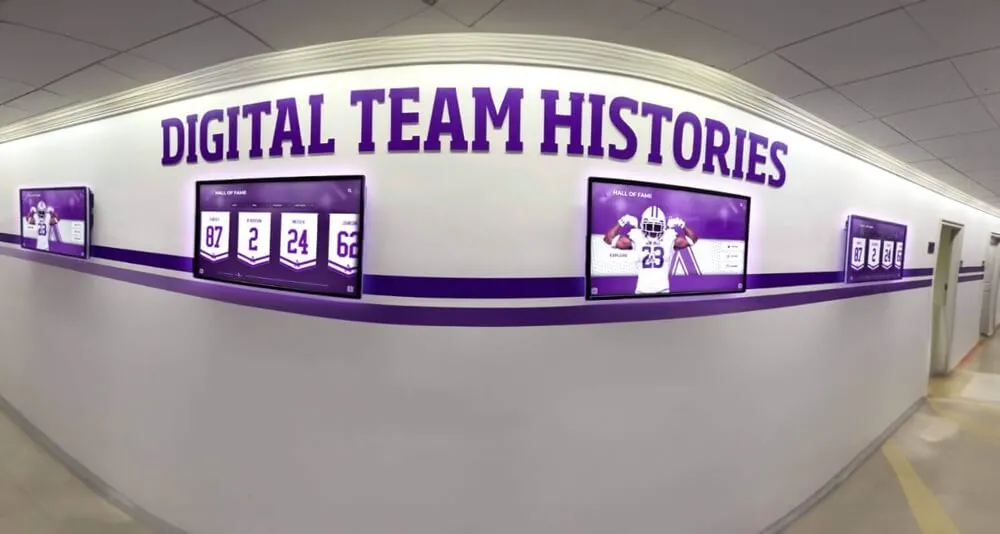
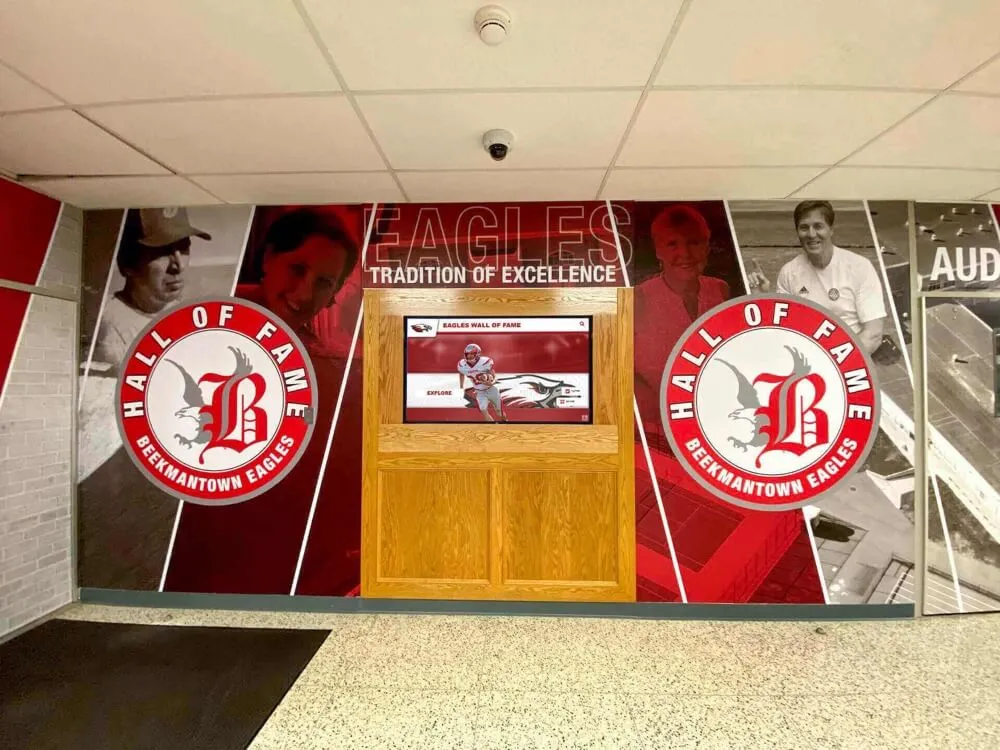
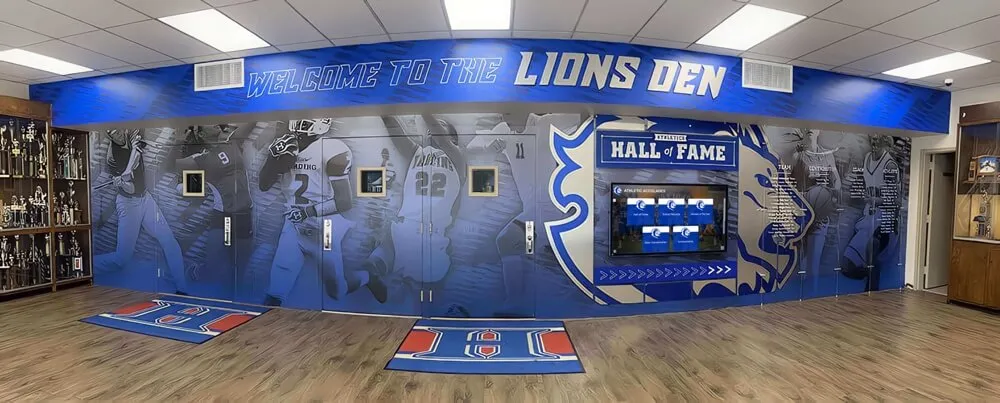
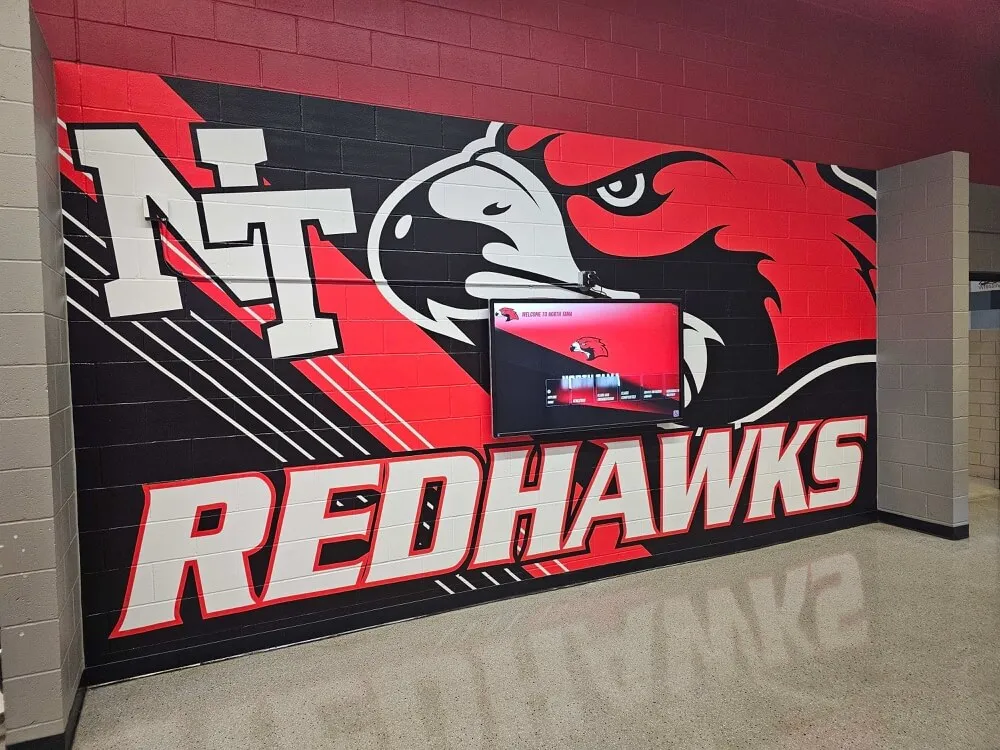
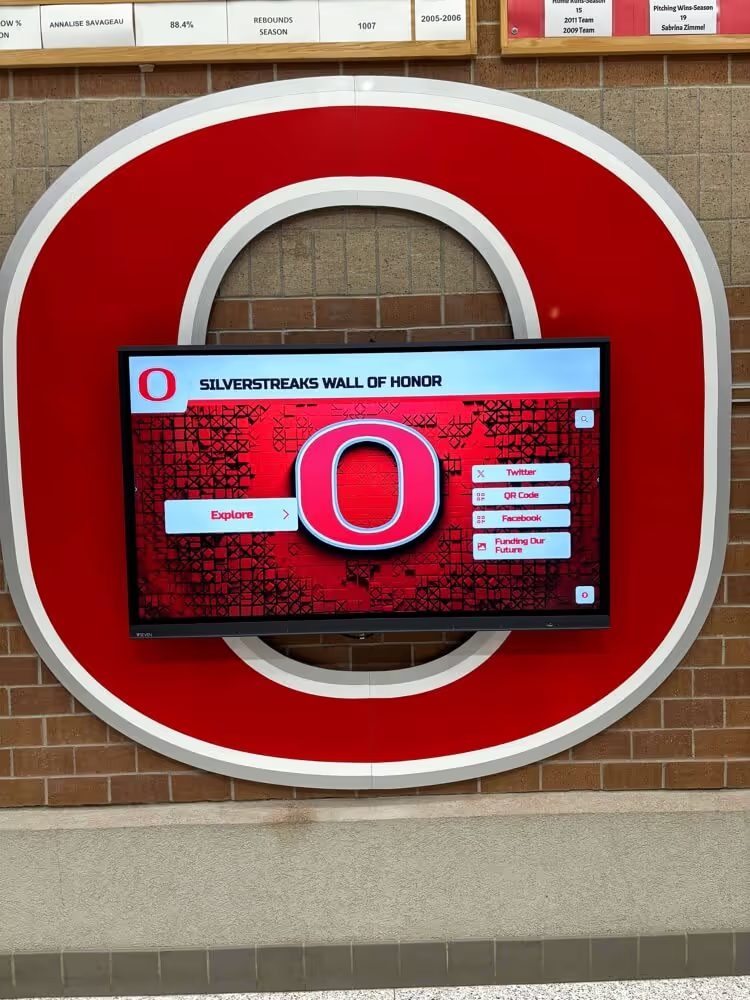
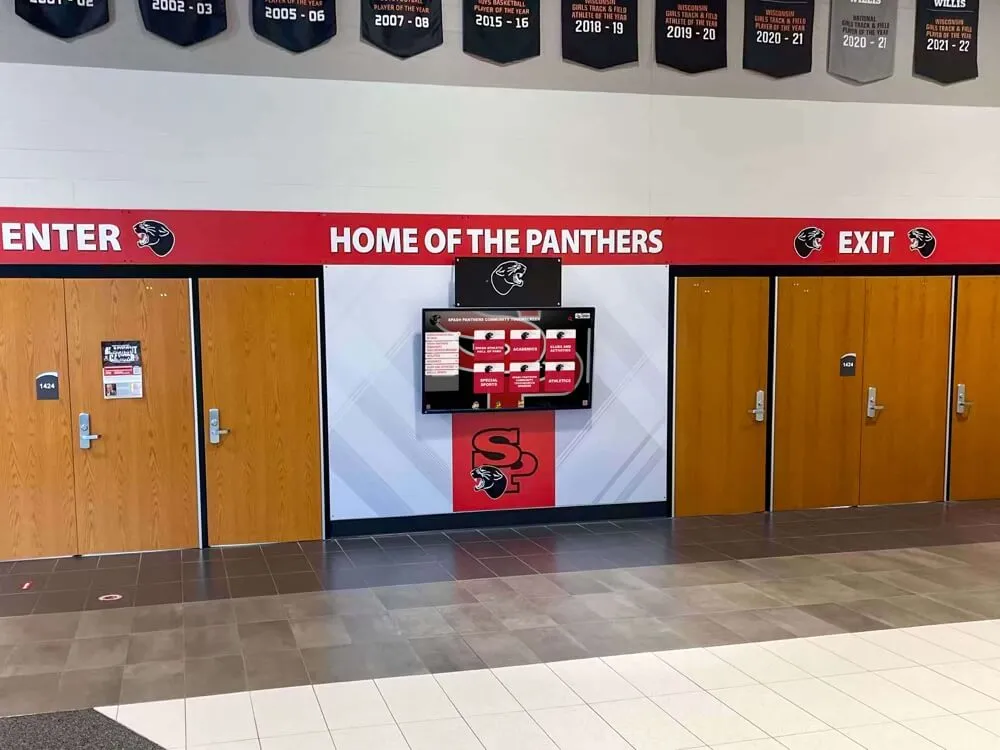
Modern athletic departments increasingly rely on technology solutions like digital recognition displays to celebrate achievements while managing costs—the type of strategic decision qualified athletic directors make to balance program quality with fiscal responsibility.
Educational Requirements for Athletic Directors
Most athletic director positions require specific educational credentials establishing foundational knowledge in education, administration, or sports-related fields.
Bachelor’s Degree Foundation
The minimum educational requirement for most high school athletic director positions is a bachelor’s degree, typically in one of several relevant fields:
Education and Teaching Degrees
Many athletic directors begin as teachers, with bachelor’s degrees in:
- Physical Education (most common pathway combining teaching certification with sports focus)
- Health Education (particularly relevant for programs emphasizing student wellness)
- General education fields with teaching certification (mathematics, social studies, science, etc.)
The teaching background provides essential context for understanding educational environments, student development principles, academic eligibility requirements, and the balance between athletics and education that defines successful interscholastic programs.

Sports Management and Administration Degrees
Increasingly, aspiring athletic directors pursue undergraduate degrees specifically designed for sports administration:
- Sport Management or Sports Administration
- Athletic Administration
- Recreation and Sport Management
- Kinesiology with administration emphasis
These specialized programs provide targeted instruction in athletic department operations, sports law, facility management, budget administration, and organizational leadership—competencies directly applicable to athletic director responsibilities.
Business and Management Degrees
Some athletic directors hold business-related bachelor’s degrees including:
- Business Administration
- Management
- Finance or Accounting (particularly valuable for budget-focused roles)
Business backgrounds contribute strong organizational management, financial administration, and strategic planning skills that translate effectively to athletic department leadership.
Master’s Degree Expectations
While bachelor’s degrees meet minimum requirements, master’s degrees increasingly represent preferred or required credentials for athletic director positions, particularly in larger schools or competitive hiring markets.
Educational Leadership and Administration
The most common master’s degree pathway for aspiring athletic directors involves educational leadership programs:
- Master of Education (M.Ed.) in Educational Leadership
- Educational Administration degrees
- Principal Certification programs
These programs typically include coursework in organizational leadership, personnel management, budget administration, educational law, policy development, and strategic planning—all directly applicable to athletic director responsibilities. Many states require administrative credentials for athletic director positions, making educational leadership master’s degrees particularly valuable.
Sports Administration Master’s Programs
Specialized graduate programs focus specifically on athletic administration:
- Master of Sports Administration (MSA)
- Master of Science in Athletic Administration
- Master of Business Administration (MBA) with sports management concentration
According to the National Interscholastic Athletic Administrators Association, specialized sports administration graduate programs provide focused instruction in areas like Title IX compliance, risk management, facilities planning, budget development, and sports marketing that strengthen athletic director effectiveness.
Value of Graduate Education
Beyond credential requirements, master’s programs develop critical competencies:
- Advanced theoretical knowledge: Deeper understanding of organizational theory, leadership principles, and administrative best practices
- Research and analytical skills: Ability to evaluate data, assess programs systematically, and make evidence-based decisions
- Professional networks: Connections with faculty experts and fellow students who become career-long professional resources
- Credential differentiation: Competitive advantage in hiring processes where multiple candidates hold similar experience levels
Many athletic directors pursue graduate degrees while serving in assistant positions or teaching roles, using evening, weekend, or online programs to advance education without leaving current positions.
State Certification and Licensure Requirements
Educational requirements often intersect with state-specific certification or licensure mandates that vary significantly across different states.
Teaching Certification Requirements
Many states require athletic directors to hold valid teaching certifications:
- Full teaching license: Valid state teaching credential in specific subject area
- Minimum teaching experience: Often 2-5 years of successful classroom teaching before qualifying for athletic director positions
- Continued teaching responsibilities: Some smaller schools require athletic directors to maintain partial teaching loads
These requirements reflect the educational nature of interscholastic athletics and ensure athletic directors understand broader institutional contexts beyond sports programs.
Administrative Certification
Several states require administrative certification for athletic director positions:
- Principal certification: Full administrative credentials typically required for principals
- Administrative endorsements: Specialized certifications authorizing specific administrative responsibilities
- Athletic director-specific credentials: Some states maintain unique certification pathways designed specifically for athletic administration
For example, California requires athletic directors to complete Administrative Services Credential programs, while other states accept various administrative certifications or create athletic director-specific pathways through state athletic associations.
Certification Process Variability
State requirements vary substantially. According to research on athletic administration, no universal national standard exists for athletic director certification, with each state establishing its own requirements through state departments of education or high school athletic associations. Aspiring athletic directors should research specific requirements in states where they plan to work, as credentials that qualify for positions in one state may not transfer directly to others.
Professional Certifications for Athletic Directors
Beyond educational degrees and state certifications, professional organizations offer specialized credentials that demonstrate competency and commitment to athletic administration excellence.
National Interscholastic Athletic Administrators Association (NIAAA) Certifications
The NIAAA represents the premier professional organization for high school athletic administrators, offering the most recognized certification program in the field.

Leadership Training Institute (LTI) Courses
The foundation of NIAAA professional development consists of five sequential Leadership Training Courses:
LTC 501 - Interscholastic Athletic Administration Foundations
- Introduction to athletic administration principles
- Organizational structures and governance
- Legal and ethical foundations
- Communication and public relations
LTC 502 - Athletic Department Management
- Budget development and financial management
- Facility operations and maintenance
- Transportation and logistics
- Equipment procurement and inventory
LTC 503 - Personnel and Program Management
- Coaching recruitment, hiring, and evaluation
- Staff development and supervision
- Contest and event management
- Officials coordination
LTC 504 - Facilities, Events, and Risk Management
- Comprehensive facility planning and operations
- Emergency action plans and crisis management
- Insurance and liability considerations
- Spectator management and game operations
LTC 505 - Strategic Leadership and Vision
- Strategic planning processes
- Policy development and governance
- Community relations and stakeholder engagement
- Institutional leadership and organizational change
Each course requires 12-15 hours of instruction typically delivered at state or national conferences, with examinations assessing comprehension and application of course content.
Certified Athletic Administrator (CAA) Designation
Completing all five LTI courses plus meeting additional requirements earns the Certified Athletic Administrator credential—the field’s most prestigious professional designation:
CAA Requirements:
- Completion of LTC 501-505 courses
- Minimum three years of athletic administration experience
- Active NIAAA membership
- Professional development continuing education hours
The CAA designation demonstrates comprehensive administrative competency and professional commitment. According to NIAAA data, approximately 4,000 athletic administrators currently hold CAA credentials, representing roughly 15-20% of practicing high school athletic directors—a credential that significantly differentiates candidates in competitive hiring markets.
Certified Master Athletic Administrator (CMAA) Advanced Credential
Beyond the CAA, experienced athletic directors can pursue the Certified Master Athletic Administrator designation:
CMAA Requirements:
- Current CAA certification
- Minimum six years of athletic administration experience
- Completion of advanced professional development courses
- Demonstrated leadership in professional organizations
- Ongoing continuing education requirements
The CMAA represents the pinnacle of professional athletic administration credentials, held by approximately 1,500 athletic directors nationwide. These credentials demonstrate sustained excellence and advanced expertise in athletic leadership.
State Athletic Association Certifications
Many state high school athletic associations offer state-specific certification programs complementing national credentials:
State-Level Professional Development
State associations typically provide:
- Rules and regulations clinics: Annual training on state-specific athletic regulations and policy updates
- Compliance certification: Programs ensuring athletic directors understand eligibility requirements, transfer rules, and state association governance
- Safety and risk management training: Instruction on concussion protocols, emergency action planning, and liability considerations
- Officials coordination certification: Training for athletic directors responsible for officials assignment and evaluation
These state-specific programs address regulatory requirements unique to each state’s athletic governance structure, providing essential knowledge that national programs cannot deliver comprehensively.
Mandatory vs. Optional Certifications
Some state associations require specific certifications as conditions of membership or athletic director employment, while others offer optional professional development that strengthens credentials without representing absolute requirements. For instance, several states mandate annual completion of concussion awareness training, Title IX education, or state rules certification for all athletic directors.
Specialized Athletic Administration Credentials
Beyond general athletic director certifications, specialized credentials address specific administrative areas:
Certified Interscholastic Coach (CIC)
The National Federation of State High School Associations (NFHS) offers coach education certification programs:
- Fundamentals of Coaching course
- First Aid, Health, and Safety course
- Sport-specific coaching education
- Advanced coaching methodology
Athletic directors with coaching backgrounds who complete these certifications demonstrate commitment to coaching education and possess enhanced credibility supervising coaching staffs. Many athletic directors use these credentials when evaluating coaching staff qualifications and establishing coaching education requirements.
Athletic Training and Sports Medicine Certifications
While athletic directors typically aren’t certified athletic trainers, some pursue basic certifications in:
- CPR and First Aid (often required for all athletic directors)
- Automated External Defibrillator (AED) certification
- Concussion recognition and management
- Emergency action plan development
These safety-focused credentials enable athletic directors to oversee sports medicine programs effectively and ensure appropriate emergency preparedness. Programs like college residence hall informational displays demonstrate how qualified administrators integrate safety information throughout athletic facilities.
Experience Requirements and Career Pathways
While education and certification establish foundational qualifications, practical experience develops the judgment, relationships, and operational competencies that effective athletic direction requires.
Teaching and Coaching Background
The most common pathway to athletic director positions flows through teaching and coaching experience:

Classroom Teaching Experience
Most athletic directors begin as classroom teachers, with 3-10 years of teaching experience common before transitioning to full-time athletic administration:
- Student development understanding: Direct experience with adolescent development, learning principles, and educational environments
- School culture familiarity: Deep knowledge of institutional operations, staff relationships, and organizational dynamics
- Credibility with faculty: Established relationships and respect from teaching colleagues who might otherwise view athletic directors as disconnected from core educational mission
- Academic perspective: Personal experience balancing athletic participation with academic requirements informing eligibility decisions
Teaching experience remains highly valued by many hiring committees, particularly in smaller schools where athletic directors often maintain teaching responsibilities alongside administrative duties.
Coaching Experience Value
The vast majority of athletic directors have significant coaching backgrounds, typically serving as head or assistant coaches in one or more sports:
- Sport-specific expertise: Deep understanding of at least one sport’s rules, strategies, training methods, and competitive demands
- Coach perspective: Personal experience with challenges coaches face informing supervisory approaches and policy decisions
- Relationship building: Established connections with coaching community, officials, and other athletic directors through competitive interaction
- Game management experience: Practical knowledge of contest operations, emergency protocols, and competitive situations
According to research on athletic director backgrounds, approximately 85-90% of high school athletic directors have previous coaching experience, with many having served as head coaches in multiple sports. This coaching foundation provides credibility and practical knowledge that purely administrative pathways often lack.
Assistant Athletic Director Experience
Progressive responsibility through assistant athletic director roles provides invaluable preparation for head athletic director positions:
Operational Experience Development
Assistant athletic director positions typically involve:
- Specific operational areas: Responsibility for scheduling, facilities, officials, eligibility, or other defined areas
- Direct supervision: Oversight of certain sports programs or coaching staff members
- Budget management: Administration of specific budget categories or funding sources
- Event coordination: Management of competitions, tournaments, or special events
These experiences develop operational competencies while limiting overall accountability scope, enabling learning within structured support systems before assuming comprehensive director responsibilities.
Mentorship and Professional Development
Working under experienced athletic directors provides mentorship opportunities impossible to replicate through formal education:
- Observation of decision-making processes: Seeing how experienced directors navigate complex situations, handle conflicts, and make strategic choices
- Exposure to full operational scope: Understanding all aspects of athletic administration even while specializing in specific areas
- Professional network development: Meeting coaches, officials, vendors, and other athletic directors through supervised interactions
- Institutional knowledge acquisition: Learning specific school culture, community dynamics, and historical context informing current practices
Many successful athletic directors cite their time as assistants as the most formative professional development period, providing practical knowledge that supplements formal education substantially.
Alternative Pathways to Athletic Director Positions
While teaching-coaching-assistant AD represents the most common pathway, alternative routes exist:
Collegiate Athletic Administration
Some athletic directors transition from college athletic administration:
- Compliance coordinators: Professionals managing NCAA or NAIA regulatory compliance
- Operations managers: Staff coordinating team logistics, travel, and competition schedules
- Facilities managers: Professionals overseeing athletic facility operations
- Development and fundraising: Staff managing athletic fundraising and donor relations
These backgrounds bring sophisticated administrative skills and exposure to high-level athletic operations, though they may lack secondary education context and teaching credentials that traditional pathways provide.
Military Athletic Programs
Military academy athletic administrators or service academy athletic staff sometimes transition to civilian athletic director roles:
- Strong organizational and leadership skills
- Experience with regimented structures and clear accountability
- Facility and logistics management expertise
- Budget administration capabilities
Professional Sports Administration
Occasionally, professionals from minor league teams, professional sports leagues, or sports facility management transition to scholastic athletic administration, though this pathway remains relatively rare given the significant cultural and operational differences between professional and educational athletics.
Essential Competencies for Athletic Director Success
Beyond formal qualifications, effective athletic directors demonstrate critical competencies developed through education, certification, and experience:
Leadership and Personnel Management
Athletic directors must lead diverse stakeholder groups with varying interests and priorities:

Coaching Staff Supervision
Effective personnel management includes:
- Recruitment and hiring: Identifying, attracting, and selecting qualified coaches
- Evaluation systems: Implementing fair, comprehensive assessment frameworks
- Professional development: Providing coaching education opportunities and growth support
- Difficult conversations: Addressing performance concerns, policy violations, or necessary terminations
- Staff motivation: Creating positive work environments that retain quality coaches
Stakeholder Relationship Management
Athletic directors navigate complex relationship networks:
- Administrative leadership: Reporting to principals, superintendents, and school boards while advocating for athletic program needs
- Faculty relationships: Maintaining positive connections with teachers who may view athletics as competing with academic priorities
- Parent and community engagement: Communicating effectively with diverse community stakeholders holding varying expectations
- Student-athlete interactions: Providing appropriate support while maintaining administrative authority
- External partnerships: Working with booster clubs, youth programs, officials associations, and local media
Strong interpersonal skills, emotional intelligence, and conflict resolution capabilities prove essential for managing these complex relationships effectively.
Financial and Resource Management
Athletic directors typically manage substantial budgets requiring fiscal competency:
Budget Development and Administration
Essential financial skills include:
- Budget planning: Projecting expenses across all sports and operational categories
- Resource allocation: Distributing limited resources equitably and strategically
- Revenue generation: Developing gate receipts, sponsorships, and fundraising programs
- Expense control: Monitoring spending and implementing cost containment strategies
- Financial reporting: Documenting expenditures and communicating financial status to stakeholders
According to data on athletic administration, high school athletic department budgets typically range from $50,000 in small schools to $1,000,000+ in large programs, representing significant fiscal responsibility requiring systematic financial management.
Procurement and Vendor Management
Strategic purchasing includes:
- Equipment purchasing: Evaluating quality, safety, and cost across multiple vendors
- Facility improvements: Planning capital projects and managing construction or renovation
- Service contracts: Negotiating transportation, officials, and maintenance agreements
- Technology investments: Evaluating solutions like digital record boards that streamline operations while enhancing recognition
Legal Compliance and Risk Management
Athletic directors bear substantial legal responsibilities requiring comprehensive compliance knowledge:
Title IX and Equity Compliance
Gender equity represents a critical competency area:
- Understanding Title IX requirements and three-part test
- Ensuring equitable sport offerings, participation opportunities, and resource allocation
- Monitoring facilities, equipment, and coaching quality across programs
- Documenting compliance through systematic data collection
- Addressing complaints and conducting self-audits
Safety and Liability Management
Risk mitigation requires:
- Emergency action plans: Comprehensive protocols for medical emergencies, severe weather, and facility evacuations
- Concussion management: Current protocols meeting state law and medical best practices
- Supervision standards: Ensuring appropriate coach-athlete ratios and qualified supervision
- Facility safety: Regular inspections and maintenance preventing hazardous conditions
- Insurance coverage: Maintaining appropriate liability protection and understanding coverage limitations
Athletic directors who neglect legal compliance expose institutions to expensive litigation and federal investigations. Qualified athletic directors maintain current knowledge through professional development focusing on evolving legal requirements.
Strategic Planning and Vision
Beyond day-to-day operations, effective athletic directors think strategically:
Program Development and Improvement
Strategic competencies include:
- Needs assessment: Evaluating current program strengths and improvement opportunities
- Goal setting: Establishing measurable objectives aligned with institutional mission
- Implementation planning: Developing systematic approaches to achieve strategic goals
- Assessment and adjustment: Monitoring progress and adapting strategies based on results
Facility Planning and Development
Long-term facility planning requires:
- Capital needs identification: Assessing facility conditions and projecting future requirements
- Fundraising and financing: Developing campaigns and identifying funding sources for major projects
- Community engagement: Building support for facility improvements through stakeholder involvement
- Sustainable operations: Planning facilities that balance initial construction costs with long-term operational efficiency
Programs implementing championship banner displays demonstrate strategic thinking about achievement recognition while managing limited wall space through digital solutions.
Technology Integration and Innovation
Modern athletic directors must understand and leverage technology effectively:
Administrative Technology
Essential technology competencies include:
- Scheduling systems: Coordinating complex schedules across facilities, teams, and officials
- Communication platforms: Managing email, text, app-based communication with stakeholders
- Registration and eligibility: Tracking student-athlete clearances and participation records
- Statistical tracking: Maintaining comprehensive records and achievement documentation
- Financial systems: Managing budgets, purchase orders, and expense tracking digitally
Facility and Recognition Technology
Strategic technology applications include:
- Digital scoreboards: Modern scoring and video display systems
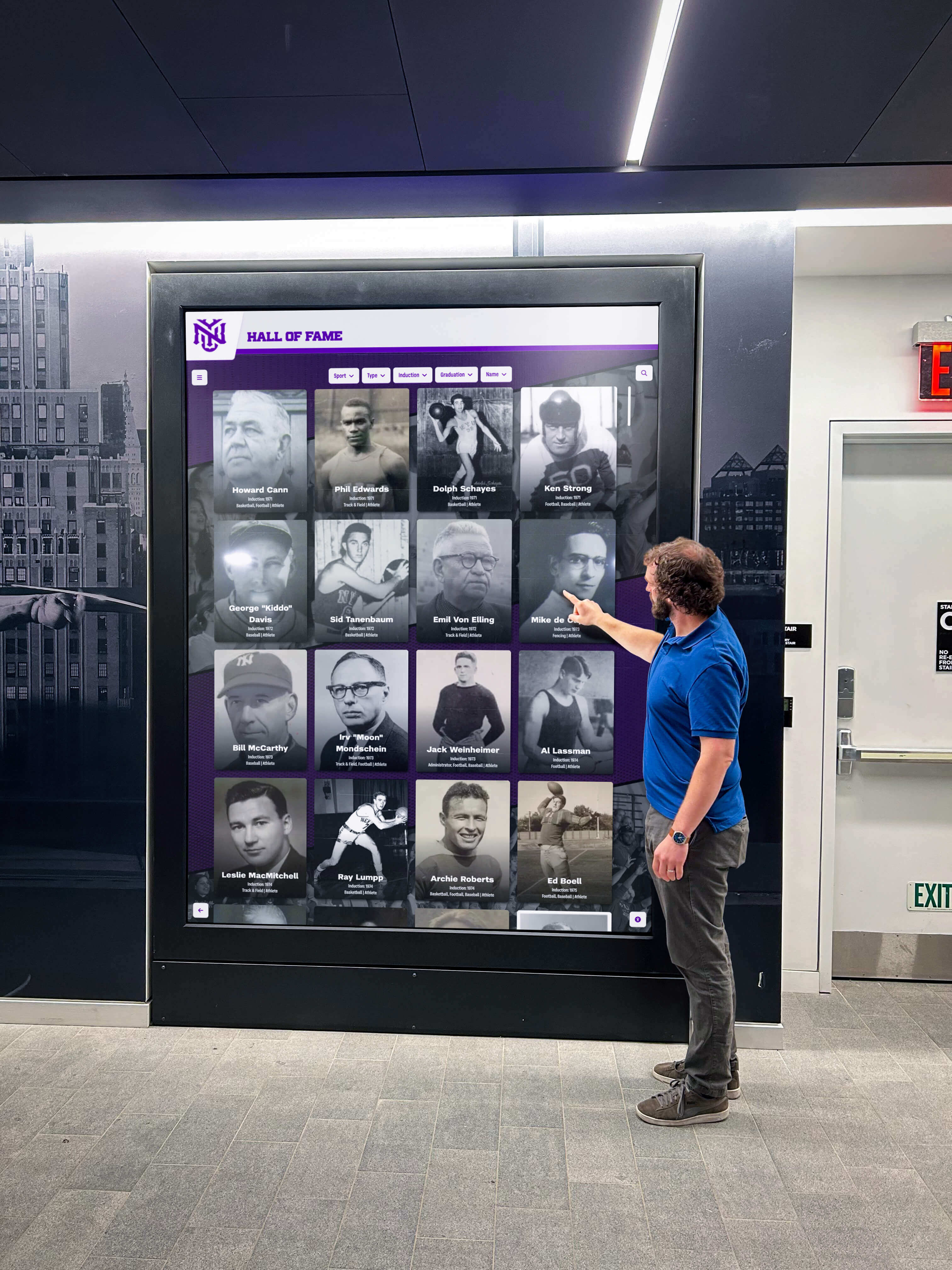
- Recognition displays: Interactive touchscreens celebrating achievements like basketball hall of fame recognition
- Streaming capabilities: Enabling game broadcasts for remote viewing
- Security systems: Monitoring facilities and controlling access
Qualified athletic directors evaluate emerging technologies strategically, implementing solutions that genuinely improve operations rather than adopting technology for its own sake.
Professional Development and Continuing Education
Qualifications for athletic director positions extend beyond initial credentials to include ongoing professional development maintaining current knowledge as requirements evolve:
Annual Professional Development Expectations
Most state associations and professional organizations require annual continuing education:
NIAAA Continuing Education
The NIAAA requires certified athletic administrators to complete:
- 20 contact hours every four years: Structured professional development maintaining CAA certification
- Conference attendance: Participation in state or national athletic director conferences
- Specialized workshops: Focused instruction on emerging topics like Division I athletics digital recognition
State Association Requirements
Many state athletic associations mandate:
- Annual rules clinics for sports offered in your program
- Compliance training on eligibility and transfer regulations
- Safety certification renewals (CPR, First Aid, AED, concussion)
- Title IX and equity training updates

Professional Organization Membership
Active participation in professional organizations provides ongoing development:
National Level Organizations
- National Interscholastic Athletic Administrators Association (NIAAA): Primary professional organization offering conferences, publications, and networking
- National Federation of State High School Associations (NFHS): Governing body providing rules education and policy guidance
- American Alliance for Health, Physical Education, Recreation and Dance (AAHPERD): Professional organization for physical educators and athletic administrators
State and Regional Organizations
- State athletic administrator associations
- Regional conference groups
- Classification-specific organizations (small school ADs, large school ADs)
Membership benefits include access to professional resources, networking opportunities, advocacy for athletic administration interests, and discounted conference registration.
Specialized Training and Workshops
Beyond general professional development, specialized training strengthens specific competencies:
Technology Training
As athletic departments adopt sophisticated technology:
- Scheduling and communication platform training
- Digital recognition system implementation workshops
- Data analysis and reporting tools instruction
- Streaming and video technology education
Financial Management Workshops
Advanced financial training includes:
- Zero-based budgeting for athletic departments
- Grant writing and external funding pursuit
- Sponsorship development and donor relations
- Long-term financial sustainability planning
Legal and Compliance Updates
Evolving legal requirements demand regular training:
- Title IX compliance seminars
- Concussion and safety protocol updates
- Discrimination and harassment prevention
- Contract law and vendor management
Programs implementing comprehensive recognition approaches like senior night celebrations and athletic banquet programs benefit from qualified athletic directors who pursue ongoing professional development.
Hiring Process and Qualification Evaluation
Understanding how hiring committees evaluate athletic director qualifications helps candidates present credentials effectively and ensures committees identify truly qualified applicants:
Essential vs. Preferred Qualifications
Job postings typically distinguish between minimum requirements and preferred credentials:
Essential Qualifications (Required)
- Bachelor’s degree in relevant field
- Valid teaching certification (if required by state)
- Minimum years of educational experience
- CPR/First Aid/AED certification
- Clean background check
Preferred Qualifications (Competitive Advantages)
- Master’s degree in educational leadership or sports administration
- CAA or CMAA certification from NIAAA
- Previous assistant athletic director experience
- Multi-sport coaching background
- Demonstrated Title IX and compliance knowledge
- Budget management experience at significant scale
- Technology proficiency and innovation mindset
Candidates meeting essential qualifications receive consideration, but those possessing preferred qualifications typically receive strongest consideration in competitive hiring processes.
Application Materials Demonstrating Qualifications
Effective application materials document qualifications comprehensively:
Resume/CV Organization
Structure resumes to highlight relevant qualifications:
- Education section: All degrees, institutions, graduation dates, relevant coursework
- Certifications section: Teaching licenses, administrative credentials, professional certifications with dates
- Experience section: Progressive responsibility showing career development from teaching/coaching through administrative roles
- Professional development: Conference attendance, specialized training, continuing education
- Professional affiliations: Memberships in relevant organizations
Cover Letter Strategy
Effective cover letters:
- Connect specific qualifications to position requirements explicitly
- Provide context for experiences that demonstrate competencies
- Share vision for athletic program development aligned with school mission
- Demonstrate knowledge of institution and community
- Explain motivation for seeking the specific position
Supplemental Materials
Strong applications often include:
- Letters of recommendation: From administrative supervisors, coaching colleagues, or professional mentors
- Philosophy statement: Articulating educational values and athletic administration approach
- Professional portfolio: Evidence of budget documents, strategic plans, program assessments, or policy development
- Certifications documentation: Copies of teaching licenses, administrative credentials, and professional certifications
Interview Process and Competency Assessment
Hiring committees assess qualifications through structured interviews:
Common Interview Questions
Committees typically explore:
- “Describe your experience with budget development and management.”
- “How do you ensure Title IX compliance across your athletic program?”
- “Explain your approach to coaching evaluation and supervision.”
- “What strategies have you used to manage difficult stakeholder relationships?”
- “How do you balance competitive excellence with educational priorities?”
- “Describe a time you managed a significant crisis or emergency situation.”
Scenario-Based Assessment
Many committees present hypothetical scenarios assessing judgment and competency:
- Budget cut scenarios requiring program prioritization decisions
- Parent complaint situations testing communication and conflict resolution
- Eligibility questions evaluating compliance knowledge
- Coaching performance concerns assessing supervisory approach
- Facility emergency situations testing crisis management
Practical Demonstrations
Some hiring processes include:
- Sample budget analysis or development exercises
- Strategic planning presentations
- Community stakeholder engagement simulations
- Technology evaluation demonstrations
Career Advancement and Specialization Pathways
Understanding qualification hierarchies helps athletic directors plan career progression:
Progression from Assistant to Head Athletic Director
Most aspiring head athletic directors serve in assistant roles first:
Assistant Athletic Director Qualifications
Entry-level administrative positions typically require:
- Bachelor’s degree (master’s preferred)
- Teaching certification
- 3-5 years coaching experience
- Demonstrated leadership potential
- LTC 501-502 completion (or commitment to pursue)
Assistant roles provide supervised experience developing competencies before assuming full responsibility.
Timeline to Head Athletic Director Positions
Typical progression timelines:
- 2-4 years as assistant athletic director in medium-large school
- 5-10 total years of combined coaching/administrative experience
- Completion of CAA certification
- Master’s degree achievement
Smaller schools may hire head athletic directors with less experience, while large competitive programs typically require extensive assistant experience plus advanced credentials.
Specialization Within Athletic Administration
Some athletic directors specialize in specific areas:
Compliance and Eligibility Specialists
Focus on:
- Title IX compliance across programs
- Eligibility verification and transfer regulations
- State association rule interpretation
- NCAA or NAIA collegiate recruiting compliance
Facilities and Operations Directors
Specialize in:
- Athletic facility planning and management
- Event coordination and game operations
- Transportation and logistics
- Equipment and inventory management
Athletic Development and Fundraising
Concentrate on:
- Donor relations and major gifts
- Booster club coordination
- Sponsorship development
- Grant writing and external funding
These specialized roles often exist in larger districts or collegiate programs, representing career pathways for athletic directors with particular interests or expertise areas. Recognition approaches like donor recognition displays demonstrate specialized knowledge in advancement and donor relations.
Transition to Collegiate Athletic Administration
Some high school athletic directors transition to collegiate positions:
Collegiate Qualification Requirements
College positions typically demand:
- Master’s degree (minimum, doctorate preferred for senior positions)
- Extensive high school athletic director experience
- NCAA or NAIA compliance knowledge
- Fundraising and revenue generation expertise
- Media relations and marketing capabilities
Common Collegiate Entry Points
High school ADs typically enter collegiate athletics through:
- Division II or III assistant athletic director roles
- NAIA athletic director positions at smaller colleges
- Compliance coordinator positions
- Facilities or operations management roles
Collegiate athletic administration represents significant career advancement but requires additional qualifications beyond high school athletic director credentials, particularly advanced degrees and specialized compliance knowledge.
Staying Current: Evolving Qualification Trends
Athletic director qualifications continue evolving as the profession develops:
Increasing Professionalization
The field moves toward higher credential expectations:
- Master’s degrees becoming standard: Once preferred, now approaching required status in competitive markets
- Certification emphasis: Growing expectation of CAA or equivalent professional certification
- Specialized knowledge requirements: Increased focus on Title IX expertise, budget sophistication, technology fluency
This professionalization reflects athletic director complexity and raises qualification bars for entry and advancement.
Technology Competency Expectations
Modern athletic directors must demonstrate technology proficiency:
- Facility technology systems understanding
- Digital communication platform management
- Data analysis and reporting capabilities
- Recognition technology evaluation like state championship display solutions
Technology integration represents an emerging qualification area that will likely grow in importance as digital solutions expand throughout athletic operations.
Diversity and Inclusion Leadership
Contemporary athletic directors increasingly require demonstrated competency in:
- Creating inclusive athletic environments
- Addressing systemic barriers to participation
- Cultural competency and equity awareness
- Adaptive sports and universal design principles
Professional development addressing diversity, equity, and inclusion now represents essential continuing education rather than optional enhancement.
Mental Health and Student Wellness
Emerging qualification areas include:
- Mental health awareness and support system development
- Student-athlete wellness programming
- Trauma-informed athletic environments
- Collaboration with counseling and health services
The growing recognition of athletic directors’ roles in comprehensive student wellness expands qualification expectations beyond traditional athletic administration competencies.
Conclusion: Building Qualifications for Athletic Director Excellence
Athletic director qualifications represent complex combinations of formal education, professional certification, practical experience, and demonstrated competencies that develop over extended career progressions. While specific requirements vary across states, institution types, and competitive levels, successful athletic directors share common qualification foundations: relevant education providing theoretical knowledge, professional certifications demonstrating commitment to excellence, progressive experience building judgment and operational expertise, and ongoing professional development maintaining currency as requirements evolve.
Aspiring athletic directors should approach qualification development systematically, recognizing that the pathway typically spans a decade or more from initial teaching and coaching positions through assistant athletic director roles and eventually to head athletic director positions. Each phase contributes essential preparation:
- Teaching experience develops educational context and student development understanding
- Coaching roles build sport-specific expertise and competitive program knowledge
- Leadership Training Institute courses provide foundational administrative competencies
- Master’s degrees deliver advanced theoretical knowledge and credential differentiation
- Assistant athletic director experience enables supervised learning of comprehensive operations
- Professional certifications demonstrate mastery and ongoing commitment to excellence
- Continuous professional development maintains currency with evolving requirements and best practices
For hiring committees, comprehensive qualification assessment ensures selection of genuinely prepared candidates rather than those who simply meet minimum credential requirements. Effective evaluation considers not just degrees and certifications held, but demonstrated competencies in leadership, financial management, compliance knowledge, technology integration, and stakeholder relationship management that predict success in complex athletic director roles.
The qualification requirements continue evolving toward increased professionalization reflecting athletic administration’s growing complexity. Today’s athletic directors manage larger budgets than many small businesses, navigate intricate legal compliance frameworks, leverage sophisticated technology solutions, and balance diverse stakeholder expectations—responsibilities demanding systematic preparation through formal education, structured certification, progressive experience, and continuous development.
Whether beginning your journey toward athletic administration, advancing from assistant to head athletic director positions, or hiring qualified athletic leaders for your institution, understanding the comprehensive qualification landscape ensures alignment between position demands and candidate preparation. The pathway requires significant investment in education, certification, and experience, but develops the expertise that effective athletic leadership demands.
Ready to see how qualified athletic directors leverage modern technology solutions like digital recognition displays to strengthen programs while managing budgets effectively? Schedule a demo with Rocket Alumni Solutions to discover how strategic technology investments support the comprehensive program management that professional athletic administration requires.
This guide reflects current athletic director qualification standards and best practices as of March 2026. Specific requirements vary by state and institution. Aspiring athletic directors should verify requirements with relevant state departments of education, state athletic associations, and prospective employers. Professional certification information based on NIAAA and state association standards current at time of publication.