



Athletic directors operate in increasingly complex environments where pressures mount from all directions—tighter budgets demanding creative solutions, evolving safety protocols requiring constant vigilance, technology advances creating new opportunities and challenges, Title IX compliance necessitating careful attention, mental health concerns requiring expanded support systems, and community expectations that never diminish. Effective athletic directors cannot rely solely on past experience or institutional knowledge when the landscape shifts continuously beneath their feet.
Professional development through athletic director conferences provides essential resources that isolated practice cannot replicate. These gatherings connect athletic directors facing similar challenges, expose leaders to innovative solutions tested elsewhere, deliver expert instruction on regulatory changes and best practices, showcase emerging technologies that solve persistent problems, and create professional networks that provide ongoing support long after conferences conclude.
Whether you’re a veteran athletic director seeking fresh perspectives, a new AD building foundational knowledge, or an aspiring administrator preparing for future leadership, conferences deliver concentrated learning, networking, and professional growth that transforms how you approach daily challenges. Understanding which conferences to attend, how to maximize your investment, and what to prioritize during sessions enables athletic directors to return to their programs equipped with actionable insights that immediately improve operations, student experiences, and program outcomes.
Why Athletic Directors Prioritize Conference Attendance
Unlike many professional development models that isolate individual learning, athletic director conferences create collaborative environments where practitioners share real-world experiences, vendors demonstrate solutions to common problems, and industry experts translate research into practical application. The concentrated format—multiple sessions across several days—enables deep engagement impossible during scattered single-session workshops.
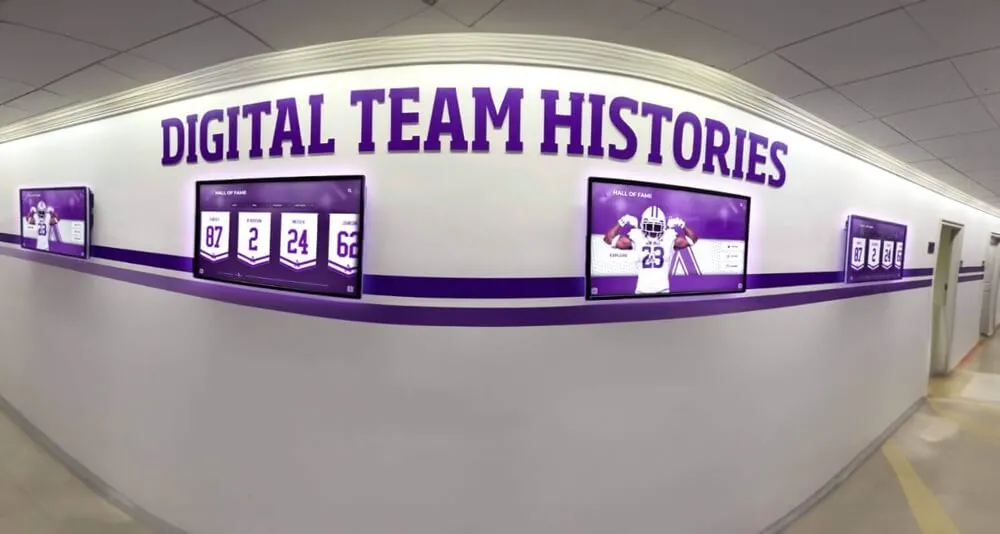
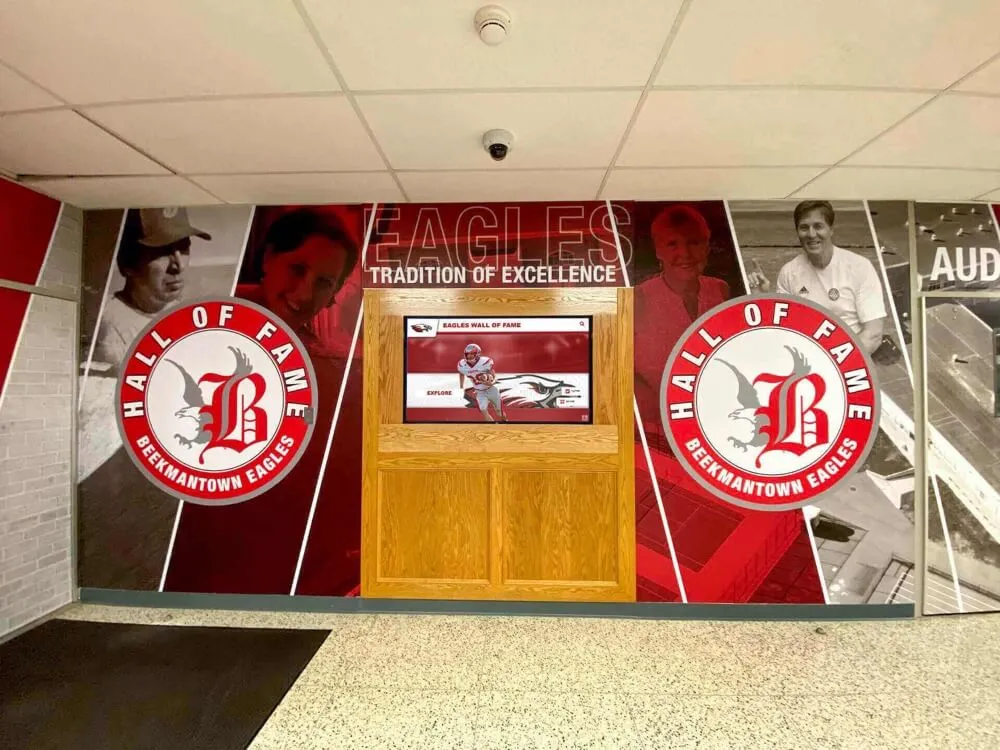
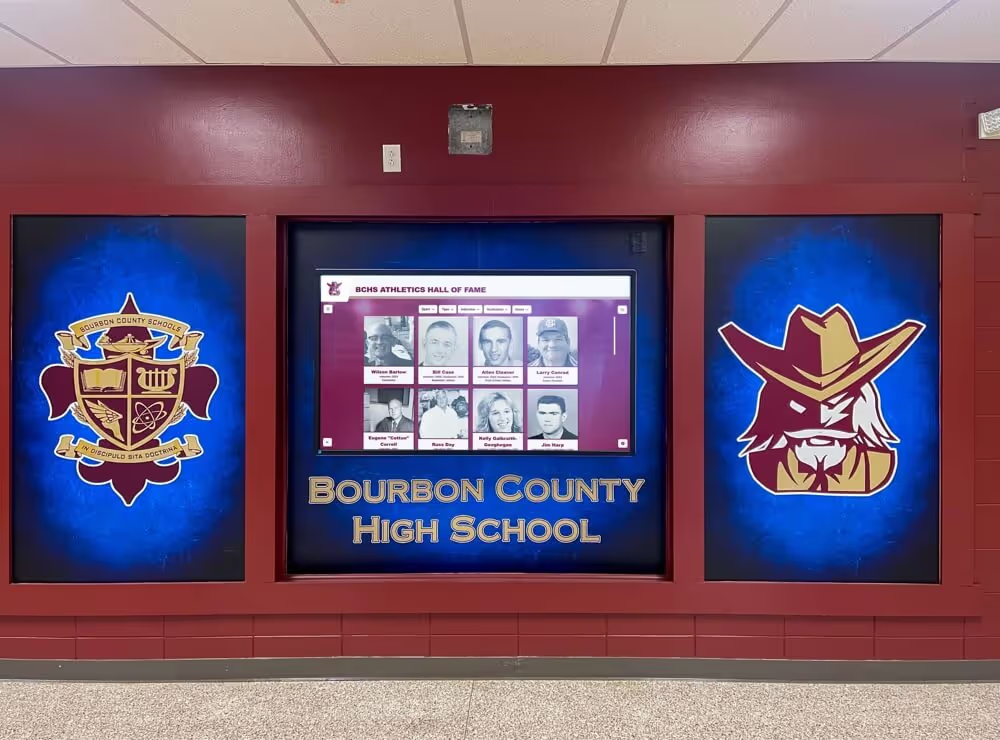
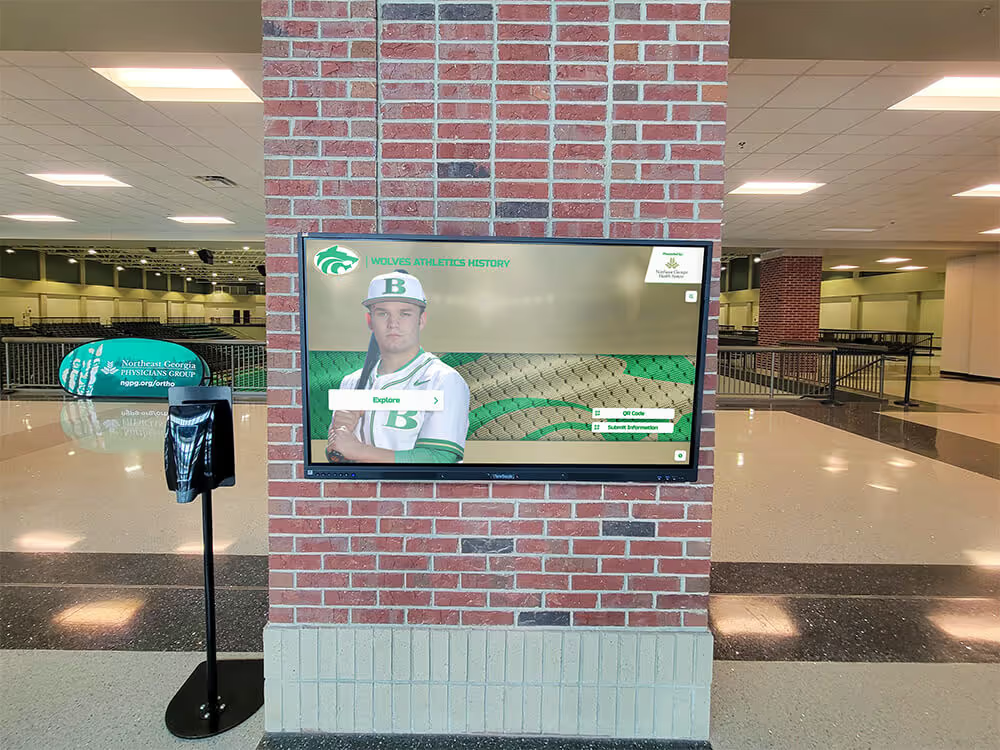
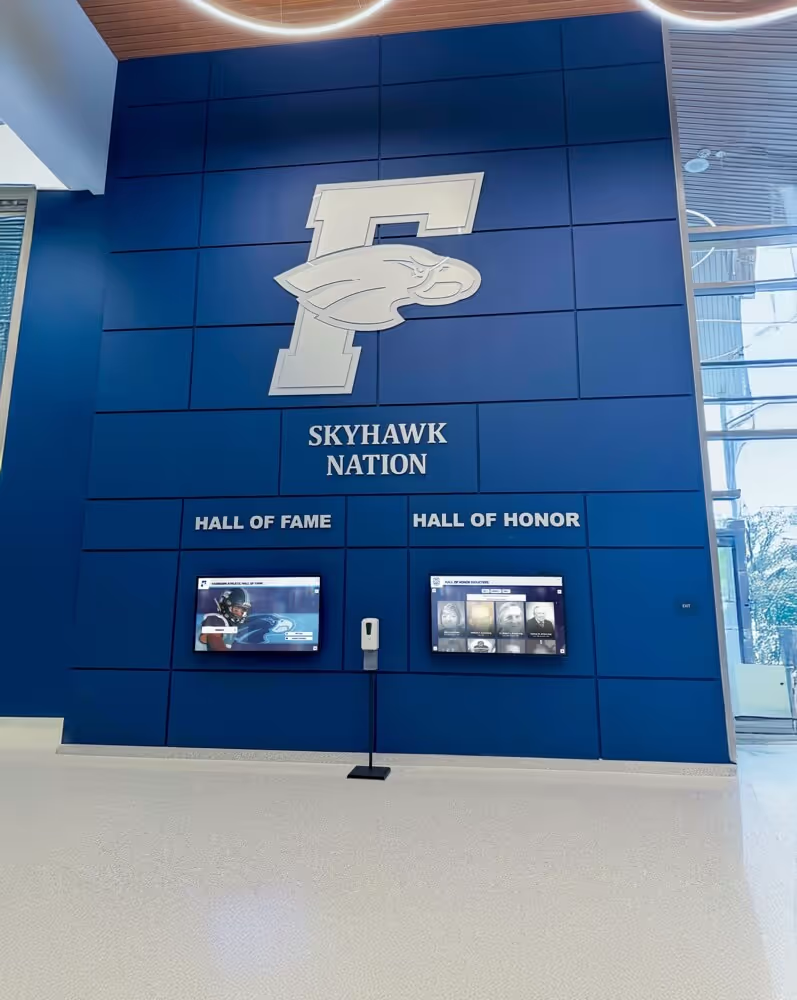
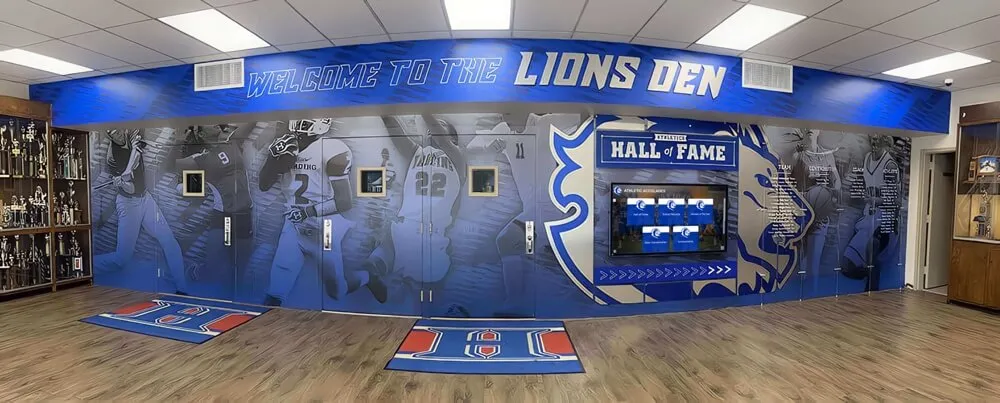
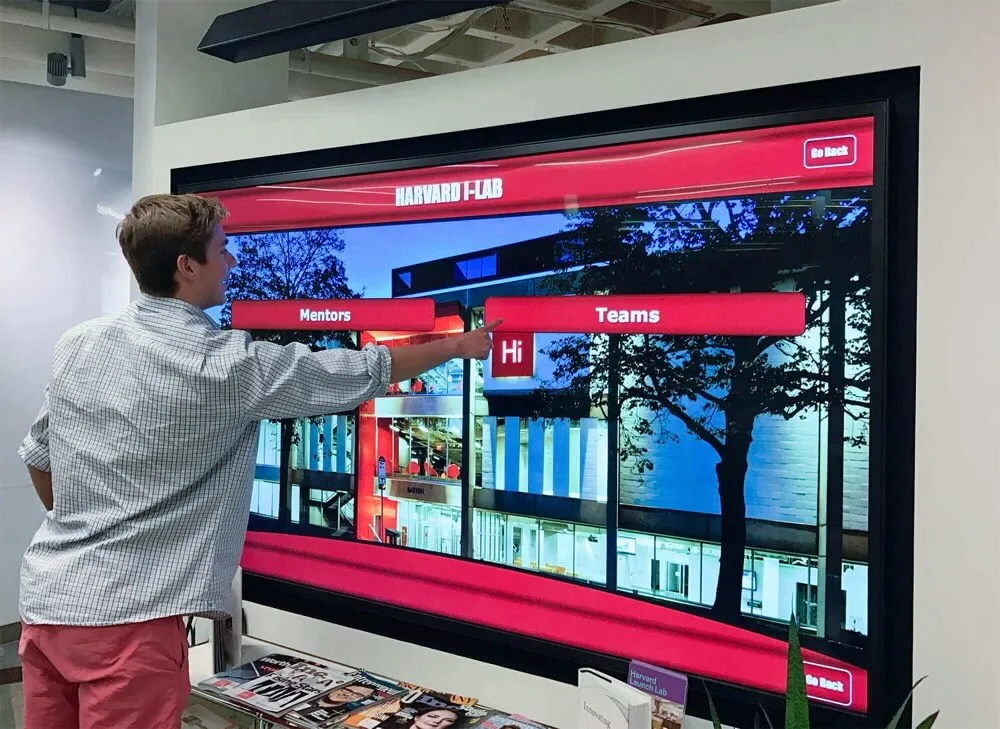
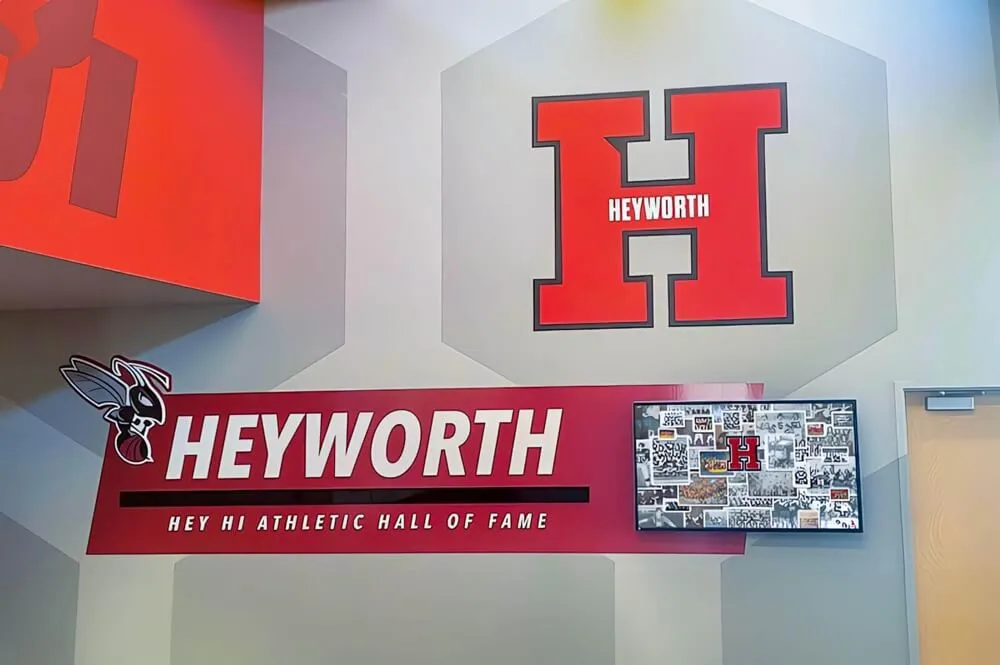
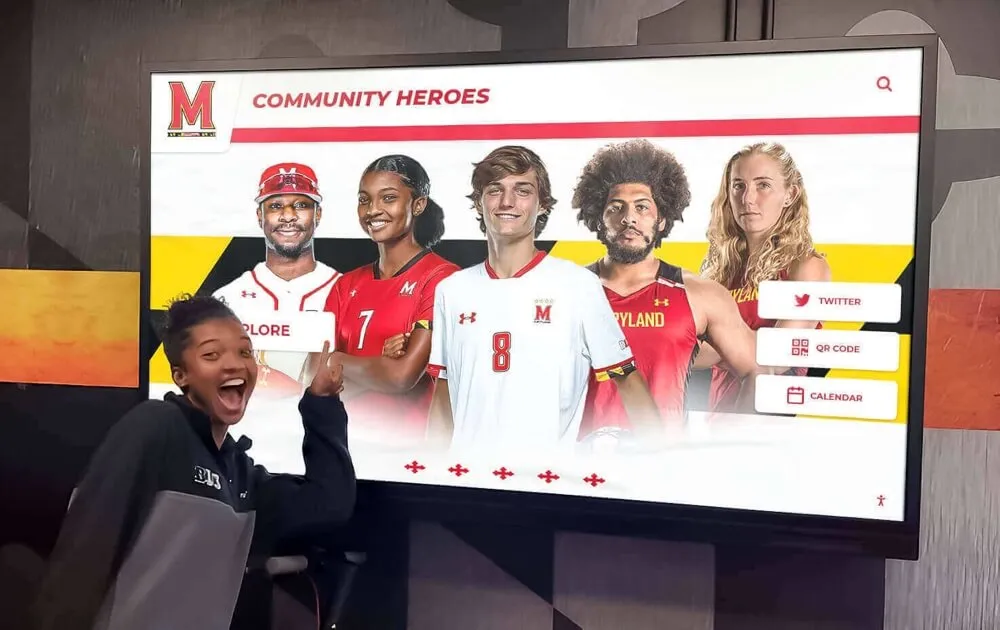
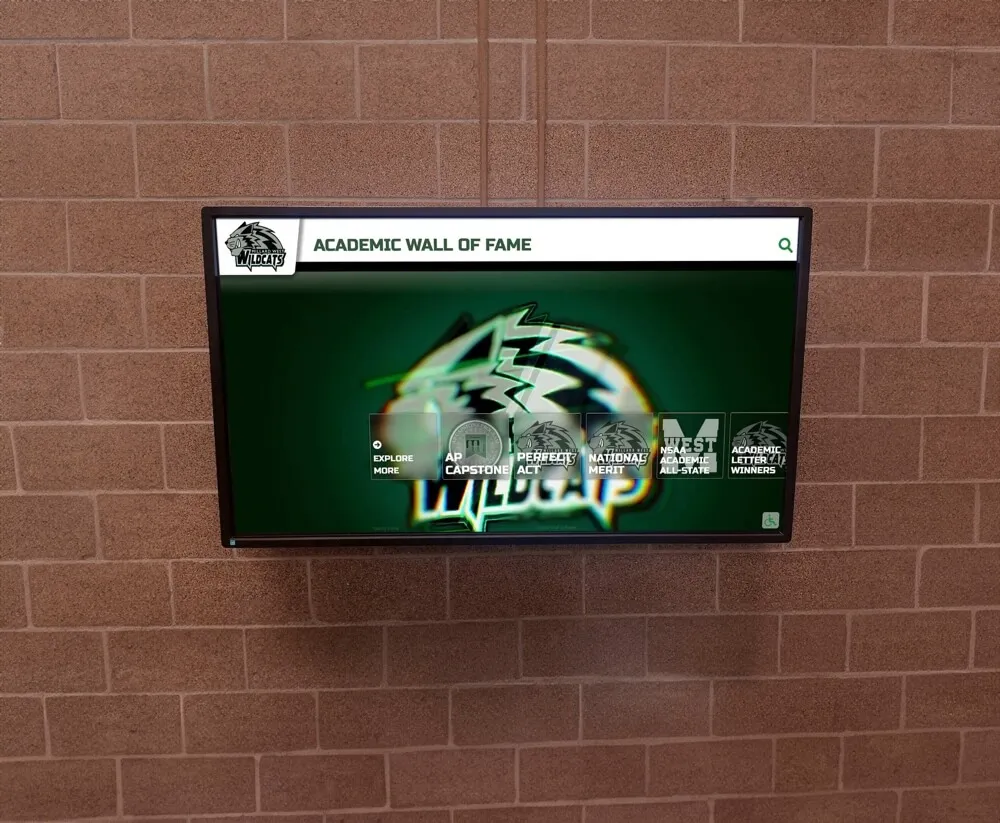
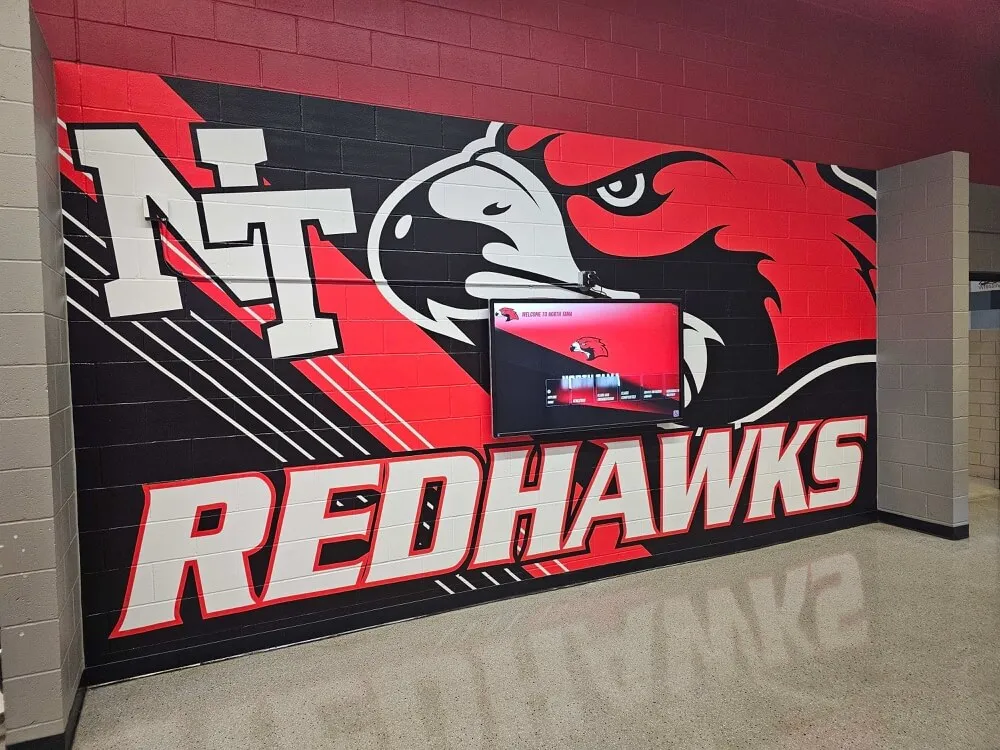
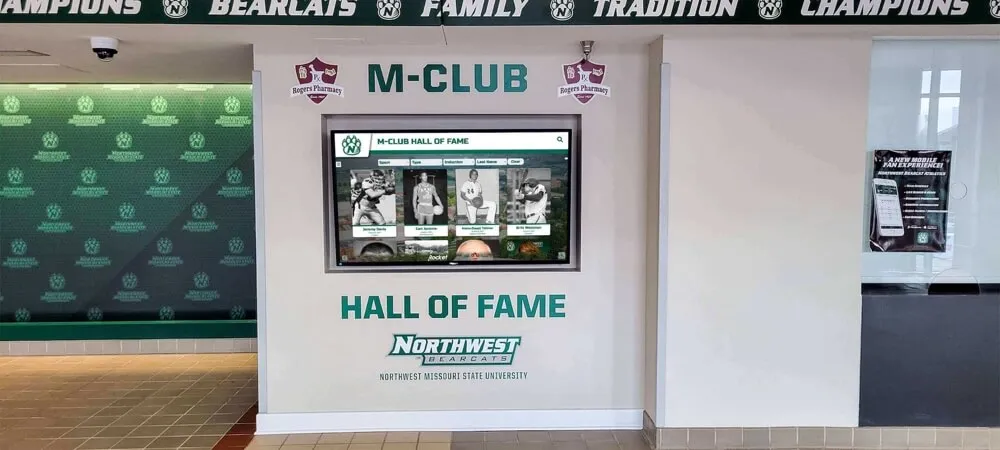
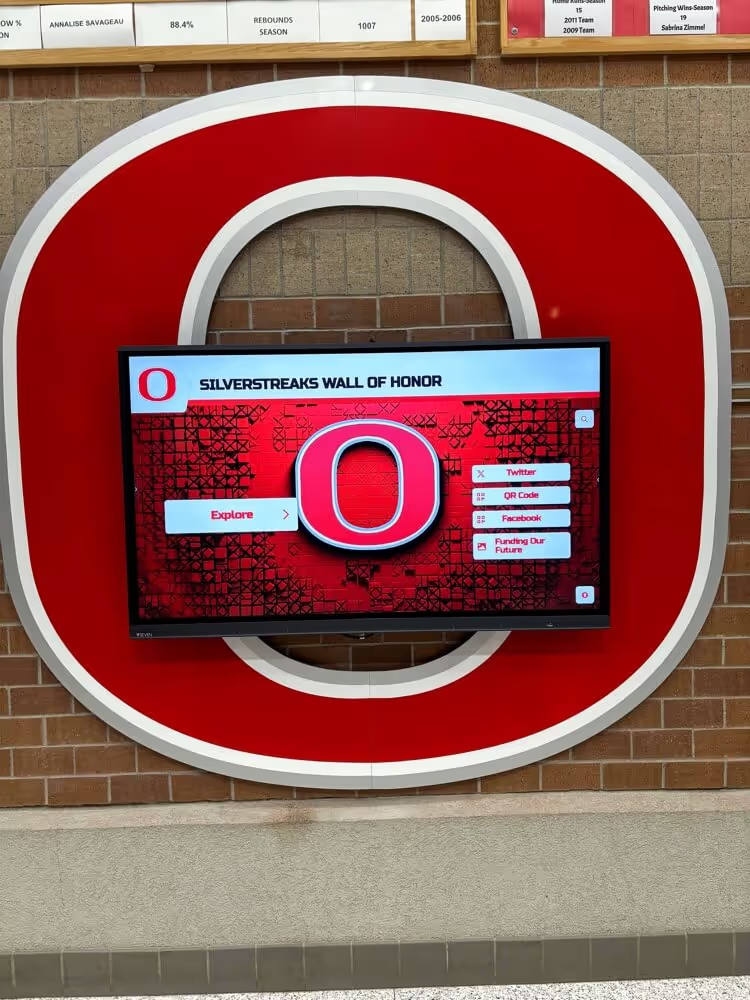
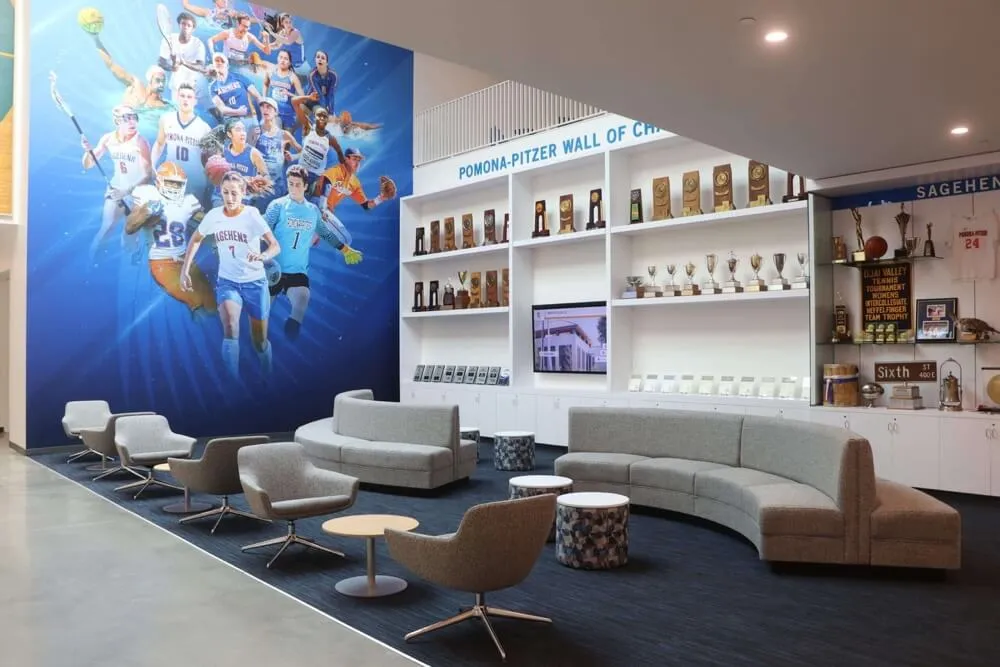
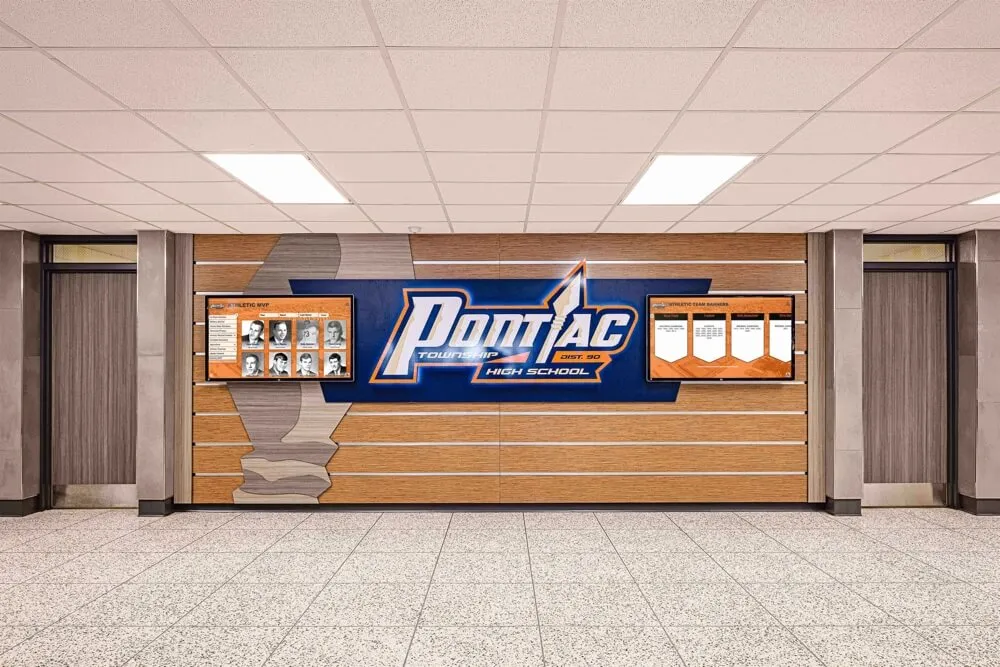
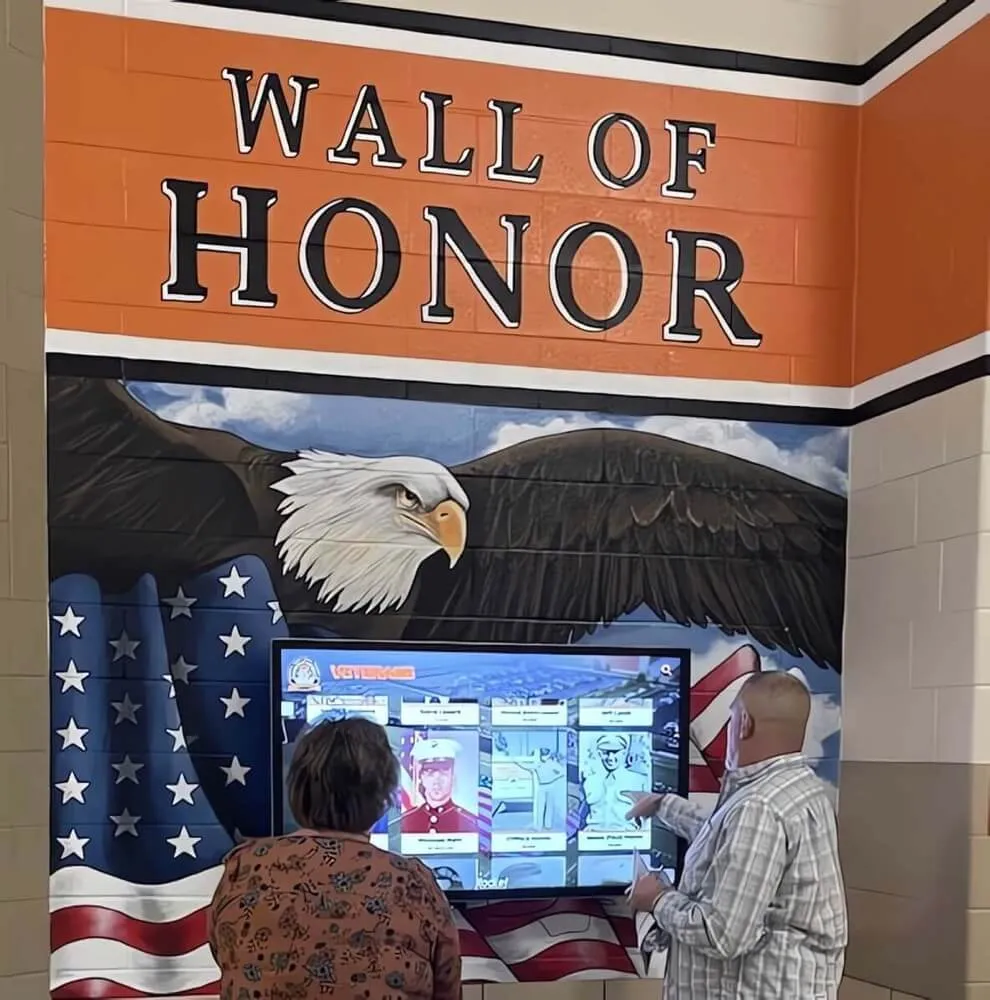
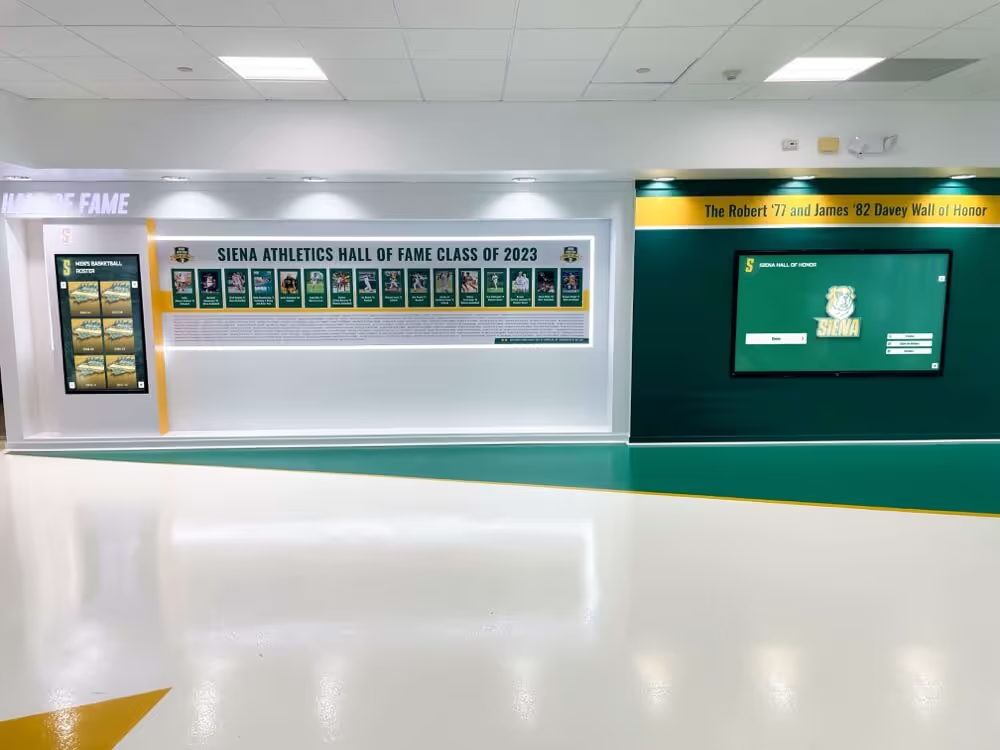
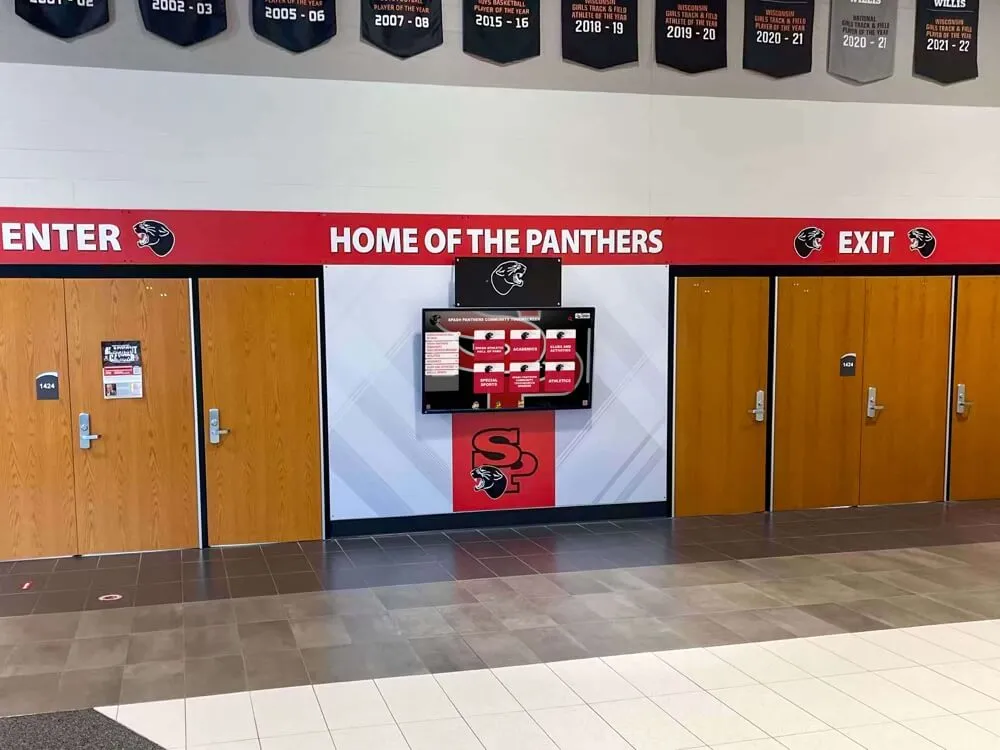
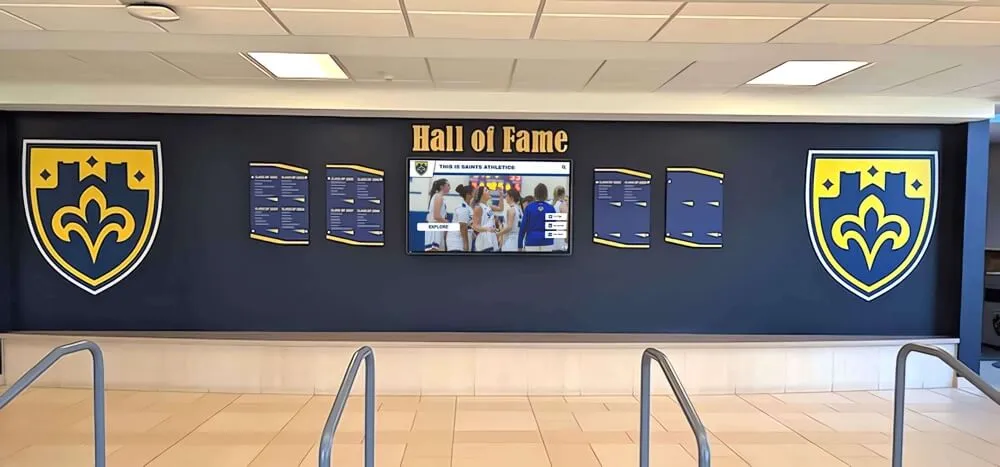
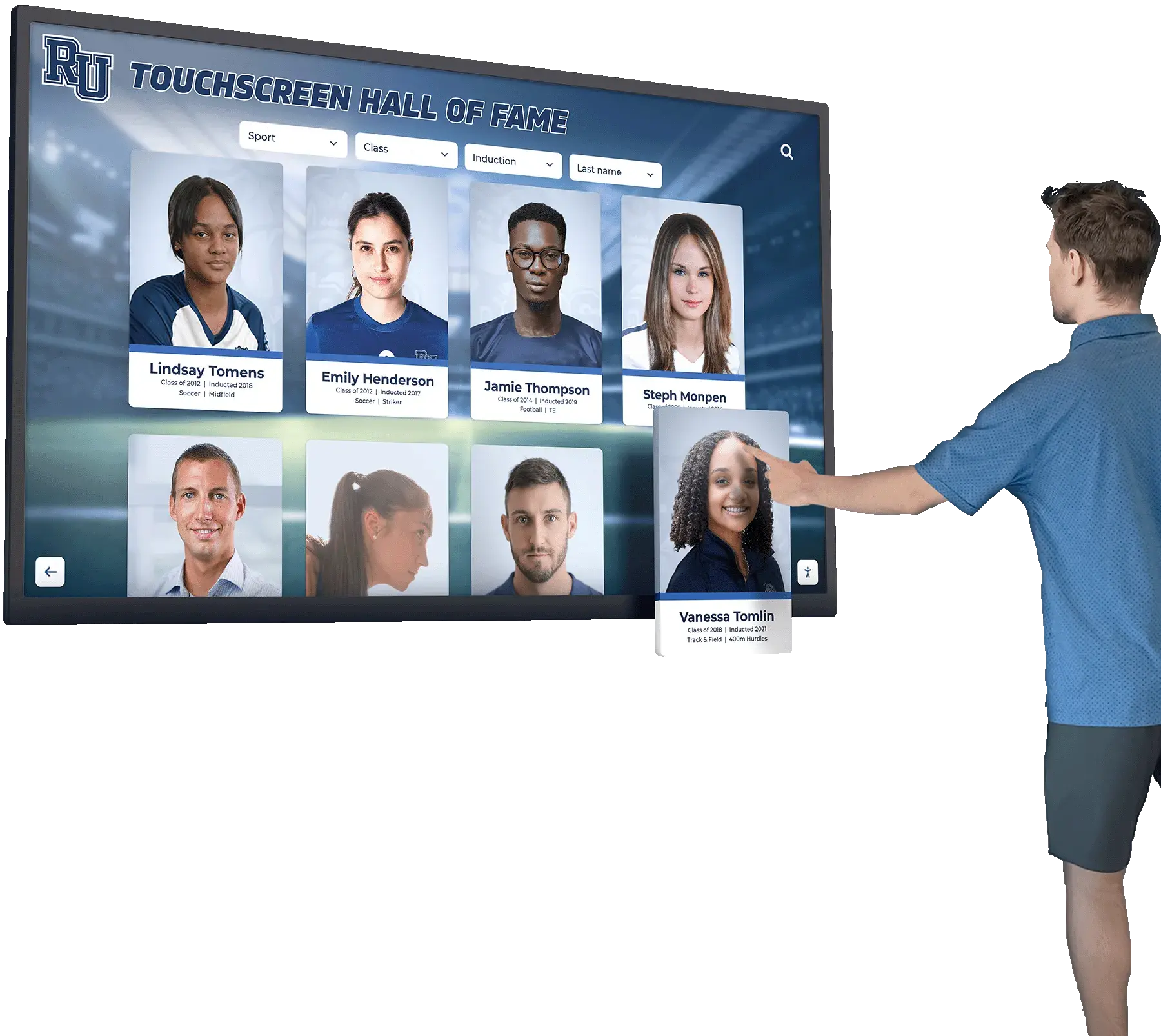
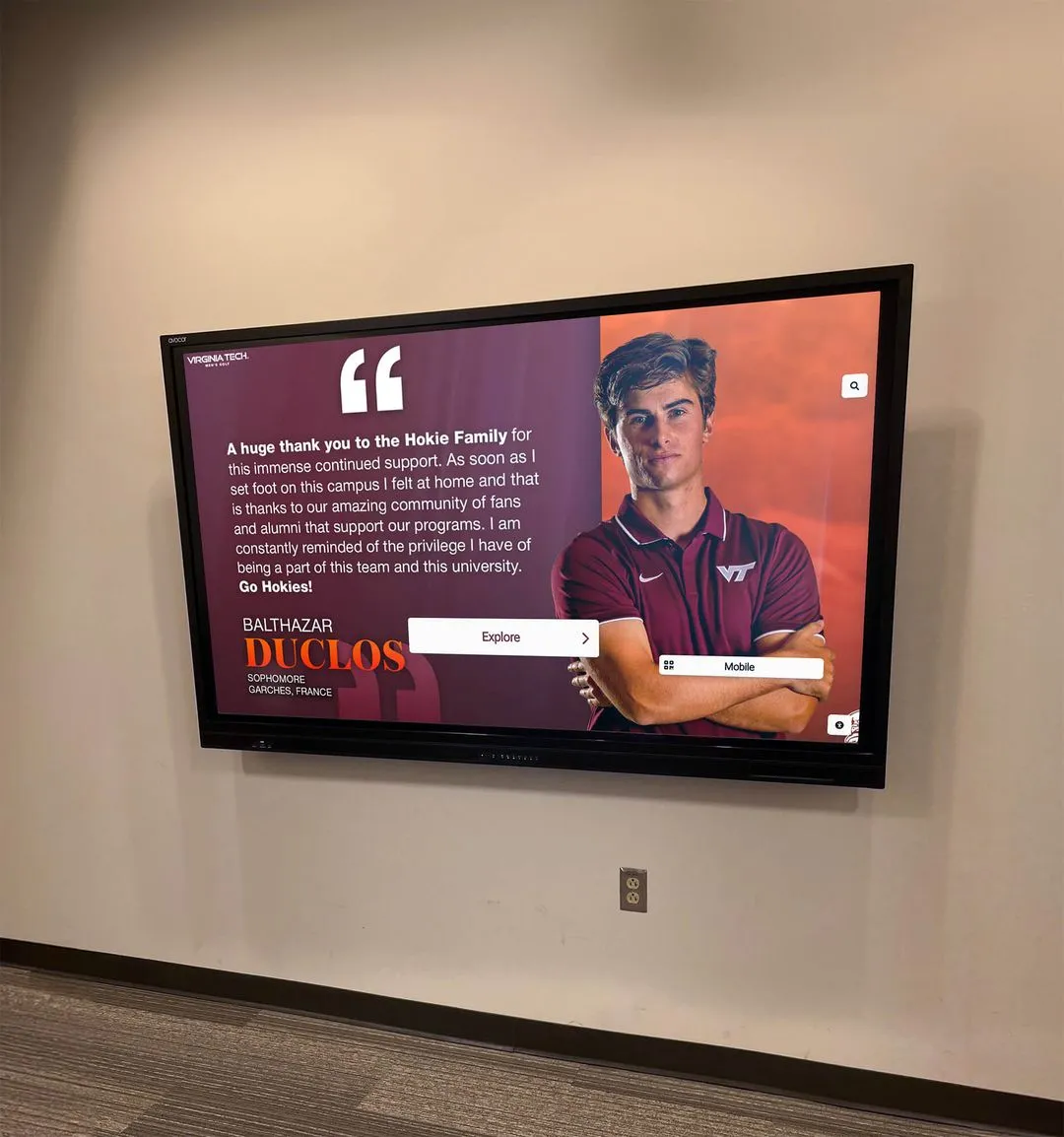
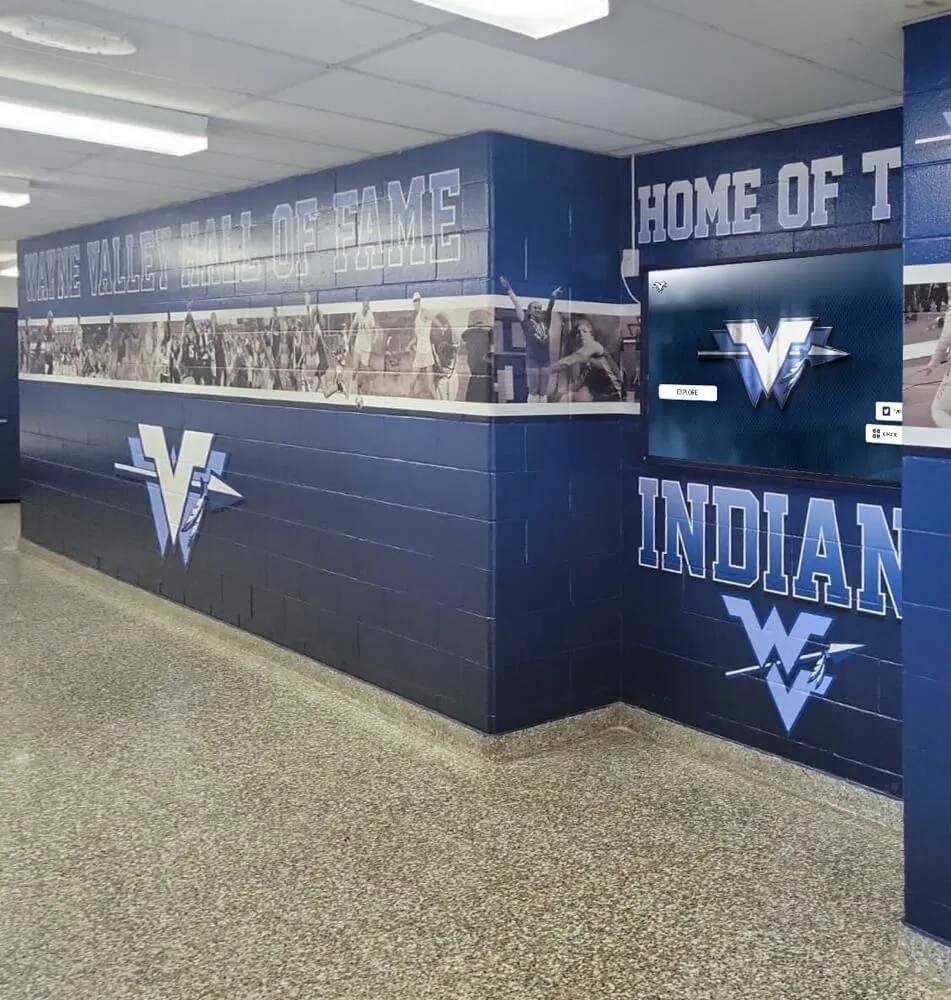
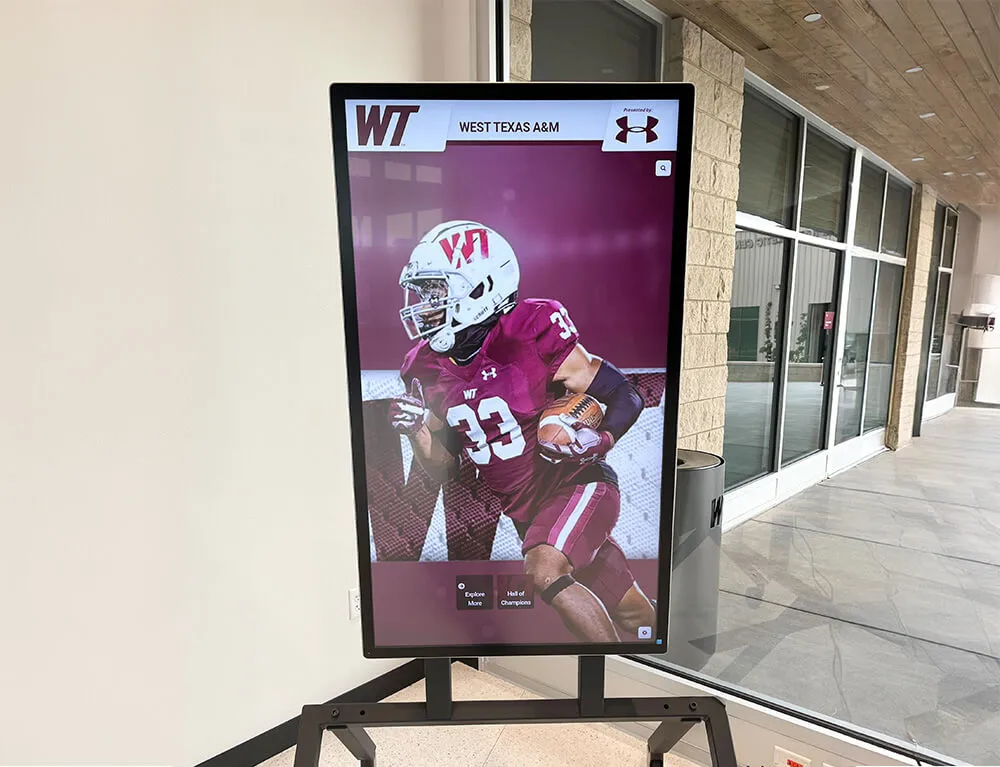
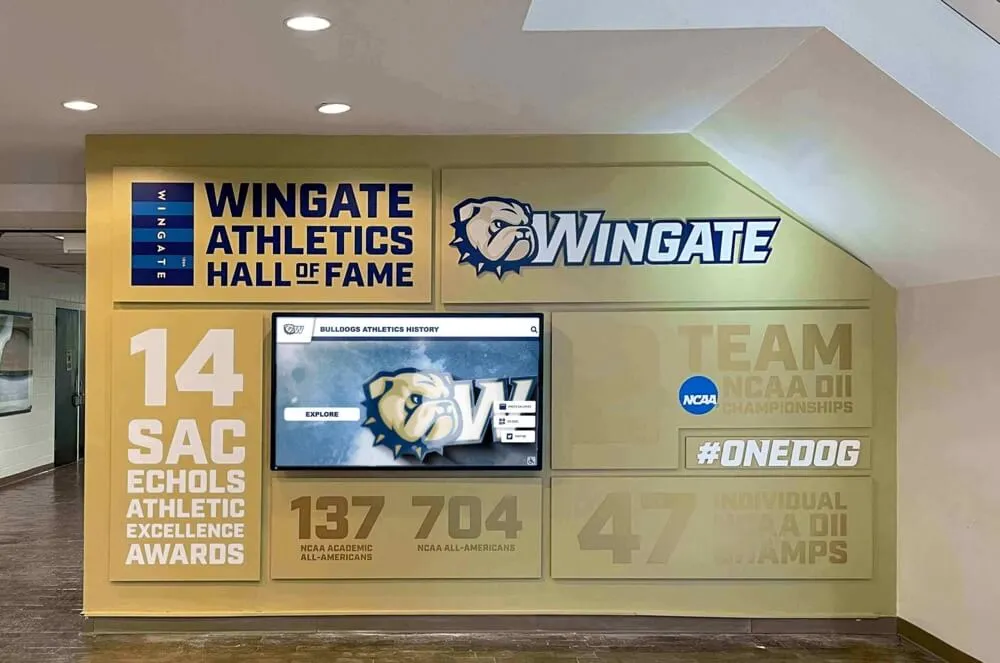
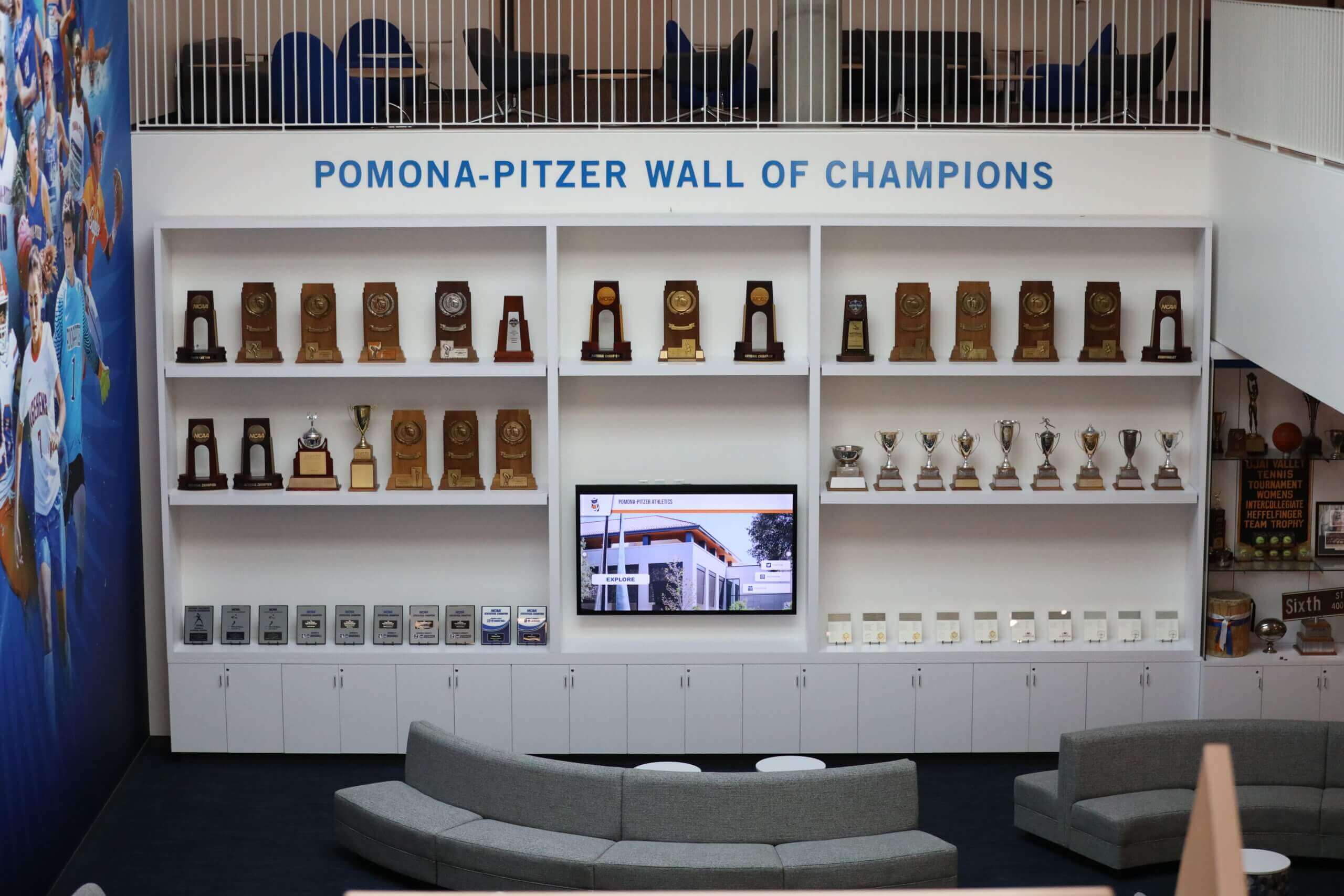
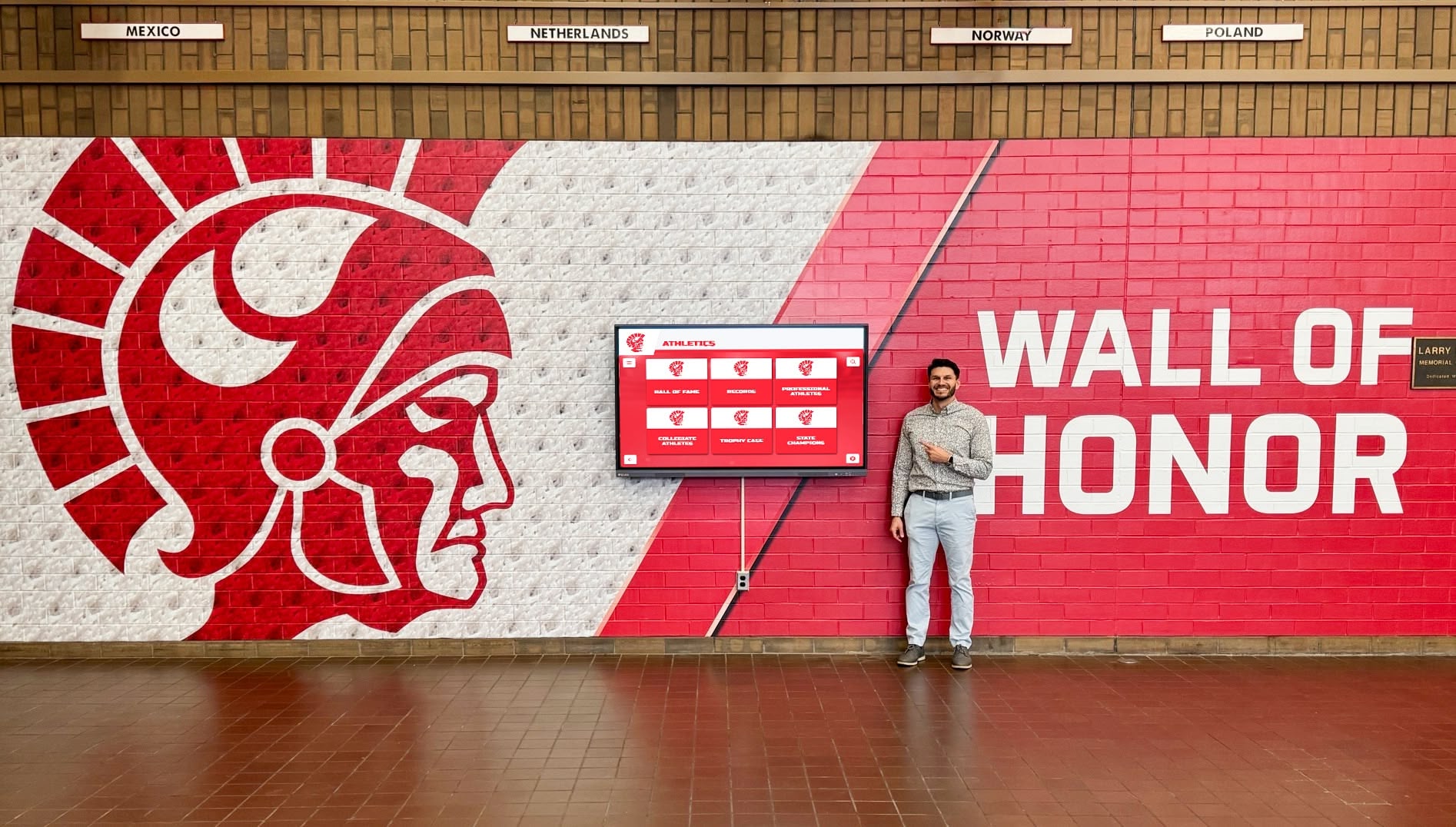
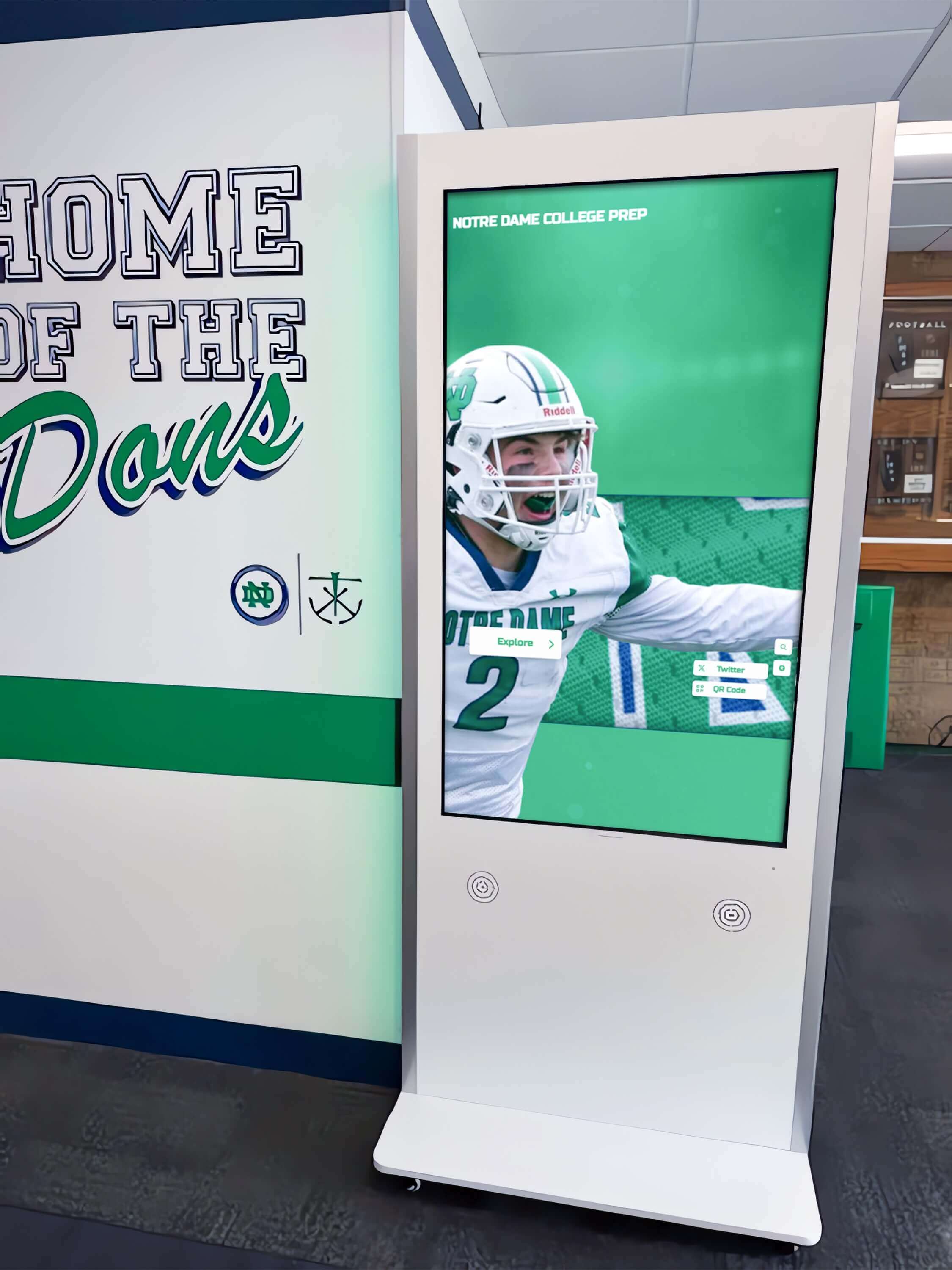
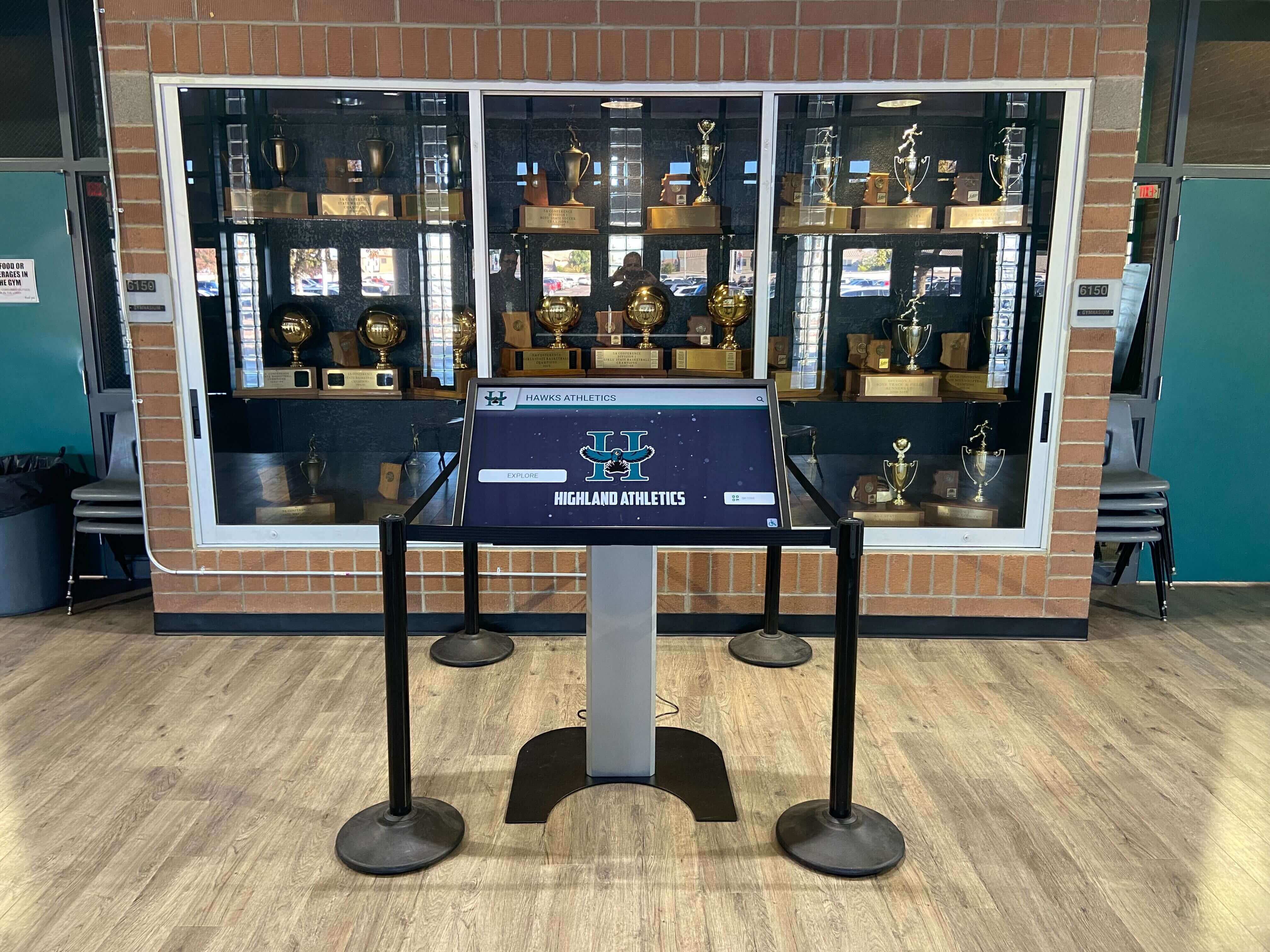
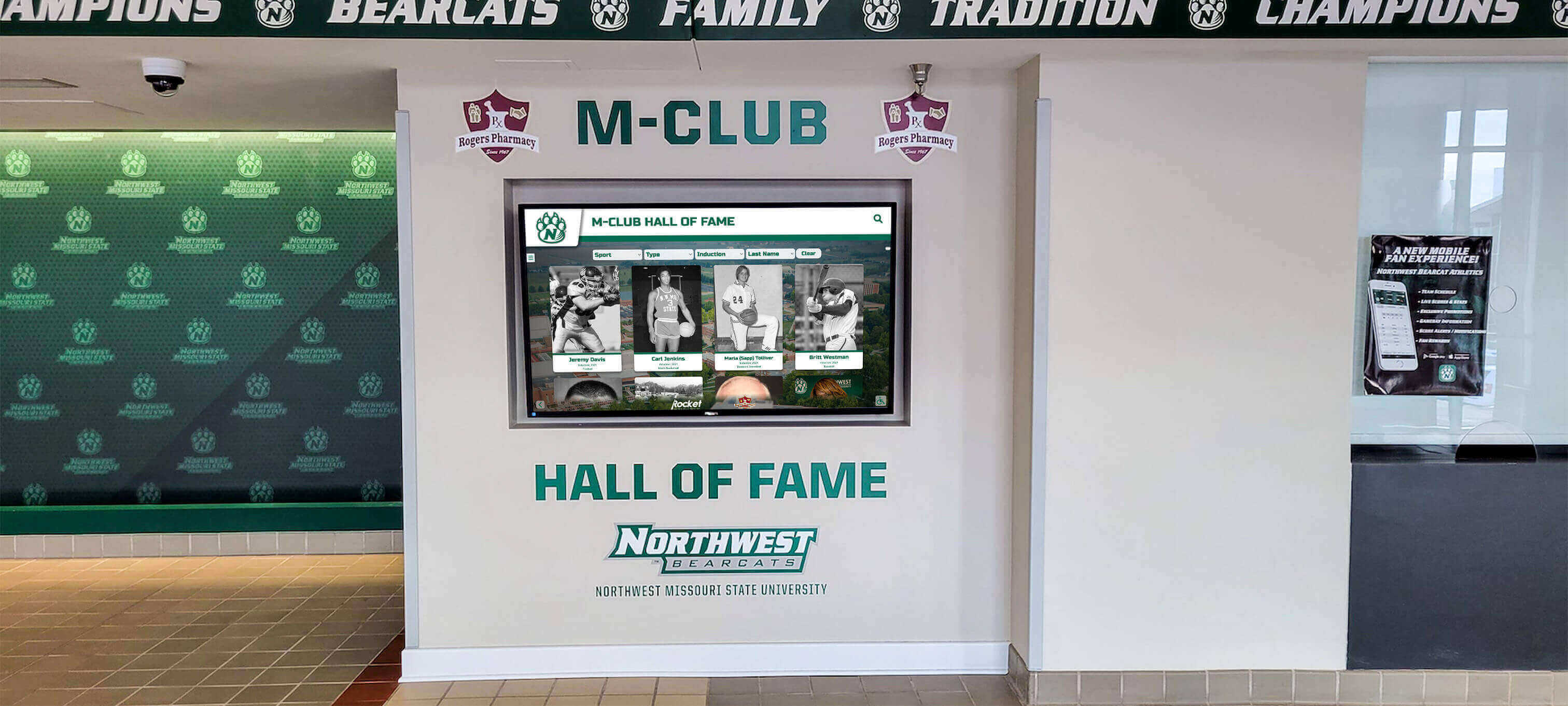
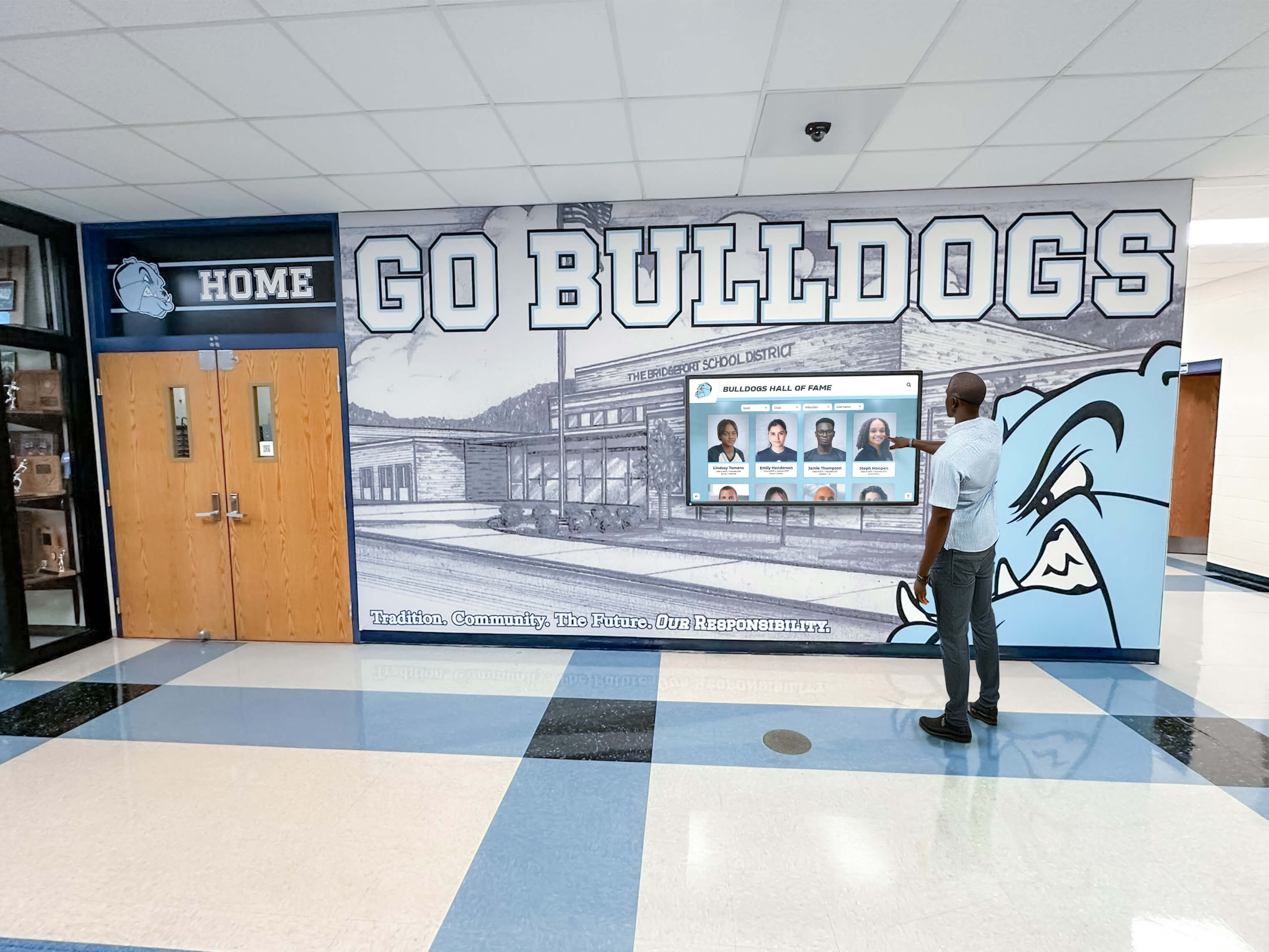
Solutions like Rocket Alumni Solutions frequently exhibit at major athletic director conferences, demonstrating digital recognition displays that address persistent budget challenges while improving student engagement—the type of innovative solution athletic directors discover through active conference participation.
Major Athletic Director Conferences and Events
Athletic directors have numerous conference options serving different competitive levels, geographic regions, and professional development needs. Understanding the landscape helps prioritize which events deliver maximum value for limited professional development budgets and time.
National Conferences Serving All Athletic Directors
Several major national conferences attract athletic directors from across competitive divisions and institutional types, offering broad professional development addressing universal challenges.
National Interscholastic Athletic Administrators Association (NIAAA) Conference
The NIAAA represents the premier professional organization for high school athletic administrators, with its annual conference drawing 1,500-2,000 athletic directors each December. The multi-day event features:
- Comprehensive educational programming: 80-100 concurrent sessions covering budget management, facility operations, coaching supervision, Title IX compliance, risk management, technology integration, and emerging trends
- Leadership Training Institute: Multi-year certification program delivered in conference pre-sessions helping athletic directors develop essential administrative competencies
- Athletic Director U: Intensive full-day workshops before the main conference providing deep dives into specific topics like budget optimization, strategic planning, or facility management
- Extensive vendor exhibition: 200+ companies showcasing products, services, and technologies designed specifically for athletic department operations
- State-specific networking opportunities: Organized meetups enabling athletic directors from the same state to connect, compare notes, and discuss region-specific challenges
The NIAAA conference provides unmatched scope—no other gathering offers comparable session variety, networking scale, or vendor access. For athletic directors attending only one conference annually, the NIAAA event delivers maximum comprehensive value.
National Association of Collegiate Directors of Athletics (NACDA) Convention
While focused primarily on college athletics, NACDA’s annual convention in June attracts some high school athletic directors from larger programs or those aspiring to collegiate administration. The massive event features:
- 700+ institutional athletic programs represented creating networking at extraordinary scale
- Partnership with multiple affiliated associations including athletic trainers, sports information directors, and compliance professionals, enabling cross-functional learning
- Major keynote speakers from professional sports, college athletics leadership, and business sectors providing big-picture perspective
- Specialized tracks for different divisional levels, position types, and functional areas
- Innovation-focused sessions highlighting cutting-edge approaches to fan engagement, athlete development, fundraising, and facilities

NACDA’s scale creates unique networking opportunities while sessions often address challenges—major fundraising campaigns, sophisticated compliance issues, extensive facilities—that translate imperfectly to high school contexts. Athletic directors should attend strategically, focusing on universal leadership and innovation content rather than college-specific operational sessions.
State and Regional Athletic Administrator Conferences
State-level conferences typically offer more focused, locally relevant content addressing specific state regulations, regional competitive landscapes, and shared geographic challenges.
State High School Athletic Association Annual Meetings
Every state athletic association hosts annual meetings that combine business functions (rule changes, policy votes, leadership elections) with professional development opportunities:
- State-specific regulatory updates: Direct instruction on rule changes, eligibility requirements, and compliance obligations unique to your state
- Regional networking intensity: Connect with athletic directors you compete against, coordinate with, and share challenges with directly
- Locally relevant case studies: Examples and solutions drawn from schools within your state facing identical regulatory and competitive contexts
- Targeted vendor presence: Companies familiar with your state’s requirements and competitive landscape offering appropriate solutions
State conferences may lack the scale and breadth of national events, but their focused relevance often provides more immediately actionable insights. Athletic directors should prioritize state conference attendance to maintain current knowledge of regulatory requirements and build essential peer networks.
Regional Interscholastic Athletic Administrator Organizations
Several regions maintain active athletic administrator organizations hosting conferences serving multi-state areas:
- Southern Section (CIF-SS) Athletic Director Conference in California serves the nation’s largest high school athletic section
- Wisconsin Athletic Directors Association Annual Conference draws athletic directors from across Wisconsin and neighboring states
- Michigan Interscholastic Athletic Administrators Association (MIAAA) Conference serves one of the nation’s largest state athletic director memberships
Regional conferences balance national breadth with state specificity—broader than single-state meetings while maintaining geographic relevance impossible at national scale. They often feature ideal mixes of big-picture keynotes, practical skill-building sessions, and regionally focused regulatory content.
Specialized Conferences Addressing Specific Athletic Administration Areas
Beyond general athletic director conferences, specialized events focus on particular aspects of athletic administration, providing deep expertise in narrower domains.
Sports Safety and Risk Management Conferences
Organizations like the National Center for Spectator Sports Safety and Security (NCS4) and the Sport and Recreation Law Association (SRLA) host specialized conferences addressing:
- Emergency action planning and crisis response protocols
- Facility safety assessments and risk mitigation strategies
- Legal liability issues in athletic supervision and operations
- Concussion management and return-to-play protocols
- Weather monitoring systems and evacuation procedures
Athletic directors responsible for large programs, complex facilities, or high-risk sports often benefit from specialized safety conferences supplementing general professional development.
Athletic Training and Sports Medicine Conferences
The National Athletic Trainers’ Association (NATA) and regional athletic training associations host conferences where athletic directors can:
- Understand emerging sports medicine practices and standards
- Learn about injury prevention programs and protocols
- Explore relationships between athletic departments and medical providers
- Evaluate equipment and technology supporting athlete health and safety
While primarily serving athletic trainers, these conferences help athletic directors supervise medical programs effectively and make informed decisions about health resources.
Resources on athletic hall of fame implementation demonstrate how specialized conference sessions help athletic directors plan comprehensive recognition programs celebrating athletic excellence.
Conference Session Types and Educational Formats
Athletic director conferences employ diverse instructional formats serving different learning objectives and engagement styles. Understanding session types helps prioritize scheduling when dozens of concurrent options compete for attention.
General Sessions and Keynote Presentations
Large-group sessions bring all attendees together for high-impact presentations addressing universal themes:
Leadership and Vision Keynotes
Opening and closing keynotes typically feature prominent speakers—successful coaches, athletic directors from high-profile programs, business leaders, or motivational figures—delivering big-picture messages about:
- Leadership philosophy and personal development
- Building winning cultures and program excellence
- Overcoming adversity and managing change
- Long-term strategic thinking and institutional impact
While inspirational keynotes may lack tactical applicability compared to skill-building sessions, they provide important perspective, shared conference experiences creating community, and often memorable insights that reframe how athletic directors approach their roles.
Industry Trends and Future-Focused Sessions
General sessions often explore emerging developments affecting all athletic directors:
- Technology trends transforming athletic operations and student experiences
- Changing student-athlete expectations and generational shifts
- Evolving regulatory landscapes and compliance challenges
- Budget pressures and financial sustainability strategies
- Demographic changes affecting participation and program design
These sessions help athletic directors anticipate changes before they become crises, positioning programs proactively rather than reacting to disruptions.
Concurrent Breakout Sessions and Workshops
The heart of conference learning occurs in smaller concurrent sessions enabling focused instruction on specific topics:
Skill-Building Workshops
Hands-on sessions teach specific competencies through interactive formats:
- Budget management workshops: Practical techniques for zero-based budgeting, equipment procurement strategies, revenue generation approaches, and financial sustainability planning
- Technology training: Instruction on scheduling software, communication platforms, statistical tracking systems, or compliance databases
- Facility planning sessions: Guidance on needs assessments, fundraising campaigns, design-build processes, and sustainable operations
- Hiring and supervision workshops: Frameworks for coaching searches, evaluation systems, difficult conversations, and staff development
Workshop sessions provide tactical knowledge immediately applicable to daily operations—often the highest-value conference content for athletic directors facing specific operational challenges.
Best Practice Sharing and Case Studies
Experienced athletic directors present successful initiatives, innovative solutions, or lessons learned from challenges:
- How specific programs addressed budget cuts while maintaining quality
- Innovative approaches to athlete recognition and celebration
- Successful fundraising campaigns or sponsorship programs
- Technology implementations that transformed operations
- Effective strategies for controversial policy changes or community challenges
Case study sessions provide peer learning—solutions developed by practitioners facing identical constraints and contexts you experience. The credibility of “it worked for us in a similar situation” often exceeds expert advice untested in real-world school environments.
Resources on digital recognition solutions for athletic programs frequently appear in conference sessions demonstrating how technology addresses persistent recognition and budget challenges.
Certification and Credential Programs
Many conferences incorporate structured certification programs helping athletic directors document professional development and build systematic competencies:
NIAAA Leadership Training Institute (LTI)
The most established athletic director certification program operates across five sequential courses—LTC 501 through 505—each delivered in multi-day formats at state and national conferences:
- LTC 501: Foundational leadership concepts and athletic administration fundamentals
- LTC 502: Fiscal management, budget development, and resource allocation
- LTC 503: Personnel management, coaching supervision, and staff development
- LTC 504: Facilities, events, and risk management
- LTC 505: Strategic planning, policy development, and institutional leadership
Completing all five courses plus additional requirements earns the Certified Athletic Administrator (CAA) designation—recognized professional credential demonstrating comprehensive administrative competence. Many school districts require or strongly prefer the CAA designation for athletic director positions.
State-Level Certification Programs
Some state athletic associations maintain certification requirements or recommended professional development sequences. For example:
- California Interscholastic Federation: Requires specific training modules on Title IX, concussion management, and safety protocols
- Texas University Interscholastic League: Maintains required rules clinics and compliance training
- Ohio Interscholastic Athletic Administrators Association: Offers state-specific certification sequence beyond national programs
Conference pre-sessions and dedicated workshops often deliver these required or recommended programs, making strategic conference selection important for meeting certification obligations.
Panel Discussions and Roundtable Conversations
Less structured formats facilitate peer exchange and multiple perspectives:
Expert Panel Discussions
Sessions featuring 3-5 experts addressing complex topics from different viewpoints:
- Legal experts, athletic directors, and insurance professionals discussing liability and risk management
- Technology vendors, IT directors, and athletic directors exploring digital transformation
- Athletic trainers, physicians, and athletic directors examining sports medicine programs
- Coaches, athletes, and administrators discussing mental health support systems
Panel formats provide nuanced perspectives acknowledging that complex challenges rarely have single correct solutions. The interplay between panelists often surfaces considerations individual presenters might overlook.
Peer Roundtable Sessions
Small-group discussions where 10-15 athletic directors share experiences around common challenges:
- New athletic directors discussing transition challenges and lessons learned
- Small-school athletic directors addressing limited resource management
- Large-program athletic directors exploring delegation and staff supervision
- Athletic directors from specific competitive classifications discussing shared issues
Roundtable intimacy enables honest conversation about struggles and failures difficult to discuss in large-group settings. Many athletic directors report that candid peer conversations provide the most valuable conference insights—realizing others face identical challenges and discovering practical solutions that worked in similar contexts.
Exhibition Hall Strategies: Maximizing Vendor Relationships
Conference exhibition halls feature hundreds of vendors offering products, services, and technologies for athletic departments. Strategic approach to exhibitions transforms what could be overwhelming into high-value component of conference experience.
Researching Vendors Before Conference Arrival
Effective exhibition hall navigation begins before leaving home:
Review Exhibition Hall Lists
Most conferences publish complete vendor lists with booth locations 2-4 weeks before events. Download these lists and research in advance:
- Identify vendors addressing your specific needs: If facing recognition budget challenges, locate companies offering digital recognition solutions. If planning facility renovations, find architecture firms and equipment suppliers.
- Schedule appointments: Many vendors accept pre-scheduled meetings ensuring dedicated time with representatives rather than competing for attention during floor hours
- Prepare questions: Develop specific questions about pricing, implementation processes, support models, and compatibility with existing systems
- Research company backgrounds: Review websites, read client testimonials, and understand what distinguishes each vendor from competitors
Priority research enables focused exhibition hall time rather than wandering overwhelmed by options.
Set Exhibition Hall Objectives
Define what you want to accomplish:
- Immediate needs: Solutions to current problems requiring decisions within months
- Future planning: Ideas and options for initiatives 1-2 years out
- General awareness: Understanding emerging products and industry directions
- Relationship building: Connecting with vendors for ongoing information even without immediate purchase intent
Clear objectives prevent getting distracted by every display while ensuring you don’t miss vendors addressing genuine priorities.
Strategic Vendor Booth Visits
Once in exhibition halls, systematic approaches maximize limited time:
Prioritize Problem-Solution Matches
Visit vendors offering solutions to your most pressing challenges first while energy and attention remain high. If digital recognition displays could solve your trophy budget challenges while improving student engagement, make that booth a priority rather than saving it for exhausted late-afternoon visits.
Ask Substantive Questions
Move beyond basic product descriptions available on websites to questions revealing implementation realities:
- “What challenges do schools encounter during implementation?”
- “What ongoing support and training do you provide?”
- “Can you connect me with current clients I can speak with about their experiences?”
- “What hidden costs should I anticipate beyond stated pricing?”
- “How does your solution integrate with existing systems we already use?”
- “What’s your typical implementation timeline from contract to operational?”
Quality questions separate viable solutions from attractive-but-impractical options while demonstrating you’re a serious potential client rather than casual browser.
Collect Comprehensive Information
Gather materials enabling later evaluation:
- Product literature and specification sheets
- Pricing information including all cost components
- Implementation timelines and process documentation
- Client reference contacts
- Trial or demonstration opportunities
- Detailed contact information for follow-up conversations
Many athletic directors photograph booth displays, collect business cards with handwritten notes about specific discussions, and immediately email materials to themselves creating searchable archives for later reference.
Don’t Commit Immediately
Resist pressure to sign contracts on exhibition floors even with “conference special pricing.” Take information home, involve appropriate stakeholders, compare options thoroughly, and negotiate from positions of complete understanding rather than conference excitement and time pressure.
Building Long-Term Vendor Relationships
Strategic athletic directors view exhibition halls not just as immediate shopping opportunities but as relationship-building environments:
Identify Industry Leaders and Innovators
Connect with companies leading their categories regardless of immediate purchase intent. Companies like Rocket Alumni Solutions pioneering digital recognition approaches provide valuable perspective on industry directions even for athletic directors not currently budgeting for digital displays.
Request Ongoing Information and Updates
Ask vendors to add you to mailing lists for product updates, new releases, and industry insights. These communications keep you informed about emerging solutions and pricing trends helping plan future initiatives strategically.
Maintain Contact for Future Needs
When facing new challenges months after conferences, having established vendor relationships provides immediate resources. Rather than starting research from scratch, reach out to contacts from previous conferences who already understand your context and constraints.
Resources on touchscreen kiosk solutions for schools represent the type of specialized technology athletic directors discover through strategic exhibition hall engagement.
Networking Strategies for Athletic Directors
Conferences provide concentrated opportunities to build professional networks that support athletic directors long after returning home. Intentional networking transforms conferences from isolated learning events into relationship investments yielding ongoing returns.
Structured Networking Opportunities
Conferences create numerous planned networking formats:
State Delegation Gatherings
Most major conferences organize state-specific meetups where athletic directors from the same state gather informally. These sessions enable:
- Comparison of local challenges: Understanding how peers in your state handle identical regulatory environments, competitive structures, and regional issues
- Coordination opportunities: Discussing potential collaborations, shared purchasing, or tournament hosting arrangements
- Relationship building: Strengthening connections with athletic directors you interact with through competition, officials assignments, and state association activities
State gatherings often prove more valuable than general networking events because participants share immediately relevant contexts and face genuine opportunities for ongoing collaboration.
Classification or Division-Specific Sessions
Many conferences organize gatherings for specific school sizes or competitive classifications:
- Small-school athletic directors addressing limited resource challenges
- Large-school ADs discussing delegation and complex organizational management
- Single-school district athletic directors versus multi-school districts
- Private school versus public school administrative contexts
Classification-based networking connects athletic directors facing similar scale challenges, budget realities, and organizational structures where advice and solutions transfer directly.
First-Time Attendee Programs
Conferences often create dedicated programming for first-time attendees featuring:
- Orientation sessions explaining conference navigation and session selection
- Mentorship pairings connecting new attendees with experienced conference participants
- Welcome receptions introducing first-timers to each other and conference leadership
- Guided exhibition hall tours highlighting key vendors and navigation strategies
New athletic directors should actively participate in first-timer programming rather than attempting to navigate conferences solo—experienced mentors accelerate learning curves dramatically.
Informal Networking Approaches
Beyond structured events, conferences create continuous informal networking opportunities:
Strategic Session Selection
Choose some sessions based on topics where you want to meet others interested in the same challenges. If considering end-of-year student recognition programs, sessions on recognition strategies attract athletic directors facing identical interests—ideal networking contacts for ongoing exchange about implementation approaches.
Meals and Social Events
Conferences typically include group meals and evening social events. Rather than dining only with colleagues from your school or district, intentionally sit with unfamiliar attendees:
- Introduce yourself and your program context
- Ask about their school and unique challenges
- Share experiences about session topics or vendor discussions
- Exchange contact information for follow-up conversations
- Offer to share resources or solutions you’ve developed
Many lasting professional relationships begin through informal meal conversations that would never occur without the forcing function of conference dining arrangements.
Hallway and Break Conversations
Some of the most valuable conference exchanges happen in informal moments:
- Continuing conversations started during sessions
- Discussing session takeaways with others who attended the same presentations
- Asking questions of speakers or panelists during breaks
- Chatting with athletic directors while waiting for sessions to begin
- Following up on previous conference connections
Experienced conference attendees schedule breaks strategically, avoiding back-to-back sessions that eliminate time for processing content and connecting with peers.
Maintaining Relationships After Conferences
Conference value extends indefinitely when athletic directors maintain relationships built during events:
Follow-Up Within Two Weeks
Send brief emails to valuable connections while they remember conference conversations:
- Reference specific discussions you had
- Share resources, articles, or information relevant to topics discussed
- Offer to connect about challenges or initiatives mentioned
- Propose staying in touch for ongoing exchange
Prompt follow-up transforms brief conference encounters into ongoing professional relationships.
Create Peer Advisory Networks
Form small groups of 4-6 athletic directors from non-competing schools who commit to regular communication:
- Quarterly video calls discussing current challenges and solutions
- Shared Google Drive or cloud folders for resources and templates
- Email list for questions when facing unfamiliar situations
- Annual in-person gatherings at state or national conferences
Peer advisory networks provide year-round support, diverse perspectives, and collective problem-solving impossible for isolated athletic directors.
Engage in Social Media Professional Communities
Many athletic directors maintain active presences on platforms like Twitter, LinkedIn, or specialized athletic director forums where:
- Conference conversations continue between annual events
- Best practices and resources circulate rapidly
- Questions receive responses from practitioners across the country
- Conference announcements and session previews create anticipation
Digital communities maintain conference energy and relationships throughout years rather than limiting professional development to brief annual gatherings.
Resources on digital signage content ideas represent the type of tactical resource athletic directors share within professional networks built through conference connections.
Implementing Conference Learnings in Your Athletic Program
Attending conferences provides value only when athletic directors translate insights into improved practices. Strategic implementation approaches ensure conference investments yield tangible program improvements.
Immediate Post-Conference Documentation
Within 48 hours of returning from conferences:
Organize Notes and Materials
- Consolidate handwritten notes, business cards, vendor literature, and digital photos into organized systems
- Create master document summarizing key takeaways from all sessions attended
- Highlight action items requiring follow-up—vendors to contact, policies to review, initiatives to explore
- File resources topically enabling retrieval when facing specific challenges months later
Immediate organization prevents conference materials from becoming lost in piles of papers or forgotten in laptop folders, preserving value for future reference.
Share Key Insights with Stakeholders
Brief relevant stakeholders about conference highlights within one week:
- Administrative leadership: Share big-picture trends, regulatory updates, and strategic insights with principals and superintendents
- Coaching staff: Distribute information about coaching education resources, safety protocols, or athlete development best practices
- Booster clubs or athletic department advisory groups: Present innovative fundraising strategies, recognition approaches, or facility ideas discovered at conferences
- Athletic department staff: Share operational improvements, technology solutions, or efficiency approaches applicable to daily operations
Sharing demonstrates that conference attendance delivers institutional value beyond individual development while building support for implementing new approaches.
Prioritize Implementation Opportunities
Categorize conference takeaways into:
- Immediate implementation: Changes you can make independently within 30 days requiring no approval or resources
- Short-term projects: Initiatives requiring minor approvals or modest resources implementable within 3-6 months
- Long-term strategic initiatives: Major changes requiring significant planning, approval, and resources but worth pursuing over 1-2 years
- Future consideration: Ideas worth monitoring but not current priorities given resource constraints or timing
Prioritization prevents attempting everything simultaneously—ensuring focused implementation of highest-value opportunities rather than scattered efforts achieving nothing.
Pilot Programs and Phased Implementation
Rather than wholesale adoption of conference ideas, test approaches through limited pilots:
Select One High-Priority Initiative
Choose a single conference insight as immediate implementation focus:
- Initiative addresses genuine current challenge rather than interesting but non-urgent idea
- Implementation requires manageable resources available within current budgets
- Success can be evaluated relatively quickly providing feedback for adjustment
- Positive results would justify expanded implementation or similar future initiatives
Focused single-initiative implementation demonstrates discipline and increases likelihood of successful execution versus attempting multiple simultaneous changes.
Implement with Evaluation Framework
Establish clear success metrics before implementing new approaches:
- What specific outcomes indicate the initiative succeeded?
- How will you measure impact objectively?
- What timeline provides fair assessment of effectiveness?
- What would constitute sufficient success to justify broader adoption?
Evaluation frameworks prevent initiatives from continuing indefinitely without accountability while providing evidence supporting expansion of successful approaches or abandonment of ineffective ones.
Resources on best ways to showcase athletic achievement awards digitally demonstrate how conference-discovered solutions can be piloted in limited contexts before department-wide implementation.
Building Business Cases for Major Initiatives
When conferences expose athletic directors to solutions requiring significant investment—major technology implementations, facility upgrades, or program expansions—systematic business case development builds support:
Document the Problem Clearly
Before presenting solutions, ensure stakeholders understand current challenges:
- Quantify costs, inefficiencies, or limitations of current approaches
- Document complaints, failures, or dissatisfaction with status quo
- Demonstrate how problems affect students, programs, or institutional objectives
- Show trends indicating problems will worsen without intervention
Well-documented problems create urgency and receptiveness to solutions that otherwise might seem like unnecessary expenses.
Present Conference-Discovered Solution
Explain how solutions discovered at conferences address documented problems:
- Describe the solution and how it works
- Connect solution features directly to specific problems identified
- Share examples of similar institutions successfully implementing the approach
- Present vendor information, implementation processes, and support models
Conference credibility—“this is proven in similar schools across the country”—often carries more weight than abstract proposals.
Provide Comprehensive Cost-Benefit Analysis
Demonstrate that solution value justifies investment:
- Initial costs: Complete upfront investment including all components
- Ongoing costs: Annual expenses, maintenance, subscriptions, or support
- Cost savings: Eliminated expenses, efficiency gains, or resource reallocation
- Non-financial benefits: Improved student experiences, enhanced program quality, competitive advantages
- Return on investment timeline: When cumulative benefits equal or exceed costs
Thorough financial analysis demonstrates fiscal responsibility while quantifying solution value in terms administrators and board members understand.
Request Pilot or Phased Implementation
When proposing expensive initiatives, suggest limited pilots reducing risk:
- Implement for single sport, grade level, or facility rather than comprehensive deployment
- Establish evaluation criteria determining whether broader implementation proceeds
- Frame pilot as low-risk test rather than full commitment
Pilots often receive approval when comprehensive implementations would be rejected—enabling athletic directors to demonstrate value through results rather than projections alone.
Conference Attendance Budget Justification
Athletic directors often face skepticism about conference costs, particularly when budgets face constraints. Strategic justification demonstrates that conferences represent investments rather than discretionary expenses.
Quantifying Conference Value
Build business cases for conference attendance by demonstrating concrete returns:
Cost Savings from Conference-Discovered Solutions
Track savings attributable to conference attendance:
- Equipment purchasing strategies learned at conferences saving thousands annually
- Technology solutions discovered through conference exhibitions eliminating ongoing operational expenses
- Peer-shared approaches to insurance, transportation, or facility operations reducing costs
- Grant opportunities identified through conference sessions or networking
Many athletic directors report that single conference sessions—demonstrating bulk purchasing cooperatives, introducing cost-effective digital recognition systems, or presenting creative revenue strategies—generated savings exceeding total conference costs including registration, travel, and lodging.
Risk Mitigation and Liability Reduction
Conference sessions on legal compliance, safety protocols, and risk management help avoid expensive problems:
- Updated Title IX knowledge preventing costly compliance violations
- Emergency action planning reducing liability exposure
- Proper coaching supervision approaches preventing negligence claims
- Current concussion protocols meeting evolving legal standards
Avoiding single lawsuit or major incident justifies years of conference investments. Frame conference attendance as proactive risk management rather than professional development luxury.
Professional Credential Achievement
Many school districts require or strongly prefer Certified Athletic Administrator (CAA) designation for athletic director positions. Conference attendance enables systematic progress toward certification:
- Leadership Training Courses delivered at conferences provide required coursework
- Conference attendance hours contribute to continuing education requirements
- Certification demonstrates professional competency increasing marketability and earning potential
Investment in certification represents career development that benefits both individual athletic directors and employing institutions accessing higher-quality leadership.
Cost Reduction Strategies for Conference Attendance
When budgets constrain conference participation, creative approaches maintain access to professional development:
Share Expenses with Colleagues
Multiple athletic directors from the same district or region attending conferences together reduce per-person costs:
- Share hotel rooms reducing lodging expenses 40-50%
- Split transportation costs through carpooling
- Divide session attendance, with different attendees covering separate tracks and sharing notes afterward
- Coordinate meal purchases and take advantage of group dining discounts
Collaborative attendance builds relationships while reducing costs making conference participation more financially viable.
Pursue Scholarship and Assistance Programs
Many conferences offer financial assistance for athletic directors facing budget constraints:
- State athletic associations often provide conference scholarships for members
- NIAAA maintains assistance programs for first-time attendees or those from small schools
- Some states appropriate funding specifically for athletic director professional development
- Vendors occasionally sponsor athletic director attendance at conferences where they exhibit
Research available assistance and apply early—many programs award scholarships on first-come basis while funding lasts.
Attend State or Regional Conferences
When national conference costs prove prohibitive, state and regional events provide valuable professional development at fraction of national conference expenses:
- Significantly lower registration fees ($100-$300 versus $500-$800)
- Reduced or eliminated travel costs when conferences occur in-state
- Lower lodging expenses or ability to commute daily from home
- Equally relevant content addressing state-specific regulations and regional challenges
Athletic directors should prioritize state conferences for regulatory updates and networking while attending national conferences periodically when budgets permit.
Leverage Early Registration Discounts
Most conferences offer substantial discounts for early registration—often $100-$200 savings when registering 2-3 months in advance. Plan conference attendance early in budget cycles enabling early registration before discounts expire.
Emerging Trends in Athletic Director Professional Development
Conference content and formats evolve reflecting changing athletic administrator needs and technological capabilities. Understanding emerging trends helps athletic directors anticipate future professional development directions.
Virtual and Hybrid Conference Options
The COVID-19 pandemic accelerated virtual conference adoption, with lasting changes in professional development delivery:
Full Virtual Conferences
Some professional development now occurs entirely online:
- Live-streamed sessions enabling real-time participation from any location
- On-demand session libraries allowing asynchronous learning on athletic directors’ schedules
- Virtual exhibition halls where vendors present through video meetings and digital demos
- Online networking lounges facilitating text or video conversations among attendees
Virtual formats eliminate travel costs and time away from campus while providing access to education previously available only to those affording in-person attendance. However, they sacrifice in-person networking intimacy, serendipitous hallway conversations, and hands-on technology demonstrations that create significant in-person conference value.
Hybrid Conference Models
Many conferences now offer both in-person and virtual attendance options:
- Core sessions livestreamed to virtual attendees
- Some sessions exclusive to in-person attendees incentivizing physical attendance
- Virtual attendees access recorded sessions for later viewing
- Mix of synchronous and asynchronous content serving diverse needs
Hybrid models acknowledge that athletic directors face varying budget constraints, travel limitations, and scheduling conflicts while maximizing access to professional development content.
Specialized Micro-Conferences and Focused Workshops
Rather than multi-day general conferences, some professional development increasingly occurs through shorter, topic-specific formats:
Single-Day Deep-Dive Workshops
Intensive full-day sessions on specific topics like:
- Budget management and financial sustainability for athletic departments
- Digital transformation and technology integration
- Title IX compliance and gender equity
- Facilities planning and capital campaigns
- Strategic planning and program evaluation
Focused workshops attract athletic directors confronting specific challenges rather than seeking general professional development, providing concentrated expertise efficiently.
Virtual Lunch-and-Learn Sessions
One-hour online sessions during lunch periods enabling participation without leaving campus:
- Expert presentations on tactical topics
- Vendor demonstrations of specific products or technologies
- Peer sharing sessions where athletic directors present initiatives
- Q&A forums addressing timely questions
Micro-sessions provide ongoing professional development throughout the year rather than concentrating learning in annual conference events.
Increased Focus on Leadership and Soft Skills
While tactical administrative skills remain important, conferences increasingly emphasize leadership competencies:
Emotional Intelligence and Interpersonal Skills
Sessions addressing:
- Difficult conversations with coaches, parents, and community members
- Building trust and psychological safety in athletic departments
- Self-awareness and personal leadership development
- Conflict resolution and mediation approaches
- Change management and organizational culture building
Athletic directors report that technical knowledge alone proves insufficient—successful administration requires sophisticated interpersonal skills managing diverse stakeholders with competing priorities.
Strategic Thinking and Long-Term Planning
Moving beyond day-to-day operations toward strategic leadership:
- Vision development and strategic planning processes
- Stakeholder engagement and coalition building
- Data-driven decision making and program evaluation
- Innovation and adaptive leadership in changing environments
- Institutional positioning and competitive differentiation
As athletic administration professionalizes, conferences reflect growing expectations that athletic directors function as strategic institutional leaders rather than purely operational managers.
Resources on ways to showcase athletic achievement demonstrate strategic approaches to recognition that conferences help athletic directors implement successfully.
Maximizing Return on Conference Investment
Strategic athletic directors approach conferences as significant professional investments requiring intentional planning and disciplined execution to maximize returns.
Pre-Conference Preparation
Define Clear Objectives
Before attending conferences, establish specific learning goals:
- What are your three most pressing challenges you hope to address?
- What skills or knowledge gaps do you want to fill?
- Which vendor categories do you need to explore for upcoming initiatives?
- Who do you want to meet or reconnect with?
Written objectives focus attention during conferences when faced with overwhelming options and distractions.
Review Session Descriptions Thoroughly
Study complete conference programs identifying:
- Must-attend sessions: Address your highest-priority learning objectives
- Valuable sessions: Relevant to secondary interests or future needs
- Optional sessions: Interesting but not critical to current priorities
Pre-conference session selection prevents last-minute decisions made without full information about alternatives or based on convenient timing rather than value.
Schedule Strategically
Build conference schedules balancing:
- Educational intensity: Mix heavy content sessions with lighter topics preventing cognitive overload
- Physical demands: Avoid all-day sitting by alternating seated sessions with walking exhibition halls
- Networking time: Schedule breaks between sessions enabling conversations and processing
- Rest and reflection: Protect evening time for reviewing notes and planning next-day priorities
Overscheduling creates exhaustion and diminishing returns—strategic gaps enable deeper learning and richer networking.
During Conference Execution
Take Effective Notes
Develop systematic note-taking approaches:
- Use laptop, tablet, or smartphone enabling fast documentation and immediate sharing
- Photograph presentation slides capturing content you can’t transcribe completely
- Note concrete action items, vendor contacts, or peer follow-ups separately from general content
- Record questions or ideas requiring later research or exploration
Comprehensive notes preserve conference value for months or years when addressing challenges that weren’t immediate priorities during attendance.
Engage Actively in Sessions
Maximize learning through participation:
- Ask questions during Q&A periods
- Introduce yourself to speakers after sessions
- Share your experiences during discussions
- Connect with other attendees during exercises or group activities
Active engagement transforms passive content consumption into dynamic learning while building relationships with speakers and fellow attendees.
Maintain Balance and Energy
Multi-day conferences create physical and cognitive demands:
- Prioritize sleep maintaining alertness and learning capacity
- Eat substantial healthy meals sustaining energy through long days
- Stay hydrated combating conference facilities’ often dry air
- Take short walks between sessions refreshing focus
- Skip some sessions if feeling overwhelmed—better to learn deeply from fewer sessions than absorb nothing from too many
Diminished returns from exhaustion waste conference investments—protect your learning capacity through self-care.
Post-Conference Implementation
Create Implementation Plans Within One Week
Transform notes into action plans:
- List specific initiatives you’ll implement based on conference learning
- Assign realistic timelines considering other responsibilities
- Identify resources, approvals, or support needed for each initiative
- Establish accountability mechanisms ensuring follow-through
Plans without deadlines and accountability rarely result in implementation—systematic planning converts conference insights into program improvements.
Share Learning Broadly
Multiply conference value through organizational learning:
- Present conference highlights at staff meetings
- Write brief articles for school newsletters or websites
- Share resources and handouts with relevant colleagues
- Recommend specific sessions or speakers for colleagues considering future conference attendance
Organizational learning creates cultural change beyond individual improvement while demonstrating conference attendance value to those who funded participation.
Report Results to Stakeholders
Document conference impact demonstrating investment value:
- Share cost savings from implemented strategies
- Report new initiatives launched based on conference learning
- Quantify improvements in efficiency, quality, or outcomes
- Acknowledge how conference attendance contributed to achievements
Results documentation builds support for continued professional development funding while creating organizational appreciation for the value athletic directors bring through continual learning.
Conclusion: Conferences as Essential Athletic Director Investment
Athletic director effectiveness depends significantly on maintaining current knowledge, accessing innovative solutions, understanding regulatory requirements, and connecting with peer networks. While daily operational demands create urgency that feels immediately important, strategic professional development through conference attendance proves more valuable long-term than any single day of on-campus work.
The most successful athletic directors recognize that conferences represent essential professional infrastructure rather than optional perks. They budget systematically for annual conference attendance, prepare intentionally to maximize learning, engage fully during events, and implement deliberately afterward. This discipline separates excellent athletic directors from merely adequate ones—those who constantly improve versus those who repeat the same approaches year after year while wondering why progress stalls.
Conference Value Extends Far Beyond Registration Costs:
- Regulatory currency: Staying current with evolving Title IX requirements, safety standards, and compliance obligations prevents expensive violations and protects programs from liability
- Innovation access: Discovering solutions like digital recognition displays that address persistent budget challenges while improving program quality
- Peer networks: Building relationships with athletic directors who provide ongoing support, perspective, and collaborative problem-solving between annual conferences
- Competitive intelligence: Understanding what successful programs elsewhere do differently, identifying opportunities for improvement in your own operations
- Vendor relationships: Connecting with companies solving common problems, accessing emerging technologies before competitors, negotiating better terms through relationship building
- Career development: Earning professional credentials, building reputations within state and national organizations, creating opportunities for future advancement
For athletic directors managing tight budgets where every dollar requires justification, conference attendance might seem like discretionary spending vulnerable to elimination when resources tighten. Experienced athletic directors recognize the opposite truth—conferences provide returns that justify costs many times over through cost savings, risk mitigation, efficiency improvements, and quality enhancements that would be impossible without exposure to peer practices, expert instruction, and innovative solutions.
Your athletic department’s success depends on your continued professional growth. Student-athletes deserve leaders who seek excellence through continuous improvement rather than accept limitations created by outdated knowledge or isolated practice. Coaches need athletic directors who understand emerging best practices in their sports, safety protocols, and athlete development. Administrators require athletic directors who manage programs according to current regulatory standards, implement efficient operations, and solve problems strategically.
Conferences provide concentrated access to everything athletic directors need for excellence—education, innovation, networks, and inspiration. The question isn’t whether your program can afford conference attendance. It’s whether you can afford to lead programs without the knowledge, relationships, and solutions that conferences uniquely provide.
Whether you’re planning to attend your first athletic director conference or returning to familiar annual events, approach attendance strategically with clear objectives, disciplined preparation, active engagement, and systematic implementation. Your investment will return value immediately through implemented improvements and indefinitely through sustained professional networks supporting your entire career. Athletic directors who commit to conference-enabled continuous improvement create better programs, better student experiences, and better outcomes for everyone their leadership touches.
Ready to discover how conference-discovered solutions like digital recognition displays can transform your athletic program while reducing long-term costs? Schedule a demo to explore how modern recognition technology addresses the budget challenges and engagement opportunities athletic directors discuss at conferences nationwide.