



Athletic directors make publishing decisions every week: a new school record goes on the board, a seasonal award winner gets announced, a hall of fame inductee gets added to the display. Most of those decisions happen without a written policy to guide them — and the gaps don’t become visible until something goes wrong. A record is disputed. An award is questioned. A correction needs to be made and no one agrees on the process. A display stays outdated because no one has documented who owns the update.
Athletic department policies around publishing awards and records are not bureaucratic overhead. They are the operational foundation that makes recognition consistent, defensible, and durable. This checklist covers what schools should have in writing before publishing any award, record, or recognition display — and what happens to programs that skip these steps.
Why Publishing Policies Matter in Athletic Administration
Publishing a school record or award winner seems straightforward until a parent challenges the mark, a coach disputes the selection criteria, or a record from a decade ago surfaces that should have been on the board but never was. Without written policies, every one of those situations becomes a judgment call — and judgment calls that affect recognition are among the most politically charged decisions an athletic department makes.
Written publishing policies accomplish three things simultaneously. They establish consistent standards that apply regardless of which coach submits the record or which sport is involved. They create a documented audit trail that supports the department’s decision if challenged. And they give everyone — athletes, coaches, families, and administrators — a shared understanding of how the process works before disputes arise.
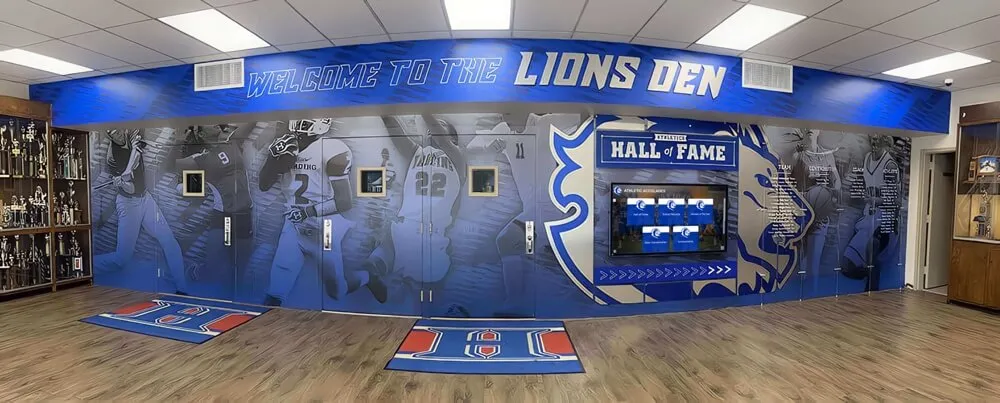
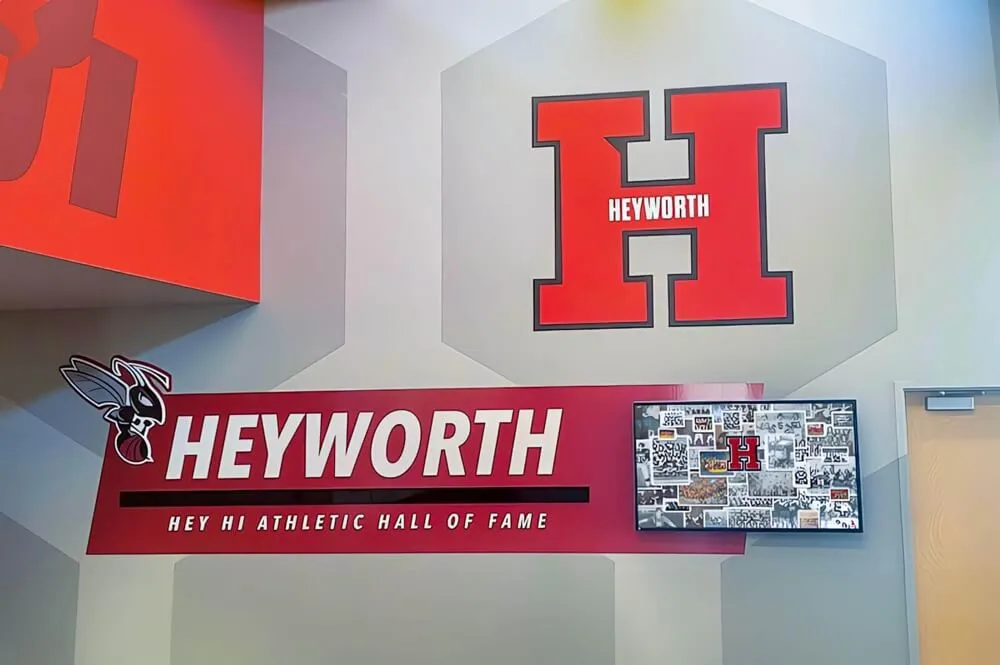
Schools that invest in sports hall of fame design infrastructure quickly discover that the physical or digital display is only as credible as the policies that govern what appears on it. The display makes the policy visible. The policy makes the display trustworthy.

The Full Policy Checklist: What to Document Before Publishing
1. Record Verification Standards
Before any mark goes on a record board — physical or digital — the department needs a written answer to: how is this record verified?
Document each of the following:
Accepted timing and measurement sources. For track and field, acceptable sources might include FAT (fully automatic timing) systems, hand timing with a documented conversion factor, or state association certified officials. For swimming, acceptable sources may include touch pad results from certified meets only. For weight room events, the policy should specify whether team testing sessions or external competitions qualify. Track and field awards and recognition programs often surface timing disputes precisely because these standards were never written down.
Documentation required for submission. Define what a coach must submit to have a record accepted: official meet results, certified scorebook entries, officials’ signatures, or state association results reports. The more specific the requirement, the harder it is to dispute the record.
Verification authority. Name the role — athletic director, assistant AD, registrar — who has final authority to approve a record for publication. One person should own this decision; diffusing it across a committee without clear authority creates delays and inconsistency.
Timeline from performance to publication. Establish how long the department has to verify and publish a new record after it is submitted. A common standard is 10 business days after verified documentation is received. This prevents indefinite delays while protecting against premature publication of unverified marks.
Ties and co-records. Write a policy for what happens when two athletes hold identical marks. Does the program list both? Show a shared entry? Use the earlier date as a tiebreaker? Without a policy, ties create display headaches and perceived favoritism.
| Record Type | Verification Source | Submission Required | Authority |
|---|---|---|---|
| Track & field | FAT results or certified hand timing | Official meet results | Athletic Director |
| Swimming | Touch pad results, certified meets | State association results | Athletic Director |
| Weight room | Supervised team testing sessions | Coach sign-off + witness | Strength Coordinator |
| Team records (wins, streaks) | Official scorebooks | Season summary report | Athletic Director |
| Academic records | Registrar verification | Official GPA documentation | Principal |
2. Award Criteria Documentation
Every award given by the athletic department — seasonal, annual, career, or honorary — should have written criteria before it is announced, not after. This is one of the most frequently skipped steps in athletic administration and the one that generates the most community friction.
Required elements for each award:
- Award name and eligibility scope (e.g., varsity athletes only, minimum seasons of participation, class year restrictions)
- Selection criteria stated as observable standards rather than subjective preferences (“ranked in top 10 percent of team in three or more statistical categories” rather than “demonstrated excellence”)
- Selection process — who nominates, who votes, what vote threshold determines the winner, whether ties produce co-winners or a runoff
- Conflict of interest standards — whether coaches recuse from awards in which their own child or a family member is a candidate
- Communication timeline — when the winner is notified, when the award is announced publicly, and what medium is used for the announcement
Award documentation also protects coaches. When a family questions why their athlete did not receive an award, the coach can reference documented criteria and a documented process rather than defending a personal judgment. This distinction matters when tensions run high at end-of-season banquets.
3. Corrections and Retractions Policy
Records are occasionally entered incorrectly. Awards are sometimes announced before verification is complete. A correction policy defines what happens when the department needs to fix something that has already been published.
Document the following:
Who has authority to initiate a correction. Typically this is the athletic director, but large departments may designate an assistant AD for routine corrections while reserving significant retractions (removing a record, rescinding an award) for the athletic director or principal.
Correction timeline. How quickly must a correction be made after an error is identified? A policy of 48 hours for digital displays and the next available production cycle for printed materials gives the department a defensible standard.
Notification requirements. When a record is corrected, who is notified? At minimum: the athlete whose record was affected, the relevant head coach, and the athletic director. For significant corrections — a record removed due to verification failure, an award rescinded — the policy should specify whether a public statement is required and who drafts it.
Appeals process. Coaches and athletes who dispute a record decision or award outcome should have a documented process for appealing that decision. A simple structure works: written appeal submitted to the athletic director within 10 business days, response issued within 15 business days, decision is final after that window.
Historical corrections. Occasionally, historical records surface that were never published — a mark set years ago that should appear on the all-time list. The policy should specify whether historical corrections are accepted, what documentation standards apply, and how far back the department will consider submissions.

4. Display Governance and Update Authority
Publishing a record is a decision. Keeping the record visible — and current — is a governance function. Many athletic departments publish records without assigning ongoing governance responsibility for the displays that show them.
Assign a display owner. Every record board, display case, and digital recognition wall should have a named owner responsible for its accuracy. For digital systems, this is typically the athletic director or a designated assistant. For physical cases, it may be a facilities or communications staff member. Without a named owner, displays go stale.
Establish an update schedule. Document how frequently each display type is reviewed for accuracy. A common structure:
- Digital record boards: reviewed and updated within 5 business days of any new record submission approval
- Hall of fame displays: reviewed annually before each induction cycle
- Award winner displays: updated within 30 days of each end-of-season banquet
- Display cases (trophies, plaques): audited at the start and end of each school year
Define publication channels. When a record or award is published, which channels does the department use? School website, social media, lobby display, record board, department newsletter? The governance policy should list approved channels and specify who has authorization to publish on each. This prevents premature announcements from coaches posting results before the athletic director has verified them.
Display case dimensions and layout planning directly affect how records and awards can be organized and updated — understanding the physical and digital infrastructure available helps departments write realistic update schedules.
Remote update authorization. For departments using digital display systems, document who has login credentials and content update authority. Credential management is a security function as well as a governance one — when a staff member leaves, their access should be revoked and credentials updated.
5. Media Consent and Image Use Policy
Publishing athletic records and awards in today’s environment almost always involves photographs and video — a photo of the record-setting performance, a portrait of the award winner, or a video highlight on the lobby display. Media consent for minors (and for adults who have not explicitly consented) requires documentation.
Student-athlete media consent forms. Confirm that media consent is collected at the start of each school year as part of the student-athlete registration process. The consent form should specifically address: use of name and likeness in school publications, use on public-facing digital displays, and use on the school website and social media. Consent obtained for one purpose (yearbook) does not automatically extend to public digital displays.
Graduated consent for hall of fame inductees. Hall of fame recognition involves permanent display of names, photographs, and career statistics. Alumni inducted after graduation may need separate consent documentation, particularly for schools that have transitioned to digital displays with public-facing web components. School auditorium naming rights and public recognition programs face similar consent questions when long-tenured alumni are honored publicly.
Photo sourcing standards. Document where photos for record boards and award displays may come from: official team photographers, school yearbook archives, or state association competition photographers. Photos taken by parents or community members may have copyright complications and should follow a separate review process.
Archival image standards. For historical records and older hall of fame inductees, image quality and format standards need to be defined. Poor-quality archival images on high-resolution digital displays reflect negatively on the program. A policy that defines minimum resolution requirements (typically 300 DPI for print, 72 DPI at display resolution for digital) protects the visual quality of the recognition system.
6. Archive and Retention Requirements
Records and awards that are published should be preserved somewhere beyond the display itself. When a display is updated, the previous record doesn’t disappear from history — it moves to the archive.
Define what gets archived. At minimum: all official school records (all-time leaders in each event), all award recipients by year and sport, hall of fame inductee records, and season summary results. Some departments also archive program records that were later broken — the previous record holder’s mark and date remain visible in the historical data even after the record changes.
Establish archive format and location. A shared drive accessible only to athletic department staff, a school records management system, or a cloud-backed digital platform are all acceptable. The archive format should be standardized (a consistent spreadsheet template, a structured database, or a purpose-built digital platform) so records are searchable and retrievable by any authorized staff member.
Retention timeline. School records management policies typically establish how long various documents must be retained. Athletic records and award documentation are often considered permanent records — they document the program’s history and may be needed decades later for alumni recognition, hall of fame nominations, or historical research. Consult with the school’s records officer or legal counsel to confirm the applicable retention standard.
Digital preservation for display systems. School display case ideas and digital recognition systems increasingly move records and awards to cloud-backed platforms that provide built-in archiving. For departments evaluating digital record boards, built-in archival capability — automatic preservation of all entries including superseded records — should be a required feature, not an optional add-on.
7. Hall of Fame Publication Standards
Hall of fame recognition carries a higher documentation burden than seasonal awards because the recognition is permanent, public, and often involves alumni who have been away from the school for years or decades. A separate publication policy for hall of fame inductees is warranted.
What gets published per inductee. Define the standard inductee profile: name, graduation year, sport(s), career achievements, career statistics, induction year, and photograph. Some schools include post-graduation achievements (collegiate or professional careers, community contributions). Define what is in scope and what is not — and apply that definition consistently.
Fact verification for historical inductees. Hall of fame nominations frequently include alumni whose athletic records predate current data systems. The policy should specify what documentation is required to publish career statistics for historical inductees: yearbook records, state association archives, newspaper clippings, or official school records. Outstanding award display programs at schools with long histories face this verification challenge consistently — without a policy, departments either over-rely on nominee self-reporting or under-document legitimate achievements.
Inductee review before publication. Before publishing an inductee’s profile, the department should have a review step where the inductee (or their family, for posthumous inductees) confirms the accuracy of the information. This prevents the embarrassment of publishing an incorrect career summary for a prominent alumnus — and it gives inductees a moment of advance notice before their recognition goes public.
Posthumous recognition policies. Define whether the department inducts deceased alumni and, if so, what family engagement the process requires. Document who has authority to approve posthumous nominations and what additional criteria, if any, apply.

Common Policy Gaps and What They Cost
Most athletic departments have some policies in place but rarely have all of them documented before publishing decisions happen. The gaps tend to cluster in predictable places:
| Common Gap | Typical Consequence |
|---|---|
| No verification authority named | Record disputes escalate to administration without resolution path |
| Award criteria written as subjective descriptions | Families challenge selection; coaches burn political capital defending judgment calls |
| No corrections timeline | Errors stay on display for weeks; community notices and trust erodes |
| No display update schedule | Record boards fall months behind; new record-holders notice before staff does |
| No media consent documented | Published athlete images create liability exposure for the school |
| No archive format specified | Historical records exist only in a coach’s memory or a personal email inbox |
| Hall of fame criteria undefined | Every induction cycle generates accusations of favoritism |
The common thread: undocumented policies make recognition feel arbitrary. When recognition feels arbitrary, the community stops trusting it — and when community trust erodes, the program loses one of its most powerful tools for engagement, retention, and alumni connection.
National Honor Society and other school recognition programs face similar governance challenges, and their documentation frameworks offer useful models for athletic departments building recognition policies from scratch.
From Policy to Display: The Role of Digital Infrastructure
Written policies create the governance framework. Digital infrastructure is what makes that governance functional at scale.
A static vinyl record board has no mechanism for enforcing a 5-business-day update policy — someone has to physically travel to the board, remove old numbers, cut new vinyl, and install the update. That process takes hours and happens inconsistently. When a coach submits a new record, the athletic director approves it, and the board still shows the old mark three weeks later, the written policy fails operationally even though no one violated it intentionally.
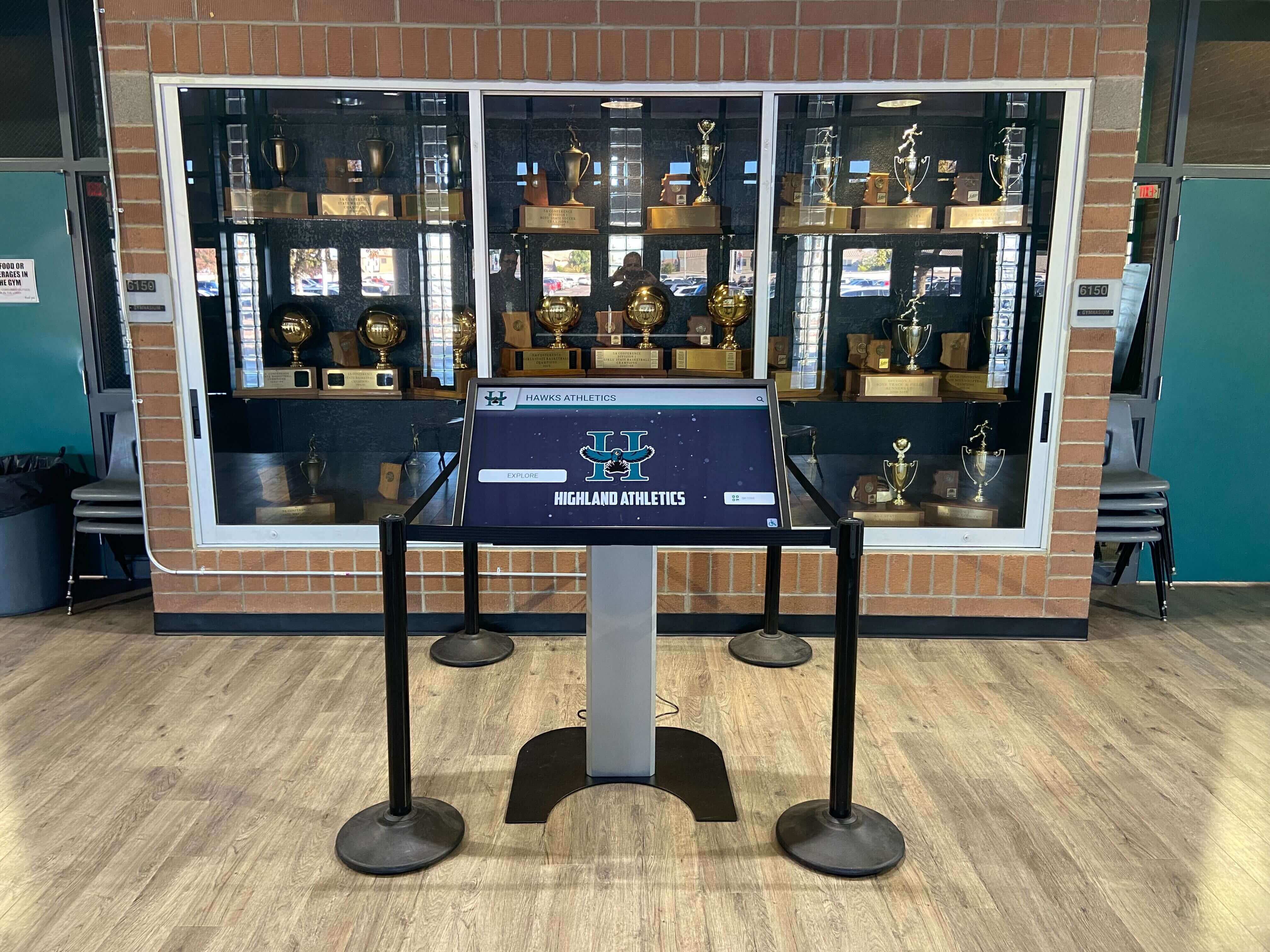
A digital record board changes the operational equation. When a new record is verified and approved, authorized staff can update the display from any device in minutes. Auto-ranking ensures the new mark appears in the correct position without manual reordering. All previous records are preserved in the historical data. The display policy becomes enforceable because the infrastructure supports it.
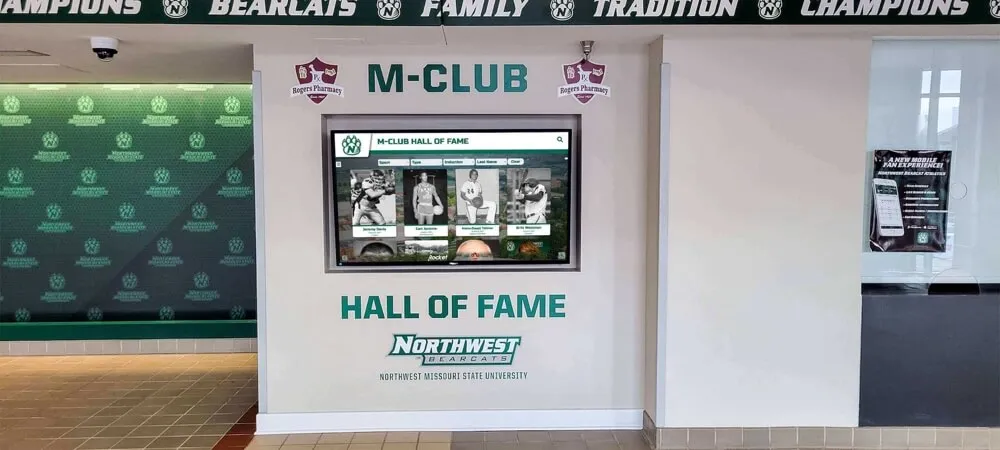
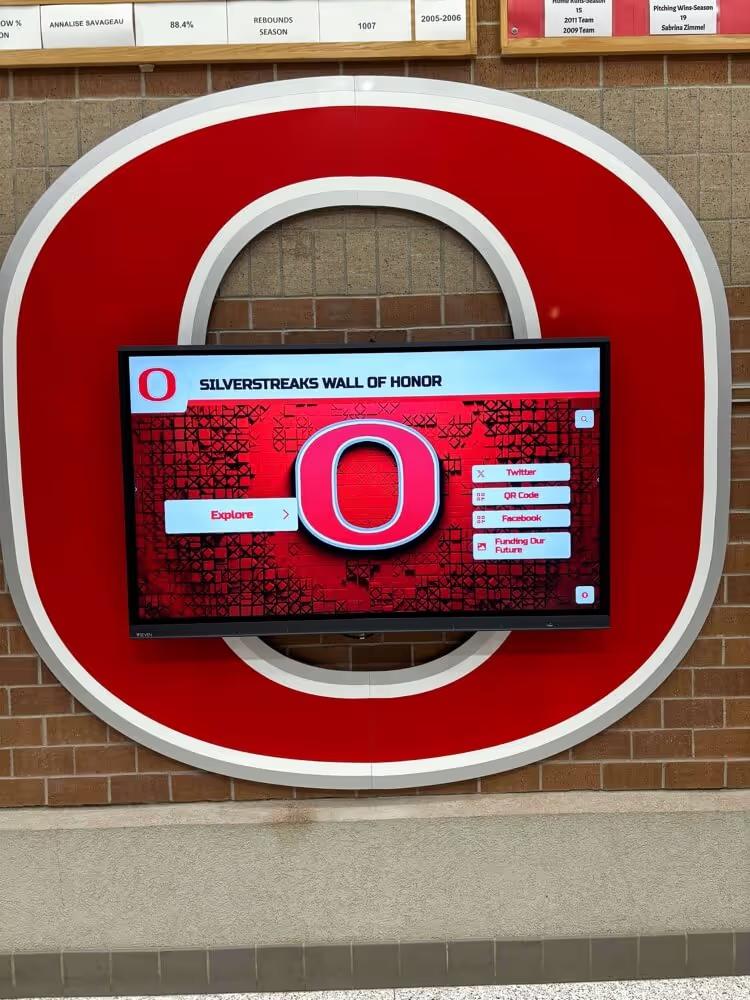
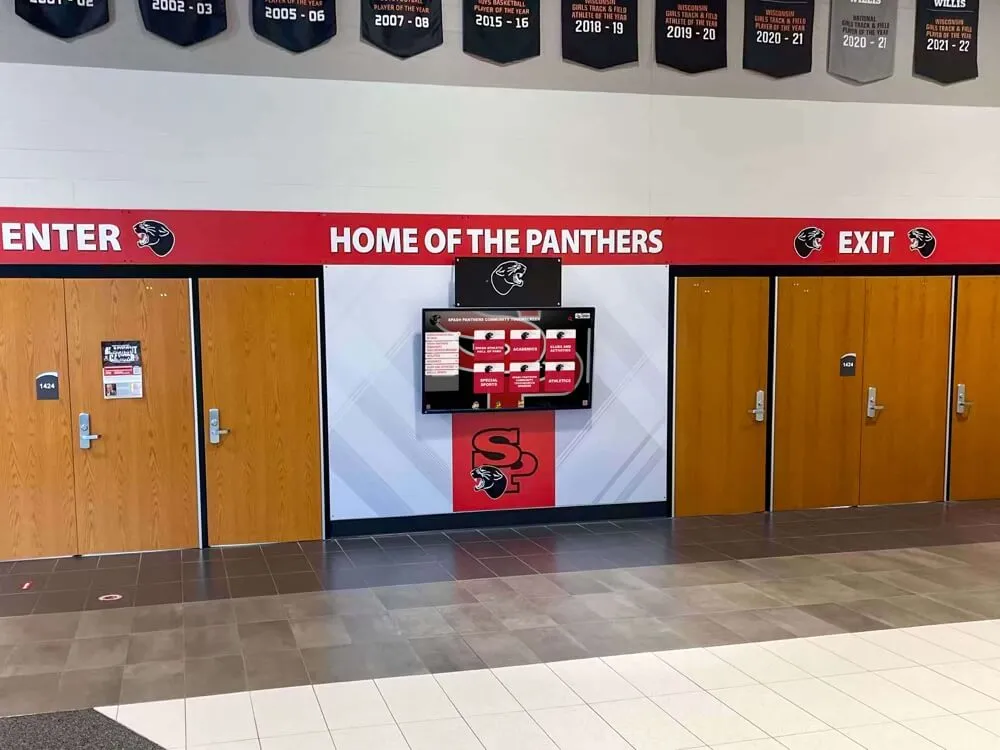
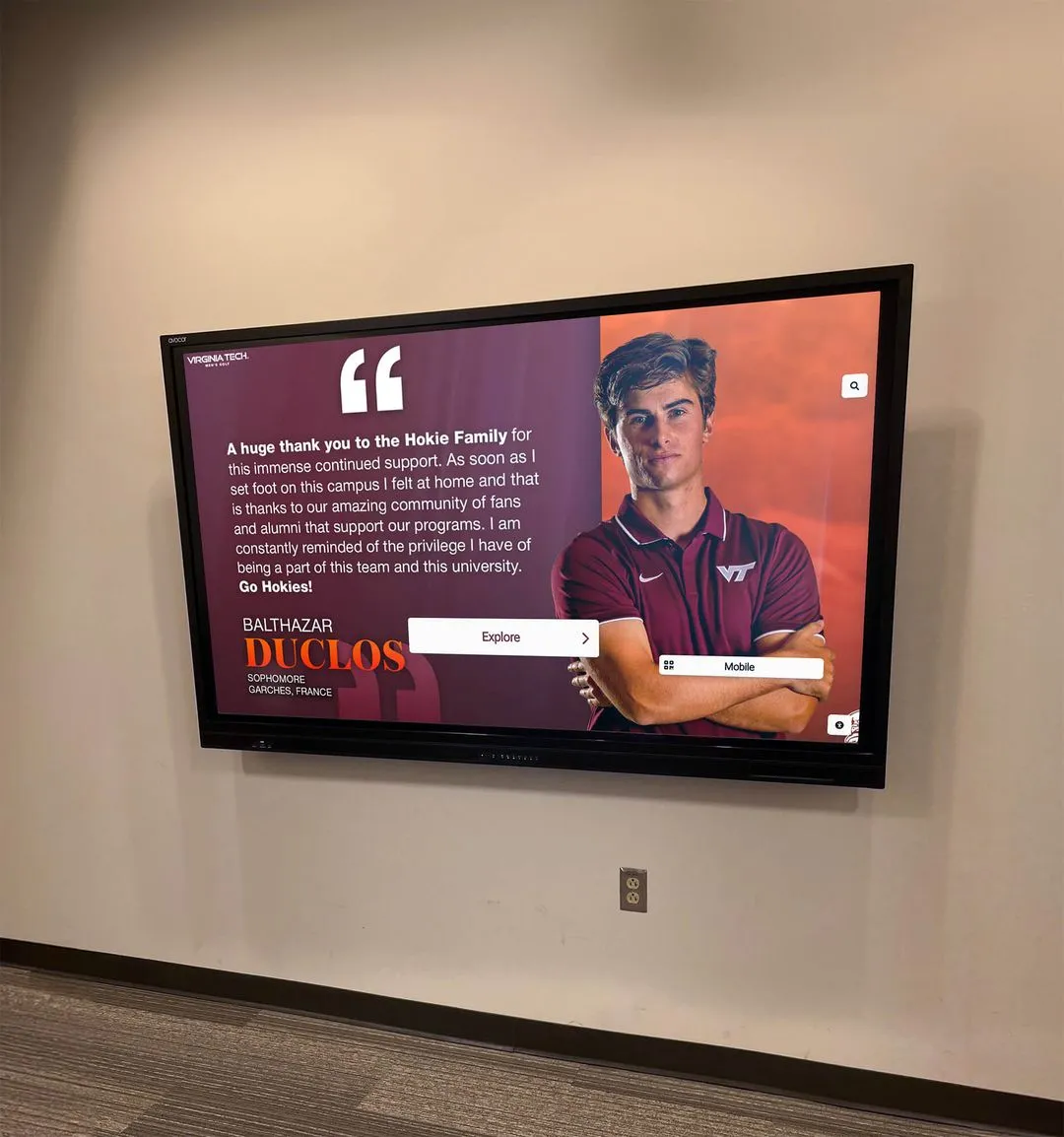
Rocket Alumni Solutions builds digital record boards and recognition displays specifically for school athletic departments. The platform auto-ranks all-time leaders, preserves unlimited historical entries, supports ADA-compliant display configurations, and allows remote updates so any staff member with authorization can keep the display current from anywhere. For athletic directors building or updating their publishing policies, digital infrastructure should be part of the policy conversation from the start — not a retrofit after paper processes fail.
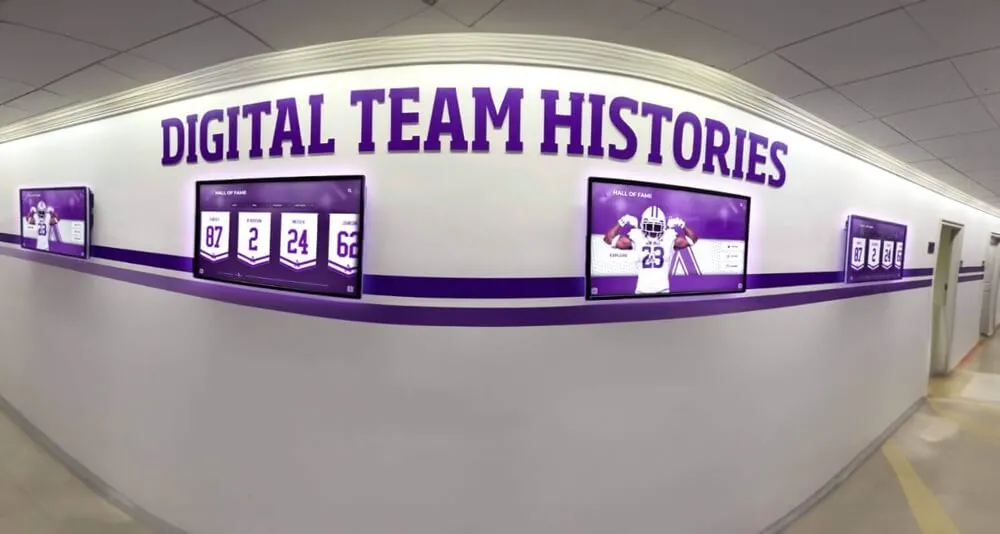
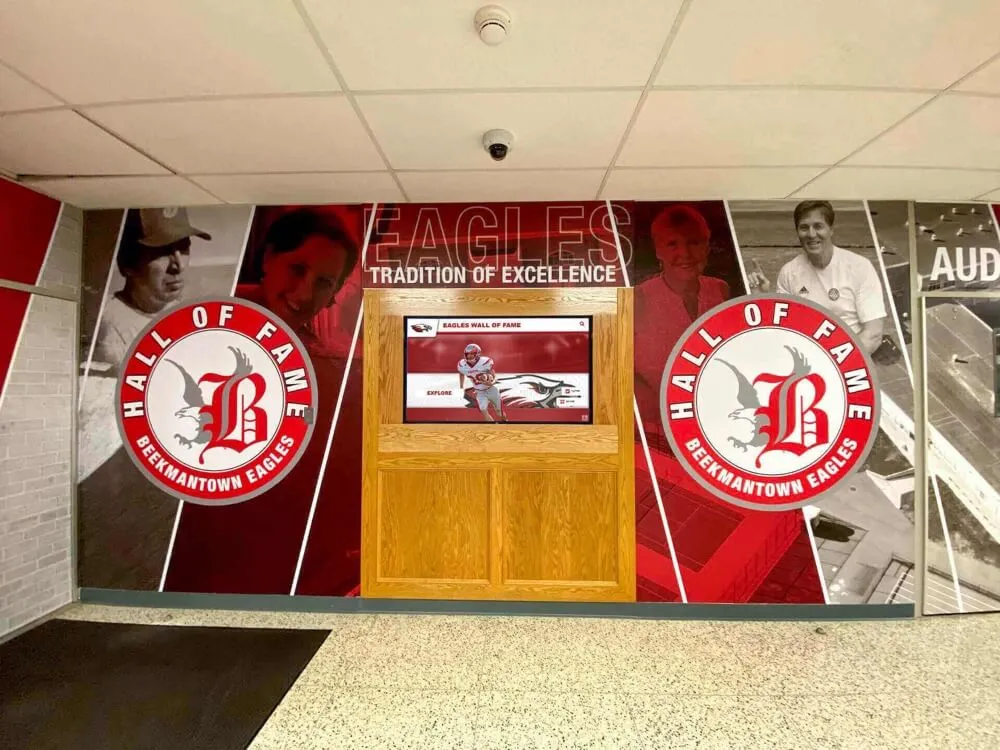
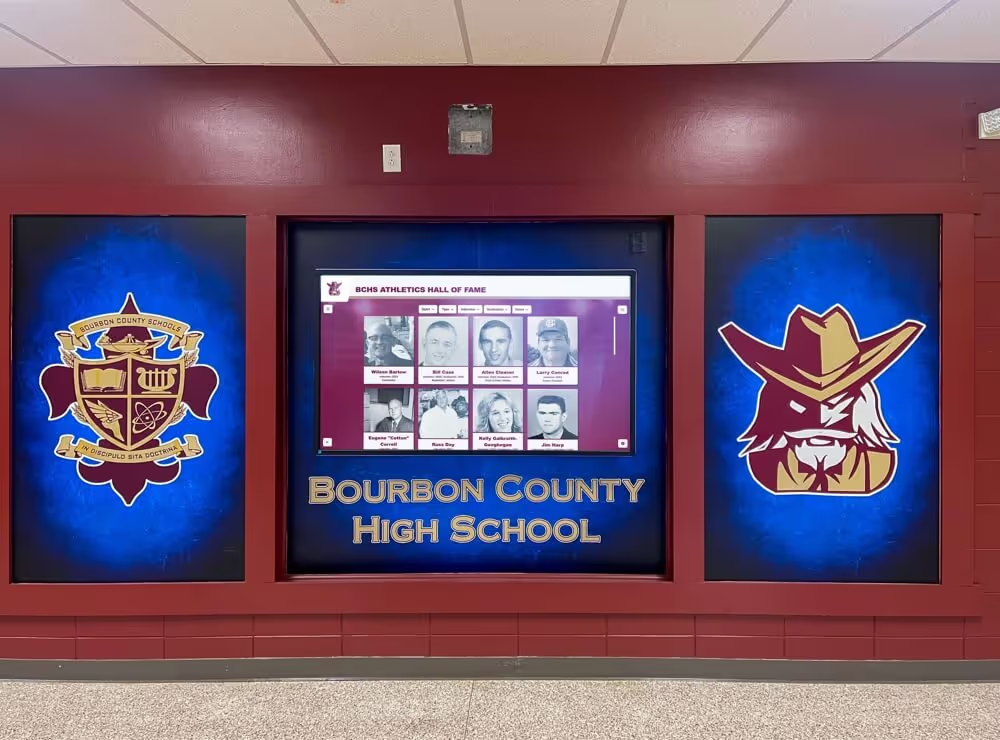
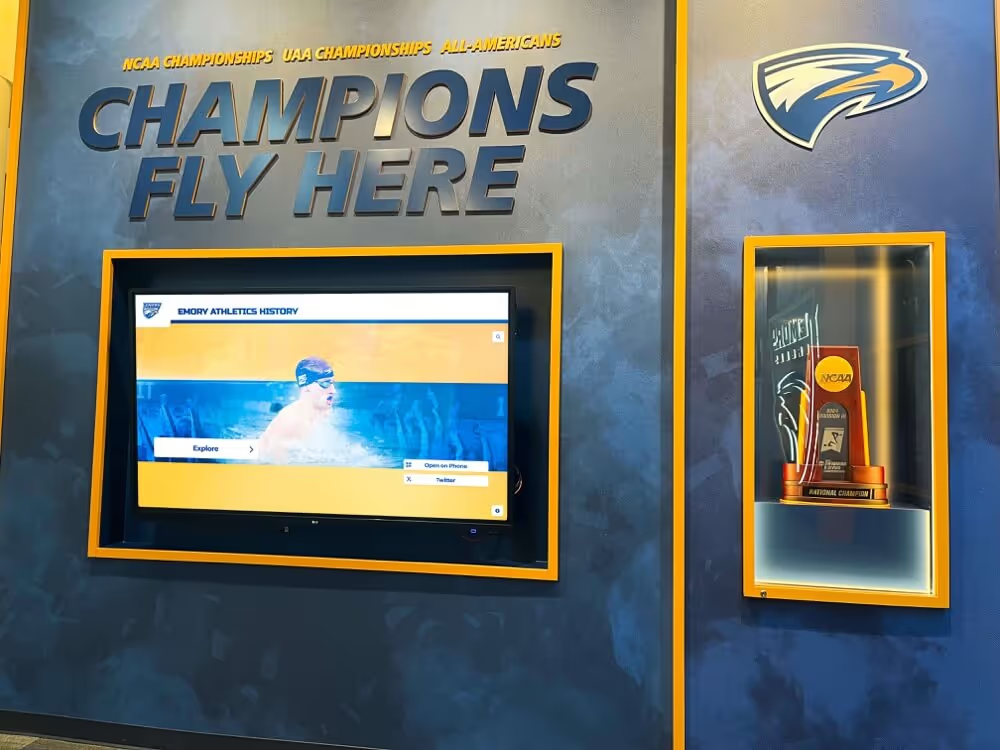
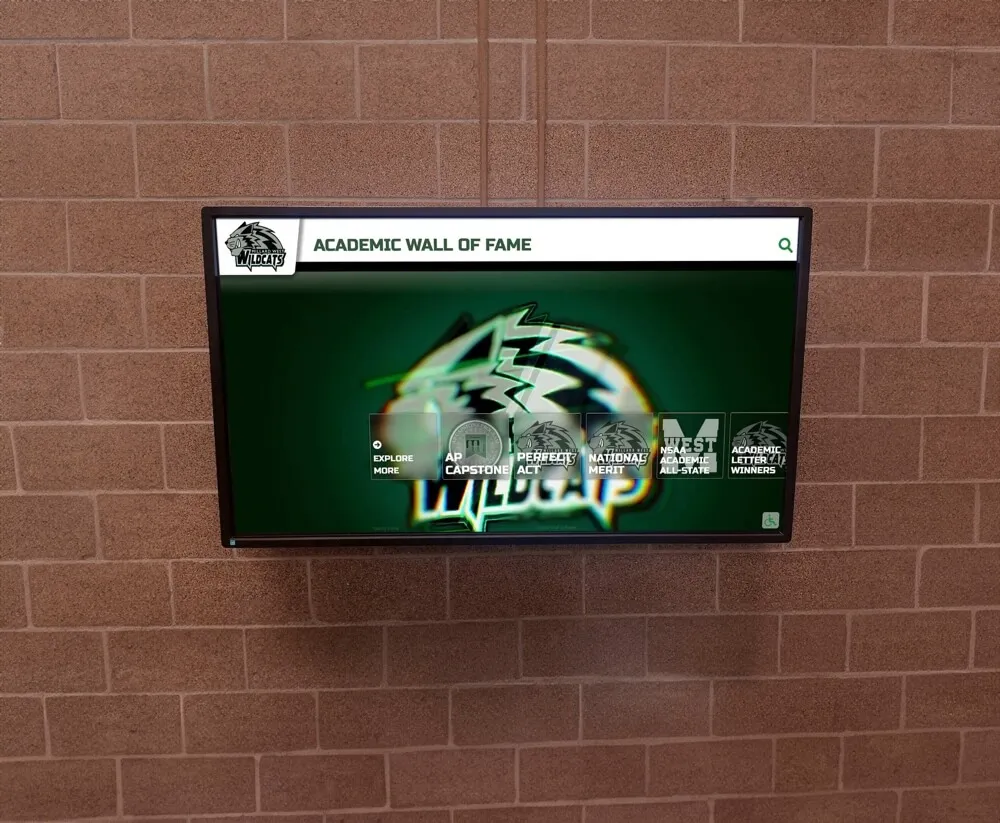
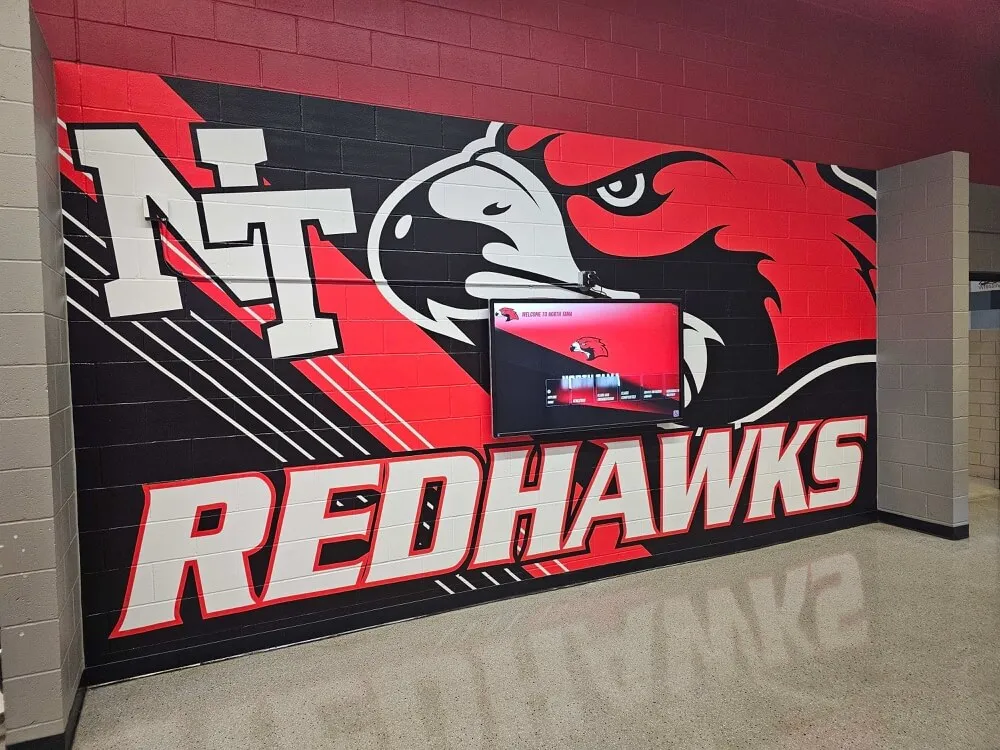
Interactive touchscreen recognition displays for schools extend this capability to halls of fame, award archives, and team history sections — creating a single governed system where every category of recognition lives under the same documentation and update standards.
Building the Policy Document: A Practical Approach
Writing a comprehensive publishing policy does not require starting from scratch. Most athletic departments have existing documentation — eligibility forms, coaching contracts, booster club bylaws — that touches adjacent policy areas. Building an award and record publishing policy means formalizing what already partially exists and filling the documented gaps.
Start with a policy audit. Before writing new policy, list every category of athletic recognition the department currently manages: records, seasonal awards, hall of fame, academic awards, senior recognition, all-conference and all-state acknowledgments. For each category, identify whether a written policy already exists, whether that policy is current, and what gaps it contains.
Draft section by section. Write one policy section at a time, starting with the highest-stakes areas: record verification and award criteria. Get administrative sign-off on each section before finalizing it. Routing a draft for review is faster than defending an unreviewed policy after a dispute.
Involve coaches in the review. Coaches interact with the publishing process more directly than any other staff. Before finalizing verification standards or submission timelines, ask head coaches in multiple sports whether the requirements are practical. A verification policy that requires documentation that doesn’t exist for several sports is a policy that won’t be followed.
Publish the policy to stakeholders. Once finalized, the publishing policy should be distributed to all coaching staff and summarized in the student-athlete handbook. Families who understand the process are less likely to challenge decisions when they don’t go their way.
Schedule annual reviews. Set a calendar reminder to review the policy each spring. State association rule changes, staff turnover, new sports or events, and transitions to digital systems all create policy update needs. An annual review keeps the document current.
Q&A: Publishing Policy Questions Athletic Directors Frequently Face
Can a record be published before the documentation is submitted if the athletic director witnessed the performance?
No documented policy should allow this exception — and having a written policy prevents the question from arising. Witnessed performances are valuable confirmations but not substitutes for official verification documentation. The policy should specify that no record goes on the display until the required documentation is received and approved, regardless of who was present.
What happens when a state association record is recognized but the school record was never updated?
This gap is more common than it should be. The policy should specify that any state association record recognition automatically triggers a school record review. The athletic director has 10 business days from the date of state recognition to confirm and update the school record accordingly.
Can coaches nominate athletes for hall of fame consideration without going through the formal process?
A written policy eliminates informal pathways. The policy should state that all nominations must go through the formal submission process, regardless of the nominator’s role. Informal nominations — a coach mentioning a name in a meeting, a booster club member making a phone call — are not considered until a formal nomination is submitted and completes the review process.
How should the department handle a record from a cancelled or incomplete season?
This came up acutely during the 2020 COVID-19 cancellations. The policy should address whether records set in partial seasons count for all-time lists, how documentation requirements are modified when official meet infrastructure was unavailable, and who has authority to make those determinations. Writing this provision now prevents an ad hoc decision under pressure if a similar situation arises.
Athletic department policies around publishing awards and records are among the most community-facing decisions an athletic director makes. Getting them right — in writing, before disputes arise — is how programs build the credibility their recognition deserves.
Ready to pair your publishing policies with a display system that enforces them automatically? Rocket Alumni Solutions builds digital record boards and recognition walls that auto-rank, auto-archive, and update in minutes — so your policies work the way you wrote them. Schedule a demo to see how Rocket supports athletic departments that take governance seriously.