



Every coach faces the same challenge at season’s end: how to recognize the full roster in meaningful ways that go beyond the obvious MVP and most improved awards. Athletic programs thrive when recognition systems celebrate diverse contributions—not just the star scorer or fastest runner, but also the teammate who uplifts others, the athlete who battles through adversity, the player whose preparation elevates everyone’s performance. Comprehensive award categories ensure every athlete receives acknowledgment for genuine achievements while maintaining standards that make recognition valuable rather than participation trophies.
This guide presents 30 athletic awards ideas coaches successfully use across sports to recognize complete rosters. Whether leading youth recreation programs, competitive travel teams, middle school athletics, or high school varsity squads, these award categories help build recognition systems that honor performance excellence, character development, effort and dedication, leadership qualities, and specialized contributions unique to your team’s success—creating end-of-season celebrations where every athlete feels valued for authentic accomplishments.
Why Comprehensive Recognition Matters in Athletic Programs
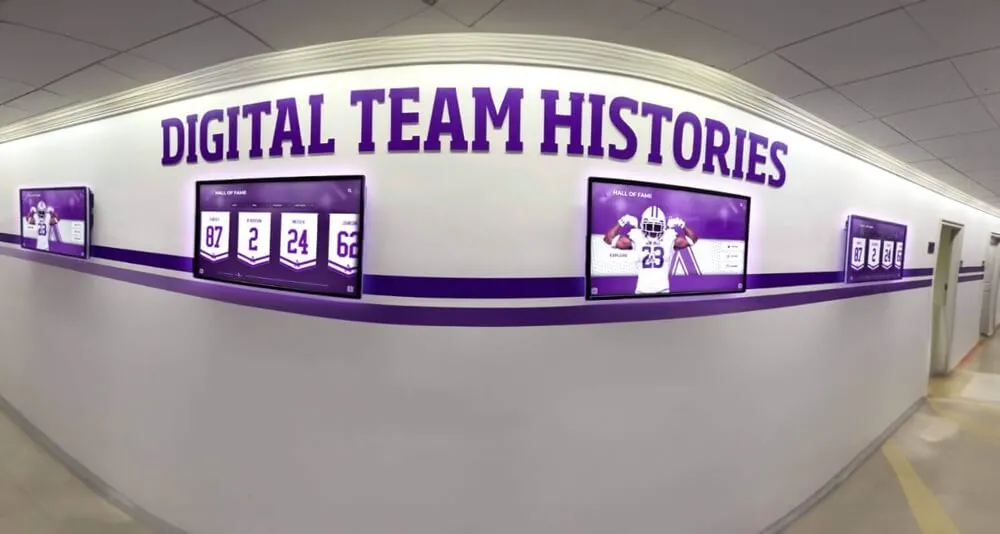
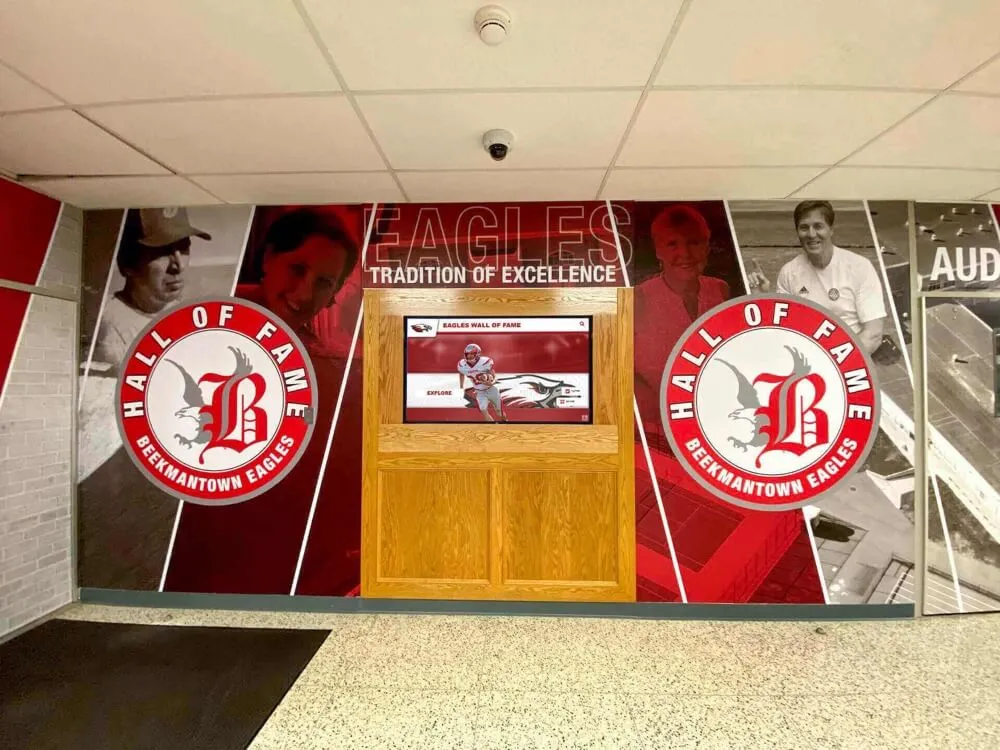
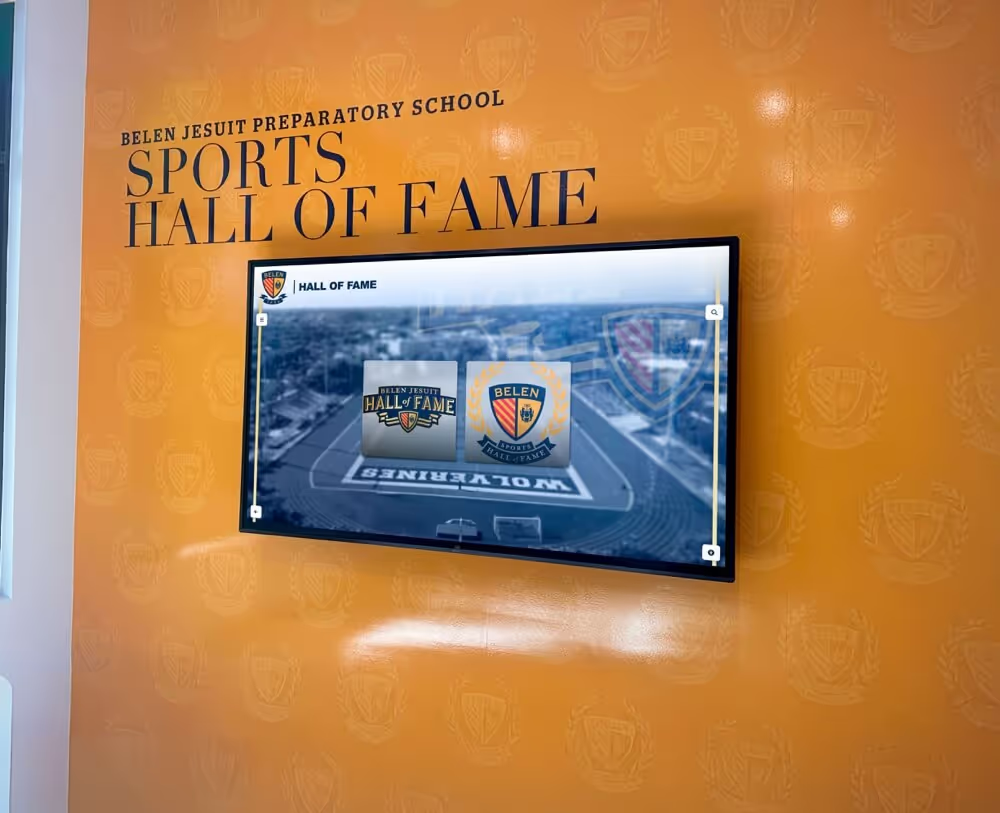
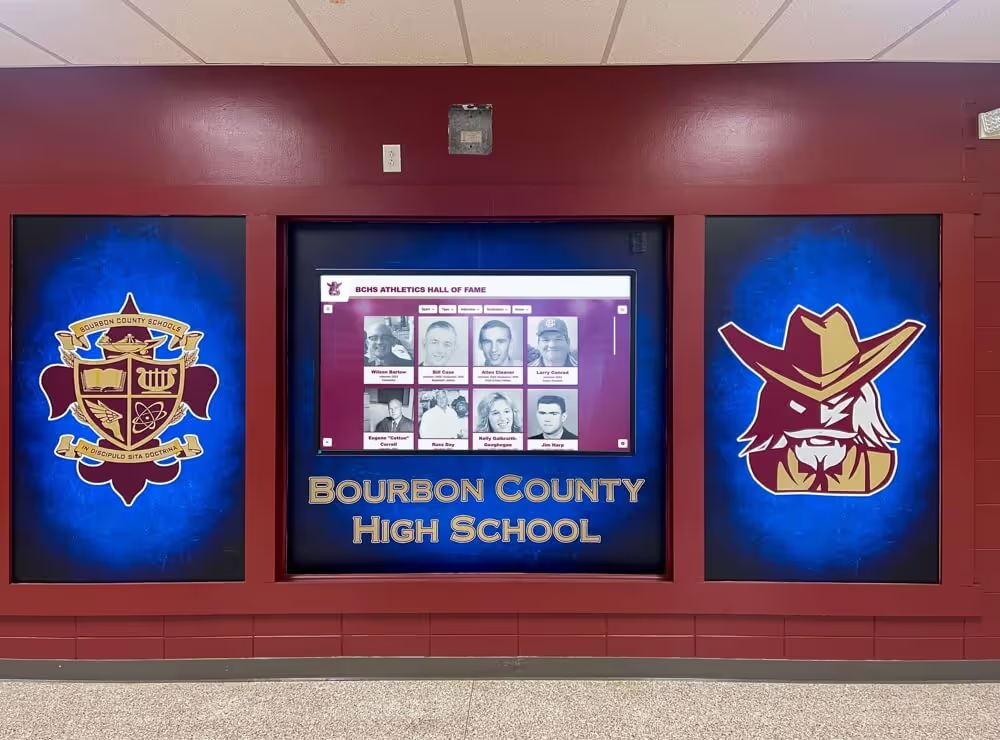
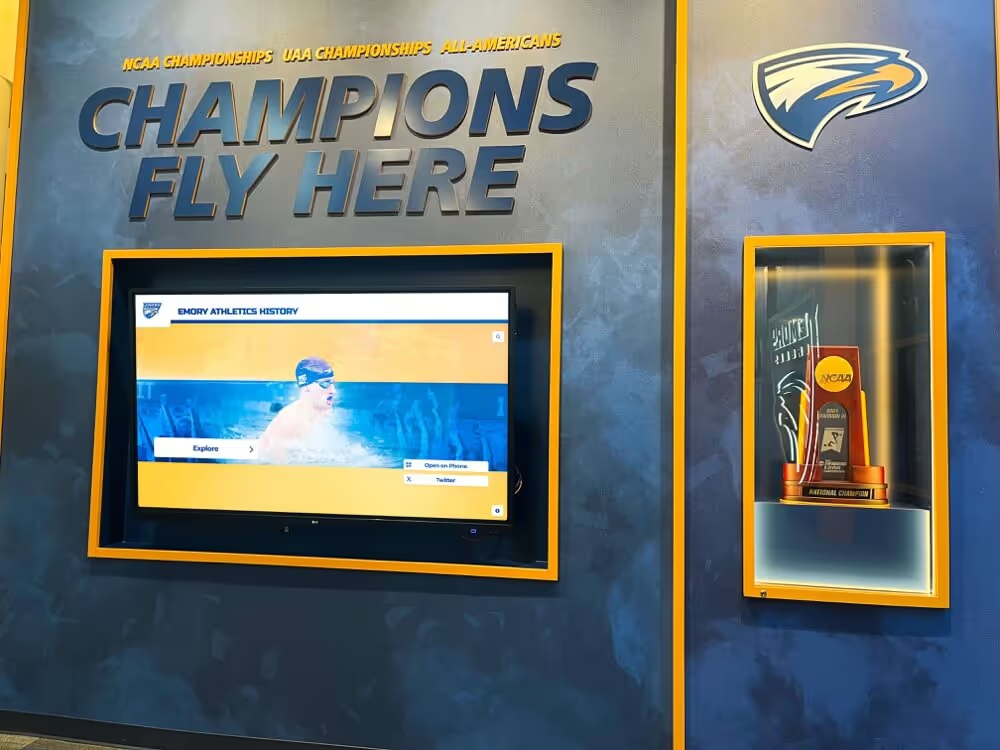
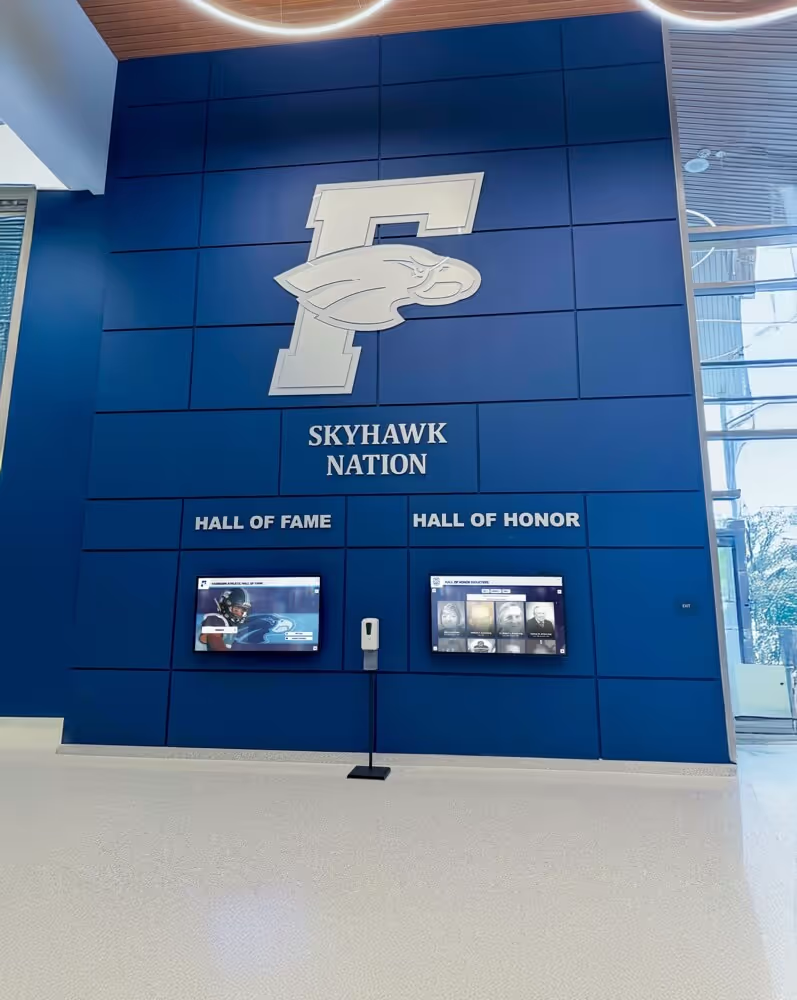
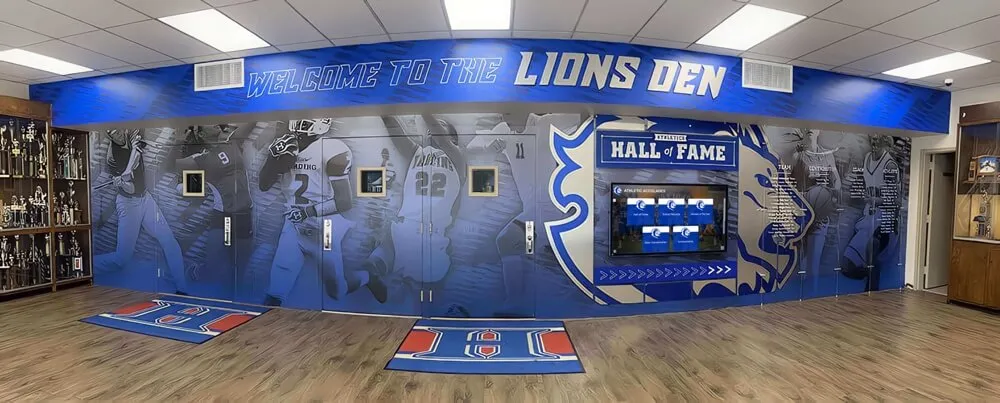
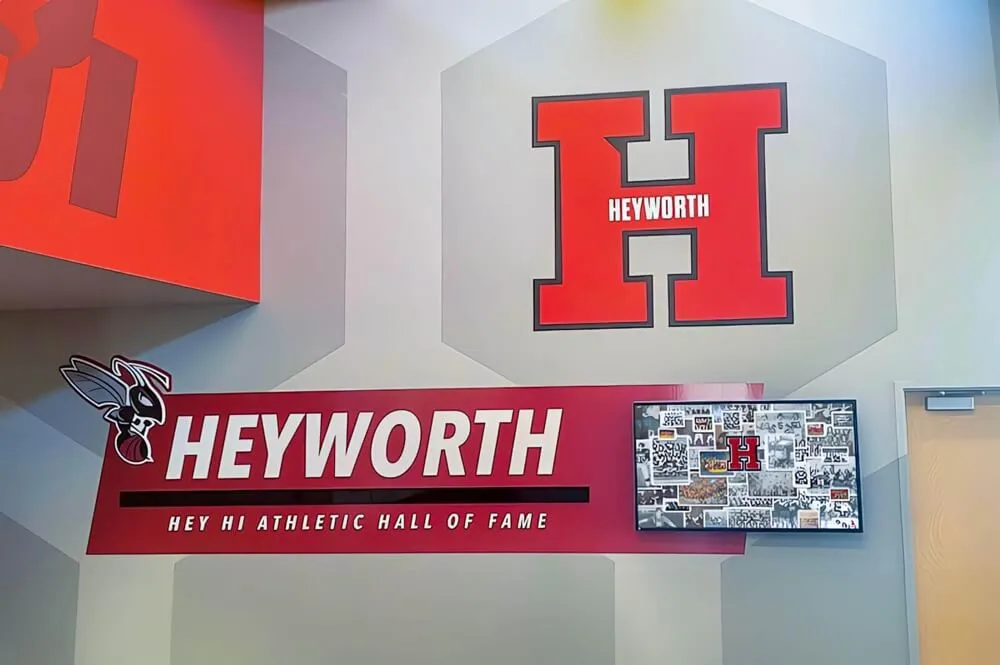
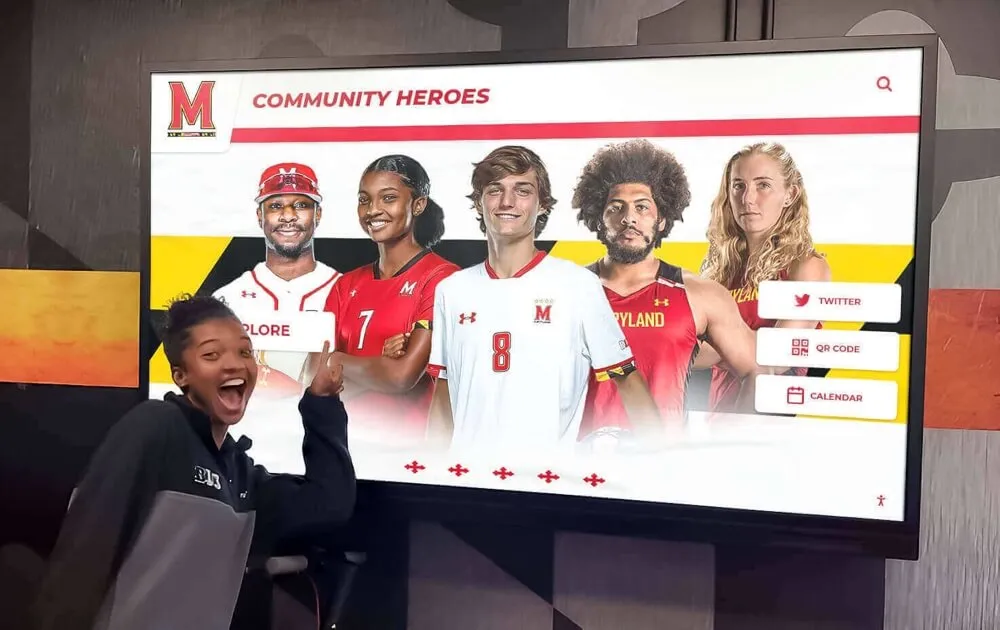
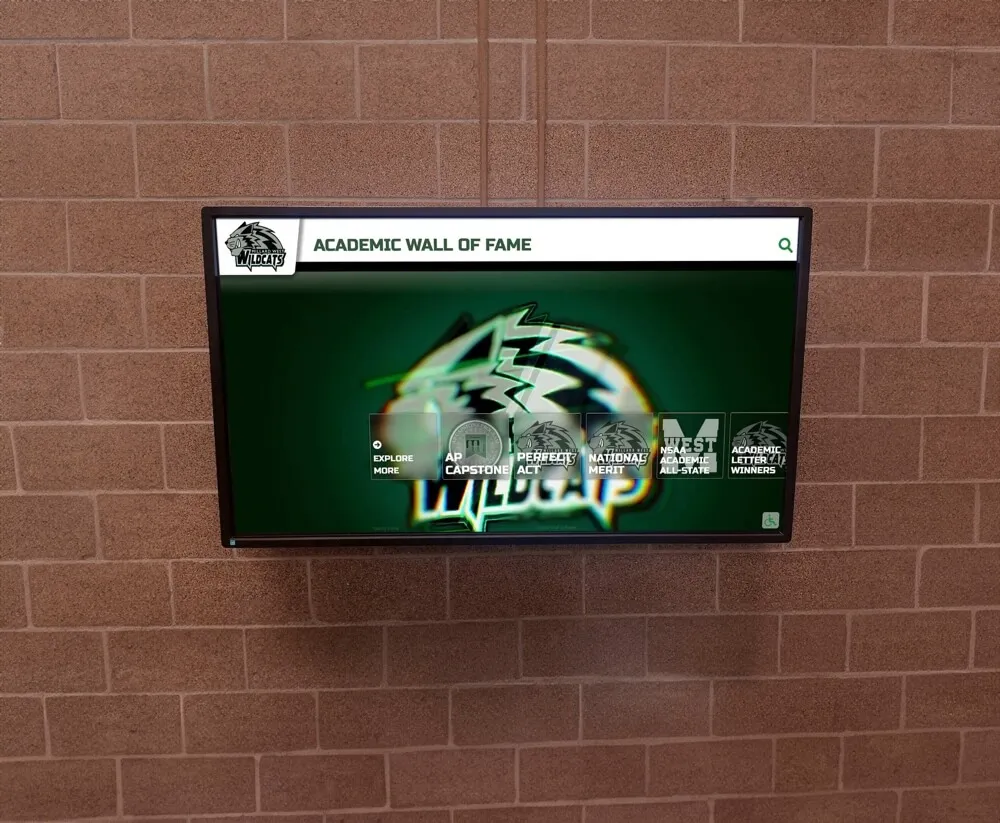
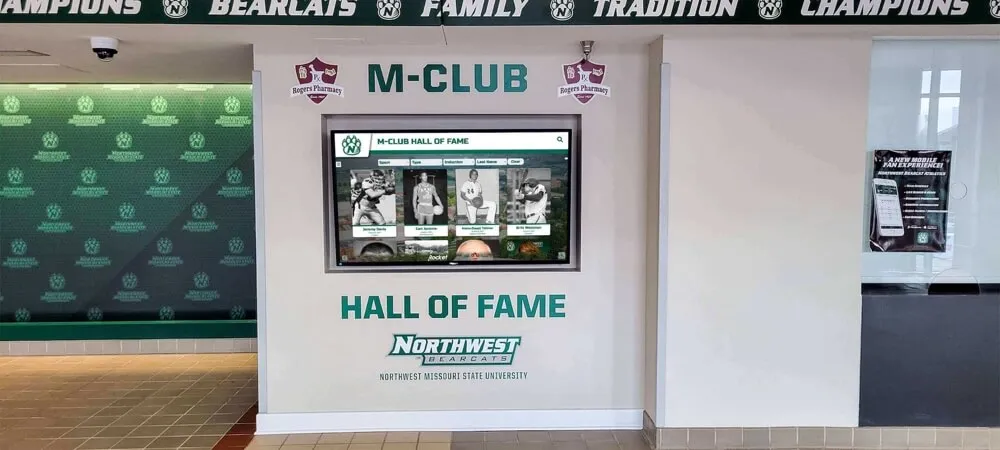
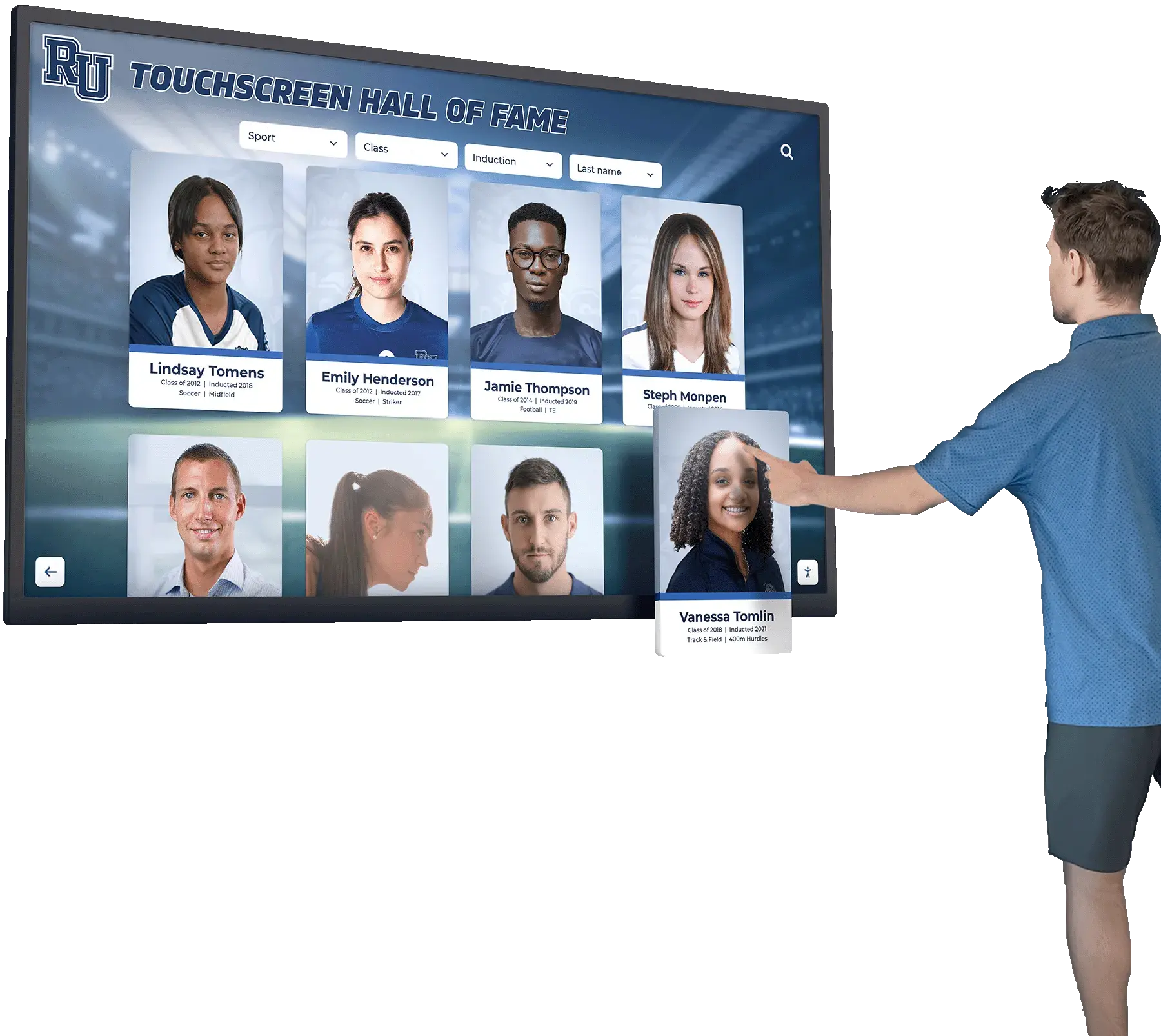
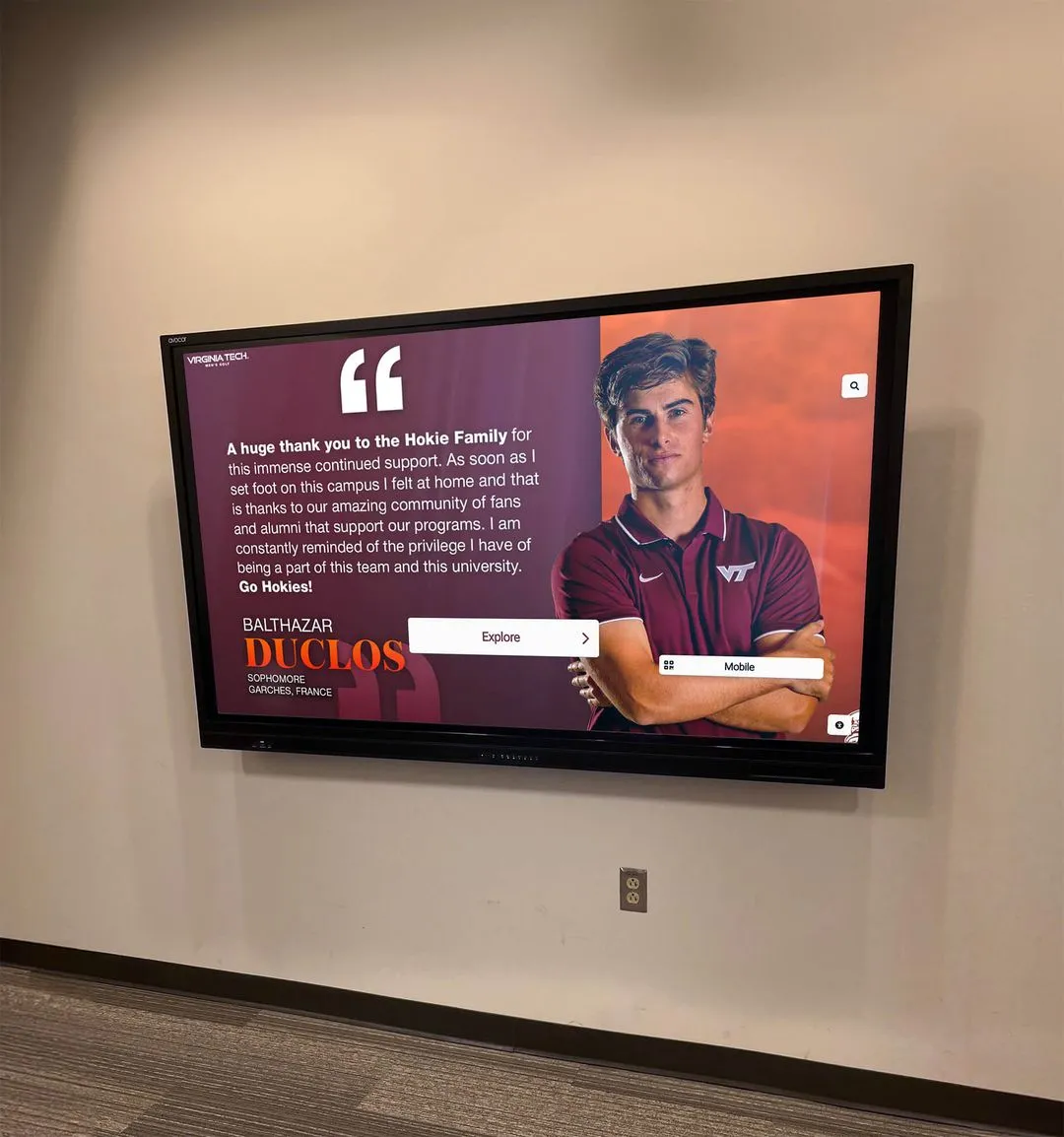
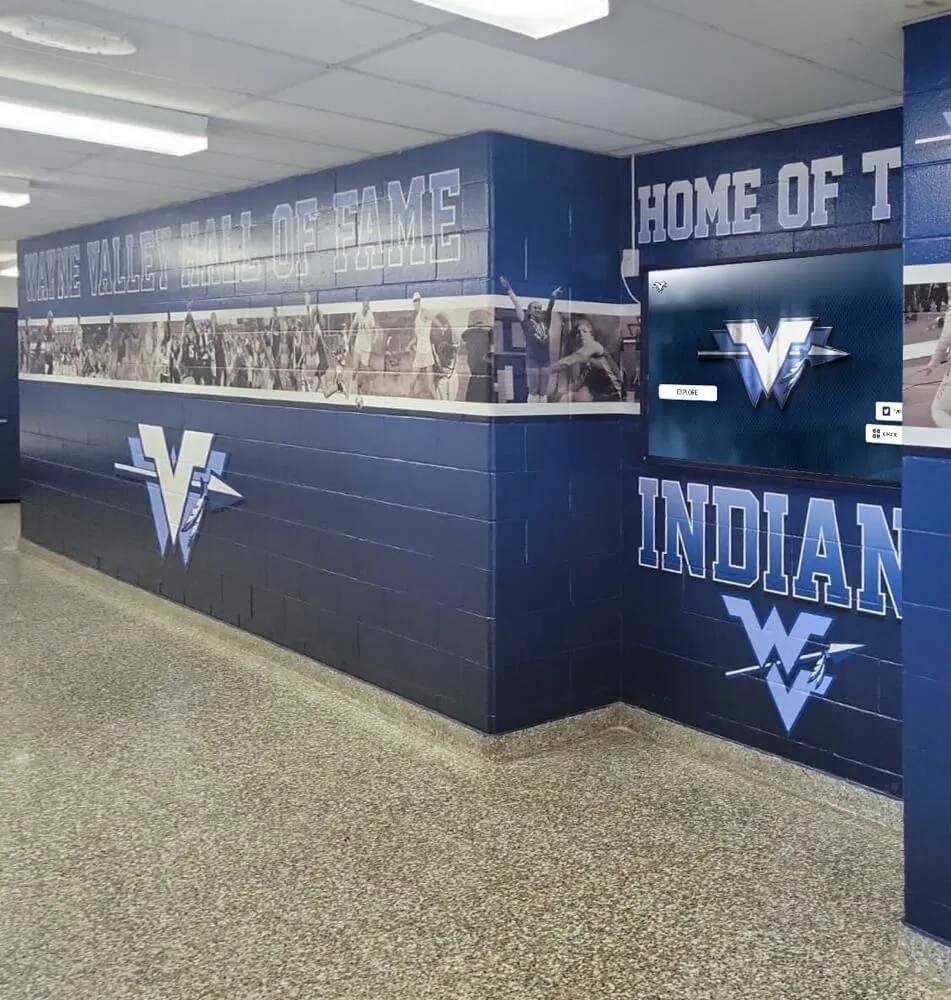
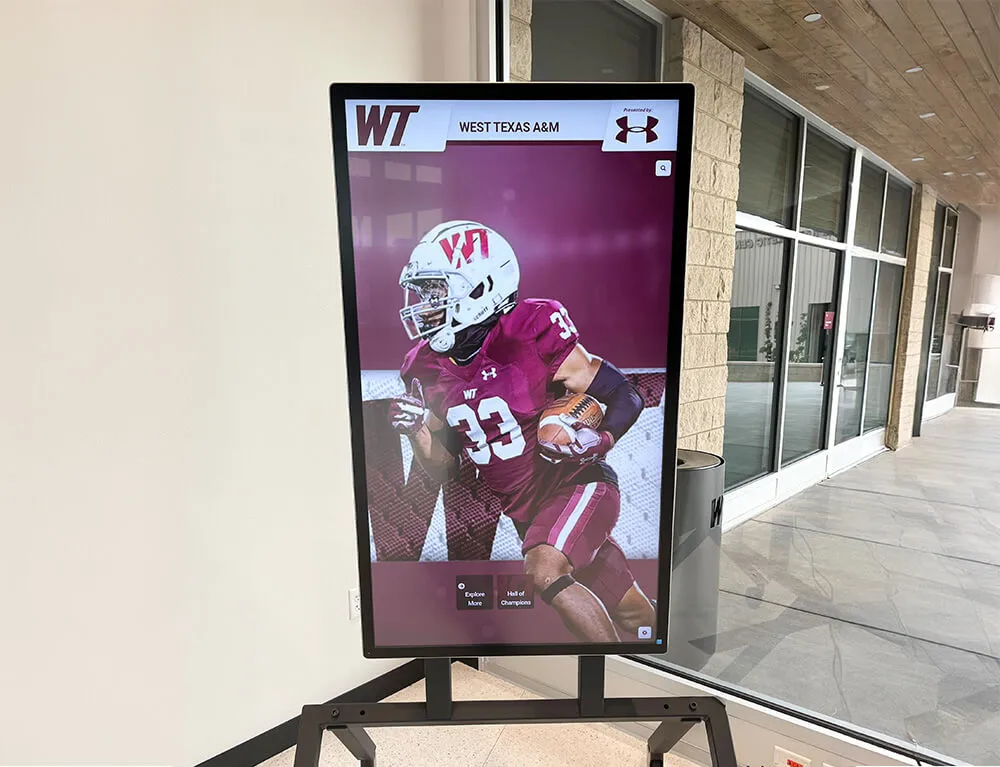
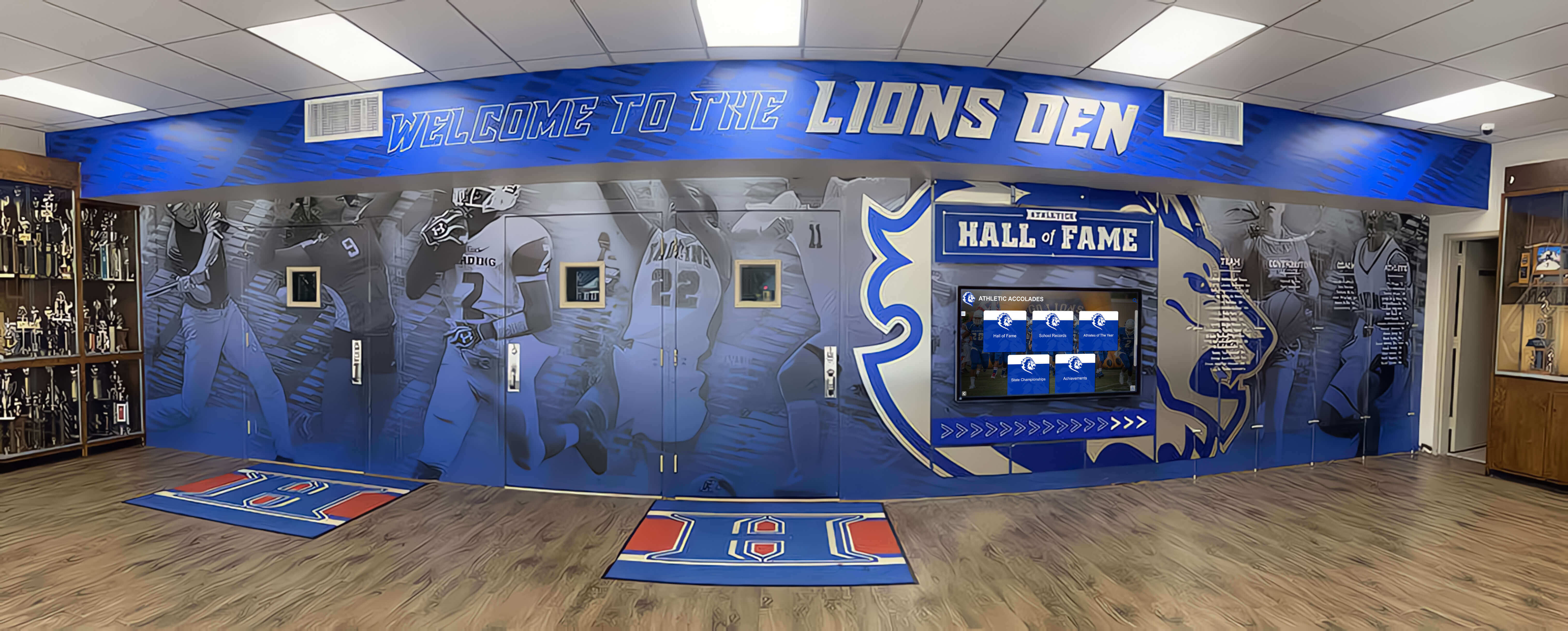
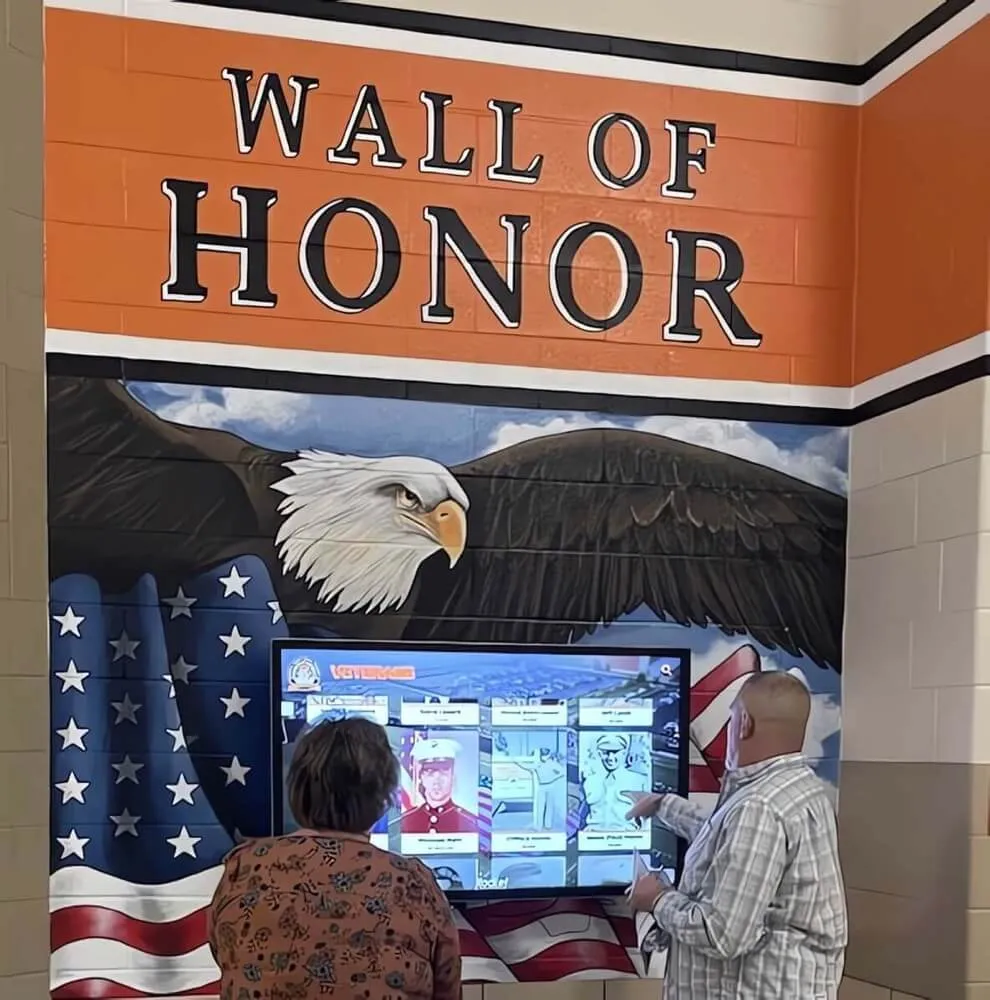
Research consistently demonstrates that athletes who receive meaningful recognition show higher motivation levels, stronger team commitment, increased likelihood of continued participation, and better mental health outcomes compared to athletes who feel overlooked. Recognition systems acknowledging various contribution types—not exclusively game statistics—create inclusive team cultures where athletes with different strengths all find pathways to acknowledgment. Digital recognition platforms like Rocket Alumni Solutions enable athletic programs to create permanent celebration of athlete accomplishments extending recognition beyond brief banquet moments while preserving team history across seasons and generations.
Performance and Statistical Excellence Awards
Performance-based awards recognize measurable athletic achievement, competitive results, and statistical excellence that directly contribute to team success.
1. Most Valuable Player (MVP)
The MVP award honors the athlete whose overall performance, competitive excellence, and contribution proved most valuable to team success across the entire season. This prestigious recognition considers game performance, clutch moments, leadership impact, and influence on winning outcomes rather than statistics alone.
Selection Criteria: Evaluate comprehensive contribution beyond individual stats. True MVPs often deliver in high-pressure situations, make teammates better through leadership, and demonstrate consistent excellence that elevates entire team performance.
2. Offensive Player of the Year
Recognizing the athlete demonstrating exceptional offensive production, this award celebrates scoring ability, playmaking, shot creation, or run production depending on sport. Offensive excellence drives results on scoreboards and creates momentum that carries teams through competitions.
Recognition Value: Offensive specialists bring excitement, scoring consistency, and the ability to change game outcomes through individual brilliance—skills deserving specific acknowledgment separate from overall MVP considerations.
3. Defensive Player of the Year
Defense wins championships, and this award honors the athlete showing outstanding defensive performance, positioning, technique, and ability to prevent opponent success. Great defenders make everyone’s job easier through consistent lockdown performance.
What Makes It Special: Defensive excellence often goes unnoticed in stat sheets but proves critical to team success. This award ensures defensive specialists receive appropriate recognition for contributions winning games.
4. Best All-Around Athlete
Some athletes excel across multiple dimensions—offense and defense, various positions, different skill sets—making them invaluable versatile contributors. This award recognizes complete athletes demonstrating excellence in all performance areas rather than narrow specialization.
Selection Approach: Identify athletes who contribute significantly in multiple roles, show no weaknesses, and demonstrate mastery across all fundamental skills their sport requires.
5. Clutch Performer Award
Championships get decided in critical moments, and this award honors the athlete consistently delivering peak performance under maximum pressure—overtime situations, playoff games, crucial competitions, or matches determining season outcomes.
Why It Matters: Mental toughness to perform when stakes are highest separates good athletes from great ones. Clutch performers carry teams through season-defining moments deserving special acknowledgment.
Understanding comprehensive approaches to recognition awards examples helps coaches design award systems celebrating diverse contributions while building positive team culture.
6. Most Improved Player
The most improved player award celebrates athletes demonstrating remarkable progress from season start to finish, recognizing dedication to skill development, training commitment, and measurable advancement in performance levels.
Measuring Improvement: Track visible progress in playing time, statistical output, technical skill execution, competitive confidence, or role expansion. The best selections show transformation everyone observes throughout the season.
Coaches can learn more about most improved player award best practices for identifying and celebrating remarkable athletic development.
7. Rookie of the Year
First-year athletes face steep learning curves mastering team systems, competition levels, and performance expectations. This award recognizes newcomers demonstrating exceptional early performance, rapid skill development, and competitive promise suggesting continued growth.
Recognition Standards: Consider both immediate contribution and future potential when selecting rookies who exceeded expectations for first-year athletes while showing trajectory toward becoming program cornerstones.
8. Golden Glove / Golden Boot Award
Sport-specific excellence awards like golden gloves (baseball defense), golden boots (soccer scoring), or similar recognitions honor mastery of particular skills central to competitive success in specific sports.
Sport Customization: Adapt this category to your sport’s signature skills—fastest swimmer, hardest hitter, most accurate passer—creating recognition celebrating sport-specific technical excellence.
9. Captain’s Choice Award
Team captains observe daily contributions coaches might miss and understand teammate impact from peer perspectives. This peer-selected award honors the athlete captains identify as most valuable, most respected, or most instrumental to team success.
Selection Process: Allow team captains to vote or reach consensus on recipients, creating peer recognition often holding special meaning because teammates understand daily contributions better than anyone.
10. Championship Game MVP
If your season included championship games, tournaments, or playoff runs, recognizing exceptional performance during season-defining competitions honors athletes who delivered when everything mattered most.
Achievement Context: Specify which competition earned recognition—conference championship, state tournament, league finals—providing clear context for the achievement level this award represents.
Effort, Dedication, and Work Ethic Awards
Effort-based recognition ensures athletes demonstrating exceptional commitment, work ethic, and dedication receive acknowledgment regardless of natural talent levels or competitive outcomes.
11. Hardest Worker Award
This award recognizes the athlete consistently demonstrating maximum effort in practices, training sessions, weight room work, conditioning, and competitions—the player whose work ethic sets team standards and inspires teammates.
Observable Traits: Look for athletes first to volunteer for extra work, maintaining intensity when others fatigue, approaching every drill with championship-level focus, and never taking shortcuts in preparation.
12. Perfect Attendance Recognition
Availability matters, and this award honors athletes attending every practice, game, team function, and training session throughout the season. Consistent presence demonstrates commitment and allows athletes to maximize development opportunities.
Recognition Value: Perfect attendance shows prioritization of team over competing demands, reliability coaches can depend on, and dedication to improvement through consistent participation.
13. First to Arrive, Last to Leave Award
Some athletes consistently arrive early for extra work and stay late for additional practice, demonstrating commitment exceeding minimum requirements. This recognition celebrates athletes who maximize every development opportunity through voluntary extra effort.
What It Demonstrates: Early arrivals and late stayers show internal motivation, love for their sport, and commitment to excellence requiring no external pressure—the foundation of athletic success.
14. Practice Player of the Year
Practices build champions, and this award honors the athlete whose practice intensity, focus, and effort set team standards. Great practice players compete as hard during preparation as competition, helping every teammate improve through quality work.
Selection Criteria: Identify athletes elevating practice intensity, making everyone better through committed preparation, and demonstrating that practice matters as much as games for their competitive approach.
15. Hustle Award
Hustle awards celebrate athletes demonstrating relentless effort, aggressive play, willingness to sacrifice their bodies for team success, and refusal to give up on any play regardless of score or situation.
Recognition Moments: Consider athletes diving for loose balls, chasing down seemingly impossible plays, fighting through fatigue to maintain effort, and showing visible desperation to help teammates succeed.
Resources on planning athletic banquet planning checklist help coaches create meaningful end-of-season celebrations appropriately recognizing athlete effort alongside competitive achievement.
16. Iron Man / Iron Woman Award
Some athletes demonstrate exceptional durability, availability, and toughness—competing through minor injuries, maintaining performance despite physical demands, and rarely missing action. This award recognizes athletes who show remarkable resilience and reliability.
Achievement Level: Consider athletes playing complete games, competing in multiple events, handling heavy workloads, and maintaining consistent availability despite the physical toll their sport demands.
Character and Leadership Awards
Character-based recognition teaches that how athletes compete matters as much as competitive results, honoring integrity, sportsmanship, and leadership qualities that define program culture.
17. Sportsmanship Award
This award celebrates athletes competing with integrity, treating opponents respectfully, accepting official decisions gracefully, supporting teammates unconditionally, and representing programs with class regardless of competitive outcomes.
Selection Process: Consider input from officials, opponent coaches, and tournament directors who observe behavior across competitions. True sportsmanship shows most clearly during difficult losses or controversial moments.
18. Leadership Award
Great leaders guide teams through daily influence, and this award honors formal or informal leaders whose impact extends beyond individual performance through vocal encouragement, lead-by-example behavior, teammate mentorship, and embodiment of program values.
Leadership Qualities: Recognize leaders demonstrating both verbal and nonverbal leadership, maintaining positive attitudes during adversity while holding teammates accountable to program expectations and performance standards.
19. Team Captain’s Award
When teams select captains formally, this award honors captains whose leadership proved exceptional—setting practice intensity, maintaining team standards, mentoring younger athletes, and guiding programs through challenges with maturity and commitment.
Recognition Approach: Celebrate captains who fulfilled leadership responsibilities exceptionally rather than simply acknowledging the captain role itself, ensuring this award recognizes outstanding leadership execution.
20. Most Coachable Athlete
Receptiveness to coaching accelerates development, and the most coachable athlete award celebrates players who accept instruction positively, implement feedback quickly, maintain enthusiasm for learning, and approach practices as growth opportunities.
Observable Behaviors: Look for athletes actively requesting technique feedback, implementing corrections immediately, studying game film seriously, asking questions demonstrating genuine interest in improvement, and responding to criticism constructively.
21. Heart and Soul Award
Some athletes define teams through passion, commitment, and love for their sport shining through every practice and competition. This award honors athletes whose dedication, energy, and competitive fire embody program culture and inspire teammates.
Selection Value: Heart and soul winners might not lead in statistics but bring intangible qualities that make teams better—enthusiasm, competitive spirit, unwavering commitment, and infectious passion for excellence.
22. Mental Toughness Award
Athletic success requires psychological resilience, and this award honors athletes demonstrating exceptional mental strength overcoming adversity, maintaining competitive focus through challenges, and persevering when facing obstacles or setbacks.
What to Recognize: Consider athletes battling through injuries, maintaining dedication despite difficult seasons, showing resilience after tough losses, displaying composure during high-pressure moments, or overcoming personal challenges while maintaining athletic performance.
Information about how programs celebrate college signing day how schools celebrate athletic commitments demonstrates comprehensive recognition systems honoring multiple achievement dimensions including character and leadership development.
Team Culture and Contribution Awards
Team culture awards recognize athletes whose contributions strengthen team chemistry, program tradition, and collective success beyond individual statistics.
23. Best Teammate Award
Great teammates make everyone better through encouragement, support, positivity, and genuine investment in others’ success. This award honors the athlete teammates most appreciate for friendship, support, encouragement, and commitment to collective success over individual recognition.
Peer Recognition: Consider team voting for this award since teammates understand daily contributions and relationship dynamics coaches observe less directly during formal practices and competitions.
24. Unsung Hero Award
Every team depends on contributors whose work goes unnoticed—backup players preparing starters, athletes handling unglamorous roles, versatile players filling gaps, or consistent performers whose steady excellence gets overshadowed by flashier teammates.
Recognition Purpose: This award ensures athletes making essential contributions without spotlight recognition receive appropriate acknowledgment for roles requiring selflessness and team-first attitudes.
25. Sixth Man / Role Player Excellence
Athletes who accept reserve roles, contribute effectively in limited opportunities, maintain positive attitudes without starting positions, and elevate team performance when called upon deserve recognition for valuable contributions supporting team success.
Selection Standards: Honor reserves demonstrating exceptional readiness, consistent preparation despite limited playing time, positive influence on team culture, and meaningful contributions when opportunities arise.
26. Best Team Spirit Award
Team spirit manifests through enthusiasm, support, positive energy, celebration of teammates, and infectious passion for collective success. This award honors athletes whose spirit, energy, and positivity elevate team morale and create positive environments.
Observable Qualities: Look for athletes leading cheers, supporting teammates unconditionally, maintaining positivity during adversity, bringing energy to practices and competitions, and spreading enthusiasm that makes team environments more enjoyable.
27. Utility Player Award
Versatility proves invaluable, and this award recognizes athletes willing to play multiple positions, adapt to various roles, fill team needs selflessly, and demonstrate competence across different responsibilities rather than specializing narrowly.
Recognition Value: Utility players provide coaching flexibility, demonstrate adaptability, show willingness to prioritize team needs over personal preference, and develop broad skill sets making them exceptionally valuable contributors.
28. Coaches’ Award
Sometimes coaches identify athletes whose contributions transcend specific categories, and the coaches’ award provides flexibility honoring athletes embodying program values, demonstrating exceptional character, or making impacts statistics and standard categories don’t capture.
Selection Discretion: Reserve coaches’ awards for genuinely special circumstances rather than routine recognition, maintaining significance through selective presentation to athletes truly exemplifying program ideals beyond conventional award categories.
Academic and Personal Development Awards
Balancing athletics with academics and personal growth deserves recognition, honoring well-rounded student-athletes excelling in multiple life dimensions.
29. Scholar-Athlete Award
The scholar-athlete award honors athletes maintaining exceptional academic standards while competing athletically, celebrating educational excellence alongside athletic achievement and recognizing that student comes before athlete in student-athlete identity.
Standard Requirements: Most programs set minimum GPA thresholds (commonly 3.5 or higher on 4.0 scales) ensuring recognized athletes demonstrate genuine academic excellence rather than merely acceptable performance.
30. Coaches’ Pride Award
This final award honors the athlete coaches feel most proud of—perhaps someone who overcame significant obstacles, showed remarkable personal growth, developed beyond expectations, or embodied program values so completely they represent the ideal program member.
Emotional Significance: Coaches’ pride awards often carry special weight because they represent coaches’ personal acknowledgment of athletes who made coaching rewarding, demonstrated character development, or showed growth transcending athletic performance.
Understanding approaches to soccer awards ideas creative recognition for your team provides additional frameworks coaches can adapt across various sports for comprehensive recognition systems.
Implementing Effective Recognition Programs
Selecting award categories represents only part of effective recognition—successful programs require thoughtful planning, clear criteria, meaningful presentation, and permanent documentation.
Establishing Clear Award Criteria
Define Selection Standards: Communicate how winners will be selected for each award at season start. Statistical awards should specify whether recognition uses totals, percentages, or averages. Subjective awards need evaluation frameworks preventing bias.
Balance Objectivity and Judgment: Some awards rely entirely on statistics providing objective measures (highest scorer, perfect attendance). Others require coach observation and judgment (heart and soul, mental toughness). Quality programs include both types ensuring diverse contributions receive recognition.
Sport-Specific Adaptation: Customize award categories reflecting your sport’s unique achievement types and values rather than generic templates. Baseball awards should celebrate position-specific excellence; swimming should recognize stroke specialists; basketball should acknowledge various statistical categories.
Maintain Transparency: Share award criteria with athletes and families early in seasons, enabling everyone to understand recognition standards and how recipients are selected. Transparency builds credibility and prevents award selection questions.
Award Distribution Best Practices
Ensure Roster Coverage: Review final award selections ensuring recognition distributes across the roster rather than concentrating on few athletes. If awards cluster among select individuals, consider whether evaluation captured the full range of genuine contributions.
Avoid Participation Trophies: While comprehensive recognition matters, maintain standards ensuring awards acknowledge authentic achievement rather than automatic participation. Meaningful recognition requires genuine accomplishment deserving acknowledgment.
Consider Senior Recognition: Programs often ensure senior athletes receive recognition honoring cumulative commitment across multiple seasons, particularly in close award decisions between similar achievement levels among athletes at different grade levels.
Multi-Year Achievement: Create special recognition for athletes earning varsity letters across multiple years (particularly four-year letter winners) celebrating sustained commitment, consistent performance, and dedication across entire high school or program careers.
Resources on letterman jacket patches meanings traditions display ideas demonstrate additional recognition traditions athletic programs use to honor multi-year achievement and varsity letter accomplishments.
Award Presentation Strategies
Season-Ending Banquets: Traditional team banquets provide formal settings for major award presentations, celebrating seasons while enabling families to participate in recognition moments and hear about athlete accomplishments throughout campaigns.
Presentation Order: Build toward most prestigious awards, presenting fun or creative awards early, team contribution awards mid-ceremony, and major individual honors toward the end, maintaining engagement and anticipation throughout events.
Personalized Descriptions: Provide specific examples explaining why recipients earned recognition rather than generic praise. Personal detail increases meaning and demonstrates thoughtful selection—describe specific games, moments, or accomplishments justifying each award.
Photo Documentation: Photograph each award presentation creating memories while generating content for program promotion and social media. Consider video recording entire ceremonies preserving events permanently for athletes and families.
Physical Award Quality: Invest in quality trophies, plaques, medals, or certificates communicating that recognition matters. Well-designed physical awards become keepsakes athletes treasure for years, particularly championship trophies and major achievement awards.
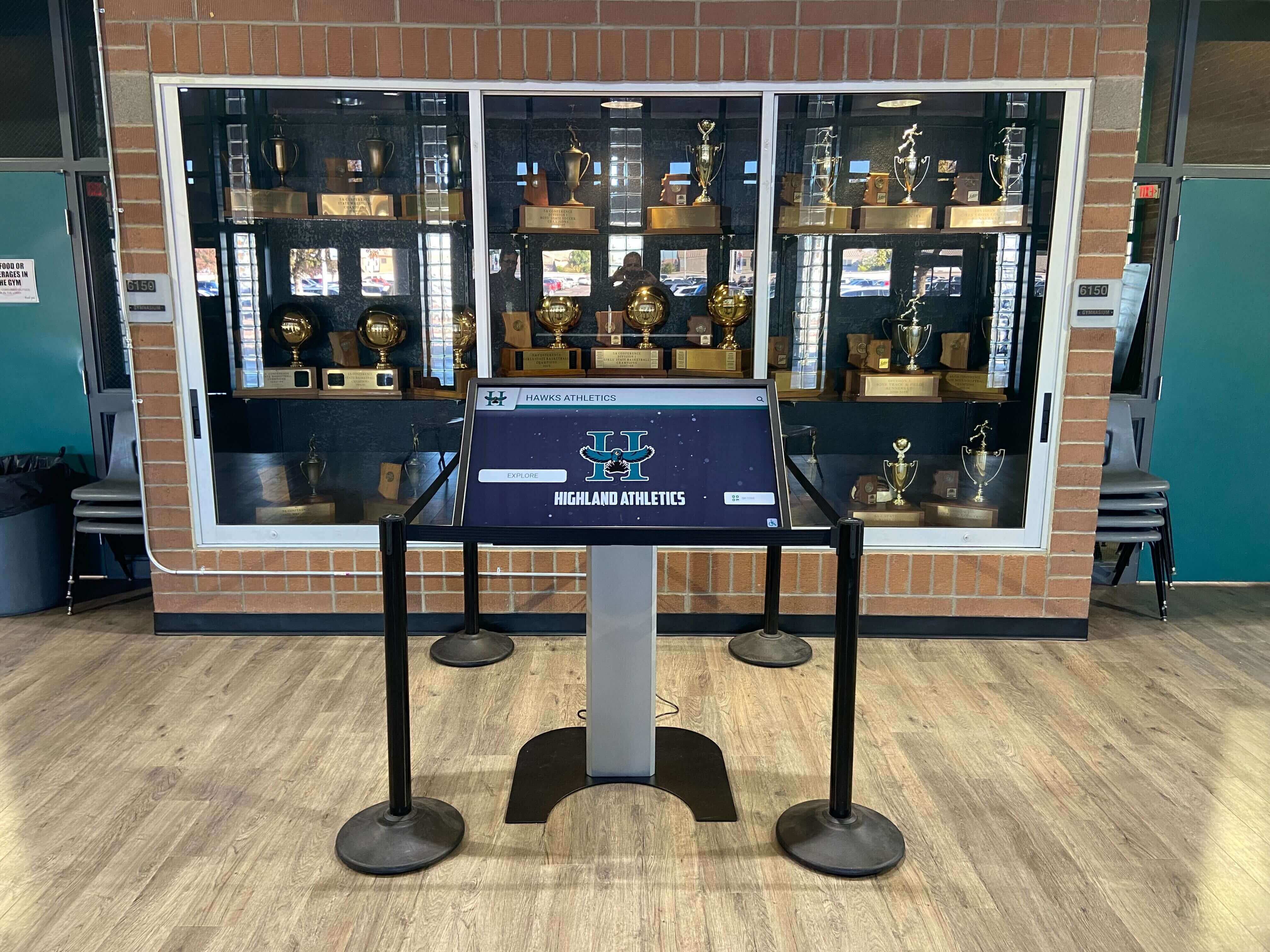
Information about creating digital trophy case systems demonstrates how athletic programs can create permanent recognition extending visibility beyond brief banquet moments.
Creating Permanent Recognition Through Digital Platforms
While banquet awards create memorable moments, recognition limited to brief presentations without lasting documentation loses impact as accomplishments fade from memory. Digital recognition systems solve this challenge by creating permanent, accessible celebration of athlete achievements.
Unlimited Recognition Capacity: Digital platforms accommodate awards for unlimited athletes across unlimited categories without physical space constraints limiting who receives acknowledgment or how much information displays about each recipient.
Rich Athlete Profiles: Beyond names and awards, digital recognition includes athlete photos, season statistics, personal achievements, team contributions, sport participation history, and comprehensive profiles creating engaging narratives that static plaques cannot provide.
Easy Content Updates: Web-based management systems enable quick updates adding new award recipients, updating athlete information, posting season results, and maintaining current recognition content as programs evolve without physical production delays.
Historical Archives: Digital systems preserve program history, enabling future athletes and families to explore past award winners, championship teams, and record holders while connecting current recognition to decades of program tradition.
Family Accessibility: Online platforms enable remote access by extended families, alumni, and community members who cannot attend banquets but want to celebrate athlete achievements and explore program history.
Integration with Other Recognition: Digital platforms can showcase multiple recognition dimensions—awards, academic honors, outstanding goalie award display examples, championship achievements, record performances—creating comprehensive athlete celebration.
Solutions like Rocket Alumni Solutions provide purpose-built platforms designed specifically for athletic recognition, offering functionality traditional approaches cannot match while creating permanent celebration of accomplishments extending far beyond annual banquet presentations.
Sport-Specific Award Customization
While this guide presents general athletic awards ideas applicable across sports, the most effective recognition systems customize categories reflecting each sport’s unique characteristics, positions, and achievement types.
Position-Specific Awards
Many sports benefit from position-specific recognition ensuring athletes at all positions receive appropriate acknowledgment:
Baseball/Softball: Best pitcher, best infield defense, best outfield defense, best catcher, best designated hitter—recognizing excellence at specialized positions requiring distinct skill sets.
Football: Offensive line MVP, defensive line MVP, linebacker of the year, best defensive back, special teams player of the year—honoring contributions in specialized roles often overlooked in general awards.
Basketball: Best point guard, best post player, best perimeter defender, best three-point shooter—celebrating position-specific excellence and specialized skills.
Soccer: Best goalkeeper, best defender, best midfielder, best forward—ensuring recognition opportunities exist at all field positions rather than favoring scoring positions.
Volleyball: Best setter, best outside hitter, best middle blocker, best libero—acknowledging specialized position requirements and contributions.
Understanding marching band recognition ideas how schools celebrate their musical athletes demonstrates how recognition systems can adapt to specialized roles and positions within team contexts.
Statistical Category Awards
Different sports emphasize different statistics worthy of specific recognition:
Track and Field: Event winners, school record breakers, personal record improvements, point scorers at major meets, relay team recognition—celebrating diverse event types and achievement levels.
Swimming: Stroke specialists, event champions, relay contributors, time improvement leaders, state qualifiers—honoring various competitive achievements and specializations.
Wrestling: Most pins, fastest pin, most takedowns, best escape percentage, weight class champions—recognizing technical excellence specific to combat sports.
Cross Country: Fastest times, most consistent performances, biggest time drops, varsity seven contributors, leadership pack runners—acknowledging various contribution types in team scoring sports.
Tournament and Competition Awards
Championship tournaments, playoff runs, and major competitions create natural award opportunities:
Conference Champion Recognition: Honoring athletes earning all-conference selection, conference champion status, or conference tournament MVP designation.
State Tournament Recognition: Celebrating state qualifiers, state medal winners, state champions, or state tournament participants depending on competition level and achievement difficulty.
Postseason Performance: Recognizing exceptional playoff performance, tournament MVP recognition, or athletes whose postseason excellence elevated team success during season-defining competitions.
Invitational Excellence: Honoring outstanding performance at major invitational competitions, showcase events, or prestigious tournaments providing elite competition opportunities.
Common Award Program Challenges
Understanding frequent problems helps programs avoid issues that undermine recognition effectiveness and athlete motivation.
Challenge: Awards Concentrating on Star Athletes
Recognition programs sometimes overwhelmingly focus on top performers while overlooking athletes who contributed meaningfully despite not starring statistically, creating environments where most roster members feel invisible.
Solution: Implement the diverse award categories this guide presents ensuring various contribution types receive recognition—effort awards, character recognition, team culture acknowledgment—creating opportunities for athletes across all performance levels to earn genuine acknowledgment.
Challenge: Participation Trophy Perception
When programs give awards automatically without genuine achievement requirements, recognition loses meaning and fails to motivate excellence or acknowledge authentic accomplishment.
Solution: Establish clear criteria for each award ensuring recipients demonstrated genuine achievement deserving acknowledgment. Not every athlete needs awards—but every athlete should have accessible pathways to earn recognition through authentic contribution.
Challenge: Subjective Award Selection Bias
When subjective awards lack clear criteria, selections may appear based on coach favorites or seniority rather than genuine merit, undermining credibility and creating perceptions of unfairness damaging team culture.
Solution: Establish evaluation rubrics for subjective awards, gather input from all coaching staff members, and maintain transparency about selection processes. Document reasoning for selections enabling explanation if questioned by athletes or families.
Challenge: Awards Forgotten After Presentation
Recognition limited to brief banquet moments without lasting documentation loses impact as accomplishments fade from memory within months, particularly for underclassmen whose future achievements may overshadow earlier recognition.
Solution: Create permanent recognition through physical displays, digital platforms, or program archives ensuring achievements receive ongoing visibility. Photograph all presentations and maintain comprehensive award recipient records accessible for historical reference.
Challenge: Lengthy, Poorly Attended Banquets
Disorganized ceremonies with excessive speeches and poor pacing diminish recognition impact regardless of award significance, causing families to leave early or athletes to skip entirely despite being honored.
Solution: Plan ceremonies carefully maintaining reasonable durations (typically 90 minutes maximum), limit administrative speeches, focus events on honoring athletes rather than organizational messaging, and schedule to maximize attendance during convenient times avoiding conflicts.
Create Lasting Recognition for Your Athletic Program
Transform how your athletic program celebrates athletes by implementing digital recognition that permanently honors season awards, statistical achievements, championship success, and individual accomplishments. Rocket Alumni Solutions enables programs to create comprehensive athlete profiles featuring awards, statistics, photos, achievements, and career highlights that remain accessible for decades—ensuring recognition extends far beyond brief banquet moments while building program tradition and honoring diverse contributions that make teams successful.
Budget Planning for Award Programs
Understanding financial requirements helps athletic programs create sustainable recognition delivering maximum impact within available resources.
Award Program Cost Components
Physical Award Items: Trophies, medals, plaques, certificates, and other tangible recognition items athletes receive. Costs vary significantly based on quality, quantity, and award types selected—from basic participation certificates to elaborate championship trophies.
Banquet Expenses: Venue rental, catering, decorations, printed programs, and ceremony-related costs. Event scale significantly influences budget requirements, with options ranging from simple school cafeteria gatherings to formal restaurant banquets.
Digital Recognition Investment: Initial costs for display hardware, software platforms, installation, and content development plus ongoing subscription fees for maintenance, updates, and technical support. Digital recognition requires higher upfront investment but provides exceptional long-term value.
Administrative Time: Coach or volunteer hours for award selection, event planning, content development, program coordination, and statistical record maintenance throughout seasons.
Cost-Effective Award Strategies
Tiered Recognition Approach: Provide elaborate trophies for major awards (MVP, championship recognition, significant achievements) while using quality certificates for broader recognition categories, balancing impact and budget constraints effectively.
Booster Club Support: Engage booster organizations in funding awards programs through sponsorships, fundraisers, or direct financial support. Athletic boosters typically prioritize recognition funding given its importance to athlete motivation and program culture.
Business Sponsorships: Seek local business sponsors covering award costs in exchange for recognition at banquets, in programs, and on digital displays. Businesses appreciate association with programs teaching teamwork, dedication, and excellence.
Bulk Purchasing: Order awards in larger quantities or establish relationships with trophy suppliers securing volume discounts reducing per-item costs. Consistent annual relationships often yield better pricing over time.
Digital Investment Value: While digital recognition requires higher initial investment, elimination of recurring physical plaque production costs plus unlimited recognition capacity provides exceptional long-term value for programs tracking achievements across decades.
Parent Volunteers: Utilize parent volunteers for banquet planning, setup, coordination, and execution reducing paid staff requirements while building community engagement around programs and creating ownership among athletic families.
Conclusion: Building Recognition Programs That Honor Every Athlete
Comprehensive athletic awards programs create environments where every roster member feels valued for genuine contributions while maintaining standards ensuring recognition remains meaningful. The 30 award categories presented in this guide provide frameworks coaches can adapt to their specific sports, team compositions, and program values—creating recognition systems celebrating performance excellence, effort and dedication, character development, leadership qualities, team contributions, and personal growth.
The most effective award programs share several characteristics: celebrating diverse achievement types ensuring various athlete contributions receive acknowledgment beyond game statistics; establishing transparent criteria maintaining credibility and fairness throughout selection processes; customizing categories reflecting specific sport requirements, team dynamics, and program values; providing meaningful presentation experiences appropriately honoring recipients in front of teammates and families; and creating permanent documentation ensuring accomplishments receive lasting visibility extending beyond brief ceremony moments.
When thoughtfully designed and consistently implemented, recognition systems profoundly influence athlete motivation, team culture, continued participation, and program success. Athletes who feel genuinely valued for authentic contributions show higher commitment levels, stronger team loyalty, increased likelihood of sustained participation, and better mental health outcomes compared to athletes who feel overlooked or undervalued.
Digital recognition solutions like Rocket Alumni Solutions enable athletic programs to create comprehensive, permanent celebration of athlete accomplishments extending recognition beyond annual banquets. These platforms provide unlimited capacity for honoring athletes across all award categories, enable rich multimedia storytelling bringing accomplishments to life through photos and detailed profiles, facilitate easy updates keeping recognition current as seasons progress, and create engaging experiences encouraging exploration of program history connecting current teams to decades of athletic tradition.
Whether coaching youth recreation programs where participation and development matter most, competitive travel teams emphasizing achievement alongside character growth, or high school varsity squads competing for championships, commitment to comprehensive, fair, meaningful athlete recognition creates positive cultures where every roster member feels valued, motivated to improve, and connected to programs supporting their development. By implementing thoughtful awards programs using the ideas presented in this guide, coaches demonstrate that diverse contributions matter, achievement deserves appropriate celebration, character and leadership count as much as statistics, and every athlete’s role in team success has genuine value—lessons extending far beyond athletic fields into lifelong attitudes about excellence, teamwork, perseverance, and finding ways to contribute meaningfully to collective goals.