



Art programs play a vital role in school communities, developing creative skills, fostering self-expression, and building confidence that extends far beyond the art classroom. Yet many schools struggle with effectively displaying student artwork in ways that provide adequate recognition while managing limited display space, rotating collections to give all students visibility, maintaining professional presentation standards, preserving artwork that deteriorates over time, and connecting families and community members with student creative achievements.
The challenge grows more acute as schools recognize the importance of celebrating diverse forms of student excellence. Athletic achievements receive dedicated display infrastructure through trophy cases and record boards. Academic honors earn recognition walls and honor roll displays. But visual arts—despite requiring equal dedication, skill development, and talent—often receive inconsistent recognition limited to bulletin boards, temporary hallway displays, or annual art shows that showcase work briefly before returning pieces to students or storage.
Why Art Class Gallery Displays Matter
Effective art gallery displays serve critical educational and community functions by validating creative work as valuable achievement worthy of recognition, building student confidence and motivation for continued artistic development, demonstrating school commitment to comprehensive arts education, connecting families and community members with student accomplishments, and creating cultural environments that value diverse forms of excellence. Schools implementing thoughtful art display strategies discover measurable benefits including increased student participation in arts programs, stronger family engagement with school activities, enhanced school culture recognizing diverse talents, and lasting documentation of creative achievement across student careers.
Understanding the Art Display Challenge in Schools
Schools face unique challenges when creating gallery displays for student artwork compared to professional gallery settings or dedicated art museums.
Space Limitations and Display Capacity
Most schools have limited wall space available for art displays, with competition from academic information boards, safety signage and announcements, athletic recognition displays, administrative communications, and building wayfinding systems. Even schools with designated art hallways or gallery spaces quickly fill available walls, creating impossible decisions about which student work receives visibility while most pieces remain unseen after grading.
A typical high school art program serving 200-400 students annually generates thousands of completed artworks across multiple courses including drawing and painting, ceramics and sculpture, digital arts and graphic design, photography, and mixed media. With each student completing 10-20 significant pieces yearly, programs face the mathematical impossibility of displaying everything simultaneously, even if all hallway space could be dedicated exclusively to art.
Rotation and Equity Concerns
Limited physical display space creates equity challenges determining whose work gets shown. Common selection approaches include rotating displays by class or course, featured student selections of best work, thematic exhibitions around specific concepts, seasonal rotation schedules, and grade-level showcase opportunities. Each approach has merit but also limitations—rotating displays mean most work never appears during periods when families visit, selective exhibitions exclude many students, and rushed rotation schedules rarely allow adequate viewing time before artwork disappears.
Students whose work appears briefly in less-trafficked hallways receive fundamentally different recognition than those whose pieces appear in prominent lobbies during parent-teacher conferences or open houses. This inconsistency undermines the motivational value that recognition should provide while potentially disadvantaging students whose class periods or course schedules result in less favorable display timing. Schools exploring exciting hallway displays discover that strategic placement and rotation maximize recognition impact.
Preservation and Maintenance Challenges
Physical artwork displays face ongoing preservation challenges. Paper-based artwork fades from sunlight exposure and fluorescent lighting. Three-dimensional pieces risk damage from handling and accidental contact in busy hallways. Temporary mounting solutions leave adhesive residue or damage walls. Dust accumulation diminishes visual quality. Even properly mounted displays require regular maintenance refreshing presentations and preventing wear.
Many art teachers spend significant unpaid time outside instructional hours installing displays, rotating exhibitions, and maintaining presentation quality—time that could otherwise support direct student instruction or curriculum development. The labor intensity of physical displays often means artwork receives less frequent rotation than ideal, with pieces remaining up semester-long not because of exceptional merit but simply because teachers lack time for more frequent changes.
Documentation and Portfolio Development
Beyond immediate display, students need documentation of completed artwork for college applications, scholarship competitions, portfolio reviews, and personal archives. Traditional approaches require individual photography of each piece—a time-consuming process requiring proper lighting, backdrops, and image management. Many students never properly document work, losing record of creative development spanning their school years. Teachers likewise lack systematic documentation of exemplary student work useful for curriculum examples, promotional materials, or program evaluation. Comprehensive approaches to academic history archiving provide frameworks for preserving student creative achievements alongside other forms of academic excellence.
Traditional Art Display Approaches and Limitations
Schools have long relied on various physical display methods, each with distinct advantages and limitations.
Bulletin Boards and Hallway Displays
Standard bulletin boards represent the most common art display method in schools. These provide accessible, low-cost display surfaces requiring minimal installation, easy rotation for new exhibitions, and flexible presentation arrangements. However, bulletin boards present significant limitations including limited space accommodating only a fraction of student work, inconsistent visual quality from thumbtacks and staples, vulnerability to theft or damage in unsecured hallways, fading and deterioration from environmental exposure, and temporary nature with most work disappearing after brief display periods.
Hallway displays also compete for attention in visually cluttered environments where safety posters, academic announcements, and administrative communications create sensory overload that causes individual artworks to blend into background noise rather than receiving focused attention their quality deserves.
Dedicated Gallery Spaces
Some schools create dedicated gallery spaces functioning as permanent art exhibition areas. These locations provide controlled environment protecting artwork, professional presentation enhancing perceived value, designated viewing areas encouraging focused attention, and community gathering spaces for receptions and events. Gallery spaces represent significant improvements over bulletin boards but remain limited by physical capacity constraints requiring rotation, accessibility only during school hours for many installations, maintenance requirements for climate control and security, and staffing needs for installation and management.
Even well-resourced dedicated galleries can showcase only a small percentage of student work at any time, leaving most creative output unseen beyond the classroom assessment process. The transition to digital art walls addresses these capacity limitations while providing new opportunities for student recognition.
Annual Art Shows and Exhibitions
Many schools host annual art shows displaying selected student work for limited periods, often during spring semester. These events create community celebration of arts programs, motivation for students working toward exhibition inclusion, professional showcase format providing authentic gallery experience, and family engagement opportunities. However, annual shows provide recognition only to selected students whose work earns exhibition inclusion, temporary display lasting days or weeks rather than ongoing recognition, single-point-in-time focus missing creative development across the year, and significant teacher workload organizing and installing exhibitions.
Students whose strongest work appears in fall semester or doesn’t fit exhibition themes may never receive the recognition and validation that display provides.
Portfolio Cases and Display Cabinets
Some programs use portfolio cases and display cabinets for three-dimensional work and special pieces. These provide protective enclosures for valuable or fragile work, secure display preventing theft or damage, and professional presentation for significant achievements. Limitations include very limited capacity displaying only a handful of pieces, lack of rotation reducing ongoing recognition value, and prime location requirements making display space competition intense.
The Digital Gallery Display Solution
Digital display technology provides compelling solutions to physical art display limitations while creating new capabilities impossible with traditional approaches.
Understanding Digital Art Galleries
Digital art gallery systems create comprehensive online collections and interactive displays presenting complete student creative output without physical space constraints. These platforms combine high-resolution photography capturing artwork detail, organized collections by student, course, or theme, searchable databases enabling quick artwork discovery, multimedia context including artist statements and process documentation, and accessible interfaces viewable from any device anywhere.
Solutions like Rocket Alumni Solutions enable schools to recognize unlimited student artwork while providing features specifically designed for educational recognition needs including intuitive content management requiring no technical expertise, templates ensuring consistent professional presentation, student portfolio generation for college applications, family access allowing relatives worldwide to view student work, and permanent archives documenting creative development across student careers.
Unlimited Capacity and Comprehensive Recognition
Digital platforms provide effectively unlimited capacity for artwork documentation. A single system can showcase thousands of pieces with complete information—content requiring impossible amounts of physical wall space. This capacity transformation changes recognition strategy from “Which artwork deserves limited space?” to “How do we best organize and present our complete creative output?”
Every student receives recognition. Every artwork matters. Creative development becomes visible across time as student portfolios grow from introductory courses through advanced work. Historical context emerges as current students explore artwork created by alumni who preceded them, understanding program evolution and artistic traditions. Schools implementing comprehensive digital galleries recognize that physical display limitations had forced them to undervalue creative achievement that digital systems now make fully visible.
Expanded Student and Family Connection
Digital art galleries create powerful connection tools for students, families, and communities. Students can access their complete creative portfolios from any device, share specific artwork through social media integration, track creative development across courses and years, and prepare college application materials efficiently. Families can browse student artwork remotely from any location, share discoveries with extended family and friends, comment and provide feedback on specific pieces, and maintain permanent records of student creative achievement.
This accessibility dramatically extends recognition beyond the small number of people who might view physical hallway displays during limited school visits. Grandparents across the country can view grandchildren’s artwork. Parents working during school hours can engage with student creative work. The recognition becomes ongoing rather than limited to brief display periods. This approach supports broader strategies for showcasing student accomplishments across multiple achievement domains.
Professional Presentation and Curation
Digital platforms enable professional presentation standards that bulletin boards cannot match. Consistent layouts ensure visual harmony across collections. High-quality photography captures detail and color accuracy that hallway lighting rarely provides. Organized navigation allows browsing by artist, medium, course, theme, or chronology. Curated exhibitions highlight exceptional work or thematic collections without requiring physical reinstallation.
Art teachers gain powerful curation tools creating virtual exhibitions exploring specific concepts, demonstrating technical skill development, featuring diverse media and approaches, or celebrating individual student creative growth. These virtual exhibitions can remain accessible indefinitely while physical gallery space rotates to new content. Similar approaches work effectively for classroom projects recognition across various subject areas.
Hybrid Approaches: Combining Physical and Digital Displays
The most effective school art recognition strategies combine physical and digital approaches, leveraging the strengths of each while addressing their respective limitations.
Physical Featured Exhibitions with Digital Archives
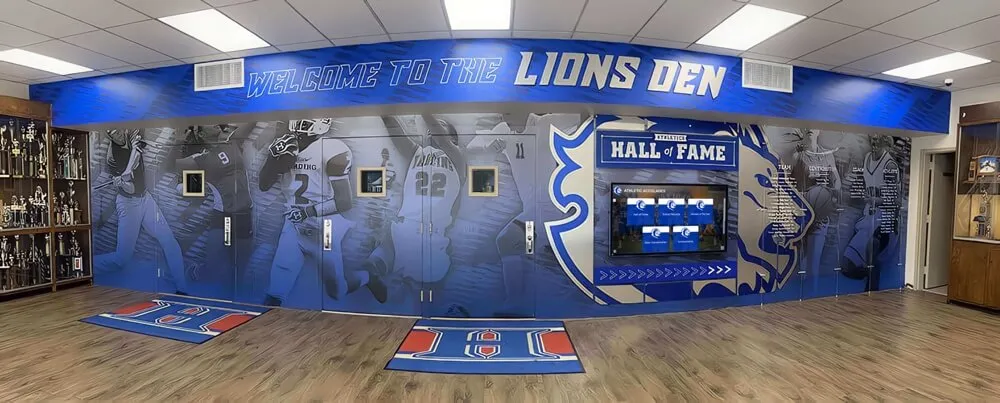
Many schools maintain physical gallery spaces or hallway displays featuring rotating selections of current student work while creating comprehensive digital archives documenting all student artwork. This hybrid approach provides tactile, three-dimensional experience of physical art viewing, prominent physical recognition motivating student achievement, rotating physical exhibitions keeping presentations fresh, and complete digital documentation ensuring nothing disappears unseen.
Physical displays showcase artwork during peak recognition value—when pieces are newly completed and students are present to receive direct feedback—while digital archives preserve recognition indefinitely and make work accessible to worldwide audiences. Art programs using digital recognition displays discover that technology enhances rather than replaces traditional recognition by extending reach and eliminating capacity constraints.
Interactive Touchscreens in Physical Galleries
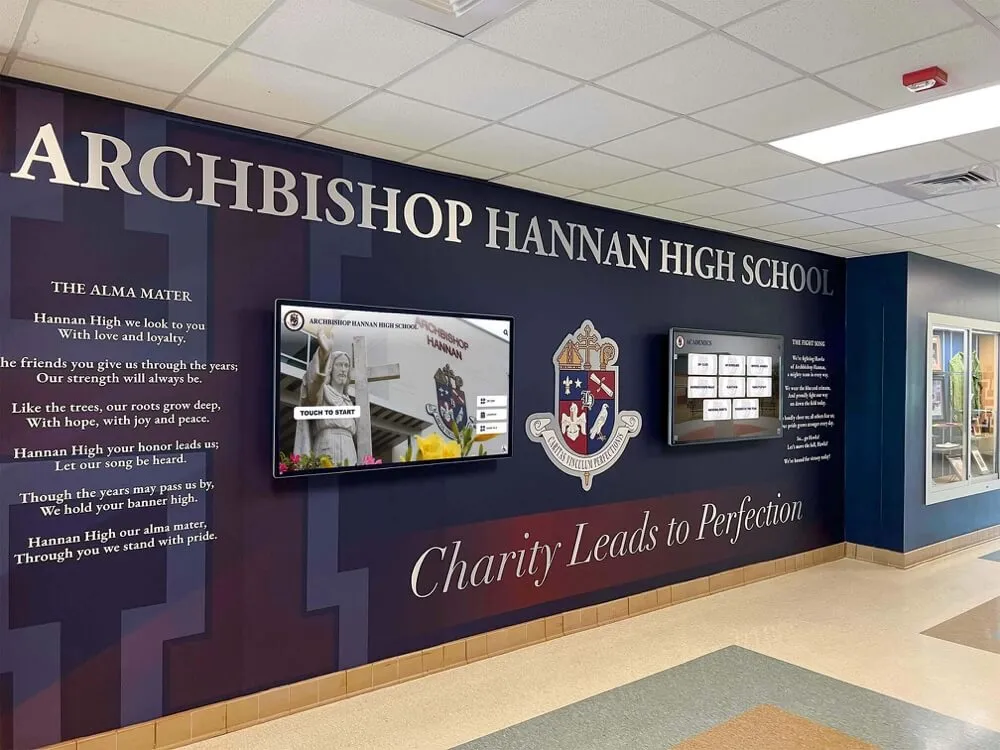
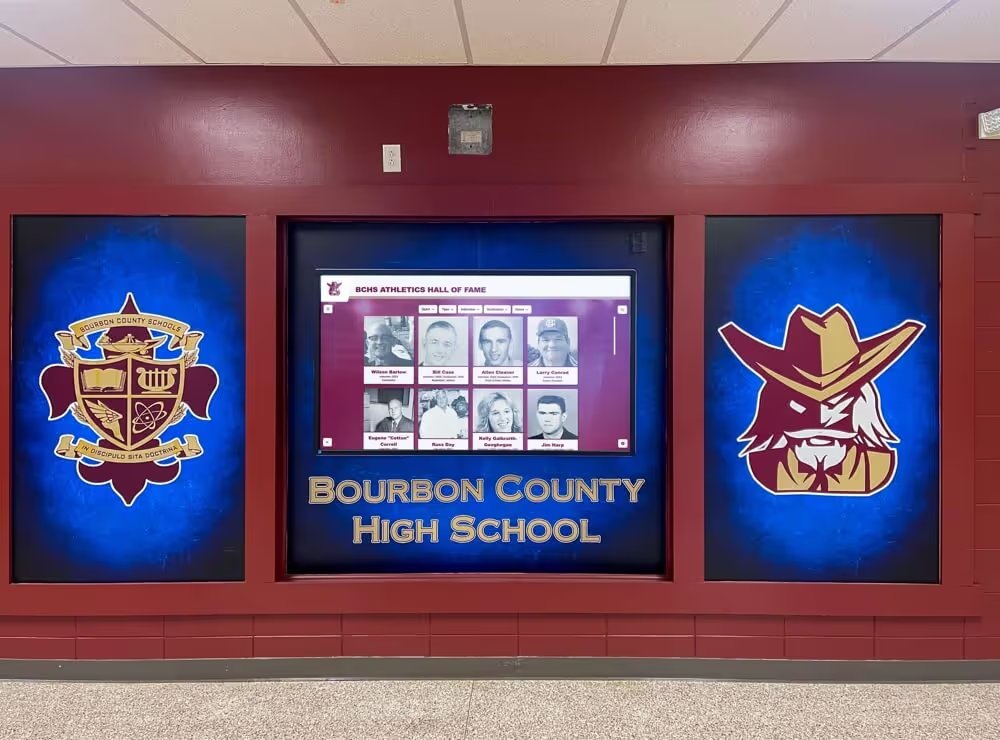
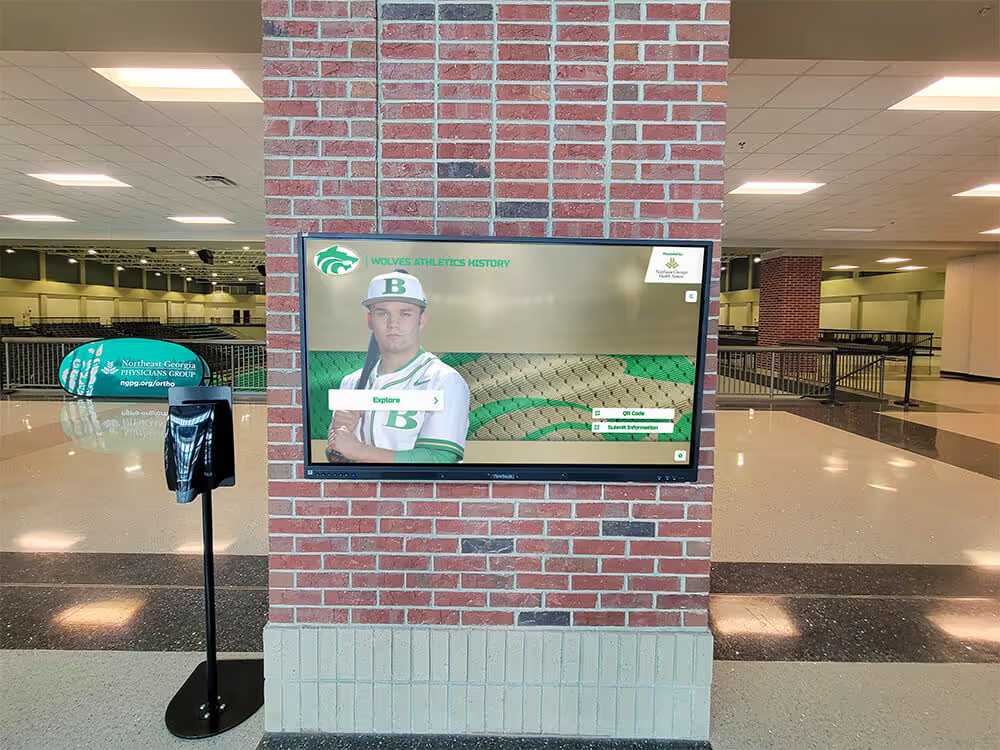
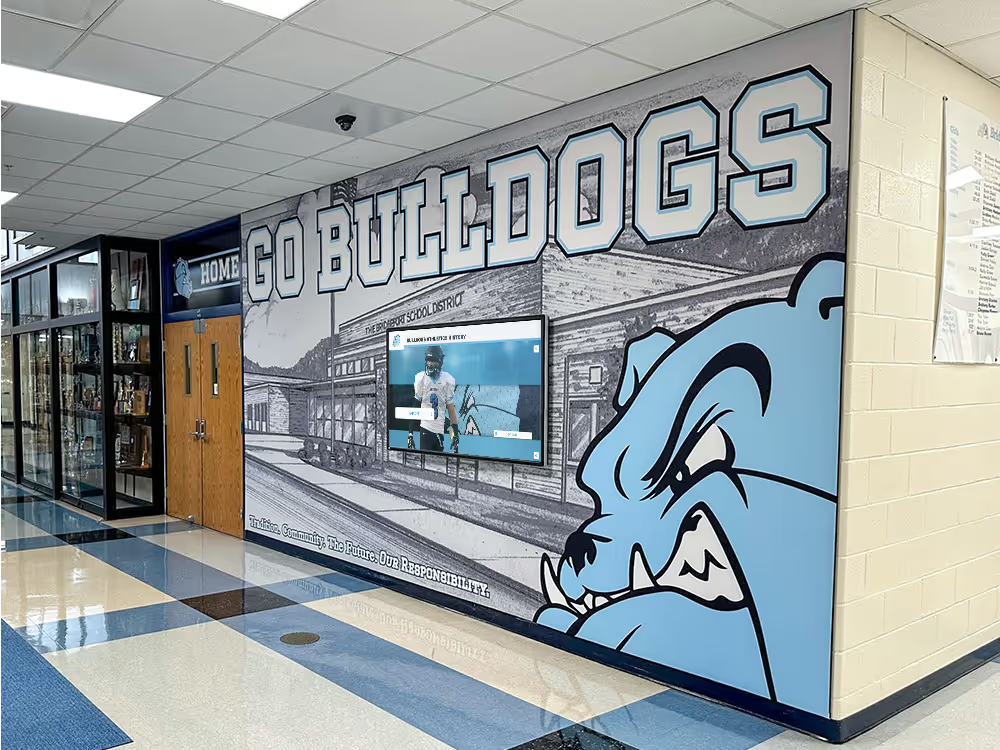
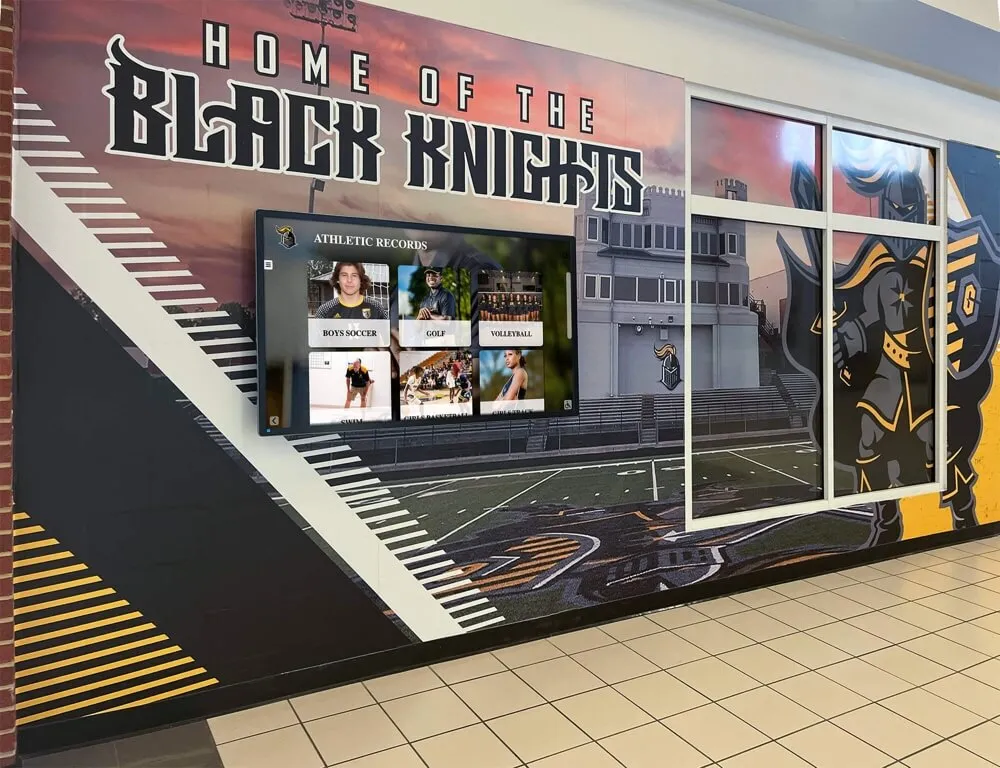
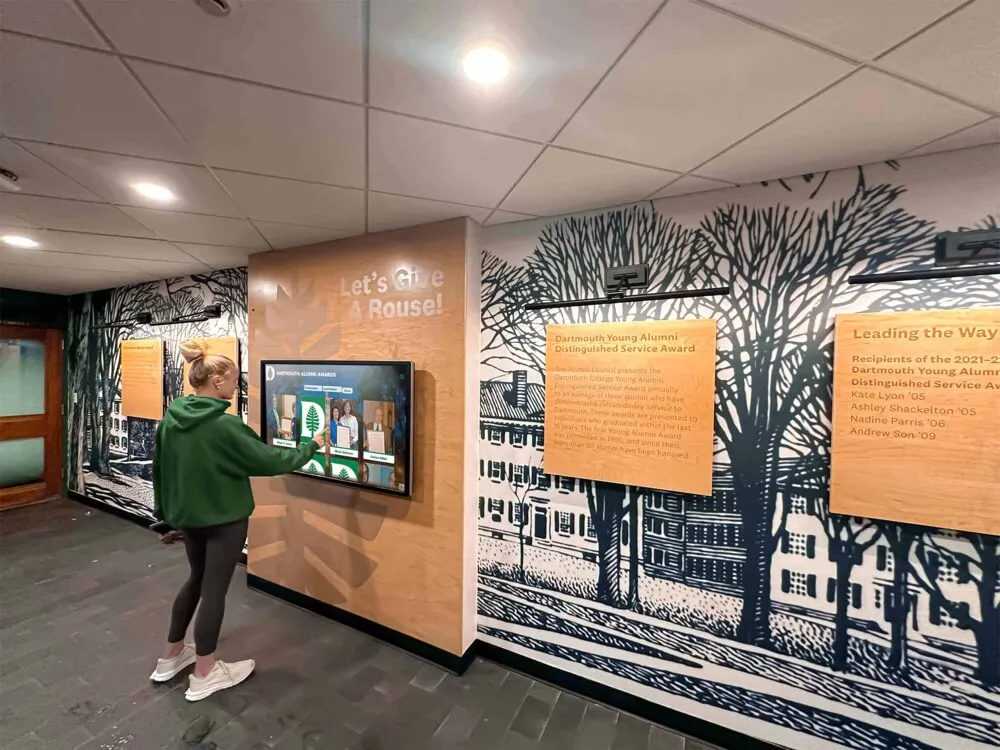
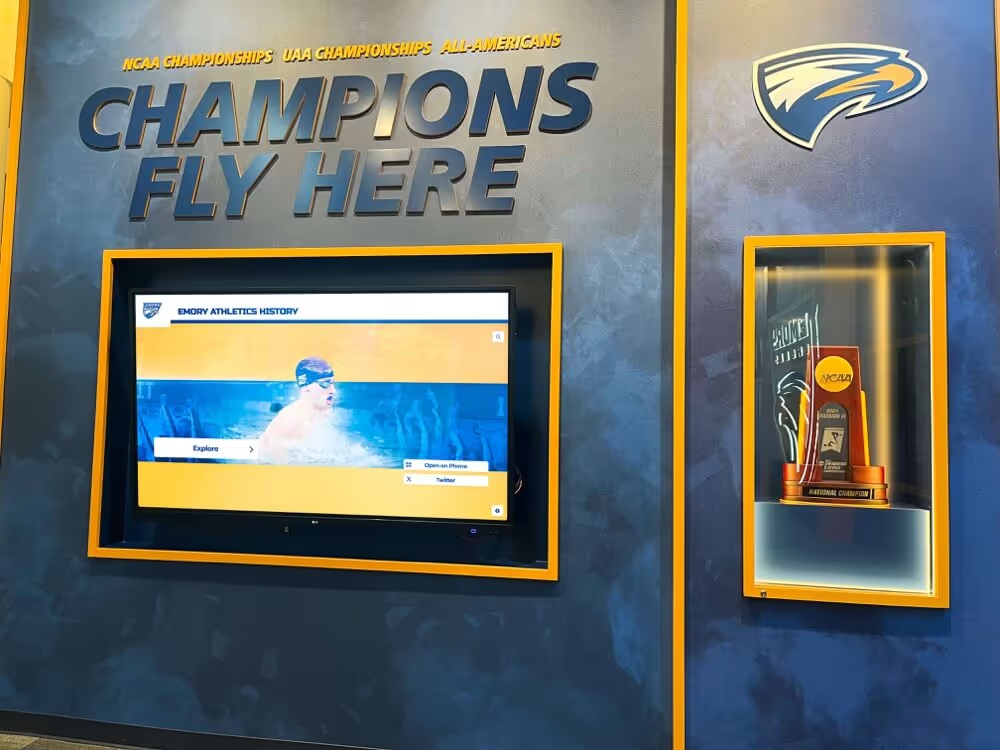
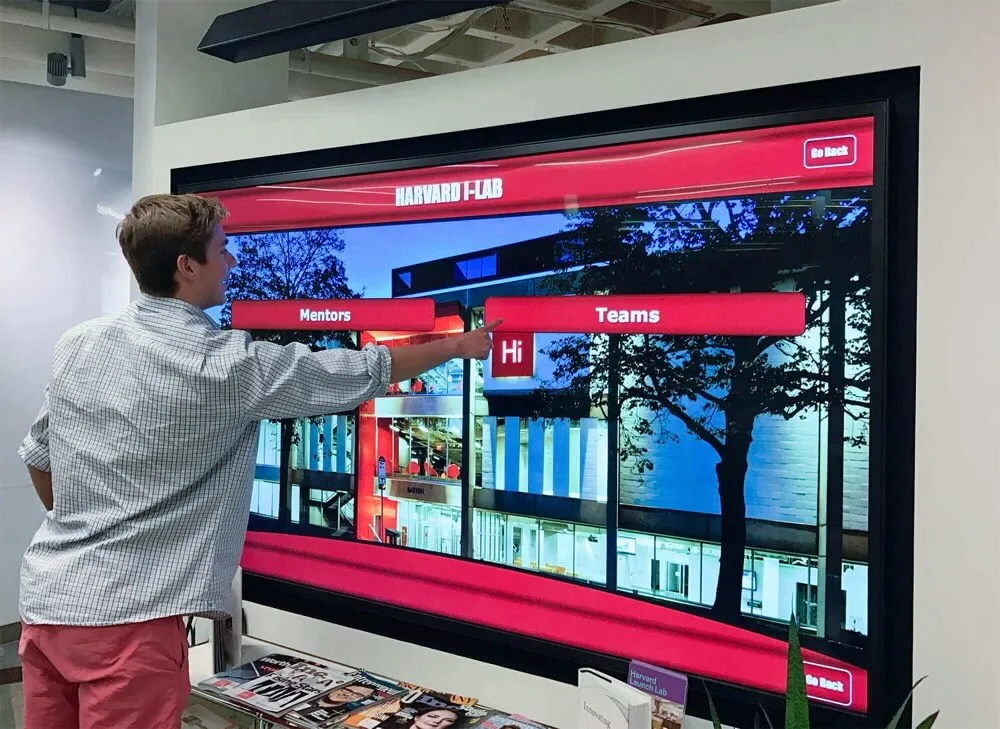
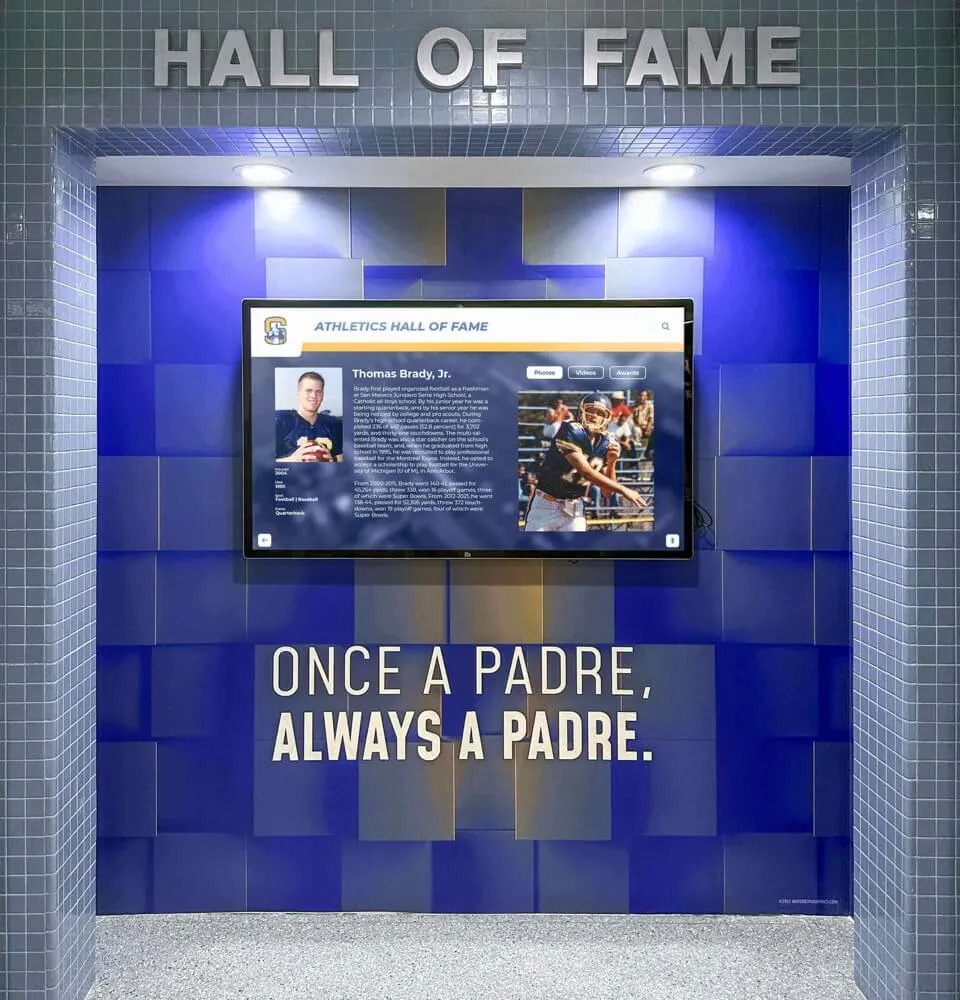
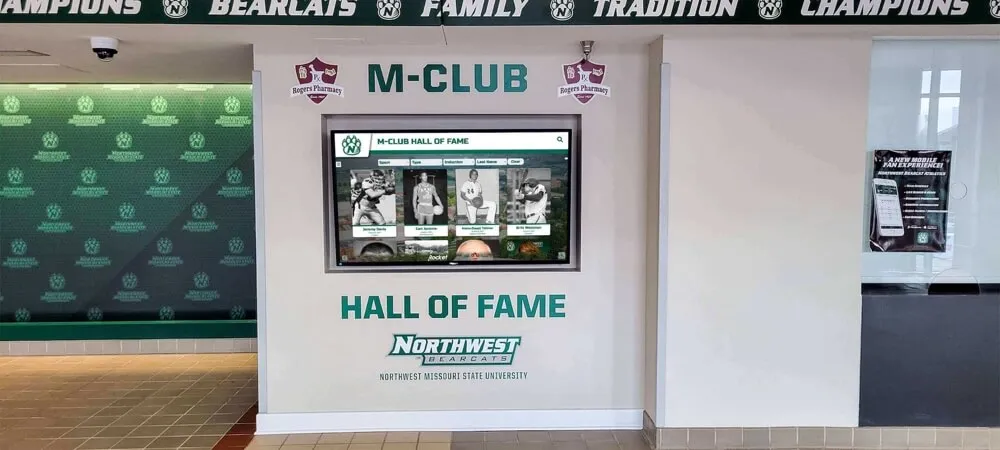
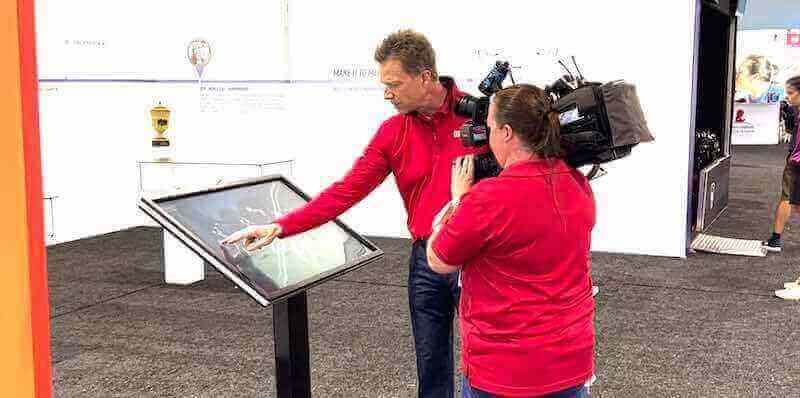
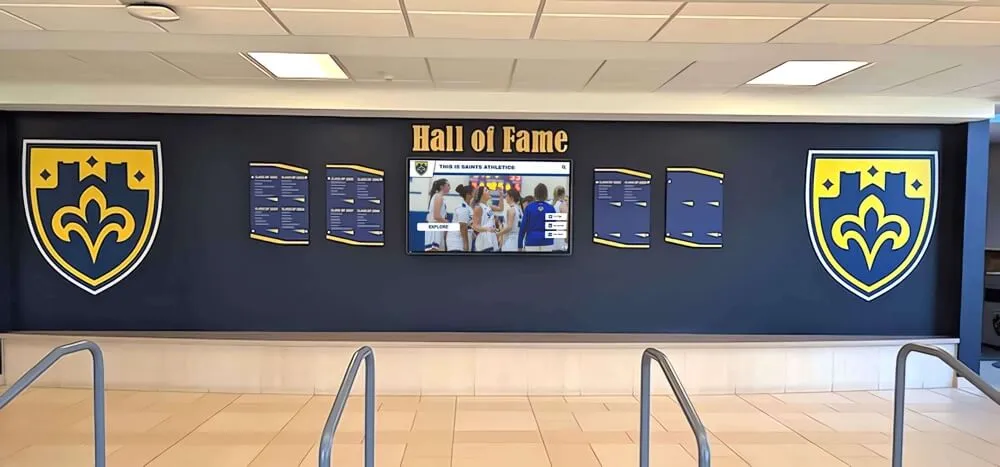
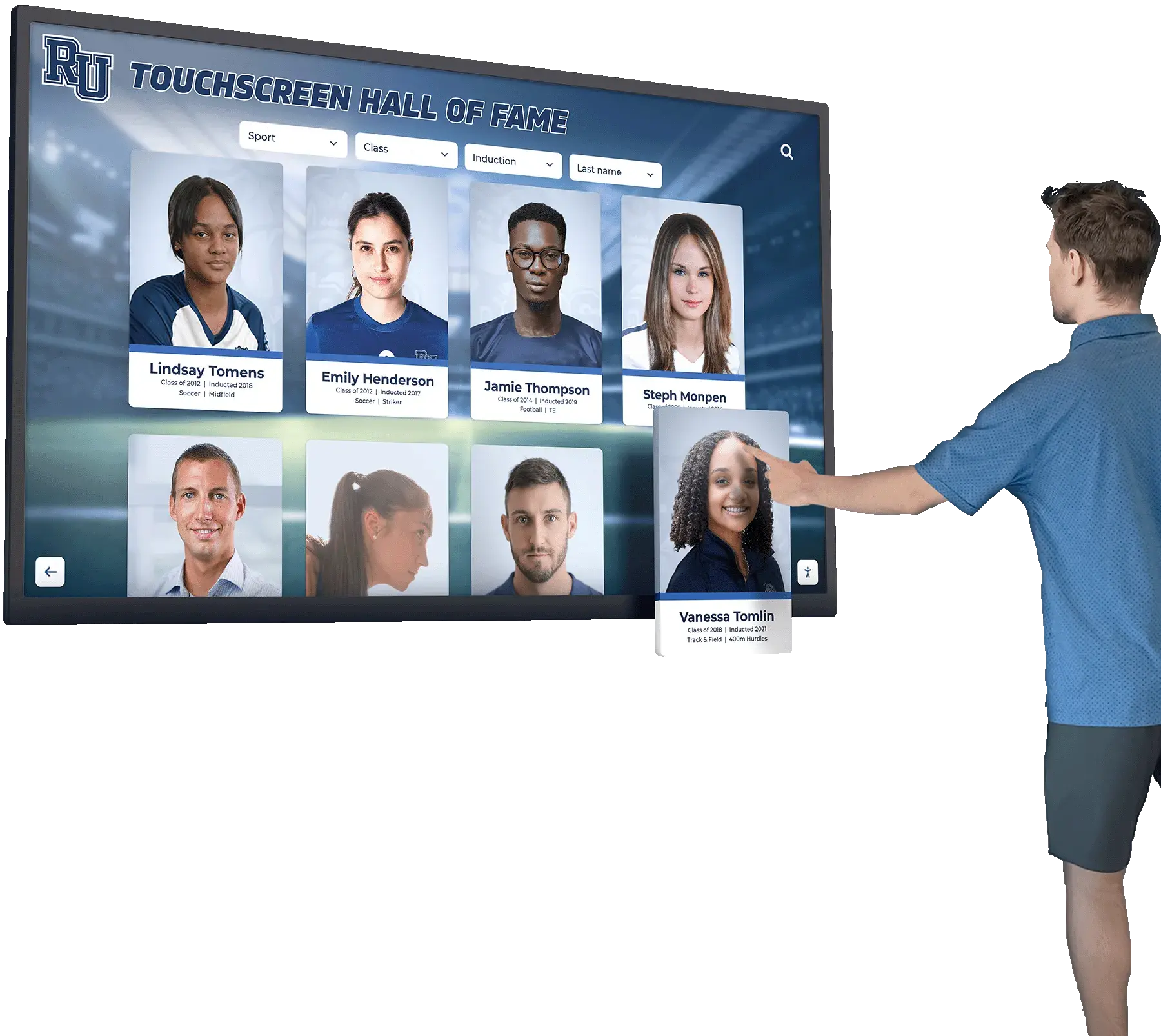
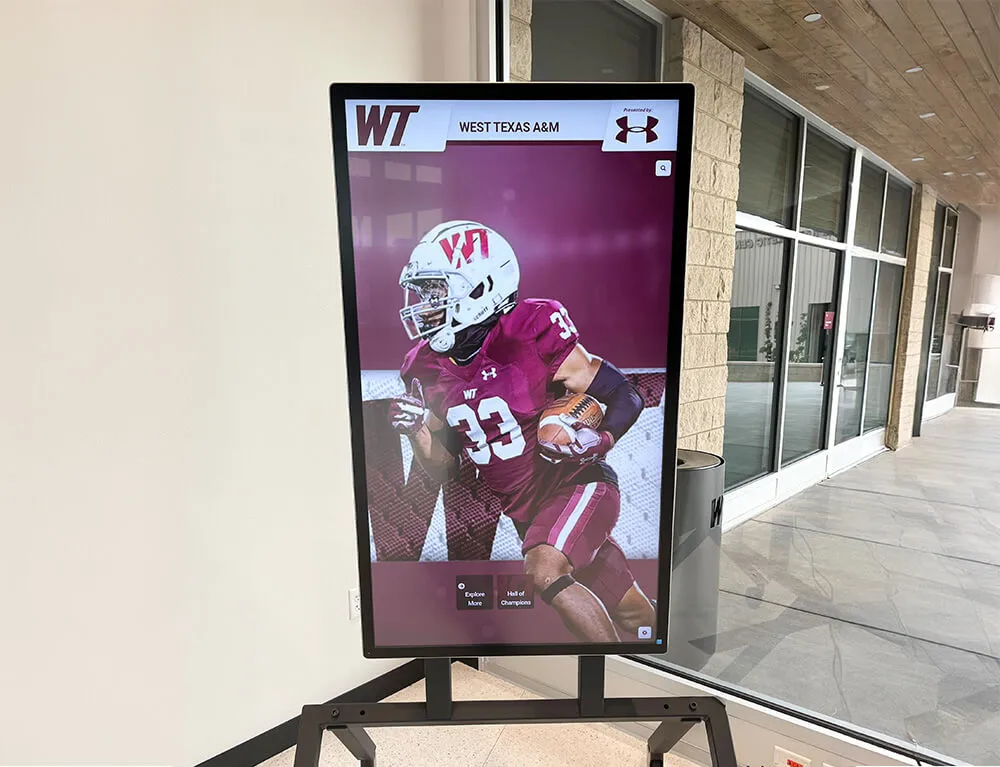
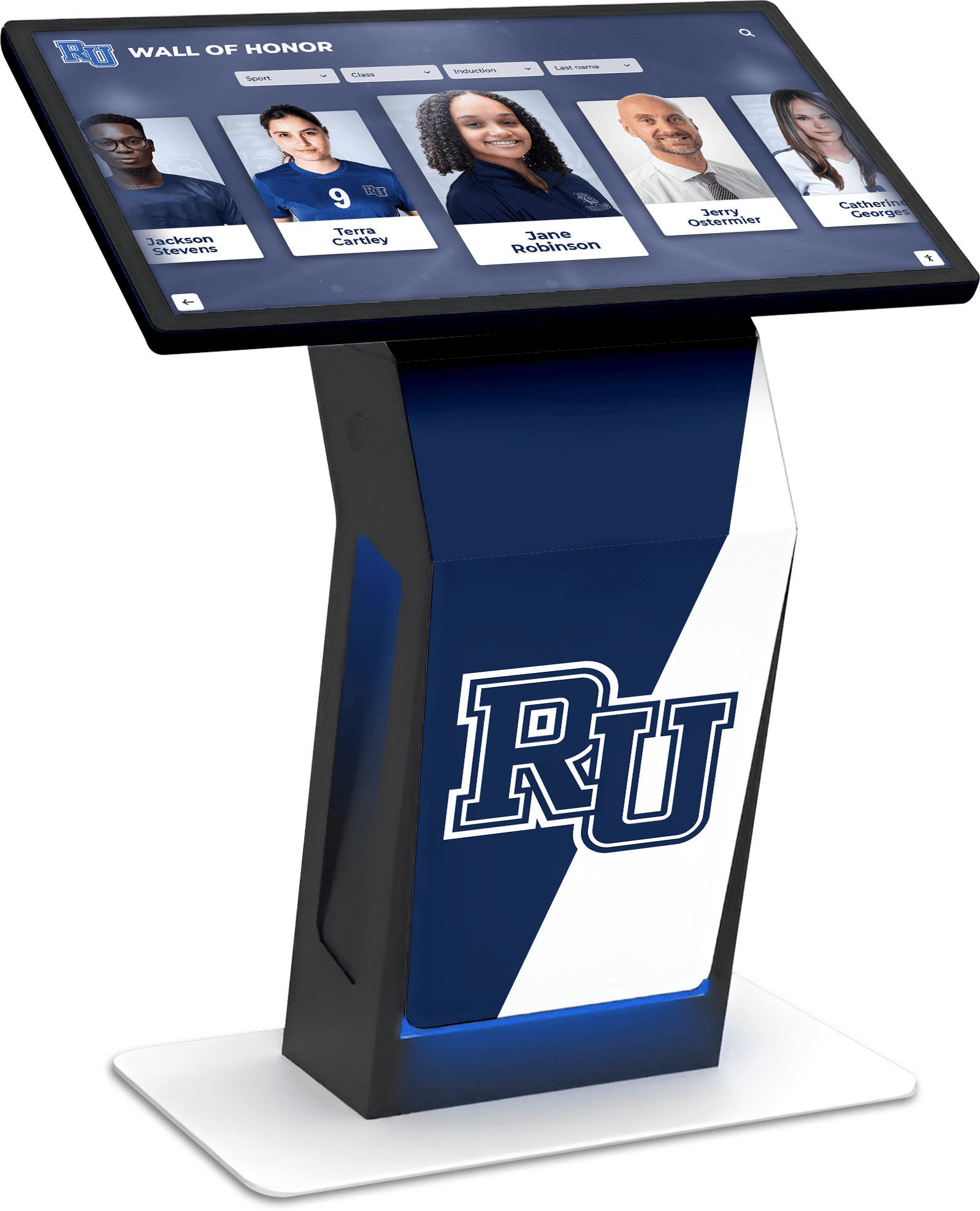
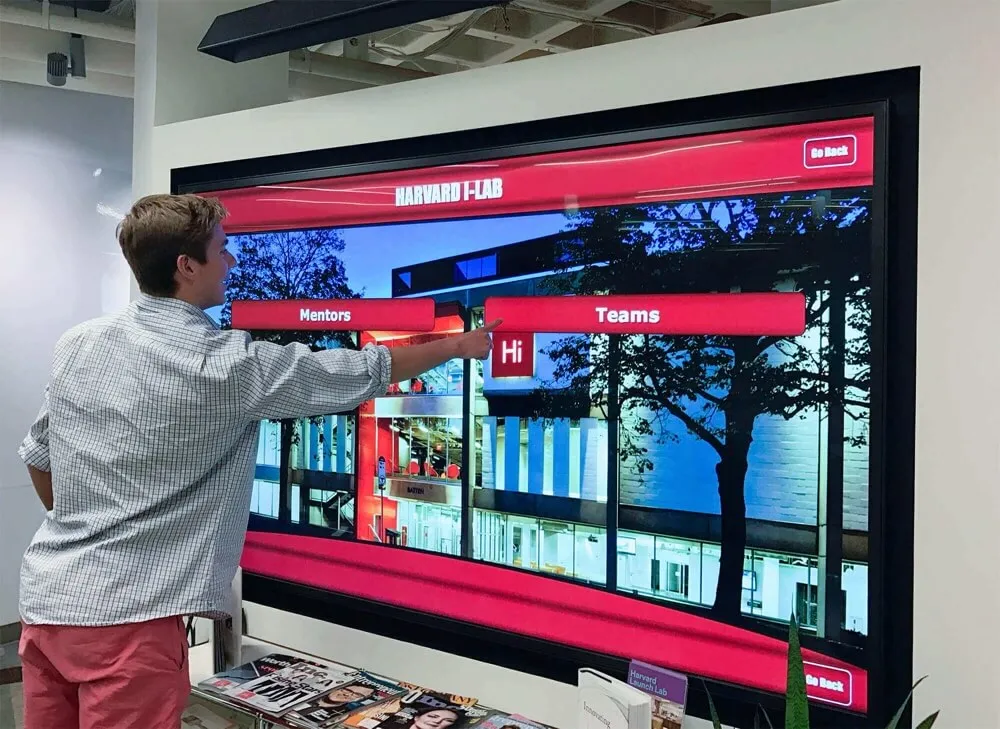
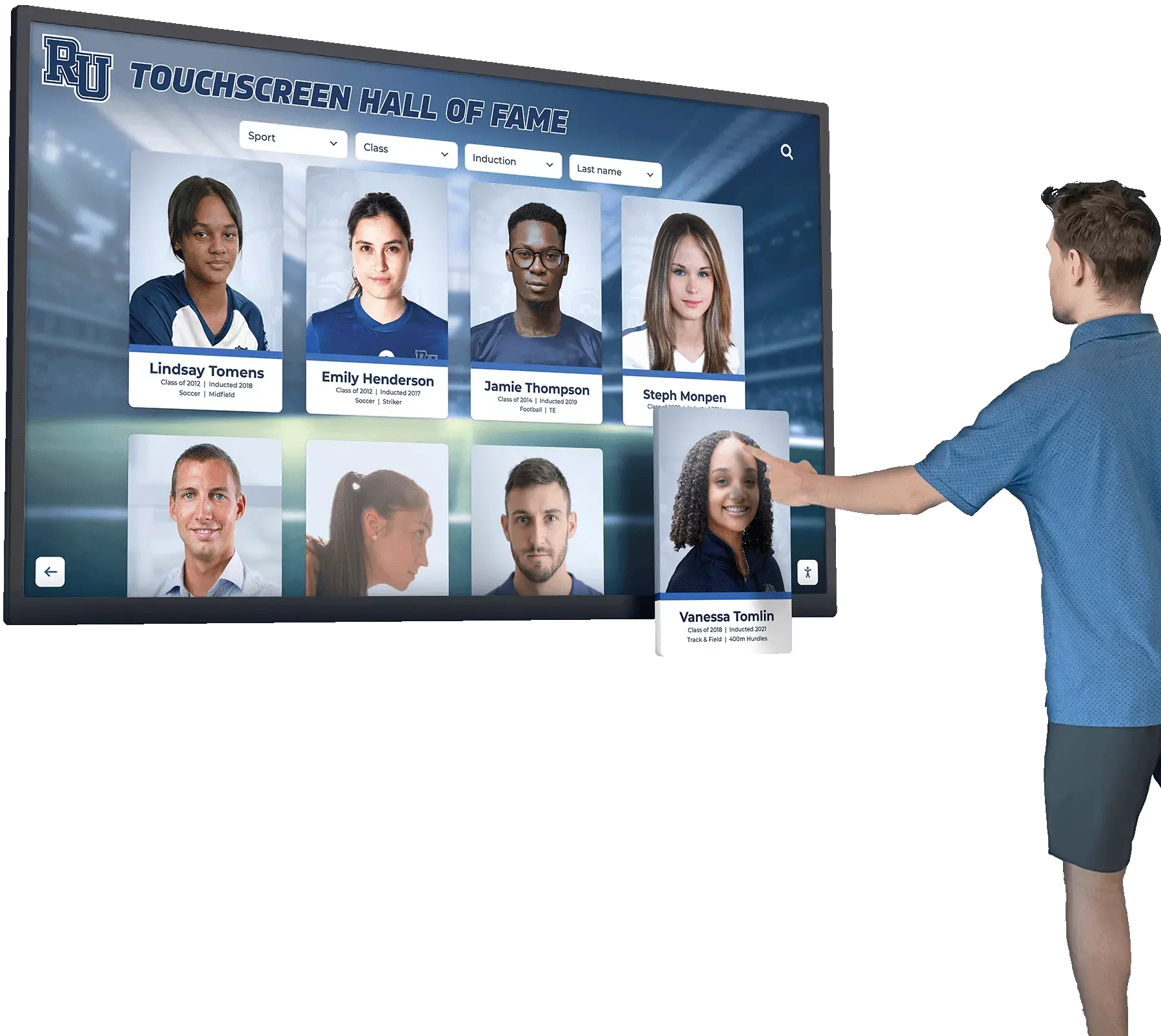
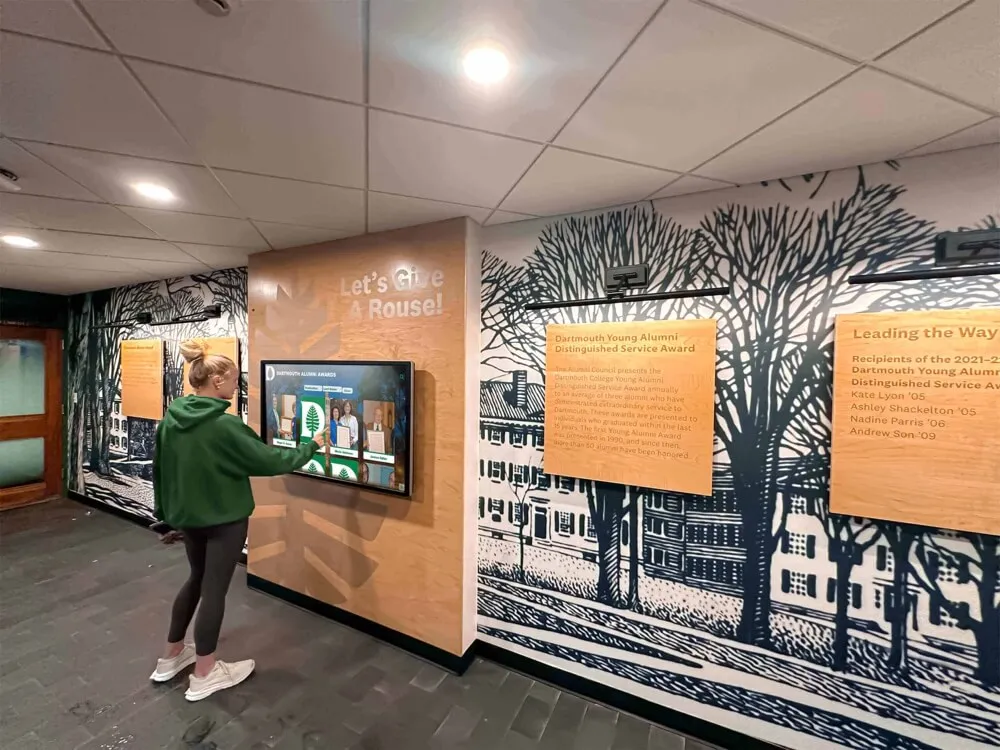
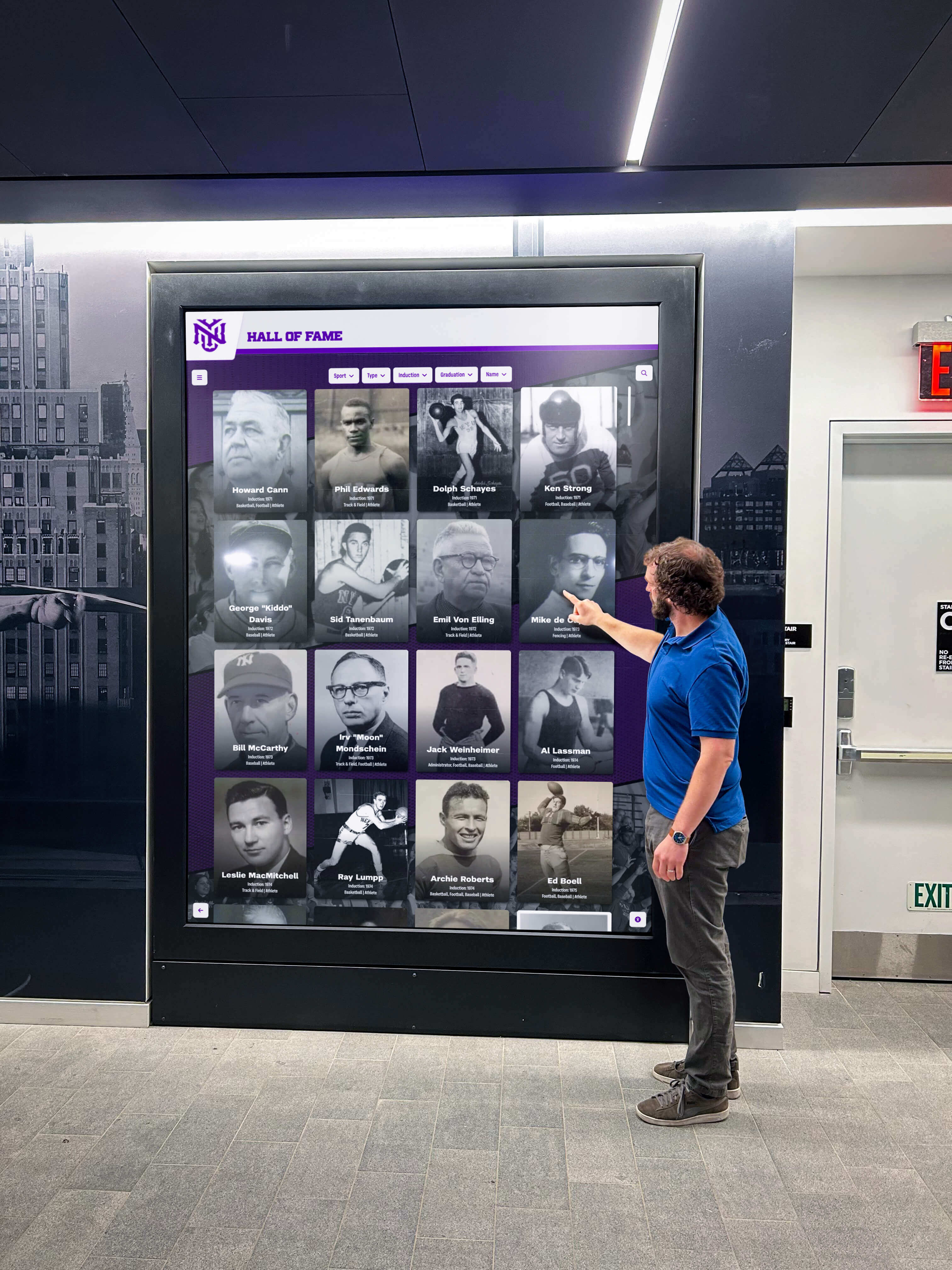
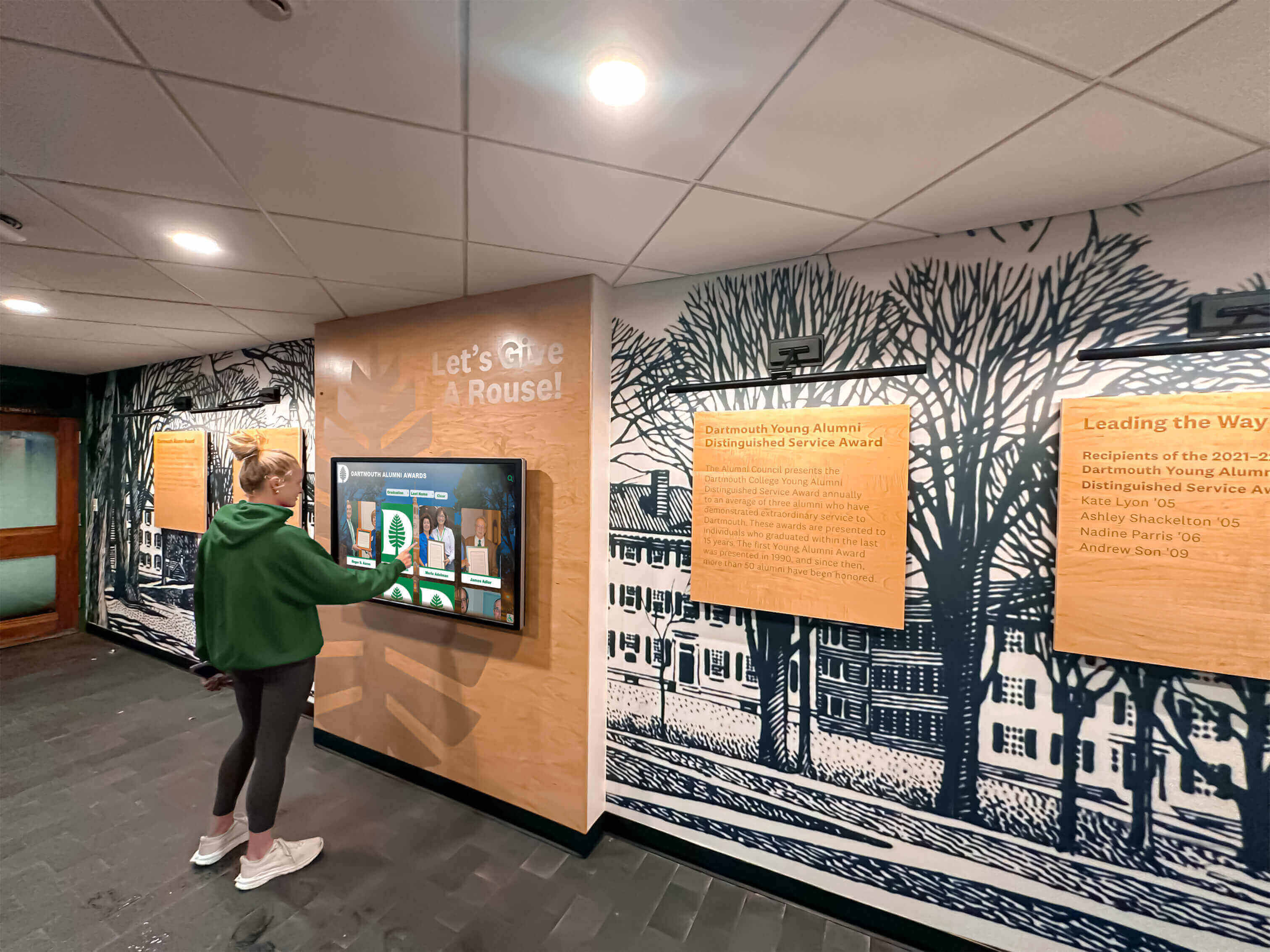
Installing interactive touchscreen displays within physical gallery spaces or art hallways creates compelling experiences connecting physical and digital presentation. Touchscreens enable browsing complete digital collections while viewing featured physical pieces, searching for specific artists or artistic styles, viewing process documentation and artist statements, watching time-lapse videos of artwork creation, and accessing related work by the same artist or theme.
This integration transforms static physical galleries into dynamic spaces where visitors can explore depths beyond what walls can hold, creating memorable experiences that passive viewing cannot match. Schools implementing interactive displays for student recognition report dramatically increased engagement and viewing time compared to traditional static displays.
QR Codes Linking Physical Artwork to Digital Profiles
Simple QR codes mounted beside physical artwork create seamless connections to digital content. Viewers scanning codes with smartphones access detailed artwork information and artist statements, complete student portfolios showing creative development, process documentation with photos or videos, related work exploring similar themes or techniques, and sharing options for social media distribution.
This low-cost integration dramatically improves physical displays by providing context and depth that label cards cannot communicate while driving traffic to comprehensive digital galleries where viewers discover additional student work.
Digital Displays in High-Traffic Locations
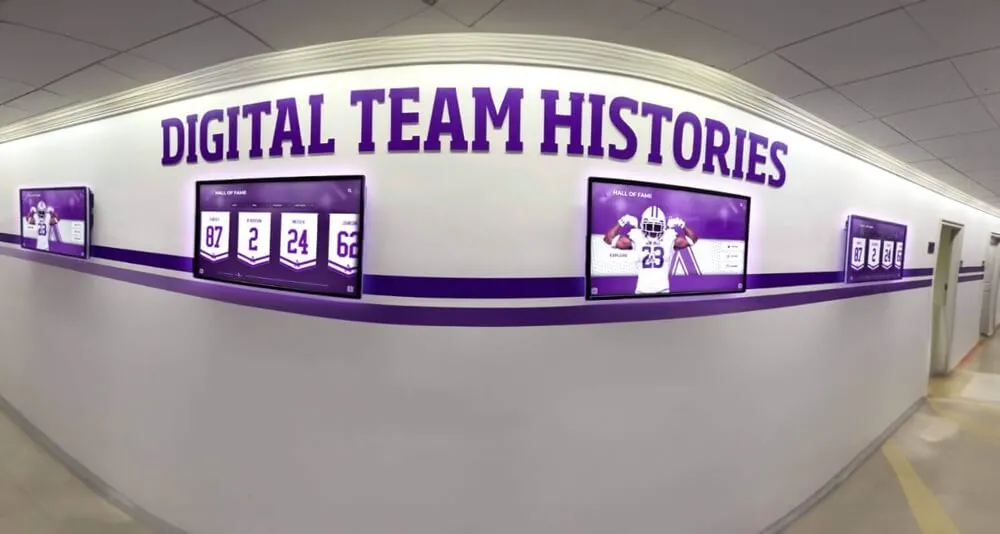
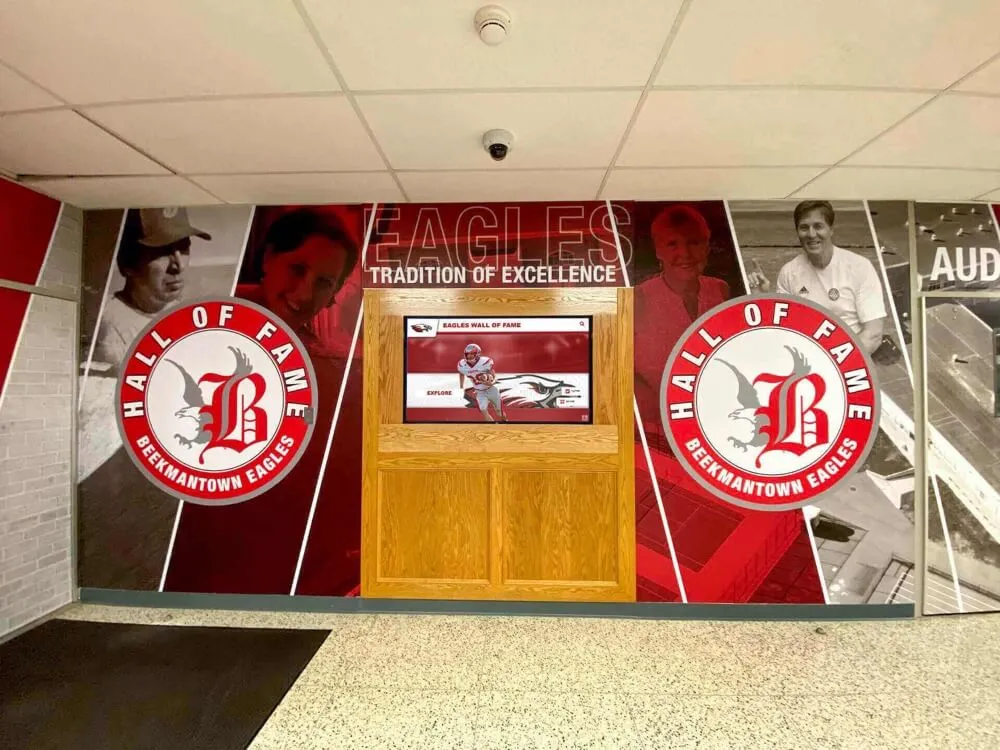
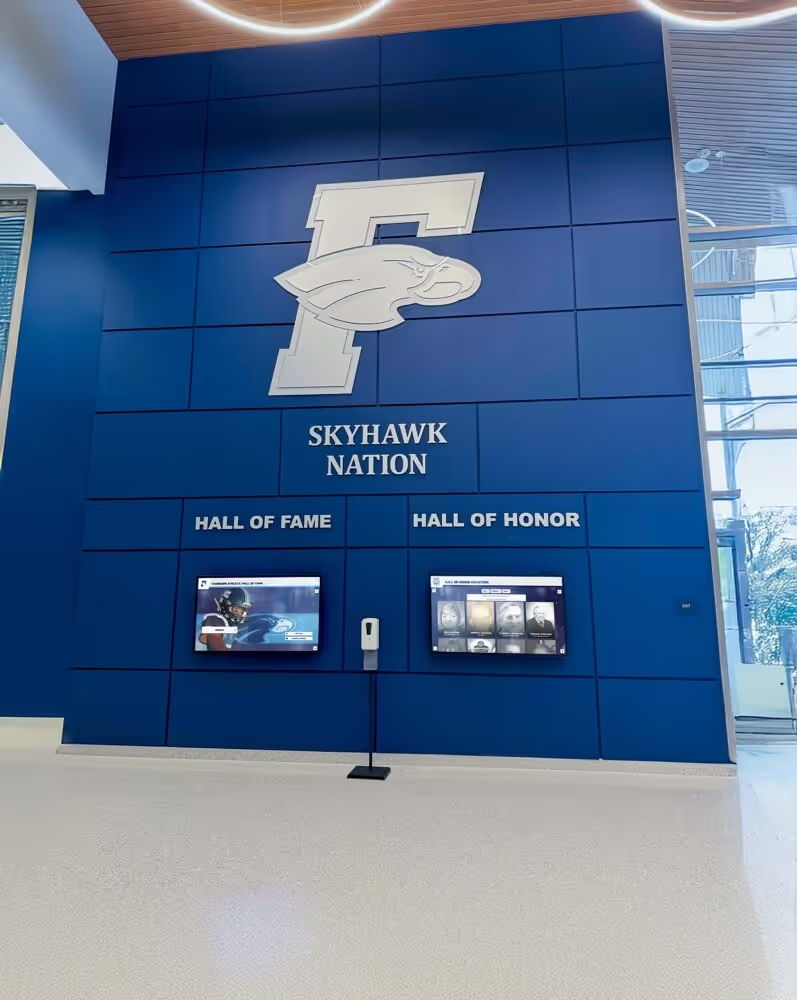
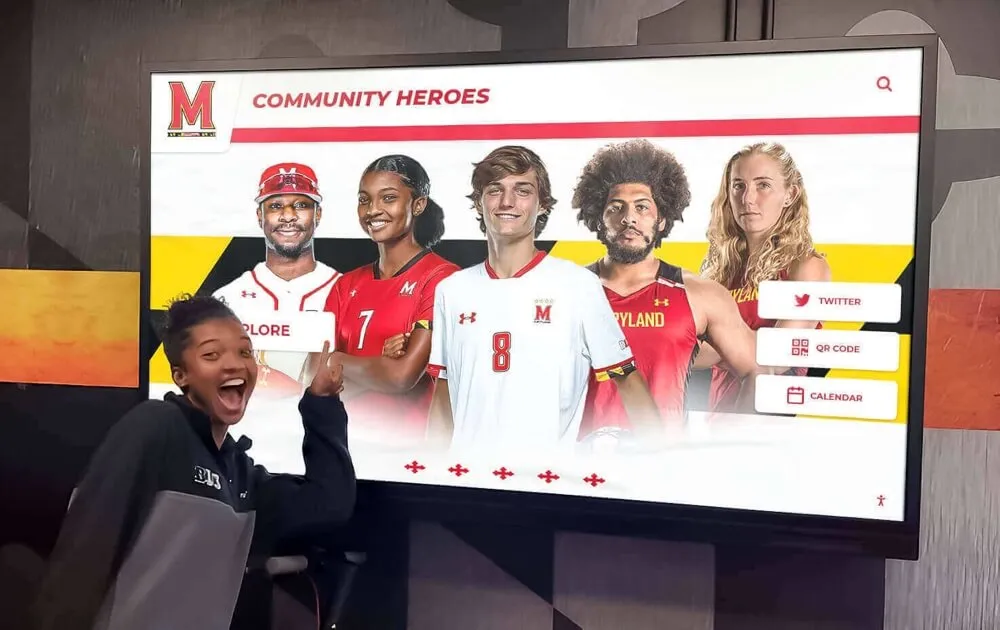
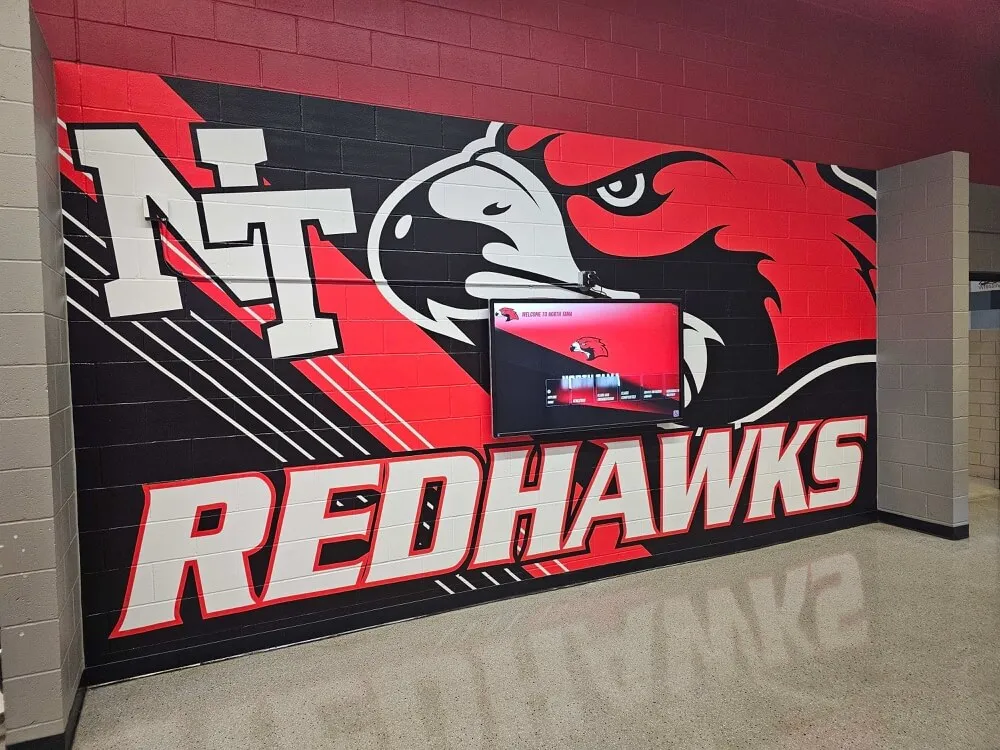
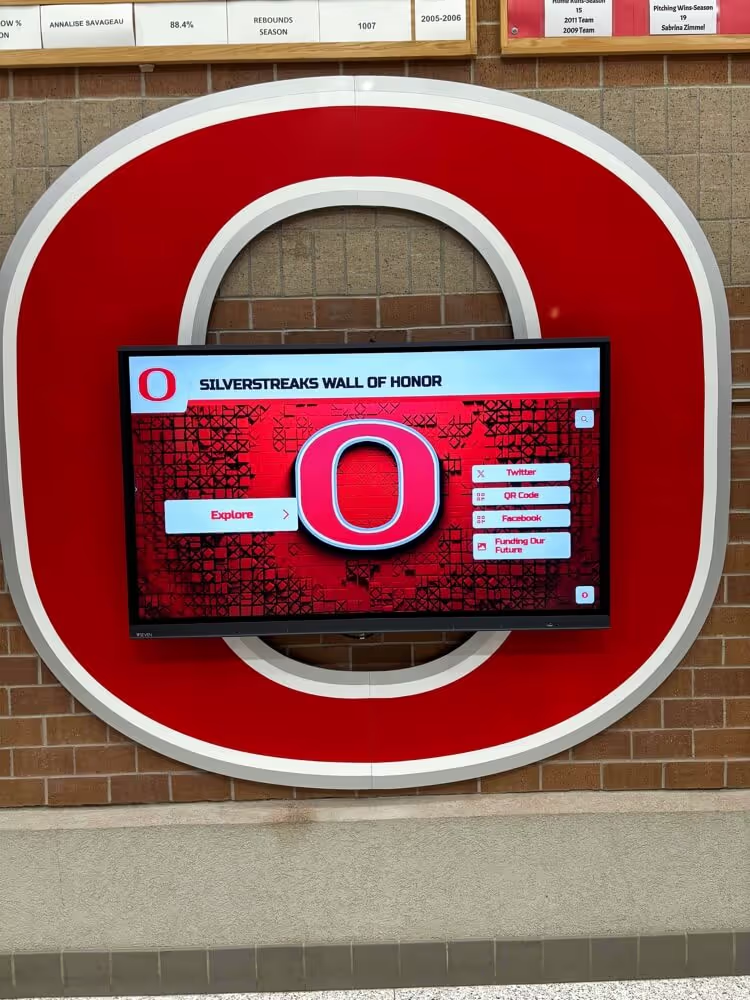
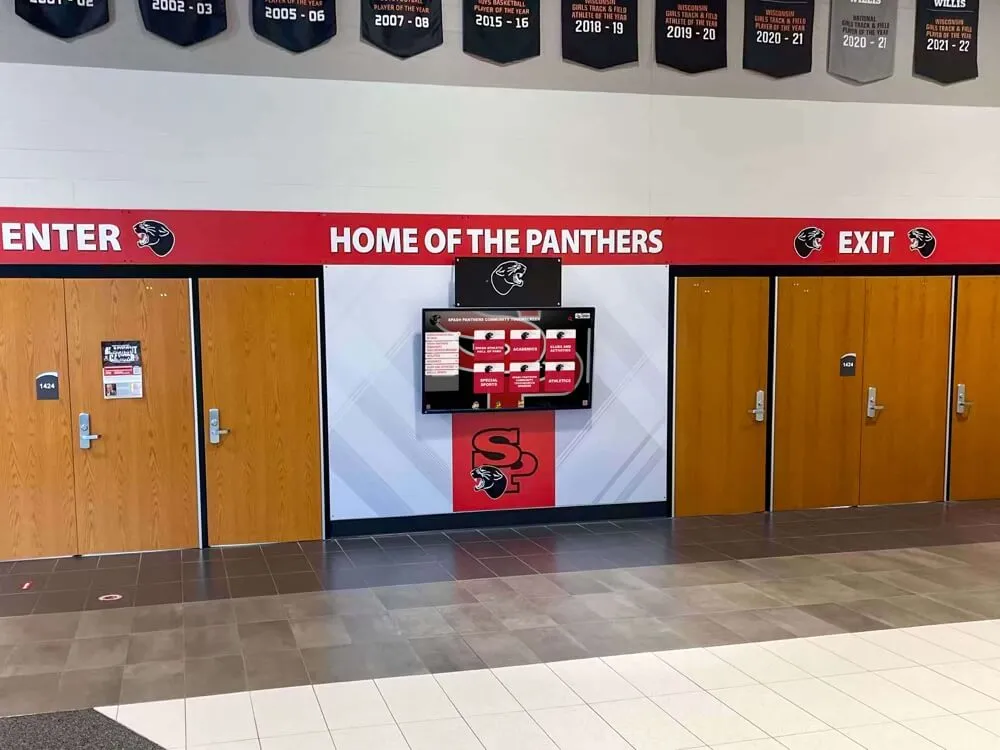
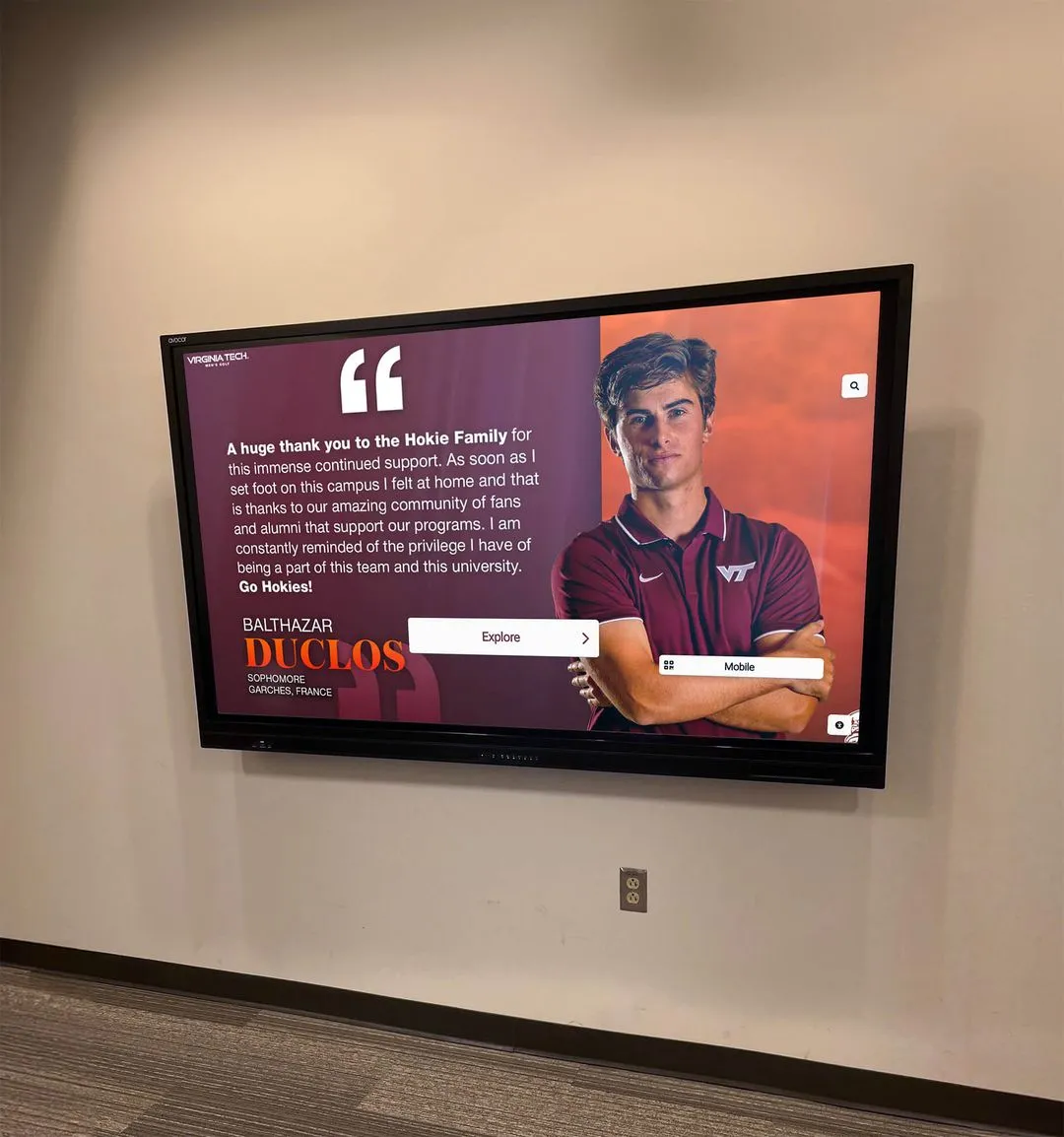
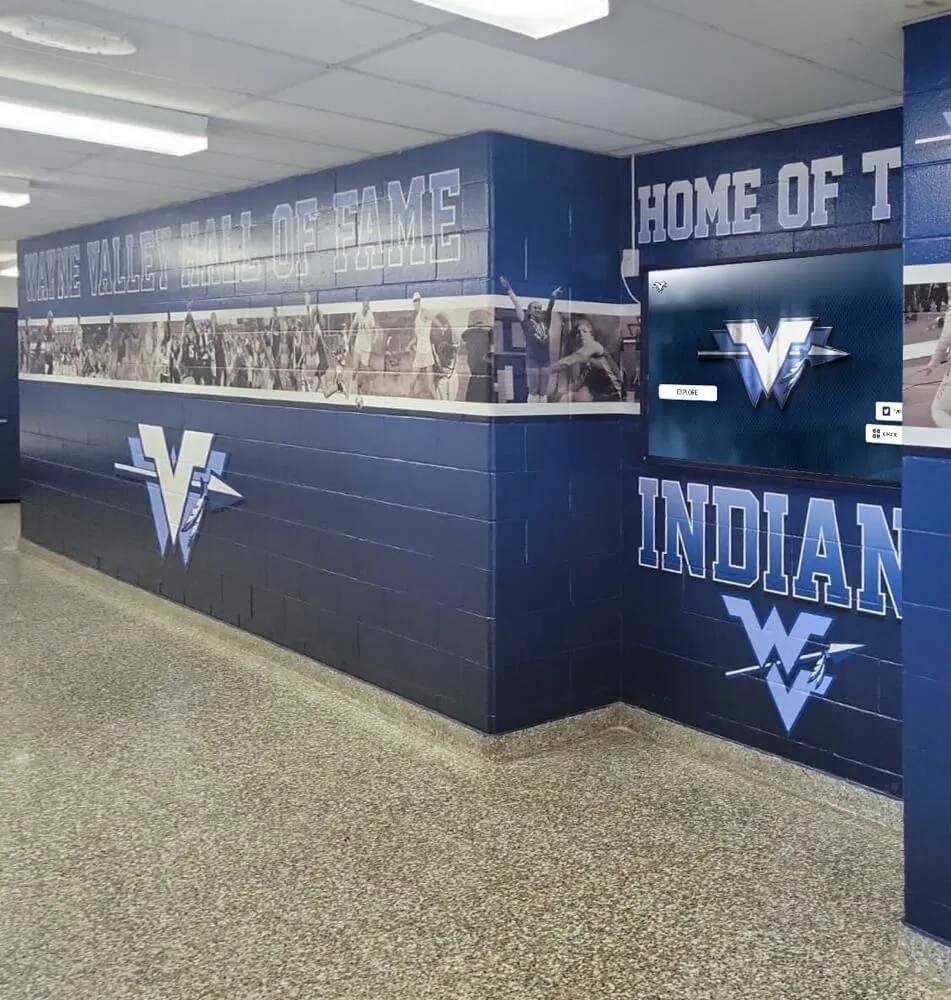
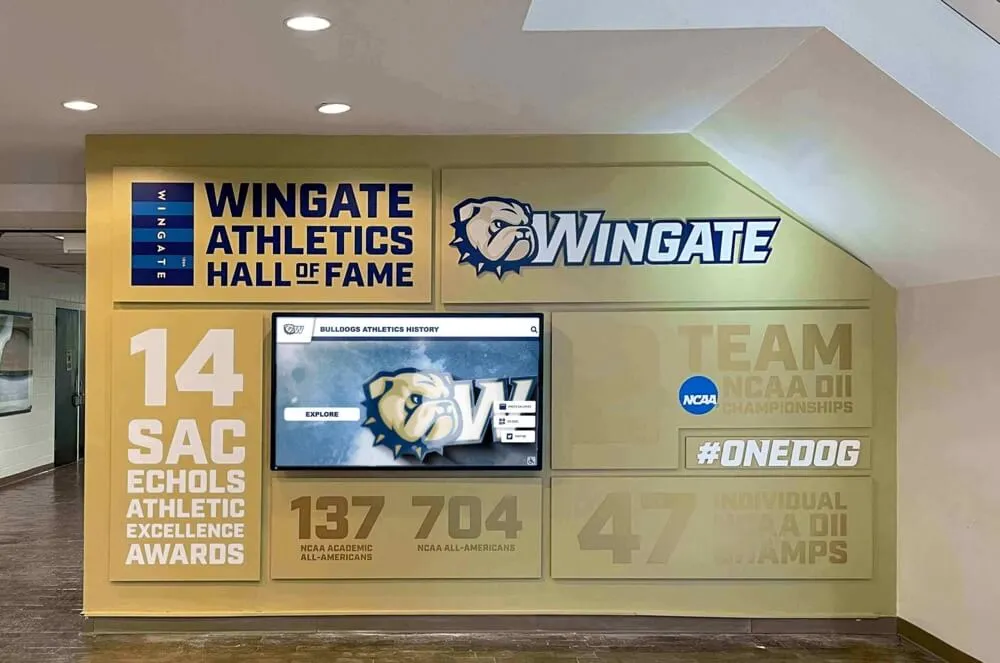
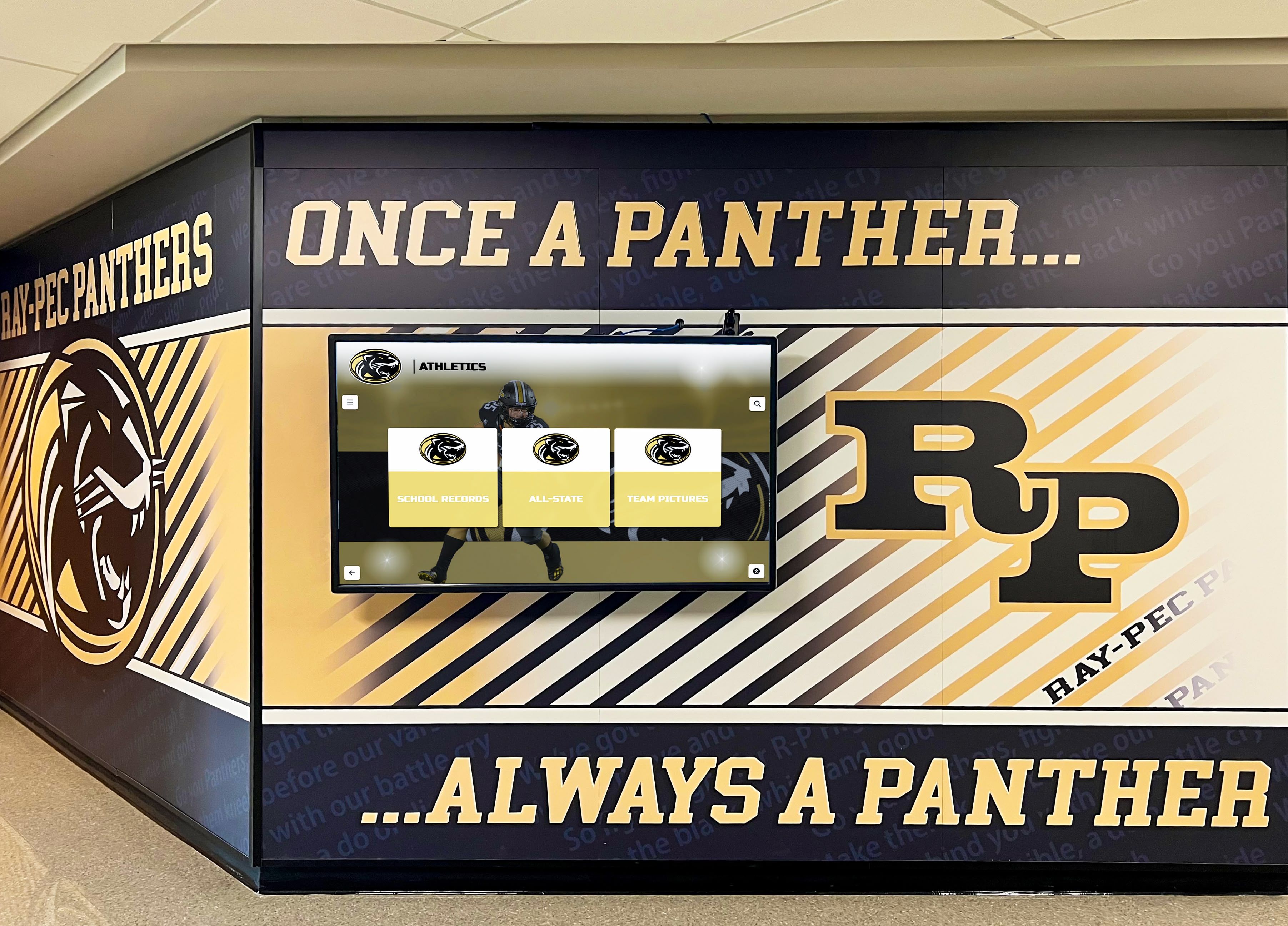
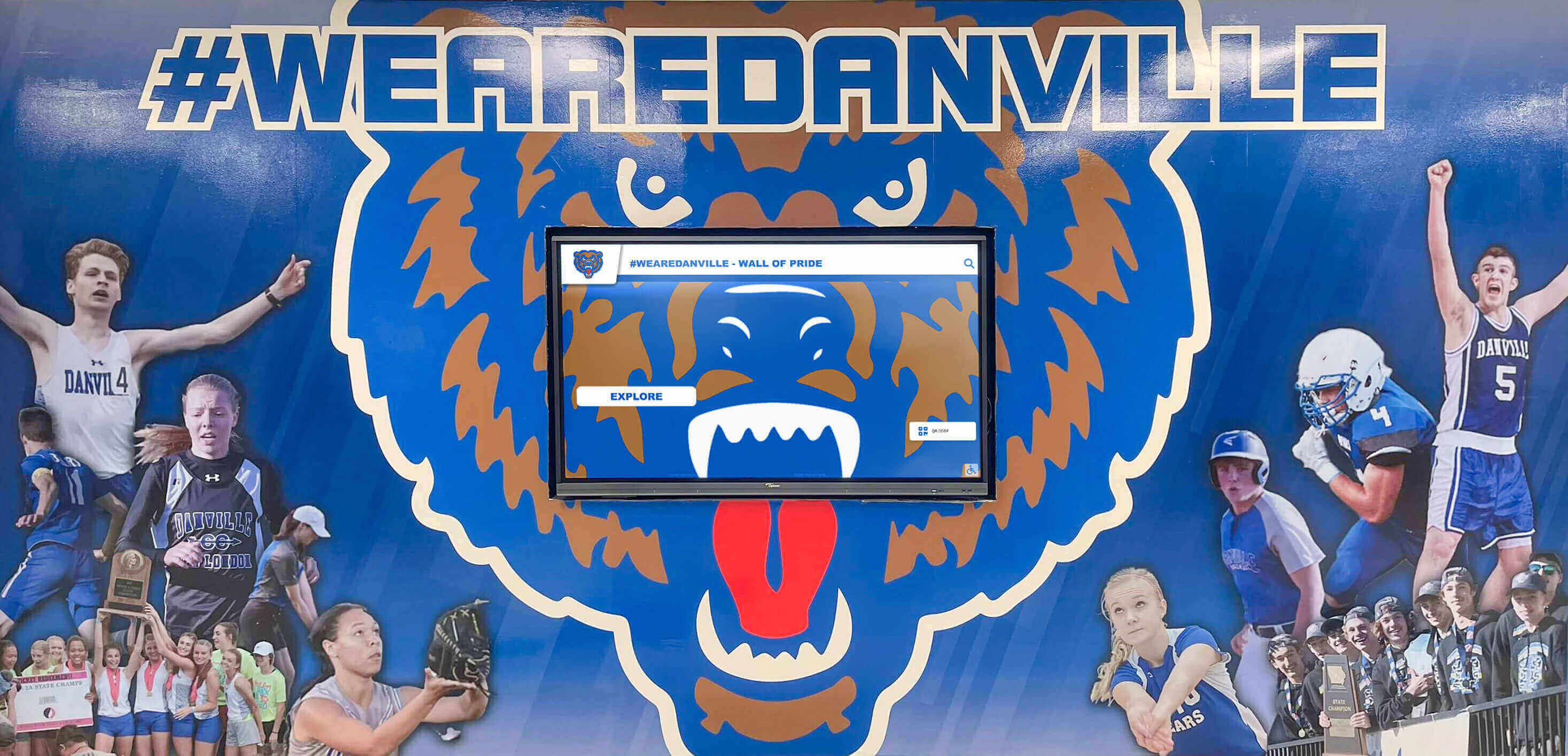
Wall-mounted digital displays or large touchscreens in school lobbies, cafeterias, or main hallways showcase rotating artwork slideshows, featured student profiles and portfolios, current gallery exhibitions and themes, artistic technique demonstrations, and upcoming arts events and opportunities. These displays bring art recognition to high-visibility locations where physical artwork installation might be impractical or where rotation frequency makes physical displays labor-intensive.
Digital screens provide flexible recognition platforms that art teachers update remotely without physical installation labor while ensuring prominent visibility during peak traffic periods like arrival, dismissal, lunch, and parent events.
Best Practices for Art Gallery Display Programs
Schools with successful art display programs—whether physical, digital, or hybrid—implement common best practices ensuring recognition serves educational goals effectively.
Establish Clear Recognition Objectives
Effective art display programs begin with defining specific goals the recognition should achieve. Common objectives include providing every student artwork with appropriate recognition, documenting creative development across student careers, building student confidence and motivation for continued artistic growth, demonstrating program quality to families and community, creating professional portfolio materials supporting college applications, and celebrating diverse artistic styles and approaches without privileged hierarchies.
Clear objectives guide decisions about display approaches, selection criteria, rotation schedules, and resource allocation while providing frameworks for evaluating program effectiveness.
Create Inclusive Recognition Systems
Art display programs should recognize diverse creative work rather than privileging particular styles, media, or ability levels. Inclusive recognition ensures all course levels from introductory to advanced receive display opportunities, diverse media including drawing, painting, sculpture, digital arts, photography, and mixed media get featured equally, various artistic approaches from representational to abstract receive recognition, and students at different skill levels see their creative growth valued appropriately.
Inclusivity requires intentional planning rather than assuming gallery-quality finished work represents the only art worth displaying. Process documentation, skill development evidence, creative experimentation, and personal expression all deserve recognition that validates student artistic exploration.
Implement Efficient Documentation Workflows
Systematic artwork documentation prevents bottlenecks that limit digital gallery effectiveness. Efficient workflows include designated photography stations with consistent lighting and backdrops, student responsibility for basic artwork photography using provided equipment, art teacher review and editing ensuring quality standards, organized digital asset management with clear naming conventions, and scheduled upload times integrating documentation into course structure rather than treating it as additional work.
When documentation becomes routine course practice rather than exceptional extra effort, comprehensive digital galleries become sustainable rather than overwhelming. Students likewise benefit from learning professional documentation practices relevant for college applications and artistic careers. These systematic approaches align with broader digital asset management strategies that help school districts preserve and showcase institutional history.
Provide Context Through Artist Statements
Artwork displayed without context loses much of its educational and emotional value. Artist statements accompanying displayed work provide critical information about creative intent and concept exploration, technical approaches and media choices, inspiration sources and artistic influences, challenges encountered during creative process, and personal growth and skill development. These statements transform passive viewing into meaningful engagement where audiences understand not just what they see but why artists made particular creative choices.
Digital platforms excel at presenting context that physical label cards cannot accommodate, enabling substantial artist statements, process documentation, and related work connections that deepen viewer understanding and appreciation.
Engage Families and Communities Actively
Art recognition creates maximum value when families and community members actively engage with student work. Effective connection strategies include regular email announcements featuring new digital gallery additions, social media highlights presenting exceptional or interesting work, family events like gallery receptions celebrating exhibitions, community exhibitions in local businesses or public spaces, and partnership with local arts organizations providing professional feedback. These connections extend recognition beyond school walls while demonstrating institutional commitment to arts education that builds community support for continued program investment.
Creating Virtual Gallery Exhibitions and Themes
Digital platforms enable curated virtual exhibitions exploring specific concepts, techniques, or themes without physical installation logistics.
Thematic Exhibition Ideas
Virtual exhibitions organized around themes provide focused exploration of artistic concepts while highlighting diverse creative approaches. Effective themes include self-portrait exploration showcasing identity and self-expression, perspective and spatial relationships demonstrating technical skill, color theory applications showing understanding of artistic principles, cultural traditions and heritage celebrating diversity, social commentary addressing contemporary issues, and nature and environment exploring natural world relationships.
Thematic exhibitions can remain accessible indefinitely in digital galleries while physical spaces rotate to new content, creating permanent collections that grow over years as new student work explores recurring themes from fresh perspectives.
Medium-Specific Collections
Organizing virtual galleries by artistic medium creates specialized collections demonstrating technical skill development in particular approaches. Medium collections include drawing and sketching galleries, painting collections in various media, sculpture and three-dimensional work, digital arts and graphic design, photography portfolios, and ceramics and functional art. This organization helps viewers appreciate medium-specific techniques and challenges while allowing students to benchmark their work against others exploring the same materials and methods.
Student Portfolio Features
Virtual galleries enable featuring individual student portfolios showing creative development across time. Portfolio presentations include chronological arrangement showing skill progression, technical evolution across different media and approaches, thematic consistency or exploration patterns, artistic voice development and personal style emergence, and capstone project documentation for graduating seniors. These comprehensive student features provide recognition impossible through physical displays limited to single pieces, celebrating sustained creative growth rather than isolated artworks.
Collaborative Project Showcases
Many art programs include collaborative projects creating murals, installations, or group works. Digital galleries provide ideal platforms for documenting collaborative work through comprehensive photography from multiple angles, individual contribution documentation showing each participant’s role, creative process timeline with work-in-progress documentation, final installation documentation including context and location, and participant reflections on collaboration experience. This documentation preserves collaborative work that often exists temporarily in specific locations before dismantling or alteration.
Measuring Art Gallery Program Effectiveness
Strategic schools evaluate art display program effectiveness systematically, using data to refine approaches and maximize student benefit.
Quantitative Success Metrics
Important quantitative measures include percentage of student artwork receiving recognition, digital gallery traffic and engagement statistics, family access rates and viewing patterns, physical gallery visitor counts, and student participation rates in arts courses. Tracking these metrics year-over-year reveals whether recognition programs serve students effectively and engage intended audiences.
Qualitative Assessment Approaches
Beyond numbers, qualitative feedback provides insights into recognition program impact. Useful qualitative measures include student surveys on motivation and confidence effects, family feedback on engagement and access, teacher observations of student response to recognition, external evaluator reviews of program quality, and comparison with similar institutions’ approaches. This feedback reveals recognition program strengths and areas requiring improvement.
Portfolio Development Outcomes
Effective art recognition programs support student portfolio development for college applications and scholarship competitions. Track outcomes including percentage of art students developing comprehensive portfolios, college admission rates for arts program applicants, scholarship awards for artistic achievement, and student feedback on portfolio preparation support. These measures demonstrate whether recognition programs provide practical benefits beyond emotional validation.
Technology Considerations for Digital Art Galleries
Schools implementing digital art gallery systems should understand technical requirements and selection criteria ensuring successful outcomes.
Platform Selection Criteria
Effective digital gallery platforms provide user-friendly content management requiring no technical expertise, high-resolution image support capturing artwork detail, flexible organization by student, course, medium, or theme, search functionality enabling quick artwork discovery, access control managing privacy and permissions, mobile responsiveness for viewing on any device, and integration capabilities with school systems.
Platforms specifically designed for educational recognition like Rocket Alumni Solutions understand school needs better than generic gallery software, providing features supporting recognition objectives while simplifying administrative requirements. The comprehensive guide to digital art galleries for schools provides detailed comparison frameworks for platform evaluation.
Photography and Image Management
Quality digital galleries require quality artwork photography. Essential considerations include consistent lighting eliminating shadows and glare, neutral backgrounds preventing visual distraction, high-resolution cameras capturing detail and color accuracy, color calibration ensuring accurate reproduction, and efficient workflow minimizing teacher time requirements. Many schools train student photography assistants or integrate documentation into course curricula, creating sustainable processes rather than burdening art teachers with photography responsibilities.
Hardware for Interactive Displays
Schools installing physical touchscreen displays should consider commercial-grade touchscreens designed for high-use environments, screen sizes appropriate for viewing distance and space, mounting solutions ensuring security and proper ergonomics, connectivity supporting content updates, and warranty and support services ensuring long-term operation. Typical installations range from $3,000-$8,000 for single touchscreen systems to $15,000-$30,000 for networked multi-display installations.
Privacy and Permissions Management
Student artwork recognition requires careful privacy management. Essential practices include obtaining parent permission for public display, student control over artwork sharing preferences, secure access requiring authentication for some content, FERPA compliance protecting student information, and clear policies addressing content removal requests. Platforms designed for schools include built-in permission management ensuring compliance with educational privacy requirements.
Funding Art Gallery Display Programs
Creating comprehensive art recognition programs requires investment that many art departments struggle to secure from general operating budgets.
Budget Planning and Cost Analysis
Typical digital art gallery investments include platform subscriptions or licenses at $2,000-$8,000 annually, photography equipment and lighting at $1,000-$3,000, physical touchscreen displays at $3,000-$8,000 per unit, installation and setup services at $2,000-$5,000, and training and ongoing support costs. Compare these investments against ongoing physical display costs including bulletin board supplies and replacement, mounting materials and tools, dedicated gallery space maintenance, and teacher time for installation and rotation labor.
Many schools discover digital investments achieve break-even within 2-3 years while providing capabilities physical displays cannot match.
Funding Sources and Strategies
Common funding sources for art gallery systems include parent-teacher organization support, arts program boosters and foundations, local arts council grants, corporate sponsorships with on-screen recognition, facilities improvement allocations, school improvement grants, and crowdfunding campaigns engaging community support. Present proposals demonstrating comprehensive student recognition benefits, long-term cost advantages, family engagement improvements, and college preparation support to build compelling cases for investment.
Phased Implementation Approaches
Schools with limited budgets can implement digital galleries in phases spreading costs over multiple years. Start with digital-only web galleries requiring minimal investment, add single touchscreen display in high-traffic location, expand to additional displays in art wing or classrooms, and integrate with school-wide recognition platforms recognizing multiple achievement types. Phased approaches provide immediate recognition benefits while building toward comprehensive systems as resources allow.
Integrating Art Recognition with Broader School Programs
Art gallery displays work best when integrated with comprehensive school recognition and communication strategies rather than existing in isolation.
Multi-Achievement Recognition Platforms
The same digital display technology supporting art galleries can recognize athletic achievements with interactive record boards, academic honors through honor roll and scholar displays, performing arts with concert and theater documentation, service learning showcasing community contributions, and student leadership highlighting student government and activities. Integrated platforms like Rocket Alumni Solutions provide unified recognition systems celebrating diverse forms of student excellence while maximizing technology investment through comprehensive utilization.
This integration demonstrates institutional commitment to valuing multiple achievement types rather than privileging particular activities, creating inclusive recognition cultures where all students see their contributions matter. Comprehensive approaches to outstanding student recognition celebrate achievements across athletic, academic, artistic, and service domains equally.
Communications and Marketing Integration
Art gallery content provides valuable material for school communications and marketing including social media posts featuring student work, newsletter highlights celebrating creative achievement, website content showcasing program quality, promotional materials for prospective families, and donor communications demonstrating program impact. Digital galleries become content libraries supporting year-round communications while providing ongoing recognition value beyond immediate display periods.
Alumni Engagement Applications
Schools maintaining digital art galleries for years accumulate valuable historical collections documenting program evolution and alumni creative development. These archives create powerful alumni engagement tools allowing graduated artists to revisit their student work, showcase creative career paths from high school origins, and contribute professional insight mentoring current students. Alumni who find their work preserved and valued years after graduation develop stronger institutional connections that translate to ongoing support and engagement. The approaches to celebrating alumni achievements provide frameworks for long-term recognition programs maintaining connections across decades.
Supporting Arts Education Through Effective Recognition
Comprehensive art gallery displays do more than showcase completed work—they fundamentally support arts education by validating creative work as valuable achievement, motivating continued artistic exploration and skill development, building confidence that encourages creative risk-taking, documenting growth demonstrating educational effectiveness, and engaging communities building support for arts programs.
When students see their creative work recognized as comprehensively as athletic or academic achievements, they understand schools genuinely value diverse talents. When families can access student artwork remotely and share accomplishments with extended networks, arts education gains visibility that builds community appreciation. When alumni discover their student work preserved and accessible years later, they recognize institutional commitment to artistic legacy extending beyond semester grades.
The transition from temporary bulletin boards and limited physical galleries to comprehensive digital recognition represents more than convenient technology adoption—it represents fundamental commitment to honoring creative achievement with the permanence and accessibility that all forms of excellence deserve. Every student deserves recognition for creative efforts. Every artwork contributes to individual growth and collective school culture. Creating systems that make this comprehensive recognition practical and sustainable strengthens arts education while building communities that value creativity alongside other forms of achievement.
Ready to enhance your art class gallery displays with modern recognition solutions that celebrate every student’s creative journey? Explore how digital recognition platforms can transform your school’s approach to showcasing student artwork while providing lasting value for your entire community.