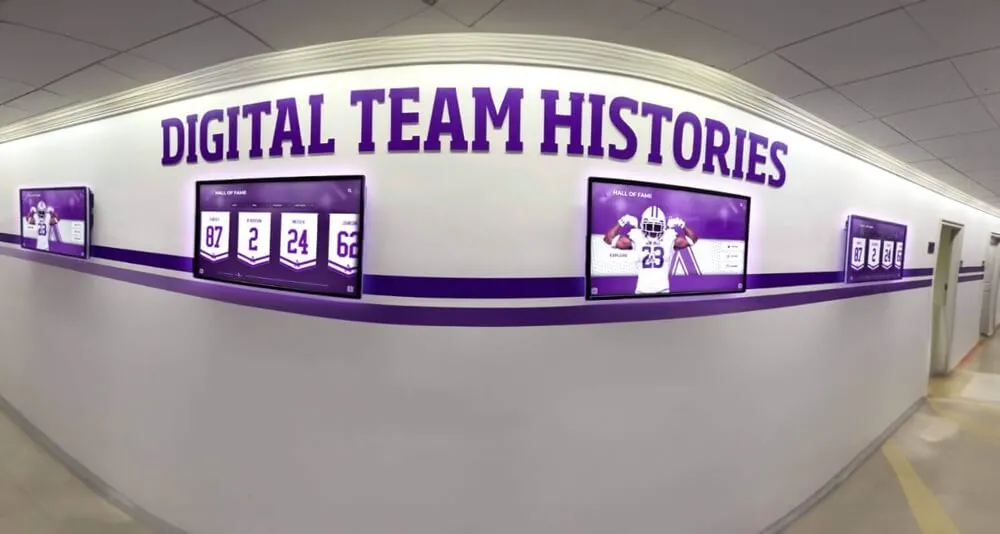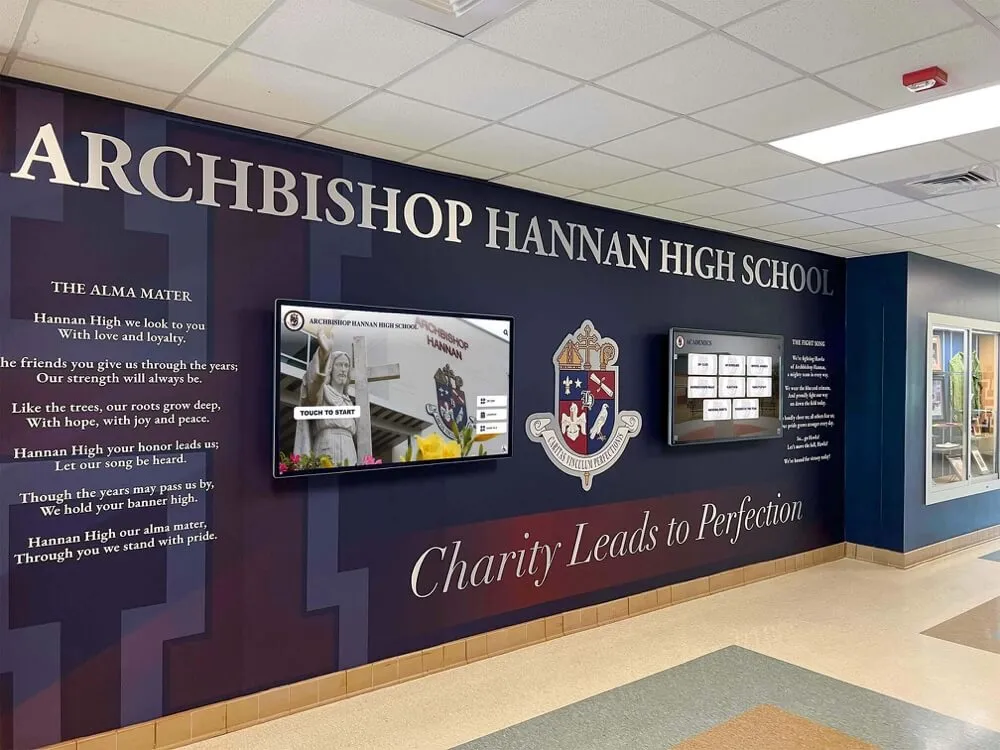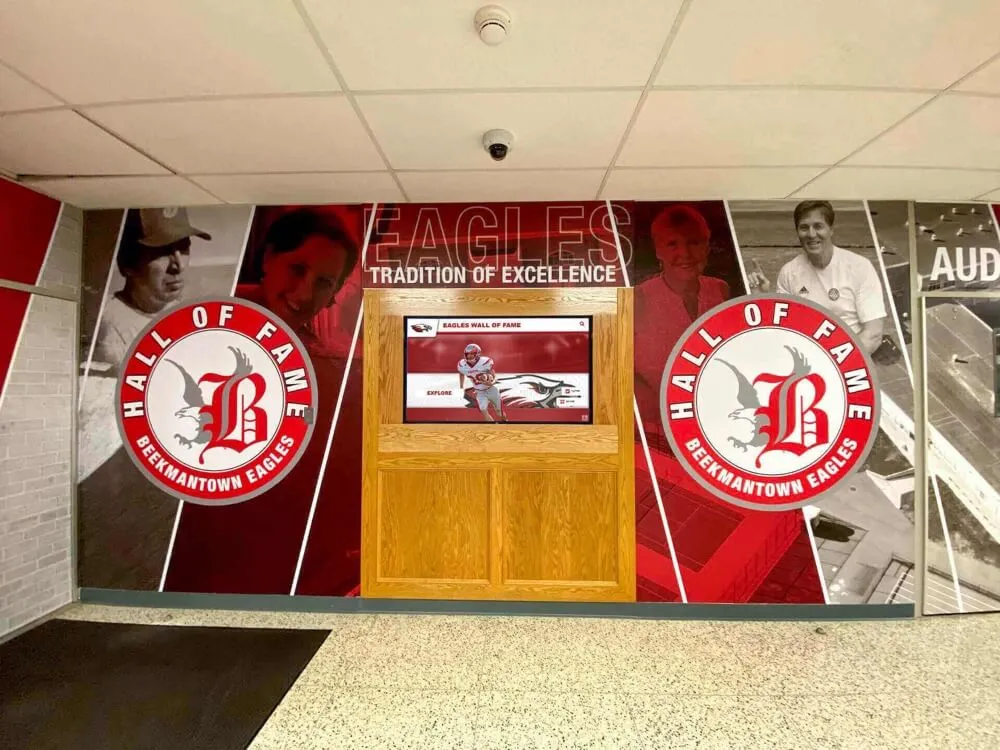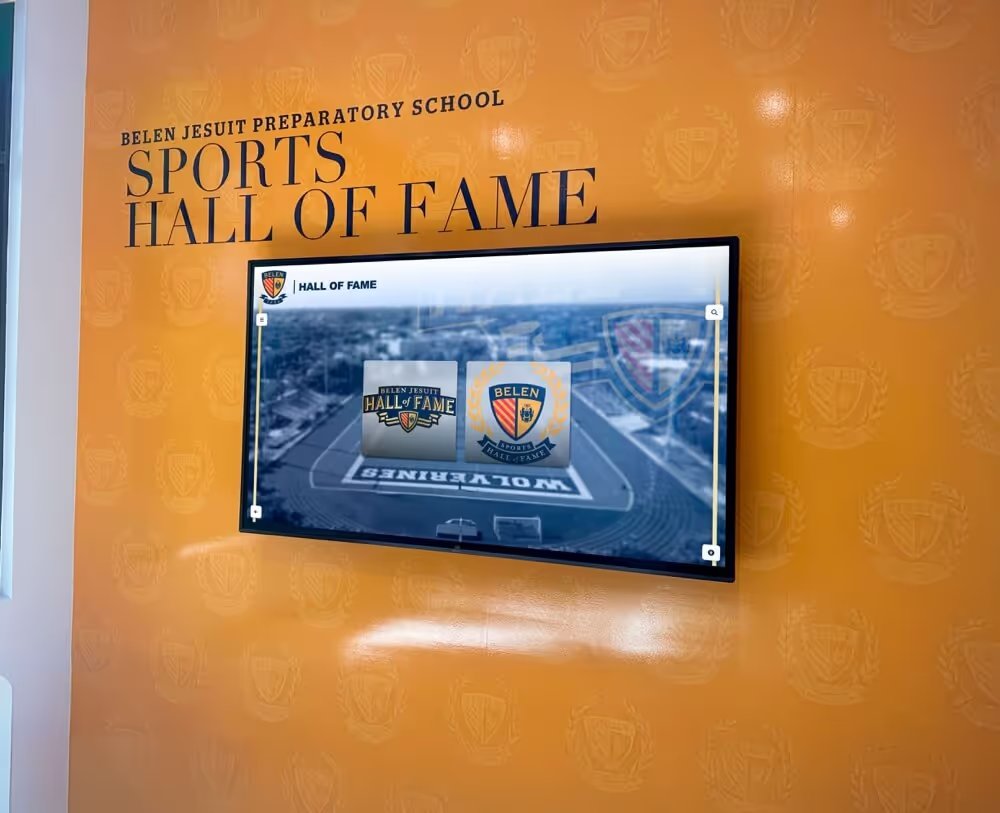




Annual 5K fundraiser events represent meaningful revenue streams for schools while bringing together students, families, alumni, and community members around shared athletic participation and charitable goals. These events raise thousands of dollars supporting athletics programs, facility improvements, scholarships, and operational needs—all while building school spirit and strengthening community bonds.
Yet most schools treat each year’s 5K as a standalone event, focusing exclusively on current registration, day-of logistics, and immediate financial results. When the race concludes and participants go home, event history disappears until planning begins for next year’s edition. Previous years’ winners fade from memory. Sponsors who supported events financially receive brief day-of recognition before their contributions are forgotten. Volunteers who dedicated hours to successful execution receive minimal acknowledgment.
This approach misses substantial opportunities to maximize 5K fundraiser value beyond single-day participation. Schools can showcase complete event history year over year, maintain permanent race leaderboards celebrating top finishers across multiple years, provide sponsors ongoing visibility linking their support to your website and extending recognition far beyond race day, create donor recognition walls acknowledging all participants and contribution levels, spotlight volunteers whose dedication makes events possible, and maintain photo galleries from each year’s event preserving memories and demonstrating event growth and community engagement.
Why Year-Round 5K Event Recognition Matters
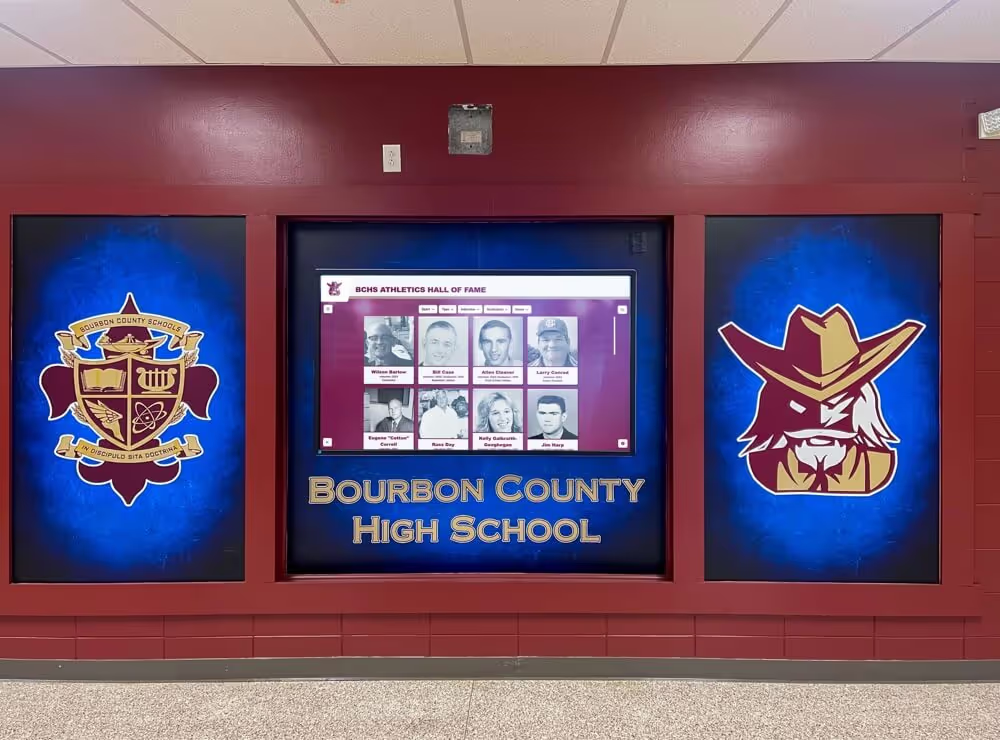
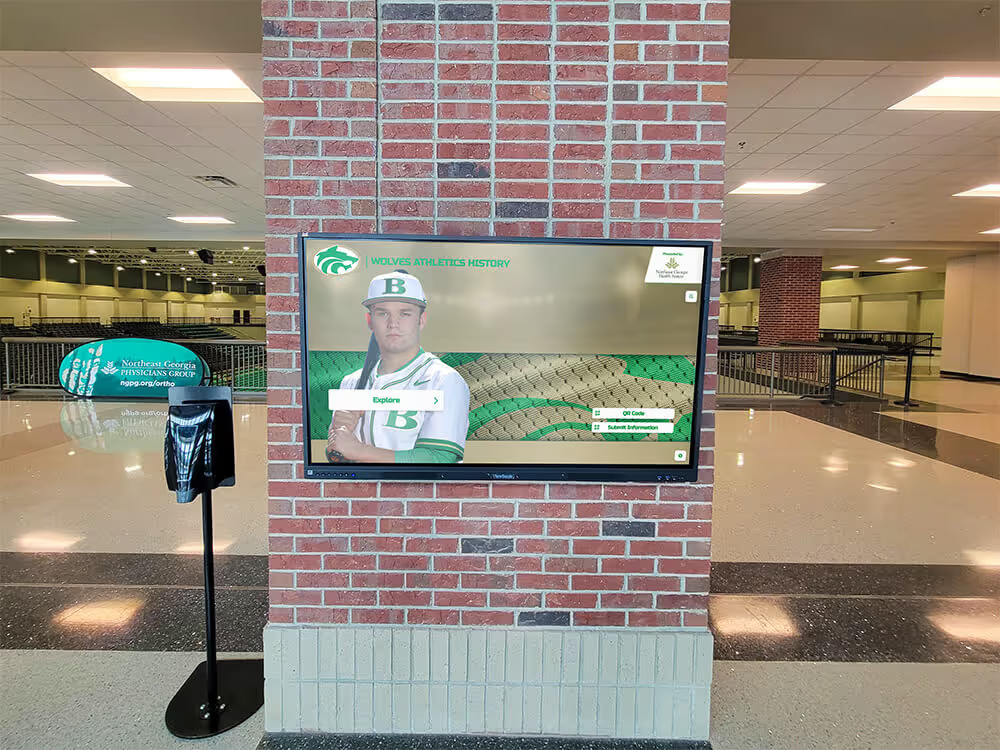
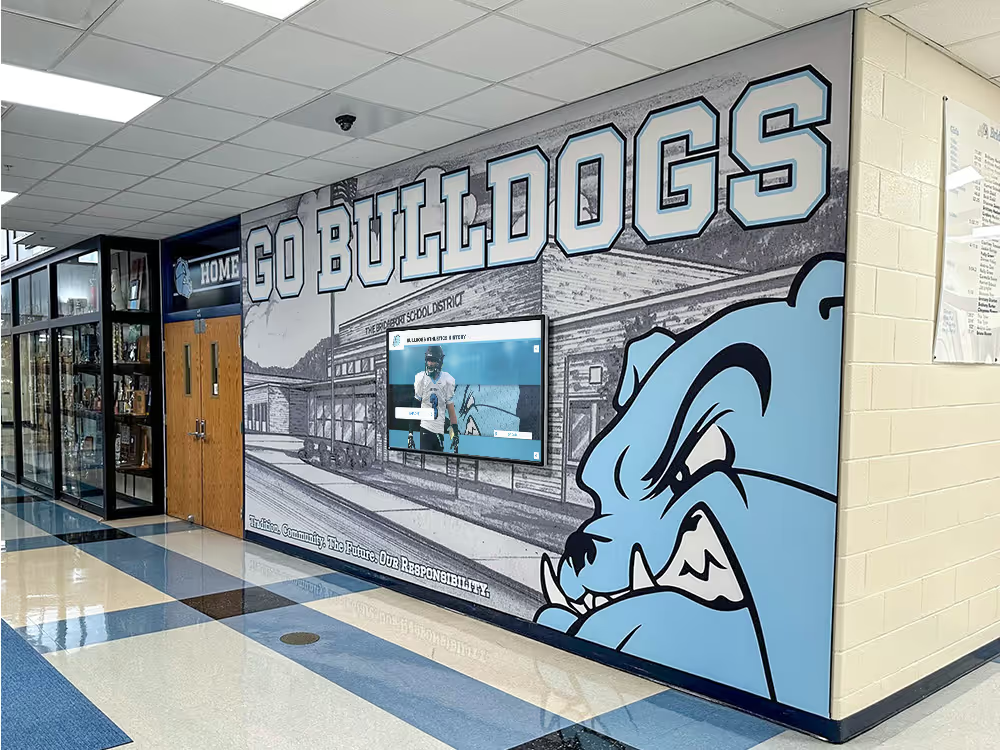
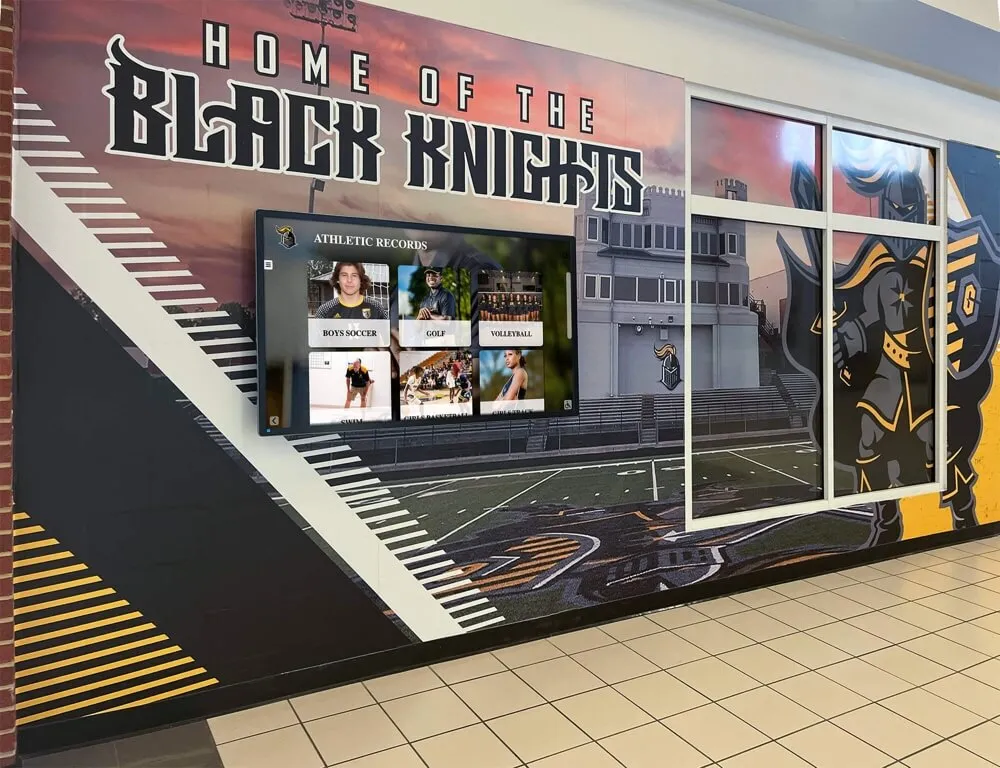
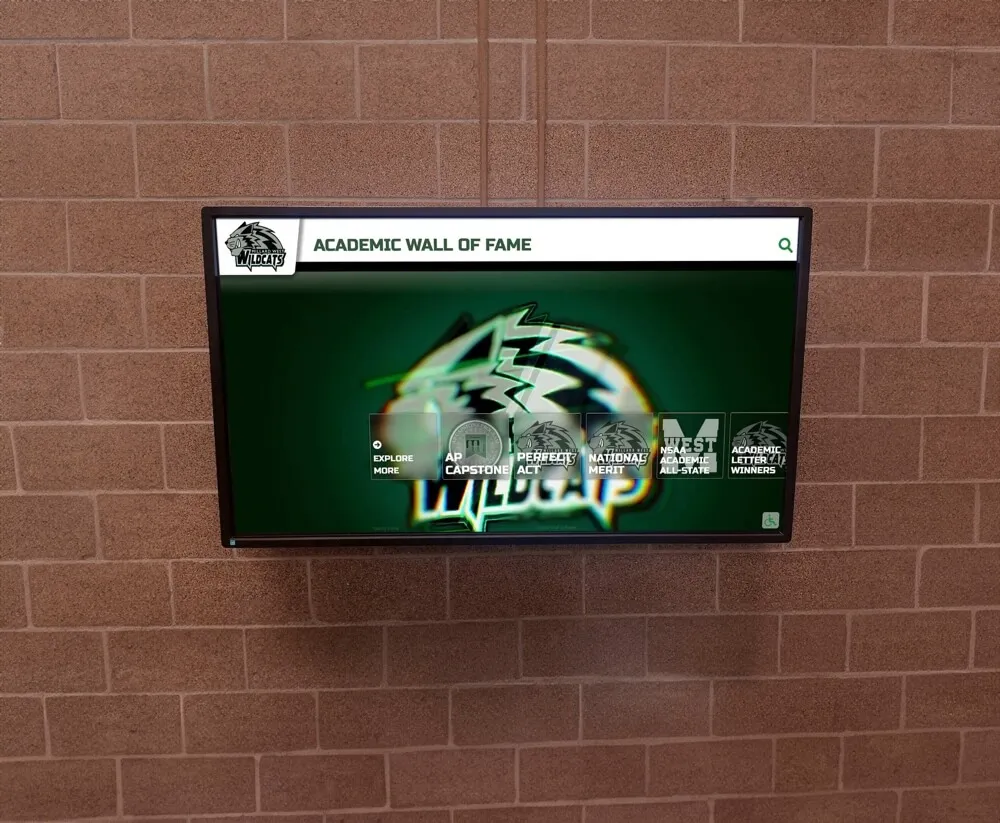
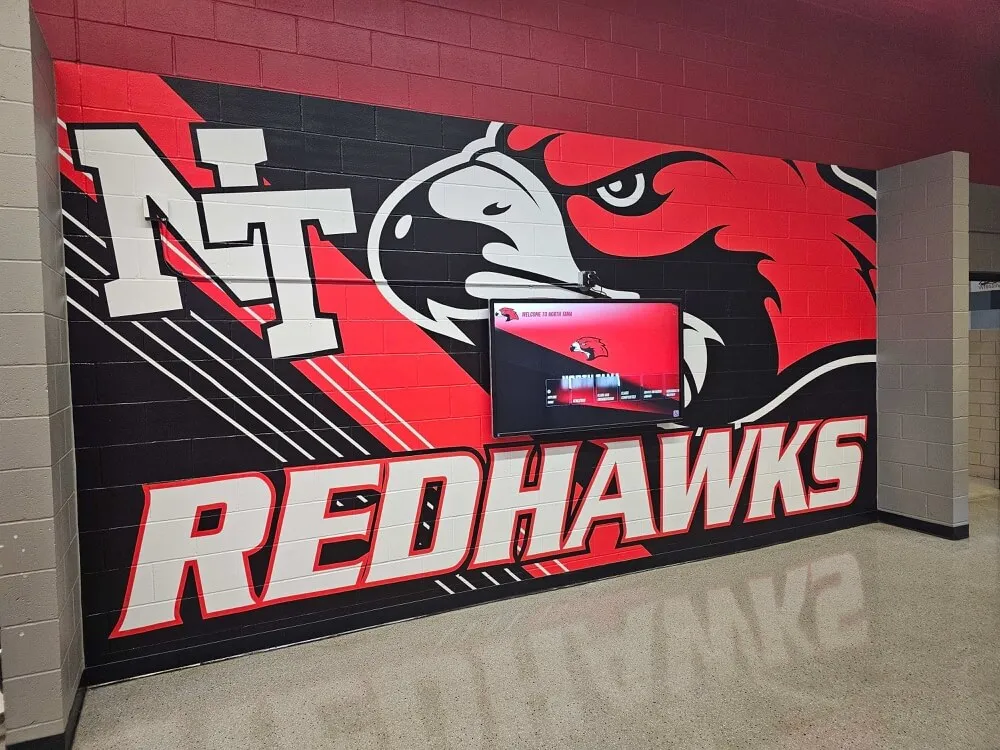
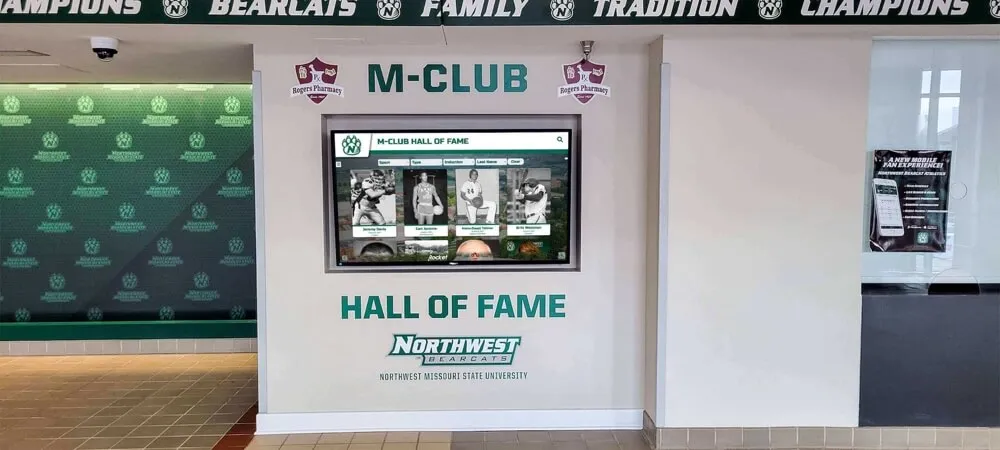
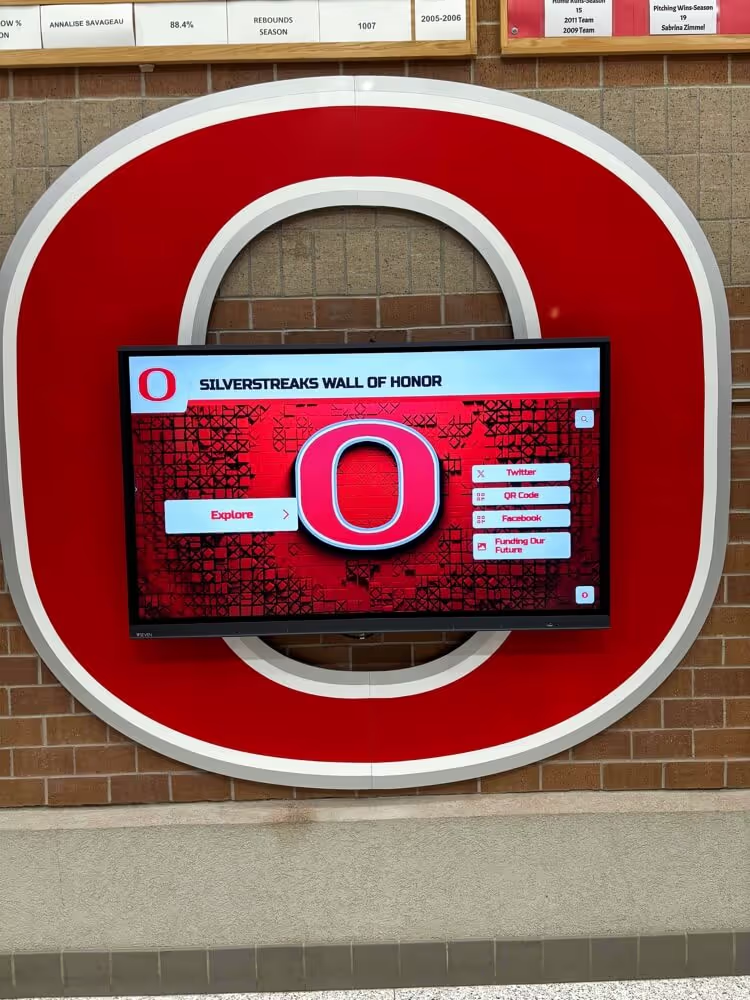
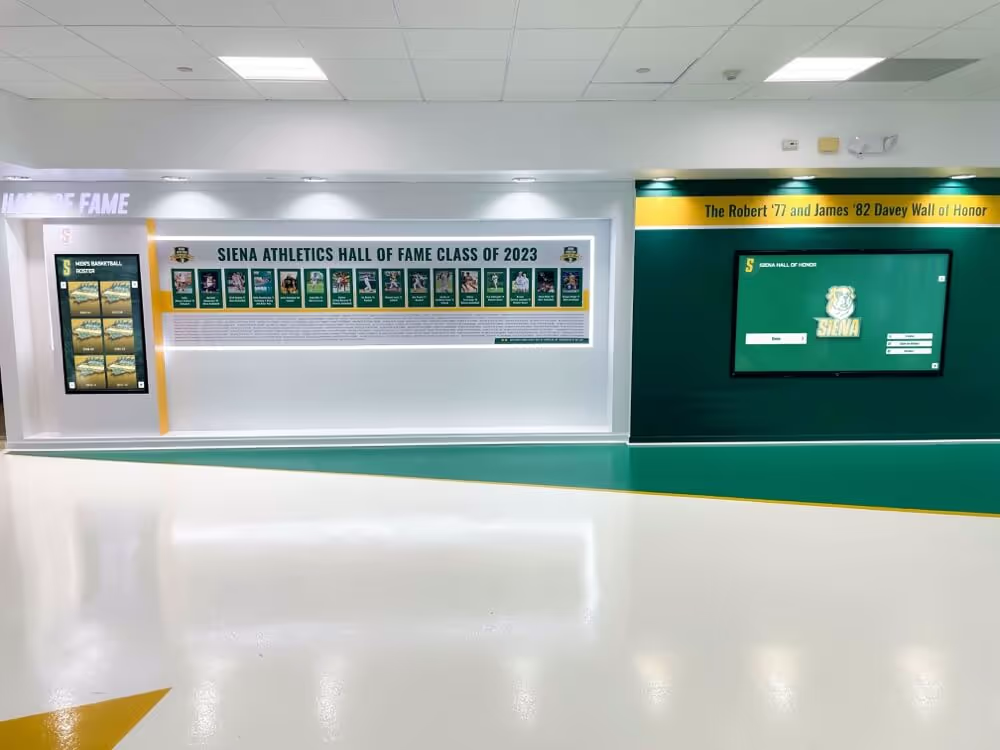
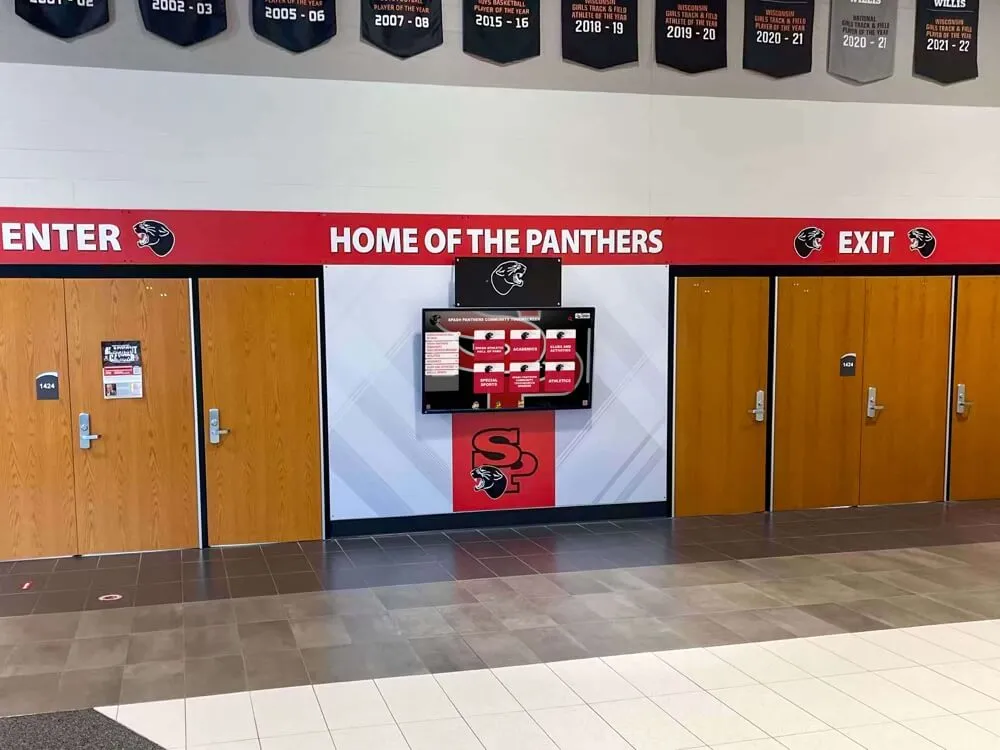
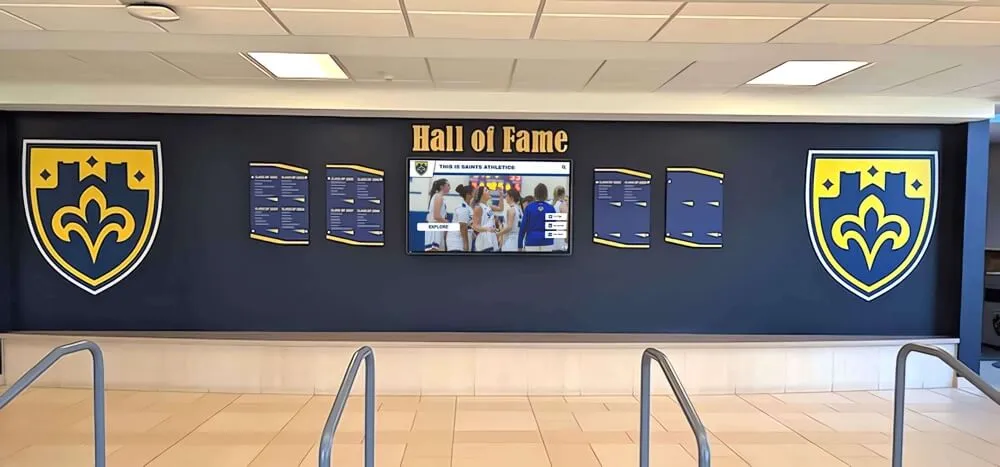
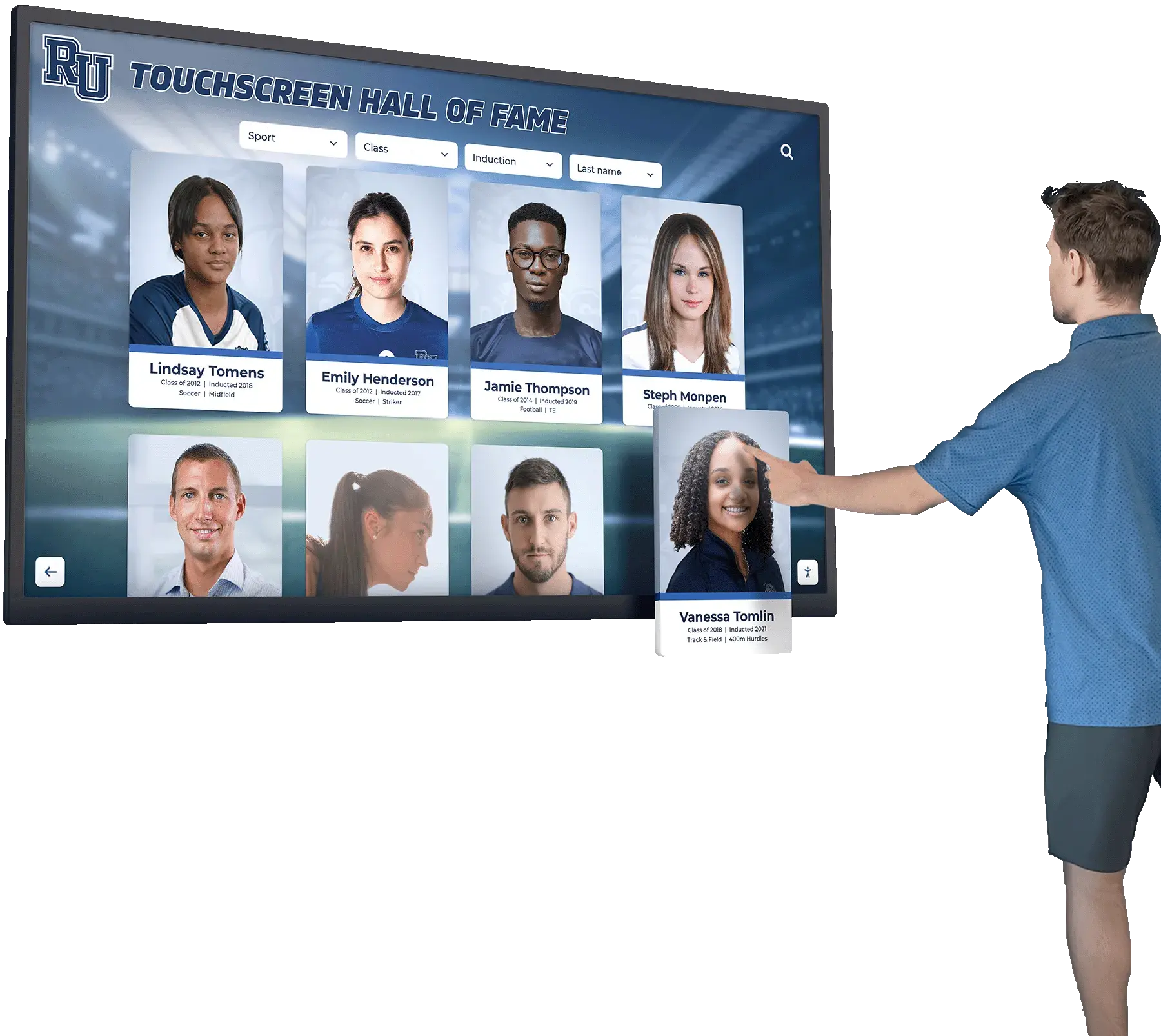
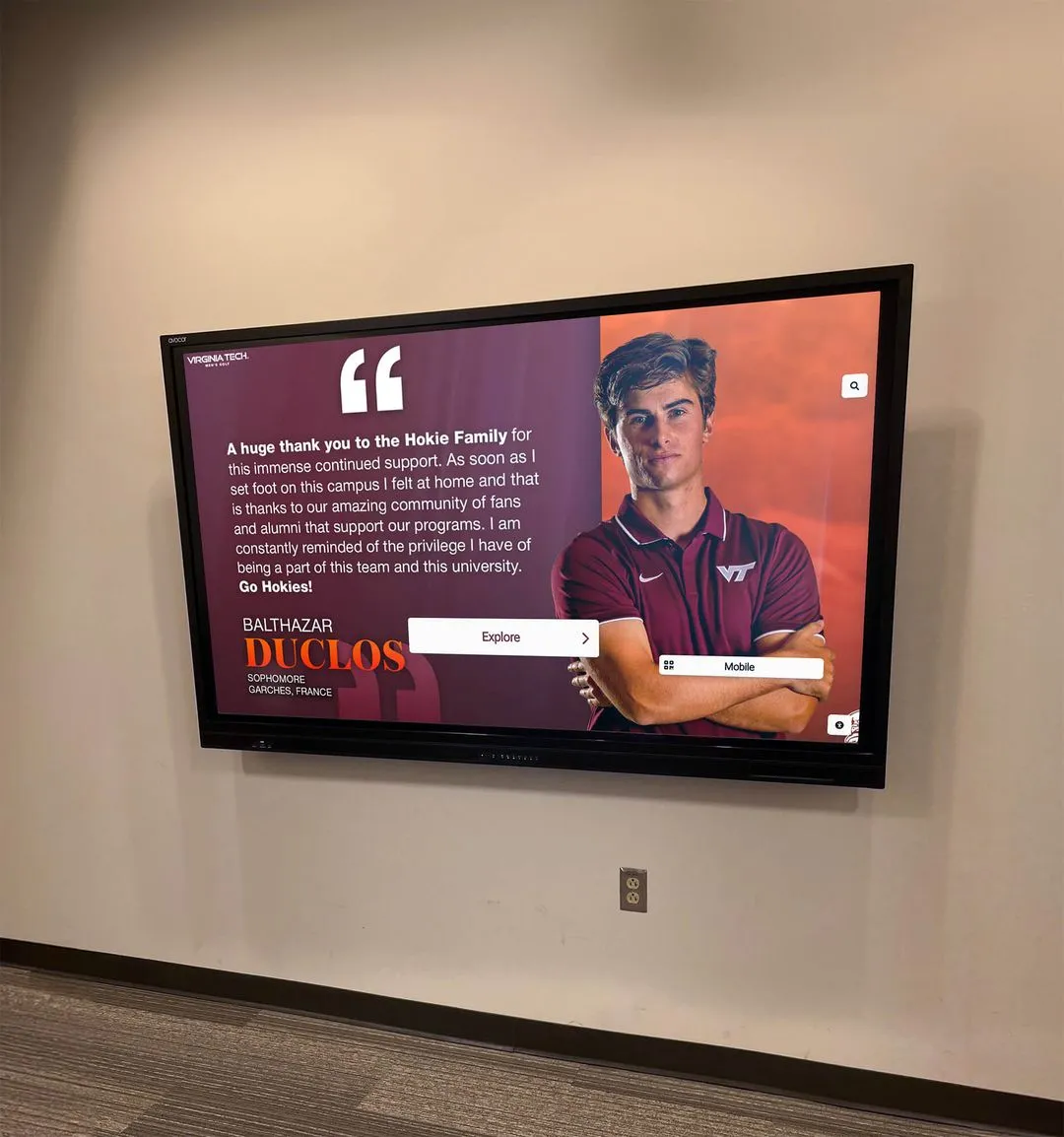
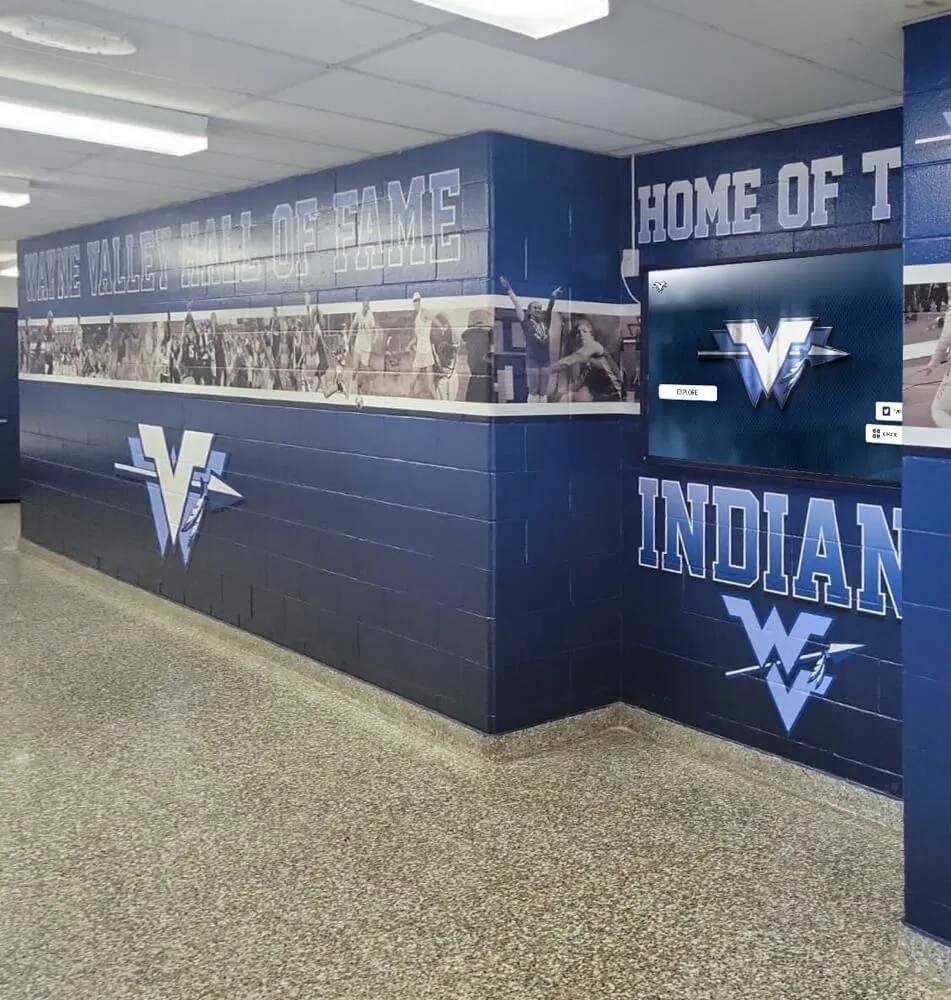
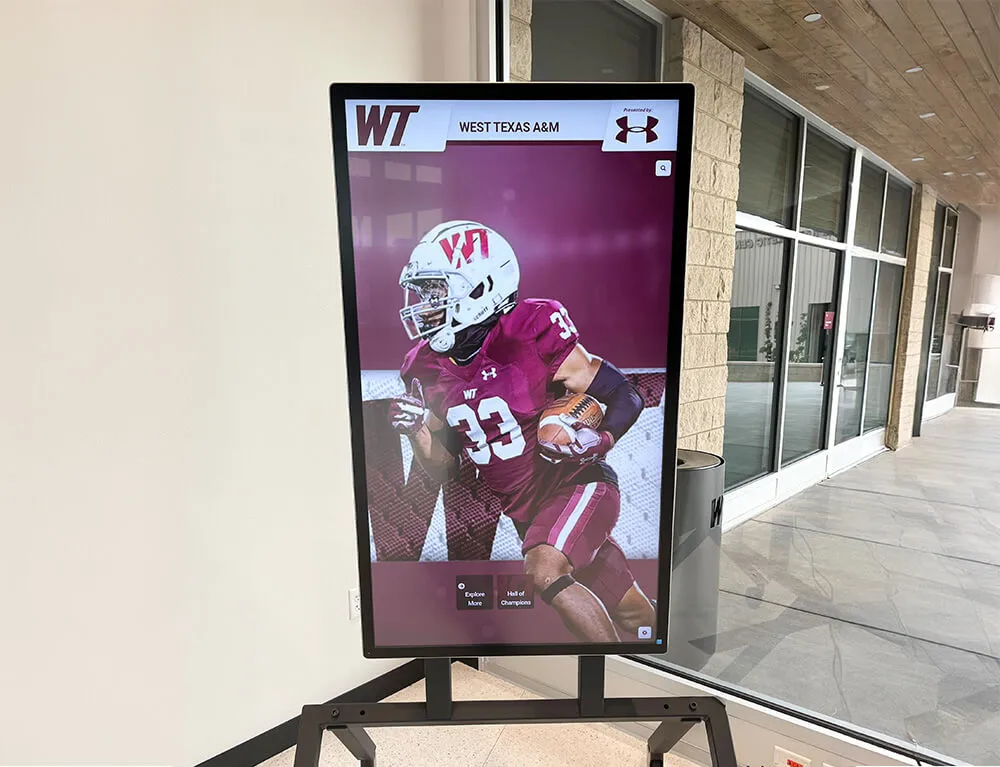
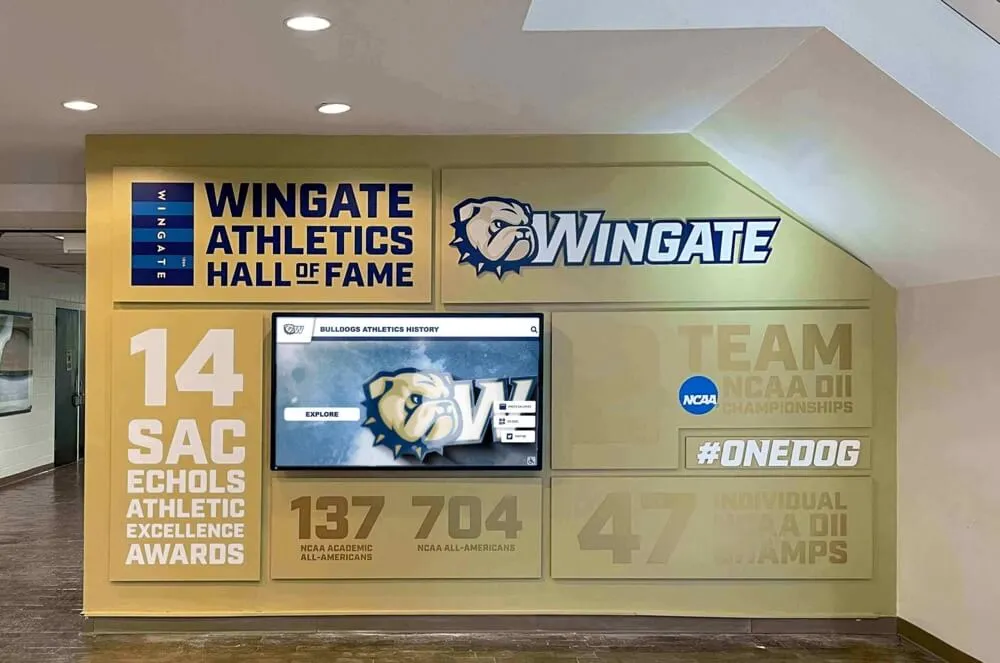
When schools maintain comprehensive recognition for annual fundraiser events, they transform single-day activities into year-round engagement opportunities. Permanent displays celebrating past races inspire registration for future events by demonstrating tradition and community participation. Sponsor recognition extending beyond race day increases sponsorship value, making it easier to secure renewed and increased support. Volunteer spotlights acknowledge dedication while encouraging future participation. Digital recognition platforms like Rocket Alumni Solutions enable schools to create comprehensive event showcases that preserve history, celebrate participants, recognize supporters, and build anticipation for future races—turning annual fundraisers into lasting institutional traditions.
The Missed Opportunity: Single-Event Thinking
Most school 5K fundraisers follow predictable patterns: form a planning committee in late summer or early fall, secure sponsors through direct outreach, promote registration for six to eight weeks, execute race day logistics, thank participants and sponsors immediately after, deposit funds and close the books, and then move on to other priorities until next year’s planning begins.
This approach treats each 5K as an isolated transaction—participants pay registration fees, run the race, receive t-shirts and medals, and everyone moves on. While this generates immediate revenue, it fails to build lasting recognition, ongoing sponsor value, or event tradition that grows participation year over year.
What Gets Lost
When schools lack year-round 5K recognition, valuable opportunities disappear. Event history vanishes as soon as races conclude—no permanent record exists showing how events have grown, which community members have participated consistently, or how funds raised have increased over time. Winners and top finishers receive brief recognition on race day, then their achievements disappear from public view. Sponsors get thank-you mentions in race programs and perhaps brief social media posts, then their support becomes invisible until next year’s sponsorship requests arrive.
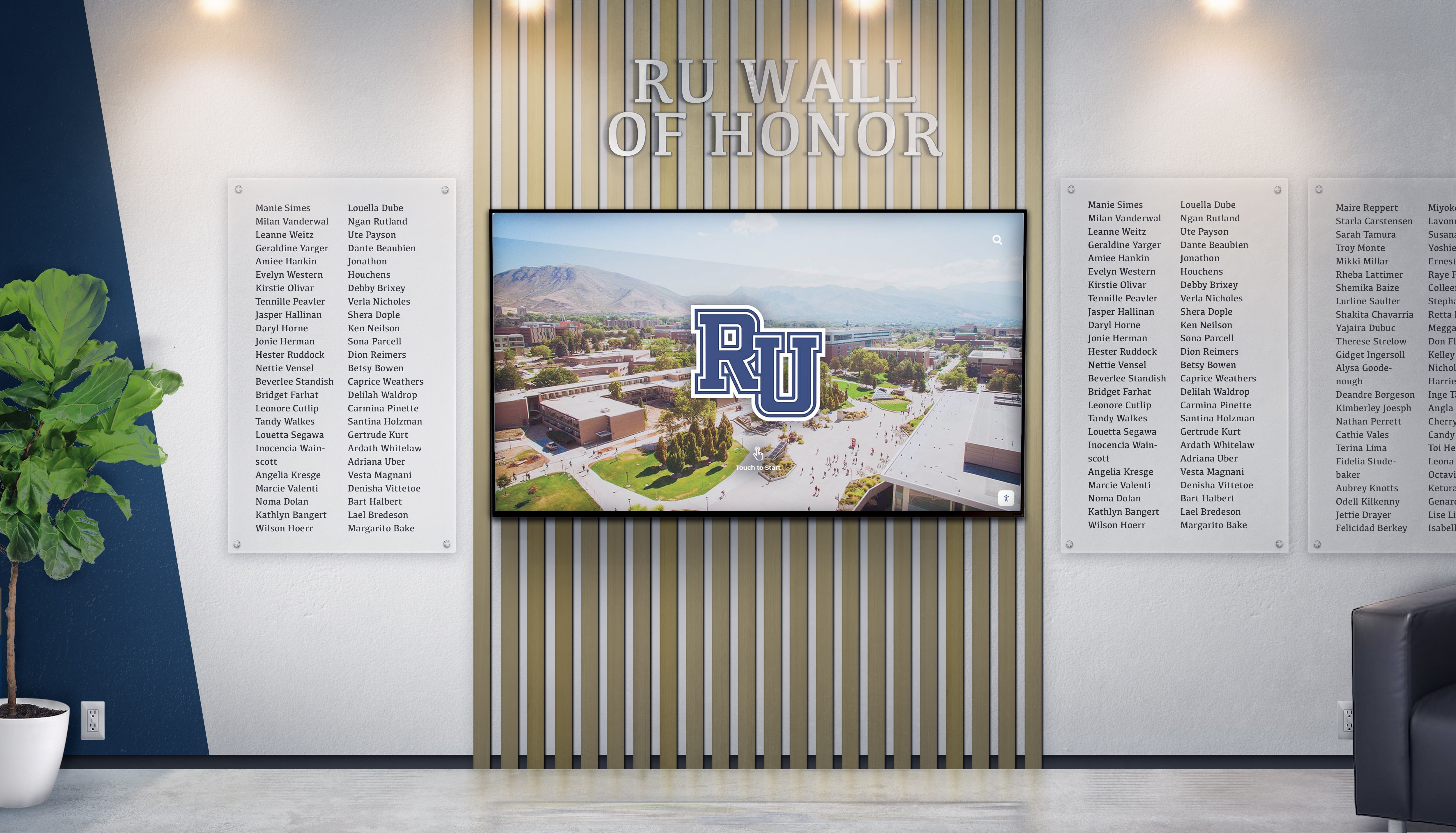
Volunteers who manage registration, direct parking, monitor course safety, distribute water, time finishers, and handle countless other essential tasks receive minimal acknowledgment beyond day-of thank-yous. Photo galleries capturing race atmosphere and community participation sit in phone cameras or social media feeds where they become increasingly buried and inaccessible. Most significantly, the collective tradition and community identity built through annual participation fails to accumulate because each year starts fresh without connection to previous events.
The Compounding Value of Recognition
Schools that maintain comprehensive year-round 5K recognition create compounding benefits. Event tradition becomes visible and tangible as displays showcase growth from inaugural races to current editions. Participants can see their names from multiple years of racing, creating personal connection to event history. Families register together knowing their participation becomes part of lasting school record.
Sponsors receive ongoing visibility through permanent recognition on school websites and digital displays, dramatically increasing value compared to single-day mentions. This extended recognition makes sponsorship renewal conversations easier while justifying increased contribution levels based on year-round exposure rather than event-day-only recognition.
Year-Over-Year Race Leaderboards: Celebrating Performance Excellence
Maintaining permanent race leaderboards showcasing top finishers from every annual 5K creates recognition that motivates participation while celebrating athletic performance.
Overall Winners by Year
Document overall male and female winners from each event, creating historical record of fastest times. This permanent leaderboard establishes event tradition by showing progression across multiple years. Returning participants can see if their names appear from previous races. Alumni who won races years ago can revisit their achievements during school visits or through online access.
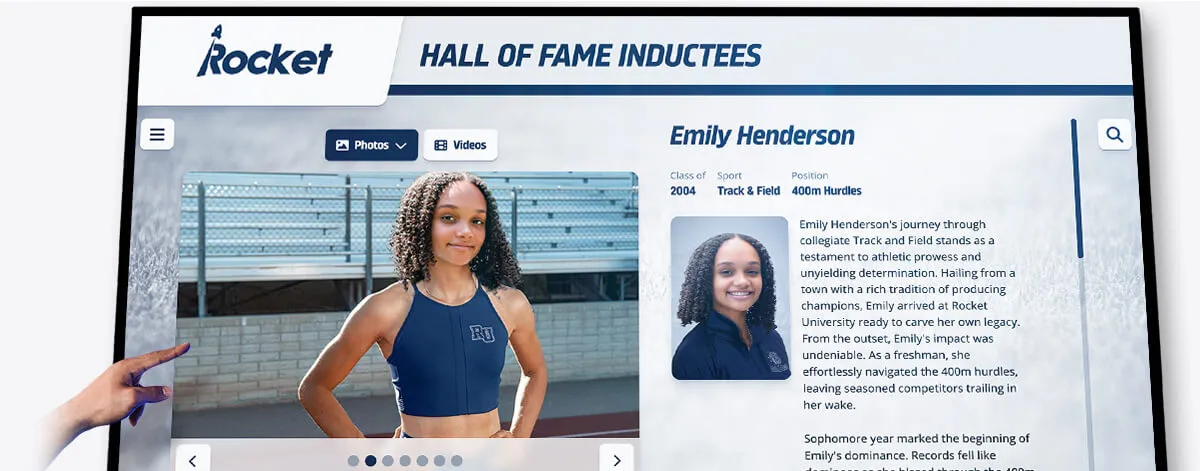
Key Information to Capture: Runner name and graduation year or community affiliation, finishing time, race year and date, weather conditions if notable, and previous race history showing returning champions or improving times.
Age group winners deserve equal recognition. Most 5K fundraisers include multiple age divisions—youth categories under 18, adult groups in five-year or ten-year increments, and senior divisions for older participants. Maintaining leaderboards for each division creates equitable recognition across all participant demographics rather than focusing exclusively on fastest overall times achieved typically by competitive high school or college-age runners.
Record Recognition and Progression
Beyond annual winners, track all-time course records—the fastest times ever recorded at your event. Course record recognition creates aspirational targets for competitive runners while providing objective performance standards demonstrating event quality.
Course records typically include overall male and female records, age group records for each division, notable performances by current students demonstrating connection between school athletics programs and community events, and alumni records showing graduates who remain connected to school community through event participation.
When course records fall, immediate recognition acknowledges outstanding performances while preserving historical progression. Digital platforms excel here because updates happen instantly after race results are finalized rather than requiring physical plaque production and installation. Schools seeking comprehensive approaches to athletic performance tracking can explore solutions for digital record boards that automatically update when new achievements occur.
Team Competition Tracking
Many school 5Ks include team competitions where groups compete for best combined times or highest participation. Team categories might include faculty teams competing against each other, class year challenges where different graduation years compete for participation rates or combined times, athletic team participation showing which sports programs demonstrate strongest community support, community organization teams from local businesses or civic groups, and family teams celebrating multi-generational participation.
Maintaining permanent team competition history builds friendly rivalries that increase registration year over year. Faculty members who see their department won three years ago but lost the last two events become motivated to recruit more participants. Alumni class years develop competitive traditions recruiting classmates to support their graduation year’s participation totals.
Comprehensive Event History: Building Lasting Tradition
Beyond race results, comprehensive event history showcases how 5K fundraisers have developed into meaningful school traditions.
First Race Foundation Story
Every annual 5K began with an inaugural event. Documenting and preserving this origin story creates narrative foundation for event tradition.
Key Historical Elements: What inspired the first race—what need or opportunity motivated the inaugural event? Who were the founding organizers—which athletic directors, coaches, parents, or community members led initial planning? How many participants registered for that first race—providing comparison point showing growth? What funds were raised and how they were used—demonstrating impact? Notable moments or challenges from the inaugural event—establishing authentic tradition rather than sanitized history.
This foundation story gives current participants and sponsors historical context, demonstrating that events they support have grown from specific origins into established traditions.
Year-by-Year Event Progression
Maintain chronological documentation of each race showing event development over time. Each year’s entry should include total participants demonstrating growth or sustained community support, funds raised showing financial impact progression, weather conditions for historical context, course route if it has changed over the years, special circumstances such as milestone anniversaries or memorial dedications, and notable participants including community leaders, distinguished alumni, or special guests.
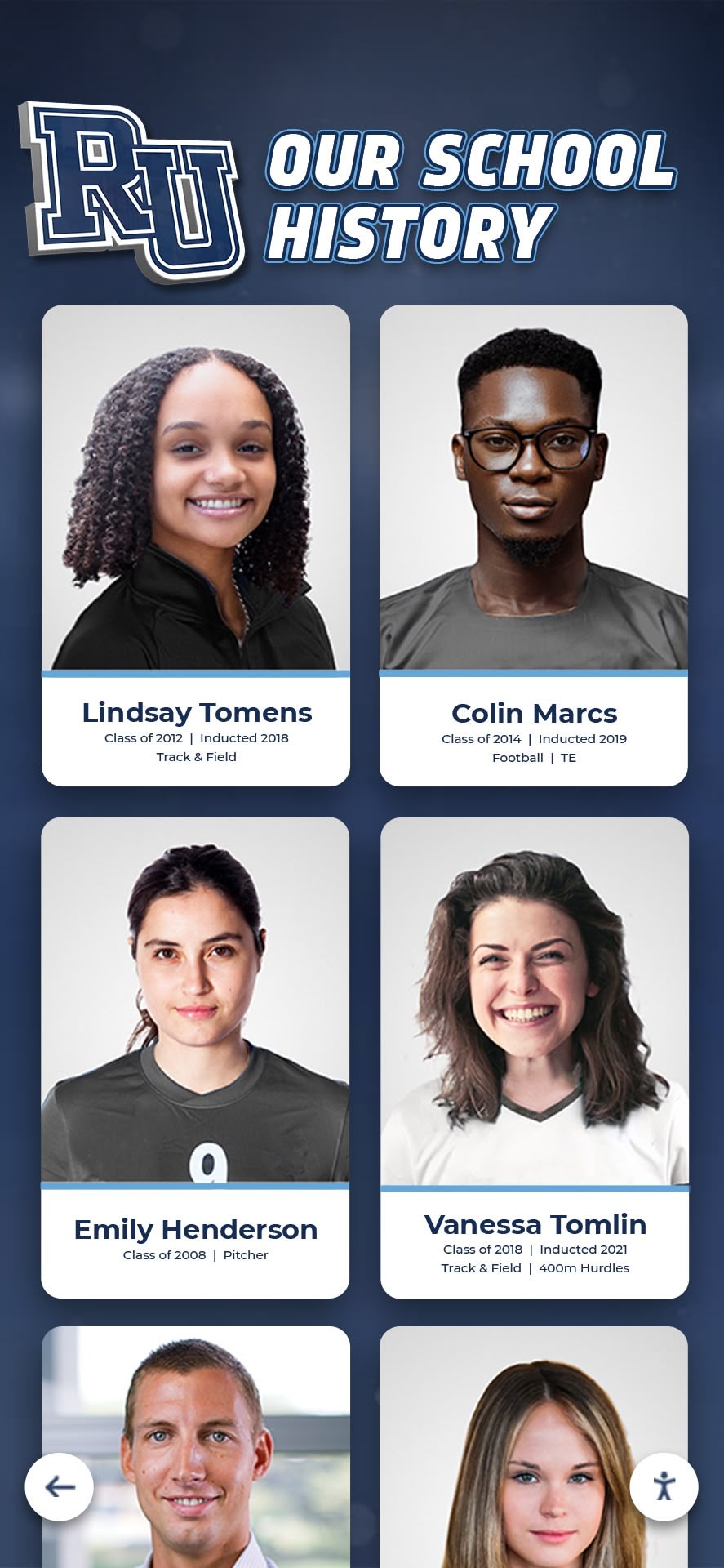
This year-by-year documentation creates visible timeline demonstrating event tradition and community commitment. Prospective sponsors can see sustained community participation year after year. Potential participants observe event growth and established tradition rather than viewing races as uncertain annual experiments.
Milestone Celebrations
Significant anniversaries deserve special recognition—fifth, tenth, twentieth, twenty-fifth anniversaries represent meaningful milestones. Document these celebrations prominently including retrospective content highlighting event history, increased participation or special activities marking the occasion, testimonials from longtime participants and volunteers, comparison statistics showing growth from inaugural races to milestone years, and recognition of founding organizers and sustained supporters who contributed across multiple years.
Milestone celebrations create natural promotion opportunities for upcoming events while reinforcing tradition and community significance.
Impact Documentation
Beyond participation statistics and race results, document tangible impact that 5K fundraisers generate. This impact documentation should showcase total cumulative funds raised across all years, specific improvements or programs those funds supported such as new athletic equipment purchases, facility improvements or renovations, scholarship programs funded, operational expenses offset allowing budget reallocation, and community benefits beyond immediate financial results including health and fitness promotion, community gathering opportunities, and inter-generational participation bringing families together.
Schools can examine approaches for comprehensive donor recognition that applies equally to 5K fundraiser supporters and traditional philanthropic giving.
Sponsor Recognition: Maximizing Partner Value and Retention
Sponsors provide financial support making 5K fundraisers viable. Schools that provide year-round sponsor recognition create substantially more value than race-day-only visibility, improving retention and creating justification for increased support levels.
The Sponsor Value Problem
Traditional sponsor recognition follows limited patterns: names or logos printed on race t-shirts worn primarily on race day then becoming workout clothing with decreasing visibility, mentions in race programs read briefly then discarded, banner displays at registration or finish line visible only during race hours, brief thank-you posts on social media that quickly disappear in feeds, and generic thank-you letters acknowledging support but providing no ongoing visibility.
This minimal recognition fails to demonstrate meaningful return on sponsorship investment, making renewal conversations challenging when sponsors question visibility and value received relative to contribution amounts.
Year-Round Digital Sponsor Recognition
Digital recognition platforms transform sponsor value by providing permanent, accessible, and measurable visibility extending far beyond single race days.
Interactive Sponsor Directory: Create dedicated sponsor recognition sections on school websites and digital displays showcasing all current and historical 5K sponsors. Each sponsor profile should include company name and logo, support level and years of participation, direct link to sponsor website driving traffic to their businesses, description of sponsor services or mission, and contact information when sponsors desire referral business from school community.
This permanent directory means sponsors receive ongoing visibility whenever community members access 5K information rather than brief race-day exposure. Website analytics can track sponsor page views and link clicks, providing concrete data demonstrating value that justifies continued and increased support.
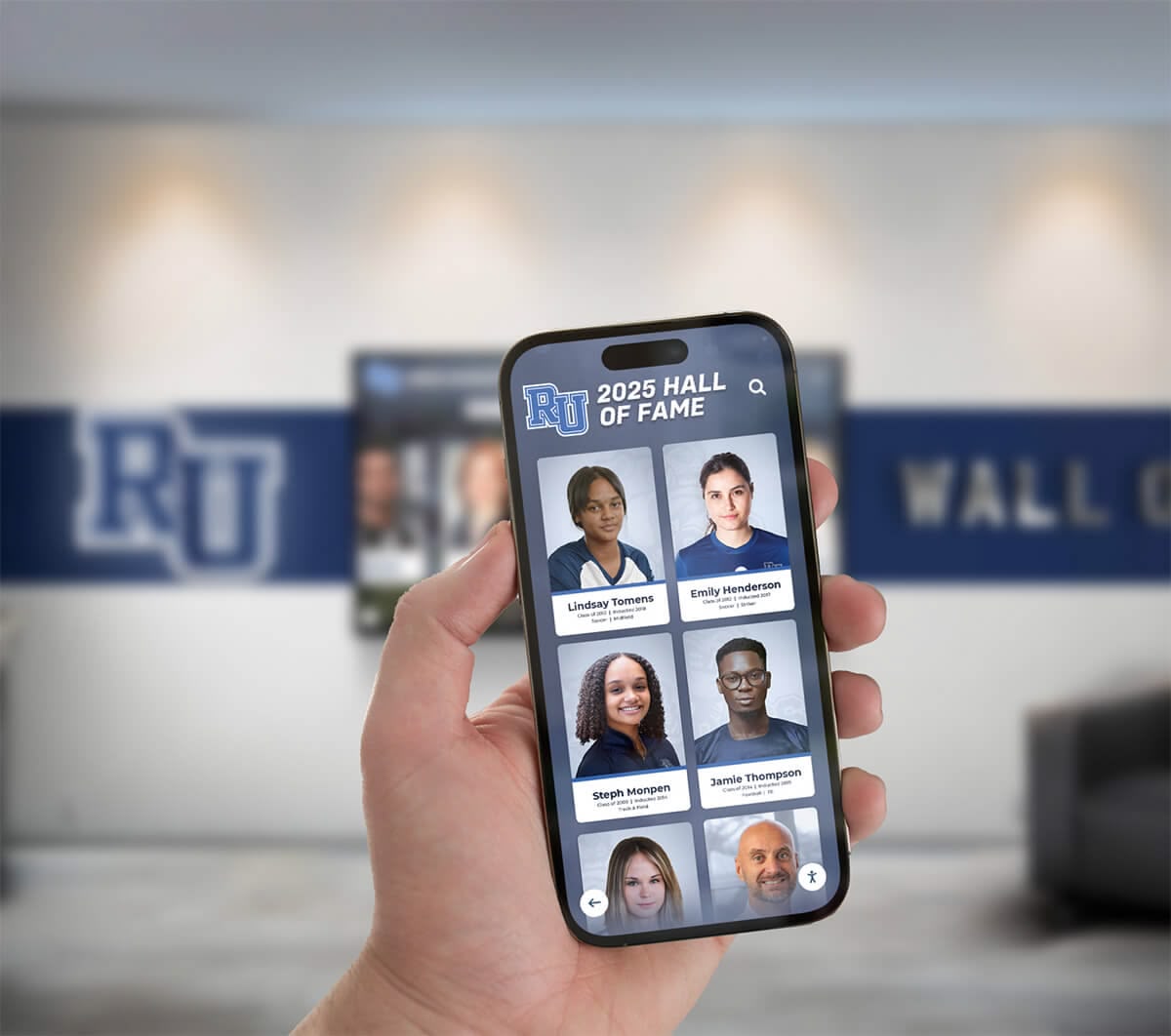
Sponsor Integration on Race Leaderboards: Include sponsor recognition directly alongside race results and leaderboards. For example, “2026 Overall Male Winner: John Smith (sponsored by ABC Physical Therapy)” or “2023 Youth Division Results presented by XYZ Orthodontics.” This integration creates natural association between sponsor brands and athletic performance, providing more meaningful recognition than simple logo placement.
Premium sponsors can receive presenting sponsorship recognition for entire leaderboard sections or specific race categories matching their business focus—medical practices presenting health-related categories, educational businesses sponsoring youth divisions, fitness businesses presenting performance categories.
Sponsor History Timeline: Document sponsor participation across multiple years, creating visible loyalty recognition. Sponsors who have supported events for five, ten, or fifteen consecutive years deserve special acknowledgment. This historical recognition demonstrates sponsor commitment while creating aspirational model encouraging other businesses toward sustained support. Long-time sponsors become visibly associated with event tradition and success rather than appearing as one-time advertisers.
Multi-year sponsors receive recognition upgrades based on sustained support—bronze level for three consecutive years, silver for five years, gold for ten years, platinum for fifteen years. These tiers appear in all sponsor recognition, creating incentive for continued participation while publicly acknowledging loyalty.
Sponsor Website Integration
Most valuable sponsor recognition connects school 5K visibility directly to sponsor websites and online presence through reciprocal linking and content sharing.
Reciprocal Linking: Include direct links from sponsor recognition pages to sponsor websites, making it easy for community members to learn about and utilize sponsor businesses. This creates referral traffic value beyond brand awareness. Sponsors who maintain their own websites can reciprocally link back to school 5K pages, creating cross-promotion benefiting both organizations.
Provide sponsors with specific copy and graphics they can use on their websites promoting 5K support: “ABC Physical Therapy is proud to support the Annual Jefferson High School 5K Fundraiser for the fifth consecutive year. Join us in supporting student athletics by registering today.” These pre-prepared materials make it easy for sponsors to promote their support while driving traffic back to registration pages.
Social Media Amplification: Create sponsor-specific social media content throughout the year, not just during race season. Regular sponsor spotlights thanking individual businesses, explaining their services, and highlighting their support creates year-round visibility while providing content sponsors can share through their own channels amplifying reach.
Coordinate with sponsors to cross-post content—when schools post sponsor recognition, tag sponsor social media accounts encouraging them to share. When sponsors post about supporting school events, schools reciprocally share and amplify. This coordinated approach exponentially increases reach compared to isolated organizational posts.
Schools implementing comprehensive fundraising recognition can explore best practices for acknowledging supporter contributions across all development activities.
Donor Recognition Walls: Honoring All Participants and Supporters
Beyond corporate sponsors, 5K fundraisers depend on individual participants and donors whose registration fees and additional contributions fund event success. Comprehensive donor recognition walls acknowledge all supporters regardless of contribution level.
Participant Recognition by Year
Create comprehensive participant directories listing every registered runner from each annual race. This universal recognition matters because every participant contributed to event success through registration fees and community participation. Participant recognition should include runner name, race year and finishing time, age division and placement within that division, whether first-time participant or returning runner, and number of consecutive years for multi-year participants.
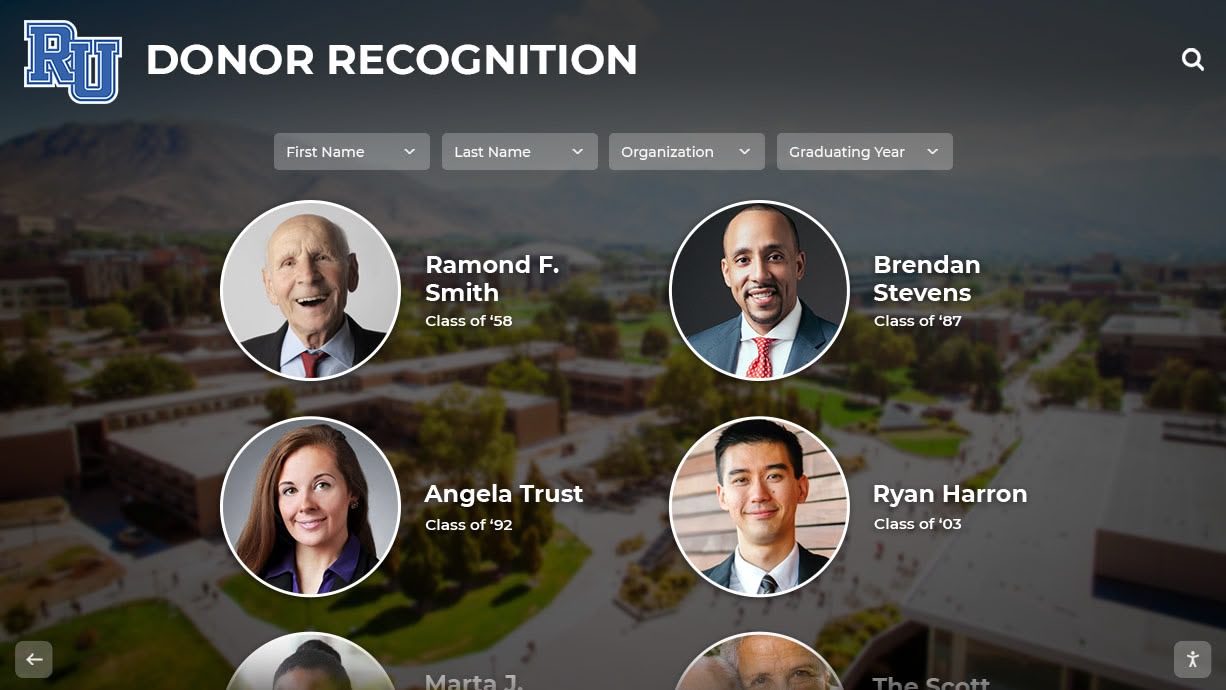
Searchable participant directories enable individuals and families to locate their own names and those of friends and relatives easily. Alumni can search participation history discovering which classmates have supported races over the years. Current students can see if parents or siblings ran in previous events. This personal connection creates emotional engagement increasing likelihood of future registration.
Contribution Level Recognition
Many 5K fundraisers offer tiered registration levels or accept additional donations beyond basic entry fees. Recognize these enhanced contributions through clear donor walls organized by support levels.
Common Contribution Tiers: Individual runner registration fee, family registration packages for multiple participants, team registration for organizations, additional donations beyond registration fees, and memorial or tribute registrations honoring specific individuals.
Organize recognition by contribution ranges—bronze level for standard registration, silver for enhanced family packages, gold for team registrations or significant additional donations, and platinum for major supporters whose contributions substantially exceed typical registration.
This tiered approach acknowledges that while all participants deserve recognition, those who provide enhanced financial support merit additional visibility commensurate with increased contributions.
Streak and Loyalty Recognition
Participants who register year after year demonstrate exceptional loyalty deserving special acknowledgment. Track consecutive participation creating streak recognition celebrating sustained support.
Streak Categories: Three consecutive years establishes initial loyalty recognition, five consecutive years demonstrates substantial commitment, ten years represents exceptional sustained support worthy of prominent celebration, and founding participants who registered for inaugural races and continue participating represent ultimate loyalty connecting event origins to current success.
Streak recognition creates friendly competition encouraging sustained participation. Runners approaching milestone years become motivated to maintain their streaks. Long-streak participants develop identity connection to events—they become known as the person who has run every single race since the beginning.
Memorial and Tribute Recognition
Some participants register in memory of or in honor of specific individuals—family members, friends, coaches, or community members who impacted their lives. These tribute registrations carry special emotional significance deserving thoughtful recognition.
Create dedicated memorial sections identifying each tribute participant, the individual being honored or remembered, relationship context when families wish to share, and race year when tribute registration occurred. When individuals are honored across multiple years by different participants, consolidated profiles celebrating their memory become powerful community recognition.
Schools can apply approaches from memorial recognition practices to ensure tribute participants receive appropriate acknowledgment.
Volunteer Recognition: Celebrating Essential Contributors
Successful 5K fundraisers require dedicated volunteer teams handling countless essential tasks. These volunteers deserve recognition matching their contributions.
The Volunteer Challenge
Most race volunteers receive minimal acknowledgment—brief thank-you announcements on race day, perhaps inclusion in post-race email messages, and organizational gratitude that feels generic rather than personal. This limited recognition fails to convey genuine appreciation while making it challenging to recruit volunteers for future events.
Comprehensive Volunteer Spotlights
Create individual volunteer profiles acknowledging specific contributions and sustained participation. Volunteer spotlights should include volunteer name and affiliation (parent, student, community member, alumni), specific roles and responsibilities handled, years of volunteer service showing sustained commitment, impact statements explaining how their contributions enabled race success, and when possible, brief quotes or testimonials from volunteers explaining why they choose to participate.
Role-Based Recognition: Different volunteer roles merit specific acknowledgment. Race director and planning committee members dedicate months to overall event coordination. Registration volunteers manage check-in and packet distribution. Course marshals ensure safety and provide route guidance. Water station volunteers support runner hydration. Timing volunteers manage result recording and leaderboard compilation. Setup and breakdown crews handle logistics before and after races. Medical support volunteers provide emergency response capability.
Each role category deserves dedicated recognition explaining responsibilities and acknowledging volunteers who fill these positions year after year.
Student Volunteer Programs
Many schools encourage or require student volunteer service hours. Annual 5K fundraisers provide meaningful opportunities for students to support their own athletic programs while developing organizational skills and community connection.
Student volunteer recognition should highlight class year and graduation date, total volunteer hours contributed, leadership roles for students who coordinate other volunteers, academic or athletic team affiliations showing which student groups provide volunteer support, and progression for students who volunteer across multiple years demonstrating growing responsibility and leadership.
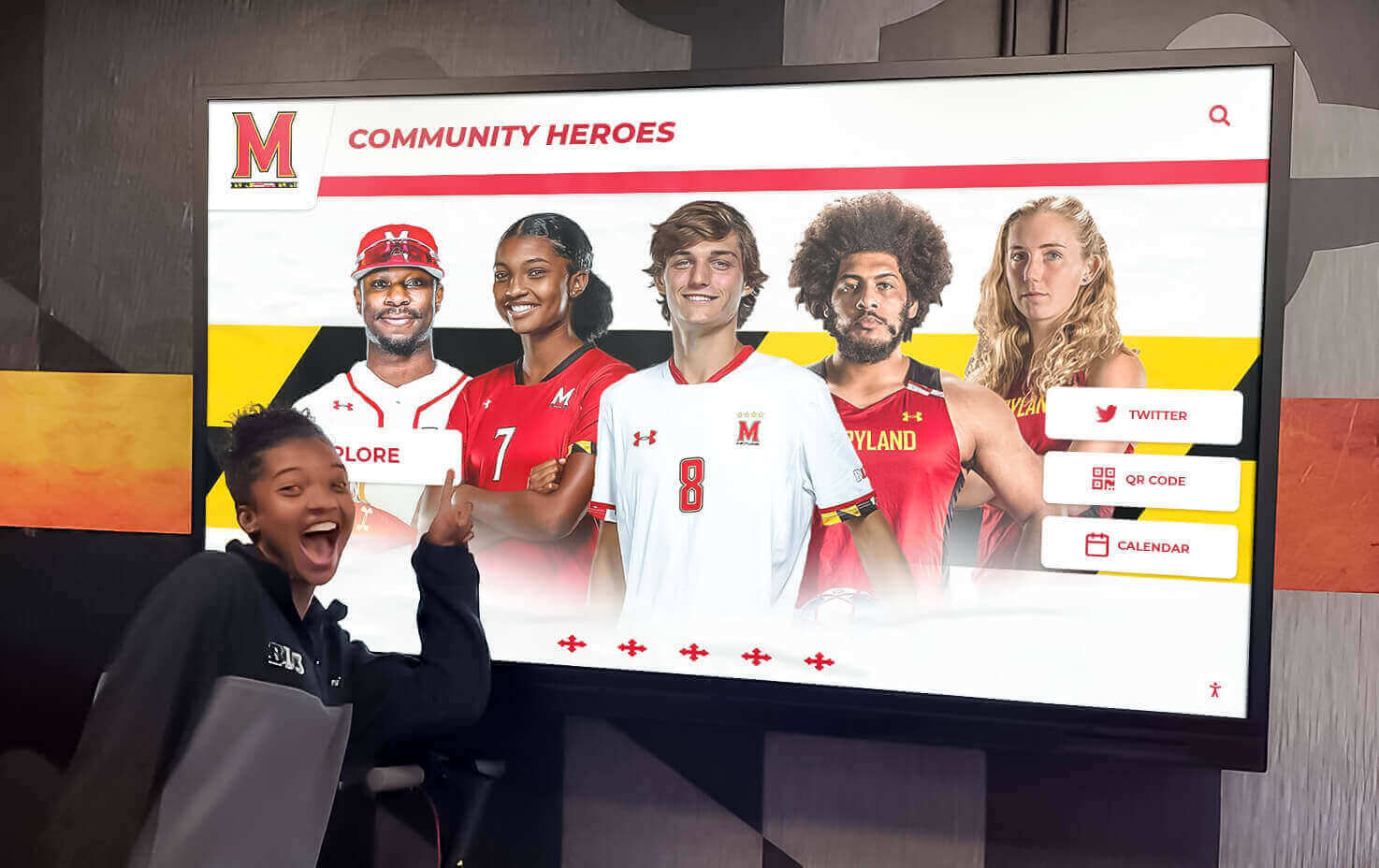
This student volunteer recognition serves multiple purposes—acknowledging service while documenting student leadership and community engagement for college applications, creating visible model encouraging other students to volunteer, and building student investment in event success increasing overall school community participation.
Volunteer Recruitment Tool
Comprehensive volunteer recognition becomes powerful recruitment tool for future events. Prospective volunteers can see exactly what roles need filling and read testimonials from previous volunteers about positive experiences. Returning volunteers can see their names from previous years, creating recognition continuity. Community members considering volunteer participation observe that contributions will be meaningfully acknowledged rather than disappearing after race day.
Schools can examine broader approaches to community contributor recognition applicable to volunteer acknowledgment across all programs.
Photo Galleries: Preserving Event Memories and Atmosphere
Professional and participant photos capture race atmosphere, community participation, and memorable moments that text-based recognition cannot convey.
Annual Event Photo Archives
Maintain comprehensive photo galleries from each year’s race organized by year, searchable and accessible indefinitely. Annual galleries should include pre-race registration and preparation showing community gathering, race start capturing excitement and participation scale, on-course action photos showing runners of all ages and abilities, finish line photos celebrating completion, awards ceremonies recognizing winners, volunteer candids acknowledging behind-the-scenes contributors, and sponsor banner and display photos documenting partner support.
These comprehensive galleries serve multiple purposes. Participants can locate photos of themselves and family members, creating personal connection and memorable keepsakes. Prospective participants can see event atmosphere and community participation helping them envision their own experience. Sponsors receive visual documentation of their support including photos showing their banners and logos at race venues. Volunteers see themselves acknowledged through photos capturing their contributions.
Searchable and Shareable Formats
Digital photo galleries should include powerful search functionality enabling visitors to locate specific images efficiently. Search capabilities should support filtering by year, keyword tagging enabling searches for specific categories like “finish line” or “age group winners,” facial recognition technology when privacy-appropriate helping individuals locate photos featuring themselves or family members, and bib number search allowing participants to find photos based on race numbers.
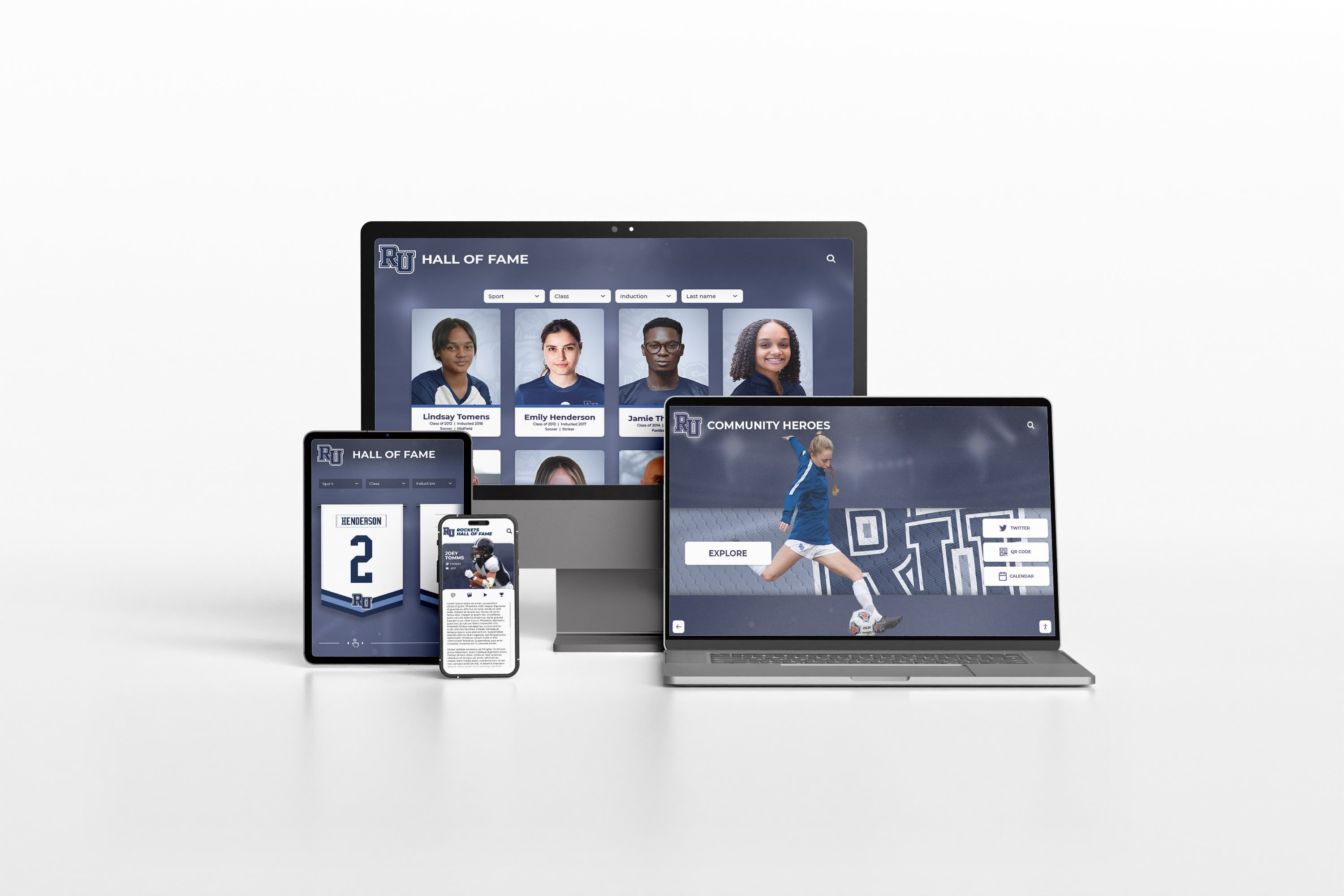
Social sharing integration enables participants to easily share favorite photos through personal social networks, extending event promotion and creating organic marketing. Every shared photo becomes authentic testimonial showing real community members participating in and enjoying races—far more credible than organizational promotional content.
Professional Photography and Participant Contributions
Most school 5Ks benefit from both professional race photography and participant-contributed images. Professional photographers capture high-quality action shots, finish line photos, and award ceremony images ensuring comprehensive documentation. Participants and spectators contribute candid perspectives showing atmosphere and community experience from ground level.
Create submission systems enabling participants and families to contribute their own photos to permanent galleries. User-generated content captures authentic perspectives while increasing community engagement and investment in event success. Contributors feel valued when their photos appear in official galleries. Participants who appear in user-contributed photos receive recognition they might miss from professional photographers.
Photo Integration with Recognition Content
Connect photo galleries directly with other recognition elements creating integrated experience. Link participant photos to their names in donor recognition walls. Include race winner photos alongside leaderboard entries. Show volunteer photos within volunteer spotlight profiles. Display sponsor banner photos on sponsor recognition pages.
This integration creates richer, more engaging recognition than text-based lists alone while making photo galleries more useful through contextual organization beyond simple chronological posting.
Digital Recognition Platforms: Making Year-Round Engagement Practical
Schools might question how to maintain comprehensive year-round 5K recognition given limited staff time and technical resources. Modern digital recognition platforms address these concerns by providing purpose-built systems designed specifically for intuitive ongoing management.
Cloud-Based Content Management
Professional recognition platforms operate through cloud-based content management systems enabling authorized staff to update leaderboards, add participant recognition, include new sponsors, upload photo galleries, and modify any content through simple web interfaces requiring no technical expertise.
These systems eliminate needs for website developers, graphic designers, or technical specialists to make routine updates. Athletic directors, race coordinators, or designated volunteers can manage all content directly through intuitive dashboards.
Automated Data Integration
Leading platforms integrate with race timing systems and registration platforms, automatically importing participant lists, finishing times, age division placements, and registration data directly into recognition displays. This automation eliminates manual data entry while ensuring accuracy and enabling recognition updates immediately after races conclude.
Integration capabilities might include timing system data feeds importing race results automatically, registration platform connections pulling participant information, donation processing systems tracking contribution levels, and volunteer management systems documenting service hours and role assignments.
Multi-Channel Publishing
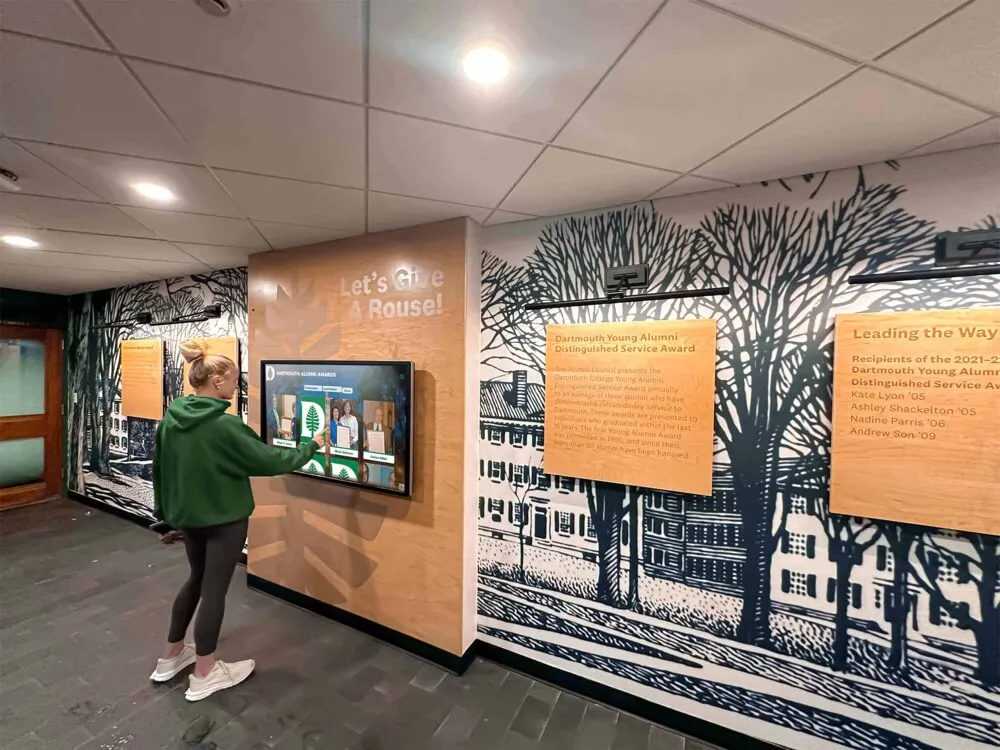
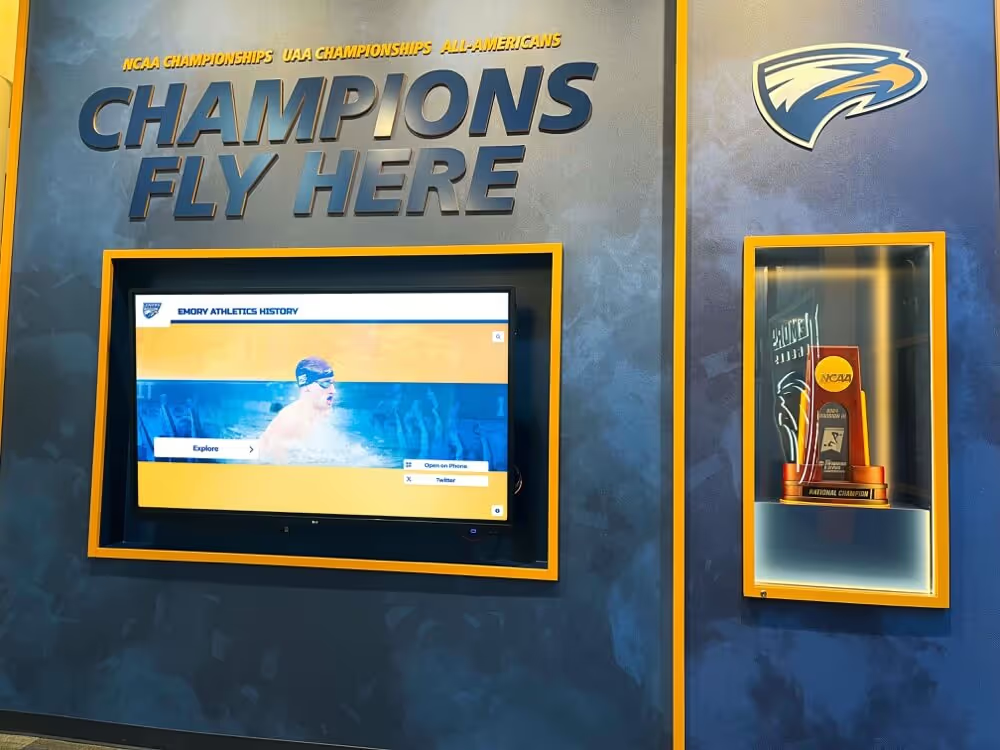
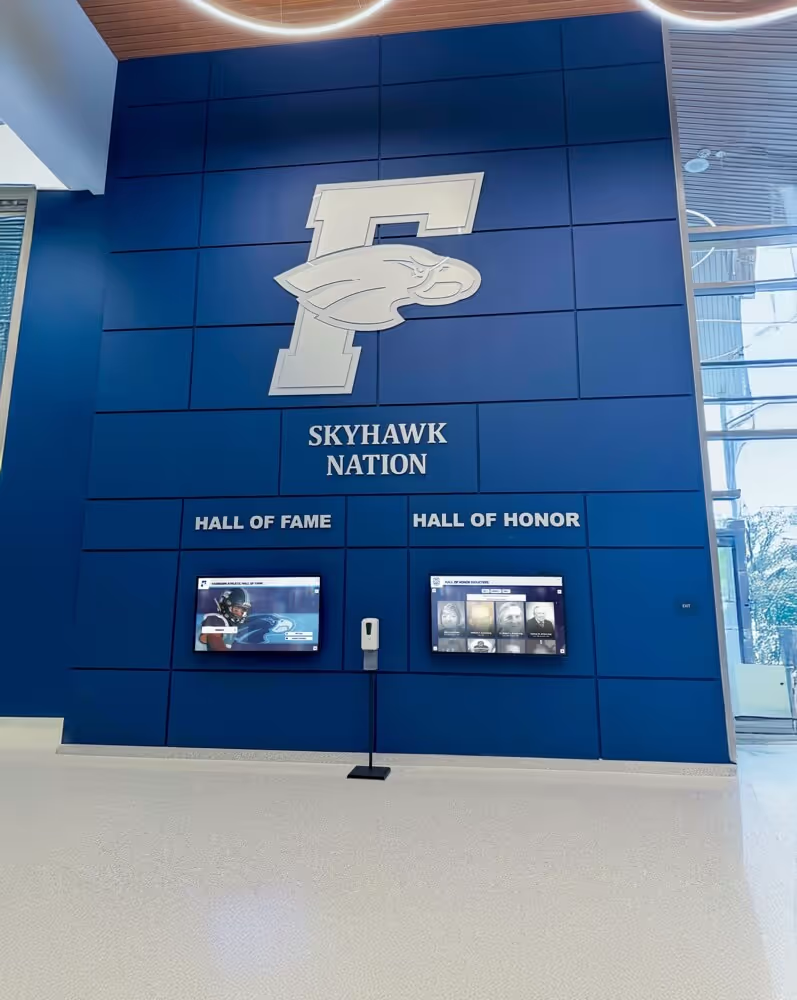
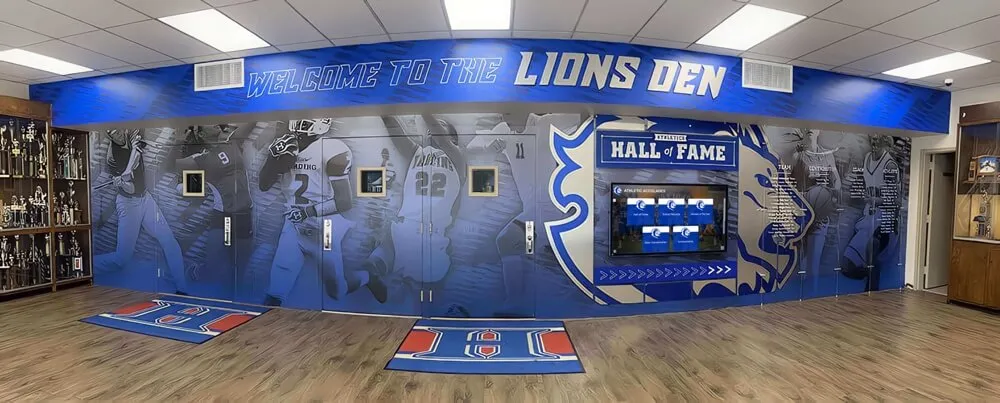
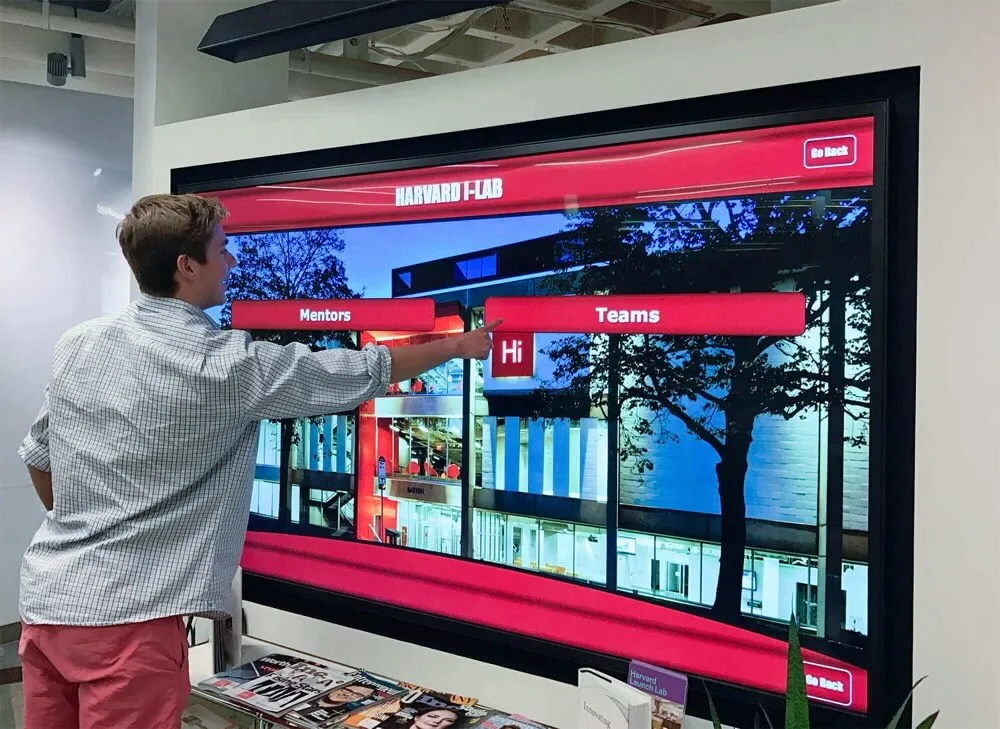
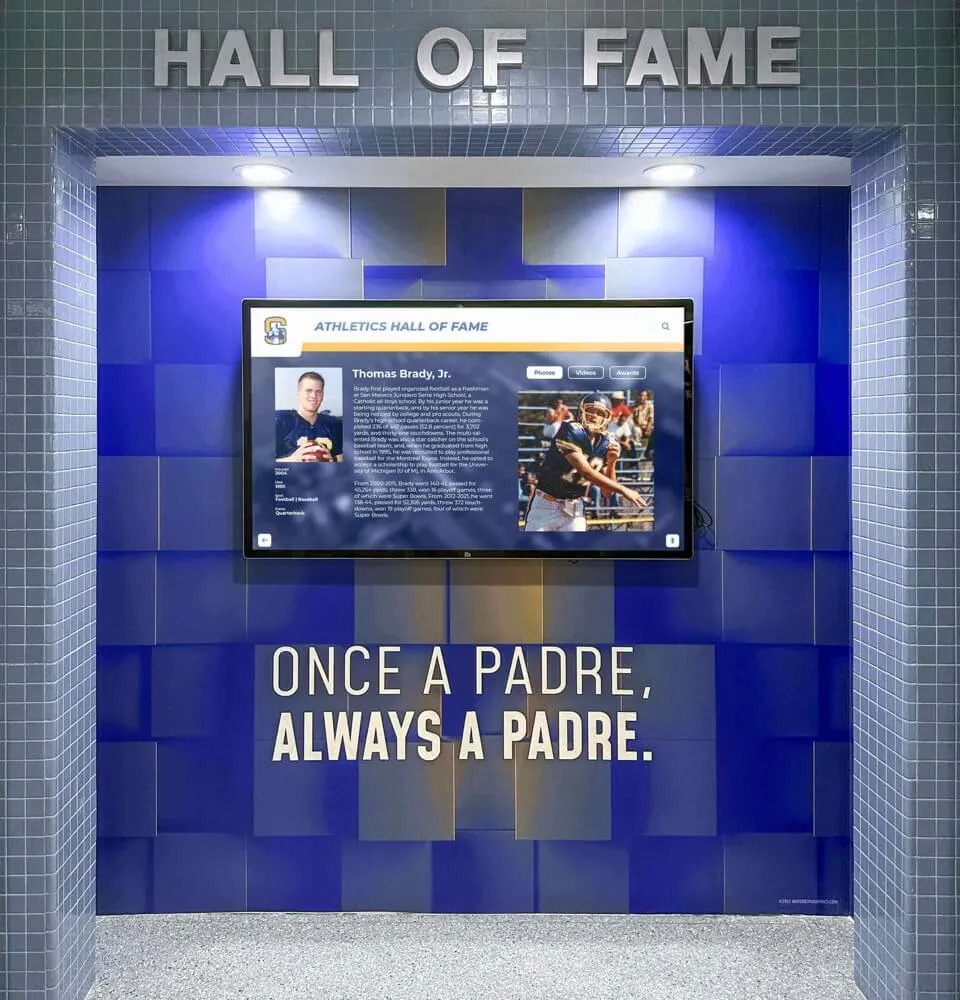
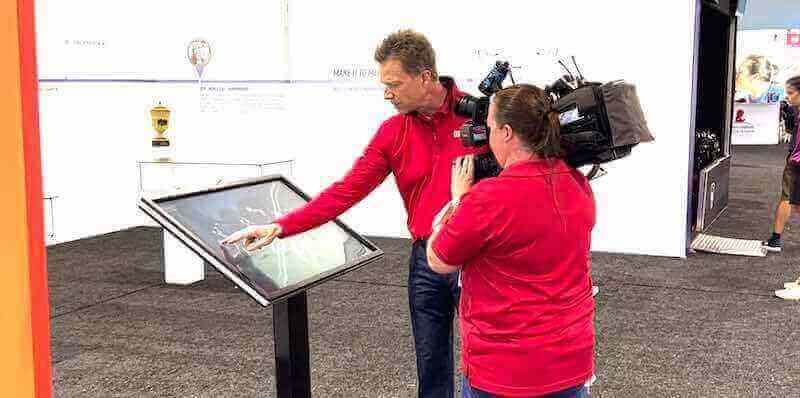
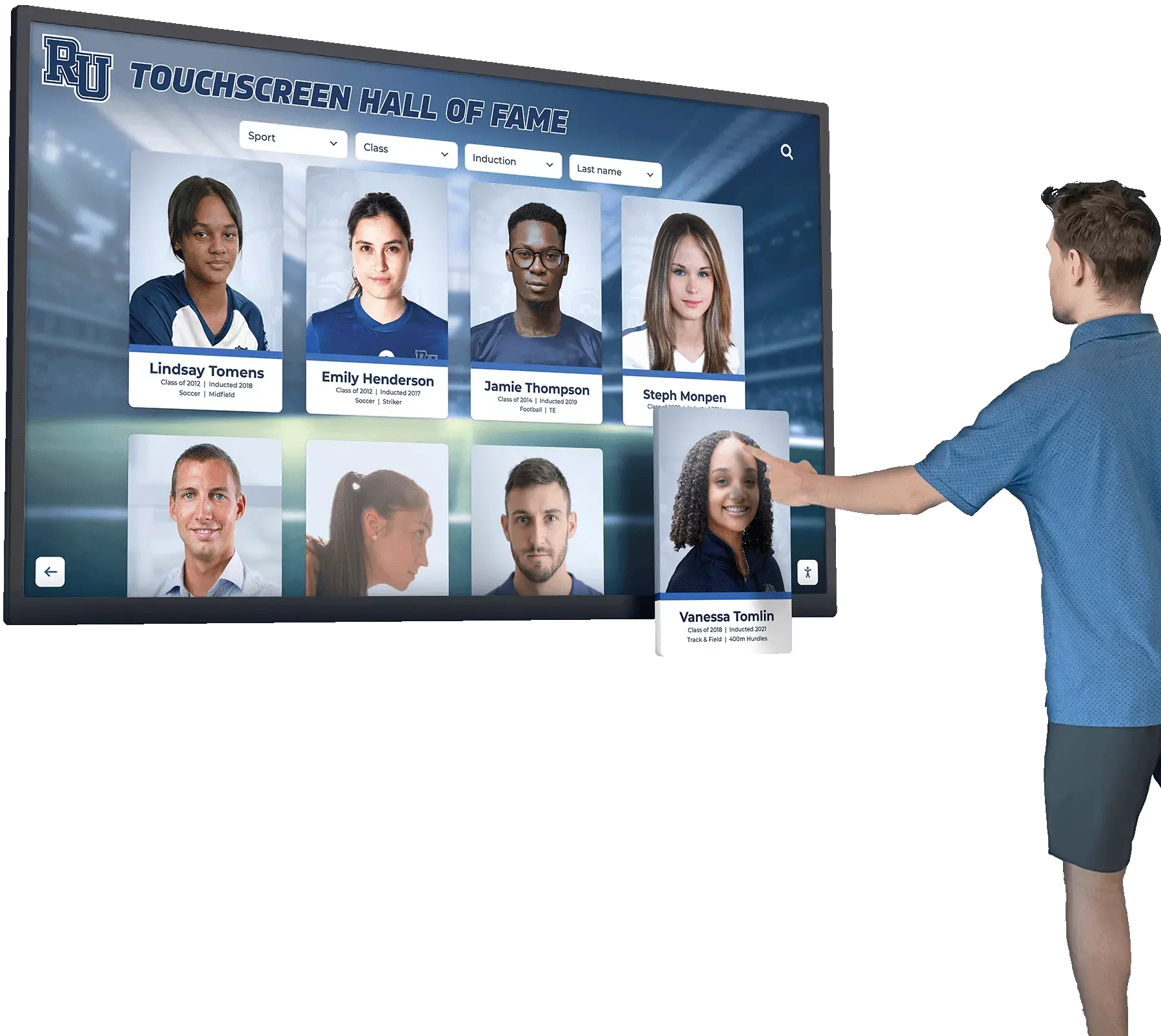
Digital recognition platforms publish content automatically across multiple channels from single entry points. When race coordinators update participant information or add photo galleries, that content appears simultaneously on physical touchscreen displays installed in athletic facilities, school websites through embedded widgets or dedicated pages, mobile applications enabling smartphone access, and social media feeds through automated posting.
This multi-channel approach maximizes recognition reach while minimizing management effort—enter information once and it appears everywhere appropriate.
Analytics and Engagement Tracking
Professional platforms provide analytics showing how community members engage with recognition content. Useful metrics include total views and interaction time demonstrating reach and interest, most popular content revealing what community values most, search patterns showing how visitors explore information, peak usage times informing optimal content publishing schedules, and demographic information when available helping understand audience composition.
These insights demonstrate recognition program value to administrators while informing continuous improvement based on actual usage patterns rather than assumptions.
Mobile Accessibility
Modern recognition must work smoothly across all devices—desktop computers, tablets, and smartphones. Responsive design automatically adjusts content presentation for any screen size ensuring consistent, high-quality experiences regardless of how community members choose to access information.
Mobile accessibility particularly matters for 5K recognition because participants and families often access information on-the-go—checking race results immediately after events, sharing achievements through social media from mobile devices, and exploring event history during casual browsing moments.
Solutions like Rocket Alumni Solutions provide comprehensive platforms specifically designed for school recognition including 5K fundraiser events, athletic achievements, academic honors, and community contributor acknowledgment through unified systems.
Implementation: Building Your 5K Recognition Program
Schools interested in comprehensive year-round 5K recognition can follow systematic implementation processes transforming annual races from isolated events into lasting traditions with continuous engagement.
Planning Phase: Define Scope and Objectives
Begin by determining what recognition elements matter most for your school community. Will recognition focus primarily on race leaderboards and participant directories, or include comprehensive sponsor integration, volunteer spotlights, and historical documentation? What time period will initial recognition cover—just recent years or complete event history since inaugural races? How will recognition integrate with existing athletic recognition systems?
Clear scope definition prevents project overwhelm while ensuring implementation addresses highest-priority needs first. Schools can expand recognition programs incrementally after establishing foundations.
Content Development: Gather Historical Information
Systematic historical research uncovers achieveme nts and contributions deserving recognition. Start with race result databases if they exist in spreadsheets or timing system archives. Review printed race programs and promotional materials from previous years. Search yearbook archives and school publications for race coverage. Contact founding organizers and longtime volunteers for historical context and stories. Solicit participant memories and photos through community outreach.
Digital photo archives might exist across multiple sources—school photographer collections, parent and participant phone cameras, local newspaper coverage, and social media posts. Systematically gathering and organizing these materials creates comprehensive galleries while preserving deteriorating records.
Platform Selection: Choose Recognition Systems
Schools face decisions about whether to build custom recognition websites, utilize general-purpose content management systems, or deploy specialized recognition platforms purpose-built for school acknowledgment needs.
Custom development provides maximum flexibility but requires significant technical resources and ongoing maintenance. General content management systems offer familiarity but lack specialized features for recognition management. Purpose-built platforms like those from Rocket Alumni Solutions provide specialized capabilities specifically designed for school recognition including athletic record tracking, donor acknowledgment, event history, photo galleries, and sponsor integration through systems tailored for these exact use cases.
Evaluation criteria should include ease of ongoing content management by non-technical staff, integration capabilities with existing school systems, mobile responsiveness and cross-device compatibility, analytics and engagement tracking features, support and training resources, and total cost of ownership including initial setup and ongoing expenses.
Launch and Promotion: Create Awareness and Engagement
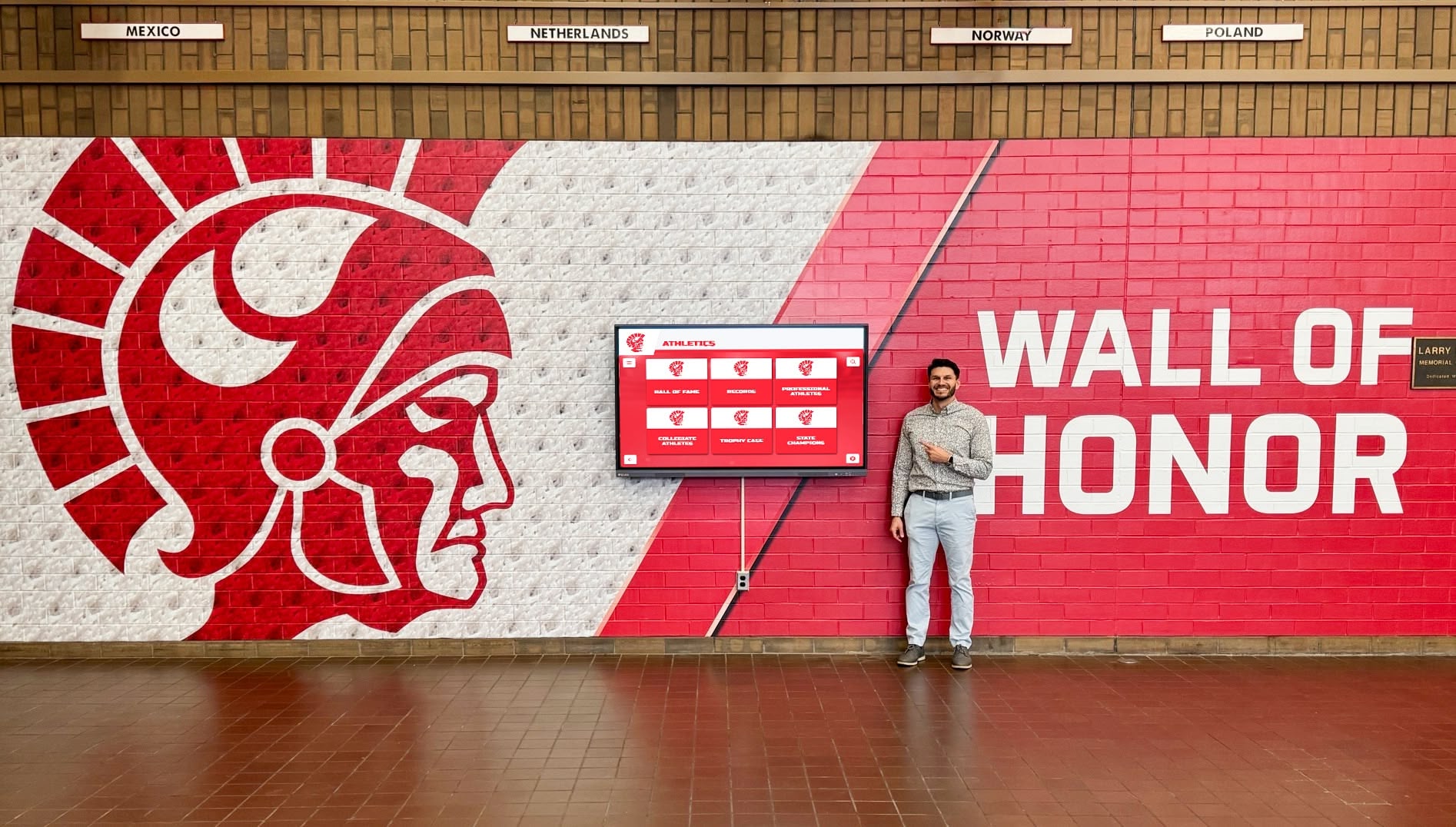
Formal launch events generate excitement and awareness for new recognition programs. Plan unveiling ceremonies during high-traffic opportunities such as upcoming race registration kickoff events, athletic awards nights when families gather, alumni reunions when graduates visit campus, or parent engagement events reaching family audiences.
Launch promotion should include email announcements to entire school community, social media campaigns demonstrating recognition features and encouraging exploration, press releases to local media highlighting innovation and community recognition, and direct outreach to recognized individuals and sponsors ensuring they know about their acknowledgment.
Ongoing Management: Maintain Current and Relevant Content
Recognition programs require regular updates maintaining accuracy and relevance. Establish clear processes for adding new race results immediately after events conclude, recognizing new sponsors as they commit support, acknowledging new volunteers after their service, uploading photo galleries promptly while events remain fresh, updating participant streak recognition annually, and marking milestone anniversaries and special occasions.
Assign clear responsibility ensuring updates happen consistently. While digital platforms make updates easy, someone must own the process preventing recognition from becoming outdated through neglect.
Maximizing 5K Recognition Beyond the Race
Comprehensive recognition programs create year-round engagement opportunities extending fundraiser value far beyond race days.
Registration Promotion Tool
Recognition content becomes promotional asset for future events. Prospective participants can explore complete event history understanding tradition and community commitment. Previous race winners and top finishers are naturally motivated to return defending their performances. Families can see their names from previous years creating emotional connection encouraging registration.
Sponsor prospects can review current sponsor recognition and website integration demonstrating value they would receive from support. Volunteer prospects can see meaningful acknowledgment current volunteers receive addressing common concerns that service contributions disappear without appreciation.
Alumni Engagement Strategy
Annual 5K events create natural alumni participation opportunities—graduates can return to campus supporting current programs while competing in familiar events. Recognition systems enable alumni to locate their own historical race results and photos from their school years. Class year competitions encourage alumni to recruit classmates for team participation creating reunion-like gatherings around athletic participation.
Alumni who see sustained school commitment to recognition and tradition demonstrate higher likelihood of broader engagement including reunion attendance, volunteer service, and philanthropic support. Athletic participation provides accessible entry point for alumni engagement regardless of subsequent career paths or interests.
Community Relationship Building
5K fundraisers bring schools and surrounding communities together around shared activities. Recognition extending beyond school-specific individuals to include community participants and sponsors strengthens these relationships. Local businesses receive meaningful visibility beyond transactional sponsorship. Community members who participate see their contributions acknowledged creating positive school associations even when they lack direct student connections.
This community relationship building matters for school levy support, volunteer recruitment, and general institutional reputation within broader communities.
Multi-Event Recognition Integration
Schools hosting multiple annual events—not just 5K races but also golf outings, auction galas, giving days, and other fundraisers—can integrate recognition across all activities through unified platforms. Comprehensive supporters who contribute to multiple events receive consolidated recognition showing their complete engagement rather than fragmenting acknowledgment across disconnected systems.
This integrated approach demonstrates to supporters that schools maintain sophisticated, professional recognition befitting their contributions while making it easier for supporters themselves to see their complete engagement history.
Conclusion: Transform Annual Events into Lasting Traditions
Annual 5K fundraiser events generate immediate financial support for school programs while creating opportunities for community gathering and athletic participation. Schools that maintain comprehensive year-round recognition transform these single-day activities into lasting traditions that build engagement, increase participation, retain sponsors, acknowledge volunteers, and strengthen institutional identity.
No longer must race results disappear after brief celebration or sponsor recognition vanish until next year’s funding requests. Modern digital recognition platforms enable schools to showcase complete event history year over year, maintain permanent race leaderboards celebrating performance excellence across multiple years, provide sponsors ongoing website integration and visibility extending far beyond race days, create comprehensive donor walls acknowledging all participants regardless of contribution levels, spotlight volunteers whose dedication enables event success, and preserve photo galleries capturing atmosphere and community participation from every annual race.
For schools seeking to implement comprehensive 5K event recognition, specialized platforms address unique requirements of ongoing acknowledgment while enabling athletic directors and staff without technical backgrounds to manage content independently. Purpose-built systems integrate naturally with school websites, work smoothly across all devices, connect with registration and timing systems, provide analytics demonstrating program value, and scale easily as recognition programs expand.
The community members who register for races, sponsors who provide financial support, volunteers who dedicate hours to successful execution, and participants who make events successful deserve recognition matching their contributions. Comprehensive digital recognition ensures that everyone is acknowledged, traditions are preserved, event history remains accessible, and annual fundraisers become genuine community traditions rather than isolated yearly activities that disappear from memory until next year’s planning begins.
Book a demo to discover how Rocket Alumni Solutions can help your school transform annual 5K fundraisers into year-round recognition programs that celebrate participants, acknowledge sponsors, honor volunteers, and build lasting community traditions around athletic participation and charitable support.