




The United States approaches a defining milestone: the 250th anniversary of the Declaration of Independence in 2026. This semiquincentennial represents more than a calendar event. Communities across the nation are planning commemorations that honor founding principles, recognize historical achievements, and connect modern Americans with the heritage that shaped the country. Museums, historical societies, civic organizations, schools, and government institutions face a critical question: how do we present 250 years of American history in ways that educate, inspire, and engage diverse audiences who expect modern technology rather than static displays?
Museum history touchscreens answer this challenge by transforming historical presentation from passive observation into active exploration. Interactive digital displays allow visitors to search archives, explore timelines, discover biographical profiles, examine artifacts through high-resolution imagery, and engage with multimedia content that brings history to life in ways traditional exhibits cannot match. As America 250 celebrations approach, institutions implementing touchscreen technology position themselves to deliver commemorative experiences that honor the past while meeting present expectations for engaging, accessible, and memorable historical presentation.
The transition to interactive displays represents more than technology adoption. Digital recognition systems preserve fragile documents, photographs, and artifacts by reducing physical handling while increasing access. They provide unlimited exhibition space unconstrained by wall area or case dimensions. Most significantly, touchscreens transform visitor experiences from linear tours into personalized journeys where individuals explore topics matching their interests, spending focused time with content that resonates personally rather than glancing at displays before moving along predetermined paths.
Why Museum History Touchscreens Matter for America 250
The semiquincentennial creates unique opportunities for institutions to refresh exhibits, attract increased visitation, and secure funding for improvements that serve communities long after 2026 celebrations conclude. Museum history touchscreens deliver immediate impact for anniversary programming while providing permanent infrastructure that continues engaging visitors for decades. Solutions like Rocket Alumni Solutions provide purpose-built platforms combining intuitive content management, unlimited storage capacity, auto-ranking capabilities for records and achievements, and interactive interfaces designed specifically for recognition and historical presentation contexts rather than adapted from generic digital signage systems.
Understanding the America 250 Commemoration Landscape
America 250 represents a coordinated national effort involving federal, state, and local organizations planning commemorative programming throughout 2026. The U.S. Semiquincentennial Commission coordinates federal activities while state commissions develop regional programs celebrating local historical significance within the broader national narrative.
Unlike previous milestone celebrations, America 250 emphasizes inclusive storytelling that represents diverse experiences and perspectives throughout American history. Modern commemorations recognize contributions from all communities, acknowledge complex historical realities alongside achievements, and create educational experiences that build informed citizenship rather than presenting simplified patriotic narratives disconnected from historical facts.
Museums and historical institutions planning America 250 programming face several key objectives including presenting historically accurate content supported by primary sources, creating inclusive exhibitions representing diverse American experiences, engaging younger audiences accustomed to interactive technology, managing increased visitor capacity during anniversary year programming, and implementing improvements that continue serving communities after 2026 celebrations end.
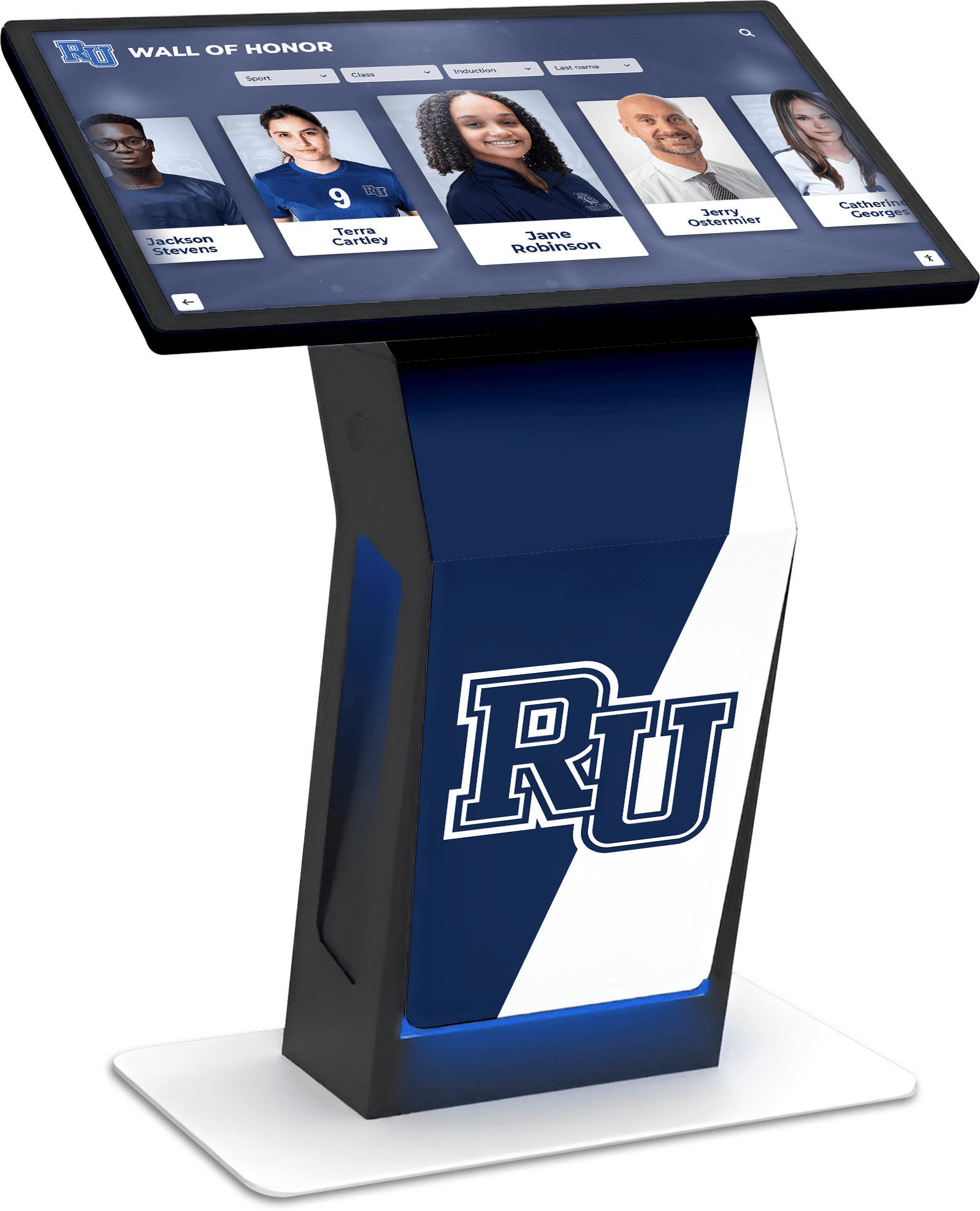
These objectives align well with capabilities provided by digital interactive museum displays designed for historical presentation contexts. Interactive technology supports accurate, sourced content through comprehensive metadata systems. Unlimited digital capacity enables inclusive representation impossible in physical exhibitions constrained by space limitations. Touch interfaces engage technology-fluent visitors who expect interactive experiences rather than static displays. Systems built to handle high traffic maintain performance during peak periods. Purpose-built platforms continue operating effectively long after commemorative programming concludes.
The Evolution of Museum Historical Presentation
Understanding current museum technology requires examining how historical presentation evolved from early collecting institutions to modern experiential centers.
Traditional Museum Exhibits: Beautiful but Limited
Traditional museum exhibitions centered on physical artifact display supplemented by interpretive labels and guided tours. Curators arranged objects in cases, created wall text providing context, and designed linear visitor paths through galleries presenting curated narratives. These approaches served institutions well for generations, creating educational experiences that preserved and presented historical materials.
Physical exhibits face inherent limitations affecting visitor experience and institutional operations. Space constraints restrict how many artifacts can be displayed simultaneously, forcing curators to choose representative objects while keeping 90-95% of collections in storage. Static displays remain unchanged for years due to high costs of redesigning exhibitions. Fragile documents and photographs deteriorate through light exposure, requiring rotation that removes items from public view. Visitors with mobility limitations cannot access cases requiring standing, reaching, or bending. Label text constrained by physical space provides minimal context requiring prior knowledge for full understanding.
Digital Signage: Attractive Screens Without Interaction
Many museums adopted digital signage systems displaying rotating content on wall-mounted screens. These installations replaced static posters with dynamic presentations showing photographs, videos, event information, and promotional content. Digital displays brought visual impact and easy content updates compared to printed materials requiring replacement.
Digital signage improves certain aspects of museum communication but doesn’t address fundamental exhibition limitations. Most digital signage operates in display-only mode without visitor interaction—users watch predetermined content rather than exploring topics matching personal interests. Systems designed for corporate lobbies or retail environments lack features museums need for historical presentation including searchable archives, detailed artifact cataloging, timeline navigation, and biographical databases. Content management often requires technical expertise limiting which staff members can make updates.
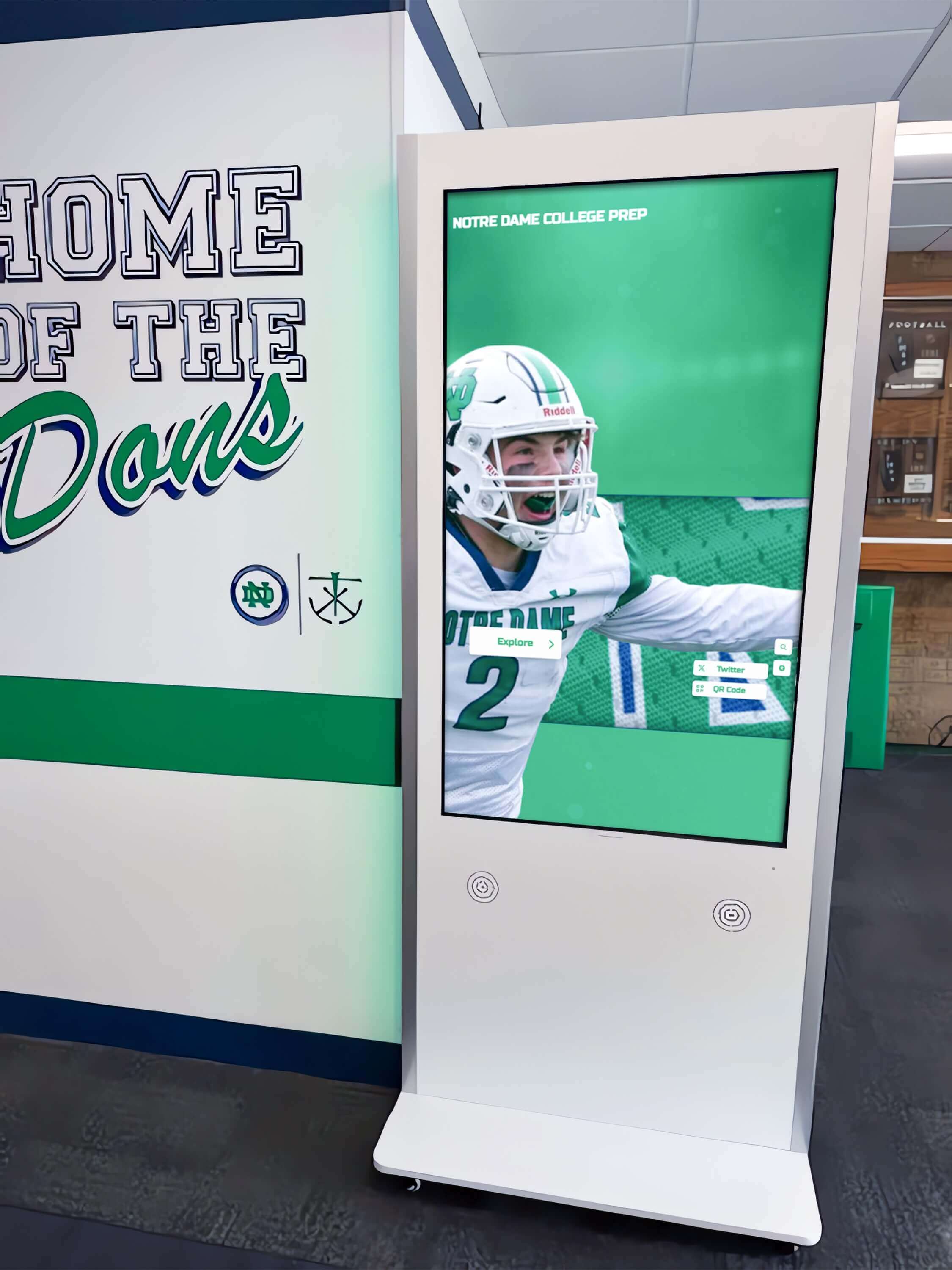
Museums installing generic digital signage often discover displays function effectively for announcements and wayfinding but fail to replace or supplement historical exhibits requiring depth, interaction, and research capabilities. The technology delivers visual appeal without fundamentally changing how visitors engage with historical content.
Interactive History Touchscreens: Engaging Exploration Systems
Purpose-built museum history touchscreens represent a fundamental shift from passive viewing to active exploration. These systems transform historical presentation by allowing visitors to search collections, browse timelines, filter content by topics or time periods, examine high-resolution artifact imagery, watch oral history videos, read primary source documents, explore biographical profiles, and share discoveries to personal devices through QR codes.
Interactive technology addresses the core limitations of traditional exhibits while preserving curatorial expertise and institutional knowledge. Digital archives provide unlimited exhibition space—every artifact in collections can receive detailed cataloging accessible to visitors rather than remaining unseen in storage. Multimedia presentations combine photographs, documents, audio recordings, video interviews, and interpretive content creating rich educational experiences. Searchable databases allow visitors to investigate specific topics, people, events, or themes rather than following predetermined paths. Multiple simultaneous users explore different content independently, with systems accommodating varying visitor interests and knowledge levels.
Most significantly, interactive touchscreens change the relationship between museums and communities. Traditional exhibits speak at visitors presenting institutional interpretations. Interactive systems invite exploration, accommodate questions, reward curiosity, and allow individuals to construct personal understanding through guided investigation. This participatory approach increases engagement time, improves information retention, and creates memorable experiences that distinguish institutions from competitors.
Core Capabilities for Museum History Touchscreen Systems
Effective museum history touchscreens share essential features determining long-term value and sustained visitor engagement.
Unlimited Archival Capacity and Scalability
Physical exhibitions face absolute space constraints limiting how much history can be presented. Interactive digital systems eliminate these limitations through unlimited content storage accommodating comprehensive institutional collections, expandable archives growing as digitization projects continue, unrestricted biographical databases including thousands of profiles, extensive multimedia libraries supporting photographs, documents, audio, and video, and flexible categorization supporting multiple organizational schemes without artificial restrictions.
Unlimited capacity fundamentally changes curatorial decision-making. Rather than asking “What should we display?” with inherent limitations forcing selective visibility, curators can ask “How can we make everything accessible?” This philosophical shift creates comprehensive digital exhibitions representing institutional collections fully rather than showing tiny fractions determined by physical space availability.
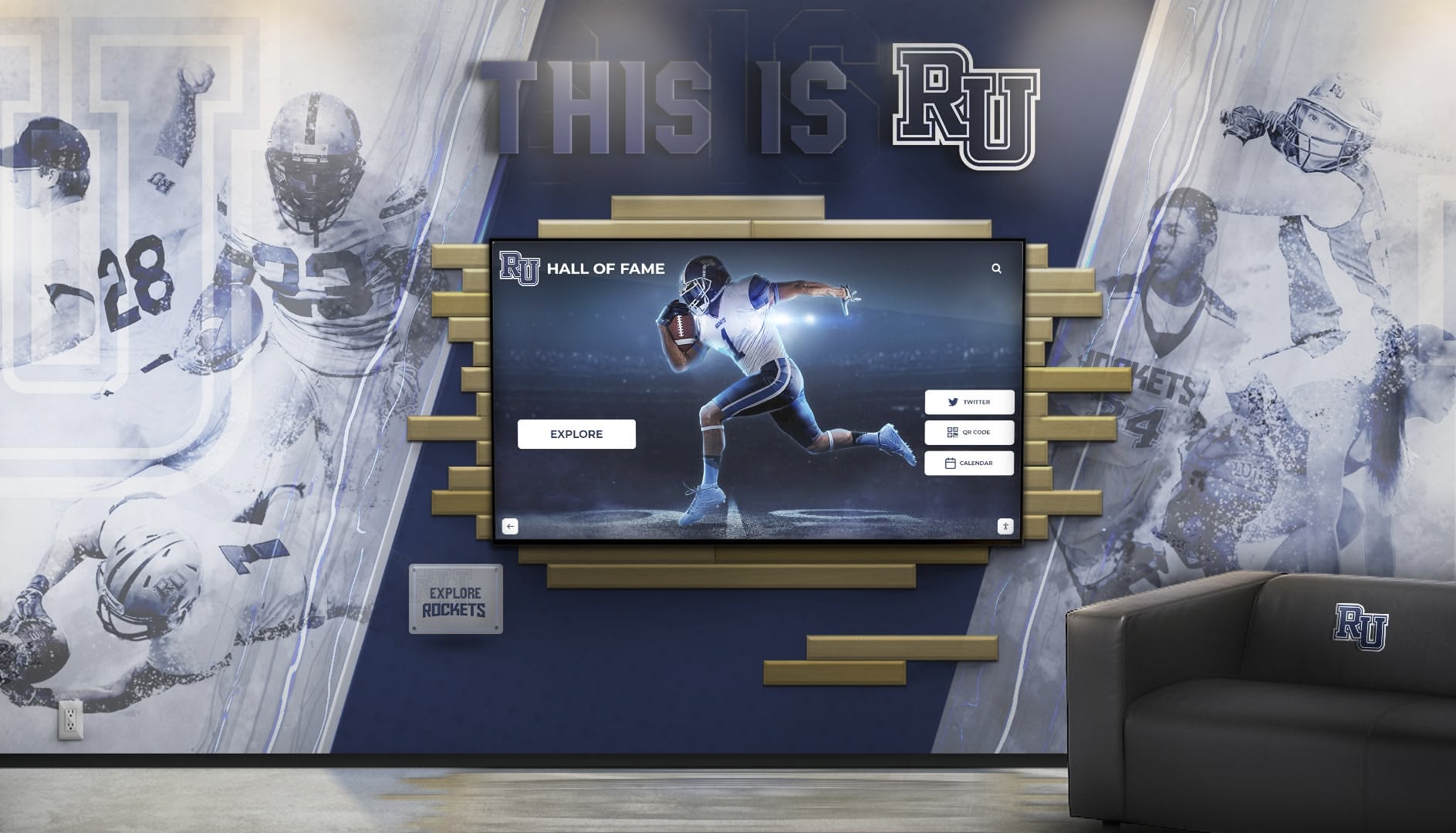
America 250 programming benefits particularly from unlimited capacity enabling institutions to present entire historical narratives from colonial foundations through contemporary America without compression or selective editing required by space-constrained physical exhibits. Comprehensive presentations support educational objectives better than abbreviated highlights, allowing visitors to explore topics deeply rather than encountering superficial overviews.
Powerful Search and Discovery Features
Search functionality determines whether digital archives become actively used resources or simply digitized versions of inaccessible storage. Comprehensive search capabilities enable full-text search across all digitized content, advanced filtering by dates, locations, people, topics, and custom categories, intuitive browsing through visual timelines and categorical menus, auto-suggest features helping visitors discover related content, saved searches for frequently referenced topics, and natural language queries understanding conversational questions rather than requiring database terminology.
Effective search transforms visitor experiences from passive touring to active investigation. Genealogy researchers locate ancestors through name searches revealing all related documents, photographs, and records. Students researching specific historical events quickly access primary sources, newspaper accounts, photographs, and interpretive essays. Community members exploring local history discover connections between familiar places and broader historical narratives. These personalized exploration paths create engagement impossible with linear exhibitions where everyone sees identical content regardless of interests.
Historical timeline touchscreen displays excel at supporting chronological exploration fundamental to understanding American historical development. Interactive timelines allow visitors to browse decades visually, select specific years for detailed information, understand connections between concurrent events, and recognize patterns across time periods.
Intuitive Content Management for Museum Staff
Museum staff managing touchscreen systems require straightforward content management enabling regular updates without requiring technical expertise. Effective platforms provide visual interfaces for adding and editing content, batch operations for processing large digitization projects, preview functions showing public-facing appearance before publishing, granular permissions controlling which staff members can edit specific content areas, version control tracking changes and enabling rollbacks if necessary, and comprehensive metadata management supporting searchability and categorization.
Museums implementing systems requiring programming knowledge or IT department intervention for routine updates discover content becomes stagnated because designated staff lack time for constant involvement. The best platforms empower curators, archivists, and educators to maintain current content collaboratively without technical barriers preventing regular attention.
America 250 programming involves frequent additions as institutions digitize newly discovered materials, receive donations of photographs and documents, capture oral histories, and develop interpretive content for commemorative initiatives. Systems supporting easy content additions allow timely publishing that keeps exhibitions current and relevant throughout anniversary year programming.
Mobile Device Integration and Remote Access
Contemporary museum visitors carry powerful personal devices capable of accessing institutional content beyond physical visits. Effective history touchscreen systems support mobile integration through QR code features transferring selected content to smartphones, web-based access providing remote exploration from any internet-connected device, responsive design adapting to different screen sizes from phones to tablets to desktops, social media sharing enabling visitors to promote discoveries naturally, and downloadable resources allowing offline access to specific content.
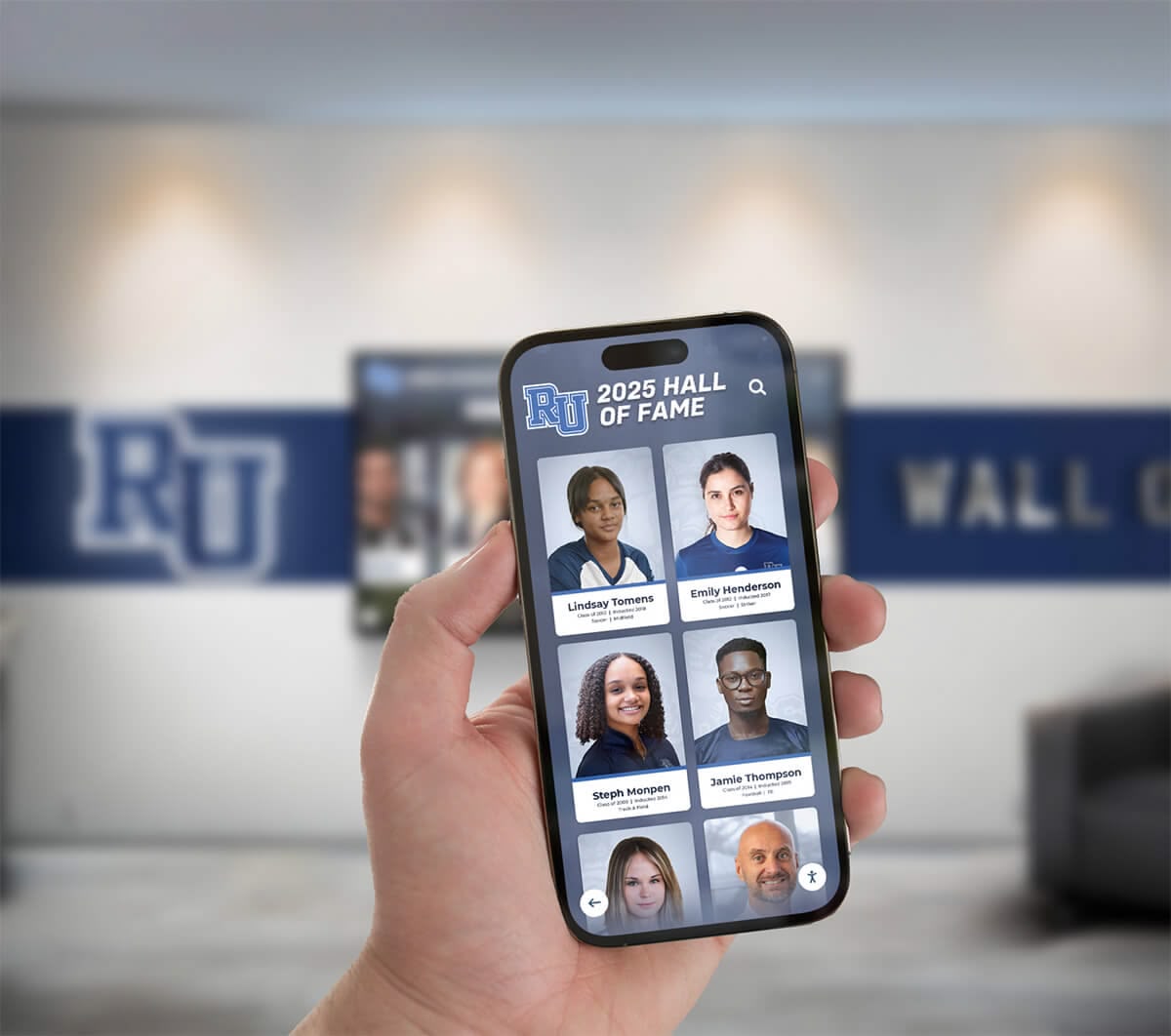
Mobile integration extends institutional reach beyond gallery walls to global audiences who may never physically visit but maintain strong interest in historical content. America 250 celebrations attract international attention as people worldwide explore American historical significance. Museums providing web-accessible archives capture this expanded audience while serving local communities unable to visit during regular operating hours.
QR features deliver particular value by allowing visitors to capture content matching personal interests for later review. Genealogy researchers photograph ancestor profiles. Students collect primary sources for research projects. History enthusiasts save favorite photographs. These personal archives extend institutional influence long after physical visits conclude while creating natural promotion as visitors share discoveries with friends and family.
ADA Compliance and Universal Accessibility
Accessible design represents both legal requirement and ethical obligation ensuring all community members can engage with historical content regardless of physical abilities. Comprehensive accessibility features include screen reader compatibility for visually impaired visitors, adjustable text sizing for users with vision limitations, high-contrast display modes improving readability, audio descriptions of visual content, closed captioning for video materials, touch target sizing accommodating users with limited dexterity, wheelchair-accessible installation heights, and alternative input methods beyond touchscreen interaction for users with mobility restrictions.
The Web Content Accessibility Guidelines (WCAG) established by the World Wide Web Consortium provide technical standards ensuring digital content remains accessible. Museums implementing touchscreen systems should require vendor compliance with WCAG Level AA standards at minimum, with Level AAA compliance preferred for maximum accessibility.
America 250 commemorations emphasizing inclusive storytelling require corresponding inclusive presentation technology. Historical narratives representing diverse American experiences demand exhibition systems allowing diverse audiences to access content equitably. Inaccessible technology contradicts inclusive programming objectives regardless of content quality.
Strategic America 250 Implementation Approaches
Museums and historical institutions planning America 250 touchscreen installations should follow systematic implementation processes ensuring successful deployments that serve communities effectively.
Phase 1: Strategic Planning and Content Assessment
Begin touchscreen initiatives with comprehensive planning establishing clear objectives, assessing existing materials, and defining desired outcomes. Essential planning activities include evaluating current collections identifying materials suitable for digitization, assessing physical condition determining preservation urgency, cataloging existing digital assets from previous projects, identifying content gaps where programming requires new material development, defining visitor experience goals based on community needs and institutional missions, and establishing measurable success metrics enabling evaluation.
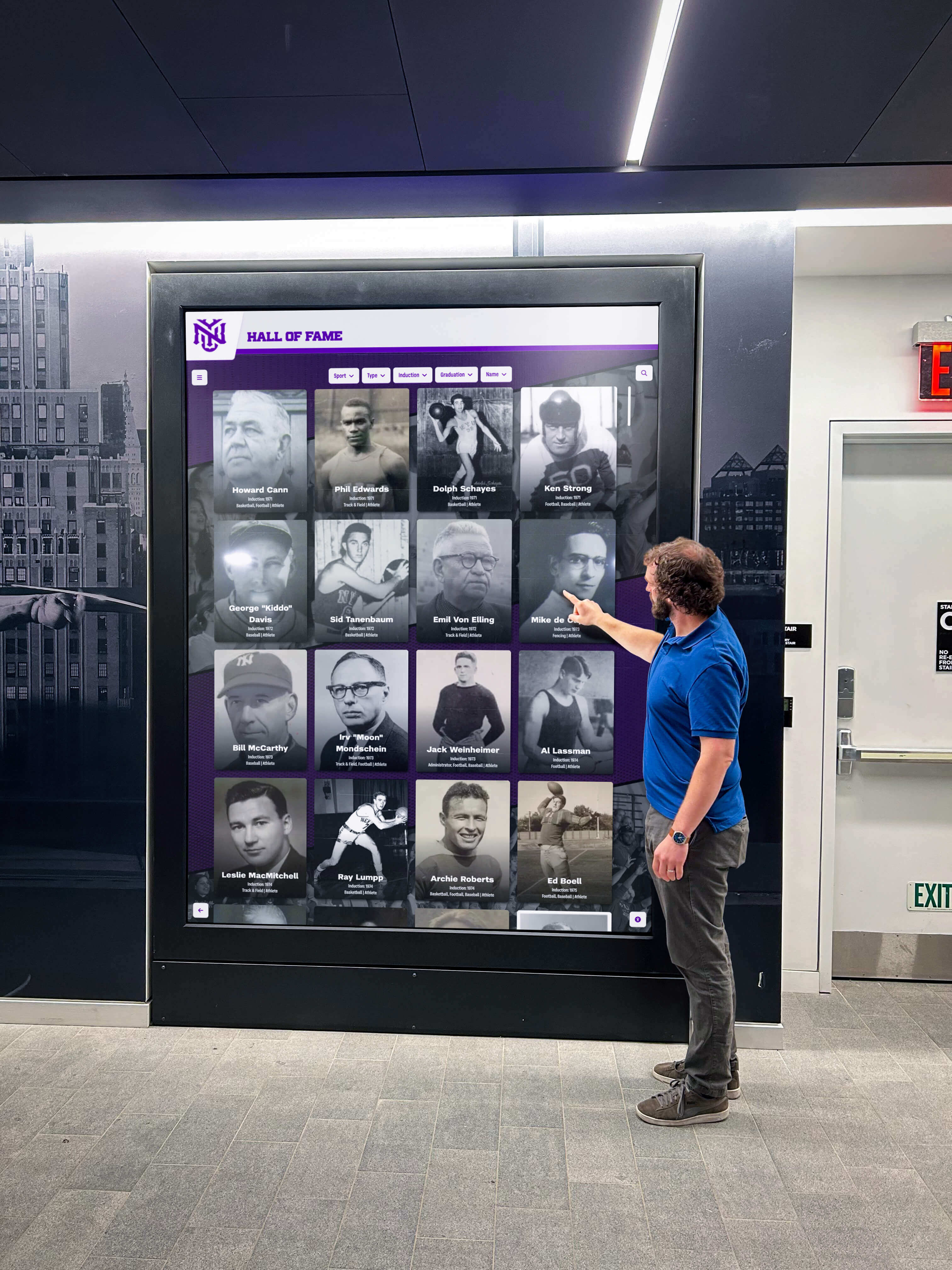
Engage diverse stakeholders bringing varied perspectives through planning committees including curators contributing historical expertise and content direction, archivists providing digitization and preservation guidance, educators offering learning objective insights, technology staff addressing infrastructure requirements, accessibility advocates ensuring inclusive design, community representatives expressing visitor perspectives, and advancement professionals identifying fundraising opportunities connected to anniversary programming.
America 250 planning should recognize commemorative installations continue serving institutions long after 2026. Avoid temporary solutions designed specifically for anniversary year. Instead, implement permanent infrastructure that accommodates anniversary content initially then evolves to support ongoing historical programming indefinitely.
Phase 2: Technology Selection and Vendor Evaluation
Selecting appropriate touchscreen platforms requires systematic evaluation comparing capabilities, implementation approaches, total costs, and vendor viability. Critical evaluation criteria include purpose-built museum focus versus adapted digital signage, content management ease for non-technical staff, unlimited versus restricted storage capacity, comprehensive search and filtering capabilities, multimedia support beyond simple image displays, ADA compliance documentation and testing, analytics revealing visitor engagement patterns, integration capabilities with existing institutional systems, vendor experience with similar organizations including reference clients, and long-term support and upgrade commitments ensuring sustained operations.
Request hands-on demonstrations allowing direct experience with platforms before committing resources. Test search functionality with sample content representing realistic use cases. Evaluate interfaces from visitor perspectives including various age groups, technology comfort levels, and accessibility needs. Confirm platforms genuinely deliver advertised capabilities rather than relying on marketing materials potentially overstating functionality.
Assess total cost of ownership including platform licensing or subscription fees, digitization services if outsourcing scanning and processing, hardware costs for touchscreen displays and mounting systems, installation and configuration professional services, content migration from existing databases or legacy systems, staff training and ongoing technical support, annual hosting and maintenance fees, and future scalability costs as archives inevitably expand.
Some vendors provide all-inclusive pricing covering comprehensive services while others itemize components requiring careful comparison for accurate evaluation. Solutions like Rocket Alumni Solutions typically include white-glove implementation encompassing hardware, software, installation, content migration, training, and ongoing support through single service relationships simplifying budgeting and eliminating coordination complexity across multiple vendors.
Phase 3: Content Development and Digitization
Content development represents the most time-intensive aspect of touchscreen implementation, determining ultimate value visitors receive from systems. Comprehensive content development includes digitizing photographs, documents, artifacts, and audiovisual materials meeting quality standards, creating metadata enabling searchability and contextual understanding, developing interpretive text providing historical context and educational value, organizing content through clear categorization supporting various browsing approaches, collecting oral histories capturing first-person perspectives and memories, securing rights for copyrighted materials included in exhibitions, and implementing quality control ensuring accuracy, consistency, and professionalism.
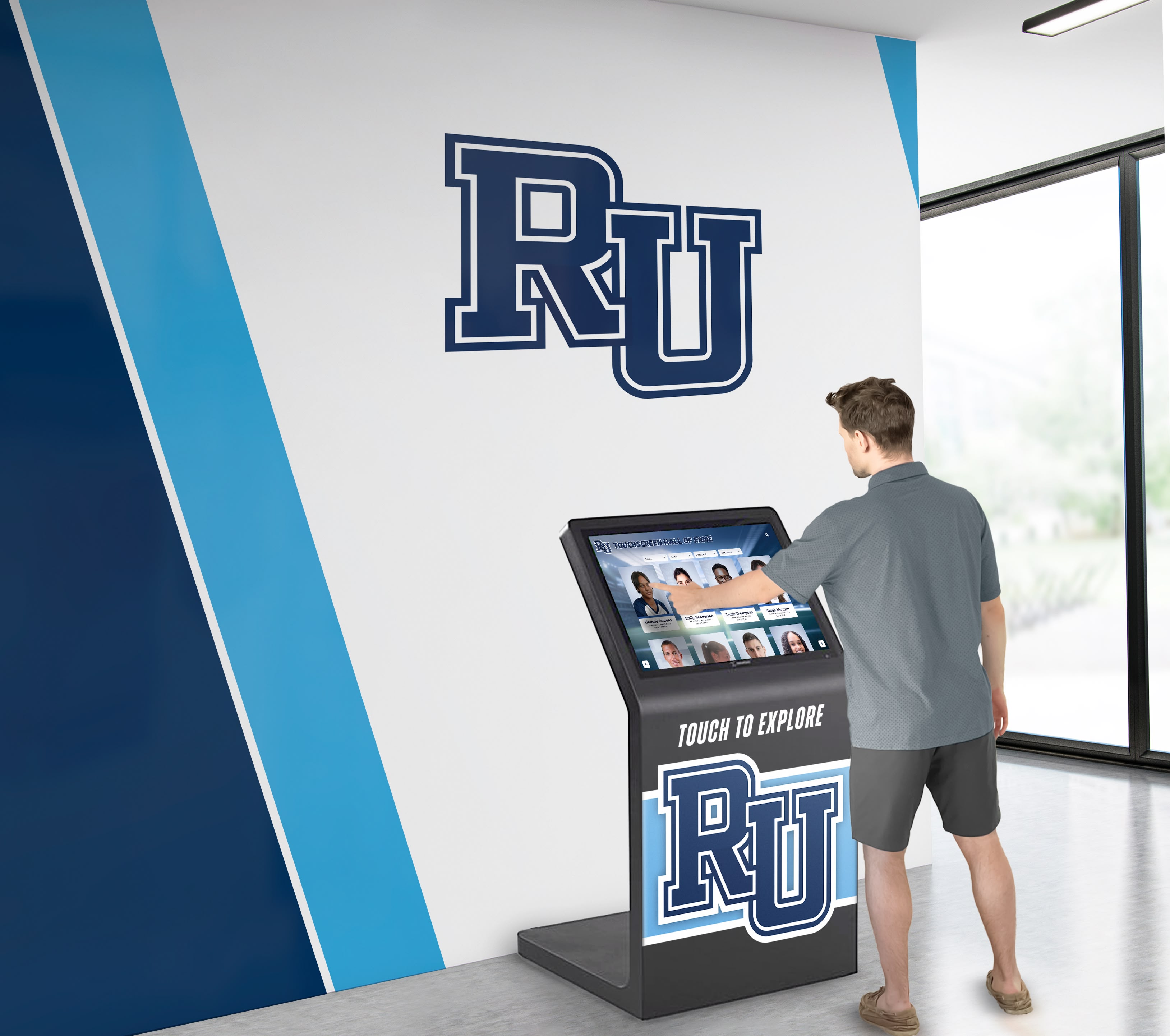
America 250 content should emphasize local connections to national historical narratives. Communities care primarily about local history and regional significance rather than generic national overviews available everywhere. Effective commemorative programming highlights how national events affected local communities, recognizes local citizens who contributed to broader historical developments, preserves regional traditions and experiences, and connects past events to present community identity.
Many institutions discover extensive historical materials in unexpected locations during content development. Local newspapers contain decades of community documentation. School yearbooks preserve institutional memory. Church archives maintain records unavailable elsewhere. Military organizations preserve veteran documentation. Civic groups hold meeting minutes chronicling community decisions. Comprehensive content development requires systematic investigation across multiple sources rather than limiting digitization to existing institutional holdings.
Phase 4: Installation and Technical Implementation
Professional installation ensures touchscreen systems operate dependably while meeting accessibility and security requirements. Installation considerations include optimal placement in high-traffic areas with adequate space for multiple simultaneous users, appropriate mounting heights meeting ADA standards, environmental control preventing screen damage from temperature, humidity, or light exposure, electrical infrastructure providing stable power and network connectivity, physical security preventing theft or vandalism, and backup systems ensuring continued operation during internet or power disruptions.
Work with experienced installation professionals understanding museum environments rather than general contractors lacking specialized knowledge. Museum installations differ substantially from corporate lobby displays regarding accessibility requirements, preservation environment specifications, and visitor interaction patterns. Vendors specializing in museum technology like Rocket Alumni Solutions understand these contextual requirements and specify appropriate solutions avoiding common mistakes that compromise functionality or create operational problems.
Testing phases should involve diverse users representing actual visitor populations including different age groups, technology comfort levels, physical abilities, and backgrounds. Identify usability issues before public launch when corrections require minimal effort compared to post-launch modifications with systems already in public operation. Iterative testing and refinement creates polished experiences that meet visitor needs effectively.
America 250 Content Strategies for Museum Touchscreens
Developing compelling America 250 content requires thoughtful approaches honoring historical accuracy while creating engaging experiences.
Inclusive Historical Narratives
Modern commemorations recognize American history encompasses diverse experiences including founding period stories beyond political leaders, Revolutionary War contributions from various communities, economic development driven by multiple populations, cultural evolution incorporating varied traditions, social movements advancing rights and opportunities, technological progress through collective innovation, and regional variations reflecting different geographic and demographic contexts.
Museum digital displays support inclusive storytelling through unlimited capacity accommodating comprehensive representation impossible in space-constrained physical exhibits. Interactive systems allow visitors to explore specific topics matching personal interests rather than experiencing single curatorial narratives presenting limited perspectives.
Inclusive content development requires consulting diverse historical sources and engaging community stakeholders representing varied backgrounds and perspectives. Historians, educators, and community members collaborating on content creation produce exhibitions reflecting accurate historical complexity rather than simplified narratives omitting inconvenient realities or controversial topics.
Local Connections to National History
America 250 commemorations succeed when connecting national narratives to local experiences. Abstract historical overviews engage audiences minimally compared to specific stories demonstrating how national events affected familiar places and recognizable people.
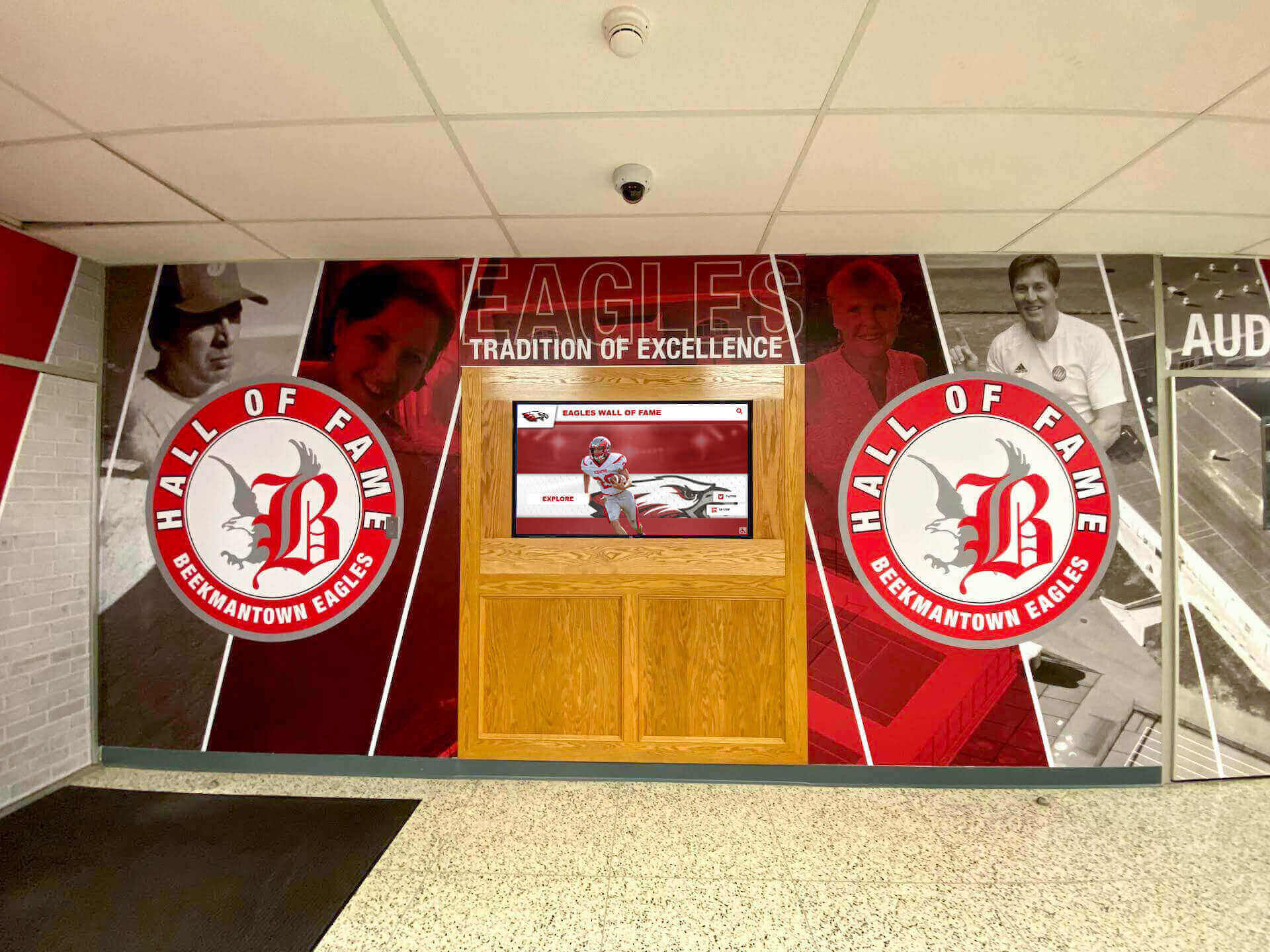
Effective local content includes profiles of community members who participated in national events, documentation of local impacts from national developments, preservation of regional traditions reflecting broader cultural patterns, recognition of local institutions contributing to national progress, and contemporary connections showing how historical events influence present community identity.
Schools implementing America 250 programming might highlight alumni who served in various conflicts throughout American history, document institutional development reflecting national educational evolution, preserve records of community responses to national events from wars to economic changes, and recognize distinguished graduates who contributed to various fields nationally. These localized approaches create relevance for students, families, and community members by connecting classroom learning to lived community experience.
Interactive Timeline Presentations
Chronological organization provides clear frameworks for understanding historical development. Interactive timelines allow visitors to explore 250 years of American history through visual interfaces presenting decades as browsable segments, highlighting significant events and developments, enabling detailed examination of specific years or periods, showing connections between concurrent developments in different domains, and providing both overview perspectives and detailed deep dives.
Timeline presentations particularly benefit from touchscreen digital hall of fame walls that organize content chronologically while allowing thematic filtering. Users can view complete timelines showing all events, filter by specific topics like military history or economic development, focus on particular decades or eras, or search for specific events and developments.
America 250 timelines should extend beyond 1776 to include colonial foundations providing context for independence, trace developments across subsequent centuries, and continue through present day connecting historical foundations to contemporary America. Complete historical arcs help visitors understand how founding principles evolved through practical application across changing circumstances.
Biographical Recognition Systems
Personal stories humanize historical narratives by connecting abstract developments to individual experiences. Biographical databases within touchscreen systems can include founding era figures with local connections, military veterans from various conflicts, civic leaders shaping community development, business innovators driving economic growth, educators and religious leaders influencing institutions, artists and cultural contributors, athletes and sports pioneers, and everyday citizens whose lives reflected broader historical patterns.
Biographical content should provide comprehensive profiles including photographs when available, biographical summaries highlighting significant contributions, connections to broader historical events and developments, primary source materials like letters or documents, and family connections enabling genealogical research. The goal creates resources serving both educational objectives and personal community connections.
Digital donor walls used for fundraising can be adapted for historical recognition by acknowledging contributors to institutional development across history including founding benefactors, major donors through different eras, volunteers sustaining organizations, and legacy contributors whose support enabled institutional survival and growth.
Measuring Success and Visitor Engagement
Effective museum touchscreen implementations include analytics measuring visitor engagement and program impact.
Key Performance Indicators
Track multiple metrics revealing how visitors use systems including total interactions measured as touchscreen sessions, duration of engagement showing how long visitors explore content, content popularity revealing which topics attract most interest, search queries indicating what information visitors seek, user paths showing navigation patterns through content, repeat visits from returning users, mobile device transfers through QR codes, and social media sharing extending institutional reach.
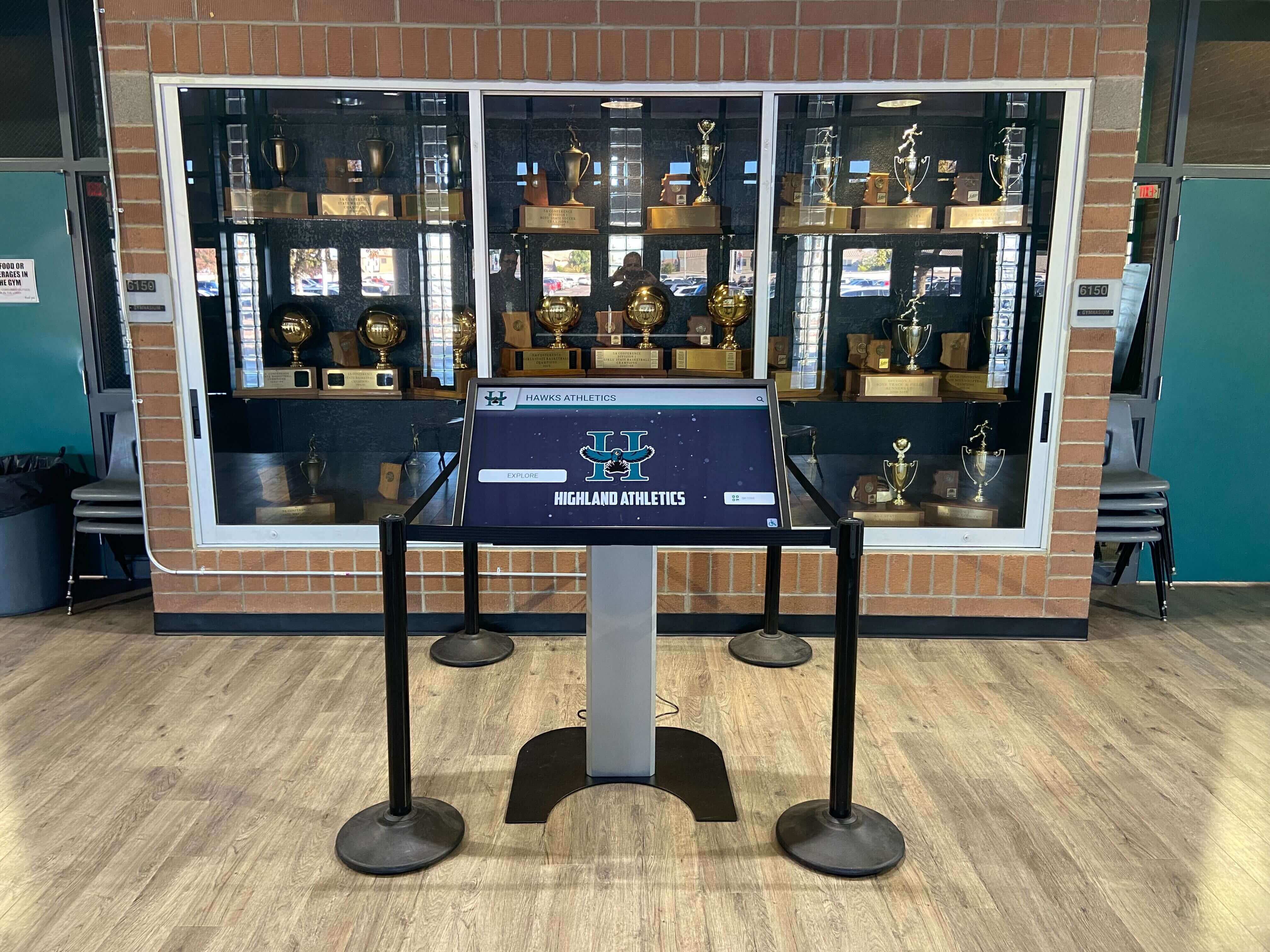
Analytics inform ongoing content development by identifying popular topics deserving expansion, revealing underutilized content requiring promotion or improvement, showing search queries suggesting content gaps, and demonstrating engagement patterns guiding interface refinements.
America 250 programming benefits from baseline measurements before commemorative installations allowing comparison demonstrating anniversary impacts. Track overall visitation, membership growth, program participation, website traffic, and social media engagement alongside touchscreen analytics revealing how interactive exhibits contribute to broader institutional objectives.
Visitor Feedback and Continuous Improvement
Combine quantitative analytics with qualitative feedback through visitor surveys, informal observation of touchscreen use, staff reports about questions and comments, social media monitoring revealing public responses, and formal evaluation studies if resources permit.
Responsive institutions use feedback for continuous improvement including adding requested content, simplifying confusing navigation, enhancing popular features, addressing accessibility barriers identified by users, and refining search capabilities based on observed query patterns.
Touchscreen systems provide unique advantages over traditional exhibits by enabling rapid iteration based on feedback. Physical exhibition changes require months of planning and substantial costs. Digital content updates deploy within hours at minimal expense, allowing institutions to respond quickly to identified improvements and emerging community interests.
Long-Term Value Beyond America 250
Strategic institutions recognize America 250 touchscreen implementations provide permanent infrastructure serving communities long after 2026 commemorations conclude.
Ongoing Historical Programming
Interactive displays support regular programming including rotating digital exhibitions requiring no physical reinstallation, featured content highlighting monthly or seasonal themes, integration with temporary exhibitions and special events, educational programming for school groups, and researcher access to archival materials during non-public hours.
Digital flexibility allows museums to refresh content regularly keeping exhibitions current and encouraging repeat visitation. Traditional physical exhibits remain unchanged for years because modification costs prove prohibitive. Interactive systems enable frequent content updates maintaining visitor interest through regularly changing featured content alongside permanent archival access.
Community Archive and Research Resource
Museum touchscreens function as community archives serving researchers, genealogists, students, and citizens investigating local history. Systems accessible remotely through web interfaces extend service beyond gallery hours and institutional locations, democratizing access to historical materials previously available only to visitors physically present during operating hours.
Library touchscreen interactive displays serve similar functions for educational institutions making collections accessible to students and community members through searchable digital systems replacing card catalogs and limited physical access.
Community archive functions strengthen institutional relationships by providing tangible value beyond exhibition entertainment. Genealogists discovering family history, students completing research projects, authors investigating local topics, and media producing historical features all benefit from accessible digital archives—and typically become institutional advocates and supporters recognizing practical value received.
Educational Partnerships and Curriculum Integration
Schools partnering with museums integrate touchscreen content into curriculum through field trips with pre-visit preparation using web-accessible content, guided investigations during physical visits, post-visit research projects extending classroom learning, and remote access for classrooms unable to arrange physical trips.
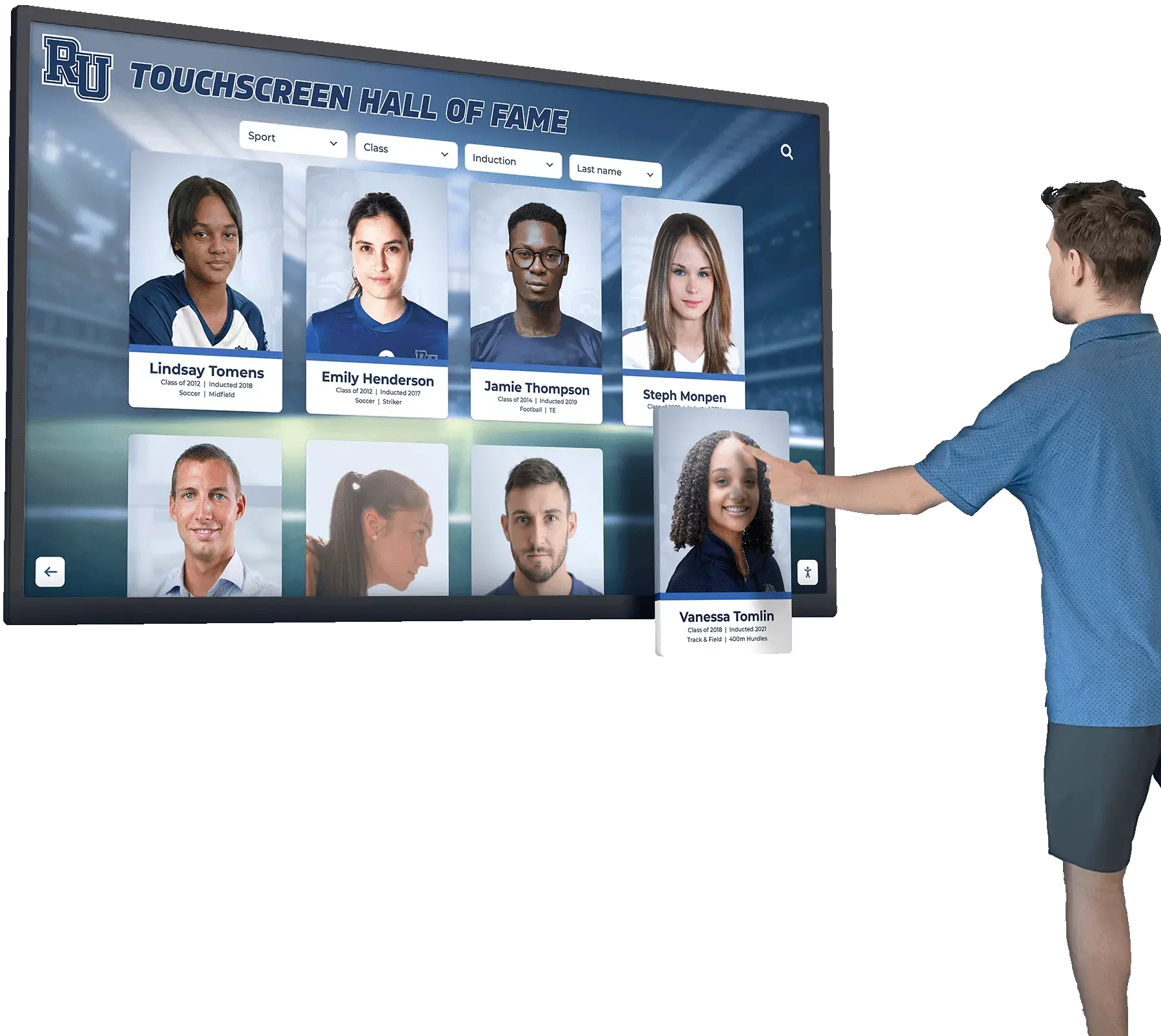
Museums providing educational resources aligned with curriculum standards become essential teaching partners rather than occasional field trip destinations. This positioning strengthens community support, justifies funding allocations, and ensures sustained visitation across school years.
America 250 content connects to multiple curriculum areas including American history courses obviously, but also civics and government classes exploring founding principles, English and literature classes examining historical documents as texts, art classes investigating visual culture across eras, and social studies programs addressing community development and identity.
Technical Considerations and Best Practices
Successful museum touchscreen implementations require attention to technical specifications ensuring reliable long-term operation.
Hardware Selection and Specifications
Choose touchscreen hardware meeting museum environment requirements including commercial-grade displays rated for continuous operation rather than consumer televisions designed for intermittent home use, adequate brightness specifications maintaining visibility in various lighting conditions, high-resolution displays rendering detailed images and text clearly, responsive touch technology supporting accurate interaction, durable construction withstanding heavy public use, and adequate screen sizes making content accessible to multiple simultaneous users without crowding.
Display sizes typically range from 43 inches for individual kiosk installations to 86 inches for communal exploration walls accommodating small groups. Consider intended use patterns when specifying sizes—smaller displays work well for individual research while larger installations support family groups and educational groups exploring content together.
Environmental factors influence hardware selection including ambient lighting affecting screen visibility, temperature and humidity levels especially in historic buildings without climate control, physical security concerns in accessible locations, and power and network infrastructure availability. Professional vendors experienced with museum installations guide appropriate hardware selections matching specific environmental contexts.
Software Architecture and Maintenance
Backend software architecture determines content management ease and long-term operational sustainability. Preferred characteristics include cloud-based content management accessible from any internet-connected device, straightforward administrative interfaces requiring no technical expertise, automated backup systems preventing data loss, regular security updates addressing emerging vulnerabilities, version control supporting content rollback if needed, and usage analytics providing engagement insights.
Avoid systems requiring on-site servers, specialized software installations, or technical expertise for routine content updates. These dependencies create operational barriers preventing regular maintenance and limiting which staff members can contribute to content development and curation.
Maintenance requirements should be clearly understood before implementation including software update frequency and procedures, content backup responsibilities and schedules, hardware cleaning and maintenance protocols, technical support availability and response times, and upgrade paths for future capability enhancements.
Funding Strategies for America 250 Touchscreen Projects
Museum history touchscreen implementations represent significant investments requiring strategic funding approaches.
Commemorative Grant Programs
America 250 commemorations created special funding opportunities through federal programs including National Endowment for the Humanities grants supporting historical exhibitions and public programs, Institute of Museum and Library Services funding educational technology and digitization projects, and National Park Service grants for heritage preservation and interpretation.
State humanities councils and historical societies offer regional grant programs supporting local history projects. State-level America 250 commissions in many locations provide commemorative grants specifically for anniversary programming and exhibitions.
Corporate sponsors frequently support America 250 initiatives aligning businesses with patriotic commemorations attracting positive community attention. Local and regional businesses may fund specific exhibit components receiving naming recognition through digital displays acknowledging sponsorship contributions.
Capital Campaign Integration
Museums conducting capital campaigns integrate touchscreen installations as tangible campaign components donors can see and experience. Physical displays provide recognition opportunities for major donors while serving functional exhibition purposes, creating win-win scenarios where fundraising needs align with programmatic goals.
Donor recognition displays incorporated into historical touchscreens combine fundraising acknowledgment with historical content, allowing institutions to honor supporters while maintaining focus on mission-driven programming rather than creating separated donor walls disconnected from institutional purpose.
Campaign materials should emphasize long-term value touchscreen investments provide beyond temporary anniversary exhibitions. Donors appreciate supporting permanent improvements serving communities for decades rather than funding single-year commemorative events leaving no lasting institutional assets.
Phased Implementation Approaches
Organizations unable to secure complete funding for comprehensive installations can implement phased approaches beginning with pilot installations in single locations, initial content focusing on highest priority materials, basic functionality expanding through subsequent phases, and progressive digitization as resources permit.
Pilot installations demonstrate capabilities and visitor engagement, providing evidence supporting subsequent funding requests. Successful initial implementations create momentum and community enthusiasm that facilitates expanded resource development for comprehensive buildout.
Conclusion: Preparing for America’s 250th Celebration
The 2026 semiquincentennial represents a defining moment for American museums and historical institutions. Communities expect engaging commemorations that honor founding principles while acknowledging historical complexity, celebrate achievements while recognizing all contributors, and create educational experiences meeting modern expectations for technology-enabled interaction rather than passive observation.
Museum history touchscreens provide the technological foundation these expectations require. Interactive displays transform historical presentation from static observation to active exploration. Unlimited digital capacity accommodates comprehensive inclusive storytelling representing diverse American experiences. Searchable archives serve researchers, educators, and curious citizens investigating heritage. Mobile integration extends institutional reach beyond gallery walls to global audiences. Most significantly, touchscreen installations implemented for America 250 commemorations provide permanent infrastructure continuing to serve communities long after anniversary celebrations conclude.
Institutions planning commemorative programming face critical timing considerations. Content development requires substantial time for digitization, metadata creation, quality control, and user testing. Hardware procurement and installation involve lead times and coordination complexity. Staff training ensures confident operation before public launch. Organizations beginning planning now position themselves for successful summer 2026 implementations. Delayed starts risk incomplete preparation that compromises commemorative impact and visitor experience.
The semiquincentennial provides unique opportunities to secure funding, attract increased visitation, refresh exhibitions, and implement technological improvements serving institutional missions for decades. Museums and historical societies embracing these opportunities through strategic touchscreen implementations honor America’s past while building future-focused infrastructure that engages generations ahead.
Ready to explore how museum history touchscreens can transform your America 250 programming and create permanent exhibition capabilities serving your community long after commemorations conclude? Schedule a consultation to discover purpose-built solutions designed specifically for historical recognition and heritage preservation contexts.































