



Alumni reunions represent far more than nostalgic gatherings—they’re strategic opportunities to strengthen institutional connections, cultivate donor relationships, celebrate shared heritage, and build communities spanning multiple generations. Yet too many schools default to generic reunion formulas featuring uninspired banquet halls, obligatory speeches, and minimal programming beyond basic socializing. The result? Declining attendance, lukewarm engagement, and missed opportunities to transform casual alumni gatherings into meaningful experiences that deepen lifelong connections.
The most successful alumni reunions create memorable experiences that give attendees compelling reasons to clear their calendars, travel considerable distances, and invest time reconnecting with institutions and classmates. These high-impact reunions combine creative activities that facilitate authentic interaction, thoughtful themes that unify celebration experiences, recognition programs acknowledging individual and collective achievements, and modern technology that extends engagement beyond single-event gatherings.
Modern Alumni Reunion Recognition
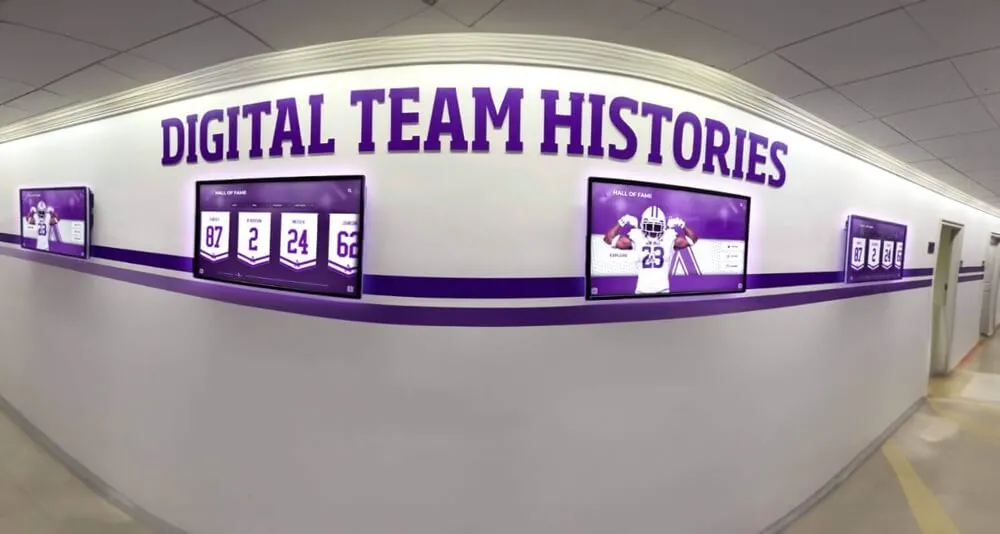
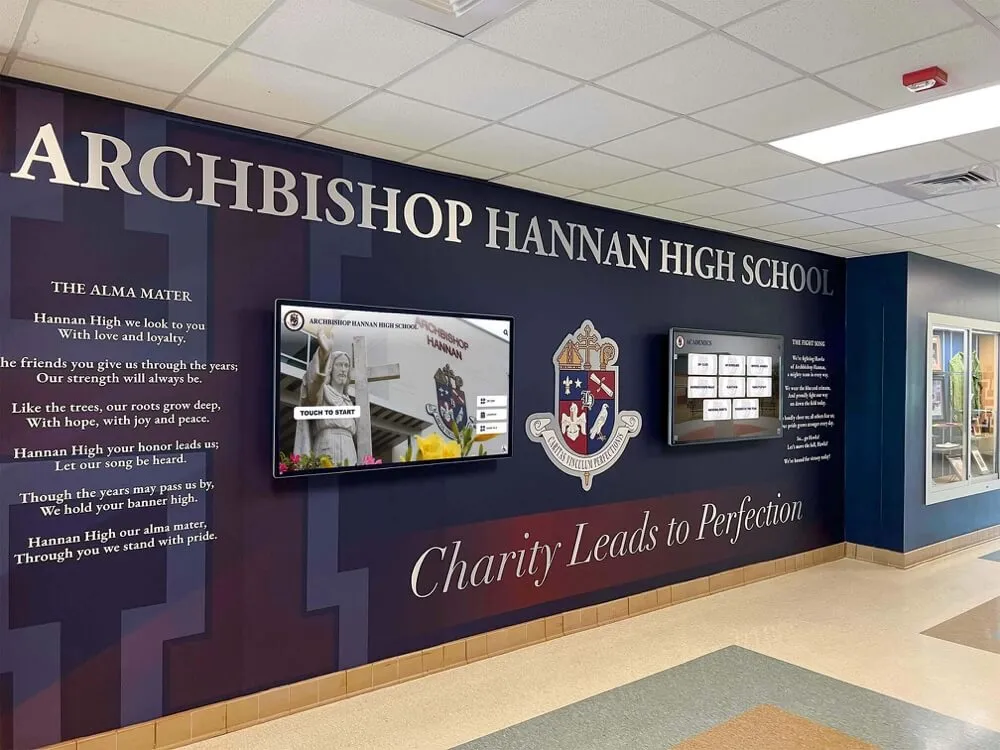
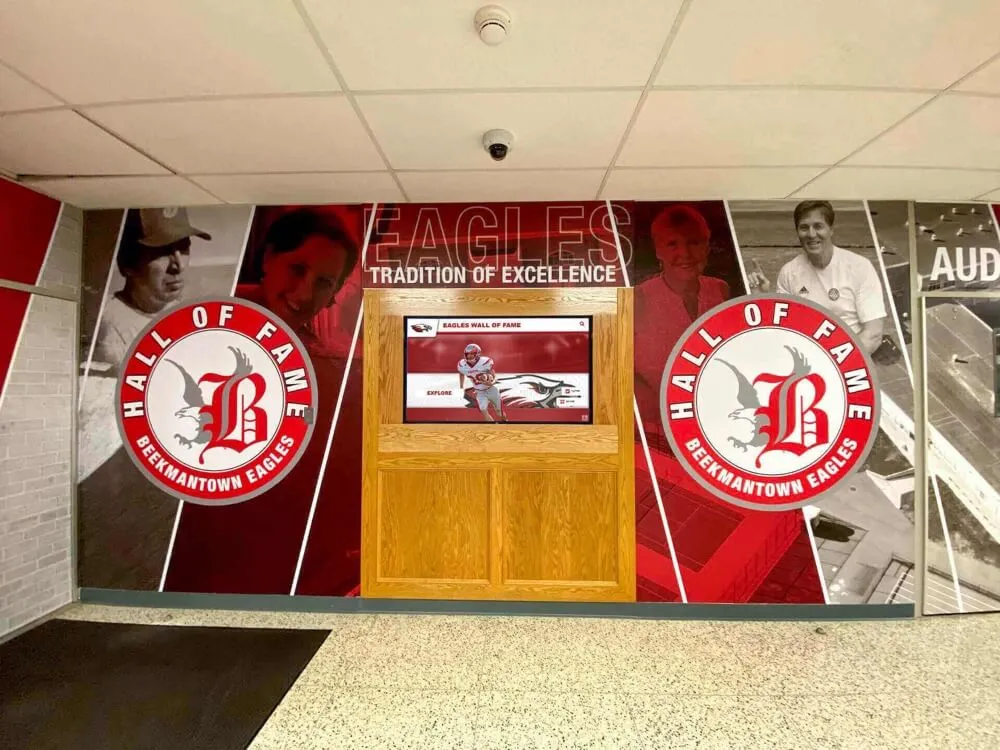
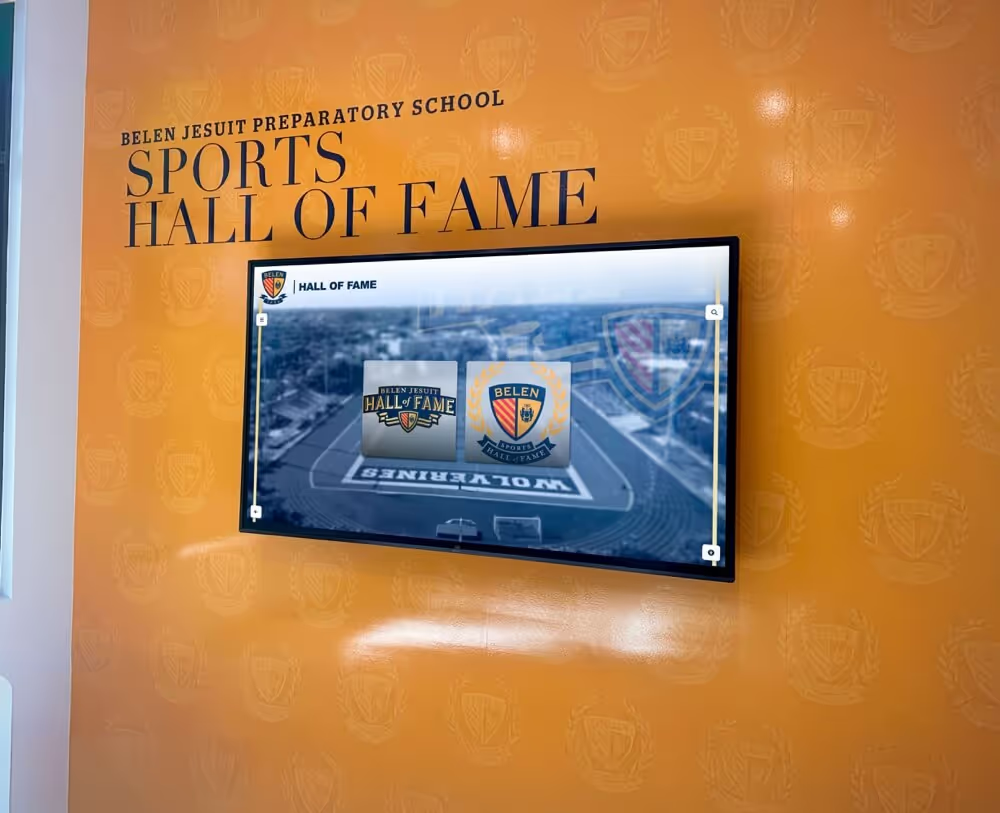
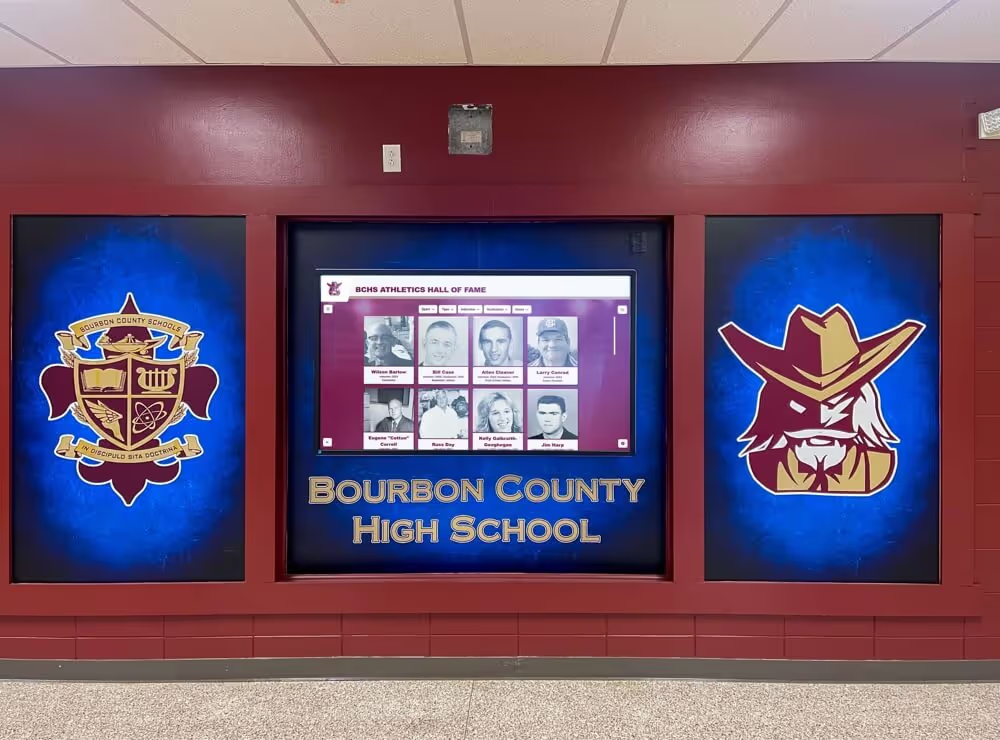
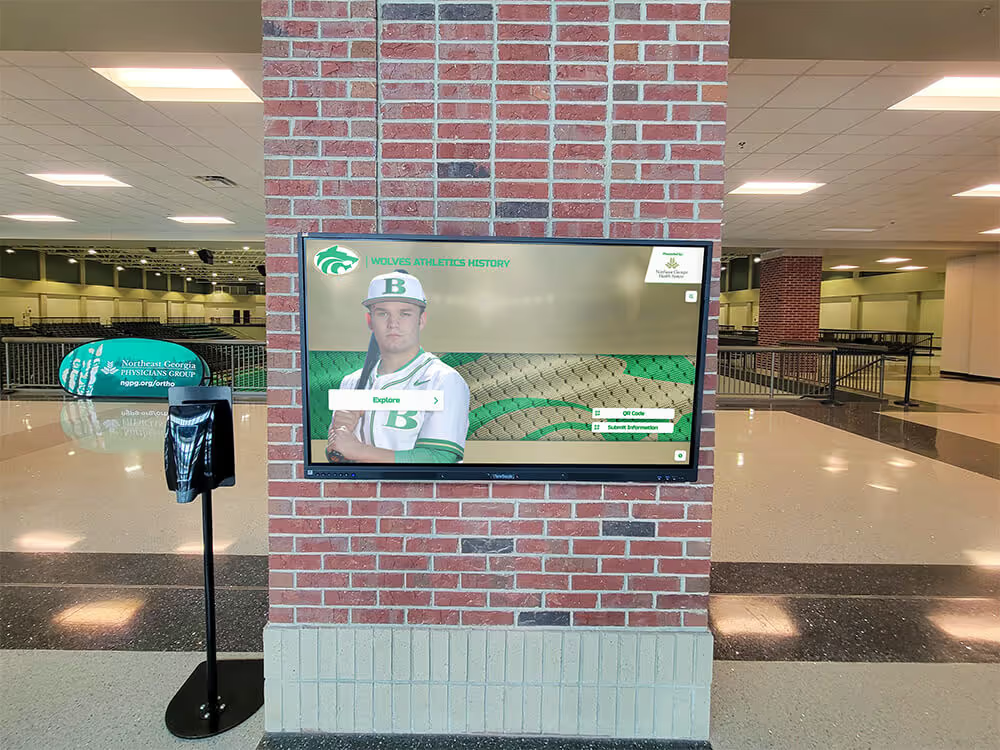
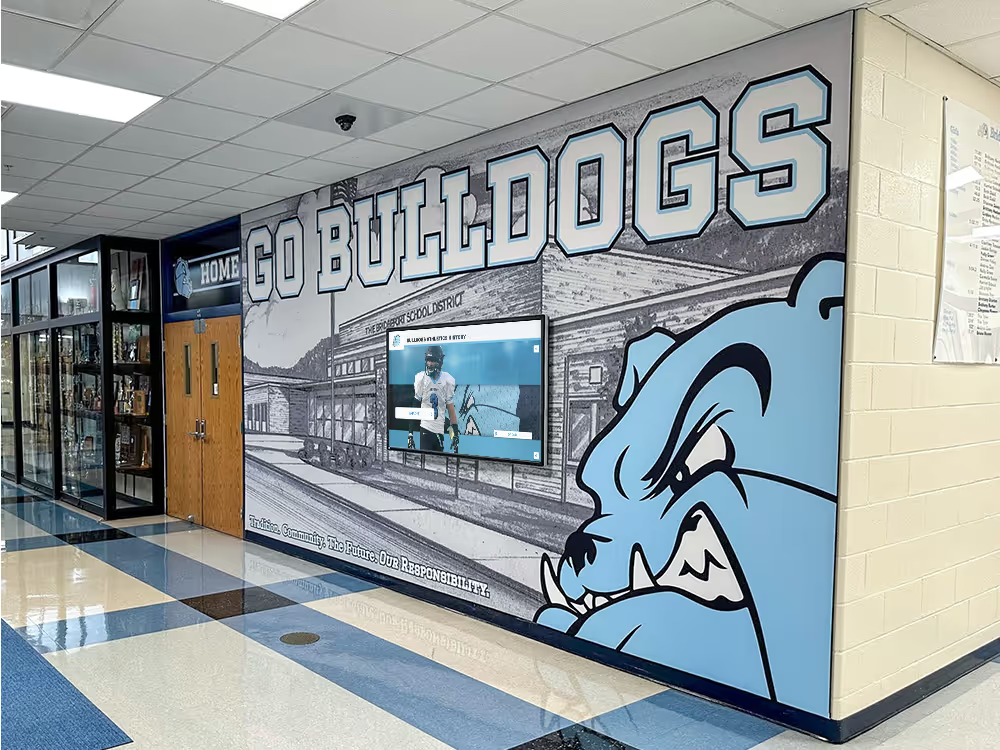
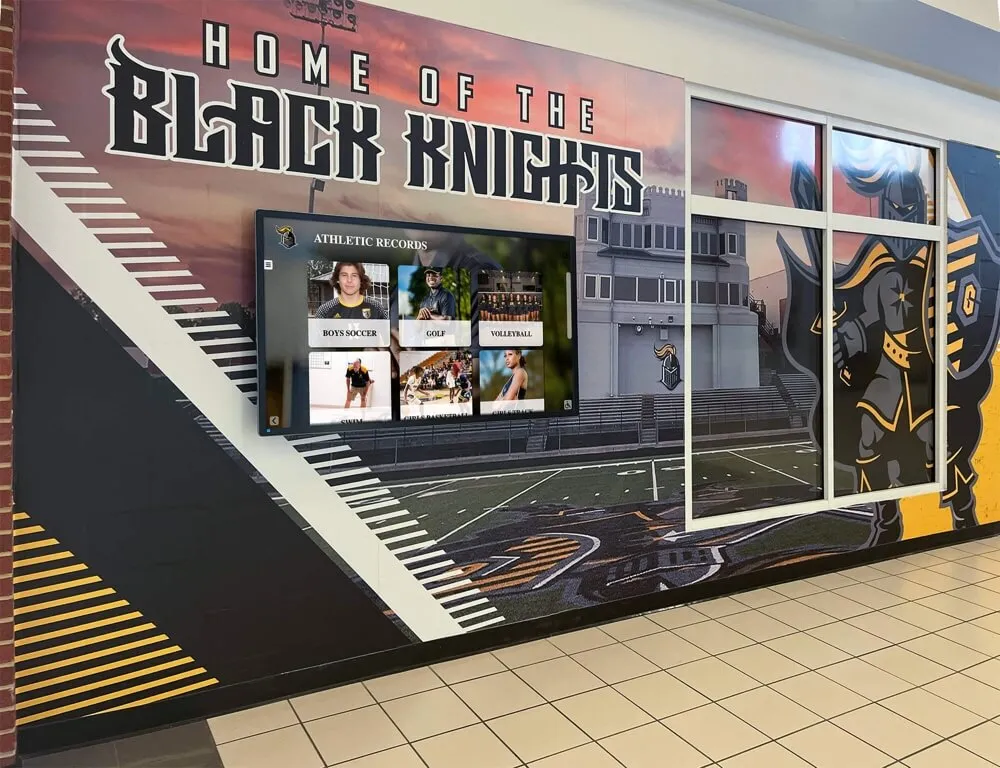
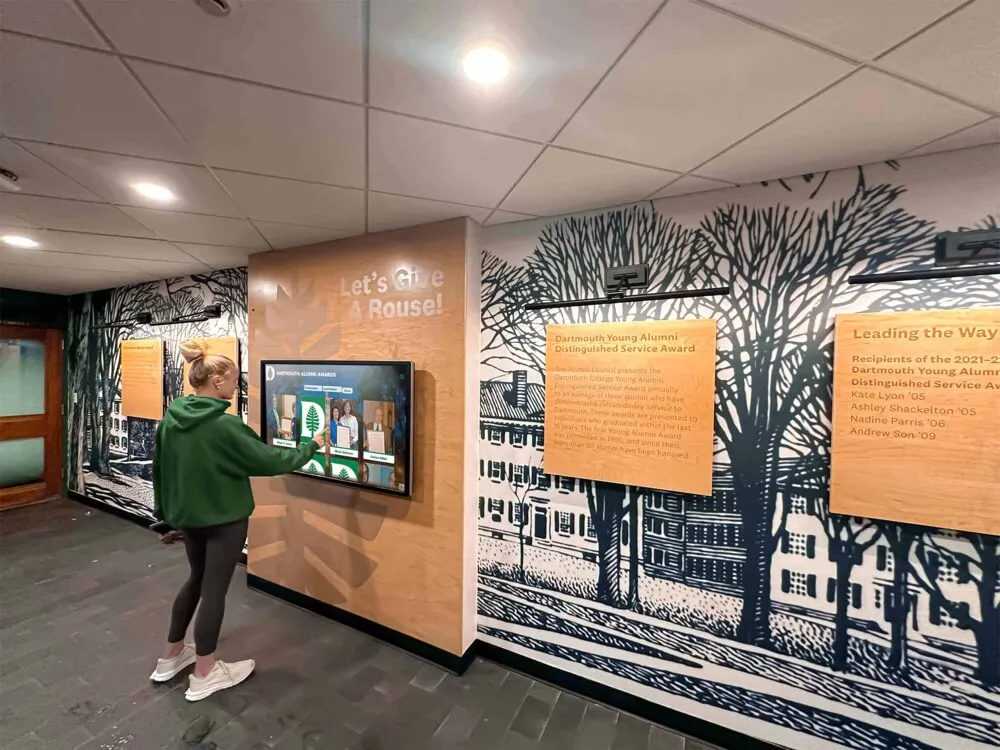
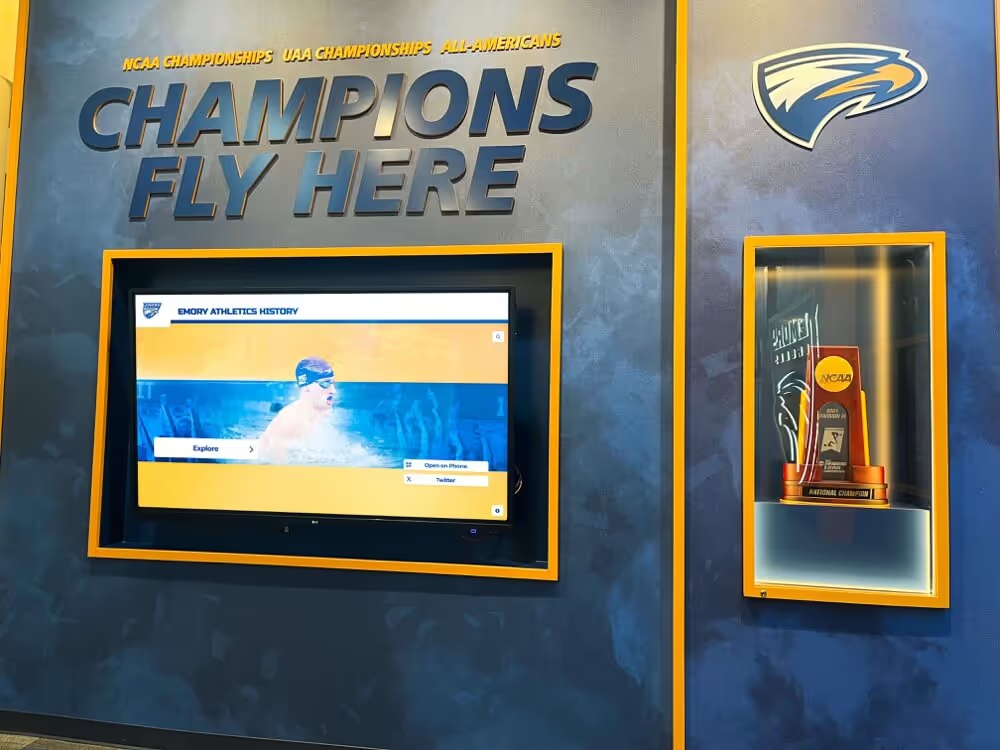
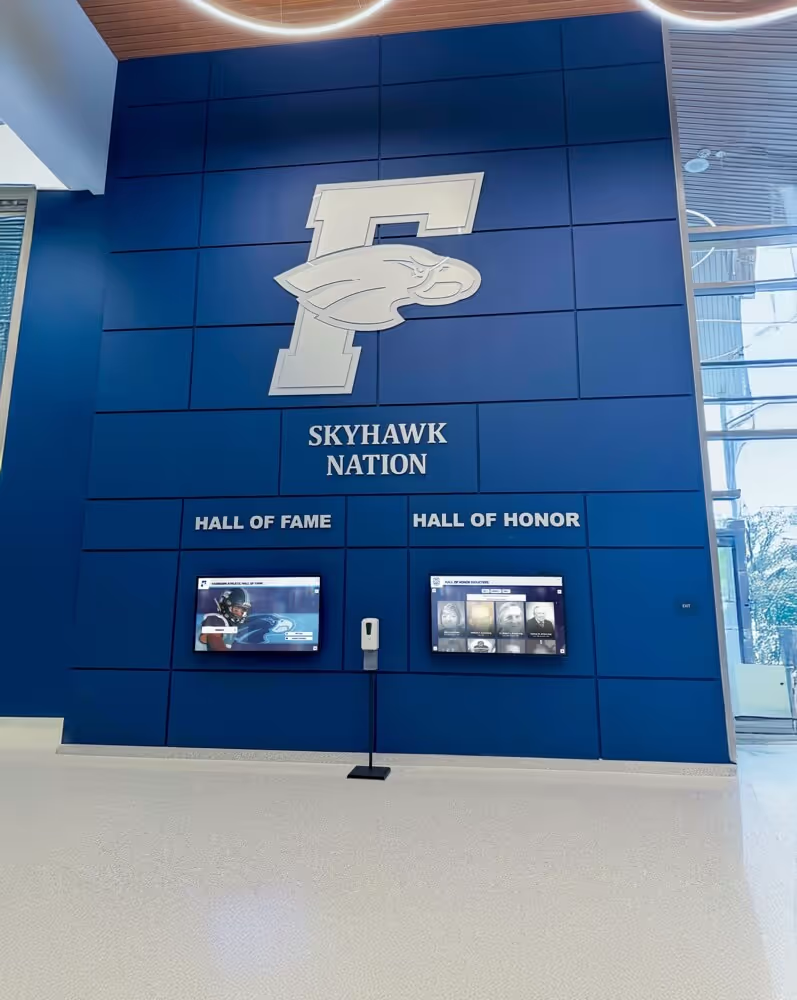
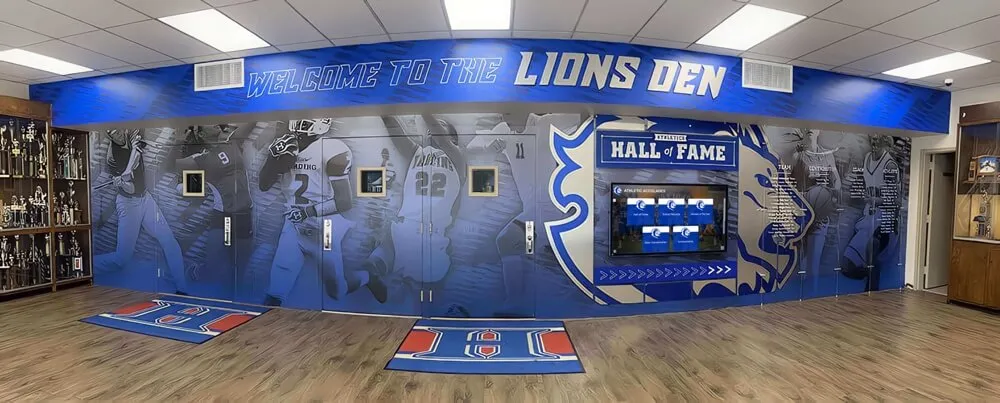
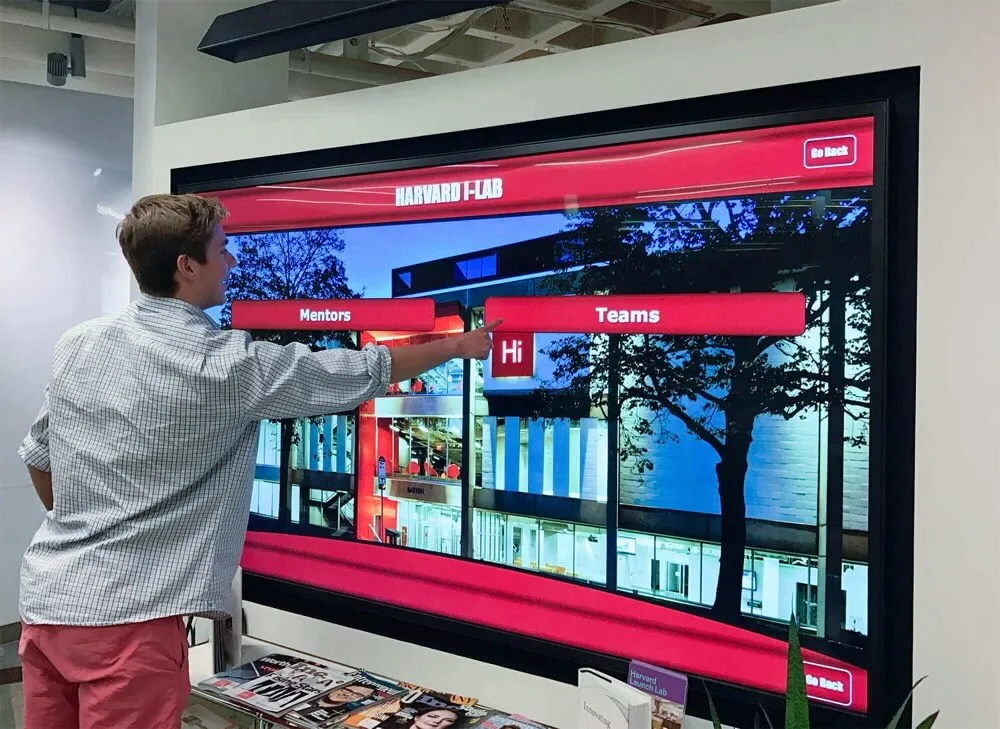
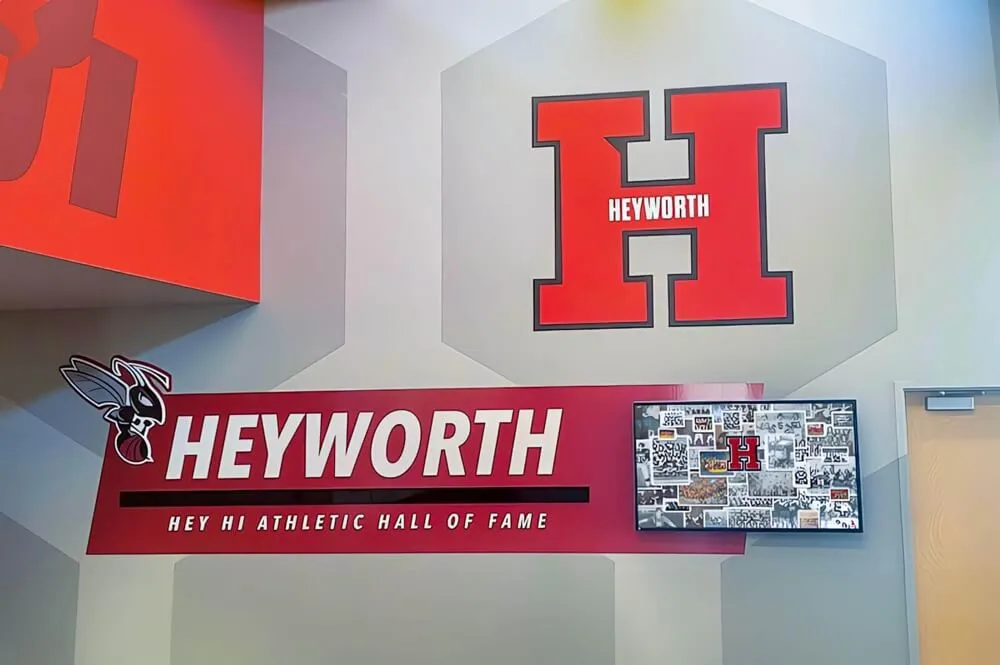
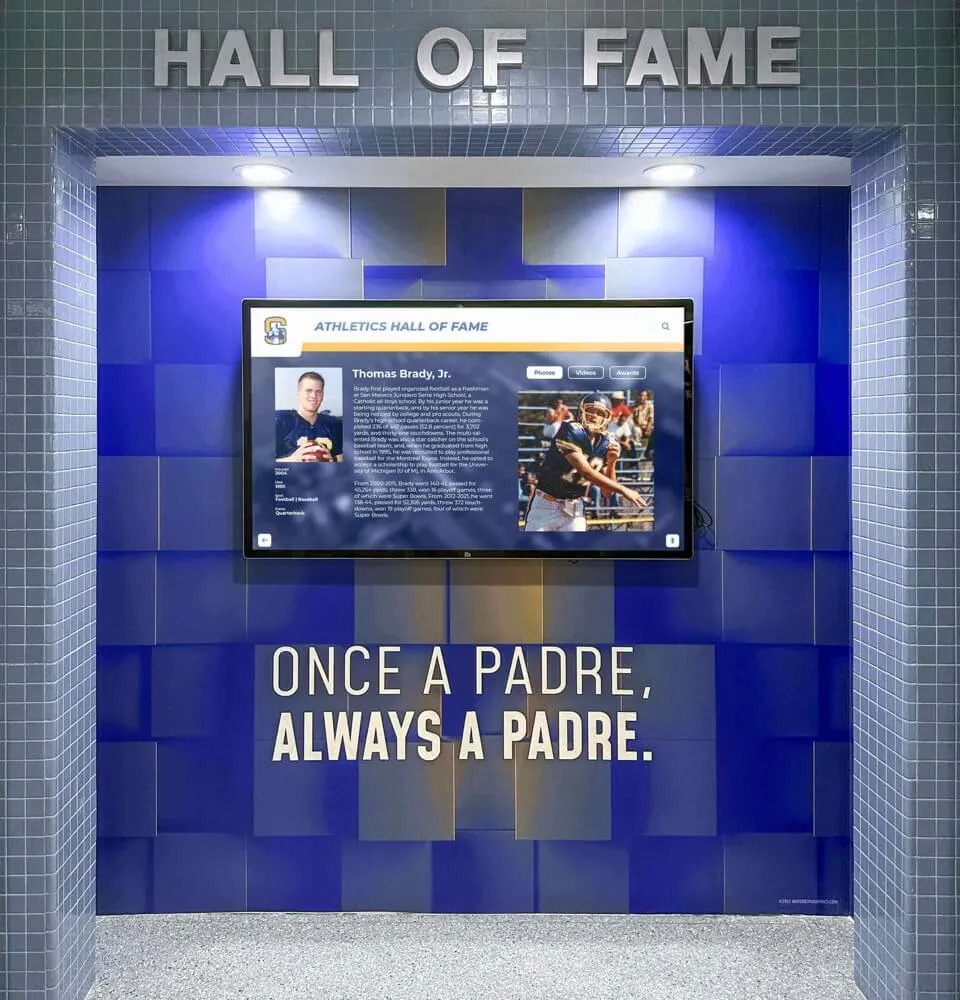
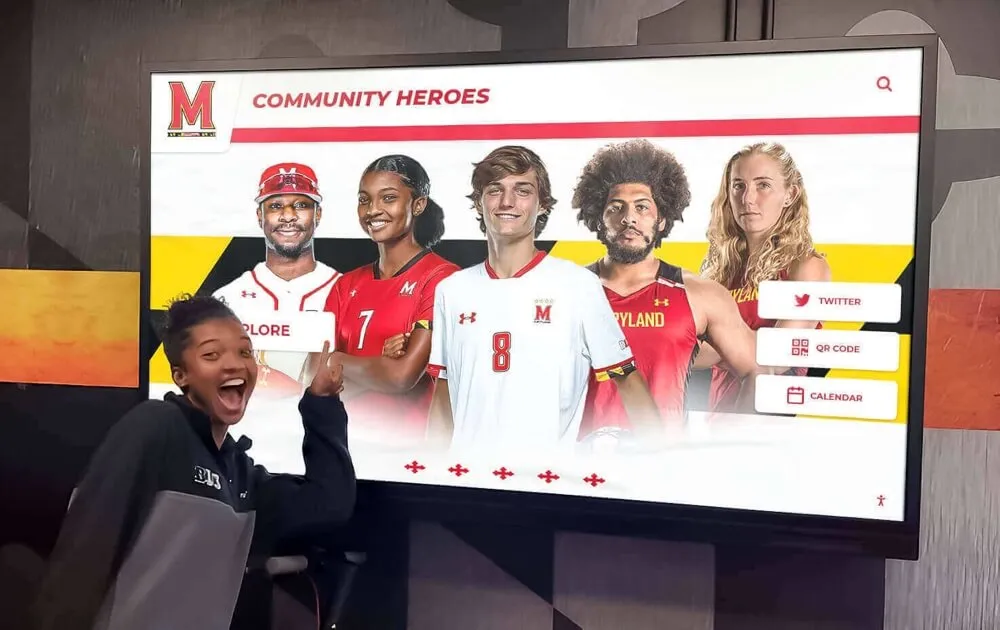
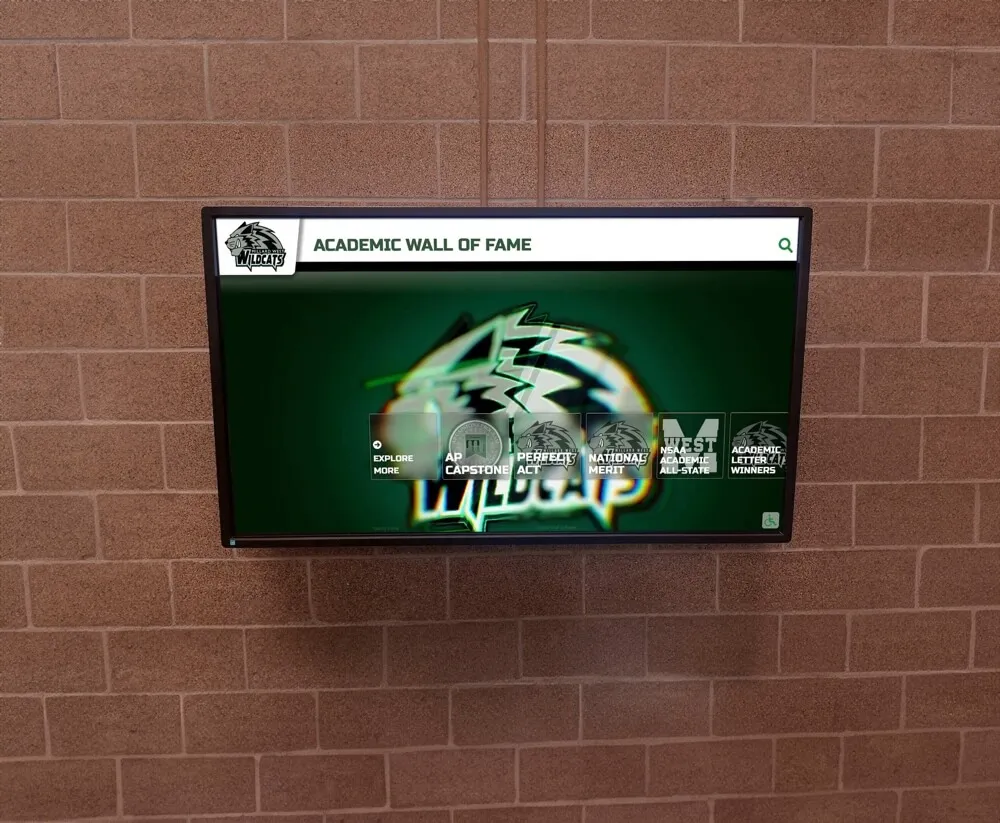
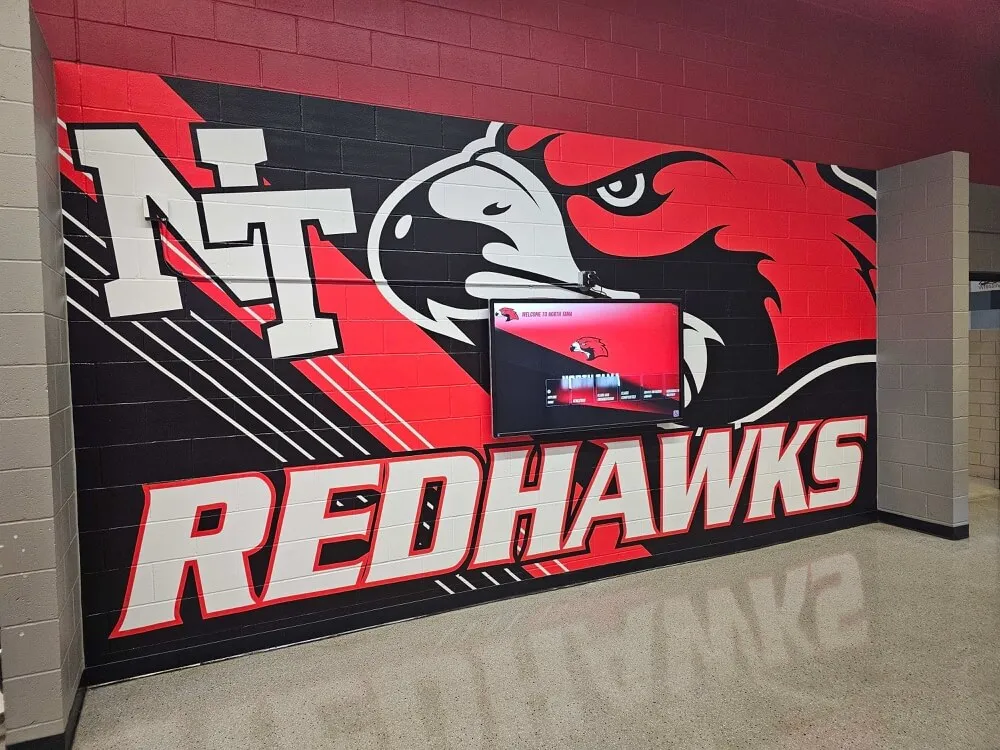
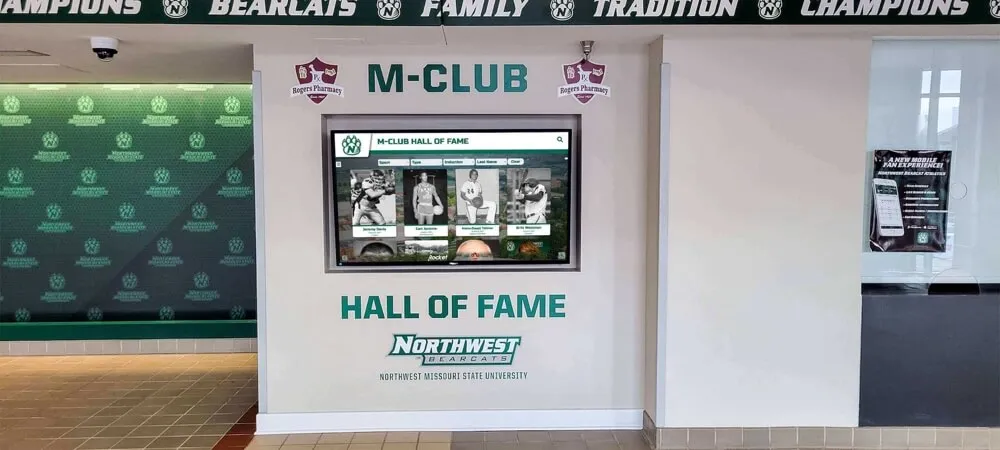
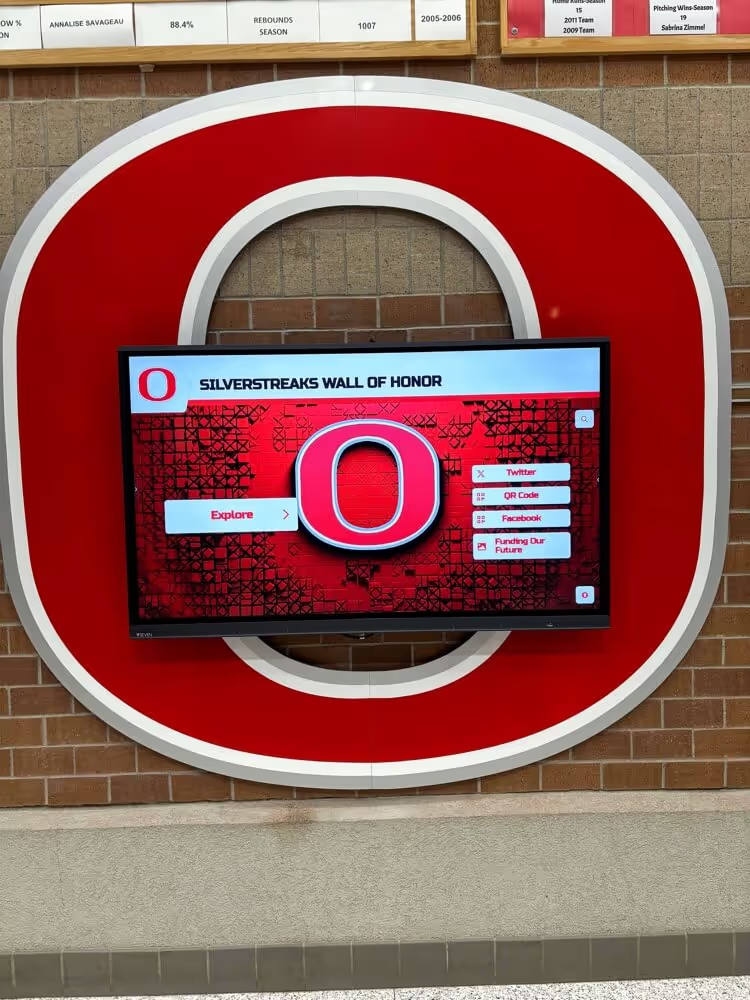
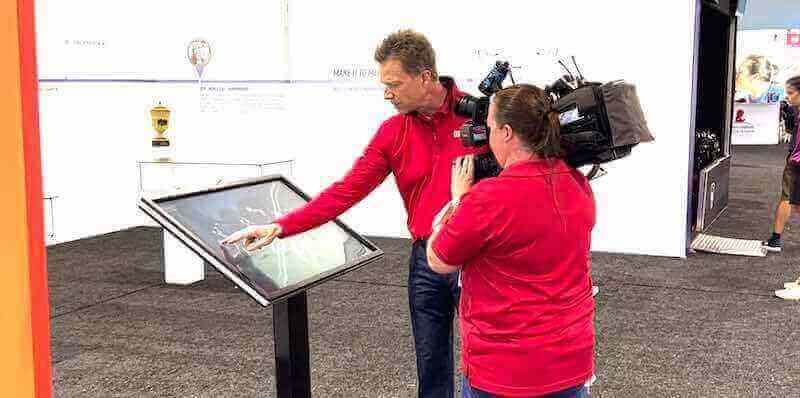
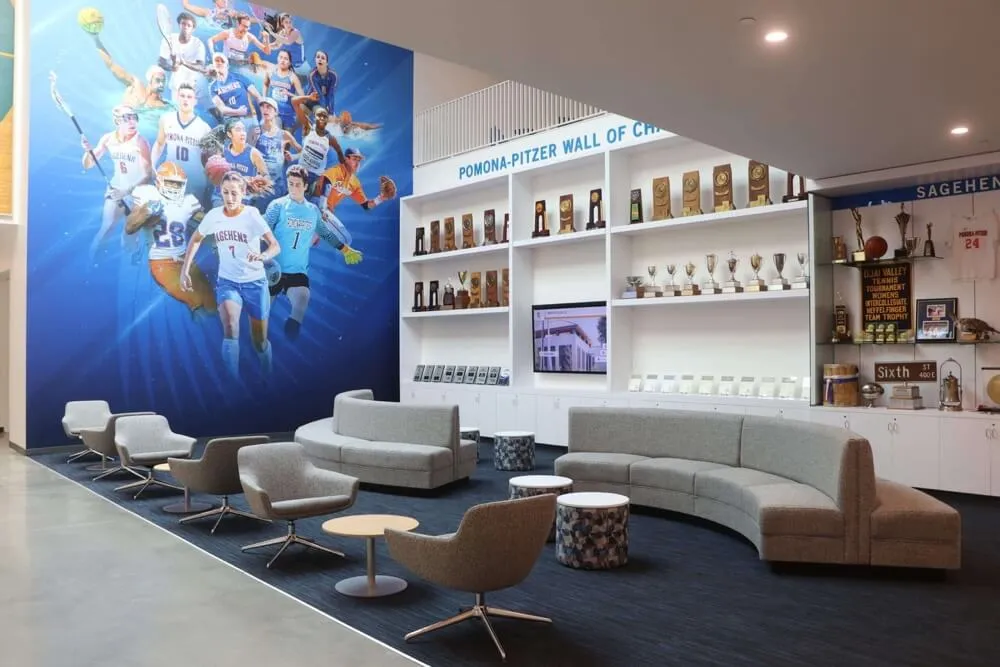
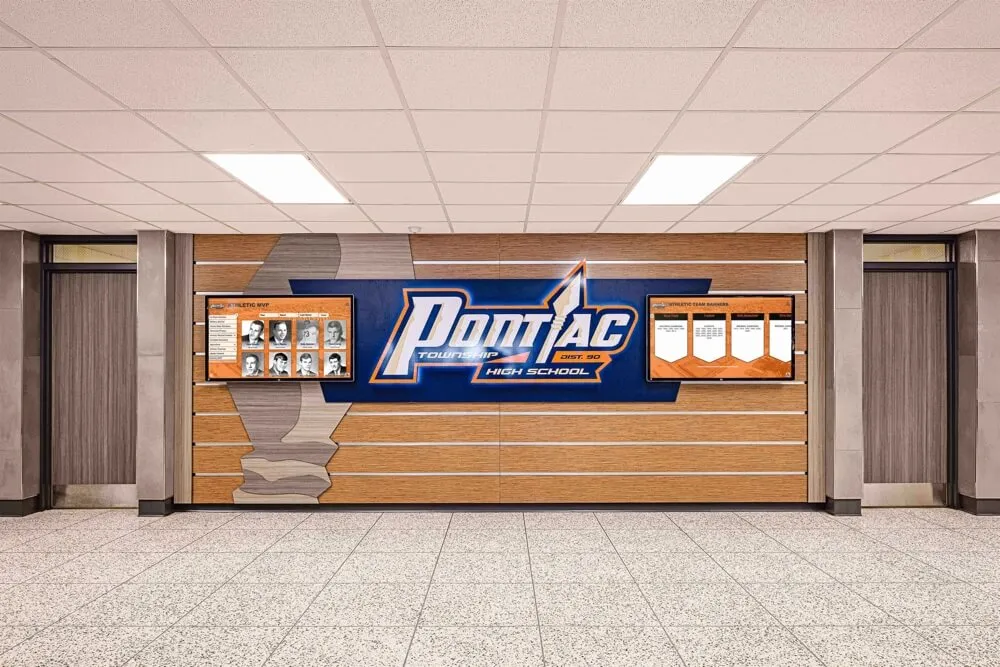
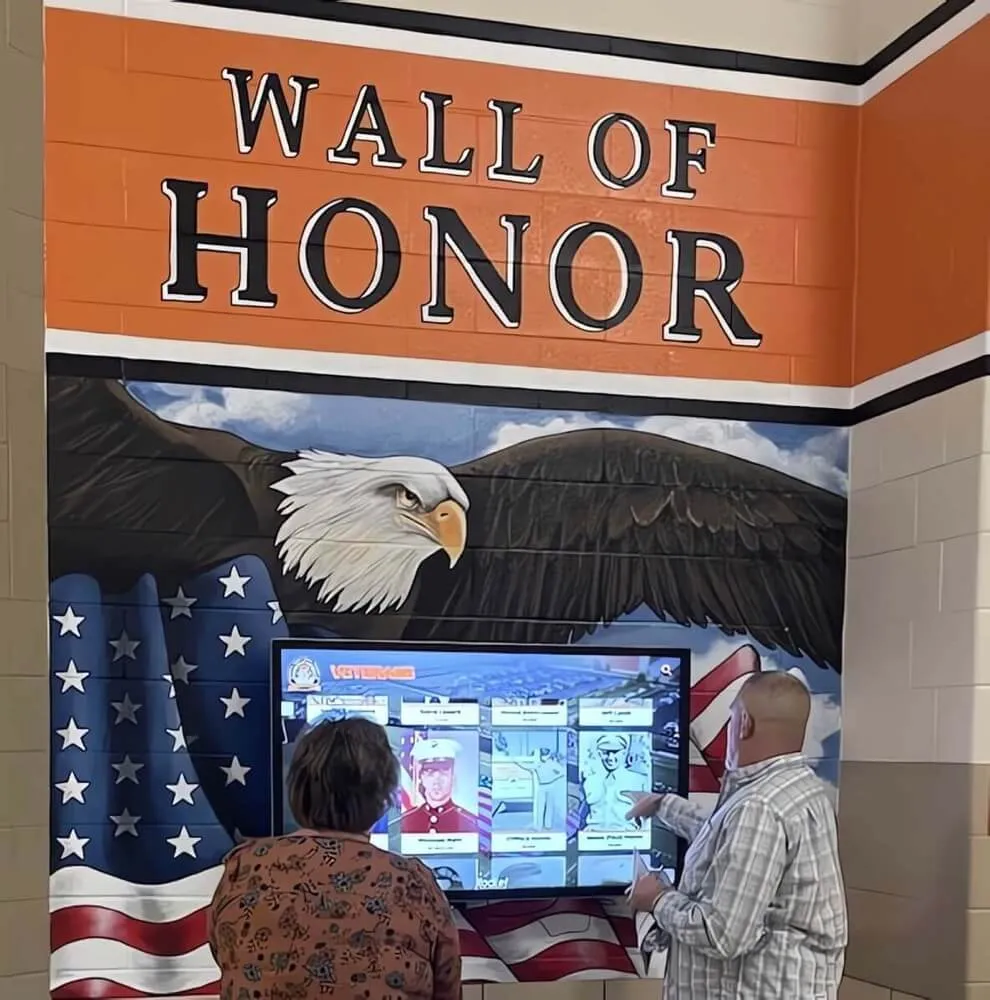
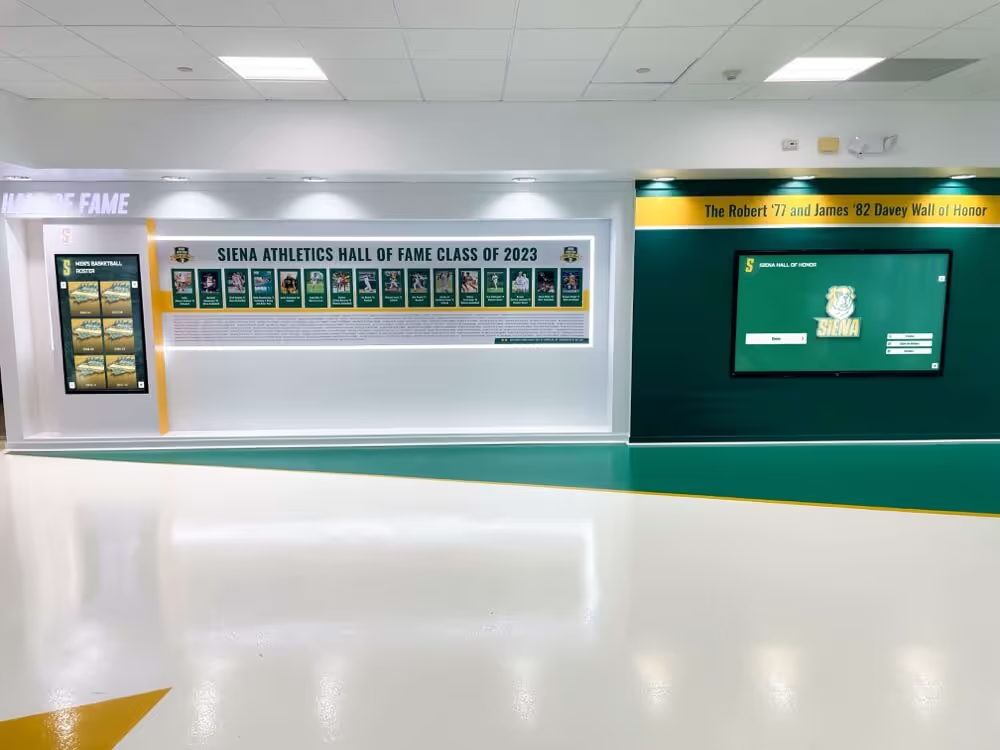
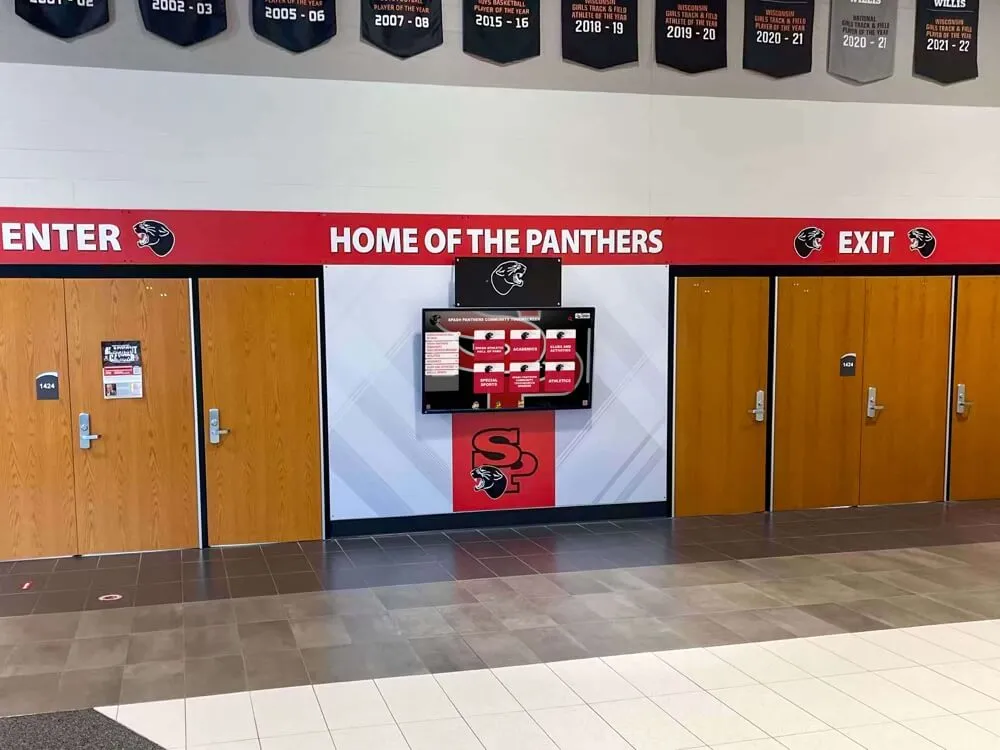
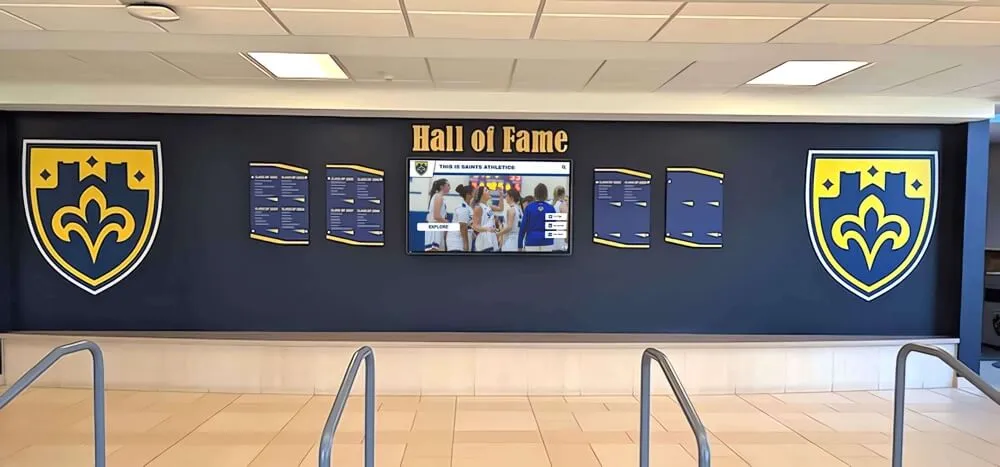
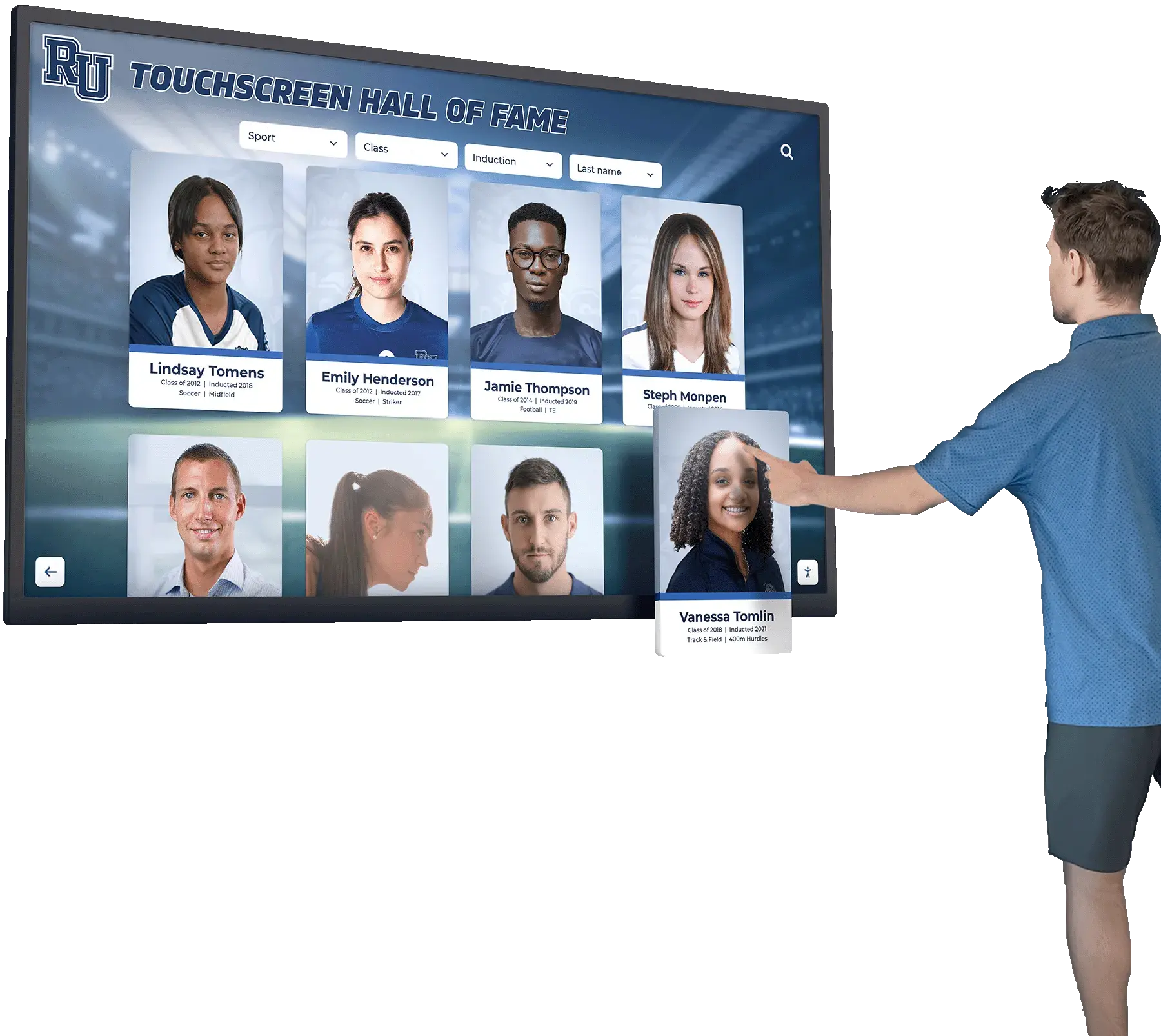
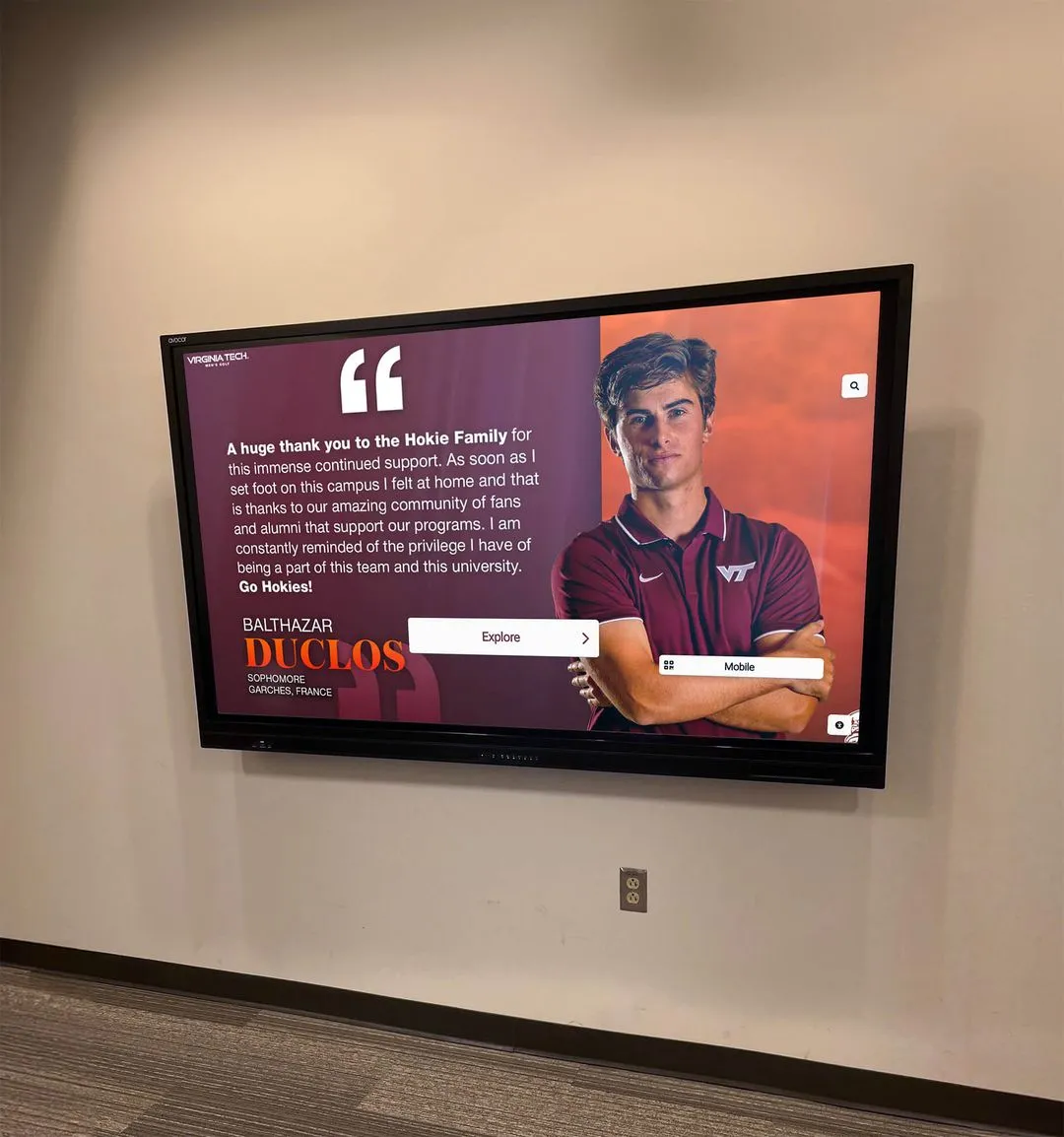
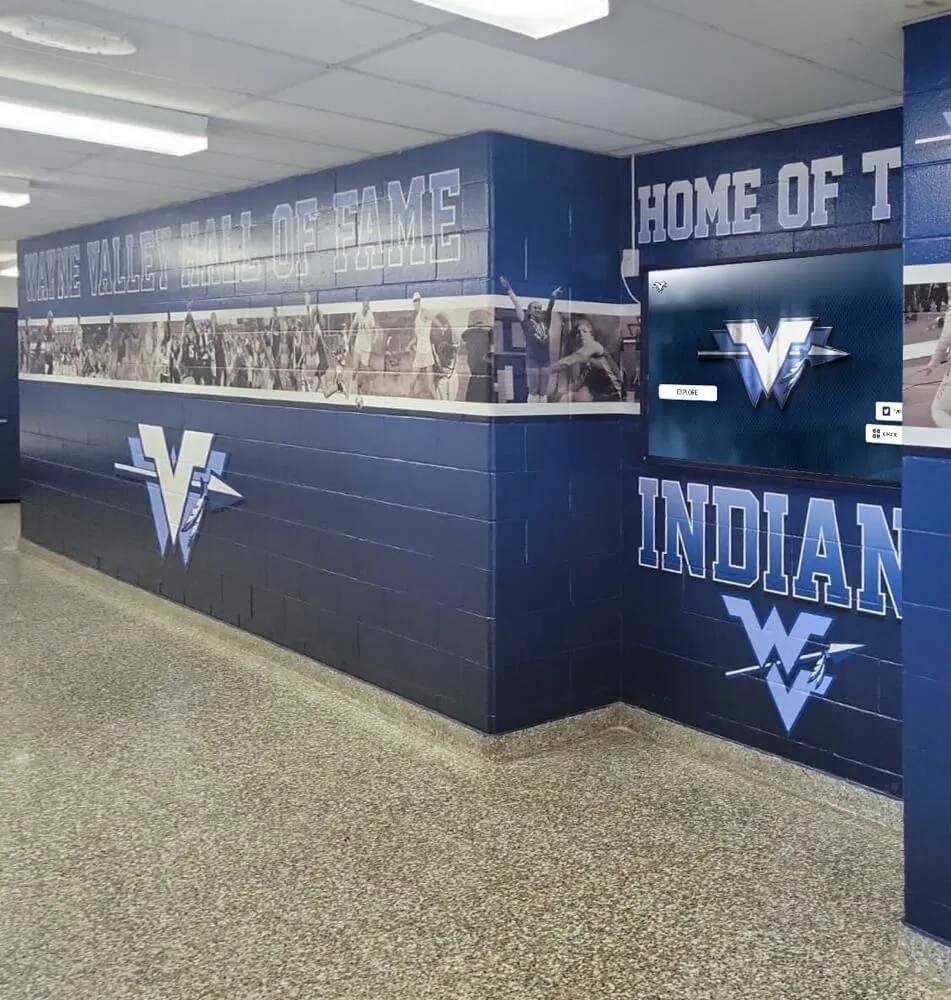
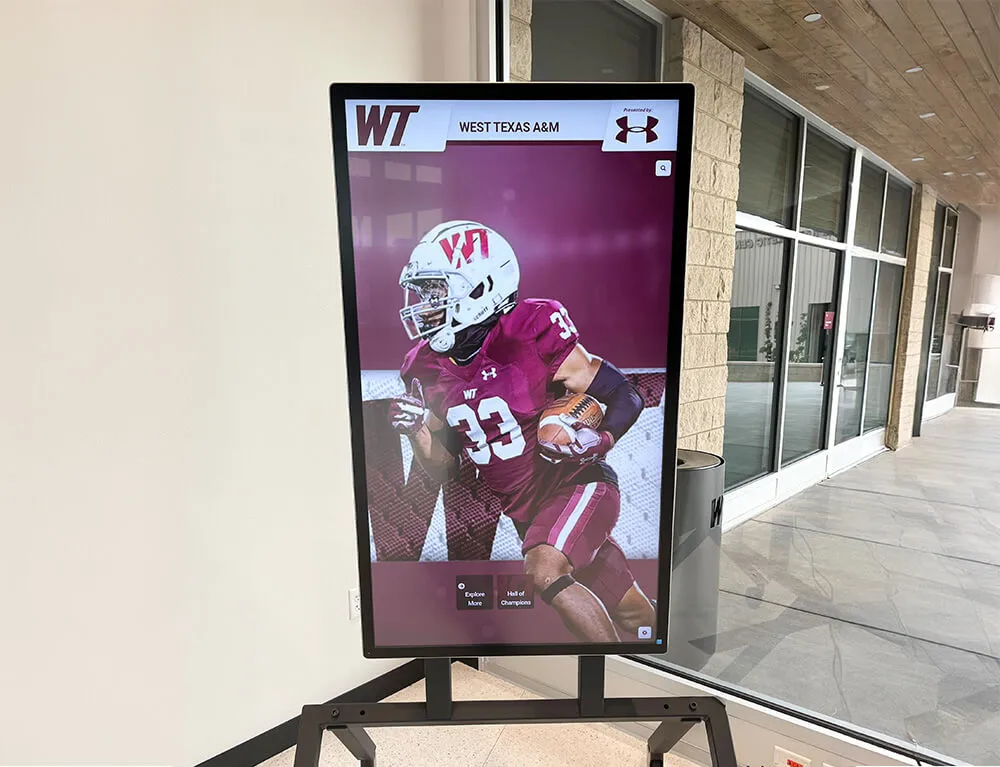
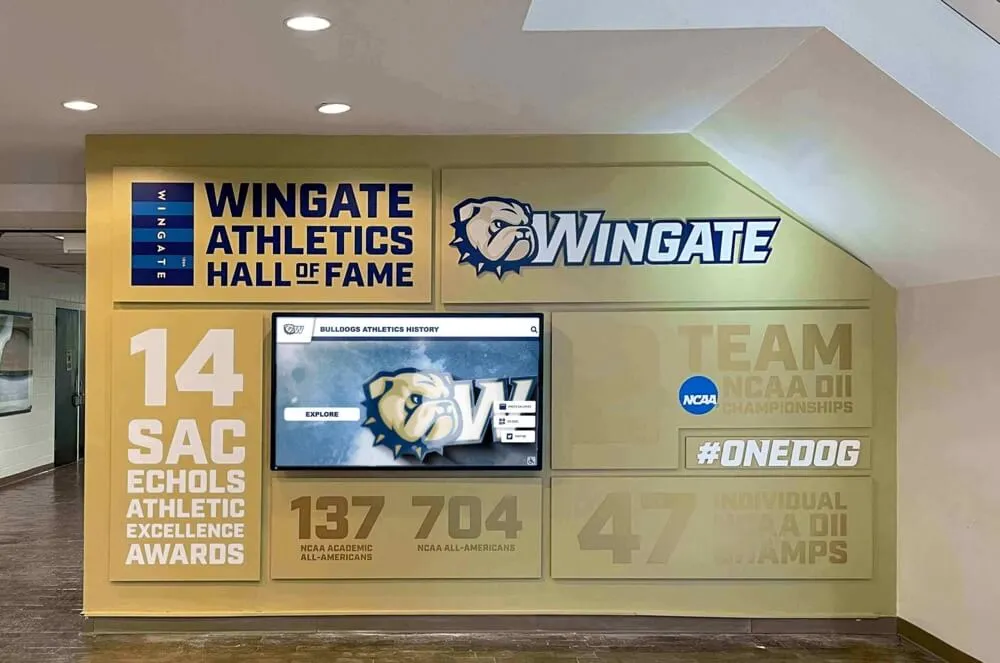
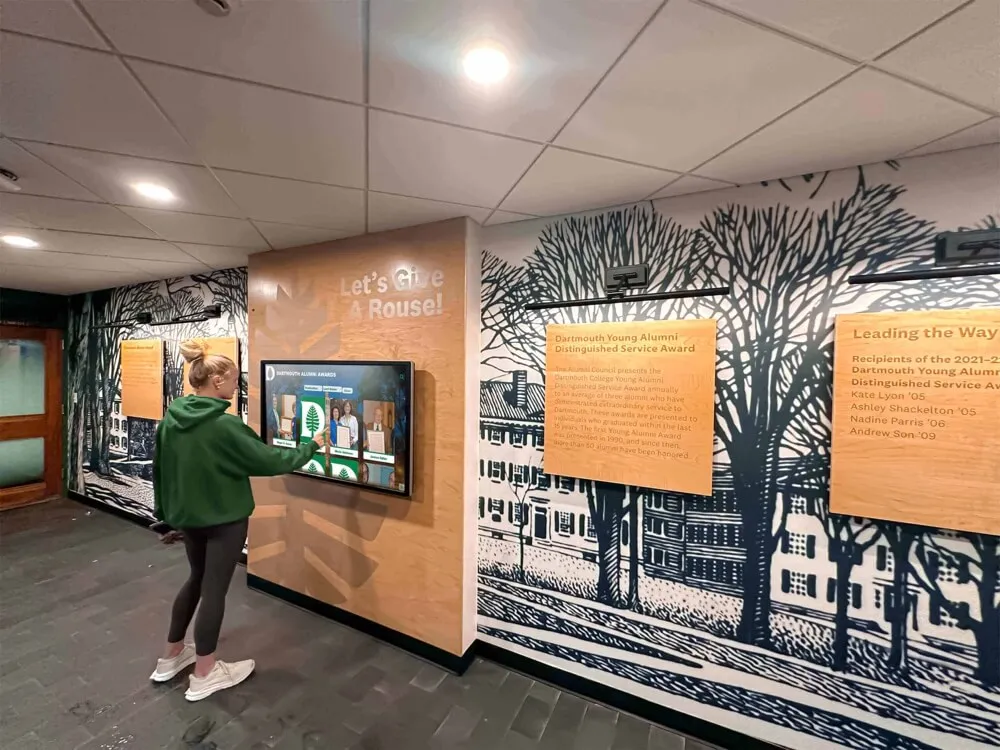
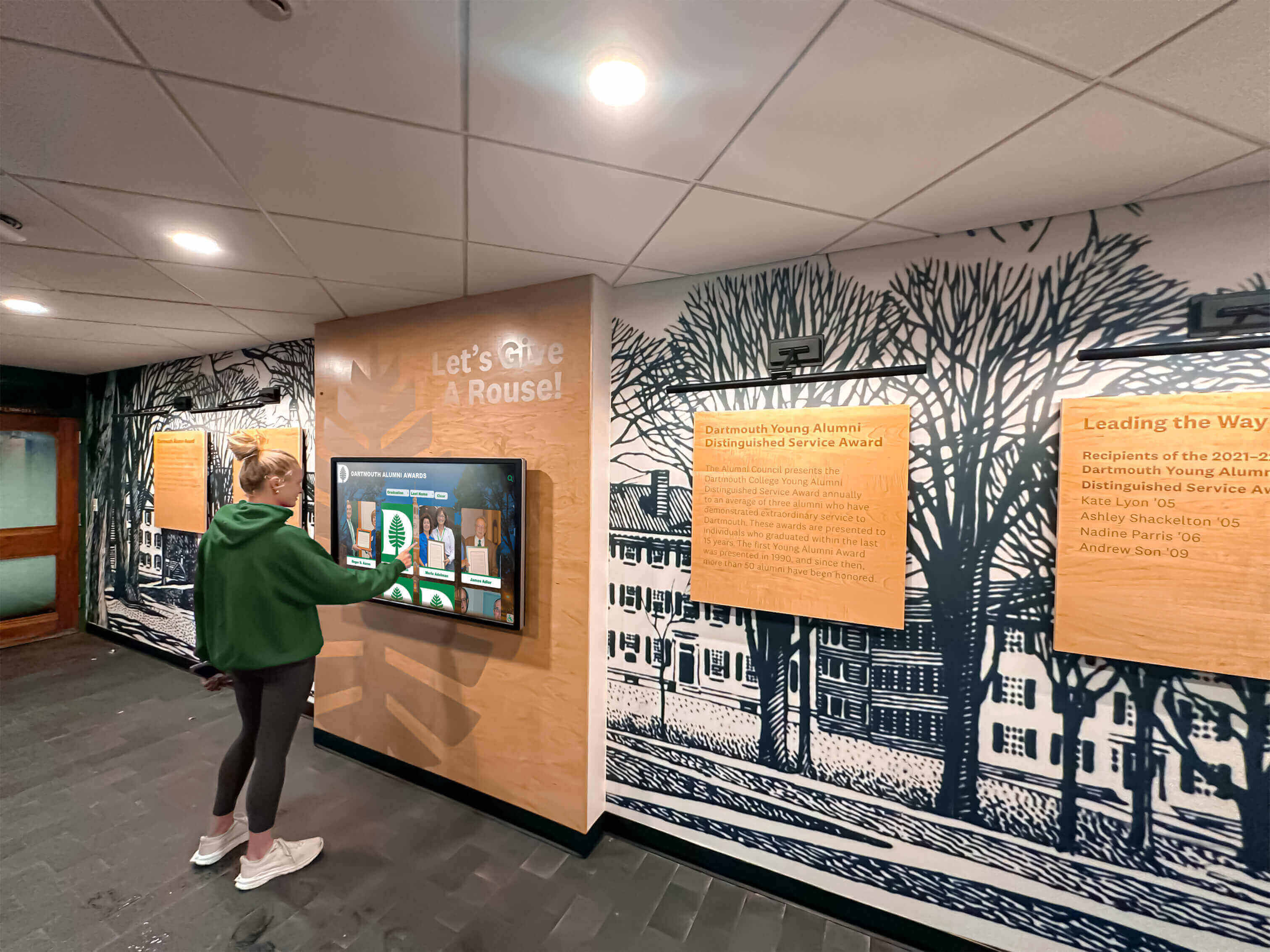
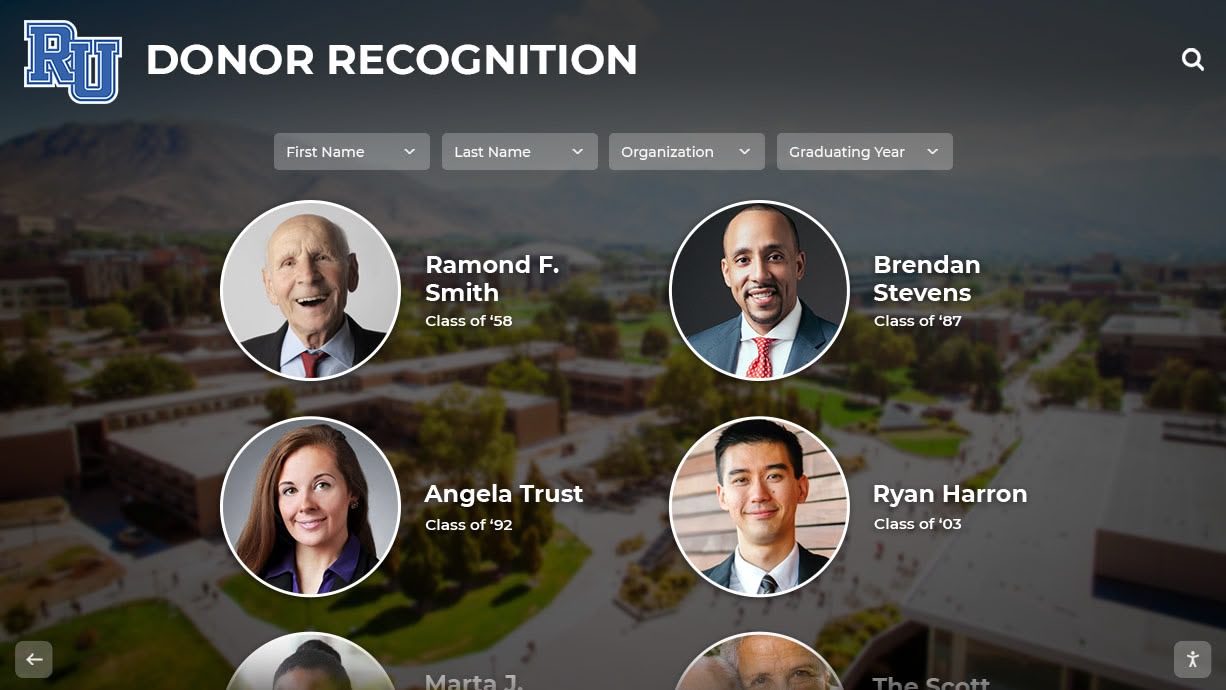
Today's most impactful alumni reunions incorporate permanent digital recognition that celebrates returning classes while creating lasting institutional presence. Solutions like Rocket Alumni Solutions enable schools to honor milestone reunion classes through interactive displays featuring class histories, individual achievement profiles, reunion photos, and legacy contributions—transforming weekend celebrations into year-round recognition that inspires current students while acknowledging distinguished alumni who shaped institutional traditions across decades.
Understanding What Makes Alumni Reunions Successful
Before exploring specific activities and themes, recognizing the core elements that distinguish memorable reunions from forgettable gatherings helps organizers design experiences attendees genuinely value.
Creating Genuine Value Beyond Nostalgia
Effective reunions deliver substantive value transcending simple reminiscence. While nostalgia provides emotional hooks, sustained engagement requires programming that offers:
Professional Networking Opportunities: Alumni attend reunions partly to reconnect with classmates who might offer career insights, business connections, mentorship relationships, or collaboration opportunities. Structured networking sessions, industry-focused discussion groups, and professional development panels transform social gatherings into valuable career resources.
Exclusive Institutional Access: Reunions should provide behind-the-scenes experiences unavailable to general public—facility tours highlighting recent improvements, meetings with current leadership discussing institutional direction, or exclusive access to special collections, athletic facilities, or academic programs showcasing institutional evolution.
Meaningful Recognition: Attendees appreciate acknowledgment of their achievements, contributions, and continued connections to institutions. Recognition programs celebrating individual accomplishments, class collective achievements, or service contributions validate alumni investment in maintaining relationships with schools that shaped their formative years.
Authentic Connection Opportunities: Modern life offers limited occasions for sustained, meaningful conversation with people who shared formative experiences. Reunions succeed when they create environments facilitating genuine dialogue rather than superficial catch-up exchanges that barely scratch relational surfaces.
Balancing Structure with Flexibility
Successful reunion programming provides enough structure to facilitate meaningful interaction without rigid scheduling that prevents organic connection. The ideal balance includes:
Anchor Activities: Schedule key programming elements—welcome receptions, recognition ceremonies, featured speakers, campus tours—at specific times ensuring all attendees experience core reunion components.
Open Socializing Blocks: Preserve substantial unscheduled time allowing informal conversation, spontaneous small group gatherings, and self-directed exploration of campus or venues without feeling rushed between mandatory activities.
Optional Programming Tracks: Offer concurrent activities appealing to diverse interests—some alumni prioritize athletic events while others prefer academic lectures; some seek casual outdoor activities while others prefer formal indoor gatherings. Multiple simultaneous options accommodate varied preferences without requiring everyone to participate in identical programming.
Flexible Attendance Expectations: Design reunions accommodating varied participation levels. Some alumni commit to full weekend experiences while others attend only specific events. Creating valuable standalone experiences rather than requiring full weekend commitment increases overall participation by reducing barriers for those with limited availability.
Creative Alumni Reunion Activity Ideas
Thoughtful activity selection transforms generic gatherings into memorable experiences that facilitate connection while honoring institutional heritage.
Interactive Campus Experiences
Moving beyond passive campus tours creates engaging experiences that help alumni appreciate institutional evolution while reconnecting with formative spaces.
1. Then and Now Campus Photography Challenge
Distribute historical campus photos from alumni graduation years alongside current location markers, challenging teams to photograph identical modern perspectives. This scavenger hunt-style activity encourages campus exploration while highlighting dramatic changes and surprising continuity. Share photo comparisons during evening gatherings, generating conversation about campus evolution and shared memories of spaces that transformed dramatically or remained remarkably unchanged.
2. Student Ambassador-Led Discovery Tours
Pair alumni groups with current students who guide specialized tours focusing on specific interests—academic programs, athletic facilities, arts spaces, or residence halls. Current student perspectives provide insights into contemporary institutional culture while creating intergenerational dialogue. Alumni gain appreciation for current student experiences while students benefit from alumni wisdom and networking opportunities, creating mutually valuable exchanges.
3. Interactive History Displays
Create stations throughout venues featuring memorabilia, yearbooks, photographs, and artifacts from alumni graduation years. Staff stations with student volunteers or alumni volunteers who facilitate storytelling and memory sharing. Consider incorporating digital archive displays that enable searching historical materials, browsing graduation year highlights, or exploring institutional timeline documentation.
4. Classroom Return Experiences
Arrange opportunities for alumni to sit in on current classes, laboratory sessions, or workshops within their former academic disciplines. Brief classroom observations help alumni appreciate curriculum evolution, teaching methodology changes, and contemporary student experiences. Faculty members often welcome alumni visitors who bring real-world professional perspectives enriching classroom discussions.
5. Athletic Facility Recognition Tours
For institutions with significant athletic traditions, organize tours of training facilities, competition venues, and equipment rooms that showcase program evolution. Include visits to record board displays documenting achievements across decades, allowing alumni athletes to locate their names while seeing how current athletes build on traditions they helped establish.
Recognition and Celebration Activities
Honoring alumni achievements and contributions creates meaningful moments validating continued institutional connections.
6. Distinguished Alumni Award Ceremonies
Establish formal recognition programs celebrating extraordinary achievement, exceptional service, or exemplary character demonstrated by alumni since graduation. Award ceremonies during reunions provide natural focal points while honoring individuals whose accomplishments bring credit to institutions. Consider creating permanent digital recognition documenting award recipients’ achievements extending visibility beyond ceremony moments.
7. Class Legacy Unveiling Events
If reunion classes funded scholarships, facility improvements, or recognition displays as class gifts, schedule ceremonial unveilings during reunions. Public dedications create emotional moments connecting class generosity to lasting institutional impact while encouraging future classes to establish similar legacies.
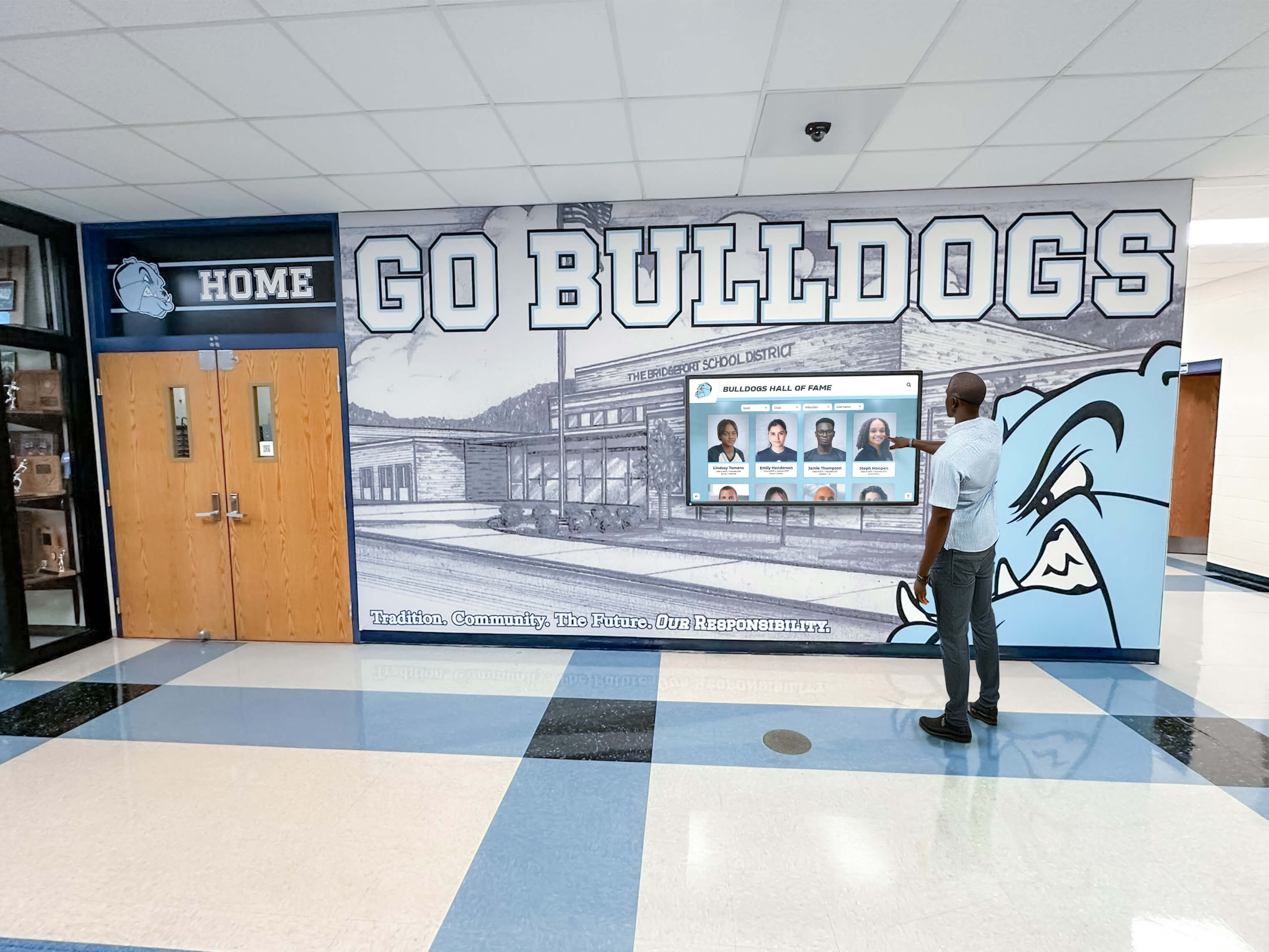
8. Hall of Fame Induction Ceremonies
Coordinate athletic, academic, or arts hall of fame inductions with reunion weekends, allowing honored inductees to celebrate alongside classmates who shared their formative experiences. Hall of fame ceremonies provide compelling programming while increasing reunion attendance among inductees’ families and friends.
9. Reunion Class Time Capsule Dedications
Create time capsules during reunions containing contemporary artifacts, written reflections, predictions for future decades, and reunion memorabilia. Schedule opening dates coinciding with future milestone reunions (25th, 50th anniversaries), creating continuity connecting present celebrations to future gatherings. Time capsule creation generates immediate engagement while establishing forward-looking traditions.
10. Milestone Achievement Recognition Displays
Honor collective class accomplishments—graduates who achieved advanced degrees, those who served in military or public service, those who built businesses or led organizations, or those who demonstrated exceptional community service. Comprehensive recognition celebrating diverse achievement types ensures all alumni feel valued regardless of whether their success follows conventional professional trajectories.
Interactive Social Activities
Programming that actively engages participants creates memorable experiences while facilitating authentic connection.
11. Speed Networking Roundtables
Organize structured networking sessions where alumni rotate through short conversations with different classmates, similar to speed dating formats. Brief timed exchanges with rotating partners ensure broad interaction across class populations rather than limiting conversations to pre-existing friend groups. Provide conversation prompts encouraging substantive dialogue beyond superficial catch-up exchanges.
12. Alumni Talent Showcases
Invite alumni to share talents developed since graduation—musical performances, artistic demonstrations, comedy routines, poetry readings, or storytelling presentations. Talent showcases celebrate alumni creativity while revealing dimensions of classmates’ lives that graduation year memories wouldn’t encompass. These performances often surprise attendees who discover hidden talents in classmates they thought they knew well.
13. Interactive Panel Discussions
Host panel discussions on topics relevant to alumni demographics—career transitions, retirement planning, parenting adult children, health and wellness, or navigating life transitions. Select alumni panelists with expertise in discussion topics, creating valuable programming while showcasing classmates’ professional accomplishments and life wisdom.
14. Group Philanthropy Challenges
Organize friendly competition encouraging reunion classes to collectively support institutional priorities through coordinated giving. Gamification strategies—leaderboards tracking class participation rates, matching gift challenges, or recognition tiers celebrating different contribution levels—motivate participation while generating philanthropic support. Frame giving as class teamwork rather than individual transactions, building collective identity around shared institutional investment.
15. Memory Sharing Circles
Create facilitated small group sessions where alumni share specific memories responding to prompts—favorite teachers, most memorable events, biggest challenges, proudest moments, or funniest incidents. Structured sharing ensures quieter alumni contribute rather than allowing dominant personalities to monopolize conversations. Consider recording sessions, preserving oral histories documenting experiences beyond official institutional records.
Entertainment and Recreation Ideas
Well-chosen entertainment creates engaging atmospheres while accommodating diverse preferences and physical capabilities.
16. Era-Appropriate Music and Entertainment
Feature music from alumni graduation years and surrounding decades. Live bands specializing in period-appropriate music or skilled DJs curating nostalgic playlists trigger powerful memories while creating natural conversation starters. Music selection significantly influences reunion atmosphere, making thoughtful curation essential to successful celebrations.
17. Outdoor Recreation Tournaments
Organize golf outings, softball games, tennis tournaments, or pickleball competitions allowing athletically inclined alumni to compete while socializing. Recreational sports create casual environments conducive to conversation while accommodating those who prefer active participation over sedentary socializing. Consider modified rules accommodating varied skill levels and physical capabilities.
18. Trivia Competitions
Host trivia contests testing knowledge of institutional history, graduation year events, popular culture from the era, and classmate-specific facts. Team-based formats encourage interaction among alumni who might not know each other well while creating competitive fun. Include categories appealing to diverse knowledge areas ensuring varied participants can contribute expertise.
19. Photo Booth Experiences
Provide professional photo opportunities—traditional booths, green screen setups with school-themed backgrounds, or formal portrait sessions—creating keepsake images documenting reunions. Instant prints allow alumni to exchange photos as personal mementos while digital versions facilitate social media sharing extending reunion visibility to broader networks.
20. Evening Cruise or Unique Venue Experiences
When geography permits, consider unique venue experiences—boat cruises, rooftop venues, historic mansions, vineyards, or other distinctive locations creating memorable settings distinct from typical hotel ballrooms. Unique venues enhance reunion specialness while providing conversation topics beyond pure nostalgia.
Creative Alumni Reunion Theme Ideas
Cohesive themes unify reunion experiences while providing frameworks for decoration, programming, and communication strategies.
Decade and Era Themes
1. Graduation Year Time Capsule
Design entire reunions around immersive recreation of graduation year culture—music, fashion, popular entertainment, news events, and cultural touchstones from the era. Encourage period-appropriate attire, display contemporary memorabilia, screen popular films or television clips, and incorporate slang and catchphrases triggering collective memory. For schools planning multiple reunion years simultaneously, consider creating decade-themed party experiences that celebrate the unique characteristics of different graduation eras.
2. Then and Now Contrast
Structure programming around comparing graduation year experiences with contemporary equivalents—displaying vintage yearbooks alongside current versions, comparing historical campus photos with modern images, or contrasting graduation year technology with current innovations. This comparative approach highlights institutional evolution while celebrating continuity across decades.
3. Golden Anniversary Celebration
For 50-year reunion classes, embrace golden anniversary symbolism through gold-themed decoration, special recognition honoring five-decade milestones, and programming acknowledging unique significance of these landmark reunions. Golden anniversary celebrations deserve special gravitas reflecting their profound importance to aging alumni who recognize these may represent final opportunities to gather as classes.
Achievement and Recognition Themes
4. Legacy and Impact Celebration
Focus reunions on celebrating alumni collective impact—documenting careers built, families raised, communities served, and contributions made across years since graduation. Recognition displays documenting diverse achievement types honor varied success definitions while showcasing the remarkable breadth of alumni accomplishments.
5. Where We’ve Been, Where We’re Going
Balance retrospective reflection with forward-looking vision, incorporating programming that honors past achievements while exploring future aspirations, ongoing projects, and next chapter plans. This approach acknowledges that alumni identity encompasses both historical school connections and contemporary life realities.
6. Champions and Legends
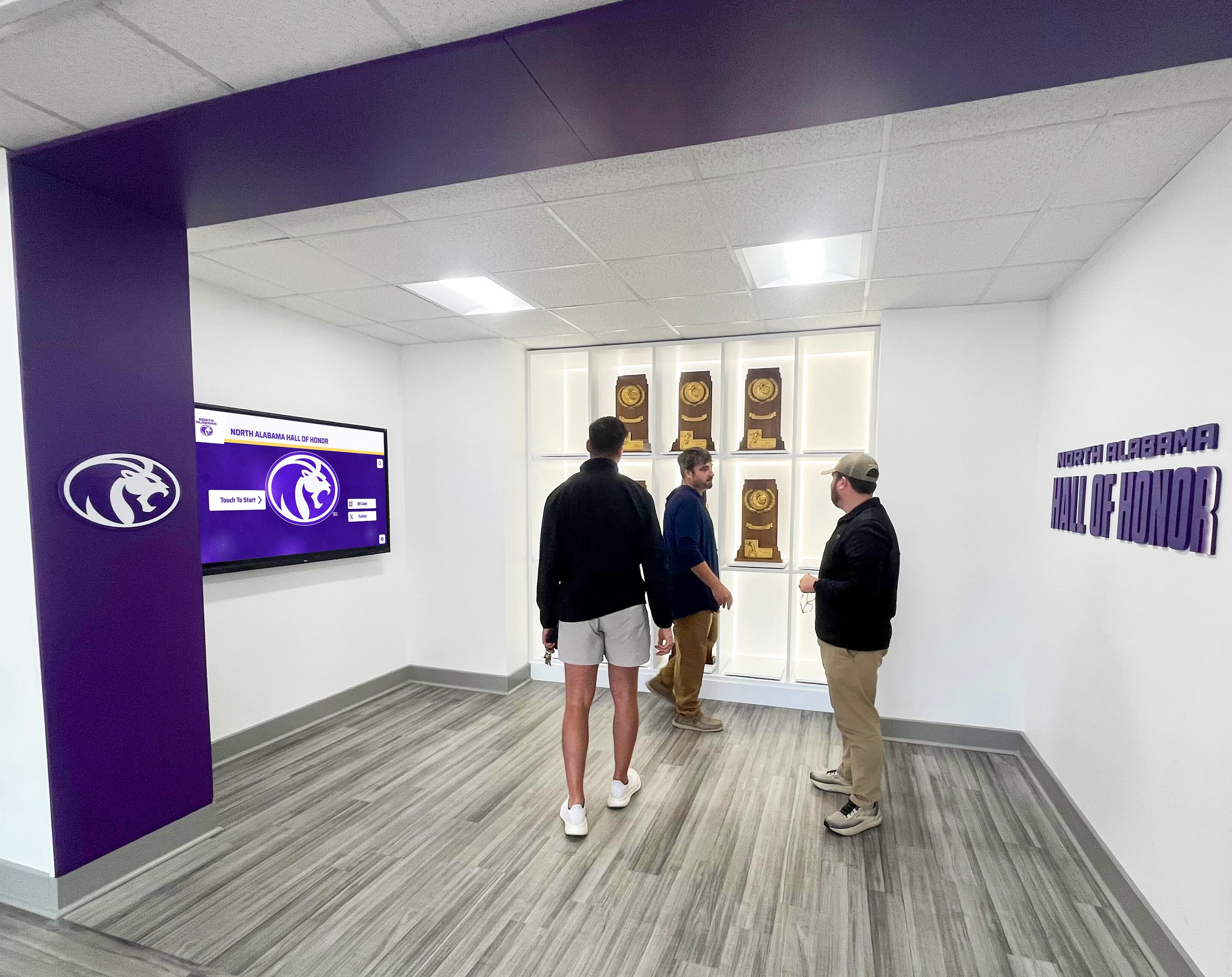
Particularly effective for institutions with strong athletic traditions, this theme celebrates competitive excellence, championship achievements, and legendary performances. Feature hall of fame recognition, championship team reunions, and record holder acknowledgment throughout programming.
Community and Connection Themes
7. Homecoming Reimagined
Elevate traditional homecoming concepts with enhanced programming, expanded activities, and multi-generational engagement. Coordinate reunions with homecoming weekends, allowing alumni to experience current student traditions while participating in generation-specific programming.
8. Global Alumni Network
Emphasize worldwide alumni distribution, featuring international attendees, showcasing global alumni achievements, and celebrating the geographic diversity of alumni communities. World map displays showing alumni locations help visualize institutional reach while creating conversation about varied life paths classmates traveled.
9. Family Heritage Celebration
Honor multi-generational family traditions—siblings who attended together, parents and children who graduated from same institutions, or extended families with deep institutional connections. Multi-generational recognition celebrates family legacies while acknowledging that institutional communities often span multiple family generations.
Experience-Based Themes
10. Back to School
Create immersive educational experiences echoing school environments—schedule “classes” taught by distinguished alumni experts, organize “study groups” facilitating small group discussions, or recreate “lunch periods” with casual cafeteria-style dining. Playful educational frameworks create nostalgic atmosphere while delivering substantive content.
11. Road Trip Reunion
For geographically dispersed alumni, organize progressive reunion experiences visiting multiple meaningful locations throughout regions—former hangout spots, community landmarks, or scenic locations holding collective significance. Progressive formats create extended experiences while touring areas that shaped shared memories.
12. Festival Format
Structure reunions as informal festivals featuring multiple concurrent activity stations—food vendors, entertainment stages, game areas, photo opportunities, and information booths. Festival formats accommodate varied interests through diverse simultaneous programming while maintaining casual, accessible atmosphere.
Leveraging Technology for Enhanced Alumni Reunions
Modern technology creates opportunities for broader participation, extended engagement, and lasting documentation beyond single-event gatherings.
Virtual and Hybrid Participation
Remote Attendance Options: Provide live streaming or recorded video for alumni unable to attend physically due to distance, health, or scheduling conflicts. Virtual participation acknowledges that reunion timing inevitably conflicts with some alumni obligations while allowing broader engagement despite attendance barriers.
Interactive Digital Platforms: Utilize reunion websites, mobile apps, or social media groups facilitating pre-reunion connection, during-event coordination, and post-reunion sustained engagement. Digital platforms extend reunion impact beyond weekend celebrations while creating ongoing community spaces.
Virtual Reality Campus Tours: For alumni unable to visit campuses physically, consider virtual reality experiences enabling immersive digital campus exploration from remote locations. VR technology creates surprisingly compelling experiences for geographically distant alumni who can’t justify travel for brief reunions.
Digital Recognition and Archives
Interactive Alumni Directories: Create searchable digital directories featuring updated alumni information, professional profiles, contact details (with permission), and reunion attendance history. Digital directories facilitate pre-reunion connection while helping alumni locate specific classmates.
Digital Yearbook Archives: Digitizing historical yearbooks and making them available online creates valuable resources for reunion planning while preserving institutional history. Alumni enjoy browsing graduation year yearbooks, refreshing memories about classmates and experiences before attending reunions.
Permanent Digital Recognition Displays: The most forward-thinking institutions establish permanent digital displays celebrating milestone reunion classes through interactive recognition featuring class histories, individual achievement profiles, and reunion documentation. These displays transform weekend celebrations into year-round institutional recognition visible to current students, visiting alumni, and community members. Solutions like Rocket Alumni Solutions provide purpose-built platforms specifically designed for comprehensive alumni recognition rather than generic digital signage requiring extensive customization.
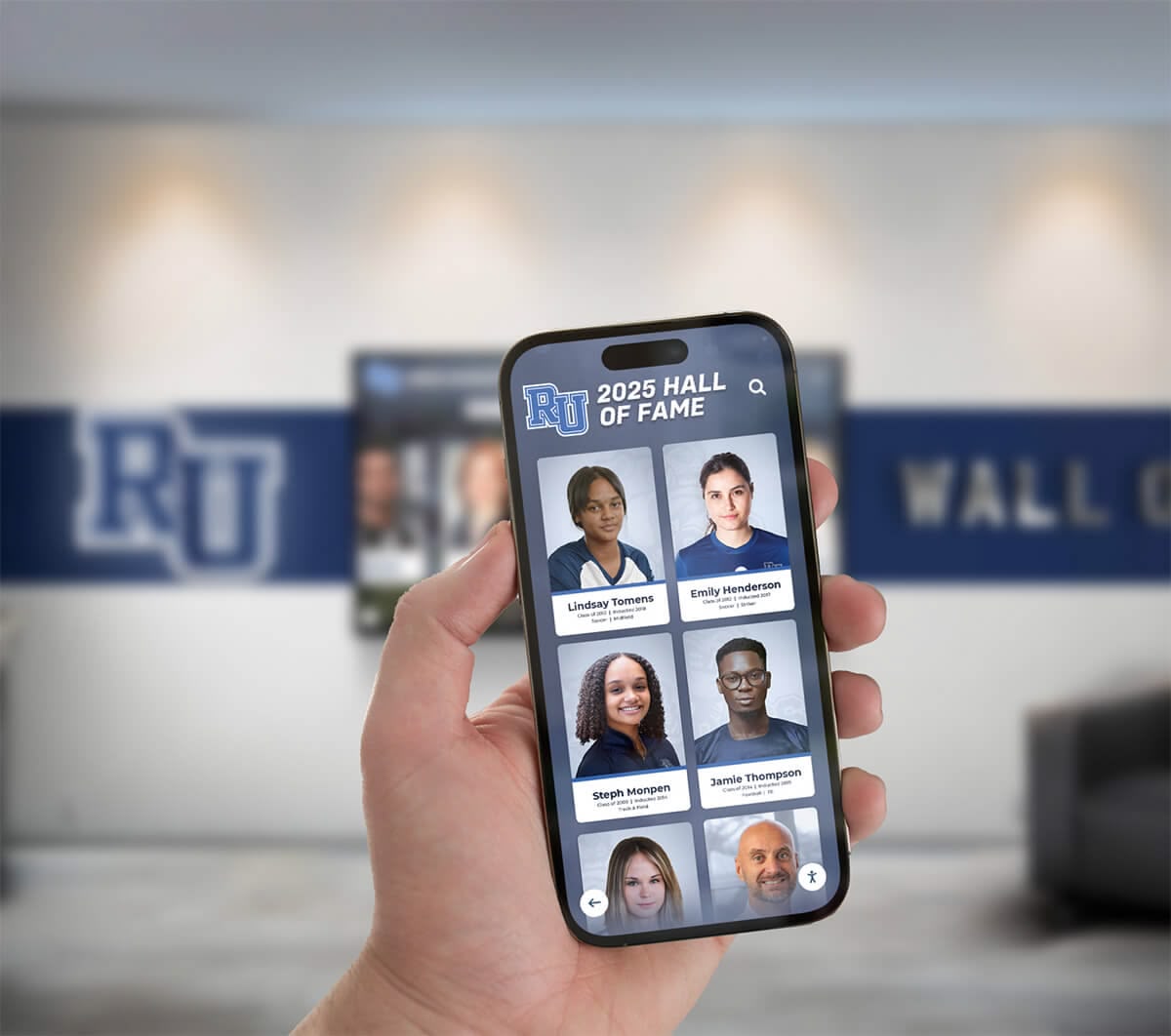
Reunion Photo and Video Galleries: Create digital repositories where alumni continuously upload photos, share stories, and contribute memories extending beyond reunion weekends. Cloud-based solutions ensure accessibility regardless of geographic location while providing security that physical archives lack.
Planning Considerations for Successful Alumni Reunions
Beyond creative programming, thoughtful attention to practical details significantly influences reunion success and attendee satisfaction.
Timeline and Communication
Early Planning: Begin reunion planning 12-18 months before target dates for major milestone reunions (25th, 50th anniversaries), allowing adequate time for classmate location, venue booking, committee formation, and comprehensive communication.
Multi-Channel Outreach: Recognize that alumni consume information through varied channels—email, social media, traditional mail, and phone calls. Implement multi-channel communication strategies ensuring information reaches all alumni through their preferred methods.
Comprehensive Classmate Tracking: Invest effort locating all classmates regardless of whether they maintain regular institutional contact. Alumni engagement strategies including social media searching, address databases, and networking through found classmates help identify even difficult-to-locate individuals.
Inclusive Programming
Accessibility Considerations: Ensure venues provide wheelchair accessibility, convenient parking, comfortable seating, and adequate facilities. Choose spaces with good acoustics for conversation and minimal background noise.
Dietary Accommodations: Survey attendees regarding dietary restrictions, allergies, and preferences. Work with caterers ensuring adequate vegetarian, vegan, gluten-free, and other dietary requirement options.
Varied Activity Options: Offer programming appealing to diverse interests and physical capabilities. Not all alumni enjoy identical activities—provide choices accommodating varied preferences rather than requiring universal participation in identical programming.
Cost Sensitivity: Structure pricing and payment options acknowledging that reunion costs prevent some alumni participation. Consider tiered pricing, payment plans, or scholarship funds ensuring financial constraints don’t exclude interested alumni.
Integration with Institutional Advancement
Donor Cultivation Opportunities: Reunions provide natural occasions for development staff to build relationships with potential major donors. However, balance advancement priorities with genuine celebration—overt fundraising pitches during reunions often backfire by making alumni feel transactionally valued.
Legacy Giving Introduction: Gently introduce legacy giving concepts, planned giving options, or scholarship establishment opportunities without hard selling during celebrations. Plant seeds for future philanthropic conversations rather than expecting immediate commitments during social gatherings.
Volunteer Recruitment: Identify potential volunteers for alumni associations, mentorship programs, admissions support, or other service opportunities. Successful reunion experiences often inspire increased institutional engagement beyond financial contributions.
Best Practices for Specific Reunion Types
Different reunion formats require tailored approaches matching attendee expectations and reunion purposes.
Milestone Year Reunions (10th, 25th, 50th)
Major milestone reunions deserve enhanced programming, greater planning investment, and special recognition acknowledging their unique significance. For comprehensive guidance on major milestone planning, explore detailed high school reunion planning strategies covering timeline development, committee organization, and communication approaches.
All-Class Reunions
Homecoming-style events bringing together multiple graduation years require different programming than single-class gatherings. Create opportunities for class-specific socializing alongside cross-generational programming facilitating broader interaction.
Young Alumni Gatherings
Recent graduates (1-5 years post-graduation) often prefer casual social experiences over formal programming. Consider informal venues, affordable pricing, and contemporary entertainment appealing to younger demographics.
Legacy Alumni Events
Long-graduated alumni (40+ years) appreciate accessible venues, comfortable seating, quality sound systems, and programming acknowledging their age-related needs while avoiding condescension. Consider partnering with institutions to establish permanent recognition honoring school history through these distinguished classes.
Measuring Alumni Reunion Success
Effective assessment helps organizers understand what worked, what needs improvement, and how to enhance future reunions.
Attendance Metrics: Track participation rates, comparing actual attendance against class size and previous reunion attendance. Analyze demographic patterns identifying which alumni segments attend versus those typically absent.
Engagement Indicators: Monitor activity participation rates, session attendance, and interactive element usage. High engagement across varied programming suggests successful activity selection.
Post-Reunion Feedback: Survey attendees gathering specific feedback about programming elements, venue selection, food quality, scheduling, communication effectiveness, and overall satisfaction. Constructive criticism guides future planning improvements.
Advancement Outcomes: Measure downstream institutional engagement—subsequent volunteering, mentorship participation, event attendance, or philanthropic support attributable to reunion experiences.
Digital Engagement Metrics: Track reunion website traffic, social media interaction, digital archive usage, and online community participation before, during, and after events. Sustained digital engagement indicates successful community building extending beyond single gatherings.
Conclusion: Creating Alumni Reunions That Matter
Successful alumni reunions transform obligatory social gatherings into meaningful experiences that strengthen lifelong institutional connections, celebrate shared heritage, honor individual and collective achievements, and build communities spanning multiple generations. The most impactful reunions combine creative programming that facilitates authentic interaction, thoughtful themes unifying celebration experiences, modern technology extending engagement beyond single events, and genuine recognition validating alumni continued investment in institutions that shaped their formative years.
The activity ideas, themes, and planning strategies explored here provide frameworks for creating memorable celebrations appropriate to varied institutional contexts, alumni demographics, and reunion purposes. Whether planning intimate class-specific gatherings or large-scale multi-year celebrations, success requires early planning, inclusive committee representation, multi-channel communication, thoughtful attention to accessibility and practical details, and genuine commitment to creating value for attendees beyond simple nostalgia.
Effective alumni reunion programming recognizes that alumni relationships with institutions evolve across decades following graduation. Initial reunions shortly after graduation often emphasize social reconnection and career networking. Midlife reunions typically balance professional networking with family celebration and emerging legacy thinking. Late-career and retirement-age reunions increasingly focus on reflection, recognition, and philanthropic legacy building. Tailoring programming to alumni life stages ensures reunion experiences deliver relevance matching where participants are in their journeys.
Beyond immediate celebration purposes, the most meaningful alumni reunions establish lasting recognition extending impact beyond weekend events through permanent displays honoring classes, scholarship endowments supporting future students, comprehensive archives preserving class history, and strengthened connections between distinguished alumni and institutions continuing to benefit from traditions they helped establish.
For institutions committed to exceptional alumni engagement, reunions represent strategic opportunities not just to gather former students but to honor their achievements appropriately, demonstrate institutional appreciation for their legacies, strengthen ongoing relationships supporting advancement priorities, and create visible connections between historical graduates and current students who benefit from foundations established by those who came before.
Ready to transform your alumni reunions into unforgettable celebrations while establishing permanent recognition honoring distinguished classes? Discover how modern digital recognition systems create engaging alumni displays, preserve comprehensive class history, and build searchable archives ensuring every graduate receives lasting acknowledgment—elevating milestone reunion celebrations into year-round institutional recognition that strengthens alumni connections while inspiring current students through living examples of institutional impact across generations.