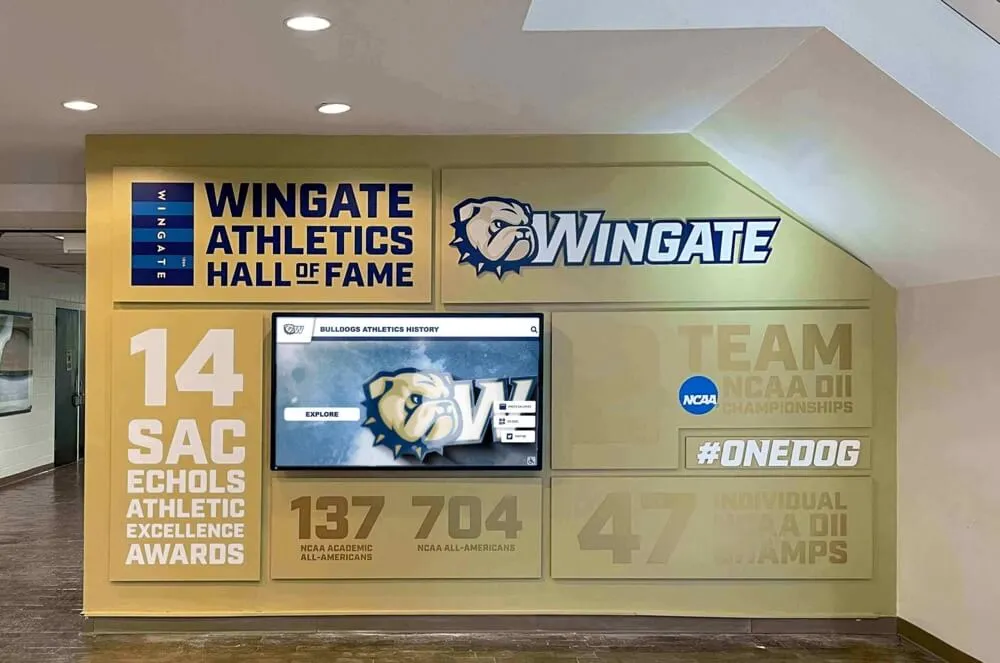




Alumni mentorship programs represent one of the most powerful ways graduates can give back to their alma mater while creating meaningful impact in current students’ lives. Beyond financial contributions, alumni possess invaluable career insights, professional networks, and real-world experience that can dramatically accelerate student success and career readiness.
In educational institutions nationwide, systematic alumni mentorship programs bridge the gap between classroom theory and professional practice. These structured relationships provide students with guidance navigating career transitions, industry-specific advice from professionals actively working in their fields of interest, authentic perspectives on post-graduation realities, and professional networks that open doors to internships and employment opportunities.
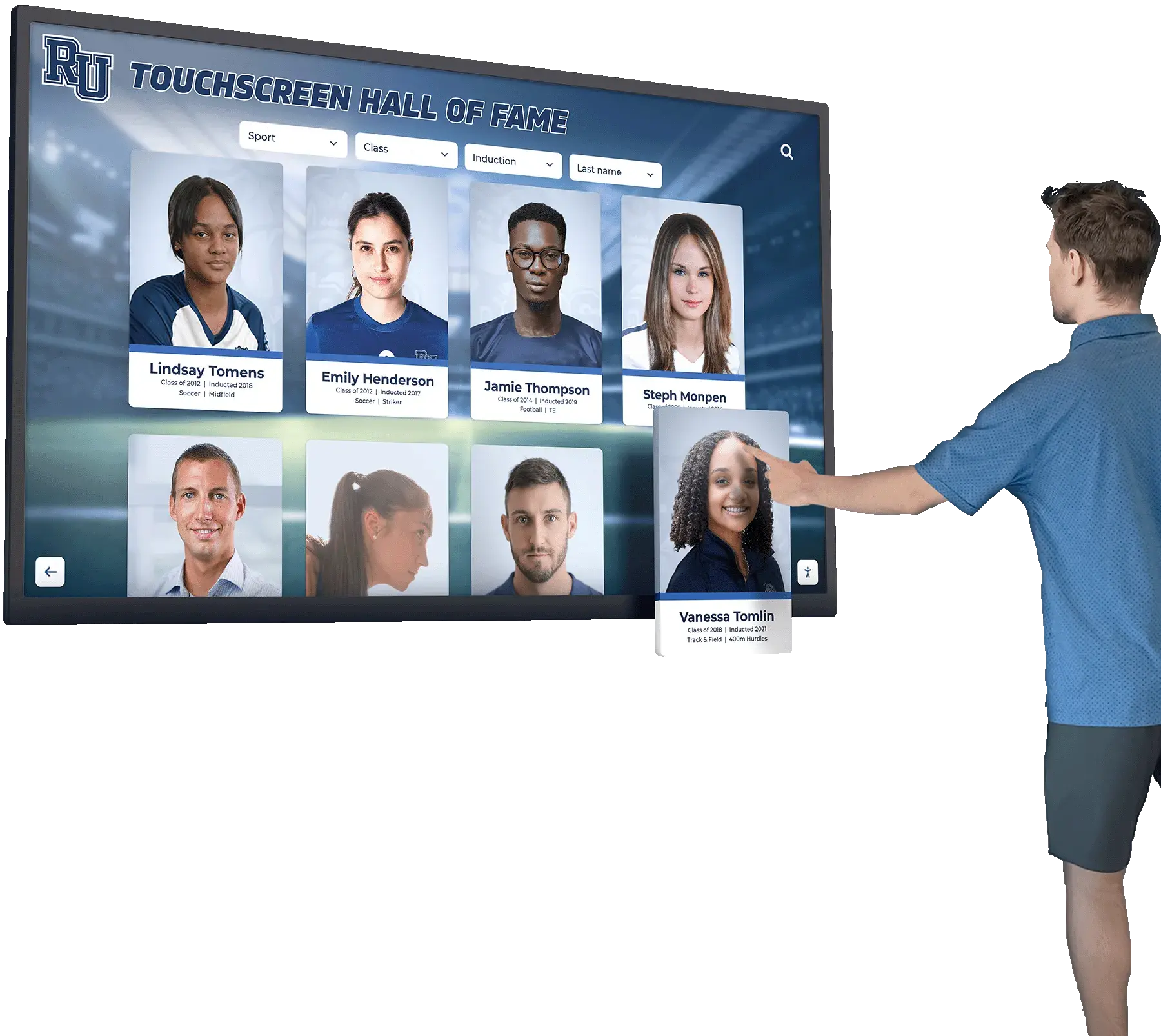
Modern mentorship programs leverage digital recognition technology to connect alumni with students efficiently while celebrating the contributions of graduates who dedicate time to developing the next generation. Solutions like those from Rocket Alumni Solutions create visible recognition for mentoring alumni while providing the infrastructure that makes large-scale mentorship programs operationally feasible.
The Critical Role of Alumni Mentorship in Student Development
Traditional career services offices provide valuable resources, but they cannot replicate the authentic industry insights and personal connection that alumni mentors offer. Research consistently demonstrates that students with mentors report higher career satisfaction, faster professional advancement, and stronger confidence navigating workplace challenges compared to peers without mentorship relationships.
Why Alumni Make Exceptional Mentors
Alumni bring unique qualifications that distinguish them from other mentorship sources. They understand the specific educational foundation students receive, having navigated the same academic programs and institutional culture. This shared experience creates immediate rapport and credibility that external mentors must work to establish.
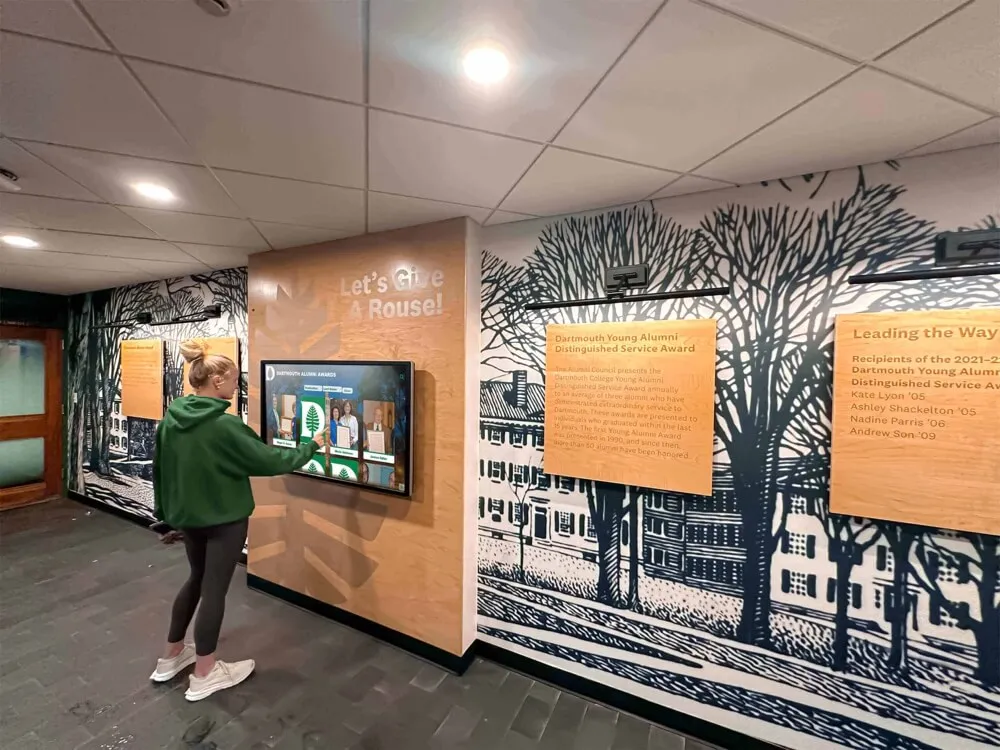
Institutional Knowledge and Shared Identity - Alumni mentors understand how specific courses, professors, and campus experiences translate to professional contexts. They can help students maximize remaining academic opportunities based on firsthand knowledge of what proves valuable in their careers. This institutional connection also creates powerful emotional bonds, as alumni mentors remember their own student experiences and feel invested in their alma mater’s continued excellence.
Industry-Specific Insights and Current Trends - Unlike career counselors who provide generalized advice across industries, alumni mentors offer deep expertise in specific fields. A marketing alumnus working at a major agency provides current insights into digital advertising trends, while an engineering graduate at a manufacturing firm explains emerging technologies reshaping production processes. This specificity proves invaluable for students making informed career decisions.
Professional Network Access and Opportunity Creation - Alumni mentors can introduce students to colleagues, recommend them for internships, and provide references that carry weight because they come from established professionals. These networking opportunities often prove more valuable than formal career fairs, as personal introductions demonstrate mentor confidence in student capabilities.
Authentic Career Path Perspectives - Alumni mentors share honest perspectives on career challenges, work-life balance realities, and the non-linear paths most careers actually follow. Students benefit enormously from learning that career development includes setbacks, pivots, and continuous learning rather than following predetermined trajectories.
Institutions implementing comprehensive alumni engagement strategies discover that mentorship programs strengthen overall alumni participation while providing measurable student outcomes that justify program investment.
Designing Effective Alumni Mentorship Programs
Successful mentorship programs require thoughtful structure balancing flexibility for authentic relationships with systematic processes ensuring consistent experiences and measurable outcomes.
Establishing Clear Program Objectives
Well-designed mentorship programs begin with specific, measurable goals that guide program structure and evaluation. Common objectives include improving student career readiness and professional skill development, increasing internship and employment placement rates in competitive fields, expanding student professional networks and industry connections, strengthening alumni engagement and institutional connection, and creating visible impact demonstrating educational institution value to stakeholders.
Clear objectives allow program coordinators to design matching criteria, communication frameworks, and assessment methods intentionally rather than implementing generic mentorship without strategic purpose.
Creating Strategic Mentor-Student Matching
The foundation of successful mentorship lies in thoughtful pairing that considers multiple compatibility factors beyond basic career field alignment. Effective matching criteria include professional field and career stage alignment ensuring relevant guidance, geographic considerations for in-person meetings or regional networking, shared interests or backgrounds creating natural connection points, communication style and availability preferences preventing frustration, and specific student needs or goals that particular mentors can uniquely address.
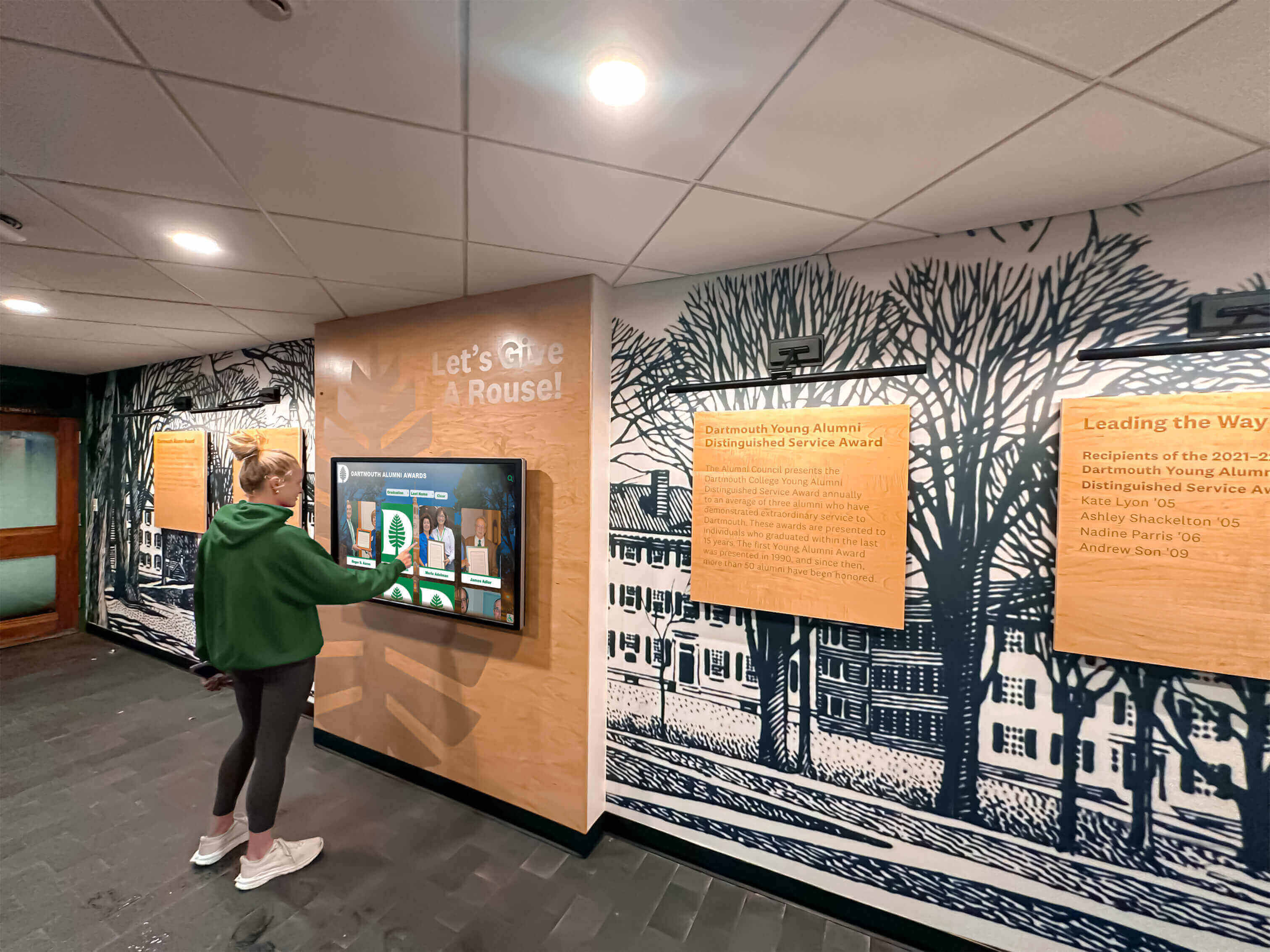
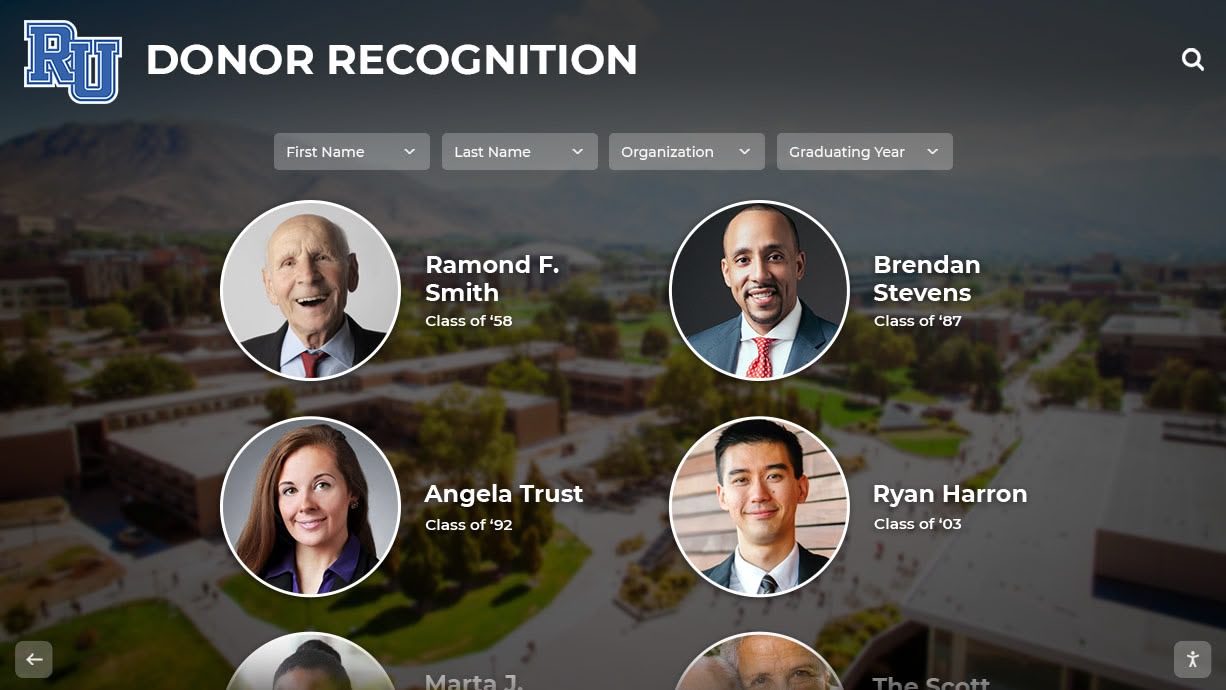
Many institutions struggle with manual matching processes that become administratively overwhelming as programs scale. Digital platforms streamline this process by allowing students to browse mentor profiles, review alumni backgrounds and expertise areas, and request connections with mentors whose experiences align with their interests. These systems track relationship status, facilitate initial introductions, and provide communication frameworks that reduce coordinator burden while maintaining program quality.
Defining Relationship Structure and Expectations
Ambiguous expectations create frustration for both mentors and students, while clear frameworks enable productive relationships. Successful programs establish guidelines including typical relationship duration and commitment levels, recommended meeting frequency and communication methods, appropriate topics for discussion and boundaries to maintain, expected outcomes or milestones throughout the mentorship period, and processes for addressing challenges or requesting new matches when relationships prove ineffective.
Most programs operate on academic year cycles, with mentor-student pairs committing to monthly conversations for one or two semesters. This timeframe allows meaningful relationship development while preventing the open-ended commitments that deter busy alumni from participating. Programs implementing structured mentorship frameworks report higher completion rates and participant satisfaction compared to informal arrangements without defined parameters.
Recruiting and Preparing Alumni Mentors
Building robust mentor pools requires systematic recruitment strategies and preparation that equips alumni to provide valuable guidance while managing their professional responsibilities.
Identifying and Engaging Potential Mentors
Not all alumni make effective mentors, and successful programs strategically recruit graduates who demonstrate both professional achievement and genuine interest in student development. Ideal mentor candidates include mid-career professionals with sufficient experience to provide valuable guidance but recent enough graduation to relate to current student experiences, alumni who proactively maintain institutional connections through event attendance or giving, graduates working in industries where students express strong interest or where institutional placement goals focus, and individuals demonstrating strong communication skills and genuine enthusiasm for developing emerging professionals.
Recruitment strategies leverage multiple touchpoints including personal invitations from deans or department heads to high-potential mentors, featured recognition of current mentors encouraging peer participation, alumni event presentations showcasing mentorship program impact and needs, and digital display visibility celebrating mentor contributions while recruiting new participants.
Providing Mentor Training and Support
Even experienced professionals benefit from guidance on effective mentorship practices and program-specific protocols. Comprehensive orientation includes active listening techniques and powerful questioning strategies, appropriate boundary setting between professional guidance and personal advice, understanding generational differences in communication preferences and career expectations, navigating difficult conversations when students face challenges or unrealistic expectations, and familiarity with institutional resources mentors can recommend to students.
Many programs offer brief training sessions—often 60-90 minutes via webinar or in-person gatherings—that combine mentorship best practices with program logistics. Ongoing support includes coordinator availability for mentor questions or concerns, periodic check-ins ensuring positive relationship progression, resource libraries with conversation starters and topic suggestions, and recognition events celebrating mentor contributions while providing peer learning opportunities.
Recognizing and Celebrating Mentor Contributions
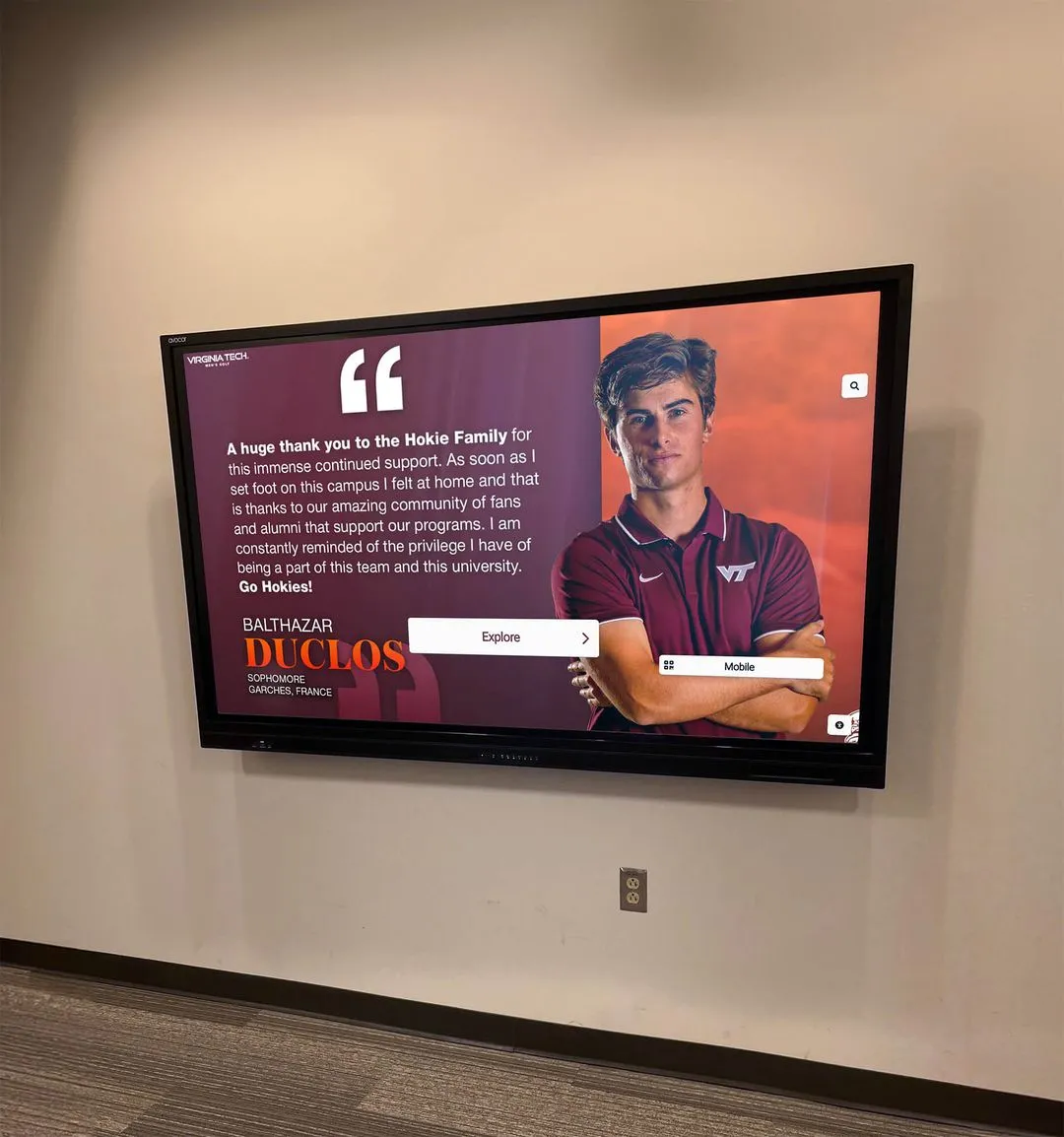
Visible recognition motivates continued mentor participation while recruiting new alumni who see their peers honored for meaningful contributions. Recognition strategies include digital displays featuring mentor profiles and student impact testimonials, annual recognition events celebrating outstanding mentors and program achievements, personalized thank-you communications from institutional leadership and mentored students, and certificates or awards mentors can share with employers or professional networks.
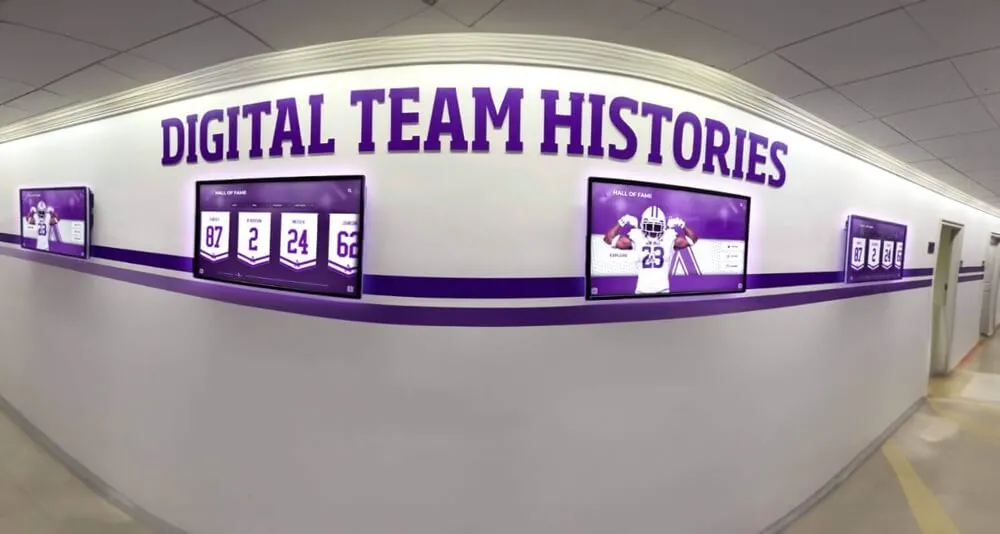
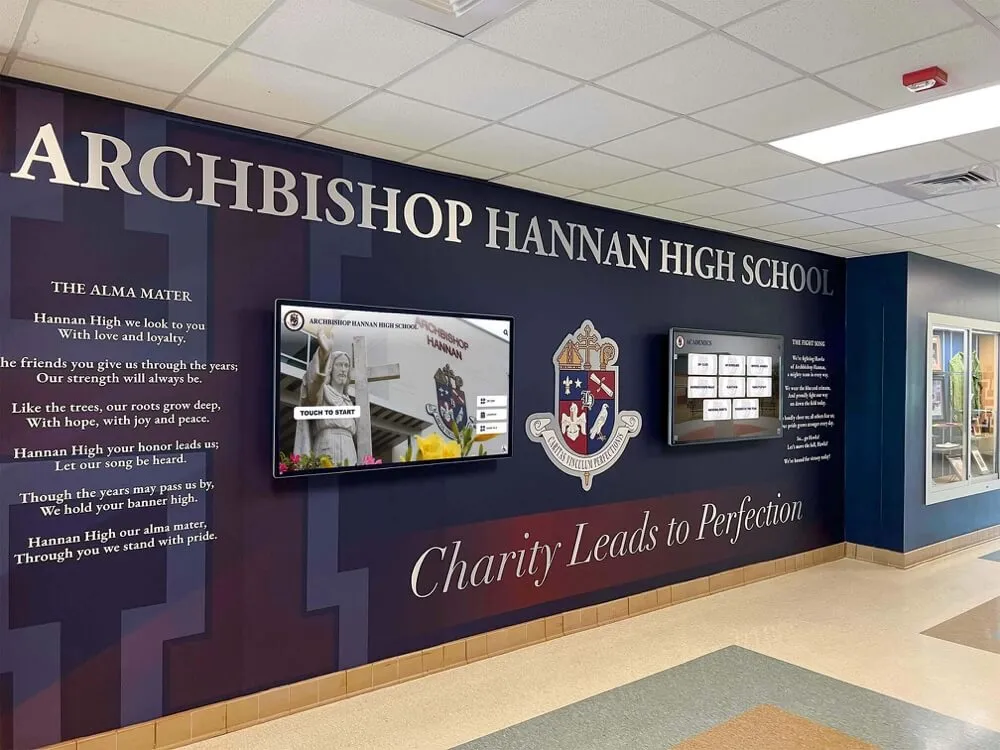
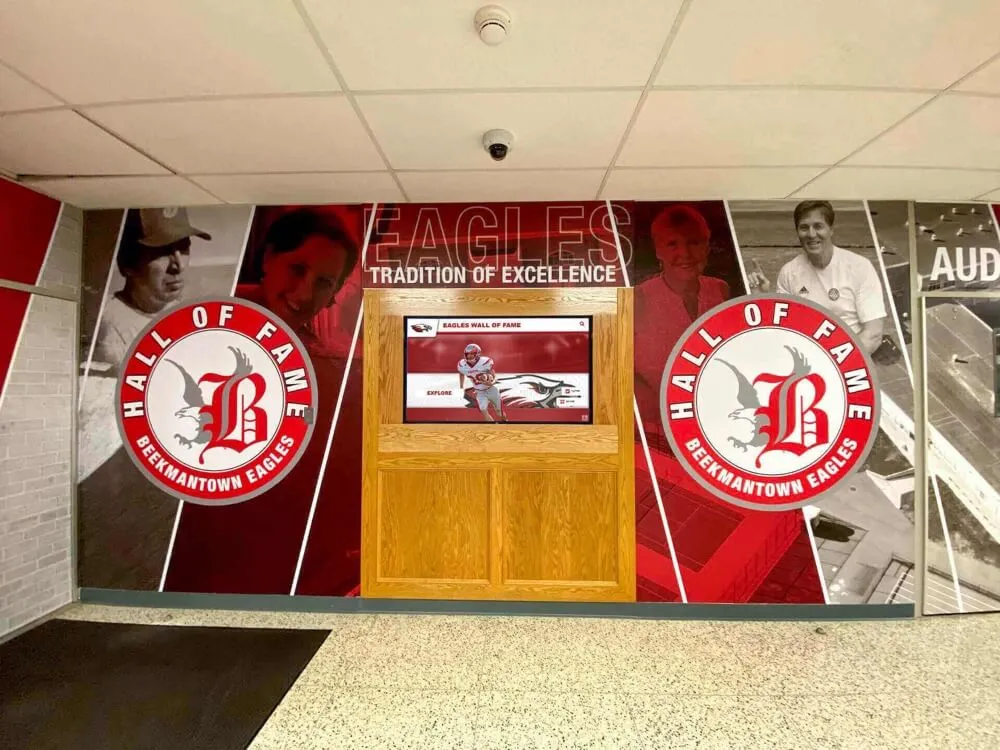
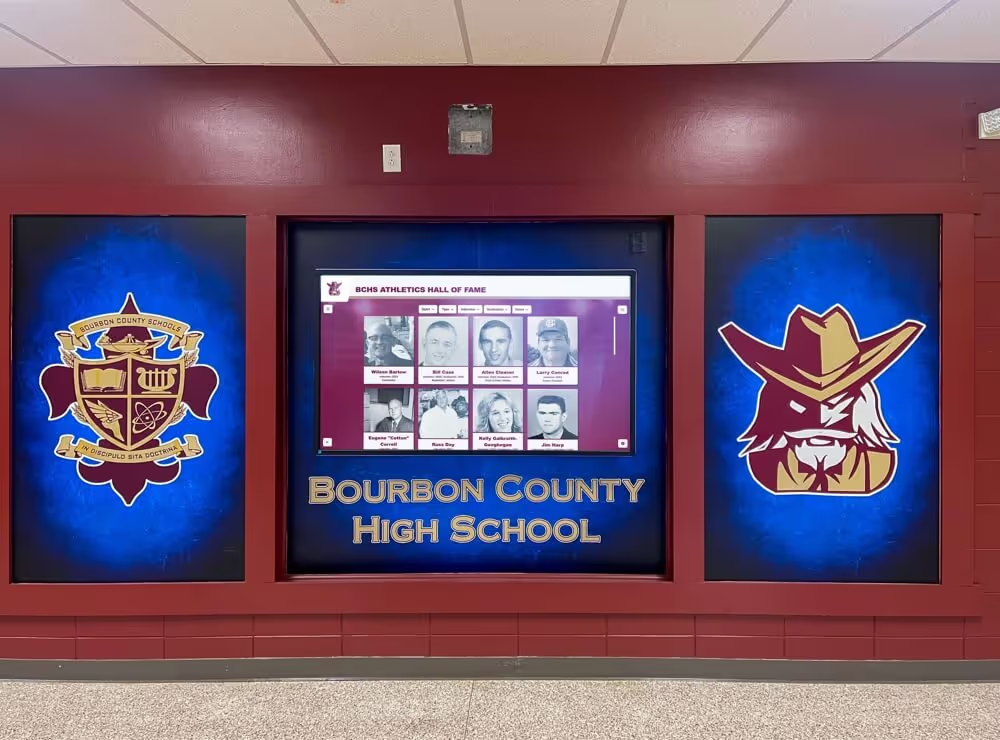
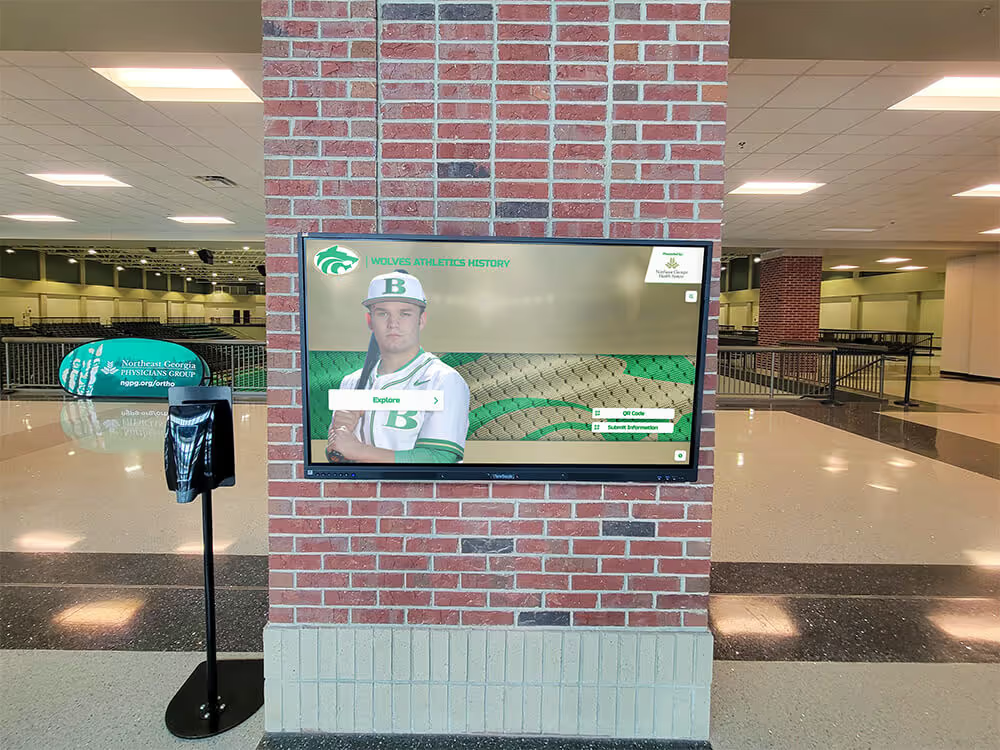
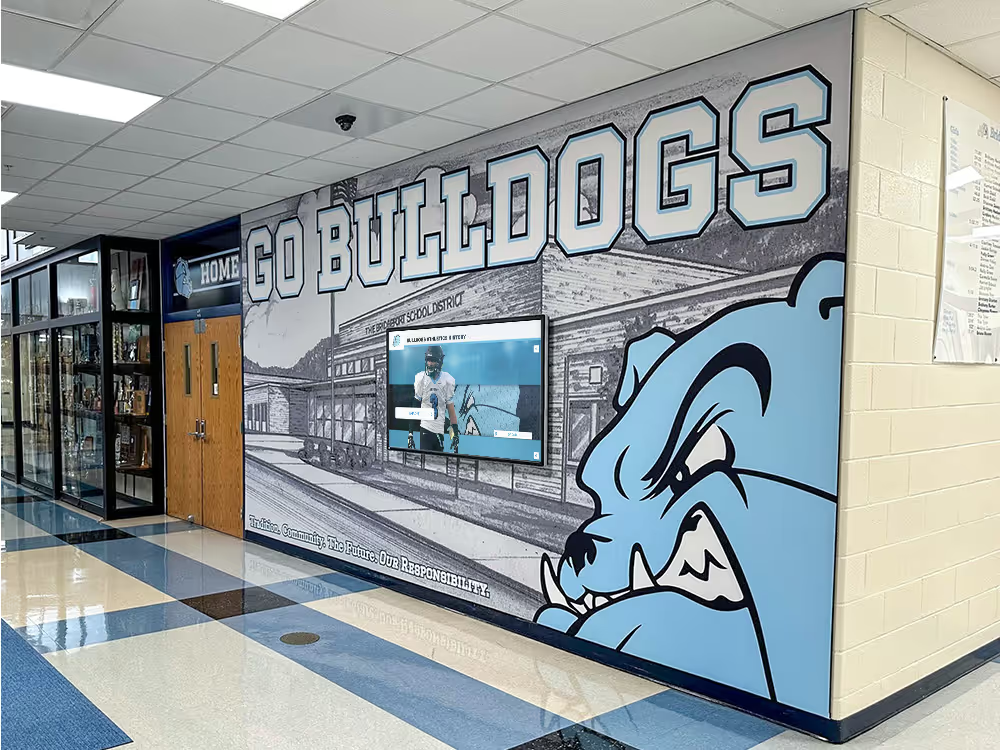
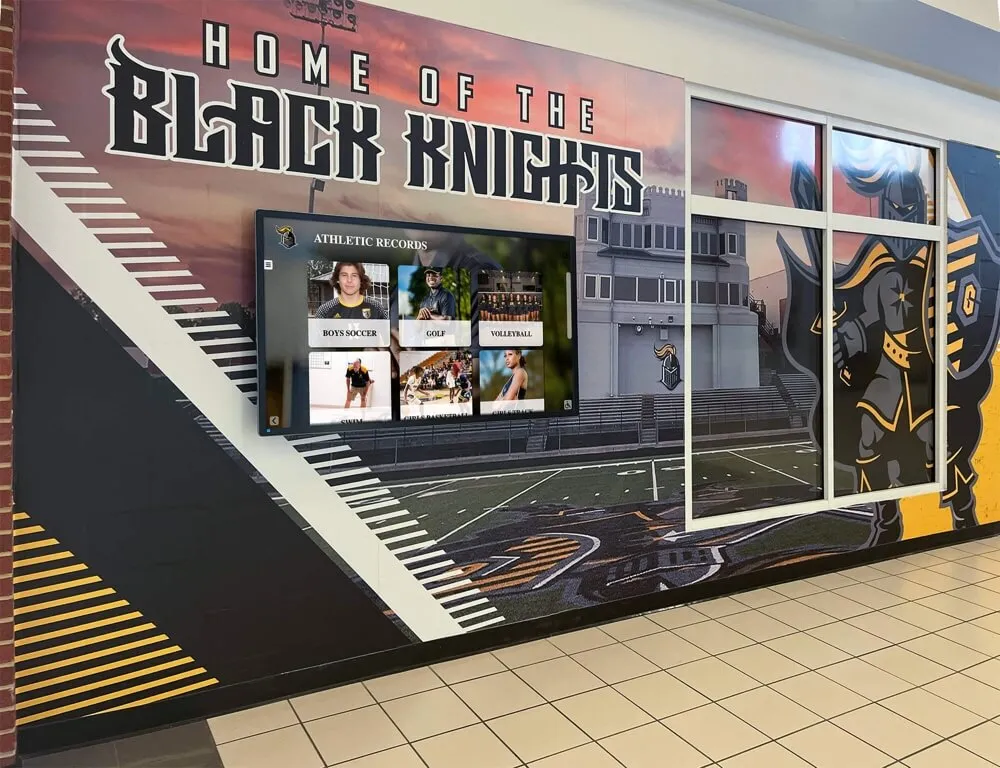
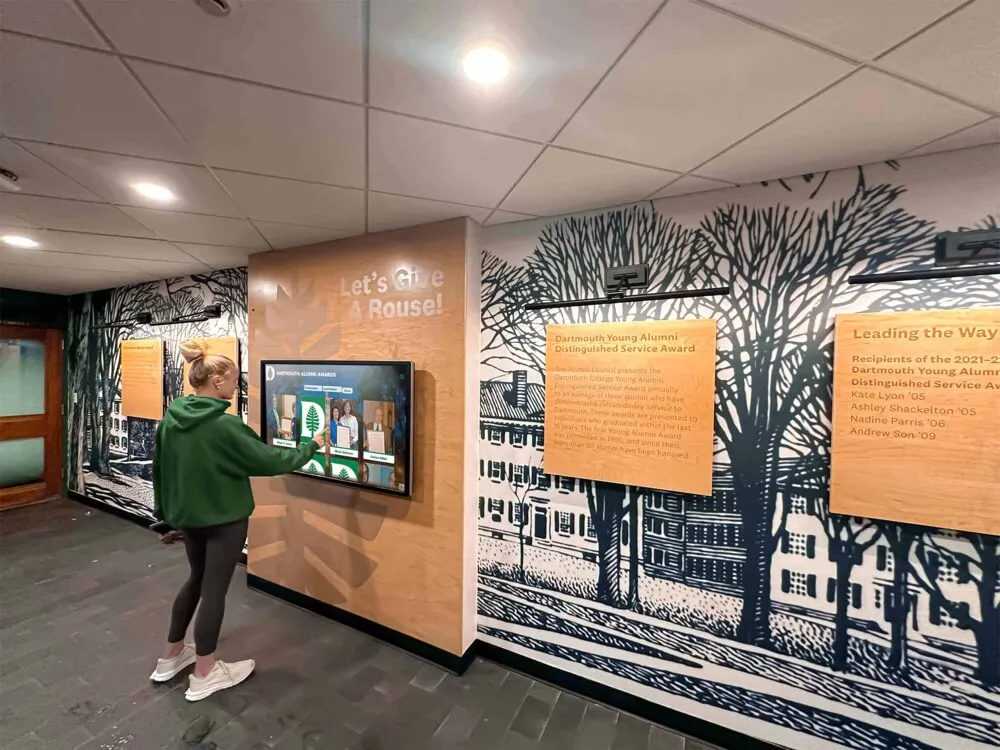
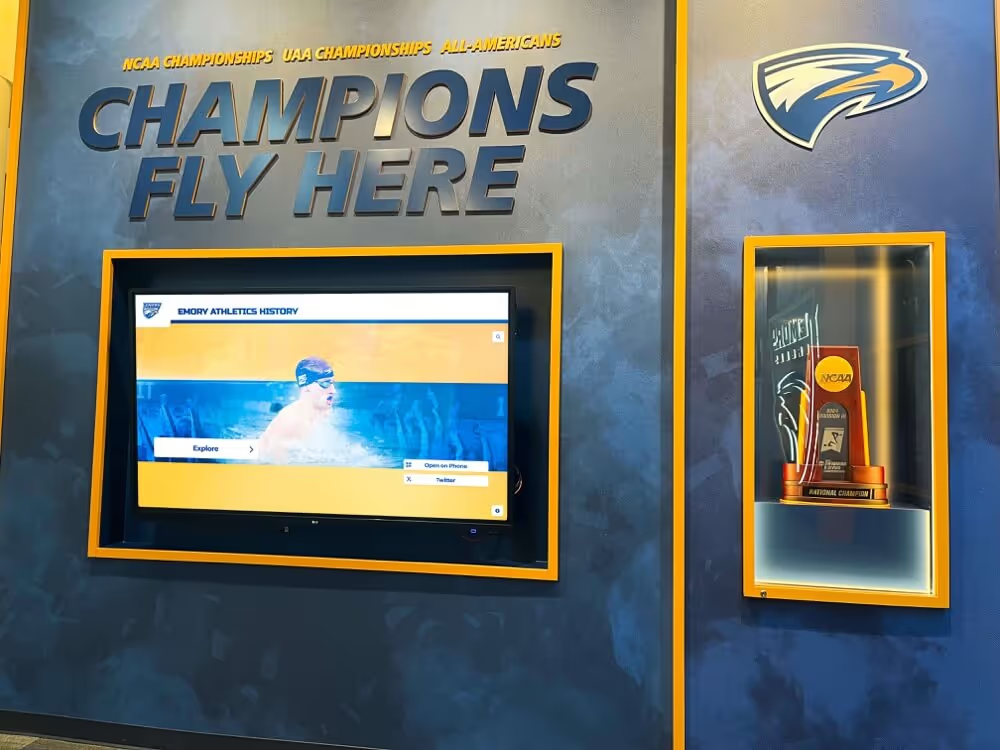
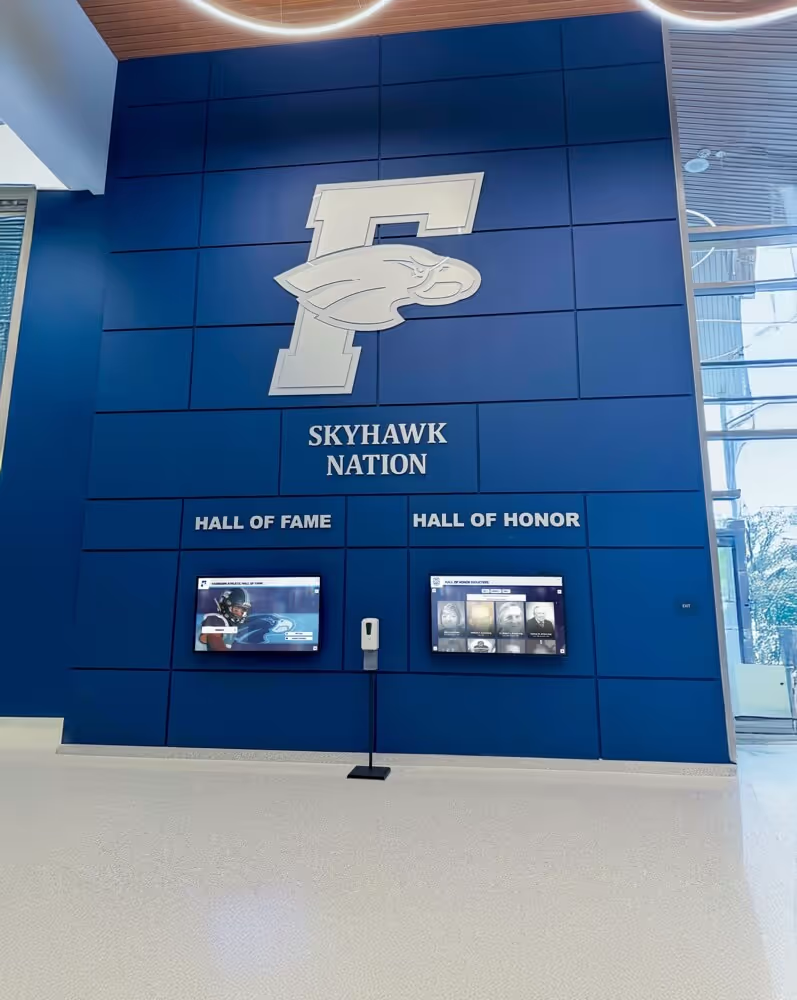
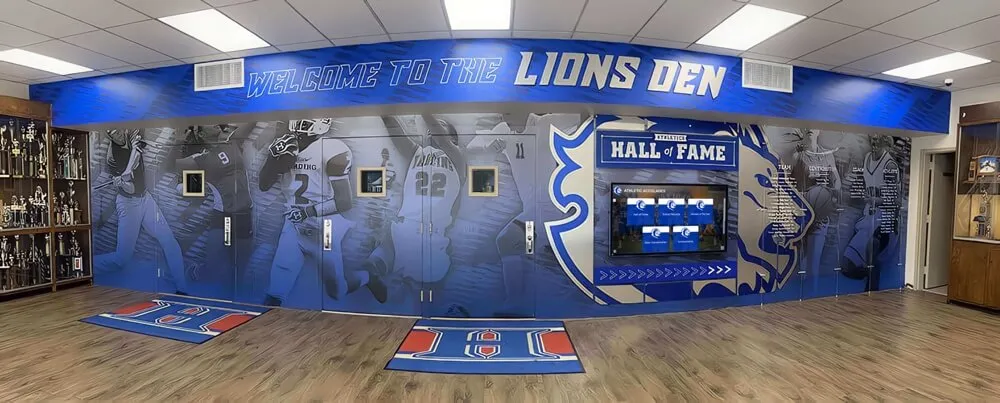
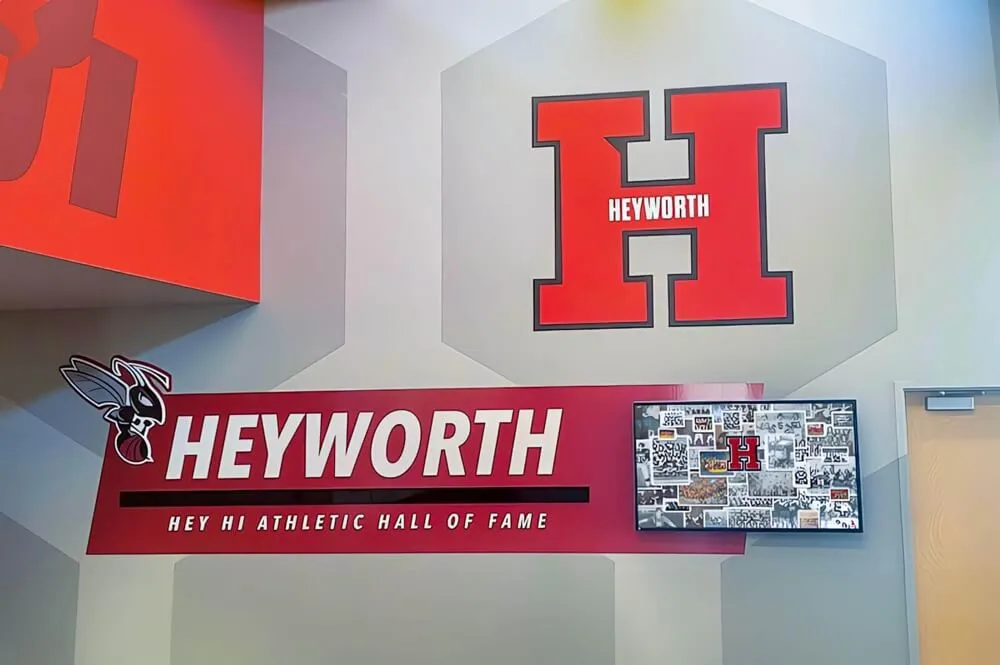
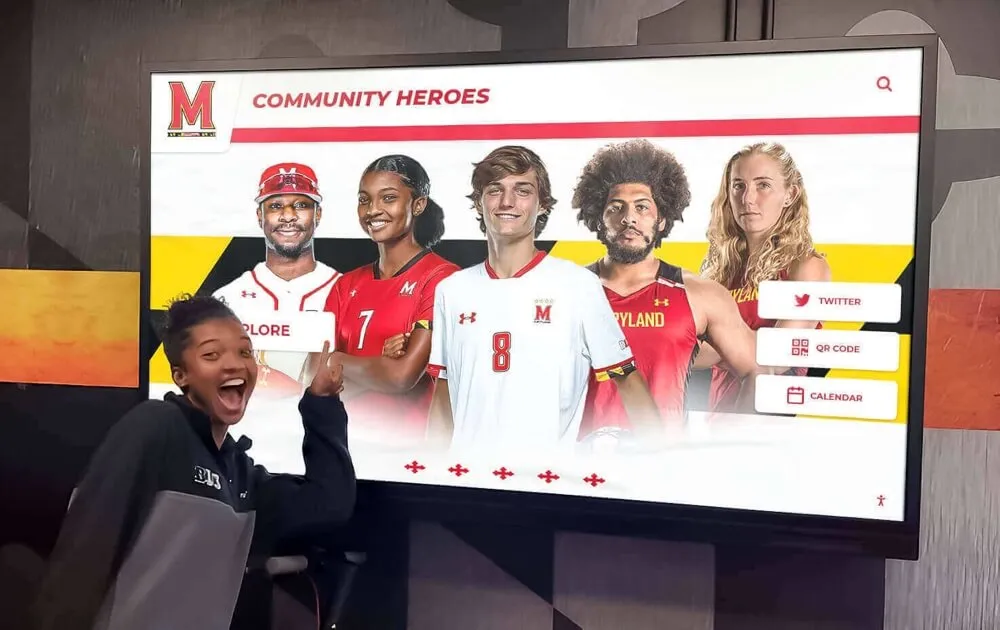
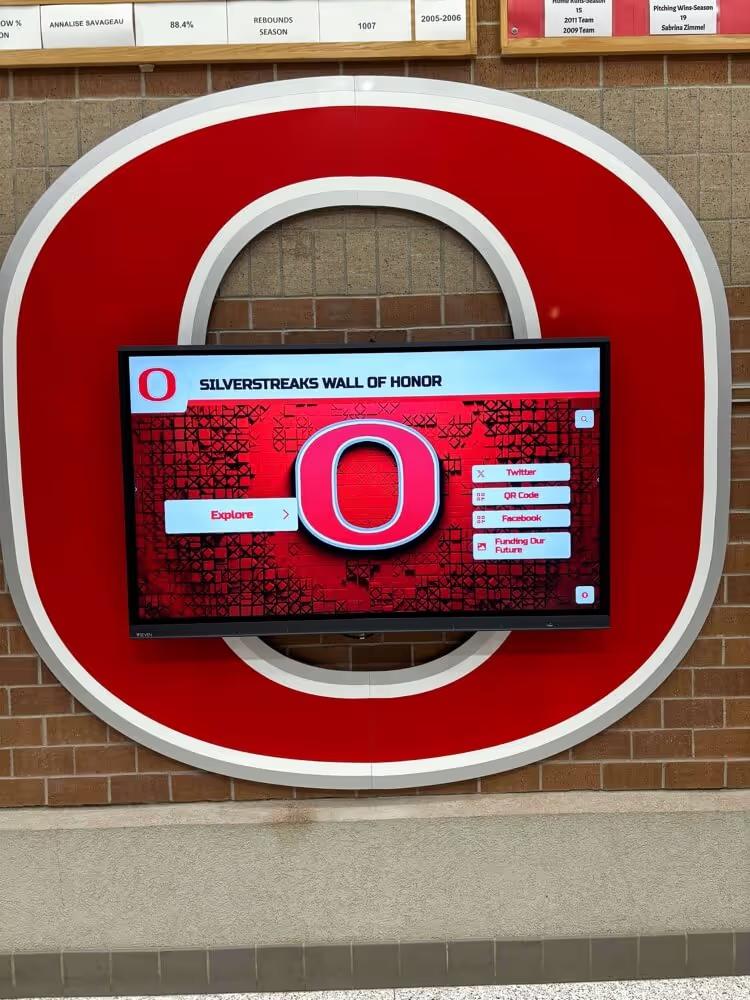
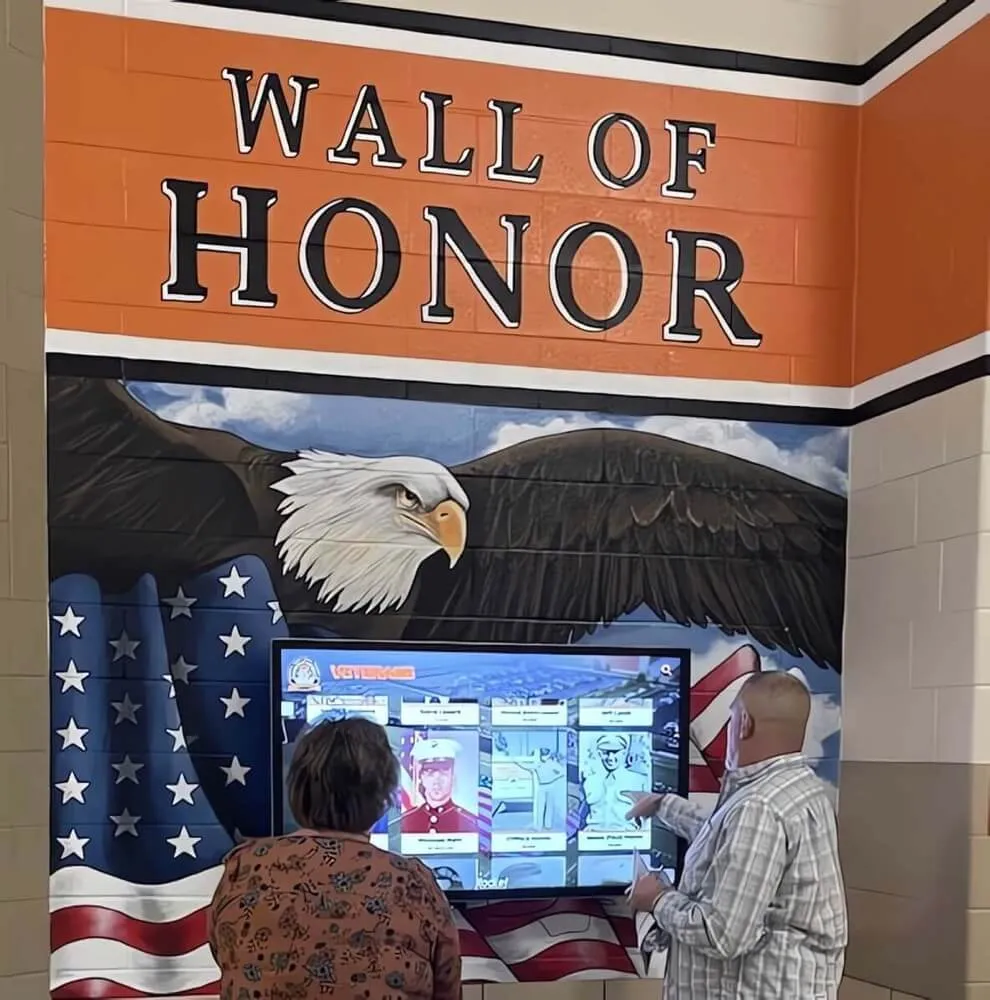
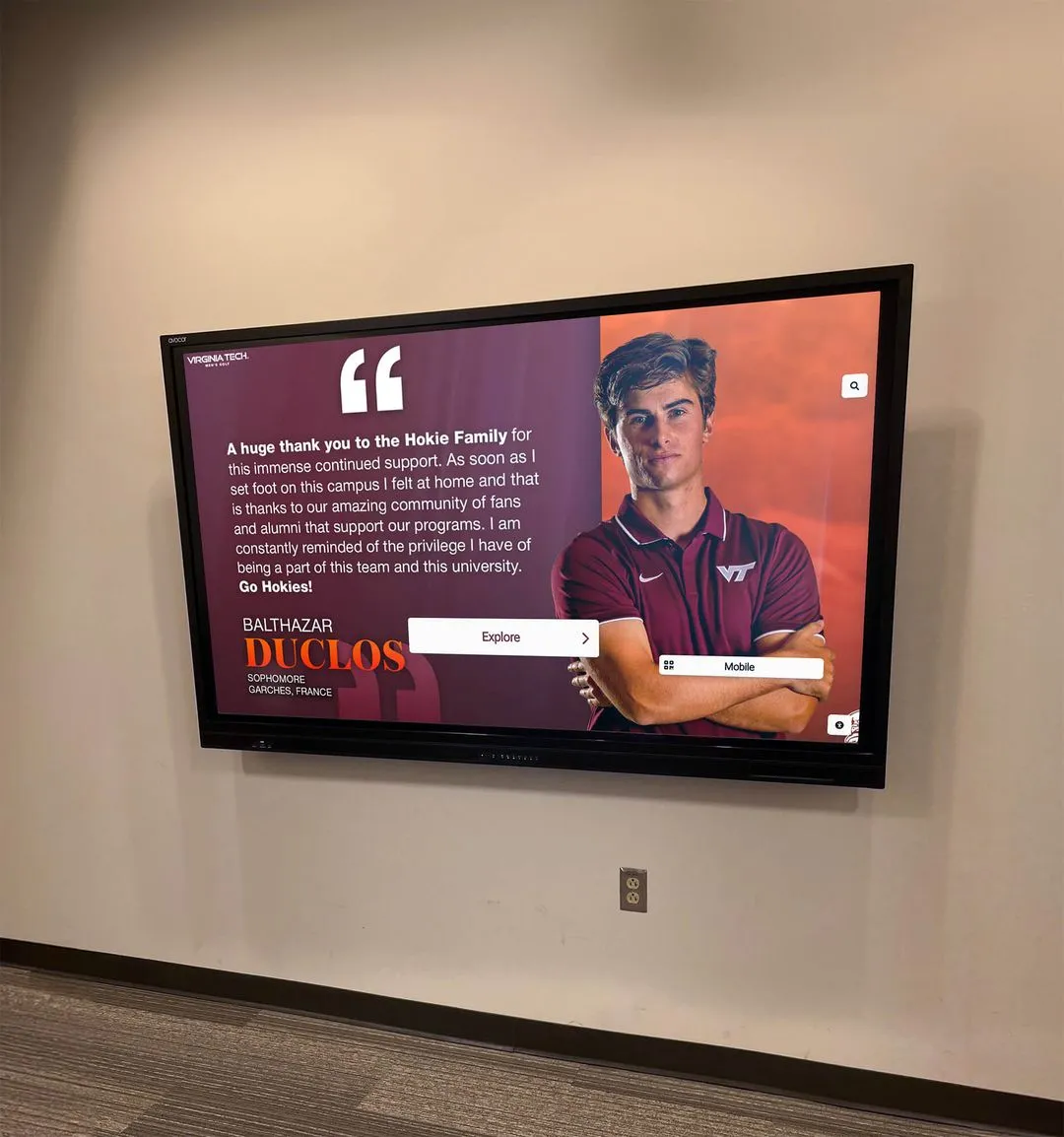
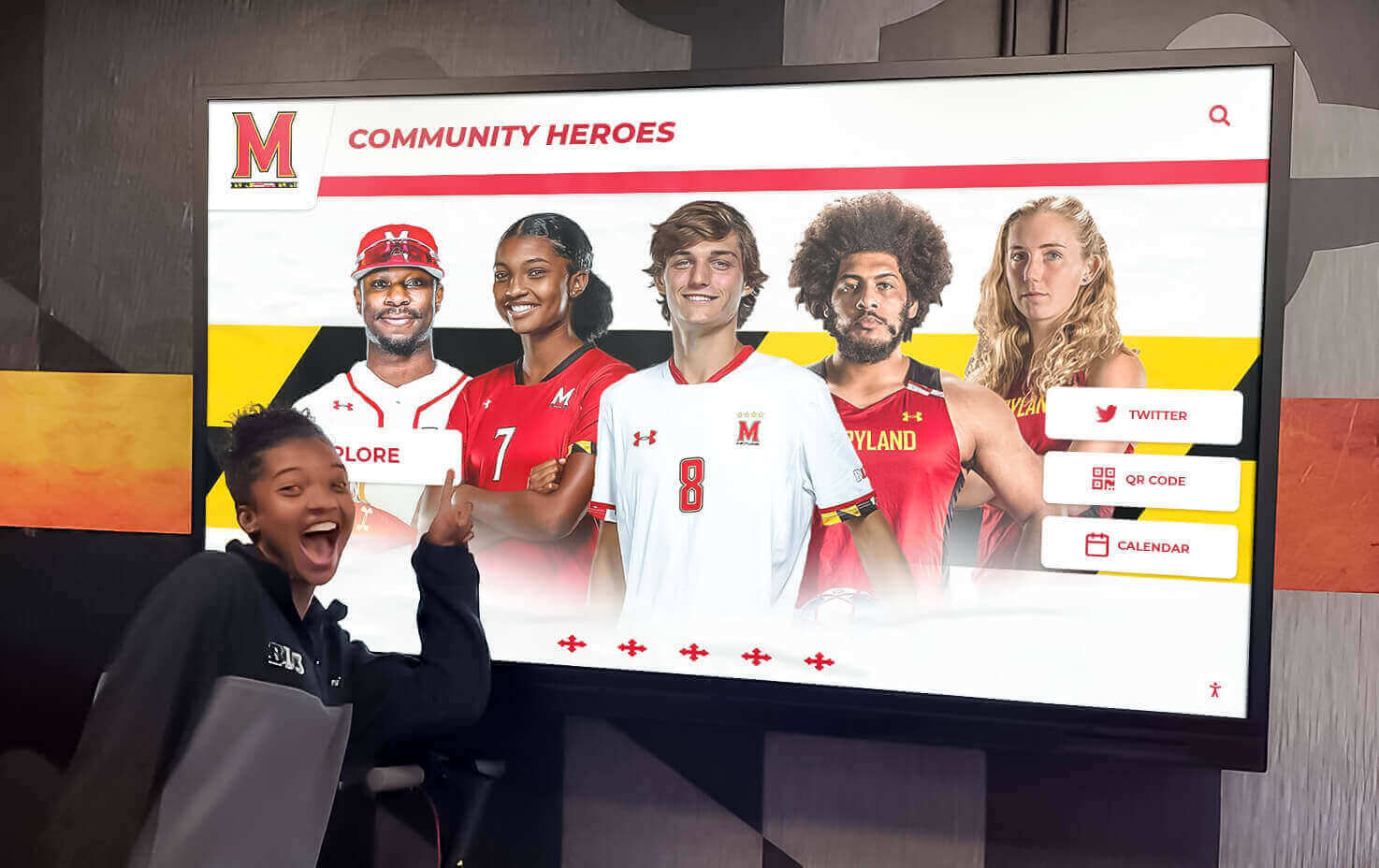
Modern interactive recognition displays provide perfect platforms for mentor celebration. These systems can feature mentor profiles with their professional accomplishments, testimonials from students they’ve guided, and updates on mentor career progression—creating dynamic recognition that evolves as mentors advance in their careers. Unlike static plaques limited by physical space, digital systems can honor unlimited mentors while providing engaging interfaces where students discover potential mentors through interactive exploration.
Facilitating Meaningful Mentor-Student Interactions
The quality of mentor-student relationships determines program success, requiring infrastructure and guidance that enables productive interactions while respecting both parties’ time constraints.
Structured Conversation Frameworks
Students often struggle initiating conversations or knowing what questions to ask, while mentors wonder how to provide value without overstepping. Effective programs provide conversation guides addressing common topics including career exploration and industry overview for students still defining professional interests, internship and job search strategies with resume review and interview preparation, professional skill development including communication and leadership capabilities, work-life balance and career management over extended timeframes, and graduate school decision-making for students considering advanced degrees.
Conversation frameworks typically suggest 3-5 core discussion areas per meeting with sample questions helping students prepare meaningful inquiries. Many programs provide digital resources accessible to both mentors and students including topic suggestion libraries, industry trend briefings relevant to various fields, and templates for follow-up communication between formal meetings.
Leveraging Technology for Connection
Geographic dispersion and busy schedules make in-person meetings challenging, but technology enables flexible interaction without sacrificing relationship quality. Modern mentorship programs incorporate video conferencing for face-to-face conversations regardless of location, messaging platforms for brief questions between formal meetings, document sharing for resume reviews or portfolio feedback, and virtual networking introductions connecting students with mentor colleagues.
The COVID-19 pandemic accelerated virtual mentorship adoption, and many programs discovered that remote relationships often prove more sustainable than those requiring in-person meetings. Alumni more readily commit to monthly video calls than traveling to campus, expanding the geographic mentor pool while increasing program accessibility for students at multiple locations or studying remotely.
Creating Group Mentorship Opportunities
Individual mentoring relationships provide deep guidance, but group formats offer complementary benefits while extending limited mentor capacity. Group mentorship includes panel discussions where multiple alumni share career insights with larger student audiences, industry-specific cohorts connecting students interested in particular fields with several mentors, alumni-led workshops on professional skills like negotiation or networking, and peer learning groups where mentors facilitate student discussions about shared challenges.
Group formats allow mentors to impact more students per time commitment while creating peer learning communities where students support each other beyond mentor interactions. Many successful programs combine individual mentoring relationships with periodic group events that enrich the overall experience while building broader professional networks.
Institutions exploring comprehensive mentorship approaches often discover that blended models incorporating both individual relationships and group interactions maximize impact while remaining operationally sustainable as programs scale.
Measuring Mentorship Program Impact
Strategic institutions evaluate mentorship effectiveness systematically, using data to demonstrate program value while continuously improving student and alumni experiences.
Key Performance Indicators
Comprehensive assessment tracks both quantitative outcomes and qualitative relationship quality. Essential metrics include participation rates showing student enrollment and active mentor engagement, relationship completion measuring mentor-student pairs completing full program cycles, student outcomes tracking career placement, internship acquisition, and graduate school admission, alumni satisfaction scores indicating mentor experience quality and likelihood of continued participation, and institutional impact demonstrating how mentorship supports broader advancement and engagement goals.
Advanced programs also measure student skill development in areas like networking confidence, interview preparation, and career decision-making clarity through pre- and post-program assessments. These capability measurements demonstrate specific value mentorship provides beyond placement statistics alone.
Gathering Qualitative Feedback
Numbers reveal program scale but not the transformational experiences that justify mentorship investment. Effective programs systematically collect student testimonials describing specific ways mentorship influenced career decisions or opportunities, mentor reflections on rewarding aspects of guiding emerging professionals, relationship success stories demonstrating particularly impactful mentor-student pairs, and challenge identification revealing obstacles that program improvements could address.
This qualitative data proves invaluable for program marketing, mentor recruitment, and institutional reporting. Compelling stories bring dry statistics to life, helping stakeholders understand mentorship’s genuine impact on student lives and alumni engagement.
Demonstrating Return on Investment
Institutional leadership increasingly demands evidence that programs justify resource allocation. Mentorship ROI calculations consider student placement improvements comparing mentored versus non-mentored graduate outcomes, alumni engagement increases showing mentorship participation leading to broader institutional support, program efficiency measuring coordinator time requirements relative to student impact, and comparative costs evaluating mentorship expense against alternative career development interventions.
Well-designed programs typically demonstrate positive ROI within 2-3 years as operational efficiencies improve and alumni mentor pools expand. The combination of improved student outcomes and strengthened alumni relationships creates compounding value that far exceeds initial implementation investments.
Digital Recognition Systems Supporting Mentorship Programs
Modern technology dramatically reduces mentorship program administrative burden while creating engaging experiences that attract both mentor and student participation.
Interactive Mentor Discovery Platforms
Traditional mentorship programs struggled with clunky matching processes requiring extensive coordinator time reviewing applications and manually identifying compatible pairs. Digital recognition systems transform this process by enabling self-service mentor discovery where students browse comprehensive mentor profiles independently, search and filter functionality helping students find mentors by industry, location, or expertise, detailed alumni information including career history, areas of guidance expertise, and current availability, and one-click connection requests that coordinators can review and approve efficiently.
These platforms make mentor browsing as intuitive as online shopping—students explore options at their own pace, save interesting profiles, and request connections with mentors whose backgrounds genuinely interest them. This student agency increases engagement while dramatically reducing coordinator workload compared to manual matching processes.
Solutions like Rocket Alumni Solutions provide cloud-based platforms where institutions manage unlimited mentor profiles with detailed information, update mentor availability and expertise areas instantly, track mentorship relationships and communication status, and generate reports demonstrating program scale and impact. The same systems power on-campus interactive displays and web-based directories, ensuring consistent information across all student touchpoints.
Celebrating Mentor Contributions
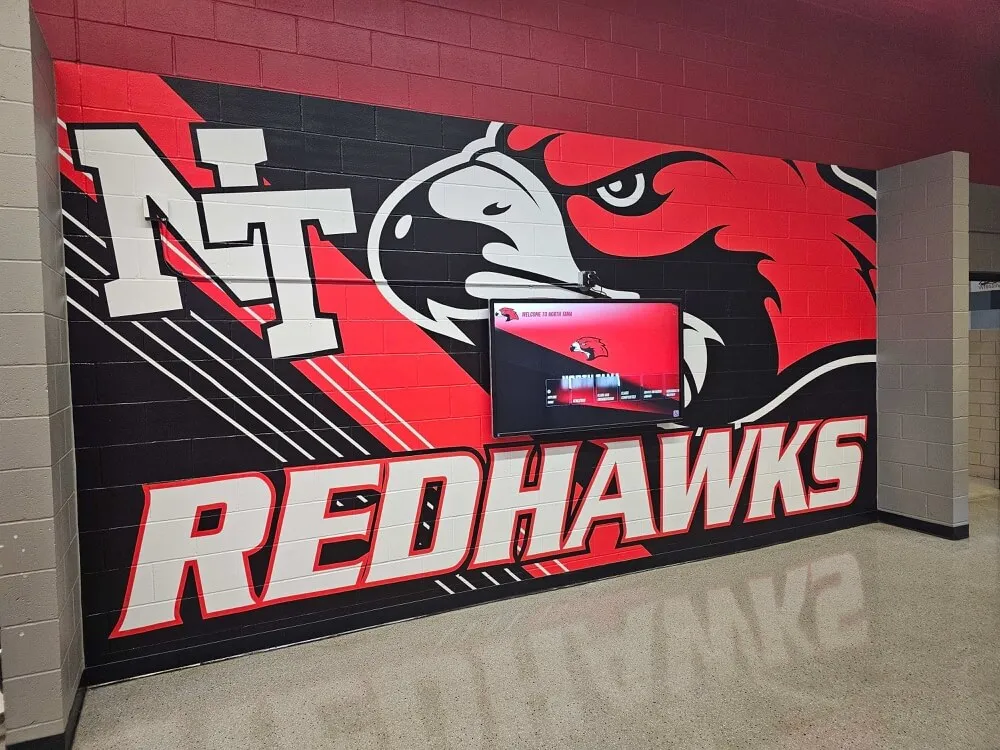
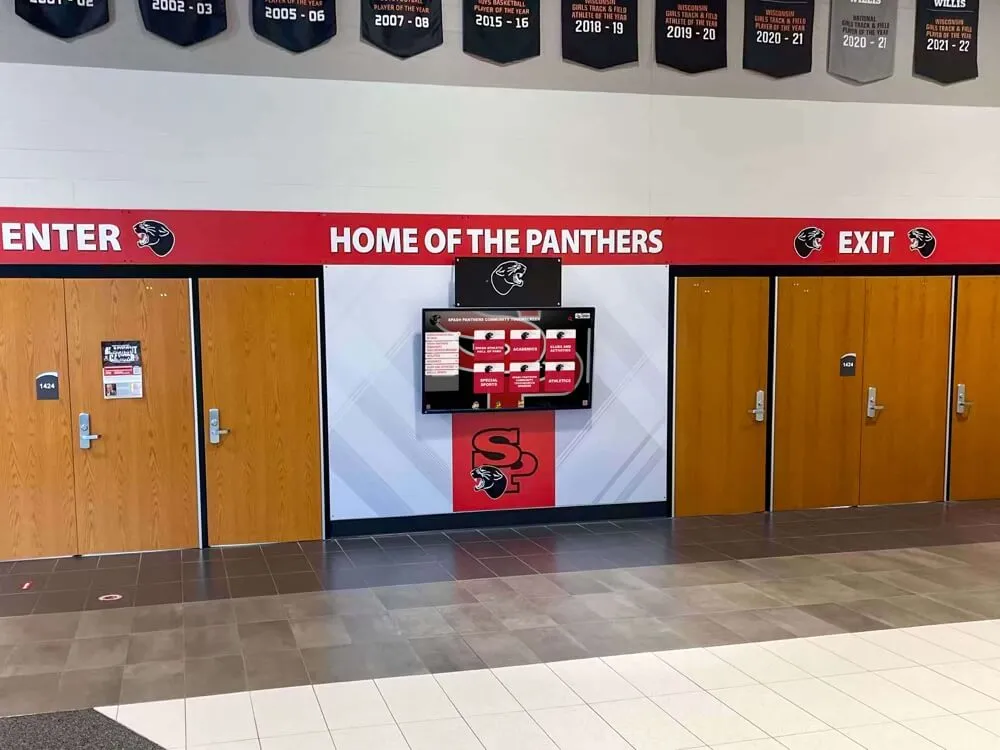
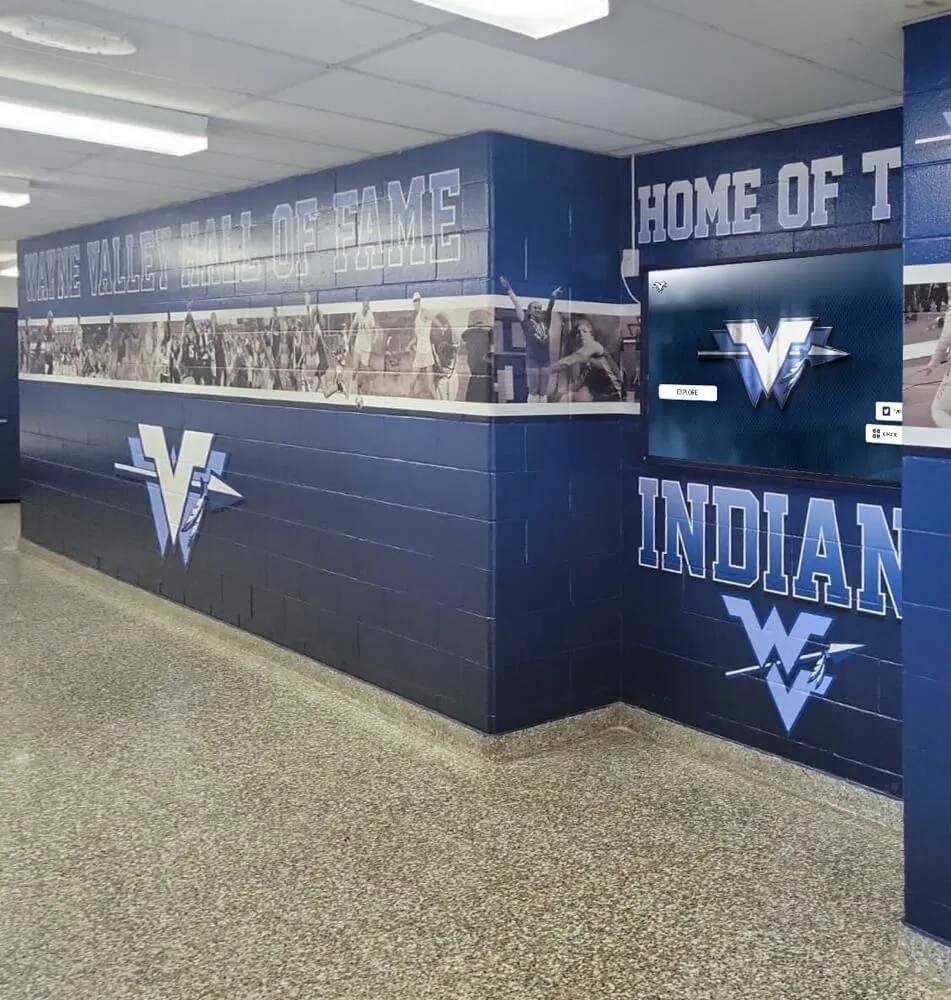
Visible recognition motivates mentor participation while recruiting new alumni who see peers honored for meaningful contributions. Digital recognition displays in high-traffic campus locations showcase mentor profiles with professional accomplishments, student testimonials describing mentorship impact, updates on mentor career progression and achievements, and calls to action inviting additional alumni to join the mentor community.
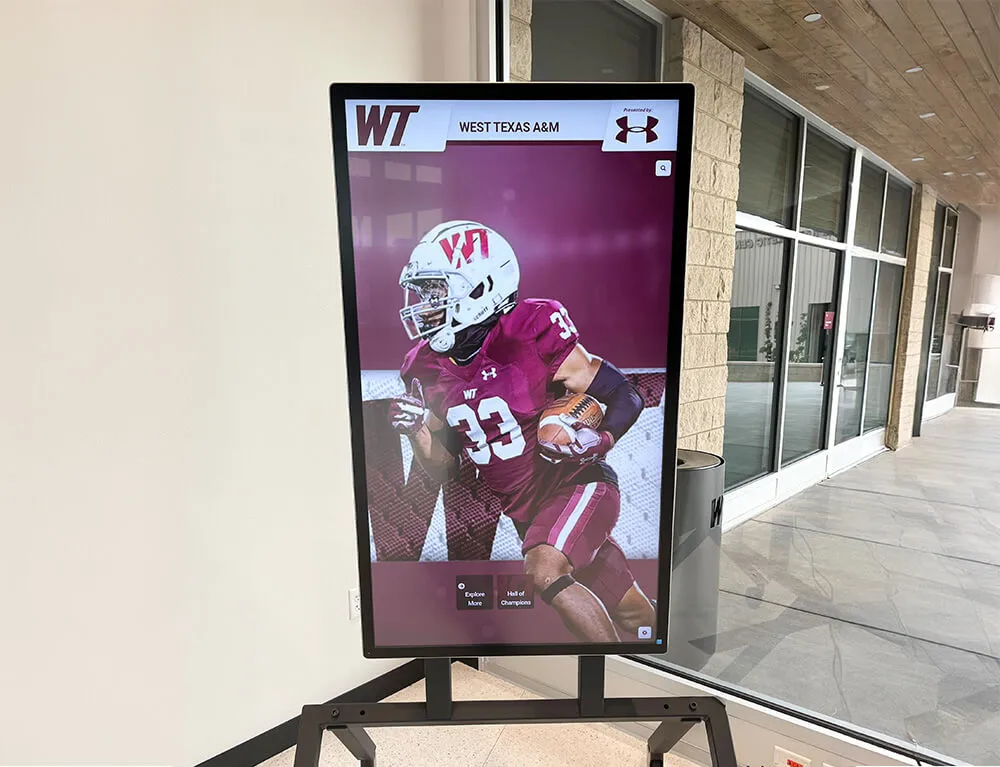
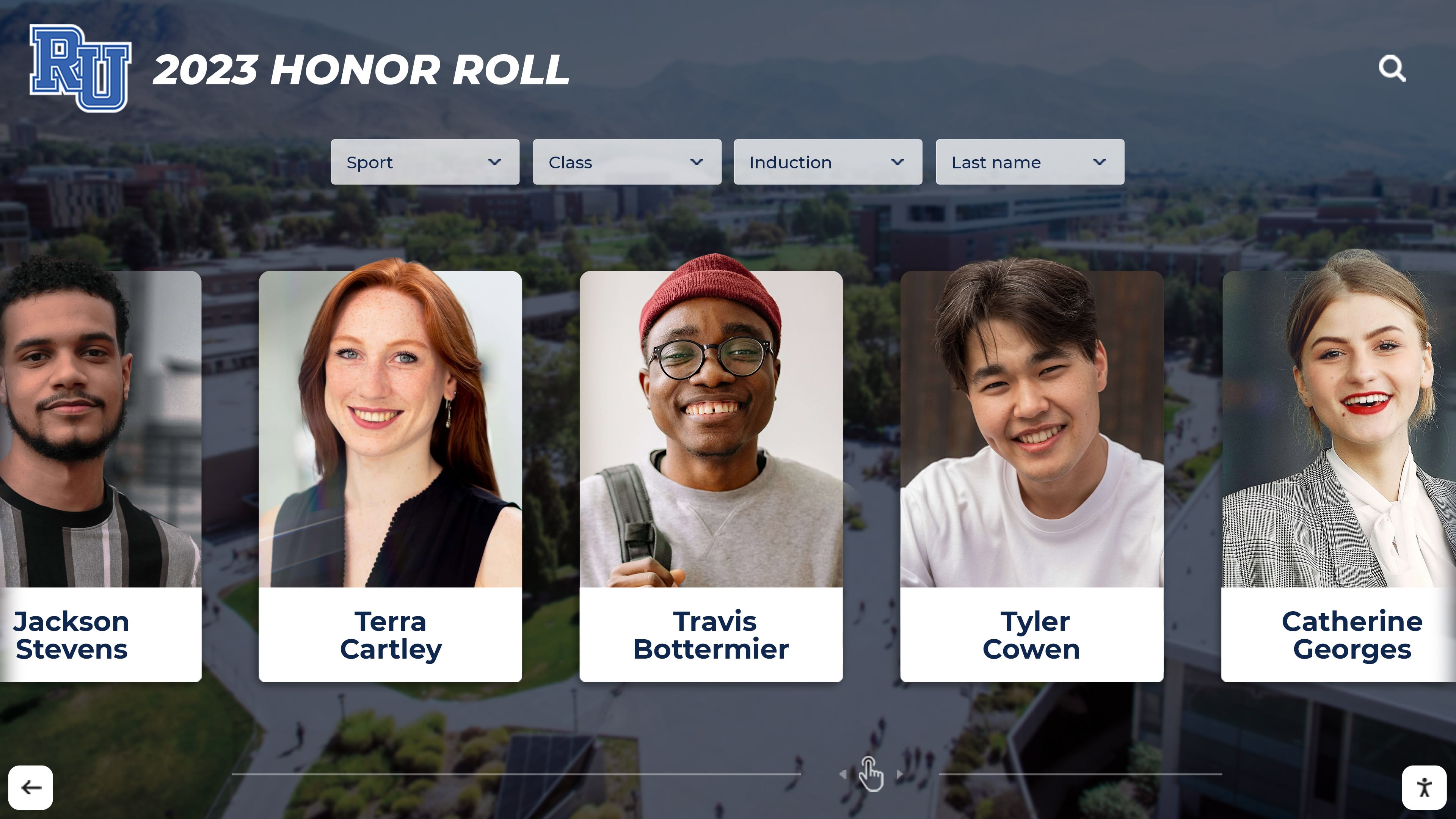
Unlike static plaques limited by physical space constraints, digital systems scale infinitely—honoring hundreds or thousands of mentors with equally prominent recognition. Interactive interfaces allow students, campus visitors, and returning alumni to explore mentor contributions through engaging touchscreen experiences that traditional recognition cannot match.
Integrating Mentorship with Broader Recognition
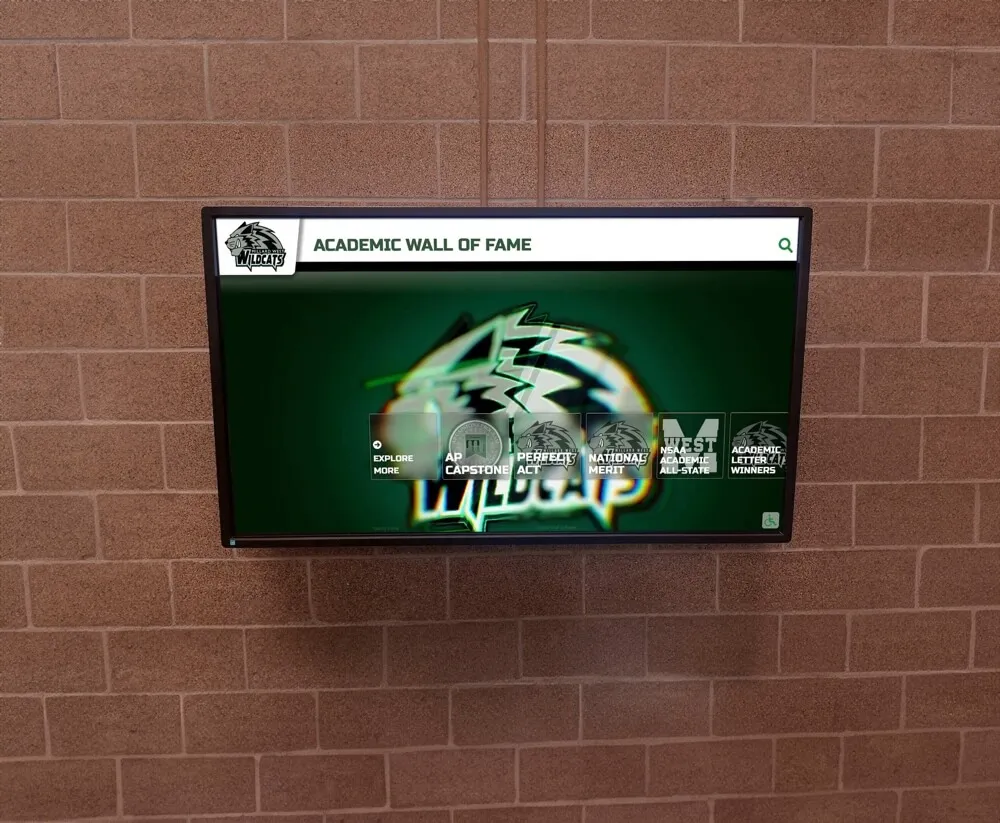
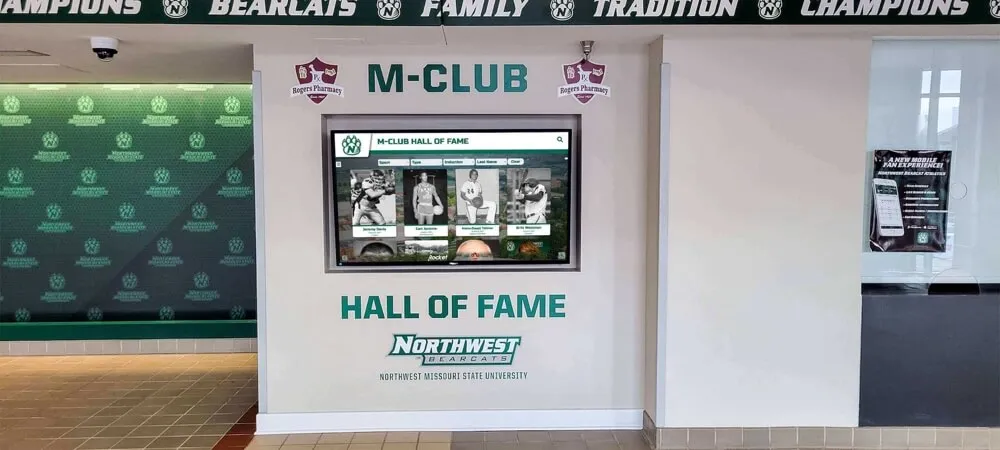
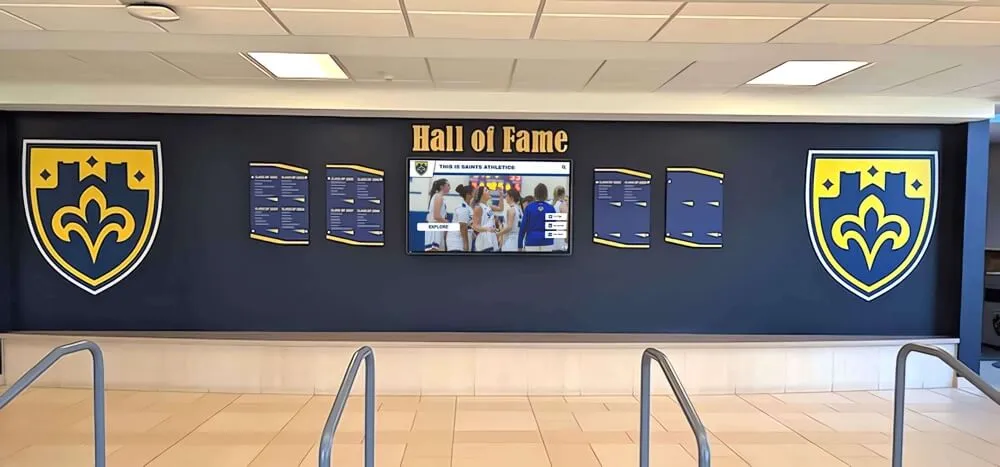
The most sophisticated programs unite mentorship recognition with other alumni achievement celebration, creating comprehensive systems showcasing institutional excellence. Integrated platforms combine alumni spotlight programs featuring career journeys and current accomplishments, athletic hall of fame displays recognizing student-athlete achievements, academic excellence walls celebrating scholarly accomplishments, and historical timelines documenting institutional evolution and notable graduates.
This integration creates richer student experiences—a business student browsing potential mentors discovers an alumnus’s impressive career trajectory, then explores that mentor’s undergraduate achievements and campus involvement through connected historical content. These comprehensive systems demonstrate how current student experiences connect to decades of alumni success, inspiring students while honoring graduate contributions across multiple dimensions.
Best Practices for Sustainable Mentorship Programs
Learning from mature programs helps institutions avoid common pitfalls while implementing approaches that maximize impact and longevity.
Start Small and Scale Strategically
Many programs fail by launching with overly ambitious scope that becomes administratively overwhelming. Successful approaches include pilot programs in single departments or schools before institution-wide expansion, initial cohorts of 15-25 mentor-student pairs allowing process refinement, focused recruitment of highly committed mentors ensuring early positive experiences, and iterative improvements based on pilot feedback before scaling broadly.
Small-scale pilots allow coordinators to test matching processes, identify effective communication frameworks, and demonstrate early wins that justify expanded investment. Rushing to scale prematurely often creates poor experiences that damage program reputation and discourage participation.
Maintain Manageable Coordinator Workload
Successful mentorship requires dedicated coordination, and understaffed programs decline in quality as manual processes become unsustainable. Sustainable staffing includes dedicated coordinator time proportional to program scale—typically 0.25-0.5 FTE per 100 active pairs, technology platforms reducing manual matching and communication coordination, student assistant support for administrative tasks and data management, and clearly defined coordinator responsibilities preventing scope creep beyond sustainable levels.
Programs leveraging digital recognition and mentorship platforms report 40-60% reductions in coordinator administrative time compared to manual management, allowing staff to focus on relationship quality and strategic program development rather than operational logistics.
Build Continuity Through Alumni Leadership
Programs dependent on single staff members face existential risk when those individuals leave. Resilient structures include alumni advisory committees providing strategic guidance and institutional memory, mentor champions who recruit peers and serve as program ambassadors, multi-year coordinator transitions preventing knowledge loss, and comprehensive documentation of processes, lessons learned, and program evolution.
Alumni deeply invested in mentorship programs often provide the institutional continuity that ensures long-term success regardless of staff transitions. These graduate leaders also enhance program credibility, as prospective mentors see peers actively involved in program governance and development.
Connect Mentorship to Institutional Priorities
Programs demonstrating clear connection to strategic institutional goals secure sustained resource allocation and leadership support. Strategic alignment includes linking mentorship to career placement and student success metrics, positioning alumni engagement as development pipeline for major gift relationships, demonstrating diversity and inclusion impact through mentorship access for underrepresented students, and highlighting employer partnership potential when mentors facilitate internship and hiring connections.
Mentorship programs that exist as isolated initiatives struggle for resources and attention, while those positioned as strategic mechanisms advancing multiple institutional priorities receive sustained investment and visibility.
Overcoming Common Mentorship Program Challenges
Even well-designed programs encounter predictable obstacles that thoughtful planning and responsive adjustments can address.
Managing Unequal Mentor-Student Enthusiasm
Students occasionally treat mentorship as low-priority obligation while mentors dedicate significant time preparing for conversations. Programs address this imbalance through explicit expectation setting during student enrollment including required commitment statements, progress tracking systems identifying disengaged students for intervention, coordinator outreach to struggling pairs offering support or re-matching, and recognition systems celebrating engaged students alongside mentors.
Some programs implement application processes rather than open enrollment, selecting students demonstrating genuine commitment and readiness to benefit from mentorship. While this limits scale, it protects mentor time and ensures positive experiences that encourage continued alumni participation.
Addressing Mentor Burnout and Capacity Limits
Successful mentors often receive multiple student requests, creating unsustainable workload and burnout risk. Capacity management strategies include maximum student limits per mentor preventing overcommitment, group mentorship options allowing high-demand mentors to serve more students efficiently, mentor rotation systems providing breaks between commitment cycles, and continuous recruitment expanding mentor pools to distribute student demand.
Programs should monitor mentor engagement and proactively offer respite to individuals showing strain or declining enthusiasm. Protecting mentor experience ensures long-term program sustainability rather than exhausting valuable participants through overuse.
Maintaining Momentum Throughout Academic Year
Initial enthusiasm often wanes mid-semester as competing priorities emerge for students and mentors. Momentum maintenance tactics include regular coordinator communications with conversation prompts and topic suggestions, milestone celebrations recognizing relationship progression and accomplishments, event programming bringing mentors to campus for group interactions, and end-of-term reflection exercises helping participants recognize relationship value.
Structured programs with clear meeting expectations and coordinator touchpoints maintain significantly higher engagement than informal arrangements relying solely on participant initiative without external support.
The Future of Alumni Mentorship: Emerging Trends
Forward-thinking institutions embrace evolving approaches that enhance traditional mentorship while leveraging new technologies and changing workplace realities.
Micro-Mentoring and Expert Consultations
Not all student needs require long-term mentoring relationships, and brief expert consultations often provide significant value with minimal alumni time commitment. Emerging formats include 15-30 minute “office hours” where alumni answer specific questions, project feedback sessions where alumni review student work and provide industry perspective, networking introduction services connecting students with alumni colleagues in target companies, and virtual coffee chats offering brief career conversations without ongoing commitment.
These lightweight engagement options dramatically expand alumni participation by offering flexible involvement fitting busy professional schedules. Students benefit from accessing broader expertise networks rather than single mentor relationships, while alumni appreciate defined, manageable time commitments.
AI-Enhanced Matching and Program Management
Artificial intelligence increasingly supports mentorship programs through sophisticated matching algorithms, automated administrative coordination, and enhanced participant experiences. AI applications include smart matching based on detailed compatibility factors beyond basic field alignment, predictive analytics identifying at-risk relationships requiring coordinator intervention, automated meeting scheduling reducing coordination friction, and personalized content recommendations suggesting relevant conversation topics based on student interests and mentor expertise.
While human oversight remains essential, AI augmentation allows coordinators to focus on relationship quality and strategic program development rather than administrative logistics. Early adopters report significant efficiency gains and improved matching satisfaction compared to manual processes.
Integrated Career Ecosystems
Leading institutions unite mentorship with comprehensive career development ecosystems rather than treating it as standalone program. Integrated approaches combine alumni mentorship providing personalized guidance and networking, employer partnerships offering structured internship and job pathways, skill development workshops building professional capabilities, and digital recognition systems connecting students with relevant alumni and opportunities throughout their educational journey.
This ecosystem approach creates seamless student experiences where career development resources interconnect logically rather than existing as disconnected programs requiring separate discovery and enrollment efforts.
Conclusion: Creating Lasting Impact Through Alumni Mentorship
Alumni mentorship programs represent among the most powerful investments educational institutions can make in student success and alumni engagement. When graduates share career insights, professional networks, and authentic guidance with current students, both parties benefit enormously—students gain invaluable preparation for professional transitions, while mentors experience the deep satisfaction of developing emerging talent while maintaining meaningful connection to their alma mater.
Successful programs balance structure with flexibility, providing clear frameworks that enable productive relationships without constraining the authentic connections that create genuine impact. They leverage modern technology to reduce administrative burden while scaling effectively, using digital platforms for efficient matching, relationship tracking, and visible recognition that motivates participation. They measure success rigorously, demonstrating clear value to institutional leadership while continuously improving based on participant feedback and outcome data.
Essential elements for mentorship program success include:
- Clear program objectives aligning with institutional priorities and measurable outcomes
- Strategic mentor recruitment focusing on committed alumni with relevant expertise
- Thoughtful matching processes considering multiple compatibility factors
- Structured relationship frameworks with defined expectations and duration
- Technology platforms reducing administrative burden while enhancing experiences
- Visible recognition celebrating mentor contributions and recruiting participation
- Comprehensive training preparing mentors for effective guidance
- Regular evaluation and refinement based on quantitative and qualitative feedback
- Integration with broader career development and alumni engagement initiatives
- Sustainable staffing and coordinator support preventing burnout
Modern recognition technology transforms how institutions connect alumni with students while celebrating the graduates who dedicate time to developing the next generation. Interactive digital displays in campus locations showcase mentor profiles and impact stories, creating visible appreciation that motivates continued participation while inspiring additional alumni to contribute their expertise and networks.
Rocket Alumni Solutions provides the infrastructure making sophisticated mentorship programs operationally feasible regardless of institutional size or technical capacity. Cloud-based platforms enable unlimited mentor profile management, intuitive student discovery interfaces, relationship tracking and communication coordination, and comprehensive reporting demonstrating program impact—all through systems requiring minimal technical expertise while providing engaging experiences for both students and alumni.
Educational institutions investing strategically in alumni mentorship create traditions of giving back that profoundly shape institutional culture while delivering measurable student outcomes justifying program investment. These efforts represent more than career services programming—they constitute strategic mechanisms strengthening the lifelong institutional relationships that transform schools and universities from educational providers into enduring communities where success compounds across generations. Ready to build a mentorship program that connects alumni expertise with student ambition while celebrating the graduates who make lasting impact on future success? Explore how digital recognition platforms create the infrastructure enabling meaningful mentorship at scale while providing the visible appreciation that sustains alumni engagement for decades.