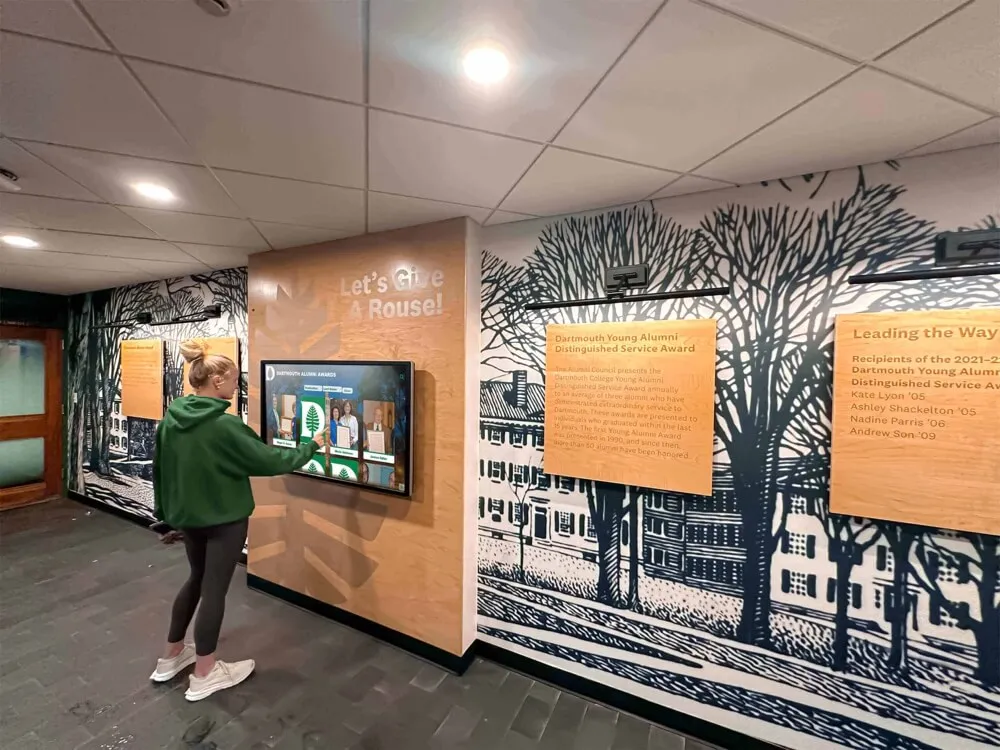




Alumni represent one of your institution’s most valuable resources—yet many schools and universities struggle to maintain meaningful connections after graduation. Strong alumni networks fuel donor pipelines, improve institutional reputation, support student mentorship, and create communities that span generations. The challenge isn’t convincing alumni that connections matter but creating event experiences compelling enough to warrant their time, attention, and continued engagement.
Generic alumni gatherings featuring uninspired programming, transactional fundraising asks, and minimal personalization fail to inspire participation. Declining attendance at traditional homecoming events and reunion weekends signals that alumni expect more than nostalgic reminiscing and passive social hours. Effective alumni programming delivers genuine value—professional development, meaningful networking, exclusive access, recognition, or unique experiences alumni cannot find elsewhere.
This comprehensive guide presents 100 high-impact alumni event ideas designed for private high schools, public high schools, charter schools, colleges, universities, and graduate programs. Each idea includes actionable implementation guidance, ensuring you can adapt concepts to your institution’s unique culture, resources, and alumni demographics.
Why Alumni Event Strategy Matters
Institutions implementing diverse alumni programming see 40-60% higher engagement rates compared to organizations relying on annual reunions alone. Varied event formats accommodate different alumni interests, geographic constraints, career stages, and engagement preferences. Strategic event planning transforms alumni relations from reactive reunion coordination into year-round relationship cultivation that builds institutional loyalty, philanthropic support, and community connection across decades.
Networking and Professional Development Events
Alumni value career advancement opportunities. Professional development programming demonstrates that your institution supports graduates throughout their careers, not just during enrollment.
1. Industry-Specific Networking Mixers
Host monthly or quarterly networking events organized by industry sector—technology, healthcare, finance, education, nonprofit, legal, creative industries. Alumni connect with peers in similar fields, share opportunities, and build professional relationships.
Implementation: Partner with alumni working at major employers to secure venue space. Rotate host companies quarterly, giving different organizations visibility while distributing coordination responsibilities.
2. Alumni Career Mentor Speed Dating
Structure rapid-fire 10-minute conversations between current students and alumni professionals. Students gain multiple perspectives while alumni contribute meaningfully without extensive time commitments.
3. Executive Leadership Speaker Series
Invite successful alumni executives to deliver talks about leadership challenges, career transitions, or industry trends. Follow presentations with Q&A sessions and informal networking receptions.
4. Young Alumni Professional Development Workshops
Create programming specifically for recent graduates (within 5-10 years) focusing on early-career challenges—salary negotiation, professional networking, work-life balance, or transitioning between roles.
5. Alumni Entrepreneur Pitch Competitions
Host competitions where alumni entrepreneurs present business concepts to panels of successful alumni investors or executives. Winners receive seed funding, mentorship, or professional services donated by alumni.
6. Skills-Based Workshops and Masterclasses
Organize practical skill development sessions led by alumni experts—public speaking, financial planning, digital marketing, data analysis, or leadership communication.
7. Virtual Coffee Chat Programs
Facilitate one-on-one video conversations between alumni and students or between alumni across different career stages. Automated matching systems pair participants based on industries, interests, or geographic locations.
8. Alumni Board Service Training
Prepare alumni for nonprofit board roles through workshops covering fiduciary responsibilities, fundraising, governance, and strategic planning. Connect participants with board placement opportunities.
9. Career Transition Support Groups
Create peer support communities for alumni navigating career changes—returning to workforce after parenting breaks, pivoting industries, launching businesses, or approaching retirement.
10. Industry Conference Watch Parties
When major industry conferences occur, host local watch parties where alumni gather to stream keynotes, discuss trends, and network with peers interested in similar professional topics.
Social and Community Building Events
Relationship building forms the foundation of alumni engagement. Social events create informal environments where connections deepen naturally.
11. Regional Alumni Chapter Gatherings
Establish geographic chapters hosting local events—happy hours, family picnics, sporting events, or cultural activities. Regular local programming accommodates alumni unable to travel to campus.
12. Alumni Book Club
Select books quarterly—perhaps authored by alumni or related to institutional values. Host discussion sessions in person or virtually, creating intellectual community beyond campus.
13. Cooking Classes Featuring Alumni Chefs
Partner with alumni working in culinary fields to teach cooking classes. Participants learn new skills while connecting over shared experiences in relaxed, interactive settings.
14. Alumni Game Night Tournaments
Organize friendly competitions—trivia focused on institutional history, board game tournaments, video game competitions, or poker nights. Competitive elements create engagement while socializing naturally occurs.
15. Service Project Volunteer Days
Coordinate volunteer opportunities where alumni work together on community service projects. Shared purpose creates bonding while demonstrating institutional values beyond campus.
16. Alumni Travel Programs
Organize group travel experiences—domestic trips, international excursions, or educational tours led by faculty or alumni experts. Extended time together builds relationships while creating memorable shared experiences.
17. Wine and Beer Tasting Events
Host tastings at local wineries, breweries, or campus venues. Include alumni working in beverage industries to provide expert perspectives while mingling socially.
18. Alumni Family Days
Create family-friendly events where alumni bring spouses, partners, and children—carnival activities, outdoor movies, sports tournaments, or holiday celebrations. Multigenerational programming strengthens family connections to institutions.
19. Pet-Friendly Alumni Gatherings
Host outdoor events where alumni bring dogs—park meetups, hiking groups, or dog-friendly restaurant patios. Pet owners bond over shared interests while their animals socialize.
20. Holiday Celebration Gatherings
Organize seasonal events around major holidays—Halloween costume parties, Thanksgiving potlucks, holiday gift exchanges, or New Year’s celebrations that become anticipated traditions.
Athletic and Recreation Events
Athletic programming appeals to alumni who valued campus recreation culture and maintains physical wellness connections.
21. Alumni Athletic Competitions
Host competitive events where alumni form teams—basketball tournaments, softball leagues, volleyball matches, or flag football games. Include divisions for different age groups and skill levels.
22. Alumni vs. Current Students Games
Arrange friendly competitions between alumni and current student-athletes. These events draw crowds, create intergenerational connections, and generate social media content.
23. Golf Outings and Tournaments
Organize annual golf tournaments at local courses. Scramble formats accommodate varying skill levels while creating networking opportunities between holes and during post-tournament dinners.
24. Group Fitness Classes
Host workout sessions led by alumni fitness professionals—yoga, spin classes, bootcamps, or running clubs. Regular meetups build community while supporting health goals.
25. Recreational Sports Leagues
Create ongoing leagues for popular recreational sports—pickleball, tennis, bocce ball, or kickball. Season-long structures encourage repeat participation and relationship development.
26. Alumni Adventure Outings
Organize outdoor activities—hiking trips, kayaking excursions, camping weekends, or rock climbing sessions. Shared challenges in nature create bonding experiences.
27. Road Race Teams
Form alumni running teams for local 5Ks, 10Ks, or half marathons. Provide team shirts, coordinate training meetups, and celebrate together post-race.
28. Stadium Tour and Behind-the-Scenes Access
Offer exclusive tours of athletic facilities including areas typically restricted—locker rooms, press boxes, training facilities, or coaching offices. Alumni appreciate insider access to upgraded venues.
29. Alumni Tailgate Parties
Host pre-game gatherings at athletic events featuring food, beverages, and socializing. Regular season tailgates become traditions alumni prioritize attending.
30. Intramural Tournament Reunions
Reunite former intramural championship teams for reunion games. Contact team members from past decades to relive competitive glory while reconnecting with teammates.
Academic and Intellectual Events
Alumni who valued academic rigor appreciate programming that stimulates continued learning and intellectual engagement.
31. Faculty Lecture Series
Invite current faculty to present research or expertise at alumni events. Alumni maintain intellectual connections to institutions while faculty gain community engagement.
32. Alumni Research Symposiums
Feature alumni conducting interesting research across fields. Presentations show how education translated to professional contributions while inspiring continued institutional pride.
33. Debate Competitions and Forums
Host structured debates on contemporary issues. Alumni enjoy intellectual discourse while discussing topics relevant to current social, political, or industry conversations.
34. Alumni Author Readings
Feature alumni who published books, conducting readings followed by Q&A sessions and book signings. Celebrate alumni accomplishments while providing platforms for creative work.
35. Documentary Screenings and Film Discussions
Screen documentaries related to institutional mission, values, or alumni interests. Follow viewings with facilitated discussions and expert panels.
36. Language Conversation Tables
Organize regular meetups where alumni practice foreign languages—Spanish, French, Mandarin, or other languages taught at institutions. Native speakers and learners connect through shared linguistic interests.
37. Science Demonstration Nights
Partner with science departments to host demonstration events where alumni experience hands-on experiments, laboratory tours, or interactive presentations about current research.
38. Philosophy Discussion Circles
Facilitate conversations about philosophical questions, ethical dilemmas, or existential topics. Alumni enjoy contemplative discourse in welcoming intellectual environments.
39. History and Archives Tours
Offer deep-dive explorations of institutional history through archives, special collections, or historical campus locations. Alumni connect to institutional legacy while learning lesser-known stories.
40. Alumni TEDx-Style Events
Organize presentations where alumni share ideas worth spreading through short, compelling talks. Diverse topics display alumni accomplishments while creating engaging programming.
Recognition and Celebration Events
Honoring alumni achievements demonstrates institutional pride in graduate success while encouraging continued excellence.
41. Alumni Awards Ceremonies
Establish annual awards recognizing outstanding alumni across categories—professional achievement, community service, young alumni accomplishment, or lifetime contribution. Formal galas celebrate honorees while gathering communities.
42. Class Milestone Reunions
Organize special programming for classes celebrating major anniversaries—5th, 10th, 25th, 50th reunions. Customized experiences acknowledge different life stages and interests.
43. Hall of Fame Inductions
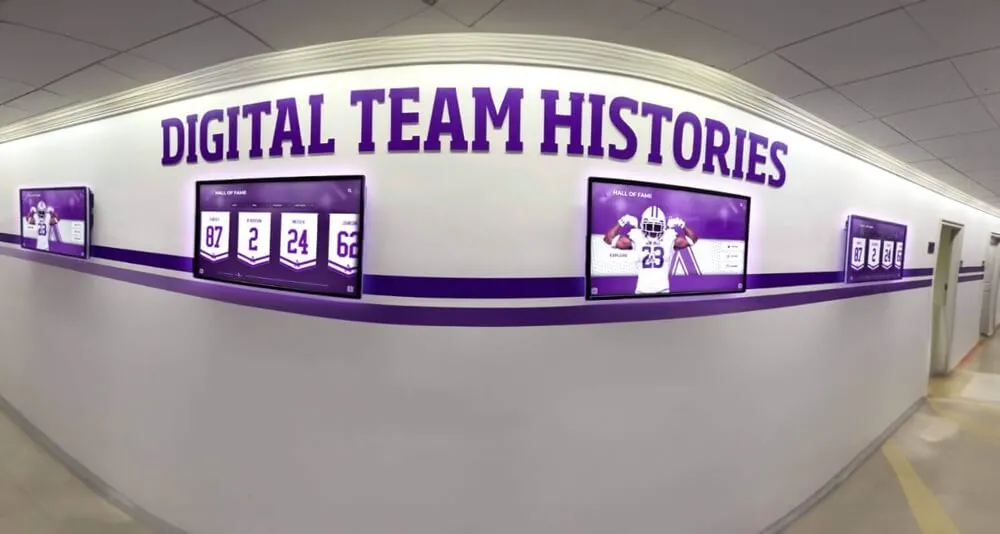
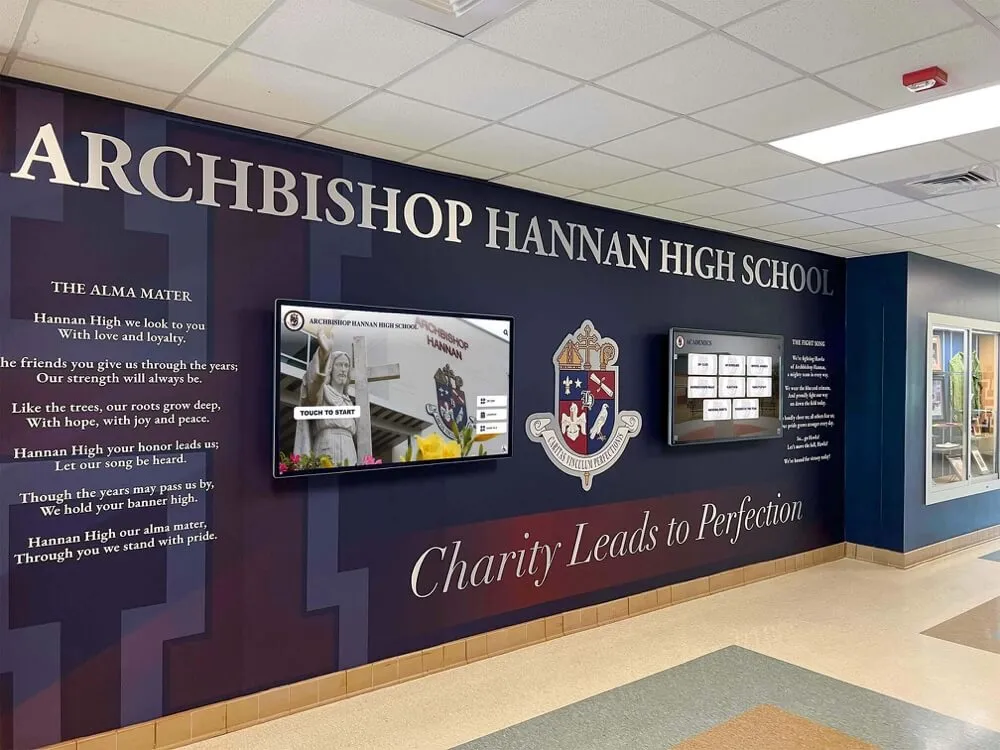
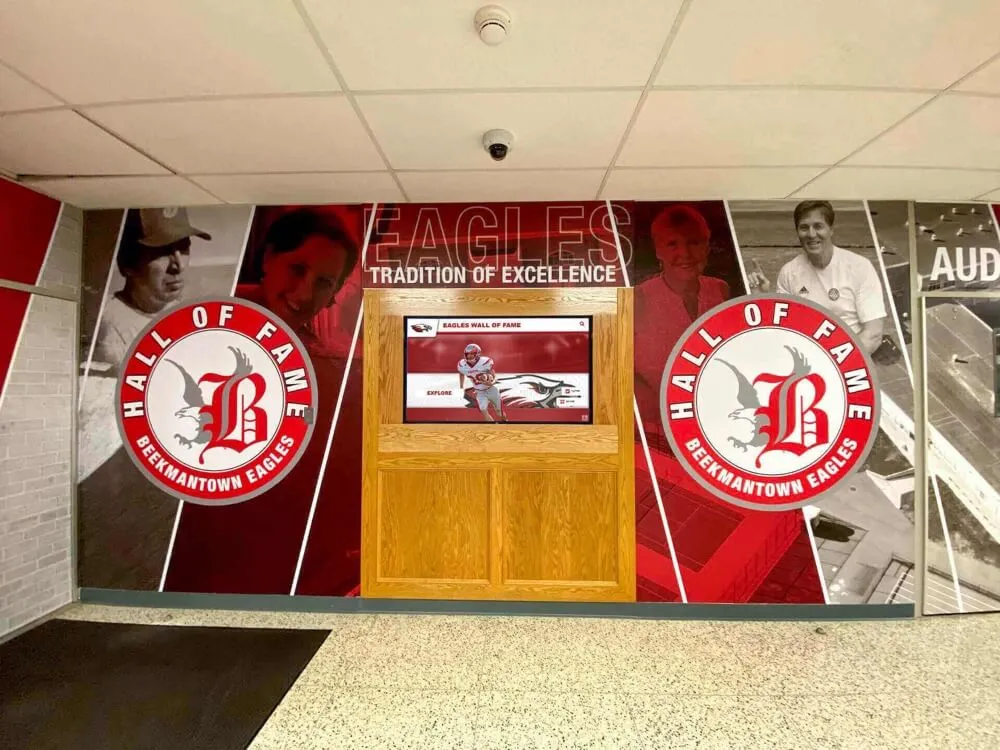
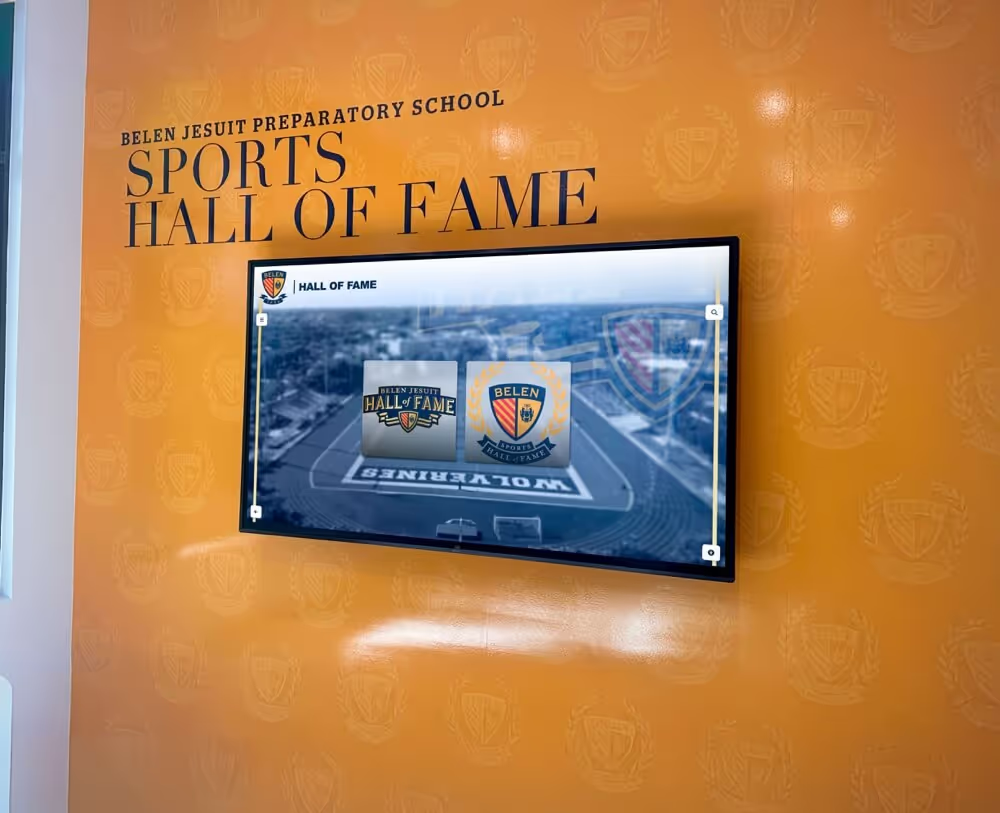
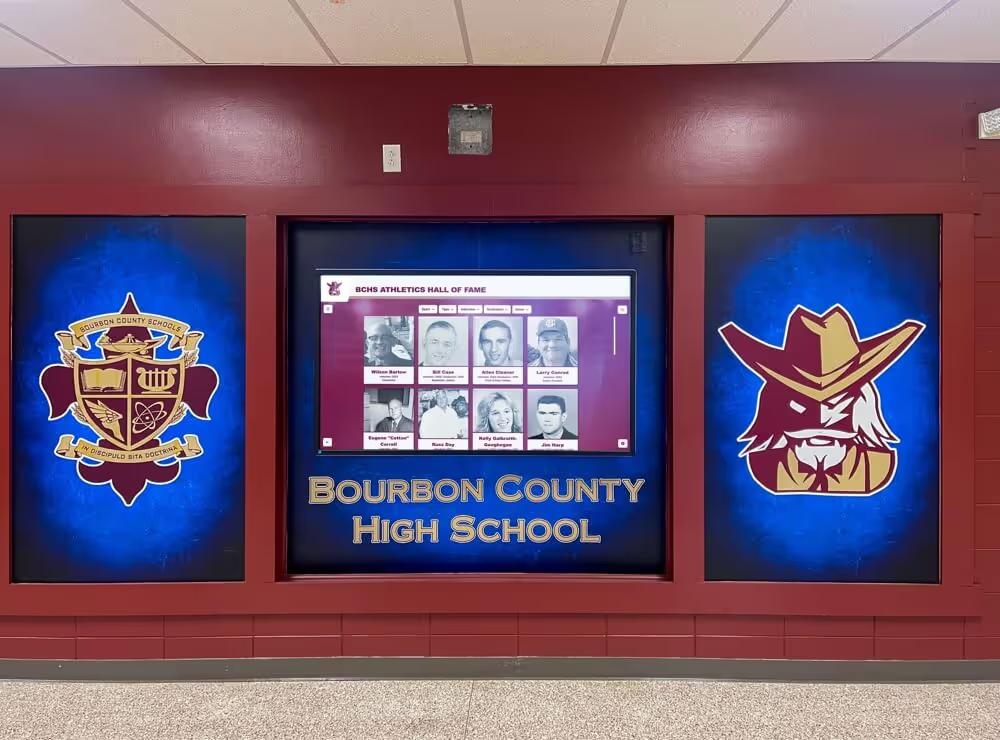
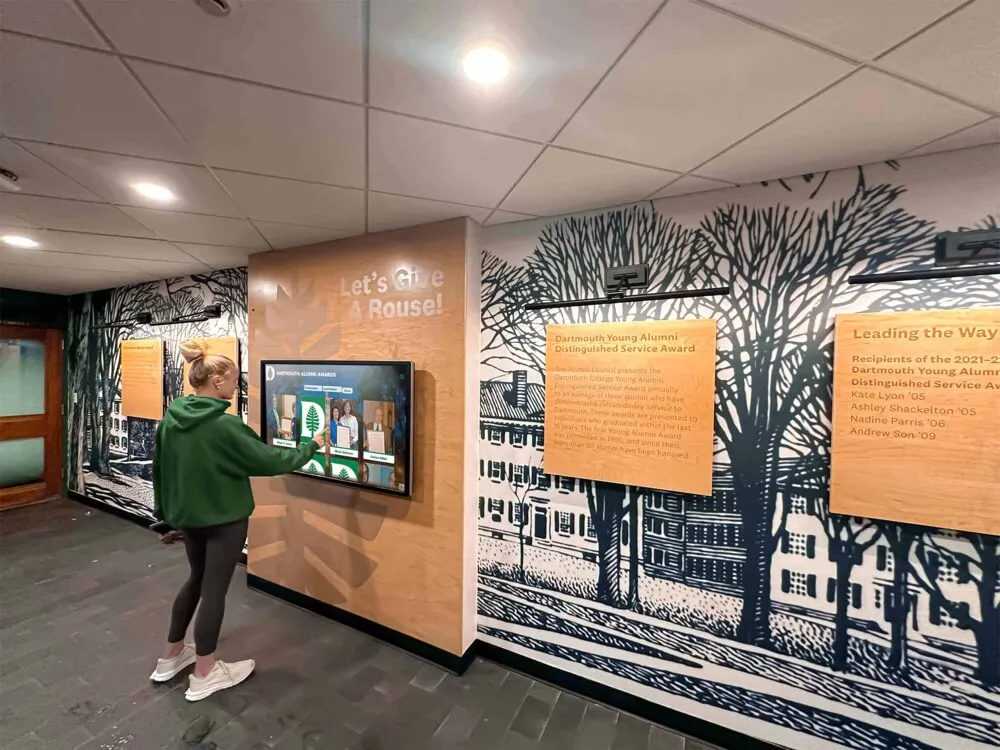
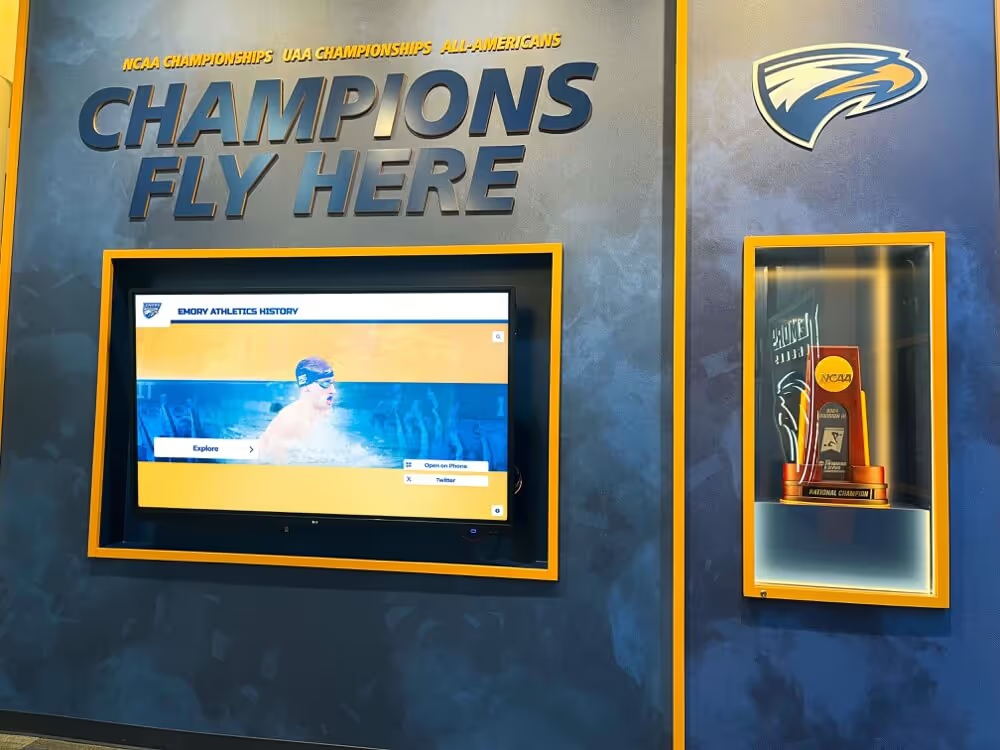
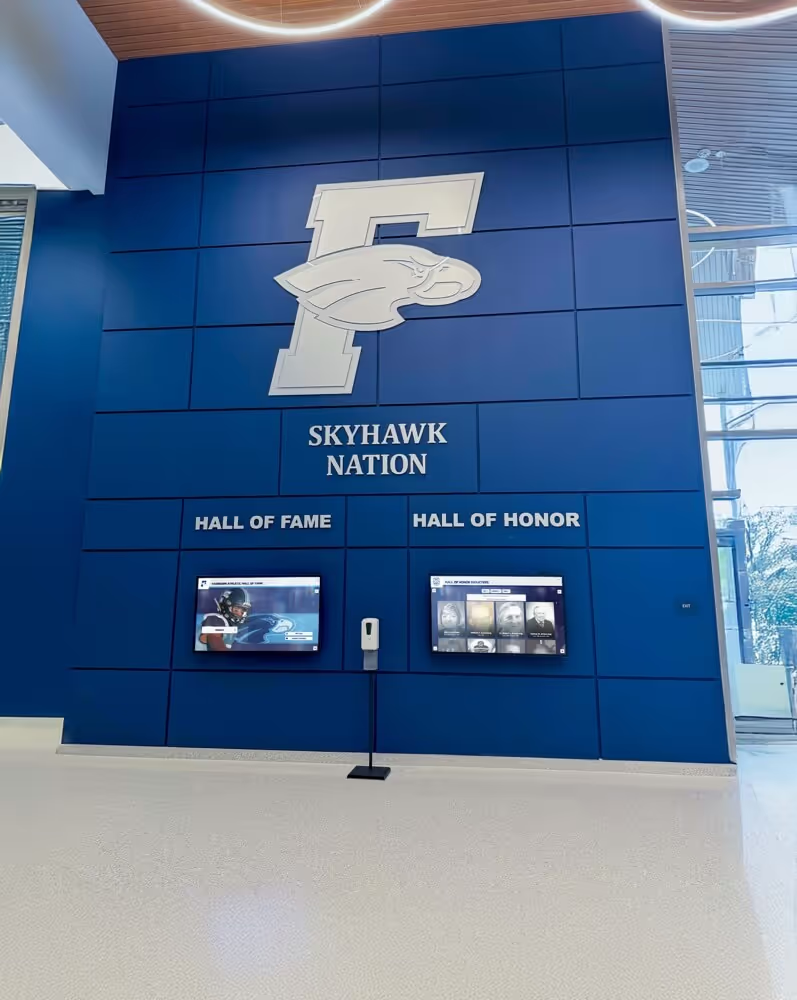
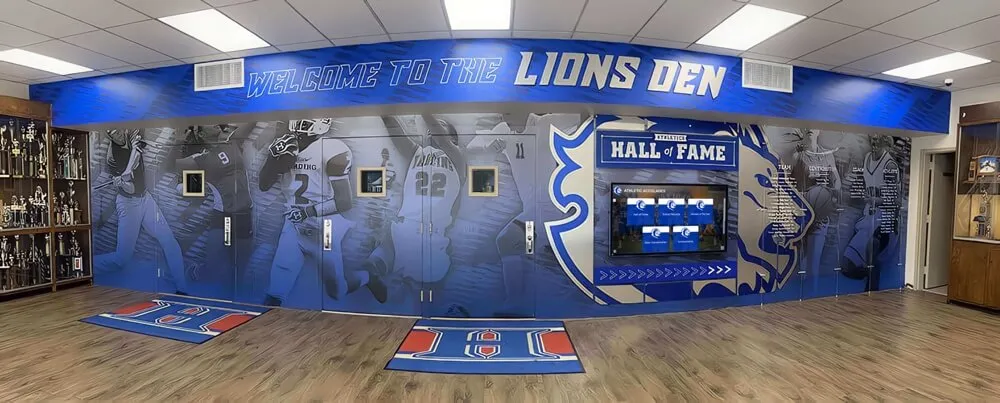
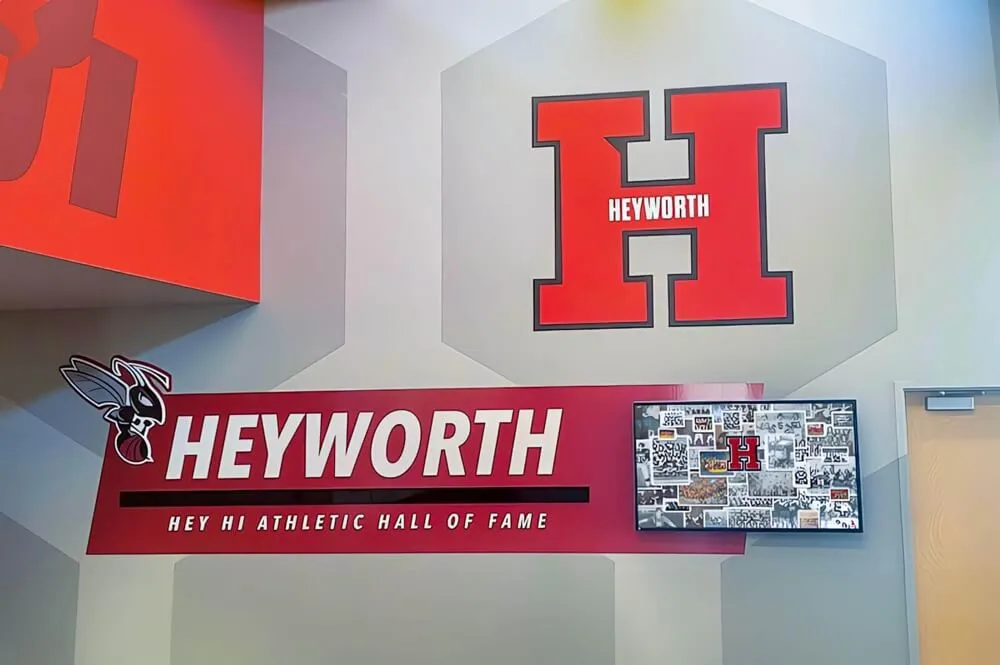
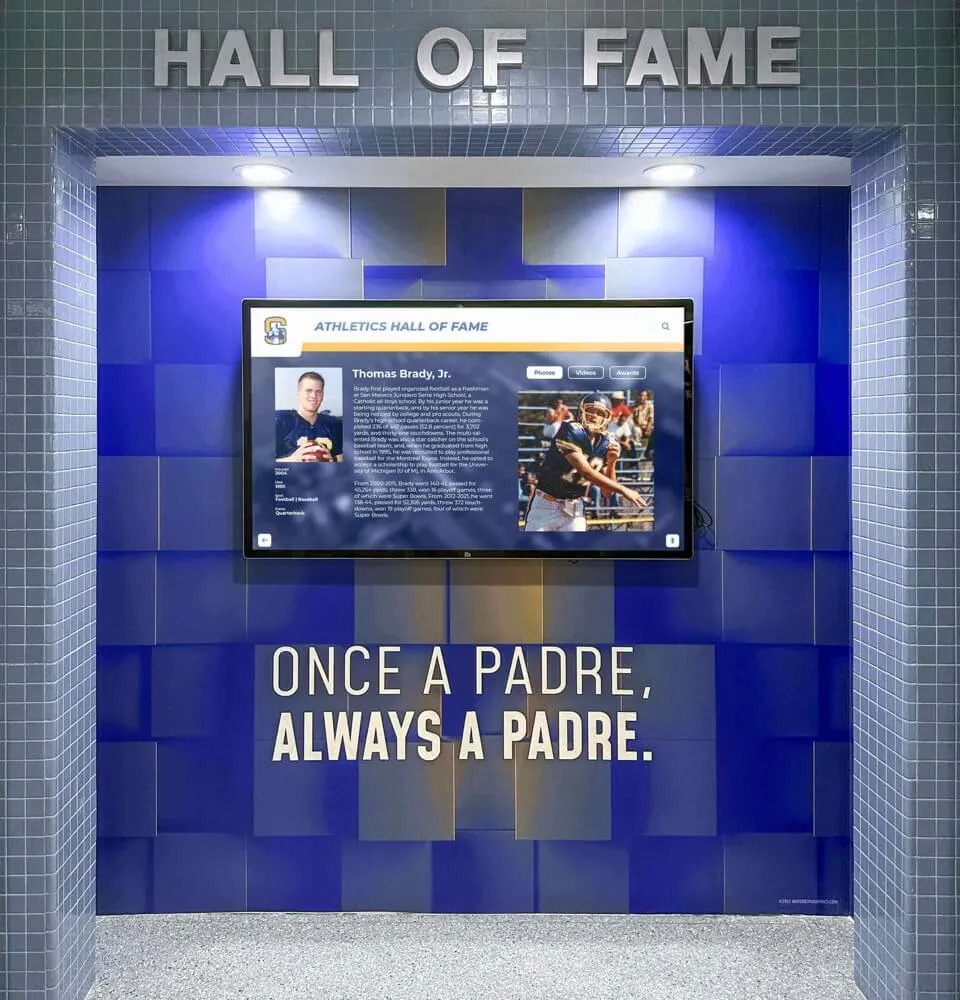
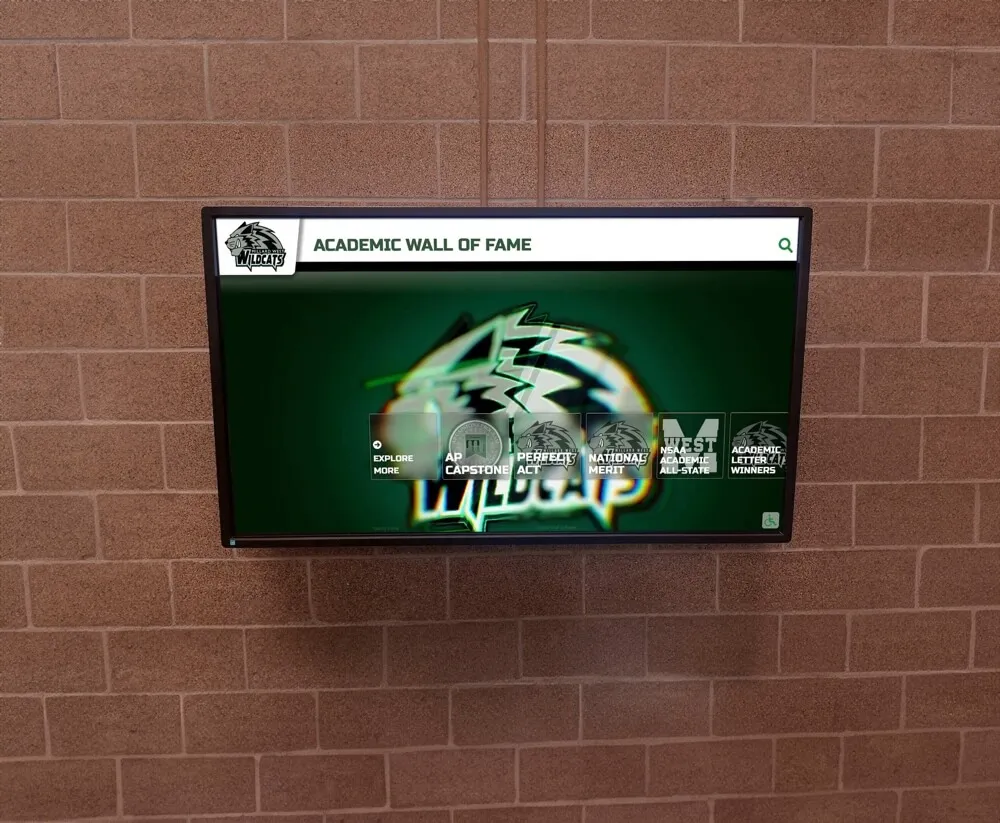
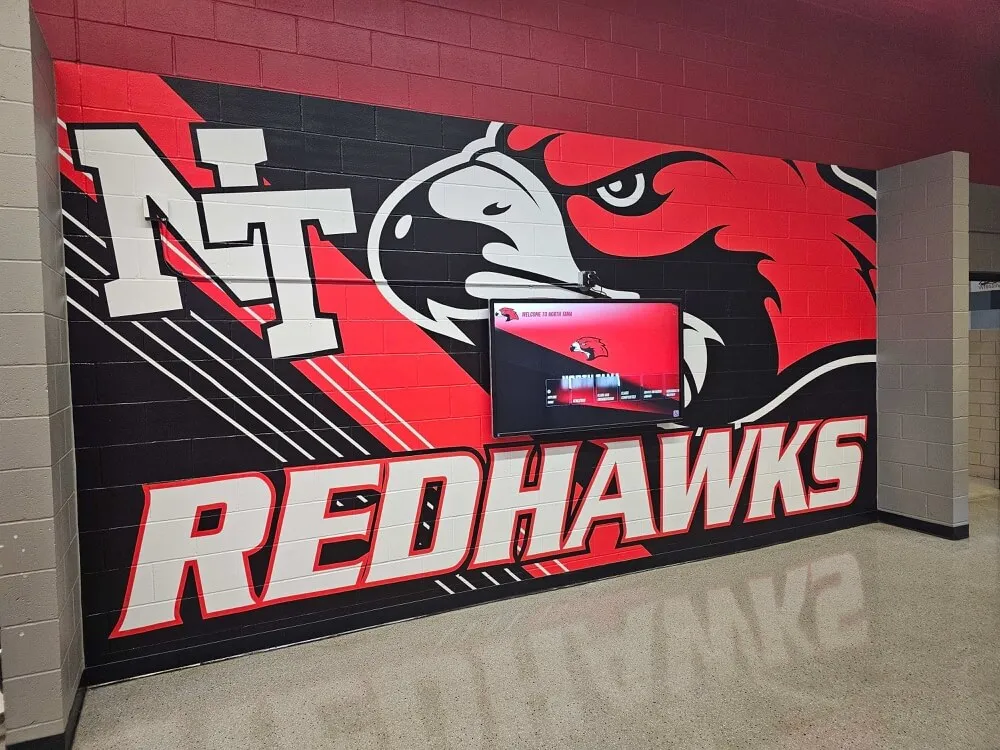
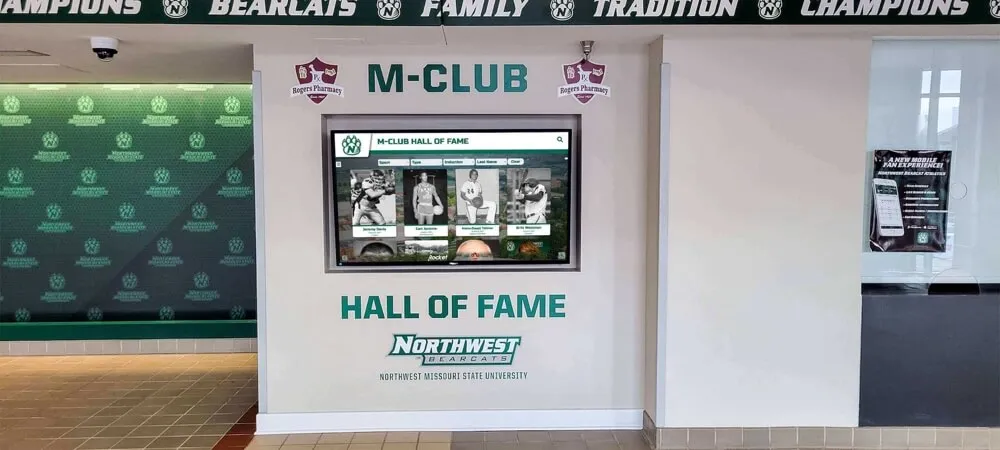
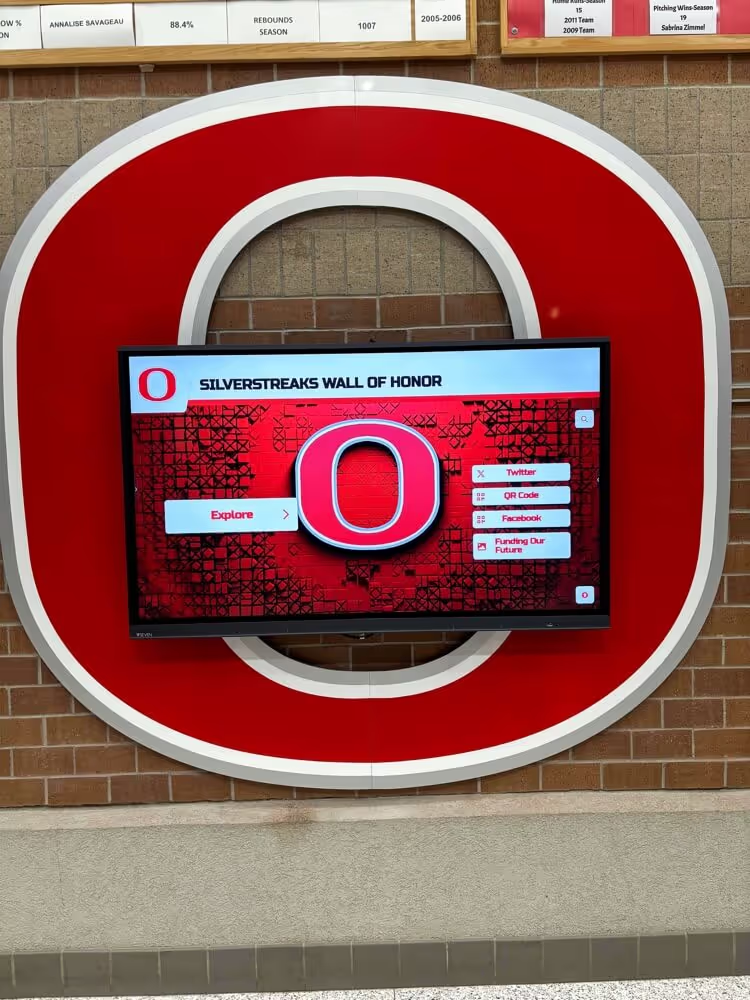
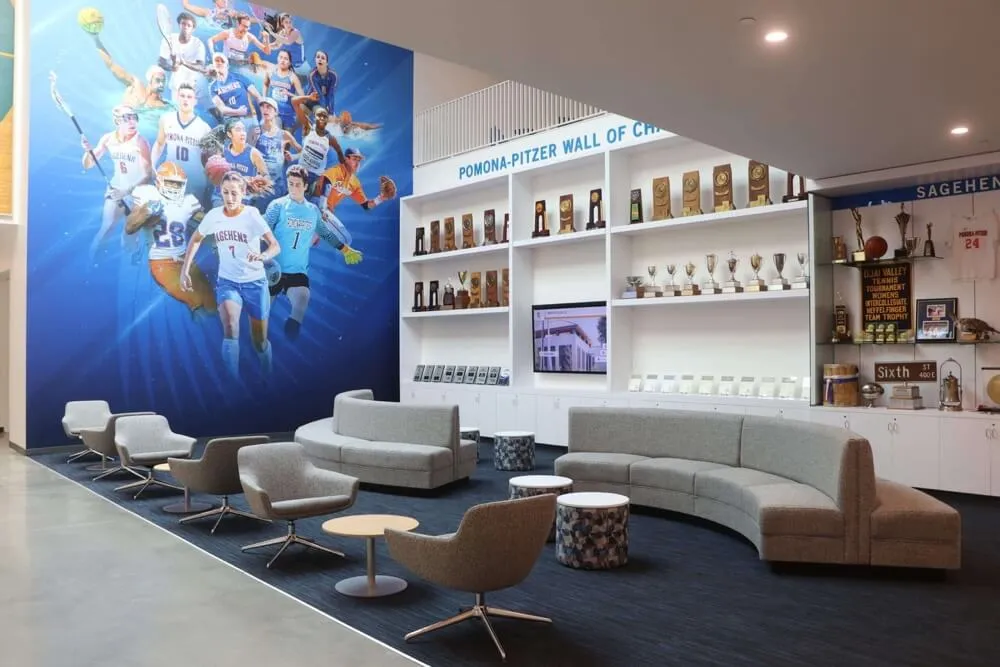
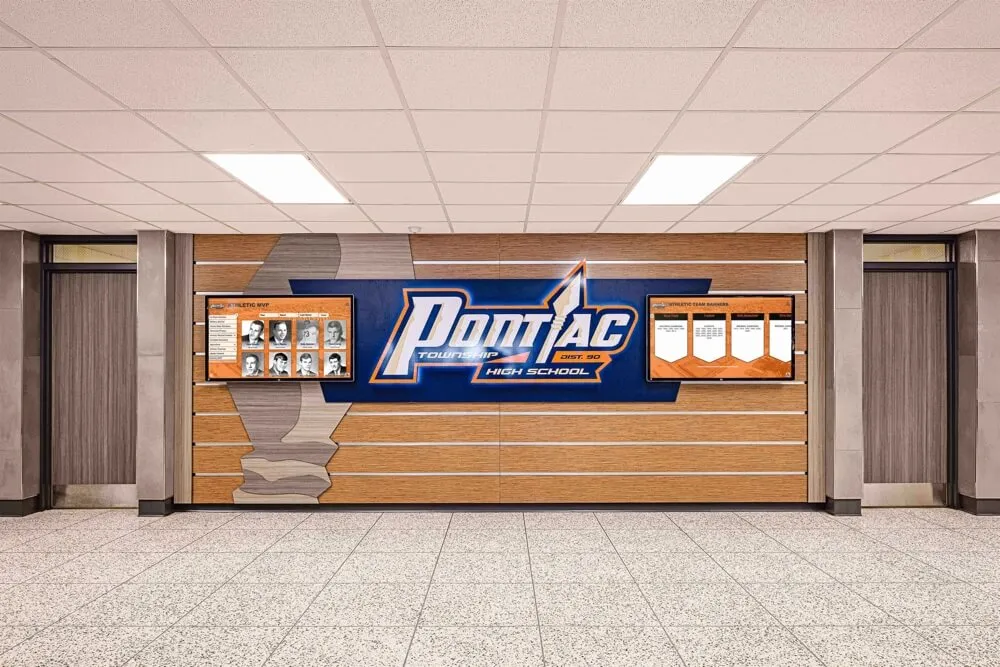
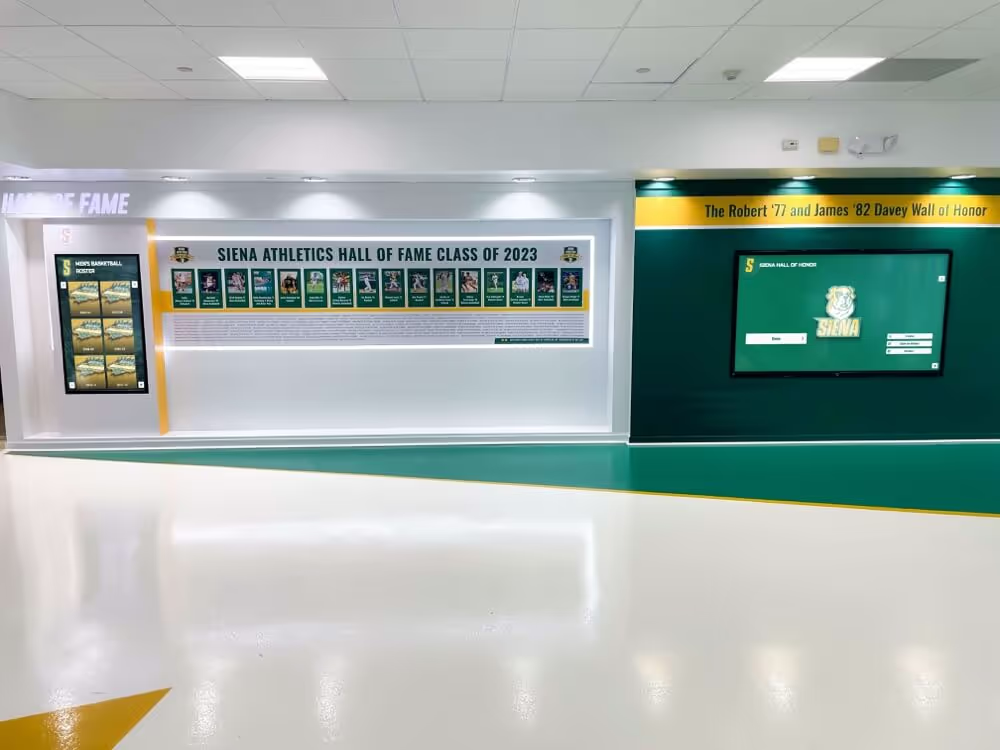
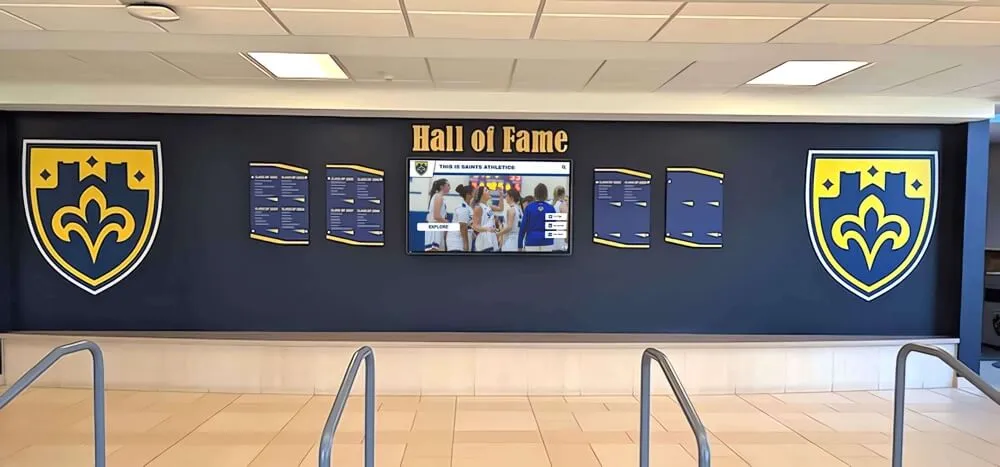
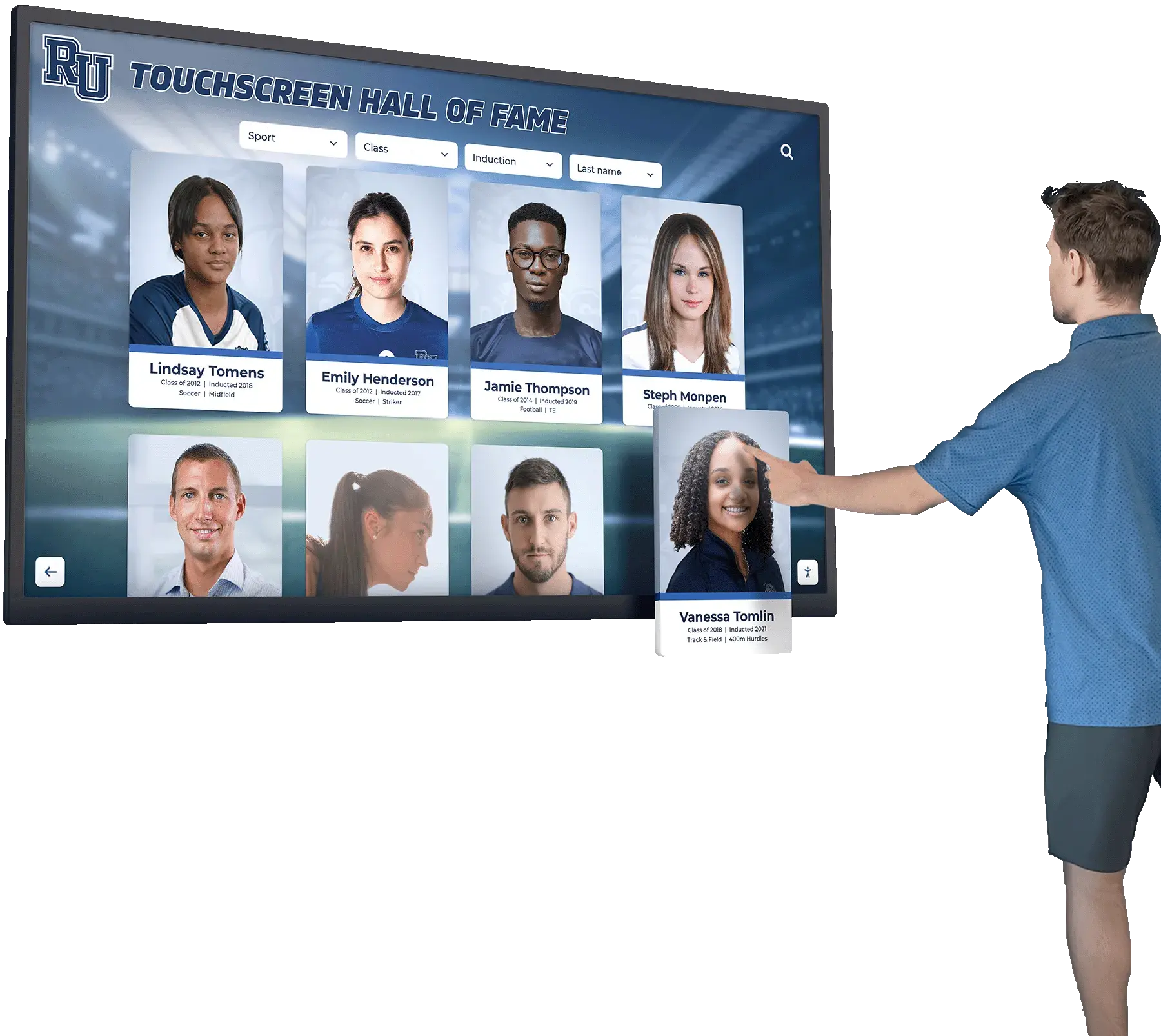
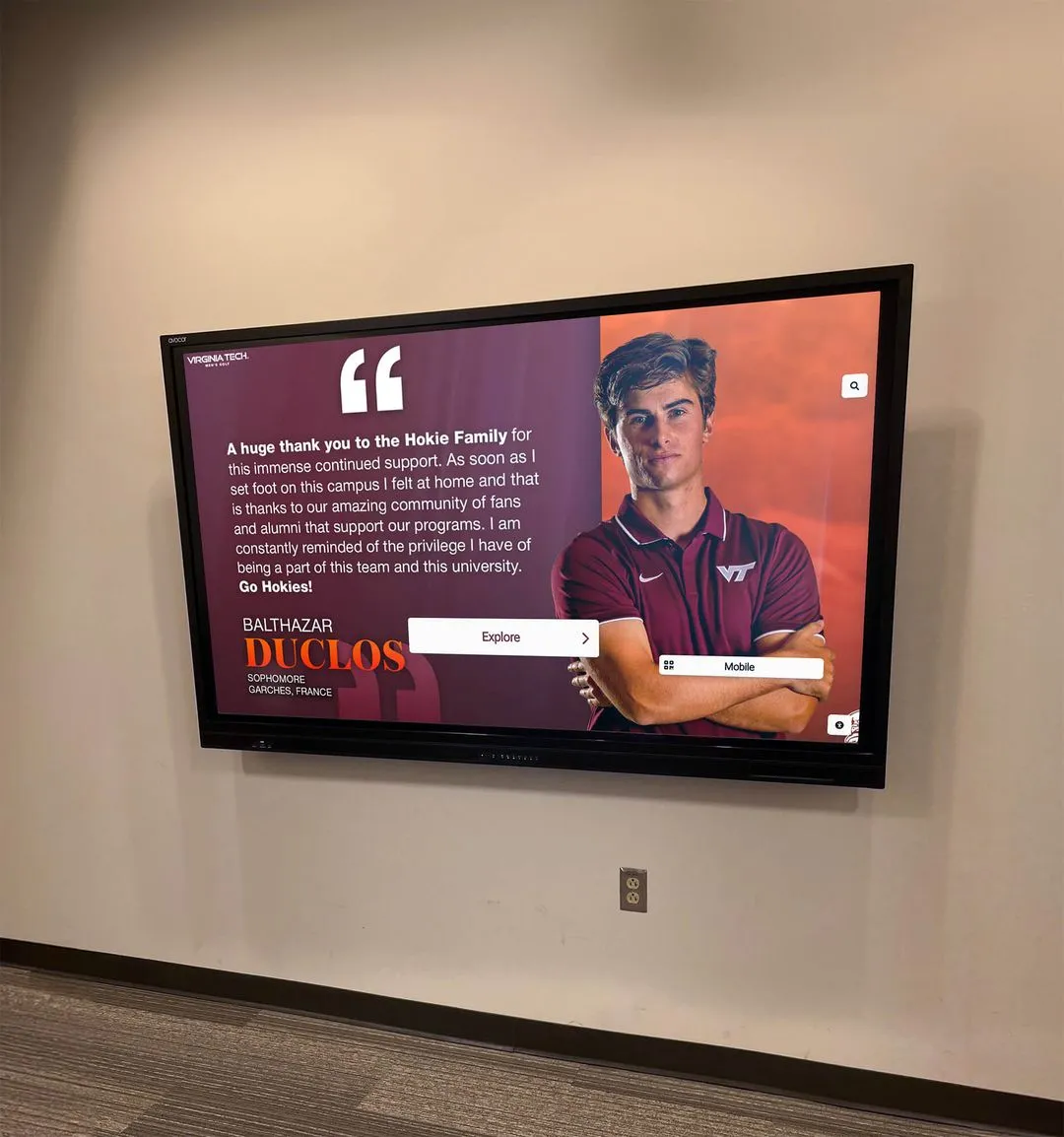
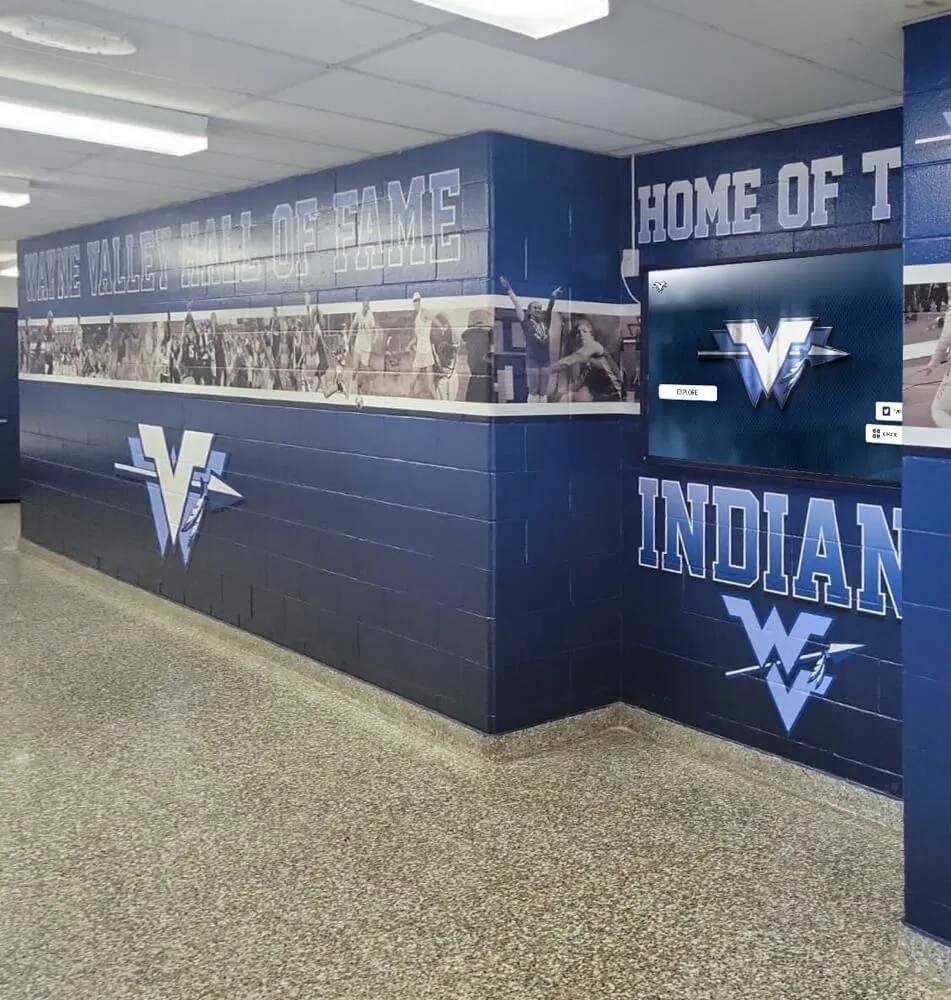
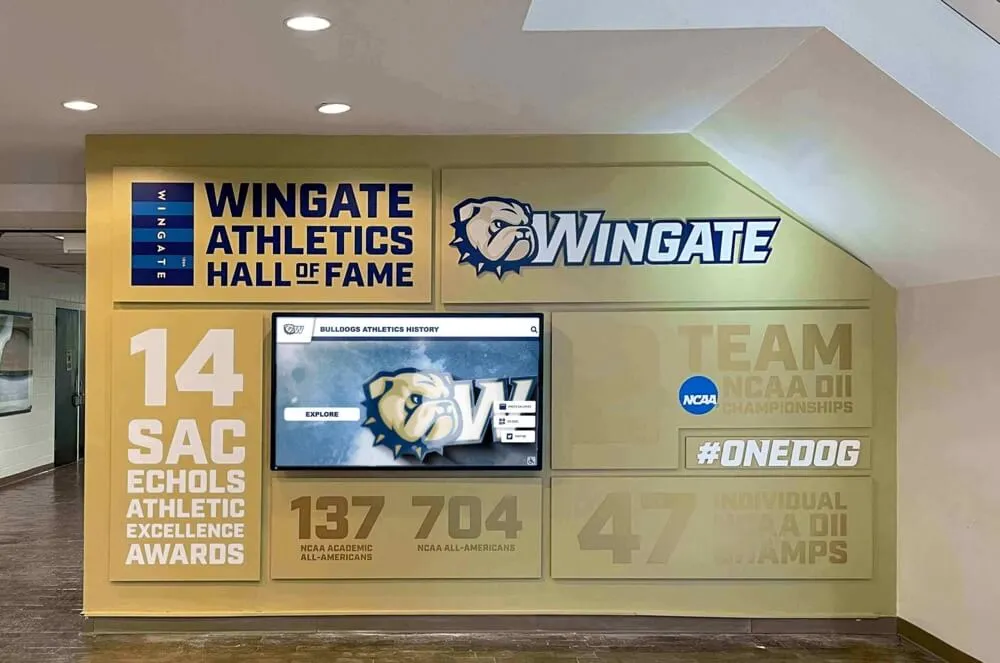
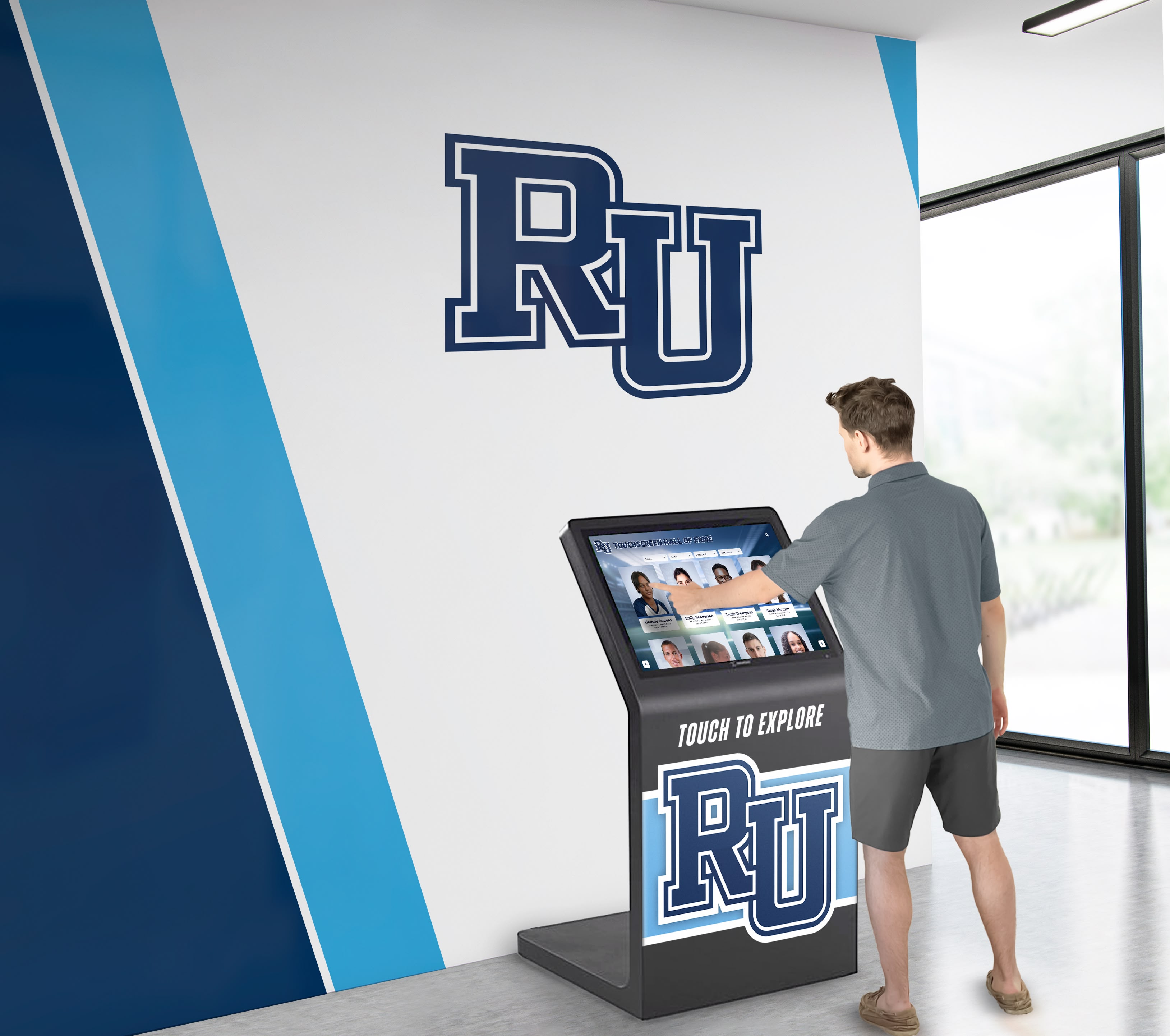
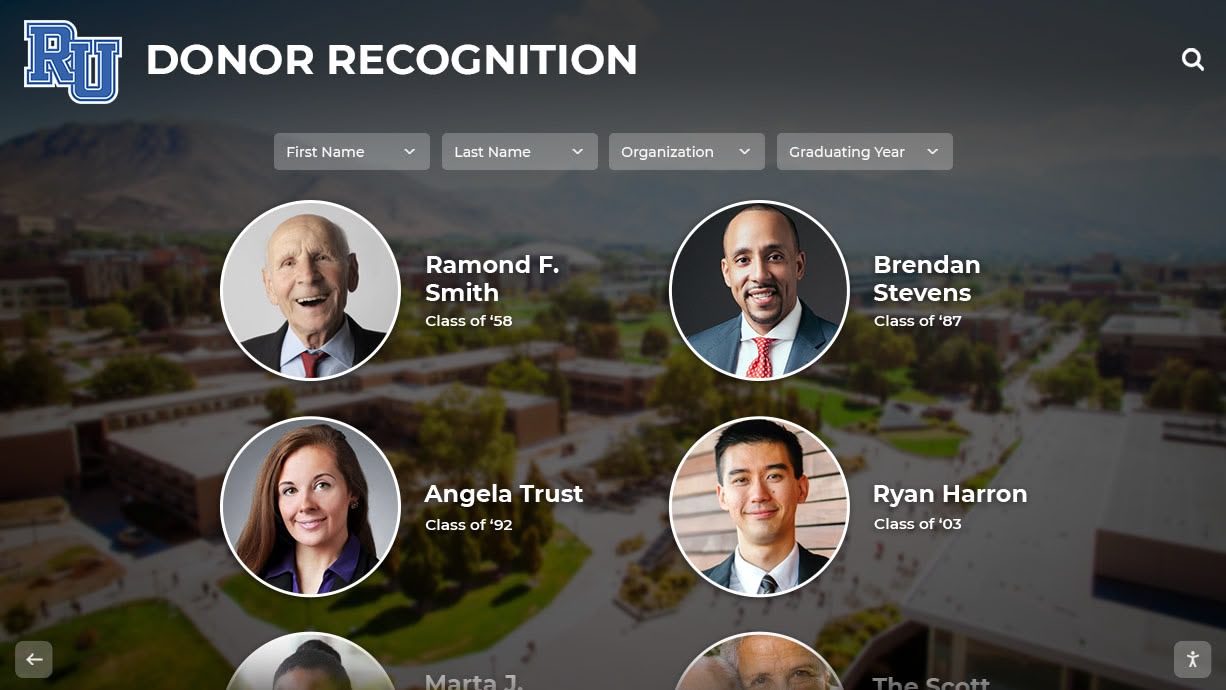
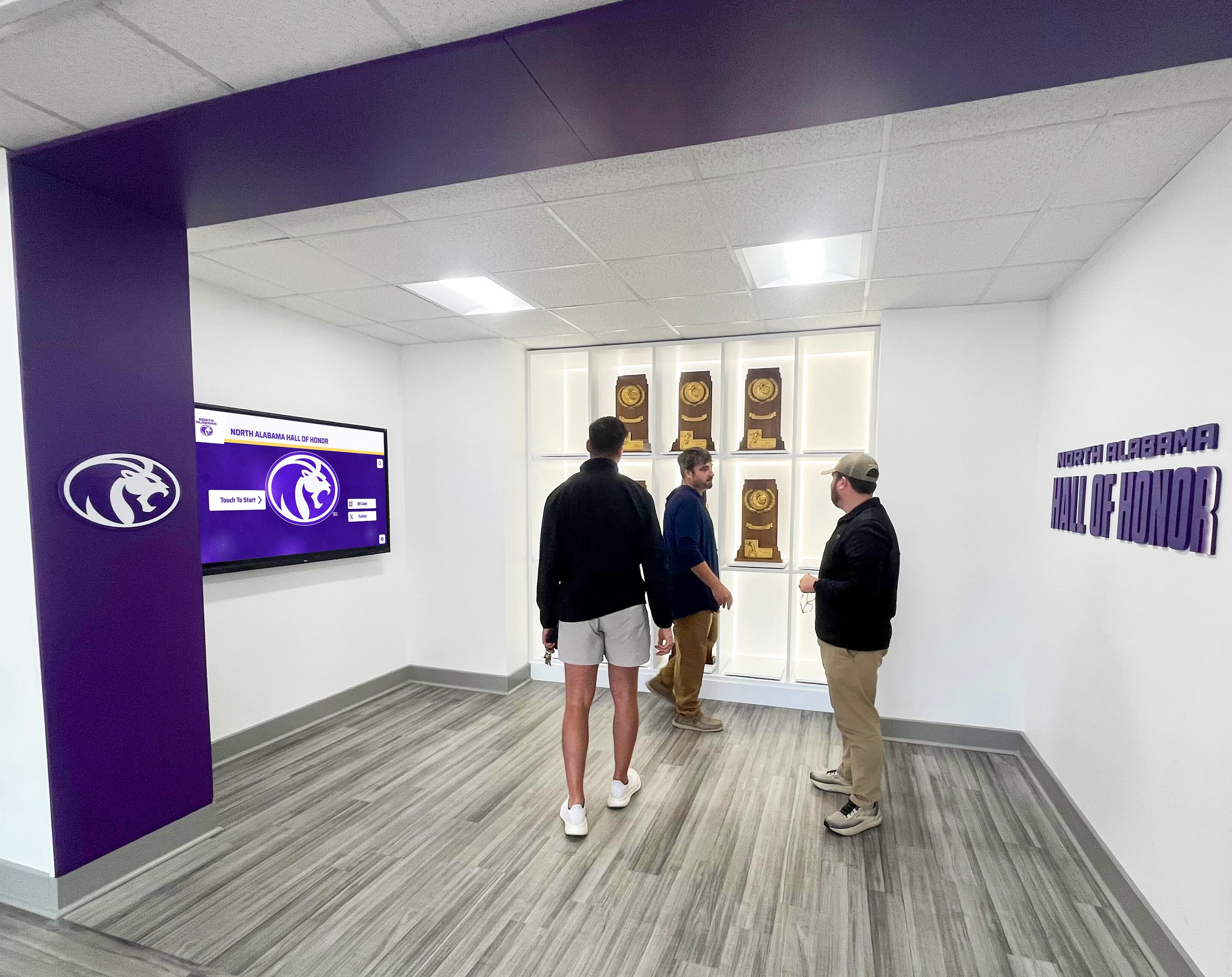
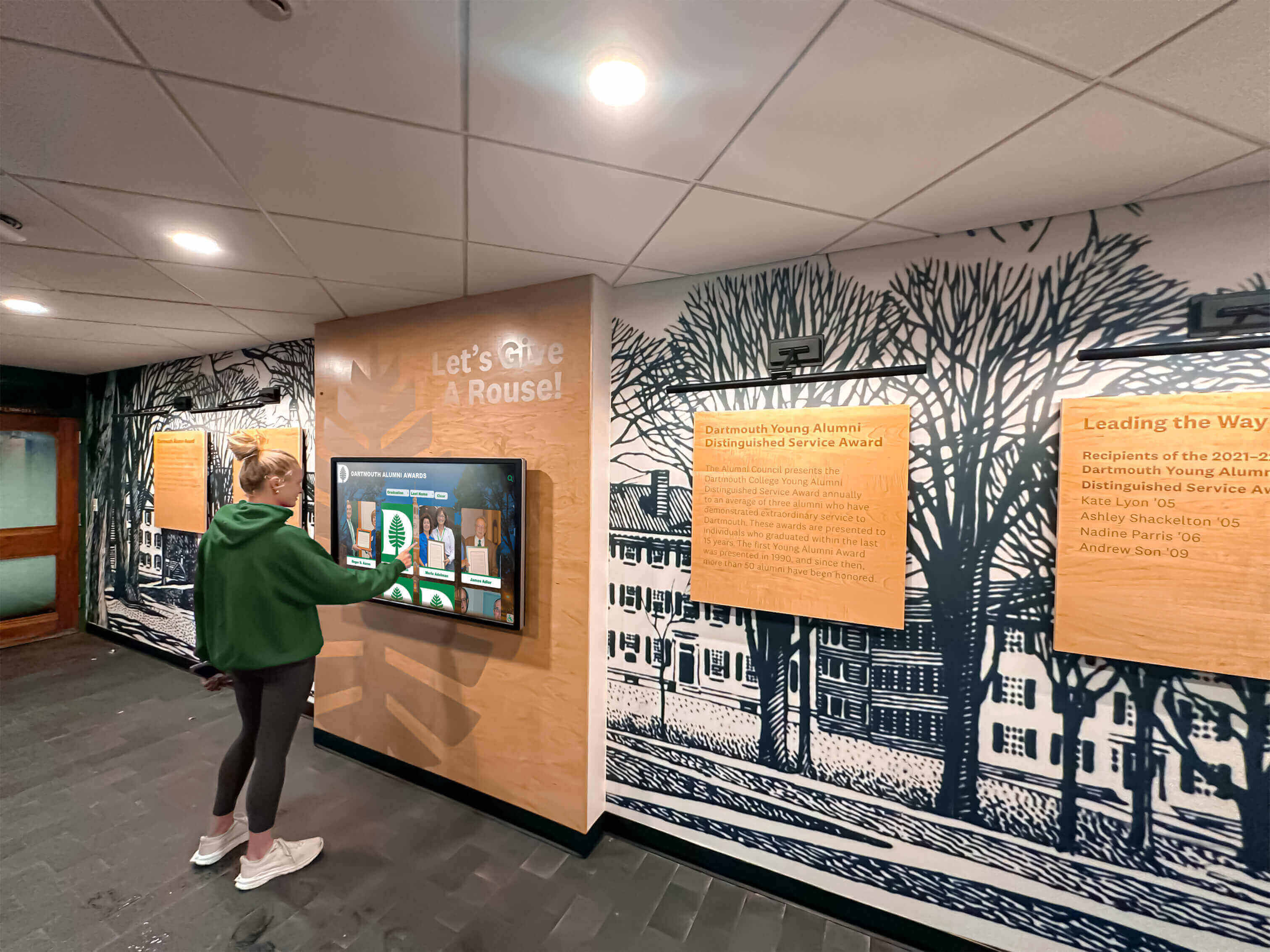
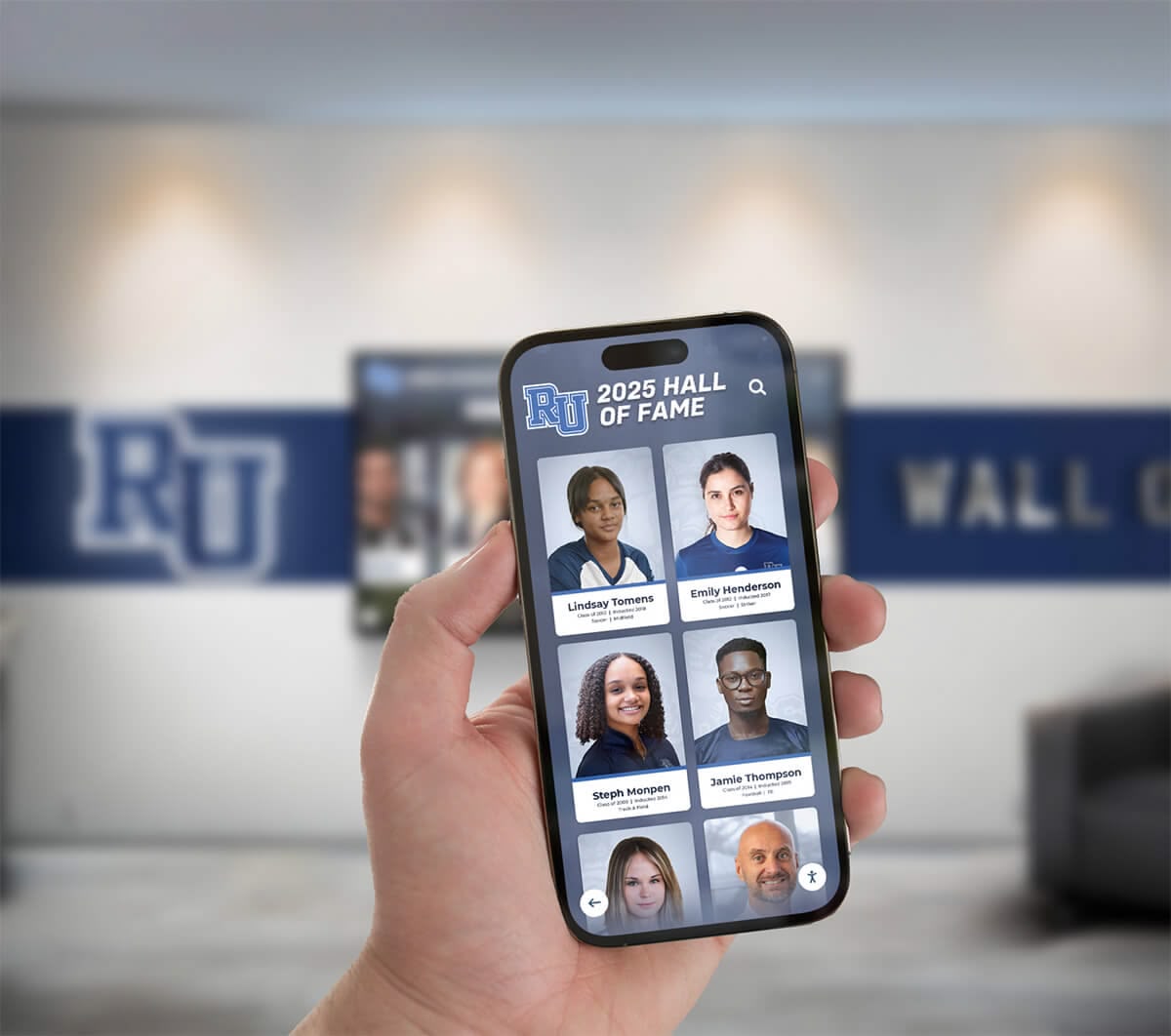
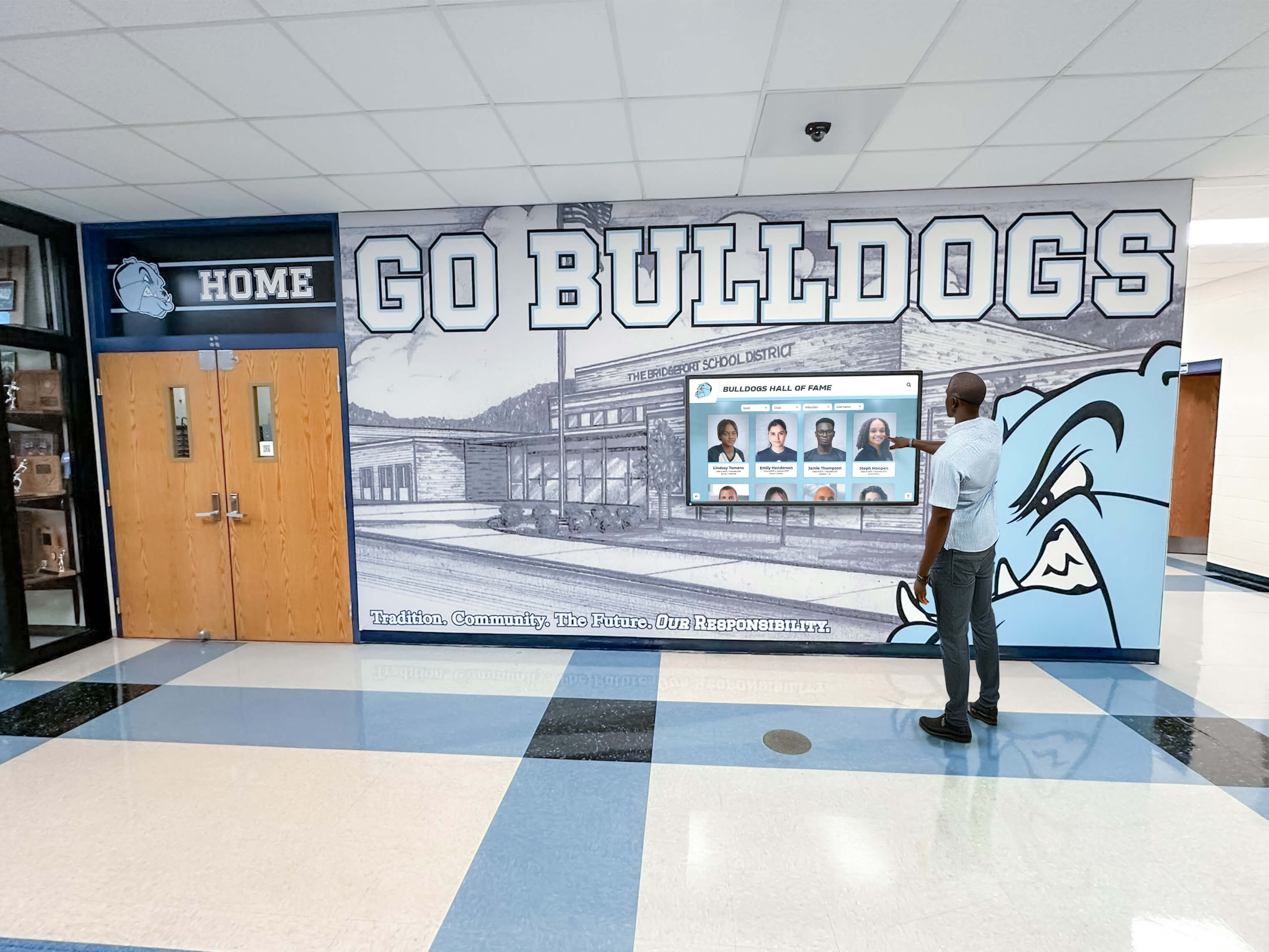
Create halls of fame honoring distinguished alumni. Annual induction ceremonies become anticipated events where communities gather to celebrate excellence. Solutions like Rocket Alumni Solutions provide digital hall of fame displays that permanently showcase inductees year-round.
44. Senior Send-Off Celebrations
Host events honoring graduating seniors before they become alumni. Current students meet engaged alumni, seeing living examples of continued institutional connection.
45. Alumni Homecoming Court
Create homecoming traditions where alumni participate—alumni king and queen competitions, parade entries, or halftime recognition. Increased alumni involvement energizes homecoming weekends.
46. Career Milestone Celebrations
Recognize alumni reaching professional milestones—promotions to executive roles, major research publications, significant community contributions, or retirement after distinguished careers.
47. Alumni Talent Showcases
Display alumni creative talents through performance events—musicians, comedians, poets, dancers, or other performers. Celebrations of diverse gifts strengthen community appreciation.
48. Legacy Family Recognition
Honor families with multiple generations of alumni. Recognition events celebrating family institutional loyalty create powerful emotional connections.
49. Alumni Business Spotlights
Feature alumni-owned businesses through spotlight events. Entrepreneurs gain exposure while illustrating diverse career paths graduates pursued.
50. Decade Reunions Combined
Coordinate reunions for multiple class years simultaneously—bringing together classes ending in common digits (2000, 2010, 2020). Larger gatherings create energy while enabling cross-class connections.
Virtual and Hybrid Events
Digital programming expands reach to alumni who cannot attend in-person events due to geographic, financial, or scheduling constraints.
51. Virtual Alumni Panels
Host online panel discussions where alumni experts discuss industry trends, career advice, or timely topics. Webinar formats enable participation from anywhere.
52. Online Networking Platforms
Create dedicated digital spaces where alumni connect asynchronously—discussion forums, LinkedIn groups, or custom platforms facilitating introductions and conversations.
53. Virtual Campus Tours
Offer online tours featuring facility updates, new construction, or renovations. Alumni unable to visit campus stay connected to physical changes and improvements.
54. Live-Streamed Athletic Events
Provide streaming access to games and competitions for distant alumni. Include virtual watch parties with discussion features enabling remote fans to connect.
55. Online Auction Fundraisers
Host digital auctions featuring donated items, experiences, or services. Virtual formats enable broader participation while generating philanthropic support.
56. Instagram Live Q&A Sessions
Conduct informal social media conversations with interesting alumni—asking about career paths, life lessons, or advice for current students and recent graduates.
57. Virtual Happy Hours
Schedule regular video meetups where alumni connect informally. Breakout rooms facilitate small group conversations mimicking in-person mingling.
58. Online Class Reunions
Coordinate virtual reunions for specific class years. Digital formats accommodate alumni scattered globally while reducing logistical complexity and costs.
59. Webinar Certificate Programs
Offer multi-session online learning programs where alumni earn certificates after completing course sequences. Professional development content provides ongoing value.
60. Virtual Volunteer Opportunities
Create remote service options—mentoring current students via video calls, providing resume reviews, conducting mock interviews, or offering career advice through digital platforms.
Arts, Culture, and Creative Events
Cultural programming appeals to alumni who valued creative expression and demonstrates institutional commitment to arts appreciation.
61. Alumni Art Exhibitions
Display artwork created by alumni artists in galleries or campus venues. Opening receptions celebrate creative accomplishments while attracting diverse audiences.
62. Theater and Performance Events
Produce shows featuring alumni performers or highlighting alumni playwrights. Alumni theater nights create niche communities around performing arts.
63. Music Concerts and Recitals
Organize concerts featuring alumni musicians across genres. Intimate performances or larger concerts accommodate different musical interests and venue capacities.
64. Film Festivals
Curate festivals featuring films created by alumni directors, producers, or cinematographers. Screenings followed by filmmaker discussions provide insider perspectives.
65. Poetry Slams and Open Mic Nights
Host events where alumni share poetry, spoken word, or musical performances. Inclusive formats welcome diverse participation levels from casual attendees to serious performers.
66. Photography Exhibitions
Display photographic work by alumni photographers. Themes might focus on campus beauty, social issues, travel, or artistic expression.
67. Fashion Shows
Feature clothing designed by alumni fashion designers or showcase alumni modeling. Events highlight creative industries while creating entertaining experiences.
68. Dance Performances and Workshops
Organize performances by alumni dancers or interactive workshops teaching various styles. Movement-based events appeal to physically active, artistic alumni.
69. Comedy Nights
Book alumni comedians for stand-up performances. Laughter creates positive associations while supporting alumni entertainment careers.
70. Cultural Heritage Celebrations
Honor diverse alumni backgrounds through cultural festivals—food, music, art, and traditions from various heritages represented within communities.
Fundraising and Philanthropy Events
Strategic fundraising events balance revenue generation with relationship building, avoiding transactional approaches that damage long-term engagement.
71. Giving Day Challenges
Coordinate 24-hour fundraising sprints encouraging alumni participation through matching gifts, leaderboards, and social media campaigns. Time-limited urgency drives participation.
72. Alumni Donor Recognition Events
Host exclusive gatherings thanking major donors. Intimate events demonstrate appreciation while encouraging continued philanthropic support.
73. Scholarship Recipient Meetups
Connect donors with scholarship recipients they supported. Personal relationships between benefactors and beneficiaries create emotional connections driving continued giving.
74. Capital Campaign Kickoff Events
Launch major fundraising initiatives through energizing events explaining campaign goals, presenting planned improvements, and celebrating early supporters.
75. Legacy Society Luncheons
Honor alumni who included institutions in estate plans. Recognition inspires others to consider planned giving while appropriately acknowledging commitments.
76. Fundraising Galas
Organize elegant evenings combining dinner, entertainment, silent auctions, and appeals. Well-executed galas generate substantial revenue while creating memorable experiences.
77. Crowdfunding Project Spotlights
Present specific projects needing funding—equipment purchases, program improvements, facility updates. Concrete, visualizable goals inspire targeted giving.
78. Thank-a-Thon Events
Coordinate gatherings where volunteers call donors to express gratitude without soliciting additional gifts. Pure appreciation builds goodwill and donor retention.
79. Matching Gift Challenge Parties
Host events where major donors announce matching gift commitments, inspiring others to contribute knowing donations will be multiplied through matches.
80. Endowment Celebration Dinners
Mark endowment milestones or significant gift commitments through celebratory dinners. Recognition of philanthropic impact reinforces giving culture.
Student-Alumni Connection Events
Programming linking current students with alumni creates mentorship pipelines while demonstrating to alumni how they can meaningfully contribute beyond financial giving.
81. Alumni Classroom Guest Speakers
Arrange alumni visits to classes relevant to their expertise. Students gain real-world perspectives while alumni contribute knowledge without extensive time commitments.
82. Career Day Panels
Organize events where alumni from diverse fields present career path information to current students. Panel formats expose students to multiple options efficiently.
83. Mock Interview Sessions
Train students through practice interviews conducted by alumni professionals. Students build confidence while alumni provide constructive feedback and networking connections.
84. Internship and Job Shadow Programs
Facilitate experiences where students spend days observing alumni at work. Immersive exposure helps students understand career realities beyond academic theory.
85. Resume and LinkedIn Review Sessions
Offer one-on-one consultations where alumni professionals review student resumes and online profiles. Personalized guidance improves student professional materials significantly.
86. Graduate School Application Support
Connect students applying to graduate programs with alumni who attended target institutions. Insider knowledge and application advice increase admission success.
87. First-Generation Student Mentorship
Pair first-generation college students with alumni from similar backgrounds. Shared experiences create understanding and support impossible from other mentorship sources.
88. Study Abroad Alumni Discussions
Connect students considering international study with alumni who studied in specific countries or programs. Practical advice reduces anxiety while building excitement.
89. Student Entrepreneurship Advising
Link student entrepreneurs with alumni who launched businesses. Experienced guidance helps students avoid common pitfalls while accelerating venture development.
90. Alumni Scholarship Application Coaching
Help students strengthen scholarship applications through alumni volunteer reviewers. Feedback improves submission quality while demonstrating alumni investment in student success.
Fun, Creative, and Unconventional Events
Innovative programming differentiates institutions from competitors while appealing to alumni seeking unique, memorable experiences.
91. Escape Room Challenges
Rent escape rooms for alumni teams or create custom institutional-themed puzzles. Problem-solving challenges create bonding while generating competitive energy.
92. Alumni Scavenger Hunts
Design campus-wide scavenger hunts incorporating institutional history, facilities, and traditions. Competitive teams reconnect with physical spaces while learning updated information.
93. Cooking Competition Events
Host MasterChef-style cooking competitions where alumni teams create dishes judged by celebrity chefs or food critics. Culinary challenges entertain participants and spectators.
94. Alumni Olympics
Organize multi-sport competitions with unconventional events—cornhole tournaments, relay races, tug-of-war, water balloon tosses. Lighthearted competitions prioritize fun over serious athletics.
95. Karaoke Nights
Rent venues or use campus spaces for alumni karaoke events. Singing creates laughter, bonding, and memorable moments in low-pressure social environments.
96. Improv Comedy Workshops
Teach improvisational comedy basics through interactive workshops. Exercises build confidence, communication skills, and laughter while creating entertaining group experiences.
97. Alumni Mystery Dinners
Host interactive murder mystery dinners where attendees play characters solving fictional crimes. Theatrical elements create engaging experiences unlike typical networking events.
98. Retro Game Tournaments
Organize competitions featuring classic video games—Mario Kart, Pac-Man, or nostalgic favorites from alumni eras. Gaming creates casual environments where conversations flow naturally.
99. Alumni Time Capsule Events
Bury capsules containing contemporary items, messages, or predictions about institutional futures. Schedule opening ceremonies decades later, creating long-term engagement touchpoints.
100. Themed Costume Parties
Host parties with creative themes—decades parties, movie character nights, or silly costume competitions. Themed events create talking points, photo opportunities, and memorable moments distinguishing gatherings from generic socializing.
Implementing Effective Alumni Event Programming
Creating event lists represents the easy part—successful execution requires strategic planning, thoughtful coordination, and ongoing assessment ensuring programming achieves engagement objectives.
Understanding Your Alumni Demographics
Effective event selection requires knowing your audience. Survey alumni to understand:
- Geographic distribution affecting in-person event feasibility
- Age demographics and corresponding life stage priorities
- Professional industries represented within communities
- Interest areas and preferred event formats
- Family status influencing scheduling and format preferences
- Technological comfort levels affecting virtual event appeal
Evidence-based event selection ensures programming matches actual alumni preferences rather than assumptions about what should interest graduates.
Building Event Calendars and Pacing
Strategic programming spaces events appropriately throughout years. Considerations include:
Frequency Balance: Too many events create fatigue and declining attendance. Too few provide insufficient engagement opportunities. Most institutions optimize with monthly programming mixing large signature events with smaller niche gatherings.
Seasonal Timing: Schedule events when alumni naturally visit campus—homecoming weekends, athletic championships, graduation periods, or holiday breaks when alumni return home.
Format Variety: Alternate professional events, social gatherings, virtual programming, and volunteer opportunities. Repetitive formats bore alumni while variety maintains interest across diverse preferences.
Planning Lead Time: Announce major events 8-12 weeks ahead, giving alumni adequate notice to arrange travel and schedule attendance. Smaller local events require shorter lead times but still benefit from 3-4 week notice.
Leveraging Technology for Event Management
Modern event platforms simplify logistics while enhancing experiences:
Registration Systems: Online registration streamlines RSVPs, collects dietary preferences, processes payments, and sends automated communications. Systems like Eventbrite, Graduway, or Salesforce simplify coordination.
Virtual Event Platforms: Zoom, Hopin, or dedicated alumni platforms enable sophisticated online events with networking features, breakout rooms, polling, and engagement metrics.
Mobile Event Apps: Custom apps provide schedules, venue maps, attendee directories, and networking features. Real-time updates adjust for last-minute changes seamlessly.
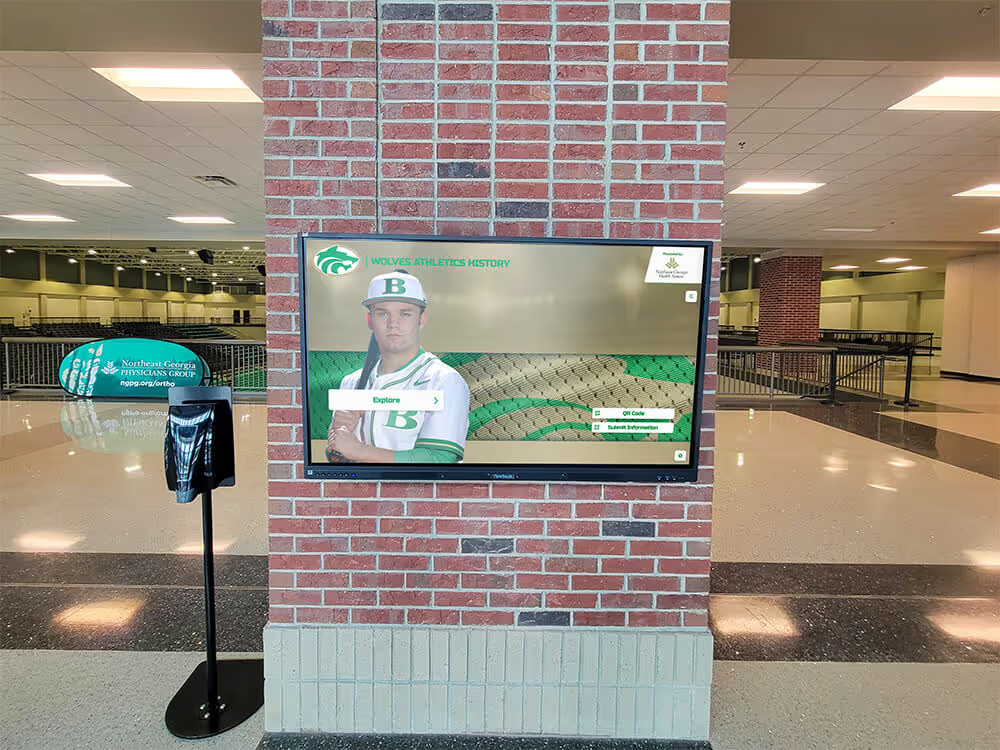
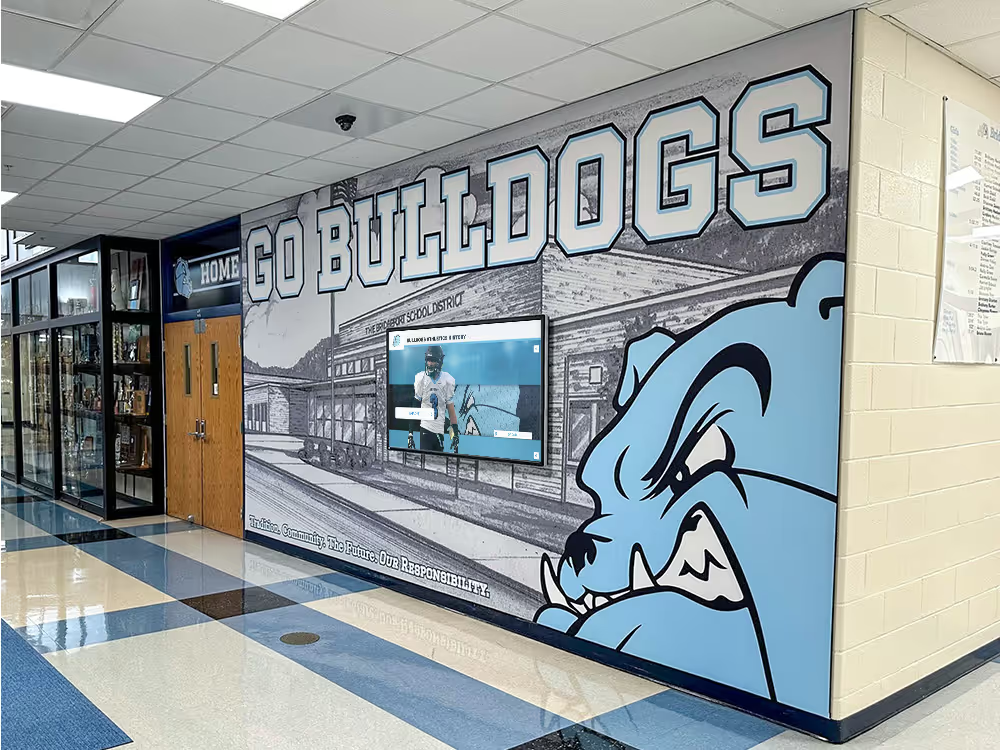
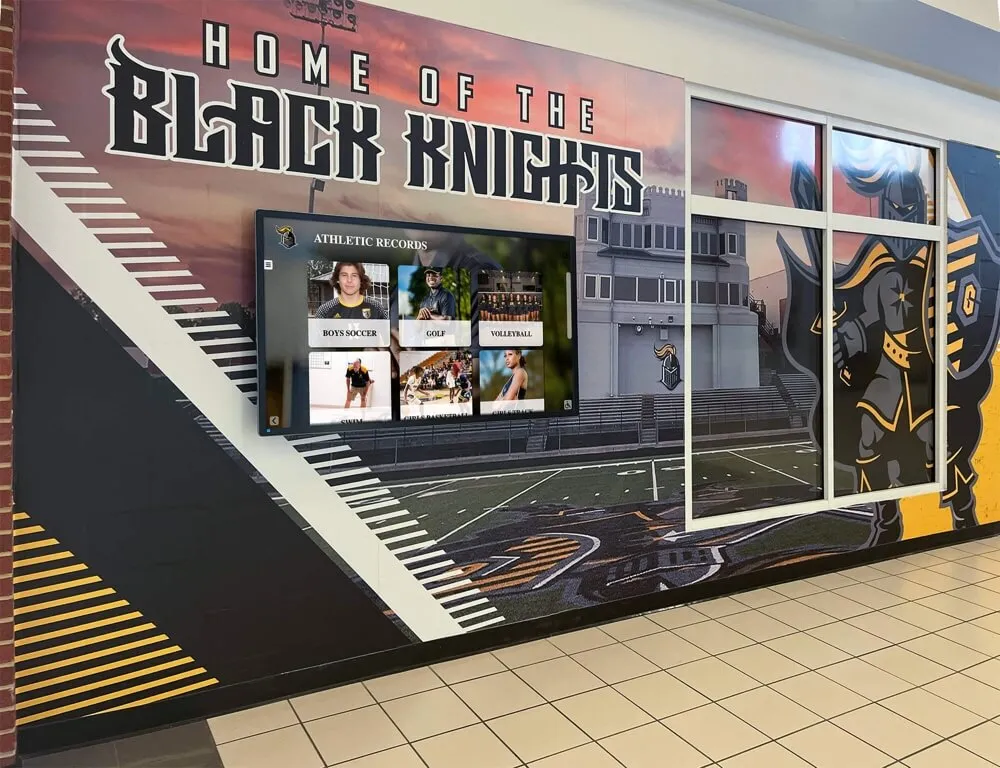
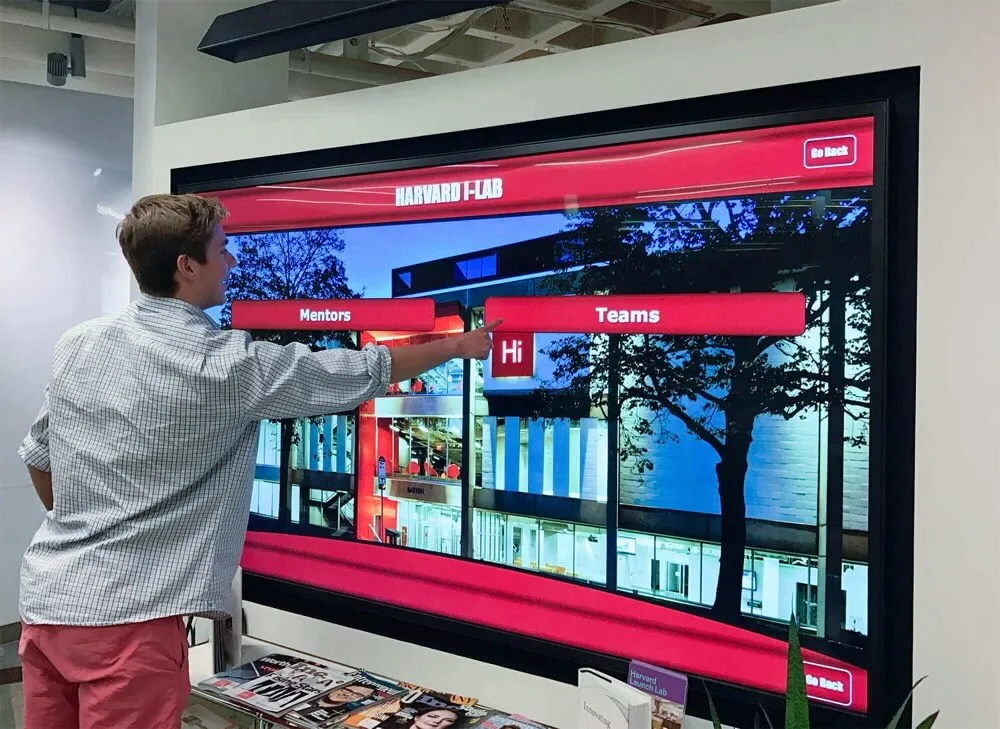
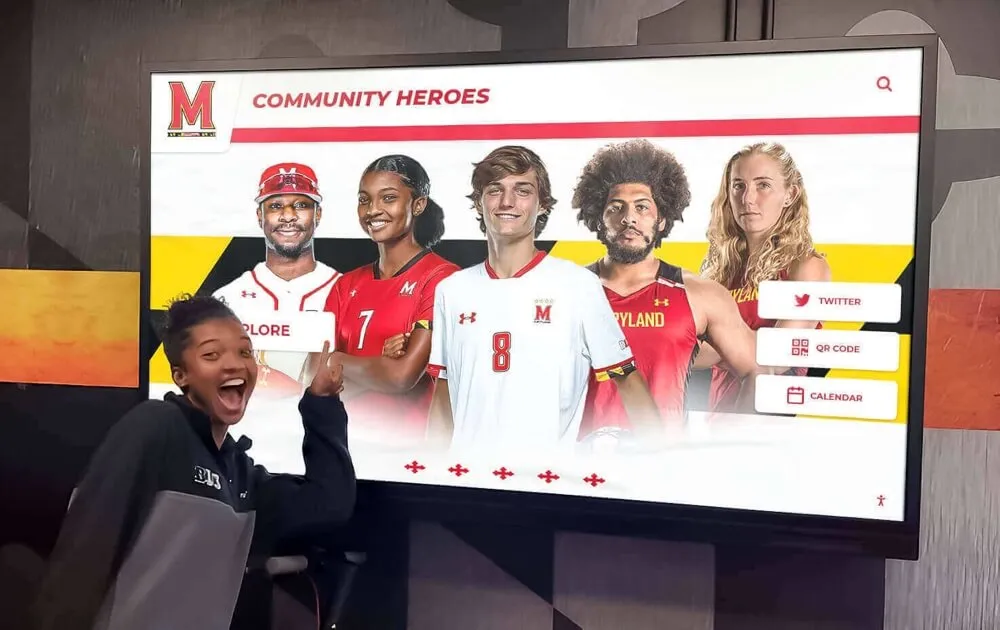
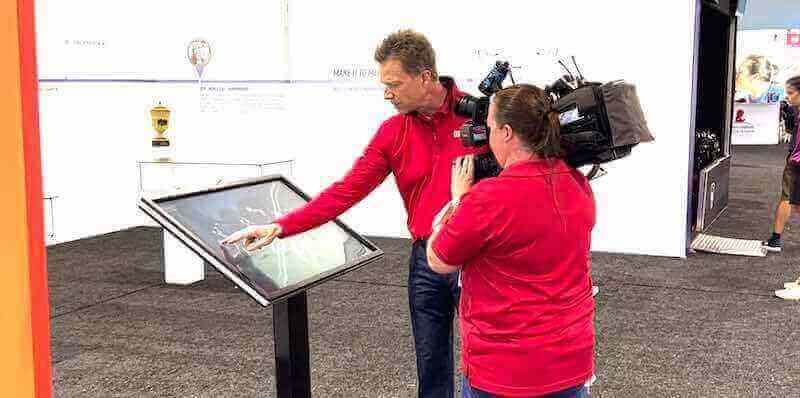
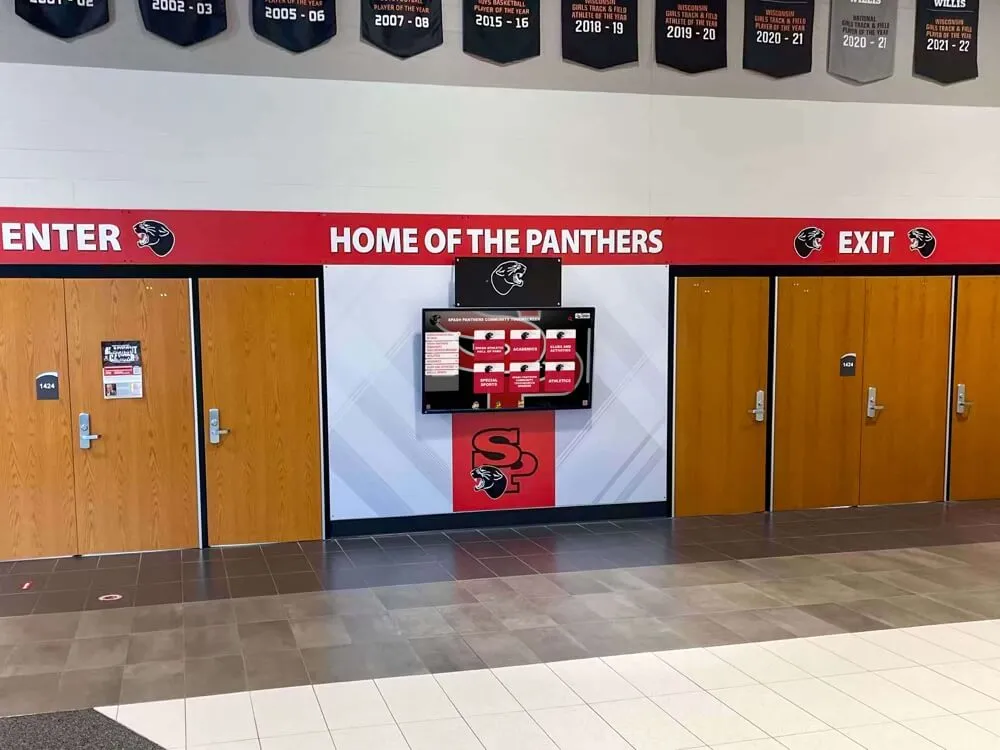
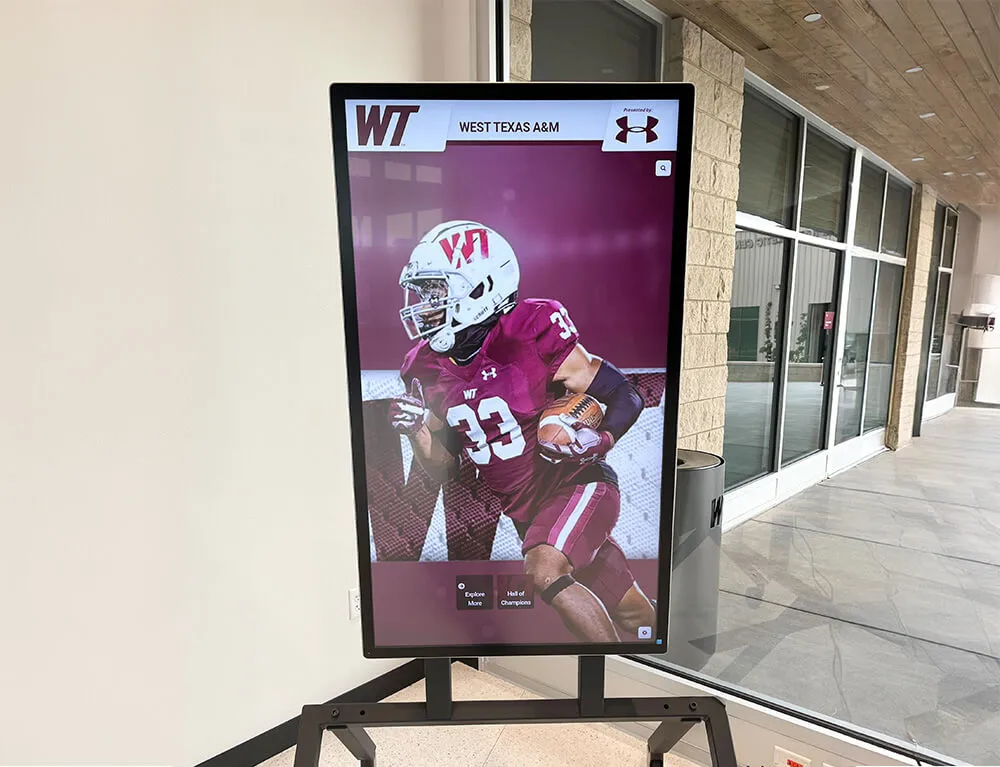
Recognition Displays: Digital displays showcasing alumni achievements create environment recognizing graduate accomplishments. Interactive platforms like Rocket Alumni Solutions enable sophisticated recognition that honors alumni year-round while supporting event programming through visible celebration of community accomplishments.
Promoting Events Effectively
Great programming fails without effective promotion reaching target audiences:
Email Marketing: Segment communications based on class years, geographic locations, or interests. Personalized messaging drives higher open and registration rates than generic mass emails.
Social Media Campaigns: Share event information across platforms where alumni engage—Facebook, Instagram, LinkedIn, Twitter. Create event-specific hashtags enabling community conversations.
Alumni Publication Features: Feature upcoming events in magazines, newsletters, or websites. Editorial content explaining event value encourages registration beyond simple announcements.
Peer-to-Peer Promotion: Encourage registered attendees to invite friends from their class years. Personal invitations from peers drive attendance more effectively than institutional communications.
Website Event Calendars: Maintain current comprehensive calendars where alumni browse upcoming opportunities. Filter functionality helps visitors find relevant programming based on location, interest, or format.
Measuring Event Success and ROI
Assessment determines which programming delivers value justifying continued investment:
Attendance Metrics: Track registration numbers, actual attendance, and no-show rates. Declining attendance signals needed format adjustments or marketing improvements.
Engagement Indicators: Monitor participation levels during events—questions asked, networking conversations initiated, session ratings, or interactive element usage.
Cost Per Attendee: Calculate total event costs divided by attendees. Compare across events to identify efficient programming versus resource-intensive gatherings delivering minimal return.
Post-Event Giving: Monitor whether event attendees increase philanthropic support following programming. Engagement through events should correlate with strengthened giving relationships.
Net Promoter Scores: Survey attendees asking likelihood they’d recommend events to other alumni. High scores indicate programming delivering genuine value beyond attendance obligation.
Social Media Reach: Measure event-related social media impressions, shares, and engagement. Content extending beyond attendees multiplies event impact across networks.
Creating Recognition-Driven Event Experiences
Alumni crave acknowledgment for their accomplishments, contributions, and continued connection to institutions. Events incorporating recognition elements drive stronger engagement than programming lacking appreciation components.
Permanent Recognition Infrastructure
Beyond event-specific acknowledgment, institutions benefit from establishing permanent recognition that celebrates alumni year-round. Digital recognition platforms create always-on displays honoring graduate achievements while supporting event programming through:
Pre-Event Excitement: Announce upcoming award recipients, hall of fame inductees, or celebration honorees through recognition displays weeks before events. Visibility builds anticipation while giving honorees time to appreciate recognition and invite guests.
Event Integration: Position displays at event venues enabling attendees to explore alumni achievements interactively. Guests discover connections to other attendees, review institutional history, and see personal profiles during socializing.
Post-Event Extension: Update displays immediately after events with photos, videos, and content from gatherings. Recognition extends beyond event moments into permanent archives that future attendees can explore.
Alumni Ambassador Identification: Displays help identify highly engaged alumni who might serve as event hosts, program speakers, or volunteer leaders. Visible tracking of involvement creates recognition motivating continued participation.
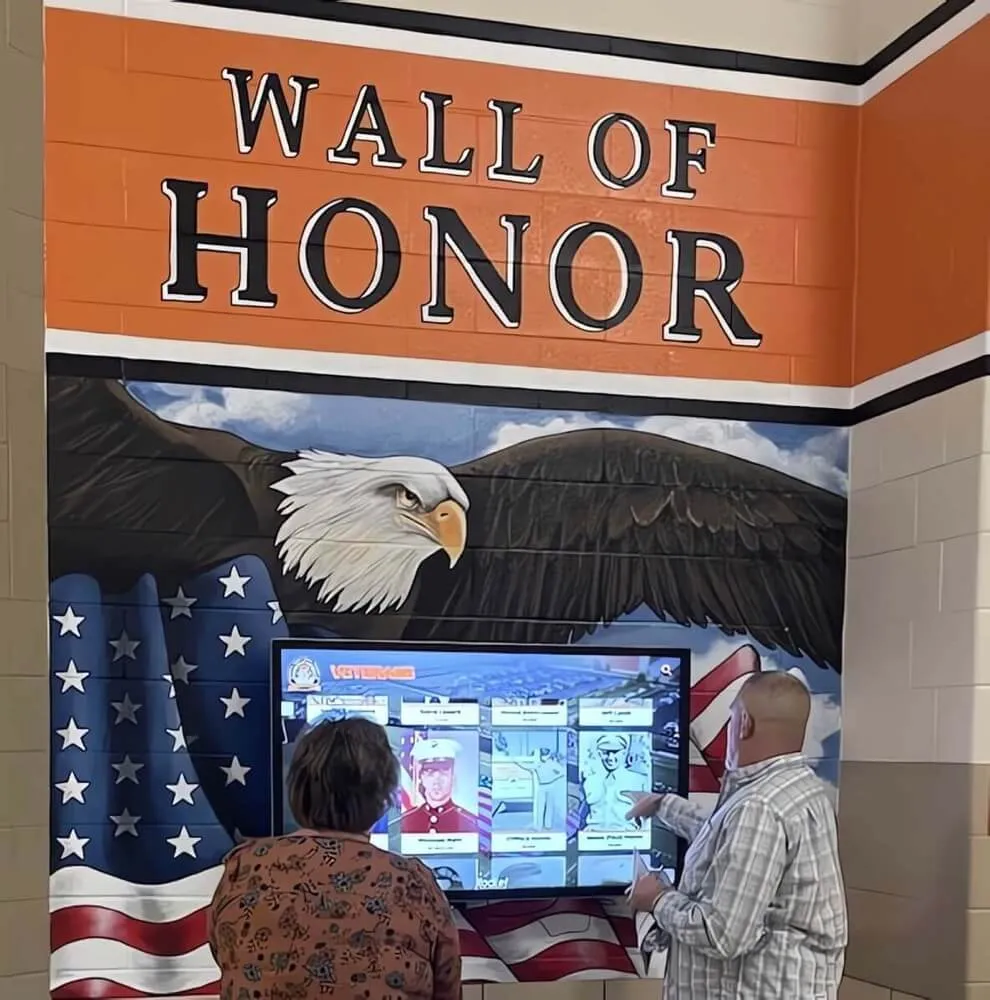
Platforms like Rocket Alumni Solutions provide comprehensive digital recognition systems that support event programming while creating year-round visibility for alumni accomplishments. These systems solve the fundamental limitation of event-only recognition—brief moments of acknowledgment that fade quickly—by building permanent archives celebrating alumni contributions across decades.
Recognition-Focused Event Elements
Incorporate appreciation into programming through:
Name Badge Details: Include graduation years, hometowns, current locations, or professional fields on badges. Additional context facilitates conversations while showing institutions value complete alumni identities beyond just names.
Memory Lanes: Display historical photos, yearbooks, newspaper clippings, or memorabilia from attendees’ eras. Nostalgia creates emotional connections while honoring each generation’s unique institutional experience.
Accomplishment Spotlights: Project slides featuring recent alumni achievements—career milestones, publications, awards, or community contributions. Rotating recognition throughout events honors multiple alumni rather than focusing exclusively on formal honorees.
Class Gift Recognition: Acknowledge reunion classes making collective philanthropic commitments. Public appreciation for generosity reinforces giving culture while thanking contributors meaningfully.
Service Awards: Present tokens of appreciation to alumni who volunteered significantly—event planning, mentorship, admissions support, or other substantial contributions. Recognition encourages continued service while modeling involvement for others.
Sustaining Long-Term Alumni Engagement
Individual events create moments of connection—sustained engagement requires systematic approaches building relationships over years and decades.
Progressive Engagement Strategies
Alumni relationships develop through stages requiring different programming approaches:
Recent Graduates (1-5 Years): Prioritize career support, networking opportunities, and social connections. Young alumni need professional development assistance while adjusting to life beyond campus.
Established Professionals (6-25 Years): Offer leadership opportunities, industry networking, and family-inclusive programming. Mid-career alumni balance professional growth with family responsibilities.
Senior Alumni (26+ Years): Provide legacy opportunities, recognition programming, and mentorship roles. Mature alumni seek meaning through giving back and celebrating lifetime connections.
Retirement-Age Alumni: Create social community, lifelong learning opportunities, and volunteer engagement. Retired alumni possess time to contribute substantially if provided meaningful opportunities.
Building Event Traditions
Recurring annual events create anticipation and institutional identity:
Signature Gatherings: Establish marquee events defining alumni programming—annual galas, homecoming traditions, or championship celebrations. Consistency builds tradition while annual repetition creates planning efficiencies.
Decade Celebrations: Honor milestone reunions through customized programming acknowledging each class’s unique place in institutional history. Personal touches differentiate commemorations from generic gatherings.
Regional Consistency: Establish predictable local chapter programming—quarterly happy hours, annual service projects, or seasonal social gatherings. Regular rhythms encourage habit-forming participation.
Virtual Staples: Create expected online programming—monthly webinars, weekly social media features, or annual virtual galas. Digital traditions engage geographically dispersed alumni consistently.
Volunteer Leadership Development
Engaged alumni volunteers multiply institutional capacity exponentially:
Chapter Leaders: Recruit alumni to coordinate regional programming. Distributed leadership enables local events impossible for centralized staff to manage alone.
Event Planning Committees: Engage volunteers in designing and executing specific events. Ownership increases personal investment while distributing workload.
Class Ambassadors: Appoint representatives for each graduation year responsible for encouraging classmate engagement and communicating institutional news within networks.
Affinity Group Coordinators: Establish leaders for identity-based communities—LGBTQ+ alumni, first-generation graduates, veterans, international students, or underrepresented minorities. Specialized programming demonstrates inclusive commitment.
Mentorship Program Coordinators: Train alumni volunteers to facilitate mentoring initiatives connecting graduates with students or recent alumni with established professionals.
Adapting Events for Different Institution Types
Programming effective for large research universities differs from what works for small private high schools. Tailor approaches to institutional context:
Private High School Considerations
Smaller Alumni Pools: Limited graduate numbers require events engaging entire communities rather than class-specific programming. All-school gatherings maximize attendance while mixed-age groups create cross-generational connections.
Geographic Concentration: Private school alumni often remain relatively local. Prioritize in-person regional events capitalizing on geographic proximity while supplementing with occasional virtual programming.
Family-Centric Culture: Many families maintain multi-generational private school connections. Honor legacy families while creating programming involving parents, siblings, and extended family networks.
Close Faculty Relationships: Smaller schools enable lasting student-teacher bonds. Include retired and current faculty in alumni programming, strengthening continuity and honoring influential mentors.
Public High School Contexts
Larger Class Sizes: Hundreds of annual graduates enable class-specific reunions and programming. Decade parties combining multiple years work well for non-reunion year engagement.
Diverse Alumni Demographics: Public schools serve varied socioeconomic backgrounds requiring affordable or free programming. Avoid event formats creating financial barriers to participation.
Community Identity: Public schools often represent geographic community identities. Local pride creates engagement opportunities linking school traditions to broader civic connection.
Athletic Traditions: Strong sports cultures provide natural engagement hooks. Athletic event gatherings, sports banquets, and team reunion coordination resonate particularly well.
Charter School Unique Elements
Relatively Young Institutions: Newer schools possess shorter histories but opportunity to establish traditions from foundations. Inaugural events become defining experiences shaping long-term culture.
Mission-Driven Alumni: Graduates of mission-specific charters (STEM, arts, language immersion) share common educational philosophies. Programming reflecting founding missions creates particularly strong resonance.
Founder Proximity: Many charter alumni knew founding leaders personally. Involve founders in events, honoring institutional origins while celebrating evolved growth.
College and University Scale
Large, Diverse Populations: Major institutions cannot expect alumni-wide event participation. Niche programming targeting specific affinity groups (majors, activities, teams, identities) achieves deeper engagement than broad generic events.
Strong School/College Loyalties: Alumni often identify more strongly with academic colleges than overall institutions. Enable school-specific programming addressing varied interests across engineering, business, liberal arts, or professional schools.
Geographic Distribution: National or international alumni distribution necessitates strong virtual programming and coordinated regional chapter networks enabling local participation.
Research and Academic Focus: Universities can utilize faculty expertise and research reputation. Academic programming distinguishes university events from social clubs while appealing to intellectually curious graduates.
Graduate Program Distinctions
Professional Network Emphasis: Graduate alumni prioritize career advancement. Heavy emphasis on professional networking, industry connections, and career development programming delivers expected value.
Cohort Bonding: Graduate programs create intense relationships within small cohorts. Reunite specific cohorts rather than mixing across years indiscriminately.
Ongoing Education: Graduate alumni expect continued learning. Offer certificate programs, continuing education credits, or professional development workshops extending institutional educational relationships.
Global Reach: Graduate programs attract international students who return home after graduation. Virtual programming becomes essential for engaging alumni across continents and time zones.
Measuring Alumni Event Program Success
Comprehensive assessment goes beyond attendance counts to evaluate whether programming achieves strategic objectives.
Establishing Success Metrics
Define clear measures before launching programs:
Participation Rates: Track percentages of reachable alumni engaging with programming. Industry benchmarks suggest 15-25% annual engagement rates represent healthy programs.
Engagement Depth: Monitor whether same alumni attend multiple events (positive indicator of quality) versus constant churn requiring perpetual acquisition.
Volunteer Recruitment: Measure alumni volunteering for various institutional support—admissions ambassadors, mentorship, event planning, or fundraising committees.
Philanthropic Impact: Assess correlations between event participation and giving. Engaged alumni should demonstrate higher giving rates, retention, and average gifts compared to non-participants.
Student Impact: Quantify student benefits from alumni programming—internships secured, mentorship connections, career placements, or reported satisfaction with alumni support.
Institutional Reputation: Monitor whether alumni events generate positive press, social media visibility, or community awareness enhancing institutional reputation.
Continuous Improvement Processes
Systematic assessment drives programming evolution:
Post-Event Surveys: Send brief questionnaires within 24-48 hours after events while experiences remain fresh. Ask about satisfaction, value received, improvement suggestions, and future event interest.
Focus Groups: Convene small groups of engaged alumni to discuss programming preferences, unmet needs, or innovative ideas. Qualitative insights complement quantitative survey data.
Participation Analysis: Study attendance patterns identifying which event types, times, formats, or locations generate strongest response. Double down on high-performing programming while questioning low-attendance initiatives.
Benchmarking: Compare programming and engagement metrics against peer institutions. External perspectives reveal opportunities while identifying competitive advantages worth building upon.
Staff Debriefs: Conduct team retrospectives after major events discussing what worked well, challenges encountered, and potential improvements. Document institutional knowledge preventing repetition of mistakes.
Alumni Advisory Boards: Establish boards providing ongoing guidance about programming preferences. Regular input from representative alumni groups keeps programming relevant and appealing.
Launching Your Alumni Event Strategy
Moving from ideas to implementation requires systematic planning and realistic resource assessment.
Starting Small and Building Momentum
New or revitalized alumni programming benefits from incremental approaches:
Pilot Programming: Test 2-3 event formats before committing to extensive calendars. Learn from initial experiences rather than over-extending resources across numerous simultaneous initiatives.
Signature Event Focus: Establish one marquee annual event executing exceptionally well. Strong signature gatherings create positive associations justifying expansion into additional programming.
Local Before National: Build successful local or regional programming before attempting to coordinate events across broad geographies. Concentrated early success builds confidence and capabilities.
Build on Existing Events: Improve current programming rather than creating everything new. Add alumni receptions to student events, coordinate alumni gatherings during existing campus occasions, or supplement traditional reunions with creative elements.
Resource Requirements and Budget Planning
Realistic resource assessment prevents over-commitment:
Staffing Needs: Alumni programming requires dedicated coordination. Full-time directors manage large university programs while smaller institutions might dedicate 25-50% of development staff capacity to alumni relations.
Budget Allocations: Industry standards suggest allocating 5-15% of advancement budgets to alumni relations depending on institutional size and engagement maturity. Event budgets typically range from minimal costs for virtual programming to $10,000+ for major galas.
Technology Infrastructure: Budget for registration systems, virtual event platforms, alumni databases, and communication tools. Technology investments pay dividends through efficiency gains and improved experiences.
Marketing and Promotion: Allocate 10-20% of event budgets to promotional activities. Excellent programming fails without effective marketing reaching target audiences.
Recognition Systems: Permanent recognition infrastructure represents significant but worthwhile investment. Digital displays acknowledging alumni achievements support event programming while delivering year-round value. Rocket Alumni Solutions provides cost-effective recognition platforms specifically designed for educational institutions seeking sophisticated recognition without enterprise-level budgets or technical complexity.
Building Strategic Partnerships
Collaboration multiplies resources and reach:
Alumni Volunteers: Engaged alumni contribute planning time, venue access, corporate sponsorships, or professional expertise. Volunteer engagement reduces staff burden while increasing alumni ownership.
Corporate Sponsors: Local businesses or alumni-owned companies may sponsor events in exchange for visibility and networking access. Corporate support offsets costs while strengthening community business relationships.
Vendor Relationships: Negotiate preferred rates with venues, caterers, or service providers through consistent business relationships. Multi-year agreements often unlock discounted pricing.
Other Institutional Departments: Partner with admissions (prospective student events), athletics (game day programming), development (donor cultivation), or student affairs (graduation celebrations). Shared resources and cross-promotion benefit all parties.
Creating Lasting Alumni Connection Through Events
Alumni events represent means toward ends—stronger institutional loyalty, philanthropic support, student mentorship, and community pride. Programming should never become purely social obligation but instead deliver genuine value justifying alumni time and attention.
The most successful alumni relations programs recognize that engagement isn’t transactional but relational. Events create moments where relationships begin, deepen, and strengthen over decades. Strategic programming accommodates diverse alumni interests, life stages, and geographic situations while maintaining consistent institutional presence reminding graduates they remain valued community members long after graduation.
Whether launching new alumni programming or revitalizing existing efforts, these 100 ideas provide starting points for creating diverse event calendars meeting varied alumni needs. Adapt concepts to your institutional culture, scale appropriately to available resources, and most importantly, approach programming with genuine intention to serve alumni rather than simply extract donations or volunteer labor.
Strong alumni communities don’t emerge accidentally—they result from systematic investment in relationship building through programming that honors past experiences while creating new shared memories. Events represent the visible manifestation of institutional commitment to graduates, demonstrating through actions that connections formed during enrollment years merit cultivation throughout lifetimes.
Ready to enhance your alumni engagement with permanent recognition that supports event programming year-round? Explore how Rocket Alumni Solutions provides digital recognition platforms enabling institutions to celebrate alumni achievements continuously—creating always-on displays that honor graduates while strengthening the community connections that alumni events are designed to build and sustain.