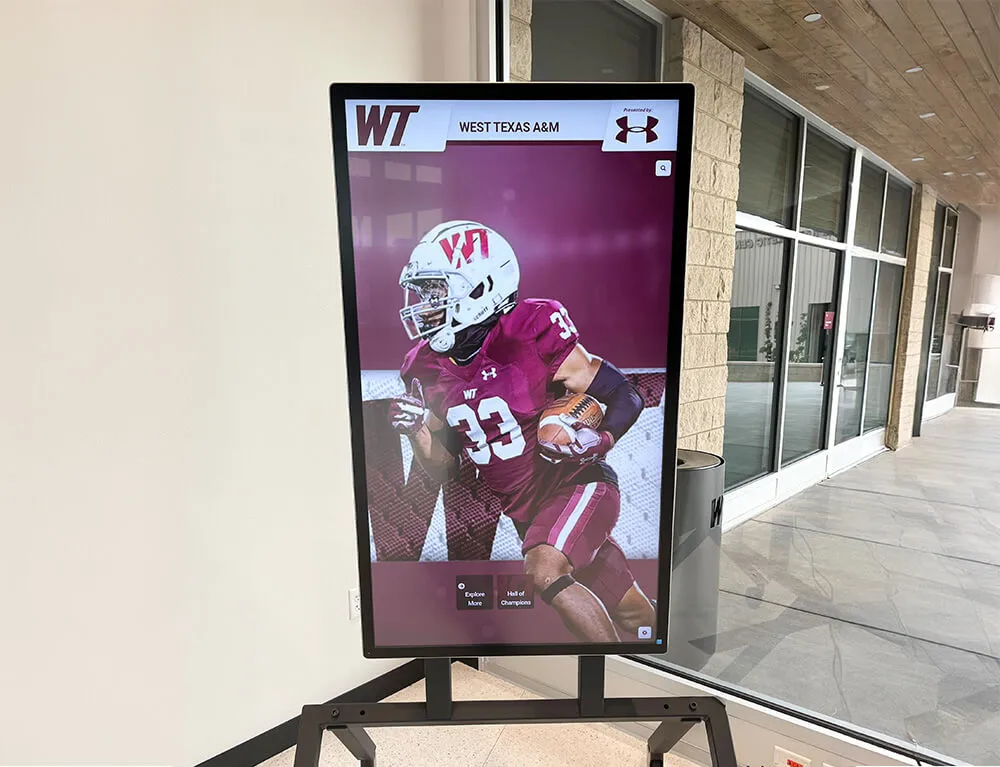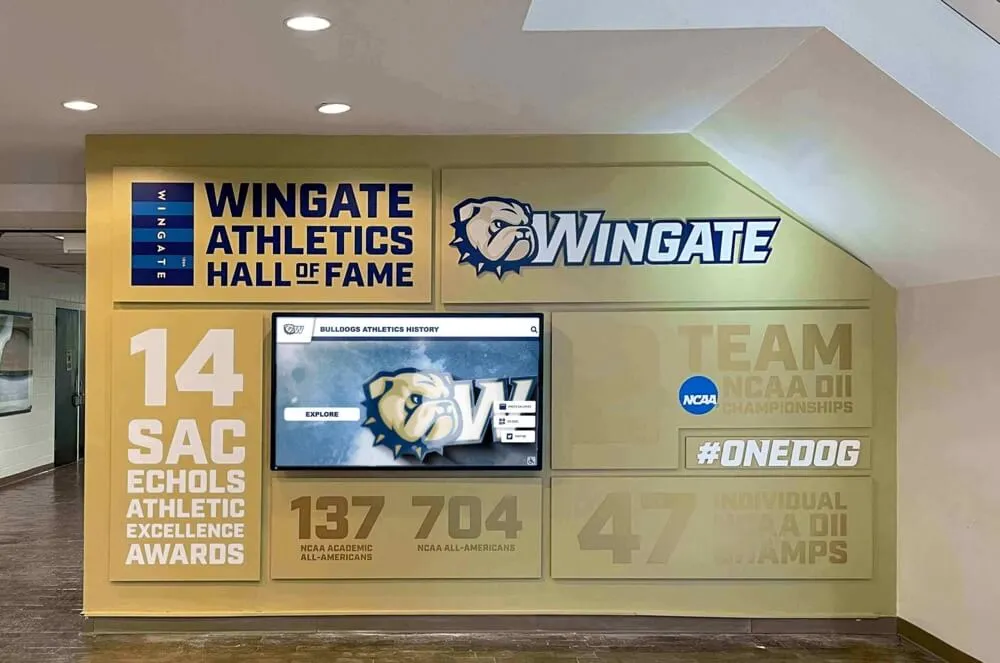




Achieving a score of 30 or higher on the ACT represents elite academic accomplishment—performance placing students in the top 7% of all test-takers nationally. These exceptional scores open doors to competitive college admissions, prestigious scholarships, and academic opportunities that transform educational trajectories. Yet despite their profound significance, ACT 30+ achievements often receive minimal lasting recognition compared to athletic championships or artistic performances that occupy prominent display space throughout schools.
When outstanding academic accomplishments disappear into filing cabinets after brief assembly mentions, schools miss critical opportunities to inspire younger students, validate rigorous college preparation, and build cultures where intellectual excellence receives the celebration it deserves. Traditional recognition approaches—paper certificates, temporary bulletin boards, fleeting announcements—fail to create the lasting visibility and engagement that motivates sustained academic achievement across entire school communities.
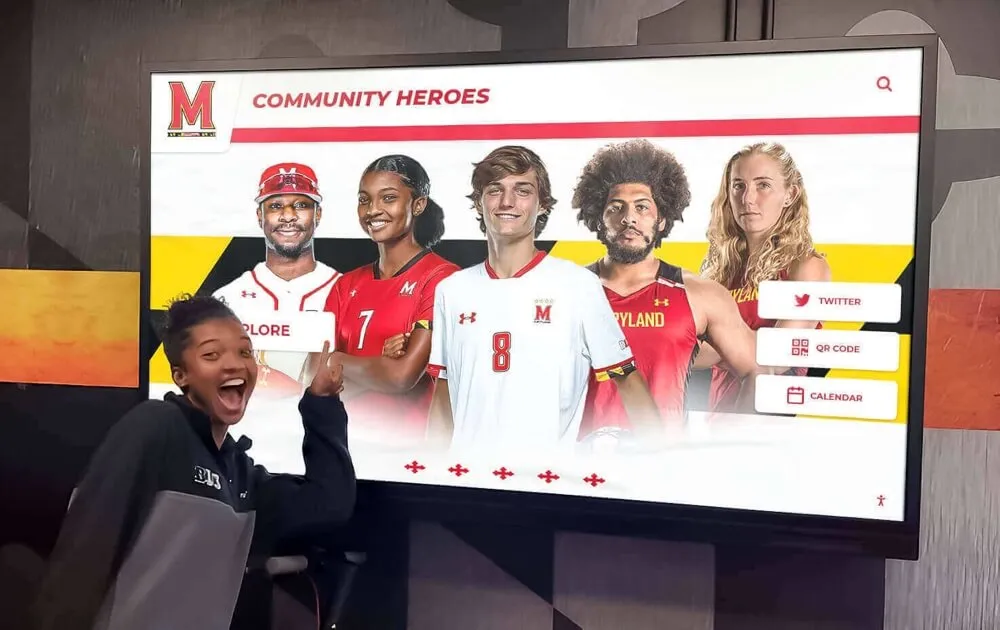
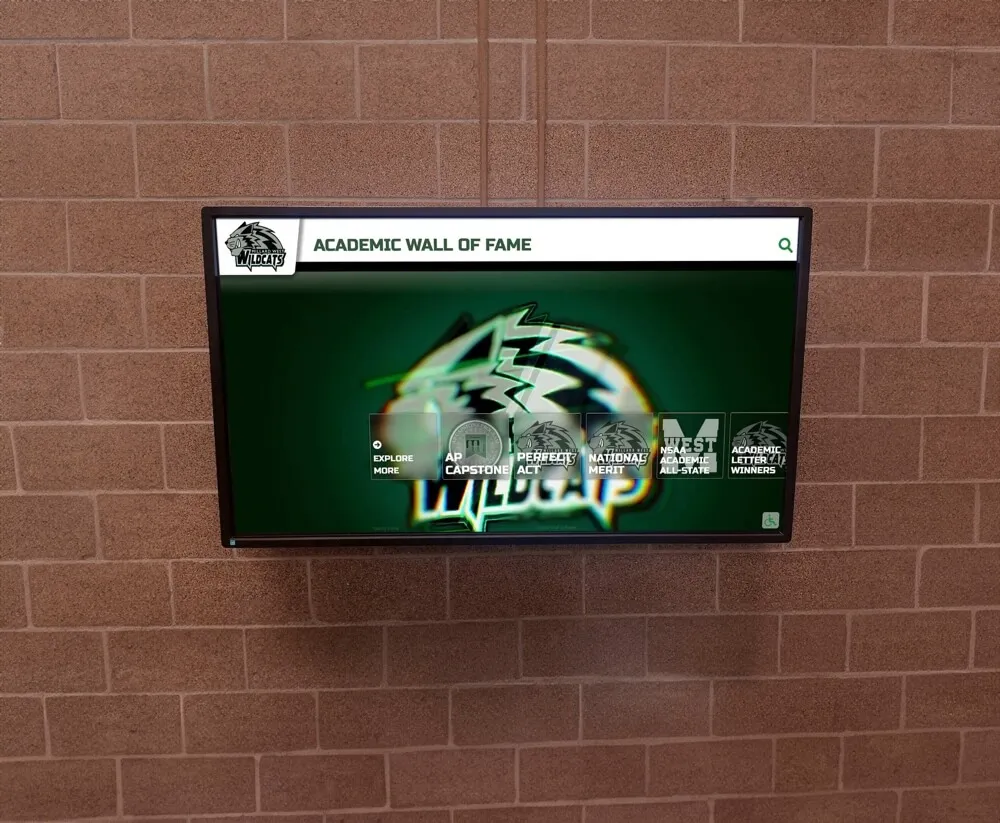
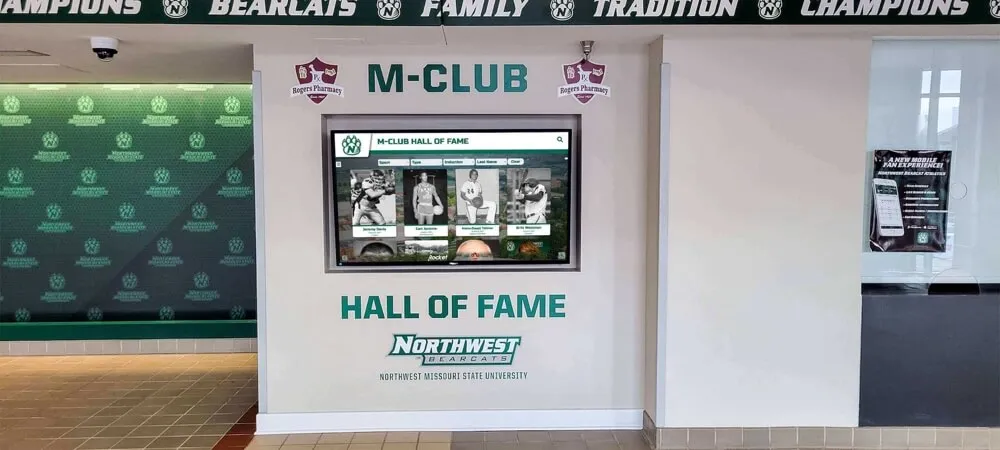
ACT 30+ Club digital showcase boards transform how schools honor elite standardized test achievement by creating permanent, engaging, and accessible displays that celebrate exceptional performance while inspiring future scholars. Unlike static recognition methods limited by space constraints and outdated presentation, modern digital boards provide unlimited capacity, rich multimedia storytelling, automatic ranking updates, and global accessibility ensuring every ACT 30+ achiever receives recognition befitting their remarkable accomplishment.
Intent: Demonstrate
This guide demonstrates how digital showcase boards enable schools to celebrate ACT 30+ Club achievements with the prominence they deserve. We'll walk through planning recognition programs, designing engaging displays, implementing modern technology, and creating sustainable systems that inspire excellence while honoring students who reach this exceptional milestone. Athletic directors, principals, counselors, and academic coordinators will discover practical frameworks for building ACT recognition that matches the visibility traditionally reserved for athletic accomplishments.
The ACT 30+ Achievement: Understanding Elite Performance
Before implementing effective recognition programs, schools must understand what ACT 30+ scores represent and why these achievements warrant prominent, permanent acknowledgment alongside any other form of student excellence.
What Makes ACT 30+ Performance Exceptional
The ACT composite score ranges from 1 to 36, representing performance across four subject areas: English, Mathematics, Reading, and Science. According to official ACT score distribution data, fewer than 7% of test-takers achieve composite scores of 30 or higher. This elite performance tier demonstrates mastery significantly exceeding typical college-ready benchmarks.
Breaking down the achievement reveals its true significance:
Academic Breadth and Consistency: Unlike subject-specific awards recognizing excellence in individual disciplines, ACT 30+ scores demonstrate comprehensive academic strength across diverse content areas. Students must perform exceptionally well across English language arts, mathematical reasoning, scientific analysis, and reading comprehension simultaneously—a combination requiring years of sustained academic development rather than isolated subject mastery.
College Admission Competitive Advantage: According to college admission data from selective institutions, ACT scores of 30+ place students within competitive ranges for top-tier universities including Ivy League schools, flagship state universities’ honors programs, and selective private colleges. The Common Data Set Initiative reveals that the middle 50% of admitted students at highly selective institutions typically includes ACT scores in the 30-34+ range, positioning ACT 30+ achievers as genuinely competitive applicants.
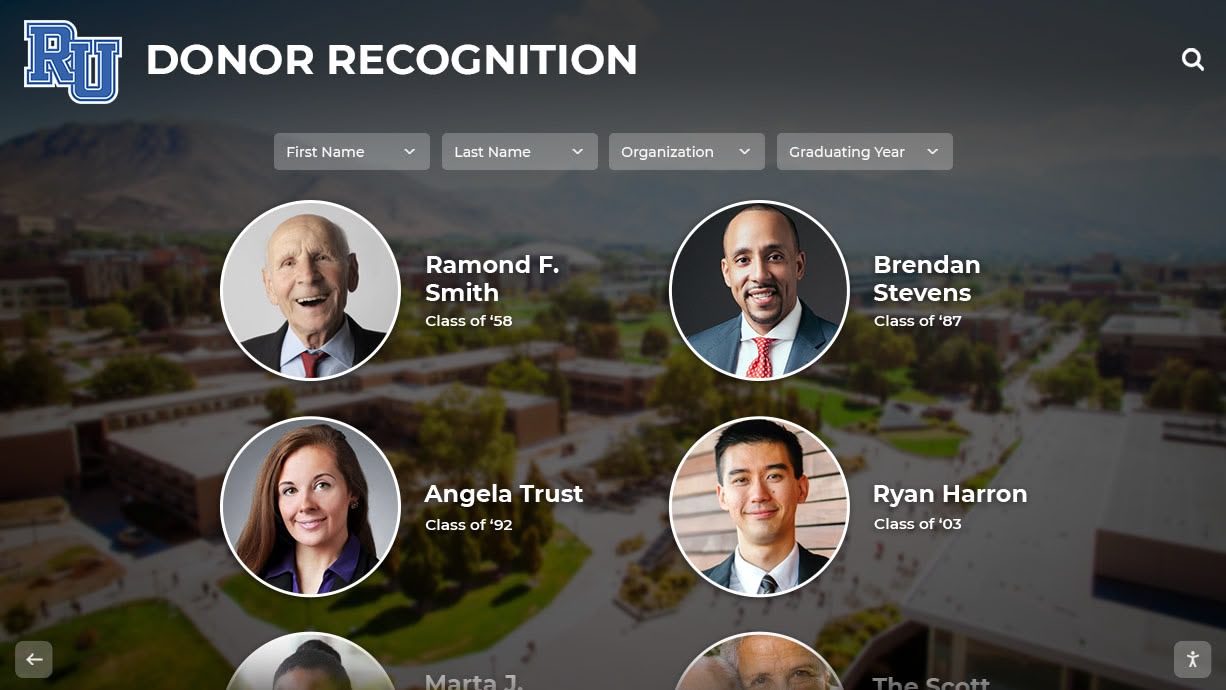
Scholarship Eligibility and Financial Opportunities: Merit-based scholarships frequently establish ACT score thresholds at 30 or higher for full-tuition or substantial awards. According to scholarship databases, students achieving ACT 30+ gain access to hundreds of competitive scholarships collectively worth millions of dollars—opportunities unavailable to students scoring even slightly lower. This financial impact makes ACT 30+ recognition particularly meaningful for families navigating college affordability.
College Credit and Placement: Many universities grant course credit or advanced placement for strong ACT subject scores. Students scoring 30+ composite typically achieve subject scores qualifying for placement into honors courses, exemption from introductory requirements, or direct credit—benefits potentially saving thousands in tuition while enabling earlier graduation or double major pursuit.
The Preparation Journey Behind Elite Scores
Understanding the dedication required to achieve ACT 30+ helps schools develop recognition appropriately honoring the full accomplishment scope:
Students typically invest 80-120+ hours in focused test preparation beyond regular coursework—reviewing content, practicing timed sections, analyzing performance patterns, and developing test-taking strategies. This preparation occurs alongside demanding course loads, often including multiple AP or honors classes requiring substantial outside-school commitment.
The journey usually spans sophomore through senior years, with students taking the ACT multiple times, strategically preparing between attempts, and continuously improving performance. Unlike single-event achievements, ACT 30+ scores represent sustained multi-year commitment to academic excellence and standardized test mastery.
The Recognition Challenge: Why ACT Excellence Goes Uncelebrated
Despite their significance, ACT 30+ achievements frequently receive minimal lasting recognition. Understanding systemic barriers preventing appropriate acknowledgment helps schools address recognition gaps effectively.
Privacy Concerns and Sensitive Data Challenges
Test scores represent educational records subject to privacy regulations and family preferences. Many schools hesitate to publicly recognize ACT achievement fearing FERPA violations or family objections to public test score disclosure. This privacy sensitivity—legitimate in many contexts—often results in no recognition rather than thoughtfully designed acknowledgment balancing celebration with appropriate data protection.
However, directory information exceptions and established yearbook precedents demonstrate that schools can publicly acknowledge achievements including awards, honors, and academic accomplishments without violating privacy regulations. When schools treat ACT 30+ recognition similarly to honor roll, AP Scholar awards, or National Merit recognition—all involving academic performance data—appropriate frameworks exist for celebration respecting privacy while providing deserved acknowledgment.
Academic recognition best practices emphasize transparent opt-out mechanisms allowing families uncomfortable with public recognition to decline participation while maintaining recognition as default for students achieving objective milestones deserving celebration.
Space Limitations and Physical Display Constraints
Traditional recognition through plaques or trophy cases requires physical space—finite resources already claimed by decades of athletic awards, artistic displays, and established programs. When space capacity remains limited, newer recognition initiatives struggle to secure prominent placement, particularly for academic achievements perceived as less visual or engaging than athletic championships.
A typical ACT 30+ Club in a school of 400 graduating students might include 20-30 students annually—a number requiring substantial wall space for traditional plaque-based recognition. Over a decade, this grows to 200-300 students requiring display space most schools cannot accommodate in high-visibility locations. Physical limitations force impossible choices: rotate displays annually (removing previous recognition), recognize only highest scorers (ignoring the full 30+ club), or provide minimal acknowledgment failing to match athletic recognition prominence.
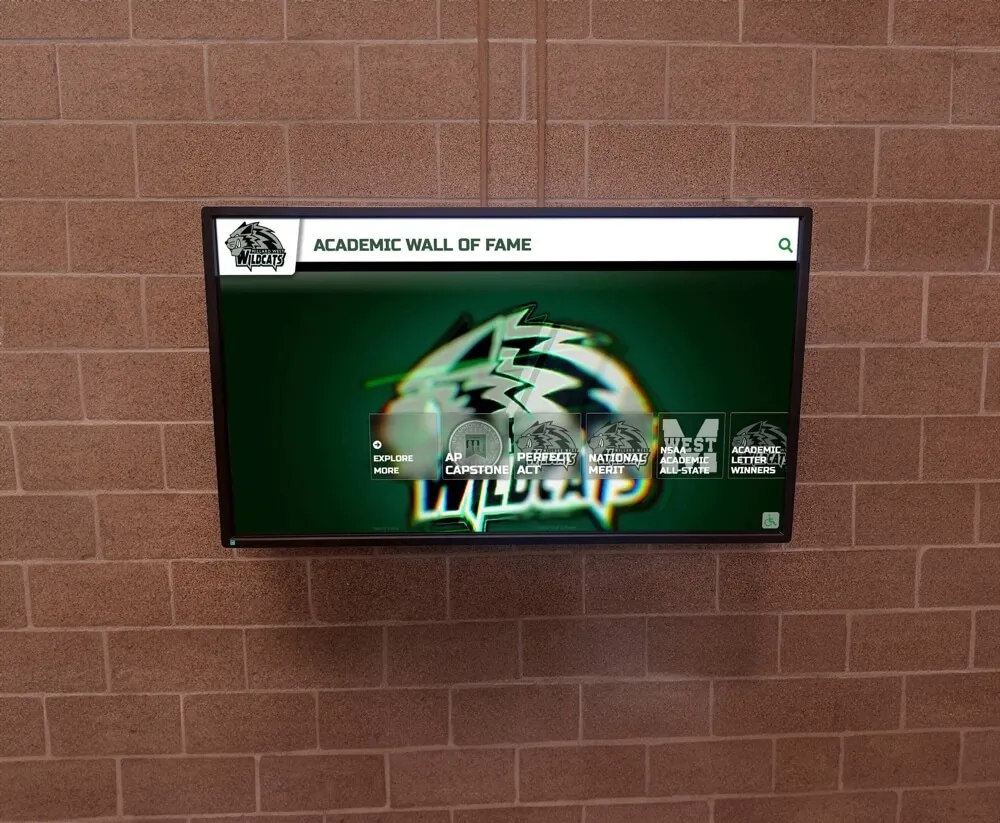
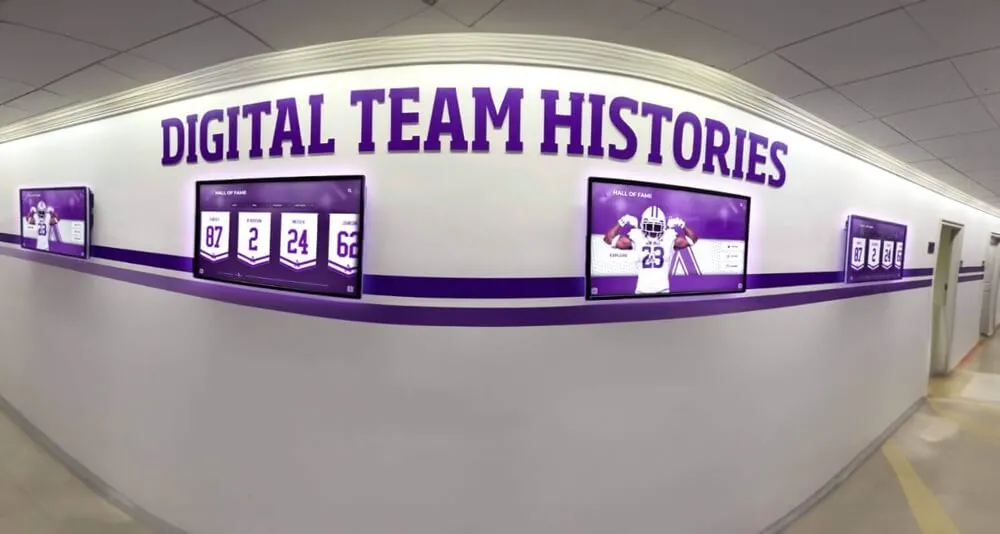
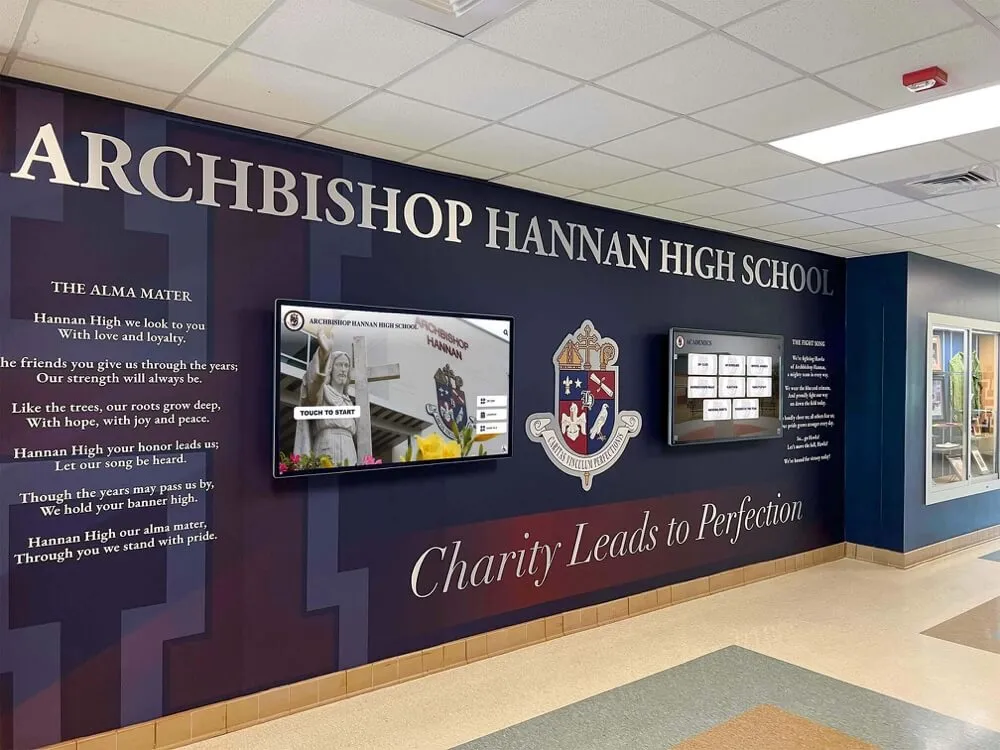
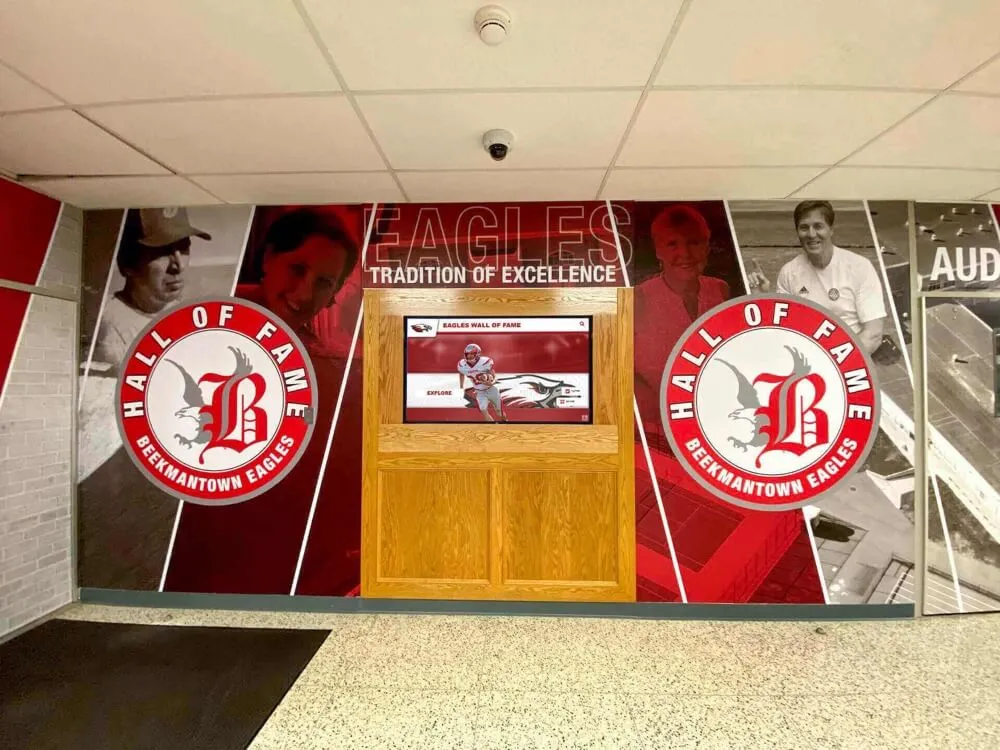
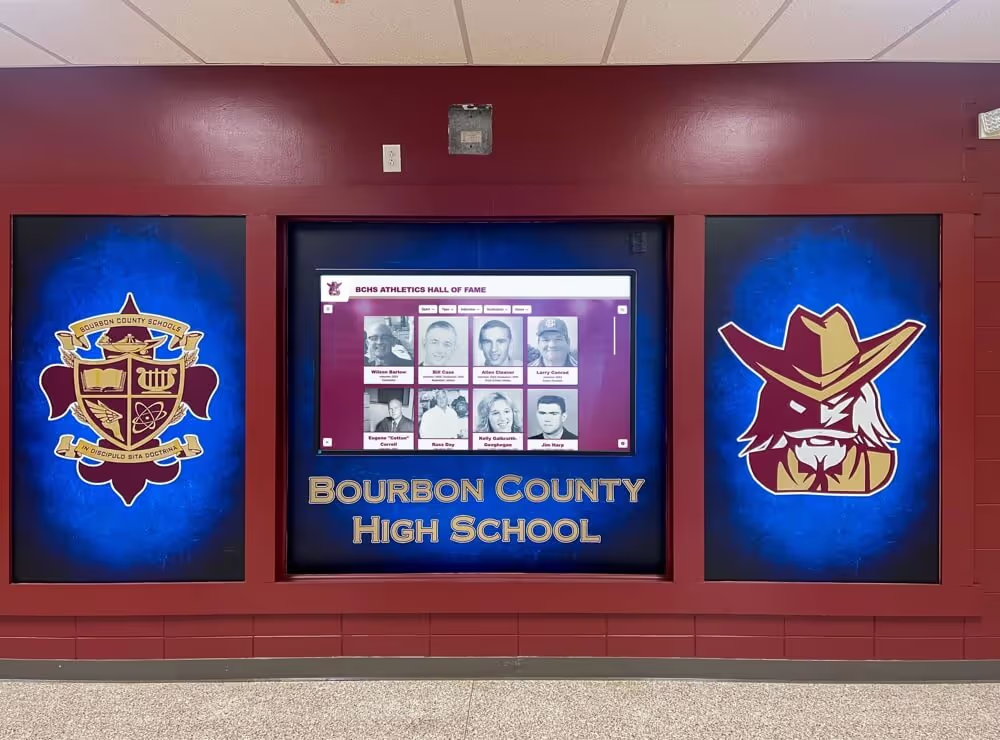
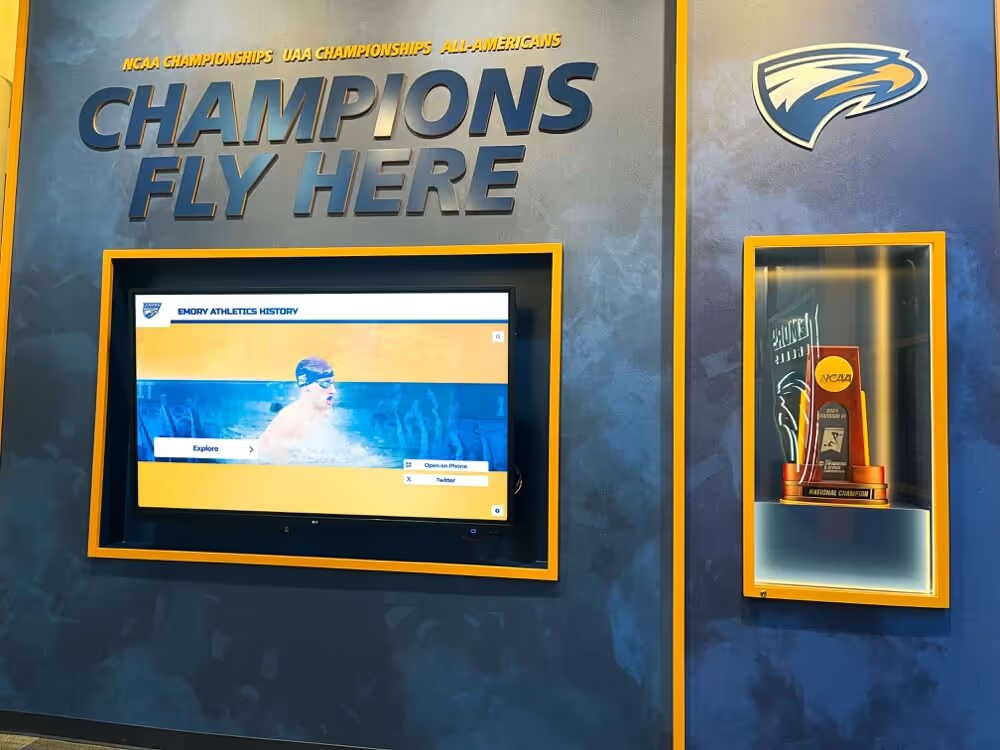
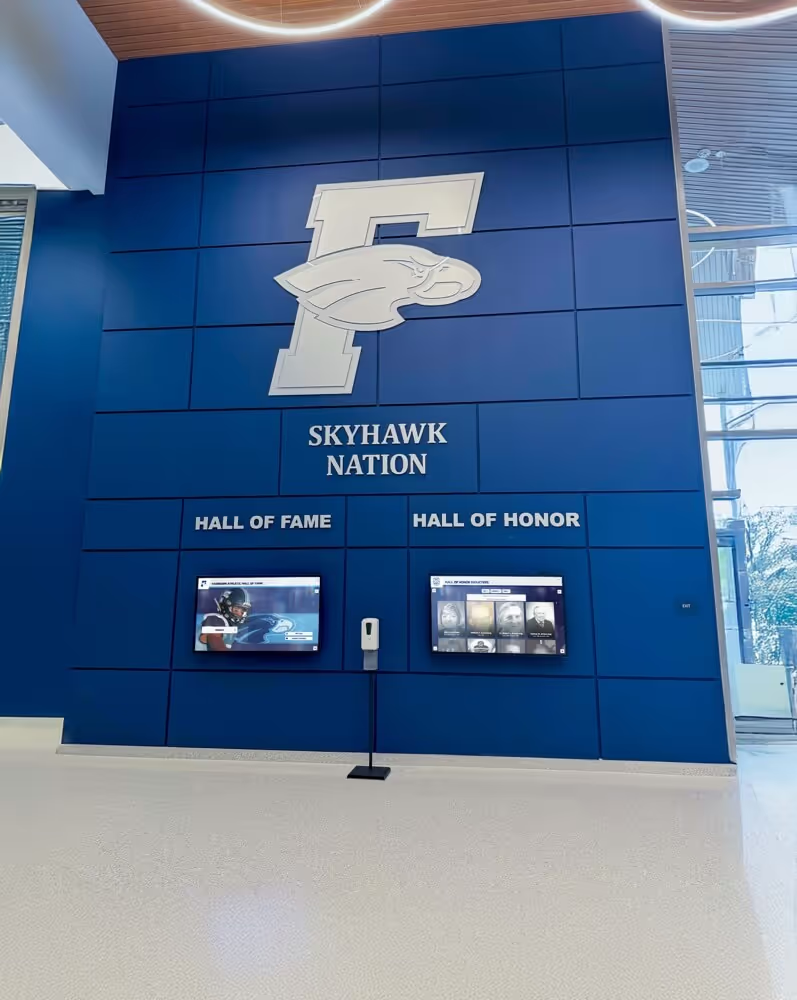
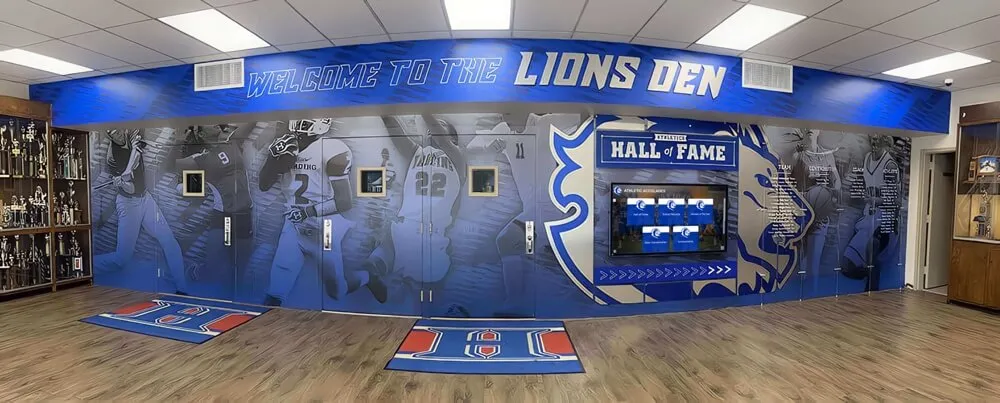
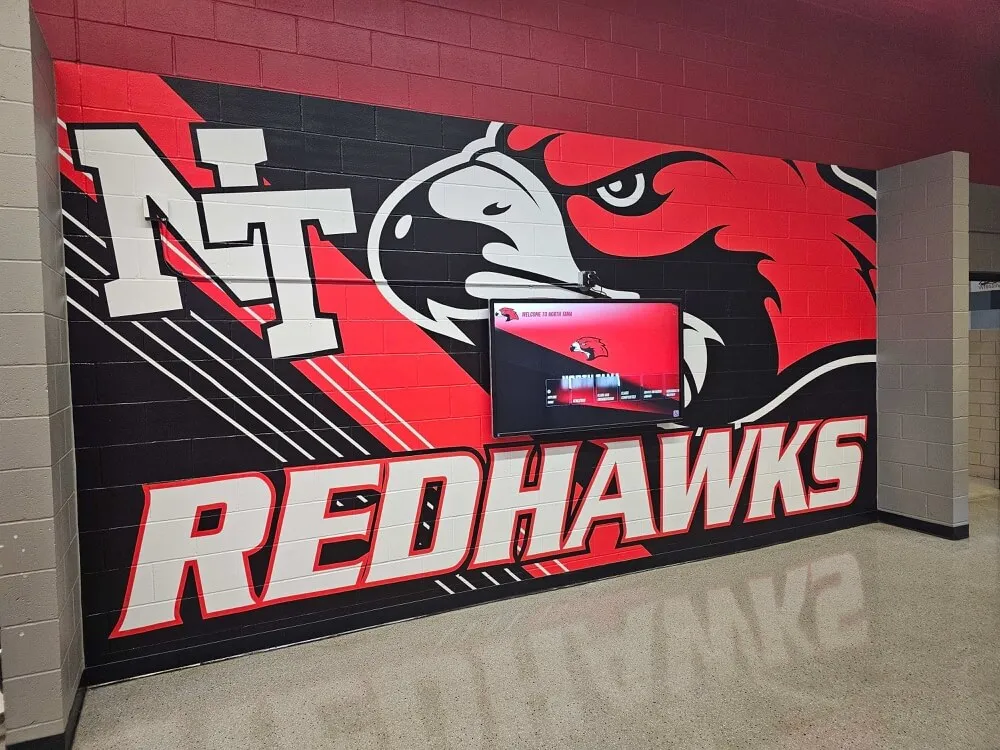
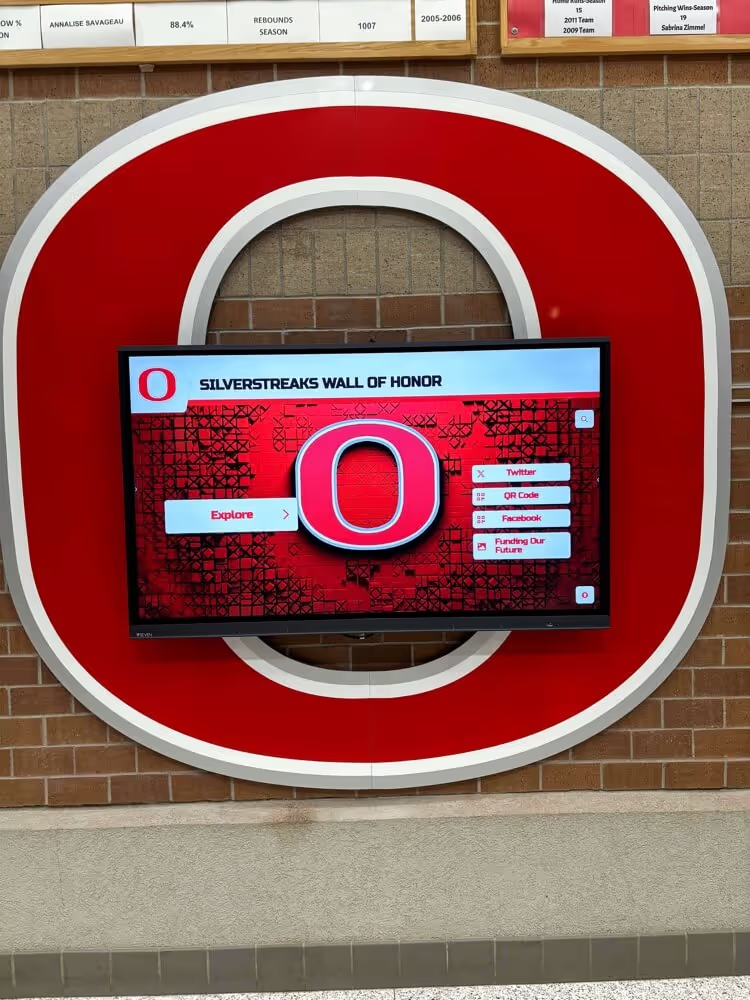
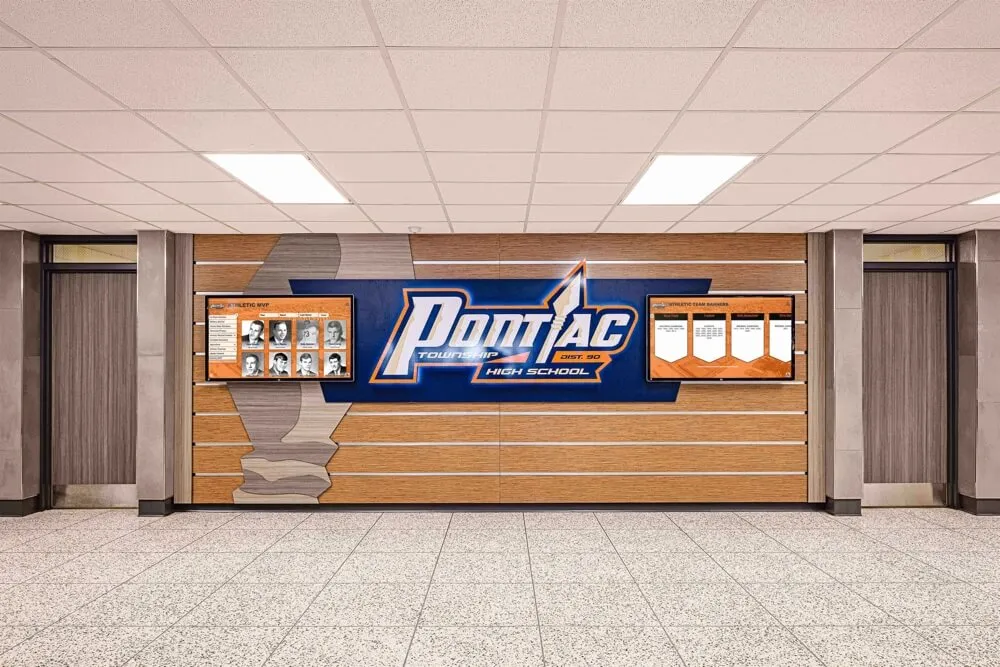
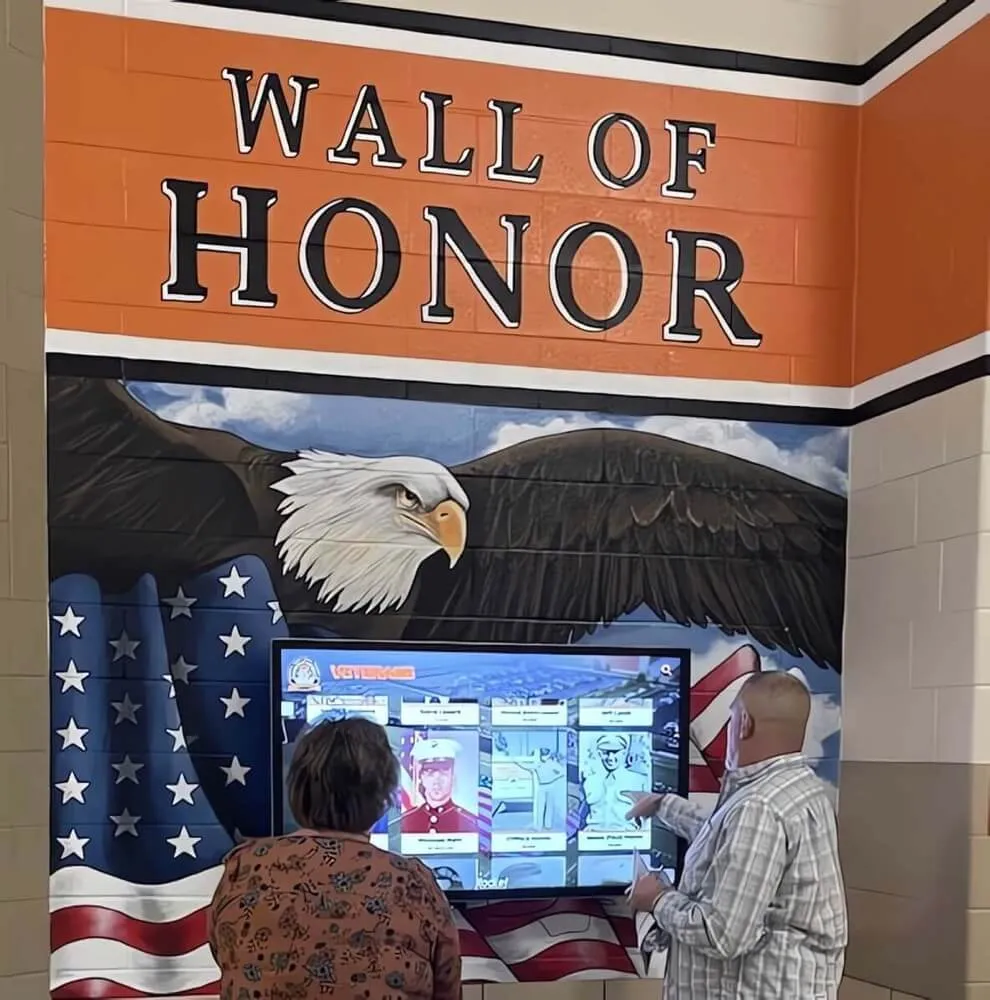
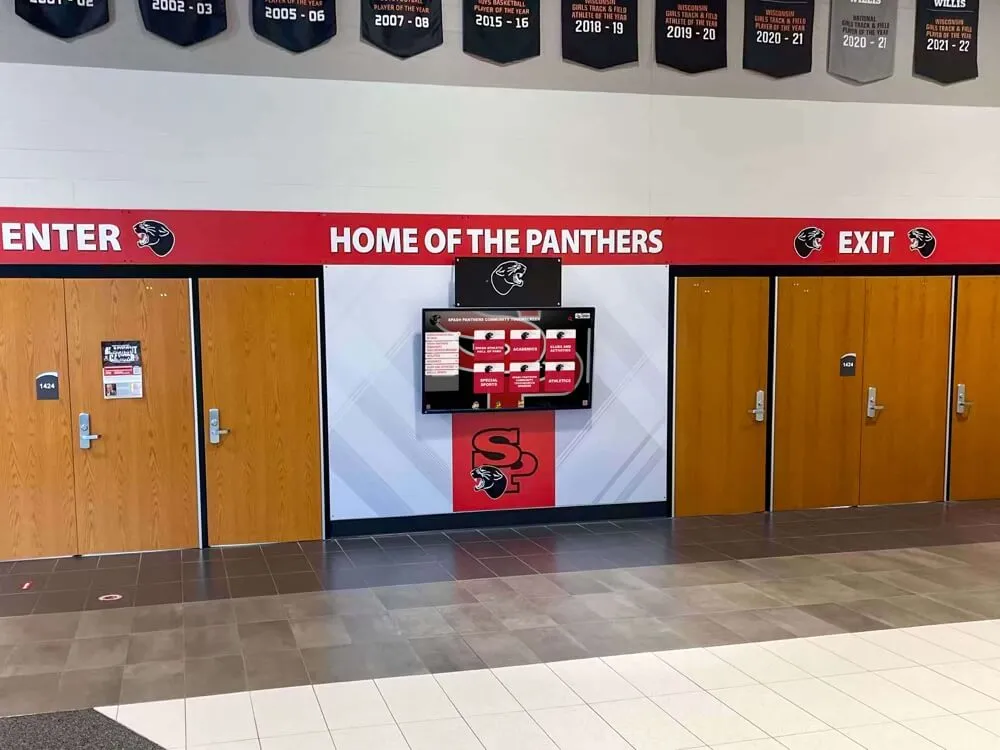
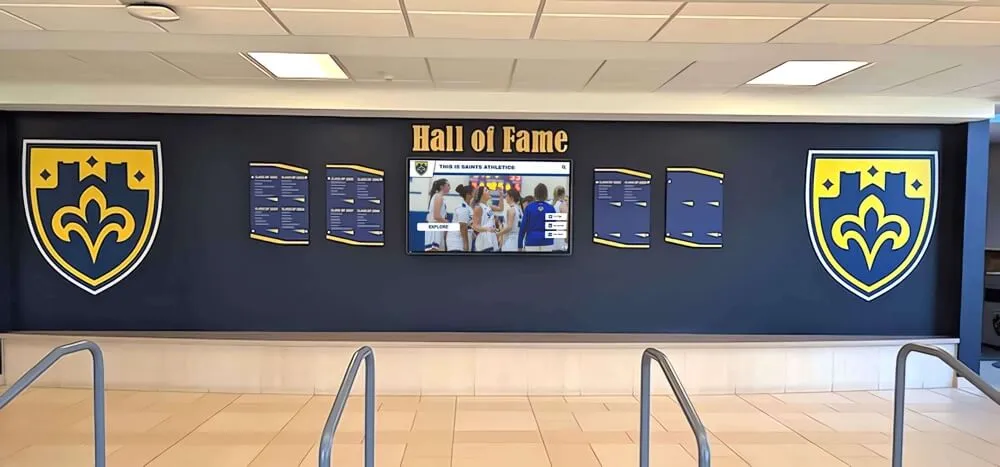
Digital showcase boards eliminate these space constraints entirely. A single 55-inch touchscreen display occupies less physical space than a medium trophy case yet can showcase comprehensive profiles for unlimited students across decades—providing scalable recognition without physical expansion requirements. Understanding how to design digital hall of fame displays reveals layout strategies maximizing engagement within compact footprints.
Cultural Imbalance Between Athletic and Academic Recognition
Walk through most high schools and an uncomfortable reality becomes apparent: athletic accomplishments occupy prominent entrances, main hallways, and gymnasium spaces while academic achievements receive secondary placement—if permanent recognition exists at all. This visibility disparity communicates powerful unintended messages about institutional values regardless of stated academic mission priorities.
Athletic programs benefit from established booster organizations funding recognition displays, decades of trophy accumulation creating display momentum, and visual spectacle lending itself to prominent celebration. Academic achievement, while representing schools’ fundamental educational purpose, typically lacks equivalent advocacy, funding streams, or recognition infrastructure built over comparable timeframes.
Effective ACT 30+ recognition addresses this imbalance by creating academic celebration matching athletic prominence. Digital showcase boards enable schools to position academic recognition in prime locations—main entrances, academic wings, library commons—where visibility communicates genuine institutional commitment to celebrating intellectual accomplishment.
Planning Your ACT 30+ Club Digital Recognition Program
Successful implementation requires systematic planning addressing program scope, selection criteria, content strategy, and sustainability frameworks ensuring recognition remains effective across administrative transitions and evolving student populations.
Defining Recognition Criteria and Inclusion Standards
Clear parameters prevent confusion while managing community expectations about who receives recognition and why specific thresholds matter.
Composite Score Thresholds: Most programs establish ACT 30+ as the core criterion, representing performance in the top 7% nationally. Some schools implement tiered recognition:
- ACT 30-32 Club: Exceptional achievement tier (top 7% nationally)
- ACT 33-35 Club: Elite achievement tier (top 2% nationally)
- Perfect 36 Club: Extraordinary achievement tier (top 0.3% nationally)
Tiered approaches enable differentiated celebration while ensuring all exceptional performance receives appropriate acknowledgment. Visual design distinctions—color coding, achievement badges, special designation labels—communicate performance levels without requiring separate displays.
Superscore vs. Single-Sitting Recognition: Schools must decide whether to recognize superscore achievements (highest section scores across multiple test dates) or only single-sitting composite scores. Superscore recognition aligns with college admission practices where most selective institutions evaluate highest section scores regardless of test date. However, single-sitting recognition honors sustained performance across one complete examination.
Many programs recognize both, noting “single-sitting” or “superscore” designations in profiles. This inclusive approach acknowledges different preparation strategies while preventing students from feeling penalized for multiple test attempts—behavior schools should encourage rather than discourage.

Graduation Year Parameters: Determine whether recognition remains permanent (all years displayed indefinitely) or rotates on rolling timeframes (displaying most recent 5-10 graduating classes). Permanent recognition builds comprehensive institutional history demonstrating program strength across decades. Rolling displays maintain focus on recent achievement while preventing displays from becoming overwhelming with hundreds or thousands of profiles.
Digital platforms handle both approaches seamlessly, enabling schools to choose strategies aligned with specific program goals and display contexts.
Content Elements That Bring Recognition to Life
Rich content transforms simple acknowledgment into meaningful celebration inspiring younger students while appropriately honoring achievers.
Essential Profile Components:
- High-resolution student photograph: Professional or yearbook-quality image creating visual connection and personal recognition
- Full name and graduation year: Clear identification enabling classmates, families, and alumni to locate specific students
- ACT composite score: The achievement being recognized, with optional notation for single-sitting vs. superscore
- Optional subject scores: English, Math, Reading, and Science scores providing achievement detail and highlighting subject strengths
- College destination: Where students attended college, connecting achievement to subsequent opportunities
- Intended major or field of study: Academic interests demonstrating how strong test performance aligned with educational goals
- Scholarship information: Awards secured partly through ACT performance, demonstrating tangible achievement benefits
- Student statement or advice: Brief quote about test preparation, study strategies, or advice for future test-takers
Optional Enhanced Content:
- Multiple test attempt progression: Timeline showing score improvement across test dates, validating persistence and growth
- Preparation approach description: Study methods, resources used, time invested, and strategies that proved effective
- Academic honors and additional recognition: AP Scholar status, National Merit recognition, valedictorian/salutatorian designation, connecting ACT achievement to broader academic excellence
- Teacher or counselor nomination: Brief statement from educator highlighting student’s academic character, intellectual curiosity, or notable qualities
- Alumni updates: Current professional accomplishments for graduates demonstrating long-term outcomes of strong academic foundation
Rich content serves multiple purposes: it validates individual achievement through comprehensive acknowledgment, provides practical guidance for current students preparing for the ACT, demonstrates concrete benefits of elite test performance, and creates engaging profiles encouraging extended exploration rather than cursory glances.
Developing comprehensive digital recognition content strategies ensures displays maintain engagement while showcasing achievements in memorable, impactful ways.
Strategic Display Placement for Maximum Visibility
Location determines recognition impact more than any other implementation factor. Strategic placement decisions should consider daily traffic patterns, symbolic messaging, and audience optimization.
High-Impact Location Options:
Main School Entrance and Lobby: Prime real estate capturing all students, staff, visitors, and prospective families daily. Entrance placement communicates that academic achievement represents a core institutional priority worthy of prominent celebration equal to any athletic or artistic recognition. This visibility ensures ACT 30+ recognition becomes part of school identity rather than hidden acknowledgment.
College and Career Center: Natural location where students actively engage with college planning, scholarship research, and future preparation. Recognition in these spaces reinforces connections between standardized test performance and tangible opportunities while providing inspiration during moments when students contemplate their own testing journeys.
Library or Academic Commons: High-traffic student gathering spaces focused on learning and academic work. Library placement situates recognition within academic contexts where students already focus on intellectual pursuits, making aspirational messaging particularly relevant and timely.
Testing Coordinator or Counseling Office Area: Locations where students discuss testing strategies, register for exams, and seek academic guidance. Proximate recognition provides immediate inspiration and tangible evidence that elite performance represents achievable goals rather than distant abstractions.

Senior Hall or Academic Wing: Spaces specifically associated with upper-level academic work where juniors and seniors—prime ACT testing demographics—spend substantial time. Recognition in these areas targets students at critical testing preparation stages when motivational messaging carries greatest impact.
Multiple distributed displays often prove more effective than single concentrated installations. A three-display strategy might place one touchscreen in the main entrance for universal visibility, another in the college center for focused engagement, and a third in the library for academic context—ensuring recognition maintains high visibility across varied school spaces and student daily routines.
Technology Implementation: Building Your Digital Showcase Board
Selecting appropriate technology, designing engaging interfaces, and establishing sustainable content management systems determine whether recognition programs deliver intended impact and remain viable across administrative transitions.
Digital Display Hardware Selection
Commercial-grade touchscreen displays form the foundation of effective recognition programs. Hardware considerations include display size, touch technology, mounting options, and durability specifications ensuring reliable operation across years of continuous use.
Display Size Optimization: Touchscreen displays typically range from 43 to 86 inches diagonal. Selection depends on viewing distance, space constraints, and content density:
43-55 inch displays: Appropriate for intimate spaces, counseling offices, or areas with close viewing distances (3-6 feet). These sizes work well for individual exploration but may be too small for large lobby spaces or group viewing.
55-65 inch displays: Versatile mid-range suitable for most applications including entrances, libraries, and academic wings. These sizes balance visibility from distance with detailed content legibility during close interaction.
75-86 inch displays: Premium sizes for large lobbies, cafeterias, or high-traffic corridors where many students pass simultaneously. Larger displays create impressive visual impact while remaining readable from 15+ feet away.
Commercial vs. Consumer Grade Equipment: Consumer televisions with touch overlays may seem economically attractive but typically fail in continuous-use educational environments. Commercial displays designed for 16-24 hour daily operation provide critical features: extended warranties covering continuous use, higher brightness levels maintaining visibility in ambient lighting, vandal-resistant touch surfaces surviving student interaction, and thermal management preventing overheating during extended operation.
Mounting and Physical Security: Professional mounting solutions ensure displays remain secure while maintaining aesthetic presentation. Options include recessed wall mounting creating flush installation, articulating arms allowing angle adjustment, protective enclosures preventing accidental damage in high-traffic areas, and security hardware preventing theft or unauthorized removal.
Budget for professional installation including electrical work, wall reinforcement if needed, and proper cable management creating clean, polished presentation. Amateur installation often results in awkward cable visibility, inadequate support, or installation locations compromising engagement.
Software Platform Requirements and Selection
Display hardware means nothing without software enabling intuitive content management, engaging user experiences, and sustainable operations by non-technical staff.
Essential Software Capabilities:
- Intuitive content management system: Web-based interfaces allowing counselors, registrars, or administrative staff to add profiles, upload photos, and update information without IT dependency or technical expertise
- Template-based profile creation: Pre-designed layouts ensuring visual consistency while minimizing design work for each student addition
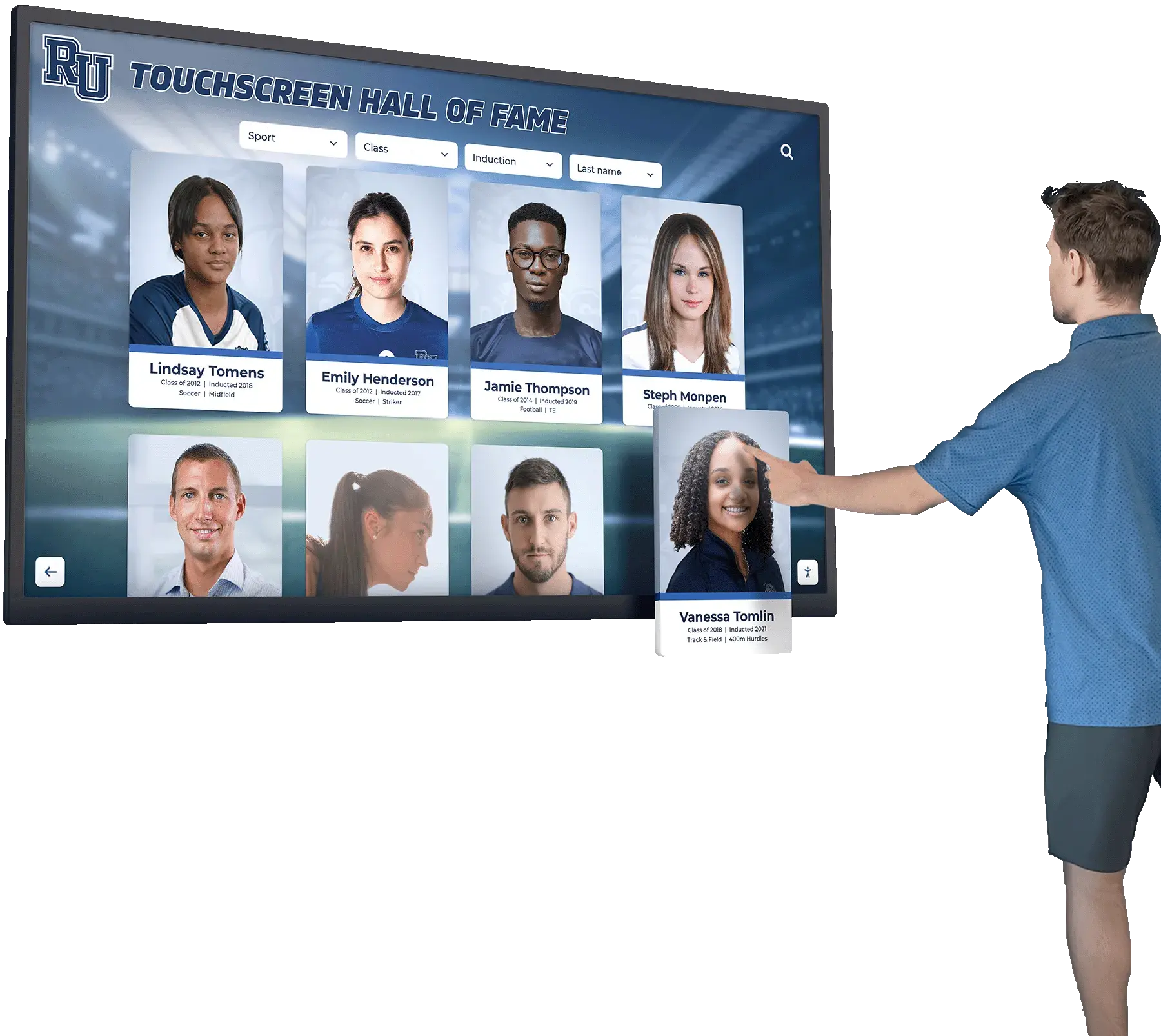
- Powerful search and filtering: Name search, graduation year filtering, score range search, and college destination filtering enabling visitors to discover specific students or explore achievement patterns
- Automatic alphabetization and organization: Systems maintaining proper sorting as content grows without manual reordering
- Multi-display content distribution: Central management allowing content updates to propagate across multiple displays simultaneously
- Web accessibility beyond physical displays: Complementary web platforms extending recognition to families, alumni, and global audiences unable to visit campus
- Analytics and engagement tracking: Reporting showing who interacts with displays, popular search terms, peak usage times, and content engagement patterns
- Social media integration: One-click sharing enabling students to distribute their recognition through personal networks
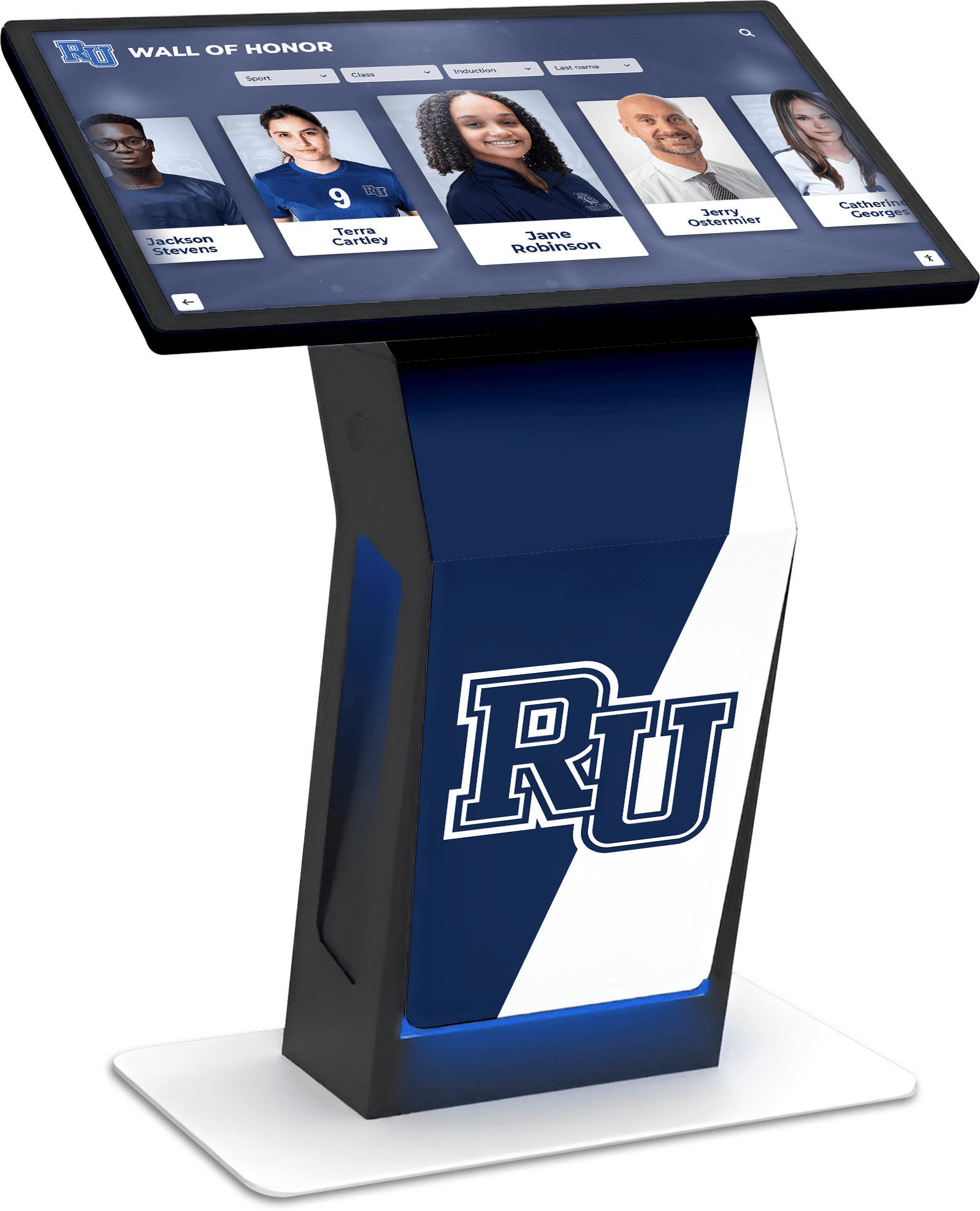
Purpose-Built Recognition Platforms vs. Generic Digital Signage: Generic digital signage software designed for advertising or wayfinding poorly serves recognition needs. These systems lack student profile databases, search functionality, individual achievement pages, and educational recognition workflows—requiring extensive customization that never achieves the user experience of purpose-built platforms.
Solutions like Rocket Alumni Solutions provide comprehensive recognition platforms specifically designed for educational institutions, delivering both physical touchscreen displays and web accessibility through unified content management systems requiring no technical expertise. These purpose-built platforms understand educational recognition requirements including FERPA compliance, appropriate privacy controls, intuitive counselor-focused interfaces, and proven templates optimized for student achievement celebration.
Designing Engaging User Experiences
Technology serves recognition goals only when users actually engage with content. Interface design fundamentally shapes whether displays generate genuine interest or become ignored background fixtures.
Welcome Screen and Navigation Design: Initial display screens must instantly communicate purpose while inviting interaction. Effective welcome designs include clear prominent heading (“ACT 30+ Club Hall of Excellence”), concise purpose statement (2-3 sentences explaining what recognition celebrates), visual call-to-action prompting touch interaction (“Touch anywhere to explore”), eye-catching imagery featuring recognizable student photos, and school branding connecting recognition to institutional identity.
Navigation menus should offer multiple discovery pathways accommodating different user goals: search by name for finding specific students, browse by year for exploring graduating class cohorts, filter by score range for viewing highest achievers, random profile highlighting for discovering unexpected achievements, and browse all for comprehensive exploration.
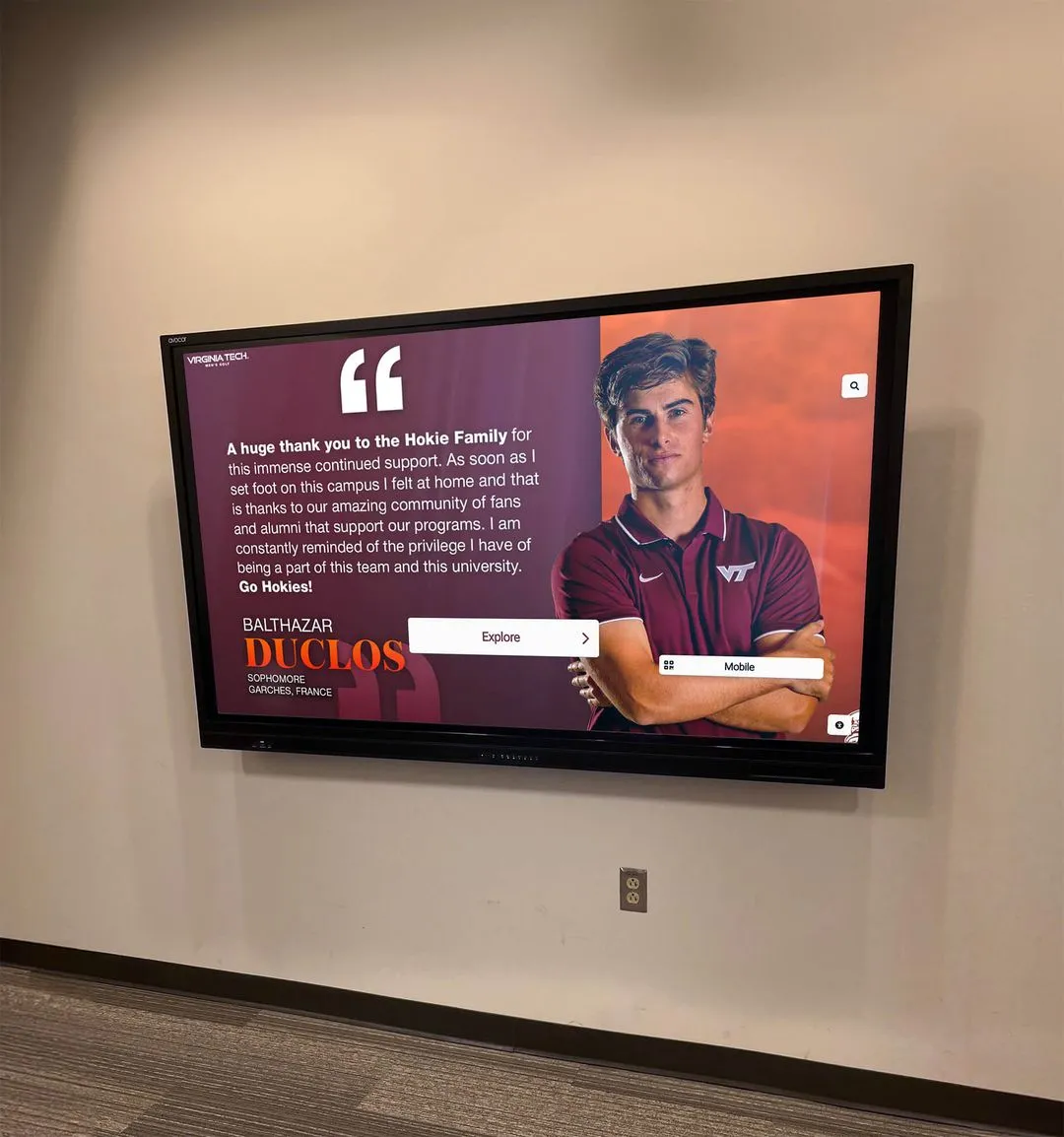
Individual Profile Page Design: Student profiles represent the core content experience. Effective layouts dedicate upper-third to high-quality student photography, display names and scores prominently, organize biographical information in scannable formats, include compelling quotes or statements creating personal connection, and integrate social sharing buttons enabling one-click distribution.
Visual hierarchy guides attention to most important elements—names, scores, photos—before secondary details like college destination or preparation advice. White space prevents overwhelming density while maintaining professional appearance. Consistent typography and color schemes create coherent visual experience across hundreds of individual profiles.
Accessibility and Inclusive Design: Recognition programs serve diverse audiences including younger students, families, alumni, prospective students, and visitors. Accessible design ensures all users can engage regardless of ability:
- Sufficient text size readable from typical touchscreen viewing distances (3-5 feet)
- High contrast between text and backgrounds ensuring legibility under varied lighting
- Touch targets sized appropriately (minimum 44×44 pixels) for easy interaction without precision
- Simple language avoiding jargon or acronyms that confuse audiences unfamiliar with testing terminology
- Alternative navigation pathways beyond touch for displays with companion web access
Understanding best practices for interactive display design ensures recognition platforms create engaging, accessible experiences maximizing community engagement.
Launching Your Recognition Program Successfully
Implementation quality determines whether ACT 30+ programs generate intended cultural impact or become underutilized displays fading into background noise.
Building Initial Content and Historical Archives
Most schools possess years or decades of ACT achievement history deserving recognition. Comprehensive launches balance current year prominence with historical documentation demonstrating sustained program strength.
Gathering Current Achievement Data: Establish systematic workflows for collecting current ACT 30+ achievers through counseling office test score records, senior surveys collecting testing information and biographical content, student photo collection from yearbook or school photographers, college destination information from college counseling or senior exit surveys, and scholarship data tracking awards secured.
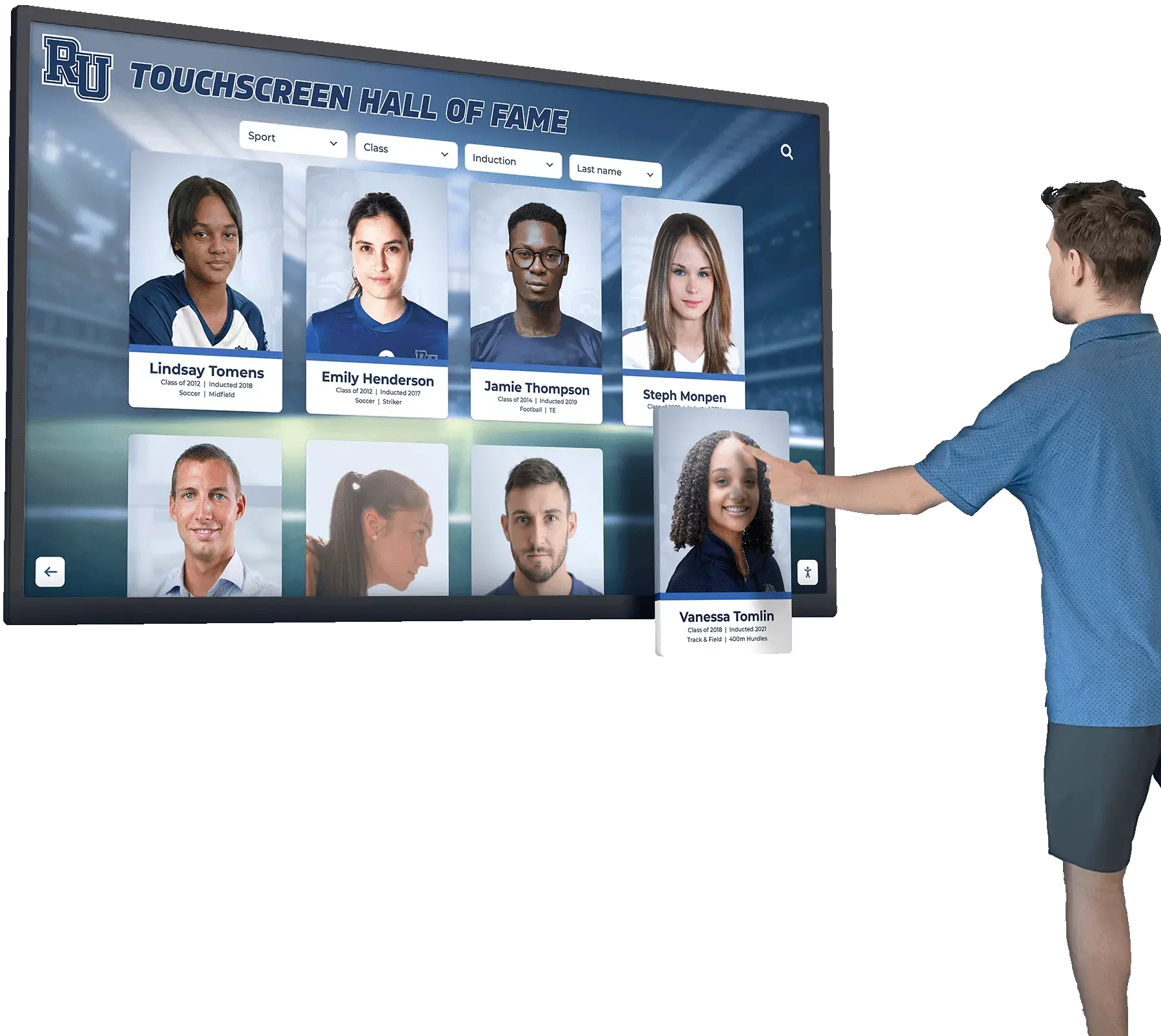
Most schools should plan 2-4 weeks for initial content collection given typical senior survey response rates and follow-up requirements securing complete information from all qualifying students.
Historical Achievement Research: Building comprehensive archives requires systematic research through historical records including past years’ testing data if retained in accessible formats, yearbooks identifying National Merit Scholars and academic award recipients likely achieving ACT 30+, college acceptance lists showing students admitted to highly selective institutions (probable high scorers), and alumni outreach requesting graduates self-report historical ACT achievement.
Historical research often takes substantially longer than anticipated—plan accordingly and consider phased approaches beginning with most recent 3-5 years, then systematically adding earlier graduating classes during summer months when other demands lighten.
Many schools discover that comprehensive historical data proves unrecoverable, particularly for graduating classes 10+ years ago when digital record-keeping was less robust. In these cases, focus on recent years with reliable data while inviting alumni to self-submit historical achievements through simple online forms—gradually building archives as alumni engage.
Strategic Launch Timing and Communication
Recognition program launches deserve promotion generating awareness, explaining purpose, and encouraging engagement from students, families, and broader school communities.
Optimal Launch Timing: Fall semester launches align well with ACT recognition since summer testing results become available in late summer and students have returned to campus. Fall timing also positions recognition early in academic years when juniors and sophomones begin considering their own testing timelines—maximizing motivational impact.
Coordinate launches with existing school calendar events: back-to-school nights when families visit campus, college planning evenings focused on admission and testing, academic awards ceremonies celebrating scholarly achievement, or special dedication events specifically celebrating the new recognition program.
Multi-Channel Communication Strategy: Comprehensive promotion ensures all stakeholders learn about new recognition:
- School website homepage features: Prominent announcement with photos of the display and featured students
- Social media campaigns: Facebook, Instagram, Twitter posts highlighting individual ACT 30+ achievers and encouraging exploration
- Email newsletters: Messages to families explaining program purpose and encouraging campus visits to engage with displays
- Assembly announcements: Brief presentations introducing recognition and celebrating featured students
- Local media outreach: Press releases to community newspapers celebrating academic excellence and modern recognition approaches
- PTO/booster communication: Messages to parent organizations building awareness and potential financial support
- Alumni network announcements: Communications highlighting historical achievement documentation and encouraging alumni engagement
Sustained multi-week launch campaigns generate far greater awareness and engagement than single announcement approaches. Plan for 4-6 week promotional periods with varied messaging maintaining interest without becoming repetitive.
Establishing Sustainable Update Processes
Recognition programs require ongoing content management maintaining currency as new students achieve ACT 30+ status and ensuring displays remain accurate, engaging, and reflective of current achievement.
Annual Update Workflows: Establish predictable yearly cycles aligned with natural school rhythms:
Spring (March-May): Survey juniors and seniors who tested during fall/winter, collect preliminary biographical information and photos, begin profile creation for graduating seniors including college destinations and scholarship awards.
Summer (June-August): Process summer test score releases as students receive results, complete senior profile content with final college enrollment decisions, conduct any historical research or archive expansion during lighter demand periods, and prepare launch communications for fall ACT 30+ Club additions.
Fall (September-November): Update displays with new graduates who tested over summer, celebrate new additions through assembly announcements and social media, collect junior testing information for students who tested in September/October, and prepare for spring SAT/ACT testing season.
Winter (December-February): Process fall testing results as they become available, begin outreach to juniors and seniors encouraging testing and spring test registration, and review display analytics identifying popular content and underutilized features.
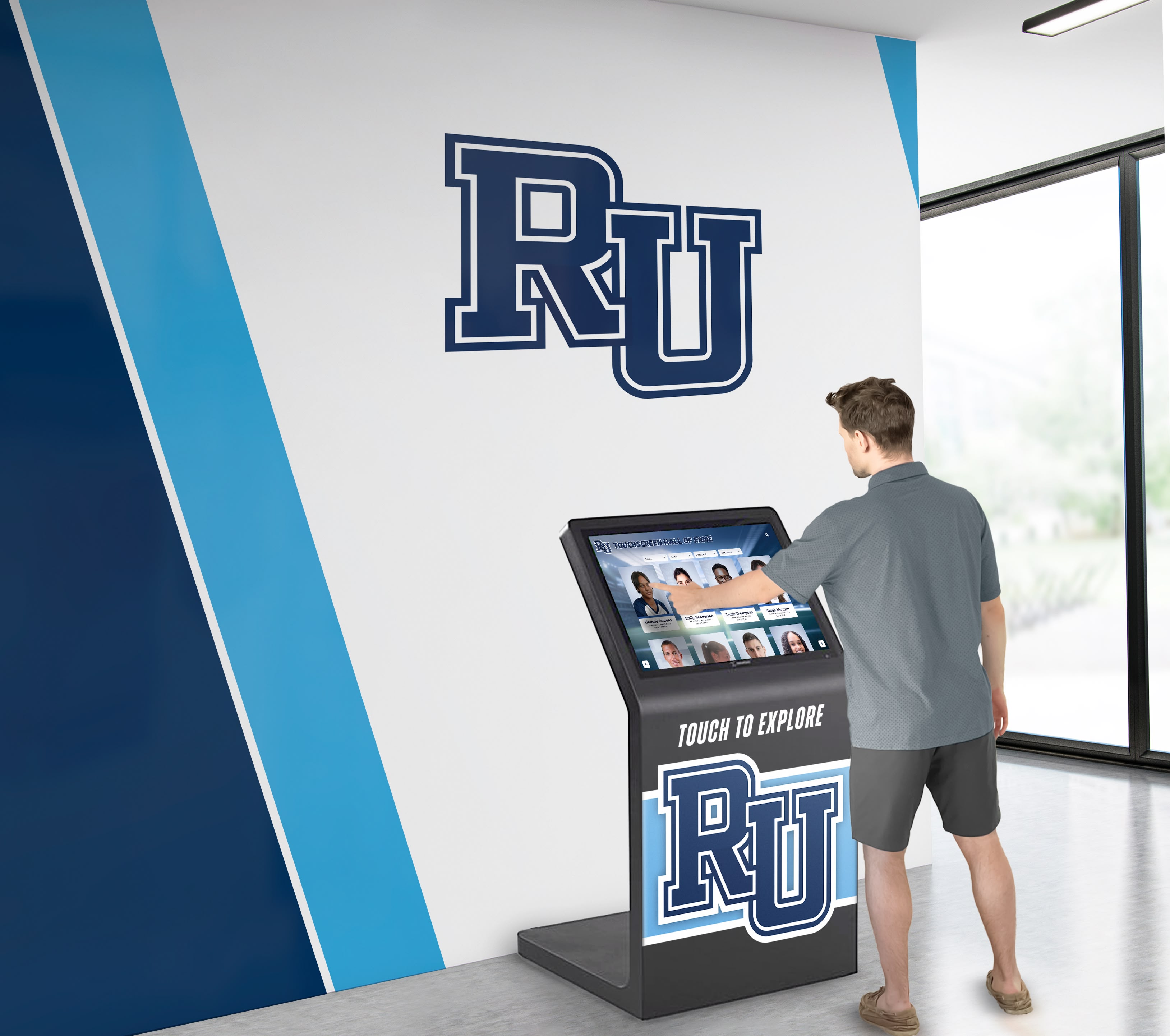
Designated Responsibility and Accountability: Recognition programs require clear ownership preventing programs from becoming “everyone’s responsibility” meaning nobody takes accountability. Typical responsible parties include college counselors who already work closely with testing data and college planning, academic counselors with access to testing records and student information, testing coordinators managing ACT/SAT administration and score reporting, or designated recognition coordinators specifically responsible for academic acknowledgment programs.
Regardless of specific assignment, ensure the responsible party receives dedicated time allocation, clear performance expectations, administrative support for content collection, and resources including software training and photo access. Recognition management should appear in formal job descriptions and annual performance evaluations ensuring genuine accountability rather than relegated to “additional duties as assigned” that receive insufficient attention.
Measuring Recognition Impact and Program Success
Systematic assessment demonstrates program effectiveness while identifying improvement opportunities ensuring recognition initiatives achieve intended cultural goals and justify resource investments.
Engagement Analytics and Usage Patterns
Digital recognition platforms provide comprehensive data revealing how students, families, and visitors interact with ACT 30+ content.
Key Performance Indicators:
- Total unique visitors: Individuals accessing touchscreen displays or companion web platforms, indicating overall program reach
- Session duration: Average time spent exploring content per visit, with 4-8 minute sessions indicating genuine engagement versus brief cursory glances
- Return visitor rate: Percentage of users engaging multiple times, demonstrating sustained interest beyond initial curiosity
- Profiles viewed per session: Number of student profiles explored per visit, showing discovery depth and browsing engagement
- Search patterns: Most common search terms, popular filters (graduation year, score ranges, colleges), and navigation pathways
- Peak usage times: When displays experience highest traffic, informing optimal locations for additional displays or promotional timing
- Social sharing frequency: How often students distribute their recognition through personal social networks, amplifying reach beyond direct visitors
Baseline measurements following initial launch establish benchmarks for tracking engagement trends quarterly. Analytics reviews identify successful content types warranting expansion, underutilized features requiring interface refinement, and changing patterns suggesting seasonal promotion opportunities.
Cultural Impact and Stakeholder Feedback
Beyond quantitative metrics, qualitative feedback reveals recognition program influence on school culture, student motivation, and community perceptions.
Stakeholder Feedback Methods:
Student Surveys and Focus Groups: Structured discussions with current students exploring whether they notice ACT recognition, perceive it as meaningful motivation, understand testing importance for their future planning, and believe academic recognition receives appropriate visibility compared to other achievement types. Annual surveys tracking these perceptions over time reveal whether recognition programs strengthen academic culture as intended.
Family Satisfaction Assessment: Parent perspectives on recognition visibility, communication quality about their students’ achievements, ceremony or celebration meaningfulness, and perceived impact on student motivation provide critical feedback. Family engagement often indicates recognition quality more reliably than student feedback since parents frequently drive testing preparation support and celebrate academic accomplishments with particular enthusiasm.
Teacher and Counselor Observations: Educators notice whether students discuss ACT goals more frequently, show increased interest in college preparatory programs, seek testing preparation resources, and demonstrate stronger achievement orientation. Counselor feedback proves particularly valuable since they engage daily with students around college planning topics directly connected to standardized testing.
Alumni Reflections: Graduates returning to campus or surveyed through alumni networks provide retrospective assessment of what recognition meant to them, how it influenced their academic engagement, whether it created lasting school pride, and how they perceive their school’s academic culture in hindsight compared to initial student experiences.
Regular feedback collection—annual comprehensive surveys, quarterly brief pulse checks—ensures programs remain responsive to stakeholder needs rather than operating on administrative assumptions potentially disconnected from actual user experiences.
Academic Outcome Correlations
While establishing direct causation between recognition programs and academic outcomes proves methodologically challenging, monitoring key indicators reveals whether desired changes accompany recognition implementation.
Academic Performance Indicators:
- ACT Participation Rates: Percentage of juniors and seniors taking the ACT, with increases potentially reflecting heightened testing awareness and motivation
- Average ACT Performance: Mean scores across all test-takers, with improvements suggesting enhanced preparation culture
- ACT 30+ Club Growth: Number of students achieving 30+ scores annually, with increases validating program success inspiring more elite performance
- Rigorous Coursework Enrollment: AP, IB, honors, and dual enrollment participation trends, as strong testing performance and challenging coursework reinforce each other
- College Admission Outcomes: Acceptance rates at selective institutions and honors program admission for graduating classes
- Scholarship Awards: Merit-based scholarship totals secured by graduates, with ACT 30+ achievers typically qualifying for substantial awards
According to educational psychology research published in the Journal of Educational Psychology, visible recognition of academic achievement correlates with increased student motivation to pursue similar accomplishments. While multiple factors influence academic outcomes beyond recognition alone, systematic monitoring examining pre- and post-implementation trends provides reasonable program impact assessment while acknowledging confounding variables.
Understanding how to measure the ROI of digital recognition systems provides comprehensive frameworks for documenting program value through quantitative metrics and qualitative impact assessment.
Expanding Recognition Beyond the Display
While physical touchscreen displays serve on-campus audiences effectively, comprehensive recognition strategies extend celebration through complementary channels amplifying impact and engagement.
Web-Based Recognition Extending Global Access
Companion web platforms make ACT 30+ recognition accessible to families anywhere, alumni revisiting their achievements, prospective students evaluating school academic strength, scholarship committees researching applicants, and college admission representatives understanding school academic profile.
Essential Web Platform Features:
- Mobile-responsive design: Recognition displaying effectively across smartphones, tablets, and desktop computers matching how most users access web content
- Powerful search and filtering: Name search, graduation year ranges, college destination, and scholarship awards enabling targeted discovery
- Permanent accessibility: Complete recognition history remaining online indefinitely rather than disappearing after academic years end
- Social media sharing: One-click distribution to Facebook, LinkedIn, Twitter enabling students to share achievements through personal networks
- SEO optimization: Ensuring ACT 30+ Club pages rank well in searches for school name + academic recognition terms
- Integration with school websites: Seamless navigation between main institutional sites and recognition platforms creating unified web presence
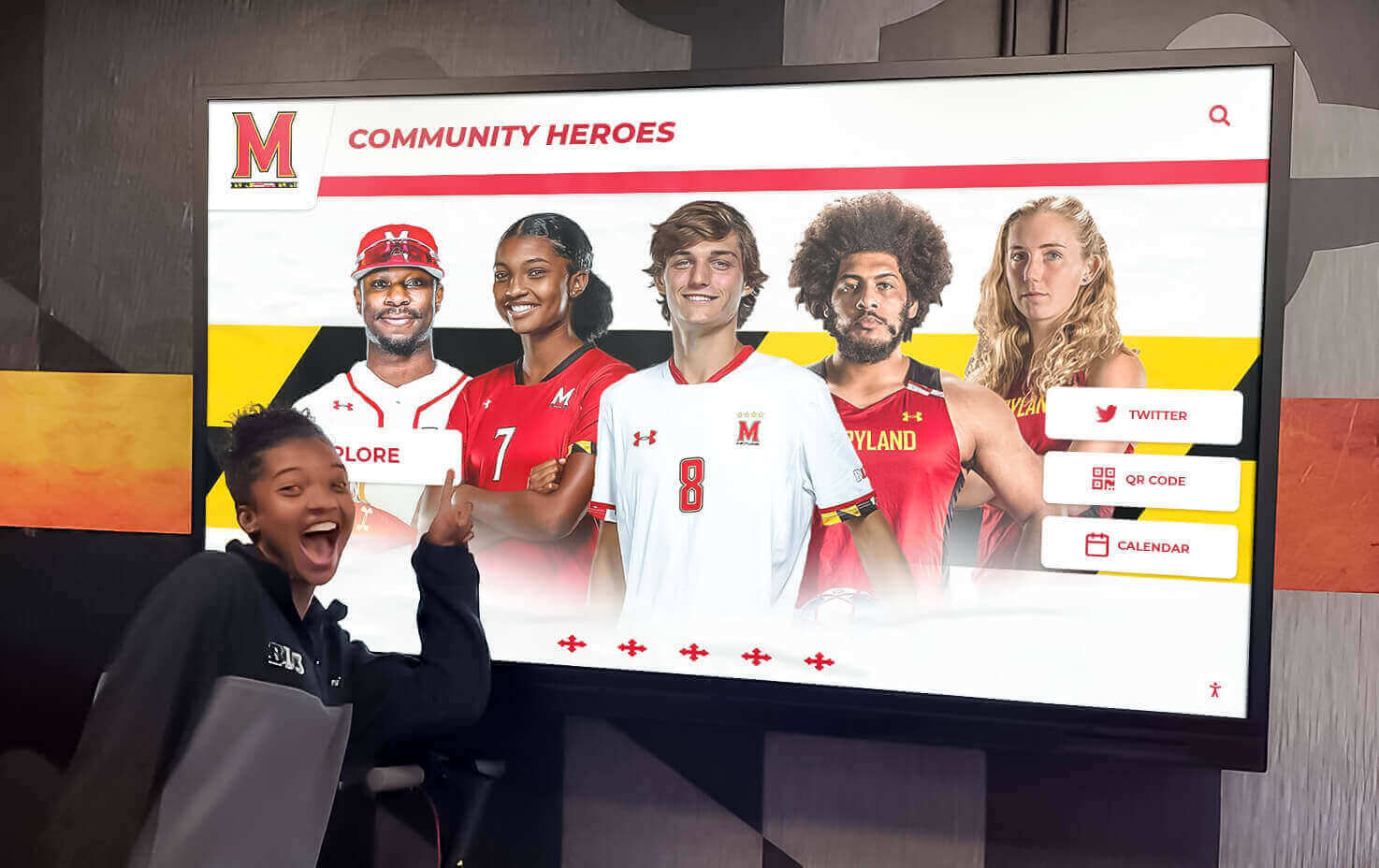
Web accessibility proves particularly valuable when families share achievements with extended relatives in distant locations, alumni explore whether classmates achieved recognition, prospective families evaluate school academic culture during college search processes, and students include recognition links in college applications or scholarship submissions demonstrating their achievement through official school validation.
Social Media Integration and Organic Sharing
Modern students share accomplishments through Instagram stories, Facebook posts, Twitter updates, and LinkedIn profiles. Recognition programs that facilitate effortless social sharing amplify celebration far beyond physical display visibility.
Social Sharing Best Practices:
- Individual profile share buttons: Every student profile should include prominent social sharing buttons enabling one-click posting with pre-populated text and embedded images
- Shareable achievement graphics: Automatically generated images featuring student photos, scores, school logos, and achievement details optimized for social media dimensions
- Hashtag campaigns: School-specific hashtags (#YourSchool30Club, #YourSchoolACTElite) encouraging students to tag posts creating discoverable collections
- School social media features: Official school accounts highlighting individual ACT 30+ achievers weekly throughout school years maintaining consistent celebration
- Student-generated content campaigns: Encouraging achievers to post about preparation journeys, testing experiences, and advice for younger students creating authentic peer influence
- Alumni engagement initiatives: Inviting past ACT 30+ Club members to share current accomplishments and reflect on how strong testing performance influenced their educational and career trajectories
According to social media research, peer-generated content celebrating achievement generates substantially stronger motivational impact on younger students than official institutional messaging. When current sophomores and juniors see slightly older classmates celebrating ACT 30+ achievement through personal social channels, abstract possibilities transform into concrete achievable goals with visible pathways modeled by relatable near-peers.
Annual Celebration Events and Ceremonies
Digital recognition provides continuous year-round visibility, but dedicated celebration events create memorable moments honoring achievers while generating awareness among broader school communities.
Recognition Event Formats:
ACT 30+ Club Induction Ceremony: Annual fall event inducting new members who achieved 30+ scores during previous academic year. Ceremonies might include personalized certificates or medallions commemorating achievement, formal recognition with photo opportunities, brief speeches from highest scorers offering advice to underclassmen, principal or superintendent remarks celebrating academic excellence, and reception enabling family attendance and celebration.
Academic Awards Night Integration: Schools with established academic recognition ceremonies should dedicate prominent segments to ACT 30+ Club recognition equal in emphasis to subject-specific department awards. This integration ensures standardized test achievement receives equivalent celebration to other academic accomplishments.
College Signing Day Recognition: Events celebrating college commitments should highlight ACT 30+ achievers and their college destinations, explicitly connecting elite test performance to admission success at selective institutions. This tangible outcome demonstration motivates underclassmen contemplating their own testing preparation.
Testing Preparation Kickoff Events: Junior and sophomore orientations introducing ACT preparation programs gain credibility and motivational power when current ACT 30+ Club members share experiences, preparation strategies, and outcomes resulting from their achievement. Peer advice resonates more powerfully than adult encouragement alone.
Combining continuous digital recognition with periodic celebration events creates comprehensive acknowledgment addressing varied engagement preferences—some students prefer quiet recognition while others thrive in ceremony spotlights. Multi-channel approaches ensure all achievement receives appropriate celebration through formats matching individual preferences and family cultural expectations.
Connecting ACT Recognition to Broader Academic Culture
While ACT 30+ Club celebration represents valuable recognition, the most effective programs integrate standardized test achievement into comprehensive academic recognition ecosystems celebrating diverse excellence forms.
Complementary Academic Recognition Programs
Position ACT recognition within holistic frameworks acknowledging varied accomplishment dimensions:
SAT High Achievers: Schools should provide equivalent recognition for SAT achievement (typically 1400+ on 1600-point scale representing similar elite performance tier). Integrated platforms celebrating both ACT 30+ and SAT 1400+ Club ensure recognition encompasses all standardized testing paths without preference suggesting one test matters more than the other.
National Merit Recognition: Many ACT 30+ achievers also earn National Merit recognition through PSAT performance. National Merit Scholar recognition programs deserve equal prominence, with integrated displays showing relationships between standardized test excellence and prestigious scholarship recognition.
AP Scholar Awards: Elite ACT performance often accompanies strong AP exam achievement. Comprehensive recognition celebrating both standardized testing and college-level coursework demonstrates that academic excellence manifests across multiple assessment formats. Understanding AP Scholar recognition best practices helps schools develop integrated celebration of related achievements.
Academic Competition Success: Students achieving ACT 30+ frequently participate in academic competitions including science fairs, math leagues, debate tournaments, robotics challenges, and scholarly competitions. Connecting standardized test recognition to competition achievement shows how intellectual engagement extends across varied academic domains beyond classroom performance alone.
Honor Roll and GPA Recognition: While ACT scores assess college-readiness skills, GPA reflects sustained performance across comprehensive coursework. Integrated recognition honoring both dimensions provides complete pictures of academic excellence rather than suggesting standardized test scores represent sole achievement metrics worth celebrating.
Comprehensive frameworks prevent academic recognition from feeling fragmented into disconnected programs competing for attention. Instead, integrated displays show how various achievements interconnect, creating complete narratives about students’ academic journeys and multifaceted scholarly excellence.
Balancing Academic and Athletic Recognition
One of most common complaints from families concerns disparity between prominent athletic recognition and minimal academic acknowledgment. Addressing this imbalance requires intentional strategies:
Visibility Equity: Audit current recognition space allocation. If athletic achievements occupy prime entrance trophy cases while academic recognition receives bulletin board space in back hallways, institutional value messages are clear regardless of stated priorities. Ensure ACT 30+ recognition receives placement and prominence proportional to achievement significance—at minimum equal to athletic recognition, arguably greater given education’s fundamental academic mission.
Presentation Quality Standards: Athletic recognition often features professional designs, high-quality materials, and polished presentation funded by booster organizations. Academic recognition should meet or exceed these standards. Digital showcase boards enable professional presentation quality regardless of budget limitations since content resides in software rather than expensive physical materials requiring ongoing replacement as displays age or damage.
Update Frequency and Currency: Athletic displays often update regularly as seasons progress—new championships celebrated, records updated, current athletes featured. Academic recognition deserves equal attention to currency. Digital platforms enable real-time updates ensuring academic achievement receives timely acknowledgment matching athletic success celebration speed.
Cultural Messaging and Administrative Priority: Regular principal communications highlighting ACT 30+ achievers, assembly time dedicated to academic recognition equal to athletic celebrations, website homepage features spotlighting testing excellence, and board meeting reports emphasizing academic achievement all signal genuine institutional priorities regardless of physical displays alone.
Resources on creating balanced recognition programs across achievement types help schools develop equitable approaches honoring academic and athletic excellence appropriately without diminishing either accomplishment form.
Future-Proofing Your Recognition Investment
Technology investments should remain relevant and effective across multi-year or multi-decade timeframes rather than requiring replacement within 2-3 years due to obsolescence or inadequate capability.
Scalability and Long-Term Content Growth
Recognition programs accumulate content continuously as new graduating classes add ACT 30+ achievers annually. Technology selections must accommodate unlimited growth without degraded performance, additional fees, or eventual migration requirements.
Platform Scalability Considerations:
- Unlimited profile capacity: Avoid per-student licensing models that become cost-prohibitive as recognition scales to hundreds or thousands of profiles across decades
- Performance maintenance: Ensure search and browsing speeds remain fast regardless of whether platforms contain 50 or 5,000 students
- Storage scalability: Verify that photo storage, video content, and multimedia archives can grow indefinitely without hitting capacity limits requiring paid expansions
- Multi-display expansion: Choose platforms enabling addition of supplementary displays as budgets allow without complete system replacement
Purpose-built recognition platforms like Rocket Alumni Solutions design specifically for unlimited scalability, anticipating that successful programs grow substantially beyond initial implementations. Generic digital signage alternatives typically impose profile limits, per-user fees, or performance degradation making them unsuitable for comprehensive long-term academic recognition.
Software Updates and Feature Evolution
Educational technology evolves continuously. Recognition investments should include ongoing software improvements ensuring platforms remain current with emerging best practices, interface conventions, and user expectations.
Long-Term Software Support:
- Regular feature enhancements: Vendors continuously improving platforms based on educational client feedback and emerging technology capabilities
- Security updates: Ongoing patches addressing vulnerabilities and maintaining data protection standards
- Compatibility maintenance: Ensuring recognition platforms remain functional as web browsers, operating systems, and devices evolve
- Design refreshes: Periodic interface updates preventing recognition from appearing dated as visual design trends evolve
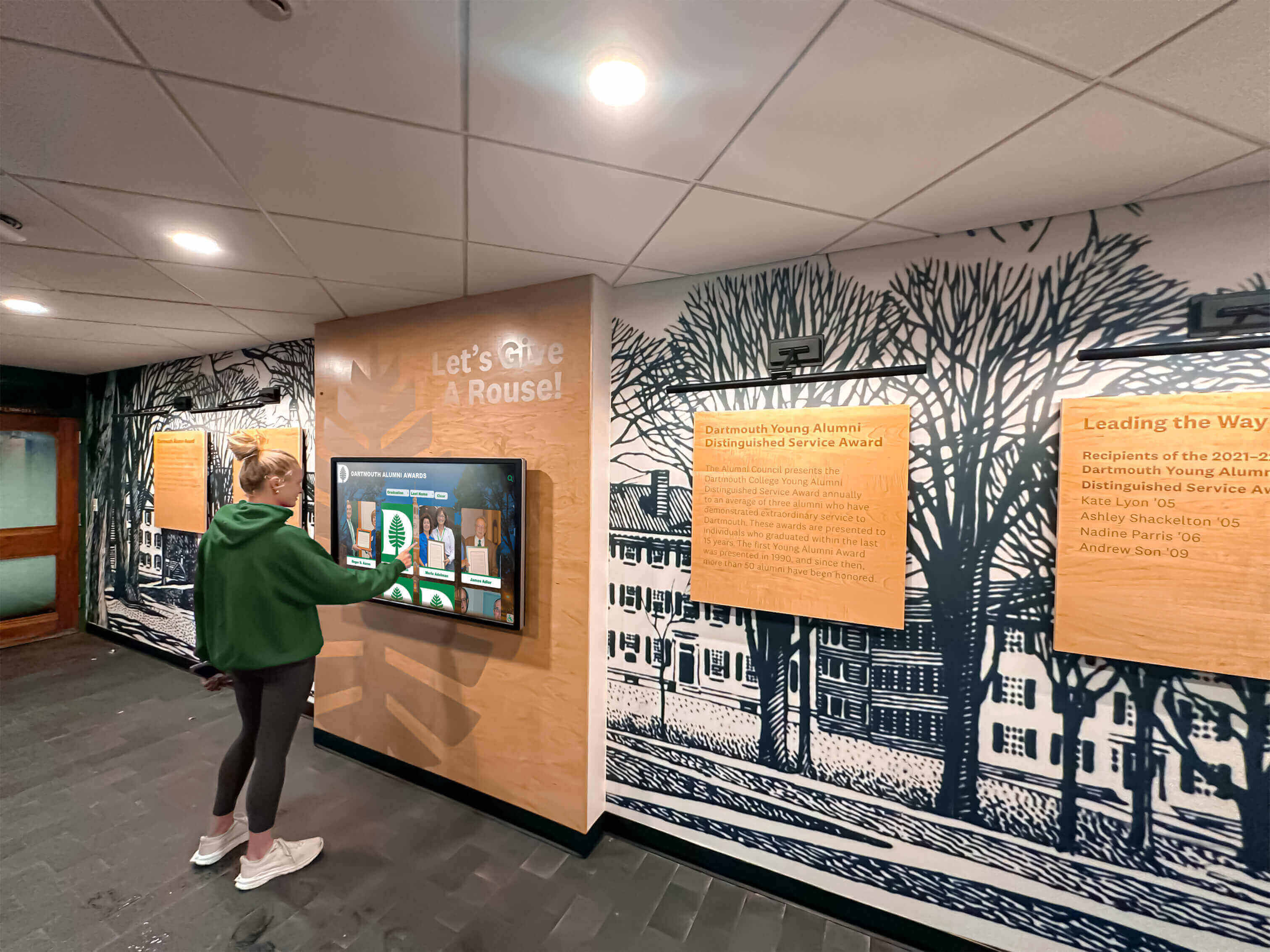
Vendor selection should prioritize established companies demonstrating long-term commitment to educational recognition markets rather than startups that may discontinue products or exit markets leaving schools without support. References from schools using platforms for 5+ years provide evidence of sustained vendor commitment and product viability.
Integration with Emerging Technologies
Forward-looking platforms accommodate integration with emerging educational technologies creating richer recognition experiences and connections to broader school systems.
Future Integration Opportunities:
Digital Credential Systems: As comprehensive digital credential platforms gain adoption, recognition systems will integrate with credential databases enabling students to download verified ACT 30+ Club credentials for college applications, scholarship submissions, and professional portfolios. Blockchain-verified credentials provide tamper-proof achievement documentation complementing traditional transcripts.
Learning Management System Connections: Integration with Schoology, Canvas, Google Classroom, or other LMS platforms could enable automatic recognition population as students achieve qualifying scores documented in school information systems, reducing manual data entry and ensuring timely recognition.
Alumni Engagement Platforms: Connecting ACT 30+ recognition to comprehensive alumni directories enables long-term relationship building where schools maintain contact with high-achieving graduates, invite them for mentoring participation, and track their professional accomplishments demonstrating educational program effectiveness.
Artificial Intelligence Content Enhancement: AI capabilities will enable natural language search (“show me biology majors who scored 33+ and attended Big Ten schools”), automated achievement narrative generation from statistical data, and intelligent recommendations suggesting related profiles based on browsing patterns.
Understanding future trends in digital recognition technology helps schools make forward-looking investments remaining effective across extended timeframes as educational technology ecosystems evolve.
Implementation Roadmap: From Planning to Launch
Schools ready to implement ACT 30+ Club digital recognition benefit from structured implementation timelines ensuring thorough planning, systematic execution, and successful launches generating intended cultural impact.
Phase 1: Planning and Design (2-3 Months)
Form recognition committee including academic counselors, testing coordinators, administrators, department chairs, parent representatives, and student input when appropriate. Committee responsibilities include defining recognition criteria and inclusion standards, developing content requirements and profile elements, establishing privacy policies and opt-out procedures, selecting technology platform through vendor evaluation, and planning budget and identifying funding sources.
Conduct needs assessment examining current recognition approaches identifying gaps, desired outcomes including engagement goals and cultural objectives, optimal display locations through traffic pattern analysis, content availability including historical data access, and stakeholder input through surveys or focus groups.
Develop implementation budget covering touchscreen display hardware ($3,000-$8,000 depending on size), software platform setup and licensing ($2,000-$5,000 initial, $800-$2,500 annual), professional installation and mounting ($800-$2,000), initial content development ($1,500-$4,000 depending on historical depth), design customization with school branding ($500-$2,000), and training and support allocation ($500-$1,500).
Total initial investment typically ranges $8,300-$22,500 depending on scope, display size, and historical content depth. Most schools fund ACT recognition through academic department budgets, PTO contributions, academic booster organizations, educational foundation grants, or general facilities/technology improvement budgets.
Phase 2: Technology Acquisition and Setup (1-2 Months)
Complete vendor selection through RFP processes if required by district procurement policies, vendor demonstrations evaluating platforms against requirements, reference checks with similar institutions, pilot testing when feasible before full commitment, and contract negotiation addressing licensing terms and support levels.
Procure and install hardware including display ordering with adequate lead time, professional installation planning and execution, electrical work if additional circuits needed, secure mounting ensuring safety and stability, and network connectivity establishing reliable internet access for content updates.
Configure software platforms through admin account setup and permission assignment, school branding implementation including logos and color schemes, content template customization matching desired profile formats, search and filtering configuration enabling desired discovery pathways, and web platform setup for online accessibility beyond physical displays.
Phase 3: Content Development and Testing (2-3 Months)
Gather current year data including ACT 30+ achiever identification from testing records, student surveys collecting biographical information and photos, college destination and scholarship information, student statements or advice for test preparation, and teacher nominations highlighting notable student qualities.
Develop historical archives when feasible by reviewing past testing records and yearbooks, outreach to alumni requesting self-reported achievement information, photo sourcing from archived yearbooks or family submissions, and phased implementation starting with recent classes if complete history proves unrecoverable.
Create and review profiles using content templates for consistent visual presentation, photo optimization ensuring professional quality and proper formatting, profile accuracy verification through student review before publication, and bulk profile upload when platforms support efficient batch processing.
Conduct testing and refinement including staff testing of all features and workflows, student focus group feedback on interface usability and engagement, display optimization adjusting brightness, contrast, and positioning, and content refinement addressing any issues identified during testing.
Phase 4: Launch and Promotion (1 Month)
Coordinate strategic launch during optimal timing such as fall when new school year begins, align with existing events like back-to-school nights or college planning programs, plan dedication ceremony if appropriate featuring keynote speakers and formal unveiling, and invite media coverage through press releases to local newspapers highlighting academic excellence.
Execute comprehensive communications through homepage website features prominently showcasing new recognition, social media campaigns highlighting individual achievers and encouraging exploration, email newsletters to families explaining program purpose and encouraging campus visits, assembly announcements introducing recognition and celebrating featured students, signage near displays explaining ACT 30+ Club significance and encouraging interaction, and PTO announcements building parent awareness and potential ongoing support.
Monitor initial engagement tracking display analytics showing usage patterns and popular features, collecting user feedback through brief surveys or informal discussions, observing student interaction patterns and identifying navigation challenges, and gathering stakeholder reactions from counselors, teachers, administrators, and families.
Phase 5: Sustained Operation and Evolution (Ongoing)
Establish update rhythms with annual additions of new ACT 30+ achievers aligned with testing cycle, quarterly content reviews ensuring accuracy and currency, seasonal promotional campaigns maintaining awareness during peak testing seasons, and regular analytics reviews identifying successful elements and improvement opportunities.
Continuous improvement based on engagement data showing popular features and underutilized components, stakeholder feedback revealing satisfaction and enhancement desires, technology updates as vendors release new capabilities, and content enrichment expanding profile depth as resources allow.
Long-term program evolution gradually expanding historical archives as resources permit, adding supplementary displays in additional locations, integrating with complementary recognition programs like AP Scholar or National Merit celebration, and sharing success stories through educational conferences, publications, or vendor case studies helping other schools implement similar recognition.
Conclusion: Honoring Academic Excellence Through Modern Recognition
ACT 30+ achievement represents extraordinary academic accomplishment placing students among the nation’s highest-performing test-takers, opening doors to competitive college admissions and substantial scholarship opportunities, demonstrating comprehensive academic strength across diverse content areas, and validating years of sustained intellectual development and rigorous college preparation. These remarkable achievements deserve recognition equal in prominence, quality, and permanence to athletic championships, artistic performances, or any other form of excellence schools celebrate.
Digital showcase boards transform how schools honor ACT 30+ Club achievement by creating engaging, accessible, and permanent displays that inspire current students while appropriately acknowledging elite scholars. Unlike traditional approaches limited by space constraints, outdated presentation, or inadequate visibility, digital recognition provides unlimited capacity accommodating decades of achievement, rich multimedia storytelling bringing accomplishments to life, automatic updates maintaining currency and relevance, global web accessibility extending celebration beyond campus visitors, and sustainable operations through intuitive management requiring no technical expertise.
Schools implementing comprehensive ACT recognition report measurable benefits including increased standardized testing participation and performance, enhanced school pride in academic excellence and college preparation, stronger relationships between achievement and opportunity visibility, improved college admission and scholarship outcomes, balanced recognition equity addressing academic-athletic disparities, and strengthened culture valuing intellectual challenge and academic risk-taking behavior.
For schools beginning recognition programs or enhancing existing approaches, purpose-built platforms designed specifically for educational institutions provide comprehensive capabilities without requiring technical expertise. Rocket Alumni Solutions delivers turnkey digital recognition systems combining powerful technology, professional implementation, proven educational frameworks, and ongoing support ensuring programs succeed from launch through years of sustainable operation.
The most successful ACT 30+ Club recognition programs share essential characteristics: prominent placement communicating genuine institutional commitment, comprehensive inclusion celebrating all elite achievement, rich content bringing recognition to life, timely updates maintaining relevance, integration with broader academic ecosystems, measurable impact on culture and motivation, sustainable operations through efficient workflows, and demonstrated value justifying continued investment.
Every ACT 30+ achiever represents hundreds of hours of dedicated preparation, intellectual courage attempting college-level assessment, and proven mastery placing them among the nation’s academic elite. These students deserve recognition that honors their commitment while inspiring peers to pursue similar challenges. Modern digital showcase boards make these aspirations achievable for schools committed to celebrating academic excellence with the prominence it deserves.
Ready to implement comprehensive ACT 30+ Club recognition at your school? Book a demo to explore how Rocket Alumni Solutions provides purpose-built platforms designed specifically for educational recognition, enabling schools to honor testing excellence without space limitations, technical complexity, or sustainability concerns—ensuring your scholars receive the lasting acknowledgment their extraordinary achievements deserve.