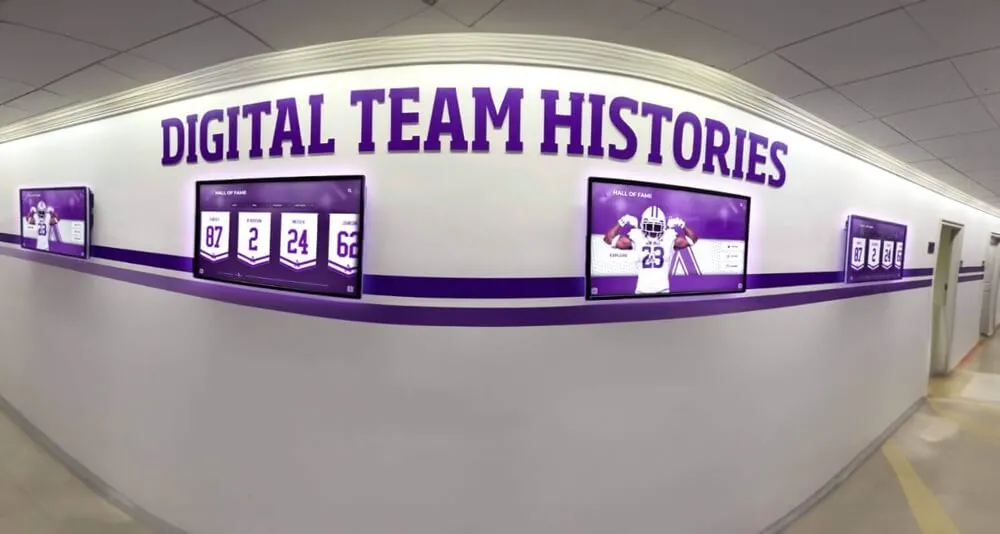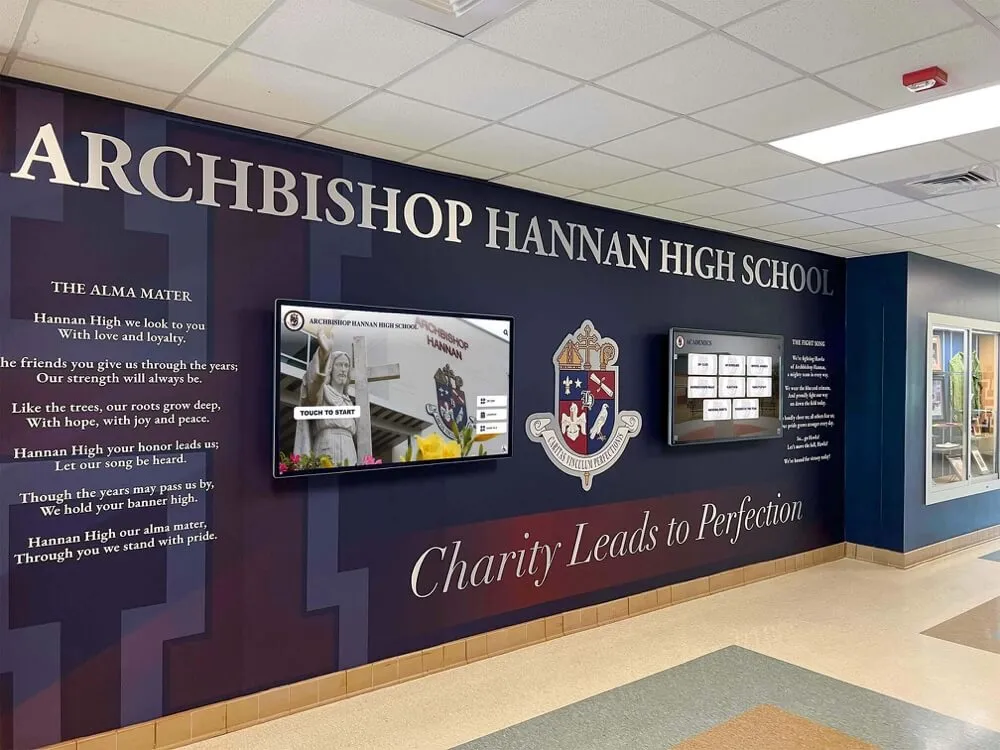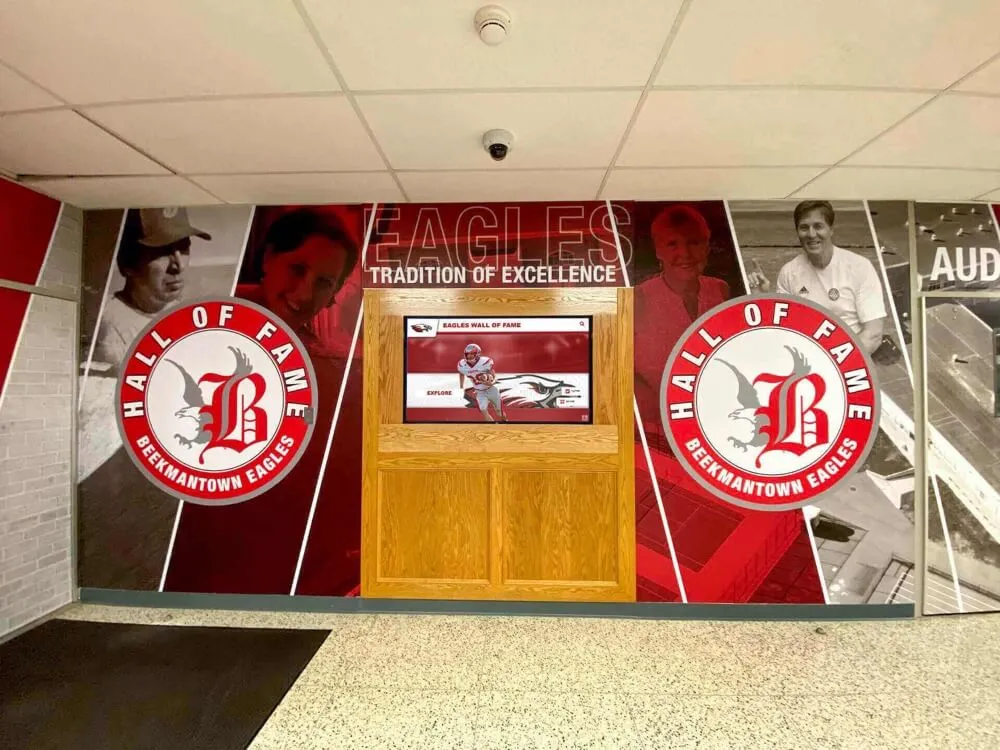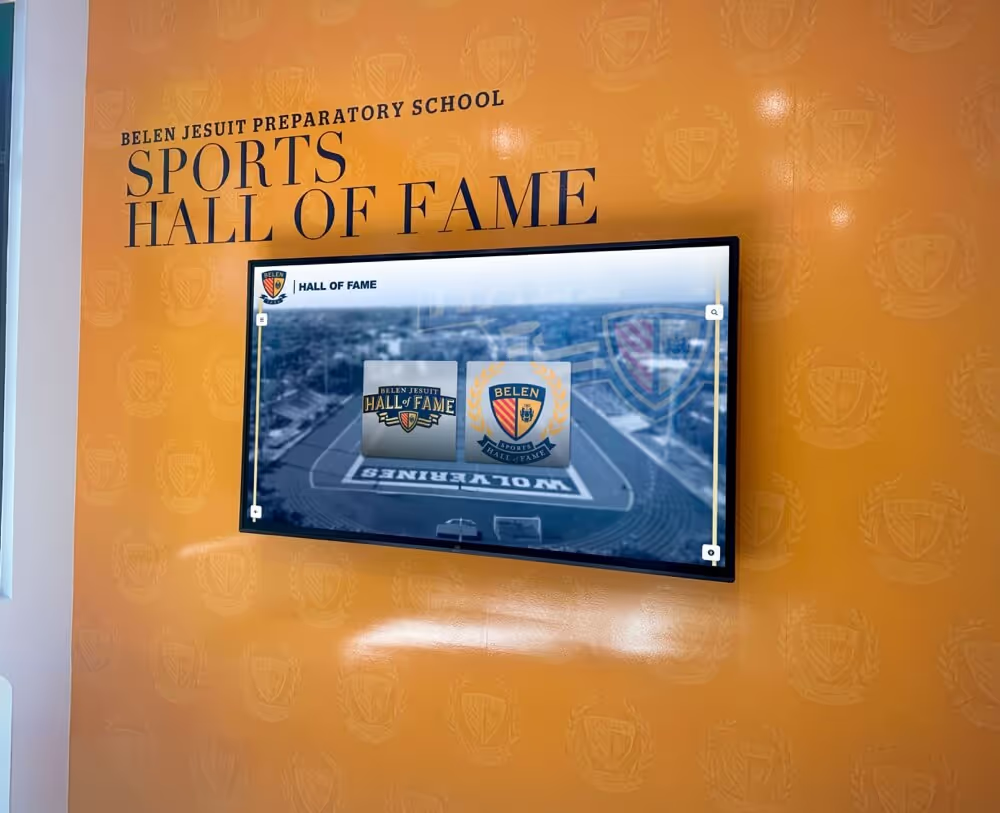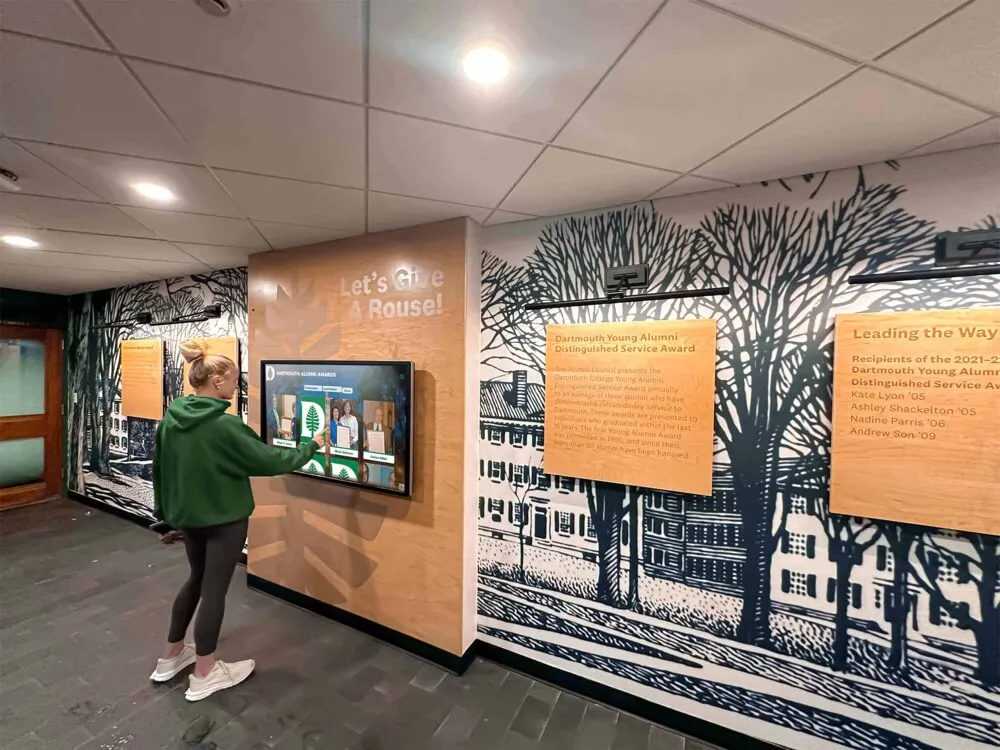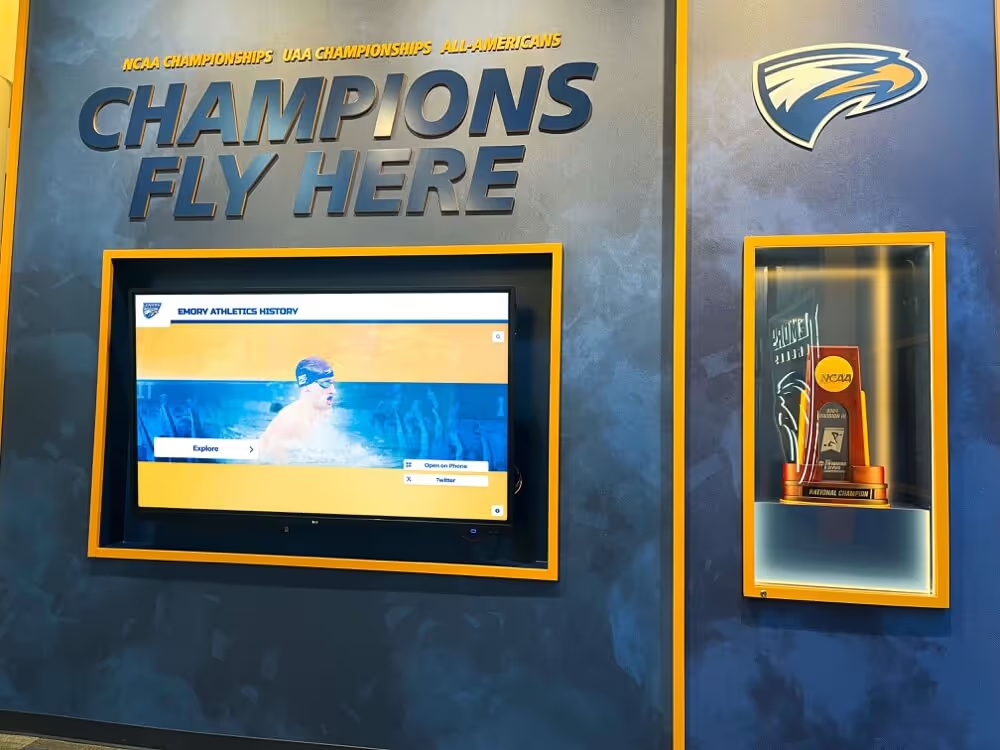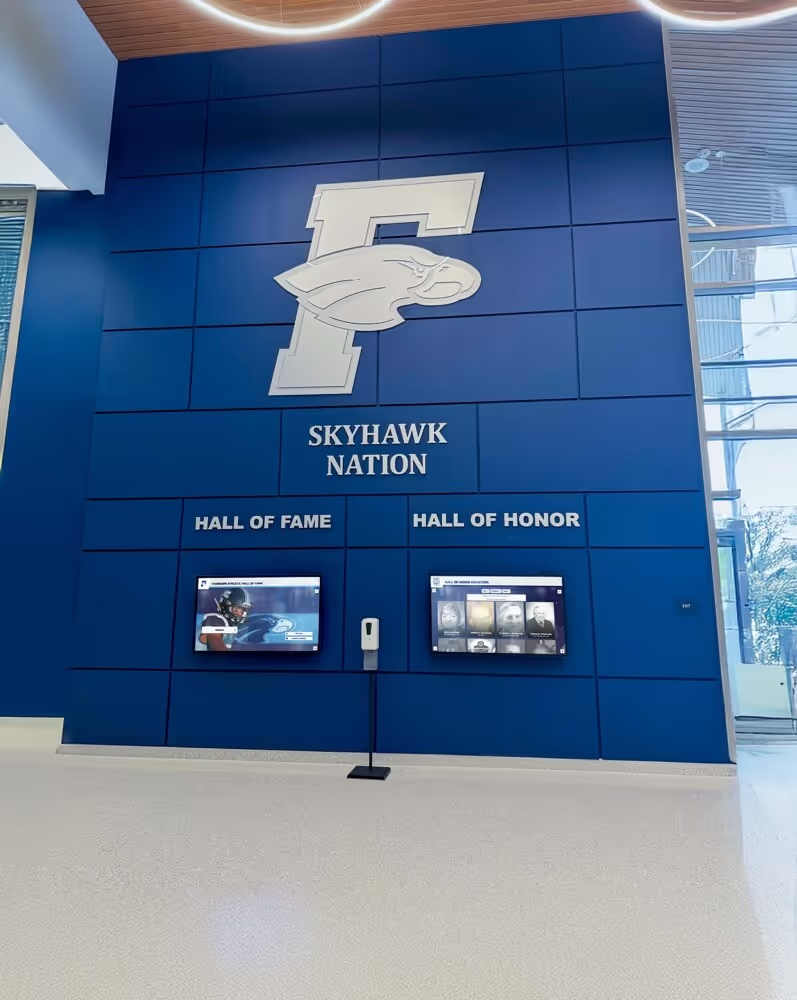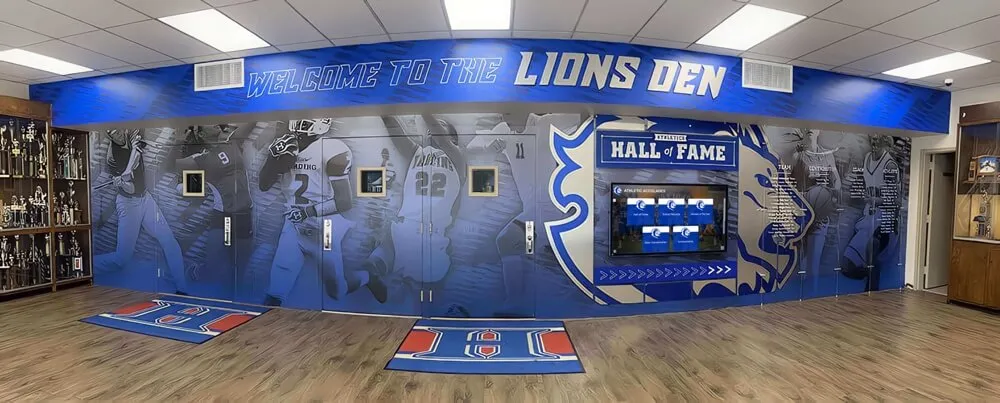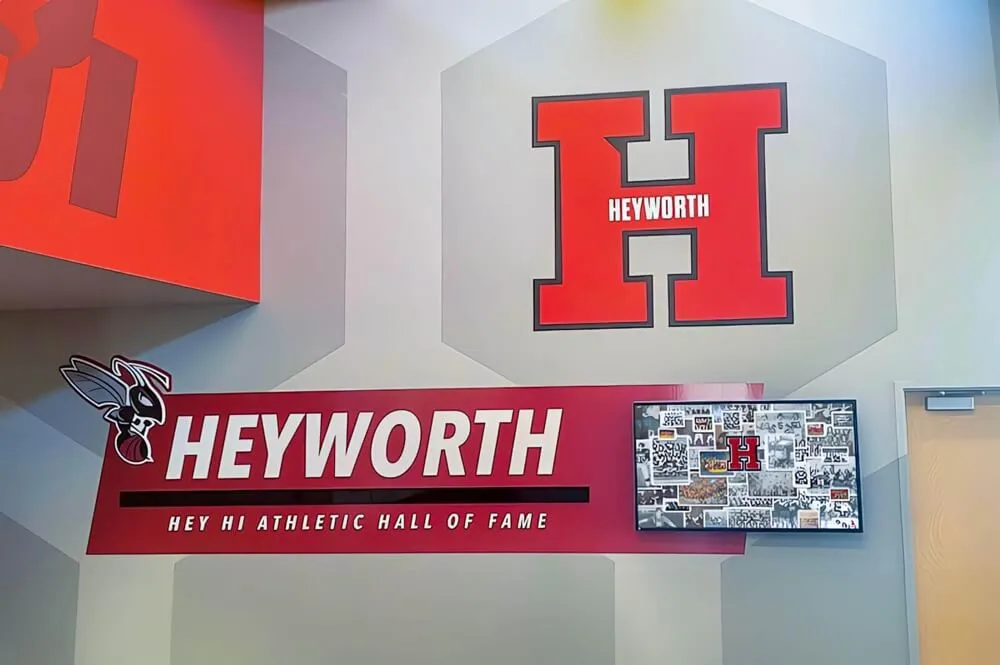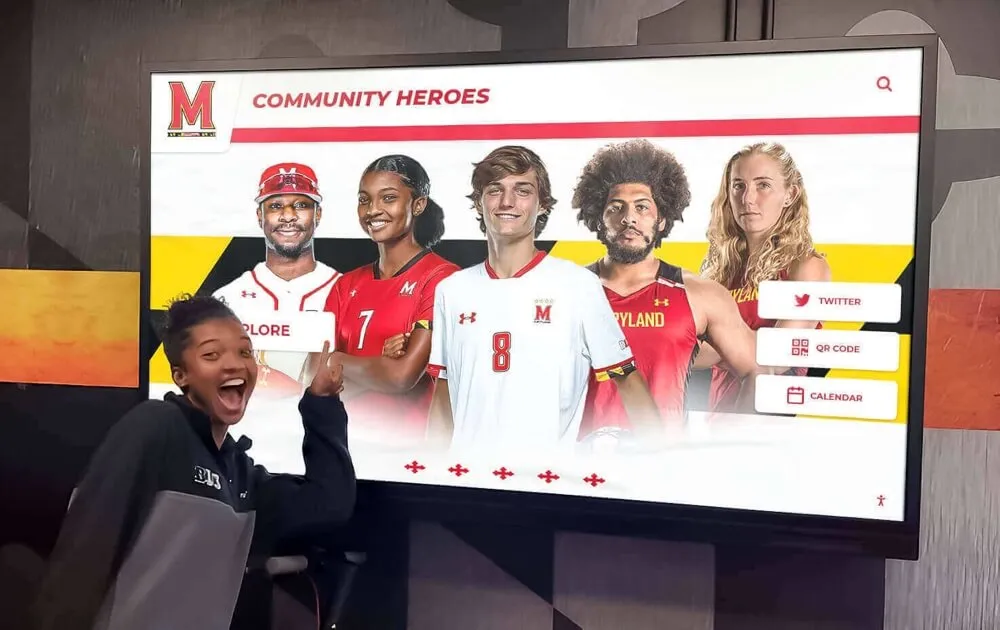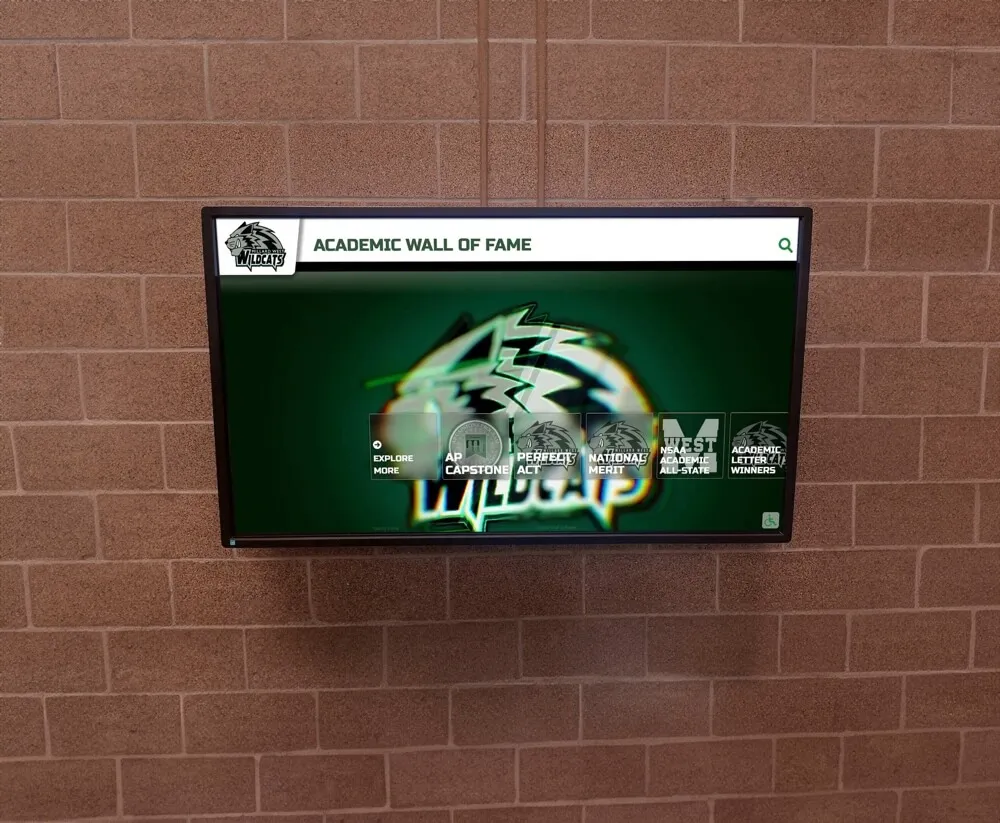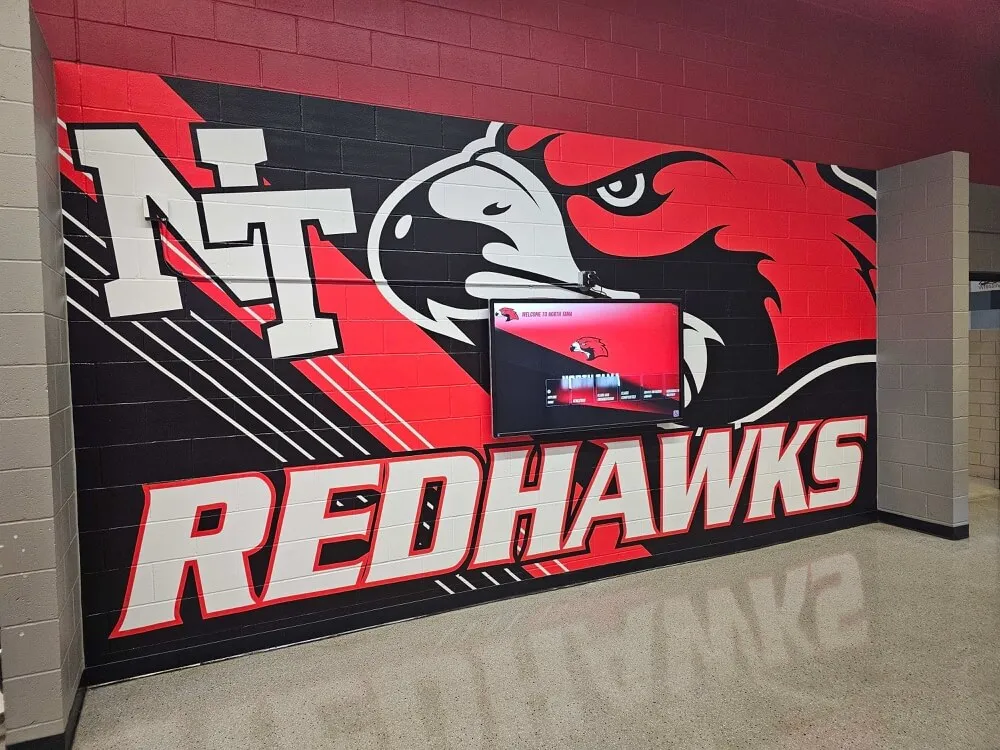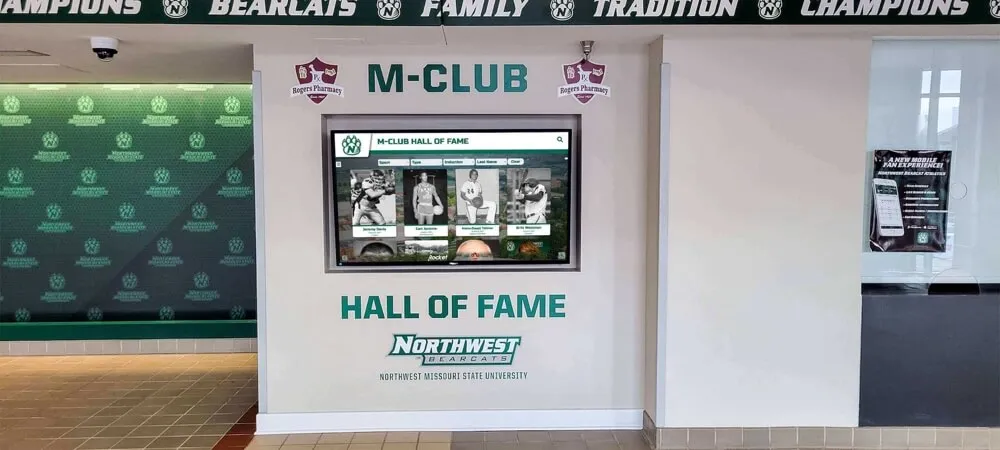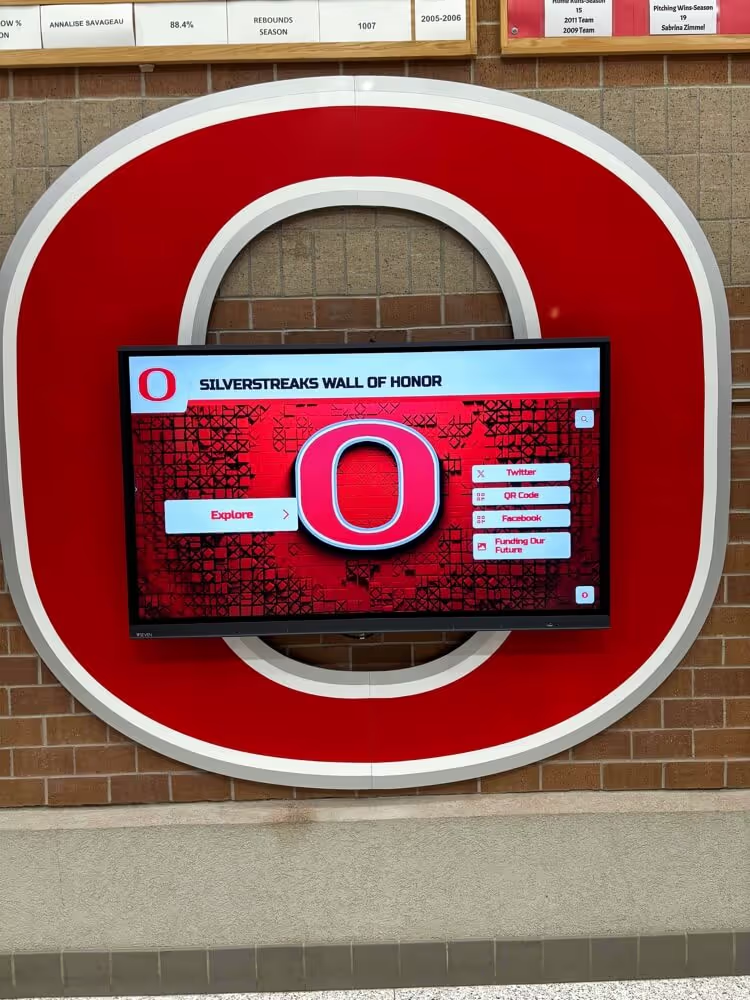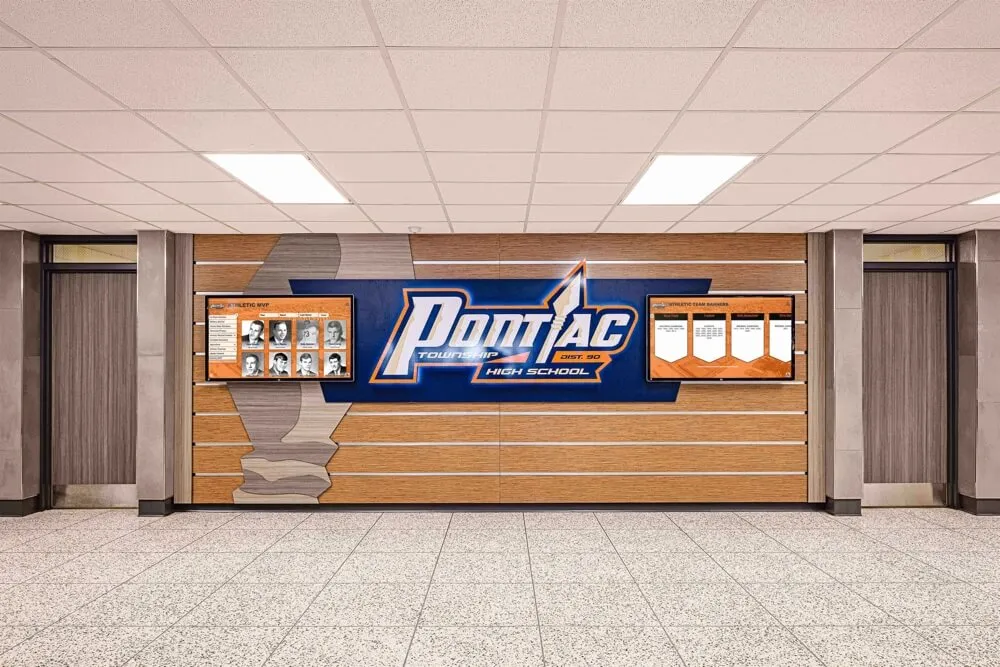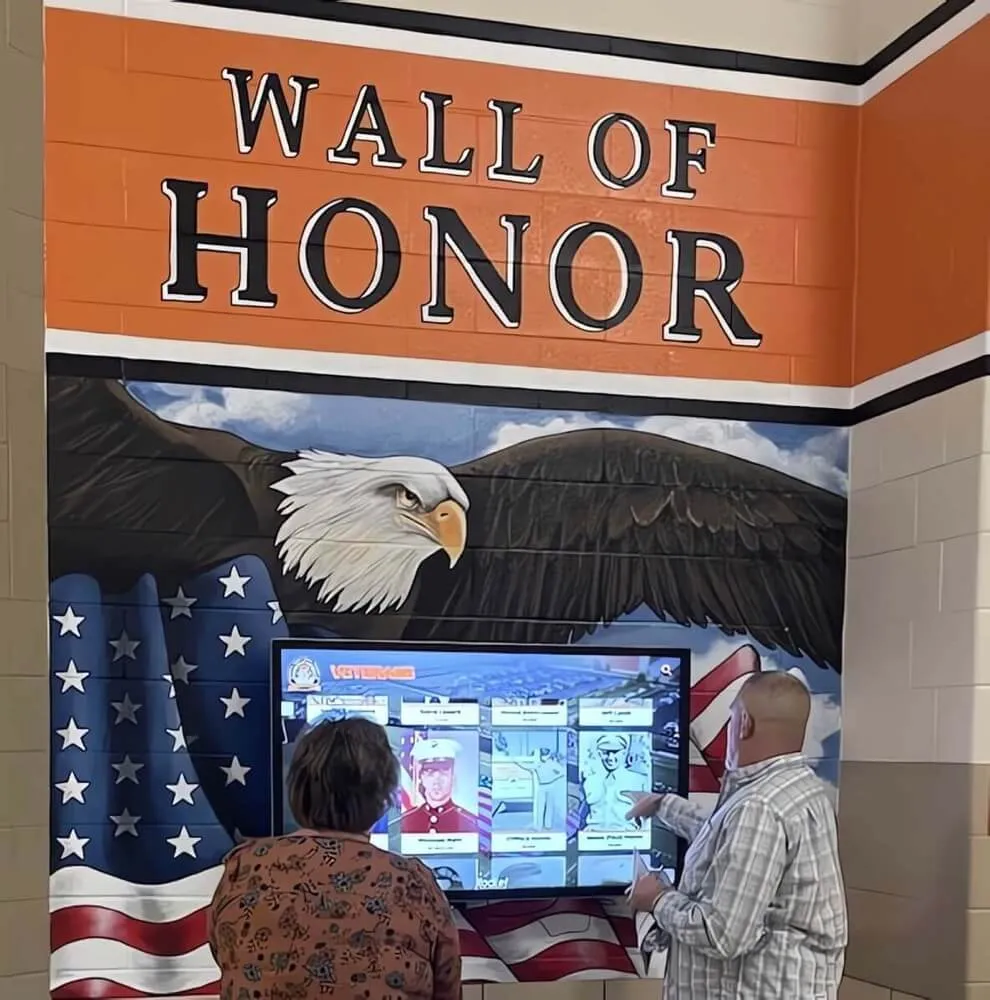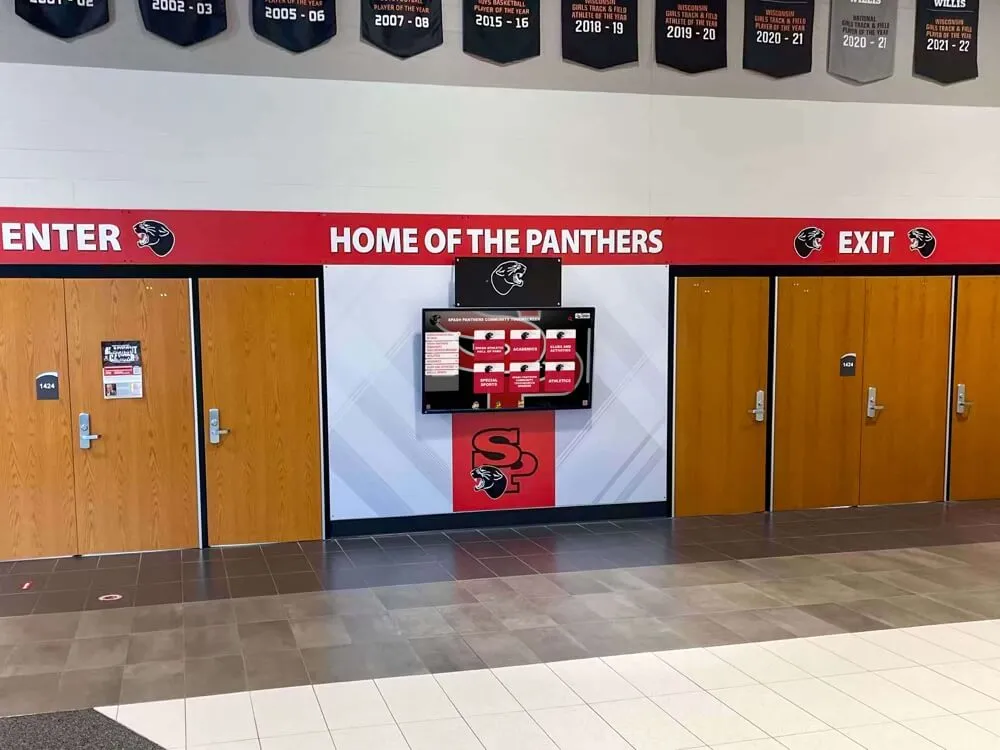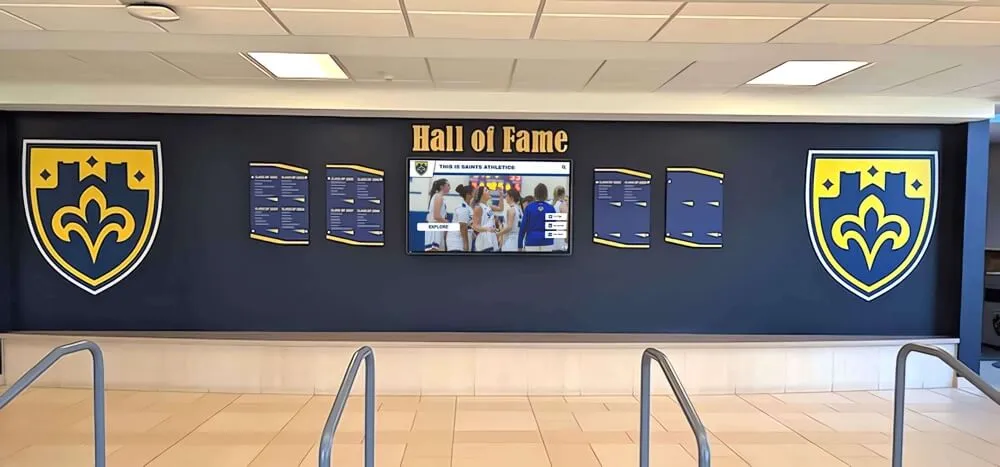




Schools that treat academic recognition as a strategic system—not an annual ceremony—build measurably different cultures. When students walk past hallways and see the names of honor roll recipients, AP Scholars, and academic competition champions displayed permanently, the message lands before a single teacher says a word: intellectual achievement matters here and it gets remembered. That visibility gap between athletic recognition and academic recognition is the core problem this guide addresses.
The following 30 academic awards for students cover everything from GPA-based honor rolls to competition-specific distinctions to digital hall of fame inductions. Each is built around concrete criteria and real implementation logic, not abstract aspiration.
From Awards to Lasting Recognition
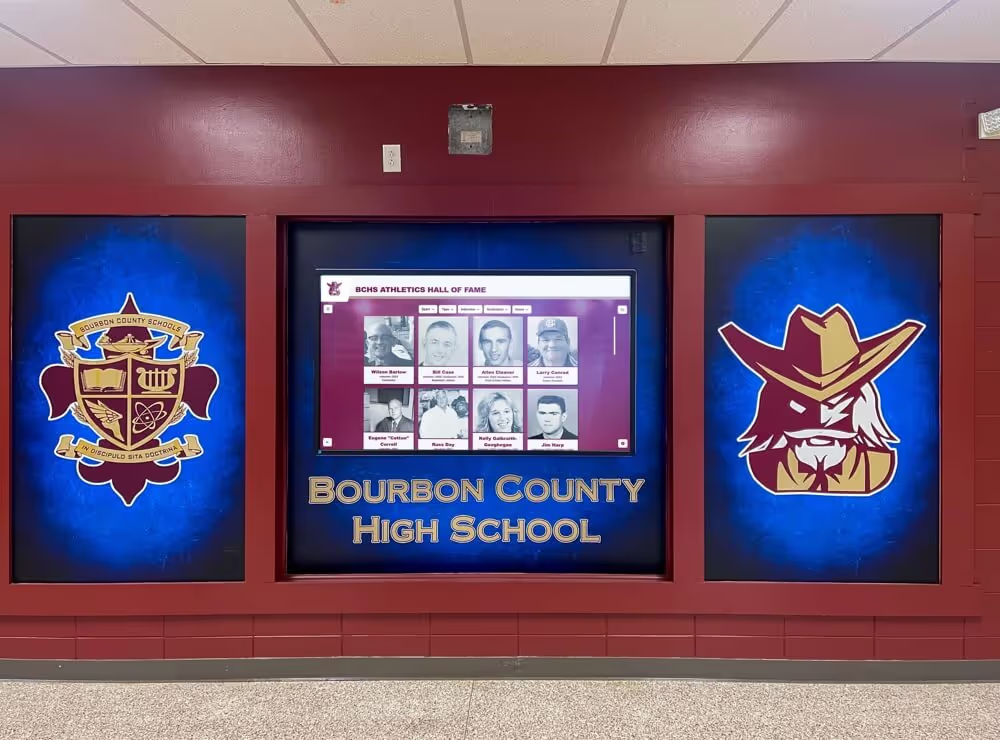
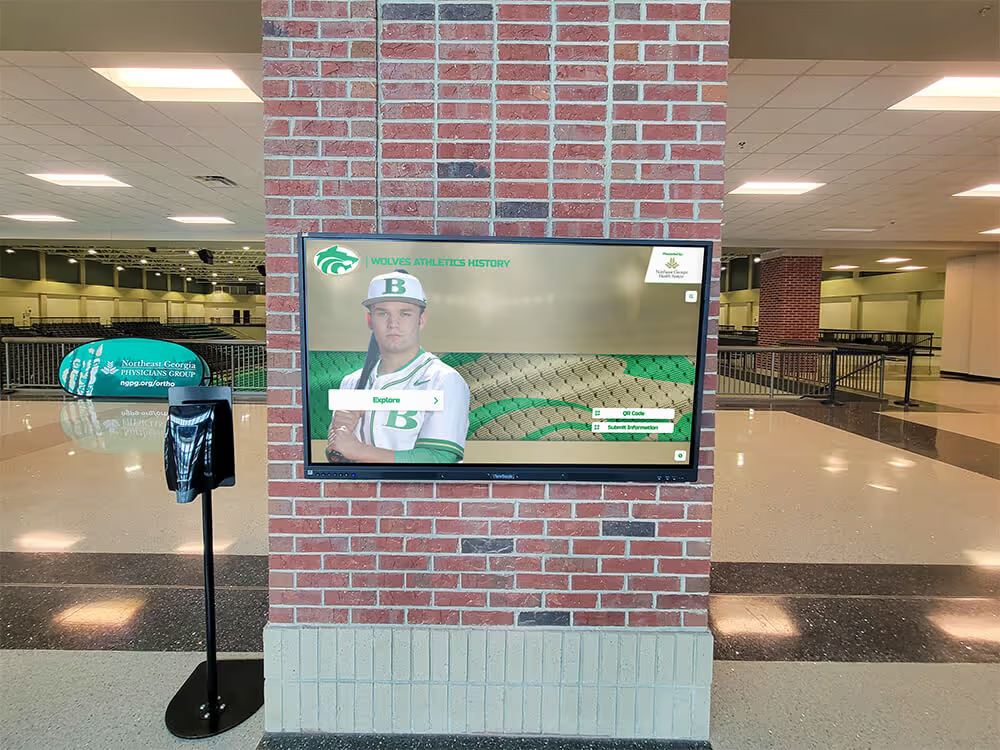
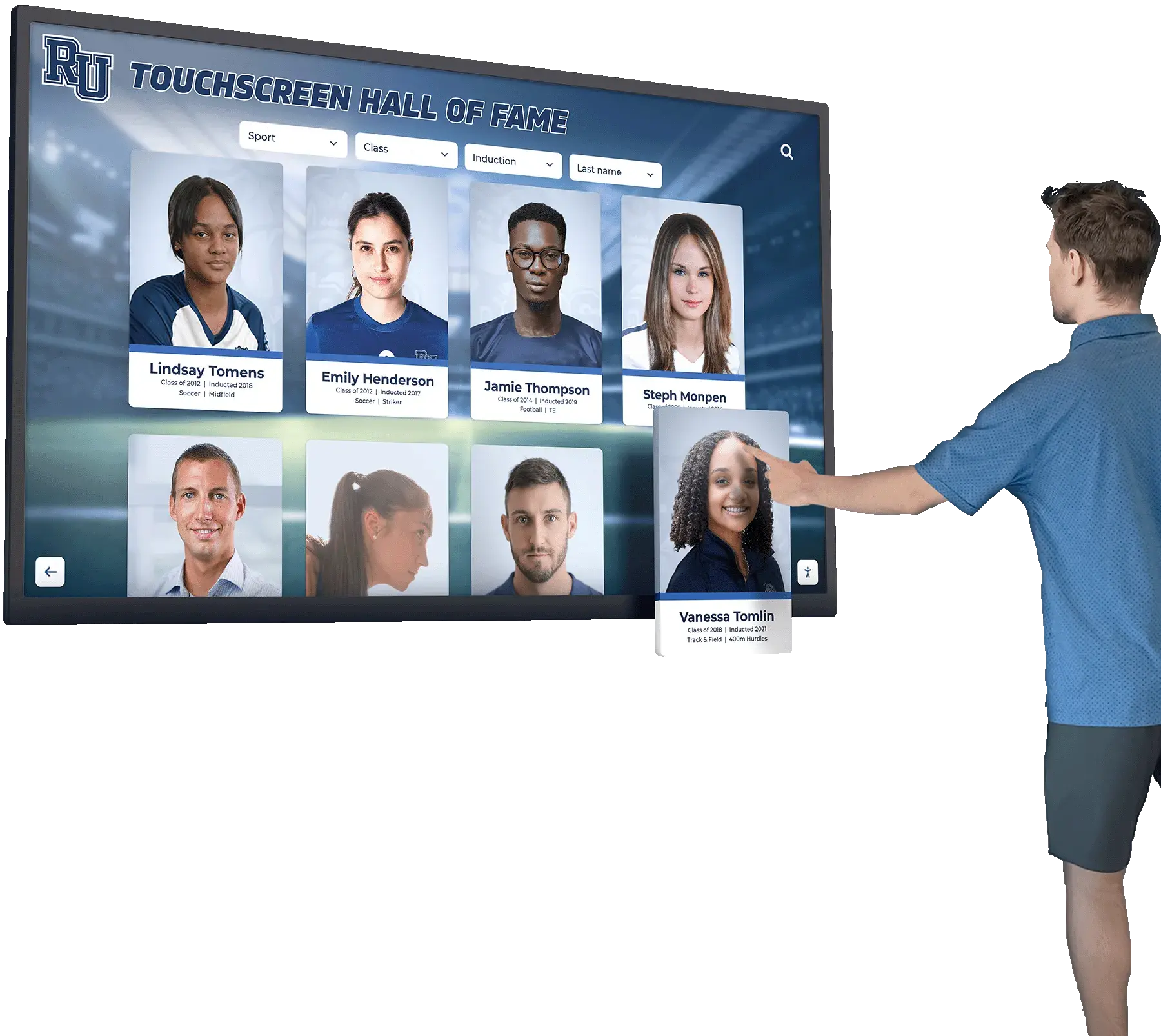
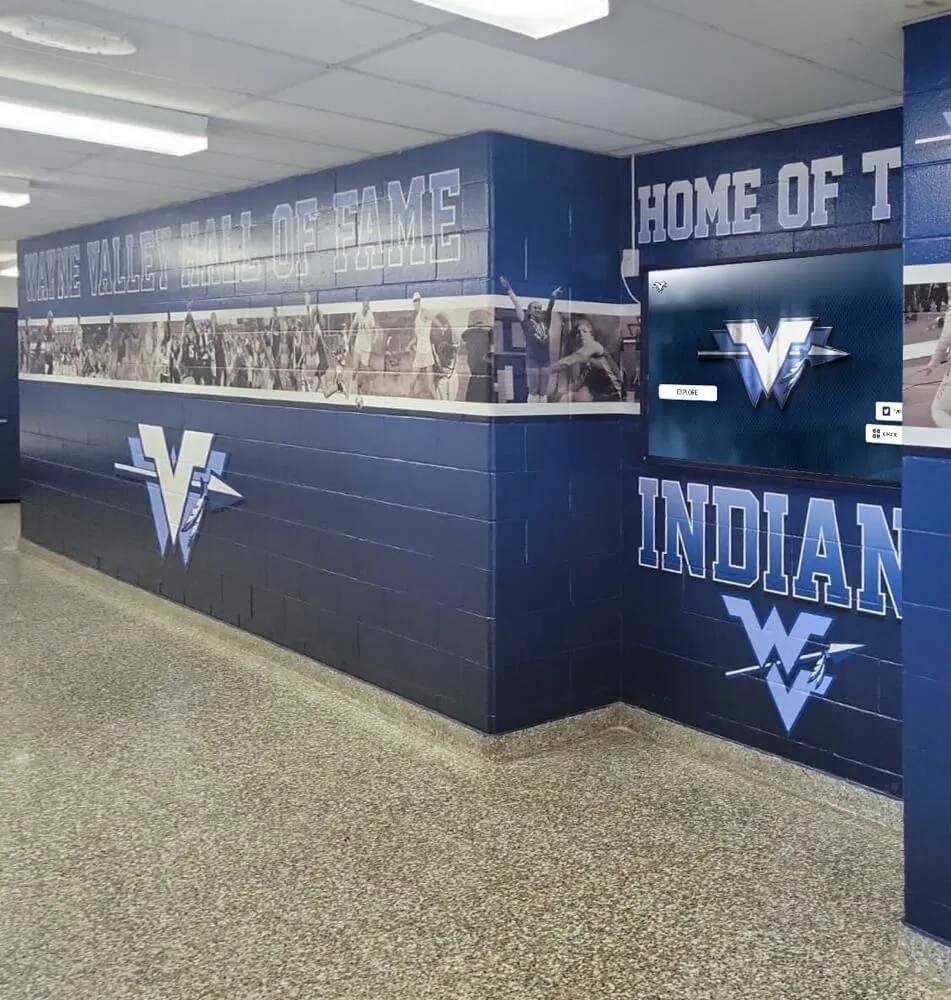
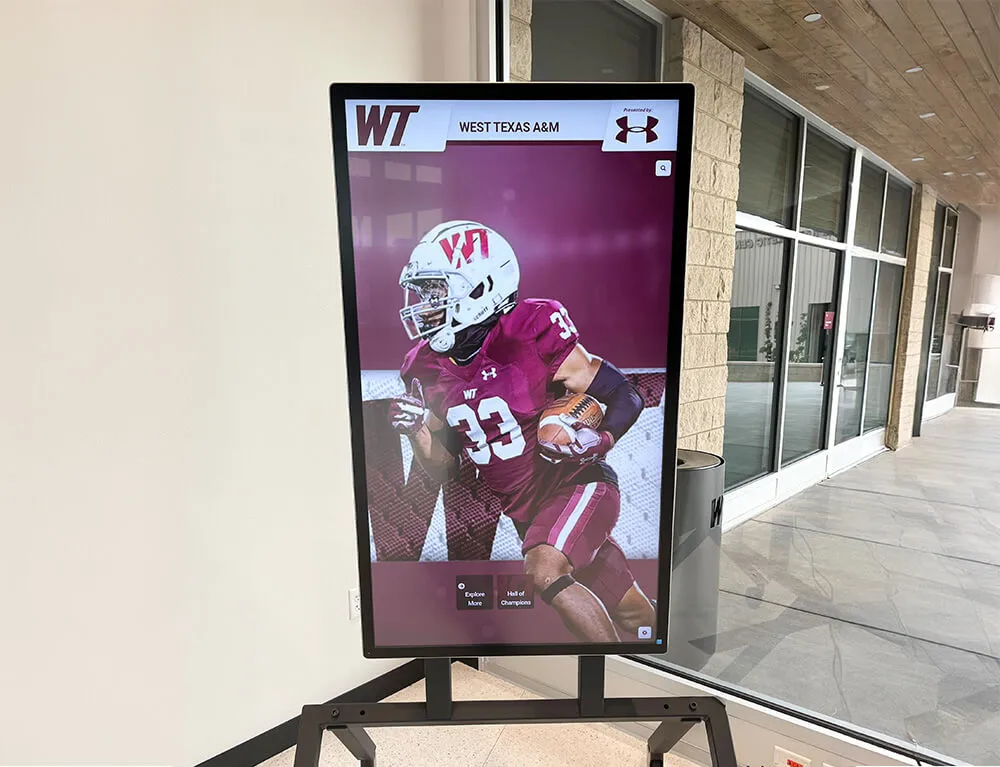
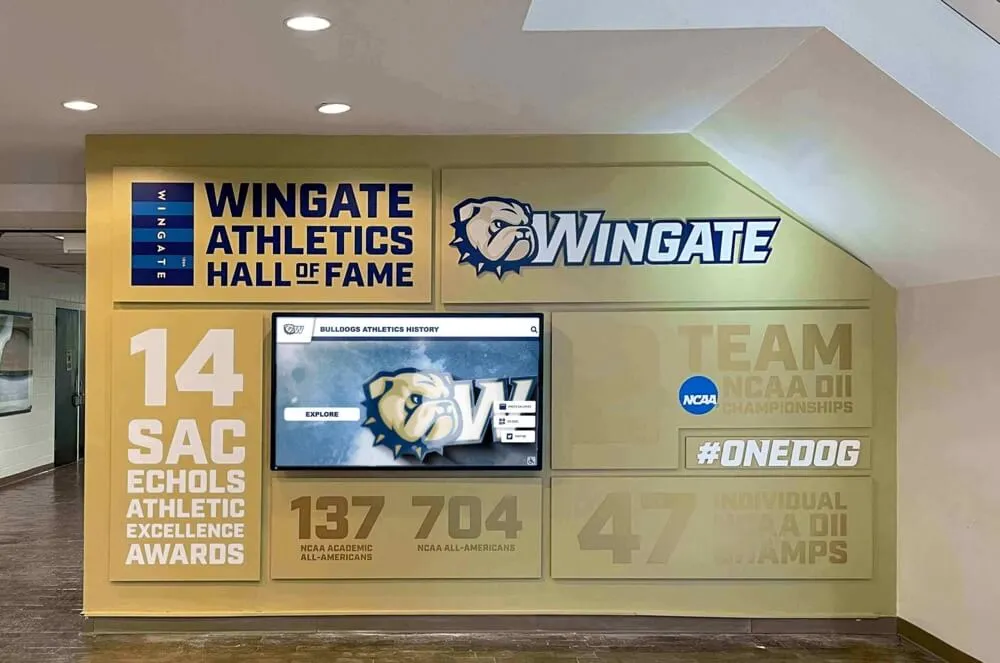
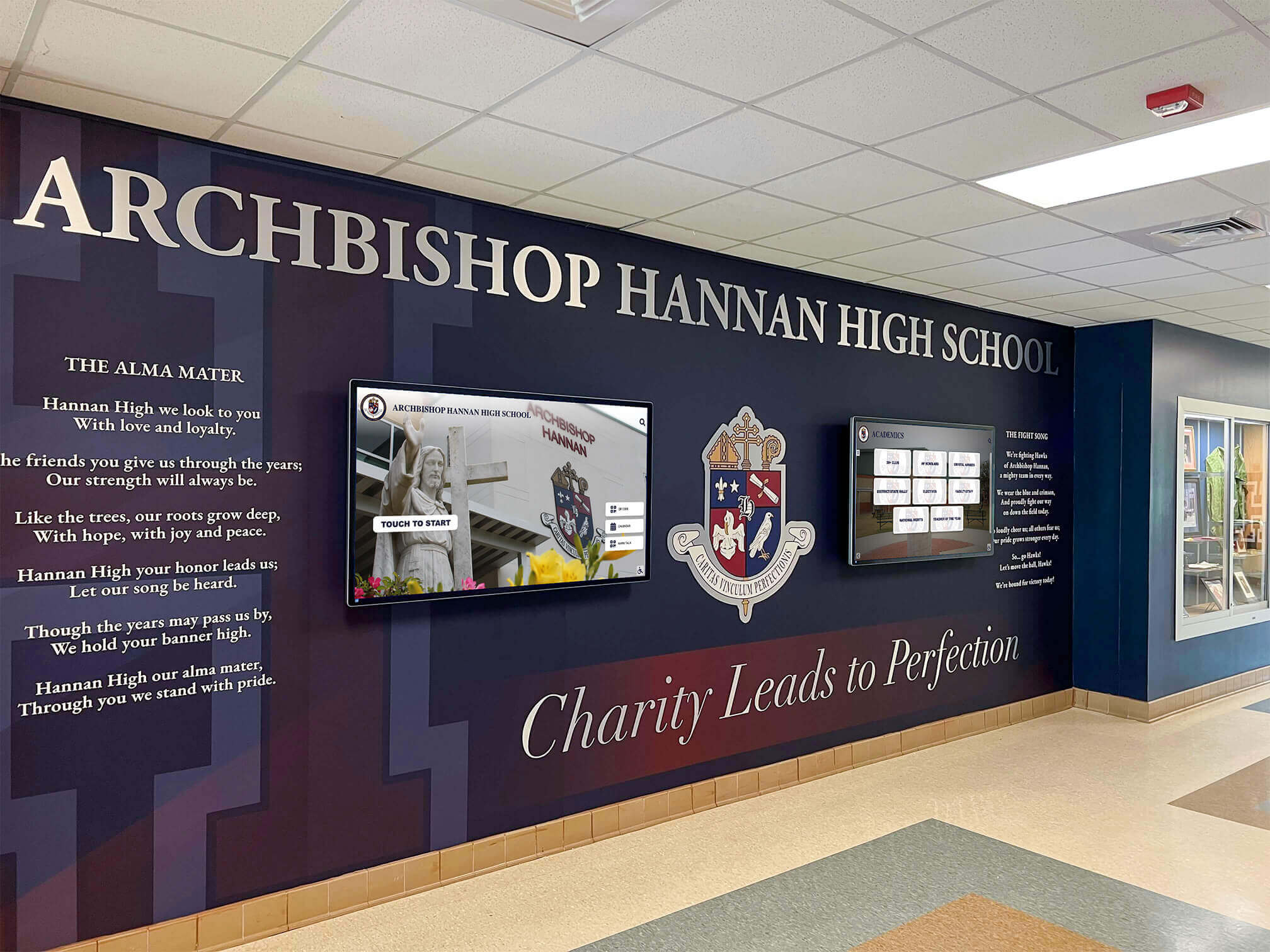
Certificates have a shelf life. Digital recognition built into school hallways lasts for decades. Rocket Alumni Solutions builds interactive recognition platforms that archive academic award recipients in searchable profiles—visible year-round, accessible to alumni long after graduation, and updated in real time when new honorees are added.
Why Academic Awards for Students Shape School Culture
Recognition influences what students prioritize. Schools that display championship banners and athletic records throughout their hallways while limiting academic recognition to a rotating bulletin board send an unintended signal about institutional values. Comprehensive academic award programs correct that imbalance—and the research backs it up.
Educational psychology consistently shows that recognition timed close to achievement, made visible to peers and families, and preserved beyond the ceremony moment generates the strongest motivational effect. Students who see prior award recipients displayed prominently are more likely to set goals that put them in the same category.
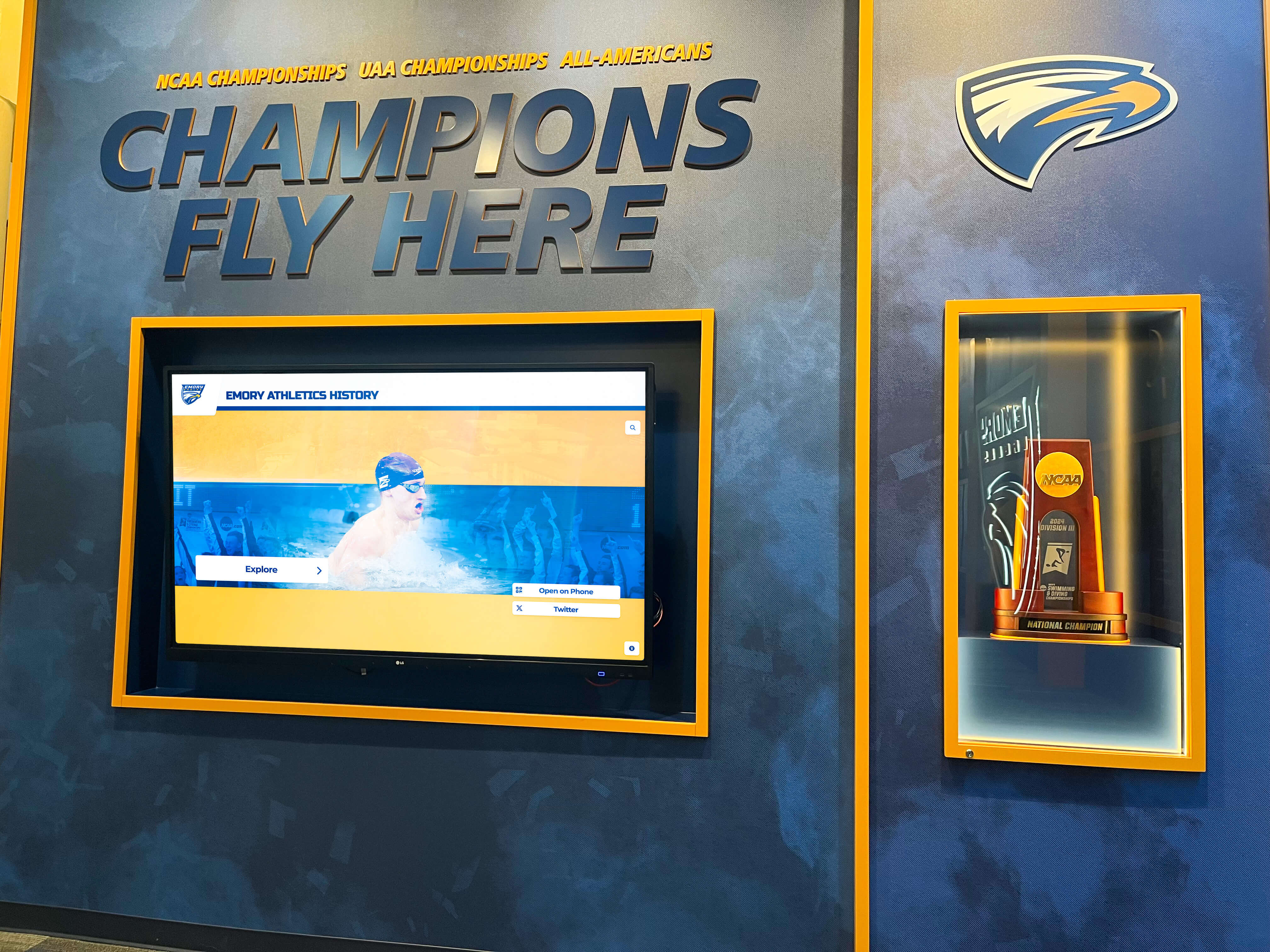
The graduation recognition programs guide from Touchwall documents how schools that build systematic recognition earlier in students’ careers see stronger participation in graduation-level academic honors. Recognition compounds—and the 30 ideas below give schools a complete framework for building that compounding effect from freshman year forward.
The 30 Academic Awards for Students
GPA and Academic Performance Awards
1. Principal’s Honor Roll
The top tier of GPA-based recognition, typically reserved for students maintaining a 4.0 GPA across all coursework. Schools vary on whether weighted or unweighted GPA governs eligibility—transparent criteria prevent disputes and help students set clear targets. The principal’s honor roll recognition guide outlines criteria that high-performing schools use to keep this designation meaningful rather than diluted by grade inflation.
2. High Honor Roll
The second tier of GPA recognition—typically 3.5 to 3.99—covering a broader student population while still signaling genuine academic commitment. Publishing high honor roll lists quarterly in hallways and updating them digitally maintains year-round visibility rather than a single-semester announcement.
3. Academic Excellence Award
An end-of-year distinction for students who maintain honor roll status across every marking period throughout the school year. Unlike semester snapshots, this award rewards sustained performance and provides a meaningful credential for college applications demonstrating consistency.
4. Most Improved Academic Award
One of the most motivating awards in any school’s toolkit. This recognition acknowledges students whose GPA improved significantly from a baseline period—typically a minimum 0.5-point increase or movement from below to above grade-level proficiency. Clear criteria ensure transparency; students should know exactly what improvement threshold earns recognition.
5. Academic Varsity Letter
Modeled directly on athletic letters, this award grants a school letter to students who maintain specified GPA thresholds across multiple consecutive semesters. Schools that issue academic letters alongside athletic letters send an unambiguous signal: intellectual achievement earns the same institutional status as athletic performance.

Subject-Specific Academic Awards
6. Outstanding Mathematics Award
Departmental recognition for students demonstrating the highest achievement in mathematics—through coursework performance, competition participation, or documented growth in quantitative reasoning. Math departments typically select one recipient per grade level through teacher nomination combined with GPA criteria.
7. Science Achievement Award
Recognizes excellence in biology, chemistry, physics, or integrated science coursework, as well as participation in science competitions, independent research projects, and science fair placements. Schools with strong STEM cultures offer subject-specific awards at each grade level, not just at graduation.
8. Language Arts Excellence Award
Awarded for demonstrated mastery in writing, literary analysis, and oral communication. Strong language arts award programs review student writing portfolios alongside GPA data, ensuring the recognition captures actual writing quality rather than test scores alone.
9. Social Studies Scholar Award
Honors achievement in history, geography, economics, civics, or integrated social sciences. Schools with debate teams or mock trial programs frequently link this award to competition participation alongside coursework performance, recognizing students who apply social studies knowledge in competitive settings.
10. World Language Proficiency Award
Acknowledges students reaching advanced proficiency in Spanish, French, German, Mandarin, or other world language programs. Standards-based criteria—such as earning an Advanced designation on ACTFL proficiency assessments—ground this award in demonstrable skill rather than grade points alone.
11. Fine Arts Academic Excellence Award
Covering music theory, visual arts, theater arts, and media production, this award recognizes the academic rigor within arts coursework. Fine arts departments often combine GPA criteria with portfolio or audition-based evidence of artistic mastery, ensuring the recognition reflects genuine achievement.
12. Career and Technical Education (CTE) Excellence Award
Students who earn industry certifications, complete apprenticeship hours, or finish advanced CTE pathways deserve recognition equivalent to traditional academic departments. CTE excellence awards validate skills-based education and signal that vocational achievement carries equal institutional weight—critical for schools committed to equitable recognition.
Leadership and Character Awards
13. Student Leadership Award
Recognizing students who demonstrate initiative, positive peer influence, and measurable service to the school community. Faculty nomination processes—with defined criteria rather than open-ended selections—keep this award credible. Student leadership award ideas from schools that have scaled these programs show how digital profiles featuring each student’s leadership history make this recognition feel permanent rather than transactional.
14. Community Service Recognition Award
Acknowledging students who complete significant documented service hours—typically 50 to 100 per academic year—this award reinforces the connection between academic engagement and civic responsibility. Service awards work best when displayed alongside academic credentials rather than siloed in a separate recognition category.
15. Character and Citizenship Award
Faculty-nominated recognition for students who embody school values through behavior, peer interactions, and classroom contributions. Criteria should be clearly published from the start of the school year so students understand that character is consistently assessed alongside academics—not just awarded arbitrarily at the end.
16. STEM Leadership Award
For students who lead robotics teams, science olympiad squads, coding clubs, or technology-forward organizations. Leadership in STEM contexts combines academic achievement with project management and peer mentorship in ways that pure GPA recognition misses.
17. Academic-Athletic Balance Award
Recognizing student-athletes who maintain high academic standing alongside competitive athletic participation. This award is particularly effective at schools with strong athletics cultures—it demonstrates directly, not just rhetorically, that athletic and academic excellence coexist and reinforce each other.
Competition and Co-Curricular Academic Awards
18. Science Fair Achievement Award
Regional, state, and national science fair placements represent some of the most rigorous academic competitions available to K-12 students. Schools that display science fair finalists prominently—with digital profiles showing project topics and placement levels—encourage deeper participation year over year by making outcomes visible rather than letting them disappear after the competition weekend.
19. Math Olympiad / MATHCOUNTS Achievement Award
Competition mathematics recognition for students placing in regional or state math olympiad events. Specific placement thresholds—top 10%, state qualifier, national qualifier—give this award the precision that generic “participation in math competitions” certificates lack.
20. Debate and Forensics Achievement Award
Tournament victories, state qualifications, and all-state forensics selections represent competitive accomplishments as demanding as any athletic achievement. Debate programs that display their competitive records alongside other academic recognition help normalize forensics as a pursuit worth sustained effort.
21. Academic Decathlon Award
Academic decathlon teams compete across ten subjects simultaneously under pressure—one of the most demanding co-curricular academic programs available. Schools that recognize academic decathlon teams with the same hallway visibility as athletic teams see increased student interest in joining and the program’s competitive results tend to improve accordingly.
22. Mock Trial Excellence Award
Mock trial programs develop research, argumentation, and presentation skills that translate far beyond the competition itself. How schools honor mock trial teams ranges from framed team photos in hallways to digital archive entries pairing team records with individual student achievement data.
23. Robotics and Engineering Competition Award
FIRST Robotics, VEX, and similar competitions combine technical skill, project management, and collaborative problem-solving. Recognition tied to specific competition outcomes—regional champion, technical excellence award, state qualifier—creates precise benchmarks students can set as goals rather than vague encouragement to “participate in robotics.”
24. Quiz Bowl / Knowledge Bowl Recognition
Knowledge bowl teams compete across subjects simultaneously, requiring the broad academic preparation that no single-subject award captures. Displaying quiz bowl team records and individual standout performers alongside other competitive academic achievements builds institutional pride in academic competition as a category.
Program-Based and Milestone Awards
25. National Honor Society Induction
NHS induction is perhaps the most widely recognized academic award in U.S. high schools, combining a 3.5+ GPA threshold with service, leadership, and character criteria. Schools that display NHS inductees with digital profiles showing each student’s qualifications—not just a name and year—build visual evidence of the program’s rigor. Highlighting National Honor Society students through searchable digital archives extends recognition well beyond the induction ceremony, keeping every inductee visible for years.
26. AP Scholar Recognition
The College Board’s AP Scholar program offers tiered recognition—AP Scholar, AP Scholar with Honor, AP Scholar with Distinction—based on exam scores and number of exams completed. Schools that display AP Scholar recipients create visible evidence of their advanced coursework culture, which influences prospective students and families evaluating academic rigor during enrollment decisions.
27. National Merit Scholar Recognition
Semifinalists, finalists, and National Merit Scholarship recipients represent some of the highest academic achievement measurable in high school. The National Merit Scholarship program guide explains how schools can build recognition structures that help students understand the PSAT-to-scholarship pathway from the moment they enter high school rather than learning about it junior year.
28. Student of the Month Recognition
Monthly academic and character recognition creates 10 recognition opportunities per year rather than one—targeting a broader student population than annual awards and providing regular motivational touchpoints. Student of the month display and bulletin board ideas range from physical setups to digital display integration that archives monthly honorees permanently rather than rotating out when the next recipient is named.
29. Valedictorian and Salutatorian Recognition
The highest academic honors at graduation, valedictorian and salutatorian designations recognize students with the highest cumulative GPA across their entire high school career. Schools that display these records historically—showing every valedictorian and salutatorian back to the school’s founding—transform individual honors into institutional legacy. A searchable archive of past valedictorians often becomes one of the most-visited sections of a school’s digital recognition system.
30. Academic Hall of Fame Induction
The permanent tier of student academic recognition. Academic hall of fame induction acknowledges students whose achievement, character, and contribution to school culture places them among the institution’s greatest scholars. Unlike annual honor roll or monthly recognition, hall of fame induction is meant to be rare and permanent—creating an aspirational standard that motivates current students and honors alumni whose intellectual contributions defined their era of the school’s history.
Building the Display Infrastructure That Makes Awards Stick
Thirty award categories mean nothing if the recognition infrastructure doesn’t support lasting visibility. The most common failure point in academic award programs is the gap between the ceremony and permanent acknowledgment—certificates get taken home, bulletin boards rotate, and within a semester the recognition has effectively disappeared.
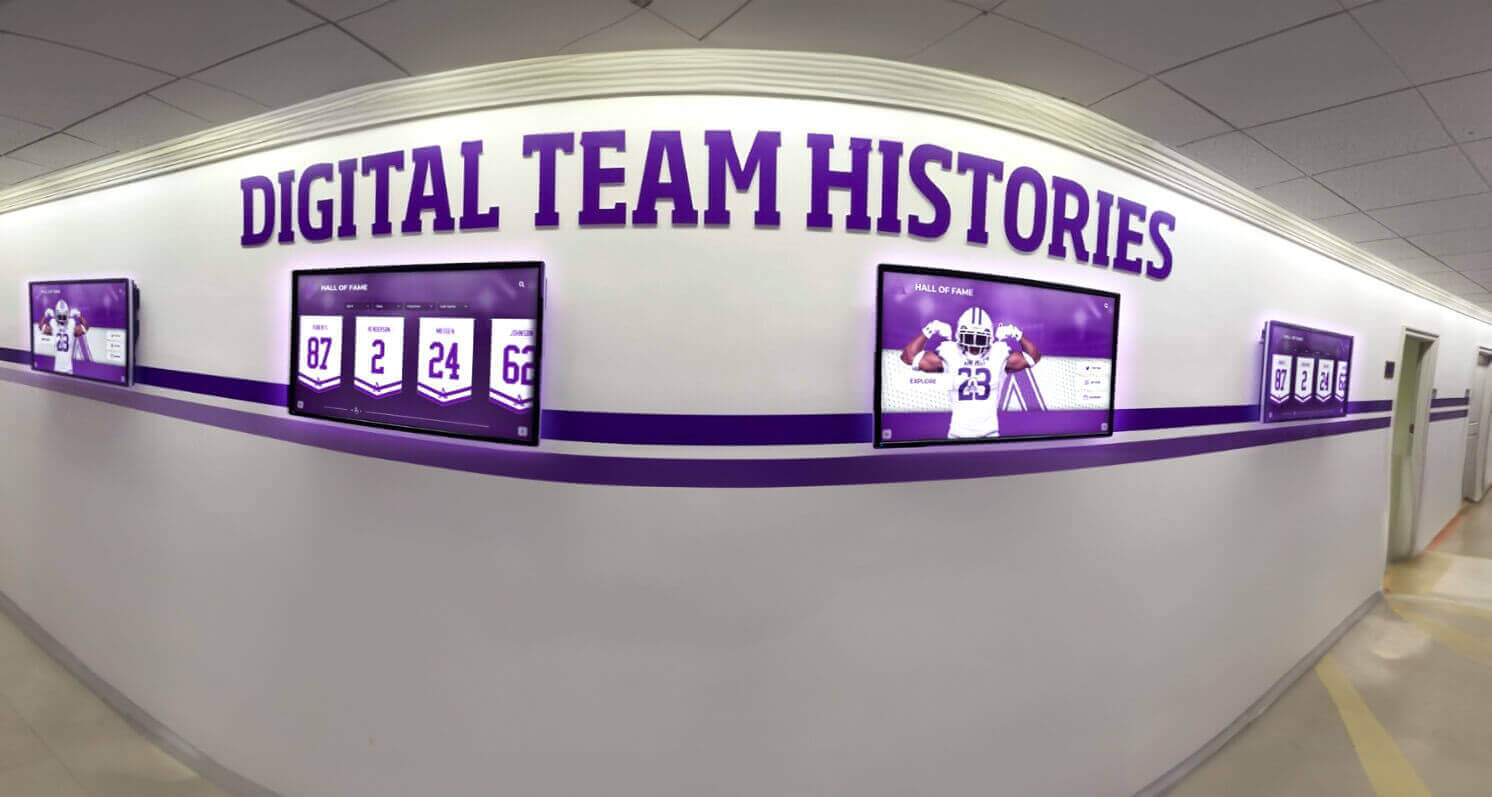
Schools that close this gap use layered recognition systems built around a few core principles:
Physical ceremony plus digital archive: Award recipients receive physical certificates or plaques at the ceremony, and their recognition is simultaneously published to a digital display system that remains searchable indefinitely. Neither component replaces the other—they serve different functions.
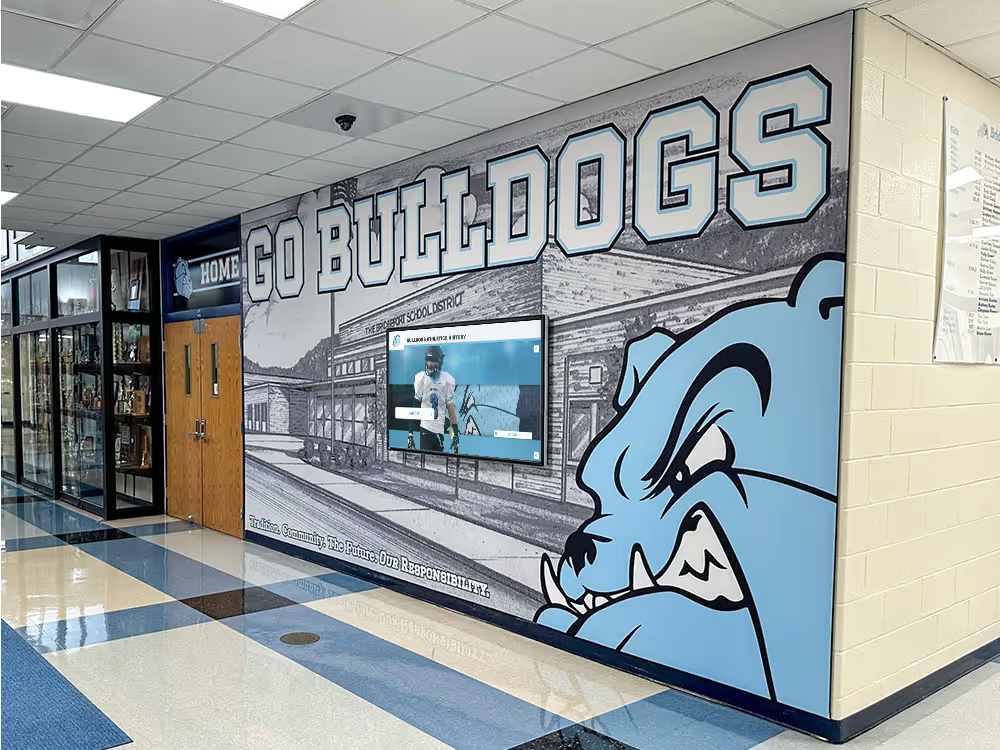
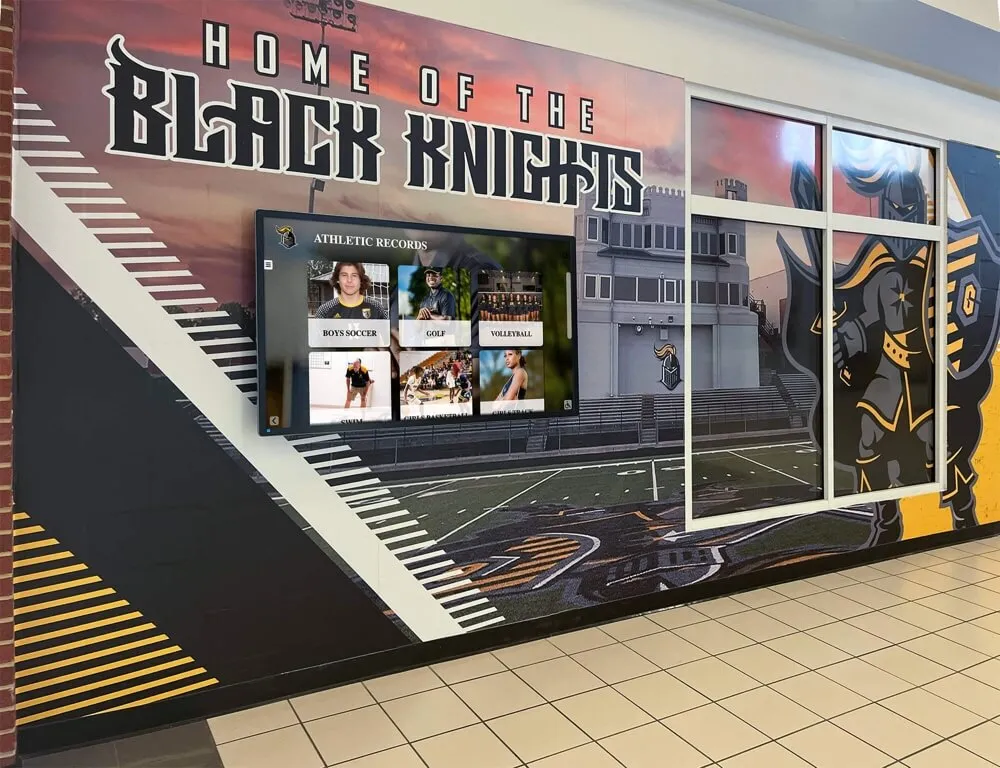
Hallway visibility: Digital displays positioned in high-traffic hallways—main entrances, cafeterias, locker corridors—ensure recognition is encountered daily rather than requiring students to seek it out deliberately. Placement in administrative offices or libraries reaches only the students already motivated to be there.
Web accessibility: Recognition platforms with public web interfaces allow families worldwide to access award records, enable alumni to find their own recognition years later, and give current students a clear picture of what achievement at their school historically looks like.
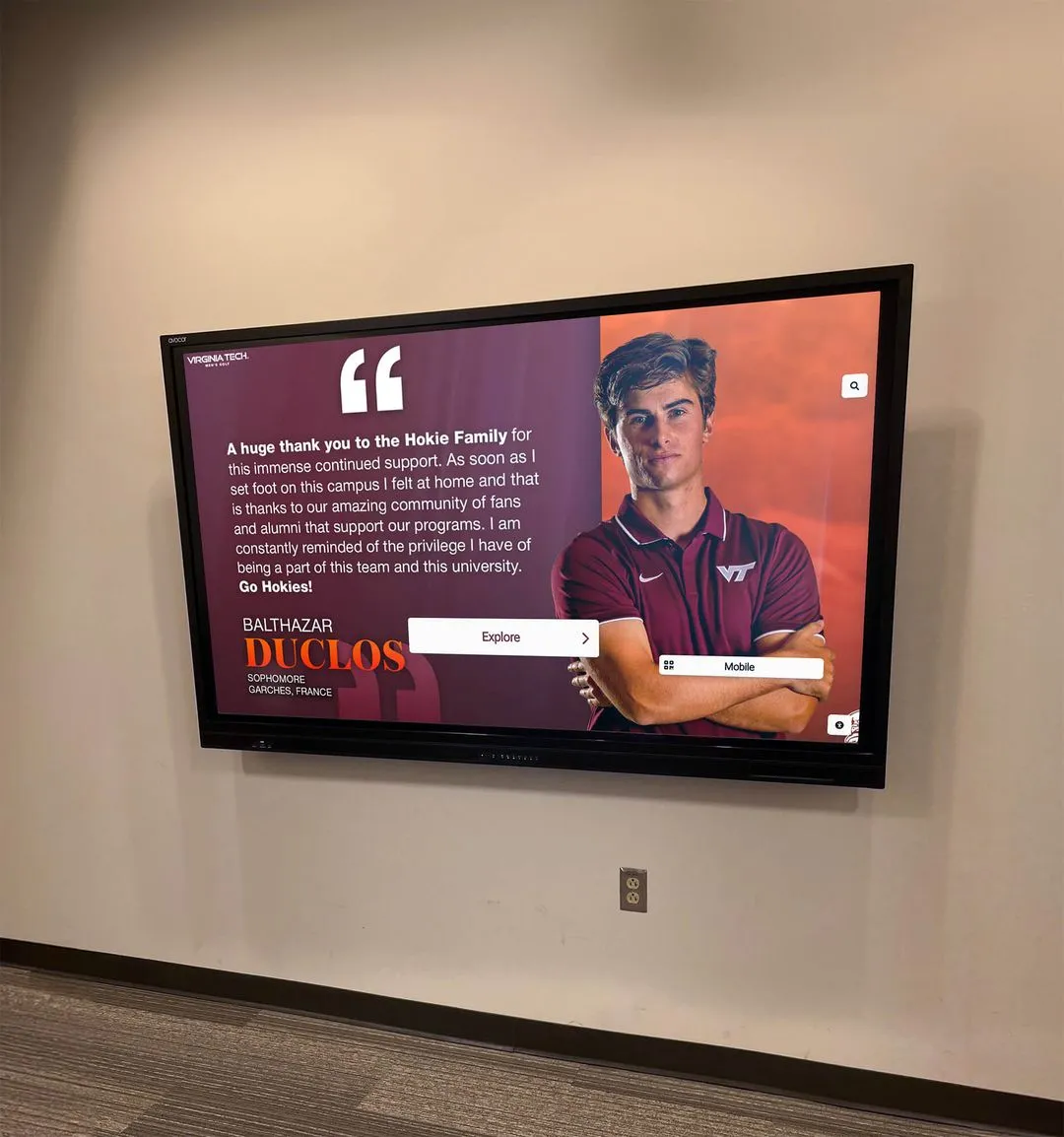
Photo and profile depth: Name-and-award entries are the floor, not the ceiling. Schools that include student photos, brief achievement statements, and competition context transform recognition from a data entry into a story worth reading.
Touchscreen kiosk and school lobby recognition display buying guides help administrators evaluate the hardware and software options that support this kind of comprehensive recognition infrastructure, covering everything from display size and placement to content management software and ongoing maintenance requirements.
For schools already running digital athletic recognition—record boards, digital halls of fame, championship archives—academic award integration is a natural extension rather than a separate system. The same platform that tracks a swimmer’s all-time record can display their academic honor roll history alongside it, creating a complete student portrait rather than siloed athletic and academic recognition that never reference each other.
A Practical Framework for Rollout
Most schools won’t launch all 30 award categories simultaneously. A phased rollout keeps implementation sustainable:
Phase 1 — Start with what you already track: Honor roll, AP Scholar, and National Merit data typically exist in some form already. Build digital display infrastructure around these first, creating visible recognition before adding new award categories. This establishes the system before layering in complexity.
Phase 2 — Add competition-based recognition: Science fair, math olympiad, academic decathlon, and debate achievements are concrete and verifiable. These translate directly into digital profiles with specific placement data rather than requiring subjective nomination processes.
Phase 3 — Layer in character and leadership awards: Faculty-nominated awards require more administrative infrastructure to execute consistently—nomination timelines, selection committees, documentation processes. These reward the investment once the data systems supporting other categories are running smoothly.
Phase 4 — Build toward the academic hall of fame: Once annual and semester recognition systems are functioning, a hall of fame nomination and selection process creates the aspirational pinnacle that gives the entire recognition program a permanent legacy dimension. This is the category that current students and alumni alike will reference for decades.
The goal isn’t distributing more certificates—it’s building a recognition culture that students, families, and alumni can see and engage with indefinitely. Student awards ideas and implementation frameworks from schools that have successfully scaled academic recognition programs consistently show that the infrastructure investment pays off in measurable ways: increased advanced coursework enrollment, stronger participation in academic competitions, and families citing recognition culture as a factor in enrollment decisions.
Ready to turn academic awards for students into permanent recognition that motivates year-round? Rocket Alumni Solutions builds interactive digital recognition platforms purpose-built for schools—archiving every honor roll recipient, academic award winner, and competition champion with the same visibility that athletic programs have long enjoyed. Schedule a demo to see how academic and athletic recognition work together on a single display system built to last.