



Academic All-Americans represent the pinnacle of student-athlete achievement—individuals who demonstrate exceptional performance both on the field and in the classroom. These elite scholar-athletes maintain rigorous academic standards while competing at the highest levels of their sport, embodying the true spirit of collegiate athletics. For athletic departments and educational institutions, properly recognizing Academic All-Americans sends a powerful message about institutional values: academic excellence matters as much as athletic performance.
Traditional recognition methods—printed banners, static plaques, or outdated bulletin boards—fall short when honoring these dual achievements. These approaches become instantly outdated, require manual updates that consume staff time, lack the detail needed to tell each athlete’s complete story, and fail to engage digital-native audiences accustomed to interactive experiences. Modern athletic programs need recognition solutions that match the magnitude of Academic All-American achievements while remaining efficient to maintain and scalable as programs grow.
Why Academic All-Americans Deserve Elite Recognition
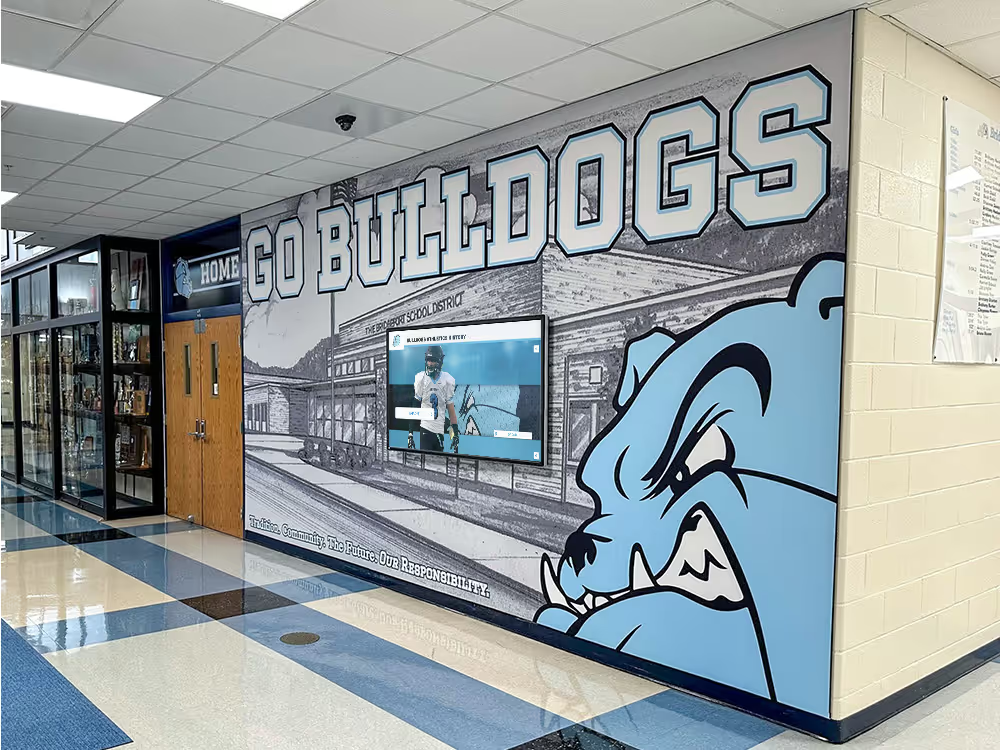
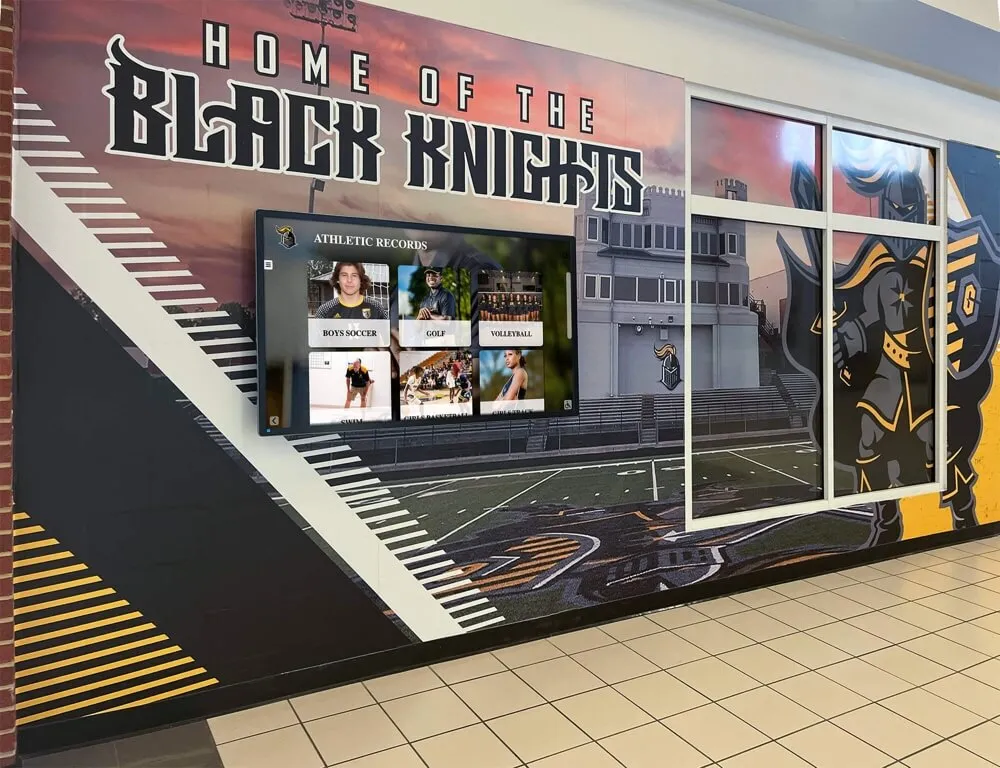
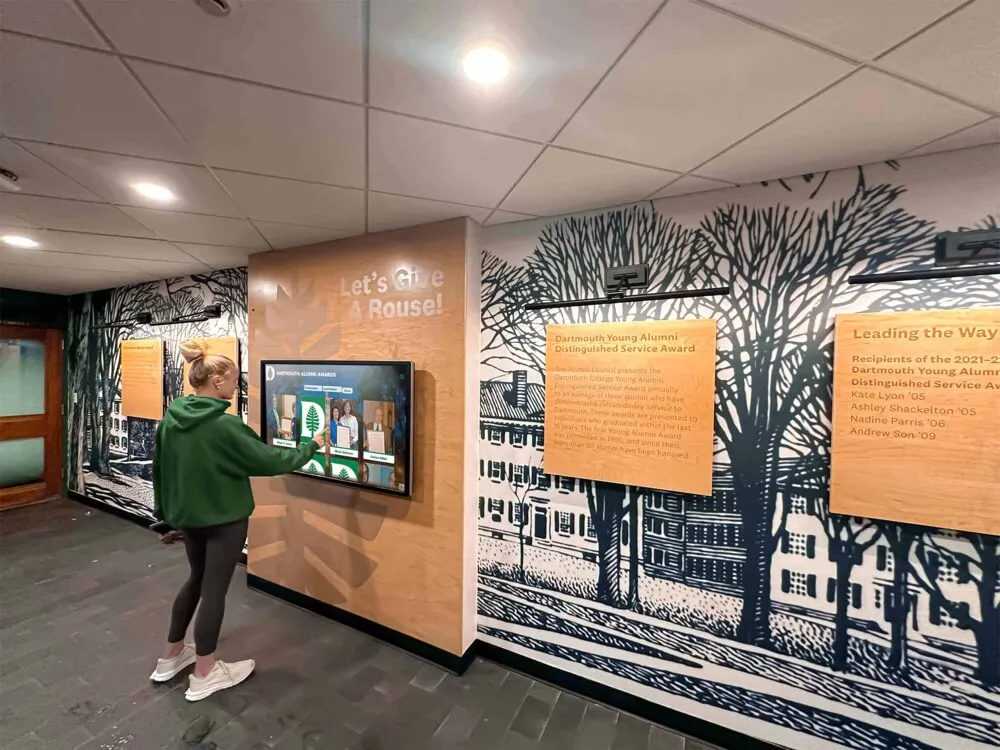
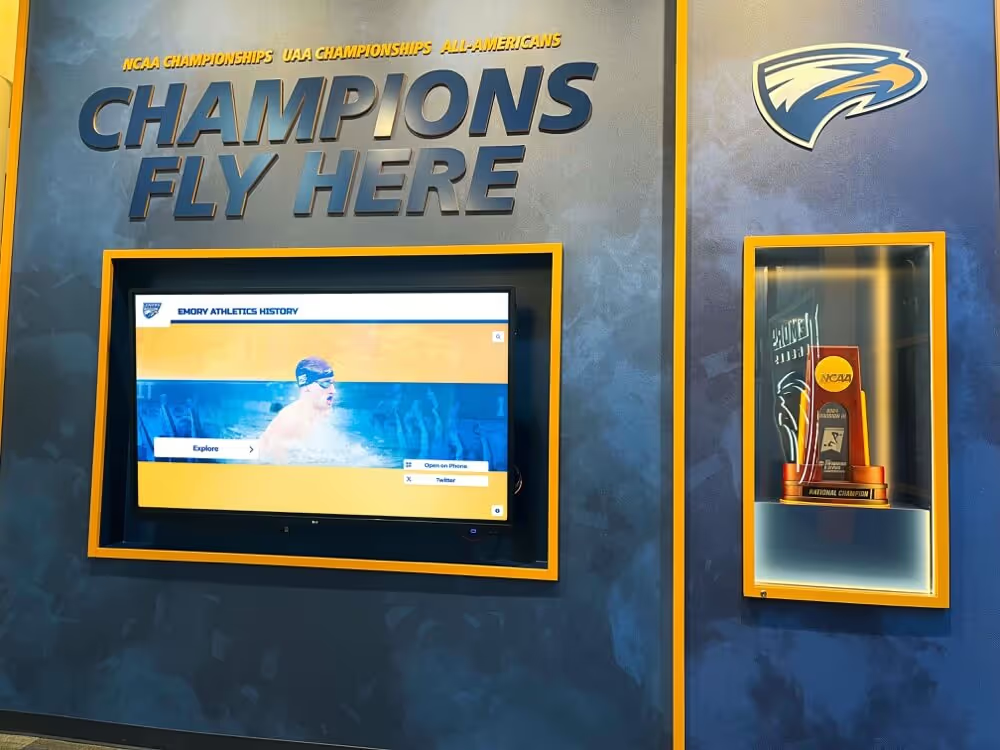
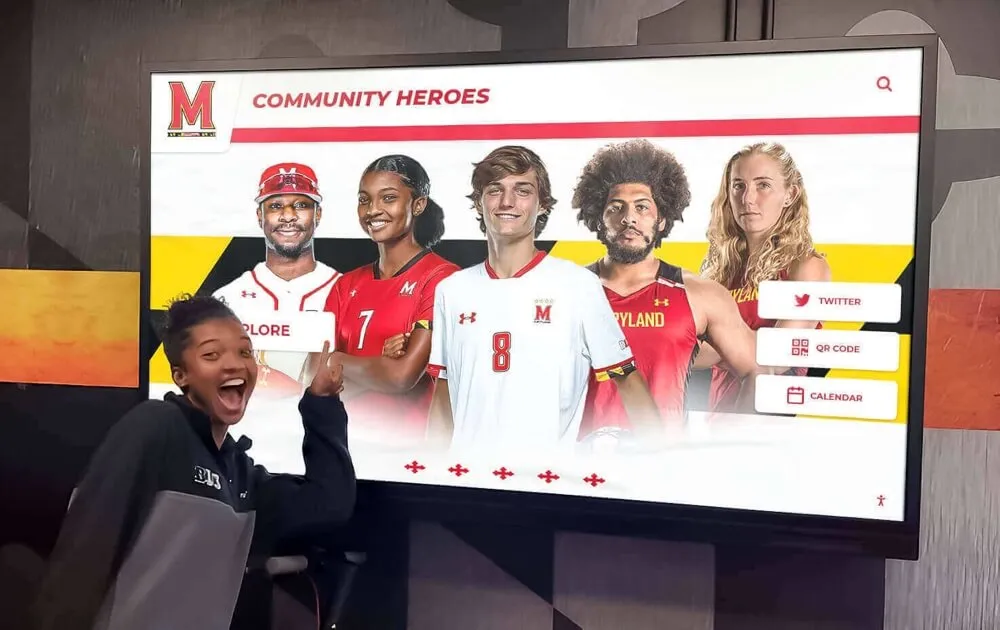
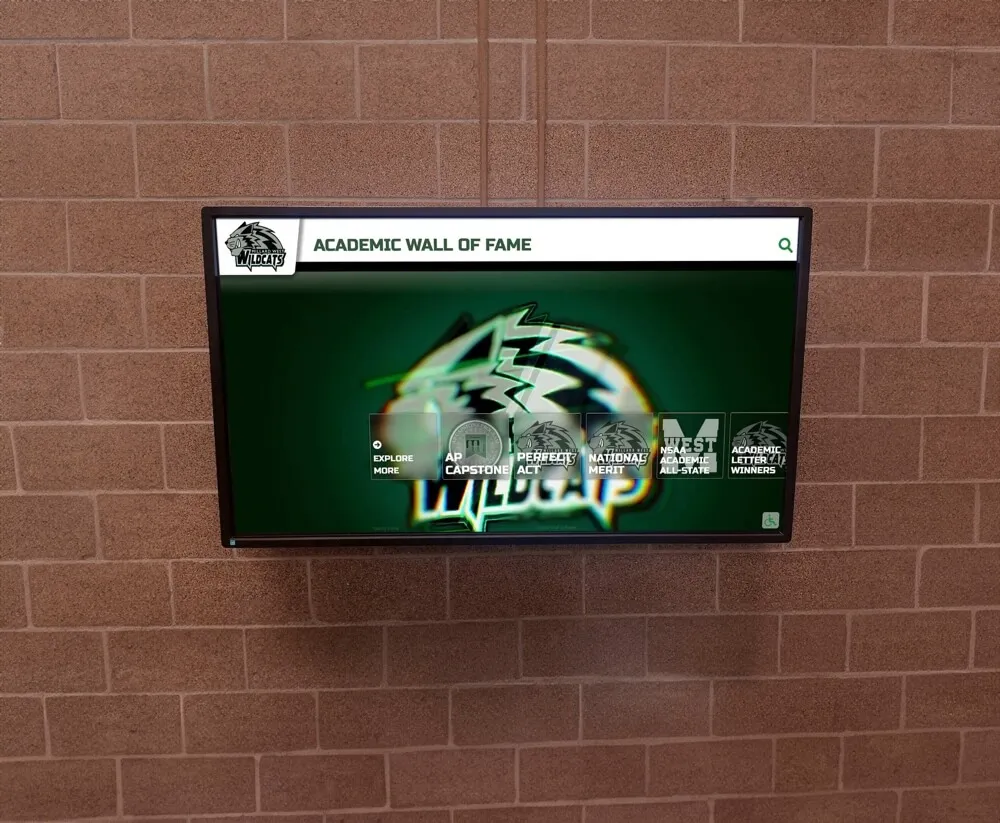
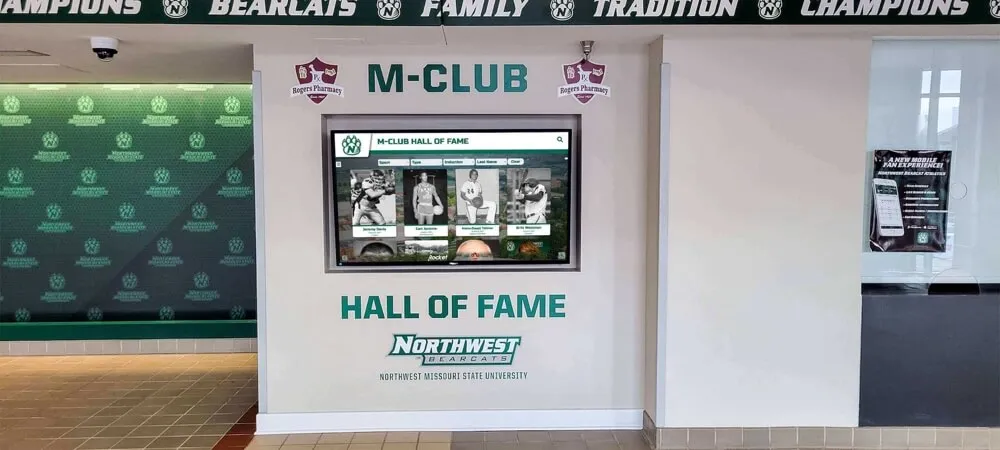
Academic All-Americans typically represent less than 2% of student-athletes—those who achieve both a minimum 3.3 GPA and athletic distinction in their sport. This dual excellence deserves recognition that communicates institutional pride while inspiring current and future student-athletes. Digital recognition displays specifically designed for athletic record boards enable programs to showcase unlimited Academic All-Americans with comprehensive profiles including academic achievements, athletic statistics, photos, and biographical details—all updated remotely in minutes rather than requiring physical plaque production and installation. Solutions like Rocket Alumni Solutions provide purpose-built platforms that keep every champion on display permanently while maintaining ADA compliance and auto-ranking capabilities traditional displays cannot match.
Understanding Academic All-American Programs: Standards and Significance
Before implementing recognition systems, athletic departments benefit from understanding what Academic All-American status represents and why these achievements deserve prominent celebration alongside purely athletic honors.
CoSIDA Academic All-American Selection Process
The College Sports Information Directors of America (CoSIDA) administers the premier Academic All-American program, recognizing student-athletes who excel in both academics and athletics across all NCAA divisions, NAIA, and junior colleges. The selection process evaluates both academic and athletic performance through rigorous criteria.
Academic Requirements: Nominees must maintain a cumulative grade point average of at least 3.30 on a 4.00 scale, must have reached sophomore athletic and academic standing at their institution, and must be a starter or important reserve with legitimate athletic credentials. These standards ensure recognition goes only to students demonstrating sustained academic excellence, not just single-semester achievements.
Athletic Performance Evaluation: Beyond academic requirements, selection committees assess athletic accomplishments including statistical performance in their sport, team leadership and contributions, coaching recommendations, and competitive achievements at conference or national levels. This combination of academic and athletic evaluation distinguishes Academic All-Americans from purely scholastic honors or strictly athletic awards.
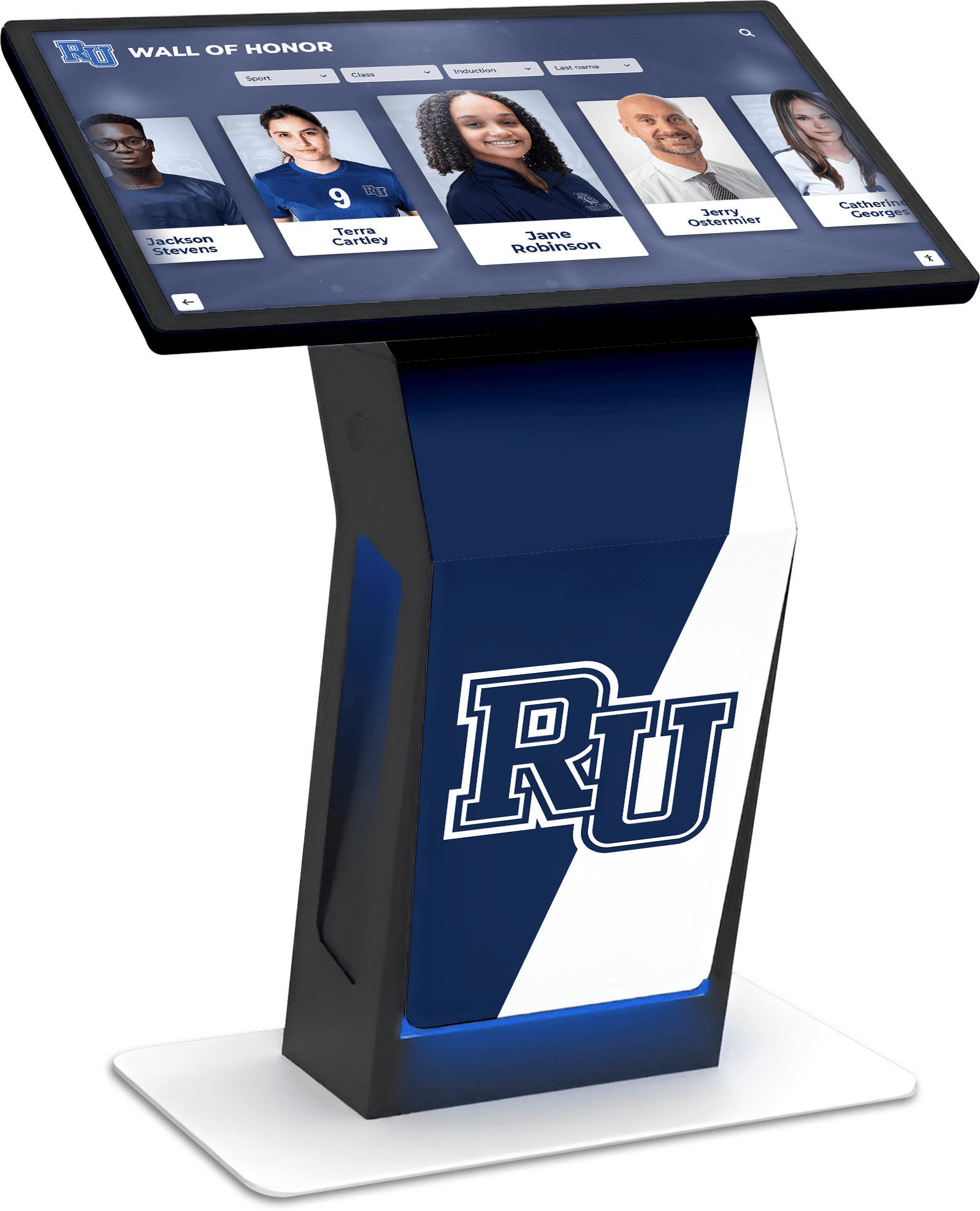
Three-Tier Recognition System: The Academic All-American program includes three distinction levels—First Team, Second Team, and Third Team—enabling recognition for more student-athletes while maintaining meaningful differentiation based on achievement level. First Team honors represent the absolute highest combination of academic and athletic excellence, while Second and Third Team selections acknowledge outstanding scholar-athletes competing at slightly lower statistical or competitive levels.
Understanding these tiers helps athletic departments create recognition displays that accurately reflect achievement levels while celebrating all Academic All-American honorees appropriately.
Sport-Specific Recognition and Coverage
CoSIDA administers Academic All-American programs across virtually every collegiate sport, from high-profile football and basketball to emerging sports like beach volleyball and esports. Each sport maintains its own selection process and timeline, with committees of sports information professionals evaluating nominees based on sport-specific athletic criteria combined with universal academic standards.
Fall Sports Recognition: Academic All-Americans in football, soccer, volleyball, cross country, and field hockey typically receive recognition during winter months following their competitive seasons. Winter Sports Recognition: Basketball, wrestling, swimming and diving, indoor track, and gymnastics honorees are announced during spring. Spring Sports Recognition: Baseball, softball, lacrosse, outdoor track, tennis, and golf Academic All-Americans receive recognition during summer months.
This staggered timeline creates year-round opportunities for celebrating scholar-athlete achievement rather than concentrating recognition into single events or periods. Athletic departments implementing comprehensive digital recognition systems can update displays immediately as Academic All-American announcements occur, maintaining current relevance while preserving complete historical records.
Beyond CoSIDA: Conference and Institutional Academic Recognition
While CoSIDA Academic All-Americans represent the national standard, many conferences and institutions maintain additional scholar-athlete recognition programs worth celebrating through comprehensive digital displays. Conference commissioners’ honor rolls, all-academic teams, and scholar-athlete awards acknowledge outstanding academic achievement within specific competitive conferences.
Institutional academic excellence awards—such as athletic director’s honor rolls, dean’s lists for student-athletes, and departmental academic achievement recognition—provide additional categories deserving display alongside national Academic All-American honors. Digital recognition platforms enable athletic departments to integrate all these recognition levels into unified systems where visitors can explore complete scholar-athlete achievements across multiple programs and standards rather than encountering fragmented recognition scattered across disconnected displays.
The Recognition Gap: Why Traditional Displays Fall Short
Walk through most athletic facilities and a problematic pattern emerges: athletic achievements dominate visible recognition while academic excellence receives minimal permanent acknowledgment. Championship banners hang prominently. Record boards showcase top athletic performances. Yet Academic All-Americans—athletes who achieved dual excellence—often receive only fleeting recognition through temporary posters, brief announcements, or certificates filed away and forgotten.
Space Constraints Force Impossible Choices
Traditional recognition approaches require physical wall space—area for plaques, room for display cases, square footage for banners. These space limitations force athletic departments to make difficult decisions about which achievements deserve permanent display and which must be stored away or excluded entirely. When recognition capacity remains finite, established athletic traditions often win, meaning purely athletic records and championships maintain visibility while academic achievements struggle for any permanent acknowledgment.
Physical space constraints also create practical barriers to comprehensive Academic All-American recognition. A successful program might graduate 20-30 Academic All-Americans annually across all sports. Over just a decade, that represents 200-300 honorees. Traditional plaque systems accommodating this volume require extensive wall space that simply doesn’t exist in most athletic facilities, forcing departments to choose between incomplete recognition or expensive facility renovations to create additional display capacity.
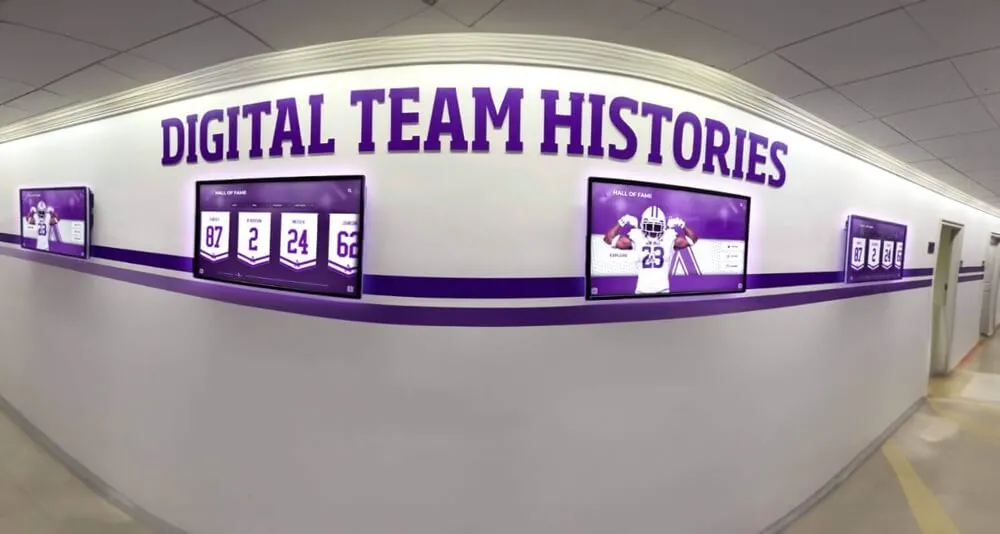
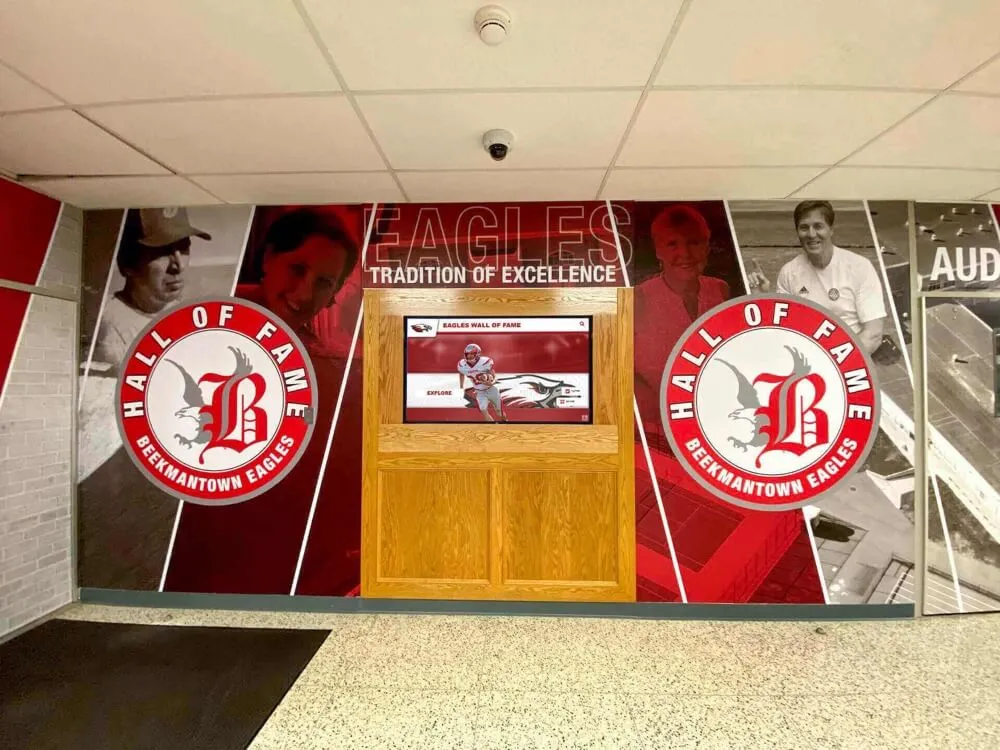
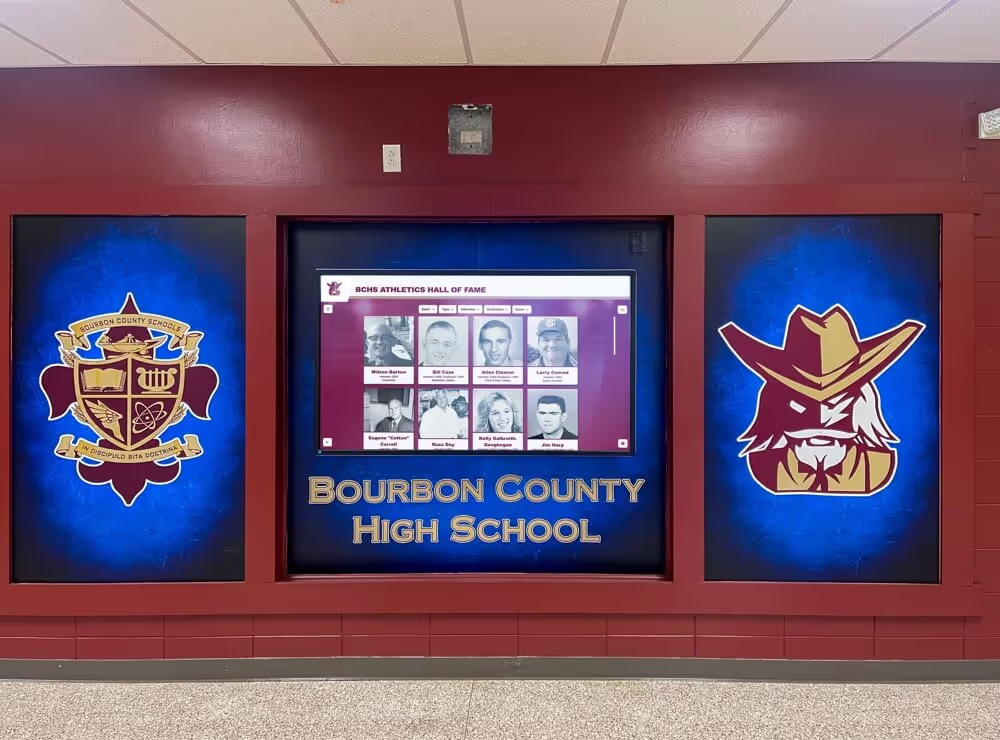
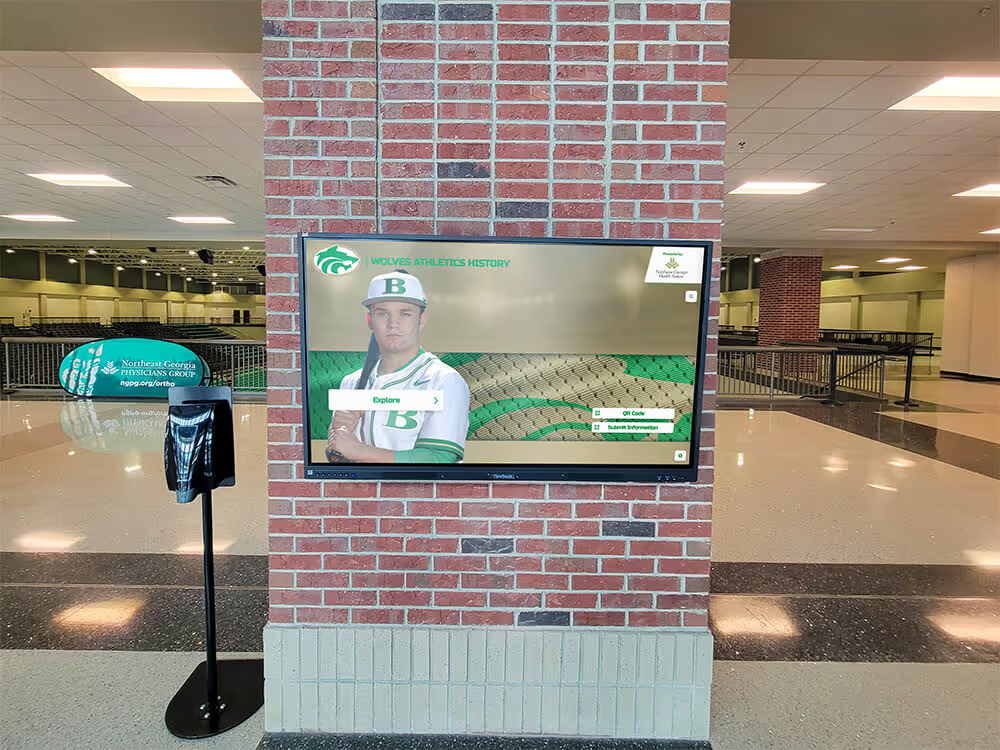
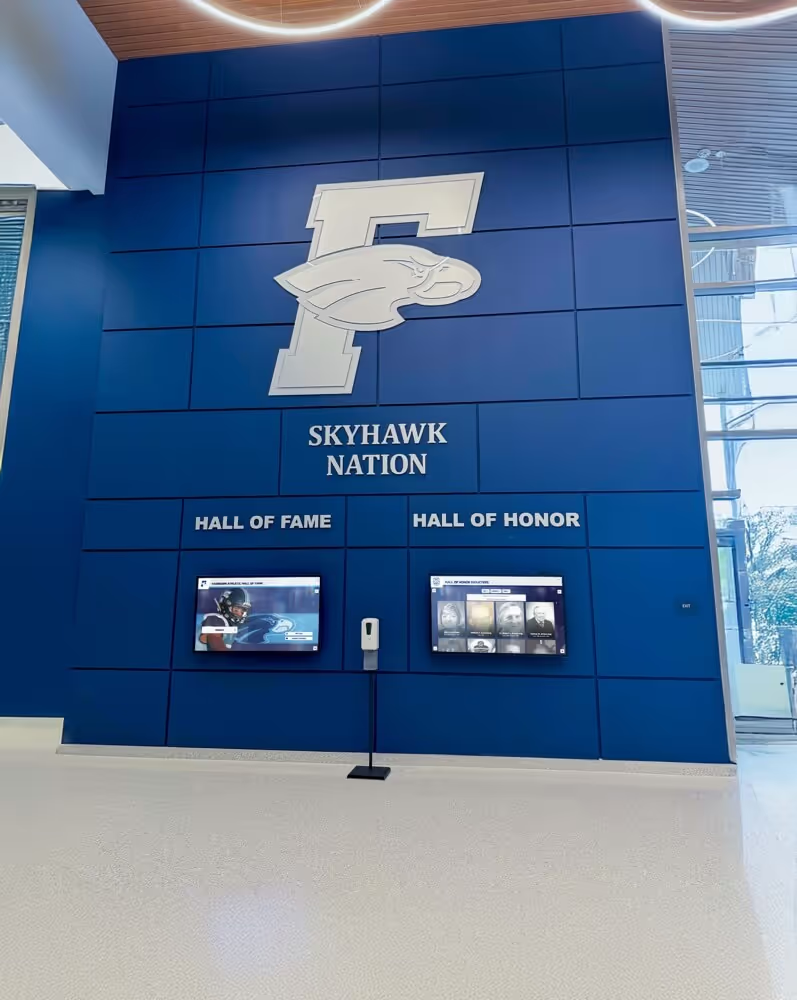
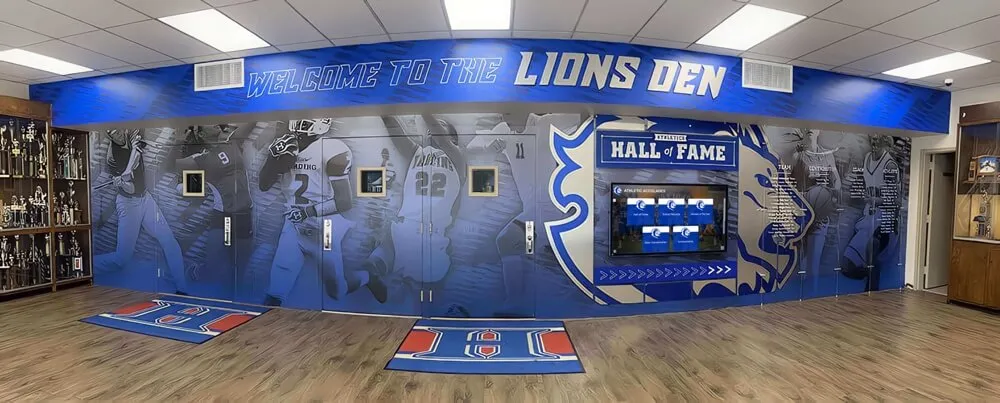
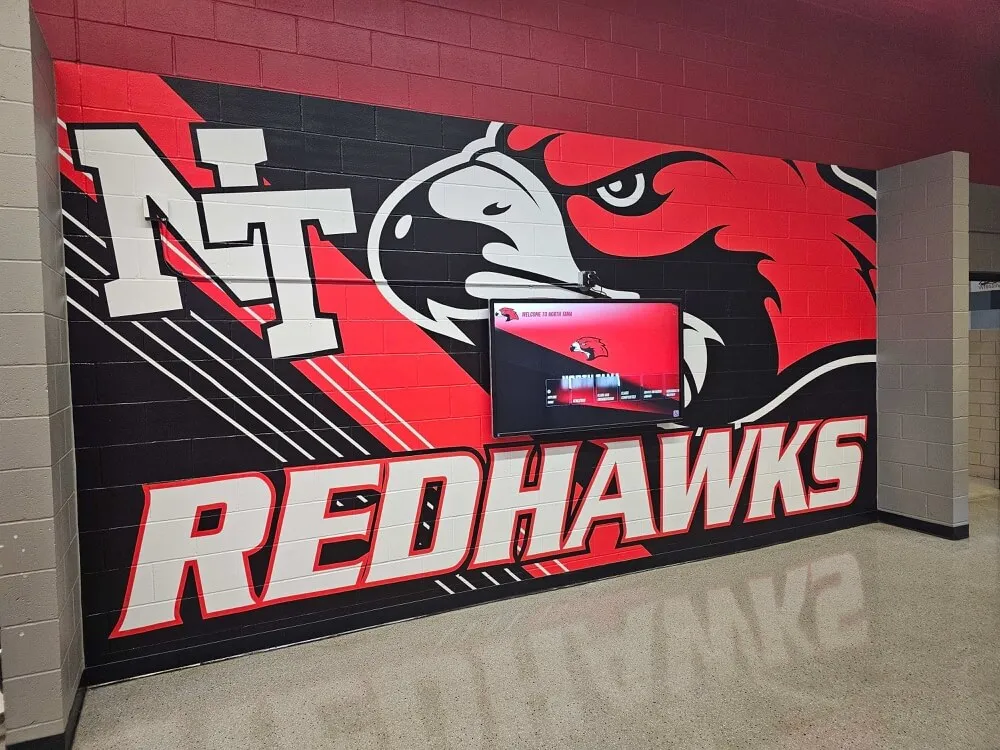
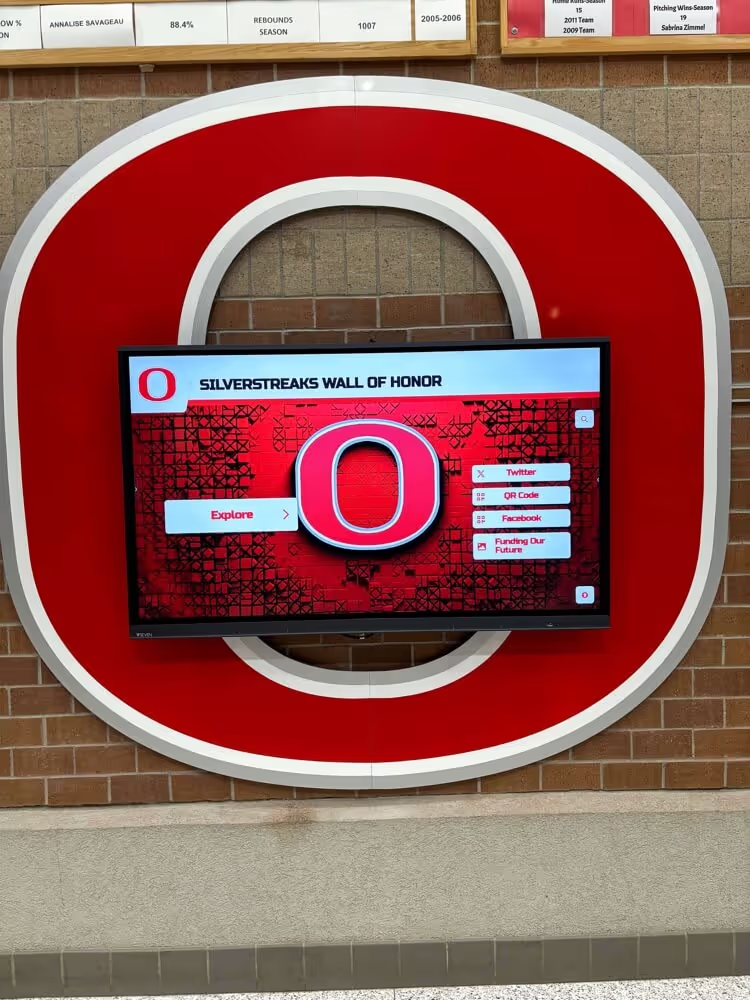
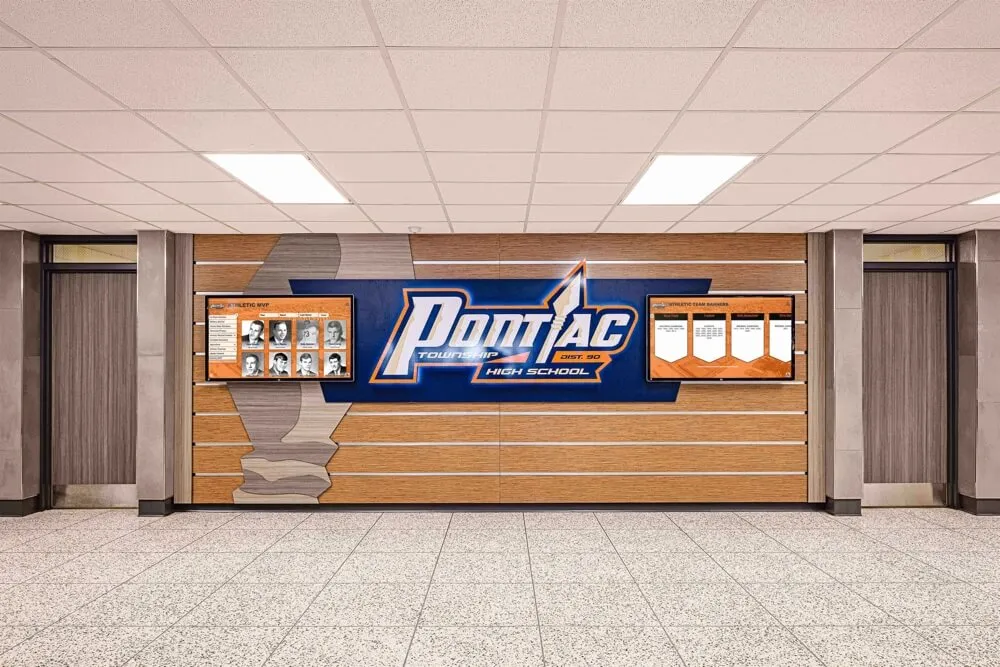
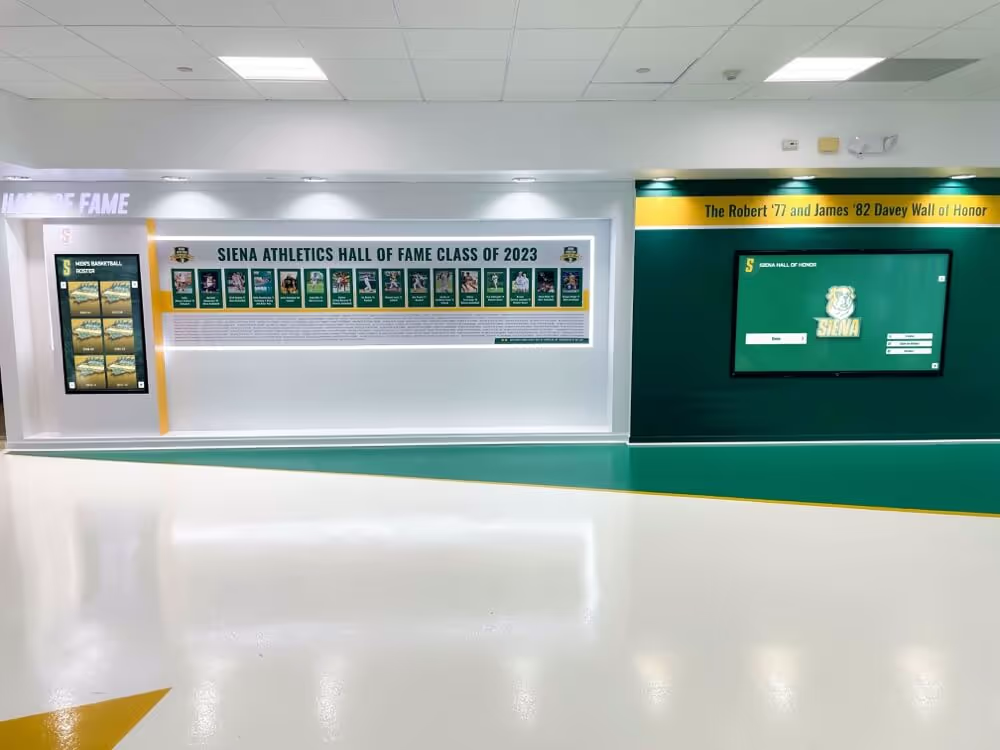
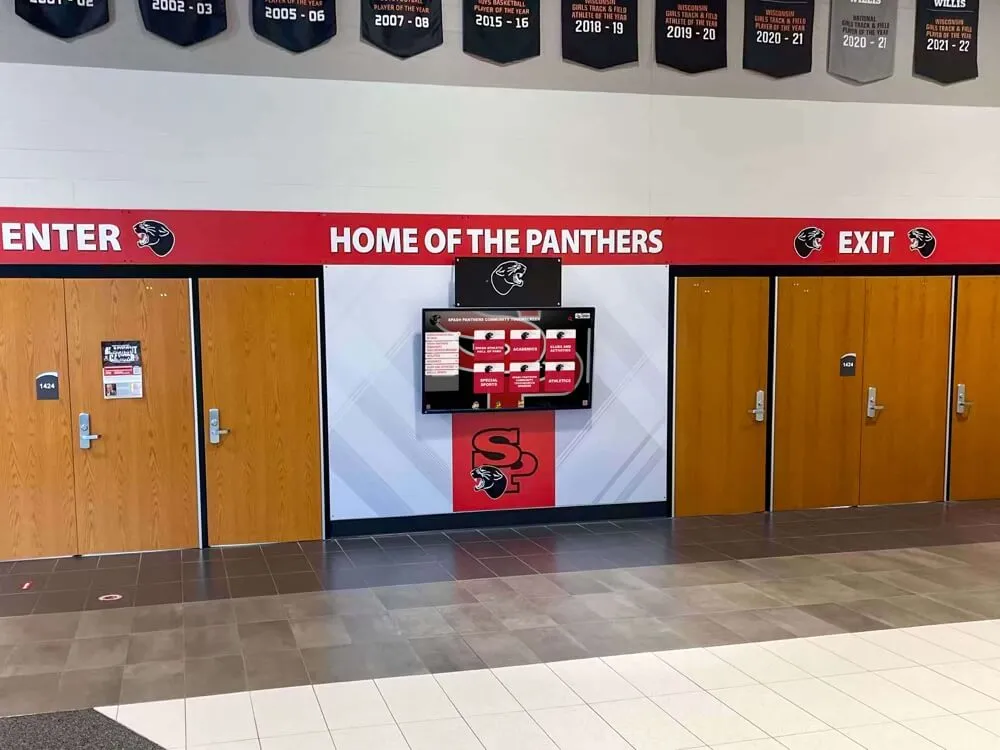
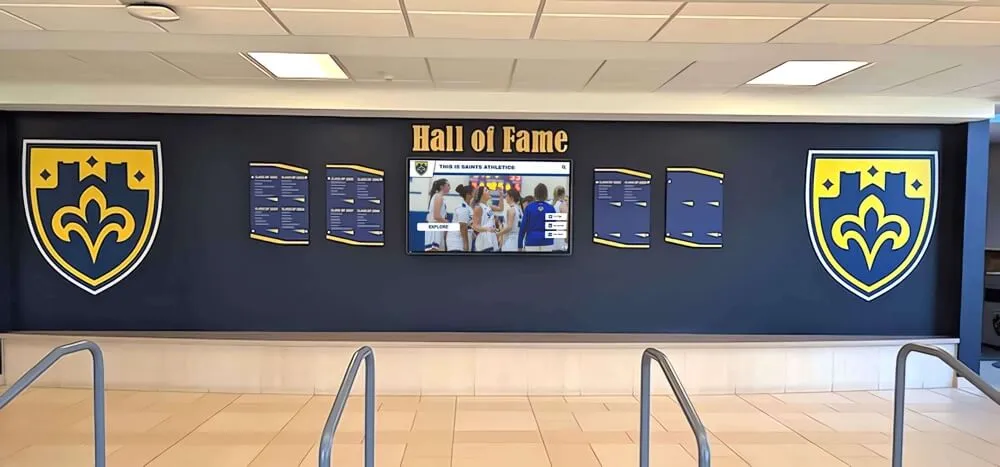
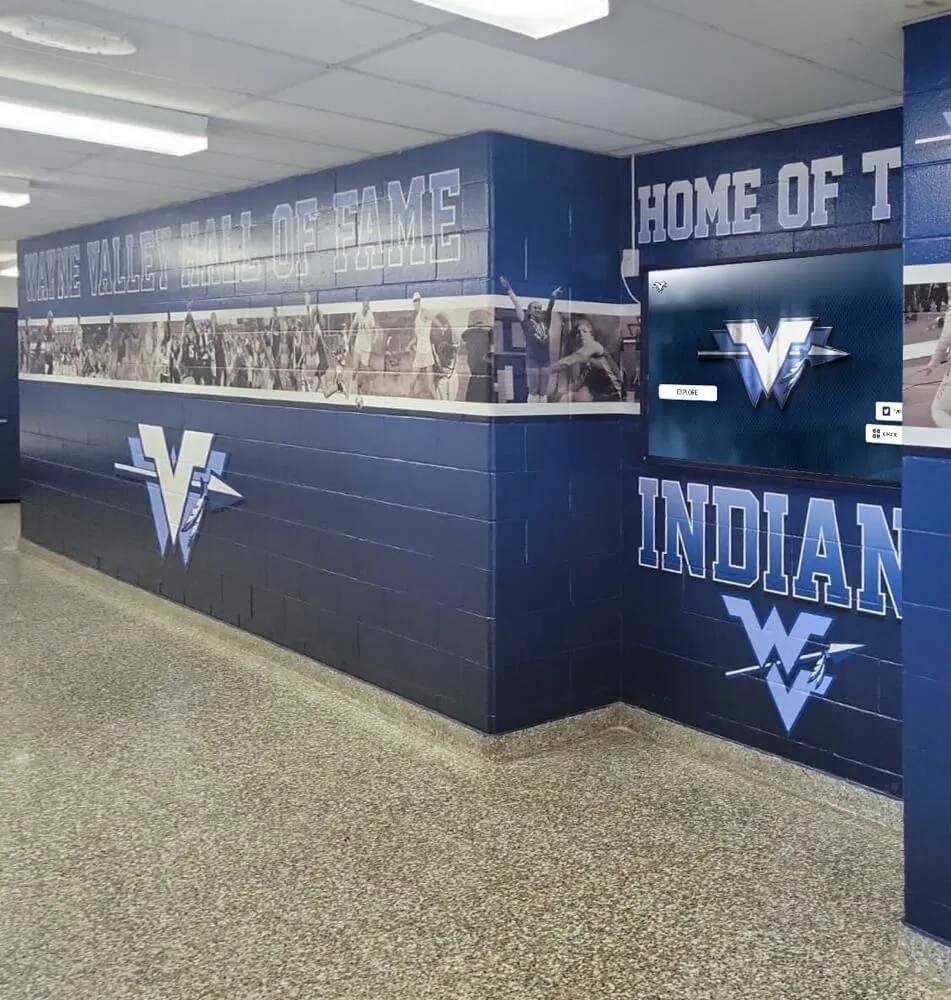
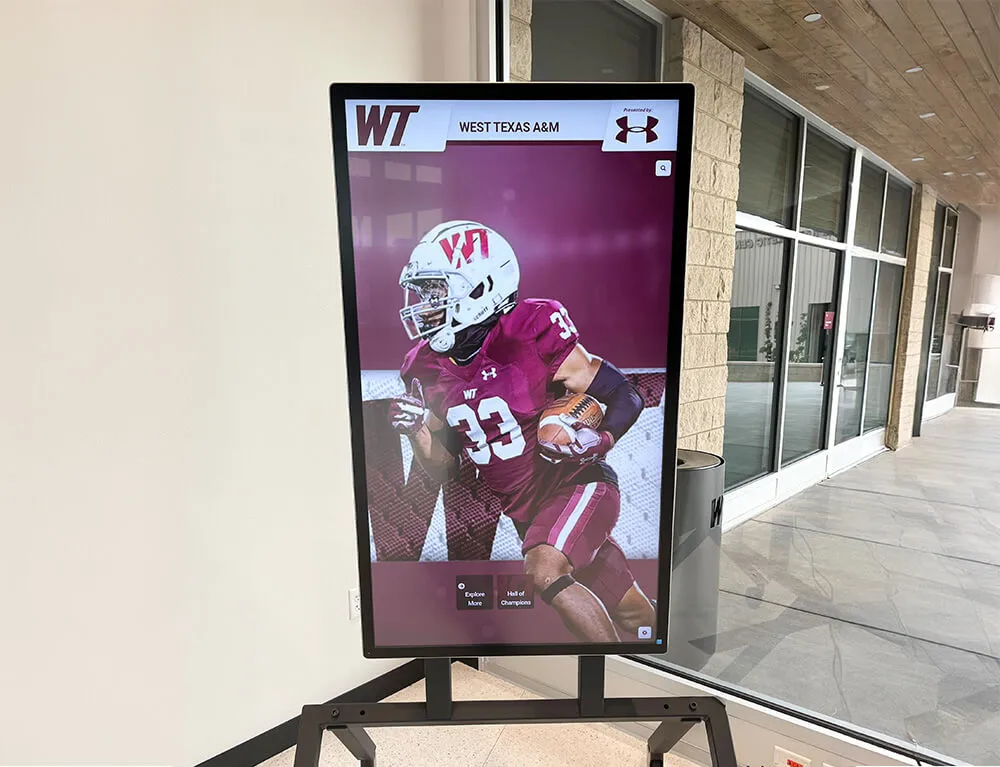
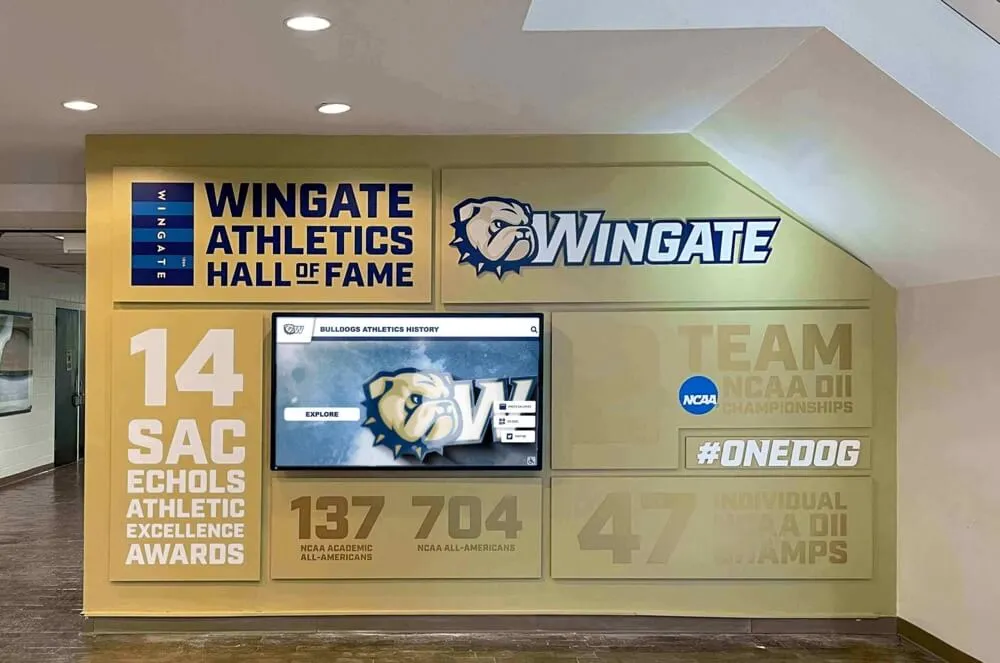
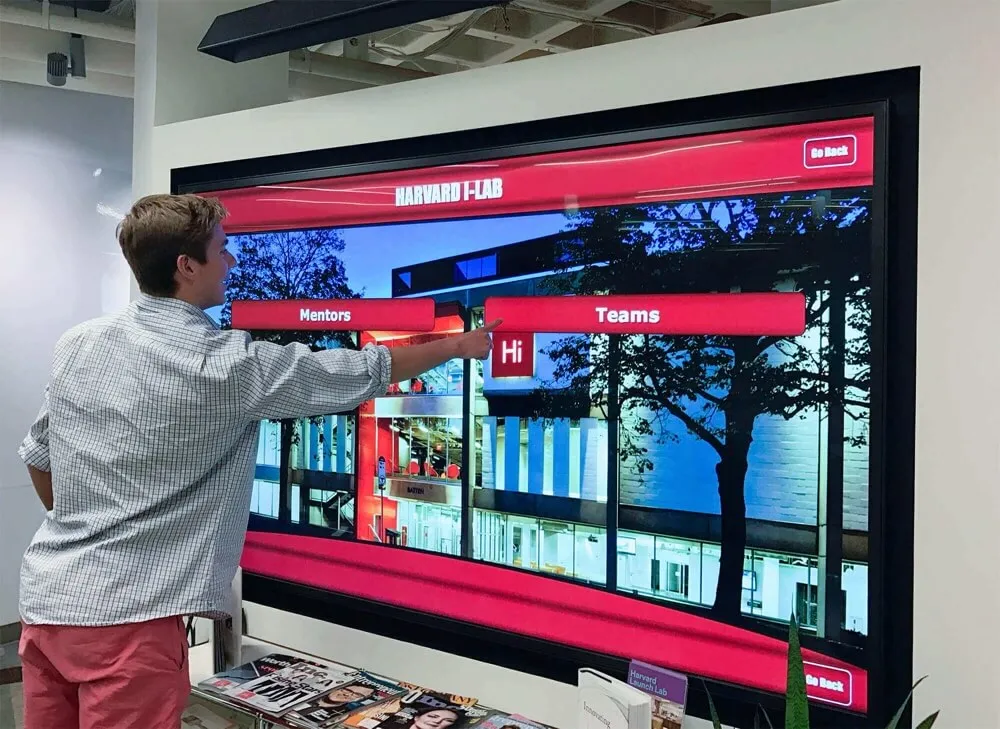
Modern digital recognition displays eliminate these space constraints entirely. A single 55-inch touchscreen can showcase comprehensive profiles for thousands of Academic All-Americans—content requiring dozens of traditional displays to present. Unlimited digital capacity enables athletic departments to recognize every scholar-athlete without space-driven prioritization that undervalues academic excellence.
Manual Updates Create Delays and Errors
Traditional recognition through physical plaques requires lengthy production cycles: designing layouts, ordering plaques, waiting for manufacturing, scheduling installation, and coordinating facility access. This timeline often spans weeks or months, meaning Academic All-Americans announced in March might not see their recognition displayed until the following academic year—long after the achievement moment has passed and motivational impact has diminished.
Manual update processes also create opportunities for errors that damage credibility and disrespect honored athletes. Misspelled names, incorrect years, wrong sport designations, or outdated information undermine recognition programs and require expensive correction efforts. According to the National Association of Collegiate Directors of Athletics, approximately 30% of traditional athletic recognition displays contain at least one factual error that persists for years before anyone notices and initiates corrections.
Digital recognition systems enable remote updates completed in minutes rather than months. When Academic All-American announcements arrive, athletic staff can photograph the athlete, upload achievement details, and publish recognition to displays across campus within hours—creating timely celebration while excitement remains current and relevant to student-athletes, coaches, and families.
Static Displays Fail to Engage Digital-Native Audiences
Contemporary student-athletes grew up with smartphones, interactive tablets, and social media platforms delivering rich multimedia experiences. Recognition through static printed lists or unchanging plaques feels outdated and disengaging compared to the interactive, visual experiences students encounter daily in their personal technology use.
Static recognition also becomes instantly outdated. Printed Academic All-American lists reflect only single seasons, immediately obsolete when new honorees are announced. Traditional displays rarely update, meaning current achievements often go unacknowledged for months until someone finds time to produce new plaques or update bulletin boards. This delayed recognition diminishes motivational impact when acknowledgment comes long after accomplishments occur.
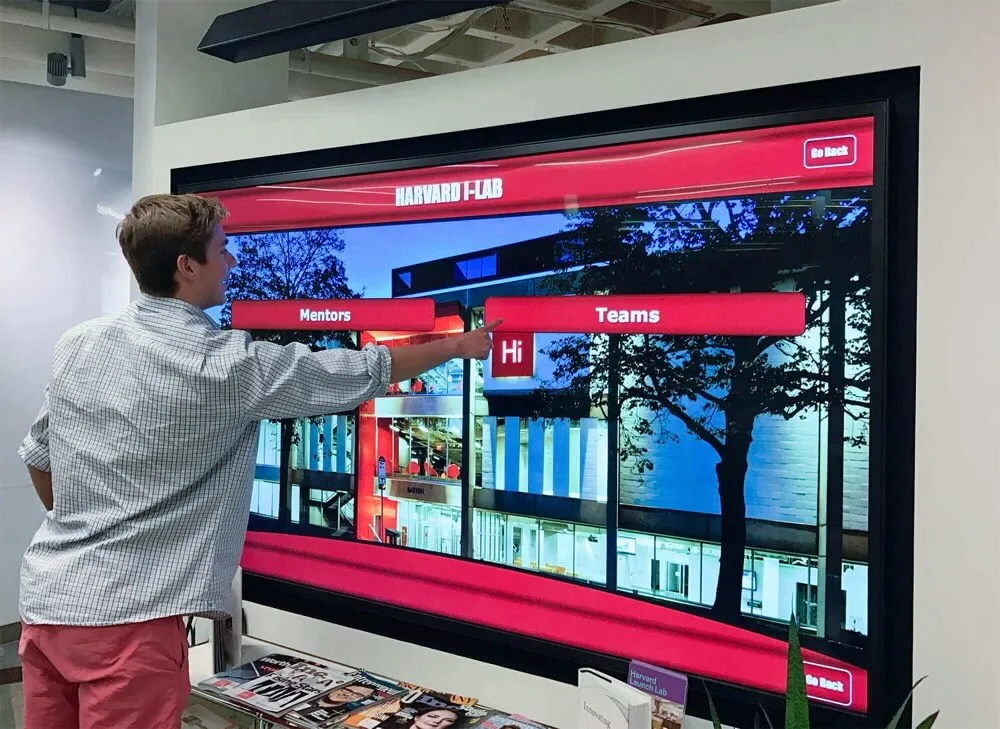
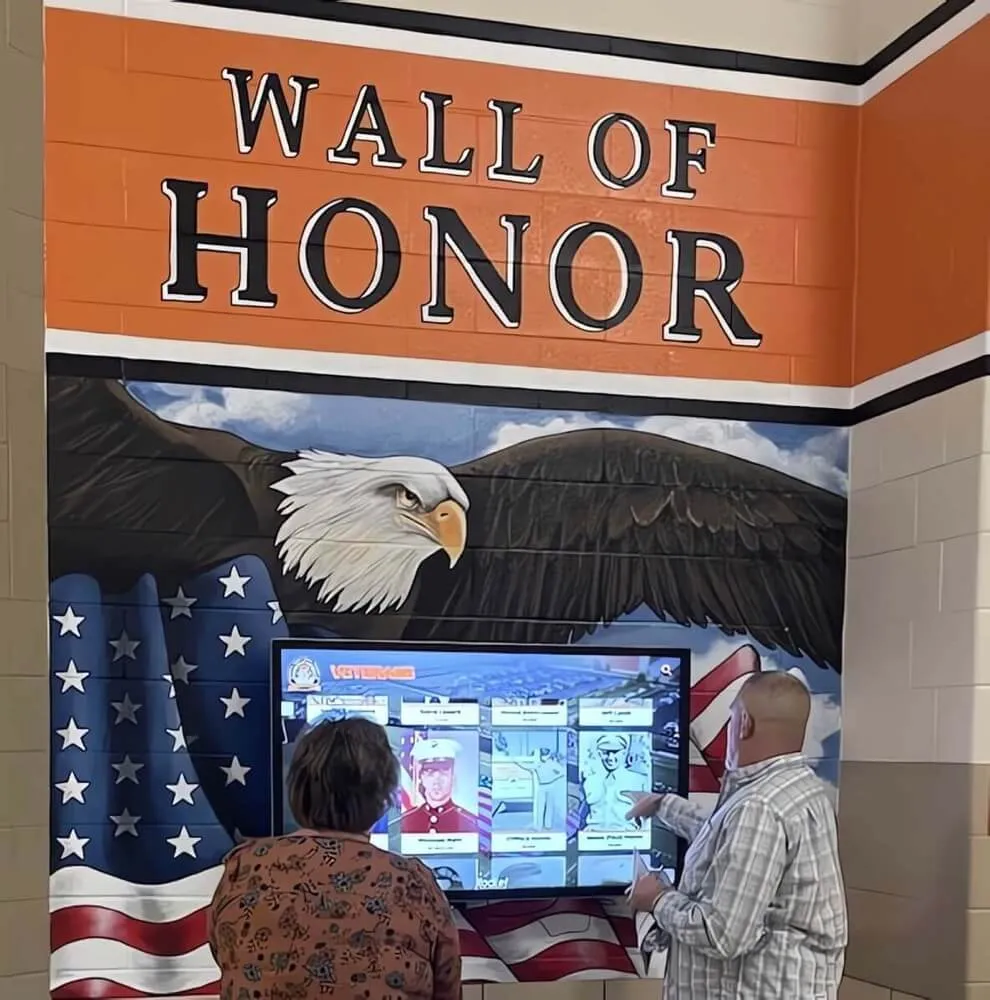
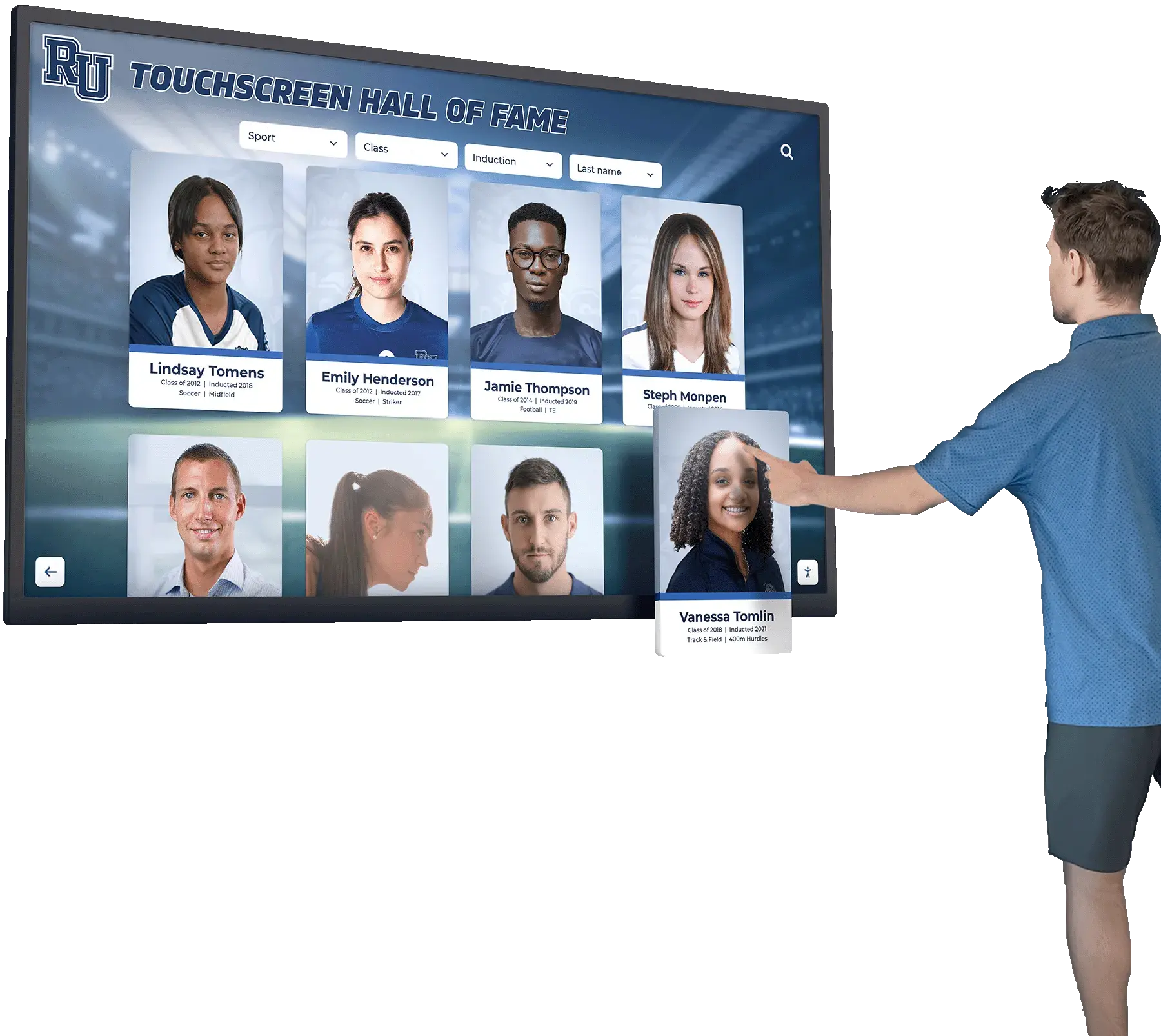
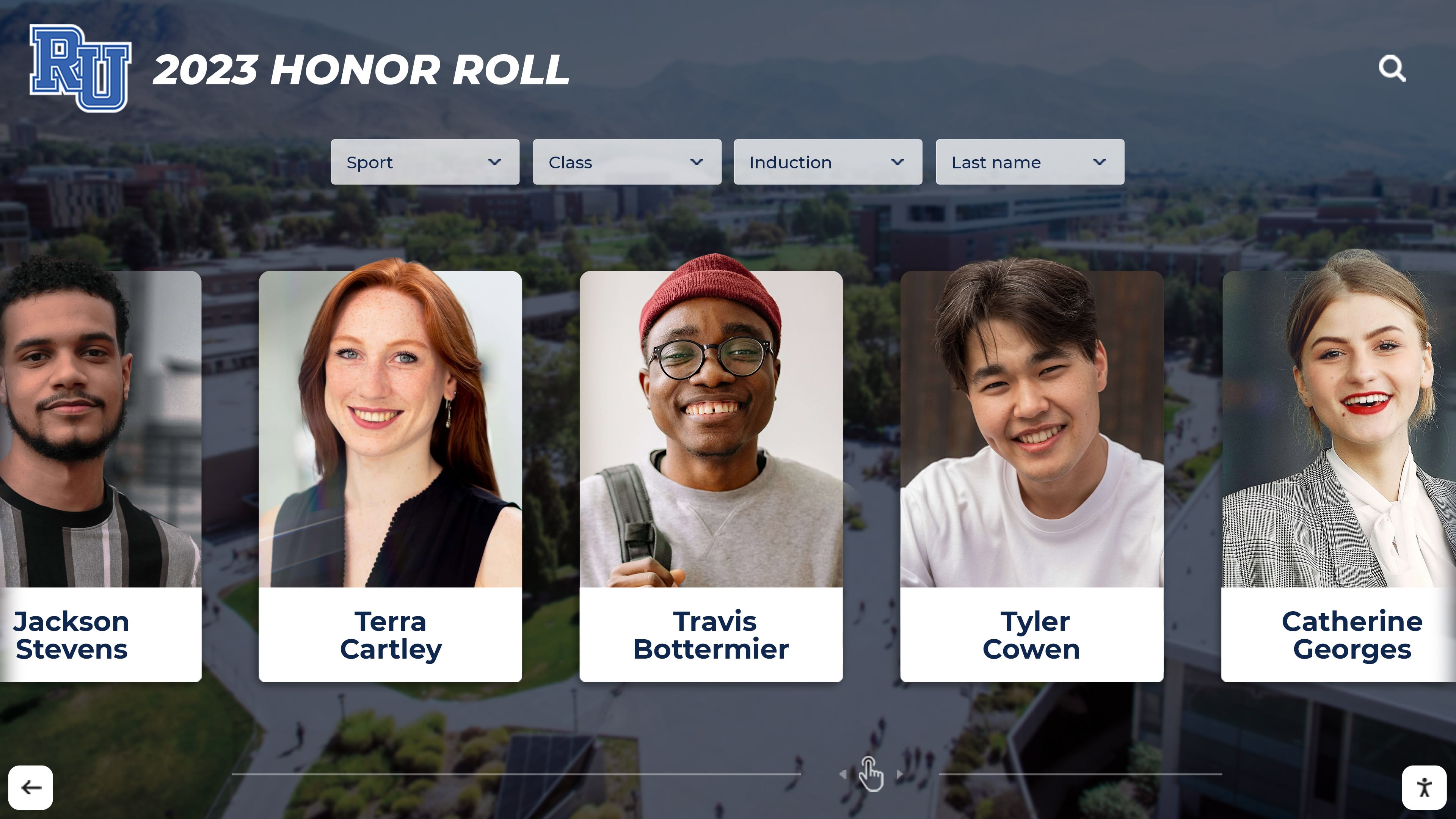

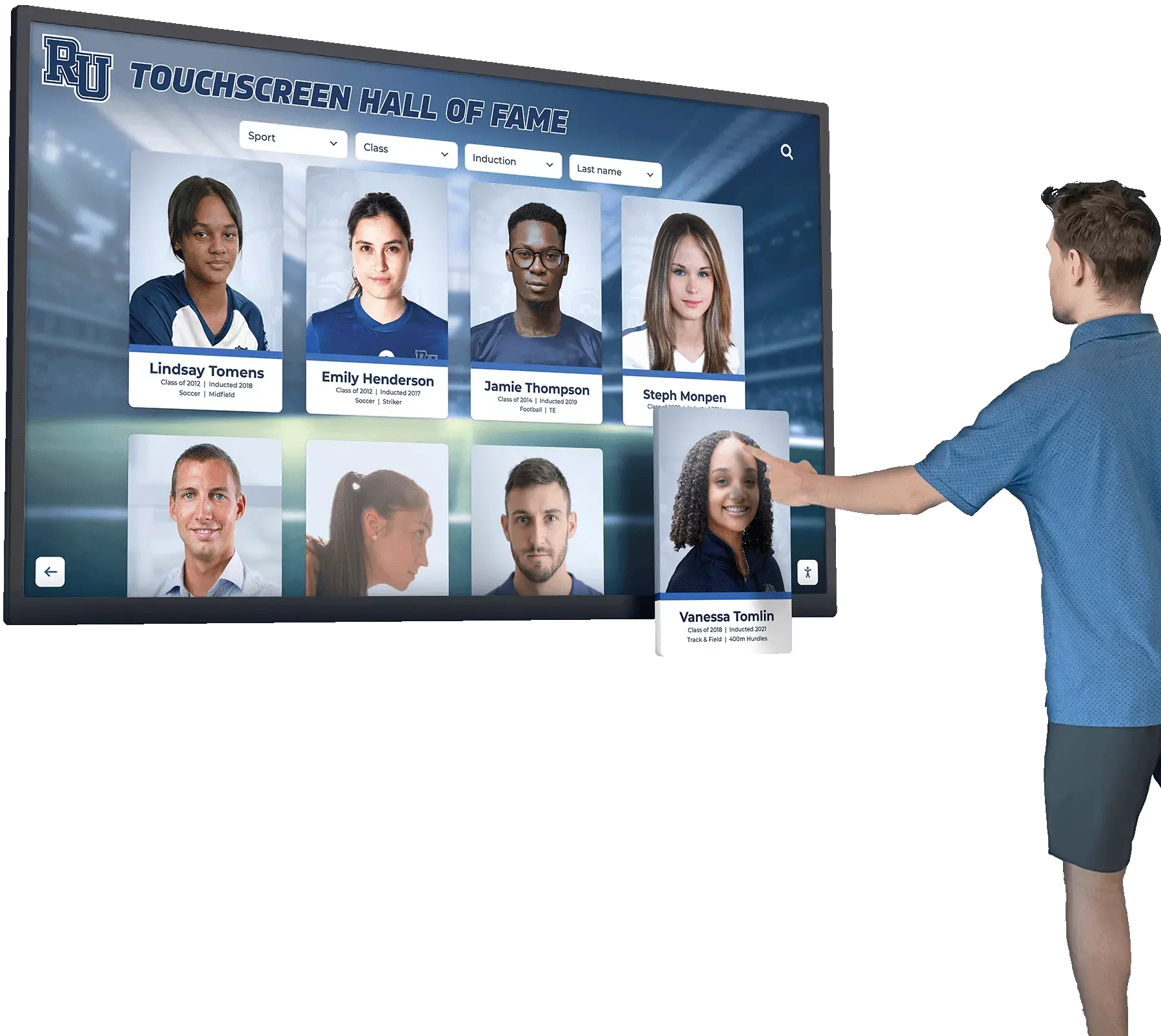
Interactive digital platforms create engaging recognition experiences matching how student-athletes naturally interact with information technology. Touchscreen displays allow users to explore achievements, search for specific athletes, filter by sport or year, and discover detailed stories behind accomplishments—transforming passive viewing into active exploration that generates genuine engagement and extended interaction time.
Auto-Ranking Digital Record Boards: Purpose-Built for Academic All-Americans
Purpose-built digital record boards specifically designed for athletic recognition provide capabilities traditional displays cannot match while addressing every limitation of static plaque systems. These platforms combine unlimited capacity, auto-ranking functionality, comprehensive multimedia support, and intuitive content management into integrated solutions that transform how athletic departments celebrate scholar-athlete achievement.
Unlimited Recognition Capacity Without Physical Constraints
The most transformative advantage digital record boards provide is unlimited recognition capacity. Unlike physical plaques constrained by wall space or display case dimensions, digital systems can recognize thousands of Academic All-Americans across decades without space limitations or need for facility expansion. Athletic departments never face decisions about removing older recognition to accommodate current honorees—every Academic All-American from the program’s first year through current seasons receives equal, permanent recognition accessible through simple search and navigation.
This unlimited capacity enables truly comprehensive recognition including every Academic All-American across all sports and all years, multiple honor levels (First Team, Second Team, Third Team) without space concerns, conference academic honors alongside national recognition, institutional scholar-athlete awards integrated with external programs, and historical recognition preserving legacy achievements from decades past.
For athletic departments with strong academic traditions graduating dozens of Academic All-Americans annually, unlimited digital capacity provides the only practical solution for sustainable long-term recognition that honors every deserving student-athlete without impossible physical space requirements or prohibitive ongoing costs.
Auto-Ranking Keeps Recognition Current and Accurate
Auto-ranking functionality represents one of the most powerful features purpose-built digital record boards offer for Academic All-American recognition. These systems automatically organize and present honorees based on achievement criteria without requiring manual sorting or restructuring each time new additions occur.
Automatic Chronological Organization: Digital systems automatically sort Academic All-Americans by graduation year, season, or announcement date, ensuring displays remain properly organized as new honorees join. Achievement Level Categorization: Systems can automatically categorize First Team, Second Team, and Third Team Academic All-Americans into appropriate sections while maintaining unified searchability across all levels. Sport-Specific Grouping: Auto-ranking enables automatic organization by sport, allowing users to view all Academic All-Americans in football, basketball, or any sport without manually filtering through complete rosters.
This automation eliminates the administrative burden of manually reorganizing recognition each season while ensuring visitors always encounter properly structured, current information rather than outdated displays requiring constant manual intervention to maintain accuracy and relevance.
Rich Multimedia Profiles Tell Complete Scholar-Athlete Stories
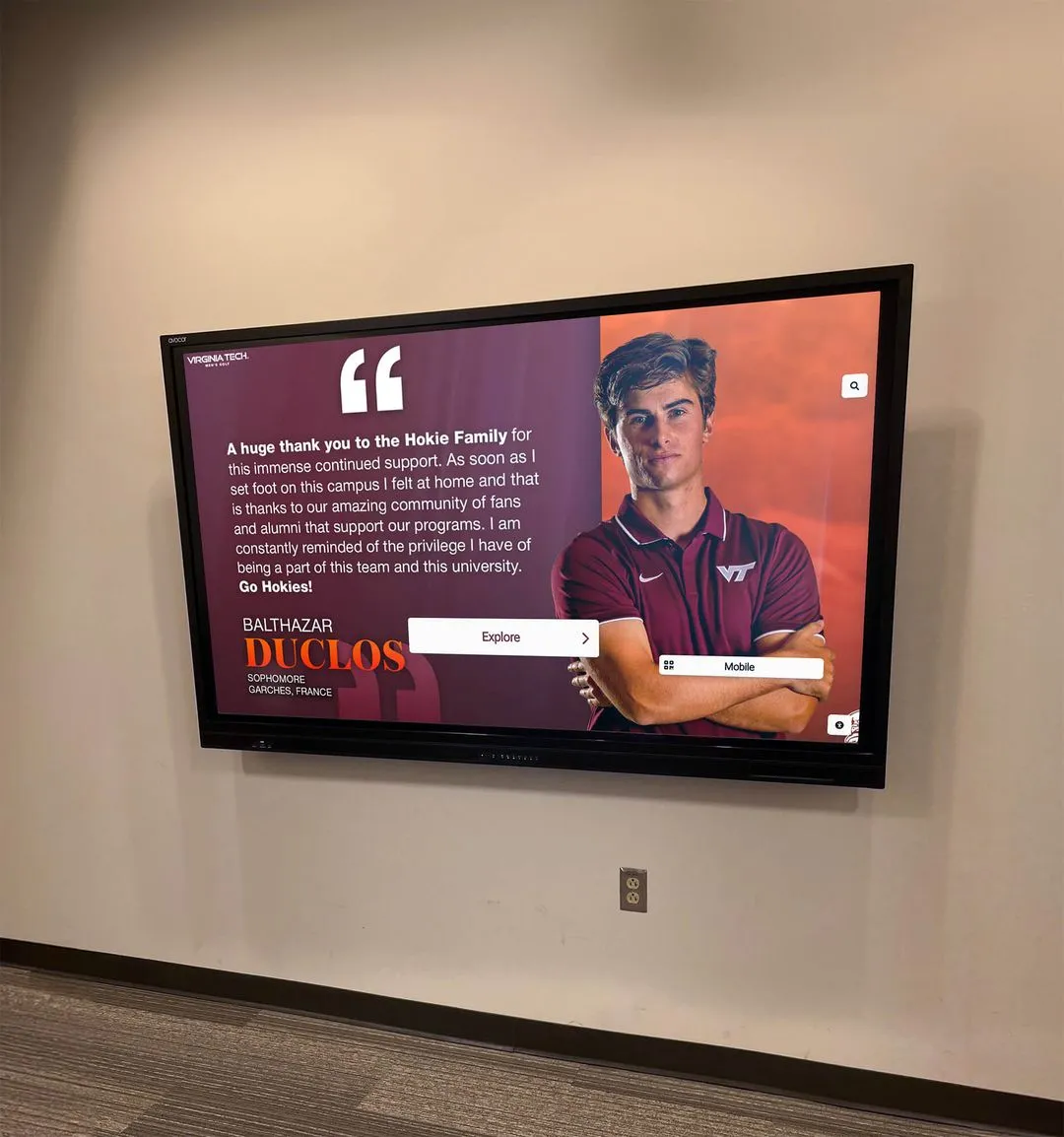
Digital recognition enables athletic departments to move far beyond simple name listings to comprehensive profiles that tell each Academic All-American’s complete story through multiple dimensions. Effective Academic All-American profiles typically include high-resolution athlete photographs from their competitive seasons, complete names with proper spelling and preferred formats, sport and position with team affiliation, years competed and graduation class, Academic All-American team designation (First, Second, Third), cumulative GPA and academic major, athletic statistics and accomplishments, leadership roles and team captaincy, conference academic honors and additional awards, post-graduation plans or current career information, and athlete quotes about balancing academics and athletics.
This depth of information creates engaging content that holds viewer attention while providing current student-athletes with detailed role models demonstrating that academic and athletic excellence can coexist. When prospective recruits can see not just that someone earned Academic All-American honors but specifically what sport they played, what they studied, what career they pursued, and how they balanced demanding schedules, this narrative provides practical guidance and inspiration that simple name listings cannot offer.
Multimedia capabilities enable further enhancement through video interviews with scholar-athletes discussing their experiences, photo galleries showing athletes in both academic and athletic settings, scanned certificates and award documents providing authenticity, career update features showing long-term success of Academic All-Americans, and interactive timelines showing academic and athletic progression throughout collegiate careers.
Remote Content Management Eliminates Update Friction
Digital record boards include intuitive cloud-based content management systems that enable authorized athletic staff to add new Academic All-Americans, update existing profiles, upload photos and statistics, modify displayed information, and publish changes that appear on displays within minutes—all from any internet-connected device without requiring physical access to displays or technical expertise.
When CoSIDA releases Academic All-American rosters each season, athletic communications staff can add new honorees to digital displays within hours, ensuring timely recognition that celebrates achievement while it remains current and newsworthy. This rapid turnaround contrasts sharply with traditional plaques requiring weeks or months between ordering and installation, by which time student-athletes may have graduated and the recognition moment has passed.
User-friendly content management means athletic departments don’t need technical expertise, vendor dependency, or significant staff time to maintain comprehensive recognition. Sports information directors, athletic communications professionals, or administrative staff with basic computer skills can manage complete recognition systems independently, adding Academic All-Americans alongside athletic record holders, hall of fame inductees, and championship teams through the same intuitive interface.
Strategic Implementation: Planning Your Academic All-American Recognition Display
Whether implementing standalone Academic All-American displays or integrating scholar-athlete recognition into comprehensive digital record board systems, thoughtful planning ensures recognition achieves maximum impact while establishing sustainable operations.
Defining Recognition Scope and Categories
Begin planning by clarifying exactly which scholar-athletes and achievements your recognition will include. Key scope decisions include whether you’ll recognize all Academic All-American levels or only certain distinctions, how far back historically you’ll include recognition, whether Academic All-American recognition stands alone or integrates with other athletic and academic honors, what additional scholar-athlete programs (conference academic teams, institutional honors) deserve inclusion, and how you’ll present multi-year Academic All-Americans who earned recognition in multiple seasons.
For athletic departments with long Academic All-American traditions, determining historical scope presents particular challenges. Including every Academic All-American since the program began decades ago creates valuable institutional records and demonstrates sustained program excellence, but requires significant research to compile complete lists and information. Digital systems make comprehensive historical inclusion practical by providing unlimited capacity and enabling departments to add historical profiles gradually over time rather than requiring complete information before launching recognition.
Determining Optimal Display Locations for Maximum Visibility
Academic All-American recognition—like all recognition displays—requires prominent placement in high-traffic locations where student-athletes, staff, recruits, families, and visitors naturally congregate. Ideal locations typically include athletic facility main entrances that every visitor encounters, weight rooms and training areas where student-athletes spend significant time daily, academic support centers where tutoring and study sessions occur, team meeting rooms and locker room areas, and administrative office lobbies where recruits and families visit during recruitment.
Strategic placement ensures recognition reaches intended audiences—particularly current student-athletes who benefit most from seeing achievement modeled—rather than occupying low-traffic areas where impact remains minimal. For digital displays specifically, location selection must also consider technical requirements including access to electrical power, network connectivity for remote content management, appropriate lighting conditions, and physical security for valuable equipment.
Athletic departments implementing comprehensive digital recognition benefit from positioning systems where student-athletes naturally gather and have time to interact with touch interfaces rather than locations where people only pass briefly without stopping to explore content.
Gathering Complete Information and Building Rich Profiles
Recognition quality depends fundamentally on information accuracy and completeness. Establish systematic processes for identifying all Academic All-Americans your scope includes, verifying spelling of names and accuracy of details, gathering photos and biographical information, collecting achievement details (GPA, major, athletic statistics, team honors), and documenting post-graduation plans and career updates for alumni.
For historical recognition, comprehensive research may require reviewing athletic media guides and yearbooks, consulting with long-serving athletic staff with institutional memory, reaching out to alumni to verify information and gather updates, cross-referencing CoSIDA and conference records, and accepting that some historical information may remain incomplete while documenting what can be verified.
Establish clear data standards ensuring consistency including how names appear, class year format, achievement level terminology, GPA presentation (if appropriate given privacy), and athletic statistics included for each sport. Consistent formatting creates professional presentations that honor all Academic All-Americans equitably rather than featuring inconsistent profiles reflecting whoever happened to enter each record.
Budgeting for Initial Investment and Long-Term Value
Develop realistic budgets accounting for all costs associated with initial installation and long-term operation. For digital recognition systems, comprehensive budgets should include commercial-grade touchscreen display hardware (55-inch or larger), mounting systems and professional installation, software licensing for purpose-built athletic recognition platform, initial content development and historical data entry, network infrastructure if needed for connectivity, annual software updates and cloud hosting, ongoing content management and administration, and technical support and maintenance agreements.
While digital systems typically require higher initial investment than simple traditional plaques, total cost of ownership analysis over 5-10 years often favors digital solutions due to elimination of ongoing costs for physical plaque production and installation, unlimited capacity preventing need for display expansion or replacement, ability to serve multiple recognition categories (academic, athletic, hall of fame) through one integrated system, reduced labor for content management compared to coordinating physical updates, and enhanced engagement generating greater recognition impact and institutional value.
Many athletic departments discover that digital record boards initially budgeted primarily for athletic records ultimately serve Academic All-American recognition, championship celebrations, donor acknowledgment, and historical preservation—spreading investment across multiple institutional needs and improving overall return on investment.
Integration Strategies: Comprehensive Athletic Recognition Systems
The most effective digital record boards don’t create separate, isolated displays for each achievement category but instead integrate Academic All-American recognition into comprehensive athletic recognition platforms that honor excellence across all dimensions of student-athlete achievement.
Combining Academic and Athletic Achievement Recognition
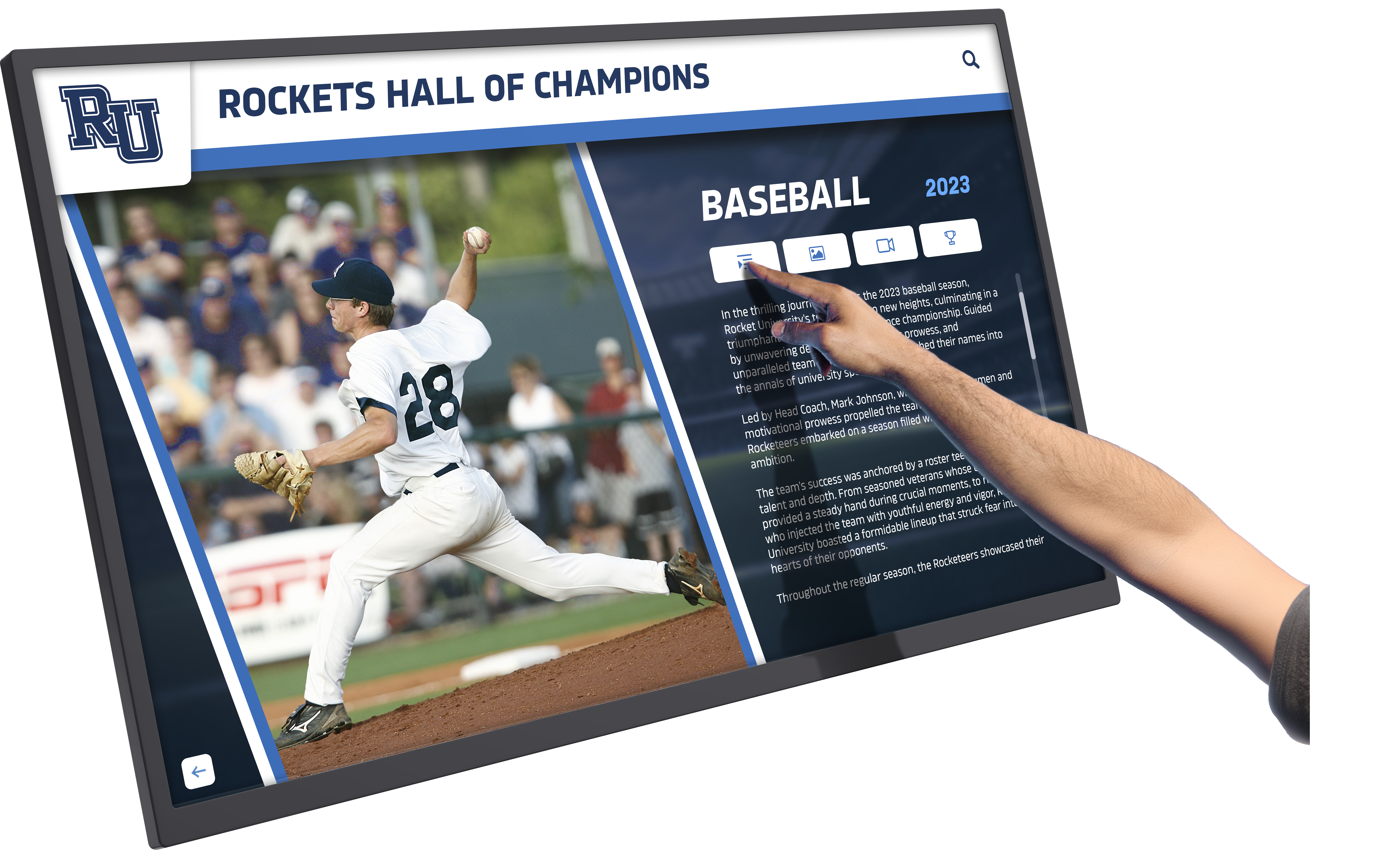
Integrated digital systems enable athletic departments to present complete student-athlete profiles that showcase both academic and athletic accomplishments rather than fragmenting recognition across disconnected displays. When a football player earns Academic All-American honors while also holding school passing records, comprehensive profiles present both achievements together, telling complete stories about well-rounded excellence.
This integration benefits users—particularly prospective recruits and their families—who want to understand the complete culture and values of athletic programs. Unified recognition systems communicate clearly that academic performance matters equally to athletic statistics, that the department celebrates scholar-athletes not just athletes, and that student-athletes can pursue both academic and competitive excellence simultaneously rather than viewing these as competing priorities.
Unified Search and Navigation: Integrated systems with intuitive interfaces enable users to search for specific athletes and discover all their achievements across academic and athletic categories. Cross-Referenced Profiles: When Academic All-Americans also hold athletic records or appear on championship teams, profiles include cross-references connecting these honors. Comprehensive Filtering: Users can filter displays to show only Academic All-Americans, only record holders, only hall of fame inductees, or any combination, while maintaining ability to view complete profiles.
Showcasing Multi-Sport Scholar-Athletes
Student-athletes who compete in multiple sports while maintaining Academic All-American standards represent exceptional commitment and time management deserving special recognition. Comprehensive digital record boards excel at highlighting multi-sport scholar-athletes through unified profiles that connect achievements across different athletic programs and competitive seasons.
Rather than requiring visitors to discover Academic All-American honors in football displays, then separately find the same athlete’s track and field achievements, integrated systems present complete multi-sport profiles in single locations while maintaining sport-specific filtering for users interested in particular programs. This unified approach ensures exceptional multi-sport scholar-athletes receive appropriate visibility for the totality of their accomplishments rather than fragmented recognition that underrepresents their comprehensive excellence.
Connecting to Career Outcomes and Alumni Success
One of the most powerful features comprehensive digital recognition systems enable is connecting Academic All-American achievements to long-term career success and alumni outcomes. When recognition platforms include alumni update capabilities, athletic departments can maintain current information about what Academic All-Americans accomplished after graduation including graduate school attendance and advanced degrees, professional career paths and current positions, continued athletic careers (professional, Olympic, international), community leadership and service contributions, and notable professional achievements and recognition.
These career updates transform historical recognition into living documentation demonstrating that Academic All-American excellence predicts long-term success across multiple life domains. Current student-athletes and prospective recruits benefit from seeing concrete evidence that combining academic and athletic excellence creates opportunities and outcomes beyond collegiate athletics, reinforcing the value of prioritizing academics alongside competitive performance.
Alumni Academic All-Americans benefit from recognition that follows their continued achievements and maintains connections to institutions where their scholar-athlete journeys began. Many alumni remain engaged with their programs specifically because institutional recognition acknowledges not just their collegiate achievements but their ongoing success and contributions.
Measuring Recognition Impact and Demonstrating Value
Effective recognition programs include assessment mechanisms demonstrating value to stakeholders while identifying improvement opportunities that ensure Academic All-American displays achieve intended purposes and justify ongoing investment.
Quantitative Engagement Metrics
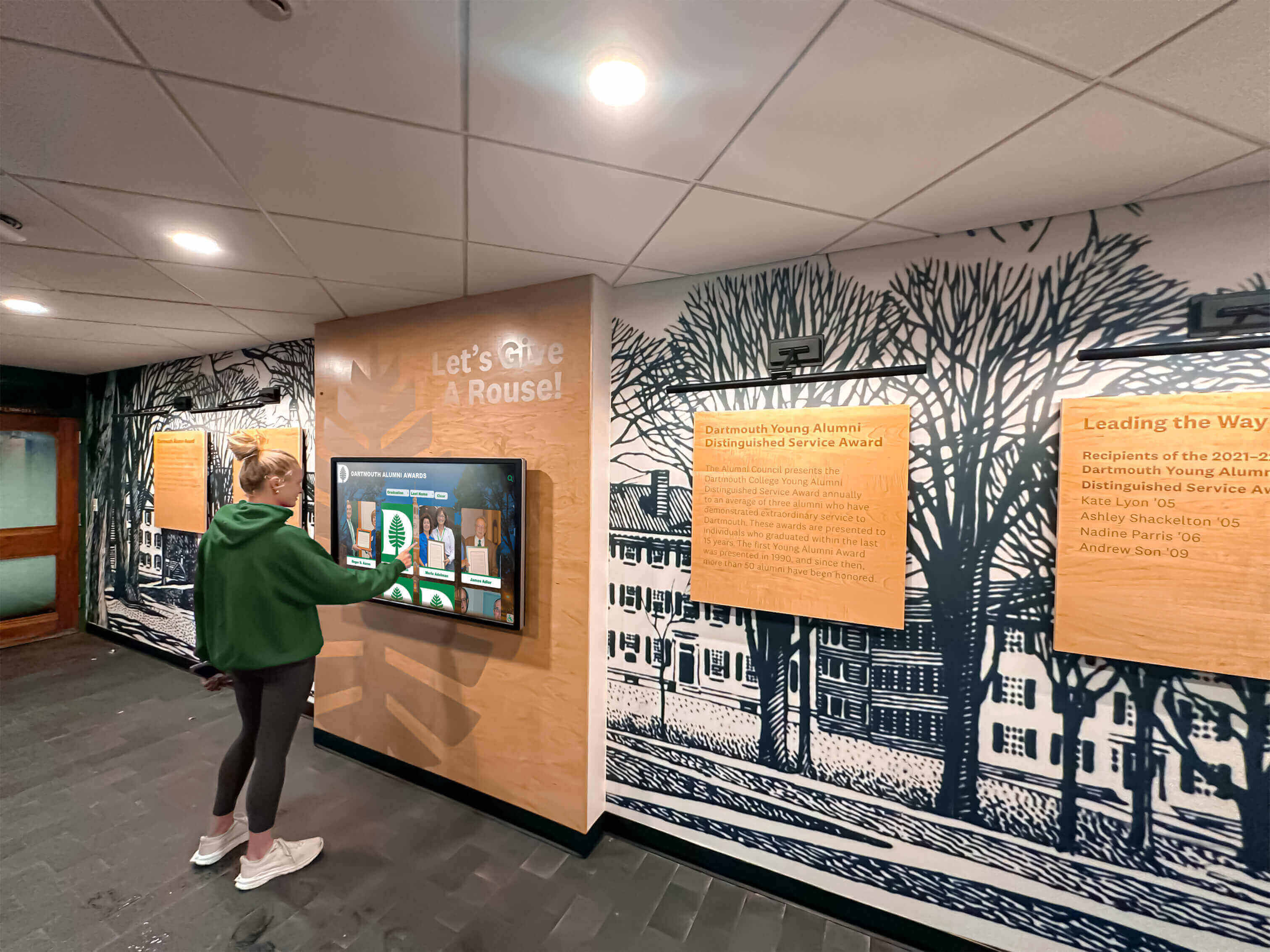
Digital record boards provide comprehensive analytics revealing how student-athletes, recruits, families, and visitors engage with Academic All-American recognition content. Key performance indicators include total unique visitors accessing recognition displays, visit frequency showing return engagement versus one-time views, session duration revealing average time spent exploring content, search behavior patterns showing popular search terms and filters, content categories generating greatest interest (specific sports, achievement levels, years), and social sharing frequency when platforms include sharing capabilities.
Baseline measurements following initial implementation establish benchmarks for tracking engagement trends over time. Quarterly reviews identify successful content types, underutilized features requiring optimization, and changing engagement patterns suggesting refinements. For example, if analytics reveal that 70% of display interactions involve searching by sport while only 10% filter by graduation year, athletic departments might reorganize interfaces to emphasize sport-based navigation aligning with actual usage patterns.
Qualitative Impact Assessment Through Stakeholder Feedback
Beyond quantitative metrics, gather qualitative feedback revealing recognition program influence on athletic culture, student-athlete motivation, and recruitment effectiveness. Valuable qualitative evaluation methods include student-athlete focus groups exploring whether current athletes notice Academic All-American recognition and perceive it as motivating, prospective recruit surveys during campus visits assessing how recognition influences perceptions of program values, coach observations about whether recognition affects academic effort and GPA trends, academic support staff feedback regarding student-athlete engagement with academic resources, and alumni testimonials about what recognition means to them and how it influences continued program connection.
Regular feedback collection—annually for comprehensive surveys, quarterly for brief pulse checks—ensures recognition programs remain responsive to stakeholder needs and perceptions rather than operating based on administrative assumptions that may not match actual user experiences and values.
Academic Outcome Correlation and Program Impact
While direct causation proves difficult to establish definitively, monitor whether academic performance indicators show improvement following comprehensive Academic All-American recognition implementation, potentially reflecting program motivational impact. Relevant academic performance indicators include student-athlete GPA trends across teams and sports, Academic All-American honoree counts over time, graduation rates and academic standing patterns, academic support service utilization, and student-athlete enrollment in challenging academic programs and majors.
According to research published in the Journal of Intercollegiate Sport, athletic programs implementing comprehensive scholar-athlete recognition show statistically significant increases in student-athlete GPA and academic engagement compared to control programs without visible academic recognition, though multiple factors beyond recognition influence these outcomes. Careful analysis examining correlations while acknowledging confounding variables provides reasonable program impact assessment demonstrating recognition value beyond abstract institutional pride.
Creating Lasting Scholar-Athlete Legacy Through Digital Recognition
Academic All-Americans represent student-athletes who achieved dual excellence—maintaining rigorous academic standards while competing at elite athletic levels. These scholar-athletes embody the educational mission of intercollegiate athletics: that competitive sport complements rather than competes with academic pursuits, and that institutions can develop well-rounded individuals who excel in multiple demanding domains simultaneously.
Properly recognizing Academic All-Americans through comprehensive, engaging, sustainable digital displays sends powerful messages about institutional values and priorities. Visible Academic All-American recognition communicates to current student-athletes that academic performance matters as much as athletic statistics, validates the difficult work of balancing demanding schedules and competing priorities, inspires younger athletes to pursue both academic and athletic excellence, demonstrates to recruits that the program values and develops complete scholar-athletes, and creates lasting institutional pride connecting current programs to legacy achievements.
Purpose-built digital record boards specifically designed for athletic recognition enable this comprehensive celebration while eliminating the limitations of traditional displays. Auto-ranking functionality, unlimited capacity, rich multimedia profiles, remote content management, and seamless updates create recognition programs that remain current, accurate, and engaging year after year without consuming excessive staff time or requiring expensive facility modifications.
Key Implementation Principles for Success:
- Begin with clear planning defining recognition scope, categories, and long-term sustainability
- Invest in quality content development creating compelling profiles beyond minimal information
- Position displays prominently in high-traffic locations where student-athletes and recruits encounter them daily
- Establish systematic update processes ensuring timely recognition of new Academic All-Americans
- Integrate scholar-athlete recognition with comprehensive athletic achievement systems
- Actively promote recognition to build awareness beyond passive discovery
- Measure effectiveness through analytics and stakeholder feedback for continuous improvement
- Connect Academic All-American achievements to career outcomes demonstrating long-term value
- Balance academic and athletic recognition visibility communicating equal institutional priority
Solutions like Rocket Alumni Solutions provide purpose-built digital record board platforms specifically designed for comprehensive athletic and academic recognition. These systems address the unique needs of athletic departments through user-friendly interfaces that enable staff to honor unlimited numbers of Academic All-Americans without space constraints, update challenges, or prohibitive ongoing costs that limit traditional recognition approaches. Remote content management means minutes to add new scholar-athletes rather than months waiting for plaque production, while auto-ranking ensures proper organization without manual intervention each season.
Ready to transform how your athletic department celebrates Academic All-Americans? Book a demo to explore how digital record boards create engaging experiences that honor every scholar-athlete while providing year-round value for your entire athletic program and educational community.
Academic All-Americans achieve remarkable dual excellence that deserves recognition matching the magnitude of their accomplishments. Digital recognition displays ensure these achievements receive the celebration that inspires continued scholar-athlete development, honors complete student development, validates effort and persistence, creates lasting institutional pride, and builds athletic cultures where all student-athletes feel valued for their academic contributions and motivated to pursue their highest potential both on the field and in the classroom.