



Students who earn academic achievement awards represent countless hours of dedicated study, intellectual curiosity, and consistent effort across semesters and school years. These recognitions validate excellence in ways that transcend simple grade reports, acknowledging sustained scholarly commitment that families, educators, and communities value deeply. Yet many schools struggle with academic award programs that feel outdated, reach limited student populations, or lack the visibility and impact these accomplishments deserve.
This comprehensive guide explores what academic achievement awards truly signify, why they matter for student motivation and school culture, and how modern schools can implement recognition programs that celebrate diverse forms of academic excellence while leveraging contemporary technology to ensure every award recipient receives meaningful, lasting acknowledgment.
Why Academic Achievement Awards Matter for School Communities
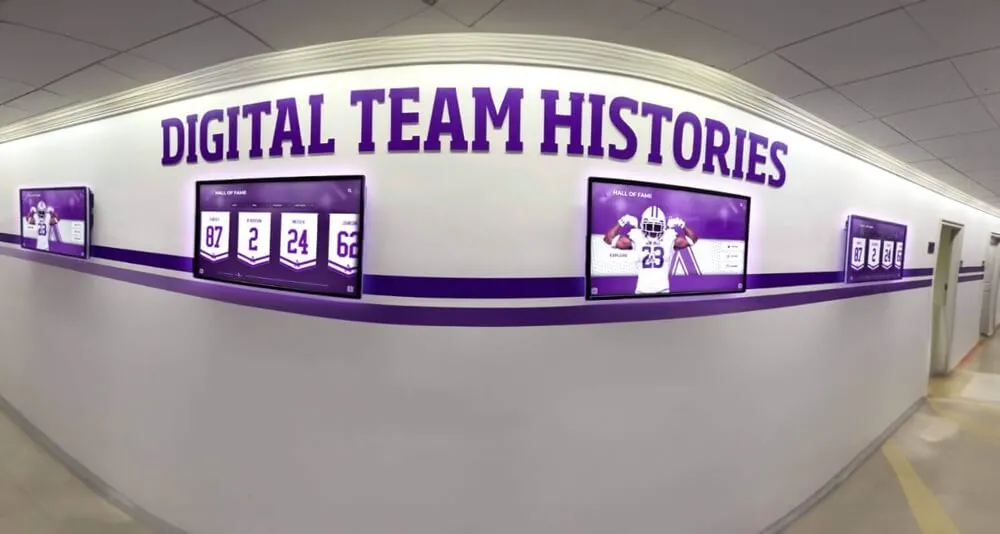
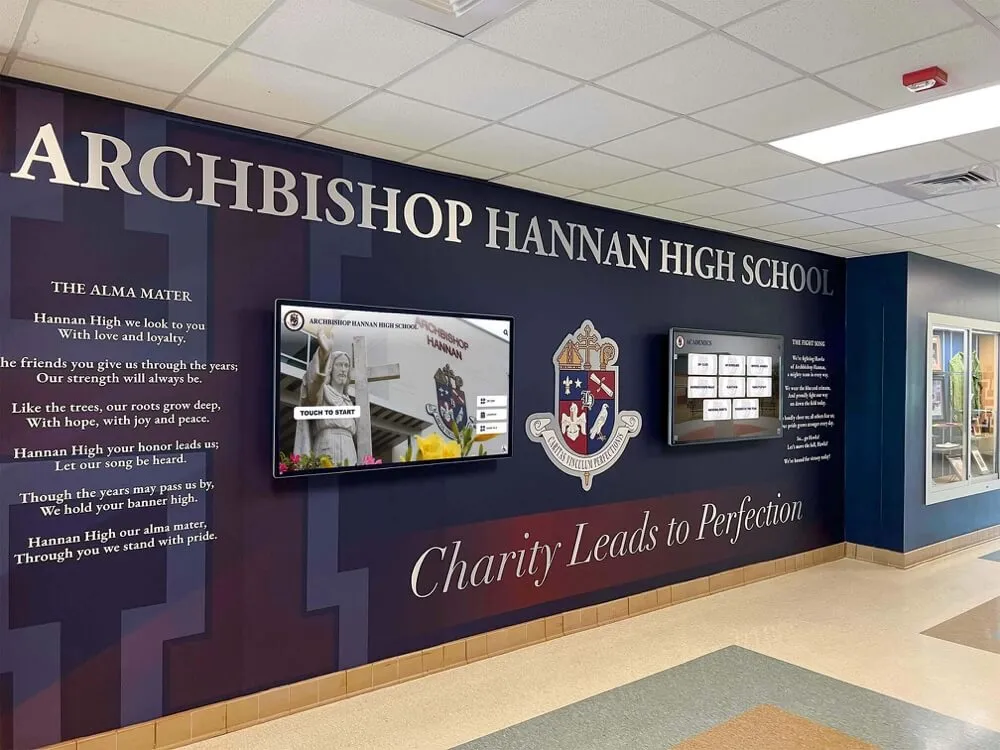
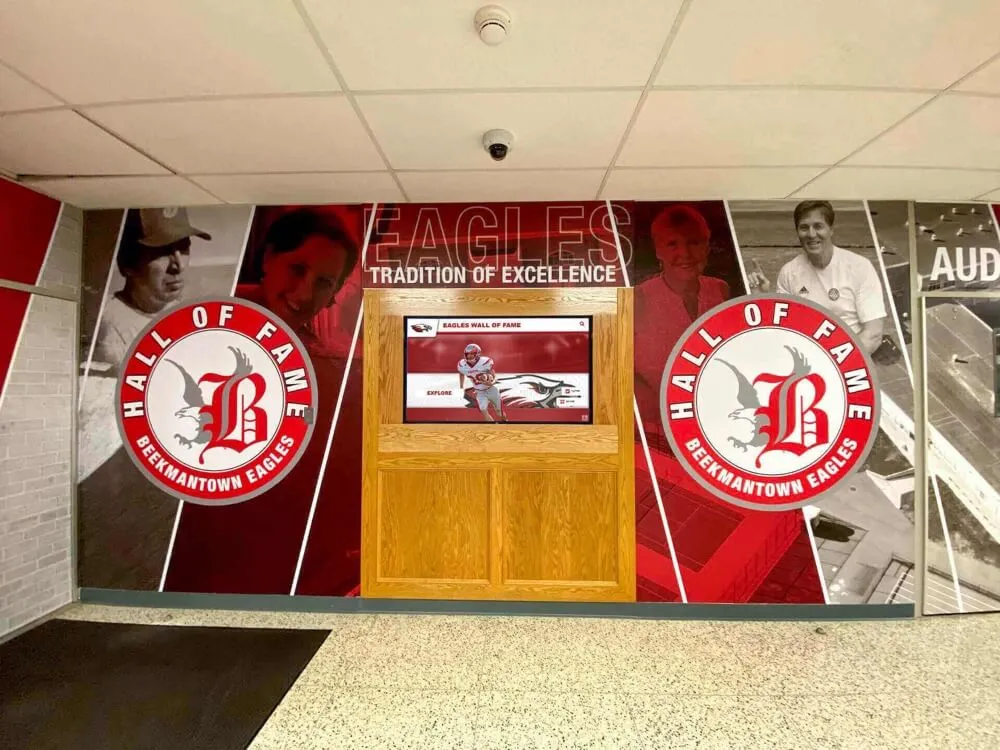
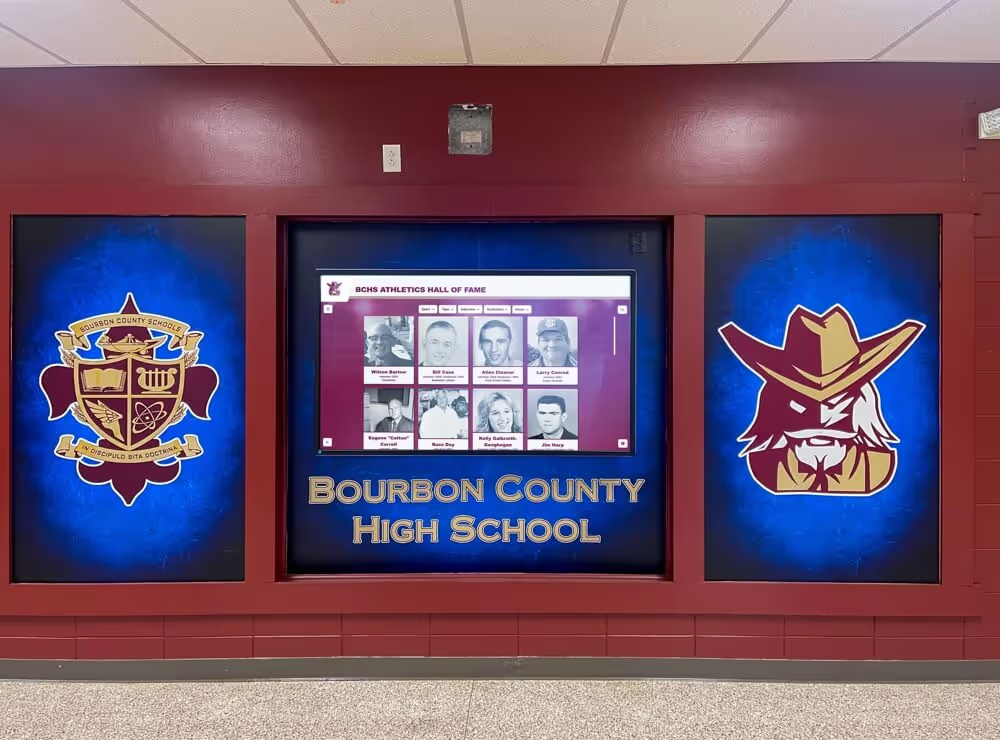
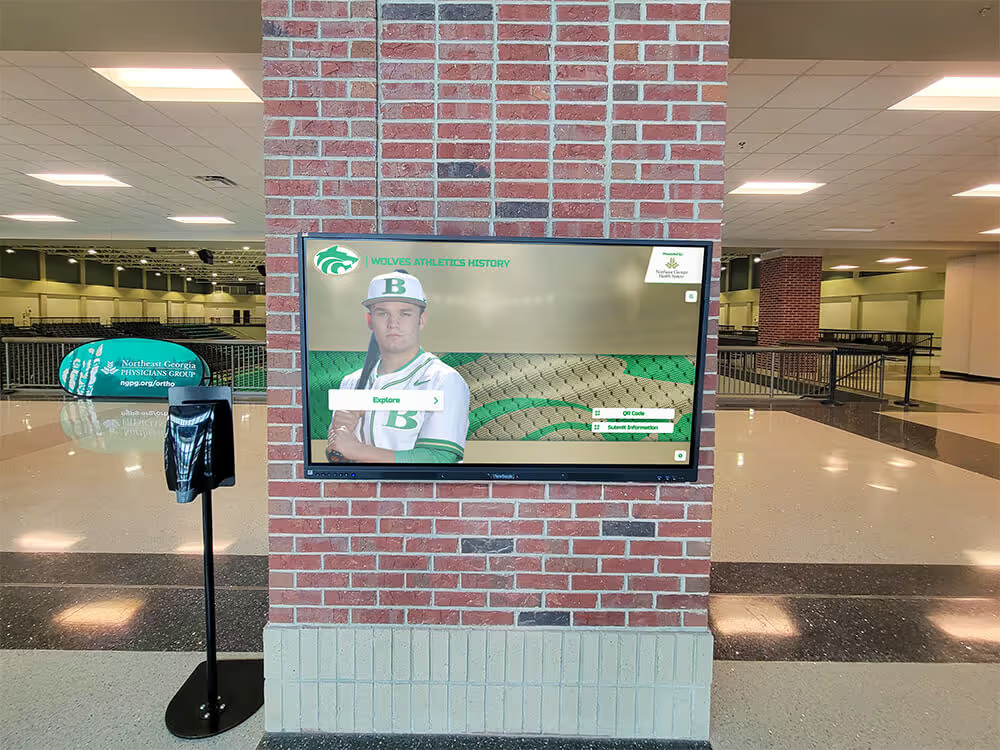
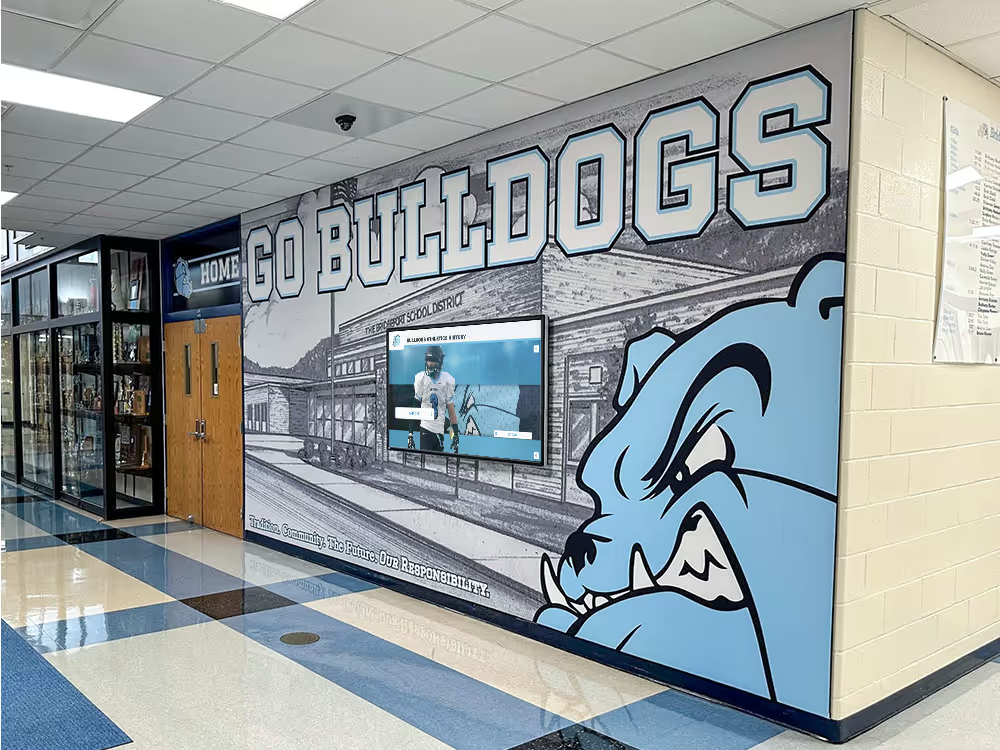
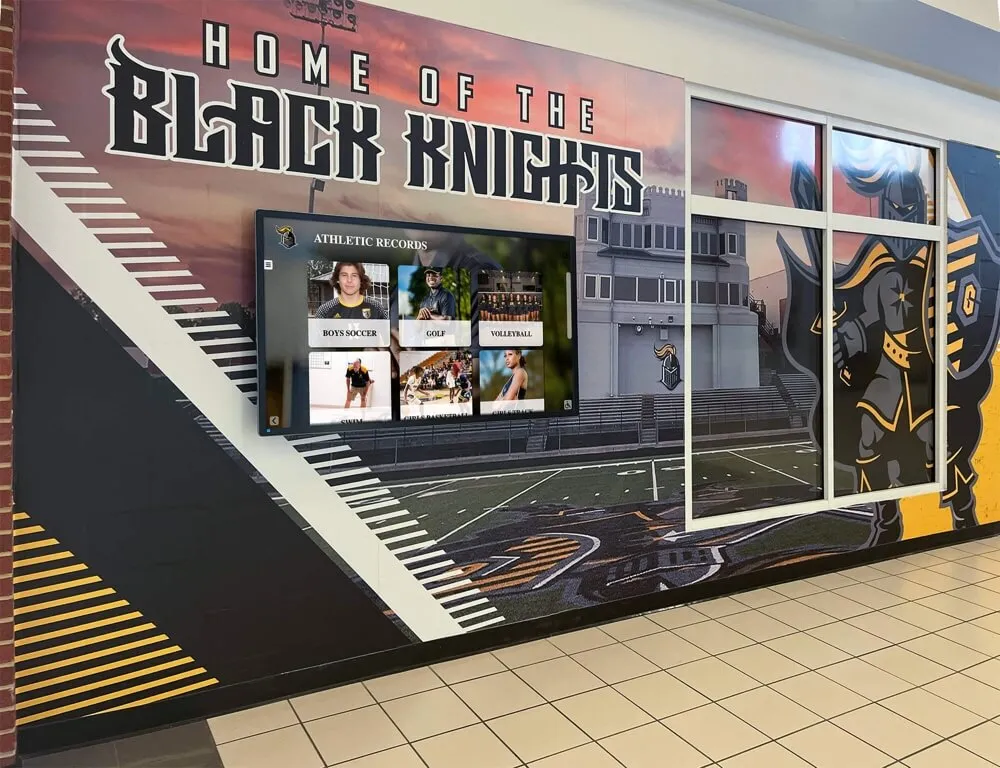
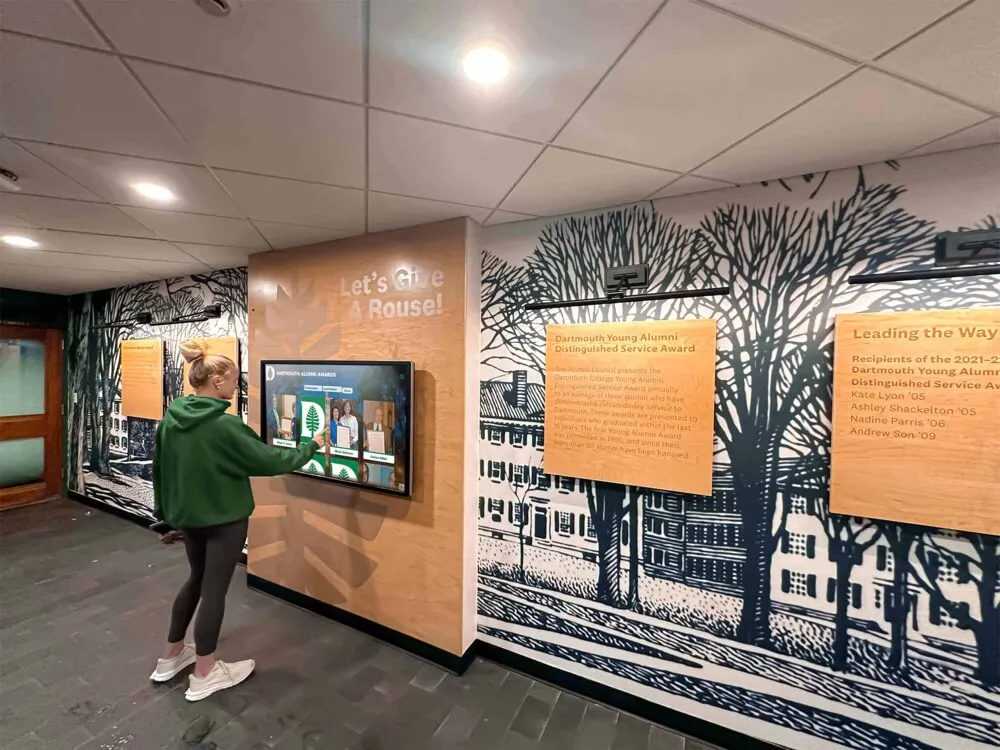
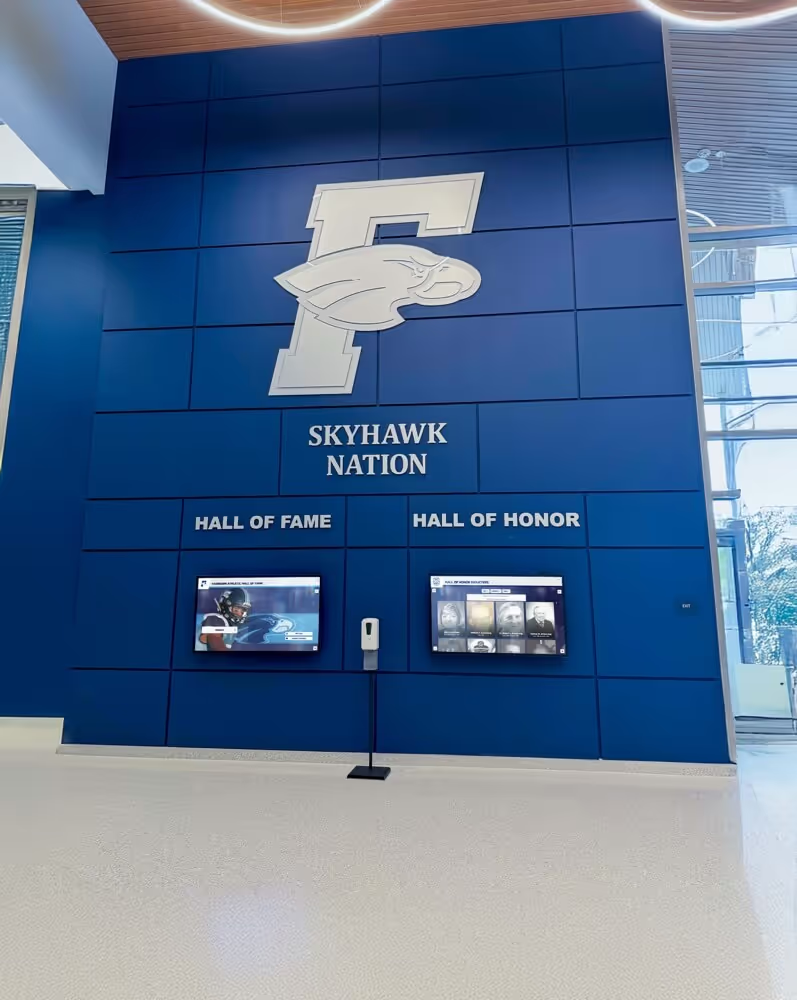
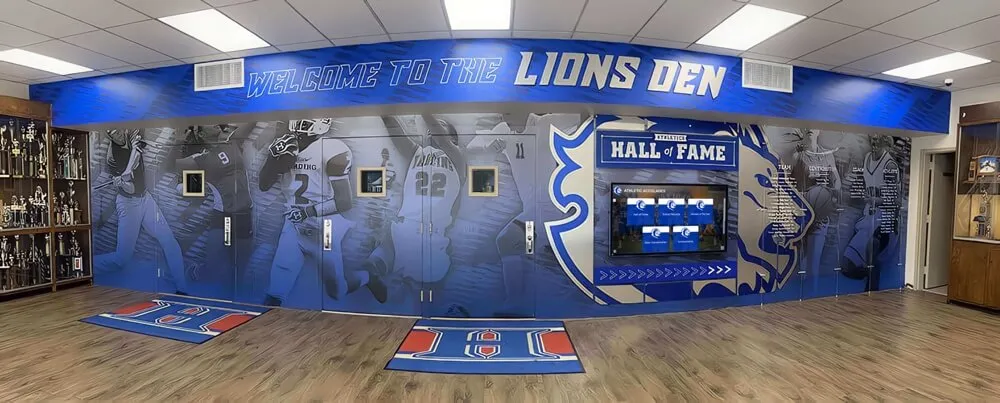
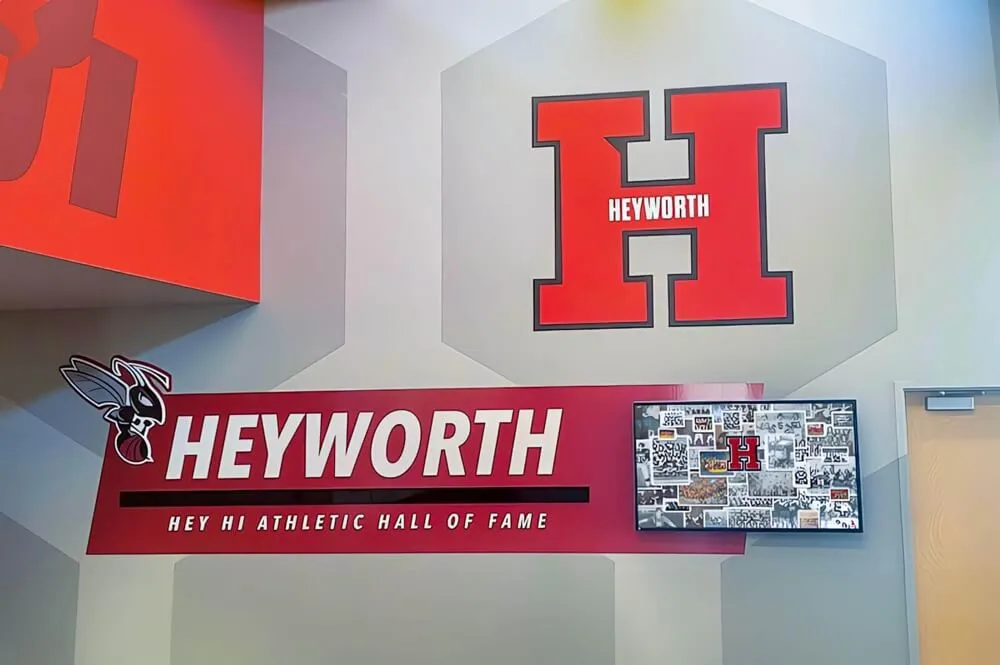
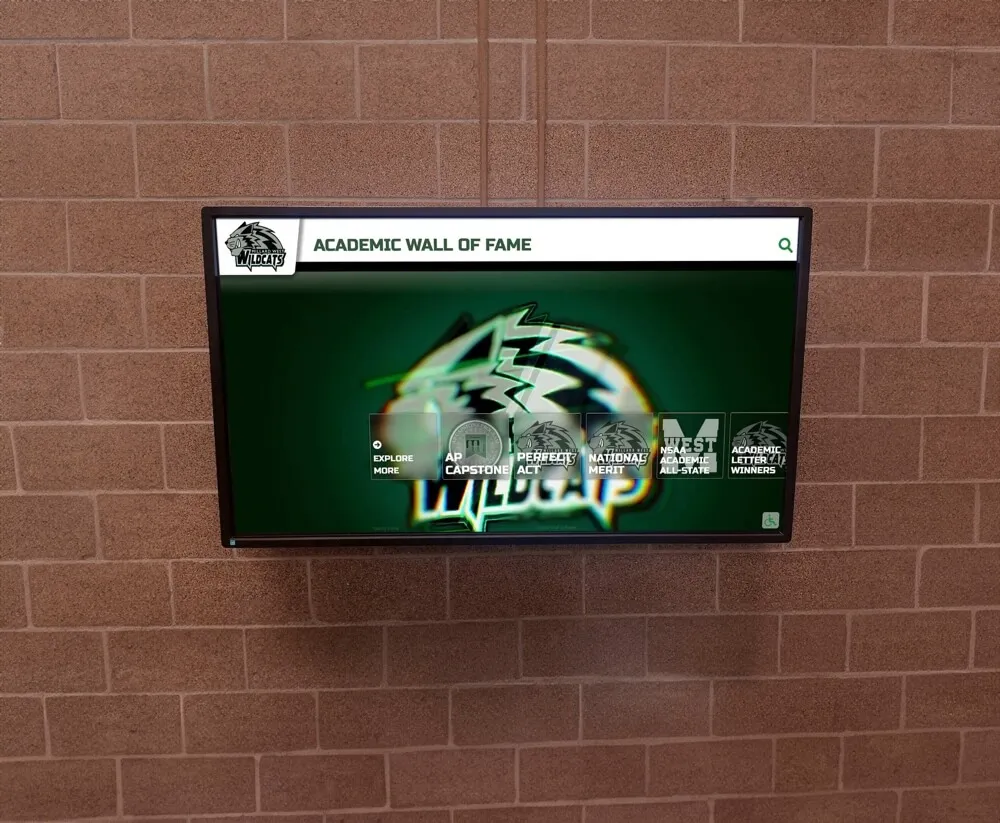
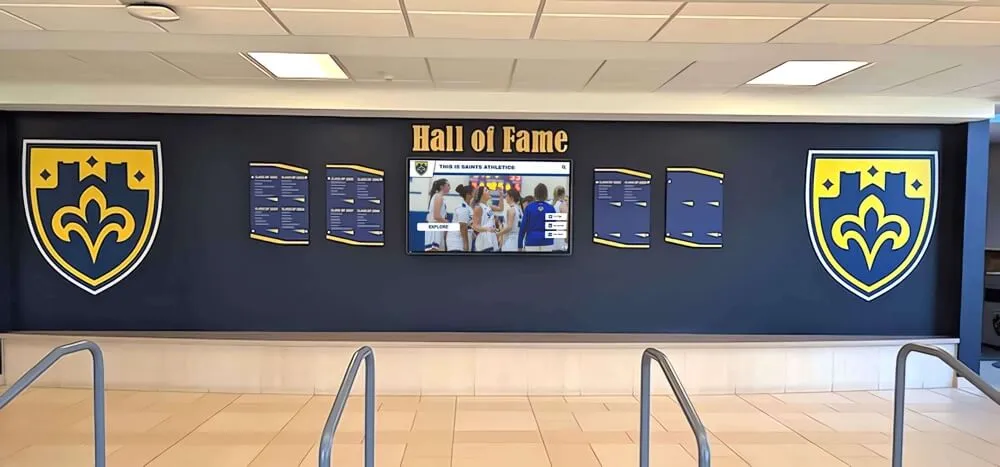
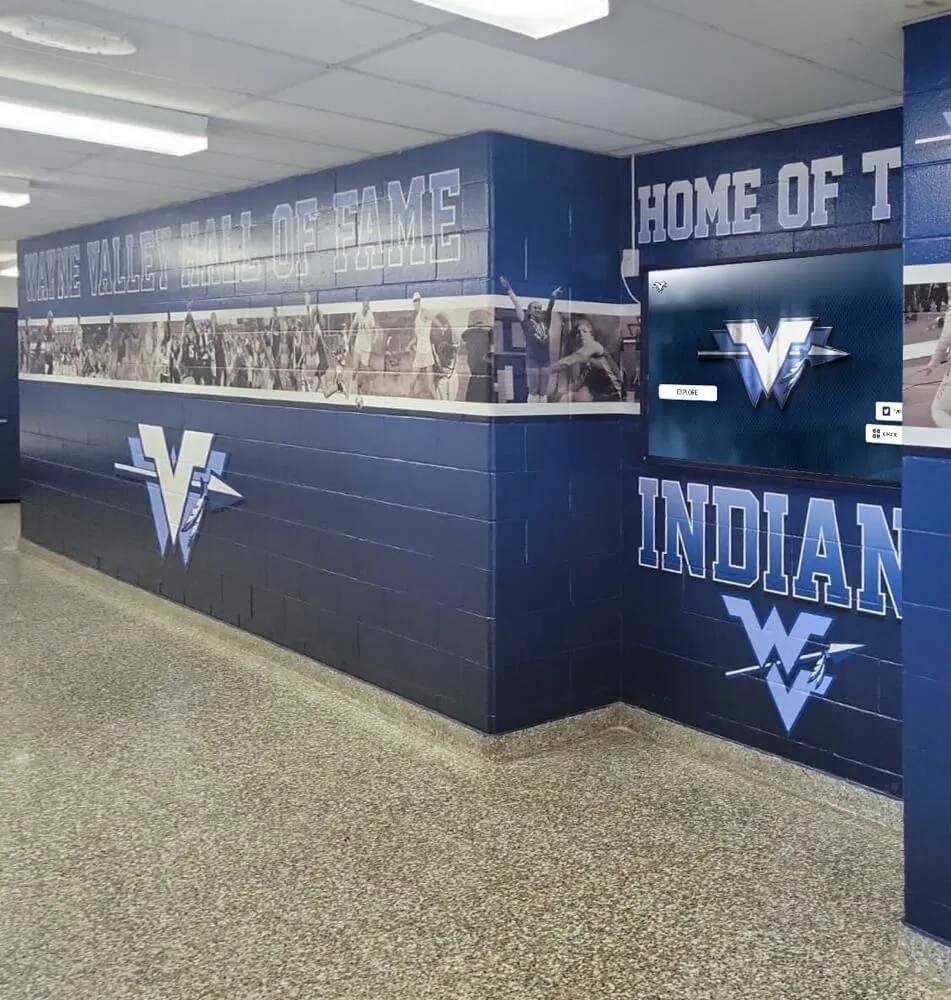
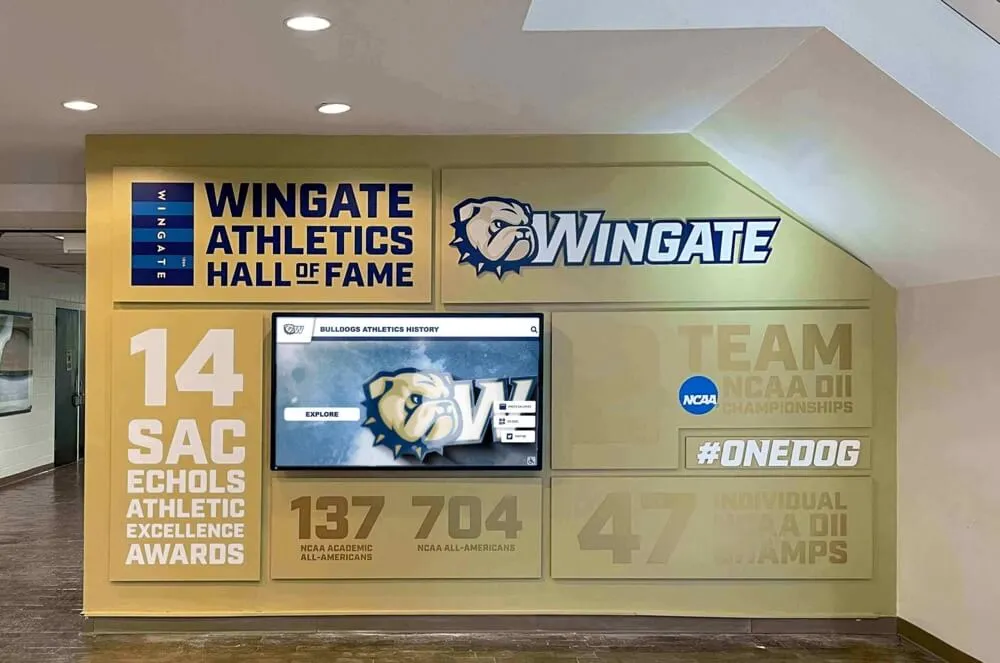
Academic achievement awards serve as powerful tools for motivating students, reinforcing institutional values, and building cultures where intellectual excellence flourishes. Modern digital recognition solutions enable schools to celebrate these accomplishments with visibility and permanence matching their importance. Solutions like Rocket Alumni Solutions provide purpose-built platforms specifically designed for educational recognition, offering unlimited capacity to showcase academic award recipients through engaging interactive displays that keep achievement visible, accessible, and inspiring throughout school communities.
Understanding Academic Achievement Awards: Definition and Significance
Before implementing effective recognition strategies, schools must understand what academic achievement awards represent and why they deserve systematic celebration extending beyond minimal acknowledgment.
What Qualifies as an Academic Achievement Award?
Academic achievement awards encompass various recognitions acknowledging student excellence in scholarly pursuits. Unlike participation certificates or attendance acknowledgments, these awards specifically honor demonstrated intellectual capability, sustained academic effort, or exceptional performance in educational endeavors.
Common Academic Achievement Award Categories
- Honor Roll Recognition: Acknowledging students meeting specified GPA thresholds across all coursework, typically with tiers like highest honors (3.8-4.0 GPA), honors (3.5-3.79 GPA), and honorable mention (3.0-3.49 GPA)
- Subject-Specific Excellence: Awards recognizing outstanding performance in particular disciplines—mathematics excellence awards, science achievement awards, language arts distinction, or social studies honors
- Academic Competition Success: Acknowledging achievements in academic competitions like science fairs, math olympiads, debate tournaments, robotics competitions, or knowledge bowls
- Advanced Coursework Achievement: Recognition for success in challenging academic programs including AP Scholar designations, International Baccalaureate achievement, dual enrollment completion, or honors program distinction
- Improvement Awards: Celebrating significant academic growth regardless of absolute achievement level—acknowledging students demonstrating substantial GPA improvement or remarkable progress in specific subjects
- Standardized Test Excellence: Recognition for exceptional performance on standardized assessments including SAT/ACT achievement, state assessment proficiency, or national merit recognition
- Academic Character Awards: Combining strong grades with qualities like curiosity, effort, collaboration, or intellectual leadership—acknowledging well-rounded academic excellence
Understanding the specific academic achievement categories your institution employs enables development of recognition approaches appropriately celebrating each accomplishment type.
The Deeper Meaning Behind Academic Awards
Academic achievement awards carry significance extending far beyond simple acknowledgment of good grades. These recognitions signal important capabilities, characteristics, and accomplishments that educational institutions, families, and future educational opportunities value profoundly.
Validation of Sustained Intellectual Effort
Unlike single-test scores or isolated project success, most academic achievement awards recognize sustained performance across extended timeframes. Students must maintain focus, complete assignments consistently, engage with challenging material persistently, and demonstrate intellectual commitment over entire marking periods, semesters, or academic years. This sustained excellence indicates work ethic, self-discipline, and academic engagement more predictive of future success than momentary high achievement.
Recognition of Intellectual Capability and Mastery
Academic awards validate students’ intellectual capabilities—confirming they possess the cognitive skills, knowledge mastery, and learning strategies necessary for success in increasingly challenging educational environments. This validation builds academic confidence and self-efficacy, essential psychological foundations supporting continued scholarly risk-taking and growth.
Acknowledgment of Strategic Prioritization
In environments filled with competing demands—athletics, extracurricular activities, social engagement, family responsibilities, and part-time employment—academic achievement awards acknowledge students who successfully prioritize intellectual pursuits despite pressures. This character strength and values alignment merits recognition as much as intellectual capability itself.
Students balancing multiple commitments while maintaining academic excellence demonstrate time management, organizational skills, and determination particularly worthy of celebration. Schools should consider how recognition systems honor not just academic outcomes but the dedication required to achieve them amid competing demands.
Preparation for Future Educational Success
Research consistently demonstrates that students earning academic achievement awards in middle and high school show substantially higher college readiness, successful transitions to postsecondary education, and increased graduation rates. Academic awards thus serve as meaningful predictors of future educational trajectory—making early recognition both validation of past achievement and encouragement toward continued excellence.
Many colleges and universities specifically seek evidence of sustained academic recognition when making admission and scholarship decisions. Students with consistent academic achievement award histories demonstrate the reliability, capability, and commitment institutions seek in successful collegiate scholars.
Family and Community Partnership Acknowledgment
Behind most academic achievement award recipients stand supportive families providing encouragement, resources, structured home environments, and active partnership in educational processes. Academic awards acknowledge not just individual student achievement but successful family-school collaboration supporting scholarly success. Celebrating award recipients creates opportunities to honor these partnerships while modeling successful educational engagement for other families considering how to support student achievement.
The Recognition Challenge: Why Academic Awards Often Go Uncelebrated
Despite their significance, academic achievement awards frequently receive inadequate recognition compared to athletic accomplishments or other visible achievements. Understanding systemic barriers helps schools address limitations preventing appropriate academic celebration.
The Visibility Gap Between Academic and Athletic Recognition
Walk through typical school hallways and you’ll notice striking disparities in how different achievement types receive recognition. Trophy cases overflow with athletic awards spanning decades. Gymnasium walls display championship banners. Athletic halls of fame feature comprehensive displays honoring standout performers.
Yet academic achievement recognition typically receives minimal permanent space—perhaps a rotating bulletin board displaying current semester honor roll recipients before being updated and previous honorees removed and forgotten, or annual awards assembly mentions that create fleeting acknowledgment without lasting visibility.

Why This Recognition Imbalance Exists
Several factors contribute to academic achievements receiving less visible recognition than athletic accomplishments:
- Volume Challenges: Successful academic programs might recognize 150-300 honor roll recipients annually across all levels. Traditional plaque-based recognition for this volume would require extensive wall space most schools simply don’t have available in prominent locations.
- Privacy Concerns: Schools sometimes cite student privacy as rationale for limiting academic recognition visibility, though these same institutions prominently display athletic achievements without similar privacy restrictions.
- Historical Patterns: Many schools established athletic recognition systems decades ago, creating entrenched traditions difficult to match for academic achievement without dedicated effort and investment.
- Visual Drama: Athletic achievements—championship trophies, game-winning moments, team photos—create visually compelling displays more easily than academic accomplishments traditionally represented through certificates and printed lists.
- Resource Allocation: Limited recognition budgets often get allocated to continuing existing athletic displays rather than establishing new academic recognition systems requiring initial investment.
These structural barriers create environments where students perceive athletic excellence as more valued than academic achievement—sending unintended messages about institutional priorities that can affect student motivation and achievement patterns.
The Space Constraint Problem
Traditional recognition approaches require physical space—wall areas for plaques, bulletin boards for certificates, trophy cases for awards. These space constraints force difficult choices about which achievements deserve permanent display versus temporary acknowledgment or minimal recognition.
When 200 students earn honor roll recognition each semester but wall space accommodates only 50 permanent plaques, administrators face impossible decisions: recognize only highest achievers while ignoring other worthy students, rotate displays and remove previous recognition creating temporary acknowledgment, provide minimal recognition that feels token rather than meaningful, or abandon comprehensive academic recognition entirely.
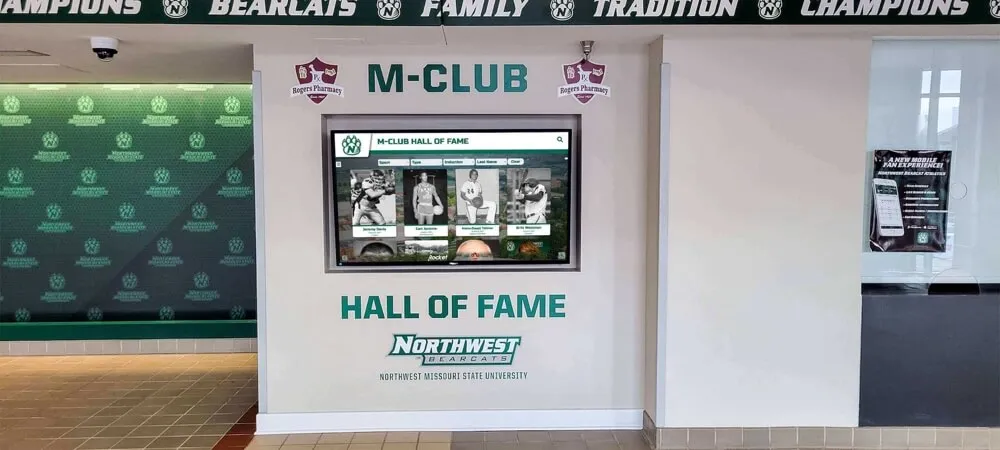
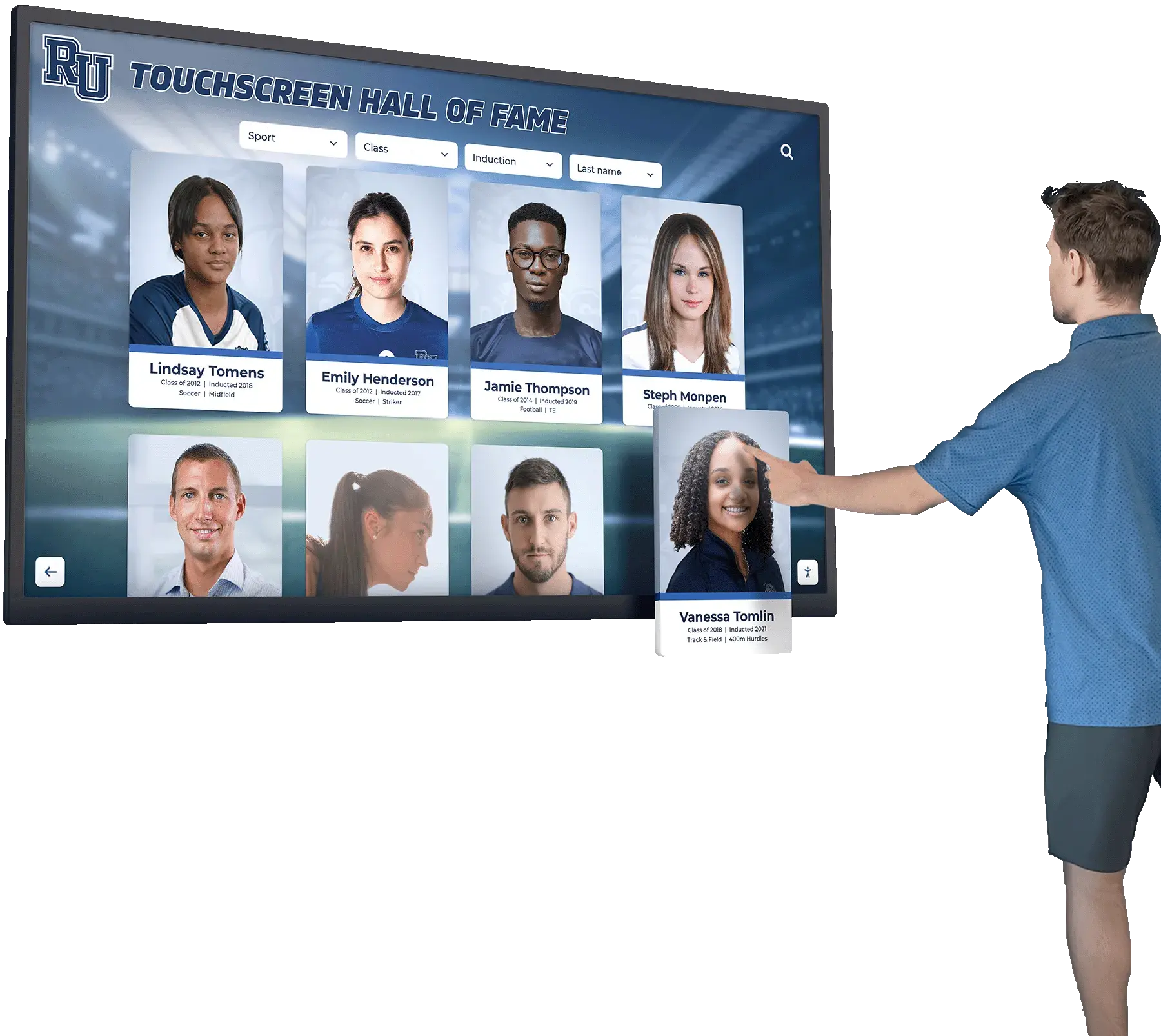
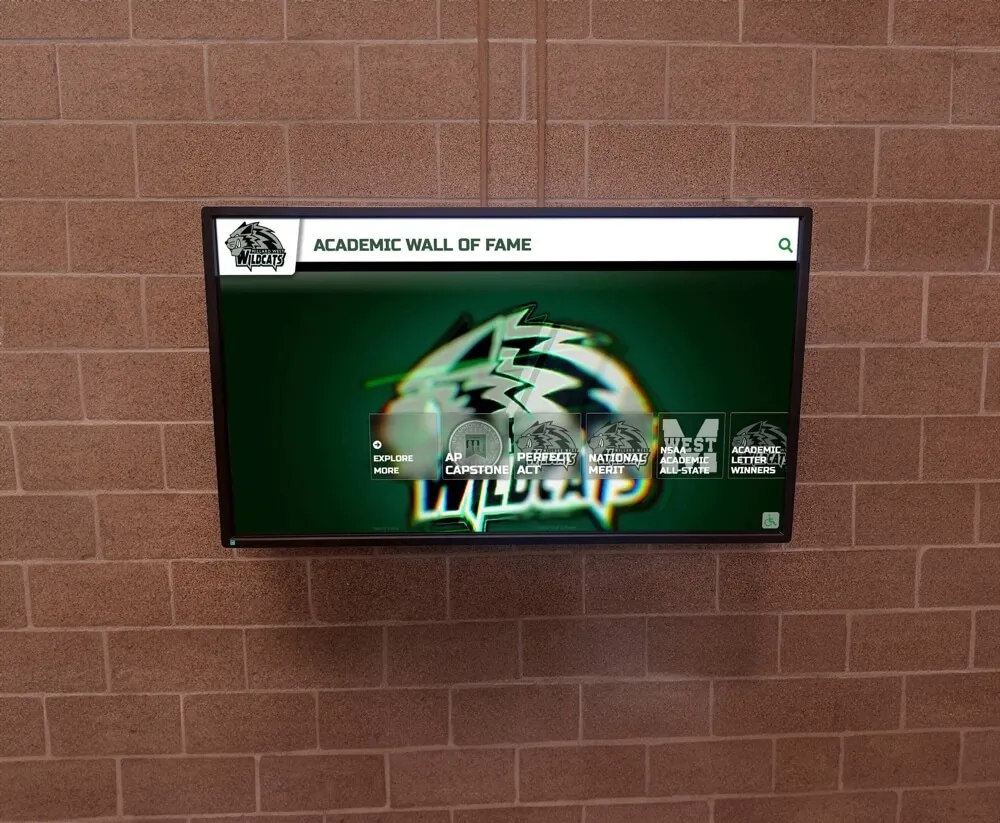
Digital recognition solutions eliminate these space constraints completely. A single interactive touchscreen display can showcase comprehensive profiles for unlimited academic award recipients across years—accommodating decades of recognition without physical space limitations forcing schools to choose whose accomplishments receive visibility.
Recognition Currency and Timeliness Issues
Academic achievement recognition often suffers from significant delays between accomplishment and acknowledgment, substantially diminishing motivational impact. Students complete marking periods, receive grades, and qualify for academic awards. Schools then must compile lists, verify eligibility, produce certificates or displays, and coordinate acknowledgment ceremonies or announcements.
This process often takes 3-6 weeks, meaning recognition arrives long after achievement occurred—weakening the connection between effort and acknowledgment that makes recognition motivationally powerful. Educational psychology research on reinforcement timing demonstrates that recognition delivered immediately after achievement generates substantially stronger motivational impact than identical acknowledgment delayed by weeks.
Digital platforms enable real-time recognition updates immediately when award lists finalize. Schools can publish new academic achievement recognition the same day determinations are confirmed, ensuring timely acknowledgment while maintaining comprehensive archives preserving previous recognition permanently accessible rather than being replaced.
Resources on recognizing student accomplishments effectively provide comprehensive frameworks for building visibility and timeliness into recognition programs.
Types of Academic Achievement Awards Schools Should Recognize
Comprehensive academic recognition programs celebrate diverse excellence forms, ensuring varied students experience acknowledgment for different scholarly strengths and achievement types.
GPA-Based Recognition Programs
Grade point average represents the most common academic achievement measurement, providing consistent criteria enabling fair comparison across students and timeframes.
Honor Roll Programs
Most schools implement honor roll recognition acknowledging students achieving specified GPA thresholds:
- Highest Honors/High Honor Roll: Typically 3.8-4.0 GPA, recognizing exceptional academic excellence across all coursework
- Honors/Honor Roll: Usually 3.5-3.79 GPA, acknowledging strong consistent academic performance
- Honorable Mention: Sometimes 3.0-3.49 GPA, recognizing solid academic achievement and effort
Tiered structures enable schools to acknowledge varied achievement levels rather than creating all-or-nothing recognition where students either qualify for highest recognition or receive nothing. Inclusive honor roll systems ensure recognition opportunities exist across student populations while maintaining meaningful distinctions honoring exceptional performance.
Some schools implement quarterly honor roll (every 9 weeks), semester honor roll (every 18 weeks), or annual honor roll recognizing cumulative year performance. More frequent recognition provides additional motivation touchpoints but requires sustained administrative attention maintaining currency.
Academic Excellence Awards
Beyond standard honor roll, schools often establish prestigious recognition for truly exceptional sustained achievement:
- Principal’s List: Recognition for students maintaining 4.0 GPA across entire academic year
- Dean’s List: College-level recognition for undergraduate students achieving specified GPA thresholds each semester
- Academic Letter Awards: Parallel to athletic letters, acknowledging students maintaining high GPA across years
- Summa/Magna/Cum Laude Graduation Honors: Graduation-time recognition for students maintaining exceptional GPA throughout high school careers
These elite recognitions create aspirational goals motivating students toward sustained excellence while acknowledging extraordinary academic commitment.
Subject-Specific Achievement Recognition
Comprehensive programs acknowledge excellence in particular disciplines, enabling students to receive recognition for specialized strengths even if overall GPA doesn’t qualify for general honor roll.
Departmental Awards
Academic departments typically offer recognition including:
- Mathematics Excellence Award: Honoring outstanding achievement in mathematics coursework, problem-solving ability, or mathematical competition success
- Science Achievement Award: Recognizing exceptional performance in biology, chemistry, physics, or integrated science programs
- Language Arts Distinction: Celebrating superior writing ability, literary analysis, or oral communication skills
- Social Studies Honors: Acknowledging excellence in history, government, economics, geography, or social sciences
- World Language Proficiency: Recognizing mastery of Spanish, French, German, Mandarin, or other language programs
- Fine Arts Achievement: Celebrating excellence in visual arts, music theory, or arts history coursework
Subject-specific recognition enables students excelling in particular areas to receive acknowledgment for specialized talents while encouraging deeper engagement with disciplines matching individual interests and aptitudes.
Career and Technical Education Recognition
Schools offering career and technical education programs should establish parallel recognition systems acknowledging excellence in vocational coursework:
- Business education achievement awards
- Computer science and technology excellence
- Engineering and manufacturing honors
- Health sciences program recognition
- Agricultural education achievement
Ensuring CTE programs receive equal recognition status with traditional academic departments validates diverse educational pathways and honors varied student talents and interests.
Advanced Coursework and Standardized Assessment Recognition
Recognition for success in challenging academic programs or exceptional standardized test performance celebrates students pursuing rigorous educational experiences.
Advanced Placement Recognition
The College Board’s AP Scholar program provides standardized recognition framework schools can adopt and supplement:
- AP Scholar: Granted to students receiving scores of 3 or higher on three or more AP exams
- AP Scholar with Honor: Awarded to students earning average score of 3.25 or higher on all AP exams taken, with scores of 3 or higher on four or more exams
- AP Scholar with Distinction: Recognizing average score of 3.5 or higher on all AP exams taken, with scores of 3 or higher on five or more exams
- State AP Scholar: Honoring male and female student in each state with highest average score on greatest number of AP exams
Schools can supplement College Board recognition with local AP achievement awards acknowledging students who complete specified numbers of AP courses, maintain high GPA in AP coursework, or demonstrate exceptional improvement in advanced classes.
Similar recognition frameworks work effectively for International Baccalaureate programs, dual enrollment participation, or honors program completion—ensuring students pursuing academically rigorous pathways receive appropriate acknowledgment for accepting challenging coursework.
Standardized Test Achievement
While standardized testing generates legitimate debate, exceptional performance merits recognition:
- SAT/ACT Excellence: Recognition for scores in top percentiles (ACT 30+, SAT 1400+)
- National Merit Recognition: Acknowledging semifinalists, finalists, and scholarship recipients
- State Assessment Proficiency: Celebrating students scoring at highest proficiency levels on state-mandated assessments
For schools seeking to honor top standardized test performers, resources on recognizing high ACT scores and related academic achievements provide implementation frameworks applicable to various testing programs.
Academic Competition and Co-Curricular Recognition
Achievement in academic competitions and intellectually-focused activities deserves systematic recognition parallel to athletic competition success.
Competition-Based Awards
- Science Fair Achievement: Recognition for excellence at regional, state, or national science fair competitions
- Math Competition Success: Acknowledging strong performance in math olympiads, MATHCOUNTS, or similar competitions
- Debate and Forensics: Celebrating tournament victories, qualification for state or national competitions, or outstanding individual performance
- Academic Decathlon/Quiz Bowl: Honoring team and individual success in knowledge competitions
- Robotics Competition: Recognizing achievements in FIRST Robotics, VEX competitions, or similar programs
These competition achievements demonstrate intellectual capability applied beyond classroom settings, involving preparation, teamwork, pressure performance, and representation of schools in competitive environments—qualities deserving recognition parallel to athletic competitions.
Academic Co-Curricular Honors
Students demonstrating academic leadership and engagement in intellectually-focused organizations merit recognition:
- National Honor Society Induction: Celebrating students meeting academic, leadership, service, and character criteria
- Subject-Specific Honor Societies: Recognition for membership in organizations like National English Honor Society, Mu Alpha Theta (mathematics), Science National Honor Society, or discipline-specific groups
- Academic Team Leadership: Acknowledging students serving in leadership roles for quiz bowl teams, science olympiad, mock trial, or other academic competitions
- Student Research Publication: Celebrating students who successfully publish research or scholarly work
Resources on programs like the National Honor Society and related scholarship opportunities help schools understand comprehensive academic recognition ecosystems.

Growth and Improvement Recognition
While absolute achievement merits celebration, acknowledging significant academic growth ensures students at all starting points can earn recognition for genuine effort and progress.
Most Improved Student Awards
Recognition for students demonstrating substantial GPA improvement from baseline performance validates progress regardless of absolute achievement level. These awards particularly motivate students who previously struggled academically but have developed stronger study skills, work ethic, or subject understanding.
Effective improvement recognition establishes clear criteria—minimum GPA increase of 0.5 points across semester, improvement of full letter grade in specific subject, or moving from below to above proficiency on standardized assessments. Transparent criteria prevent perceptions of arbitrary selection while enabling students to understand pathways to earning improvement recognition.
Effort and Persistence Awards
Some schools implement recognition acknowledging exceptional academic effort even when achievement doesn’t reach honor roll thresholds. These awards validate students working at maximum capacity who face learning differences, language barriers, or other challenges affecting grade outcomes despite genuine intellectual engagement.
Criteria might include teacher nominations highlighting extraordinary effort, completion of challenging coursework beyond minimum requirements, consistent assignment completion and class participation, or demonstrated growth mindset and resilience facing academic challenges.
While effort recognition requires careful implementation avoiding perception as “consolation prizes,” thoughtfully designed programs validate that schools value dedication and growth alongside achievement outcomes.
Attendance and Citizenship Recognition with Academic Components
Some recognition programs combine academic performance with other valued behaviors, acknowledging well-rounded excellence.
Perfect Attendance Recognition
When implemented sensitively with understanding that some absences reflect circumstances beyond student control, perfect attendance programs recognize students maintaining exemplary attendance supporting academic success. Some schools require minimum GPA alongside perfect attendance, creating hybrid recognition acknowledging both behavior and achievement.
Citizenship and Character Awards
Recognition combining strong academics with exemplary character, service, leadership, or citizenship demonstrates holistic excellence. These awards might require minimum GPA threshold (3.0 or 3.5) plus teacher nominations highlighting character strengths, documentation of service hours or leadership roles, or demonstration of school values through behavior and engagement.
Implementing Modern Academic Achievement Recognition Programs
Effective academic achievement recognition requires systematic approaches addressing program design, technology implementation, content development, and ongoing management ensuring sustainability across years.
Defining Program Scope and Eligibility Criteria
Clear parameters ensure academic achievement recognition programs maintain focus while managing community expectations.
Establishing Transparent Criteria
Document specific requirements for each recognition type ensuring fairness and predictability:
- GPA thresholds for each honor roll tier with clarity on weighted versus unweighted calculations
- Subject-specific award selection processes including nomination procedures and selection committees
- Competition achievement levels qualifying for recognition (regional finalist, state qualifier, national participant)
- Advanced coursework requirements specifying minimum courses completed or minimum grades in challenging classes
- Improvement award criteria defining baseline periods and required growth magnitude
Publish these criteria clearly in student handbooks, school websites, and orientation materials ensuring students and families understand academic achievement expectations from school entry. Transparent criteria prevent perceptions of arbitrariness while enabling students to set clear goals.
Recognition Frequency Decisions
Determine academic achievement recognition frequency matching your institution’s assessment cycles:
- Quarterly Recognition: Every 9 weeks providing frequent motivational touchpoints but requiring sustained administrative attention
- Semester Recognition: Every 18 weeks balancing motivational benefits against sustainable management
- Annual Recognition: Once yearly reducing administrative burden but delaying acknowledgment and providing fewer motivational moments
- Event-Based Recognition: Following competitions, testing windows, or other specific achievement milestones
Most schools find quarterly or semester recognition balances motivational benefits against sustainable implementation requirements.
Historical Archive Development
Decide whether to recognize only current award recipients or build comprehensive historical archives documenting years of academic achievement. Historical recognition creates powerful institutional memory, enables alumni to rediscover their own achievements years later, provides longitudinal data showing academic program trends, and creates inspirational examples of sustained excellence.
Many schools implement phased approaches beginning with current year recognition then systematically adding previous years during summer months when other demands are lighter—enabling manageable progress without overwhelming staff while building comprehensive archives.
Technology Selection for Academic Achievement Recognition
Choosing appropriate technology platforms fundamentally shapes what recognition programs can accomplish and their sustainability over time.
Interactive Digital Display Solutions
Purpose-built recognition platforms transform academic achievement acknowledgment through interactive touchscreen displays eliminating traditional recognition limitations:
Unlimited Recognition Capacity: Digital platforms accommodate unlimited award recipients across years without physical space constraints forcing choices about whose accomplishments receive visibility. Schools can showcase comprehensive academic achievement archives spanning decades while maintaining prominent visibility for current recipients.

Rich Multimedia Content: Digital recognition enables high-resolution student photographs creating personal connection, detailed achievement narratives providing context beyond simple names, searchable databases allowing exploration by name, year, or award type, and social sharing capabilities enabling students to distribute recognition through personal networks.
Immediate Updates: Cloud-based content management enables real-time recognition updates immediately when award determinations finalize. Staff can publish new academic achievement recognition from any internet-connected device without requiring physical display access—ensuring timely acknowledgment while maintaining complete historical archives.
Engagement Analytics: Digital platforms provide comprehensive data revealing how students, families, and visitors engage with academic achievement recognition—tracking unique visitors, session duration, search patterns, and most-viewed content. These insights demonstrate program value while identifying optimization opportunities.

Strategic Display Placement
Recognition impact depends heavily on placement ensuring academic achievement displays receive regular visibility throughout school communities:
High-Impact Locations: Position interactive academic recognition displays in:
- Main school entrances where all students, staff, and visitors pass daily
- Libraries and academic centers where students focus on scholarly activities
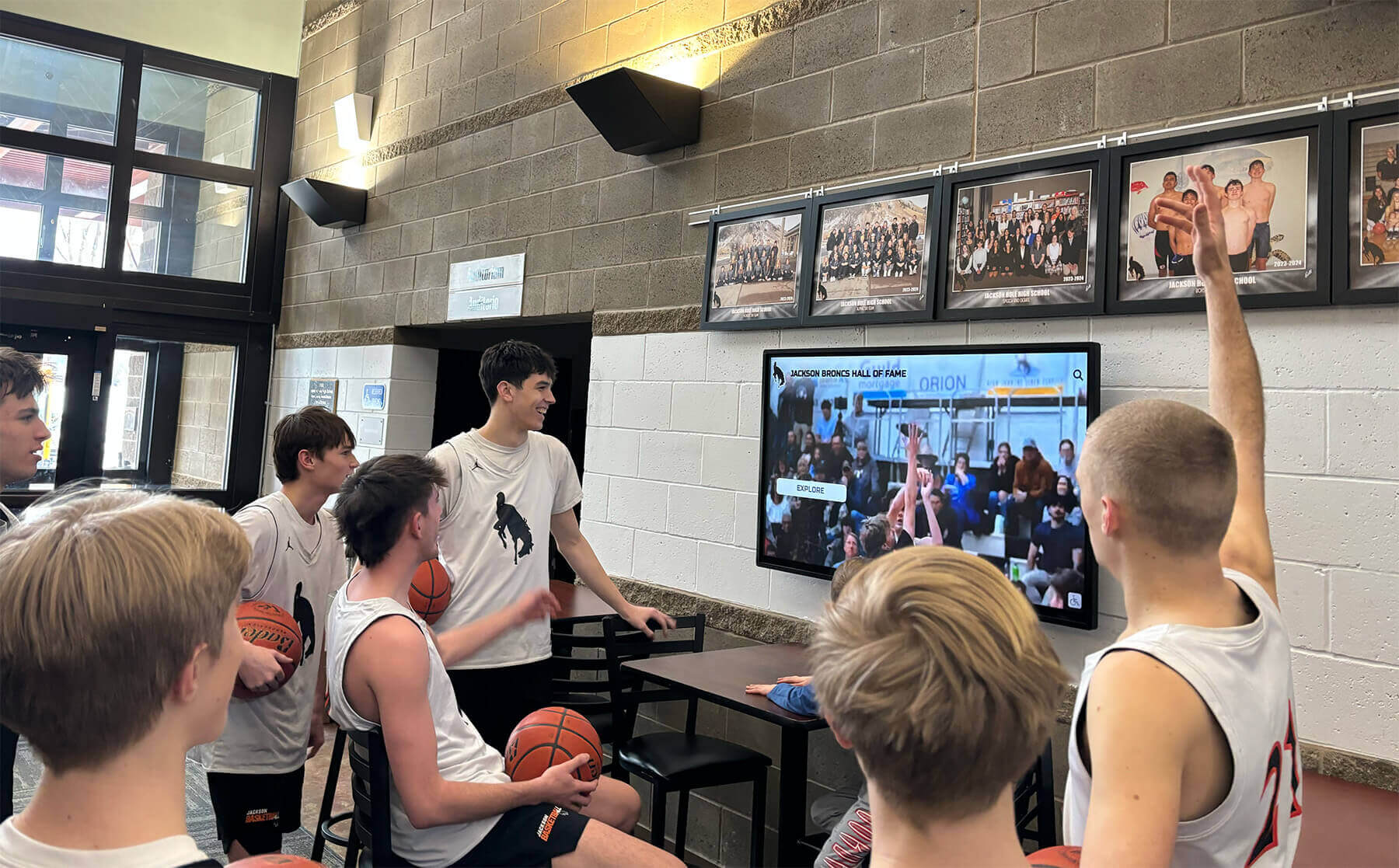
- Cafeterias and student commons providing extended viewing during breaks
- Counseling office areas where students discuss academic planning and goal-setting
- Administrative reception areas frequented by prospective families and community members
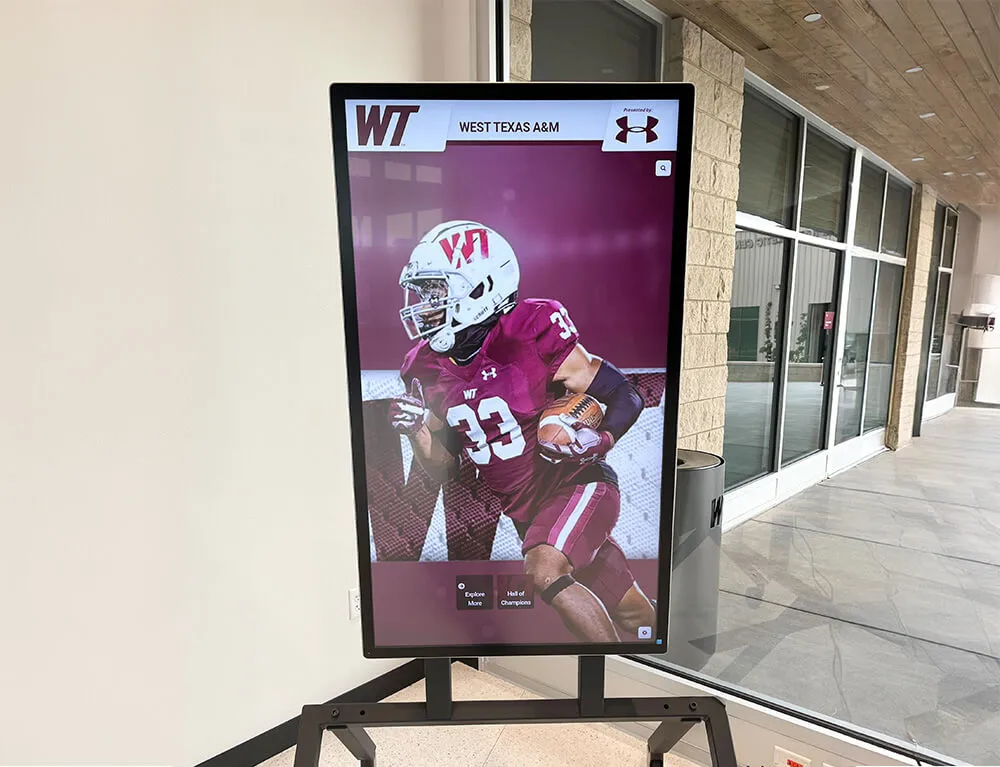
Multiple distributed displays throughout facilities often prove more effective than single concentrated installations, ensuring academic achievement recognition maintains visibility across entire campuses rather than requiring deliberate visits to specific locations.
Web-Based Recognition Extending Global Access
Physical displays serve on-campus audiences effectively, but web-accessible recognition platforms extend academic achievement acknowledgment to families worldwide, enable alumni to explore their own historical recognition, allow students to share achievements through social media and college applications, and provide college admissions representatives access to comprehensive achievement documentation.
Essential web platform features include mobile-responsive design displaying effectively across devices, powerful search enabling discovery by name, year, or achievement type, permanent accessibility keeping recognition online indefinitely, and integration with school websites and communication platforms amplifying visibility.
Content Development: Bringing Academic Recognition to Life
Rich content transforms simple acknowledgment into meaningful celebration inspiring school communities.
Essential Profile Elements
Comprehensive academic achievement recipient profiles should include:
- Student name and graduation year providing identification
- High-quality current photograph creating visual connection
- Specific awards earned clearly identifying achievement types (honor roll level, subject awards, competition results)
- Achievement date or academic year for which recognition was earned
- Cumulative achievement statistics showing sustained excellence across years
- Brief student statements about academic goals, favorite subjects, or study strategies
- Teacher nominations or quotes highlighting specific strengths or remarkable qualities
- Extracurricular involvement showing well-rounded achievement
- Future aspirations demonstrating pathways academic excellence creates
These personal elements transform academic achievement recognition from simple data presentation into authentic storytelling connecting emotionally with audiences while providing practical guidance for students considering what behaviors and strategies lead to academic success.
Privacy Considerations and Family Preferences
Balance academic achievement recognition benefits against privacy concerns through:
- Opt-out mechanisms for families strongly preferring privacy while maintaining opt-out as exception rather than requiring opt-in that would eliminate most recognition
- Limiting personally identifiable information beyond names and achievement details
- Securing appropriate permissions through annual photo release forms covering recognition display usage
- Clear communication of privacy policies explaining what information appears publicly
Federal regulations like FERPA allow schools to publicly disclose “directory information” including honors and awards without prior consent, though districts should establish clear policies addressing digital recognition considerations. Treat academic achievement recognition similarly to yearbooks and athletic programs where students have reduced privacy expectations for accomplishment acknowledgment while providing reasonable accommodation for families with legitimate privacy concerns.
Gathering Student Content and Photographs
The most compelling academic achievement recognition incorporates students’ own voices and perspectives. Effective content collection approaches include:
- End-of-semester surveys distributed collecting biographical information and academic reflections
- Photo collection during school picture days or dedicated recognition photography sessions
- Brief interviews with high achievers producing quotes and advice for peers
- Student-written statements about favorite subjects, most challenging courses, or academic experiences
Resources on comprehensive end-of-year celebration and recognition provide frameworks for collecting student content during natural school year closing activities.
Strategic Implementation and Program Management
Successful academic achievement recognition initiatives require thoughtful implementation strategies and sustainable management approaches.
Program Launch and Awareness Building
Initial Implementation Strategy
Strategic launch timing coordinated with natural school cycles—ideally fall semester when new academic years begin—creates optimal introduction conditions. Promote academic achievement recognition programs through:
- School websites prominently featuring new recognition capabilities
- Social media highlighting interactive display features and first honored students
- Newsletters explaining recognition program purposes and inviting family engagement
- Assemblies or orientations showcasing displays while encouraging student exploration
- Dedicated launch events celebrating inaugural academic achievement recognition
Consider inviting previous years’ award recipients to participate in launch activities creating continuity and generating initial excitement establishing academic achievement recognition as important institutional priority.
Building Student Engagement
Encourage students to interact with academic achievement displays through:
- Guided discovery during orientation activities or advisory periods
- Goal-setting integration where counselors use displays during planning conversations showing pathways to award qualification
- Research projects incorporating recognition exploration investigating school academic history or achievement trends
- Student ambassador programs training representatives to demonstrate displays for visitors during campus tours
Active engagement transforms academic achievement displays from passive acknowledgment into interactive learning experiences motivating intellectual excellence.
Sustainable Management and Operations
Ongoing Administration Requirements
Academic achievement recognition programs require regular attention maintaining currency and accuracy. Establish workflows for:
- Systematic data collection immediately when marking periods end
- Standardized processes for compiling award lists and verifying eligibility
- Efficient content creation using templates streamlining profile development
- Quality control reviews ensuring accuracy before publishing recognition
- Scheduled updates published on predictable timelines maintaining program credibility
Designate specific staff responsibility for academic achievement recognition management—typically counselors, registrars, or administrative assistants with access to grade data and student information. Provide dedicated time allocation acknowledging that comprehensive programs require regular attention rather than treating recognition as unfunded additional duty.
Cross-Training and Sustainability
Ensure multiple staff members understand academic achievement recognition system operation preventing program disruption during absences, vacations, or position transitions. Create detailed documentation including step-by-step guides, video tutorials, and quick reference materials supporting ongoing use.
Sustainable programs survive individual personnel changes through systematic approaches rather than depending on single knowledgeable individuals whose departure might compromise recognition continuity.
Ceremony and Communication Integration
Academic Achievement Ceremonies and Events
Combine permanent digital recognition with ceremony-based acknowledgment creating comprehensive recognition experiences. Quarterly or semester academic achievement ceremonies provide important personal acknowledgment moments where students receive recognition before families and communities.
Design ceremonies emphasizing honorees rather than lengthy speeches, schedule events enabling family attendance amplifying recognition meaning, and photograph ceremonies documenting recognition moments for inclusion in digital displays extending ceremony impact beyond event dates.
Understanding graduation ceremony planning and similar recognition events provides frameworks applicable to academic achievement ceremony coordination.
Multi-Channel Communication Strategies
Amplify academic achievement recognition impact through systematic communication ensuring maximum visibility:
- Family notifications when students appear in recognition through email or text with direct links to online profiles
- Social media celebrations highlighting award recipients with appropriate privacy considerations
- Feature academic achievement recognition in newsletters and regular communications
- Daily announcements acknowledging recent award additions
- Community media partnerships extending recognition visibility beyond school through local publications
This multi-channel approach ensures academic achievements receive visibility comparable to athletic recognition while engaging varied stakeholder audiences through their preferred communication methods.
Measuring Academic Achievement Recognition Program Impact
Systematic assessment demonstrates program effectiveness while identifying improvement opportunities.
Quantitative Engagement Metrics
Digital academic achievement platforms provide comprehensive analytics revealing how students and visitors engage with recognition:
Key Performance Indicators
Track unique visitors showing total individuals engaging with academic achievement recognition, session duration measuring average time spent exploring content (benchmark: 3-6 minutes indicating genuine interest), return visitor rates demonstrating sustained engagement, search patterns revealing how visitors discover content, and social sharing frequency tracking distribution beyond direct display visitors.
Quarterly reviews identify successful content types, peak usage periods indicating optimal update timing, and underutilized features requiring optimization or clearer promotion.
Participation and Distribution Analysis
Monitor academic achievement award patterns tracking:
- Percentage of student body earning various recognition types
- Distribution across grade levels and demographic groups
- Achievement level distribution across recognition tiers
- Year-over-year participation trends
- Sustained achievement rates showing students maintaining excellence across multiple periods
This data demonstrates whether academic achievement programs reach diverse student populations or concentrate among limited groups, informing equity considerations and potential program adjustments ensuring recognition opportunities exist across varied learners.
Qualitative Impact Assessment
Beyond numbers, gather feedback revealing how academic achievement recognition influences individuals and school culture:
Stakeholder Perspectives
Conduct student surveys exploring whether academic achievement recognition feels meaningful and motivating, family reactions to acknowledgment quality and visibility, teacher observations about student discussions of academic goals, counselor input on whether recognition aids academic planning conversations, and administrator assessment of cultural impact and community pride in academic excellence.
Academic Outcome Correlation
While direct causation proves difficult to establish definitively, monitor whether academic performance indicators show improvement following enhanced recognition implementation:
- Academic achievement award participation rates over time
- Grade distribution trends across student populations
- Advanced coursework enrollment patterns
- Standardized test performance trends
- Graduation rates particularly for students with consistent achievement recognition
Educational research demonstrates that visible recognition of academic achievement correlates with increased student motivation to pursue similar accomplishments. Careful analysis provides reasonable program impact assessment demonstrating value to administrators and school boards justifying continued investment.
Resources on staff appreciation and recognition offer parallel frameworks for measuring recognition program effectiveness across various institutional contexts.
Creating Recognition Systems That Inspire Excellence
Effective academic achievement award programs share fundamental characteristics distinguishing truly motivational systems from token acknowledgment generating minimal impact:
Comprehensive Coverage: Recognition accommodating diverse achievement types and levels rather than celebrating only highest performers creates inclusive culture where varied students experience acknowledgment for genuine academic effort across different excellence dimensions.
Prominent Visibility: Strategic placement in high-traffic locations and multi-channel communication ensures academic achievement recognition receives attention comparable to athletic accomplishments rather than being relegated to obscure locations few students notice.
Timely Acknowledgment: Recognition delivered within days or weeks of achievement maintains strong connection between effort and acknowledgment maximizing motivational impact rather than delays weakening reinforcement power.
Rich Storytelling: Detailed profiles including photographs, achievement context, and student perspectives create emotional connection and inspiration impossible with simple name lists providing minimal information.
Permanent Accessibility: Complete academic achievement archives remaining accessible indefinitely rather than being replaced or discarded preserves institutional academic heritage while enabling long-term engagement from alumni and families.
Sustained Commitment: Recognition programs maintaining consistent operation across years rather than enthusiastic launches followed by gradual decline demonstrate genuine institutional prioritization of academic excellence.
When schools invest in academic achievement award programs thoughtfully designed and effectively implemented, the dividends prove substantial: enhanced student motivation toward intellectual excellence and sustained scholarly effort, improved school climate and culture celebrating academic achievement, increased family engagement and institutional pride in academic programs, stronger academic reputation attracting prospective students and families, and most importantly, students developing positive academic identities understanding their intellectual growth matters to caring adults and supportive communities.
Understanding how schools showcase achievements through modern trophy display solutions provides additional context for comprehensive recognition program development.
The Role of Digital Recognition in Modern Academic Achievement Programs
Traditional academic achievement recognition—paper certificates, printed honor roll lists, static bulletin boards—served schools adequately for decades but increasingly fails to engage contemporary students accustomed to interactive digital experiences. Modern recognition technology transforms how schools celebrate academic excellence while addressing limitations inherent in conventional approaches.
Advantages of Digital Academic Achievement Recognition
Elimination of Space Constraints
Physical recognition requires wall space, display cases, or dedicated areas creating capacity limitations forcing difficult choices about whose achievements receive visibility. A single 55-inch interactive touchscreen accommodates unlimited academic achievement award recipients across years without physical space constraints—enabling comprehensive recognition for hundreds of students annually while maintaining prominent visibility for all.
Dynamic Content and Engagement
Static displays become visual background noise students stop noticing after initial posting. Interactive digital recognition creates engaging experiences where students actively explore academic achievement content, discover detailed profiles providing inspiration and context, search for classmates and friends, and understand connections between current recognition and future opportunities.
Real-Time Updates and Currency
Maintaining current academic achievement recognition through traditional methods requires repeated production of new displays—time and resource burdens many schools cannot sustain consistently. Cloud-based digital platforms enable instant updates immediately when award determinations finalize, ensuring timely acknowledgment while maintaining complete historical archives preserving previous recognition permanently accessible.
Comprehensive Analytics and Insights
Digital platforms provide detailed engagement data revealing how students interact with academic achievement recognition—tracking visitor patterns, popular content, search behaviors, and sharing activity. These insights demonstrate program value while identifying optimization opportunities ensuring recognition resonates effectively with target audiences.
Multimedia Storytelling Capabilities
Digital recognition enables rich content impossible with traditional approaches—high-resolution photographs, video messages from award recipients, searchable databases, social sharing, and integration with broader school communication systems. These capabilities transform academic achievement recognition from simple data presentation into compelling storytelling connecting emotionally with school communities.
Resources on all-state plaque recognition and digital display alternatives demonstrate how schools successfully transition from traditional static recognition to engaging digital systems.
Implementation Considerations for Digital Recognition Systems
Schools considering digital academic achievement recognition should evaluate:
Hardware Requirements: Determine appropriate display size, placement locations, touchscreen versus non-interactive displays, stand-alone kiosks versus wall-mounted installations, and whether single displays or distributed systems across campus serve community needs best.
Software Platform Selection: Choose between proprietary systems requiring ongoing vendor relationships versus open platforms enabling in-house management, cloud-based solutions accessible anywhere versus local installations, and systems designed specifically for educational recognition versus generic digital signage adapted for academic use.
Content Management Capabilities: Ensure selected platforms provide intuitive interfaces requiring minimal technical expertise, template systems streamlining profile creation, bulk upload capabilities for large recipient groups, version control and approval workflows, and mobile-friendly management enabling updates from any device.
Ongoing Support and Sustainability: Evaluate vendor support quality, system update frequency, training resources availability, user community strength for peer learning, and total cost of ownership including initial investment plus ongoing subscription or maintenance fees.
Integration with Existing Systems: Consider whether recognition platforms can integrate with student information systems automating data transfer, connect with school websites extending recognition visibility, share content through social media platforms, and align with broader institutional technology ecosystems.
Conclusion: Building Cultures Where Academic Achievement Flourishes
Academic achievement awards represent far more than simple acknowledgment of good grades or test scores. These recognitions validate sustained intellectual effort, confirm student capabilities, acknowledge strategic prioritization of learning amid competing demands, predict future educational success, and honor family-school partnerships supporting scholarly excellence.
When schools implement comprehensive academic achievement award programs with prominent visibility, diverse recognition categories, timely acknowledgment, engaging presentation, and sustained institutional commitment, they create cultures where intellectual excellence flourishes. Students understand that academic achievement matters as much as athletic success, varied forms of scholarly excellence receive appropriate celebration, sustained effort and growth receive validation alongside absolute achievement, and every student can envision pathways to earning academic recognition.
The most successful schools approach academic achievement recognition strategically—establishing clear criteria and transparent processes, leveraging modern technology eliminating traditional recognition limitations, creating engaging content transforming data into compelling stories, maintaining sustainable management systems ensuring program longevity, and measuring impact demonstrating value while identifying continuous improvement opportunities.
Ready to transform how your school celebrates academic achievement award recipients? Solutions like Rocket Alumni Solutions provide purpose-built recognition platforms designed specifically for educational institutions, offering intuitive content management requiring no technical expertise, engaging interactive displays creating memorable recognition experiences, unlimited capacity accommodating comprehensive academic achievement recognition without space constraints, proven approaches helping schools build excellence cultures, and ongoing support ensuring successful implementation and sustained program success.
Your academic achievement award recipients demonstrate remarkable intellectual capabilities, sustained dedication, and scholarly commitment deserving celebration matching their significance. Modern recognition programs ensure these accomplishments receive the acknowledgment that inspires continued excellence, honors diverse academic talents, validates sustained effort and persistence, creates lasting institutional pride, and builds school communities where all students feel valued for their intellectual contributions and motivated to pursue their highest academic potential.
Academic achievement recognition represents a fundamental tool for shaping school culture, motivating student excellence, and communicating institutional values. When recognition celebrates diverse achievement types, employs engaging technology, maintains meaningful standards while creating accessible pathways, and operates sustainably across time, schools create environments where learning flourishes and every academic achievement award recipient’s scholarly journey receives the lasting acknowledgment it truly deserves.