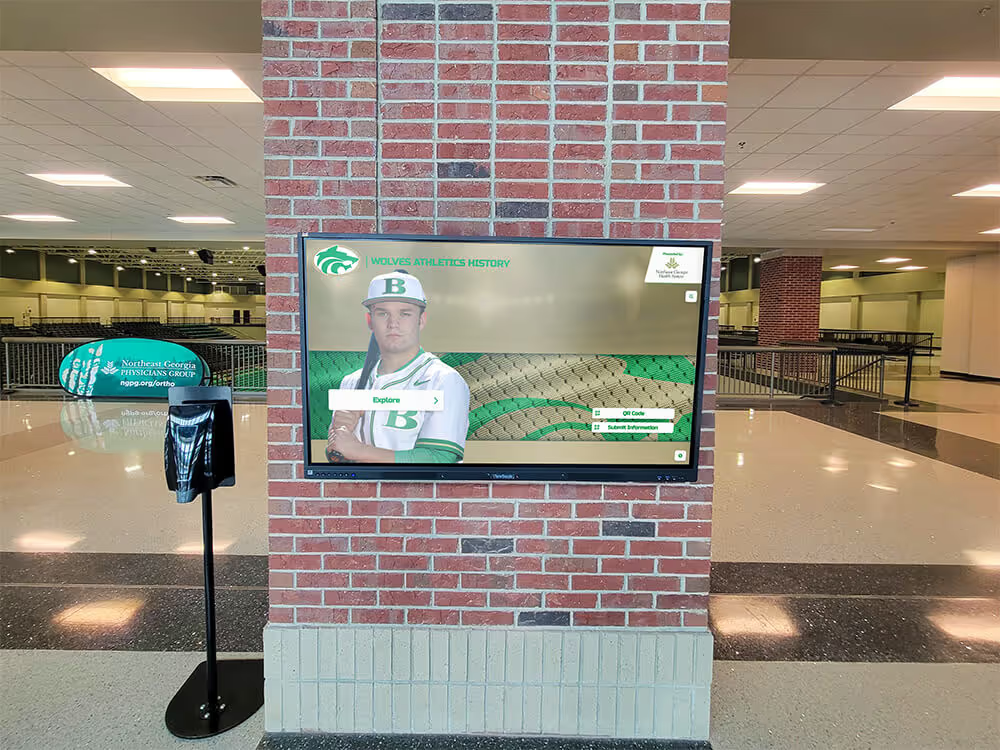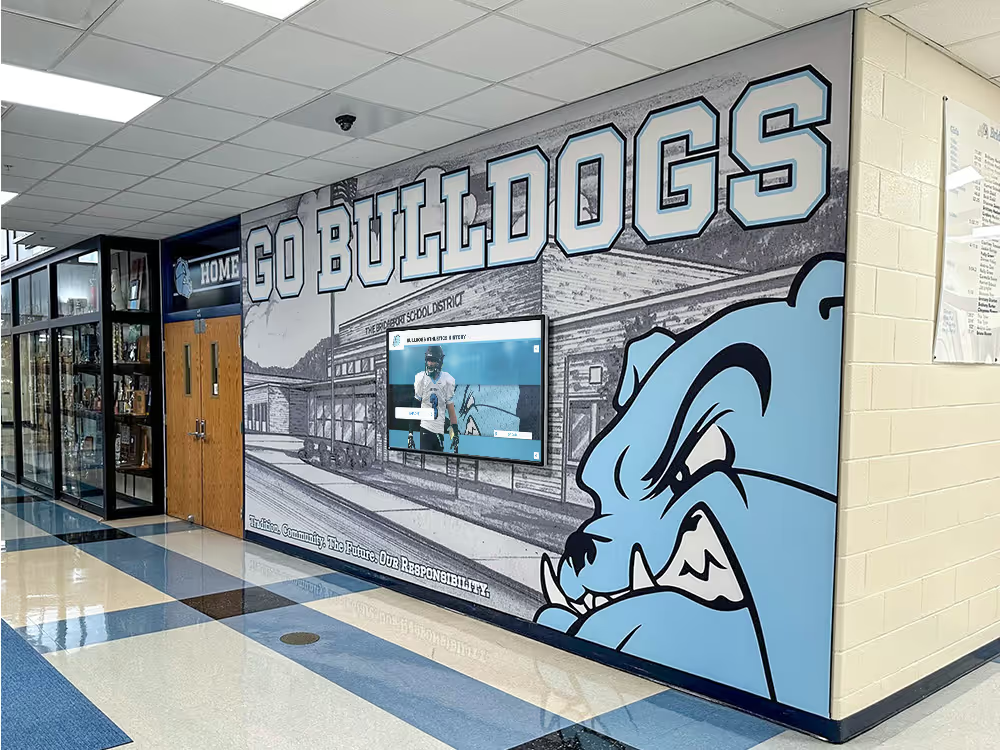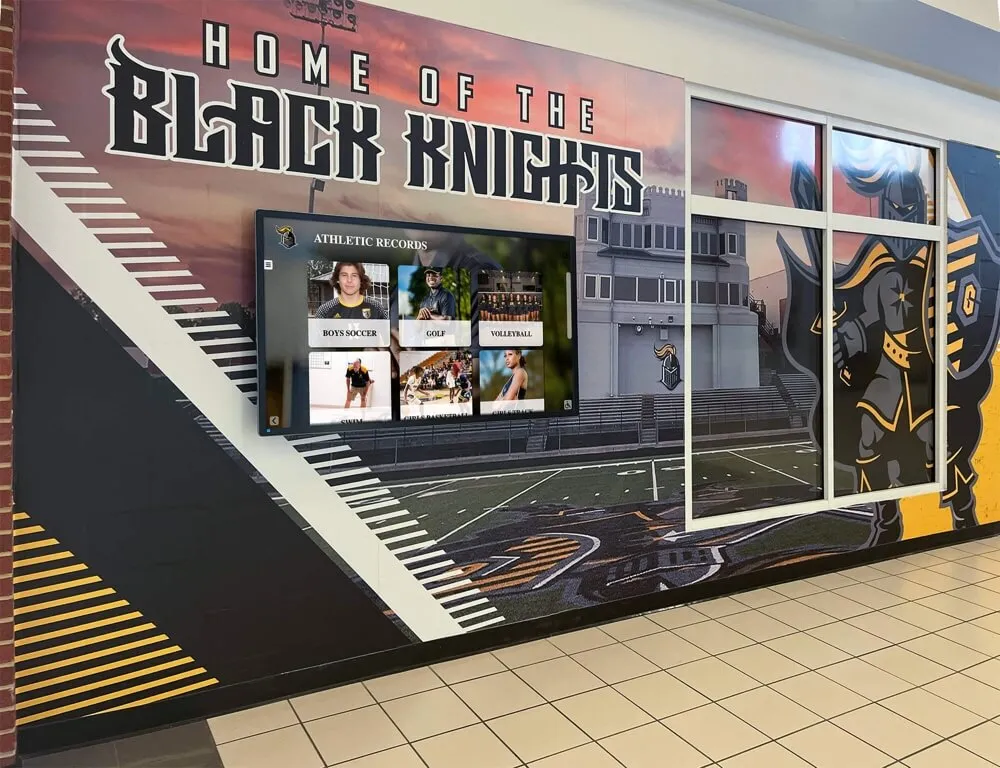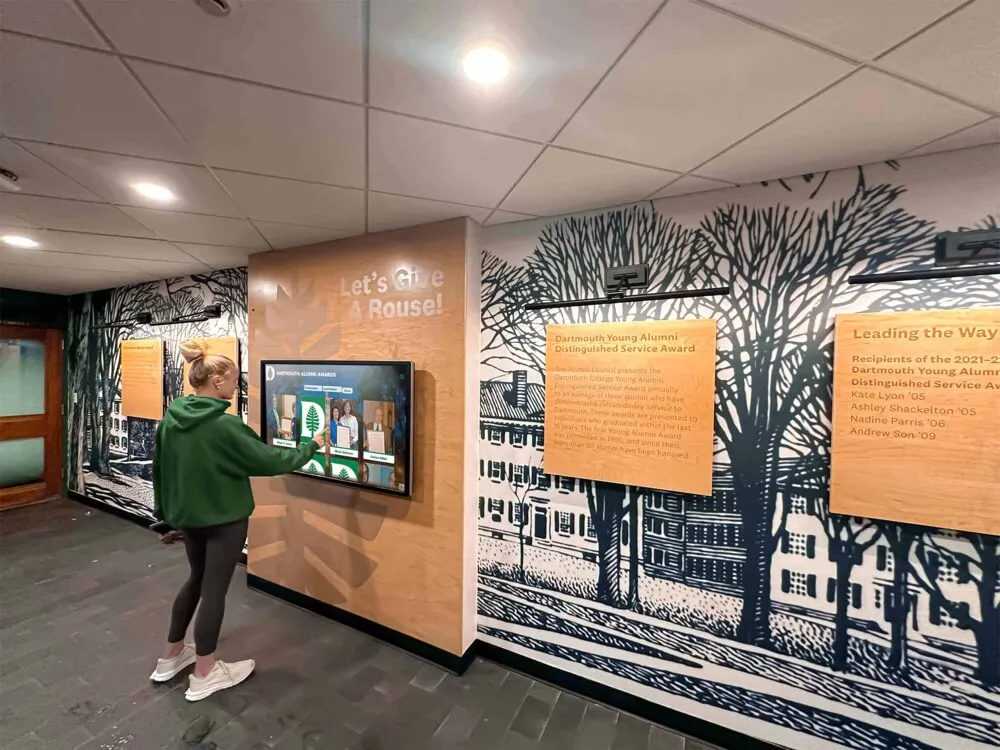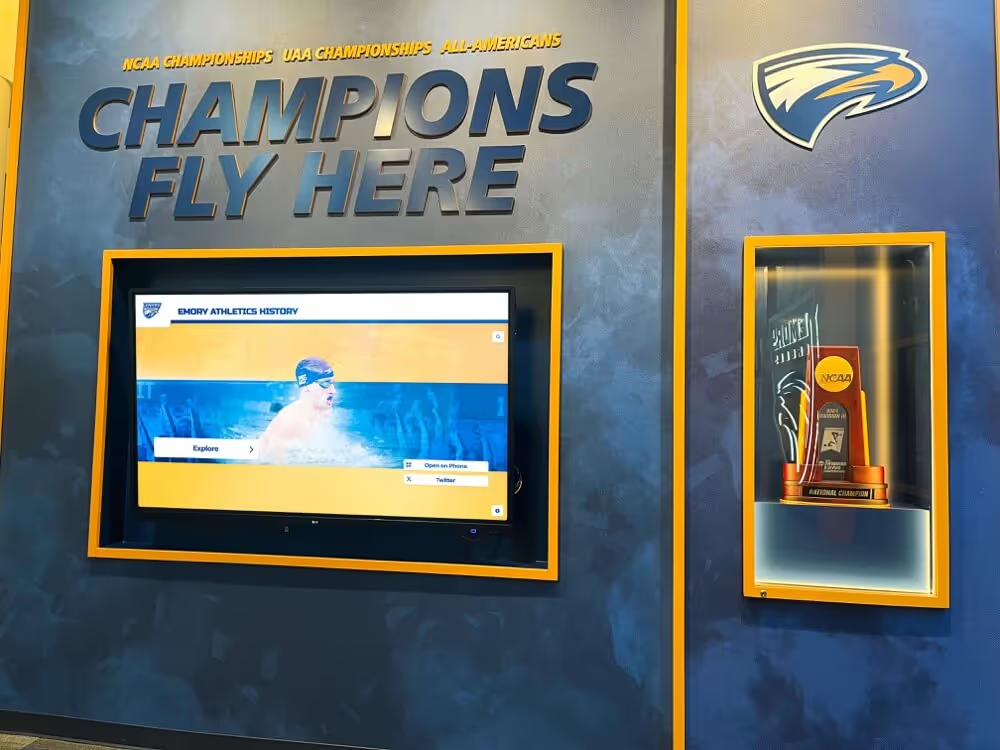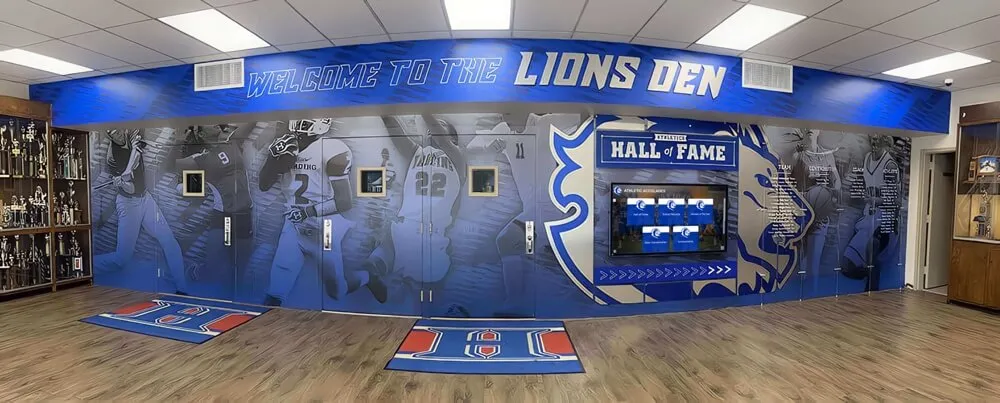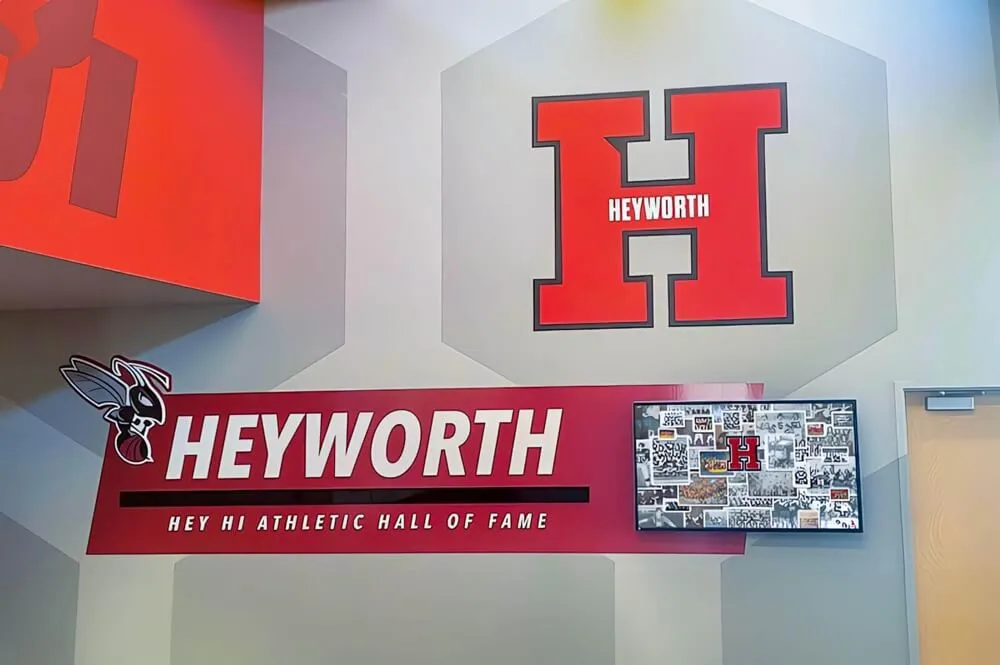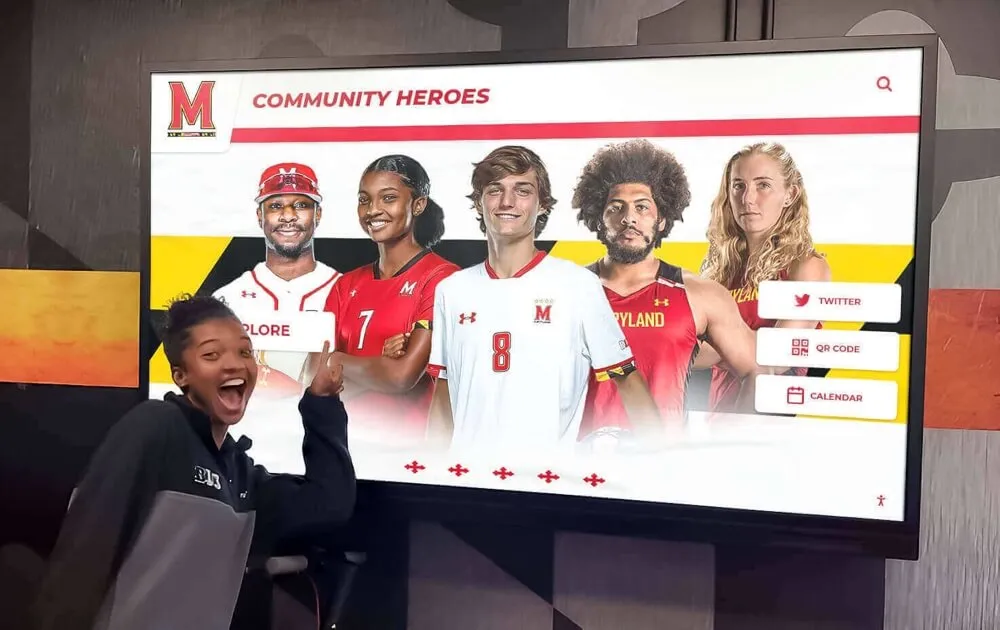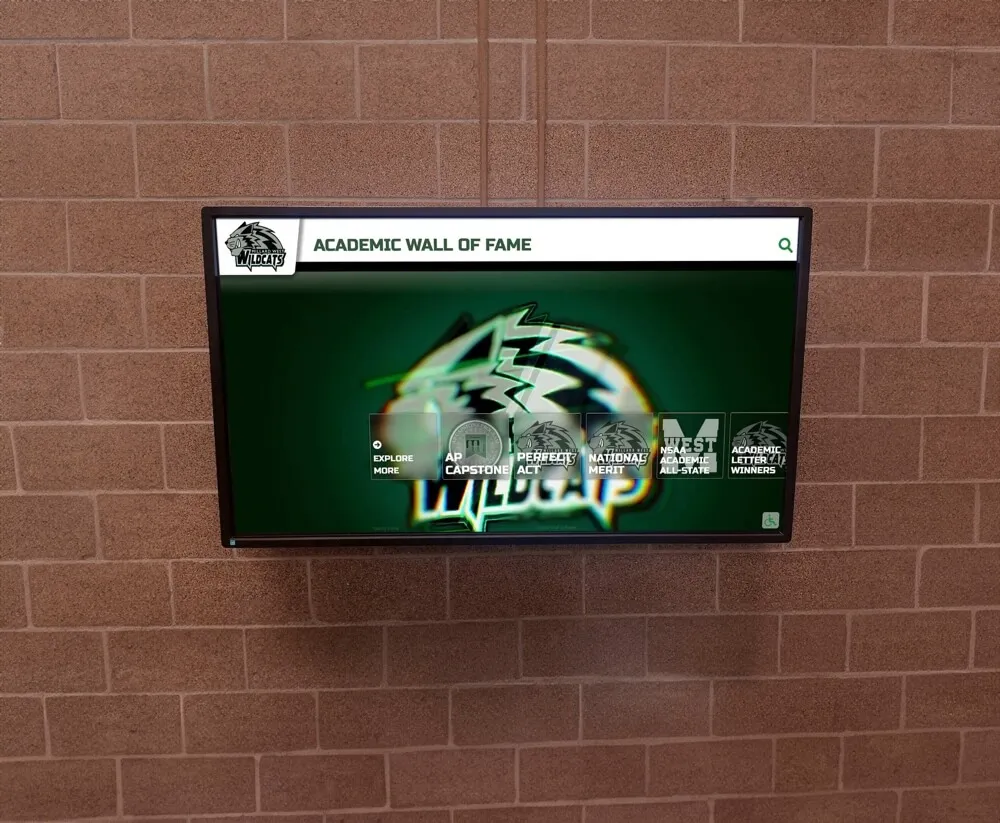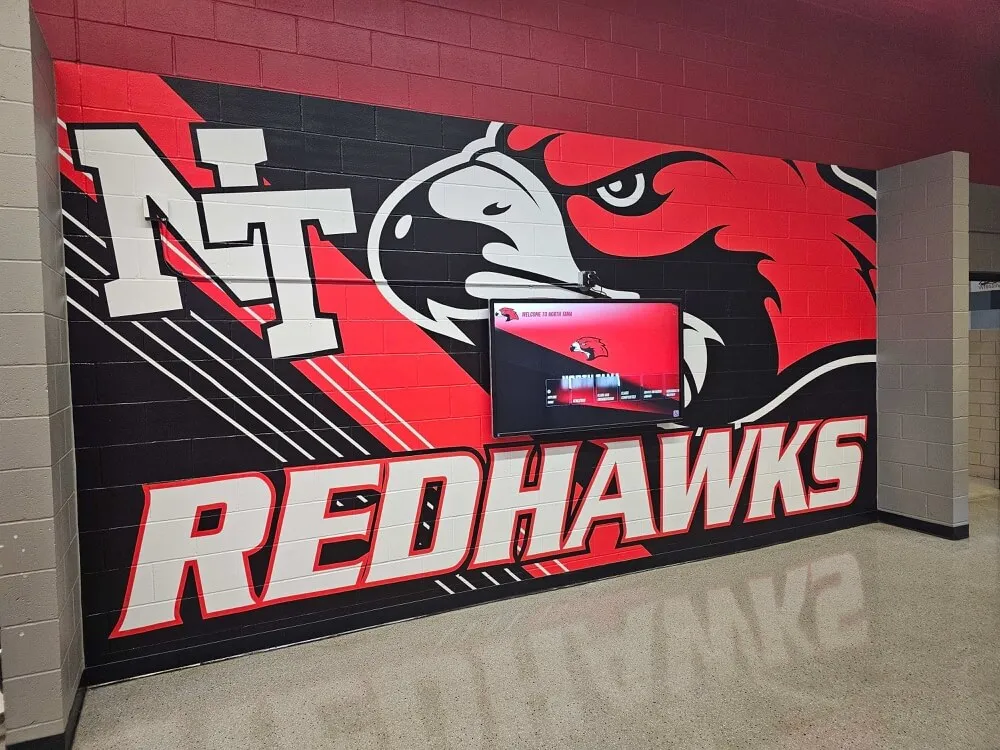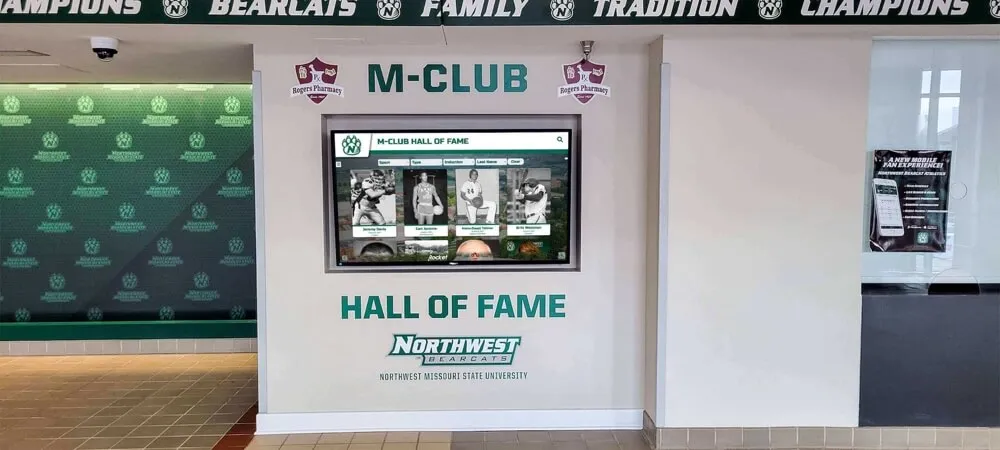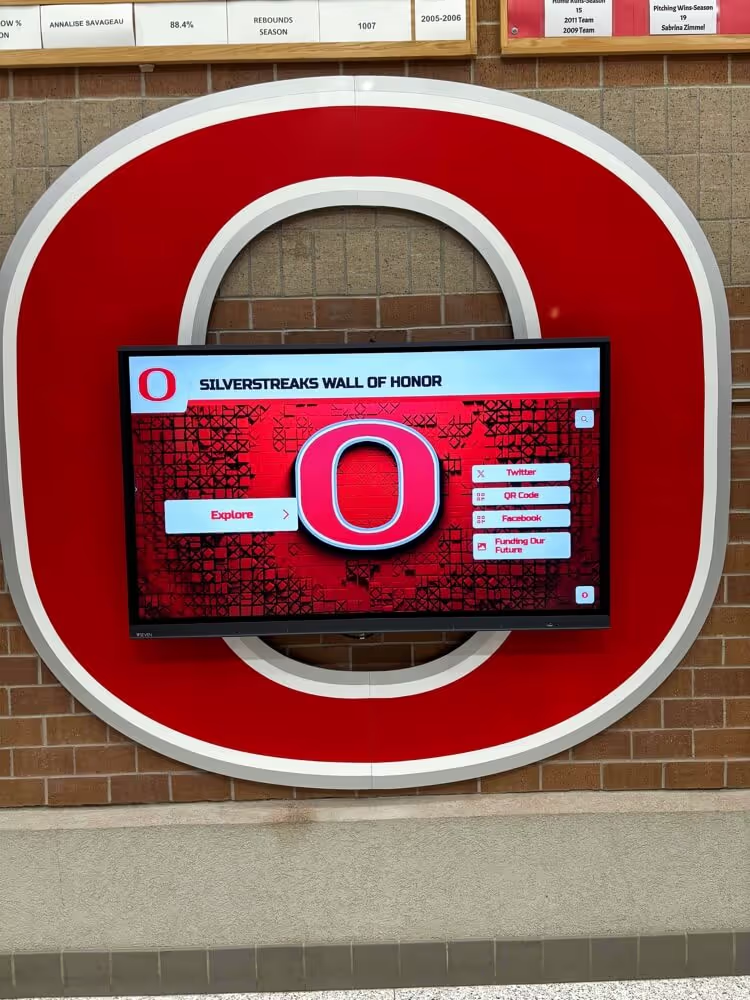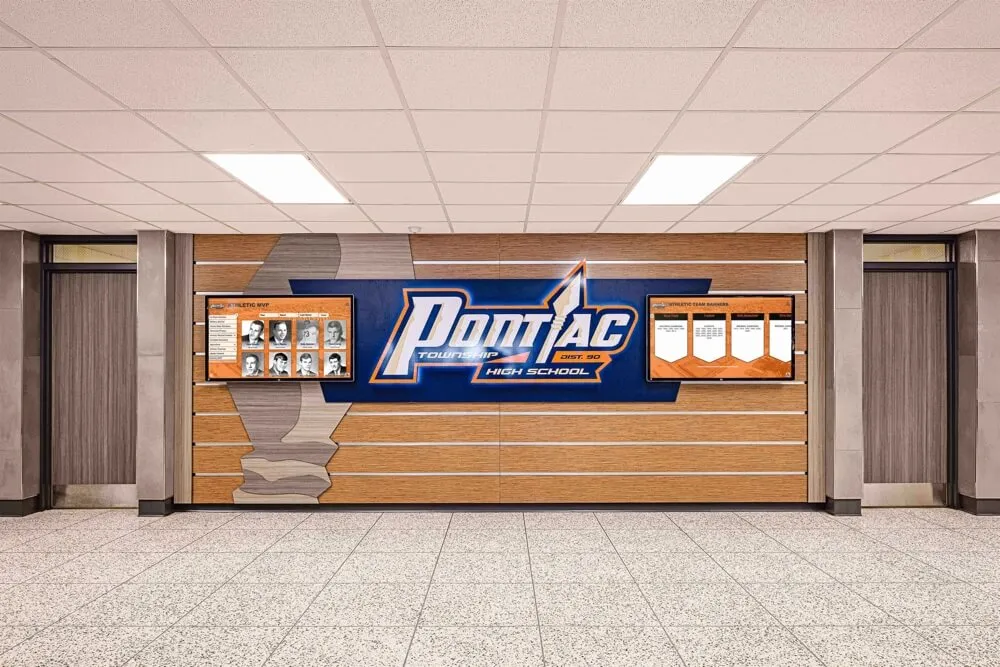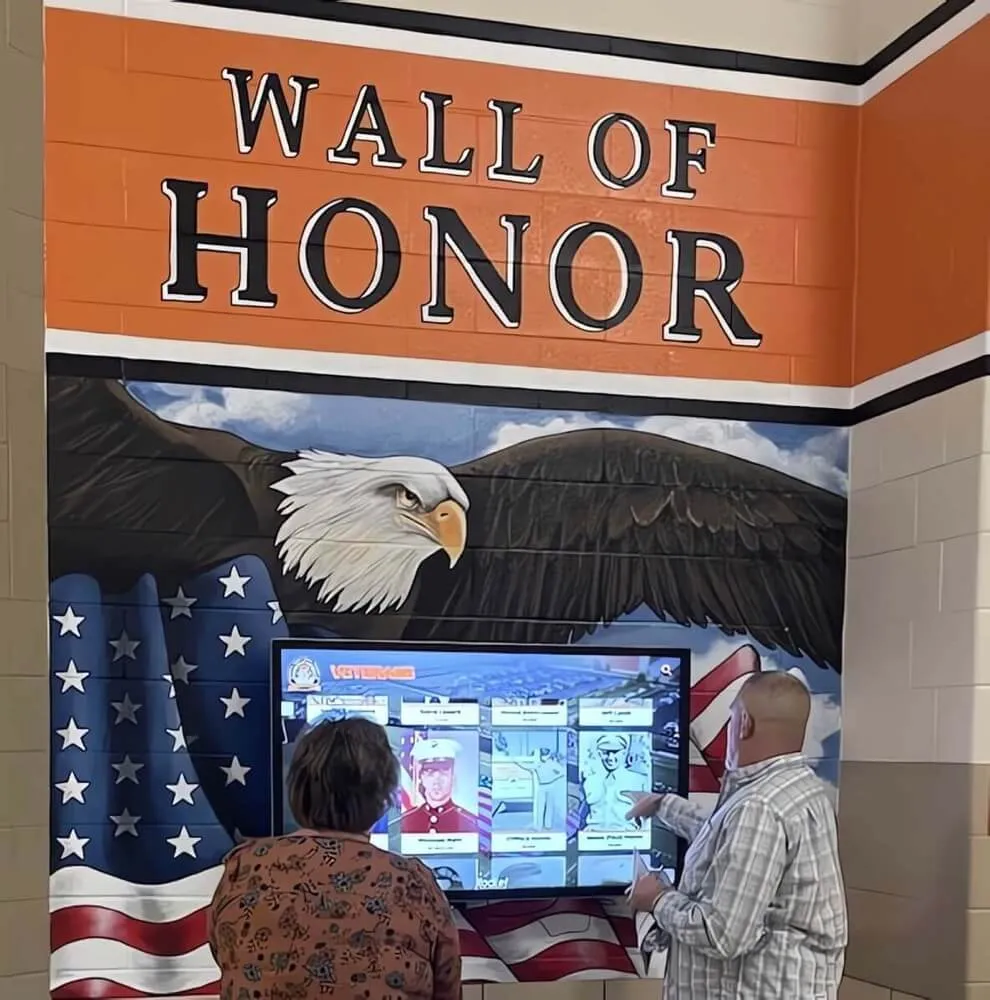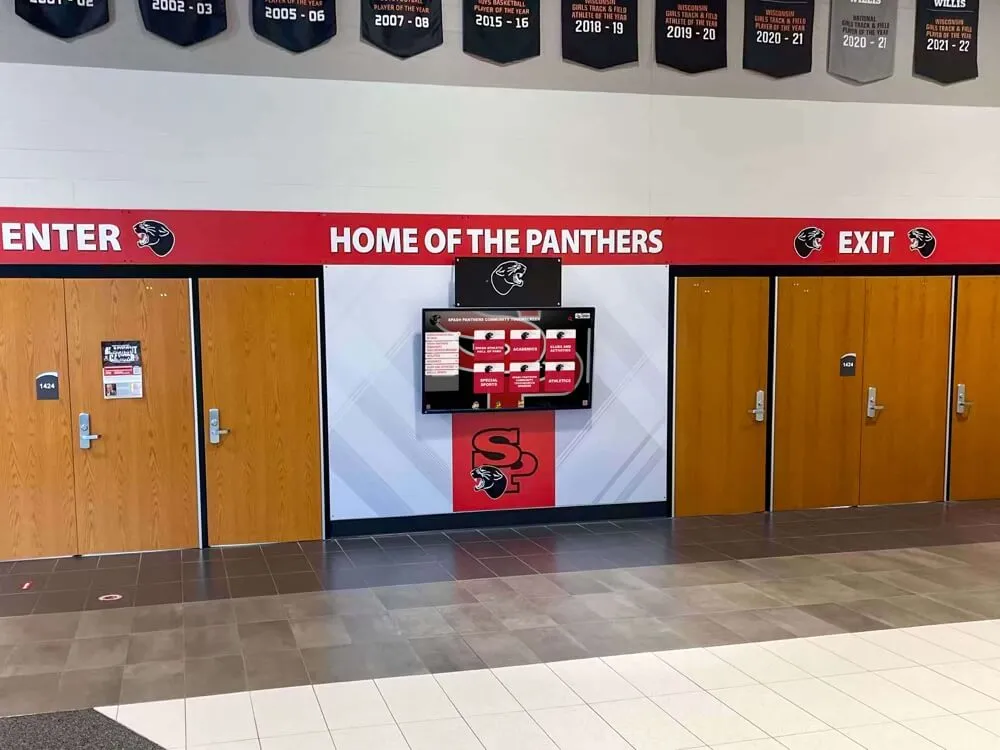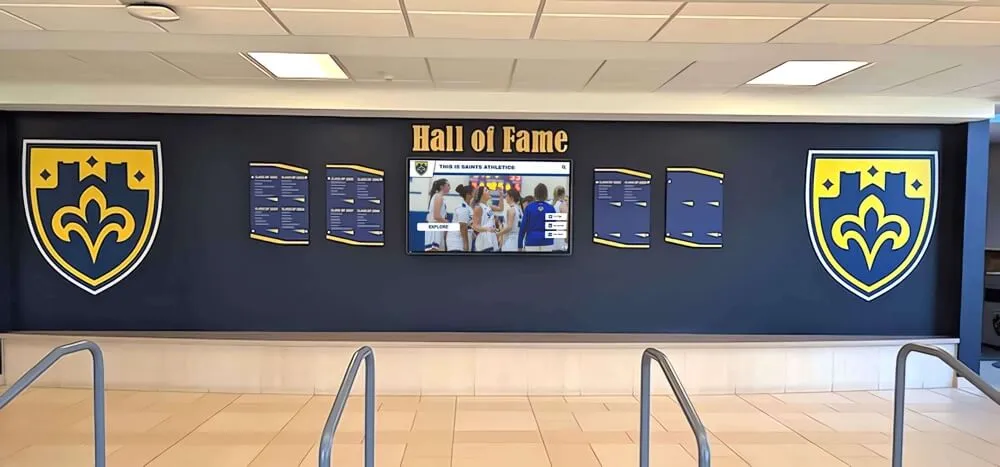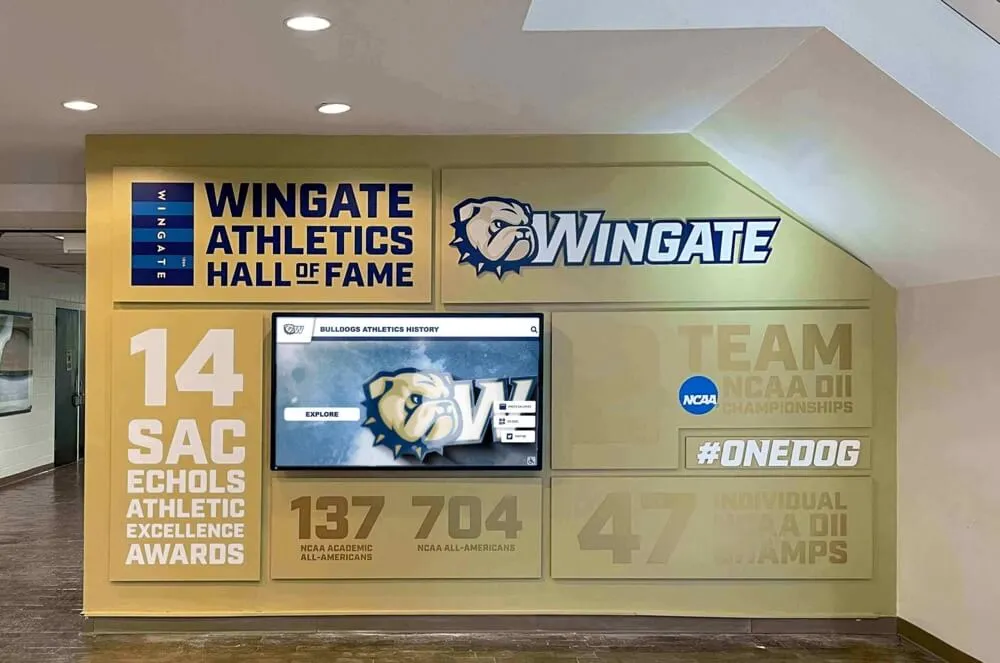




Athletic record boards dominate school lobbies and gymnasiums, automatically updating and reranking top performers across seasons and decades. Athletes see exactly where they stand among all-time leaders. Coaches reference leaderboards during recruiting conversations. Younger athletes study the names above them, calculating what performances would move them up the rankings. Yet when it comes to academic achievement—specifically elite ACT scores placing students in the top 7% nationally—most schools still rely on paper certificates, brief assembly announcements, or static plaques that never update as new scholars emerge.
Achieving a composite ACT score of 30 or above represents exceptional academic performance opening doors to competitive college admissions, substantial merit scholarships, and honors program eligibility. These scores demonstrate comprehensive mastery across English, Math, Reading, and Science—sustained excellence requiring hundreds of preparation hours beyond demanding AP and honors coursework. Students who reach this milestone deserve recognition matching the visibility and engagement athletic record boards provide to top performers in every sport.
Above 30 ACT scorers digital leaderboards bring the same auto-ranking, unlimited capacity, and permanent visibility athletic programs enjoy to standardized test excellence. These systems automatically sort scholars by score, track performance across graduating classes, display complete profiles beyond numbers alone, and maintain recognition indefinitely without physical space constraints or manual updates erasing history when wall space runs out.
Intent: Demonstrate
This guide demonstrates how digital leaderboard systems enable schools to recognize ACT 30+ achievement with the same rigor and visibility athletic departments apply to record tracking. We'll walk through leaderboard design, auto-ranking features, content strategies, and implementation approaches that position academic excellence alongside athletic accomplishment—ensuring elite test performance receives recognition befitting its significance for college admission, scholarship eligibility, and long-term student outcomes.
Why Leaderboard Formats Matter for ACT Recognition
Traditional academic recognition lists names alphabetically or by graduation year—approaches that obscure performance comparisons and fail to create the competitive visibility that motivates achievement. Leaderboards organize by performance, making rankings immediately visible and creating aspirational goals students can work toward.
The Psychology of Visible Rankings
Athletic record boards work because they create clear benchmarks. A high jumper knows the school record stands at 6'4". A distance runner sees the top ten 5K times posted prominently. These visible targets shape training goals and competitive aspirations. The same psychology applies to academic achievement.
When students see the ACT 30+ leaderboard topped by classmates who scored 35 and 36, abstract possibilities become concrete targets. Current juniors preparing for spring testing can identify peers who recently achieved elite scores, ask about preparation strategies, and visualize themselves joining the leaderboard. Without visible rankings, ACT preparation feels isolated—students don’t know whether their practice scores represent competitive performance or require additional work to reach elite levels.
Research in educational psychology demonstrates that visible achievement standards influence student goal-setting and effort allocation. According to studies published in the Journal of Educational Psychology, students exposed to specific, challenging peer performance benchmarks demonstrate increased motivation compared to students given only abstract encouragement. Leaderboards make performance standards concrete while showing achievement remains within reach through relatable peer examples.
Competitive Context Missing from Alphabetical Lists
Paper recognition lists arranged alphabetically treat a student who scored 30 identically to one who scored 36—both receive the same one-line acknowledgment despite the six-point performance gap representing dramatically different achievement levels. Perfect 36 scores occur in fewer than 1 in 2,000 test attempts according to ACT reporting, while 30+ scores represent roughly the top 7% of test-takers. This statistical distinction deserves recognition through ranked presentation showing relative achievement.

Leaderboard formats create meaningful context by showing performance distribution across the scoring spectrum. Students immediately understand whether their school’s ACT 30+ club includes many scores clustered around 30-31 or features numerous scholars in the 33-36 elite tier. This context helps younger students calibrate preparation strategies and set realistic stretch goals aligned with their school’s academic culture and historical performance patterns.
Athletic departments understand this instinctively. No coach posts basketball scoring leaders alphabetically—they rank by points per game. Cross country results list finish order, not alphabetical arrangement. Academic recognition deserves the same performance-based presentation that makes achievement comparisons meaningful and creates visible aspiration.
Essential Features for ACT 30+ Digital Leaderboards
Effective academic leaderboards require specific capabilities beyond simple static displays. These features determine whether recognition systems inspire ongoing engagement or fade into ignored background fixtures.
Automatic Score-Based Ranking and Sorting
Manual leaderboard updates create administrative burden while ensuring displays fall out of date as new scholars emerge. Purpose-built digital record boards automatically rank students by ACT composite score whenever counselors add new profiles—maintaining accurate hierarchies without manual reordering.
This auto-ranking extends across multiple dimensions:
Primary composite score ranking places highest scorers atop the main leaderboard, immediately showing school elite performers. Subject-specific leaderboards enable separate rankings for English, Math, Reading, and Science section scores—recognizing students who achieved exceptional subject performance even if composite scores fell slightly below 30. Graduation year filtering allows viewing leaderboards for individual graduating classes, showing historical performance trends and enabling alumni to revisit their cohort’s achievements.
The technical implementation matters substantially. Generic digital signage software lacks database-driven sorting required for dynamic leaderboards—each content update requires manual profile reordering consuming administrative time and introducing errors. Platforms designed specifically for educational recognition include automated ranking as core functionality, treating leaderboard position as automatically calculated metadata rather than manually managed placement.
Solutions like Rocket Alumni Solutions implement intelligent ranking algorithms considering composite scores, subscore performance, single-sitting versus superscore achievements, and historical performance context—ensuring leaderboards reflect actual achievement nuance rather than single-dimensional sorting that misses important performance distinctions.
Unlimited Capacity Beyond Physical Constraints
Traditional plaques accommodate perhaps 20-30 names before running out of wall space. Digital leaderboards eliminate this limitation entirely—schools can recognize every ACT 30+ achiever across decades without choosing which scholars to exclude or periodically removing earlier years to make space for recent graduates.
This unlimited capacity creates comprehensive institutional memory documenting academic excellence across administrative eras, demographic shifts, and curriculum changes. Alumni returning after twenty years can locate their achievements preserved alongside current scholars. Prospective families researching school academic strength see decades of sustained elite performance rather than brief snapshots from recent years alone.
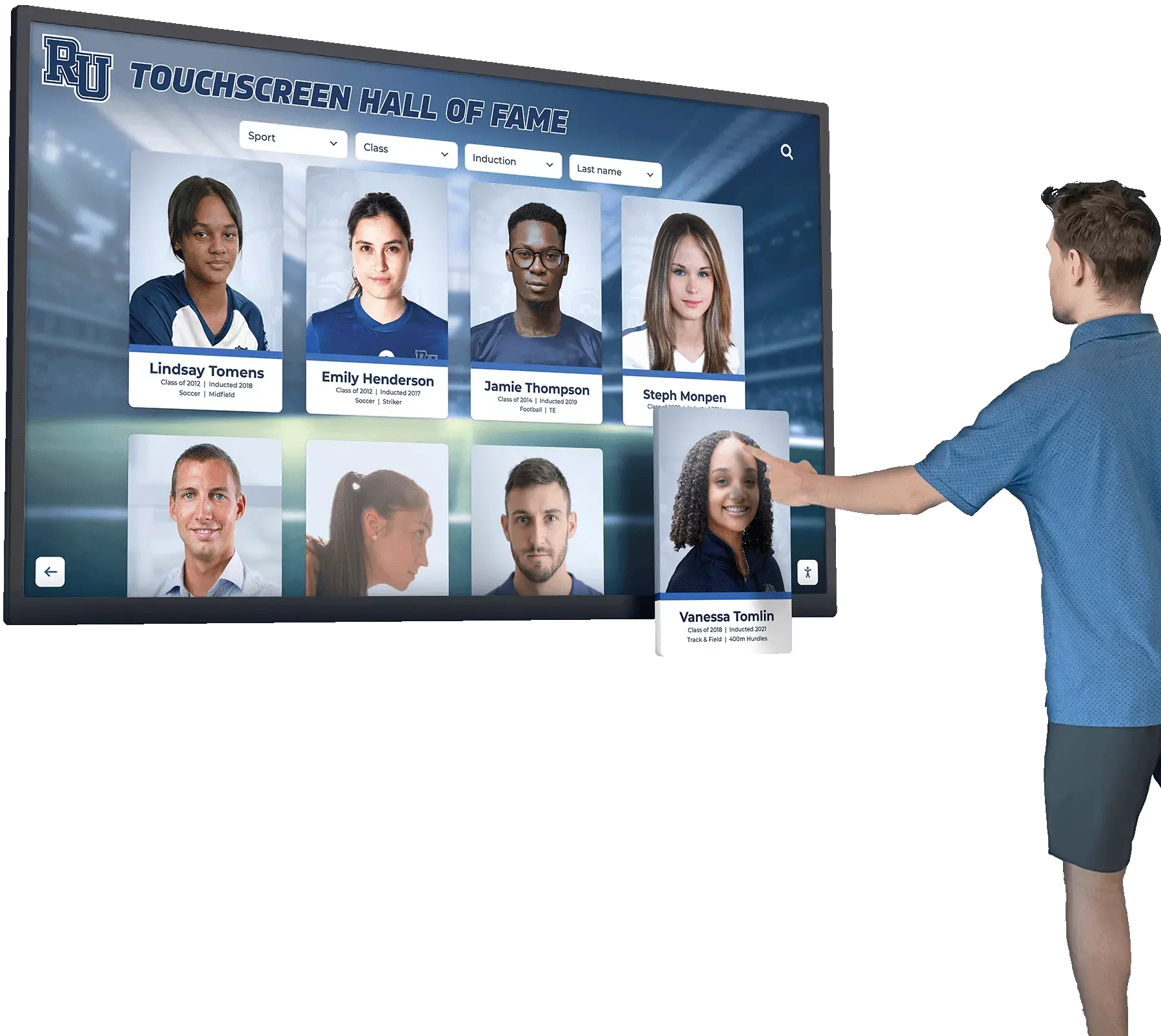
The psychological impact of permanence extends recognition value significantly. When students understand their ACT achievement joins a permanent institutional record rather than temporary bulletin board display removed next semester, the acknowledgment carries greater weight. Permanent recognition communicates that schools genuinely value academic excellence rather than providing performative temporary celebration.
Many schools discover decades of ACT excellence effectively disappeared—no comprehensive records exist showing elite scorers from the 1990s or early 2000s when record-keeping prioritized athletics over academics. Digital leaderboards enable systematic historical research and gradual archive building as yearbooks, old databases, and alumni outreach uncover lost achievement records. Understanding academic history archiving best practices helps schools develop systematic approaches recovering institutional memory too often lost to incomplete record systems.
Rich Profiles Beyond Score Numbers
Leaderboards showing only names and composite scores miss opportunities for deeper storytelling that inspires younger students while appropriately honoring achievers. Comprehensive profiles transform numerical rankings into human narratives demonstrating diverse pathways to elite performance.
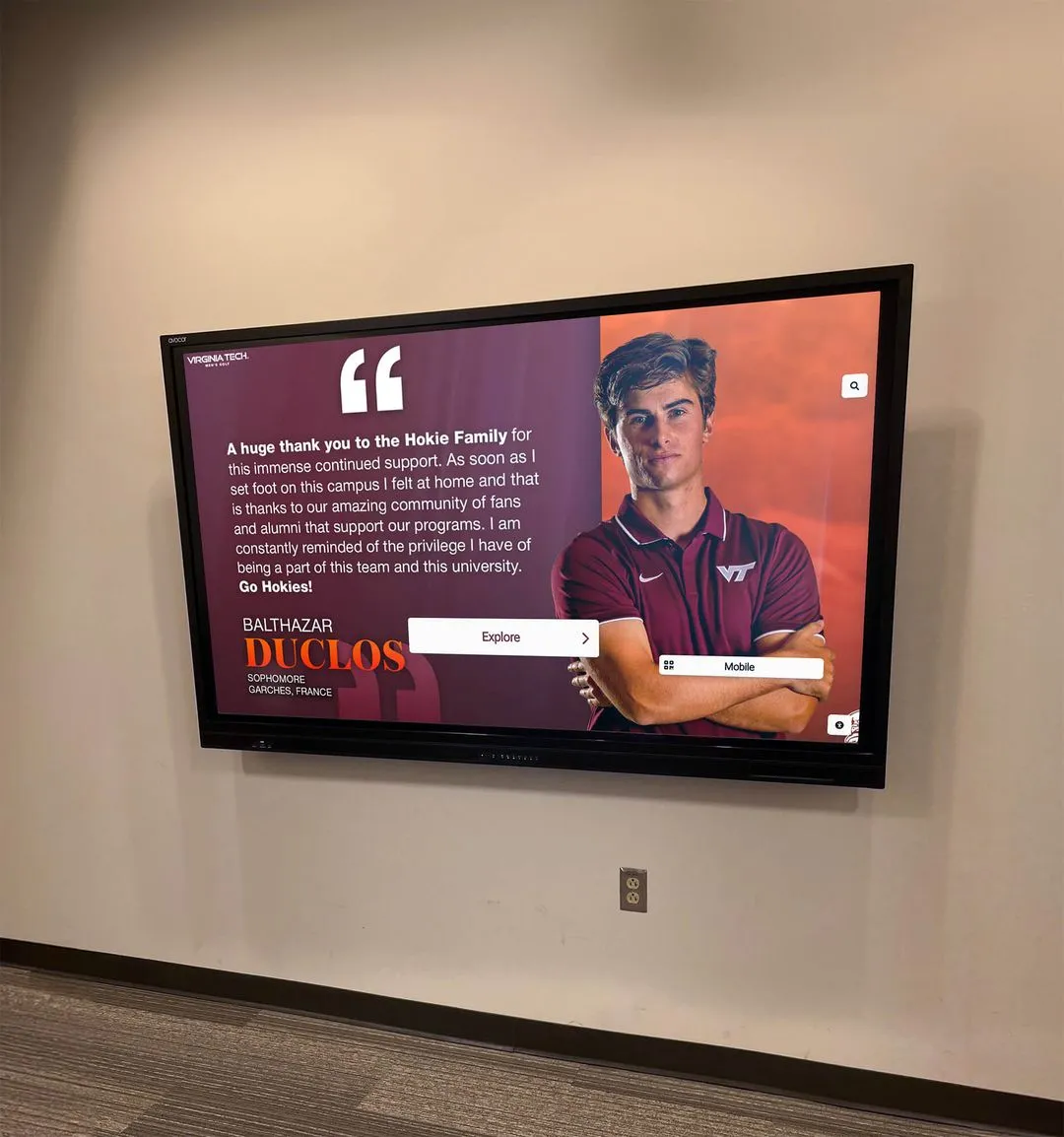
Essential profile elements for ACT leaderboards include high-resolution student photographs creating visual recognition and personal connection, full name and graduation year enabling alumni discovery and historical context, composite score and achievement tier (30-32, 33-35, or perfect 36), optional subject scores showing individual section performance, college destination connecting test achievement to admission outcomes, and student-authored advice or reflections offering peer guidance.
Enhanced content that increases engagement includes preparation timeline showing number of test attempts and score progression, scholarship awards secured partly through ACT performance, AP Scholar or National Merit recognition connecting related academic achievements, extracurricular involvement demonstrating well-rounded excellence, and post-college career updates for alumni showing long-term outcomes of strong academic foundation.
This depth transforms leaderboards from simple numerical lists into engaging discovery experiences. Students exploring displays learn about preparation strategies, identify relatable peers with similar backgrounds who achieved elite scores, understand connections between test performance and scholarship opportunities, and develop concrete action plans based on successful peer approaches rather than abstract adult advice.
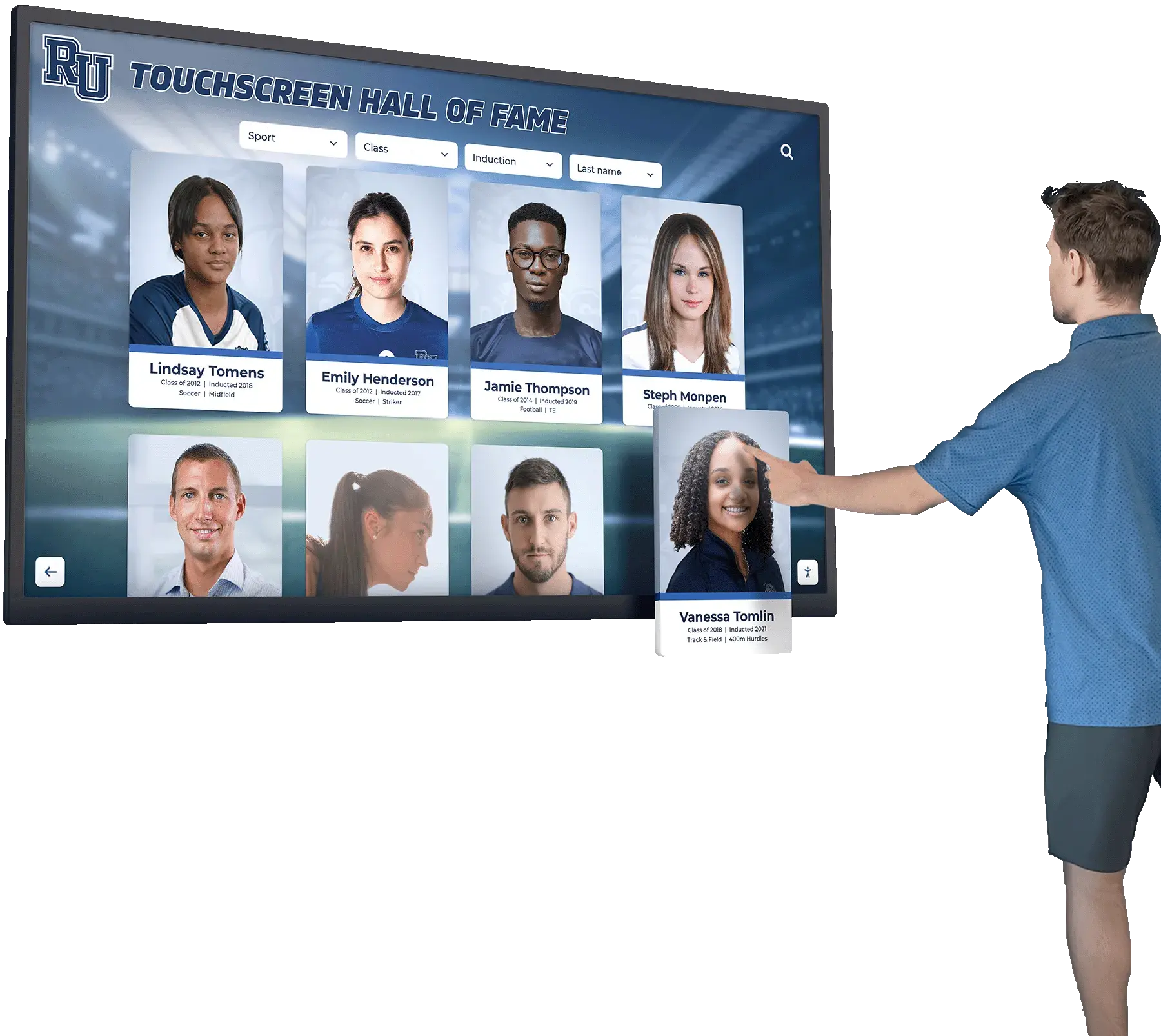
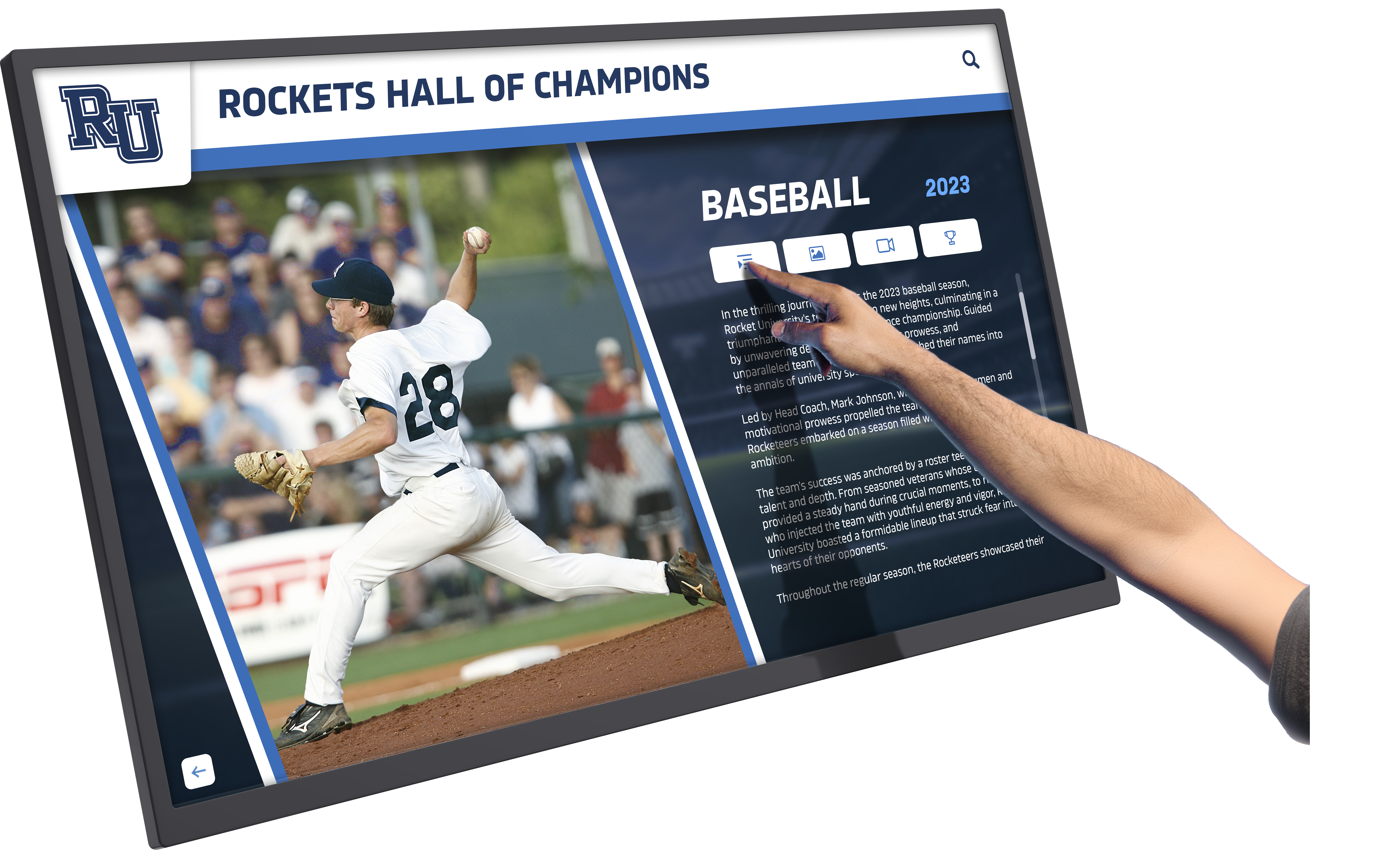
Digital recognition platforms designed for educational environments include profile templates specifically structured for test score recognition, ensuring counselors can efficiently create rich content without graphic design expertise or technical complexity. Interactive touchscreen software designed for schools provides the user experience frameworks needed for engaging academic leaderboard displays.
Multiple View Modes and Discovery Pathways
Students interact with leaderboards for different purposes requiring varied navigation approaches. Comprehensive systems offer multiple discovery pathways accommodating diverse user goals.
Leaderboard view presents students ranked by composite score, immediately showing top performers and relative positioning. This competitive view serves students calibrating their own preparation goals and understanding what scores represent elite performance at their institution.
Graduation year view organizes by graduating class, enabling alumni to locate former classmates and current students to explore historical performance trends. This temporal organization shows whether ACT achievement patterns evolved across years and helps families researching school academic strength understand sustained excellence versus temporary spikes.
Search functionality allows direct name lookup when students seek specific individuals, substantially reducing navigation time and frustration. Simple alphabetical search proves particularly important for large leaderboards spanning decades with hundreds of profiles.
Subject-specific leaderboards recognize students who achieved exceptional section scores even if composite performance fell just short of 30. A student scoring 36 on Math and 35 on Science deserves recognition for remarkable STEM achievement regardless of whether Reading and English scores brought the composite slightly below the 30 threshold.
Filter combinations enable nuanced discovery—for example, viewing all National Merit Scholars who also achieved ACT 33+, or identifying all scholars who attended Ivy League schools, or locating students who earned perfect 36 scores in specific subject areas. These combinations support varied stakeholder interests from counselors researching successful profiles to younger students seeking role models matching their academic interests.
Design Strategies for Engaging ACT Leaderboards
Technical capability means nothing if design fails to capture attention or invite exploration. Visual presentation determines whether leaderboards generate genuine engagement or become ignored fixtures.
Visual Hierarchy Emphasizing Top Performance
Athletic record boards visually distinguish record holders through prominent placement, special formatting, or distinct colors. ACT leaderboards benefit from similar hierarchical design.
Top tier emphasis: Students scoring 33-36 represent the top 2% of all test-takers nationally—performance deserving visual distinction from the already-elite 30-32 tier. Design approaches include gold or platinum color coding for 33-36 scorers versus silver or blue for 30-32 achievers, larger or featured profile cards for perfect 36 scorers, special badges or achievement icons denoting top-tier performance, and prominence of placement in leaderboard views.
This differentiation creates aspirational tiers motivating students not just to reach 30 but to continue preparation toward the highest achievement levels. It also appropriately honors students who reached truly exceptional performance—perfect 36 scores occur in fewer than 0.3% of testing attempts and warrant recognition distinguishing them from the broader 30+ club.
Class year organization within score bands helps viewers understand achievement context. Rather than mixing all decades into single continuous rankings, many effective leaderboards organize by five-year bands or individual graduating classes within score tiers—showing 36-scorers from 2026, then 2026, then 2023, rather than forcing comparison between students separated by decades who tested under different exam formats and scoring standards.
Motivational Messaging and Contextual Information
Numbers alone don’t inspire. Effective leaderboards include contextual information helping viewers understand achievement significance and see pathways to recognition.
Statistical context panels explain what ACT 30+ represents:
- Percentage of national test-takers reaching each score band
- College admission statistics for various ACT ranges at selective institutions
- Average scholarship awards associated with different ACT performance levels
- College credit or placement benefits from subject score performance
This context transforms abstract numbers into concrete opportunities—students learn that 33+ composite scores place them within competitive ranges for top-tier universities, that 30+ qualifies for substantial merit scholarships at many institutions, and that strong section scores may earn college credit saving thousands in tuition.
Preparation guidance integrated into leaderboard interfaces provides actionable information:
- Average preparation hours reported by students at different score levels
- Most commonly recommended study resources and test prep programs
- Strategies for balancing multiple test attempts versus focused preparation
- Connections between rigorous coursework (AP, honors) and test performance
Rather than simply celebrating past achievement, these elements position leaderboards as practical resources guiding current students through preparation journeys. Academic recognition programs that combine celebration with practical guidance demonstrate stronger motivational impact than recognition alone.
Mobile and Web Accessibility Beyond Physical Displays
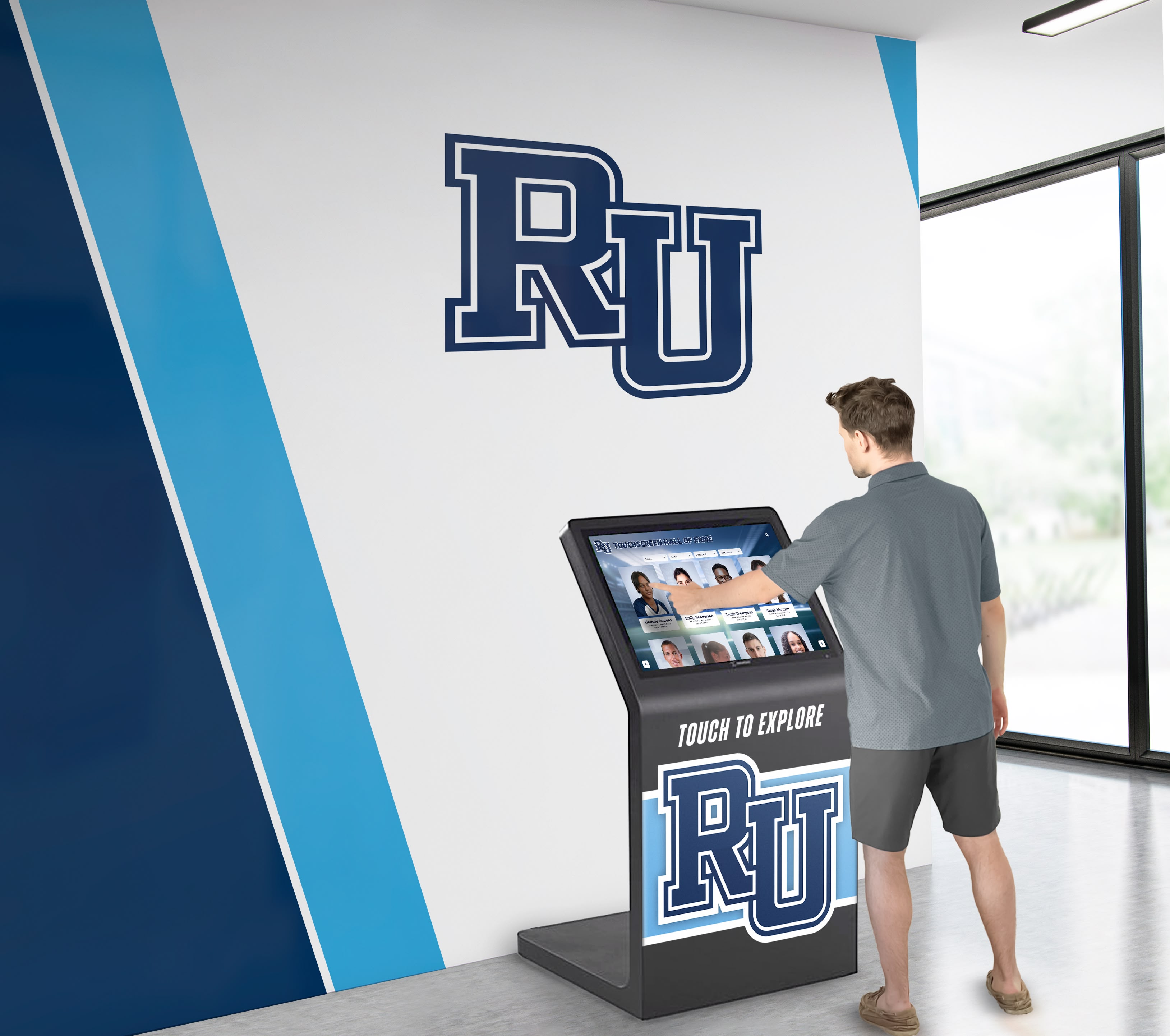
Physical touchscreen leaderboards in school lobbies serve students, staff, and campus visitors effectively. But comprehensive recognition extends beyond those with physical campus access through companion web platforms.
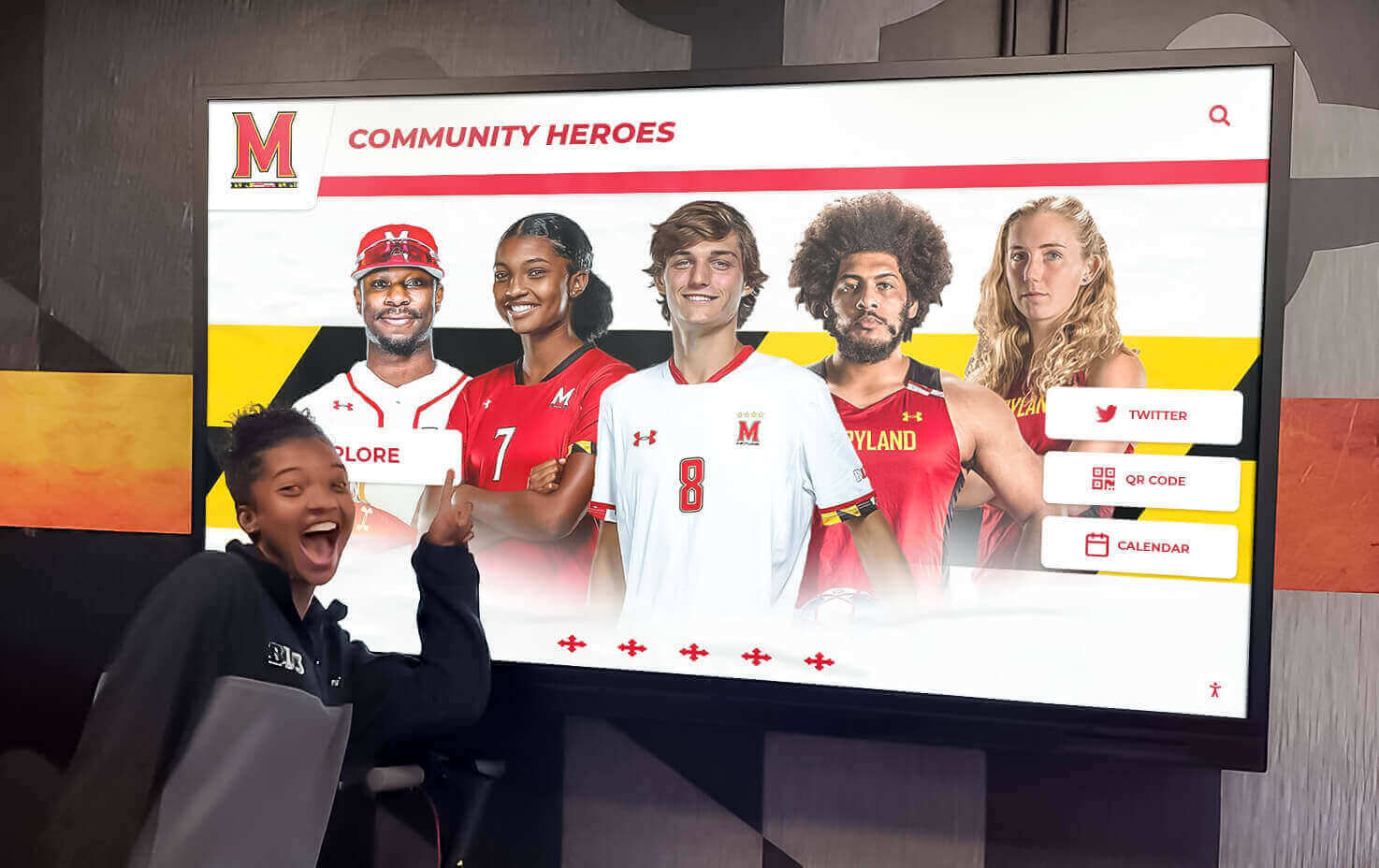
Web-accessible leaderboards enable families to share achievements with extended relatives, alumni to revisit historical cohorts and locate former classmates, college admission representatives to research school academic profiles, scholarship committees to verify student achievement claims, and prospective families to evaluate academic culture during school research.
These online extensions require mobile-responsive design displaying effectively on smartphones and tablets, powerful search and filtering matching physical display capabilities, social sharing enabling one-click distribution through personal networks, permanent accessibility maintaining recognition indefinitely, and SEO optimization ensuring leaderboards appear in searches for school academic achievement.
The psychological impact of web accessibility extends recognition reach exponentially. When students can share leaderboard profiles through Instagram, LinkedIn, or Facebook, celebration amplifies far beyond physical display visibility. According to research on peer influence, recognition distributed through student social networks generates substantially stronger motivational impact on younger students than institutional messaging alone.
Implementation: Building Your ACT 30+ Leaderboard System
Moving from concept to operational leaderboard requires systematic planning addressing program scope, technology selection, content development, and sustainable operations.
Defining Recognition Parameters and Inclusion Criteria
Clear standards prevent confusion while ensuring recognition remains focused and meaningful.
Score thresholds and tier definitions:
- ACT 30-32 tier: Exceptional achievement (top 7% nationally)
- ACT 33-35 tier: Elite achievement (top 2% nationally)
- Perfect ACT 36 tier: Extraordinary achievement (top 0.3% nationally)
Some schools debate whether to recognize all 30+ scorers or establish higher minimum thresholds. Comprehensive approaches include all 30+ achievement—the statistical threshold representing genuinely elite performance—while using visual design to distinguish performance tiers within that group. This inclusive strategy validates all exceptional achievement while maintaining aspirational hierarchy motivating students toward highest performance levels.
Single-sitting versus superscore inclusion: Most colleges evaluate superscores (highest section scores across multiple test dates). Leaderboards aligned with college admission practices should recognize superscore achievement, ensuring students don’t feel penalized for multiple test attempts—behavior schools should encourage rather than discourage. Noting “single-sitting” or “superscore” in individual profiles provides transparency while maintaining inclusive recognition.
Historical versus rolling recognition windows: Determine whether leaderboards display all historical achievement indefinitely or show rolling windows (most recent 10-15 years). Permanent recognition builds comprehensive institutional archives demonstrating sustained academic strength. Rolling windows prevent displays from becoming overwhelming while maintaining focus on recent performance most relevant to current students. Digital platforms handle both approaches seamlessly through filtering rather than requiring exclusive choices.
Technology Platform Requirements for Academic Leaderboards
Generic digital signage software cannot deliver leaderboard functionality required for auto-ranking, profile databases, and interactive exploration. Purpose-built platforms designed specifically for recognition provide essential capabilities.
Core platform requirements:
- Database-driven architecture enabling automatic score-based ranking
- Profile templates specifically designed for test score recognition
- Multiple sorting and filtering options (score, year, subject, college destination)
- Intuitive content management for counselors without technical expertise
- Commercial-grade touchscreen displays designed for continuous operation (16-24 hours daily)
- Web companion platforms extending recognition beyond physical displays
- Mobile-responsive design for smartphone and tablet access
- Analytics showing engagement patterns, popular filters, and peak usage times
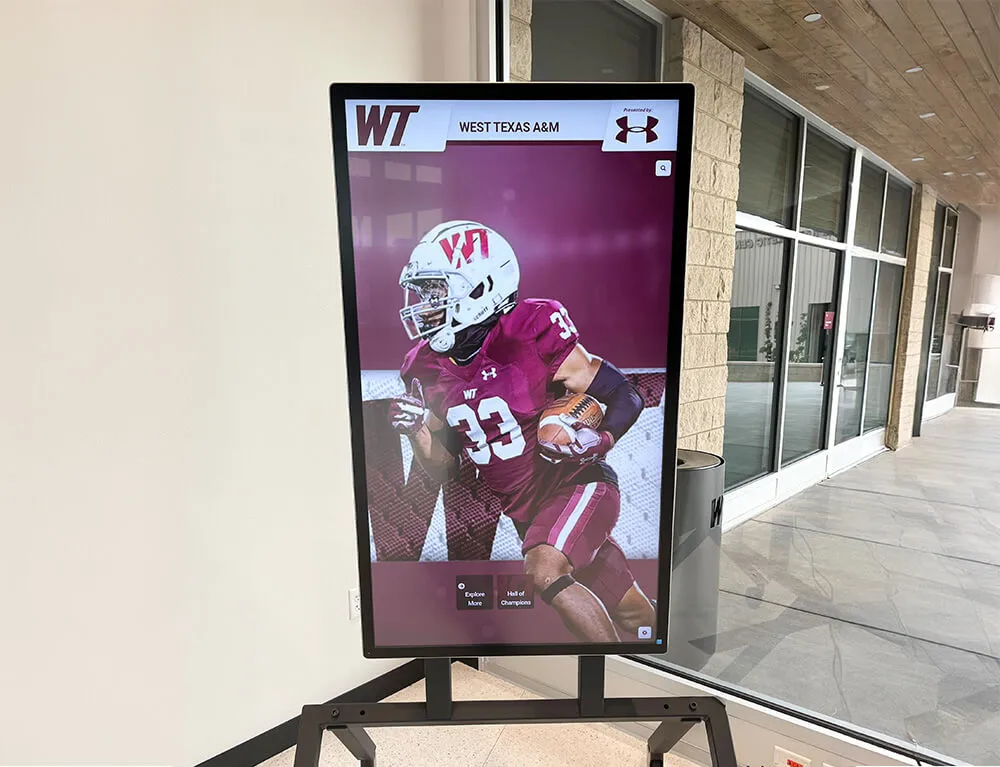
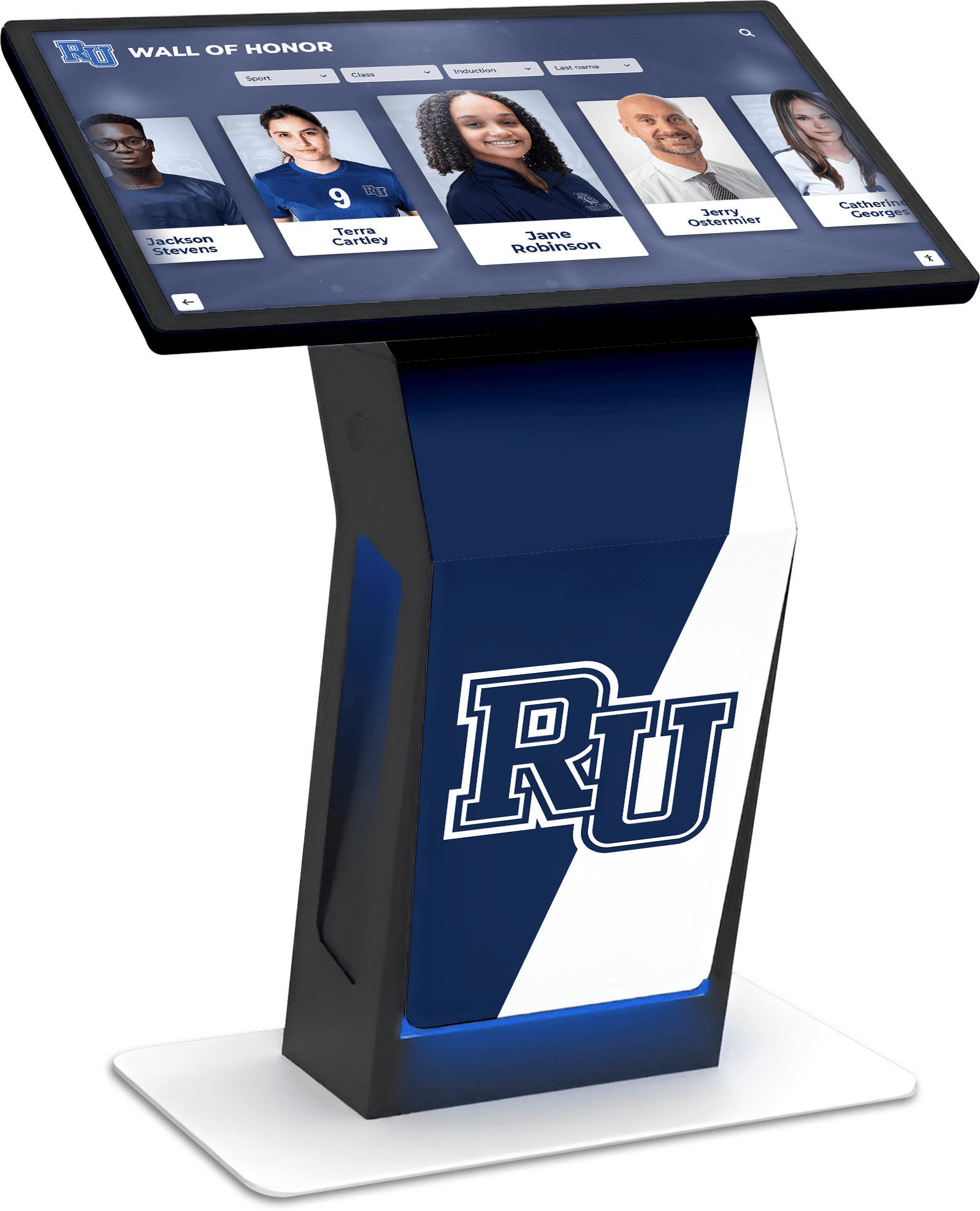
Hardware considerations for physical displays include 55-65 inch touchscreens suitable for lobby or library installations, commercial-grade equipment rated for continuous operation, professional mounting creating secure and aesthetic presentation, and reliable network connectivity enabling instant content updates.
Budget typical initial investments at $8,000-$15,000 covering touchscreen hardware ($3,500-$8,000), purpose-built recognition software ($2,500-$4,000 setup), professional installation and mounting ($1,000-$2,000), and initial content development ($1,000-$2,000). Ongoing annual costs ($1,200-$3,000) cover software licensing, content management time, and technical support.
Platforms like Rocket Alumni Solutions provide turnkey systems specifically designed for educational recognition, combining auto-ranking leaderboards, rich profile templates, web accessibility, and counselor-friendly content management without requiring IT expertise. These purpose-built solutions cost more initially than generic digital signage but deliver substantially better recognition experiences while requiring far less ongoing administrative burden.
Content Collection and Profile Development
Rich leaderboard profiles require systematic information gathering from students, counselors, and school records.
Essential data collection:
- Official ACT score reports documenting composite and section scores
- High-resolution student photographs from yearbooks or school photographers
- Basic biographical information (graduation year, college destination, major)
- Optional student statements about preparation approach and advice
- Scholarship awards connected to ACT performance
- Related academic achievements (AP Scholar, National Merit, honor roll)
Efficient collection workflows integrate data gathering into existing processes: senior exit surveys collecting testing information and biographical content, counseling office records providing official score documentation, yearbook photo access through existing school systems, college destination information from college counseling databases, and student interviews or written reflections for featured profiles.
Historical archive development requires more intensive research: reviewing testing coordinator records for previous years if retained, analyzing yearbooks identifying National Merit Scholars (probable ACT 30+ achievers), researching college acceptance lists showing admission to highly selective institutions, and conducting alumni outreach requesting self-reported historical achievement.
Most schools should plan 3-6 weeks for current year content collection and 2-3 months for comprehensive historical research depending on records accessibility. Phased approaches beginning with recent years and systematically adding earlier classes prove more sustainable than attempting complete historical documentation before launch.
Strategic Placement for Maximum Visibility and Impact
Location determines recognition impact more than any other implementation factor. ACT leaderboards deserve placement matching athletic record board prominence.
High-impact locations:
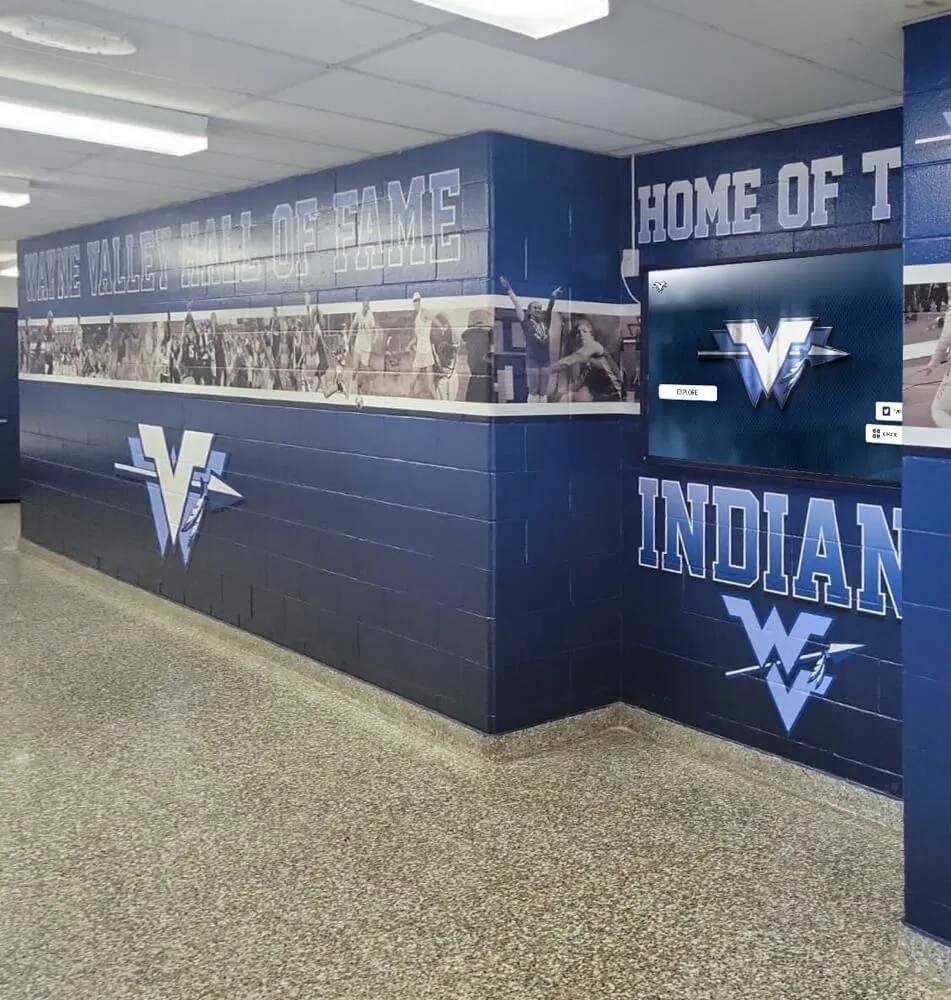
Main school entrance and lobby: Prime visibility ensuring all students, staff, visitors, and prospective families encounter ACT recognition daily. Entrance placement communicates genuine institutional commitment to academic excellence rather than relegating achievement to back hallways.
College counseling and career center: Natural context where students actively engage with college planning and scholarship research. Recognition in these spaces reinforces connections between test performance and tangible opportunities.
Library or academic commons: High-traffic student gathering spaces associated with learning and academic work. Library placement situates recognition within intellectual contexts where aspirational messaging proves particularly relevant.
Academic wing or advanced coursework areas: Spaces where honors and AP students spend substantial time, targeting demographics most likely to pursue ACT excellence. Recognition in these areas reaches students already demonstrating academic commitment and college preparation focus.
Multiple distributed displays often prove more effective than single installations—one touchscreen in the main entrance for universal visibility, another in the college center for engaged exploration, and a third in the library for extended browsing during study sessions. This distributed strategy ensures recognition maintains high visibility across varied school spaces and student daily routines.
Addressing Common Objections and Implementation Challenges
Even well-designed recognition initiatives face predictable resistance. Proactive responses address concerns before they derail implementation.
Privacy Concerns and Student Data Protection
Test scores represent educational records subject to privacy regulations and family preferences. However, directory information exceptions and established yearbook precedents demonstrate appropriate frameworks for public acknowledgment.
The Family Educational Rights and Privacy Act (FERPA) allows schools to publicly disclose directory information including honors and awards without prior consent. Schools routinely publish honor roll lists, National Merit Scholars, valedictorians, and athletic achievements—all involving student performance data. ACT 30+ recognition represents comparable achievement acknowledgment within established educational practice.
Provide opt-out mechanisms for families who strongly prefer privacy while making recognition the default for objective achievement milestones. Annual photo release forms should include language covering digital recognition displays, ensuring proper permissions exist for public presentation.
Experience shows minimal opt-out rates—typically under 2-3% of students—when schools clearly communicate recognition purpose, demonstrate professional presentation, and position acknowledgment as celebrating achievement rather than intrusive data disclosure. Most families value public recognition of academic excellence and welcome opportunities for broader celebration.
Competitive Concerns and Student Well-Being
Some educators worry that performance-based leaderboards create unhealthy competition or stigmatize students who don’t appear on rankings. These concerns deserve thoughtful responses but shouldn’t prevent recognition of genuine achievement.
Athletic programs rank performance constantly through starter positions, all-conference selections, statistical leaderboards, and championship results without causing programs to abandon competitive recognition. Academic programs can implement similar performance-based acknowledgment while maintaining supportive environments.
Key safeguards include recognizing only elite achievement rather than publishing all test scores, focusing celebration on exceptional performance (30+) rather than highlighting underperformance, including preparation guidance and support resources alongside leaderboards, and emphasizing multiple achievement pathways through diverse recognition programs beyond test scores alone.
Research on achievement motivation demonstrates that visible standards paired with support resources increase overall performance while building stronger achievement cultures. The goal isn’t making all students feel identical regardless of actual performance—it’s celebrating excellence while providing clear pathways and resources enabling more students to reach higher achievement levels.
Limited Staff Time and Competing Priorities
School personnel face overwhelming demands with limited capacity for additional responsibilities, even valuable initiatives like ACT recognition. Technology selection substantially impacts management burden.
Purpose-built recognition platforms with auto-ranking eliminate manual reordering—counselors simply add new profiles and software automatically positions students in correct leaderboard hierarchy. Template systems reduce profile creation to 5-10 minutes per student rather than requiring custom design work. Batch import tools enable efficient processing when adding multiple scholars simultaneously.
Designate specific responsibility rather than treating recognition as unfunded additional duty. Most schools assign ACT leaderboard management to college counselors or testing coordinators who already work with score data and student college planning. Provide dedicated time allocation (approximately 20-40 hours annually) ensuring recognition receives appropriate attention.
Consider engaging student assistants, parent volunteers, or work-study students for data entry and photo collection under professional supervision. Many schools successfully distribute content gathering while maintaining counselor oversight for accuracy and appropriate presentation.
Measuring Success and Demonstrating Program Impact
Systematic assessment demonstrates recognition value while identifying improvement opportunities ensuring leaderboards achieve intended cultural goals.
Engagement Analytics and Usage Patterns
Digital recognition platforms provide comprehensive data revealing how students, families, and visitors interact with ACT leaderboards.
Key metrics include unique visitor counts showing individuals engaging with displays, session duration measuring average exploration time (benchmark: 5-10 minutes indicating genuine interest), profiles viewed per session revealing discovery depth, return visitor rates demonstrating sustained engagement, search patterns showing how viewers navigate content, and social sharing frequency tracking distribution beyond direct visitors.
Baseline measurements following launch establish benchmarks for tracking engagement trends. Quarterly reviews identify successful design elements, popular discovery pathways, and peak usage periods while revealing underutilized features requiring optimization or clearer promotion.
Academic Performance Correlations
While establishing definitive causation proves methodologically challenging, monitoring key indicators reveals whether academic patterns show improvement following enhanced recognition.
Impact indicators to track:
- ACT participation rates comparing pre- and post-implementation periods
- Average ACT performance across all test-takers showing overall achievement trends
- Number of students achieving 30+ scores annually tracking elite performance growth
- Rigorous coursework enrollment (AP, honors) as academic culture strengthens
- College admission outcomes at selective institutions requiring strong testing
- Merit scholarship totals secured by graduates with elite ACT performance
Educational research demonstrates that visible recognition correlates with increased student motivation to pursue similar accomplishments. Careful analysis examining trends while acknowledging confounding variables provides reasonable program impact assessment demonstrating value to administrators and school boards considering continued investment.
Stakeholder Feedback and Cultural Observations
Beyond quantitative metrics, qualitative feedback reveals recognition influence on school culture and community perceptions.
Assessment approaches include student surveys exploring whether leaderboards feel motivating and meaningful, parent reactions to academic acknowledgment quality and visibility, teacher observations about student discussion of testing goals, counselor input on whether recognition aids college planning conversations, and administrator assessment of cultural impact on academic pride and community engagement.
Annual comprehensive surveys paired with quarterly brief pulse checks ensure programs remain responsive to stakeholder needs rather than operating based on administrative assumptions disconnected from actual user experiences.
Expanding Recognition Across Academic Achievement Dimensions
ACT leaderboards represent one component of comprehensive academic recognition. The most effective programs integrate standardized test achievement into broader ecosystems celebrating diverse excellence.
Connecting ACT Recognition to Related Academic Programs
Position ACT leaderboards within holistic frameworks acknowledging varied accomplishment dimensions:
SAT high achievers deserve equivalent recognition through parallel leaderboards celebrating 1400+ performance on the SAT. Integrated platforms showing both testing pathways ensure recognition encompasses all standardized test excellence without suggesting one assessment matters more than the other.
National Merit recognition frequently accompanies ACT 30+ achievement since both demonstrate strong standardized test performance. National Merit Scholar displays deserve equal prominence within academic recognition systems, with integrated designs showing connections between related achievements.
AP Scholar awards often pair with elite ACT performance as students pursuing rigorous college-level coursework also prepare intensively for standardized testing. Comprehensive recognition celebrating both exam excellence demonstrates academic achievement across multiple dimensions. Understanding AP Scholar recognition best practices helps schools develop integrated celebration of related accomplishments.
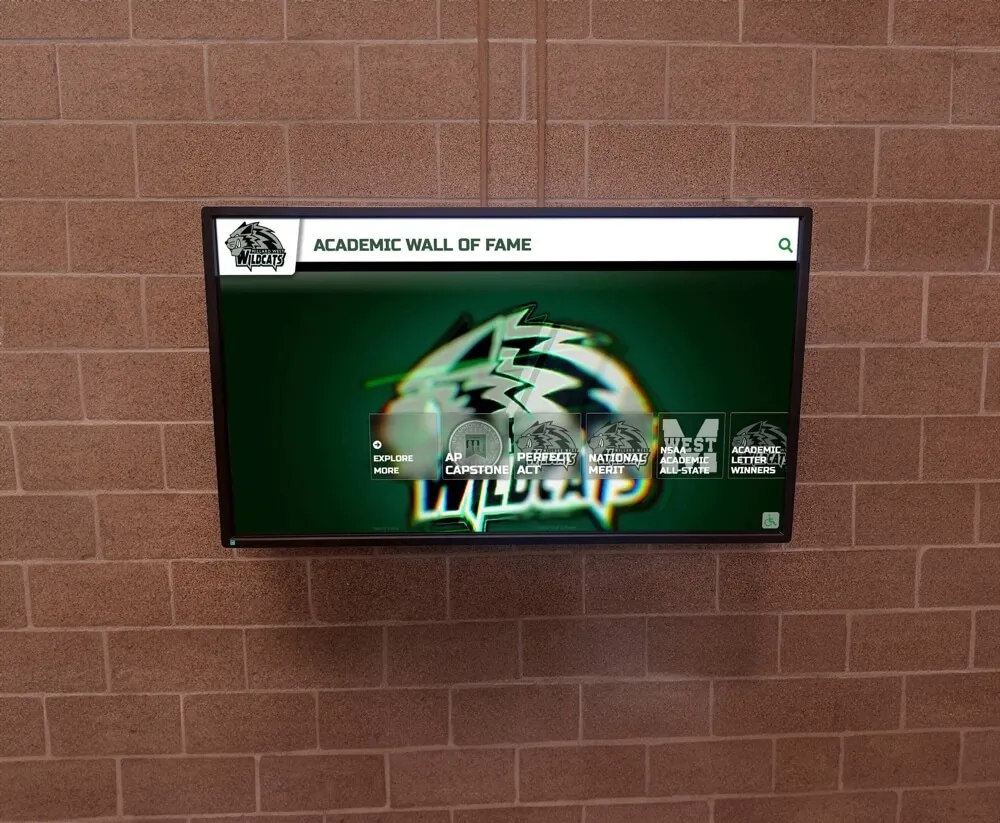
Honor roll and GPA achievement reflects sustained performance across all coursework including non-tested subjects. Honor roll digital recognition complements standardized test leaderboards, ensuring students excelling through consistent academic performance receive appropriate acknowledgment alongside those demonstrating testing excellence.
Comprehensive frameworks prevent academic recognition from feeling fragmented into disconnected programs competing for attention. Instead, integrated displays show how various achievements interconnect, creating complete narratives about students’ academic journeys and multifaceted scholarly excellence.
Balancing Academic and Athletic Recognition Equity
Walk through most schools and an uncomfortable disparity becomes apparent: athletic record boards occupy prominent entrance trophy cases while academic achievement receives minimal permanent recognition—if any exists at all. This visibility gap communicates powerful messages about institutional priorities regardless of stated academic mission.
Athletic programs benefit from established booster funding, decades of trophy accumulation creating display momentum, and visual spectacle lending itself to prominent celebration. Academic achievement representing schools’ fundamental educational purpose typically lacks equivalent advocacy, funding streams, or recognition infrastructure.
Equity strategies include conducting recognition space audits comparing athletic versus academic visibility, positioning ACT leaderboards in locations matching athletic record board prominence, maintaining presentation quality standards equal to or exceeding athletic displays, and ensuring update frequency matches the immediacy athletic achievements receive.
Cultural messaging beyond physical displays proves equally important—regular principal communications highlighting ACT achievers, assembly time dedicated to academic recognition equal to athletic celebrations, website homepage features spotlighting testing excellence, and board meeting reports emphasizing academic achievement all signal genuine institutional priorities.
Resources on academic recognition program development provide comprehensive frameworks for building equitable recognition systems honoring both academic and athletic excellence appropriately.
Future-Proofing Your Recognition Investment
Technology investments should remain relevant across multi-year timeframes rather than requiring replacement within 2-3 years due to obsolescence or inadequate capability.
Scalability and Long-Term Content Growth
Recognition programs accumulate content continuously as new graduating classes add ACT 30+ achievers annually. Platform selection must accommodate unlimited growth without degraded performance or eventual migration requirements.
Scalability considerations include unlimited profile capacity avoiding per-student licensing becoming cost-prohibitive, performance maintenance ensuring search speed remains fast regardless of whether platforms contain 50 or 5,000 students, storage scalability allowing photo and multimedia archives to grow indefinitely, and multi-display expansion enabling supplementary installations without system replacement.
Purpose-built recognition platforms design specifically for unlimited scalability, anticipating successful programs grow substantially beyond initial implementations. Generic alternatives typically impose profile limits or performance degradation making them unsuitable for comprehensive long-term recognition.
Software Updates and Feature Evolution
Educational technology evolves continuously. Recognition investments should include ongoing improvements ensuring platforms remain current with emerging capabilities and user expectations.
Long-term support requirements include regular feature enhancements improving platforms based on client feedback, security updates maintaining data protection standards, compatibility maintenance as browsers and devices evolve, and periodic design refreshes preventing recognition from appearing dated as visual trends change.
Vendor selection should prioritize established companies demonstrating sustained commitment to educational markets rather than startups that may discontinue products. References from schools using platforms for 5+ years provide evidence of vendor stability and product viability.
Integration with Emerging Educational Technologies
Forward-looking platforms accommodate integration with emerging systems creating richer recognition experiences.
Future integration possibilities include digital credential systems enabling students to download verified ACT 30+ Club credentials for applications, learning management system connections that may automate recognition population as scores arrive, alumni engagement platforms maintaining long-term relationships with high-achieving graduates, and artificial intelligence enabling natural language search and intelligent content recommendations.
Understanding future trends in digital recognition helps schools make investments remaining effective across extended timeframes as educational technology ecosystems evolve.
Implementation Roadmap: From Planning to Launch
Schools ready to implement ACT 30+ leaderboards benefit from structured timelines ensuring thorough planning and successful launches generating intended cultural impact.
Phase 1: Planning and Design (2-3 Months)
Form recognition committee including counselors, testing coordinators, administrators, and parent representatives. Define recognition criteria and inclusion standards, develop content requirements, establish privacy policies, select technology platform through vendor evaluation, and plan budget identifying funding sources.
Conduct needs assessment examining current recognition approaches, desired outcomes, optimal display locations, content availability, and stakeholder input through surveys or focus groups.
Develop implementation budget covering touchscreen hardware ($3,500-$8,000), software platform setup ($2,500-$4,000), professional installation ($1,000-$2,000), initial content development ($1,000-$2,000), and design customization with branding ($500-$1,500). Total initial investment typically ranges $8,500-$17,500 depending on scope and historical depth.
Phase 2: Technology Acquisition and Setup (1-2 Months)
Complete vendor selection through RFP processes if required, vendor demonstrations evaluating platforms against requirements, reference checks with similar institutions, and contract negotiation addressing licensing terms and support levels.
Procure and install hardware including display ordering with adequate lead time, professional installation, electrical work if needed, secure mounting, and network connectivity establishing reliable updates.
Configure software platforms through admin setup, school branding implementation, content template customization, search configuration, and web platform setup.
Phase 3: Content Development and Testing (2-3 Months)
Gather current year data through ACT 30+ achiever identification, student surveys collecting information, college destination research, student statements, and scholarship tracking.
Develop historical archives through record review, yearbook research, alumni outreach, and phased implementation starting with recent classes.
Create and review profiles using templates, optimize photos, verify accuracy through student review, and conduct bulk upload when supported.
Test all features through staff testing, student focus groups, display optimization, and content refinement.
Phase 4: Launch and Promotion (1 Month)
Coordinate strategic launch during fall when scores arrive, align with events like college planning nights, plan dedication ceremony if appropriate, and invite media coverage.
Execute comprehensive communications through website features, social media campaigns, email newsletters, assembly announcements, signage near displays, and PTO announcements.
Monitor initial engagement tracking analytics, collecting feedback, observing interaction patterns, and gathering stakeholder reactions.
Phase 5: Sustained Operation (Ongoing)
Establish update rhythms with annual additions aligned with testing cycles, quarterly content reviews, seasonal promotional campaigns, and regular analytics reviews.
Implement continuous improvement based on engagement data, stakeholder feedback, technology updates, and content enrichment expanding profile depth as resources allow.
Plan long-term evolution gradually expanding historical archives, adding supplementary displays, integrating with complementary recognition programs, and sharing success stories through educational conferences or publications.
Conclusion: Bringing Record Board Rigor to Academic Excellence
Athletic departments understand that recognition drives motivation. Visible record boards create competitive benchmarks, inspire training focus, and preserve institutional history across generations. These same principles apply to academic achievement—specifically elite ACT performance placing students among the nation’s highest scorers and opening doors to competitive college admissions, substantial scholarships, and academic opportunities transforming educational trajectories.
Above 30 ACT scorers digital leaderboards bring auto-ranking, unlimited capacity, and permanent visibility to standardized test excellence. These systems automatically sort scholars by performance, track achievement across decades without space constraints, showcase rich profiles beyond numbers alone, and create engaging discovery experiences inspiring current students while appropriately honoring elite achievers.
Schools implementing comprehensive ACT leaderboard recognition report measurable benefits including increased testing participation and performance, enhanced school pride in academic excellence, stronger relationships between achievement and opportunity visibility, improved college admission and scholarship outcomes, balanced recognition equity addressing academic-athletic disparities, and strengthened culture valuing intellectual challenge and academic preparation.
For schools ready to position academic recognition alongside athletic record boards with equal visibility and rigor, purpose-built platforms designed specifically for educational institutions provide comprehensive capabilities without technical complexity. Rocket Alumni Solutions delivers turnkey digital leaderboard systems combining auto-ranking technology, counselor-friendly content management, web accessibility, and professional implementation ensuring programs succeed from launch through years of sustainable operation.
The most successful ACT recognition programs share essential characteristics: leaderboard formats creating performance context and competitive benchmarks, automatic ranking maintaining accuracy as new scholars emerge, unlimited capacity preserving institutional history indefinitely, rich profiles bringing achievement to life beyond numerical scores, strategic placement ensuring high visibility, integration with broader academic recognition ecosystems, measurable impact on culture and motivation, sustainable operations through efficient workflows, and demonstrated value justifying continued investment.
Every ACT 30+ achiever represents hundreds of preparation hours, intellectual courage attempting rigorous assessment, and proven mastery placing them among the nation’s academic elite. These students deserve recognition matching the visibility, engagement, and permanence athletic record boards provide to top performers. Digital leaderboard systems make these aspirations achievable for schools committed to celebrating academic excellence with the prominence it deserves.
Ready to implement ACT 30+ leaderboard recognition at your school? Book a demo to explore how Rocket Alumni Solutions provides purpose-built leaderboard platforms designed specifically for academic recognition, enabling schools to track elite testing performance with the same auto-ranking rigor athletic programs apply to record-keeping—ensuring your scholars receive the systematic acknowledgment their extraordinary achievements deserve.