



Eighth grade graduation marks a pivotal transition in students’ educational journeys. Unlike high school graduations with their established traditions and lengthy planning timelines, middle school celebrations require thoughtful attention to balance formality with age-appropriate celebration while honoring genuine achievement. For administrators, event coordinators, and planning committees, creating meaningful 8th grade graduation experiences involves navigating logistics, budget constraints, and community expectations while ensuring every student feels celebrated as they close one chapter and begin another.
This comprehensive guide explores strategies for planning 8th grade graduations that students, families, and school communities will remember positively. From ceremony design and venue selection to student recognition and post-celebration legacy building, these proven approaches help schools create graduation experiences that appropriately honor middle school completion while inspiring students for their high school years ahead.
Why Eighth Grade Graduations Matter
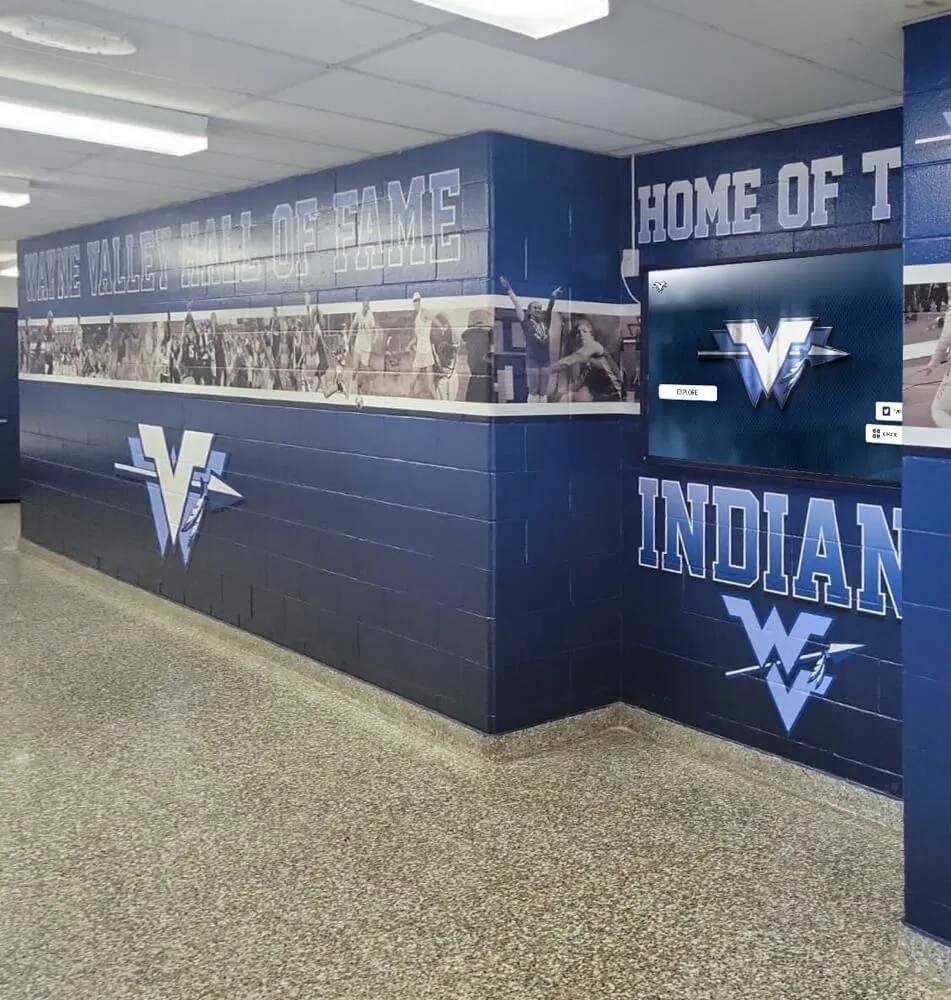
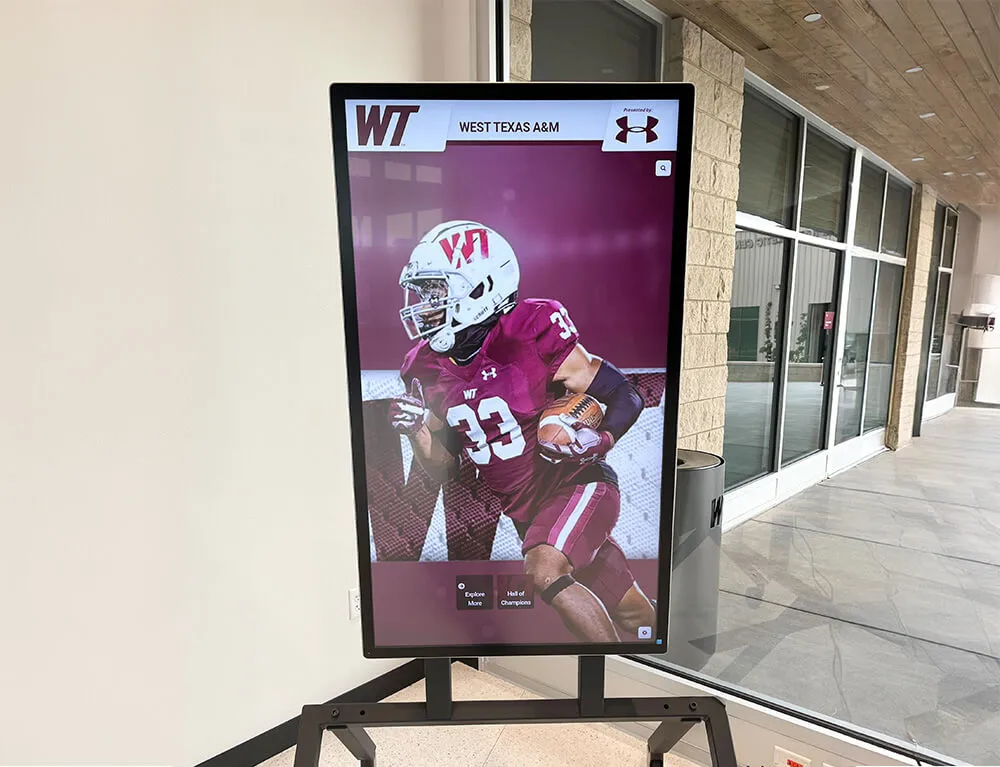
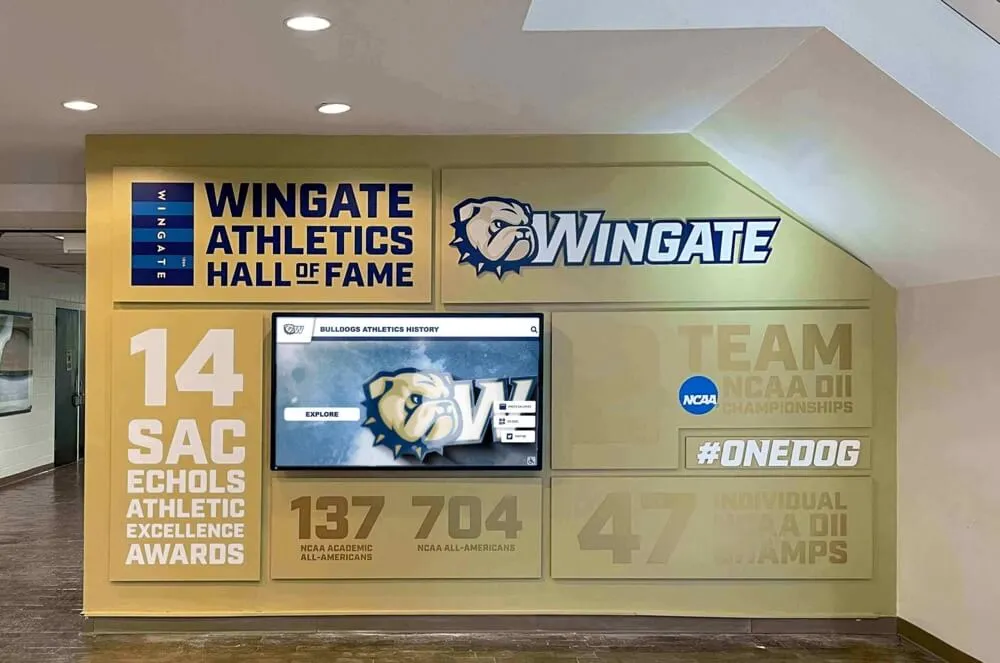
Middle school graduation ceremonies serve developmental purposes beyond simple recognition of academic year completion. Research demonstrates that milestone celebrations during early adolescence contribute to self-efficacy development, identity formation, and motivation for continued academic achievement. These ceremonies validate three years of growth through challenging developmental periods while providing closure that prepares students psychologically for high school transitions. Solutions like Rocket Alumni Solutions enable schools to extend graduation recognition beyond single ceremony moments, creating permanent digital displays that celebrate graduating classes while building institutional memory connecting past, present, and future students.
Understanding the Purpose of 8th Grade Graduation
Before diving into planning logistics, establishing clear purposes for your graduation ceremony ensures all decisions align with meaningful objectives rather than simply replicating high school ceremonies at smaller scale.
Developmental Milestone Recognition
Eighth grade completion represents significant developmental achievement. Students navigating middle school face intense academic, social, and emotional challenges during formative years marked by rapid physical development, identity exploration, and social relationship complexity. Successfully completing middle school demonstrates resilience, adaptability, and foundational academic skill development that deserve formal recognition.
Graduation ceremonies validate this achievement publicly, communicating to students that their efforts matter and their progress is worthy of celebration. This validation particularly benefits students who may struggle academically or socially—the ceremony represents concrete evidence of their growth and capability regardless of comparative performance against peers.
Transition Preparation
Eighth grade graduation serves as psychological bridge between middle and high school. The ceremony creates formal closure on middle school identity while simultaneously initiating students into their high school community. This transitional function helps students mentally prepare for increased academic rigor, greater independence, and expanded social environments they’ll encounter.
Schools that frame graduation ceremonies around transition themes—“Closing One Chapter, Opening Another,” “From Middle School to High School Success,” or “Ready for What’s Next”—help students adopt forward-looking mindsets that support successful high school entry rather than dwelling exclusively on middle school experiences.
Community Building and Family Engagement
Graduation ceremonies bring school communities together around shared celebration. Families, teachers, administrators, and community members gather specifically to honor student achievement, creating powerful moments of collective recognition that strengthen relationships between schools and families.
For many families, 8th grade graduation represents their first formal school ceremony experience or reconnects them with school communities after elementary years. This engagement opportunity allows schools to build positive relationships with families before high school years when family involvement typically declines.
Setting Standards and Expectations
The formality, messaging, and structure of graduation ceremonies communicate institutional values and expectations for future student success. Ceremonies emphasizing academic achievement signal that learning matters most. Those highlighting character, service, or citizenship communicate broader definitions of success. Celebrations balancing multiple achievement dimensions teach students that excellence encompasses performance, character, and contribution.
Understanding how academic recognition programs support student motivation helps schools design graduation celebrations that reinforce positive messages about achievement and potential.
Planning Timeline: When to Start and What to Do
Successful 8th grade graduations require systematic planning beginning months before ceremony dates. This timeline provides framework for organizing tasks, assigning responsibilities, and ensuring nothing critical gets overlooked.
4-6 Months Before Graduation
Form Planning Committee: Establish a graduation planning team including administrators, teachers, parent representatives, and potentially student representatives. Assign clear roles for venue coordination, program development, budget management, vendor coordination, and communication.
Set Budget: Determine available funds from school budgets, parent contributions, fundraising efforts, or sponsorships. Create budget categories for venue rental, decorations, programs, recognition items, photography/videography, refreshments, and contingency funds.
Choose Date and Venue: Select graduation date avoiding conflicts with other school events, standardized testing, religious holidays, and major community events. Secure venue booking including backup indoor options if planning outdoor ceremonies.
Establish Theme and Messaging: Decide on ceremony theme, keynote messages, and overall tone. Determine whether ceremony will emphasize formal recognition, inspirational messaging, student voice, or balanced approaches incorporating multiple elements.
3 Months Before Graduation
Design Ceremony Program: Outline ceremony order including processional, welcome remarks, student speeches, faculty recognition, diploma/certificate presentation, special recognitions, recessional, and any musical or video elements.
Select Speakers: Identify and confirm speakers including administrators, teachers, student representatives, and potentially guest speakers. Provide speaking guidelines regarding time limits, tone, and appropriate messaging for middle school audience.
Order Recognition Items: Purchase or order graduation certificates, medals, cords, pins, or other recognition items students will receive. Allow sufficient time for customization, production, and delivery.
Communicate with Families: Send initial graduation information to families including date, time, location, ceremony details, dress code expectations, ticket policies if applicable, and ways families can participate or support.
Plan Student Recognition Strategy: Determine how individual students will be recognized—alphabetical order, homeroom groups, academic standing, or other organization. Decide what information will be shared as students receive diplomas—just names, future plans, special achievements, or personalized messages.
6-8 Weeks Before Graduation
Finalize Venue Setup: Confirm seating arrangements, stage configuration, sound system, lighting, screen/projection needs, accessibility accommodations, and traffic flow for processional/recessional. Visit venue to identify potential issues.
Organize Rehearsal Schedule: Plan and schedule graduation rehearsal including all participating students and staff. Communicate rehearsal expectations and attendance requirements.
Coordinate Photography/Videography: Arrange professional photography and video recording services. Communicate with families regarding photo opportunities, restrictions on family photography during ceremony, and purchase options for professional images.
Prepare Recognition Materials: Create recognition certificates with accurate student names and information. Assemble any award packages, programs, or materials that will be distributed during ceremony.
2-4 Weeks Before Graduation
Conduct Graduation Rehearsal: Run through complete ceremony with students, practicing processional, seating, diploma presentation, and recessional. Address behavioral expectations, proper ceremony etiquette, and answer student questions.
Finalize Ceremony Program: Complete printed programs with accurate student names, award recipients, speaker information, and ceremony order. Proofread carefully and print sufficient quantities.
Prepare Venue Decorations: Create or purchase decorations aligned with ceremony theme. Organize decoration setup timeline and volunteer assignments.
Confirm All Vendors and Services: Reconfirm venue booking, catering if applicable, photography, videography, sound system, and any other contracted services.
Final Week Before Graduation
Set Up Venue: Arrange seating, decorate space, test audio/visual equipment, set up stage area, establish check-in areas, and prepare all physical elements.
Final Communications: Send final reminders to families regarding ceremony time, parking, seating, photography policies, and post-ceremony plans.
Prepare Day-Of Assignments: Create detailed task lists for all volunteers and staff members with specific responsibilities for ceremony setup, student management, guest services, and ceremony execution.
Conduct Final Walkthrough: Do complete ceremony walkthrough addressing any remaining questions or concerns.
Ceremony Design: Creating Meaningful Experiences
The structure and content of graduation ceremonies dramatically impact how meaningful students and families find the experience. Thoughtful ceremony design balances formality with authenticity, incorporates student voice without losing structure, and maintains appropriate pacing.
Ceremony Length Considerations
Eighth grade graduation ceremonies should typically run 60-90 minutes maximum. Longer ceremonies result in restless students, disengaged audiences, and diminished impact of meaningful moments. Shorter ceremonies may feel rushed or insufficiently honoring of the milestone.
To maintain appropriate length while including all desired elements, carefully time each ceremony component during rehearsal and build in small buffer time for transitions and unexpected delays.
Processional and Recessional
The entrance and exit of graduating students create powerful visual moments that set ceremony tone and provide family photo opportunities.
Processional Options:
- Traditional alphabetical order with formal “Pomp and Circumstance” music
- Homeroom or advisory groups entering together
- Student-selected contemporary music with appropriate messaging
- Multiple entrance points creating visual interest
- Faculty forming “honor corridor” students walk through
Recessional Approaches:
- Celebratory exit with upbeat music after ceremony concludes
- Students exiting to greet families in designated gathering areas
- Photo opportunity stations students pass through while exiting
- Class photo formation before leaving ceremony space
Student Voice and Participation
Including meaningful student participation makes ceremonies more engaging and relevant while giving students agency in their own celebration.
Student Speech Opportunities: Select 2-4 student speakers representing diverse perspectives—academic achievement, extracurricular leadership, character demonstration, or representing different programs. Provide speech guidelines emphasizing positive messages, appropriate humor, gratitude, and forward-looking perspectives.
Student Performance Elements: Consider including student musical performances, poetry readings, or video compilations featuring student voices reflecting on middle school experiences and looking toward future goals.
Class Legacy Presentations: Have student representatives present class gifts, establish traditions, or unveil recognition displays that will remain in school as permanent legacy of their graduating class.
Resources on digital recognition displays for schools demonstrate how graduating classes can create lasting impact through permanent installations celebrating their achievements and contributions.
Faculty Recognition and Messaging
Graduation ceremonies provide opportunities for faculty to express pride in student growth while offering final guidance as students transition to high school.
Principal’s Address: The principal’s speech should balance celebration of past achievements with inspiration for future success. Effective addresses often include specific examples of class accomplishments, acknowledgment of challenges overcome, gratitude to families and staff, and encouraging messages about high school opportunities.
Teacher Recognition: Consider brief remarks from teachers who have significantly impacted the graduating class—long-serving staff members, team teachers who worked with the entire grade, or teachers students voted to recognize.
Awards and Special Recognition: Present special academic, character, or service awards to individual students demonstrating exceptional achievement in specific areas. Limit special awards to maintain focus on collective class celebration rather than creating hierarchy among students.
Diploma/Certificate Presentation
The moment each student crosses the stage represents the ceremony’s core purpose and requires careful choreography to maintain dignity while moving efficiently.
Presentation Flow: Students typically walk across stage, receive diploma/certificate from administrator, shake hands or pose briefly for photos, then exit opposite side. Practice clear traffic patterns during rehearsal to avoid congestion or confusion.
Name Reading: Ensure accurate pronunciation of all student names. Have students write phonetic spellings for challenging names. Assign name reading to someone who knows students well rather than someone reading cold from list.
Personal Recognition Options: Decide whether to share any individual student information as names are read—future high school programs, special achievements, interests, or simply names. If personalizing, ensure equitable treatment for all students.
Photo Coordination: Establish clear protocol for photo opportunities—professional photographer positioning, family photo restrictions during ceremony, post-ceremony photo sessions. Many schools designate specific photo areas outside ceremony space where families can take individual graduate photos after ceremony concludes.
Venue Selection and Setup
Choosing appropriate venues and organizing physical space significantly influences ceremony success and guest experience.
Indoor vs. Outdoor Venues
Indoor Venue Benefits:
- Weather protection ensuring ceremony proceeds regardless of conditions
- Controlled temperature and environment
- Better sound system quality
- Professional lighting control
- Accessible facilities
Outdoor Venue Benefits:
- Often more spacious accommodating larger audiences
- Natural setting creating memorable atmosphere
- Reduced venue rental costs
- Greater flexibility in setup and decoration
- Better ventilation
Most schools benefit from booking indoor venues with adequate capacity or securing indoor backup options for planned outdoor ceremonies to avoid weather-related cancellations or uncomfortable conditions.
Venue Capacity and Seating
Calculate venue capacity requirements based on graduating class size plus reasonable guest allocation per student. Middle school graduations typically assume 4-6 guests per student, though this varies by community demographics and family sizes.
Arrange seating to optimize sight lines, create clear traffic flow, designate accessible seating areas, establish reserved sections for faculty and VIP guests, and maintain professional appearance through organized seating arrangements.
Audio-Visual Requirements
Ensure venues provide or allow installation of quality sound systems with wireless microphones for speakers, podium microphone for name reading, music playback capability, and adequate speaker coverage throughout space.
If incorporating video elements—student compilations, recognition slideshows, or livestreaming for remote family members—confirm screen/projection availability, video playback systems, internet connectivity, and technical support access.
Accessibility Considerations
Graduation ceremonies must accommodate guests and students with diverse accessibility needs including wheelchair-accessible seating and stage access, assistive listening devices, clear sight lines from accessible seating areas, accessible restroom facilities, and accessible parking proximity.
Student Recognition Beyond the Ceremony
While graduation ceremonies create meaningful moments, extending recognition beyond single events builds lasting impact and creates ongoing connection between graduating students and school communities.
Digital Recognition Displays
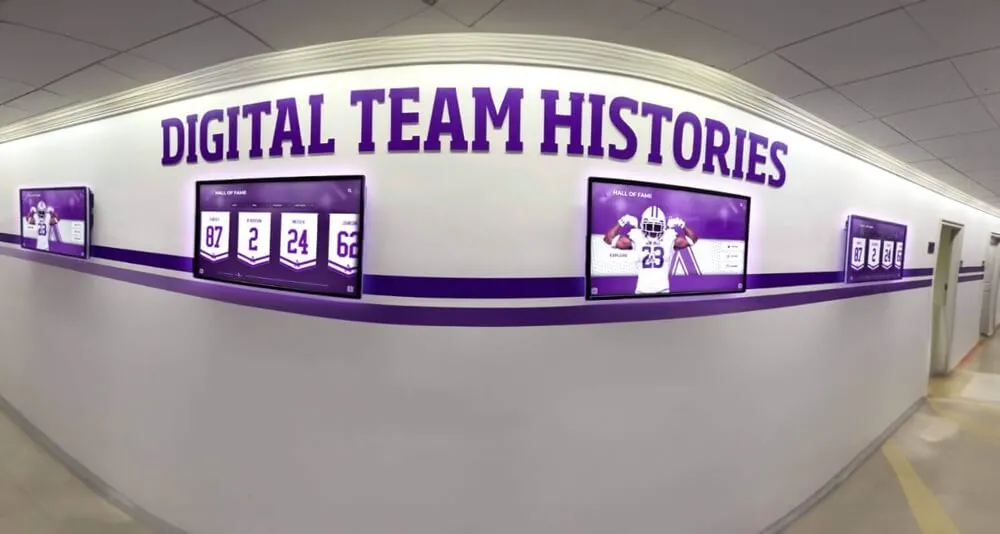
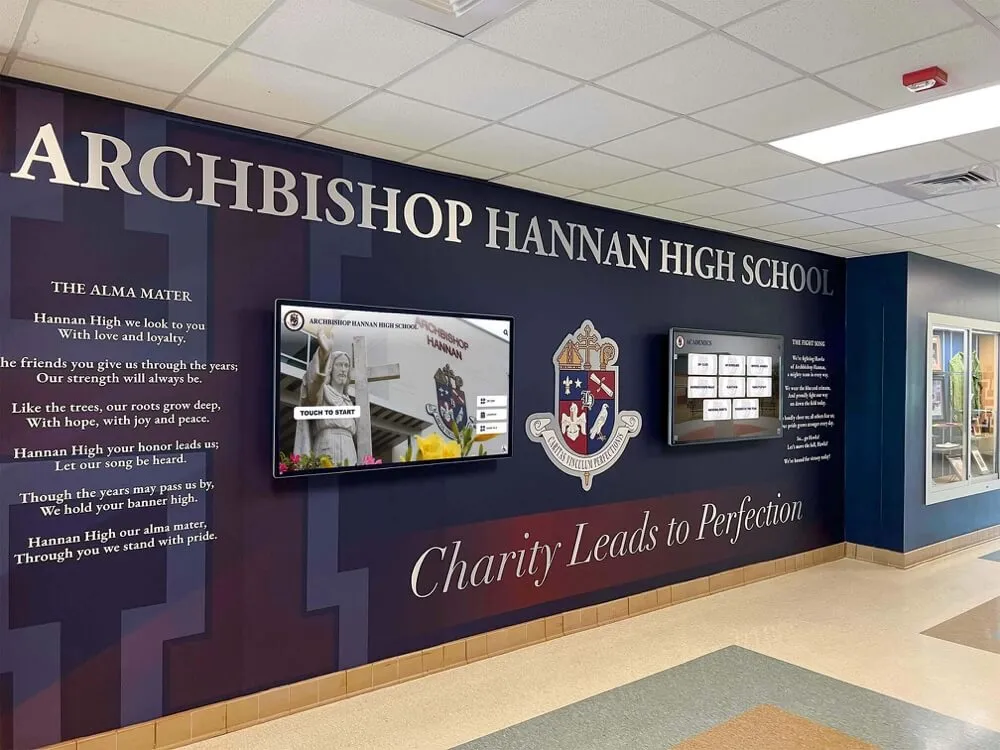
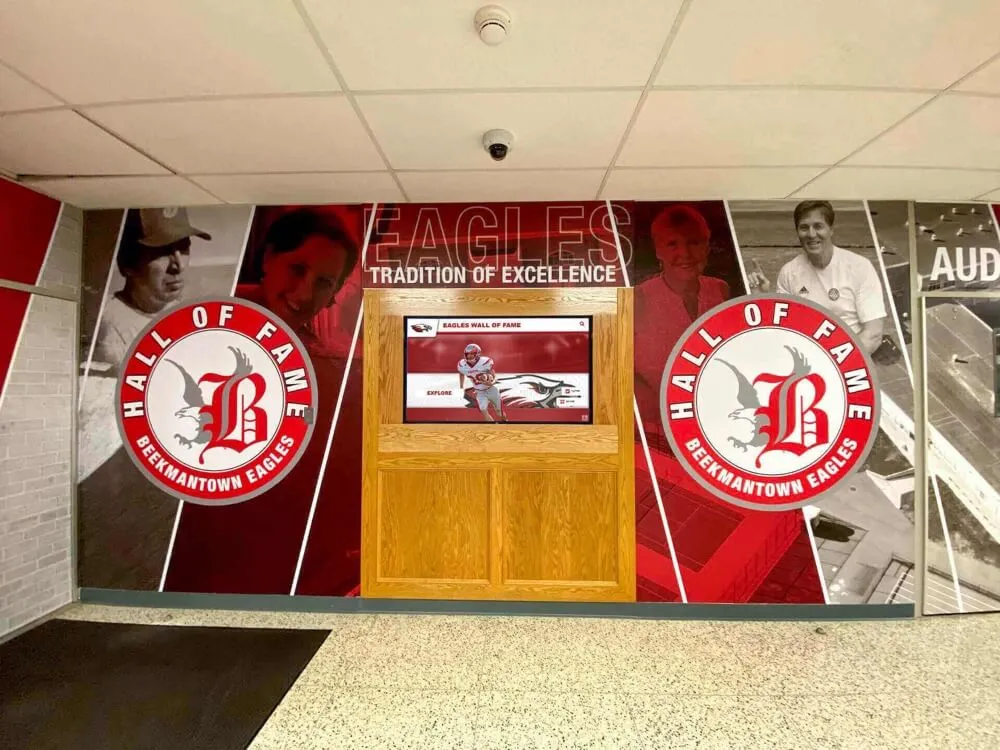
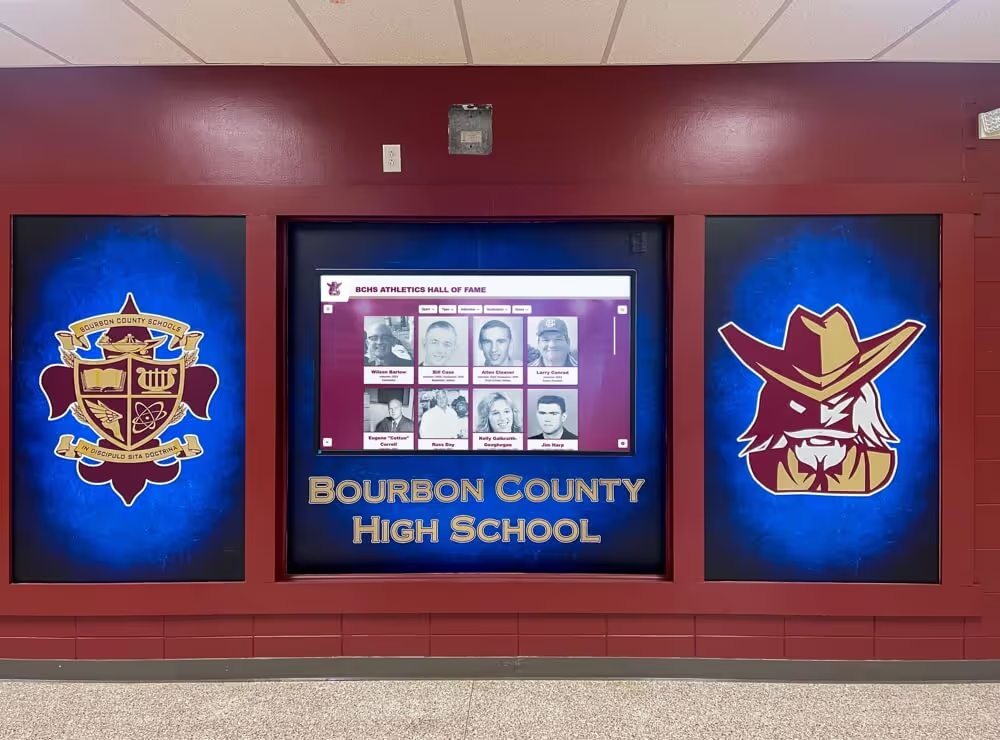
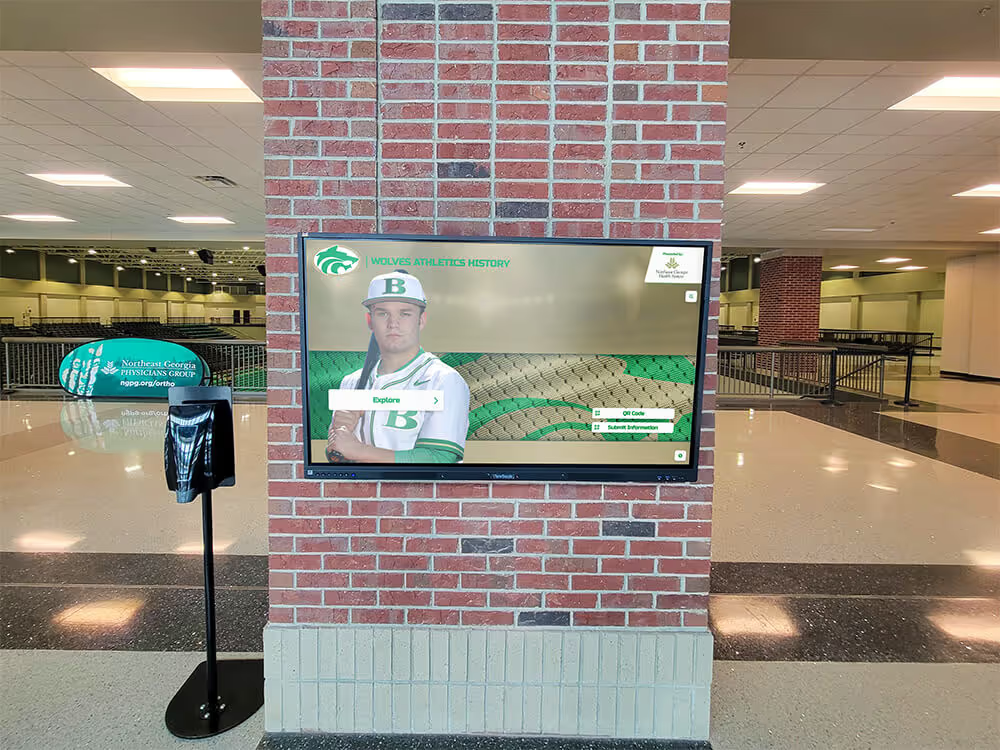
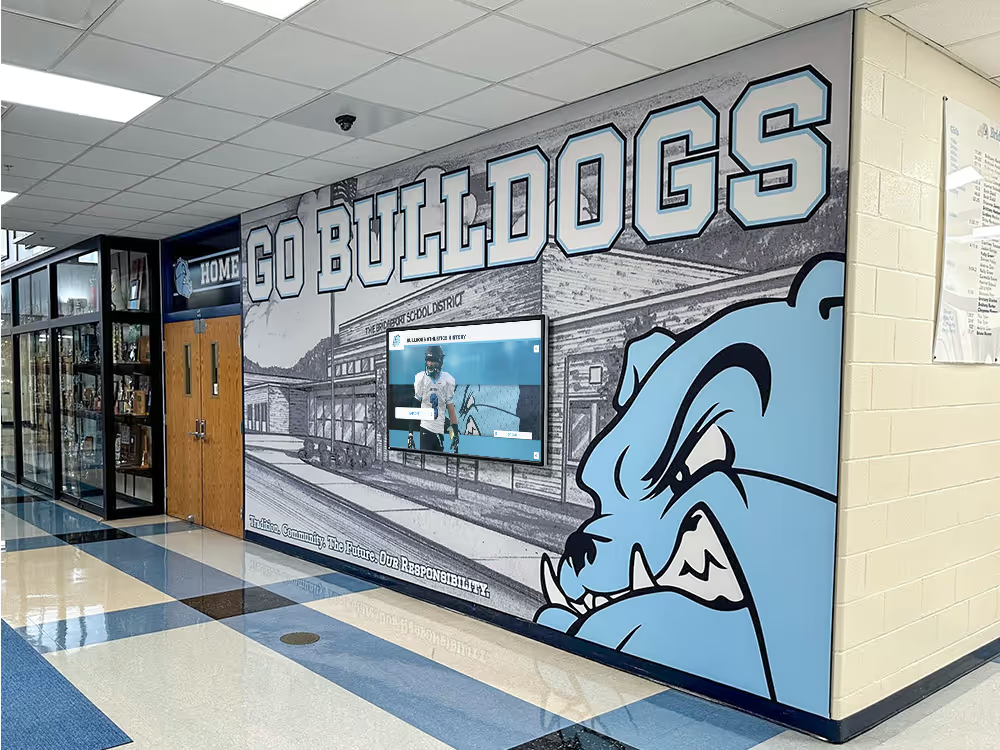
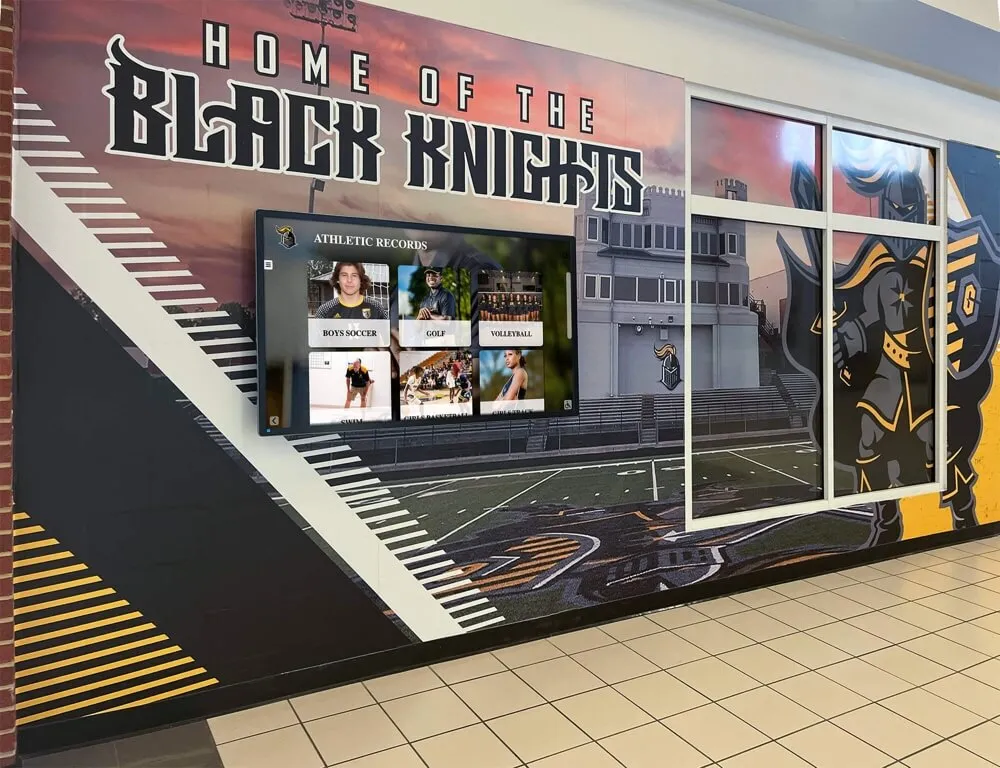
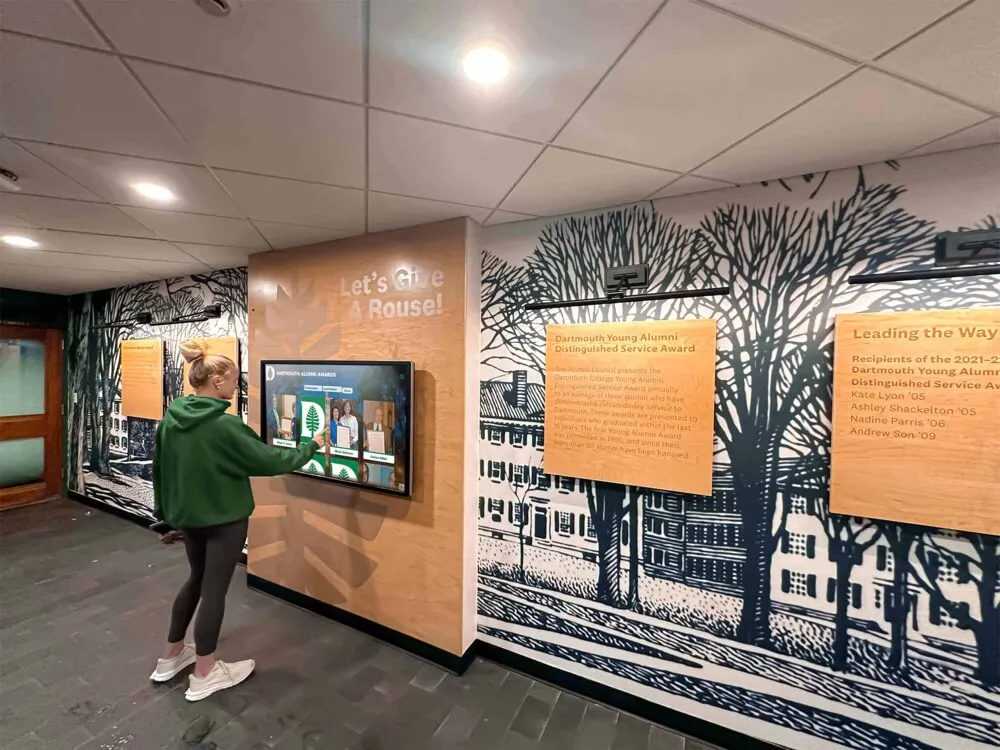
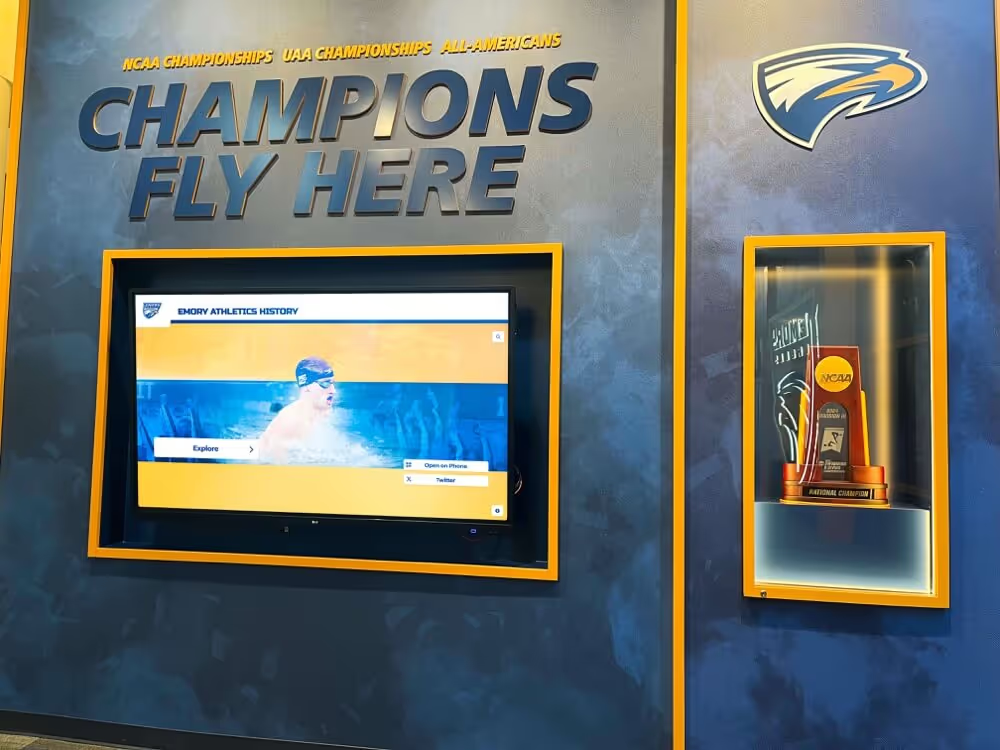
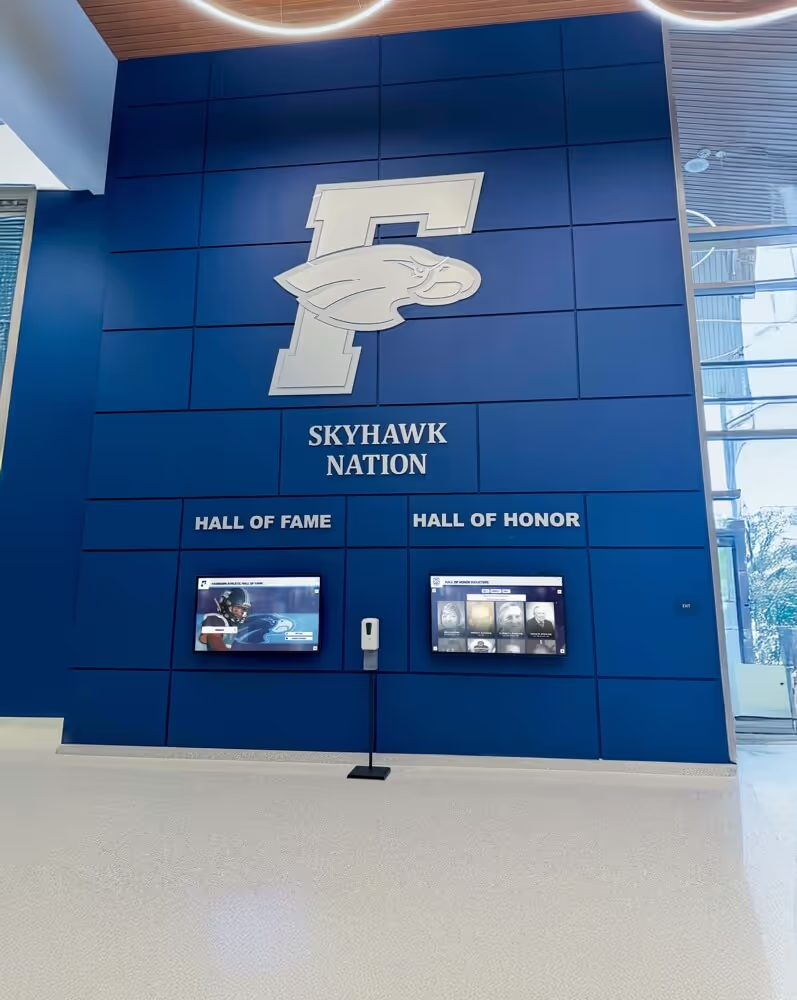
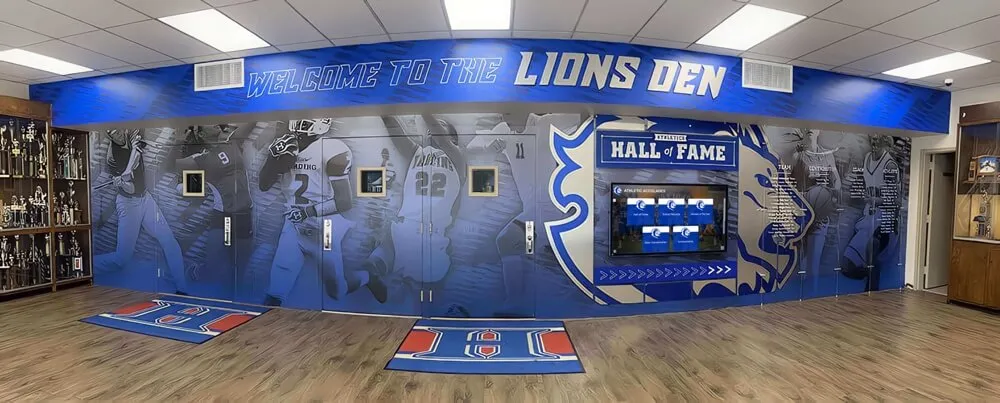
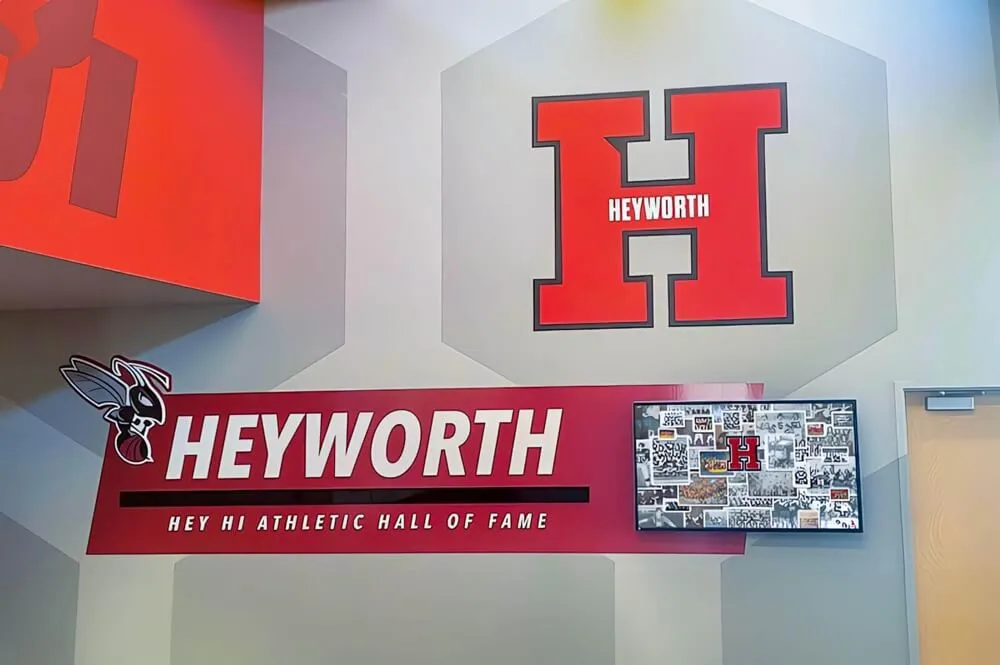
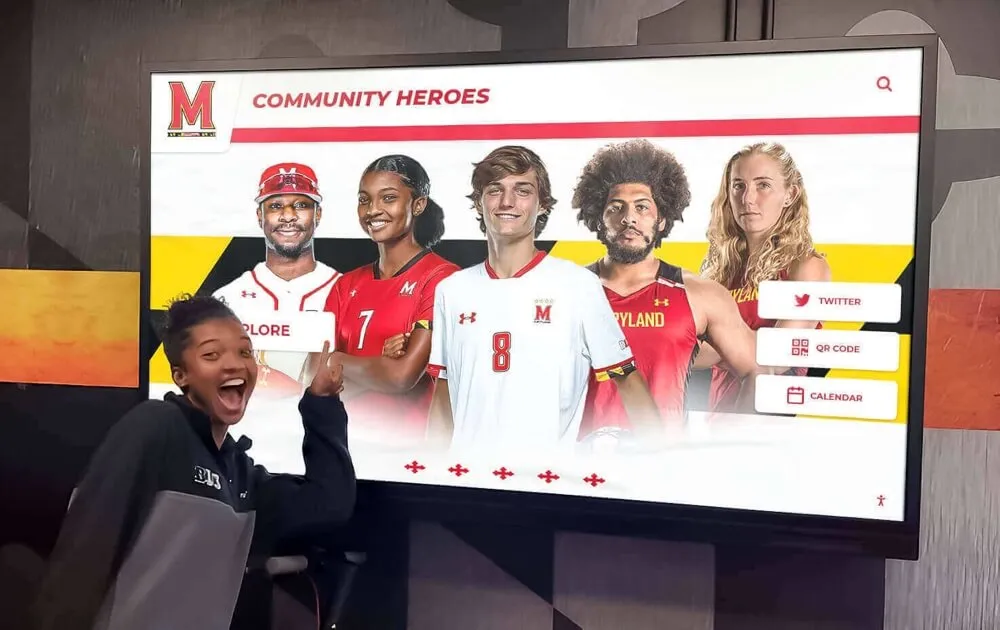
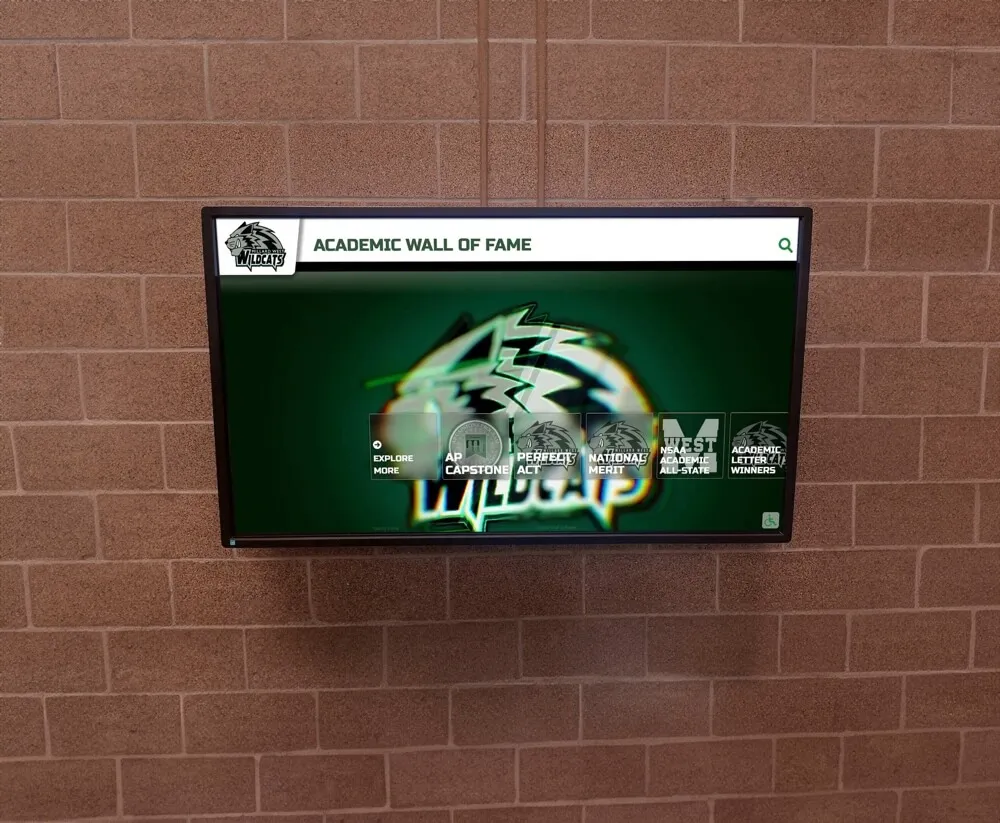
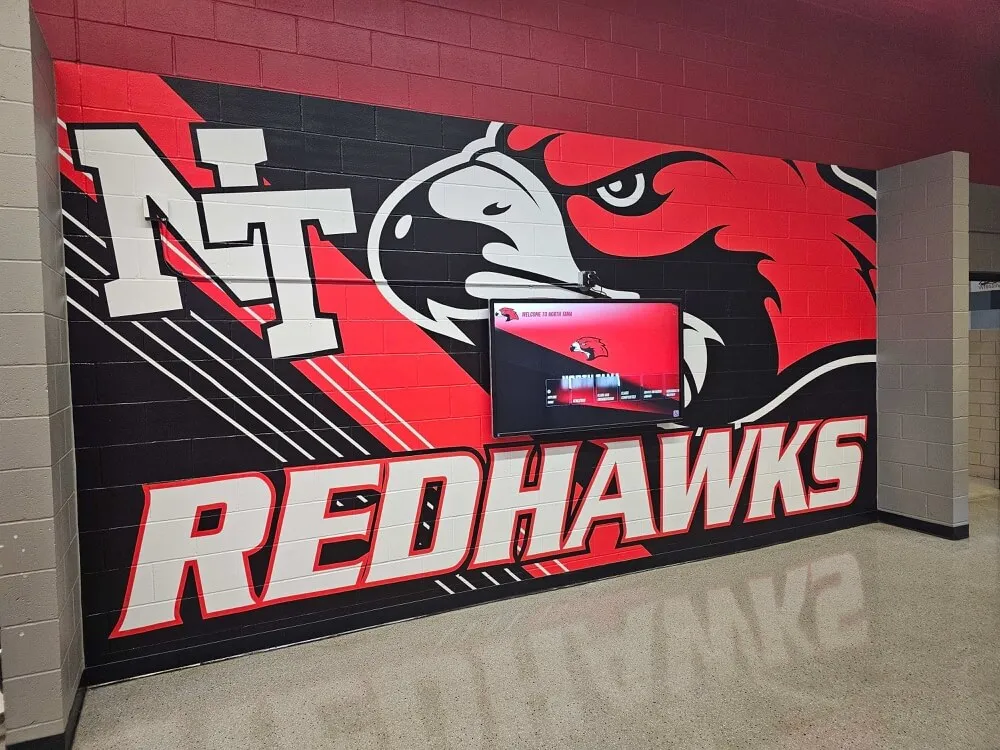
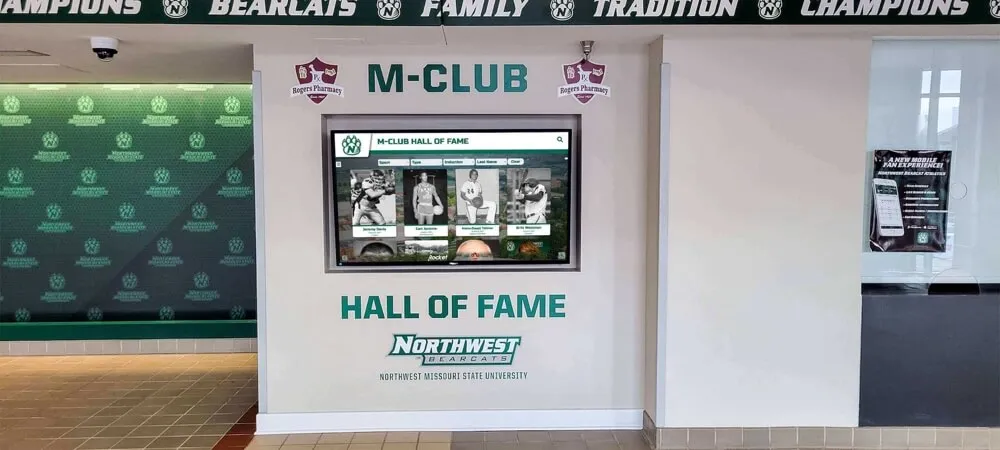
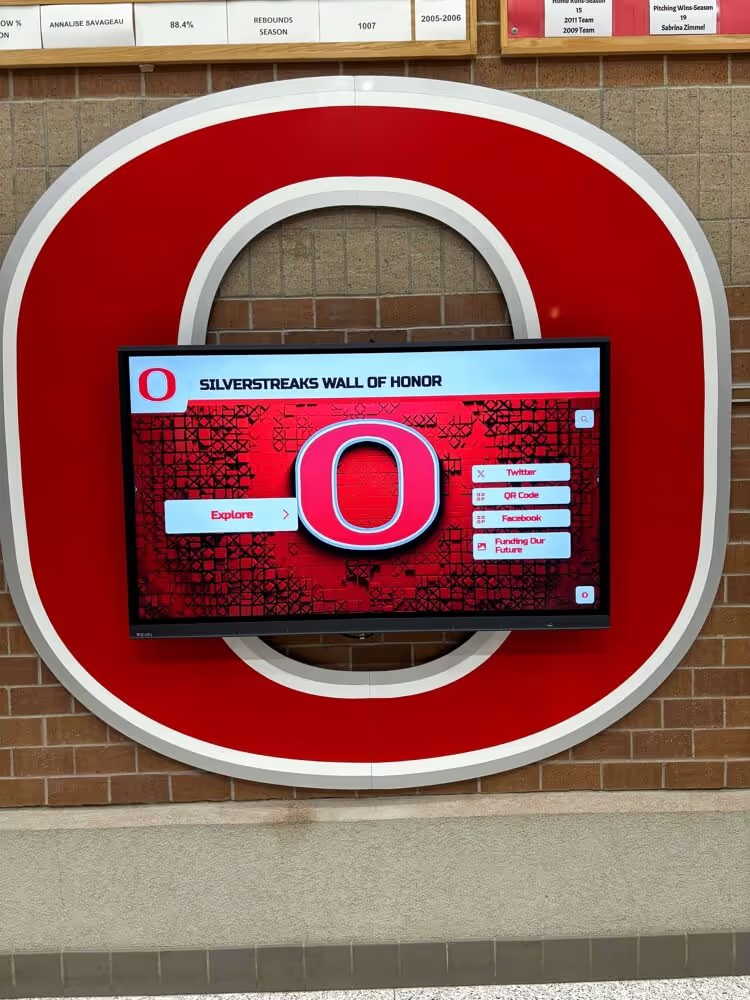
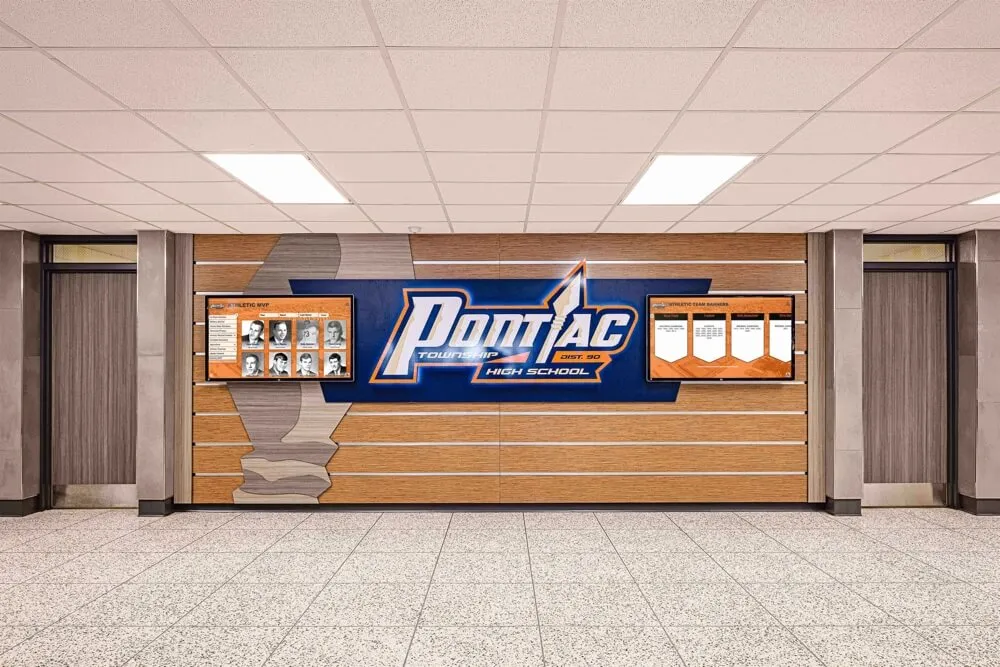
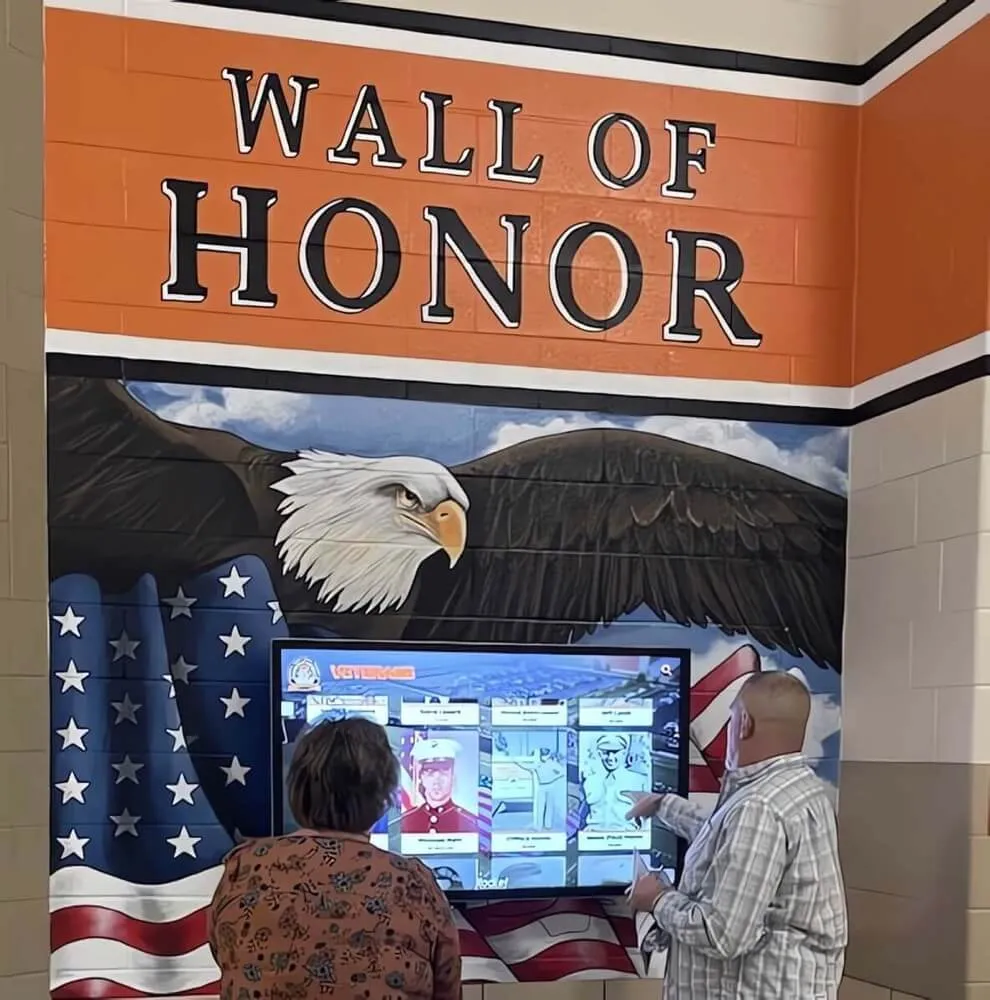
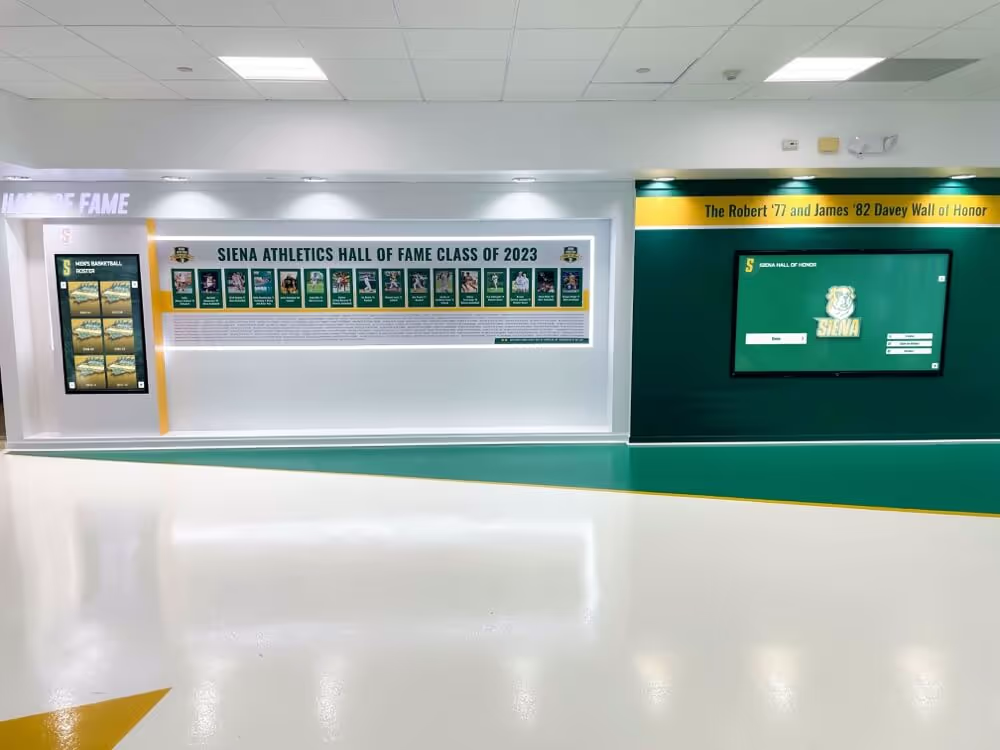
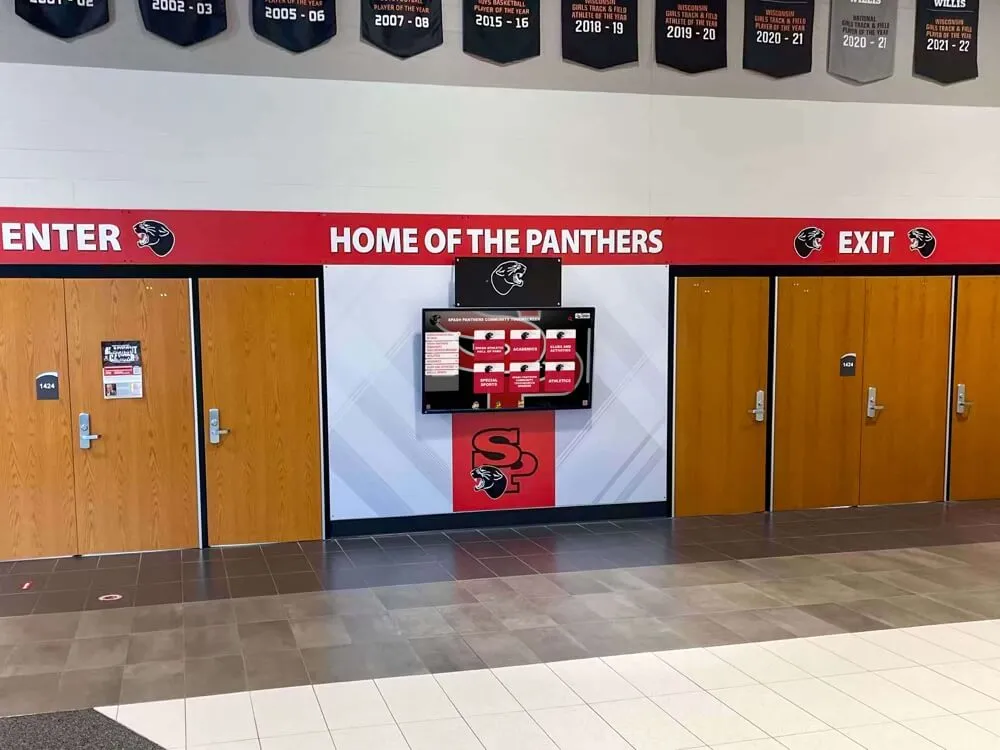
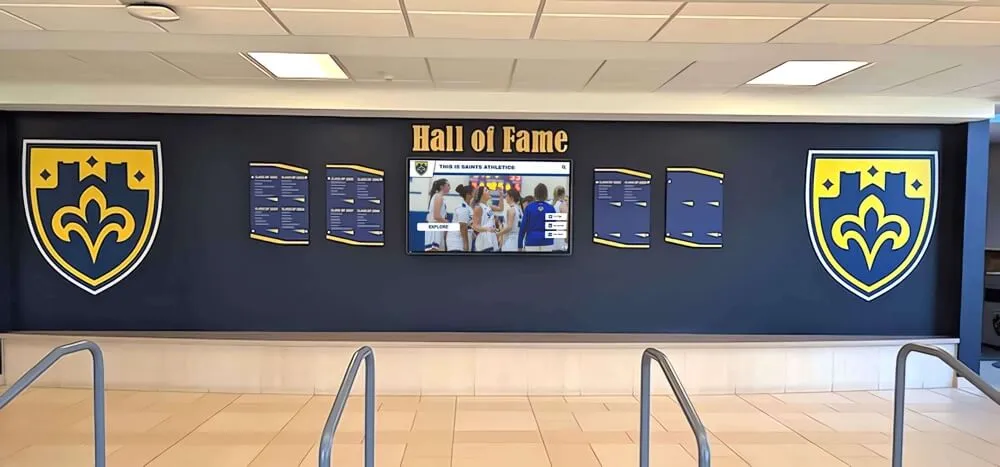
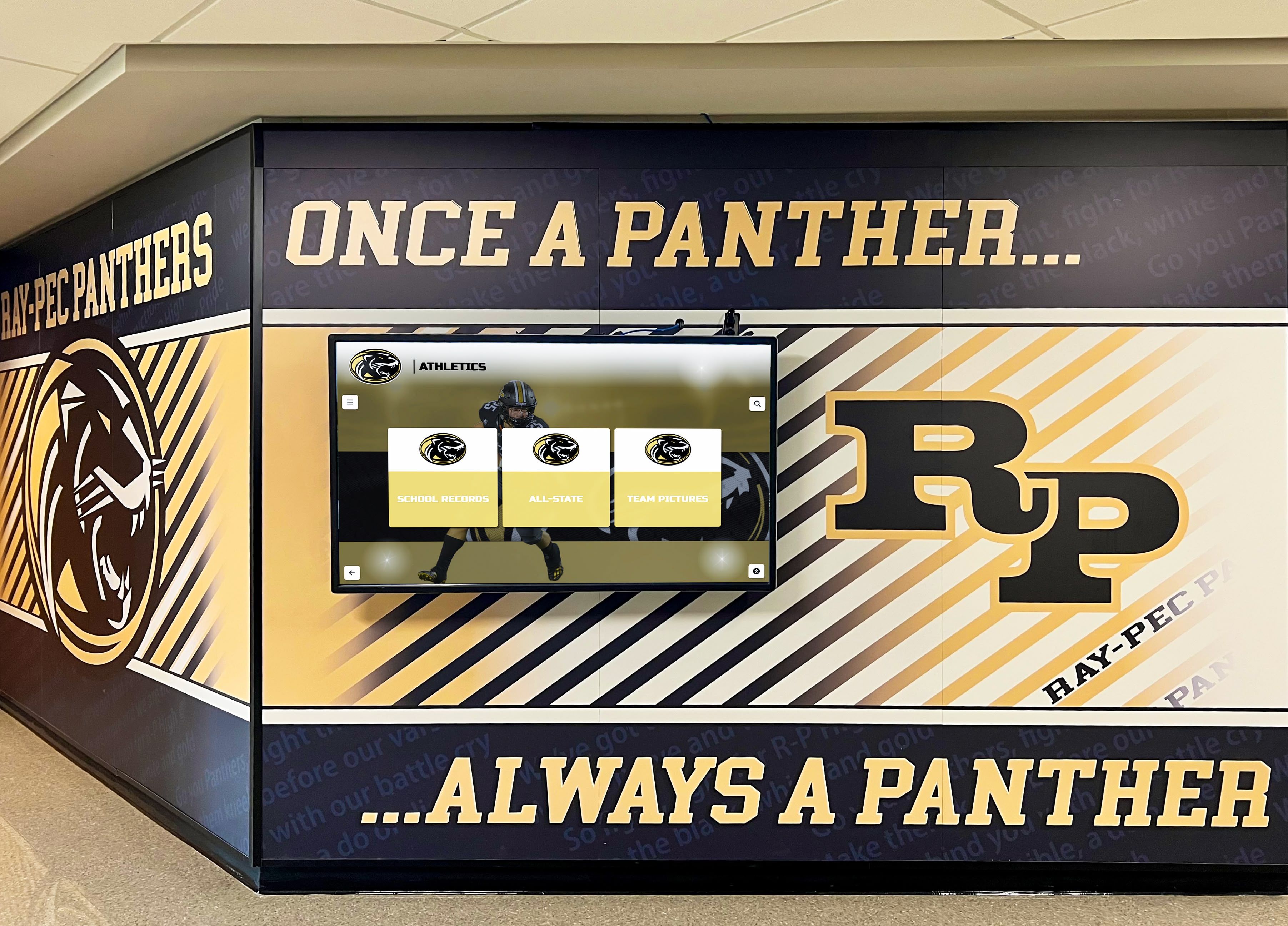
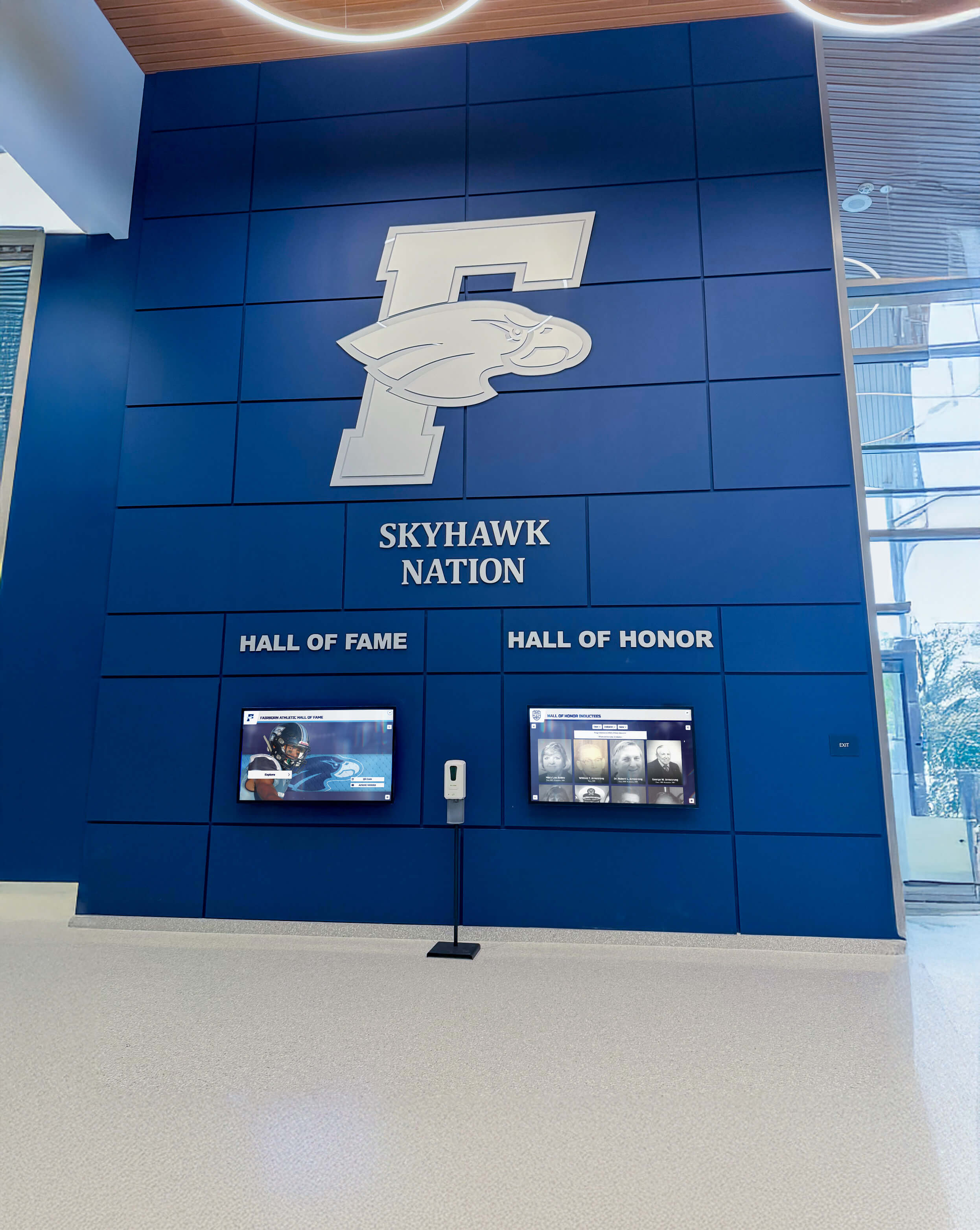
Schools increasingly implement permanent digital recognition systems that celebrate graduating classes long after ceremonies conclude. These interactive displays allow current students, alumni returning to campus, and community members to explore graduating class information, see student photos and achievements, understand how current students connect to alumni who graduated years earlier, and build institutional pride through visual celebration of school history.
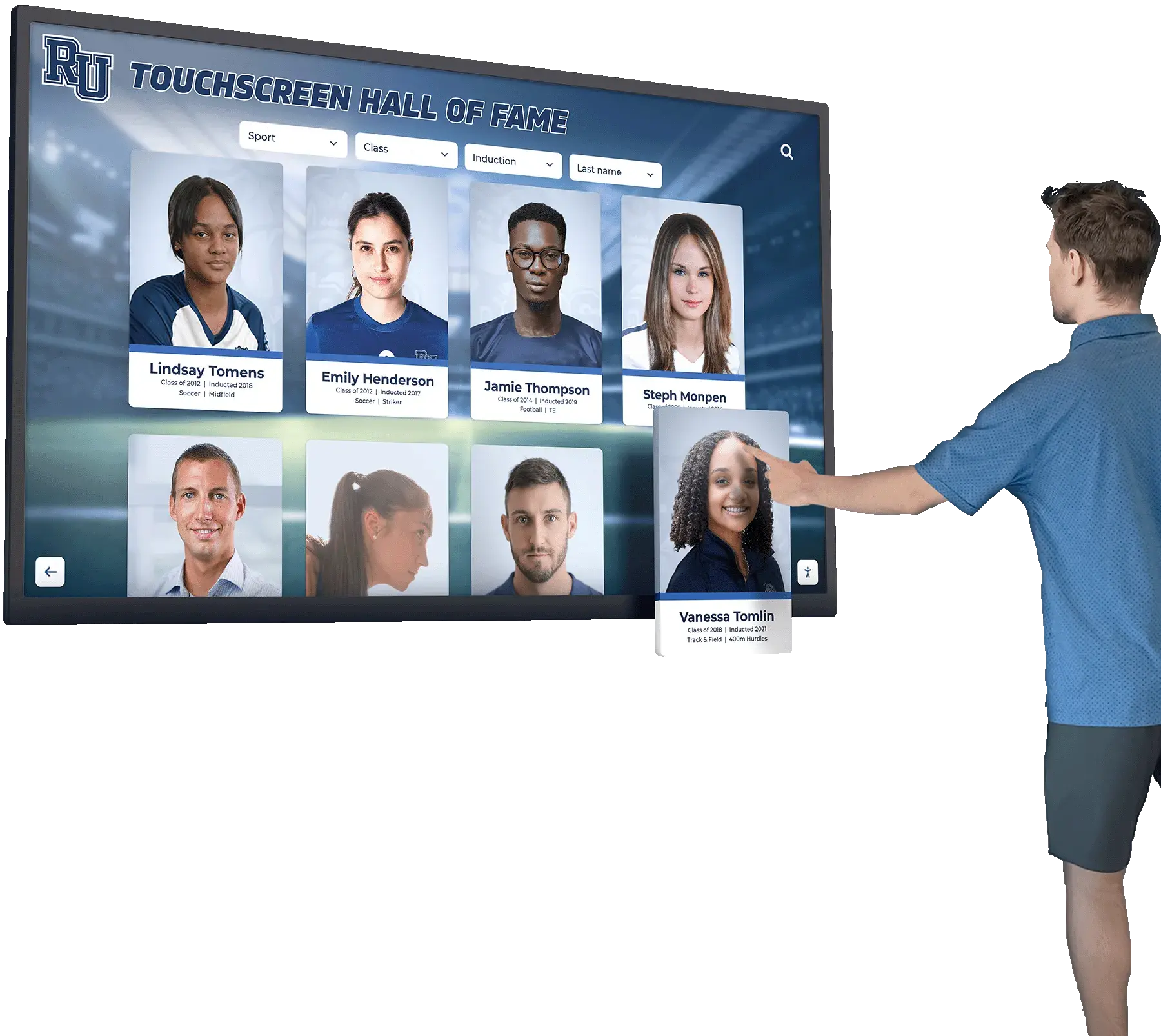
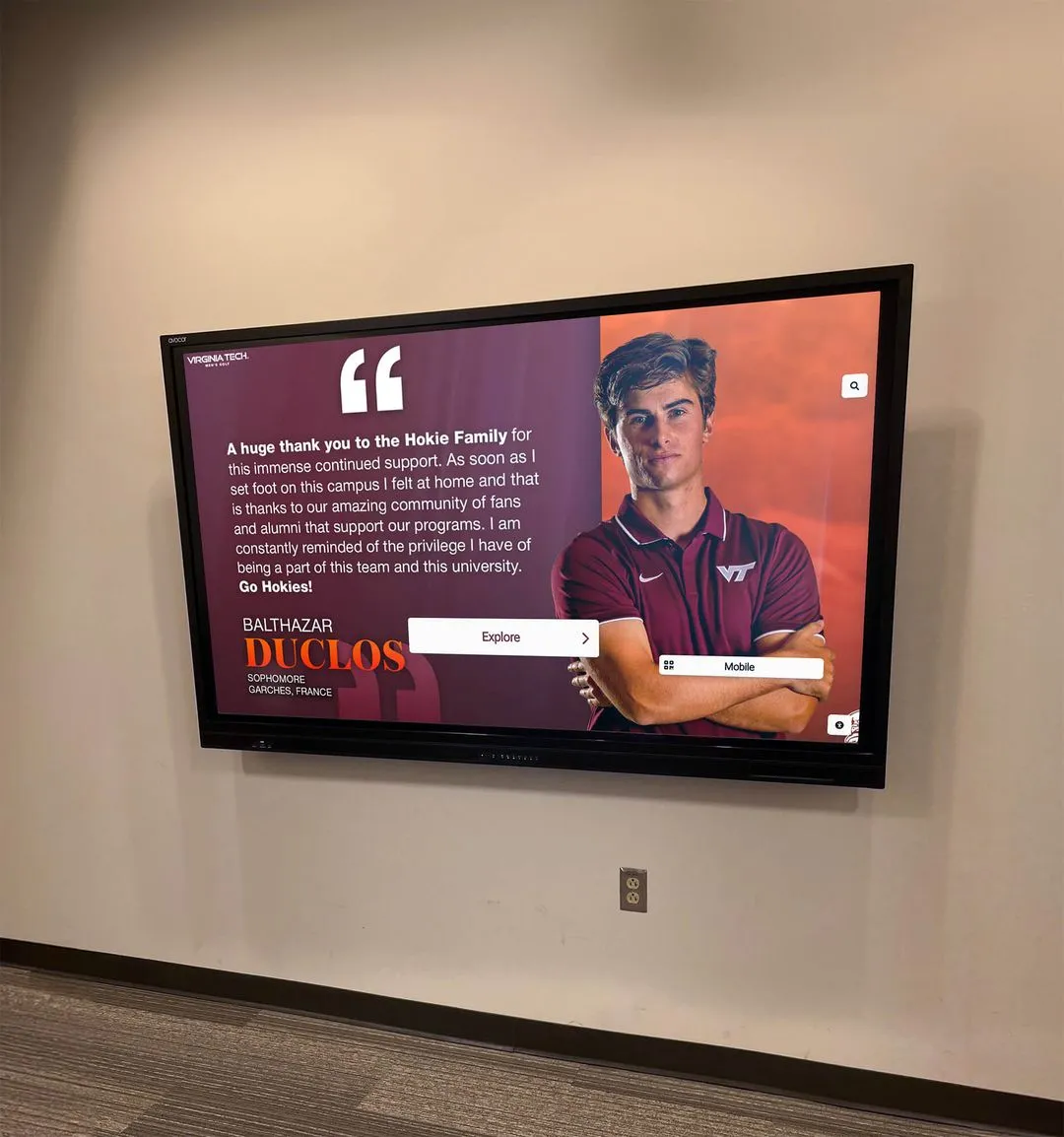
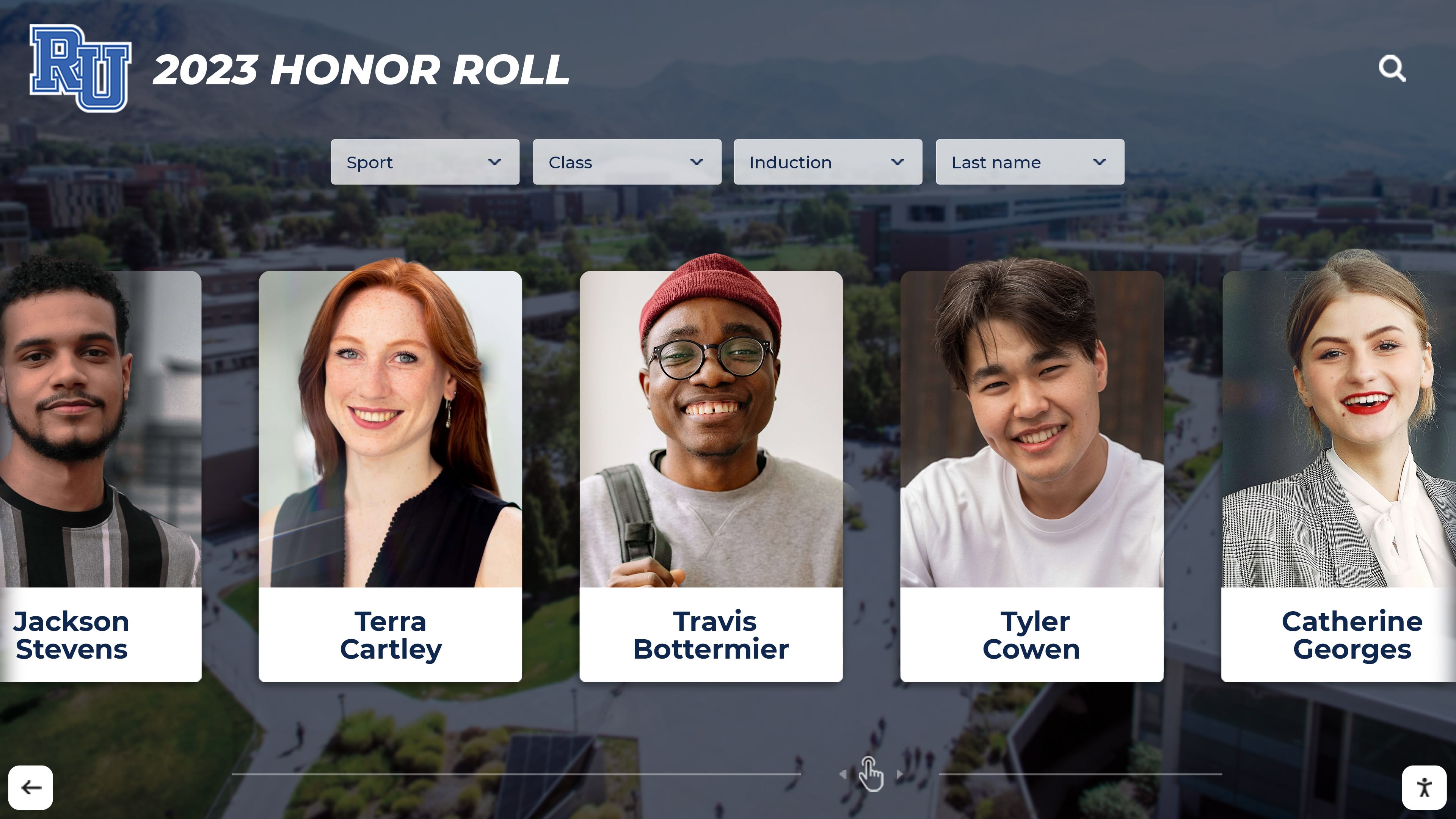
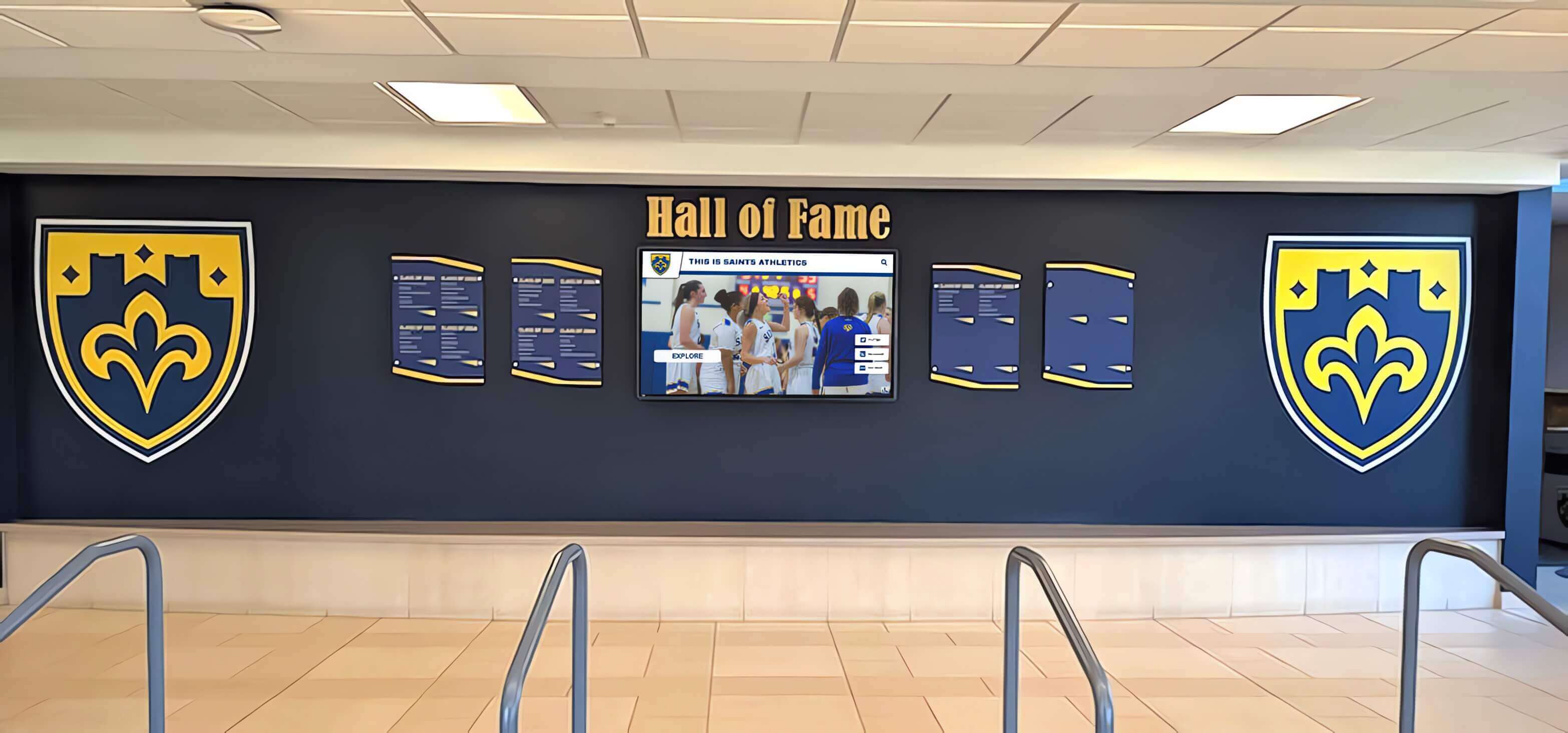
Digital recognition solutions like Rocket Alumni Solutions enable schools to create permanent graduating class displays featuring student photos, achievement highlights, destination information showing which high schools students attend, special recognition for academic, athletic, or character achievements, and legacy messages from graduating classes.
These permanent displays serve multiple purposes beyond simple recognition—they help current students visualize their own future graduations, provide connection points for alumni returning to visit, create conversation starters during school tours and community events, and demonstrate institutional commitment to honoring every student who completes middle school.
Understanding how schools are leveraging digital yearbook platforms shows how middle schools can preserve graduation memories in formats that remain accessible and engaging for decades.
Graduation Yearbook Pages
Dedicate substantial yearbook space to graduation coverage including formal graduate portraits, candid ceremony photos, complete graduate name listings with future plans, senior superlatives or class awards, and messages from faculty to graduating class.
These yearbook pages become treasured keepsakes students reference throughout high school and adult years, providing tangible records of middle school completion and connections to classmates.
Alumni Engagement Pathways
Consider establishing systems connecting graduating 8th graders with school communities after high school departure including alumni newsletters featuring graduate updates, social media groups for specific graduating classes, invitations to return for homecoming or special events, mentorship opportunities where graduates return to support current students, and formal alumni recognition programs celebrating graduate accomplishments.
While middle school alumni engagement faces challenges compared to high school or college programs, even modest efforts to maintain connections communicate that students remain valued members of school communities regardless of where their educational journeys take them.
Special Considerations and Challenges
Planning successful 8th grade graduations requires anticipating and addressing common challenges and special circumstances.
Managing Student Behavior Expectations
Eighth graders vary dramatically in maturity levels and ability to maintain appropriate ceremony decorum. Clear behavior expectations communicated during rehearsal and reinforced by faculty presence throughout ceremony help ensure celebrations maintain dignity without excessive discipline interventions.
Expectations should address appropriate attire, respectful silence during ceremony, refraining from phones or devices, proper stage behavior when receiving diplomas, and respectful celebration without disrupting ceremony.
Consider assigning faculty or staff to sit among students during ceremony providing subtle behavioral prompting and support rather than expecting students to self-regulate independently.
Addressing Academic Standing Issues
Schools face challenging decisions regarding whether students who haven’t met academic standards should participate in graduation ceremonies. Approaches vary from allowing all 8th graders to participate regardless of promotion status, to restricting ceremony participation to students successfully promoted to high school.
Whatever policy your school adopts should be clearly communicated to students and families well in advance of graduation, applied consistently and equitably, include pathways for students to earn participation through remediation or summer work, and balance accountability with recognition that public exclusion from ceremonies can cause lasting harm to student-school relationships.
Budget Constraints and Fundraising
Many schools face limited budgets for graduation celebrations. Creative approaches to managing costs include seeking business sponsorships from local organizations, organizing parent fundraising efforts like graduation fundraiser events, utilizing school facilities rather than external venue rentals, engaging parent volunteers for decorations and setup instead of purchased services, and focusing resources on elements most meaningful to students.
Exploring options for cost-effective recognition displays helps schools maximize graduation budget impact by investing in permanent installations that serve recognition purposes for multiple years rather than single-use ceremony elements.
Family Dynamics and Ticket Limitations
Large graduating classes and limited venue capacity often necessitate ticket limitations that challenge schools to equitably accommodate families while maintaining safe occupancy levels.
Communicate ticket policies clearly and early, ideally establishing policies at year beginning. Consider approaches like initial base allocation per student with additional ticket requests handled through waitlist systems, livestreaming ceremonies for family members who cannot attend in person, scheduling multiple ceremony sessions for very large classes, or using larger venues that eliminate ticket restrictions.
Cultural and Religious Sensitivity
Graduation ceremonies should celebrate diverse student populations while respecting various cultural and religious backgrounds. Considerations include scheduling ceremonies to avoid religious holidays, offering secular and religious invocation options or omitting religious elements entirely, celebrating diverse student cultures in messaging and recognition, and ensuring decoration and theme choices don’t inadvertently exclude or minimize any cultural group.
Post-Graduation Follow-Through
Activities following graduation ceremonies extend celebration and ensure the milestone creates lasting positive impact.
Post-Ceremony Celebrations
Many schools organize structured post-ceremony activities including reception with refreshments allowing family socializing, photo opportunity stations with props and backdrops, class gathering time for students to celebrate together, and distribution of yearbooks or other keepsake items.
These post-ceremony activities should be optional rather than mandatory, well-organized to prevent chaos, and clearly communicated regarding timing and location.
Communication of Gratitude
Following graduations, school leaders should acknowledge key contributors including thank you notes to speakers and special guests, public recognition of planning committee members and volunteers, communication to families thanking them for partnership throughout middle school years, and staff appreciation recognizing teachers’ contributions to student success.
High School Transition Support
Graduation marks beginning of high school transition rather than ending of school responsibility. Support students through this transition by facilitating summer bridge programs connecting 8th graders with high school expectations, sharing important high school enrollment information, connecting families with high school resources and supports, and ensuring special education transition plans are properly communicated.
Documenting and Improving Process
After ceremony completion, planning teams should document successful elements worth repeating, challenges encountered and how they were resolved, budget actuals compared to projections, and suggested improvements for future graduations.
This institutional knowledge ensures graduation planning improves year over year rather than starting from scratch with each new planning team.
Creating Digital Legacy: Permanent Recognition Solutions
Beyond individual ceremony moments, schools increasingly recognize value in creating permanent digital installations that celebrate graduating classes as ongoing parts of school history.
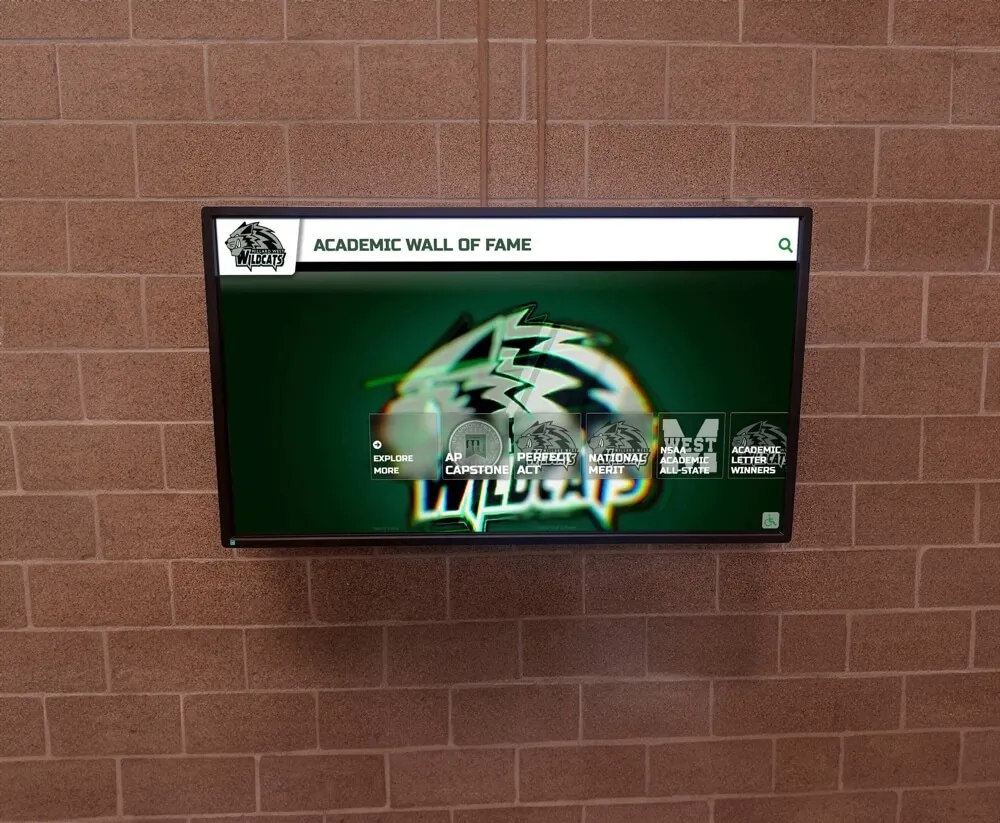
Digital recognition platforms enable schools to build comprehensive graduating class displays featuring complete class rosters with photos, special achievement recognition integrated throughout, capability to update information as alumni achieve future milestones, and search functionality allowing visitors to find specific individuals or graduating years.
These installations serve multiple audiences simultaneously. Current students see themselves as part of ongoing institutional story, building identity as future alumni. Alumni returning to campus after years away can locate their graduating class information and reconnect with memories. Families attending school events explore graduating classes from past decades, perhaps finding their own graduation information or connecting their family’s multi-generational relationship with the school.
Rocket Alumni Solutions specializes in these permanent digital recognition systems, offering schools turnkey solutions that transform graduation recognition from fleeting ceremony moments into lasting digital legacy. These systems provide unlimited storage for graduating class information, professional design templates requiring minimal technical expertise, cloud-based management enabling updates from any device, interactive touchscreen interfaces engaging visitors in exploration, and integration with existing school websites and digital ecosystems.
Schools implementing permanent digital recognition displays report benefits including increased alumni engagement as graduates return to see themselves featured, enhanced school pride among current students who see graduation as honored tradition, recruitment advantages as prospective families observe institutional commitment to honoring all students, and fundraising opportunities as alumni contribute to support schools that maintain connection with graduating classes.
Planning Checklist: Ensuring Nothing Gets Overlooked
Use this comprehensive checklist to guide graduation planning and track task completion:
4-6 Months Before:
- Form graduation planning committee with assigned roles
- Establish graduation budget and identify funding sources
- Select and book graduation date and venue
- Determine ceremony theme and overall approach
- Begin sponsor or fundraising outreach if needed
3 Months Before:
- Design complete ceremony program and timeline
- Select and confirm all speakers
- Order graduation certificates and recognition items
- Send initial graduation information to all families
- Establish individual student recognition approach
6-8 Weeks Before:
- Finalize venue setup plans including seating arrangements
- Schedule and communicate graduation rehearsal
- Arrange photography and videography services
- Prepare recognition certificates with accurate student information
- Confirm all vendor contracts and services
2-4 Weeks Before:
- Conduct comprehensive graduation rehearsal
- Finalize and print ceremony programs
- Create or purchase ceremony decorations
- Reconfirm all vendors and service providers
- Communicate final ceremony details to families
Final Week:
- Set up venue with decorations and equipment
- Test all audio-visual systems
- Send final reminders to families
- Create detailed day-of task assignments
- Conduct final ceremony walkthrough
Day of Graduation:
- Arrive early for final setup and preparation
- Check in students and distribute programs to guests
- Execute ceremony according to plan
- Facilitate post-ceremony celebrations
- Clean and restore venue
- Collect feedback from key participants
After Graduation:
- Send thank you communications to contributors
- Process and distribute ceremony photos/video
- Document successes and improvement opportunities
- Begin planning for next year’s graduation
- Support students through high school transition
Conclusion: Celebrating Milestones That Matter
Eighth grade graduation represents significant achievement in young people’s lives—successful navigation of developmentally challenging middle school years and preparation for high school opportunities ahead. Schools that invest time, creativity, and resources in creating meaningful graduation celebrations communicate powerful messages about institutional values, demonstrate commitment to honoring every student’s journey, and create positive memories that students and families carry forward.
The most successful 8th grade graduations balance formality with authenticity, include diverse student voices while maintaining structure, celebrate collective achievement while recognizing individual growth, and extend beyond single ceremony moments to create lasting legacy through permanent recognition systems.
By following systematic planning processes, designing ceremonies that resonate with middle school students, addressing logistical challenges proactively, and considering how graduation recognition continues beyond ceremony day, schools create celebrations worthy of the milestone they honor.
As your school plans upcoming 8th grade graduations, consider how permanent digital recognition solutions can extend celebration beyond ceremony day and build lasting connections between graduating students and your school community. Schedule a demonstration to explore how interactive recognition displays can transform how your school celebrates graduating classes for years to come.