



Planning a 50-year class reunion represents far more than organizing another alumni gathering—it celebrates a golden anniversary milestone marking five decades since classmates walked graduation stages together, embarked on divergent life paths, and built families, careers, and legacies shaped by foundations established during formative school years. These golden reunions demand celebration approaches honoring both shared history and remarkable journeys classmates traveled across half a century.
The Class of 1976 gathering in 2026, or any class reaching its 50th anniversary, faces unique opportunities and challenges. Attendees arrive with rich life experiences, accumulated perspectives, and heightened appreciation for connections forged during youth. They seek meaningful reunion experiences transcending generic social gatherings, yearning for authentic reconnection, proper recognition of collective achievement, and tangible ways to honor shared heritage while acknowledging individual journeys spanning five decades since they last sat together in classrooms, competed on athletic fields, or performed on stages.
Creating Lasting Recognition for Golden Anniversary Reunions
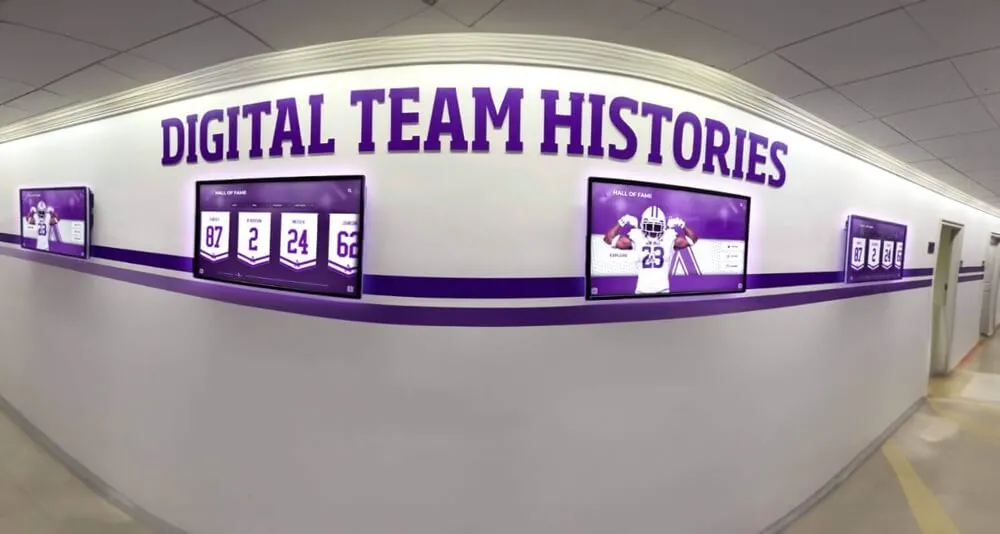
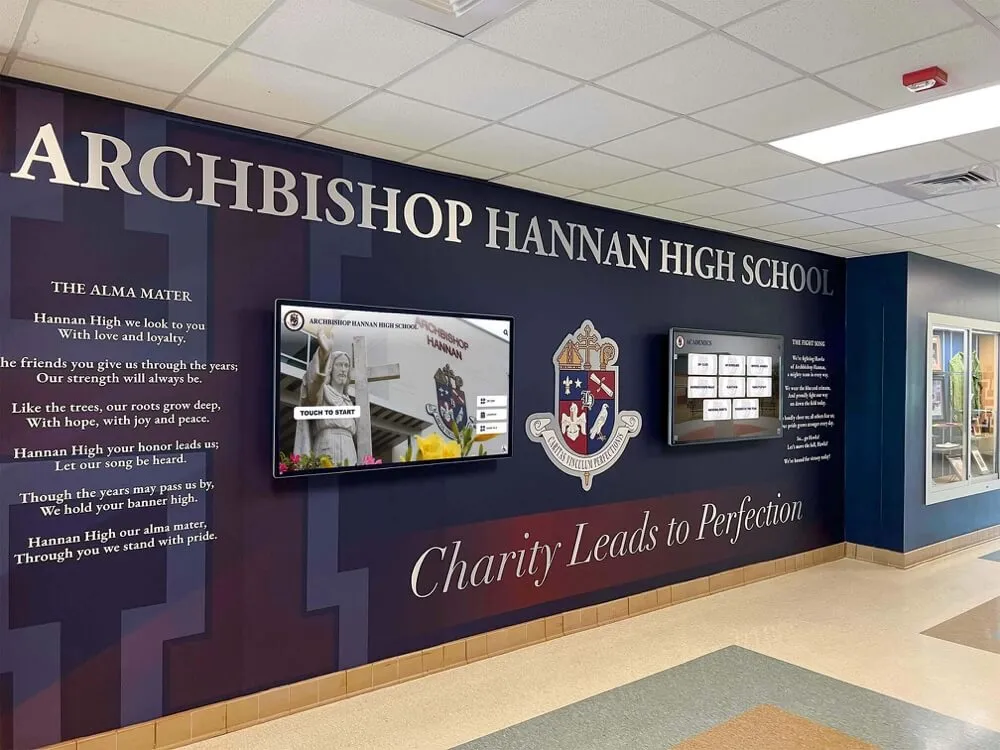
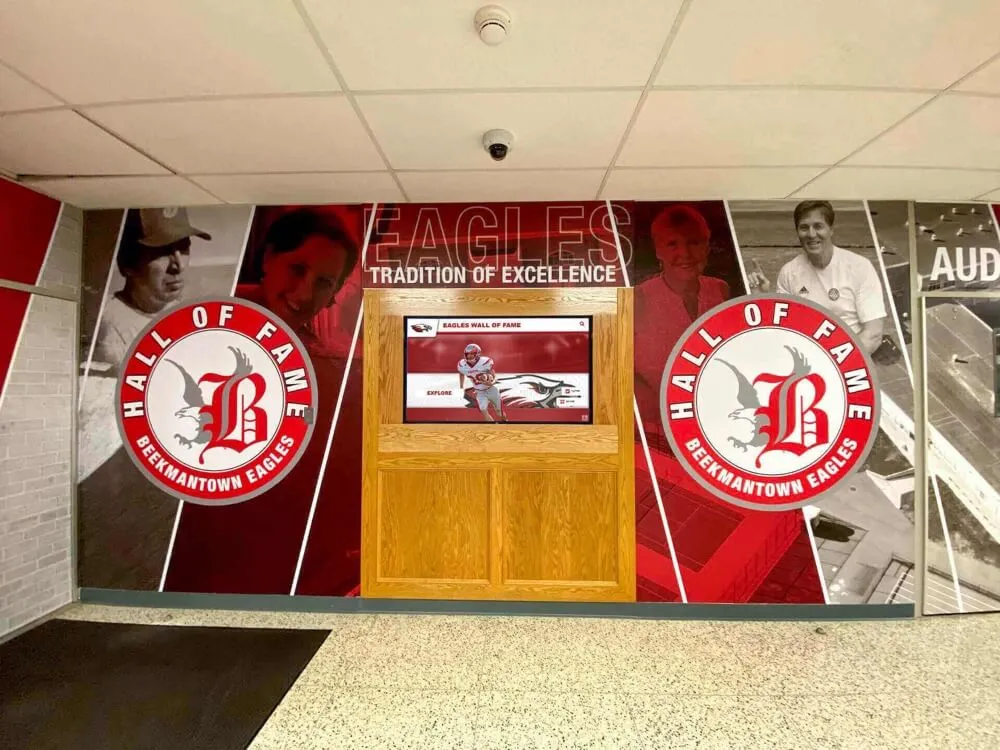
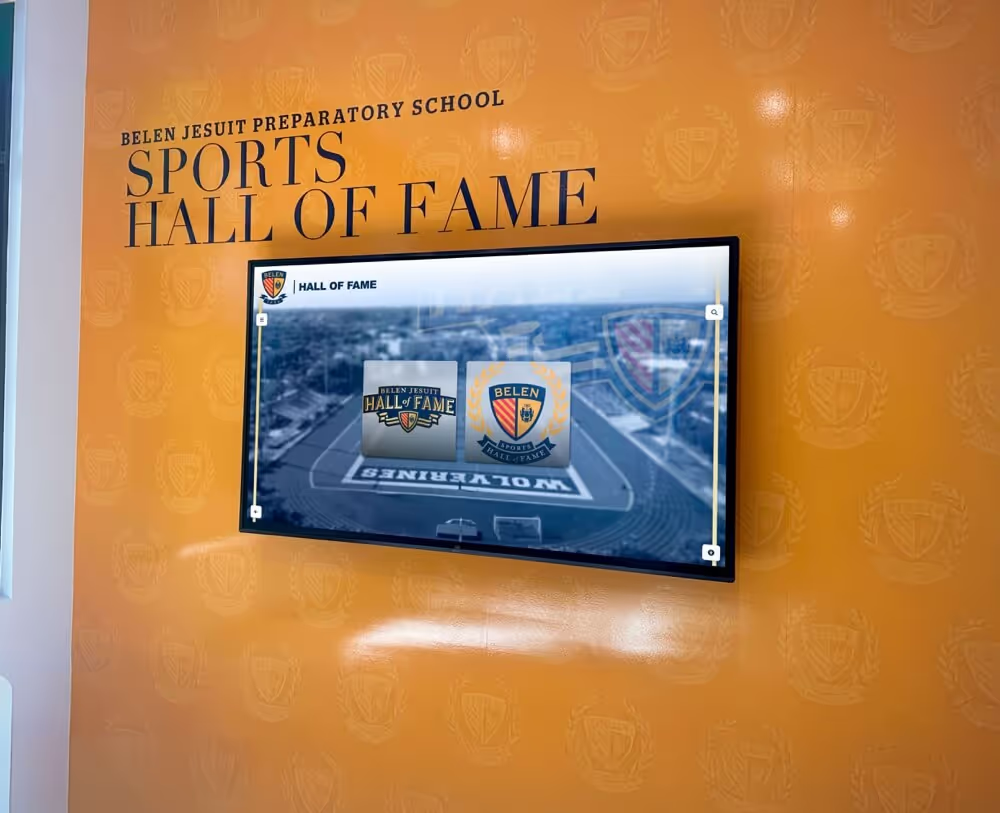
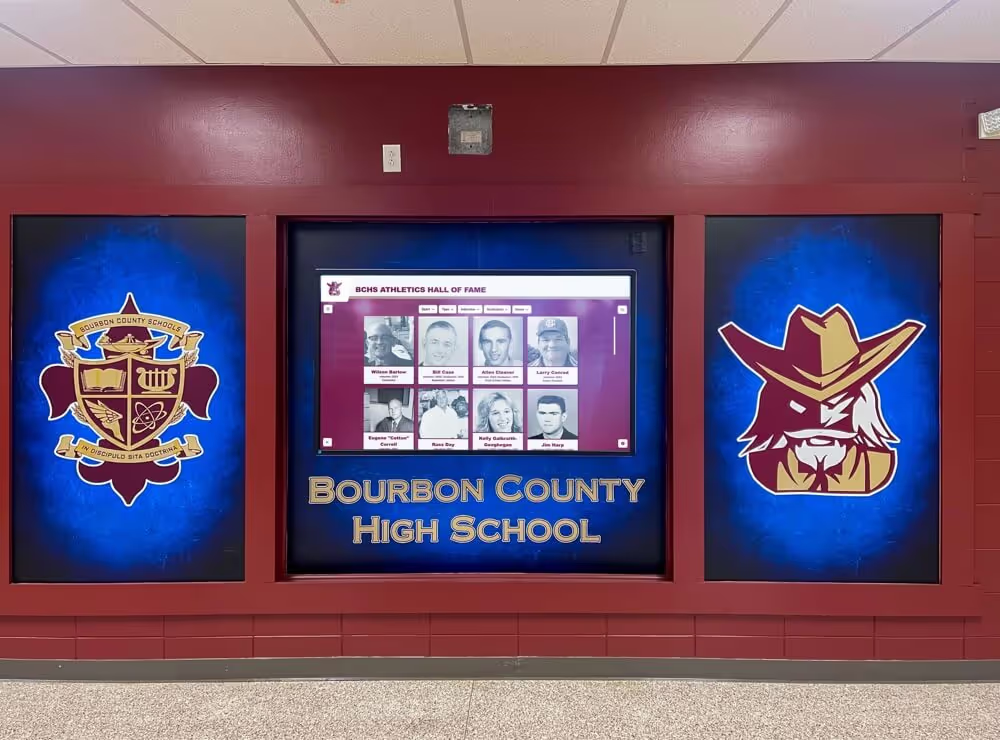
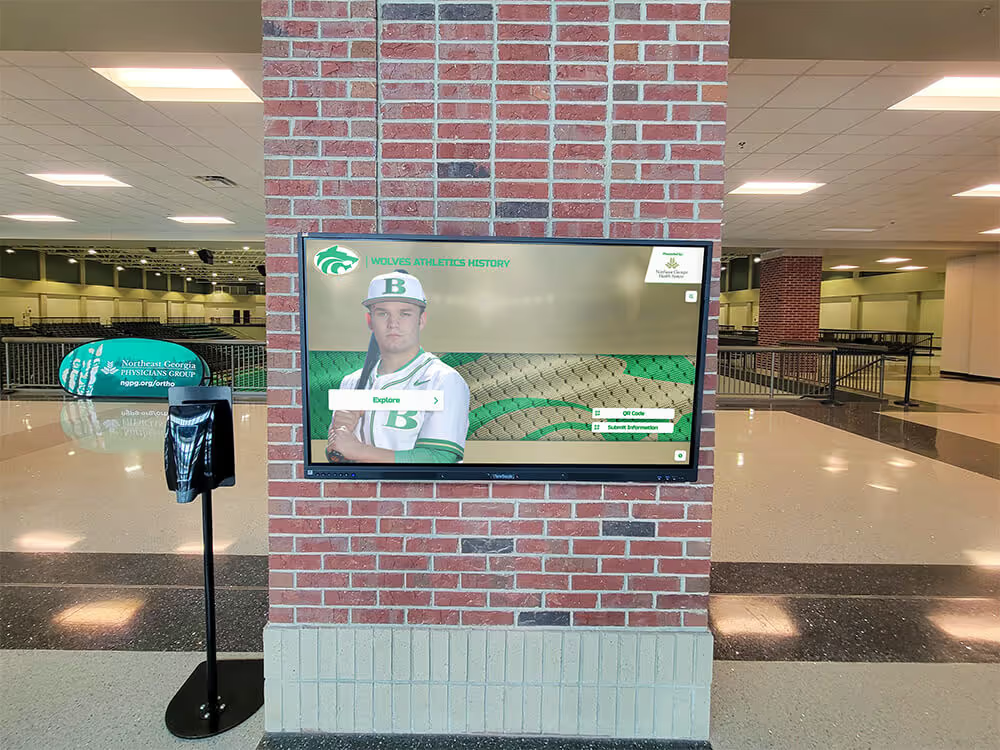
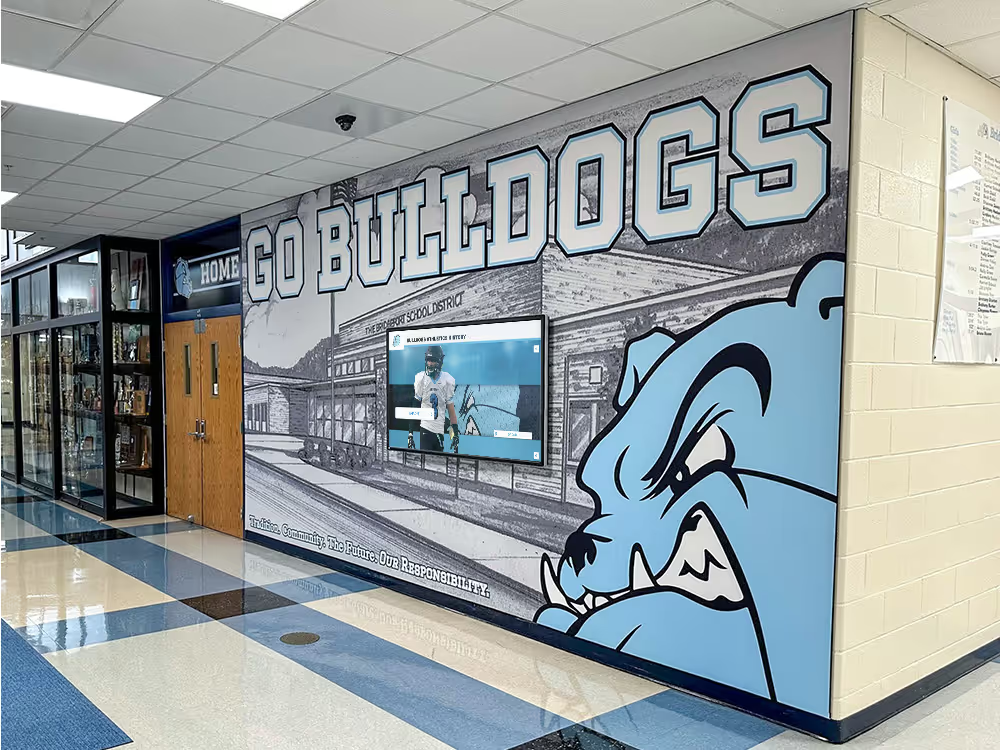
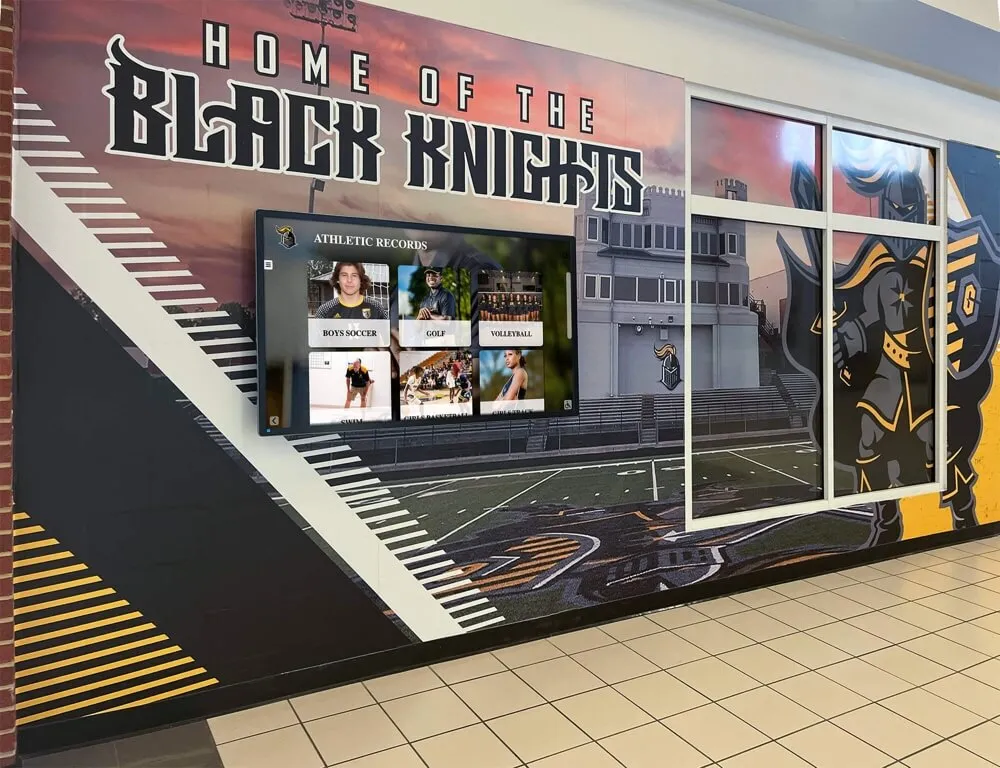
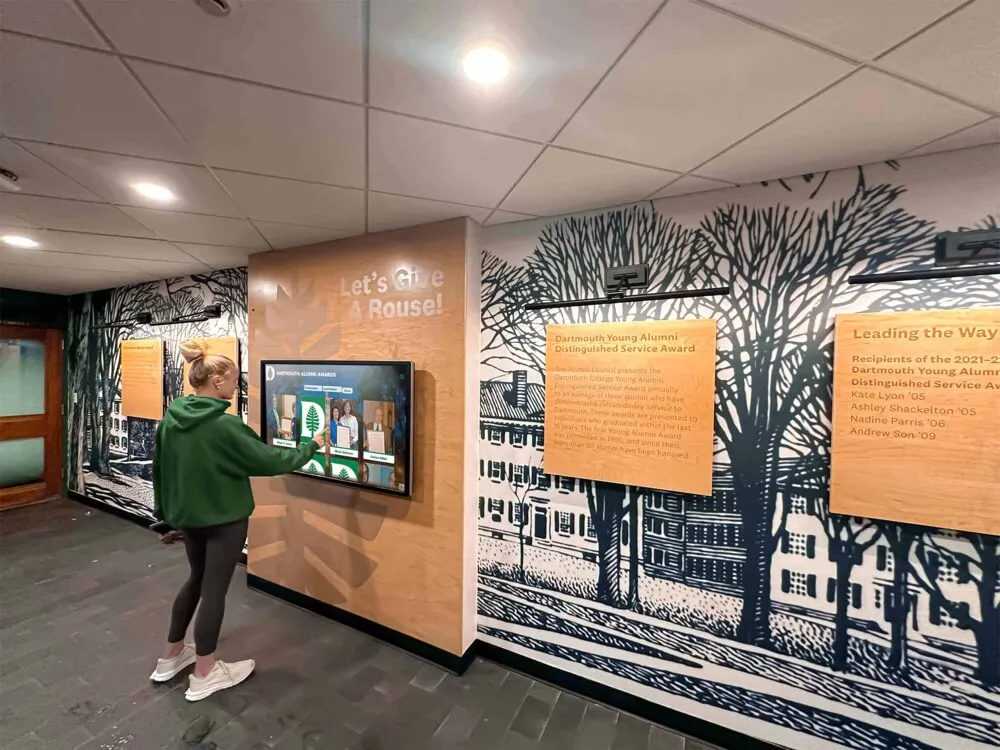
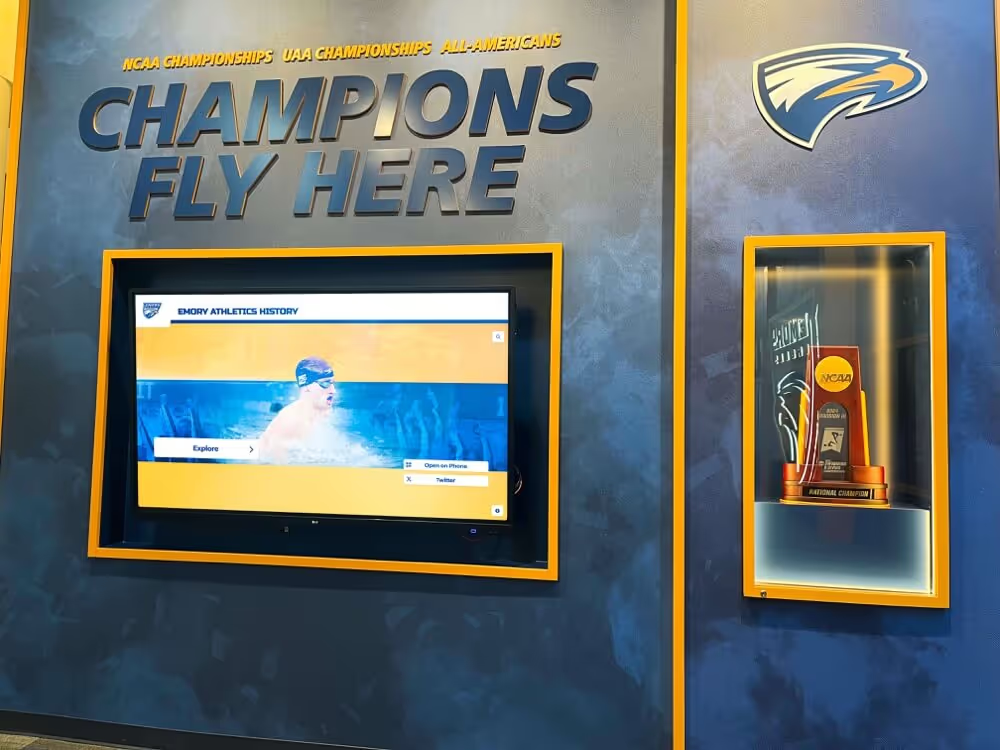
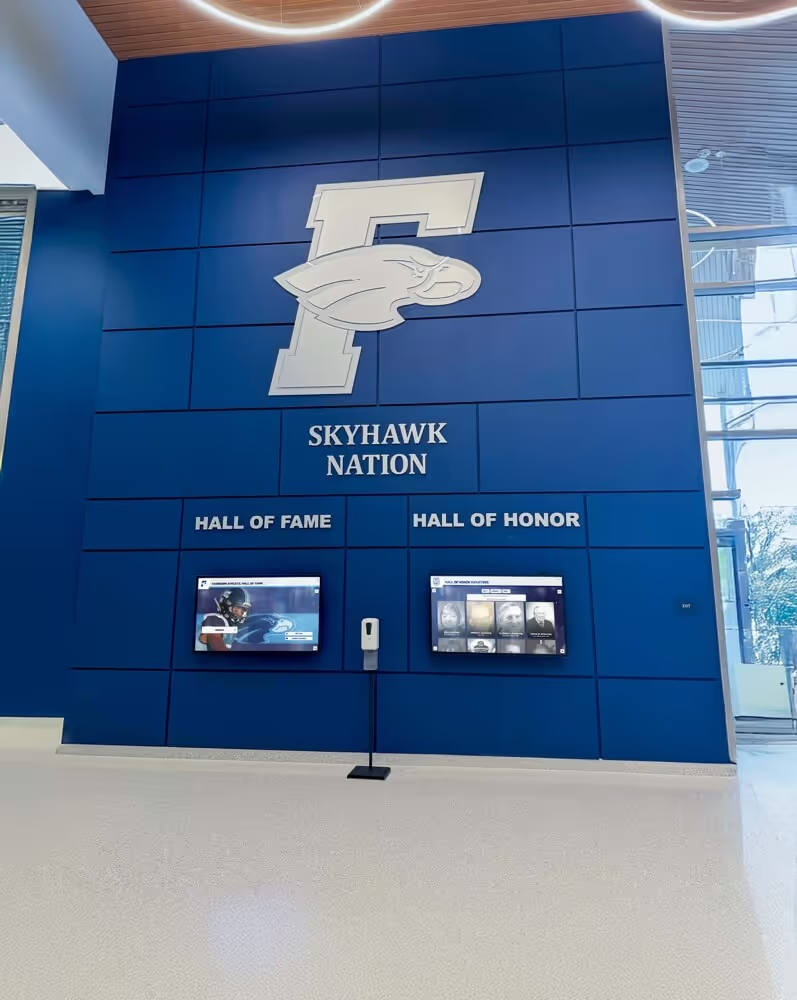
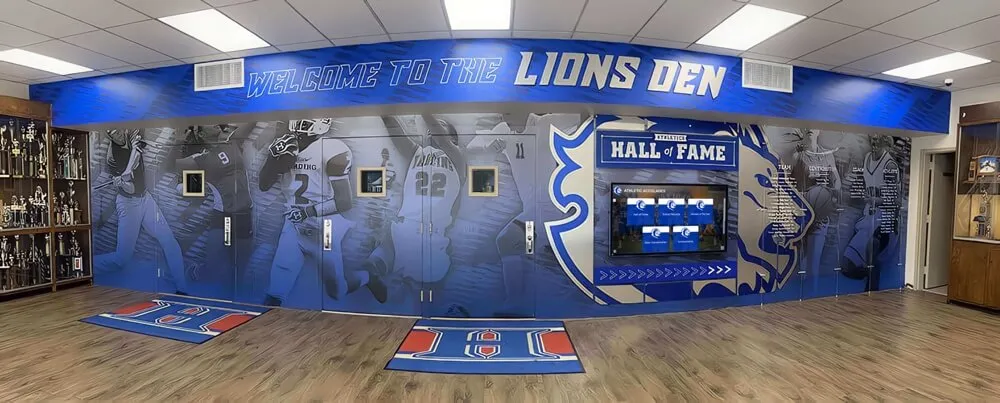
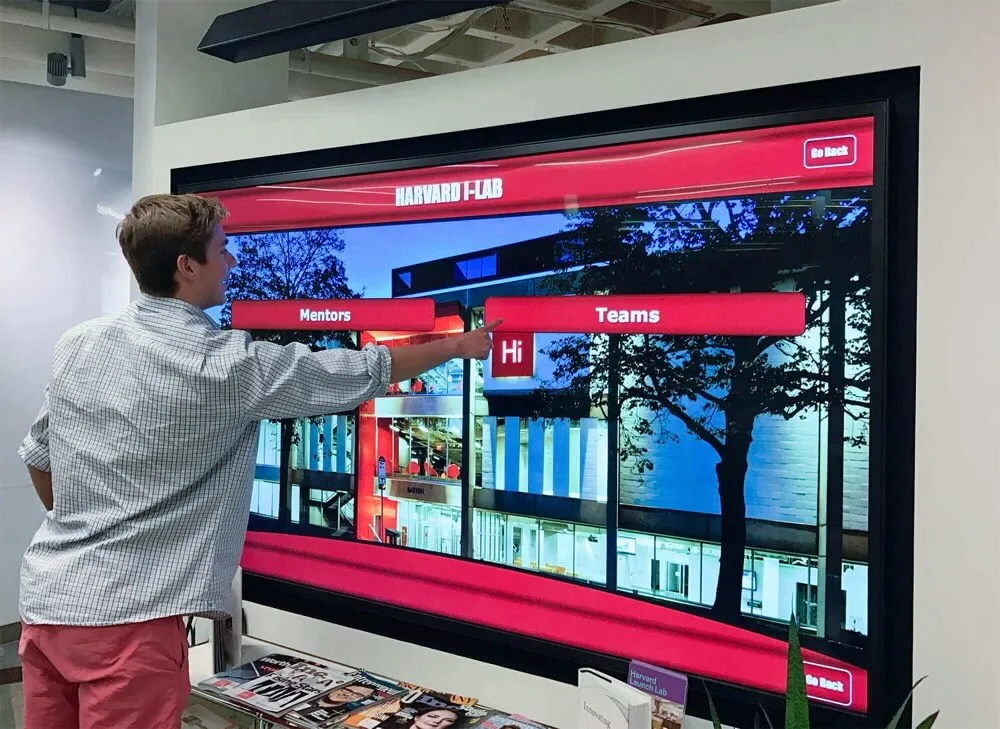
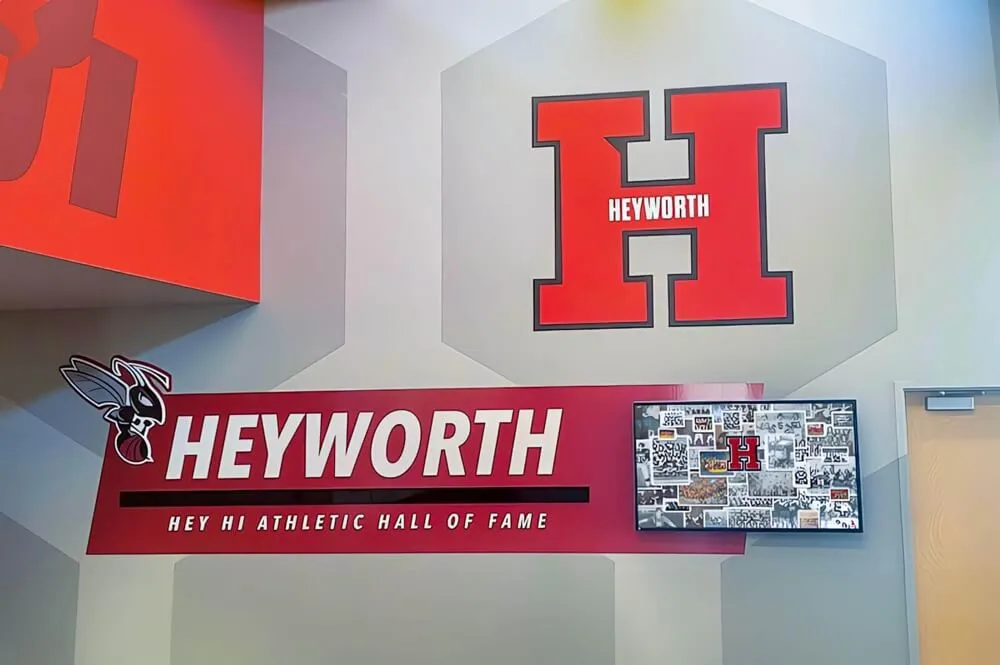
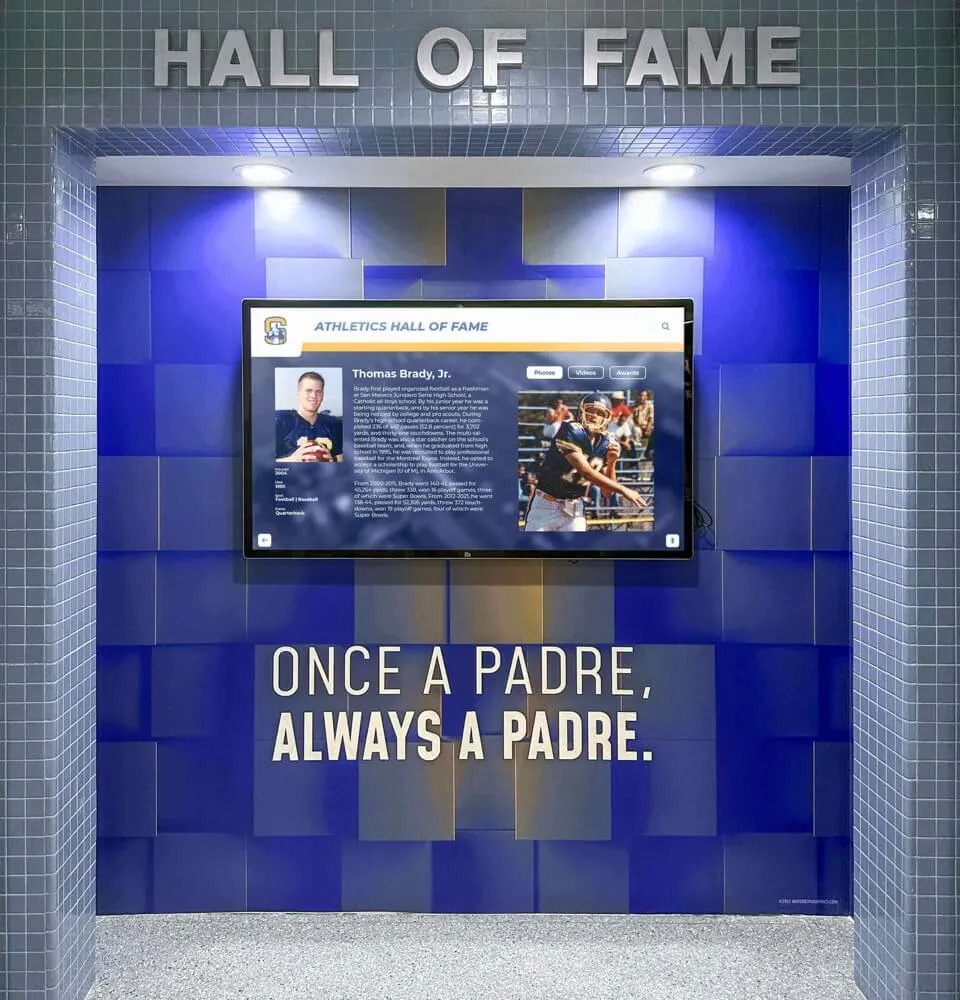
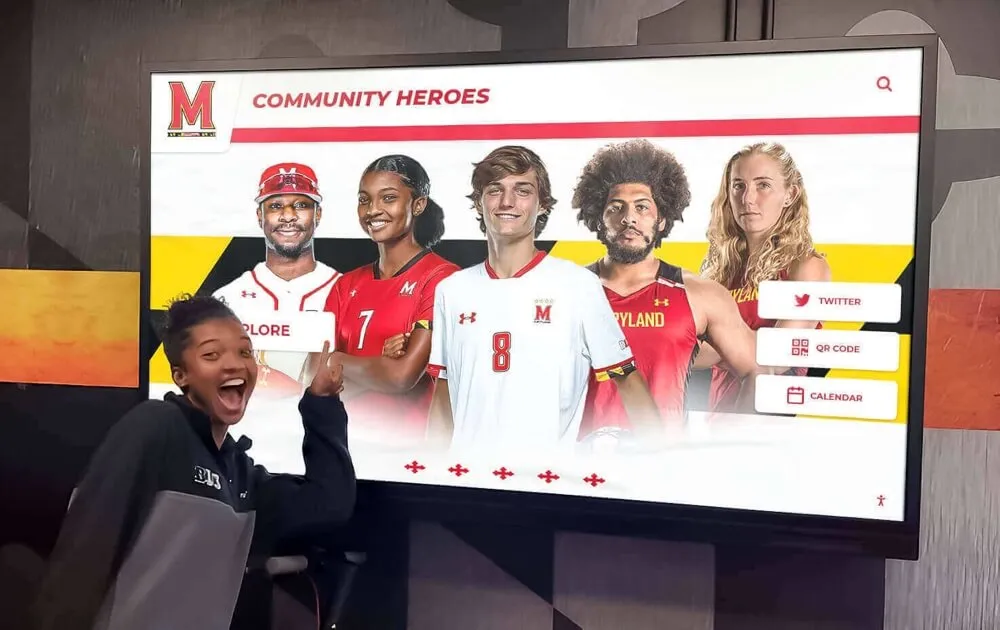
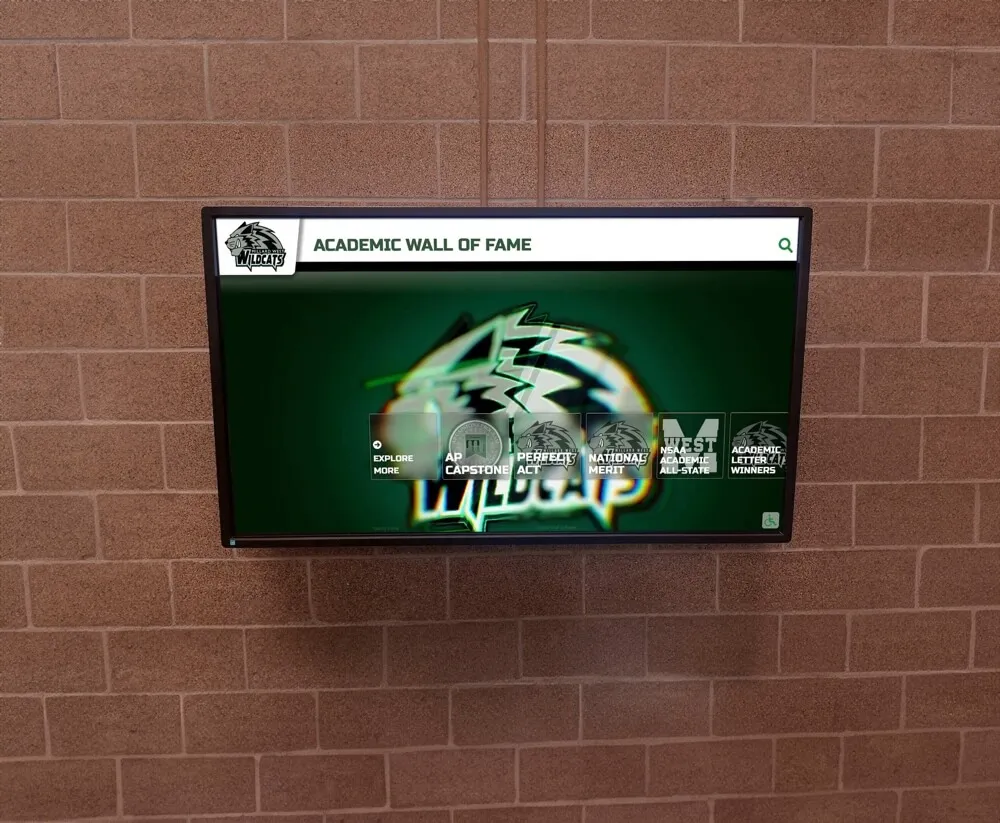
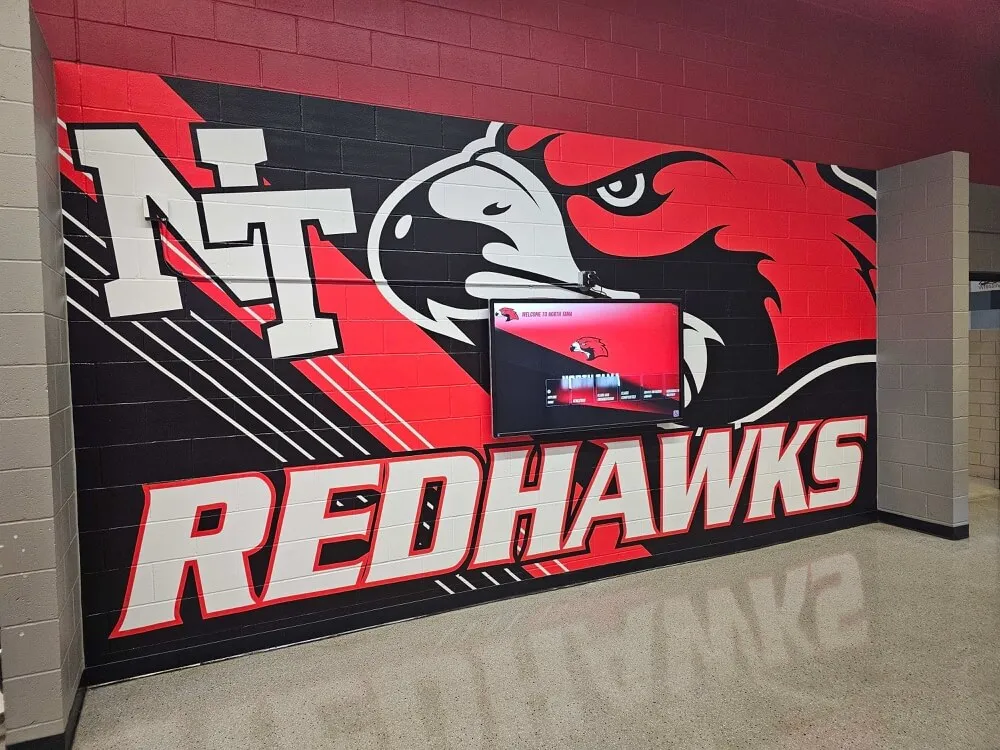
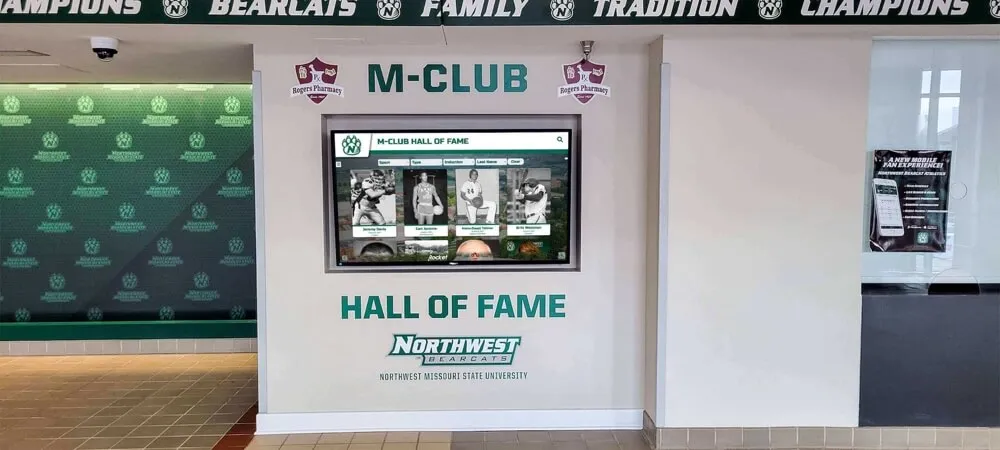
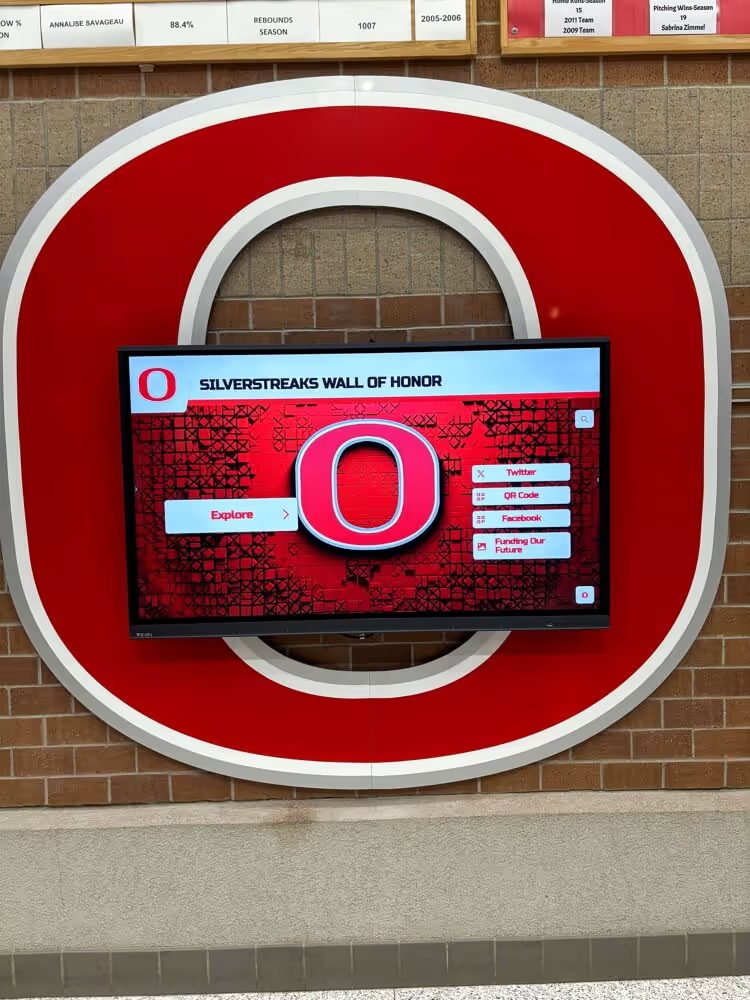
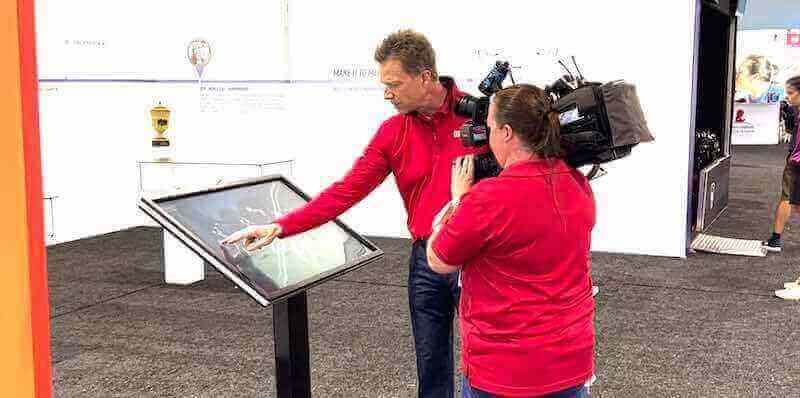
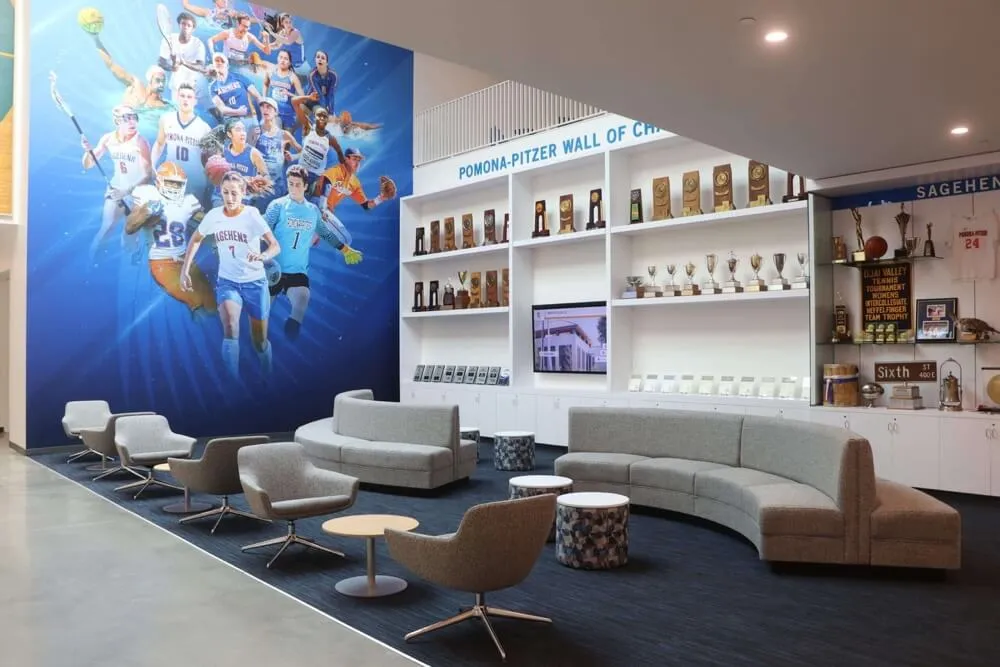
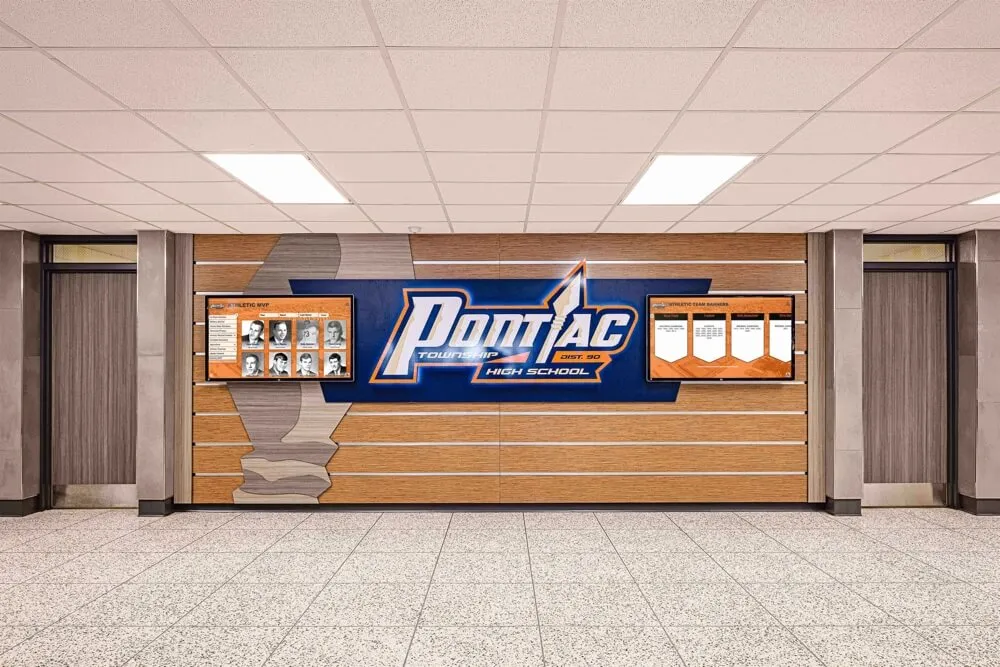
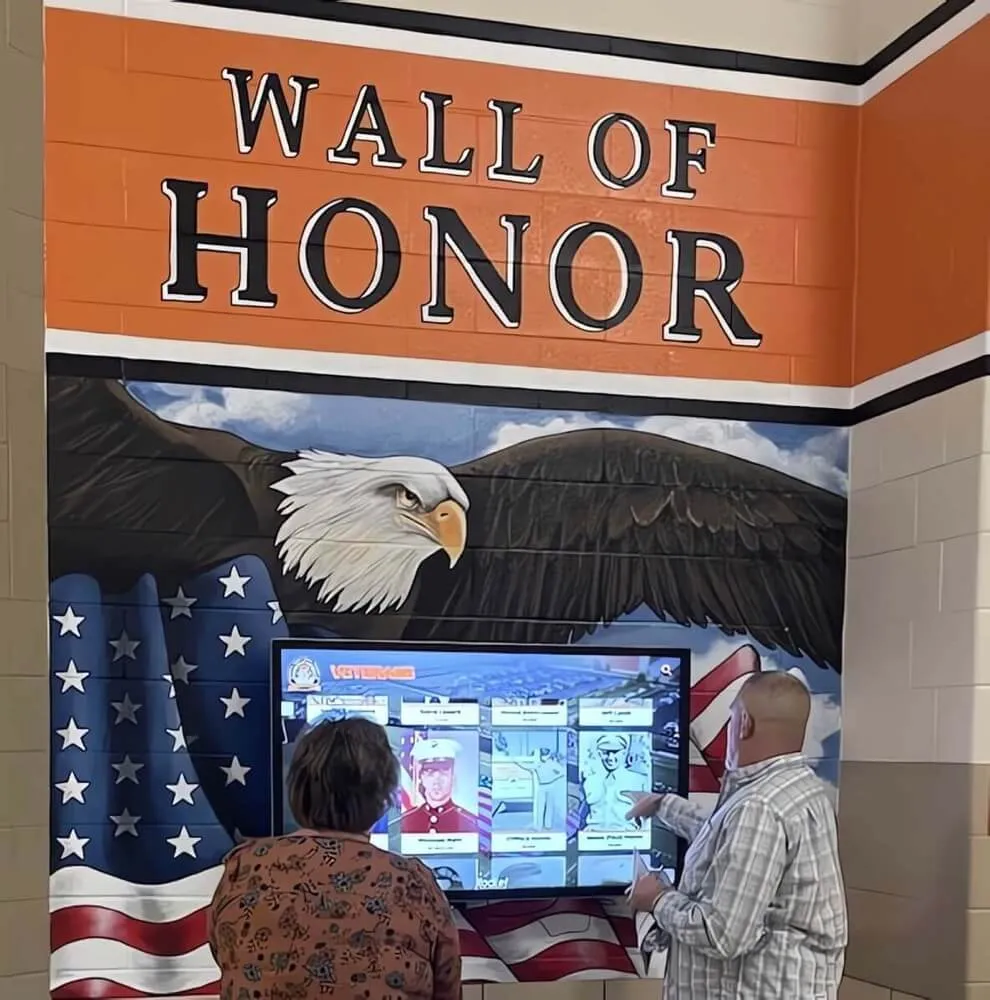
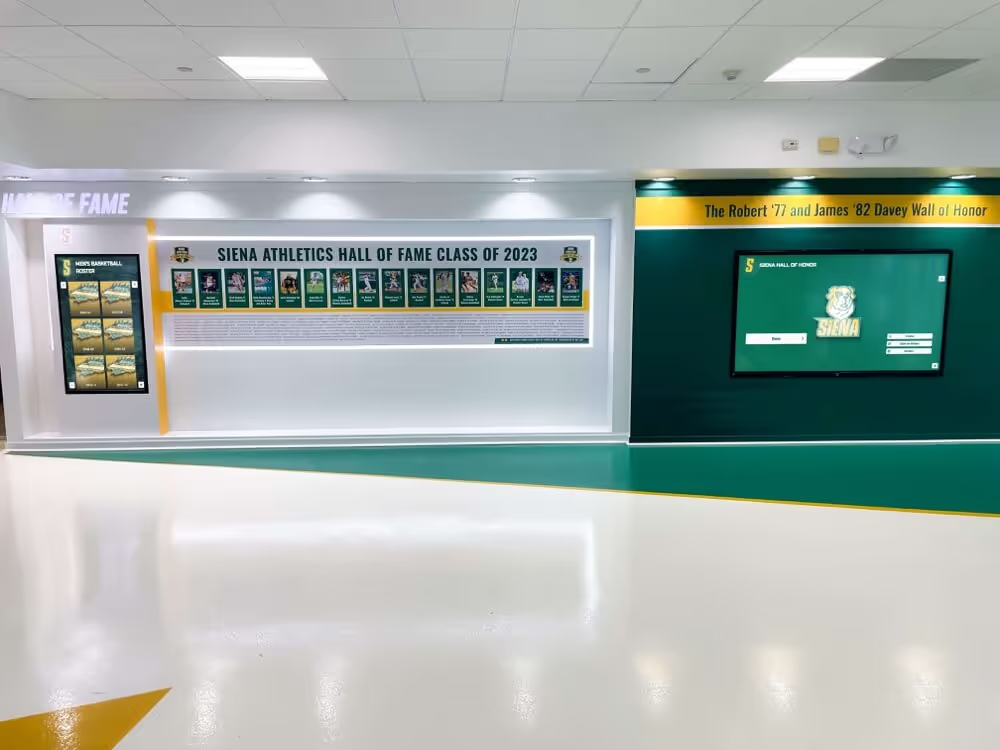
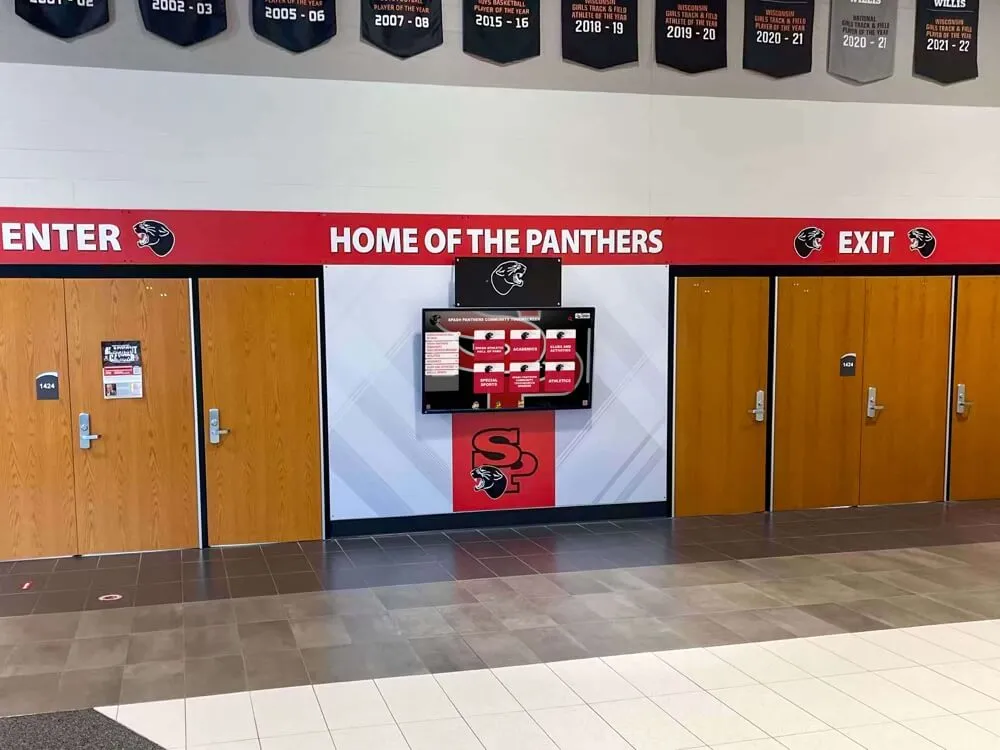
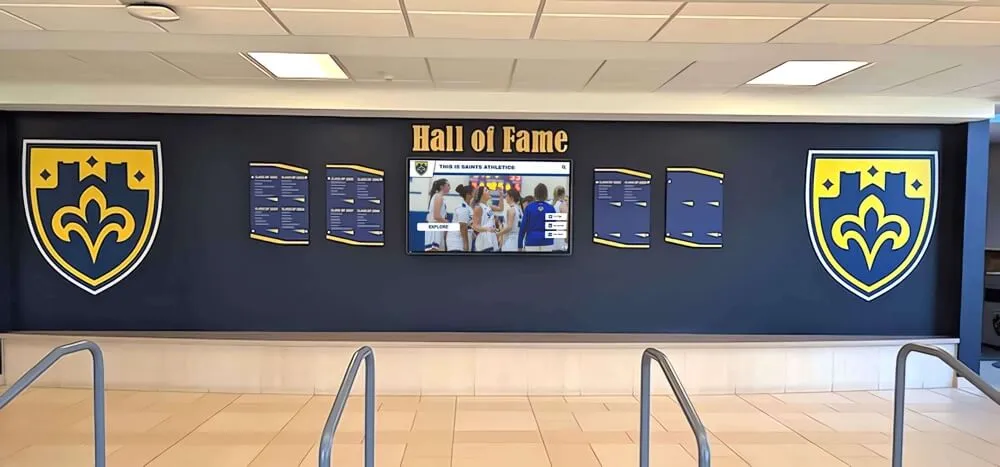
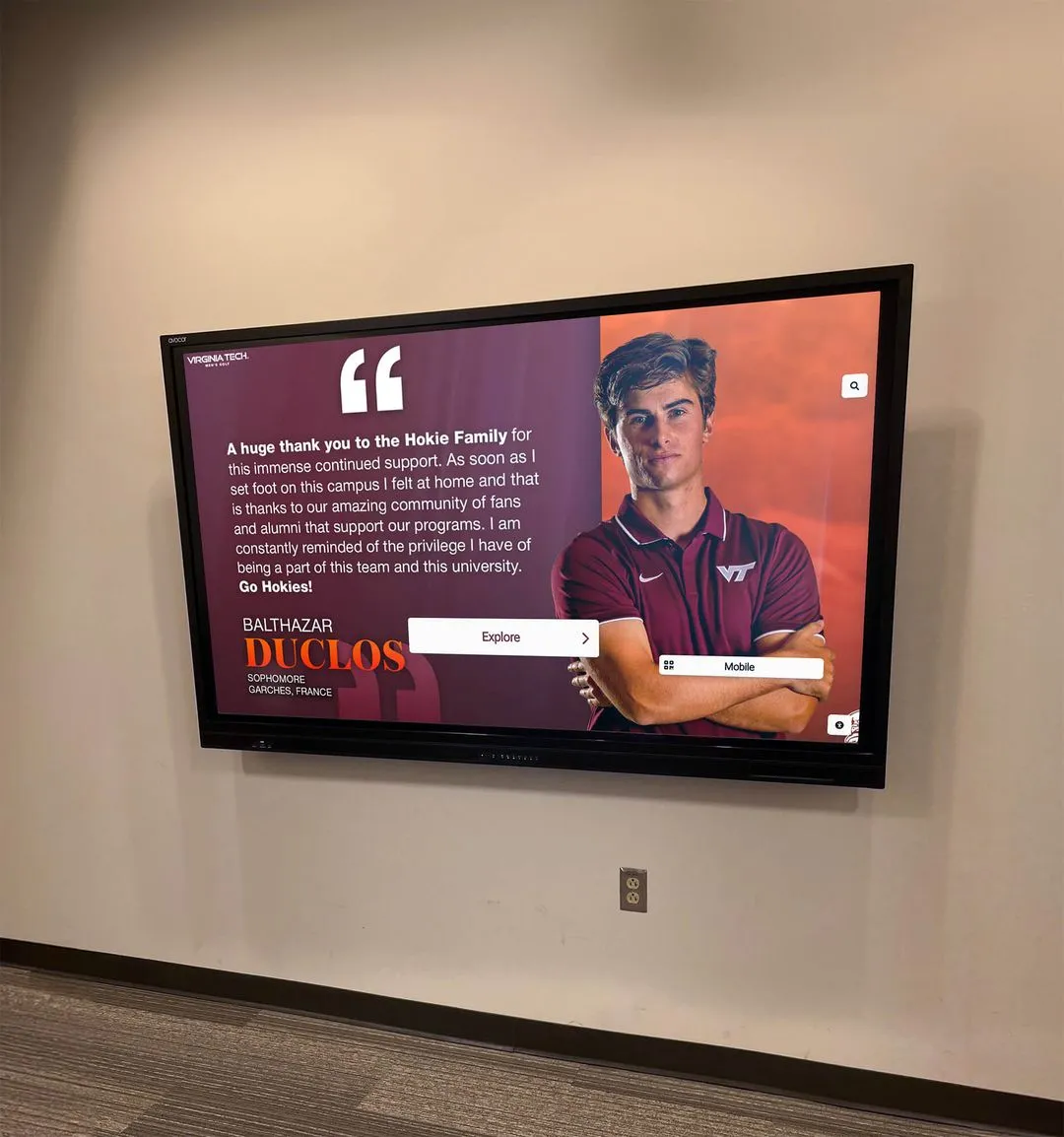
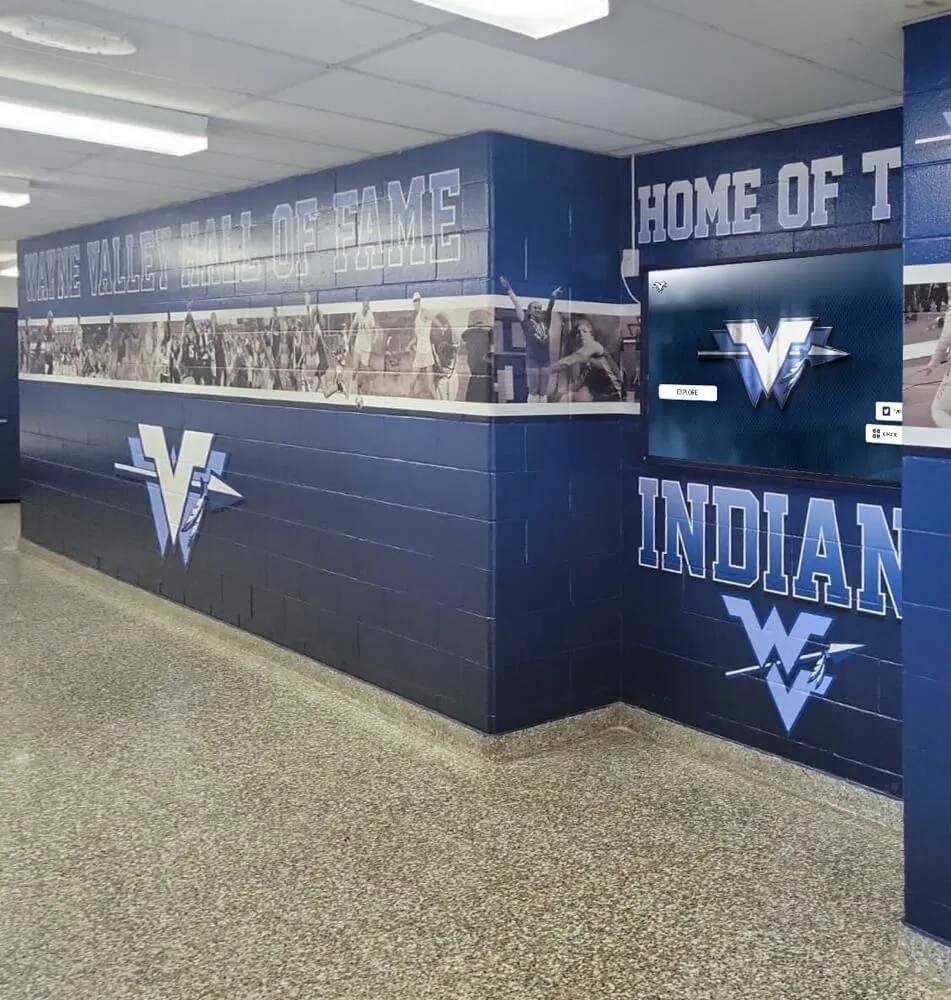
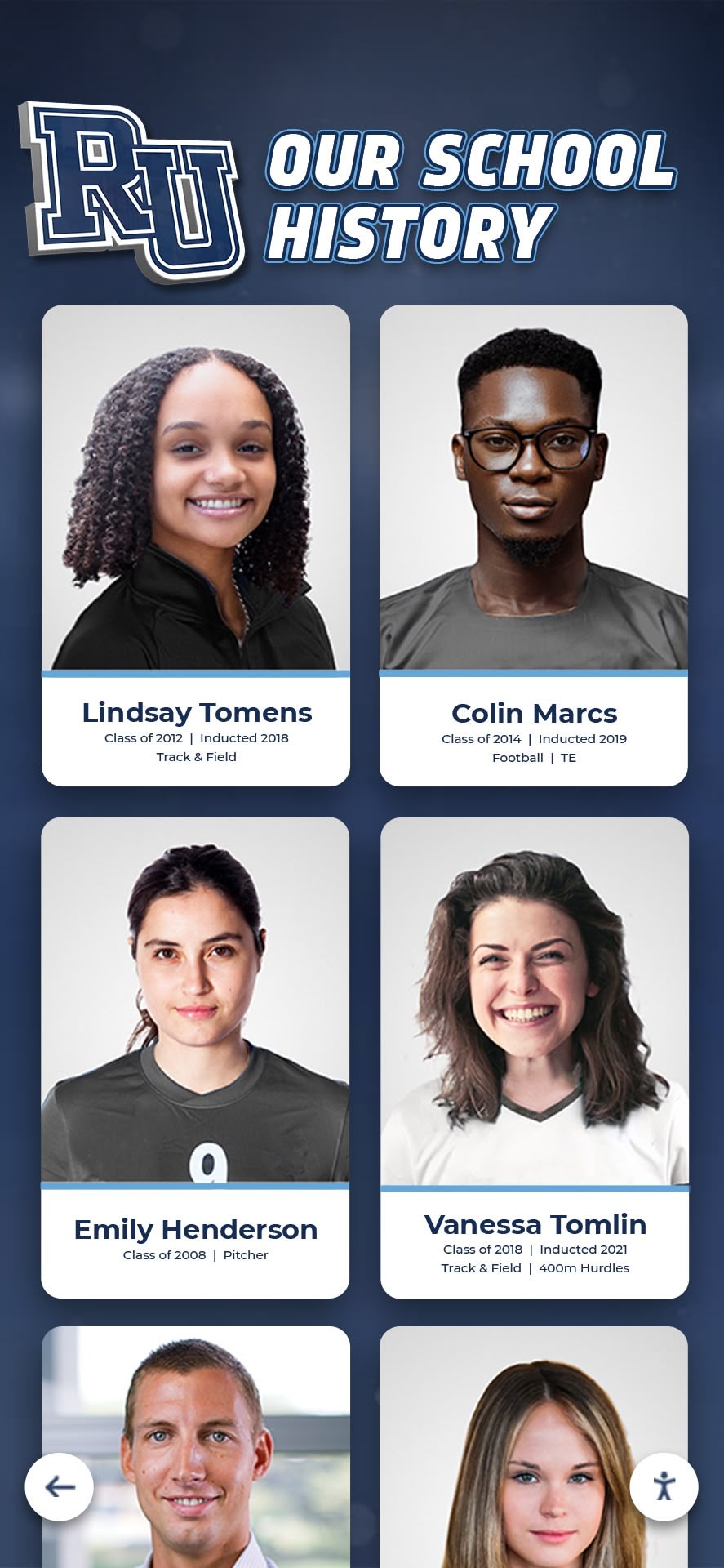
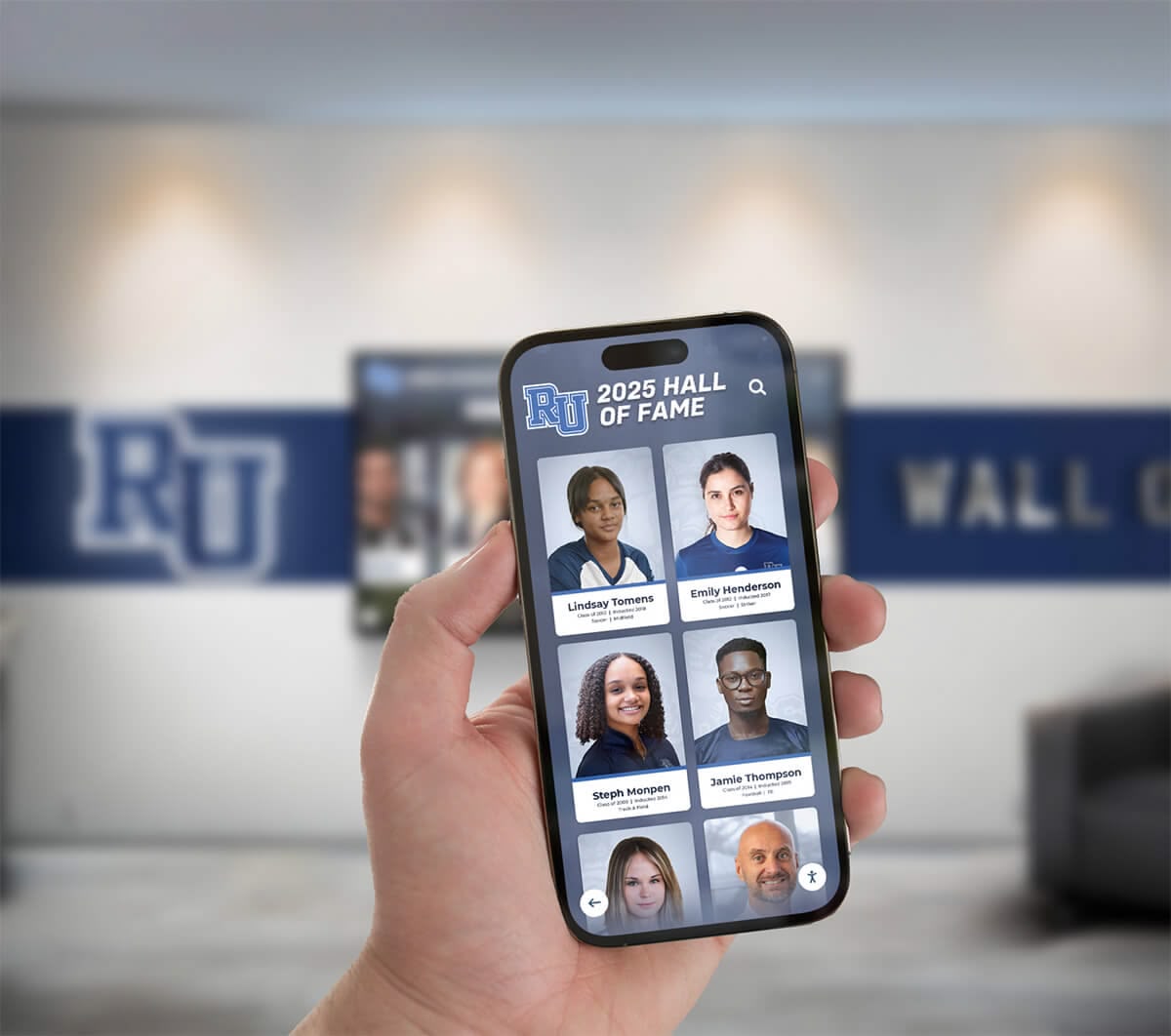
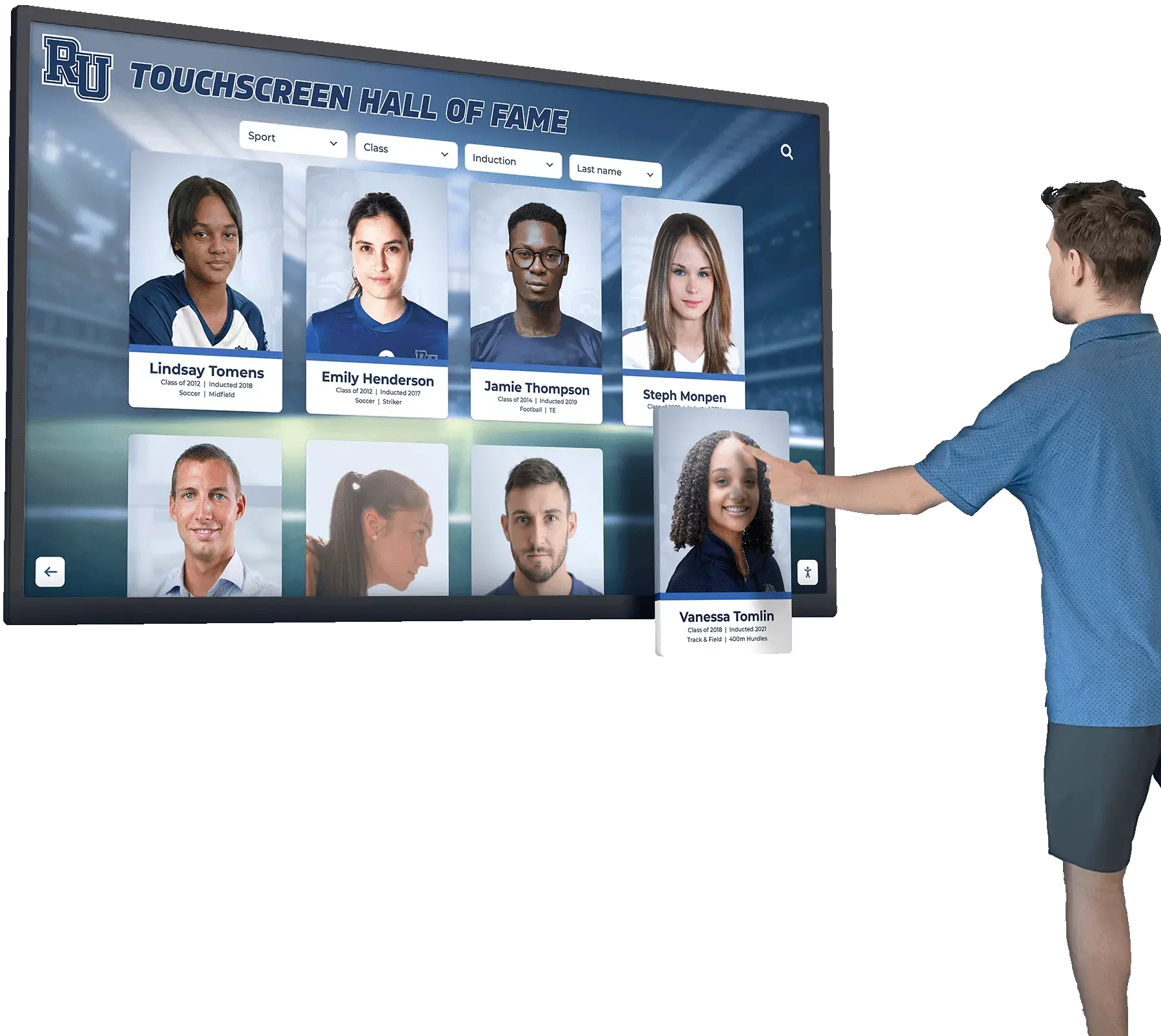
While 50-year reunions create memorable weekend celebrations, many schools now establish permanent recognition honoring milestone anniversary classes through digital displays that preserve class legacies, showcase attendee accomplishments, and create lasting tributes extending far beyond single-event gatherings. Modern alumni recognition solutions enable schools to honor golden anniversary classes through interactive displays featuring class histories, individual achievement profiles, reunion photos, and legacy contributions—transforming celebration weekends into permanent institutional recognition that inspires current students while honoring distinguished alumni who helped shape school traditions five decades ago.
Understanding What Makes 50-Year Reunions Unique
Before exploring specific celebration ideas, recognizing characteristics distinguishing golden anniversary reunions from earlier milestone gatherings helps organizers design appropriate events honoring this significant anniversary’s distinctive meaning.
The Significance of Five Decades
Fifty years represents more than arbitrary anniversary timing—it marks completion of half-century cycles carrying profound symbolic weight. Attendees often arrive in or approaching retirement, having completed career arcs, raised families, and accumulated life wisdom impossible at earlier reunion milestones. Many experience heightened mortality awareness, having lost classmates to illness, accidents, or natural causes, making gatherings with surviving peers feel increasingly precious.
This temporal distance creates unexpected emotional depth. Superficial high school social hierarchies that dominated 10- or 25-year reunions typically dissolve by the 50th anniversary, replaced by genuine appreciation for shared history transcending adolescent divisions. Former athletes and artists, popular students and quiet observers, academic achievers and vocational students recognize common bonds more readily, having gained perspective that youthful status competitions rarely determined adult success or happiness.
Attendee Demographics and Considerations
Fifty-year reunion attendees typically range from late 60s to mid 70s, bringing age-related considerations affecting event planning:
Mobility and Accessibility: Many classmates face mobility limitations requiring wheelchair accessibility, convenient parking near venues, minimal walking distances, comfortable seating with back support, and adequate restroom facilities. Event spaces must accommodate these practical needs without feeling institutional or highlighting limitations attendees may prefer not emphasizing.
Health and Dietary Requirements: Attendees managing diabetes, heart conditions, food allergies, and medication schedules require meal planning accommodating diverse dietary needs. Event timing should avoid conflicting with typical medication schedules or disrupting routines maintaining health stability.
Hearing and Communication: Age-related hearing loss affects many attendees, making venue acoustics critically important. Choose spaces with good sound systems, minimal background noise, and layouts enabling face-to-face conversation. Consider providing name tags with large, readable fonts including graduation photos helping classmates recognize peers whose appearances changed dramatically across five decades.
Travel Limitations: Long-distance travel proves more challenging for older adults. Consider multi-day reunion formats allowing out-of-town attendees to justify travel investments while creating opportunities for deeper reconnection impossible during single-evening events.
Emotional Resonance and Memory
Golden anniversary reunions carry heightened emotional significance as attendees recognize this may represent final opportunities to gather as classes. This awareness, while potentially melancholic, often produces profound appreciation for connections, shared history, and experiences shaping life trajectories.
Memory becomes both blessing and challenge—attendees cherish recalling shared experiences from youth while simultaneously facing reality that memories fade, classmates are forgotten, and details blur across five decades. Recognition programs honoring class history and individual journeys validate memories while filling gaps where recollection proves incomplete.
Comprehensive 50-Year Class Reunion Ideas
Successful golden anniversary reunions balance nostalgic reflection with forward-looking celebration, formal recognition with casual socializing, and inclusive activities accommodating diverse attendee interests and capabilities.
Memory and Recognition Display Ideas
Creating tangible exhibits documenting class history and individual achievement provides focal points generating conversation while honoring collective accomplishments across five decades.
1. Interactive Alumni Timeline Display
Develop comprehensive timelines chronicling significant events from graduation year through present, including historical context (presidents, cultural moments, technological advances) alongside class-specific milestones (previous reunions, notable achievements, classmate accomplishments). Digital timeline displays enable interactive exploration where attendees can browse different decades, search for specific events, and contribute memories or photos enriching historical documentation.
2. Classmate Achievement Wall
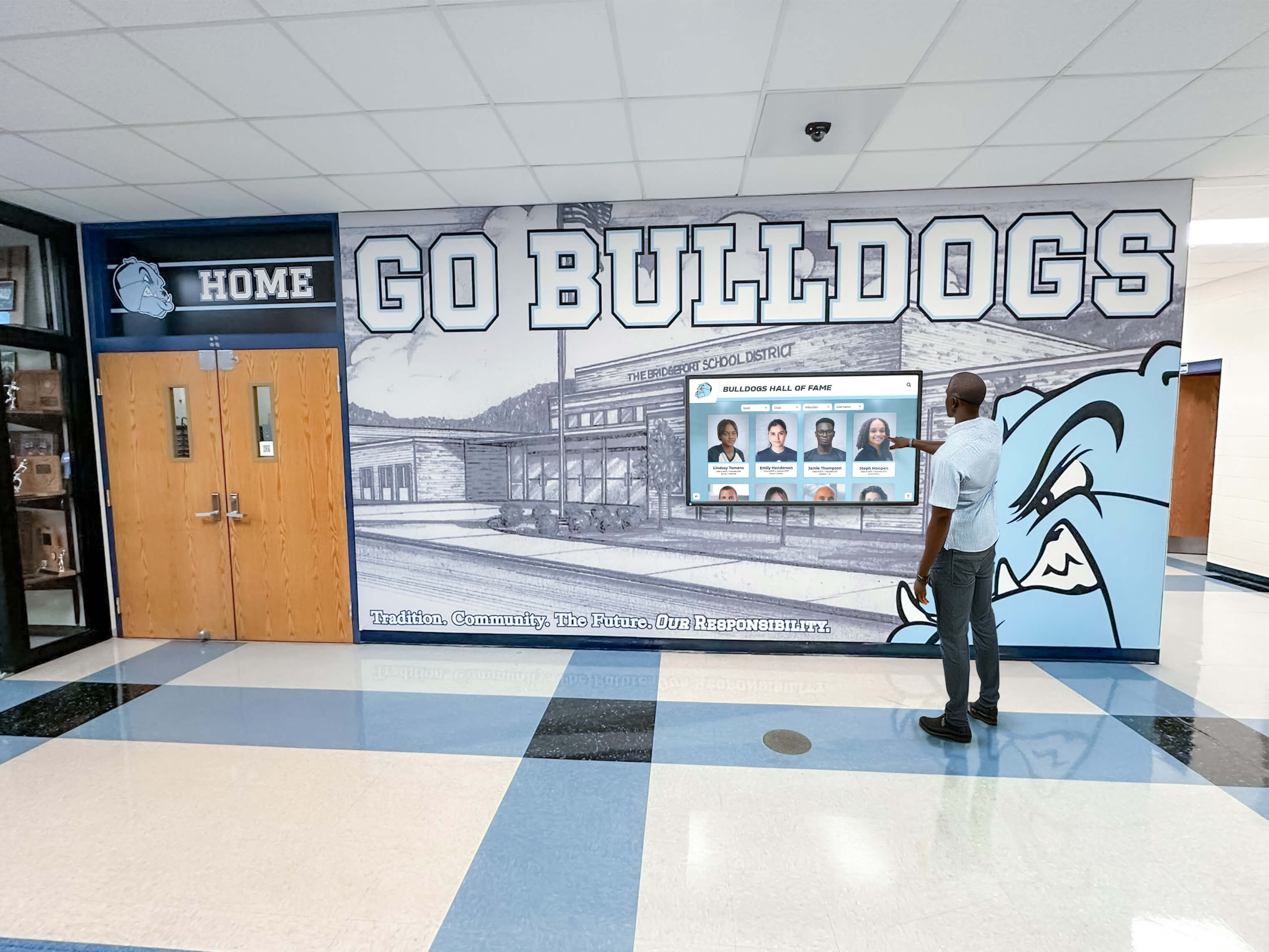
Create displays recognizing individual accomplishments across diverse domains—career achievements, community service, family milestones, creative pursuits, and personal triumphs. This comprehensive recognition honors varied success definitions, celebrating classmates who became teachers alongside those who founded businesses, those who raised families alongside those who served communities, and those who pursued artistic passions alongside those who achieved athletic distinction. Recognition acknowledging diverse excellence ensures all attendees feel valued regardless of conventional success markers.
3. Senior Year Memory Gallery
Assemble photo collections documenting graduation year—yearbook pages, newspaper clippings, athletic team photos, performing arts programs, club pictures, and candid snapshots capturing daily school life. Organize galleries by categories (athletics, academics, arts, activities, social events) enabling classmates to explore areas where they participated while discovering contexts they never experienced during school years. This comprehensive documentation preserves collective memory while revealing school’s full scope beyond individual perspectives.
4. Then and Now Photo Comparison Display
Create side-by-side displays pairing graduation photos with current images, allowing classmates to appreciate both continuity and change across five decades. This visual comparison generates conversation, humor, and reflection while helping attendees recognize peers whose appearances transformed dramatically. Consider creating digital displays where attendees can search by name, browse alphabetically, or explore randomly, making recognition easier while creating interactive engagement.
5. Class Legacy Contribution Recognition
Honor classmates who maintained connections with schools through decades following graduation—serving on boards, establishing scholarships, mentoring students, attending events, or contributing financially to institutional advancement. This recognition acknowledges that some classmates invested significantly in preserving and advancing institutions that shaped their formative years, creating legacies benefiting generations of students who followed.
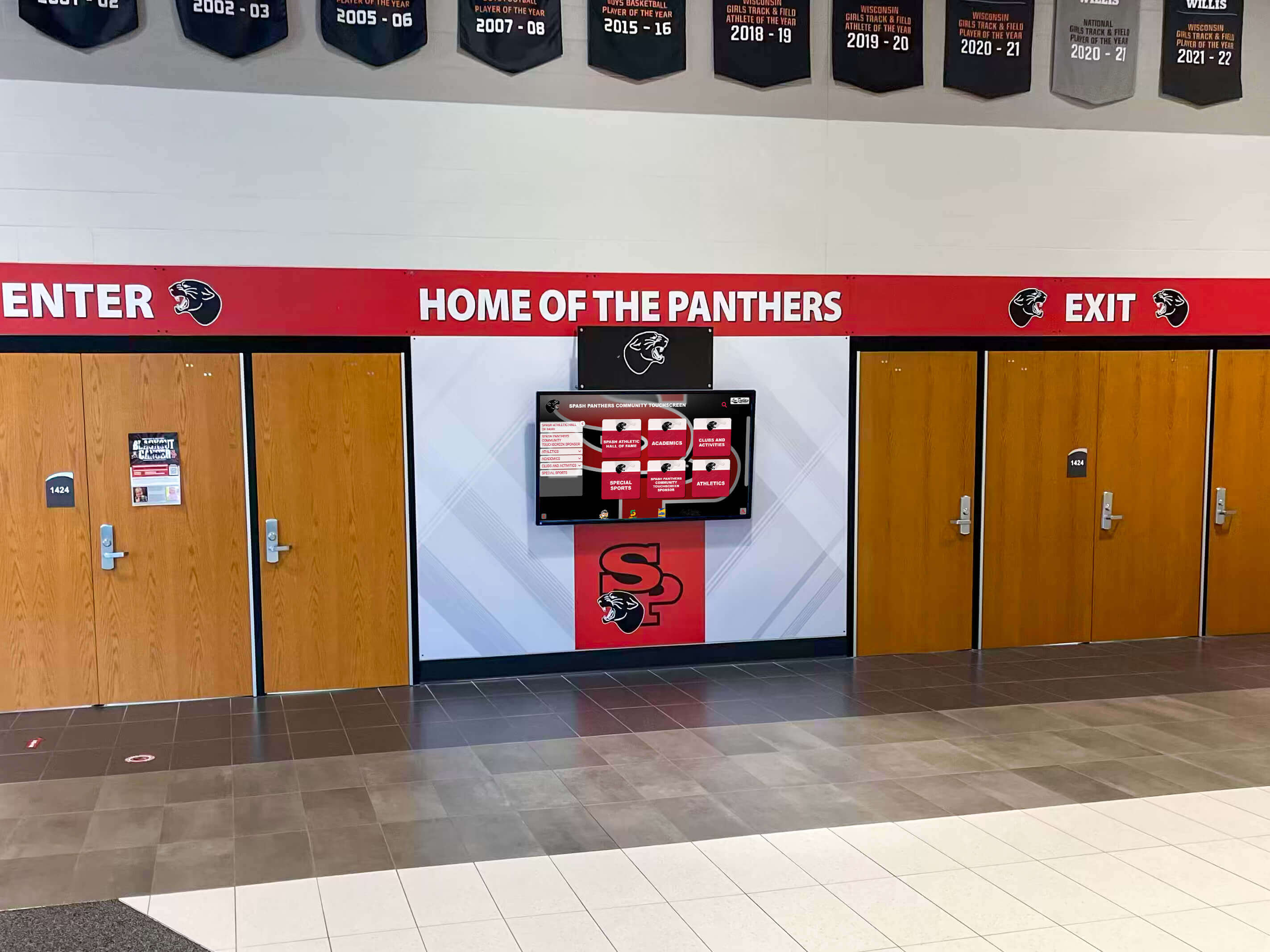
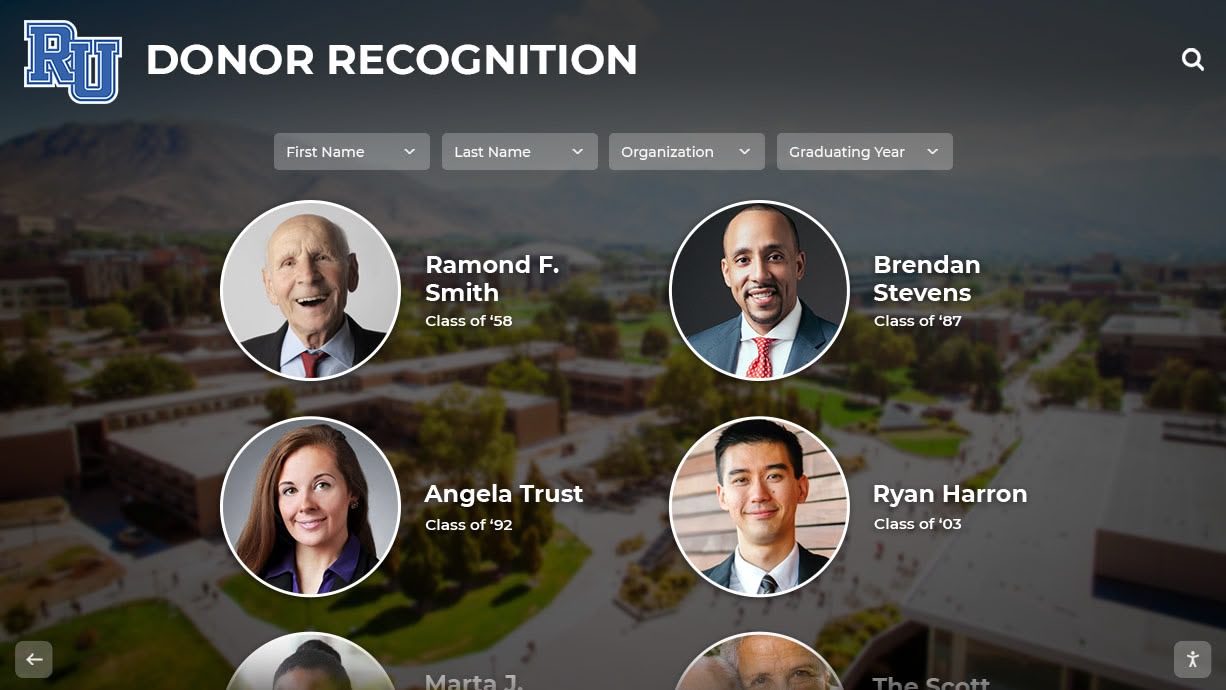
Many schools implement permanent digital recognition displays honoring milestone anniversary classes, transforming reunion celebration into lasting institutional recognition visible year-round to current students, visiting alumni, and community members.
Venue and Event Format Ideas
Location choices and event structures significantly influence reunion atmosphere and attendee experience.
6. Return to Campus Celebrations
Host reunions on school grounds when possible, allowing classmates to walk familiar hallways, visit former classrooms, explore updated facilities, and reconnect with physical spaces holding memories. Campus visits prove particularly meaningful at 50-year milestones when dramatic facility changes highlight institutional evolution across five decades. Coordinate with current administrators to arrange campus tours, potentially including interactions with current students who can share perspectives on contemporary school culture.
7. Historic Venue Celebrations
Choose venues with personal significance to class members—restaurants where students gathered, parks hosting memorable events, community centers witnessing important moments, or historic buildings connecting to local heritage. Meaningful locations enhance nostalgia while creating atmosphere supporting reflection and reminiscence.
8. Multi-Day Reunion Formats
Extend reunions beyond single events to multi-day celebrations accommodating long-distance travelers while creating varied activities appealing to diverse interests. Weekend formats might include Friday evening casual gatherings, Saturday formal dinners and recognition ceremonies, Sunday morning brunches and farewells, with optional activities (golf tournaments, facility tours, memorial services) throughout. Extended formats allow deeper reconnection impossible during rushed single-evening events.
9. Outdoor Gathering Options
Weather permitting, outdoor venues—pavilions, gardens, lakefront facilities, historic estates—provide pleasant settings for socializing while accommodating larger groups than indoor spaces might allow. Outdoor venues often feature better acoustics for conversation than echo-prone indoor facilities, though organizers must prepare backup indoor options for weather contingencies.
10. Progressive Event Formats
Structure reunions as progressive experiences moving through multiple locations or venues throughout evenings. Begin with campus tours or memory galleries, transition to cocktail receptions with informal socializing, continue with seated dinners featuring recognition programs, and conclude with casual after-parties for those desiring extended celebration. Progressive formats create natural transitions between formal and informal activities while accommodating varied attendee preferences and stamina levels.
Activity and Programming Ideas
Thoughtful programming balances structure with flexibility, providing meaningful shared experiences while allowing organic conversation and reconnection.
11. Memory Sharing Circles
Create structured opportunities for classmates to share memories, reflections, and stories from school years and intervening decades. Facilitated sharing circles—organized by themes (favorite teachers, memorable events, biggest challenges, proudest moments)—give voice to quieter classmates who might not speak spontaneously while creating collective storytelling that enriches shared narrative. Consider recording these sessions, preserving oral histories documenting experiences beyond official records.
12. Classmate Recognition Ceremonies
Honor classmates through formal recognition acknowledging significant achievements, service contributions, or simply sustained connection to class communities. Recognition categories might include distinguished career achievement, community service excellence, family legacy (most grandchildren, multiple generations attending school), distance traveled to attend reunion, or special tribute awards honoring particular individuals who maintained class connections across decades.
13. Memorial Tributes
Reserve time honoring deceased classmates through dignified memorial programs. Create displays featuring photos, brief biographies, and memorable quotes about those lost. Consider lighting candles, reading names, sharing memories, or observing moments of silence. Memorial recognition acknowledges loss while celebrating lives and contributions of absent classmates who remain part of class identity despite physical absence.
14. Scholarship Establishment Programs
Launch scholarship funds honoring graduating classes, creating lasting legacies benefiting future students while providing meaningful ways for classmates to pool resources toward shared causes. Announce scholarship establishment during reunions, encourage contributions, and explain how future students will benefit from class generosity. This forward-looking legacy creation balances nostalgic reflection with tangible support for institutional futures.
15. Video Message Compilations
For classmates unable to attend, create video message compilations allowing remote participation. Absent classmates record greetings, memories, and well-wishes, which organizers compile and present during reunions. This inclusive approach acknowledges classmates prevented from attending by health, distance, or circumstance while allowing their presence through recorded messages maintaining connections despite absence.
Social and Entertainment Ideas
Engaging activities create relaxed atmospheres conducive to conversation while providing entertainment appealing to diverse preferences.
16. Music from the Era
Hire bands or DJs specializing in music from graduation years and surrounding decades. Music from formative years triggers powerful memories and emotions while providing natural conversation starters about concerts attended, favorite artists, and musical preferences. Consider creating custom playlists featuring songs popular during school years, supplementing live entertainment with curated recordings ensuring continuous nostalgic ambiance.
17. Decade-Themed Entertainment
Extend musical nostalgia through comprehensive decade-themed celebrations incorporating fashion, cultural references, and entertainment styles from graduation eras. Encourage period-appropriate attire, display decade-specific memorabilia, screen popular films or television clips from the time, and incorporate slang, catchphrases, and cultural touchstones triggering collective memory and creating immersive nostalgic experiences.
18. Trivia Competitions
Organize trivia contests testing knowledge of school history, graduation year events, popular culture from the era, and classmate-specific facts. Trivia creates competitive fun while sparking memories and conversations. Consider team formats encouraging interaction among classmates who may not know each other well, facilitating new connections while celebrating shared knowledge.
19. Photo Booth Experiences
Provide photo opportunities—traditional booths, green screen setups with school-themed backgrounds, or professional photographers—creating keepsake images documenting reunions. Instant prints allow classmates to exchange photos as personal mementos while digital versions facilitate social media sharing extending reunion celebration to broader networks. Consider incorporating graduation year props, school mascot elements, or nostalgic set dressing enhancing photo entertainment value.
20. Dance and Social Activities
Dedicate space and time for dancing, particularly to music from graduation years when attendees were most active dancers. While mobility limitations may restrict some participation, many classmates enjoy opportunities to dance despite reduced stamina or flexibility. Create welcoming dance floor atmospheres avoiding pressure while making movement-based celebration accessible to interested attendees.
Communication and Reunion Preparation Ideas
Success begins long before reunion days, requiring effective communication strategies and inclusive planning approaches.
21. Comprehensive Classmate Tracking
Invest significant effort locating all classmates regardless of whether they maintain regular contact with school or class communities. Alumni engagement strategies including social media searching, address databases, previous reunion records, and networking through found classmates help identify even difficult-to-locate individuals. Comprehensive outreach demonstrates that all classmates matter regardless of participation in previous reunions or sustained school connections.
22. Multi-Channel Communication
Recognize that classmates consume information through varied channels—some prefer email, others Facebook, others traditional mail, and some phone calls. Implement multi-channel communication strategies ensuring information reaches all classmates through their preferred methods. Redundant communication across multiple platforms may feel excessive to digitally connected individuals but proves essential for reaching less technologically engaged classmates.
23. Inclusive Planning Committees
Form reunion planning committees representing diverse perspectives—those who participated in different activities, represented varied social circles, maintained different connection levels with schools, and bring different planning skills. Inclusive committees prevent planning that unconsciously favors particular subgroups while ensuring reunion programs appeal to broad classmate populations rather than narrow interests.
24. Advanced Planning Timelines
Begin planning 18-24 months before golden anniversary reunions, allowing adequate time for classmate location, venue booking, committee formation, fundraising if necessary, and comprehensive communication. Rushed planning typically produces disappointing outcomes while extended timelines enable thoughtful decision-making and thorough preparation.
25. Pre-Reunion Information Gathering
Collect updated information from classmates before reunions—current photos, brief biographies, career summaries, family information, favorite school memories, and current locations. This advance information enables creating comprehensive programs, memory books, digital displays, and name tags with relevant details facilitating recognition and conversation. Information gathering also maintains engagement during planning phases, building anticipation before actual reunions.
Memorial and Legacy Ideas
Creating lasting recognition extending beyond reunion weekends provides meaningful ways to honor classes while benefiting institutions.
26. Permanent Class Recognition Displays
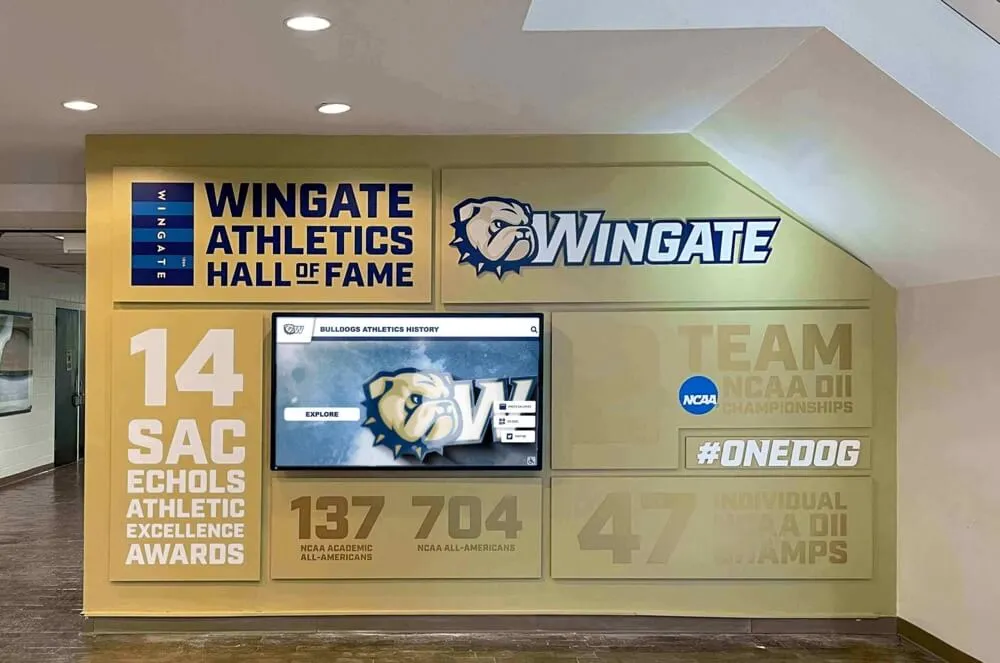
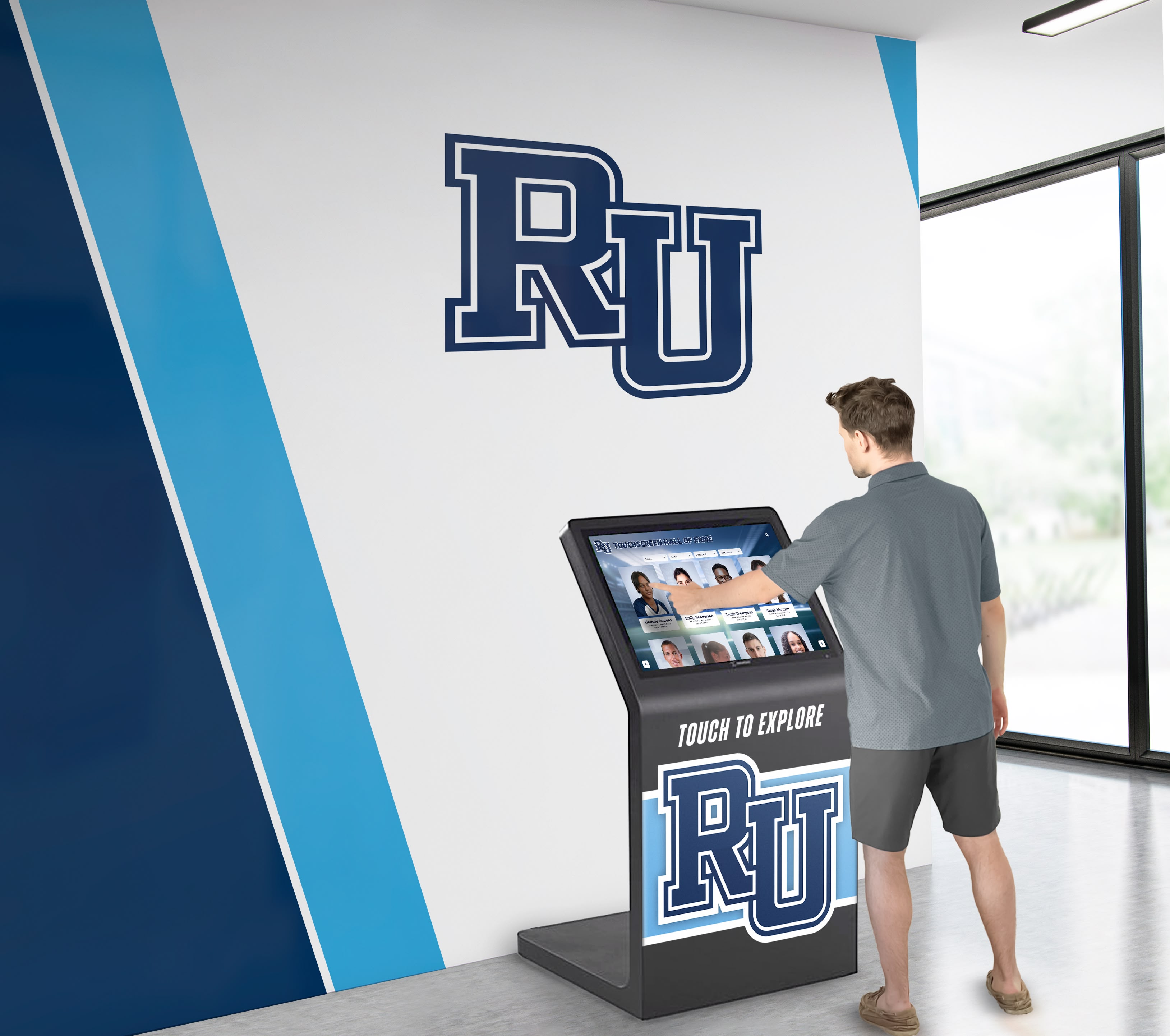
Establish permanent recognition on school campuses honoring 50-year anniversary classes. Whether traditional plaques, brick pavers, named spaces, or digital recognition displays, permanent recognition creates lasting visibility for classes long after reunion weekends conclude. This institutional acknowledgment validates class contributions while creating tangible evidence of connection between past graduates and current student communities.
27. Time Capsule Creation
Assemble time capsules documenting 50-year reunion experiences—programs, photos, videos, written reflections, predictions for future decades, and memorabilia representing current era. Designate opening dates (perhaps 75th anniversaries or 100th class anniversaries) when future generations can explore documentation of golden anniversary celebrations, creating continuity connecting past, present, and future.
28. Digital Archive Development
Create comprehensive digital archives preserving class history—yearbook scans, reunion photos from all previous gatherings, classmate profiles, historical documents, and multimedia content. Digital preservation ensures materials survive physical deterioration while making content accessible to geographically dispersed classmates unable to access physical archives. Consider partnering with schools to incorporate class materials into broader institutional digital archives preserving history comprehensively.
29. Memorial Scholarship Endowments
Establish endowed scholarships honoring deceased classmates while creating perpetual financial support for future students. Memorial scholarships transform grief into positive legacy while maintaining connections between graduating classes and institutions. Consider class-wide fundraising creating general class scholarship funds rather than individual memorial scholarships, pooling resources for greater impact while honoring all deceased classmates collectively.
30. Legacy Gift Campaigns
Coordinate class gift initiatives supporting specific institutional needs—facility renovations, program support, technology upgrades, or unrestricted operating funds. Unified class giving demonstrates collective commitment to institutional futures while potentially achieving giving participation rates that bring honor to classes through competitive advancement metrics. Frame legacy gifts as investments in future students rather than nostalgic gestures, emphasizing forward-looking impact of reunion-year philanthropy.
Practical Logistics and Accessibility Ideas
Thoughtful attention to practical details significantly influences reunion success and attendee satisfaction.
31. Transportation Coordination
Arrange group transportation when reunions occur in multiple venues or when significant distances separate lodging from event locations. Coordinated transportation eliminates driving concerns for those uncomfortable with unfamiliar areas, unfamiliar with changed geography since leaving communities, or preferring to drink alcohol during celebrations. Transportation coordination demonstrates consideration for practical attendee needs while reducing liability concerns.
32. Lodging Block Arrangements
Negotiate hotel room blocks at convenient locations offering competitive rates. Centralized lodging facilitates informal gatherings beyond scheduled programming while simplifying logistics for out-of-town attendees unfamiliar with current local options. Provide clear booking instructions with reservation deadlines ensuring classmates secure preferential rates.
33. Dietary Accommodation
Survey attendees regarding dietary restrictions, allergies, and preferences well before events. Work with caterers ensuring adequate options for vegetarian, vegan, gluten-free, kosher, halal, and other dietary requirements. Thoughtful food planning prevents situations where attendees with restrictions find nothing appropriate to eat, ensuring inclusive dining experiences accommodating diverse needs.
34. Large Print Materials
Produce all reunion materials—programs, name tags, memory books, signage—in large, easily readable fonts accommodating age-related vision changes. Consider materials in high-contrast color combinations (dark text on light backgrounds) enhancing readability. Small fonts that younger eyes read easily often prove challenging for attendees in their 70s, making generous font sizing essential for accessibility.
35. Comfortable Seating Arrangements
Ensure adequate, comfortable seating throughout event spaces. Avoid extended periods requiring standing, provide chairs with backs rather than benches, and arrange seating facilitating conversation without shouting across large tables. Consider assigning seating mixing classmates strategically—pairing those who knew each other well with those from different social circles—encouraging broader interaction than self-selected seating typically produces.
Technology and Digital Engagement Ideas
Modern technology creates opportunities for enhanced engagement, broader participation, and lasting documentation.
36. Reunion Websites
Develop dedicated reunion websites serving as information hubs—communicating details, collecting registrations, gathering classmate updates, sharing planning progress, and maintaining engagement during lead-up periods. Websites provide centralized information access while creating forums for classmate interaction building anticipation before actual events.
37. Social Media Groups
Establish private social media groups (Facebook groups, Instagram accounts, LinkedIn groups) facilitating classmate connections before, during, and after reunions. Social platforms enable photo sharing, conversation threads, planning updates, and sustained engagement impossible through traditional communication methods. However, recognize not all classmates use social media, requiring communication redundancy across multiple channels.
38. Virtual Participation Options
Provide live streaming or recorded video for classmates unable to attend in person due to health, distance, or financial constraints. Virtual participation acknowledges that 50-year reunions coincide with life stages when travel proves difficult for many, allowing broader participation despite attendance barriers. Consider interactive elements enabling remote attendees to submit questions, share messages, or participate in programming despite physical absence.
39. Professional Photography and Videography
Hire professional photographers and videographers documenting reunion events comprehensively. Professional documentation creates high-quality keepsakes while relieving attendees of recording responsibilities, allowing fuller engagement in experiences rather than viewing events through phone screens. Provide professional images and videos to all classmates after events, including those unable to attend who can experience celebrations virtually through quality documentation.
40. Digital Memory Collection
Create platforms for ongoing memory and photo sharing extending beyond reunion weekends. Digital repositories where classmates continuously upload photos, share stories, and contribute memories maintain engagement between milestone reunions while creating growing archives preserving class history comprehensively. Cloud-based solutions ensure accessibility regardless of geographic location while providing security that physical archives lack.
Inclusive Programming for Diverse Classmate Experiences
Recognition that classmates followed dramatically different life paths shapes programming acknowledging varied experiences and achievement definitions.
41. Diverse Achievement Recognition
Celebrate success across multiple dimensions—career accomplishment, community service, creative pursuits, family development, personal growth, and resilience through challenges. Avoid recognition systems privileging conventional markers (wealth, fame, status) over equally valuable contributions in education, caregiving, volunteerism, or personal integrity. Comprehensive recognition ensures all classmates feel valued for their particular journeys regardless of whether they match traditional success narratives.
42. Inclusive Conversation Facilitation
Structure activities preventing domination by most gregarious classmates while creating space for quieter individuals to contribute. Small group discussions, facilitated sharing circles, and structured activities ensure diverse voices get heard rather than allowing reunions to become performances by most socially dominant attendees. Consider assigning discussion topics encouraging depth over superficial catch-up conversations, facilitating meaningful connection.
43. Career and Life Journey Panels
Organize panel discussions where classmates share career experiences, life lessons, unexpected journeys, or wisdom gained across five decades. Panels democratize sharing opportunities while providing structured frameworks for substantive conversation transcending small talk. Consider diverse panel representation ensuring varied life paths get highlighted rather than exclusively featuring classmates with conventionally prestigious careers.
44. Blended Family Recognition
Acknowledge complex family structures resulting from divorce, remarriage, adoption, and non-traditional arrangements characterizing many classmates’ lives across five decades. Reunion planning and recognition should avoid assumptions about nuclear family structures, using inclusive language and recognition approaches accommodating diverse relationship configurations attendees navigate.
45. Health and Wellness Sensitivity
Program reunions acknowledging that many attendees manage significant health challenges—cancer survivorship, cardiac conditions, mobility limitations, cognitive changes, or chronic illnesses. Avoid activities requiring physical capabilities some classmates lack, minimize late-night scheduling taxing to older adults, and create atmospheres where health limitations don’t prevent full participation or create embarrassment about limitations classmates may experience.
Creative Keepsake and Memory Book Ideas
Tangible mementos extend reunion experiences beyond event dates while creating lasting documentation of celebration.
46. Comprehensive Memory Books
Compile professional memory books documenting class history, featuring updated classmate profiles with photos and biographical summaries, preserving reunion photos, acknowledging deceased classmates, and incorporating historical materials from graduation years. Distribute books to all classmates whether or not they attended reunions, ensuring even absent members receive documentation of class milestones. Digital versions supplement physical books, making content permanently accessible.
47. Custom Anniversary Gifts
Create commemorative items marking golden anniversaries—engraved glassware, custom apparel featuring graduation years, photo frames with class crests, or other mementos attendees can display. Quality keepsakes representing reunion experiences and class identity become treasured possessions reminding classmates of connections and celebrations.
48. Reunion Photo Albums
Assemble professional photo albums distributed after reunions documenting events comprehensively. Albums might include formal portraits of all attendees, candid shots capturing authentic moments, venue photos, activity documentation, and memorial tributes. Physical albums supplement digital photo sharing, providing tangible keepsakes appealing to classmates who treasure printed photos over digital collections.
49. Audio Recordings and Oral Histories
Record classmates sharing memories, reflections, and stories during reunions. Audio recordings preserve voices and authentic storytelling that written materials cannot capture. Consider compiling audio archives accessible through reunion websites or digital platforms, creating oral history collections documenting experiences, perspectives, and memories enriching class heritage preservation.
50. Video Retrospectives
Produce professional video retrospectives combining archival materials (graduation footage if available, yearbook photos, newspaper clippings), contemporary interviews with classmates, reunion event documentation, and narrative frameworks telling class stories across five decades. These video productions become lasting documentation suitable for sharing with family members, preserving for future generations, or contributing to institutional archives.
Creating Permanent Recognition for Golden Anniversary Classes
While celebration weekends create memorable experiences, many schools establish lasting recognition honoring 50-year anniversary classes through permanent displays visible year-round to current students, visiting alumni, and community members.
Digital Recognition Display Solutions
Modern schools increasingly implement interactive digital displays celebrating milestone anniversary classes:
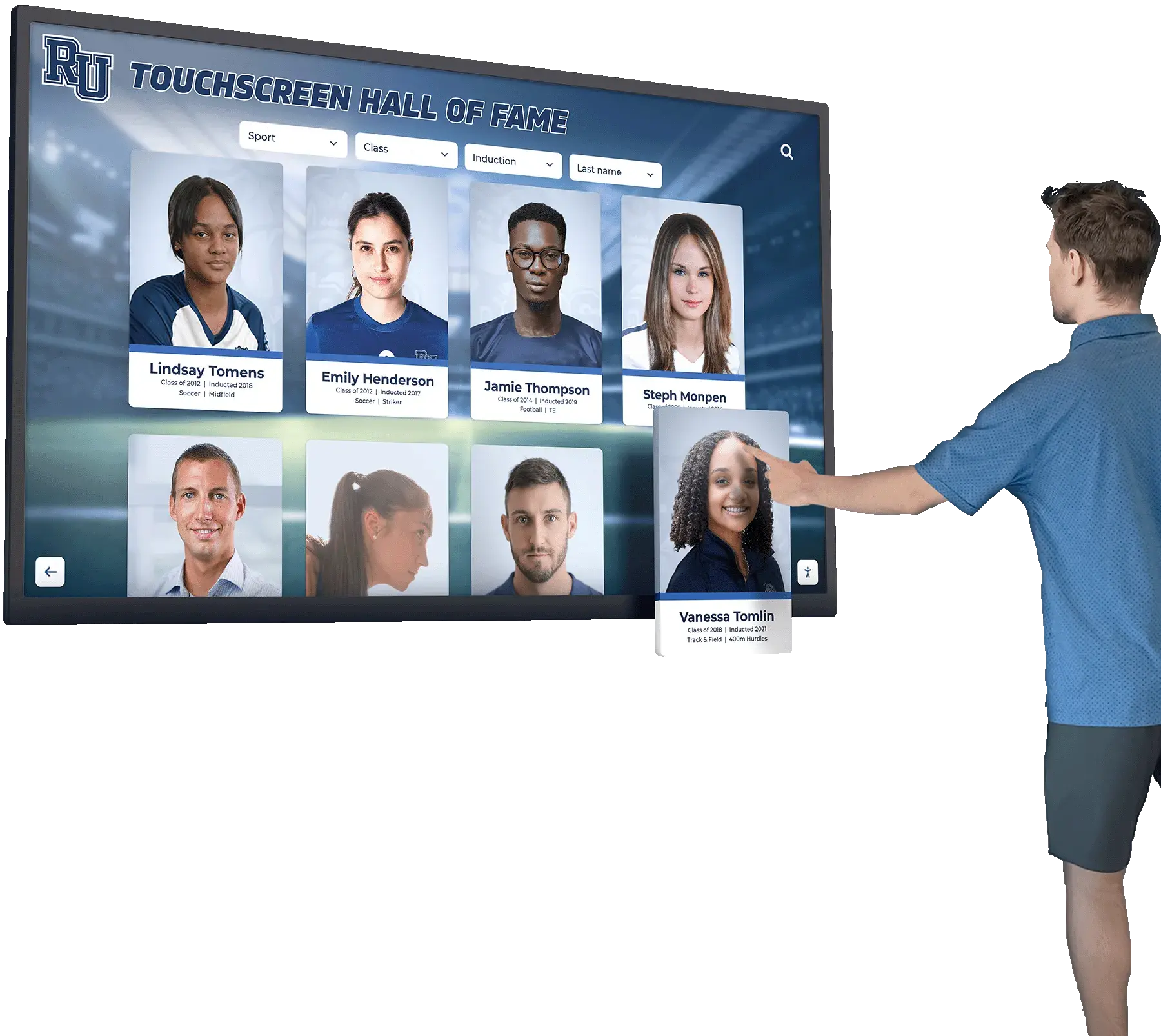
Comprehensive Class Profiles: Digital platforms accommodate unlimited content documenting entire graduating classes—individual graduate profiles with photos and accomplishments, historical context from graduation years, reunion photos spanning decades, statistical information about class demographics and achievements, and legacy contribution documentation showing class members’ ongoing institutional support.
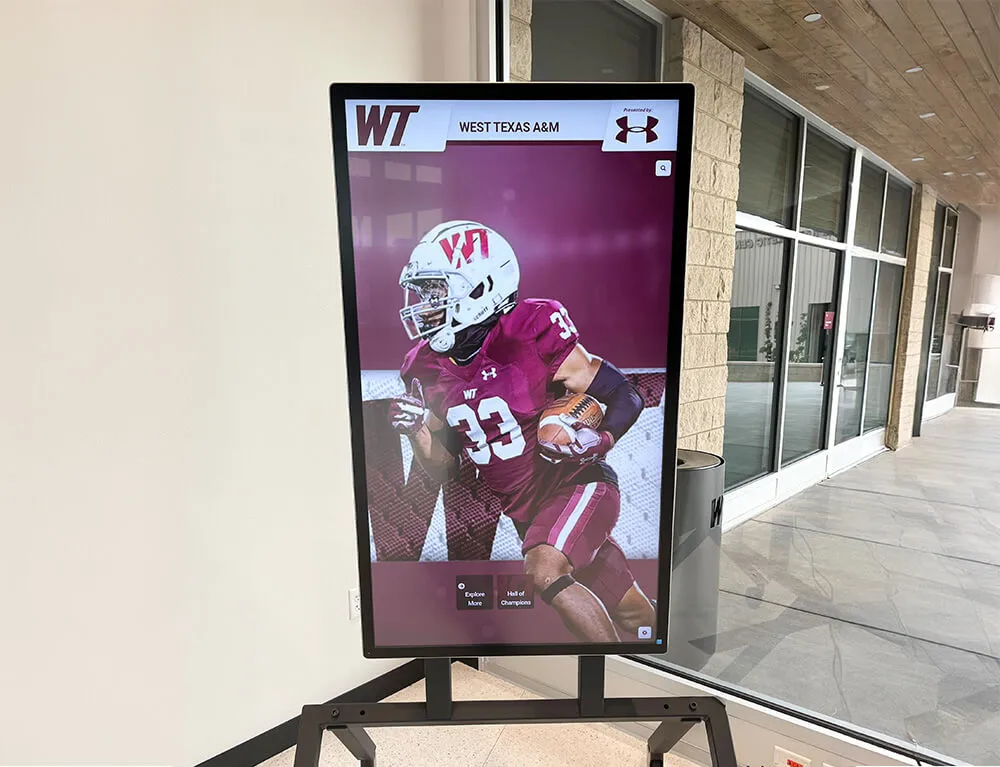
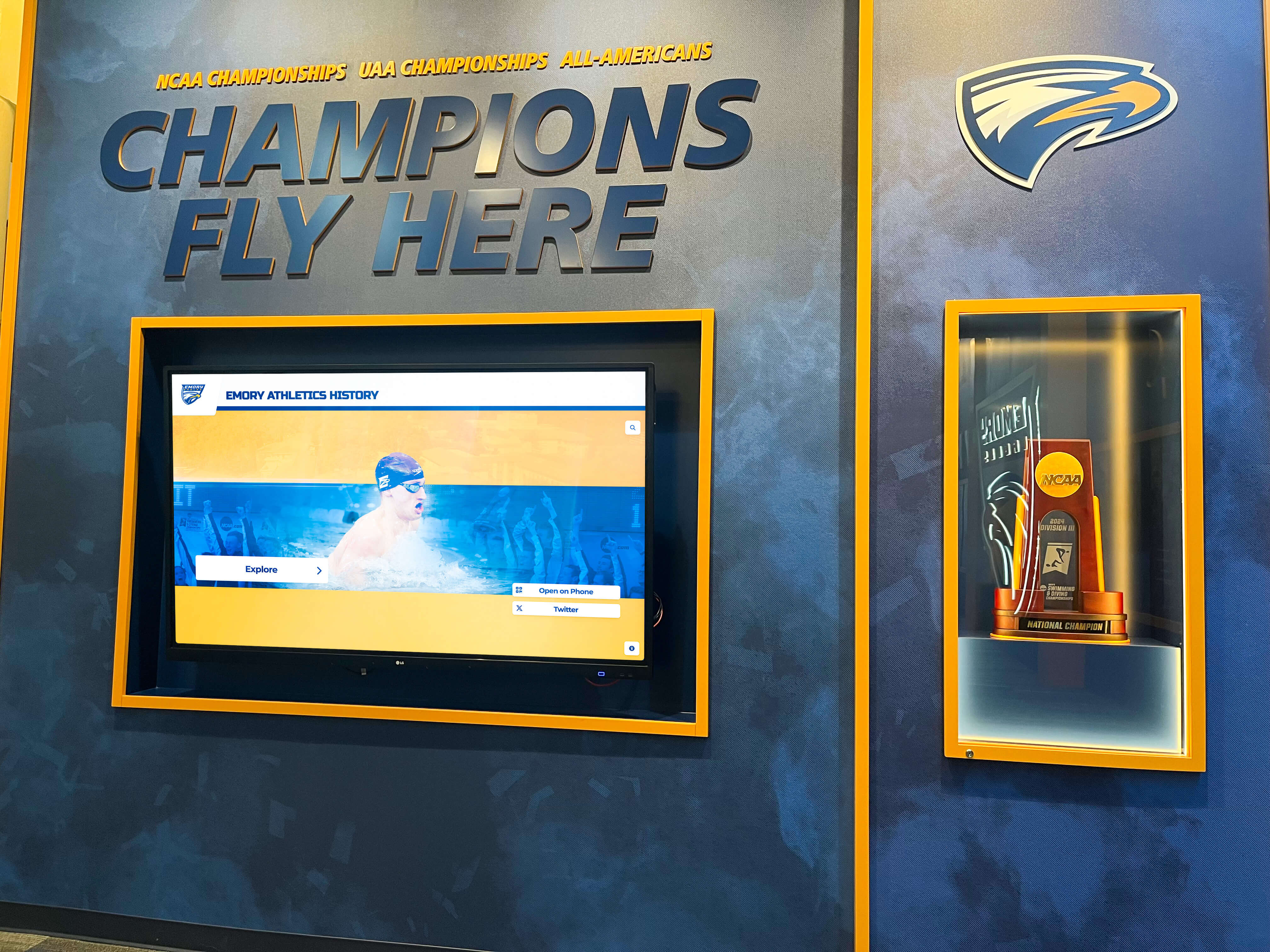
Interactive Exploration: Touchscreen functionality enables visitors to search for specific classmates, browse by achievement categories, explore reunion photos from different years, watch video messages or interviews, and discover connections between historical classes and current students. This interactive engagement creates meaningful experiences impossible with static plaques or printed materials.
Regular Updates: Digital systems accommodate ongoing content additions—updating classmate information as new achievements occur, adding reunion photos after each celebration, incorporating new historical materials as they surface, and maintaining current contact information facilitating ongoing alumni engagement.
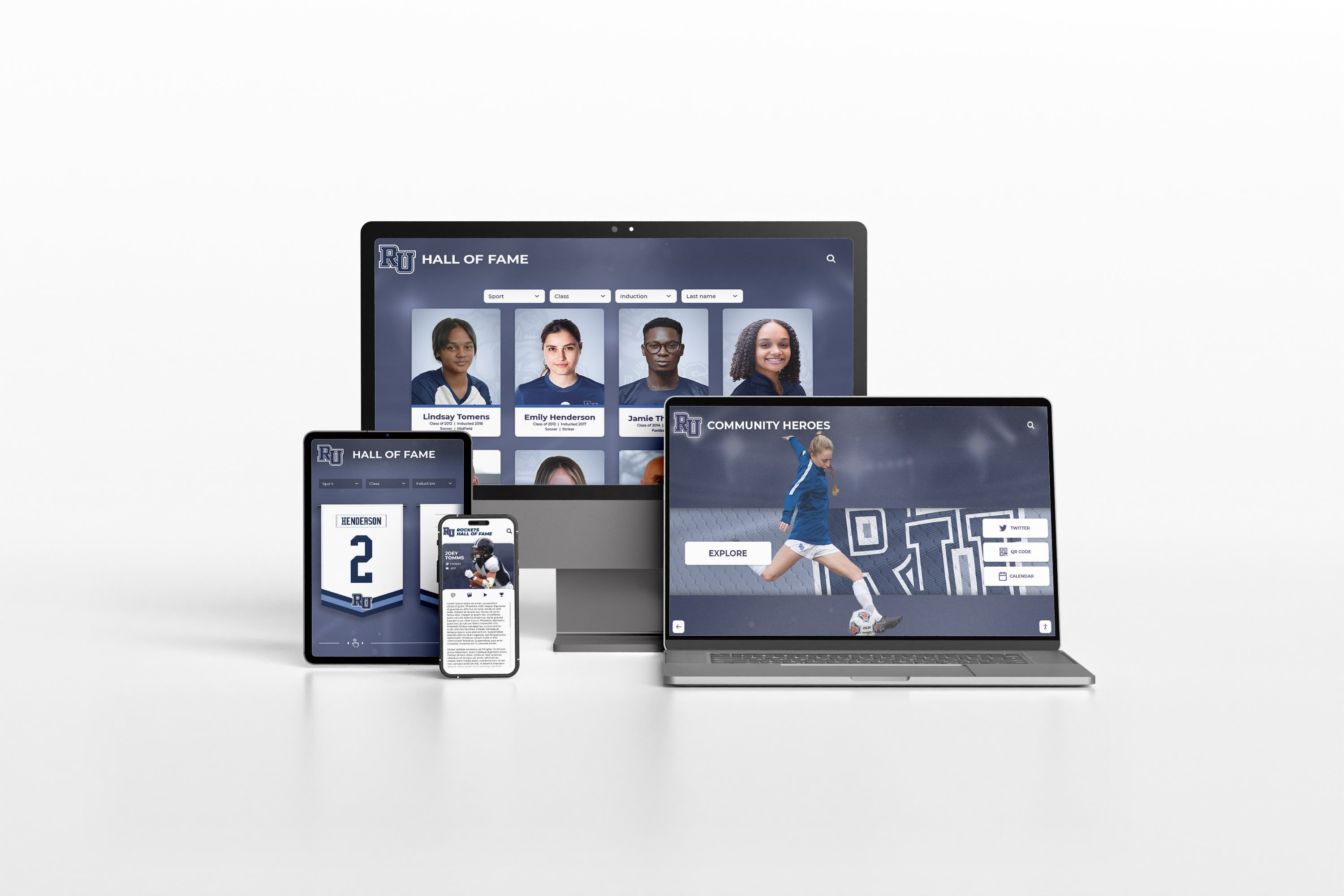
Remote Accessibility: Web-connected displays extend recognition beyond physical campus locations, allowing geographically dispersed alumni to explore class history and maintain connections regardless of ability to visit campuses personally. This expanded accessibility amplifies recognition value while supporting sustained engagement.
Solutions like Rocket Alumni Solutions provide schools with comprehensive platforms designed specifically for alumni recognition rather than generic digital signage requiring extensive customization. These purpose-built systems deliver intuitive content management, professional templates for class recognition, and ongoing support ensuring schools maintain impressive displays honoring distinguished alumni including golden anniversary classes achieving remarkable milestones.
Integrating Reunion Celebrations with Permanent Recognition
The most effective approach combines memorable reunion events with lasting institutional recognition:
Reunion Launch of Permanent Displays: Unveil permanent digital recognition displays during 50-year reunion celebrations, creating ceremonial moments honoring classes while demonstrating institutional commitment to preserving their legacies. Public launches during reunions maximize emotional impact while providing natural unveiling occasions.
Class-Funded Recognition Projects: Encourage graduating classes to collectively fund permanent recognition displays as class gifts, creating meaningful legacies while providing resources schools need for recognition infrastructure. Class-funded projects generate ownership and pride while accomplishing dual purposes of celebration and lasting commemoration.
Ongoing Content Contribution: Invite classmates to contribute continuously to digital archives beyond initial installation—submitting updated photos, sharing career milestones, contributing historical materials, or recording video memories enriching content. Ongoing contribution maintains engagement while creating growing recognition platforms that improve over time.
Conclusion: Honoring Golden Anniversary Milestones with Meaningful Celebration
Fifty-year class reunions represent extraordinary milestones deserving celebration approaches honoring both shared history and individual journeys spanning five decades since graduation. The most successful golden anniversary reunions balance nostalgic reflection with forward-looking legacy creation, formal recognition with casual reconnection, and inclusive programming acknowledging diverse life paths classmates traveled since walking graduation stages together.
The reunion ideas explored here—from comprehensive memory displays and recognition programs to thoughtful logistics ensuring accessibility, from creative entertainment maintaining engagement to technology enabling broader participation, from memorial tributes honoring deceased classmates to legacy initiatives benefiting future students—provide frameworks for creating memorable celebrations appropriate to this significant anniversary’s unique meaning.
Effective golden anniversary reunions require early planning beginning 18-24 months before target dates, inclusive committee representation ensuring diverse perspectives shape programming, multi-channel communication reaching all classmates regardless of technological sophistication, and attention to practical details accommodating age-related considerations affecting attendees in their late 60s and 70s.
Beyond immediate celebration purposes, the most meaningful 50-year reunions establish lasting legacies extending impact beyond weekend events through permanent recognition displays honoring classes, scholarship endowments supporting future students, comprehensive archives preserving class history, and strengthened connections between distinguished alumni and institutions that shaped their formative years.
For schools hosting golden anniversary reunions, these celebrations provide opportunities not just to gather alumni but to honor their achievements appropriately, demonstrate institutional appreciation for their legacies, strengthen ongoing engagement supporting advancement priorities, and create visible connections between historical graduates and current students who benefit from traditions established by those who came before.
The investment in comprehensive reunion planning and permanent recognition typically returns value many times over through strengthened alumni relationships, enhanced institutional reputation, increased philanthropic support, and enriched community appreciation for schools’ roles nurturing generations of graduates who build remarkable lives across decades following graduation.
Ready to honor your distinguished golden anniversary classes with permanent recognition extending beyond reunion celebrations? Discover how modern digital recognition systems create engaging alumni displays, preserve comprehensive class history, and build searchable archives ensuring every graduate receives lasting acknowledgment—transforming milestone anniversary celebrations into permanent institutional recognition inspiring current students while honoring distinguished alumni whose achievements across five decades demonstrate the enduring value of education received during formative school years.