



Time is the most precious commodity coaches and teachers face. Between limited practice sessions, packed class schedules, and competing demands on student attention, finding opportunities to build meaningful team connections can feel impossible. Yet team chemistry doesn’t develop automatically—it requires intentional cultivation through structured activities that help teammates and classmates learn to trust, communicate, and collaborate effectively.
This is where 5-minute team building activities become invaluable. These quick exercises fit seamlessly into existing schedules without sacrificing training time or instructional minutes. When implemented consistently, brief team building moments compound over weeks and months, transforming disconnected individuals into cohesive units that communicate better, support each other more effectively, and perform at higher levels both on the field and in the classroom.
Why Quick Team Building Activities Work
Five-minute team building exercises succeed because they prioritize consistency over duration. Rather than requiring lengthy sessions that disrupt schedules, these activities integrate seamlessly into existing routines—becoming regular rituals that gradually build trust and connection. Research in educational psychology demonstrates that frequent, brief social bonding experiences create stronger relationships than occasional extended events. Digital recognition solutions like Rocket Alumni Solutions enable schools to celebrate team achievements and highlight group accomplishments through interactive displays, reinforcing the bonds these activities create by showcasing how teams work together toward shared goals.
Understanding the Power of Brief Team Building
Before diving into specific activities, it’s important to understand why 5-minute exercises can be just as effective as longer team building sessions when implemented strategically.
The Psychology of Micro-Connections
Brief, frequent interactions build relationships more effectively than occasional extended encounters. Social psychology research shows that consistent small moments of connection create what researchers call “cumulative bonding”—where repeated positive interactions gradually strengthen group cohesion and interpersonal trust.
When coaches and teachers implement 5-minute team building activities daily or several times weekly, they create regular touchpoints that remind team members they’re part of something larger than themselves. These consistent reinforcements prove more powerful than monthly hour-long sessions that feel disconnected from daily team life.
Lowering Participation Barriers
Five-minute activities reduce anxiety and resistance that longer team building sessions often trigger. Students and athletes who feel uncomfortable with extended social exercises will participate more willingly when they know the activity lasts only a few minutes. This lower barrier to entry increases participation rates and prevents the disengagement that can occur when individuals feel trapped in lengthy activities they find stressful.
Brief exercises also accommodate varying comfort levels—extroverted participants enjoy the social interaction while introverted team members appreciate that their exposure remains manageable and time-limited.
Maintaining Energy and Focus
Short activities maintain high energy and engagement levels throughout the entire exercise. When team building extends beyond 10-15 minutes, attention naturally wanes, conversations drift off-topic, and participants lose focus on activity objectives. Five-minute exercises keep everyone engaged from start to finish, maximizing the value of every minute invested.
This sustained engagement proves particularly valuable for younger students and athletes whose attention spans naturally limit how long they can maintain focus during structured activities.
Communication-Building Activities
Effective teams communicate clearly, listen actively, and adapt communication styles to different situations and teammates. These 5-minute activities develop fundamental communication skills.
Two-Minute Life Stories
Setup: Pair team members who don’t know each other well. Each person gets exactly two minutes to share their life story—covering whatever they choose including where they grew up, family background, interests, significant experiences, or anything else they want their partner to know.
Execution: Use a timer to enforce the two-minute limit strictly. After the first person finishes, switch roles so their partner shares for two minutes. Spend the final minute having the full group share one interesting thing they learned about their partner.
Learning Outcomes: This activity develops concise communication skills, active listening, and personal connection. Participants learn to distill important information into brief narratives while partners practice focused listening without interruption. The personal storytelling creates empathy and understanding that transcends typical team interactions.
Variations: Theme the stories around specific topics like “my biggest challenge and how I overcame it,” “what people don’t know about me,” or “my path to this team/class.” Rotate partners across multiple sessions so everyone eventually pairs with every team member.
Understanding how team recognition programs celebrate group achievements helps coaches connect team building efforts to visible acknowledgment that reinforces bonds developed through activities like partner storytelling.
Common Ground
Setup: Form groups of 4-6 people, ideally mixing individuals who don’t typically interact closely. The goal is to identify specific things the entire group has in common beyond obvious characteristics like being on the same team or in the same class.
Execution: Groups have four minutes to discover as many genuine commonalities as possible. Items must be specific and true for every single group member—not just most people. Examples might include “we’ve all broken a bone,” “we all have dogs,” “we all play a musical instrument,” or “we’ve all traveled to another country.” After four minutes, groups quickly share their most interesting commonalities with the full team.
Learning Outcomes: This exercise reveals unexpected similarities that create connection points between seemingly different individuals. It encourages teams to look beyond surface-level differences and discover shared experiences, values, or interests that provide foundations for deeper relationships.
Coaching Tips: Encourage specificity—“we all like sports” is too obvious, but “we all tried a sport we ended up hating” is specific and interesting. Celebrate unique commonalities that reveal surprising connections nobody expected to find.
Assumption Challenge
Setup: Have team members write down one assumption they have about someone else on the team—something they believe is true based on observation but have never confirmed. Collect these anonymously.
Execution: Read assumptions aloud one at a time (without revealing who wrote them or who they’re about). The person who wrote each assumption identifies themselves and explains their reasoning. The person the assumption is about reveals whether it’s accurate or incorrect, then shares the real story. Spend any remaining time discussing why we make assumptions and how they affect team dynamics.
Learning Outcomes: This powerful activity reveals how often we misunderstand teammates based on incomplete information. It creates vulnerability and authenticity while demonstrating the importance of asking questions rather than making assumptions. Teams discover that people are more complex and interesting than surface impressions suggest.
Important Note: Establish ground rules requiring all assumptions to be neutral or positive—never negative or insulting. This creates psychological safety allowing genuine reflection without creating hurt feelings or conflict.
Trust-Building Activities
Trust forms the foundation of effective teams. These activities help team members develop confidence in each other’s reliability, intentions, and capabilities.
Blind Shape Formation
Setup: Divide the group into teams of 6-10 people. Everyone closes their eyes or wears blindfolds. The facilitator assigns each team a shape to create (circle, square, triangle, or star) using only their bodies while maintaining physical contact.
Execution: Teams have exactly three minutes to form their assigned shape while blind. They can talk and communicate but cannot open their eyes or peek. After three minutes, teams open their eyes to see how accurately they formed the shape. Use the final two minutes to debrief about communication strategies, leadership that emerged, and how teams coordinated without visual cues.
Learning Outcomes: This activity requires teams to rely entirely on verbal communication and trust that teammates are accurately interpreting and following instructions. It highlights the importance of clear communication, active listening, and trusting that others are working toward the same goal. Teams discover which communication approaches work effectively under challenging conditions.
Safety Considerations: Ensure adequate space free from obstacles and hazards. Have someone monitor to prevent collisions or unsafe situations. This activity works best with mature groups who will take safety seriously.
Trust Lean
Setup: Form pairs of similar size and strength. Partners stand facing each other about arm’s length apart.
Execution: One partner assumes a plank position (body straight and rigid) then slowly leans forward while their partner catches and gently pushes them back to vertical. Start with small leans and gradually increase the angle as comfort builds. After 90 seconds, partners switch roles. Spend the final minute discussing how it felt to trust a partner to catch you and the communication required to feel safe.
Learning Outcomes: This classic trust exercise forces participants to literally trust teammates to prevent them from falling. It creates visceral experiences of vulnerability and reliability that translate to trusting teammates in competitive or academic situations. The physical trust developed here builds foundations for emotional and social trust.
Safety Requirements: Ensure partners are appropriately matched by size. Establish clear communication protocols where the leaning person says “ready to lean” and the catching partner confirms “ready to catch” before each lean. Stop immediately if anyone feels uncomfortable or unsafe.
Appreciation Circle
Setup: Form a circle with the entire team standing or sitting where everyone can see each other. Select one team member to stand in the center.
Execution: Set a timer for 60-90 seconds. During this time, anyone in the circle can share specific appreciation for the person in the center—things they’ve done, qualities they bring to the team, or ways they’ve helped others. Appreciations should be specific and genuine, not generic compliments. Rotate several people through the center until time expires.
Learning Outcomes: Public appreciation builds trust by demonstrating that teammates notice and value each other’s contributions. The specificity requirement prevents shallow compliments and forces team members to pay attention to what others actually do. People in the center experience being seen and valued, while those sharing practice expressing appreciation—a skill many struggle with.
Resources on student recognition approaches demonstrate how celebrating individual and team contributions reinforces the appreciation cultures these activities begin to build.
Variation: Instead of verbal appreciation, have team members write specific appreciations on note cards. Collect these and redistribute them anonymously, reading them aloud while the honoree remains anonymous until the end. This works well for teams where public speaking creates anxiety.
Problem-Solving and Collaboration Activities
These exercises develop teams’ abilities to work together solving challenges, making decisions collectively, and leveraging diverse perspectives and skills.
Human Knot Speed Challenge
Setup: Form groups of 6-8 people standing in tight circles. Everyone reaches across the circle with their right hand to grasp someone else’s right hand, then reaches with their left hand to grasp a different person’s left hand. This creates a “human knot” of tangled arms.
Execution: Groups have four minutes to untangle themselves into a single circle without releasing anyone’s hands. They can step over or under arms, twist, and turn in any way necessary, but hand contact must remain continuous throughout. If groups finish early, time how quickly they can create and solve a second knot. Use the final minute to discuss problem-solving strategies that worked or didn’t work.
Learning Outcomes: The human knot requires patience, spatial reasoning, communication about next steps, and willingness to try different approaches when initial attempts fail. Teams discover that solving complex problems requires both individual creativity and collective coordination. Natural leaders often emerge while quieter members contribute crucial observations.
Variation: Challenge groups to solve the knot without speaking, relying entirely on nonverbal communication and physical cues. This variation dramatically increases difficulty while teaching teams to read each other’s intentions and coordinate silently.
Marshmallow Tower Challenge
Setup: Provide each team with 20 pieces of dry spaghetti, one yard of tape, one yard of string, and one marshmallow. The challenge is to build the tallest freestanding structure that supports the marshmallow on top.
Execution: Teams have four minutes to plan, build, and test their structures. The marshmallow must be on top when time expires, and structures must stand independently without anyone holding them. Measure final heights to determine the winner. Use the remaining minute to discuss planning approaches, whether teams tested their designs before finalizing, and what they’d do differently with more time.
Learning Outcomes: This classic engineering challenge reveals team collaboration styles—some teams spend extensive time planning while others immediately start building. It demonstrates the value of prototyping and testing rather than committing to a single design. Teams learn to balance individual ideas with collective decision-making while managing time pressure.
Why It Works: Despite its simplicity, this challenge consistently produces surprising results. Teams that communicate well and iterate based on testing usually outperform teams with sophisticated plans but poor execution. The marshmallow’s weight creates unexpected engineering challenges that force creative problem-solving.
Decision-Making Simulation
Setup: Present the team with a hypothetical scenario requiring a group decision within a tight timeframe. Example: “Your team has $500 to spend on a team bonding event. You must collectively decide how to spend it within the next four minutes.”
Execution: Teams discuss options and must reach consensus (not just majority vote) within four minutes. Facilitators should not intervene even if discussions become chaotic or inefficient. When time expires, teams present their decisions and reasoning. Spend the final minute reflecting on the decision-making process—who spoke most, whose ideas were heard or ignored, how the group handled disagreement, and whether everyone felt included in the final decision.
Learning Outcomes: Compressed decision-making reveals team dynamics around leadership, participation, conflict resolution, and inclusion. It shows whether teams fall into patterns where certain voices dominate while others remain silent. The debrief creates awareness about decision-making processes that teams can improve in future situations.
Scenario Variations: Tailor scenarios to team contexts—athletic teams might decide tournament travel priorities, academic classes might allocate time to different project components, or mixed groups might solve resource allocation dilemmas. Keep stakes low enough that mistakes don’t matter while making scenarios relevant enough that participants care about outcomes.
Energy and Engagement Activities
These high-energy activities refocus attention, increase physical energy, and create positive emotional states that enhance practice or learning environments.
30-Second Dance Party
Setup: No setup required—this works anywhere with any team size. Have energetic music ready to play (clean, upbeat songs work best).
Execution: At random moments during practice, class, or team meetings, announce “30-second dance party!” Play music and everyone must dance however they want for exactly 30 seconds. No judgment, no choreography, just movement. When music stops, immediately return to whatever activity was happening before the dance break.
Learning Outcomes: This activity creates joy, laughter, and momentary silliness that reduces tension and resets emotional states. It gives permission to be playful and unself-conscious in front of teammates, building comfort with vulnerability. The randomness prevents anticipation and forces everyone to participate simultaneously, creating shared experiences.
Implementation Tips: Model enthusiastic participation—if coaches or teachers dance energetically, students will too. Use this strategically when energy lags, tension rises, or attention wanes. The unexpectedness is part of the value, so don’t schedule these predictably.
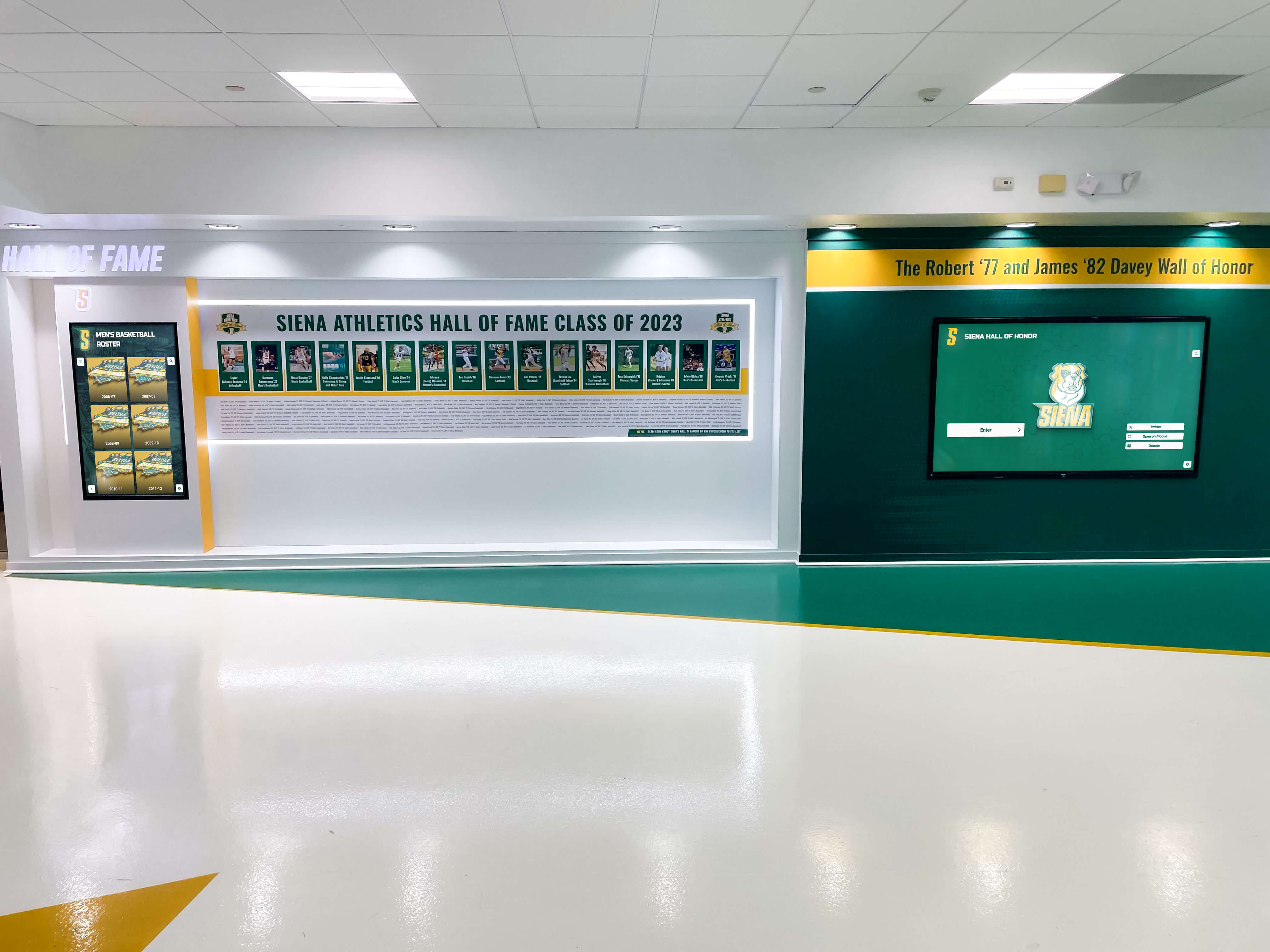
Resources on creating engaging school environments show how dynamic content and unexpected elements maintain interest and energy—principles that apply equally to team building activities.
Group Juggle
Setup: Gather soft balls, bean bags, or similar objects (start with 3-4 items for groups of 10-15 people). Form a circle with everyone standing.
Execution: Establish a throwing pattern where each person receives from one specific person and throws to another specific person until everyone is included in a continuous loop. Practice this pattern with one object until smooth. Then add additional objects one at a time to the same pattern. Challenge the group to successfully juggle as many objects as possible without dropping any. This typically takes 3-4 minutes. Use the final minute to discuss focus, teamwork, and supporting teammates when mistakes happen.
Learning Outcomes: Group juggle requires sustained attention, communication about when to throw, and group coordination. When someone misses a catch, teams discover whether they respond with frustration or encouragement. The increasing difficulty as more objects are added creates natural challenge progression and clear success metrics.
Variation: Once proficient, time how quickly the group can complete one full cycle of the pattern with all objects. Then challenge them to beat their time, introducing mild competition and urgency that simulates game or performance pressure.
Compliment Tag
Setup: Everyone stands in an open area where they can move freely. Select one person to start as “it.”
Execution: The person who is “it” tries to tag someone else. When they succeed in tagging someone, they must immediately say one specific positive trait or skill that person brings to the team before the tagged person becomes “it.” Play continues for 3-4 minutes with rapid tagging and complimenting. No repeating compliments already used. Debrief briefly about compliments received and whether it’s easy or difficult to quickly identify teammates’ strengths.
Learning Outcomes: This combines physical activity with positive recognition, creating enjoyable high-energy experiences that also build appreciation. The requirement to immediately identify something positive about whoever gets tagged forces participants to pay attention to all teammates’ qualities, not just close friends. The time pressure prevents overthinking and encourages authentic observations.
Safety Note: Establish boundaries preventing overly aggressive tagging. This should feel playful, not like dodgeball. Consider “two-finger tag” rules requiring gentle touches rather than hard tags that could cause injury.
Reflection and Connection Activities
These quieter activities create space for introspection, vulnerability, and deeper personal connection that balances higher-energy team building exercises.
Three Words
Setup: The entire team sits or stands in a circle where everyone can see each other. Establish a supportive, judgment-free atmosphere.
Execution: Go around the circle and have each person share exactly three words describing how they’re feeling that day, what they’re thinking about, or their current state of mind. No explanations or elaboration—just three words. After everyone shares, optionally ask if anyone wants to expand on their three words. This entire activity takes 2-3 minutes for groups of 15-20 people.
Learning Outcomes: Constrained sharing creates psychological safety because the brevity feels less vulnerable than extended personal disclosure. Three words provide insight into teammates’ emotional states, helping everyone understand that others carry challenges, stresses, and emotions that aren’t always visible. This builds empathy and reminds teams that each member is a complete person with a life beyond the team context.
Coaching Applications: When coaches notice someone shared words suggesting stress or struggle, they can check in privately later. This activity serves as an early warning system for team members who might need support while giving everyone language to express their current emotional reality.
What I Need Today
Setup: Before practice or class begins, post a large paper with two columns: “What I Bring Today” and “What I Need Today.”
Execution: As team members arrive, they write one thing in each column. What they bring might be “positive energy,” “focus,” “determination,” or “new ideas.” What they need might be “patience,” “encouragement,” “forgiveness for mistakes,” or “extra help with technique.” This takes 1-2 minutes per person. After everyone arrives, briefly review what was written and explicitly connect people who wrote complementary items (someone bringing patience paired with someone needing it).
Learning Outcomes: This makes explicit what usually remains implicit—that everyone arrives with different capacities and needs depending on their day. It creates permission to not be at 100% while encouraging teammates to support each other’s needs. Teams discover they collectively have the resources to meet most needs expressed when they intentionally look out for each other.
Follow-Through: Reference the board throughout the session. If someone who needed patience makes a mistake, remind the group that they specifically asked for patience today. This reinforces that the exercise wasn’t just symbolic but created real expectations for how teammates should treat each other.
Understanding how recognition programs acknowledge team support helps educators formalize the support cultures that activities like “What I Need Today” begin to establish informally.
Gratitude Minute
Setup: At the end of practice or class, gather everyone together for one final minute before dismissal.
Execution: Set a timer for exactly 60 seconds. During this time, anyone can spontaneously share something they’re grateful for from that day’s session—a teammate who helped them, a breakthrough they had, a drill that was fun, or anything positive they want to acknowledge. Keep it rapid-fire with no commentary or discussion. When the timer ends, session is over.
Learning Outcomes: Ending with gratitude creates positive emotional associations with team time and reinforces constructive experiences over frustrations or challenges. It trains attention toward what went well rather than fixating on mistakes. Over time, this daily practice builds team cultures emphasizing appreciation, positive recognition, and mutual support.
Variation: Rotate who facilitates the gratitude minute. This distributes leadership experience and prevents the activity from feeling coach-directed rather than team-owned.
Integrating Team Building Into Regular Routines
The effectiveness of 5-minute activities multiplies when they become consistent parts of regular routines rather than occasional novelties. Here’s how to build sustainable team building practices:
Creating Team Building Rituals
Consistency transforms activities from isolated exercises into team traditions that define group culture:
Session Openers and Closers: Begin every practice or class with a brief check-in activity and end with a reflection or gratitude exercise. These bookend routines create predictable structure while building cumulative connection over time.
Weekly Themes: Designate different days for specific activity types—Trust Tuesdays focus on trust-building exercises, Communication Thursdays emphasize verbal activities, Friday Fun prioritizes high-energy engagement activities. Themes help teams anticipate what’s coming while ensuring balanced attention to different team building dimensions.
Seasonal Variations: Rotate activity types throughout seasons or semesters preventing boredom while revisiting important categories. Early season might emphasize getting-to-know-you activities, mid-season focuses on problem-solving and collaboration, late season returns to trust and appreciation as teams prepare for championships or final projects.
Empowering Student Leadership
Transfer ownership of team building to team members themselves rather than always coach- or teacher-directed:
Activity Captains: Rotate responsibility for selecting and leading team building activities among team members. Provide a menu of approved exercises and let designated captains choose which to implement each session. This develops leadership skills while preventing activities from feeling imposed by authority figures.
Student-Created Activities: Challenge small groups to design original 5-minute team building exercises that address specific team needs they’ve identified. Test student-created activities and add successful ones to the regular rotation. This engagement creates investment while surfacing creative ideas adult facilitators might not consider.
Peer Facilitation Training: Teach interested team members how to effectively facilitate activities—setting clear instructions, managing time, creating psychological safety, and leading debriefs. Skilled peer facilitators can run activities independently, maximizing time efficiency while developing valuable leadership capabilities.
Connecting Activities to Team Goals
Link team building explicitly to performance objectives, helping participants understand why these exercises matter:
Direct Application: After problem-solving activities, connect lessons learned to specific game situations or academic projects where similar challenges appear. “Remember how we learned that testing our design early helped in the marshmallow challenge? We should apply that same approach to our tournament game planning.”
Progress Tracking: Monitor team development across dimensions like communication clarity, trust levels, or conflict resolution effectiveness. Periodically discuss whether team building activities are producing observable improvements in these areas. Adjust activity selection based on areas needing additional attention.
Recognition Integration: Use digital recognition displays to celebrate team bonding milestones alongside competitive or academic achievements. When teams reach connection goals or demonstrate exceptional support for teammates, acknowledge this publicly alongside traditional accomplishments. This communicates that chemistry matters as much as talent.
Adapting Activities for Different Contexts
Different team sizes, age groups, and environments require modified approaches to maximize team building effectiveness:
Age-Appropriate Modifications
Elementary Students (Ages 5-10): Use concrete activities with clear rules and immediate outcomes. Emphasize fun and silliness over deep reflection. Keep instructions simple and provide more structure and facilitation. Activities like 30-Second Dance Party and Group Juggle work particularly well with younger students who need movement and energy.
Middle School Students (Ages 11-13): Balance energy activities with emerging capacity for reflection. Be sensitive to self-consciousness that peaks during early adolescence—avoid activities requiring too much vulnerability or physical contact that might trigger discomfort. Pair-based activities work better than full-group sharing that might feel exposing.
High School Students (Ages 14-18): Incorporate more sophisticated reflection and abstract thinking. Address real issues teams face rather than purely symbolic exercises. Give students more autonomy in activity selection and facilitation. Challenge them to transfer lessons from activities to actual team dynamics and performance situations.
Adult Teams: Focus on practical application to professional or organizational contexts. Allow deeper vulnerability and more complex interpersonal exploration. Connect activities explicitly to workplace or team challenges. Respect time constraints that make even 5-minute activities feel significant in packed schedules.
Team Size Considerations
Small Teams (5-10 people): Emphasize full-group activities where everyone participates simultaneously. Create intimacy through activities requiring individual contribution and visibility. Small teams can complete more personal sharing activities comfortably.
Medium Teams (11-25 people): Use both full-group and small-group formats. Break into smaller clusters for some activities then reconvene for debrief. This balances personal connection with managing larger numbers effectively.
Large Teams (25+ people): Rely heavily on small-group activities since full-group sharing becomes impractical. Focus on activities that work well in parallel—multiple small groups doing the same exercise simultaneously. Keep large-group components brief and high-energy to maintain engagement.
Virtual and Hybrid Adaptation
When teams meet remotely or in hybrid formats, adapt activities to digital environments:
Video Chat Activities: Two-Minute Life Stories works perfectly over video with breakout rooms for pairs. Virtual backgrounds can enhance 30-Second Dance Parties creating visual fun. Use chat functions for rapid-fire gratitude shares where everyone types simultaneously then reads responses aloud.
Asynchronous Options: Record video responses to reflection prompts that teammates watch on their own schedules. Create shared documents where team members contribute thoughts throughout the day. Use team messaging channels for ongoing appreciation threads.
Hybrid Modifications: When some team members are present while others join remotely, ensure virtual participants remain fully included. Assign physical partners to represent remote teammates during activities requiring physical presence. Use technology to project remote participants prominently ensuring their visibility matches in-person members.
Measuring Team Building Impact
Understanding whether team building activities are producing desired outcomes helps coaches and teachers refine approaches and demonstrate value to skeptical stakeholders:
Observable Indicators of Improved Team Chemistry
Track whether teams demonstrate increased voluntary social interaction outside formal activities, more spontaneous helping behaviors during regular sessions, decreased conflict or faster conflict resolution, greater willingness to take risks or show vulnerability, more inclusive participation patterns where everyone contributes, and stronger group celebration when individuals succeed.
These behavioral indicators suggest that team building is creating real cultural shifts rather than just providing temporary fun during activity time.
Self-Report Assessments
Periodically ask team members to rate their experiences on scales measuring connection to teammates, trust in team support, comfort expressing needs or concerns, understanding of teammates’ strengths and challenges, and sense of belonging to the team.
Compare ratings over time to assess whether team building activities correlate with improved subjective experiences of team culture and interpersonal connection.
Performance Correlations
While many factors affect performance, strong team chemistry often correlates with improved coordination and collaboration during competition or projects, more resilient responses to setbacks or challenges, better communication during high-pressure situations, and sustained effort and motivation throughout difficult periods.
Monitor whether teams implementing consistent team building show performance improvements in these dimensions compared to baseline or comparison teams without similar investment in relationship building.
Resources on comprehensive achievement recognition demonstrate how schools track and celebrate both individual and collective growth—approaches that complement team building assessment strategies.
Overcoming Common Challenges
Coaches and teachers implementing team building activities often encounter predictable obstacles. Here’s how to address them:
Resistance and Skepticism
Some team members initially resist team building, viewing it as unnecessary or embarrassing. Address this through transparent explanation of why these activities matter and how they connect to team goals, starting with less vulnerable activities and gradually increasing intimacy as comfort builds, modeling full engagement and enthusiasm from leaders, acknowledging discomfort while maintaining expectations for participation, and celebrating successes and connecting positive team changes to team building investments.
Skepticism often softens once teams experience tangible benefits and recognize that chemistry isn’t accidental but requires intentional cultivation.
Time Pressure
When schedules feel impossibly packed, team building may seem expendable. Reframe this by emphasizing that five minutes invested in team building often creates efficiencies saving much more time through improved communication, reduced conflict, and better collaboration. Start with two activities weekly rather than daily if five minutes seems impossible. Integrate activities into existing routines—warm-ups, cool-downs, transitions—rather than adding separate time blocks.
Maintaining Novelty
Teams can tire of activities if the same exercises repeat too frequently. Address this through rotating a diverse menu of 15-20 different activities, allowing student leaders to introduce new activities they research, varying familiar activities with small modifications keeping them fresh, and strategically retiring activities that lose effectiveness, replacing them with new options.
Novelty matters but consistency of the team building routine matters more—having some team building regularly is more valuable than constantly new activities.
Handling Emotional Moments
Team building sometimes surfaces unexpected emotions when participants share vulnerabilities or past hurts. Prepare for this by establishing clear ground rules about respect and confidentiality, having private conversations with anyone who becomes visibly upset rather than processing publicly, connecting students with appropriate support resources when needed, and recognizing that occasional discomfort is part of authentic connection building.
Emotional moments, when handled appropriately, often accelerate team bonding as members recognize they’re in a safe space where real feelings are accepted.
Creating Lasting Team Culture Through Recognition
The benefits of team building activities multiply when schools implement complementary systems that recognize and celebrate the team cohesion these exercises develop. Rather than only acknowledging individual accomplishments or competitive results, comprehensive recognition honors the relationships, support, and collaboration that make teams function effectively.
Digital recognition solutions transform how schools celebrate team culture and chemistry. Solutions like Rocket Alumni Solutions enable educators to create interactive displays showcasing team values, highlighting collaborative achievements, featuring teammate appreciation, documenting team traditions and rituals, and celebrating leadership and support roles alongside competitive accomplishments.
This recognition creates visible evidence that the school values not just what teams achieve but how they achieve it—through mutual support, effective communication, and genuine care for each other. When students see their team building rituals and collaborative culture acknowledged publicly, it reinforces that chemistry matters and that investing in relationships is just as important as developing skills.
Building Teams That Last Beyond the Season
Five-minute team building activities represent more than brief breaks from training or instruction—they’re strategic investments in creating team cultures where individuals feel genuinely connected, supported, and valued. When implemented consistently over weeks and months, these quick exercises compound into powerful relationship foundations that transform how teams communicate, collaborate, and support each other during both successes and challenges.
The coaches and teachers who implement regular team building aren’t adding frivolous extras to already-packed schedules—they’re addressing the fundamental truth that teams achieve more together than individuals accomplish alone. But that collective potential only materializes when teammates trust each other, communicate effectively, understand each other’s strengths and needs, and genuinely care about collective success as much as personal achievement.
The activities outlined in this guide provide starting points, but the real value comes from consistency, authenticity, and commitment to building relationships as intentionally as developing skills. Whether you lead athletic teams, academic classes, performance ensembles, or any other group context, these 5-minute investments in team chemistry will yield returns that extend far beyond what five minutes should reasonably produce—because consistent small moments of connection, repeated over time, create the team cultures that define excellent programs and meaningful experiences.
Ready to enhance how your school recognizes team achievements and celebrates the collaborative culture your team building creates? Explore how digital recognition solutions showcase team chemistry alongside competitive accomplishments, creating visible evidence that your program values both winning and the relationships that make winning possible.































