



Youth sports awards programs serve purposes far beyond distributing trophies at season-ending banquets. Thoughtfully designed recognition acknowledges the diverse ways young athletes contribute to teams, validates effort alongside achievement, builds confidence through positive reinforcement, and teaches valuable lessons about excellence, sportsmanship, and character development. For coaches, athletic directors, and youth sports organization leaders, comprehensive award programs create cultures where every athlete feels valued while maintaining standards that make recognition meaningful.
This comprehensive guide presents 100 youth sports awards ideas organized by category, providing coaches and program administrators with extensive options for recognizing young athletes across performance, effort, character, improvement, and contribution dimensions. Whether managing recreational leagues where participation matters most or competitive programs emphasizing achievement, these award ideas help create recognition systems that motivate young athletes while supporting their development as both competitors and people.
Why Comprehensive Youth Sports Recognition Matters
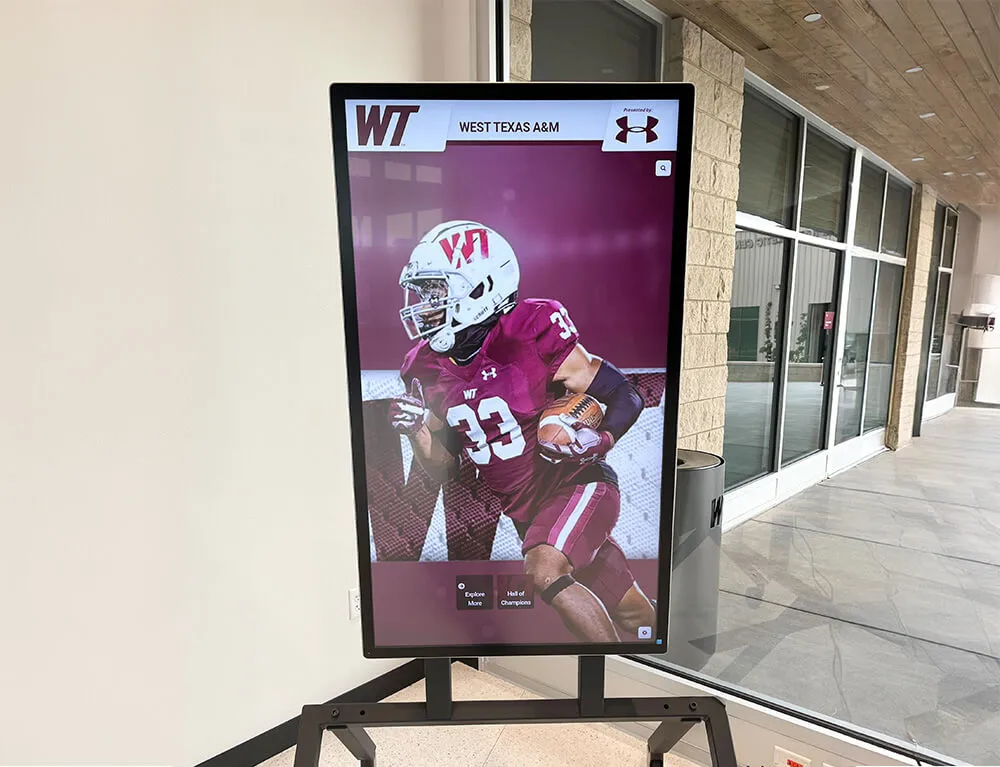
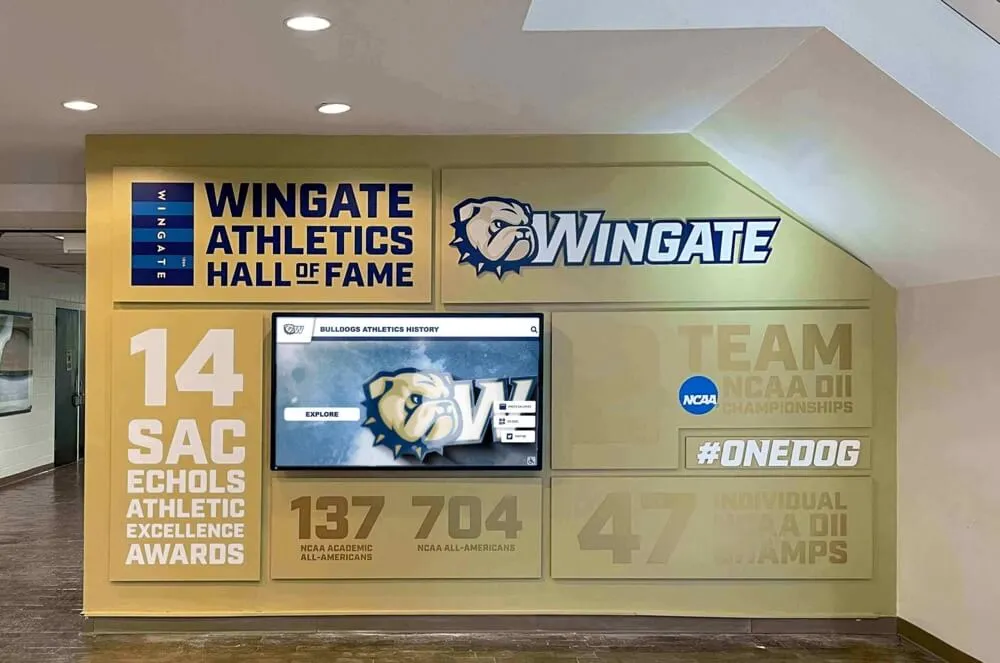
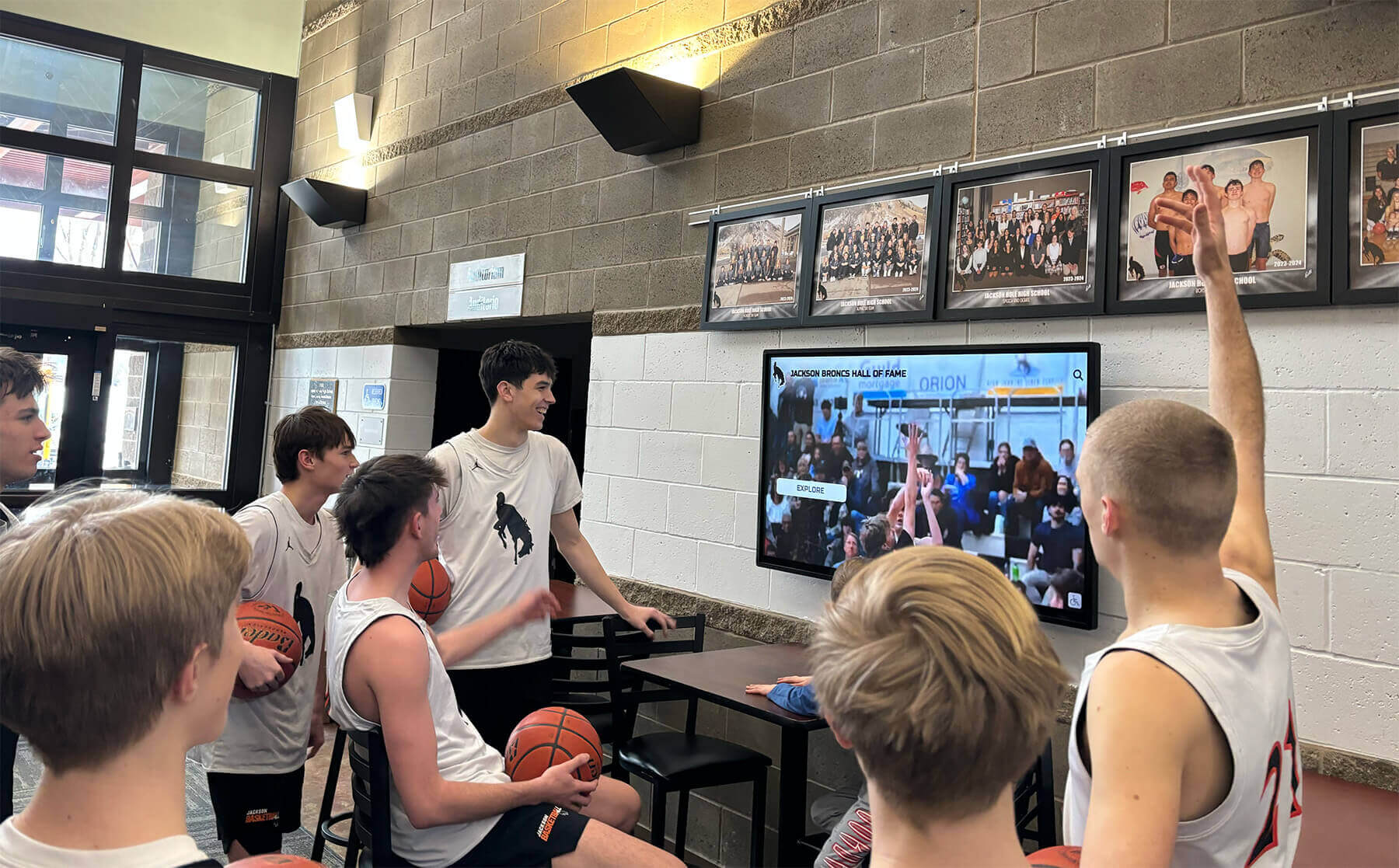
Research demonstrates that appropriate recognition significantly influences youth athlete motivation, continued participation, skill development, and psychological well-being. Young athletes who receive acknowledgment for various contributions—not just scoring statistics—develop stronger self-efficacy, maintain higher engagement levels, and demonstrate greater likelihood of sustained athletic participation. Digital recognition solutions like Rocket Alumni Solutions enable youth sports organizations to create permanent, comprehensive celebration of athlete accomplishments that extends recognition beyond brief banquet moments while building program history and tradition.
Performance-Based Achievement Awards
Performance recognition forms the foundation of most youth sports award programs, celebrating statistical accomplishment, competitive success, and athletic excellence.
Individual Statistical Achievement Awards
1. Most Valuable Player (MVP): Recognizes the athlete whose overall performance, leadership, and contribution proved most valuable to team success throughout the season.
2. Offensive Player of the Year: Honors the athlete demonstrating exceptional offensive production, skill execution, and scoring ability in their sport.
3. Defensive Player of the Year: Celebrates the athlete showing outstanding defensive performance, technique, positioning, and ability to prevent opponent success.
4. Leading Scorer Award: Acknowledges the athlete accumulating the highest point, goal, or run total across the season.
5. Assist Leader Recognition: Honors the athlete recording the most assists, highlighting playmaking ability and unselfish team contribution.
6. Best Shooting Percentage Award: Recognizes accuracy and efficiency in shooting, scoring, or hitting performance.
7. Highest Batting Average Recognition (Baseball/Softball): Celebrates consistent hitting performance throughout the season.
8. Most Strikeouts Award (Baseball/Softball Pitchers): Honors pitching dominance and effectiveness.
9. Lowest ERA Recognition (Baseball/Softball Pitchers): Acknowledges run prevention effectiveness and pitching consistency.
10. Most Stolen Bases Award (Baseball/Softball): Recognizes speed, base-running intelligence, and aggressive play.
11. Goalkeeper Excellence Award: Honors outstanding goaltending performance, save percentage, and defensive leadership.
12. Fastest Time Recognition (Track/Swimming): Celebrates speed achievements in individual events.
13. Longest Distance Award (Track/Field/Swimming): Acknowledges excellence in distance events requiring endurance and mental toughness.
14. Personal Record Breaker Award: Recognizes athletes setting new personal best performances across the season.
15. Scoring Streak Recognition: Honors athletes maintaining consecutive games with scoring contributions.
16. Triple-Double Achievement (Basketball): Celebrates statistical excellence across multiple performance categories.
17. Hat Trick Award (Soccer/Hockey): Recognizes three-goal performances demonstrating offensive dominance.
18. Perfect Game Recognition: Honors exceptional pitching or competitive performances achieving perfection.
19. Most Kills Leader (Volleyball): Acknowledges offensive production and attack effectiveness.
20. Most Aces Award (Tennis/Volleyball): Celebrates serving excellence and point-winning ability.
Team Achievement and Success Awards
21. Championship Team Recognition: Honors all team members contributing to league, tournament, or championship victory.
22. Tournament MVP Award: Recognizes exceptional performance during specific tournament or playoff competition.
23. Perfect Season Award: Celebrates teams completing undefeated seasons through consistent excellence.
24. Most Improved Team Record: Acknowledges teams demonstrating significant win-loss improvement from previous seasons.
25. Best Team Record Recognition: Honors the team achieving the best regular season or overall record.
Understanding comprehensive approaches to athletic recognition programs helps organizations design recognition systems celebrating diverse athletic accomplishments while building program culture.
Effort and Dedication Awards
Effort-based recognition ensures athletes demonstrating exceptional commitment, work ethic, and dedication receive acknowledgment regardless of natural ability or competitive outcomes.
26. Hardest Worker Award: Recognizes the athlete consistently demonstrating maximum effort in practices, training, and competition.
27. Perfect Attendance Recognition: Honors athletes attending all practices, games, and team functions throughout the season.
28. First to Arrive, Last to Leave Award: Celebrates athletes consistently arriving early and staying late for extra practice and skill development.
29. Practice Player of the Year: Acknowledges the athlete whose practice intensity, focus, and commitment set team standards.
30. Hustle Award: Recognizes athletes demonstrating relentless effort, aggressive play, and refusal to give up on any ball or play.
31. Off-Season Training Award: Honors athletes demonstrating commitment to skill development and conditioning during off-season periods.
32. Weight Room Warrior Recognition: Celebrates dedication to strength training and physical development.
33. Extra Practice Hours Award: Acknowledges athletes investing additional time beyond required practice for skill improvement.
34. Never Quit Award: Recognizes athletes who persevere through challenges, setbacks, or difficult seasons without giving up.
35. Iron Person Award: Honors athletes playing every minute, inning, or shift possible throughout the season.
36. Conditioning Excellence Recognition: Celebrates the athlete demonstrating superior fitness, stamina, and physical preparation.
37. Skills Development Award: Acknowledges the athlete showing greatest commitment to technical skill refinement.
38. Film Study Recognition: Honors athletes dedicating time to game film analysis and mental preparation.
39. Training Camp Excellence Award: Recognizes outstanding performance, effort, and attitude during preseason preparation.
40. Summer League Participation Award: Celebrates athletes maintaining involvement in developmental leagues and competitions.
Character and Sportsmanship Awards
Character recognition emphasizes qualities beyond athletic performance, teaching young athletes that how they compete matters as much as competitive results.
41. Sportsmanship Award: Honors the athlete consistently demonstrating respect for opponents, officials, teammates, and the game itself.
42. Captain’s Award: Recognizes formal or informal leadership, positive influence on teammates, and exemplary character.
43. Teammate of the Year: Celebrates the athlete whose support, encouragement, and positive attitude make them the best teammate.
44. Most Coachable Player Award: Acknowledges athletes receptive to instruction, willing to learn, and implementing coaching feedback effectively.
45. Positive Attitude Recognition: Honors athletes maintaining optimism, enthusiasm, and constructive outlook regardless of circumstances.
46. Respect and Integrity Award: Recognizes athletes consistently demonstrating ethical behavior, honesty, and respect for everyone involved in sports.
47. Encouragement Award: Celebrates athletes who lift teammates through verbal support, positive reinforcement, and genuine care.
48. Selfless Player Recognition: Honors athletes prioritizing team success over personal statistics and glory.
49. Role Model Award: Acknowledges athletes whose behavior, character, and choices set positive examples for younger players.
50. Good Citizenship Recognition: Celebrates athletes demonstrating responsible behavior on and off the field, in school, and in community.
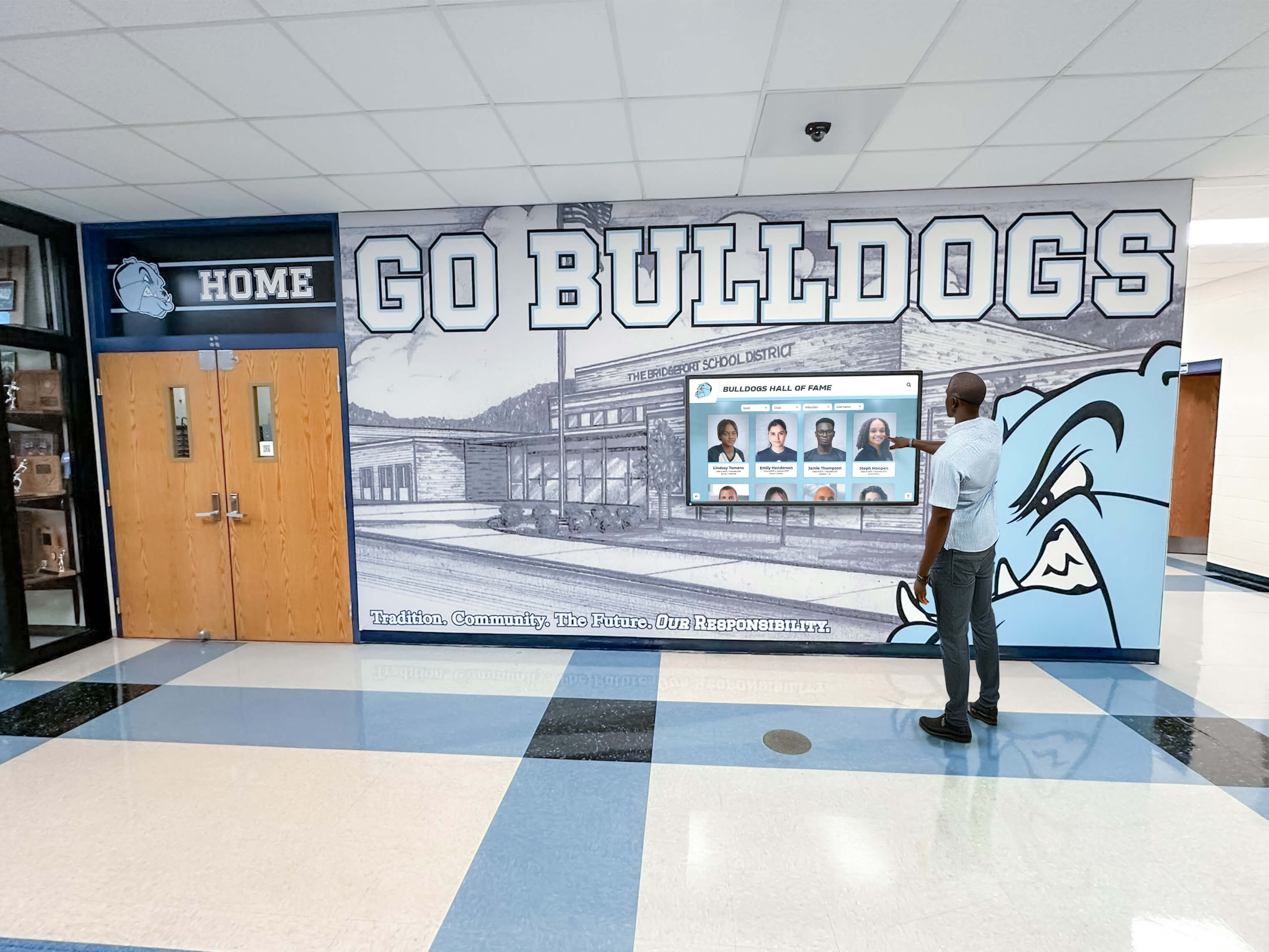
Resources on digital recognition displays demonstrate how youth sports organizations can create permanent recognition celebrating character and sportsmanship alongside competitive achievement.
51. Fair Play Award: Recognizes athletes competing with integrity and adherence to rules even when officials aren’t watching.
52. Gracious Winner Recognition: Honors athletes demonstrating humility and class in victory.
53. Resilient Competitor Award: Celebrates athletes responding to defeat with dignity, learning, and renewed determination.
54. Respect for Officials Award: Acknowledges athletes consistently treating referees and umpires with appropriate respect.
55. Peer-Selected Respect Award: Recognition voted by teammates honoring the athlete they respect most.
Improvement and Development Awards
Improvement recognition validates growth and development, ensuring athletes at all skill levels can earn acknowledgment through measurable progress.
56. Most Improved Player Award: Recognizes the athlete demonstrating greatest overall skill development across the season.
57. Breakthrough Performance Recognition: Honors an athlete whose performance exceeded expectations through dramatic improvement.
58. Skills Progress Award: Celebrates measurable advancement in specific technical skills central to sport success.
59. Confidence Builder Recognition: Acknowledges athletes whose self-belief and competitive confidence grew significantly throughout the season.
60. Statistical Improvement Award: Honors athletes achieving significant statistical progress in key performance metrics from previous seasons.
61. Position Mastery Recognition: Celebrates athletes transitioning to new positions and developing competency through dedicated effort.
62. Rookie of the Year Award: Recognizes the first-year athlete demonstrating exceptional performance, adaptation, and promise.
63. Comeback Player Recognition: Honors athletes returning from injury, setback, or absence to make meaningful contributions.
64. Fastest Learner Award: Celebrates athletes quickly mastering new concepts, plays, strategies, or techniques.
65. Development Trajectory Recognition: Acknowledges athletes whose improvement rate suggests continued growth ahead.
Guidance on student athlete recognition programs provides frameworks for tracking and celebrating athlete improvement throughout seasons and across multiple years.
66. Game Understanding Award: Recognizes athletes demonstrating significant growth in tactical knowledge and game intelligence.
67. Fundamentals Excellence: Honors athletes mastering basic techniques forming the foundation for advanced skill development.
68. Strength Gains Recognition: Celebrates documented improvements in physical strength and power development.
69. Speed Development Award: Acknowledges measurable improvements in sprint speed, quickness, or agility.
70. Endurance Progress Recognition: Honors improvements in stamina, conditioning, and ability to maintain performance throughout games.
Team Contribution and Role Player Awards
Contribution recognition ensures athletes in all roles—starters, reserves, specialists—receive acknowledgment for ways they help teams succeed.
71. Sixth Player Award: Recognizes the top reserve player whose contributions off the bench significantly impact team success.
72. Defensive Specialist Recognition: Honors athletes excelling in specific defensive roles or assignments.
73. Special Teams Excellence (Football): Celebrates contributions in kickoff, punt, kick return, or other special teams situations.
74. Pinch Hitter Award (Baseball/Softball): Recognizes clutch performance when called upon in critical situations as a substitute.
75. Practice Squad MVP: Honors athletes whose practice performance, despite limited game participation, elevates entire team preparation.
76. Unsung Hero Award: Celebrates athletes performing essential but often overlooked roles contributing to team success.
77. Glue Guy Recognition: Honors the athlete whose presence holds the team together through chemistry, communication, and connection.
78. Energy Player Award: Recognizes athletes whose enthusiasm and energy level lift team spirits and intensity.
79. Versatility Award: Celebrates athletes capably filling multiple positions or roles based on team needs.
80. Reliable Role Player Recognition: Honors athletes consistently executing their specific assignments effectively.
81. Substitution Impact Award: Acknowledges athletes who make immediate positive impact when entering games as substitutes.
82. Team Manager Excellence: Recognizes dedicated managers providing essential support enabling team operations and success.
83. Student Coach Recognition: Honors injured or non-playing athletes assisting coaching staff and supporting active teammates.
84. Scout Team MVP: Celebrates athletes replicating opponent tendencies during practice to prepare teammates for competition.
85. Spirit Squad Award: Recognizes the athlete or group maintaining team morale through encouragement and positive energy.
Leadership and Influence Awards
Leadership recognition acknowledges athletes guiding teammates, setting examples, and influencing team culture beyond their individual performance.
86. Captain’s Leadership Award: Honors formal team captains demonstrating exceptional leadership throughout their tenure.
87. Vocal Leader Recognition: Celebrates athletes providing verbal guidance, communication, and direction during practices and games.
88. Lead by Example Award: Acknowledges athletes whose work ethic, behavior, and commitment inspire teammates through actions rather than words.
89. Peer Leadership Recognition: Honors athletes teammates identify as most influential in their development and team experience.
90. Mentor Award: Celebrates experienced athletes dedicating time and energy to developing younger teammates.
Information on digital recognition systems demonstrates how youth sports organizations can create permanent archives celebrating leadership contributions across program history.
91. Culture Builder Recognition: Honors athletes whose influence shapes positive team culture, values, and standards.
92. Conflict Resolution Award: Celebrates athletes helping manage team disagreements and maintaining unity.
93. Pre-Game Inspiration Award: Recognizes athletes whose pregame speeches, rituals, or energy set competitive tone.
94. Accountability Partner Recognition: Honors athletes holding teammates to high standards through constructive challenge and support.
95. Tradition Keeper Award: Celebrates athletes maintaining and strengthening program traditions, history, and identity.
Special Recognition Categories
96. Academic Excellence Award: Honors athletes maintaining outstanding grades while balancing athletic commitments.
97. Community Service Recognition: Celebrates athletes contributing significant volunteer hours or leading service initiatives.
98. Comeback Story Award: Recognizes athletes overcoming significant personal challenges, adversity, or obstacles.
99. Coach’s Award: Acknowledges the athlete coaches select for embodying program values and demonstrating qualities beyond specific categories.
100. Heart and Soul Award: Honors the athlete whose passion, commitment, and love for their sport and team defines the season.
Implementing Effective Youth Sports Award Programs
Creating meaningful recognition requires more than selecting award categories—effective programs need thoughtful design, clear criteria, and appropriate presentation.
Establishing Award Selection Criteria
Define Clear Standards: Establish specific, measurable criteria for awards when possible. Statistical awards should have transparent calculations. Subjective awards like sportsmanship or effort need clear evaluation frameworks.
Balance Objectivity and Judgment: Some awards rely on statistics providing objective measures. Others require coach observation and judgment. Quality programs include both types ensuring diverse contribution forms receive recognition.
Consider Age Appropriateness: Younger athletes benefit from broader recognition acknowledging participation and effort. Older, more competitive athletes appreciate performance-based awards recognizing achievement and excellence.
Avoid Overrecognition: While comprehensive recognition matters, giving every athlete identical awards diminishes recognition meaning. Balance inclusive participation recognition with selective achievement awards requiring genuine accomplishment.
Maintain Transparency: Share award criteria with athletes and families at season start, enabling everyone to understand recognition standards and how recipients are selected.
Award Selection Process Best Practices
Coach Input and Voting: When awards involve judgment, gather input from all coaching staff rather than single coach decisions. Multiple perspectives reduce bias while ensuring comprehensive athlete evaluation.
Player Input for Peer Awards: Consider allowing team voting for peer-selected awards like Teammate of the Year or Respect Award. Peer recognition often holds special meaning for young athletes.
Statistical Verification: For performance-based awards, maintain accurate statistics throughout seasons ensuring recognition reflects actual achievement rather than perception or memory.
Multiple Category Winners: Allow athletes to win multiple awards when they genuinely excel across categories. However, consider limiting major awards to one per athlete ensuring broader recognition distribution.
Review and Fairness Checks: Before finalizing selections, review whether recognition distributes appropriately across team roster. If awards concentrate on few athletes, consider whether evaluation captured full range of contributions.
Resources on effective recognition program implementation provide frameworks youth sports organizations can adapt for creating fair, meaningful athlete acknowledgment systems.
Award Presentation Strategies
Season-Ending Banquets: Traditional team banquets provide formal settings for major award presentation. These events celebrate seasons while enabling families to participate in recognition moments.
Individual Award Meetings: Consider presenting awards individually or in small groups, allowing personal conversations about what athletes accomplished and what recognition means.
Public Recognition Events: Present certain awards during public events—championship games, community celebrations—generating broader visibility for athlete accomplishments.
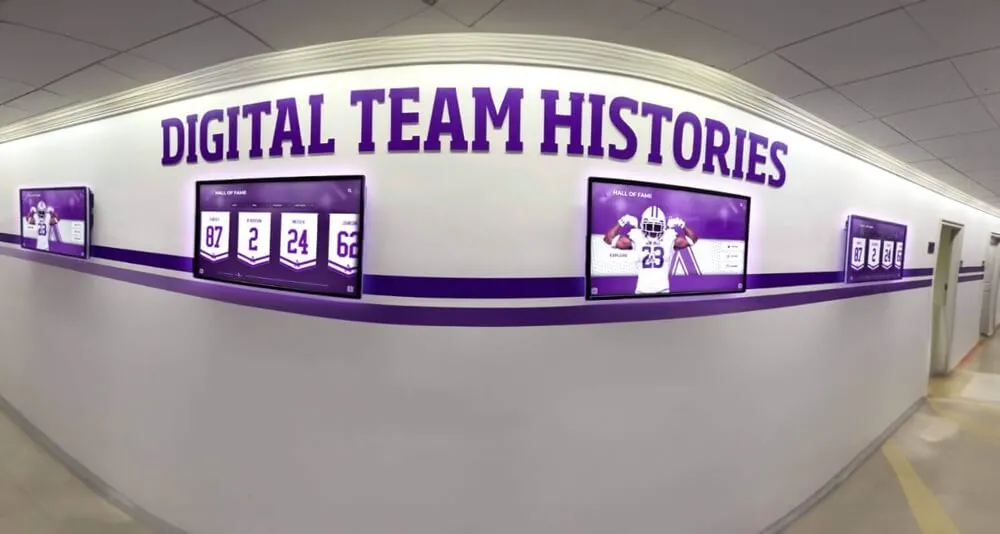
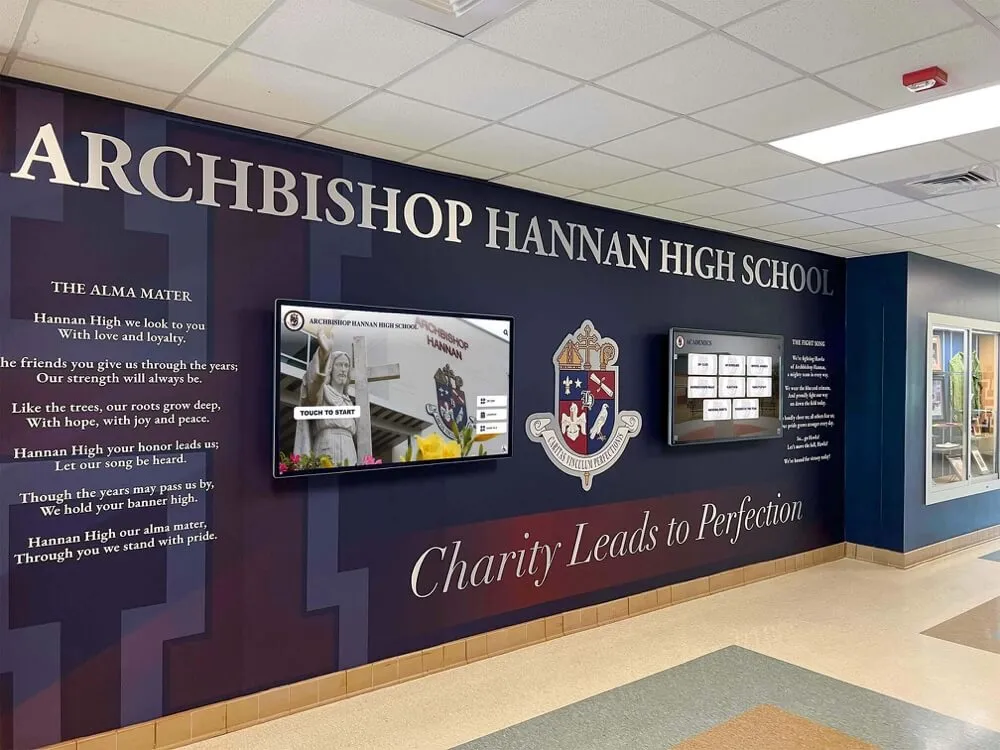
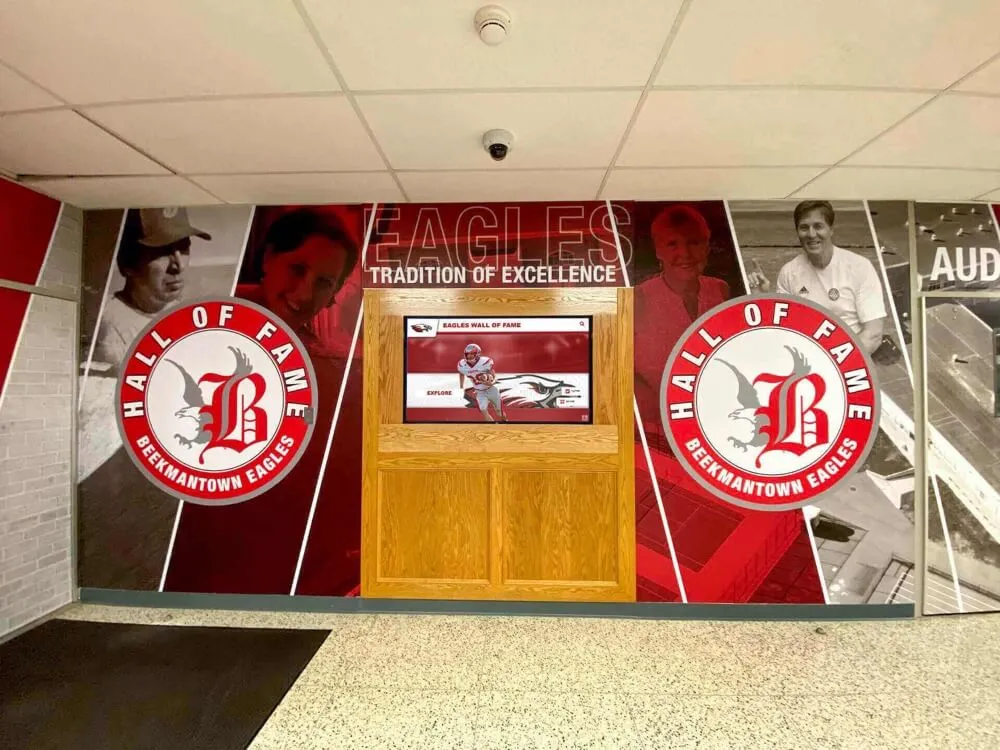
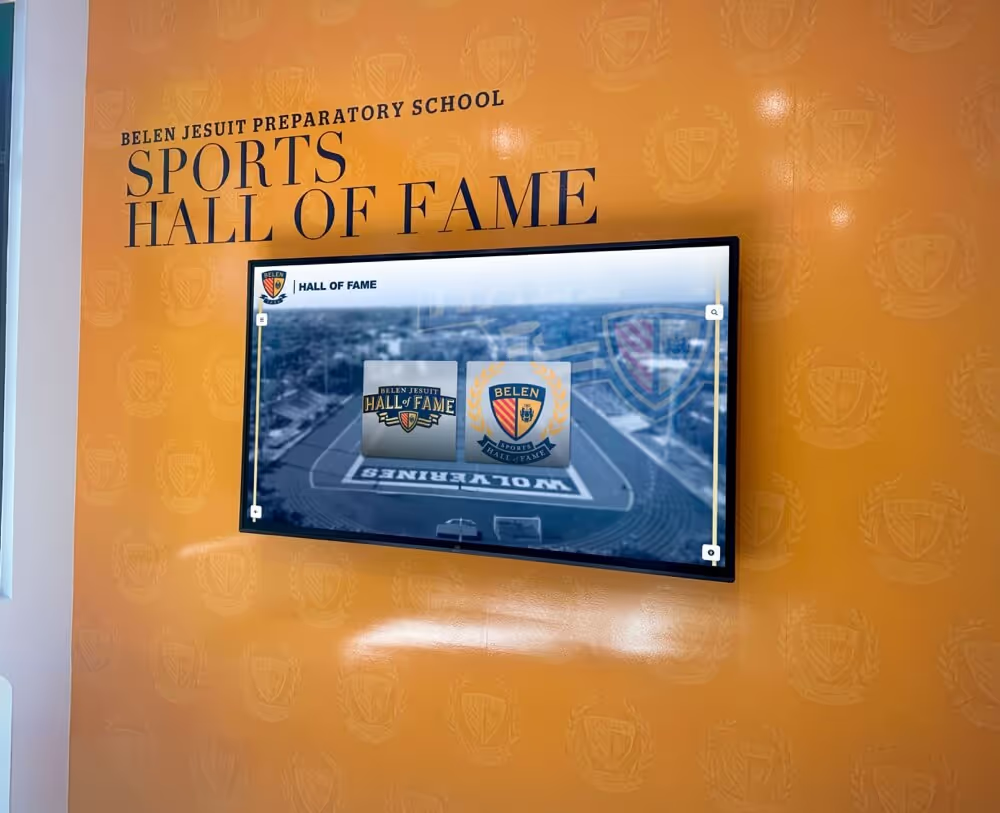
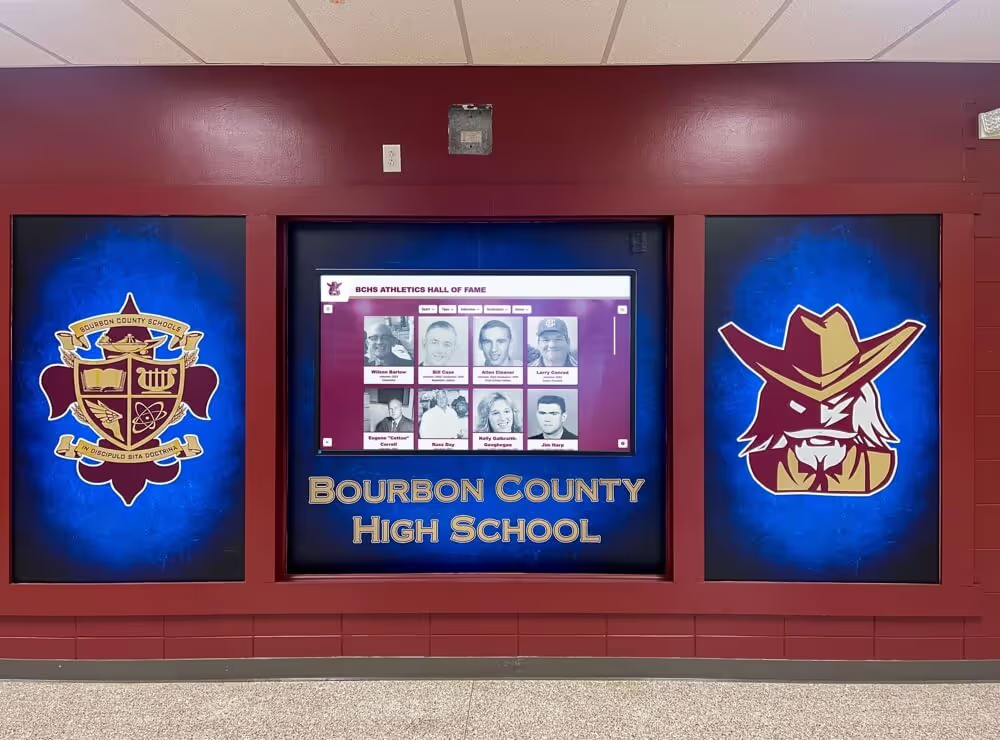
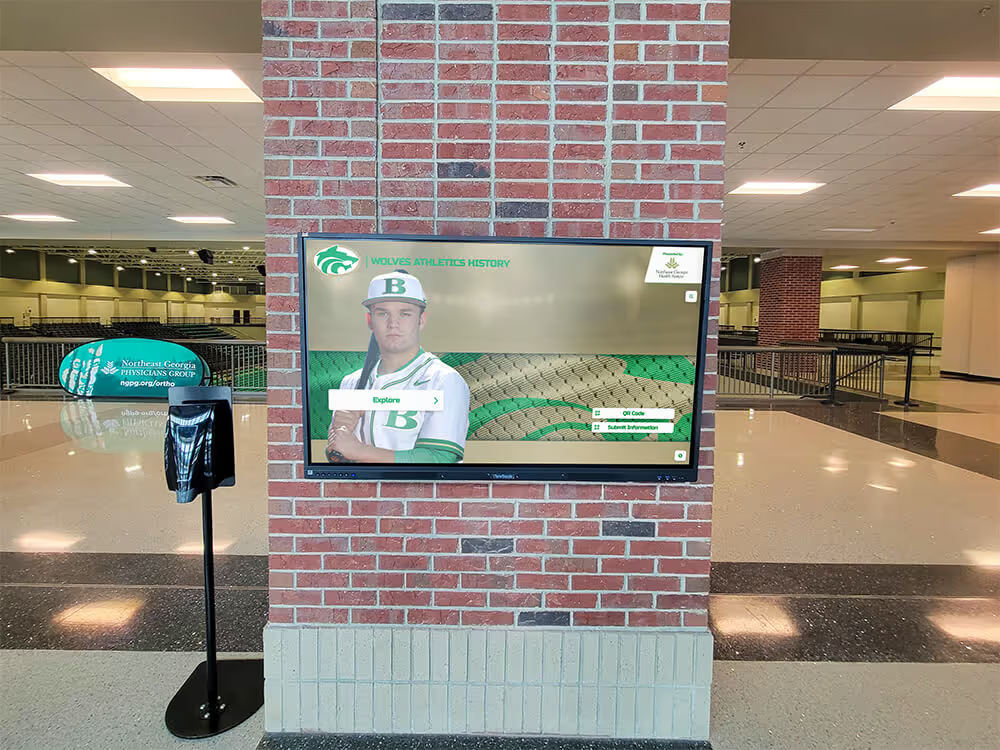
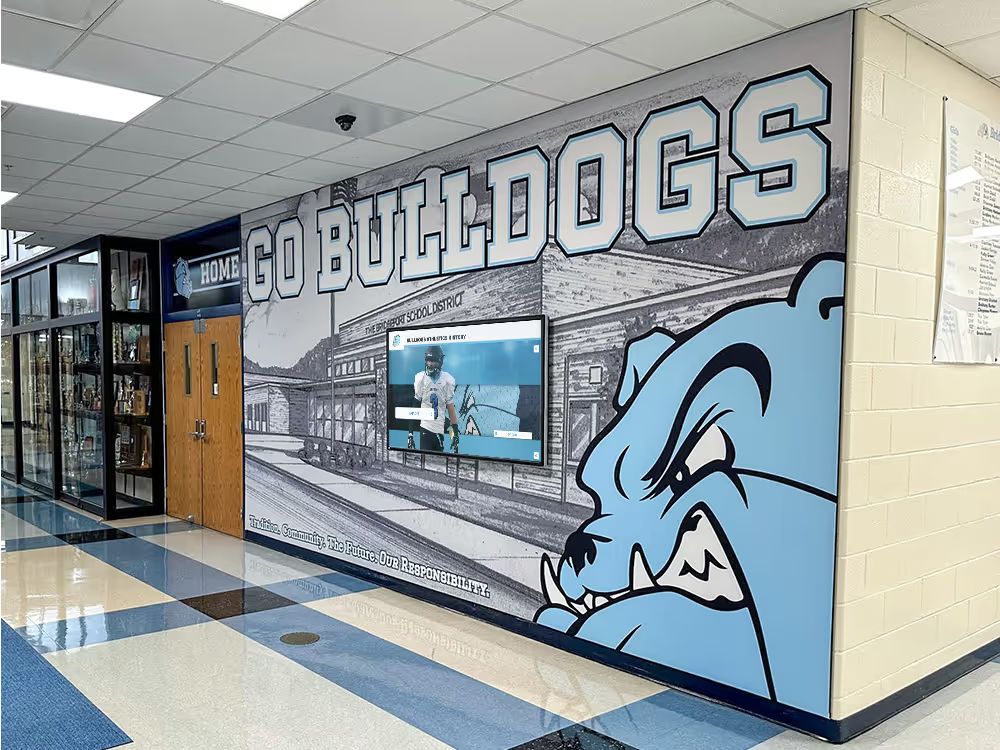
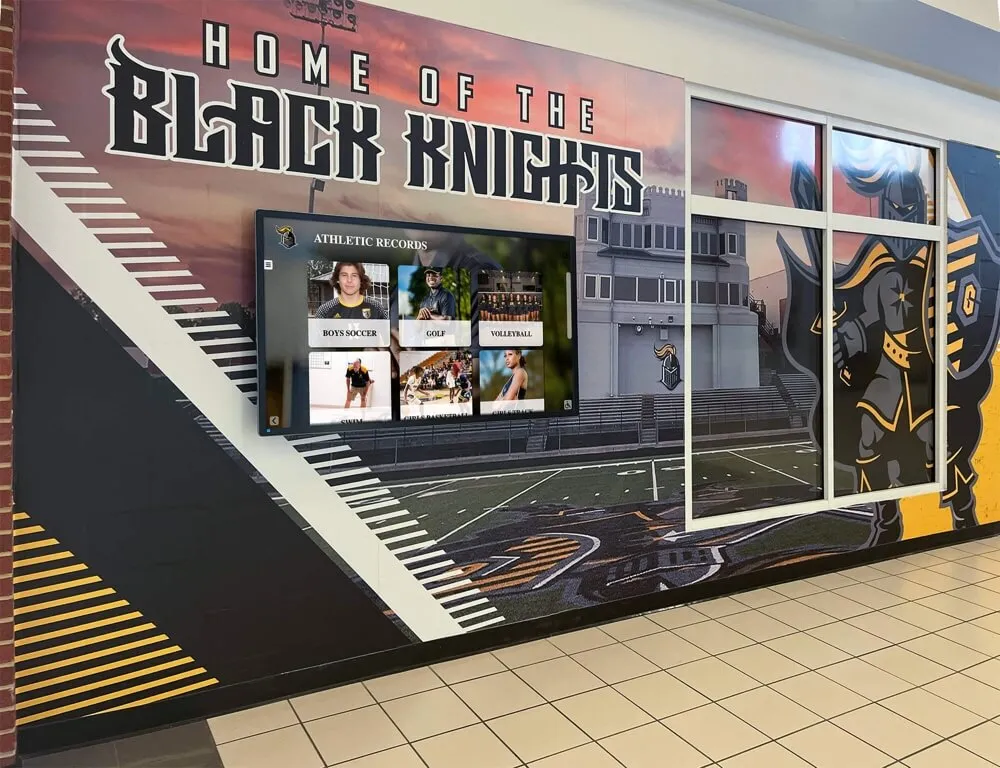
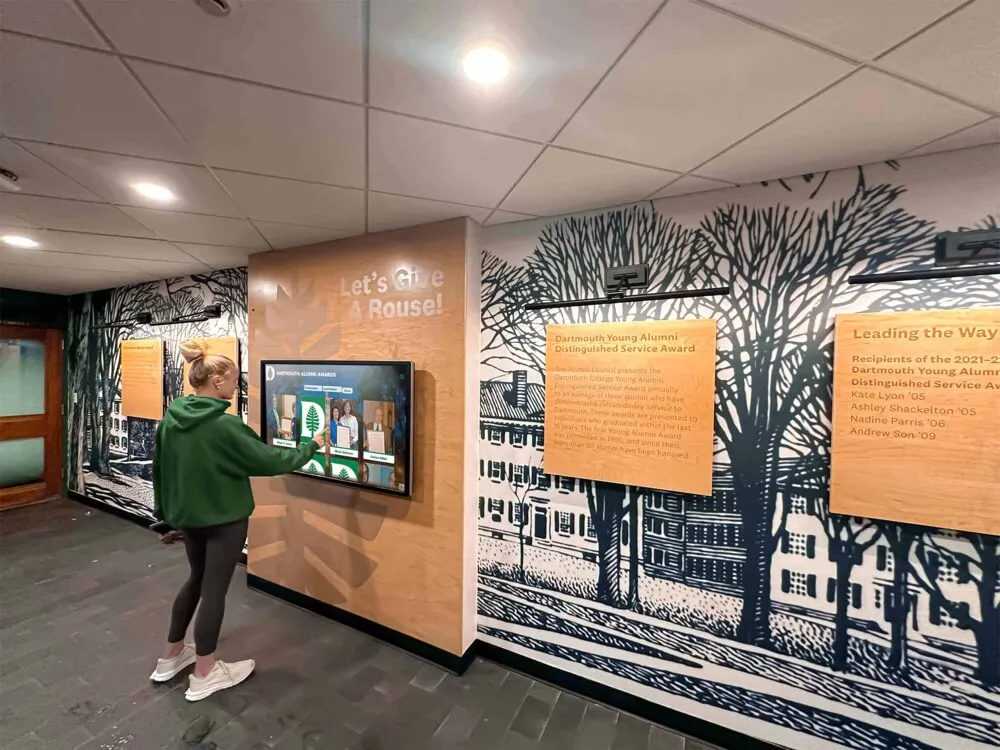
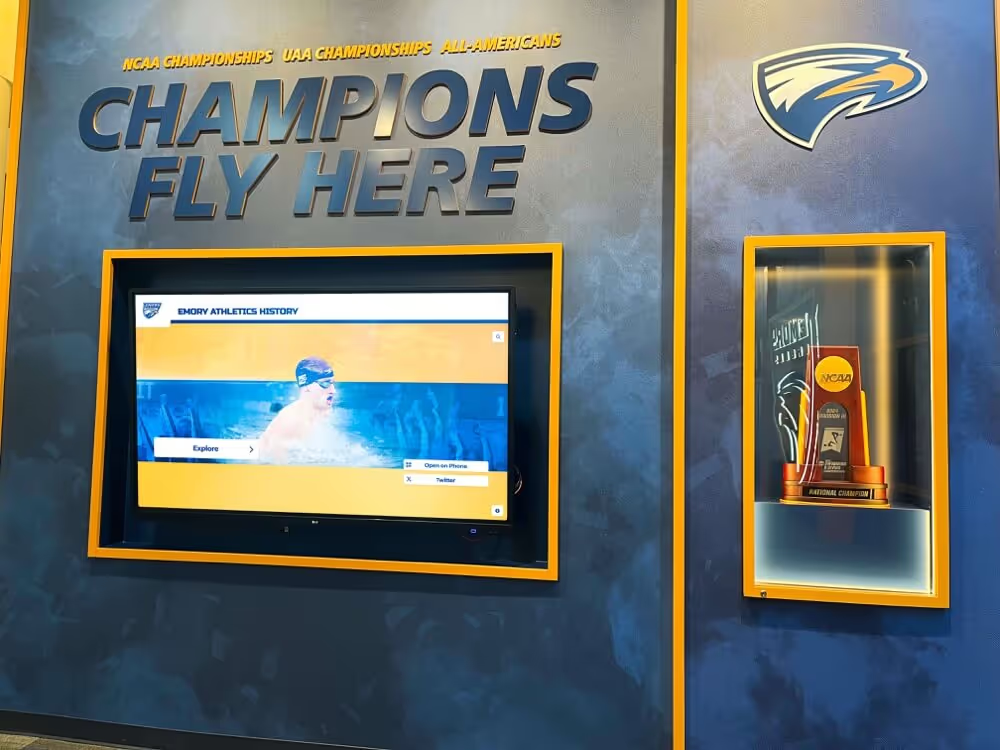
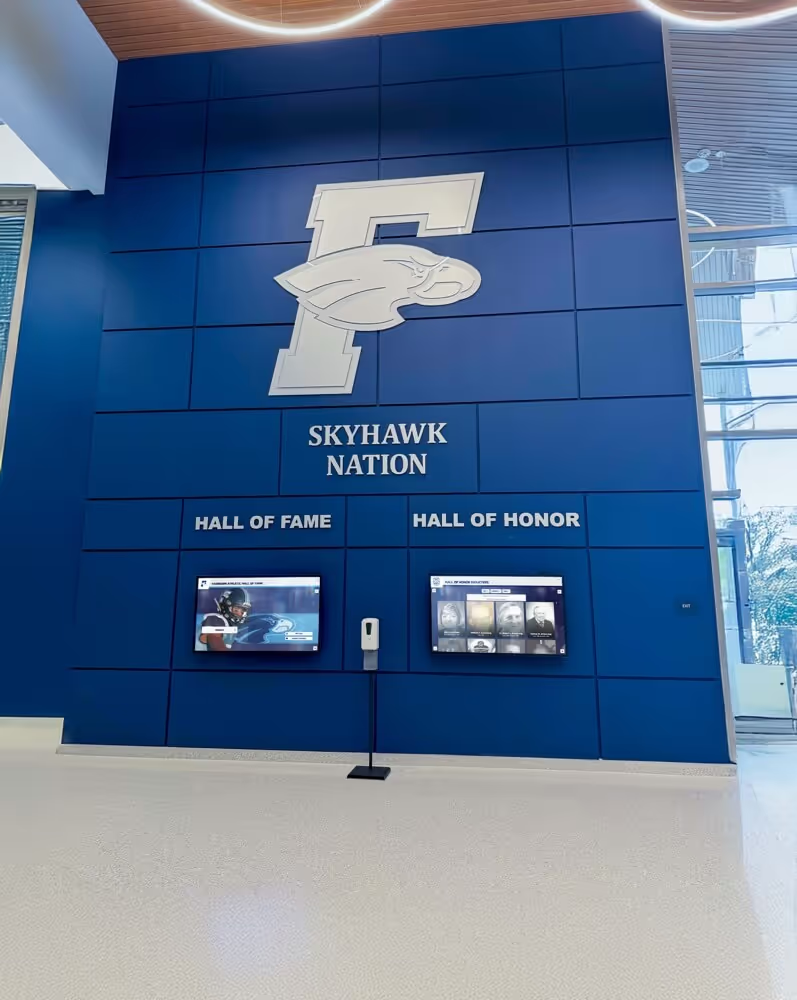
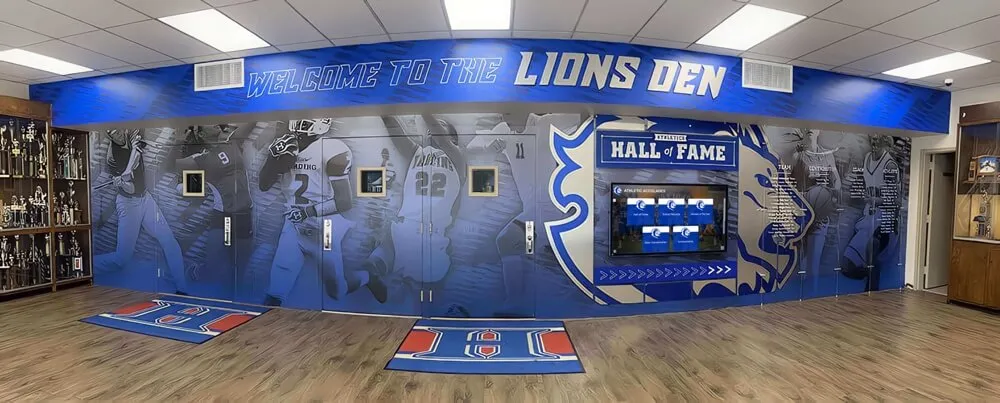
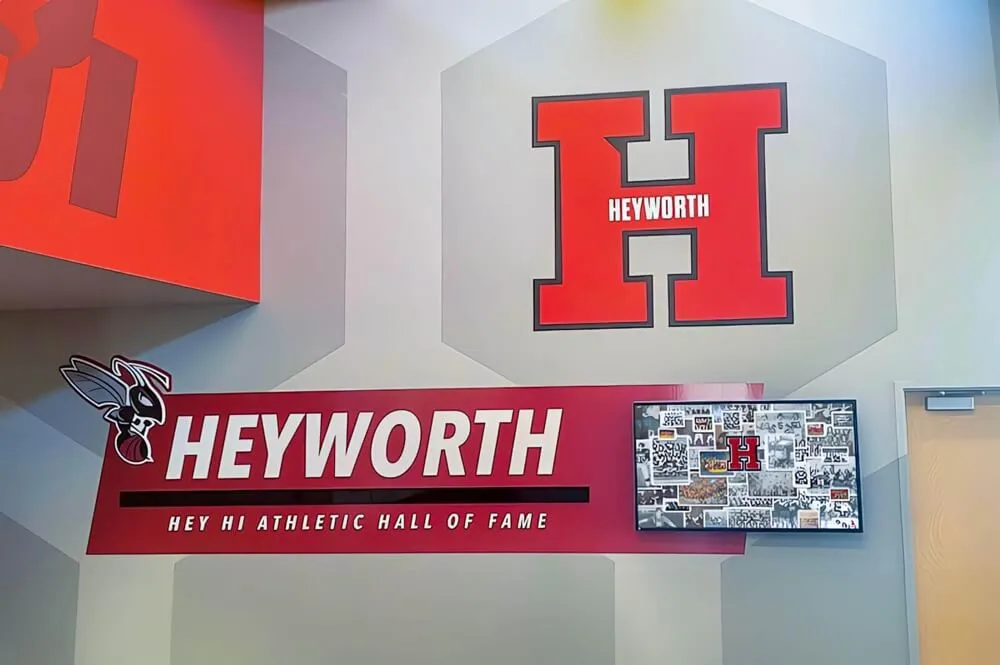
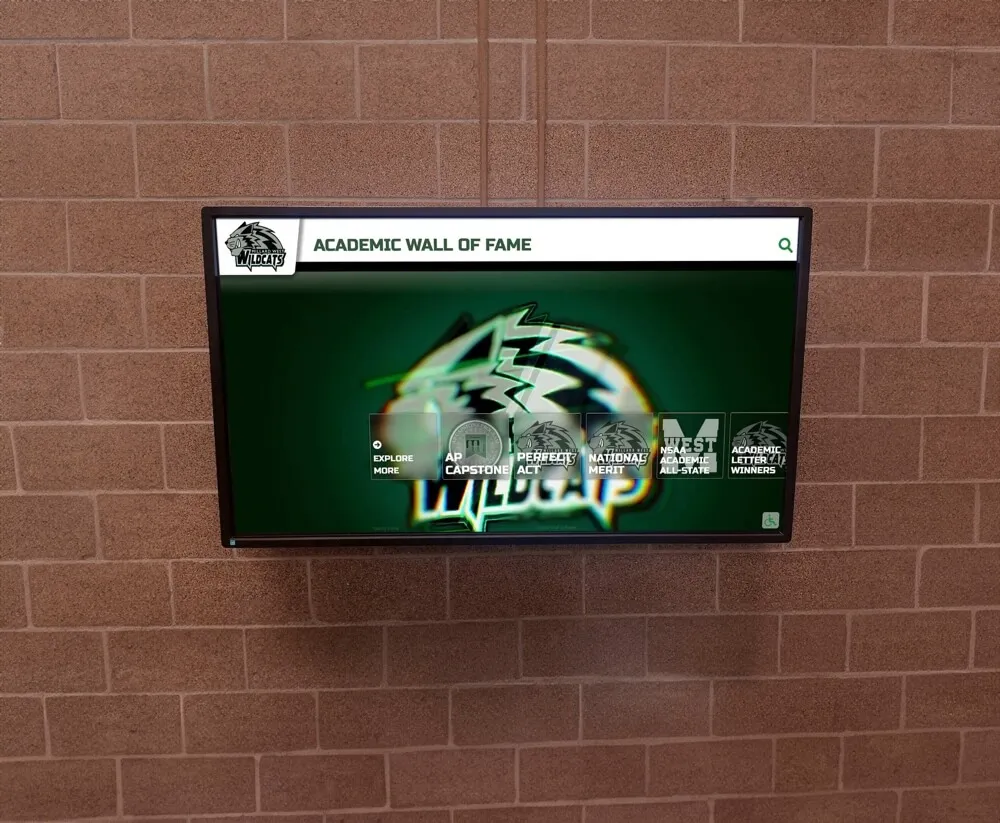
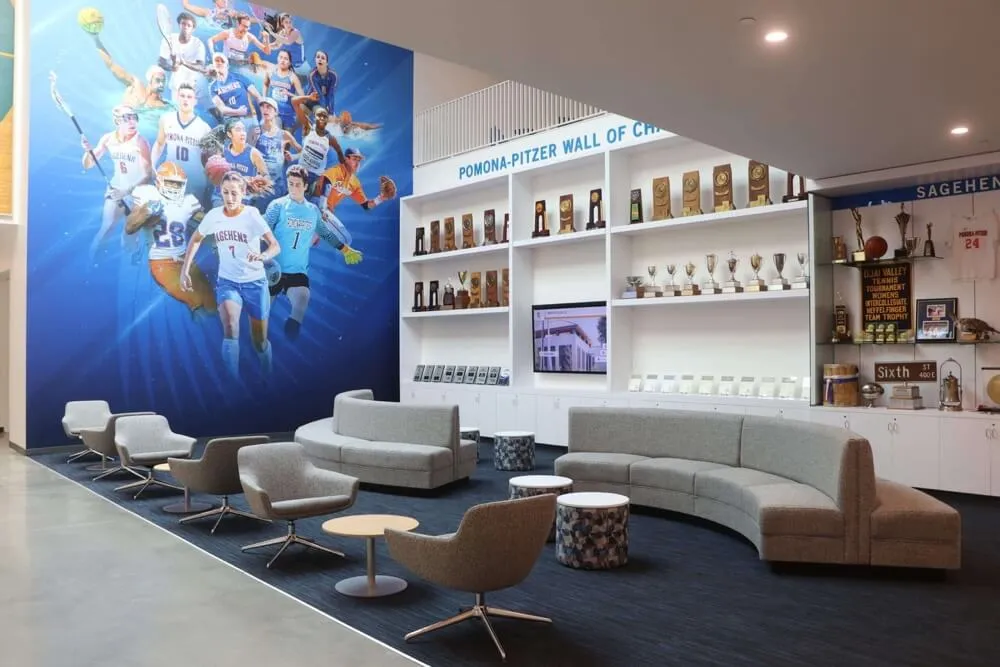
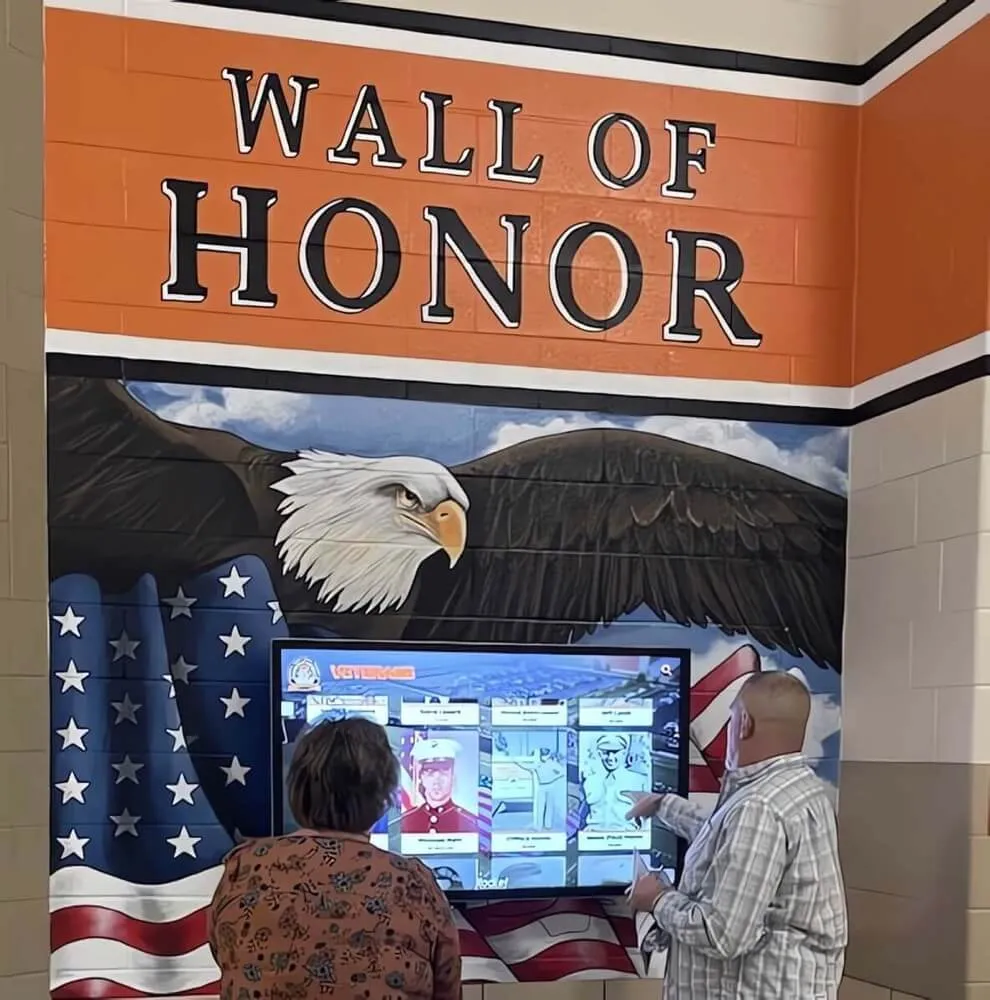
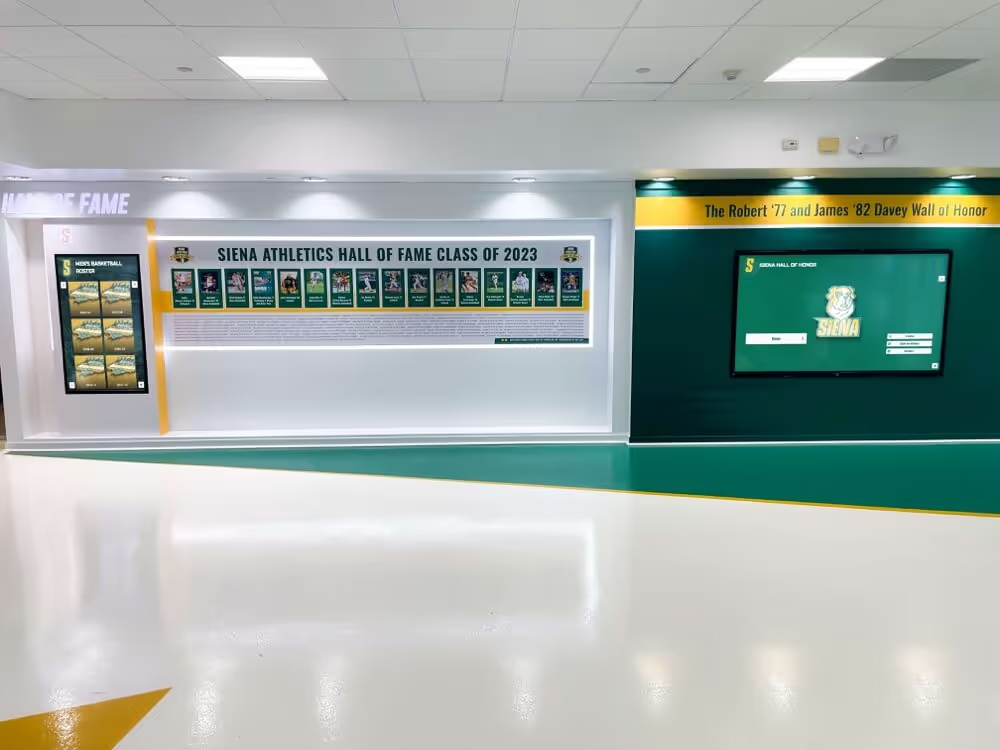
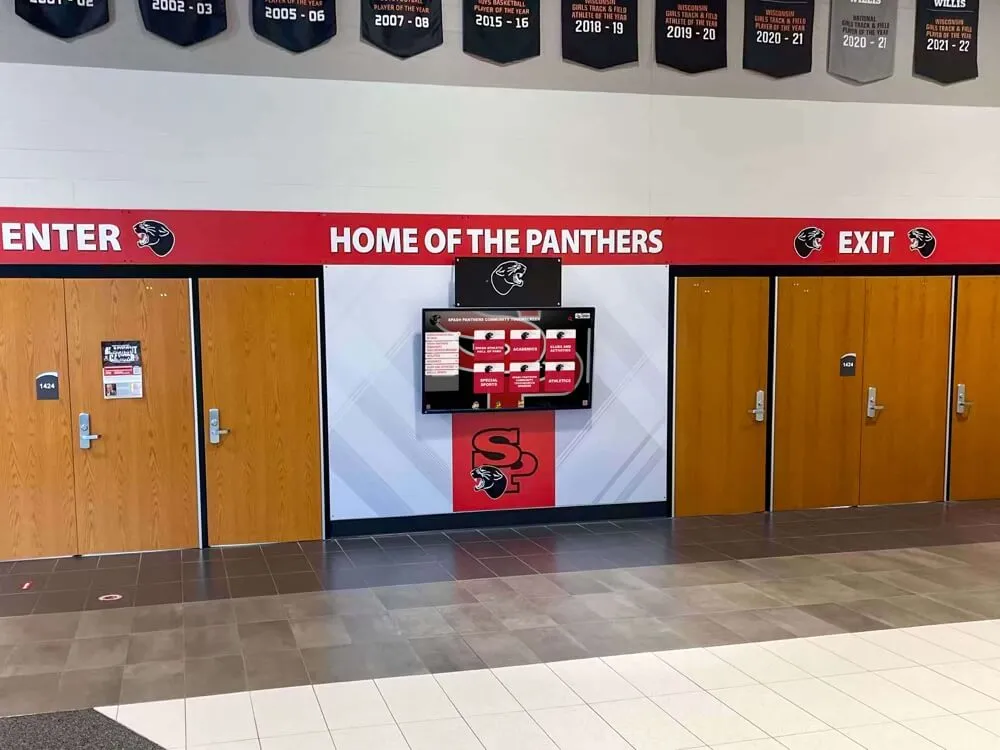
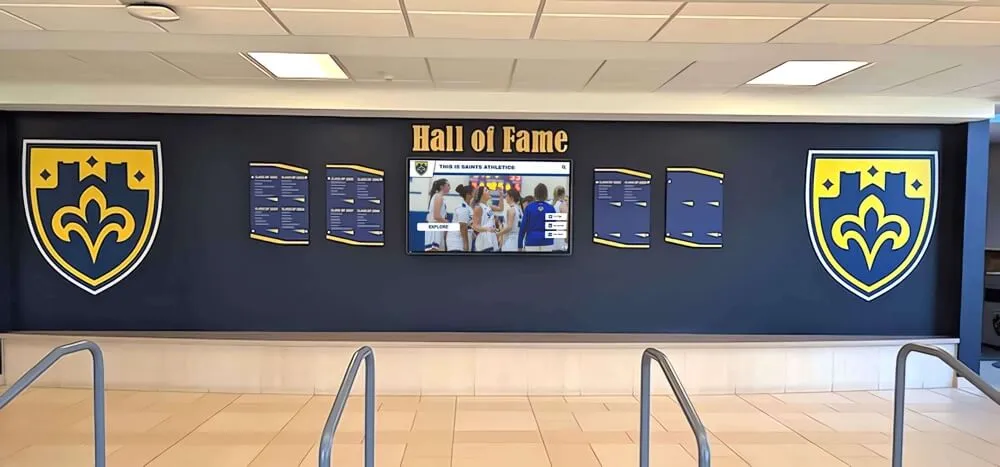
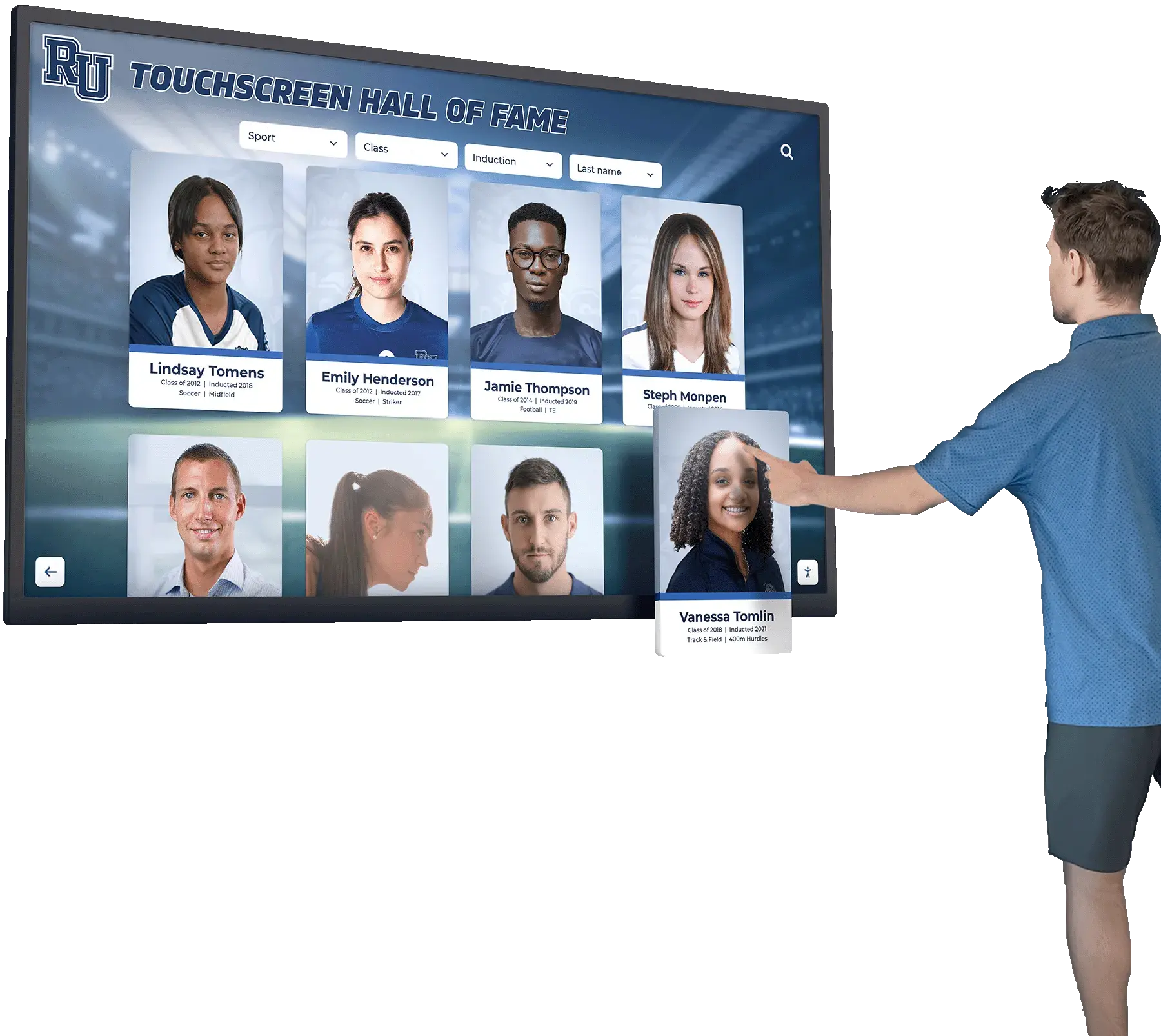
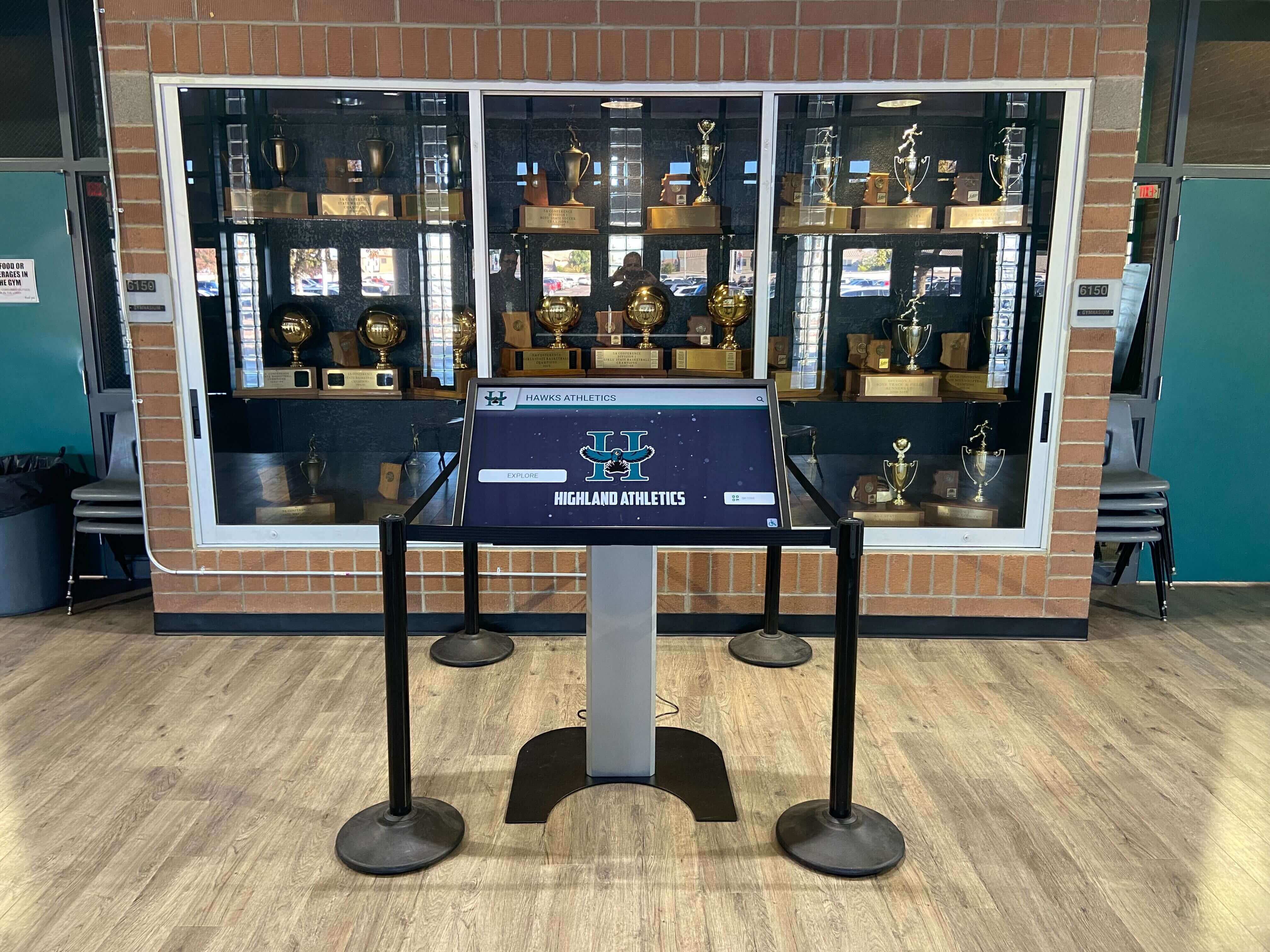
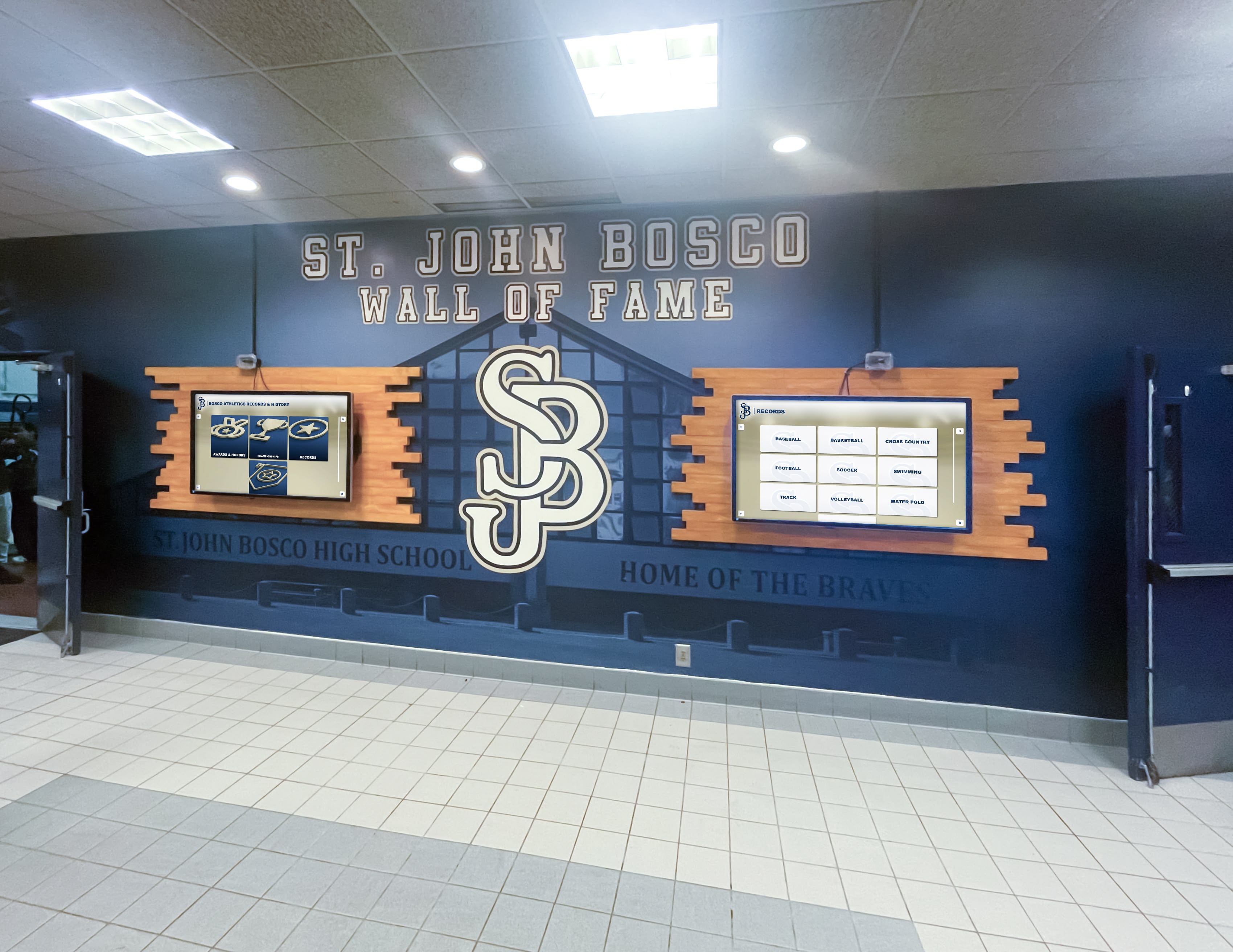
Digital Recognition Archives: Create permanent recognition through digital display systems displaying current award winners while maintaining historical records celebrating past recipients.
Certificate and Trophy Quality: Invest in quality physical recognition items athletes can keep. Well-designed certificates and trophies communicate that recognition matters and achievements deserve celebration.
Personalized Award Descriptions: When presenting awards, provide specific examples of why recipients earned recognition rather than generic praise. Personal detail increases meaning and impact.
Photo and Video Documentation: Photograph and record award presentations, providing families with lasting memories while creating content for program promotion and future recognition displays.
Age-Appropriate Award Program Design
Different age groups benefit from recognition approaches matched to their developmental stages, competitive levels, and motivational needs.
Elementary Age Programs (Ages 5-10)
Emphasis on Participation: Recognize all participants celebrating involvement, learning, and fun rather than comparative achievement.
Effort Over Outcome: Focus awards on trying hard, practicing skills, and showing good sportsmanship rather than winning or statistical performance.
Frequent, Small Recognition: Provide regular acknowledgment—weekly practice awards, game recognition—rather than only season-end ceremony.
Certificates Over Trophies: Simple certificates often suffice for young athletes while reducing costs and avoiding excessive focus on external rewards.
Fun Award Categories: Include creative awards making recognition enjoyable—Best High Five, Most Enthusiastic, Best Team Cheer—alongside basic participation recognition.
Middle School Programs (Ages 11-13)
Mixed Recognition Types: Balance participation recognition with emerging performance-based awards as competitive differentiation becomes appropriate.
Peer Recognition Introduction: Begin including peer-voted awards teaching young athletes to recognize and appreciate teammate contributions.
Improvement Focus: Emphasize awards acknowledging growth and development particularly as physical maturation creates temporary performance disparities.
Character Emphasis: Maintain strong focus on sportsmanship and character recognition as athletes navigate social challenges of early adolescence.
Team Over Individual: Continue prioritizing team achievement and contribution over individual statistical accomplishment.
High School Programs (Ages 14-18)
Performance Recognition: Include substantial performance-based awards recognizing statistical achievement and competitive excellence.
Leadership Awards: Acknowledge formal and informal leadership as older athletes mentor younger teammates and shape program culture.
College Preparation: Recognize achievements supporting college athletic recruitment—academic excellence, all-conference selections, leadership positions.
Selective Excellence: Balance inclusive recognition with selective major awards requiring exceptional achievement making recognition more meaningful.
Permanent Recognition: Create lasting acknowledgment through programs like Rocket Alumni Solutions that maintain historical archives celebrating athletic accomplishments beyond high school years.
Digital Recognition Systems for Youth Sports
Technology enables youth sports organizations to create comprehensive, permanent recognition extending far beyond traditional trophy cases and brief banquet presentations.
Benefits of Digital Youth Sports Recognition
Unlimited Recognition Capacity: Digital platforms accommodate awards for unlimited athletes across unlimited categories without physical space constraints limiting who receives acknowledgment.
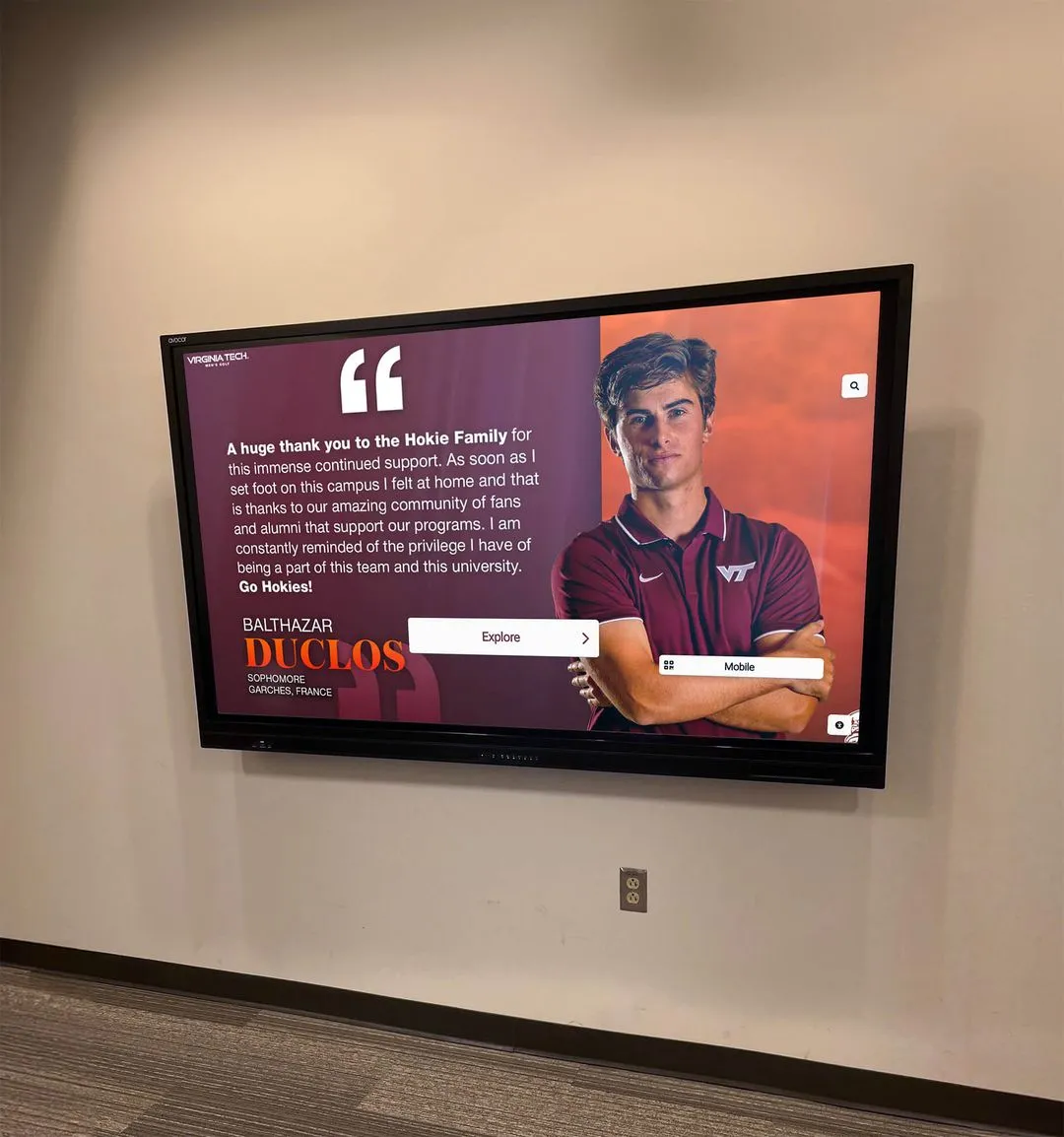
Multimedia Storytelling: Beyond names and statistics, digital recognition includes photos, videos, personal statements, and comprehensive athlete profiles creating engaging narratives around accomplishments.
Easy Content Updates: Web-based management systems enable quick updates adding new award recipients, updating athlete profiles, and maintaining current recognition content.
Historical Archives: Digital systems preserve program history, enabling future athletes and families to explore past award winners while connecting current recognition to program tradition.
Family Accessibility: Online extensions enable remote access by extended families, alumni, and community members who cannot attend banquets but want to celebrate athlete achievements.
Social Sharing: Digital content facilitates easy sharing to social media platforms, generating positive program visibility while enabling athletes to share recognition with personal networks.
Solutions like Rocket Alumni Solutions provide purpose-built platforms designed specifically for athletic recognition, offering functionality traditional approaches cannot match while creating permanent celebration of youth athlete accomplishments.
Implementing Digital Recognition Systems
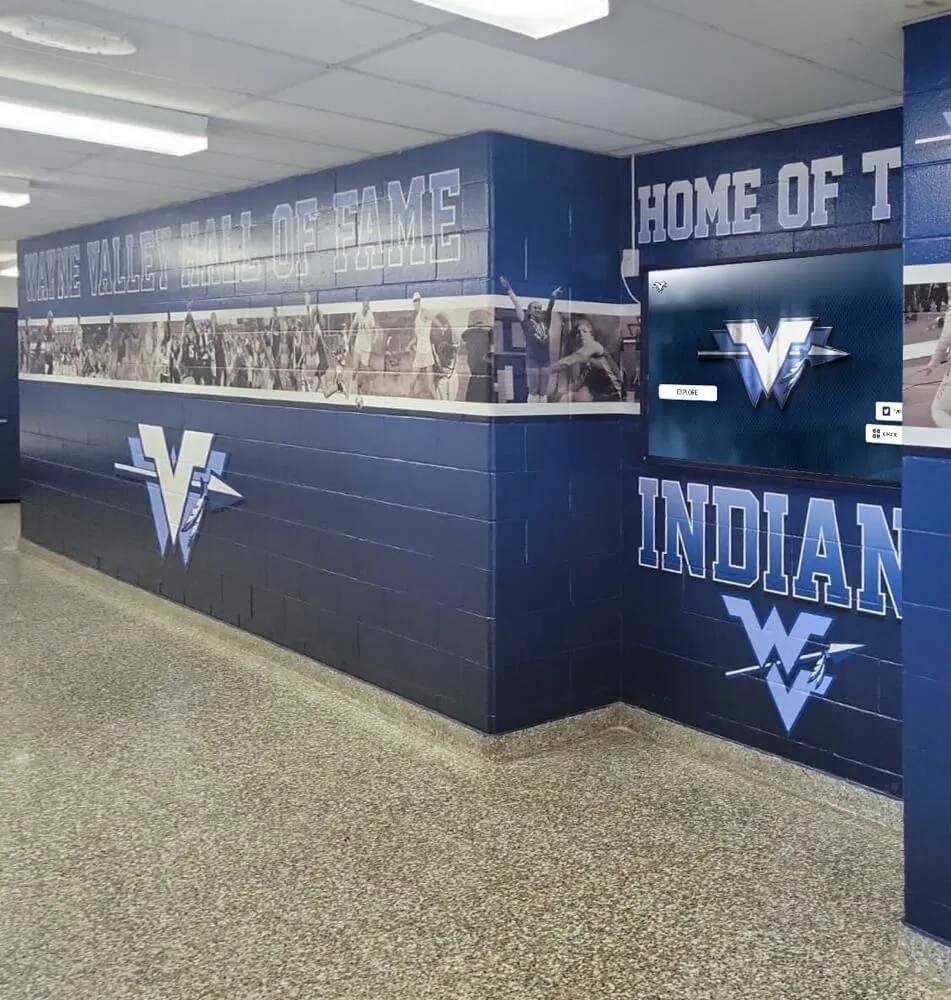
Strategic Display Placement: Position touchscreen displays in facility entrances, lobbies, or common areas ensuring regular athlete, family, and visitor engagement with recognition content.
Comprehensive Profile Development: Create detailed athlete profiles including photos, award information, statistics, personal statements, and achievements rather than basic name listings.
Regular Content Updates: Establish processes for consistently adding new award recipients and updating information ensuring recognition remains current and relevant.
Integration with Physical Awards: Use digital systems to complement rather than replace physical trophies and certificates, providing lasting visibility extending beyond items stored at homes.
Community Engagement: Enable community members, alumni, and families to explore recognition content, building program support while celebrating athlete accomplishments publicly.
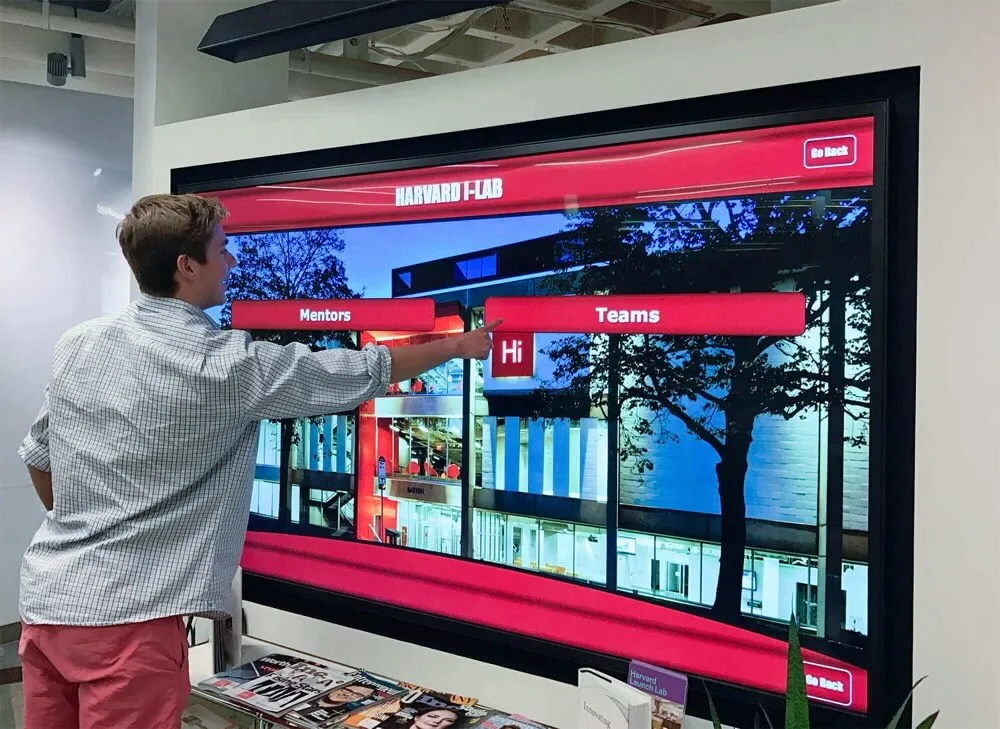
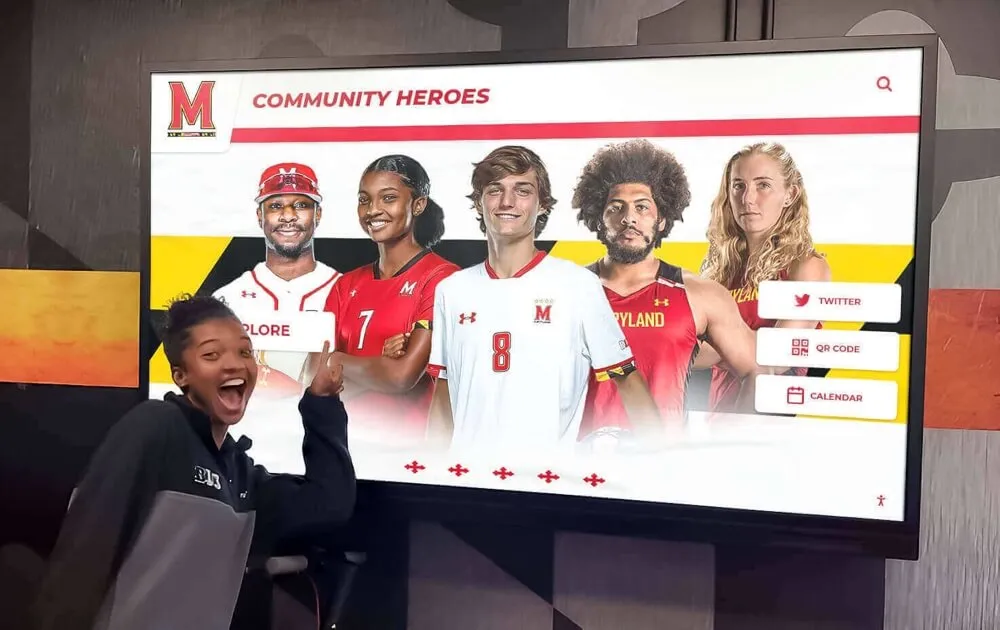
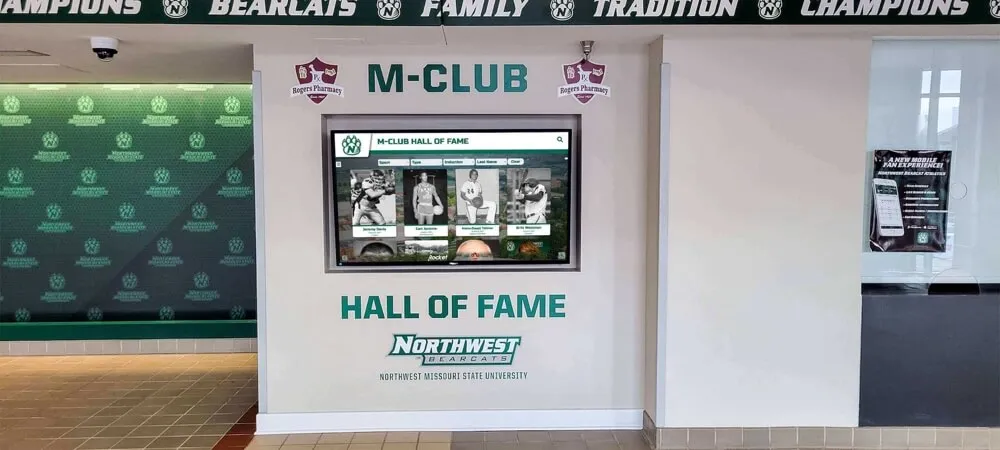
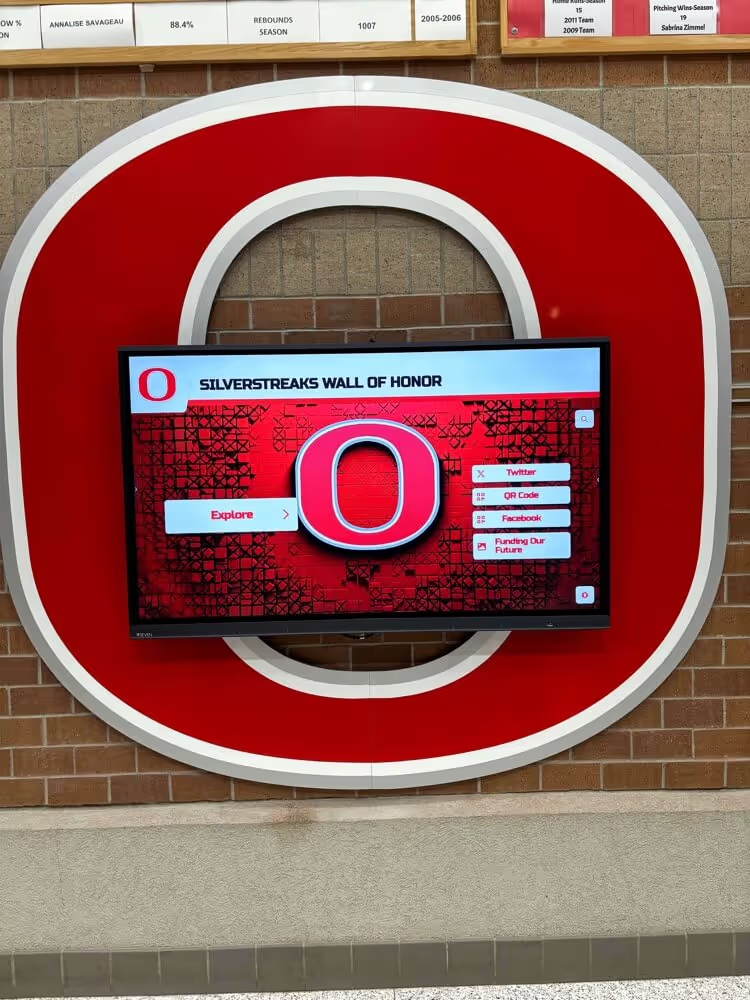
Resources on touchscreen recognition displays demonstrate how youth sports organizations can implement modern technology creating engaging, permanent athlete recognition.
Budget Planning for Award Programs
Understanding financial requirements helps youth sports organizations create sustainable recognition programs delivering maximum impact within available resources.
Award Program Cost Components
Physical Award Items: Trophies, medals, plaques, certificates, and other tangible recognition items athletes receive. Costs vary significantly based on quality, quantity, and award types selected.
Banquet and Event Expenses: Venue rental, catering, decorations, programs, and other ceremony-related costs. Event scale significantly influences budget requirements.
Digital Recognition Systems: Initial investment in display hardware, software platforms, installation, and content development plus ongoing subscription and maintenance costs.
Communication Materials: Printing costs for programs, promotional materials, and recognition documentation plus digital content creation expenses.
Administrative Time: Staff or volunteer hours for award selection, event planning, content development, and program coordination.
Cost-Effective Award Program Strategies
Tiered Recognition Approach: Provide elaborate trophies for major awards while using quality certificates for broader recognition categories, balancing impact and budget.
Sponsor Partnerships: Seek local business sponsorships covering award costs in exchange for recognition at banquets and on materials.
Parent Organization Support: Engage booster clubs, parent groups, or youth sports associations in funding recognition programs.
Digital Investment Value: While digital recognition requires higher initial investment, elimination of recurring physical plaque production costs plus unlimited recognition capacity provides long-term value.
Volunteer Coordination: Utilize parent volunteers for banquet planning, coordination, and execution reducing paid staff requirements while building community engagement.
Bulk Purchasing: Order awards in larger quantities or establish relationships with trophy suppliers securing volume discounts reducing per-item costs.
Create Lasting Recognition for Your Youth Athletes
Transform how your youth sports program celebrates athletes by implementing digital recognition that permanently honors accomplishments across all award categories. Rocket Alumni Solutions enables sports organizations to create comprehensive athlete profiles featuring awards, statistics, photos, and achievements that remain accessible for decades—ensuring recognition extends far beyond brief banquet moments while building program tradition and history.
Common Youth Sports Award Program Challenges and Solutions
Understanding frequent challenges helps organizations avoid problems that undermine recognition effectiveness and athlete motivation.
Challenge: Overrecognition Diluting Award Meaning
Recognition programs sometimes acknowledge so many athletes for minimal accomplishment that awards lose significance and fail to motivate genuine excellence.
Solution: Balance broad participation recognition with selective achievement awards requiring genuine accomplishment. Establish clear criteria ensuring awards require effort while creating categories enabling athletes at various skill levels to earn acknowledgment through appropriate achievement.
Challenge: Limited Recognition Distribution
Awards concentrating on star athletes or highest achievers while overlooking role players, improvers, and character contributors create perception that only elite performance matters.
Solution: Implement diverse award categories ensuring various contribution types receive recognition. Track recipient distribution ensuring awards reach athletes across roster rather than clustering on few standouts.
Challenge: Subjective Award Selection Bias
When subjective awards lack clear criteria or consistent evaluation, selection appears based on coach favorites or parent influence rather than genuine merit.
Solution: Establish evaluation rubrics for subjective awards, gather input from multiple coaches, and maintain transparency about selection processes. Document reasoning for selections enabling explanation if questioned.
Challenge: Poor Ceremony Execution
Disorganized, lengthy, or poorly attended banquets diminish recognition impact regardless of award significance.
Solution: Plan ceremonies carefully, maintain appropriate pacing, schedule to maximize attendance, and focus events on honoring athletes rather than adult speeches or organizational messaging.
Challenge: Awards Forgotten After Presentation
Recognition limited to brief banquet moments without lasting documentation loses impact as accomplishments are forgotten.
Solution: Create permanent recognition through physical displays, digital platforms, or program archives ensuring achievements receive ongoing visibility. Document awards in program records and athlete profiles preserving recognition history.
Adapting Award Programs Across Sports
While core principles apply universally, specific sports benefit from recognition adapted to their unique characteristics, positions, and achievement types.
Team Sport Specific Awards
Basketball: Assists leader, rebounds leader, steals leader, three-point shooting percentage, free throw percentage, clutch performer, lockdown defender.
Soccer: Clean sheet recognition (goalkeepers), assists leader, defensive player, midfielder of year, forward of year, penalty kick specialist, set piece excellence.
Football: Offensive line excellence, defensive line dominance, special teams standout, big play recognition, turnover creation, touchdown responsibility, protection award.
Baseball/Softball: Golden glove (defensive excellence), silver slugger (offensive production), perfect attendance, most improved hitter/pitcher, clutch performance, base running excellence.
Volleyball: Most digs, best setter, hitting efficiency, serving accuracy, blocking prowess, back row specialist, communication leader.
Hockey: Most goals, assists, saves (goalies), plus/minus leader, hits leader, penalty kill excellence, power play production, faceoff percentage.
Individual Sport Recognition
Track and Field: Event-specific records, personal improvement, relay contribution, versatility (multiple events), meets attended, practice dedication.
Swimming: Event specialization excellence, individual medley achievement, relay contribution, best time improvement, training attendance, technique mastery.
Wrestling: Most wins, pin percentage, takedown leader, escape artist, heavyweight/lightweight excellence, tournament performance, conditioning award.
Tennis: Match record, singles excellence, doubles partnership, sportsmanship, most improved technique, mental toughness, tournament achievement.
Golf: Low scorer, most improved score, consistency award (fewest bad rounds), practice dedication, course management, tournament performance.
Cross Country: Fastest time, most improved time, training mileage leader, pack running excellence, course record, mental toughness, consistency award.
Understanding sport-specific achievement enables appropriate recognition celebrating accomplishments unique to each athletic endeavor.
Conclusion: Building Youth Sports Recognition That Matters
Effective youth sports award programs transcend ceremonial formalities to become meaningful experiences validating young athlete effort, celebrating diverse accomplishments, and teaching important lessons about excellence, character, and personal growth. When thoughtfully designed with clear criteria, diverse categories, fair selection, and appropriate presentation, recognition programs profoundly influence athlete motivation, continued participation, and development as both competitors and people.
The most successful youth sports recognition shares several characteristics: celebrating diverse achievement ensuring various athlete contributions receive acknowledgment; establishing transparent criteria maintaining credibility and fairness; balancing performance recognition with character and effort acknowledgment; providing meaningful presentation experiences honoring recipients appropriately; and creating permanent documentation ensuring accomplishments receive lasting visibility.
Digital recognition solutions like Rocket Alumni Solutions enable youth sports organizations to create comprehensive, permanent celebration of athlete accomplishments extending recognition beyond brief banquet moments. These platforms provide unlimited capacity for honoring athletes, enable rich multimedia storytelling bringing achievements to life, facilitate easy updates keeping recognition current, and create engaging experiences encouraging exploration of program history and tradition.
Whether organizations manage recreational leagues emphasizing participation and development or competitive programs focusing on achievement and excellence, commitment to comprehensive, fair, meaningful athlete recognition creates the positive cultures where young athletes feel valued, motivated to improve, and connected to programs supporting their growth. By implementing thoughtful award programs using the 100 ideas presented in this guide, youth sports organizations demonstrate that effort matters, achievement deserves celebration, character counts as much as competition, and every athlete’s contribution to team success has genuine value—lessons extending far beyond youth sports into lifelong attitudes about excellence, teamwork, and personal development.