



The 10-year high school reunion holds a unique position in the reunion timeline—it arrives at a pivotal moment when former classmates have ventured far enough from graduation to establish independent identities yet remain close enough to their school years that memories stay vivid and connections feel meaningful. This first major milestone reunion captures a generation in transition, navigating early careers, forming families, and discovering who they’ve become in the decade since walking across graduation stages together.
Planning a successful 10-year reunion requires balancing nostalgia with forward momentum, creating space for authentic reconnection while acknowledging how dramatically life diverges in those formative post-graduation years. Former high school athletes now pursue corporate careers. Quiet students blossom into entrepreneurs. Once-inseparable friend groups scattered across continents maintain fragile connections through social media. The challenge lies in bringing these divergent paths back together for meaningful celebration that honors both shared history and individual journeys.
Creating Lasting Recognition for Milestone Reunions
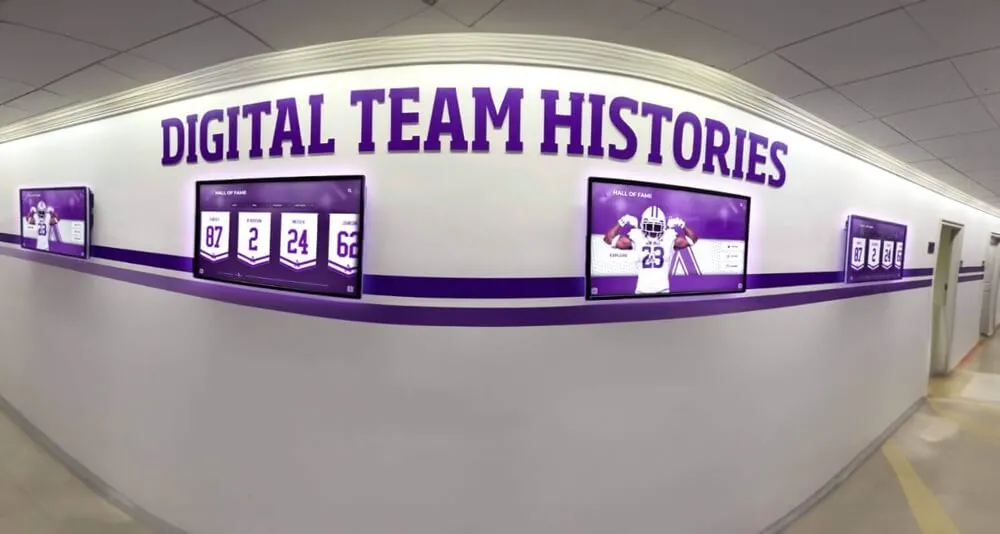
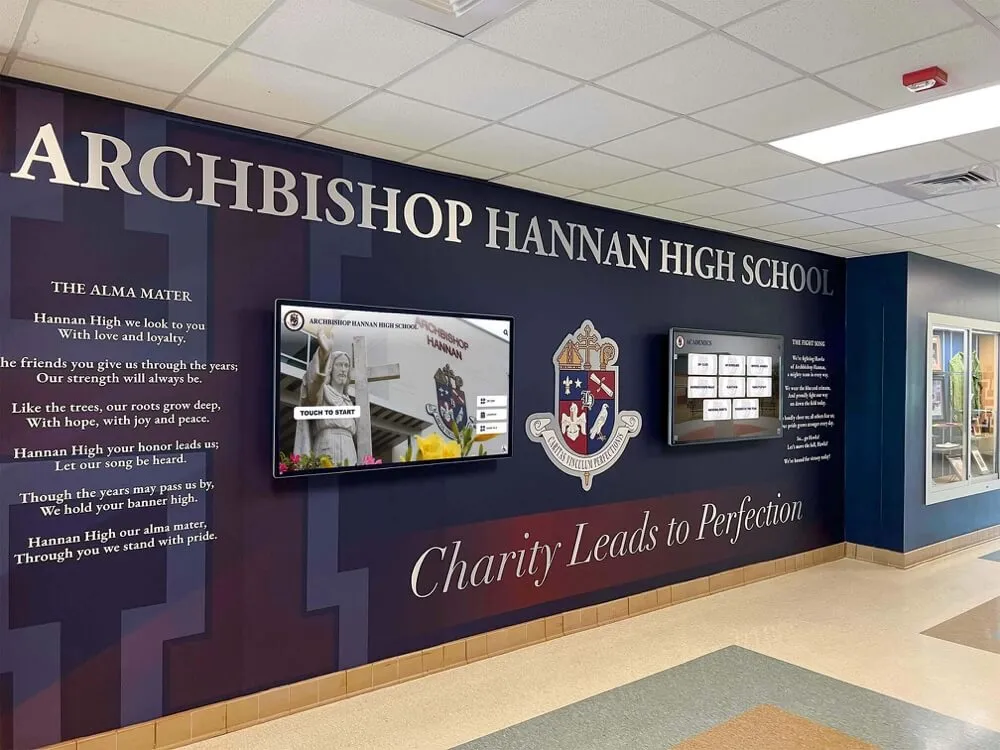
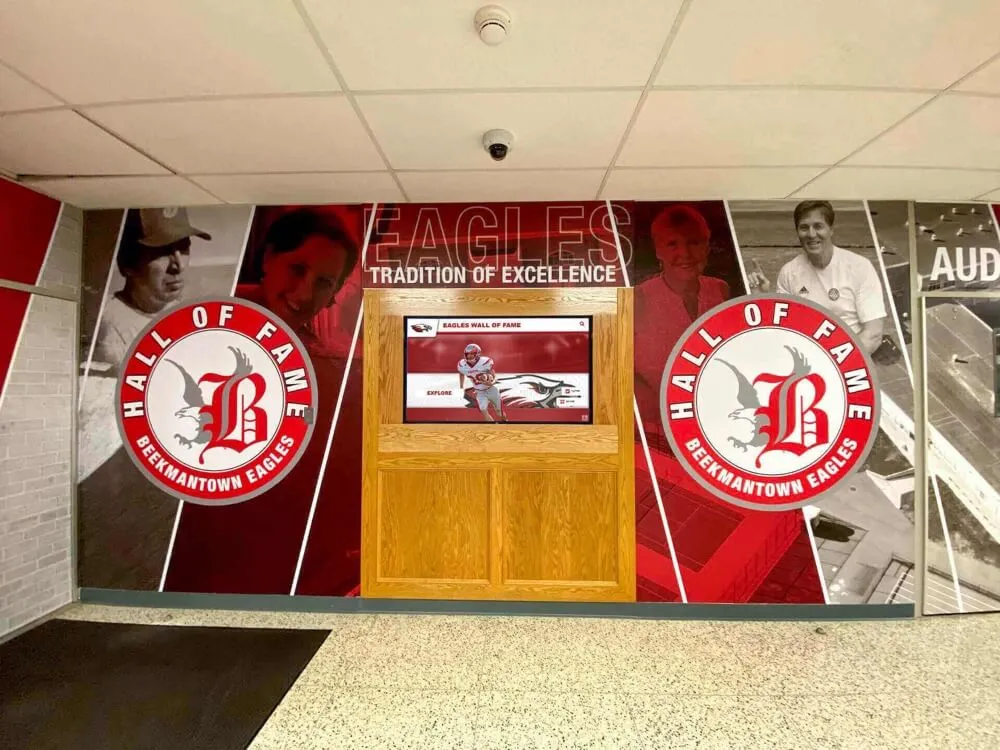
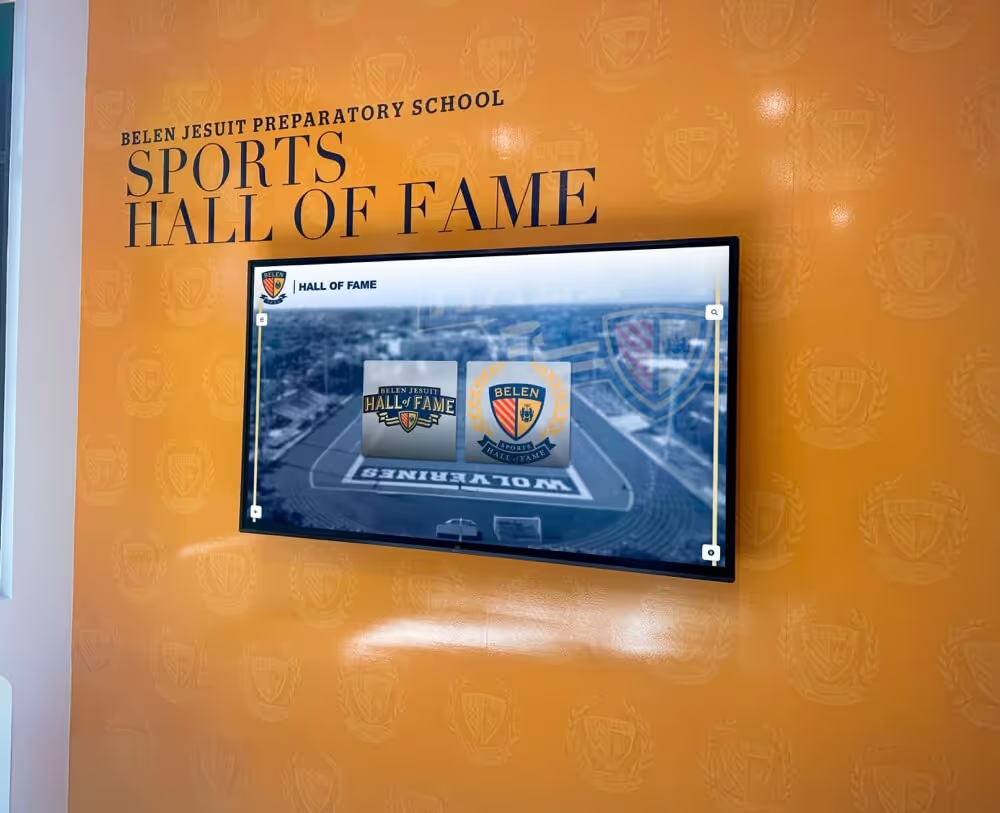
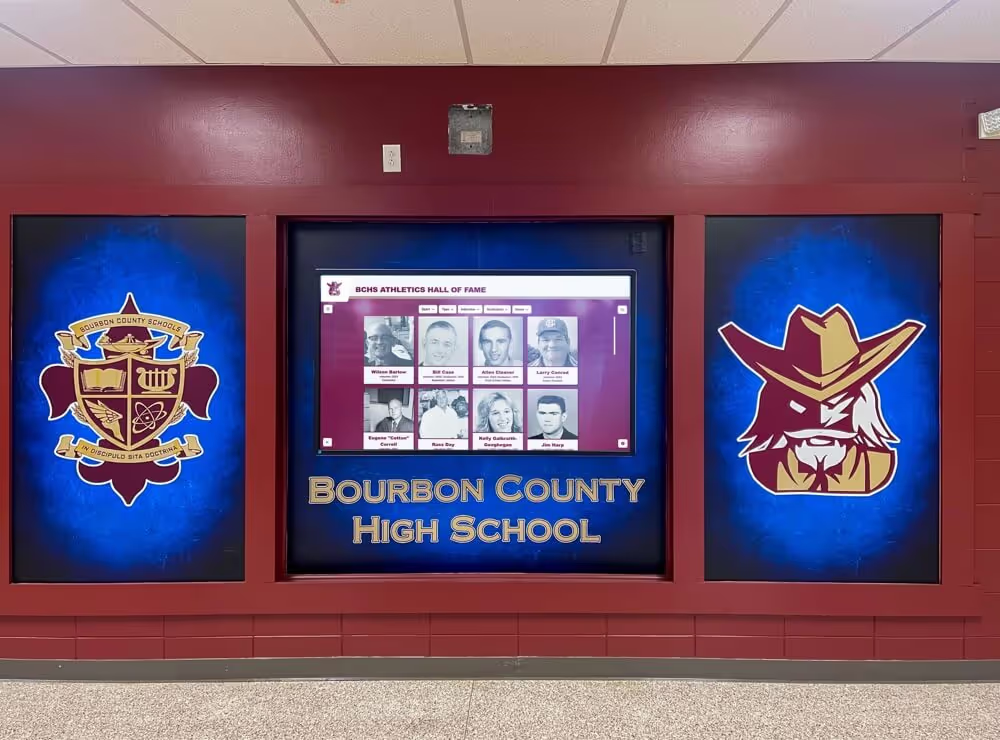
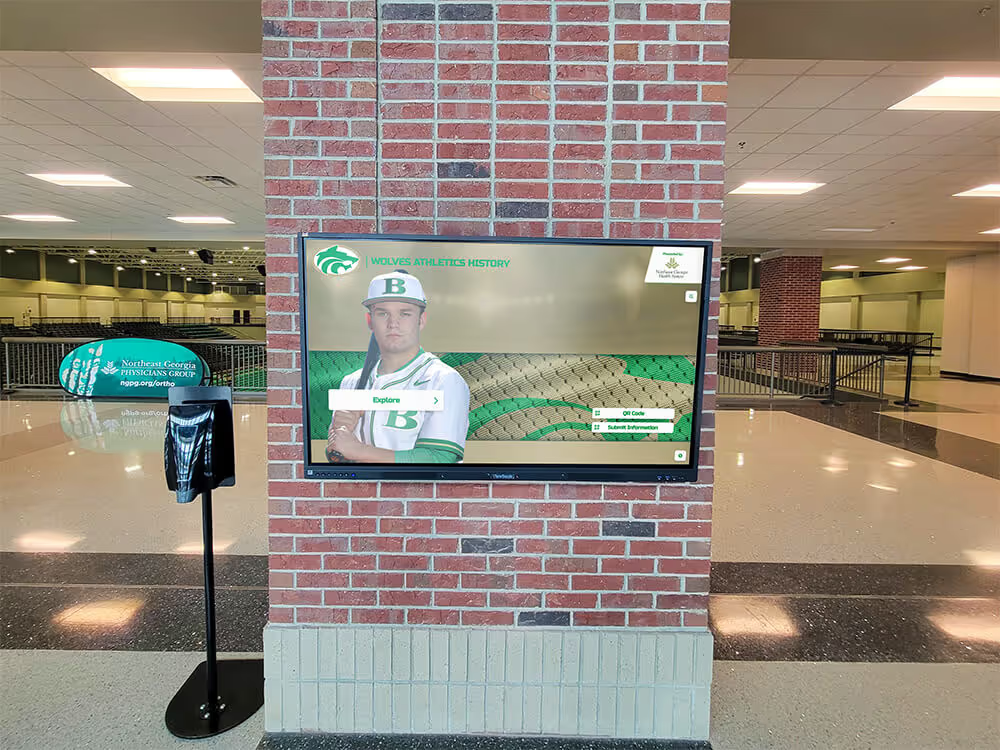
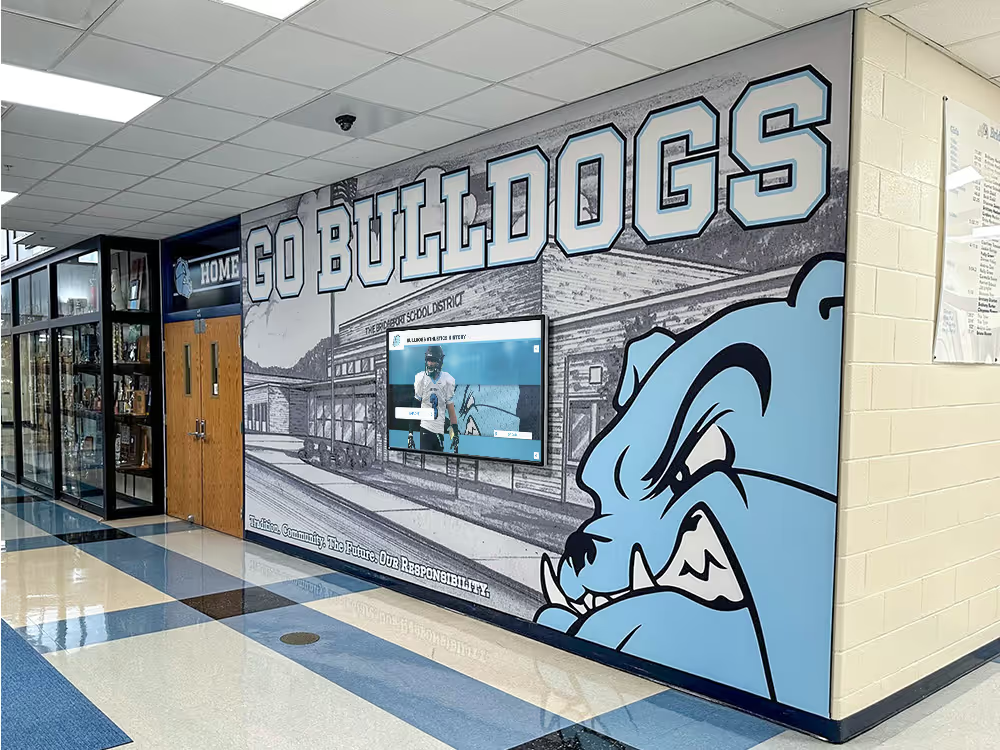
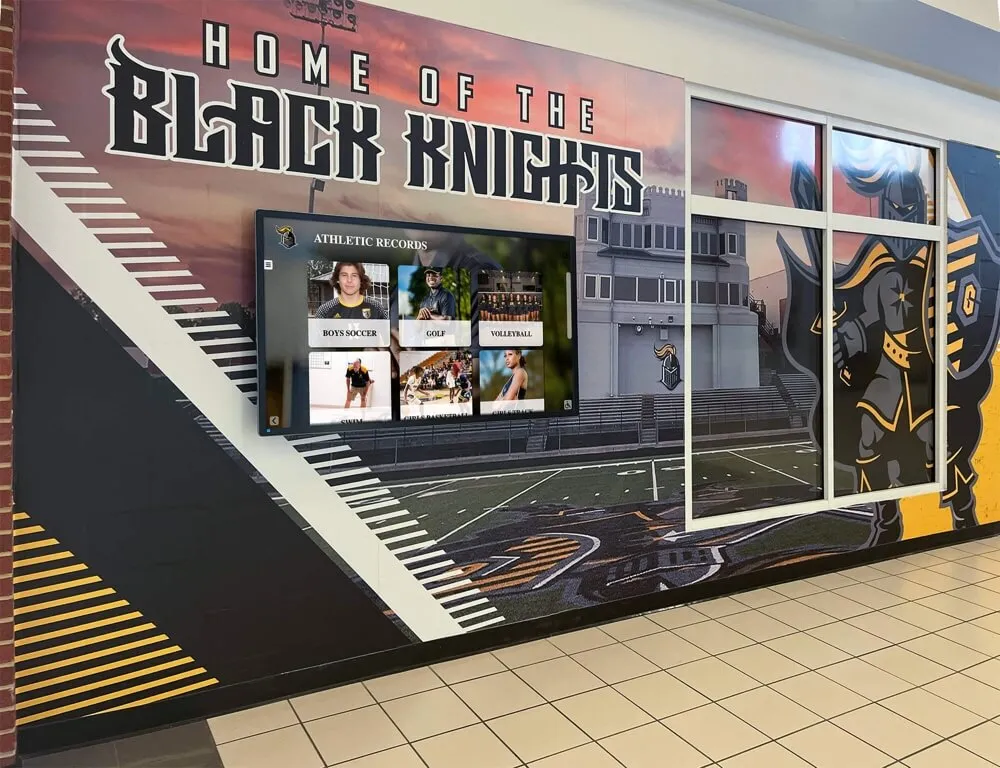
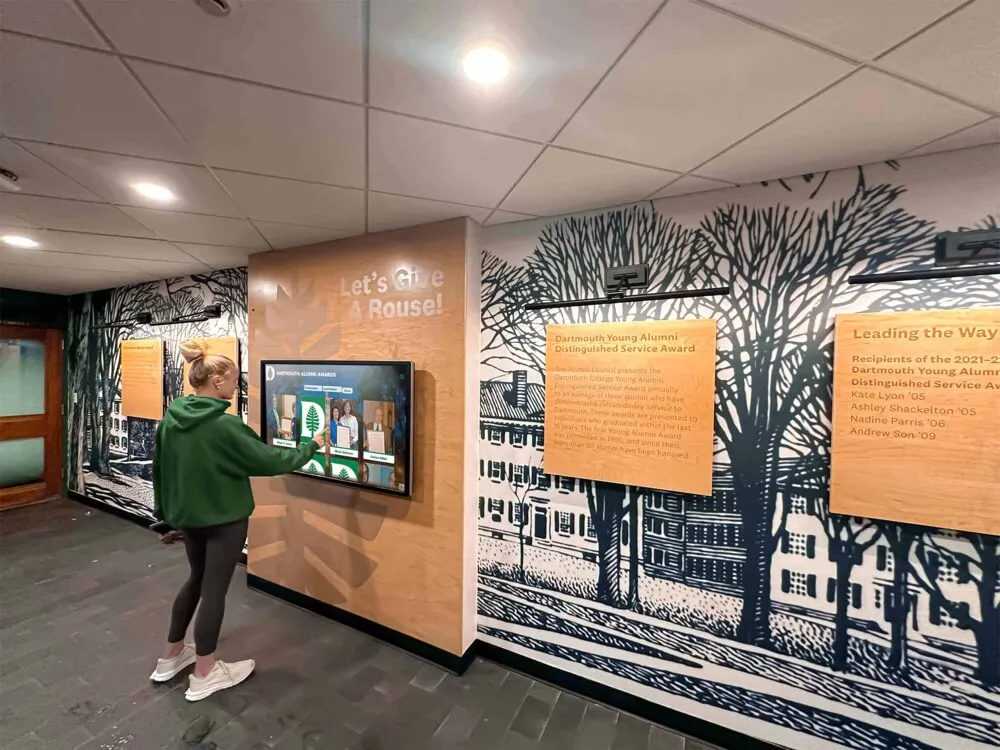
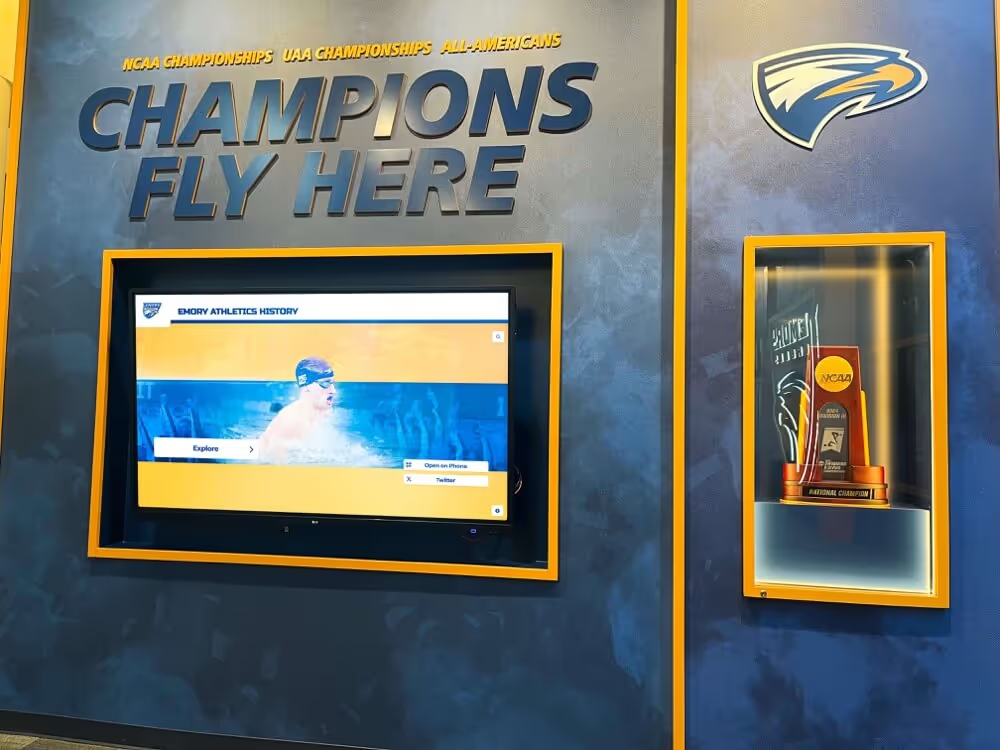
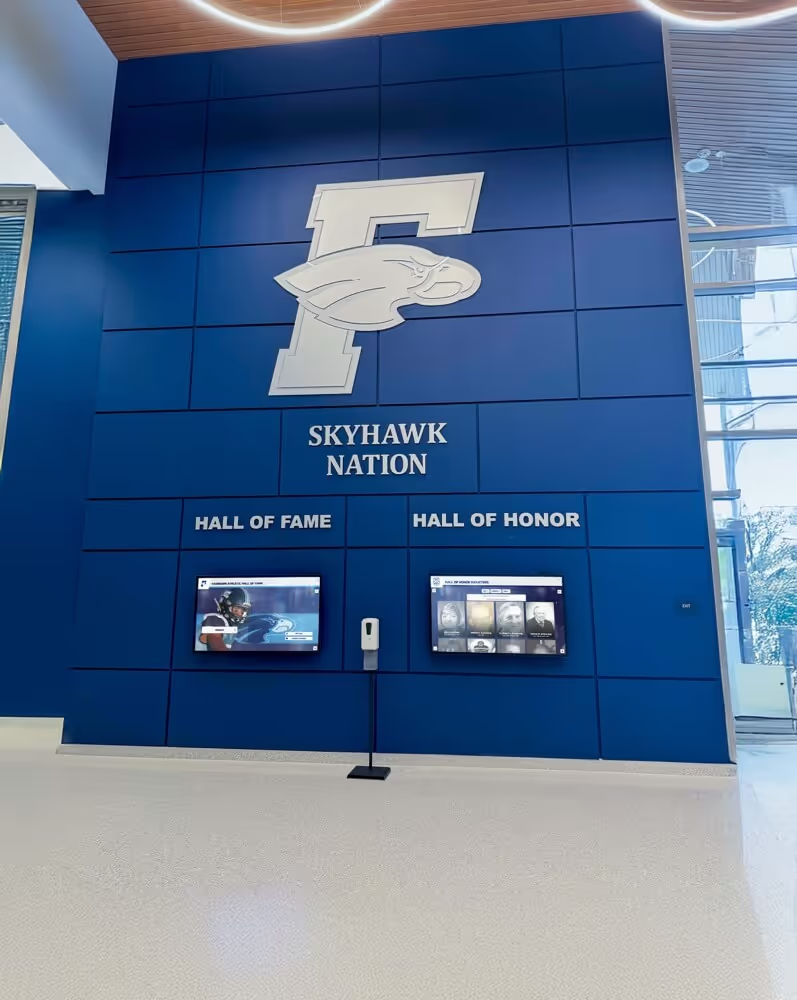
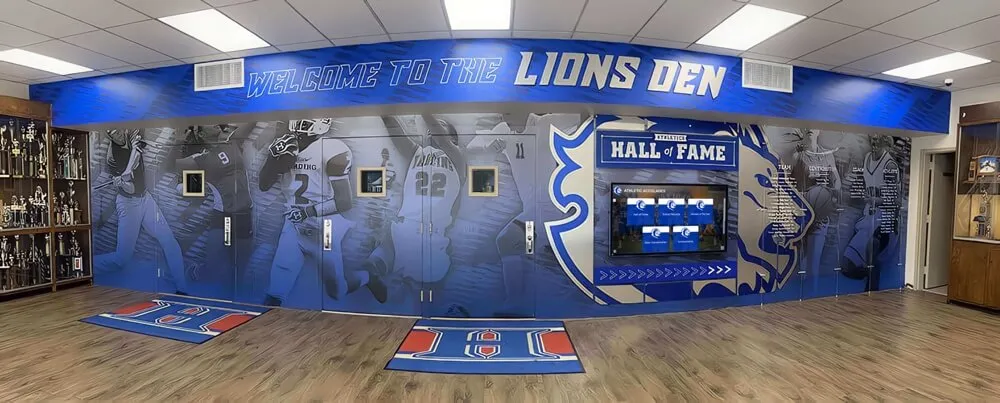
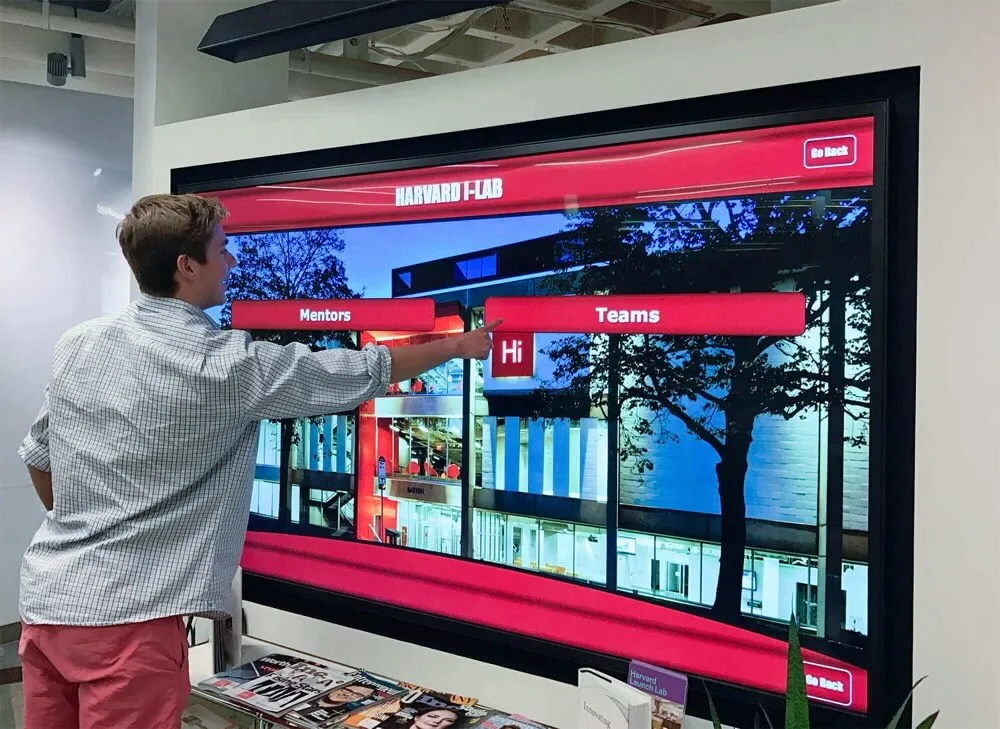
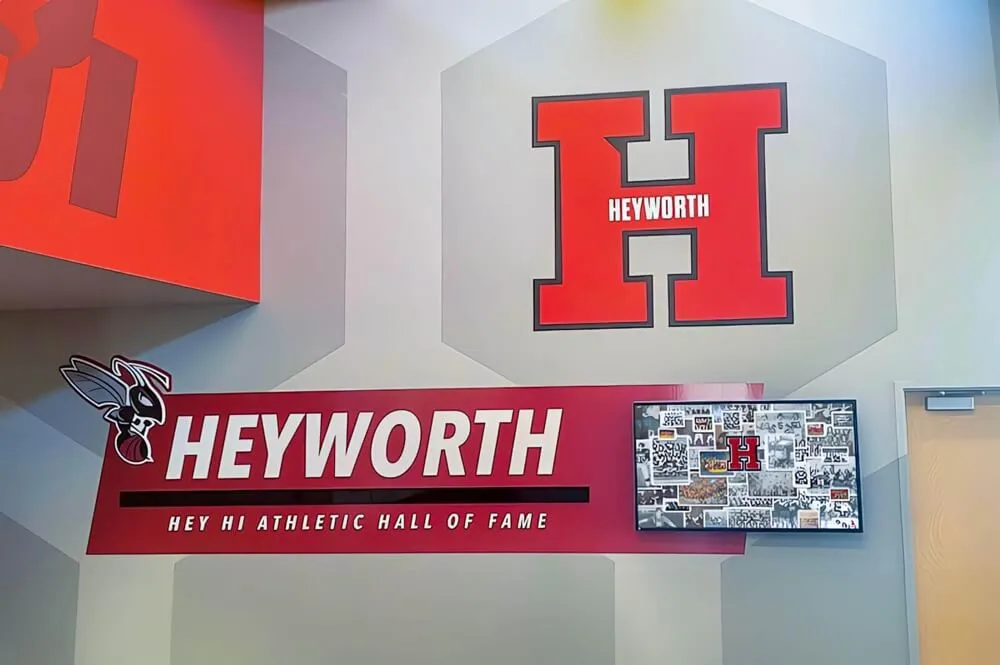
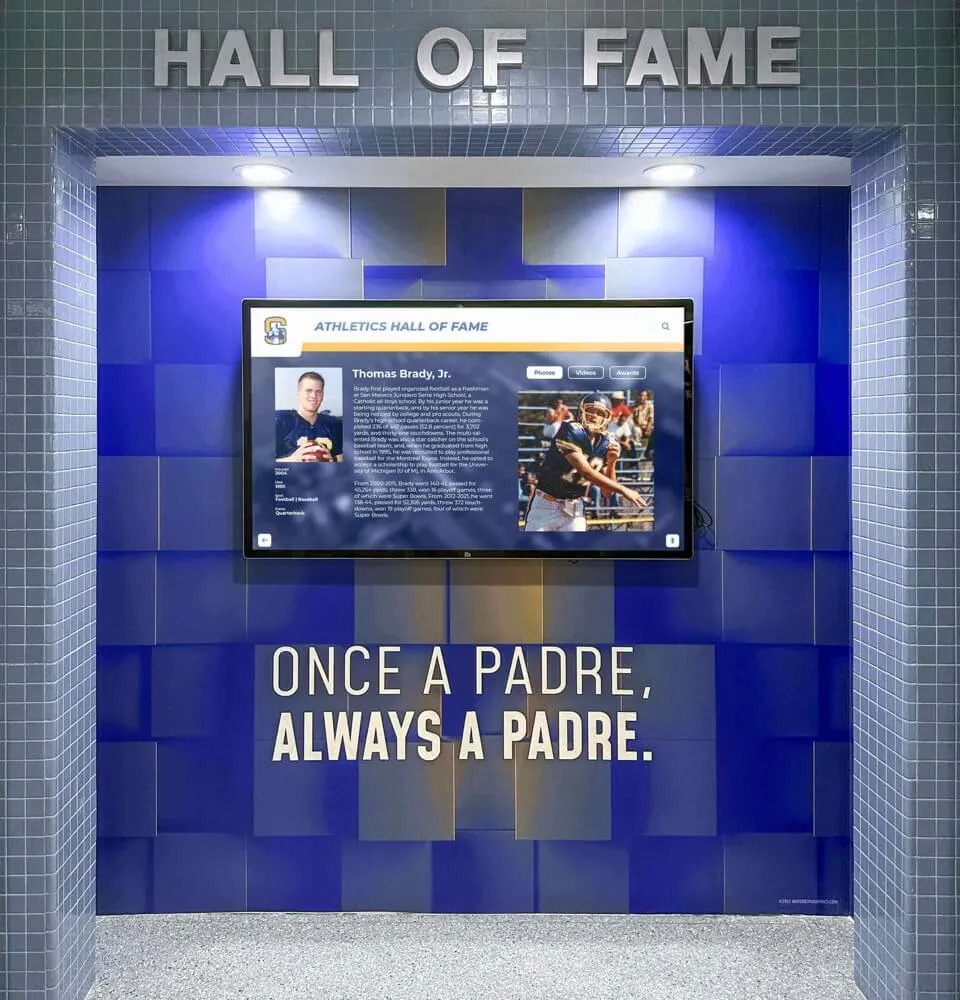
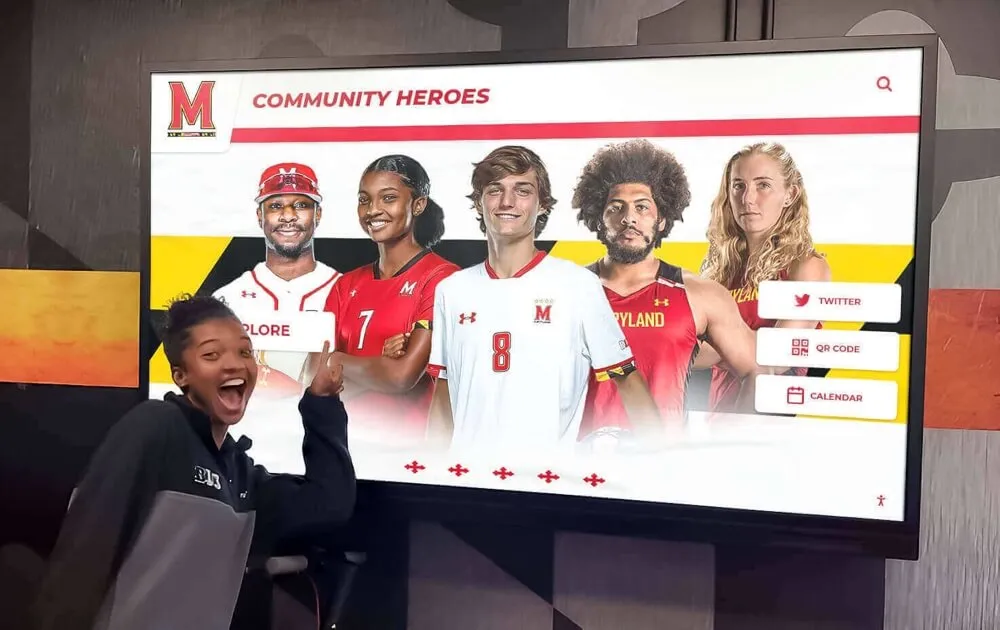
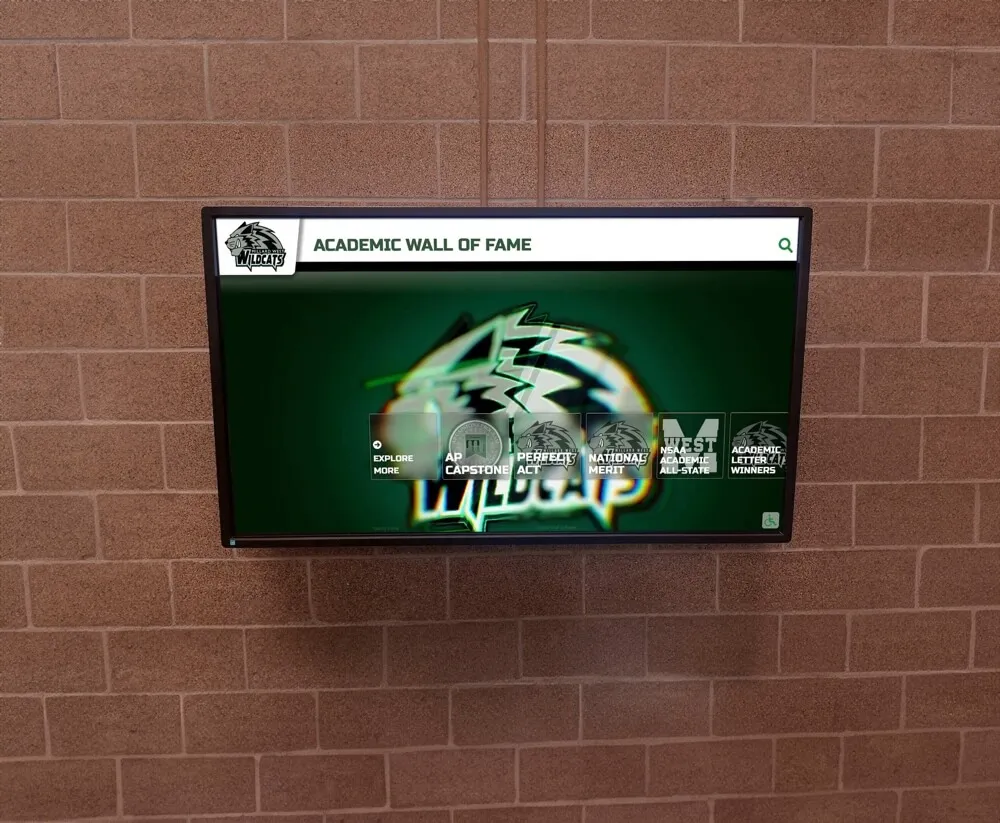
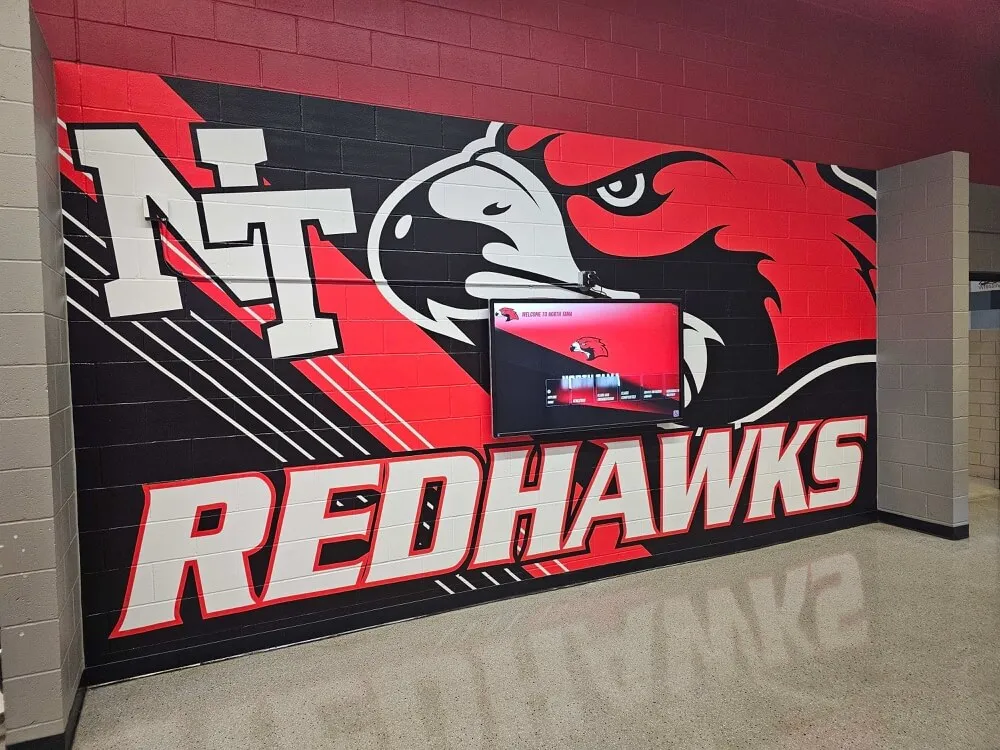
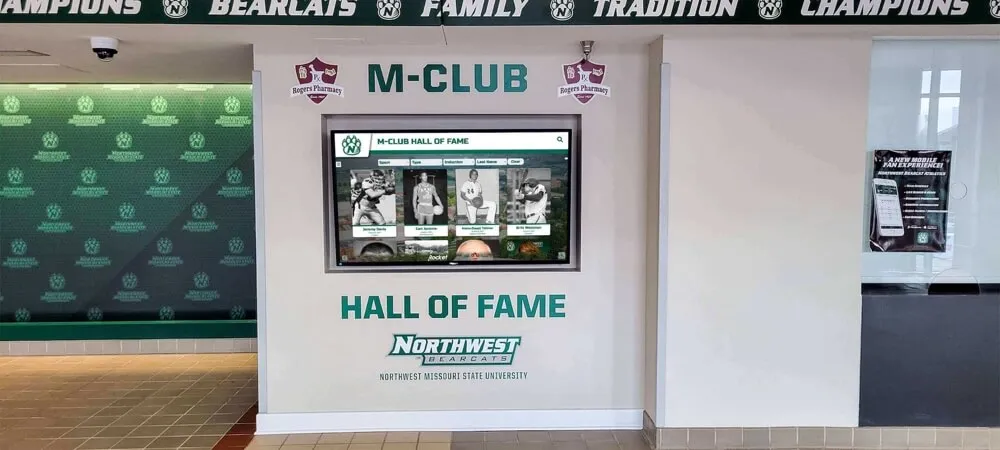
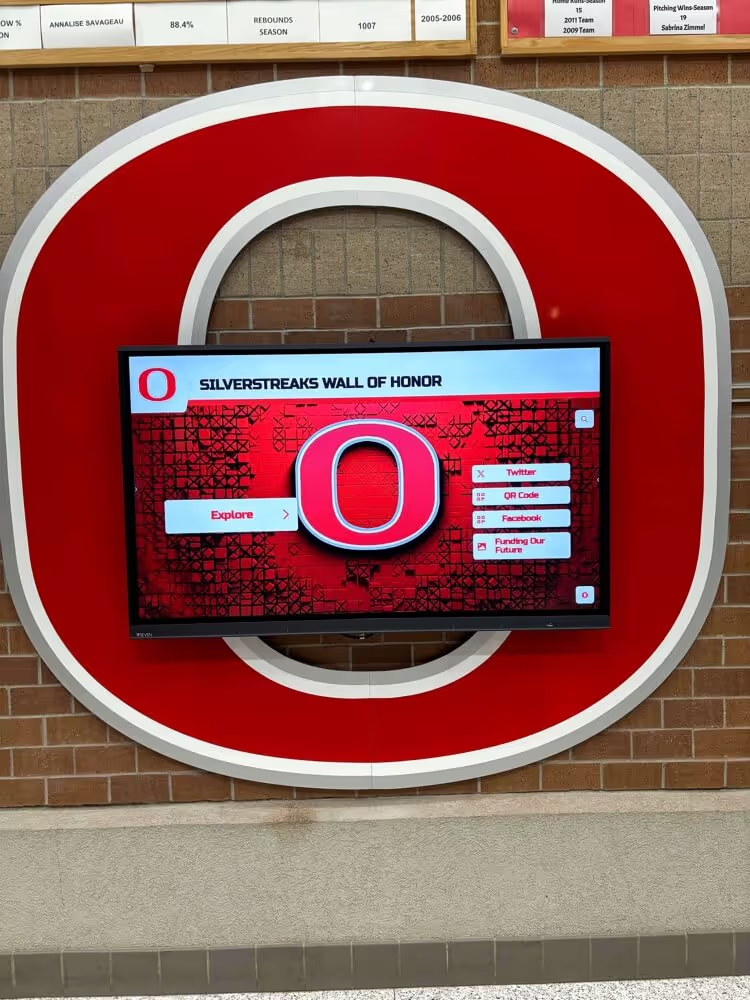
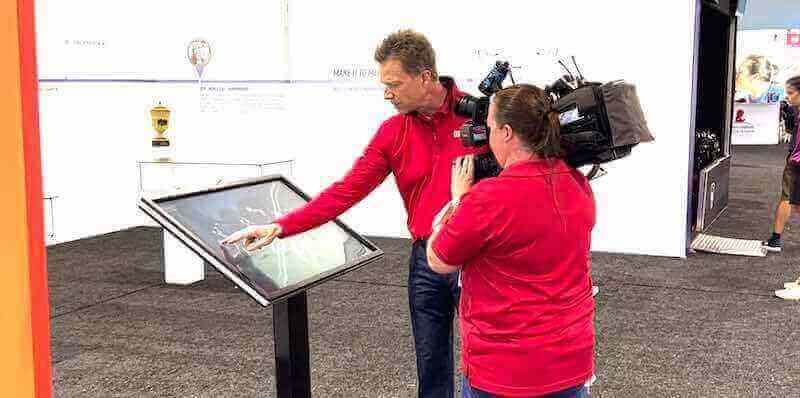
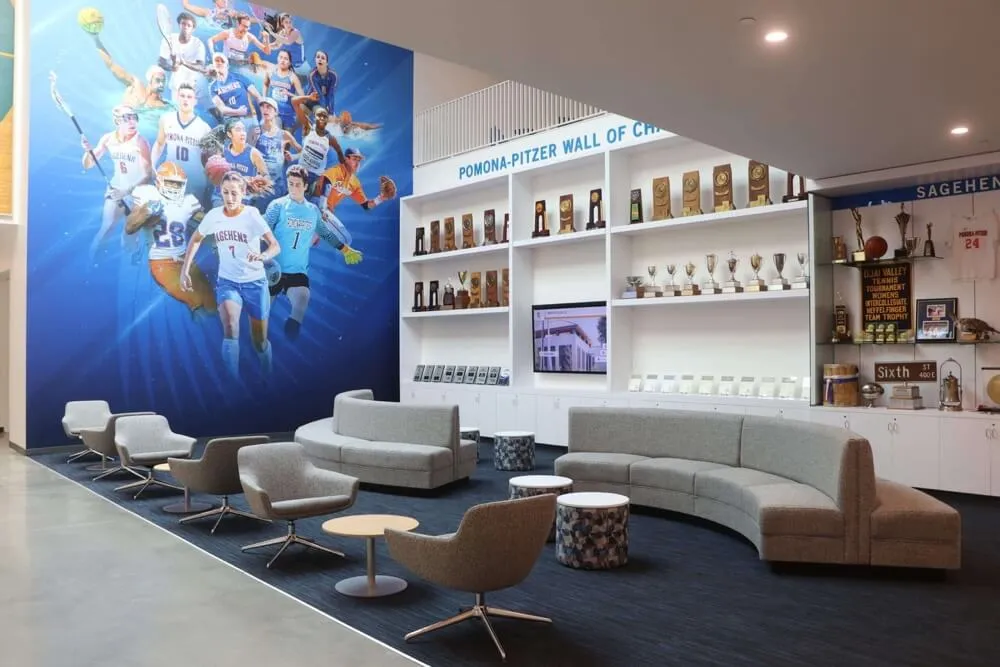
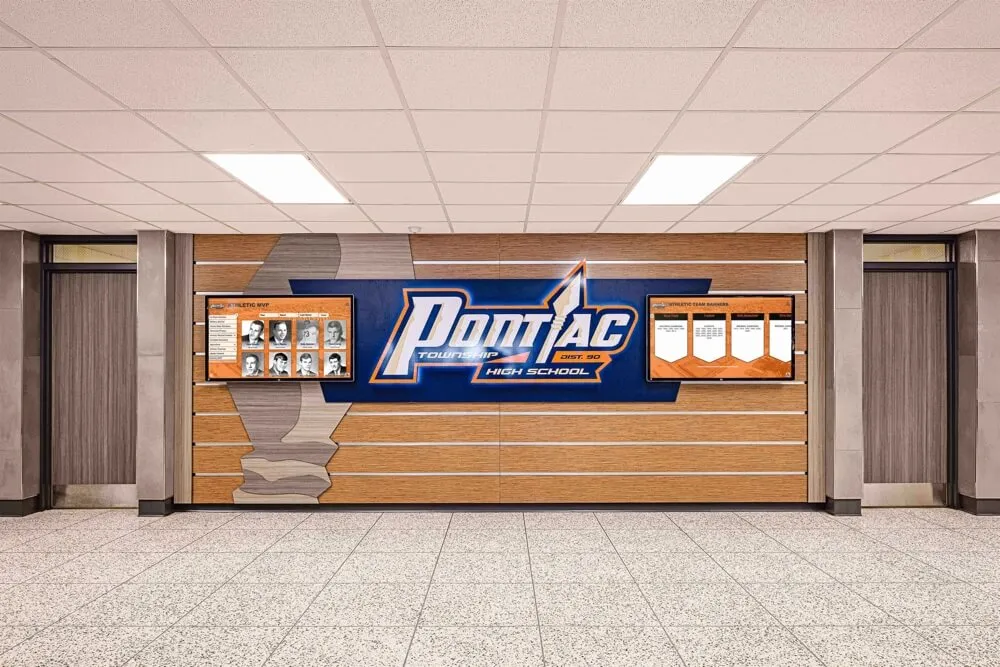
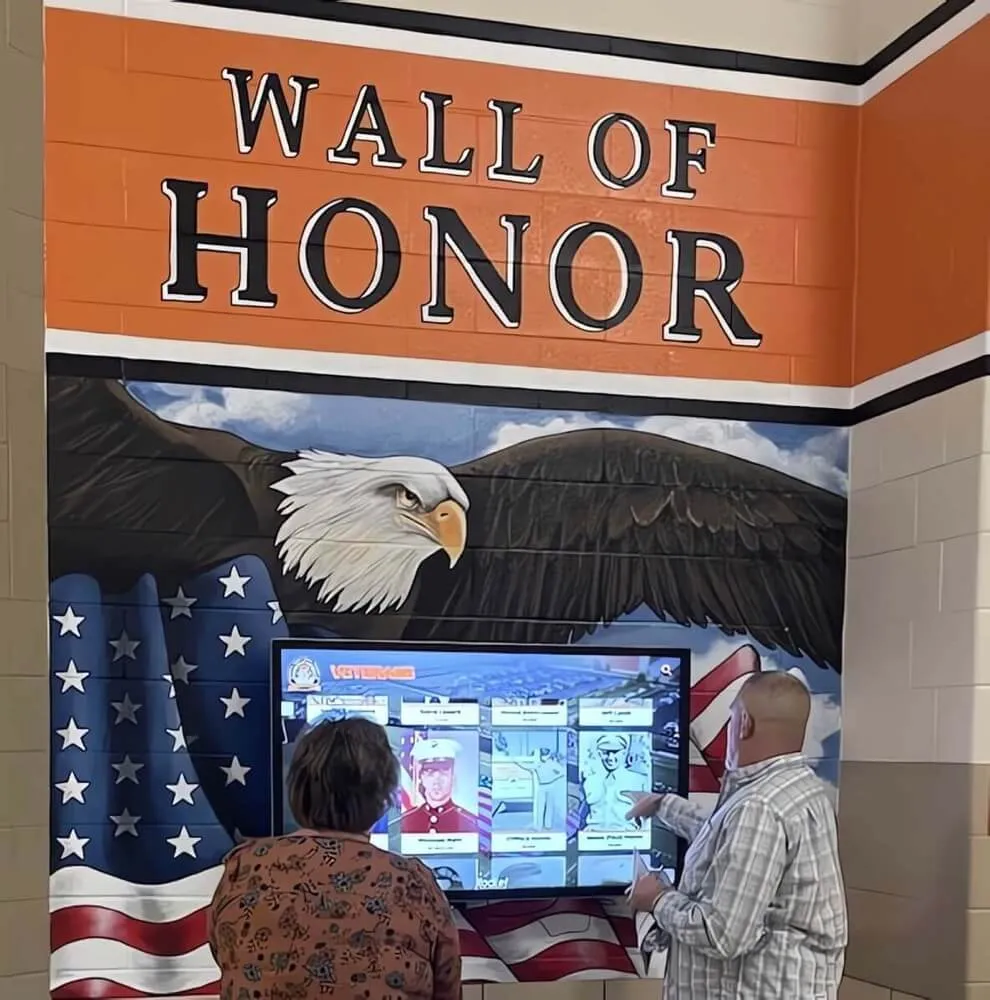
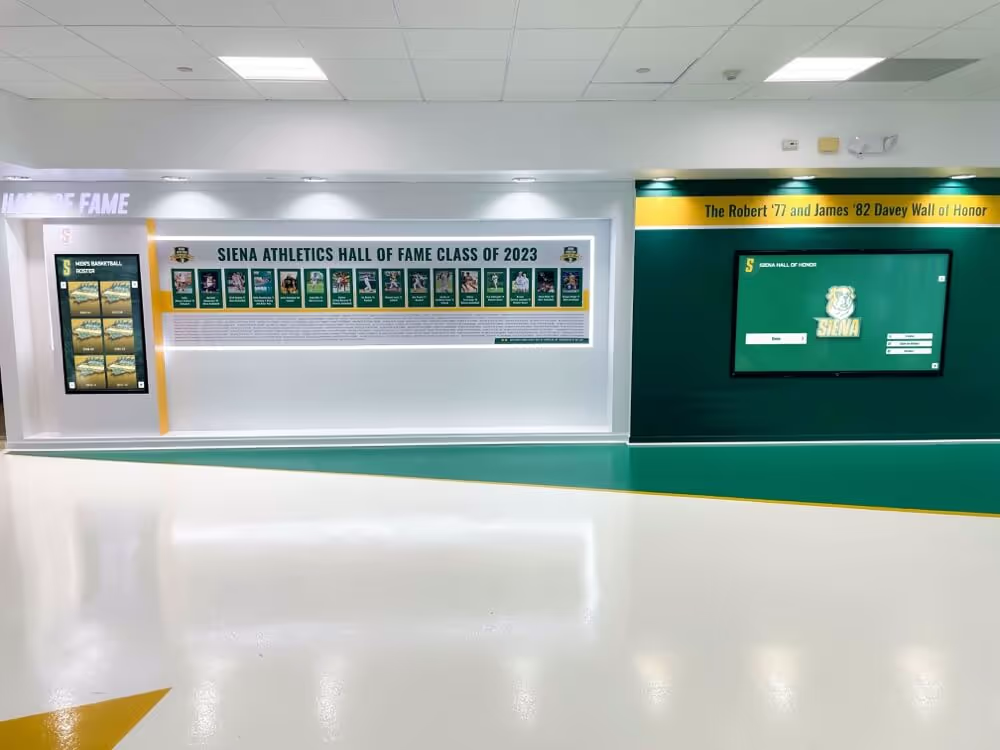
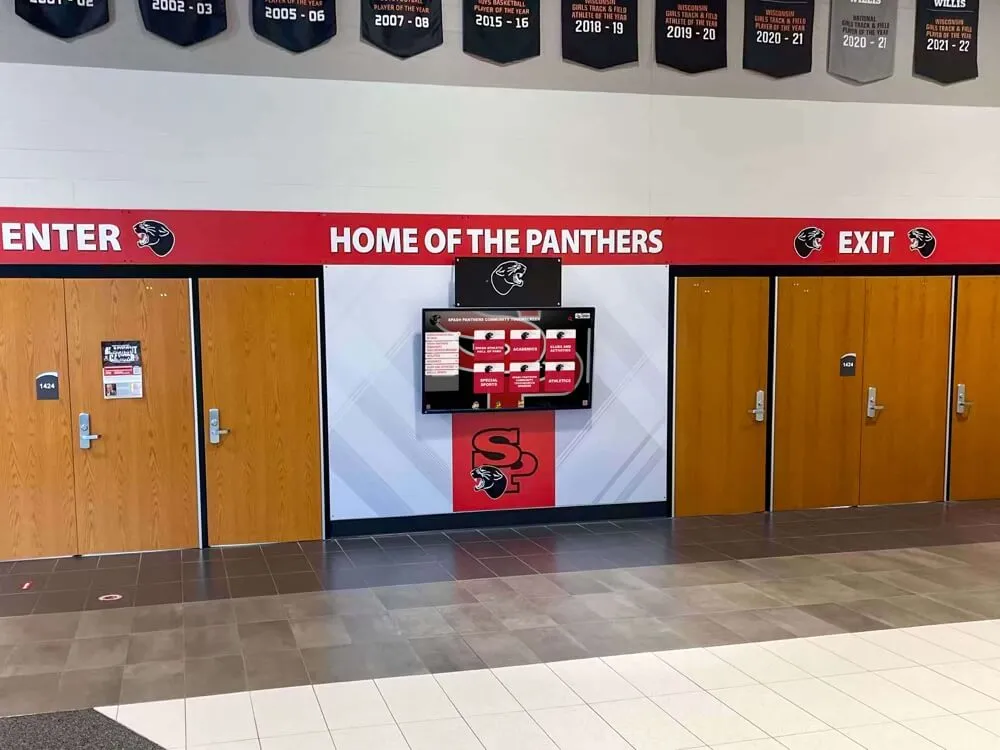
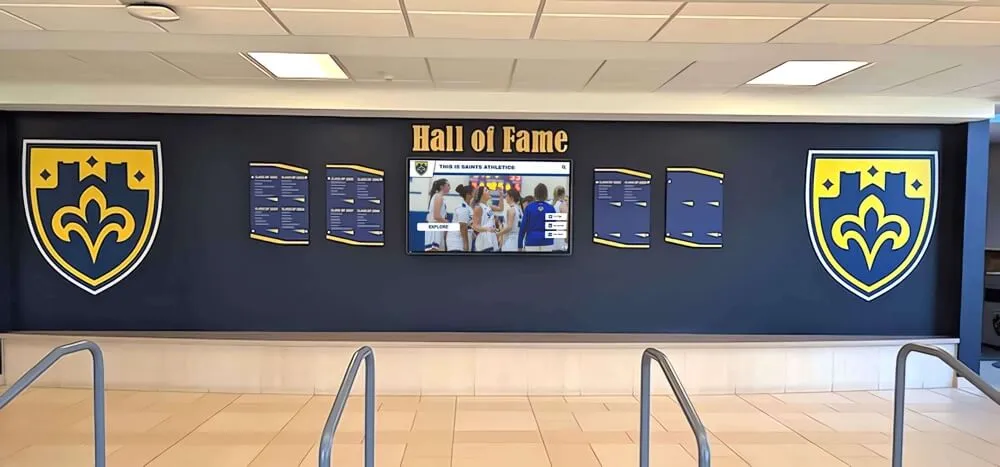
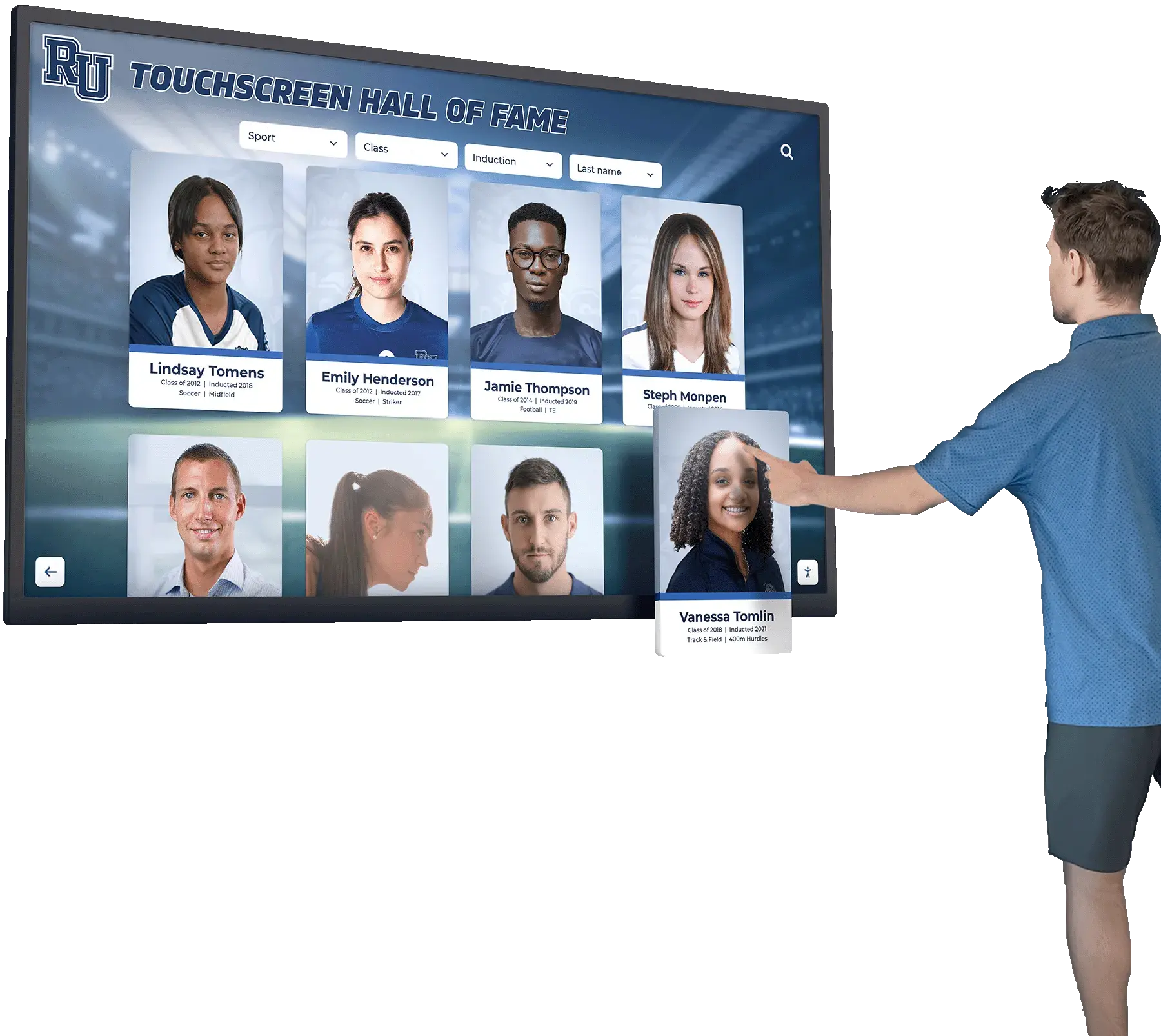
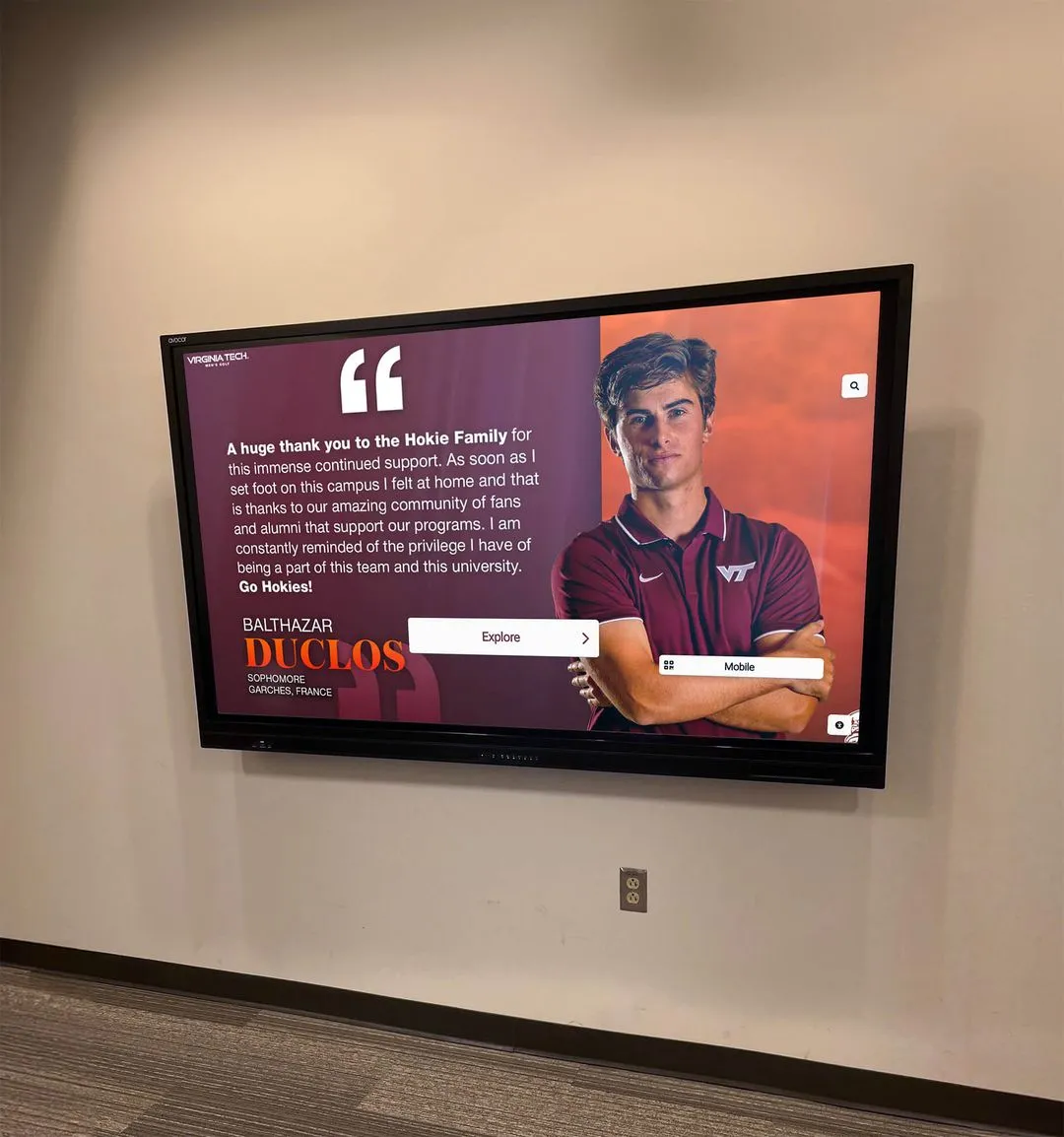
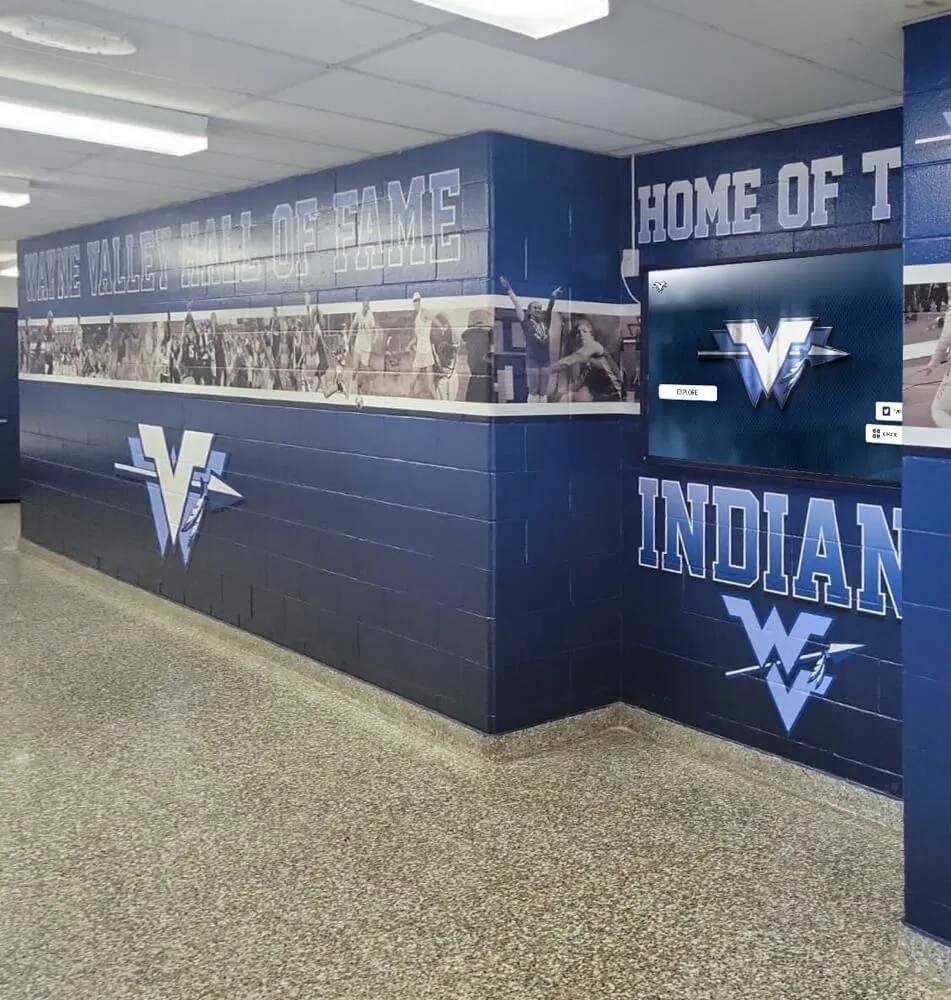
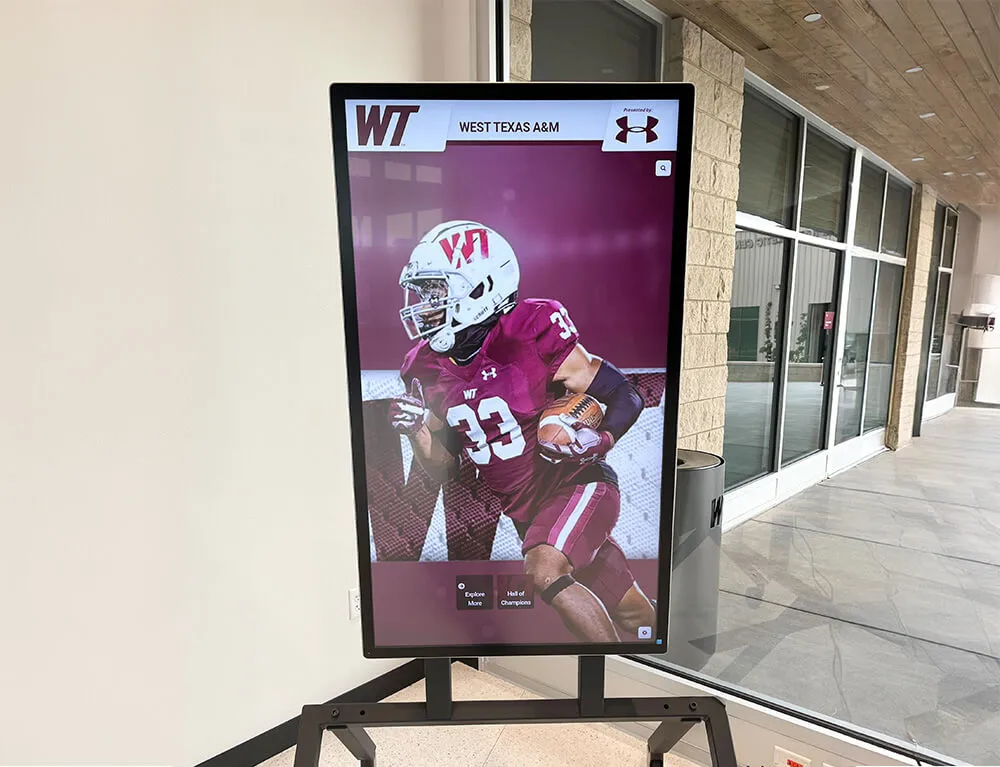
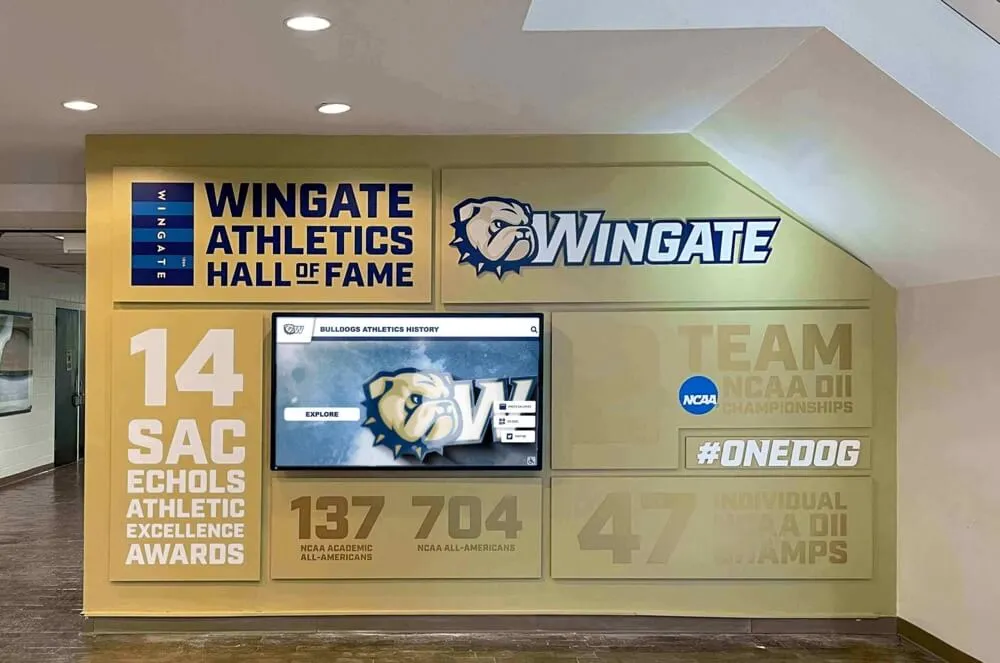
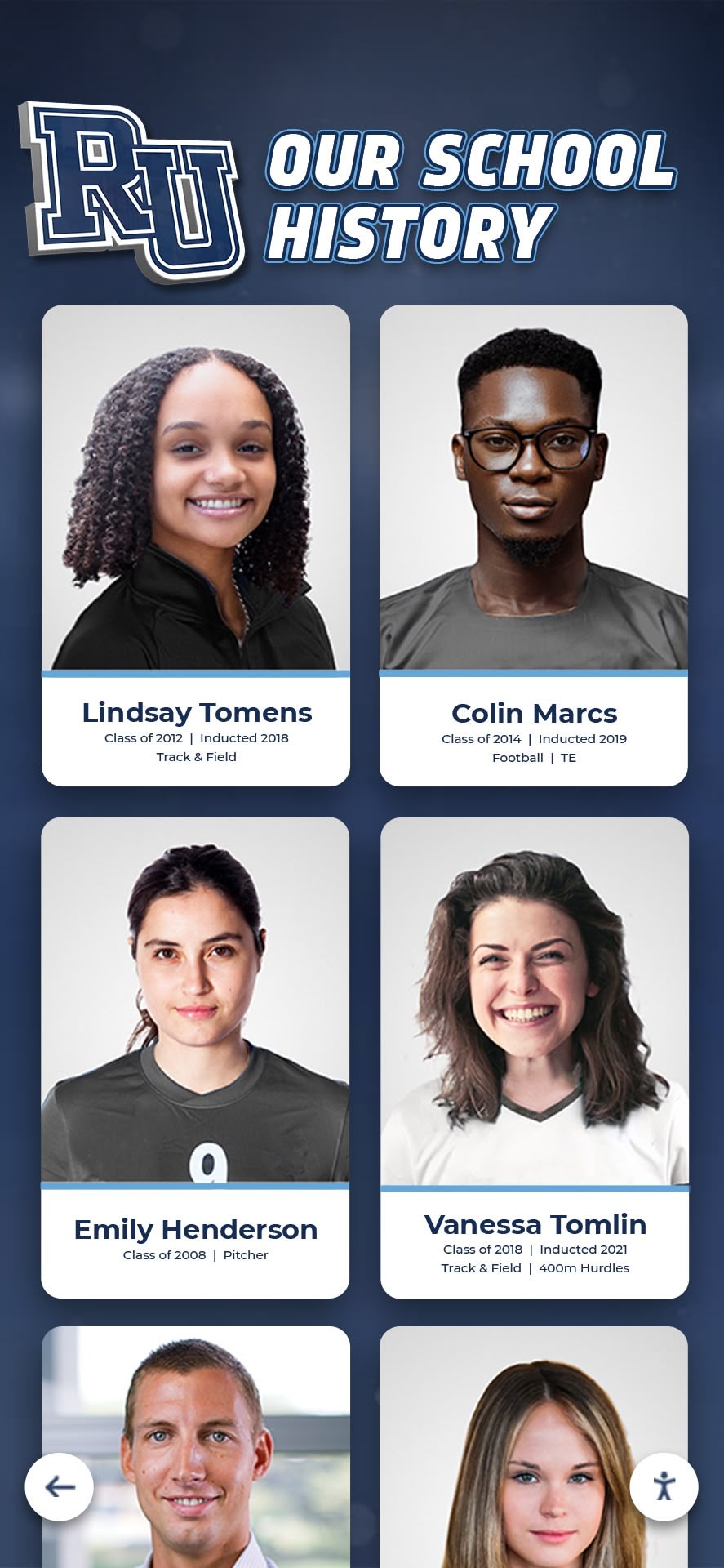
While 10-year reunions create memorable weekend celebrations, many schools now establish permanent recognition honoring milestone classes through interactive displays that preserve class legacies, showcase alumni achievements, and create lasting tributes extending far beyond single gatherings. Modern digital recognition solutions enable schools to honor graduating classes through searchable databases featuring career highlights, reunion photos, and achievement profiles—transforming celebration weekends into permanent institutional recognition that connects current students with accomplished alumni who walked the same hallways just a decade before.
Understanding What Makes 10-Year Reunions Unique
Before diving into planning specifics, recognizing what distinguishes decade reunions from later milestone gatherings helps organizers design appropriate celebrations honoring this particular moment’s distinctive character.
The Decade Milestone Psychology
Ten years represents the perfect balance between familiar and foreign. Classmates remain recognizable—most haven’t changed so dramatically that identification proves difficult—yet they’ve evolved enough that transformation stories prove genuinely interesting. Unlike 5-year reunions where many attendees still cling to high school identities, the 10-year mark typically finds people comfortable in adult personas while maintaining affection for formative school experiences.
This timing creates powerful emotional resonance. High school social hierarchies that dominated adolescence typically matter less at 10 years than they did at 5. The popular quarterback who struggled professionally and the quiet valedictorian who launched a successful startup meet as more equal adults, high school status fading against adult accomplishments. This leveling effect often produces surprisingly authentic connections between classmates who barely spoke during school years.
The decade mark also coincides with reflection points in many lives. People approaching 30 assess career trajectories, relationship choices, geographic decisions, and life directions with fresh perspective. Reunions arriving during these assessment periods gain additional meaning as attendees compare their journeys against former classmates’, sometimes finding inspiration, occasionally experiencing envy, frequently discovering reassurance that multiple paths lead toward fulfillment.
Demographic Considerations for Late 20s Attendees
Ten-year reunion attendees typically range from late 20s to early 30s, bringing distinctive characteristics affecting event planning:
Career Establishment Phase: Most classmates are establishing professional identities, climbing early career ladders, or pursuing advanced education. Some have achieved notable early success worth celebrating, while others remain in entry-level positions or career exploration phases. This disparity in professional progression requires sensitive handling—recognition programs should celebrate diverse paths without implying hierarchies or making anyone feel less accomplished.
Geographic Dispersion: Unlike 5-year reunions where many classmates remain relatively local, 10 years typically sees dramatic geographic spread. College decisions, career opportunities, relationships, and lifestyle preferences scatter classes across countries and continents. This dispersion makes reunion planning more complex while increasing the significance of gatherings that might represent rare opportunities for in-person reconnection.
Varied Life Stages: Some classmates have married and started families, juggling childcare responsibilities and mortgage payments. Others remain single, prioritizing career advancement or personal exploration. This life stage diversity requires inclusive planning accommodating various circumstances—offering family-friendly options while maintaining adult social elements, scheduling events considering childcare logistics while providing activities for those without parenting constraints.
Financial Realities: Early career professionals often face financial pressures—student loans, entry-level salaries, establishing household costs—making expensive reunion packages prohibitive for many. Thoughtful pricing structures, early-bird discounts, and flexible options ensure reunions remain accessible regardless of financial circumstances. The goal is inclusion, not exclusion through cost barriers.
Emotional Landscape and Expectations
Decade reunions carry complex emotional dynamics as attendees negotiate between who they were and who they’ve become:
Identity Integration: Attending reunions requires integrating adolescent and adult identities—acknowledging high school personas while asserting current selves. This integration proves easier for some than others. Those whose lives unfolded successfully may embrace reunions enthusiastically while those experiencing struggles might avoid events fearing judgment or unwanted comparisons.
Curiosity and Comparison: Reunions satisfy genuine curiosity about classmates’ trajectories while inevitably triggering social comparison. “How am I doing compared to them?” becomes the unspoken question many attendees wrestle with throughout events. Thoughtful planning acknowledges this psychology, creating environments emphasizing connection over competition and celebrating diverse success definitions.
Nostalgia vs. Future Focus: Reunions balance honoring shared past with acknowledging present realities. Too much dwelling on “remember when” can feel regressive, while completely ignoring history misses reunion purpose. The sweet spot combines nostalgic elements celebrating formative experiences with forward-looking conversations about current lives, aspirations, and futures.
Essential Planning Timeline for 10-Year Reunions
Successful reunions require systematic planning beginning well before event dates, allowing adequate time for classmate location, venue booking, communication, and comprehensive preparation.
12-18 Months Before: Foundation Building
Early planning establishes frameworks enabling everything that follows:
1. Form Planning Committee
Recruit diverse committee members representing various high school social circles, activities, and demographics. Inclusive committees prevent planning that unconsciously favors particular groups while ensuring reunion appeals broadly across graduating classes. Ideal committees include 8-12 committed volunteers willing to meet regularly, divide responsibilities, and drive planning forward.
Look for committee members with complementary skills—social media expertise for communications, event planning experience for logistics, design capabilities for promotional materials, financial management for budget tracking, and strong networks within graduating classes for outreach effectiveness.
2. Locate Classmates
Begin comprehensive efforts finding all classmates regardless of whether they maintained school or class connections. Start with obvious sources—school alumni databases, previous reunion records, graduation lists—then expand to social media searching, mutual friend networking, online people search tools, and professional network searches.
Alumni engagement strategies that combine traditional outreach with digital tools typically achieve highest location success rates, ultimately finding 85-95% of class members when pursued systematically.
Create centralized databases tracking contact information, location updates, RSVP status, dietary requirements, and any special information relevant to reunion planning. Spreadsheet organization proves essential for managing details across potentially hundreds of classmates.
3. Establish Budget Framework
Develop realistic budget projections estimating expenses for venue rental, catering, entertainment, decorations, promotional materials, digital platforms, photography, and contingencies. Budget planning should consider varied pricing structures accommodating different financial circumstances—perhaps offering standard tickets, premium packages, and financial assistance ensuring access regardless of economic situations.
Consider fundraising or sponsorship opportunities offsetting costs. Some classes coordinate early crowdfunding asking committed attendees to contribute small amounts months before formal registration, creating seed funding covering upfront deposits and planning expenses. Local business sponsorships—particularly from classmate-owned establishments—can defray costs while creating positive community connections.
9-12 Months Before: Infrastructure Development
Mid-stage planning builds systems enabling effective communication and registration:
4. Select Venue and Date
Choose locations and times balancing multiple considerations:
Venue Options: Consider returning to school campuses when possible, enabling nostalgic walks through hallways and visits to meaningful spaces. Campus reunions often cost less than commercial venues while carrying emotional resonance commercial spaces lack. However, school availability, condition, liability concerns, or alcohol policies might necessitate alternative locations.
Commercial venues—hotels, event centers, restaurants, outdoor facilities—offer professional services, reliable logistics, and amenities schools might not provide. Evaluate options considering capacity, ambiance, accessibility, parking, catering quality, AV capabilities, and overall suitability for intended celebration style.
Timing Considerations: Weekend dates work best for most attendees, particularly summer weekends when travel proves easier and weather supports outdoor options. However, popular summer weekends book early, requiring advance venue commitments. Consider homecoming weekends if reunions coincide with school traditions, adding additional celebration elements and potential cost sharing.
Avoid major holiday weekends when travel prices spike and attendees have competing family obligations. Research local community calendars ensuring reunion dates don’t conflict with major events affecting venue availability or hotel capacity.
5. Build Digital Communication Infrastructure
Establish reunion websites serving as information hubs—sharing details, collecting registrations, gathering classmate updates, posting planning progress, and maintaining engagement during lead-up periods. Several platforms specialize in reunion management, offering templates, registration systems, payment processing, and communication tools specifically designed for class gatherings.
Create dedicated social media groups enabling ongoing classmate interaction before, during, and after reunions. Private Facebook groups work particularly well, allowing photo sharing, conversation threads, planning updates, and sustained engagement. However, recognize not everyone uses social media actively, necessitating communication redundancy across multiple channels including email and traditional methods.
6. Develop Marketing and Communication Strategy
Plan systematic communication campaigns building awareness, generating interest, and driving registration:
Initial Announcements: Send exciting “save the date” messages 9-12 months ahead, providing preliminary information about dates, locations, and general plans. Early communication allows classmates to mark calendars before making conflicting commitments.
Regular Updates: Maintain consistent communication every 4-6 weeks sharing planning progress, introducing committee members, reminiscing about school memories, highlighting confirmed attendees, and building anticipation. Regular contact maintains momentum while keeping reunions top-of-mind.
Multi-Channel Approach: Distribute messages through email, social media, dedicated websites, and traditional mail for those without digital access. Redundant communication across platforms ensures information reaches everyone regardless of preferred channels.
6-9 Months Before: Program Development
Programming phase determines specific reunion elements and experiences:
7. Design Event Schedule
Outline detailed agendas balancing structured activities with informal socializing:
Consider multi-day formats for out-of-town travelers who invest significant effort attending. Weekend schedules might include Friday night casual gatherings, Saturday formal reunions with recognition programs, and Sunday farewell brunches. Extended formats justify travel investments while creating varied activities appealing to different preferences and deepening reconnection opportunities impossible during rushed single-evening events.
Single-day reunions should thoughtfully structure time—perhaps beginning with cocktail receptions enabling informal mingling, transitioning to seated dinners with formal programming, and concluding with casual after-parties for extended celebration. Progressive formats create natural transitions between formal and informal elements.
8. Plan Recognition Programs
Develop meaningful ways to honor classmate achievements during reunions:
Diverse Achievement Categories: Move beyond traditional “most successful” recognition to celebrate varied accomplishments. Consider categories like early career achievement, community service excellence, creative pursuits, athletic accomplishment, entrepreneurial ventures, public service, teaching excellence, or simply “distance traveled to attend.” Broad categories demonstrate multiple paths to distinction while ensuring diverse classmate populations feel acknowledged.
Classmate Submissions: Gather achievement information through pre-reunion surveys asking classmates to share career highlights, personal milestones, volunteer activities, creative projects, or noteworthy accomplishments. Self-submitted information ensures accuracy while including achievements that might otherwise go unrecognized.
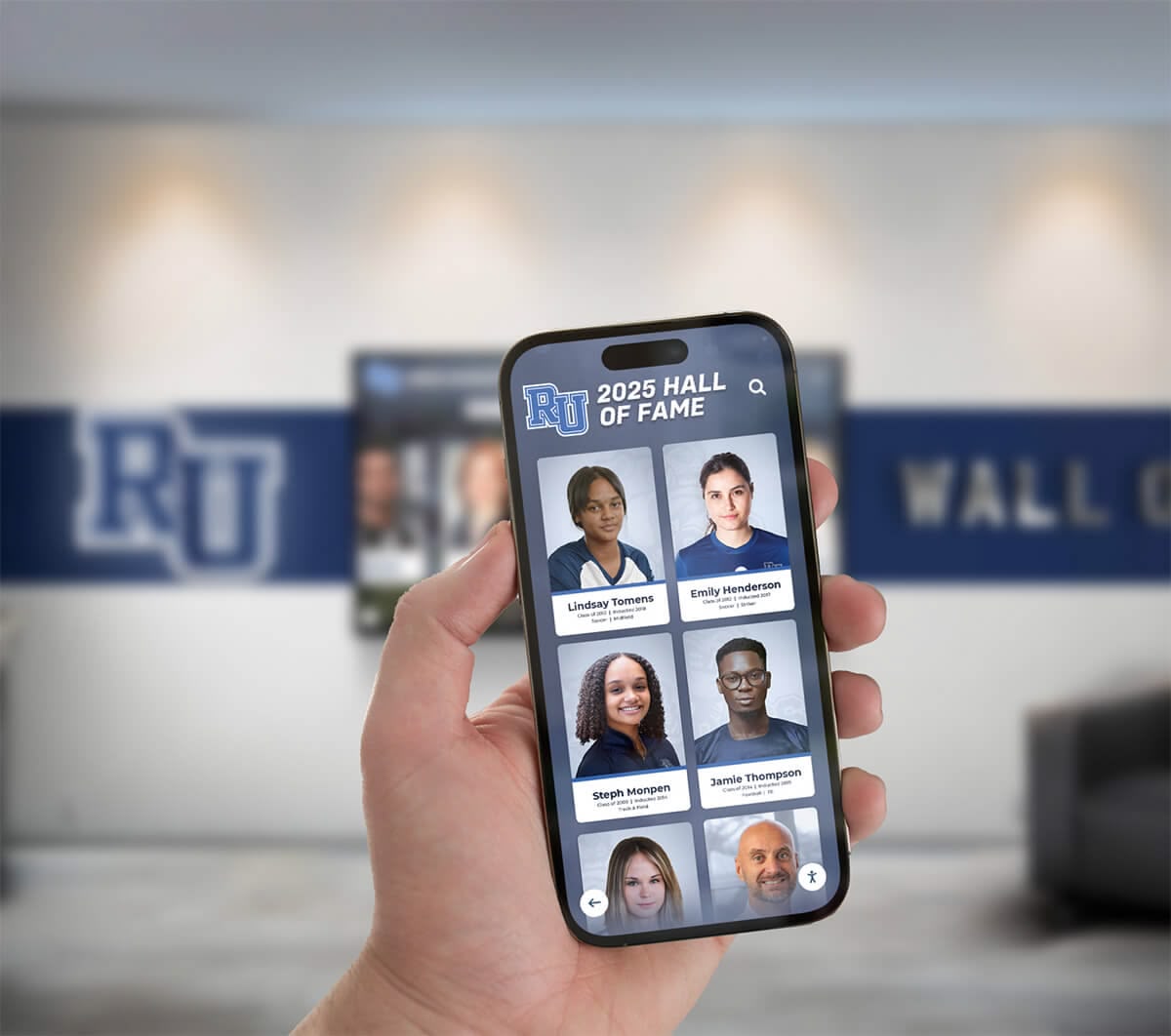
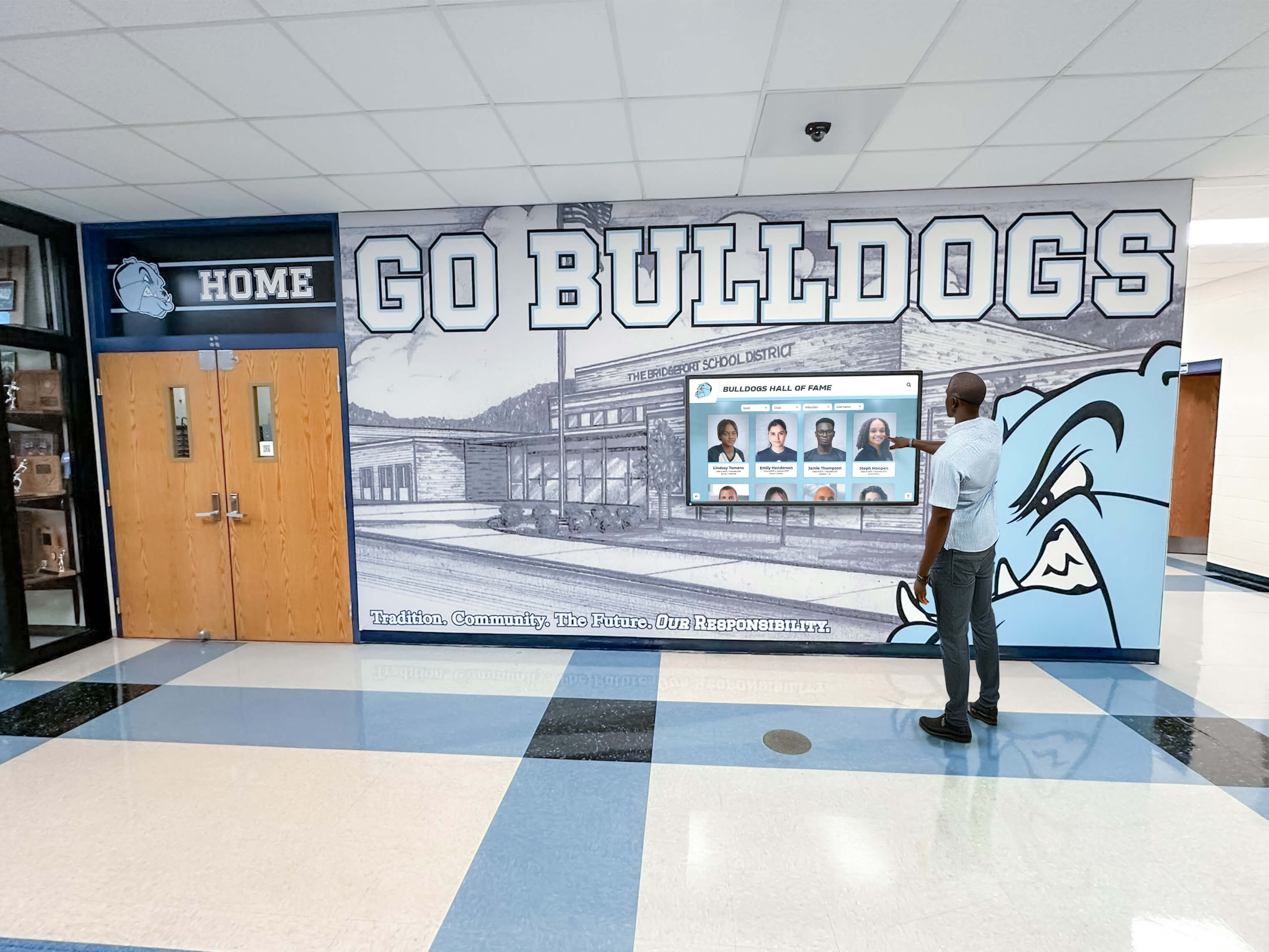
Digital Recognition Displays: Many schools now implement permanent digital recognition systems honoring milestone anniversary classes, creating lasting visibility beyond reunion weekends. Interactive displays accommodate comprehensive classmate profiles, reunion photos, and searchable databases enabling easy exploration by future visitors.
9. Arrange Entertainment and Activities
Select entertainment matching class preferences and reunion atmosphere:
Music from graduation years creates nostalgic ambiance while providing natural conversation starters about concerts attended, favorite artists, and musical memories. DJs specializing in decade-specific playlists or live bands covering popular songs from high school years work well.
Interactive elements—photo booths with props, memory walls where attendees post favorite recollections, trivia competitions testing class knowledge, or digital displays showing yearbook pages and school photos—engage attendees while sparking conversations and laughter.
3-6 Months Before: Logistics Finalization
Final preparation phase confirms details and drives registration:
10. Finalize Catering and Logistics
Confirm menu selections accommodating dietary restrictions identified through registration forms. Work with caterers ensuring adequate options for vegetarian, vegan, gluten-free, allergy-sensitive, and other dietary needs. Thoughtful food planning prevents situations where attendees with restrictions find nothing appropriate to eat.
Arrange necessary rentals—tables, chairs, linens, AV equipment, lighting, decorations, signage—coordinating delivery, setup, and removal logistics. Create detailed day-of schedules ensuring vendors know exactly when and where to arrive.
11. Drive Registration
Intensify outreach efforts pushing registrations toward target numbers:
Leverage social proof by announcing attendance milestones—“50 classmates registered!” or “Looking forward to seeing the basketball team reunion!"—creating momentum and FOMO (fear of missing out). Personal outreach from committee members to specific social circles often proves more effective than generic mass communications for reaching holdout classmates.
Consider early-bird pricing incentives encouraging advance registration while generating early cash flow covering deposits and upfront costs. Registration deadlines should balance maximizing attendance with requiring sufficient planning time for final headcount-dependent arrangements.
12. Prepare Memory Materials
Develop keepsake materials distributed during or after reunions:
Memory books compiling classmate updates, photos, statistics about class demographics and accomplishments, and reunion photos create tangible mementos extending reunion experiences beyond event dates. Physical books supplement digital photo sharing, appealing to those who treasure printed materials over digital collections.
Digital photo albums posted to reunion websites or social groups after events enable attendees to relive memories while allowing absent classmates to experience celebrations virtually through comprehensive documentation.
1-3 Months Before: Final Details
Home stretch addresses remaining preparations:
13. Confirm Attendance Numbers
Lock final headcounts with caterers, venues, and vendors requiring specific numbers. Build in 5-10% buffers accommodating last-minute additions or no-shows, balancing fiscal responsibility against flexibility.
14. Create Name Tags and Materials
Design name tags including current names, maiden names, graduation photos, and current photos—helping classmates recognize peers whose appearances changed dramatically over decades. Large, readable fonts prove essential. Consider QR codes linking to more detailed profiles on reunion websites or digital displays.
Prepare programs outlining event schedules, recognition award descriptions, sponsor acknowledgments, and committee member credits. Professional-looking materials enhance perceived value and event quality.
15. Plan Photography and Documentation
Hire professional photographers or designate skilled volunteers ensuring comprehensive event documentation. Assign specific shots to capture—entrance arrivals, small group interactions, award presentations, dance floor action, candid conversations, venue details, and formal group photos.
Consider creating Flickr albums, Google Photos collections, or similar platforms where all attendees can upload and access photos, creating collaborative documentation beyond official photographer coverage.
Creative Ideas for Memorable 10-Year Reunions
Beyond logistical execution, thoughtful programming creates experiences that resonate emotionally and generate lasting memories.
Nostalgic Elements That Connect
Honoring shared history creates emotional anchors and conversation starters:
Memory Lane Displays: Create comprehensive exhibits featuring yearbook pages, school newspaper clippings, athletic program covers, performing arts playbills, academic competition results, and candid photos documenting graduation year experiences. Organize materials by categories—athletics, academics, arts, social events, memorable moments—enabling classmates to explore areas where they participated while discovering contexts they never experienced during school years.
Digital screens displaying slideshows with graduation photos, prom pictures, senior trips, athletic victories, performing arts productions, and everyday school life scenes playing on loops create dynamic visual backdrops triggering memories and generating conversation.
Then and Now Photo Comparisons: Collect current photos from classmates and display them alongside graduation pictures, creating engaging juxtapositions highlighting change and continuity. These comparisons generate humor, amazement, and reflection while helping attendees recognize classmates whose appearances transformed dramatically.
Time Capsule Activities: Display time capsules created during senior years (if available) or create new ones documenting 10-year reunion experiences. Invite attendees to contribute predictions about 20-year reunions, reflections on the past decade, advice for current students, or messages to future selves. Designate opening dates—perhaps 20-year or 25-year reunions—creating continuity connecting present celebrations with future gatherings.
Playlist from the Past: Curate comprehensive playlists featuring songs dominating graduation years—prom themes, homecoming game anthems, songs played at parties, popular radio hits, and music defining the era. Music triggers powerful emotional memories and provides excellent conversation starters about concerts, favorite artists, and musical preferences.
Interactive Activities That Engage
Participatory elements transform passive attendees into active participants:
Class Superlatives Revisited: Vote on updated “most likely to…” superlatives reflecting current realities rather than high school predictions. Compare current results with original yearbook superlatives, often revealing surprising developments—the “class clown” became a serious surgeon, the “most likely to succeed” found fulfillment in nonprofit work over wealth accumulation, the “quietest student” launched a successful podcast.
Professional Networking Sessions: Structure dedicated time for career-focused conversations where classmates discuss professional journeys, share industry insights, offer advice, or facilitate connections. Many attendees appreciate opportunities to leverage class networks professionally, potentially creating business relationships, mentorship connections, or job opportunities extending value beyond purely social elements.
Alumni networking benefits often prove significant, with classmates discovering unexpected professional synergies during reunion conversations.
Group Activities and Games: Organize team competitions—trivia contests testing class knowledge, scavenger hunts exploring venues or campuses, minute-to-win-it challenges, or collaborative art projects. Group activities facilitate interaction among classmates who might not initiate conversations spontaneously while creating shared experiences beyond simple mingling.
Story Sharing Circles: Create structured opportunities for classmates to share meaningful stories—favorite school memories, lessons learned since graduation, unexpected life turns, proudest achievements, or gratitude for formative experiences. Facilitated sharing ensures quieter classmates get heard while creating substantive conversations transcending superficial catch-up.
Digital Memory Walls: Establish social media hashtags or digital platforms where attendees post favorite memories, photos, shout-outs to specific classmates, or reflections throughout events. Live feeds displaying submissions create dynamic, evolving displays while enabling remote participation from absent classmates who contribute virtually.
Recognition Ideas That Inspire
Thoughtful acknowledgment honors achievement while creating meaningful moments:
Distinguished Classmate Awards: Present formal recognition to classmates demonstrating exceptional achievement in various domains:
- Early Career Excellence Award: Honoring impressive professional accomplishment in the decade since graduation
- Community Impact Award: Recognizing significant volunteer service or civic engagement
- Creative Achievement Award: Celebrating artistic, literary, or innovative contributions
- Against All Odds Award: Acknowledging classmates who overcame significant challenges or adversity
- Spirit of [School Name] Award: Honoring those exemplifying school values through life choices and actions
Recognition should feel authentic and meaningful rather than participation-trophy exercises. Consider classmate nominations and committee selection processes ensuring awards carry genuine prestige and resonance.
Memorial Tributes: Reserve appropriate time honoring deceased classmates through dignified programs. Create memorial displays featuring photos and brief biographies celebrating lives lost. Consider lighting candles, reading names, sharing memories, or observing moments of silence. Memorial recognition acknowledges grief while celebrating lives and contributions of absent classmates who remain part of class identity.
Teacher and Mentor Recognition: If possible, invite influential teachers, coaches, or administrators from graduation years to attend reunions. Honoring educators who shaped class members demonstrates gratitude while allowing former students to express appreciation impossible during school years. These intergenerational connections often prove deeply meaningful for everyone involved.
Class Legacy Projects: Launch initiatives creating lasting institutional impact:
Consider class gifts to schools—scholarship funds, facility improvements, program support, or digital recognition displays honoring graduating classes. Collective giving demonstrates class unity while creating tangible legacies benefiting future students. Announce initiatives during reunions, encourage contributions, and explain how future students benefit from class generosity.
Modern Technology Integration
Digital tools enhance experiences while extending reach beyond physical attendance:
Live Streaming for Remote Attendance: Broadcast reunion elements enabling classmates unable to attend physically to participate virtually. Stream formal programs, award presentations, speeches, or entertainment while providing chat features allowing remote attendees to interact. Virtual inclusion acknowledges that geographic distance, financial constraints, family obligations, or health issues prevent many classmates from attending despite genuine interest.
Digital Guestbooks: Replace traditional paper guestbooks with tablets or websites where attendees submit messages, photos, favorite memories, or contact information. Digital formats enable rich multimedia contributions while creating easily shareable archives distributed to all classmates after events.
QR Code Campus Tours: For campus-based reunions, create self-guided tours using QR codes positioned at significant locations. Codes link to multimedia content—historical photos, audio memories from faculty or former students, archival video footage, or explanatory text about location significance. Technology-enabled tours allow exploration at individual paces while enriching campus visits with context and storytelling.
Real-Time Social Media Integration: Display live social media feeds showing posts using reunion hashtags. Projected displays create communal experiences as attendees see their contributions appear in real-time while encouraging participation and documentation. Remote classmates engage virtually by submitting posts appearing alongside on-site contributions.
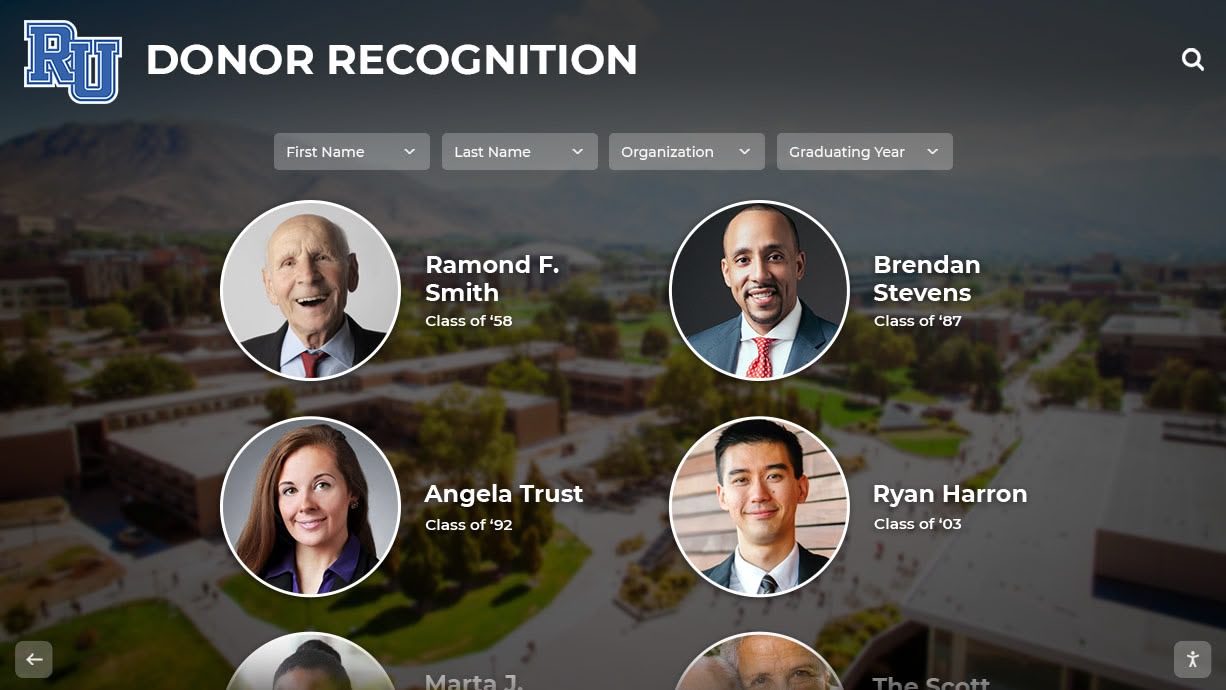
Interactive Classmate Directory: Implement searchable digital directories where attendees quickly locate specific classmates, learn current career information, see updated photos, or exchange contact details. Interactive alumni displays transform reunion experiences by enabling instant reconnection and information access impossible with traditional formats.
Communication Best Practices for Maximum Attendance
Strategic outreach dramatically influences participation rates, making communication excellence essential for reunion success.
Multi-Channel Communication Strategy
Reaching diverse populations requires varied approaches recognizing different preferences:
Email Campaigns: Email remains primary digital communication channels for most reunion planning. Develop email series building anticipation:
- Save the Date: 9-12 months before with preliminary information
- Registration Open: 6-9 months before with pricing details and registration links
- Milestone Updates: Monthly emails sharing confirmed attendees, entertainment details, program highlights
- Early Bird Reminder: 4-6 months before encouraging discounted registration
- Final Push: 2-3 months before creating urgency and FOMO
- Last Chance: 2-4 weeks before for procrastinators
- Week-Of Details: Final logistics information for confirmed attendees
Personalization beyond name insertion significantly improves engagement. Reference specific high school activities (“As a fellow debate team member…”), mutual friends (“Sarah Johnson is coming—looking forward to seeing the tennis team together again!”), or shared experiences creating relevant connections.
Social Media Engagement: Active social media presence maintains visibility and generates organic promotion:
Create dedicated reunion groups or pages serving as information hubs and community gathering spaces. Post regularly—countdown reminders, throwback photos, confirmed attendee announcements, behind-the-scenes planning updates, memory prompts asking “Remember when…?” questions generating conversation.
Encourage committee members and early registrants to post about reunions in their personal feeds, leveraging their networks to spread awareness. User-generated content often proves more persuasive than official communications, as classmates see friends posting excited attendance confirmations.
Traditional Mail: Don’t neglect physical mail for classmates less active digitally. Postcard reminders or formal invitation cards create tangible presence that email lacks while reaching people who rarely check messages or have outdated digital contact information.
Phone Calls: Personal outreach from committee members to specific classmates—particularly those on the fence about attending—often tips decisions. Individual conversations demonstrate genuine interest in attendance while addressing concerns or obstacles preventing commitment.
Addressing Common Barriers to Attendance
Understanding and mitigating obstacles increases participation:
Cost Concerns: Offer varied pricing tiers, payment plans, or financial assistance ensuring cost doesn’t prevent attendance. Consider fundraising or sponsorships enabling lower ticket prices. Transparency about pricing—explaining what costs include—helps attendees understand value received rather than seeing only price tags.
Geographic Distance: Negotiate hotel room blocks securing discounted rates for out-of-town attendees. Share information about regional airports and ground transportation. Consider multi-day formats justifying significant travel investments. Provide virtual attendance options for those unable to travel despite interest.
Social Anxiety: Acknowledge that reunions trigger anxiety for many—uncertainty about recognition, concern about awkward conversations, worries about being judged, or fear of not fitting in. Address anxieties directly through communications emphasizing inclusive atmospheres, structured activities reducing pressure to spontaneously mingle, and genuine welcomes regardless of high school status or current circumstances.
Life Stage Conflicts: Recognize attendees juggle varied obligations—young children, career demands, graduate school, family caregiving. Flexible scheduling, family-friendly options, and understanding tone around attendance decisions demonstrate respect for competing priorities.
Ambivalence About High School Experience: Some classmates hold negative associations with high school—bullying experiences, social exclusion, academic struggles, or personal difficulties. Sensitive messaging emphasizing how people change, inviting curiosity about current lives over dwelling on past, and creating welcoming atmospheres sometimes overcome reluctance while respecting that attendance remains personal choice.
Day-Of Execution Tips for Smooth Events
Meticulous planning matters little without strong execution transforming preparation into successful reality.
Registration and Check-In Systems
First impressions set reunion tones, making smooth check-in essential:
Staff registration tables with multiple volunteers processing arrivals quickly. Provide separate lines for pre-registered attendees versus walk-ins, expediting entry for planned guests while accommodating last-minute additions.
Prepare organized name tag distribution—alphabetical arrangement or check-off lists enable quick retrieval. Include extra blank name tags for unexpected guests or replacements for mistakes.
Consider welcome packets containing programs, name tags, drink tickets, raffle entries, commemorative items, or informational materials. Organized packets distributed during check-in streamline entry while ensuring attendees receive everything needed.
Position greeters at entrances specifically tasked with welcoming arrivals warmly, helping with directions, and creating friendly first impressions. Enthusiastic welcomes ease nervousness while setting positive tones.
Photography and Documentation Strategy
Comprehensive documentation preserves memories while creating shareable content:
Hire professional photographers familiar with event coverage understanding needed shots—entrances, group photos, candids, award presentations, entertainment, venue details. Provide shot lists ensuring all important moments receive proper coverage.
Designate specific group photo times announced clearly during events. Organize classmates efficiently—perhaps by graduation year subsection, former athletic teams, performing arts groups, or academic programs—creating organized processes for comprehensive documentation.
Create branded social media frames or backdrops encouraging attendee selfies and posts. Provide reunion hashtags prominently displayed encouraging digital sharing extending reunion visibility beyond immediate attendance.
Assign volunteers documenting throughout events using phones or cameras as backup to professional coverage while capturing different perspectives and moments professionals might miss.
Managing Common Challenges
Anticipating problems enables swift resolution:
No-Shows and Last-Minute Changes: Build 5-10% cushions into final counts accommodating typical no-show rates. Have contingency plans for significant attendance variations—ability to adjust catering numbers, flexible seating arrangements, or buffer spaces handling unexpected crowds.
Alcohol Management: If serving alcohol, ensure responsible practices—professional bartenders checking IDs, drink ticket systems controlling consumption, food service throughout events, clear timelines for alcohol service ending, and transportation information for those who overindulge. Alcohol enhances social lubrication but requires responsible management preventing problems.
Conflict or Drama: Despite best intentions, personality conflicts sometimes emerge. Brief volunteers about potential situations based on known histories, empower them to intervene diplomatically, and have committee members ready to de-escalate tensions. Most reunions proceed smoothly, but preparation for unlikely scenarios prevents small issues from escalating.
Technology Failures: Have backup plans for AV equipment failures—spare microphones, backup music sources, alternative slideshow displays. Technology enhances experiences but shouldn’t become single points of failure preventing backup options.
Timing Challenges: Build buffer time into schedules accommodating inevitable delays—late arrivals, extended socializing, longer-than-planned programs. Flexible timelines accommodate organic flow while ensuring critical elements like award presentations or entertainment happen at reasonable times.
Post-Reunion Follow-Up and Continued Engagement
Reunions shouldn’t represent isolated events but catalysts for sustained connections.
Immediate Post-Event Actions
Strike while iron is hot to maintain momentum:
Thank You Communications: Send prompt thank-you messages to attendees, committee members, volunteers, vendors, and anyone who contributed to success. Specific appreciation acknowledging individual contributions demonstrates genuine gratitude while maintaining positive relationships.
Photo Sharing: Distribute professional photos and user-generated content quickly—within 1-2 weeks while memories remain fresh. Organized albums posted to reunion websites, social media groups, or shared drives enable easy access and downloads.
Memory Book Distribution: If creating commemorative books or materials, fulfill distribution promptly. Digital versions can be shared immediately while physical books ship as soon as production completes.
Feedback Collection: Survey attendees about experiences—what worked well, what could improve, suggestions for future reunions. Honest feedback informs continuous improvement for subsequent milestone celebrations while demonstrating commitment to quality and attendee satisfaction.
Building Long-Term Connections
Sustained engagement transforms single events into ongoing communities:
Maintain Social Media Groups: Keep reunion Facebook groups or social platforms active between milestone reunions. Regular posts—birthdays, classmate accomplishments, throwback photos, life updates—maintain visibility and connection. Active groups become valuable community resources extending far beyond reunion planning.
Class Newsletters: Consider periodic email newsletters—quarterly or semi-annual—sharing classmate updates, life milestones, career news, and upcoming events. Regular communication maintains relationships between reunions while creating anticipation for future gatherings.
Smaller Gatherings: Organize informal meetups between milestone reunions—regional happy hours, interest-based activities, or casual gatherings. Frequent lower-commitment touchpoints maintain relationships while providing variety beyond major reunion formats.
Digital Alumni Directories: Maintain updated online directories where classmates update information, share news, post photos, or connect with specific individuals. Easy-to-access, regularly updated directories extend reunion value by enabling ongoing connections rather than limiting interaction to periodic events.
Permanent School Recognition: Work with schools to establish lasting recognition honoring graduating classes through digital displays, named spaces, or recognition programs. Permanent institutional presence extends class legacy beyond individual events while strengthening alumni-school relationships benefiting advancement priorities.
Creating Lasting Impact Through Digital Recognition
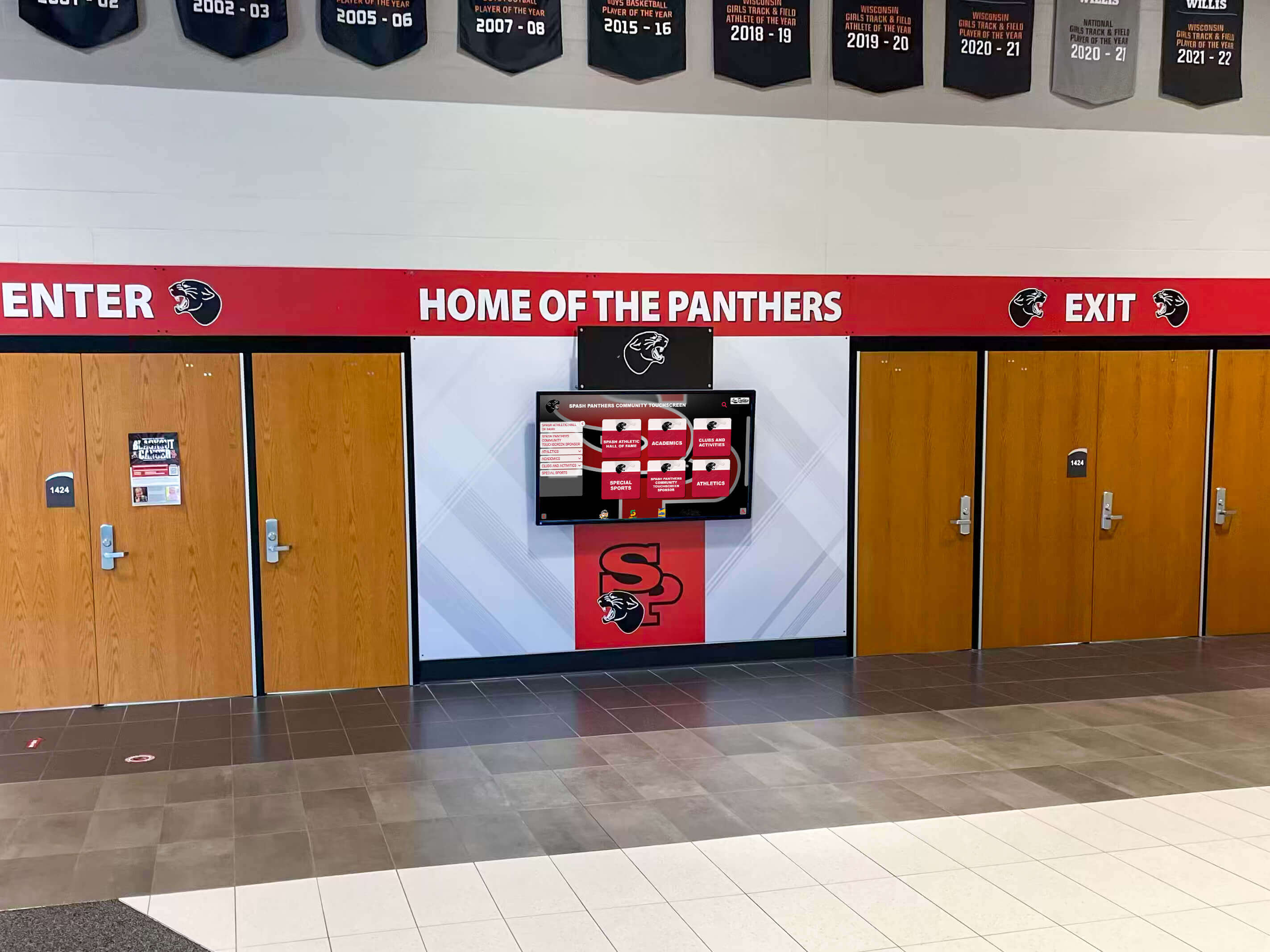
While 10-year reunions create memorable weekend experiences, forward-thinking schools establish permanent recognition honoring milestone classes through interactive displays visible year-round to current students, visiting alumni, and community members.
Benefits of Permanent Digital Recognition
Modern recognition systems provide advantages traditional plaques cannot match:
Comprehensive Storytelling: Digital platforms accommodate unlimited content—full classmate profiles with photos, career highlights, personal statements, reunion photos from multiple years, and rich multimedia impossible with static displays. Interactive exploration enables visitors to discover detailed information about individuals who interest them rather than confronting limitations of space-constrained traditional recognition.
Easy Updates: Digital systems accept ongoing content additions—updating classmate information as careers progress, adding reunion photos after each celebration, incorporating new historical materials as they surface, and maintaining current information facilitating ongoing engagement. Traditional plaques become dated quickly and require expensive modifications adding or changing content.
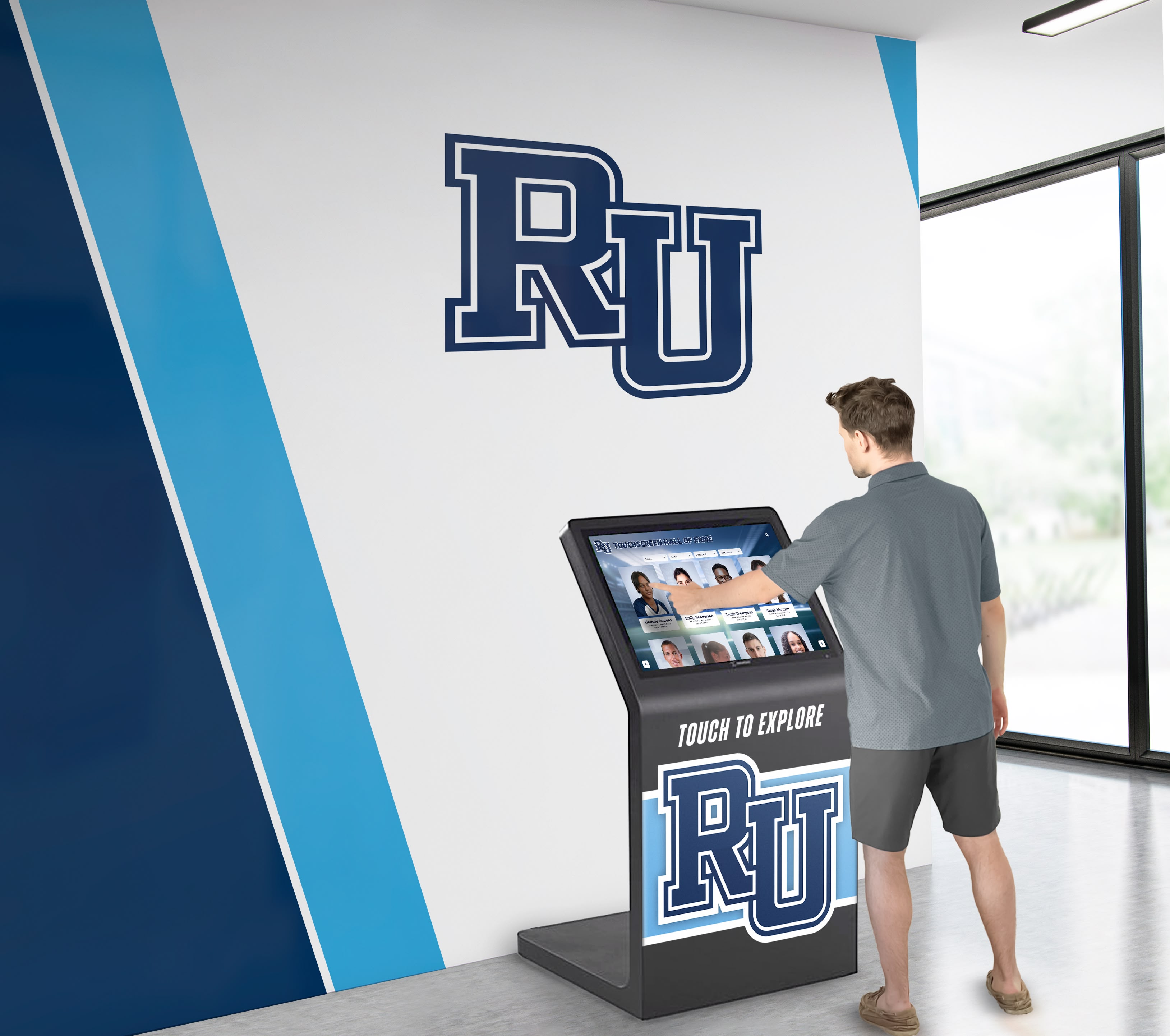
Search and Discovery Features: Touchscreen functionality enables visitors to quickly locate themselves, former teammates, childhood friends, or family members within databases. Instant personal gratification creates immediate engagement impossible with traditional displays requiring extensive scanning or alphabetical searching.
Accessibility and Reach: Web-connected systems extend recognition beyond physical locations, allowing geographically dispersed alumni to explore class history, discover former classmates’ current information, and maintain connections regardless of campus proximity. Digital accessibility multiplies effective audience size exponentially compared to physical-only installations.
Analytics and Insights: Digital platforms reveal engagement patterns, popular content, search behaviors, and usage metrics informing continuous improvement while demonstrating recognition program value through measurable data. Understanding what resonates helps refine content strategies maximizing impact.
Implementing Digital Recognition Programs
Schools interested in permanent class recognition should consider purpose-built solutions designed specifically for alumni engagement rather than generic digital signage requiring extensive customization.
Solutions like Rocket Alumni Solutions provide comprehensive platforms combining physical touchscreen displays positioned strategically on campuses with web-based components accessible globally. These integrated systems enable:
Intuitive Content Management: Non-technical staff easily add new profiles, update existing information, upload photos, organize content by class year or achievement category, and maintain impressive displays without requiring specialized expertise.
Professional Templates: Pre-designed layouts ensure recognition looks polished and professional from launch, eliminating needs for design expertise while maintaining flexibility for customization reflecting institutional branding.
Ongoing Support: Dedicated assistance helps schools maximize platform value through training, content strategy consultation, technical support, and best practice guidance ensuring investments deliver sustained returns.
Multi-Purpose Functionality: Beyond reunion recognition, platforms support broader alumni engagement, athletic achievement recognition, donor acknowledgment, and institutional storytelling—creating versatile tools justifying investments through multiple use cases.
Integrating Reunions with Permanent Recognition
The most effective approach combines memorable reunion celebrations with lasting institutional acknowledgment:
Reunion Launch of Recognition Displays: Unveil permanent digital recognition during 10-year reunion celebrations, creating ceremonial moments honoring classes while demonstrating institutional commitment to preserving legacies. Public launches during reunions maximize emotional impact while providing natural unveiling occasions generating excitement.
Class-Funded Recognition Projects: Encourage graduating classes to collectively fund permanent recognition displays as class gifts, creating meaningful legacies while providing resources schools need for recognition infrastructure. Class-funded projects generate ownership and pride while accomplishing dual purposes of celebration and lasting commemoration.
Ongoing Content Contribution: Invite classmates to contribute continuously to digital archives beyond initial installation—submitting updated career information, sharing major life milestones, uploading additional photos, or recording video memories enriching recognition over time. Ongoing contribution maintains engagement while creating dynamic recognition platforms that improve continuously.
Conclusion: Making 10-Year Reunions Meaningful and Memorable
Planning successful 10-year high school reunions requires balancing logistical execution with emotional intelligence—creating technically smooth events while fostering authentic human connections that make celebrations memorable beyond surface-level socializing. The most effective reunions honor shared history while acknowledging how dramatically lives diverge in the decade following graduation, celebrating both continuity and change, nostalgia and growth, past accomplishments and future potential.
Essential planning elements include early committee formation ensuring diverse representation, systematic classmate location maximizing participation, realistic budgeting accommodating varied financial circumstances, thoughtful venue selection balancing nostalgia with practicality, comprehensive communication across multiple channels, meaningful recognition honoring diverse achievements, engaging activities facilitating authentic connection, and meticulous day-of execution transforming preparation into reality.
Beyond immediate celebration success, the most impactful reunions establish foundations for sustained engagement—maintaining active social media communities, organizing informal gatherings between milestone events, facilitating ongoing networking, and creating permanent institutional recognition extending class legacies beyond single weekends.
For schools hosting these milestone celebrations, 10-year reunions represent valuable opportunities not just to gather alumni but to strengthen institutional relationships, demonstrate appreciation for distinguished graduates, facilitate professional networking benefiting current students, and create visible connections between accomplished recent alumni and students currently walking the same hallways navigating their own formative experiences.
The investment in comprehensive reunion planning and permanent recognition typically returns value many times over through strengthened alumni engagement, enhanced school reputation, increased philanthropic support, improved student recruitment, and enriched community pride in institutions nurturing generations of successful graduates who build remarkable lives following graduation.
Ready to honor your distinguished graduating classes with permanent recognition extending beyond reunion celebrations? Discover how modern digital recognition systems create engaging alumni displays, preserve comprehensive class history, and build searchable archives ensuring every graduate receives lasting acknowledgment—transforming milestone reunions into permanent institutional recognition that inspires current students while honoring accomplished alumni whose decade of achievement demonstrates the enduring value of educational foundations established during formative high school years.